جدیدترین مطالب

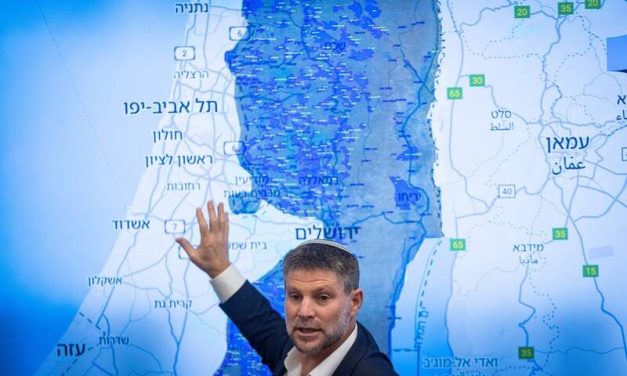
The Zionist Regime’s Time Bomb Activated in the West Bank

Strategic Council Online – Opinion: In the midst of America’s military deployment to West Asia and the Persian Gulf, which has increased tensions at the regional and global levels, the Zionist regime has seized the opportunity and accelerated the advancement of its ambitious projects, including the process of the illegal annexation of the West Bank to the occupied territories.

With the End of New START, How Will the Future of Nuclear Security Be Shaped?

Strategic Council Online – Opinion: With the collapse of the last pillar of nuclear arms control between Washington and Moscow, the world stands on the threshold of a ruleless order that both carries the scent of unlimited competition and conceals within itself the possibility of new forms of bargaining.

Loading

Defense & Security

Challenges Facing NATO in the Ukraine Crisis

Challenges Facing NATO in the Ukraine Crisis

Strategic Council Online – Interview: An international affairs expert stated that the flight of unidentified drones over Polish airspace has sounded a new alarm for European security; an incident that, despite its limited scale, sent severe tremors through the foundations of NATO and U.S.-Europe relations. The situation became more complicated when Polish officials accused Russia of violating its airspace. At the same time, the Kremlin denied such accusations, and some sources even suggested that Ukraine was the origin of these drones. The importance of the issue lies in the fact that Poland, unlike Ukraine, is a member of NATO, and any attack on its territory could trigger the alliance’s collective defense clause. However, Donald Trump’s cold and ambiguous reaction to the drone incident left Europeans questioning whether Washington would be willing to defend its allies if the crisis escalates. Meanwhile, NATO has launched the “Eastern Guardian” operation to demonstrate its strength on its eastern borders. Still, at the same time, there are signs of hesitation and division among Western countries. These developments have shifted the balance of power in the Ukraine war into a new phase; a war in which Moscow is not retreating from its positions, Europe has no clear strategy to contain the crisis, and the U.S. shows no willingness to confront Russia directly.

Attack by the Israeli Regime on Qatar and the Collapse of American Security Guarantees

Attack by the Israeli Regime on Qatar and the Collapse of American Security Guarantees

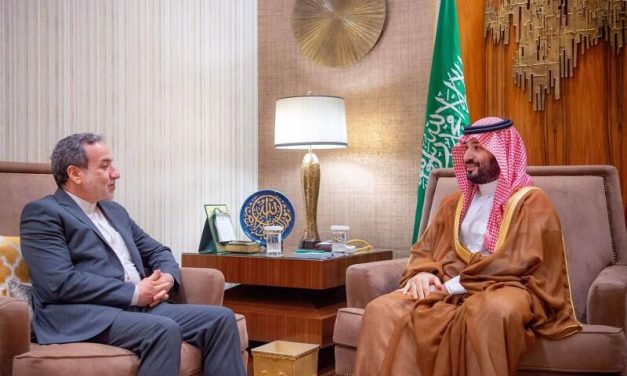
Strategic Council Online – Interview: An international affairs analyst stated that the Israeli regime’s airstrike on Qatar, under the pretext of targeting Hamas leaders, could be a turning point in the security and diplomatic equations of the Persian Gulf. This action not only challenged Qatar’s sovereignty but also raised questions about the security of the member states of the Persian Gulf Cooperation Council. Given that the Israeli regime is considered a close ally of the United States, this aggression has heightened sensitivities and increased doubts about Washington’s commitment to ensuring the security and protection of its regional partners. Under such circumstances, Iran can pursue regional dialogues and cooperation in the Persian Gulf, considering the Arab countries’ concerns about the ineffectiveness of American security guarantees. On the other hand, the Israeli regime’s aggression against Qatar has practically endangered normalization agreements, including the Abraham Accords, and reduced the chances of developing cooperation between Tel Aviv and some Arab countries. Internal pressure on the UAE and Bahrain to reconsider their relations with this regime has increased. Thus, the Israeli regime’s attack on Doha has not only complicated the security equations but also plunged the region’s political and diplomatic prospects into a complex phase, indicating that regional actors must reconsider traditional approaches dependent on extra-regional powers.

Prospect of a Potential NATO Confrontation with Russia and China

Prospect of a Potential NATO Confrontation with Russia and China

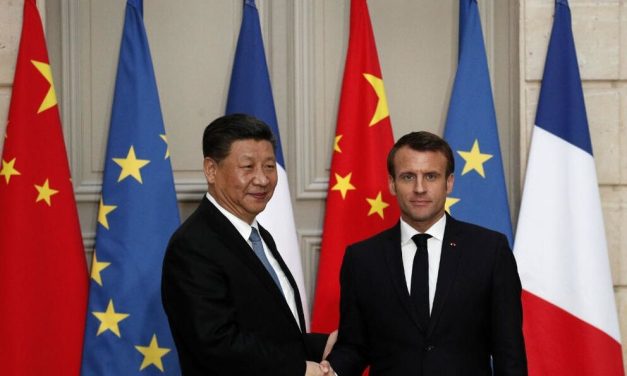
Strategic Council Online – Opinion: The escalating possibility of confrontation between the world’s Eastern and Western powers, particularly after the Russia-Ukraine war, along with the consolidation of China’s narrative of itself as the largest developing country with the capacity to lead the Global South, has become a threatening issue for the West, led by America and Europe. In this context, Mark Rutte, the Secretary-General of NATO, recently spoke at a press conference in Berlin about the necessity of European military modernization and called for “changing defense postures” in line with the increasing international military threats.

Hidden Objectives of U.S. Military Threats Against Venezuela

Hidden Objectives of U.S. Military Threats Against Venezuela

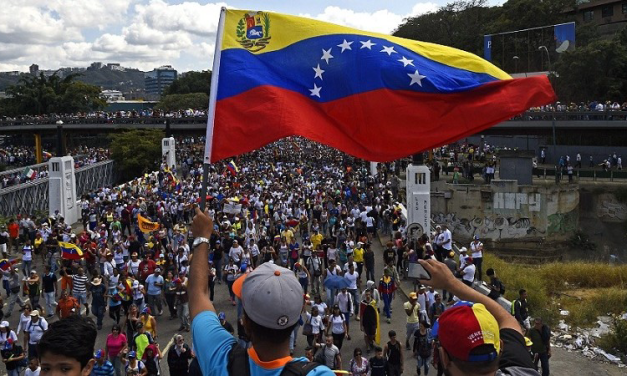
Strategic Council Online – Interview: An American affairs expert stated that in recent weeks, U.S. policy toward Venezuela has undergone a distinct redefinition, shifting toward hard power tools. According to media reports, during Donald Trump’s presidency, the White House reviewed options for military operations “against drug cartels”. It even introduced a deadly attack on a suspected boat leaving Venezuelan waters as the beginning of a new phase of its campaign. This approach has been reinforced by the deployment of significant military assets to the Caribbean periphery, including cruisers equipped with cruise missiles and attack submarines, as well as the stationing of F-35 fighter jets in Puerto Rico. It is complemented by labeling Nicolás Maduro a “narcoterrorist” and doubling the bounty for his capture.
Although Trump, when asked about “regime change,” said, “We’re not discussing that,” by linking Venezuela to the anti-drug mission, he has effectively redefined the “maximum pressure” strategy within a security-military framework. At the regional level, the resurgence of the old concept of “gunboat diplomacy” in America’s backyard sends a deterrent message to Caracas and its allies on one hand, while increasing the risk of sliding into proxy and attritional conflicts on the other. At the structural level, the merging of U.S. domestic considerations, including the “crackdown on drug trafficking” agenda, with geopolitical calculations to control energy resources and routes of influence, indicates that the Venezuela issue is not merely a criminal-security matter but rather a reflection of great power competition and a test of the resilience of the Latin American regional order—an order that, with each crisis escalation, simultaneously creates opportunities and threats for both extra-regional and regional actors.

Disarming Lebanon’s Hezbollah and Probable Scenarios

Disarming Lebanon’s Hezbollah and Probable Scenarios

Strategic Council Online – Opinion: The plan recently approved by the Lebanese government regarding the disarmament of Hezbollah is, in fact, an American project and scheme, which should be analyzed and assessed within the context of the developments of the past year in Lebanon, specifically the war waged by the Israeli regime against this country. The overarching goal of presenting such a plan is to enable the Israeli regime to impose new security arrangements in Lebanon as part of its efforts to change the regional order.

An Analysis of Macron’s Initiative to Send European Troops to Ukraine

An Analysis of Macron’s Initiative to Send European Troops to Ukraine

Strategic Council Online – Interview: A senior international affairs analyst stated that Europe today, more than ever, needs a unified strategy; without such a strategy, not only will peace be unachievable, but Europe itself will become the main stage for the consequences of this war.

Objectives and Messages of China’s Military Drill Concurrent with the SCO Summit

Objectives and Messages of China’s Military Drill Concurrent with the SCO Summit

Strategic Council Online – Interview: A senior analyst on Chinese affairs stated that China’s major military drill on September 3, coinciding with the 80th anniversary of the end of World War II, is far more than a simple military event; it carries immense importance in today’s geopolitical equations. The presence of Vladimir Putin, Masoud Pezeshkian, and Kim Jong-un alongside Xi Jinping not only reflects the convergence of non-Western powers against pressure from the United States and NATO but also demonstrates Beijing’s efforts to consolidate its position as a decisive player in the global order. Among the 26 foreign leaders participating in this parade, none of the Western leaders are present except for Robert Fico, the Prime Minister of Slovakia. Also attending are Alexander Lukashenko, President of Belarus; Prabowo Subianto, President of Indonesia; Aleksandar Vučić, President of Serbia; and Woo Won-sik, Speaker of South Korea’s National Assembly. Li Junhua, Under-Secretary-General of the UN, will also be present on behalf of the organization.
This drill—considered one of the largest military maneuvers in China’s modern history—focuses on showcasing the latest defensive and offensive technologies, including hypersonic weapon systems and advanced communication networks whose capabilities could alter the balance of power in East Asia and even globally. This event is not merely a show of military force but also serves as a tool of deterrence and diplomacy. Under growing economic and diplomatic pressure, China is demonstrating through such drills that it possesses the ability to manage crises and reshape regional equations. In fact, Beijing is seizing this opportunity both to reassure its allies and to warn its rivals that East Asia is no longer under American dominance.

The Landscape of the Battle Between the Zionist Regime and the Yemeni Resistance

The Landscape of the Battle Between the Zionist Regime and the Yemeni Resistance

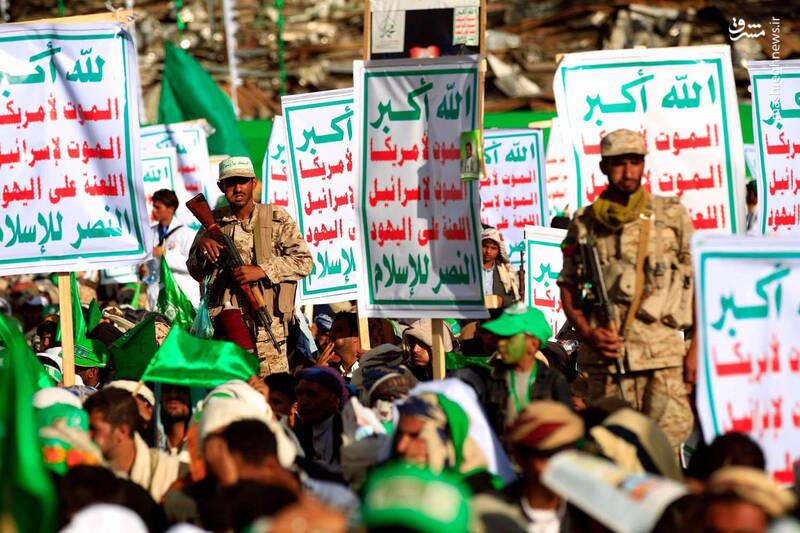
Strategic Council Online – Opinion: The escalating conflict between the Yemeni Resistance and the Zionist regime is a clear example of asymmetric confrontation with strategic consequences in the region. The missile operations of the Yemeni Resistance serve as a demonstration of this country’s strategic and military power and send a clear message to the Zionist regime and America regarding the costs of continuing the status quo. This has increased the legitimacy and influence of the Yemeni Resistance, led by Ansarullah, in the Arab world and turned it into an undeniable strategic actor.

Dimensions and Implications of Parallel Efforts to Disarm the Resistance in West Asia

Dimensions and Implications of Parallel Efforts to Disarm the Resistance in West Asia

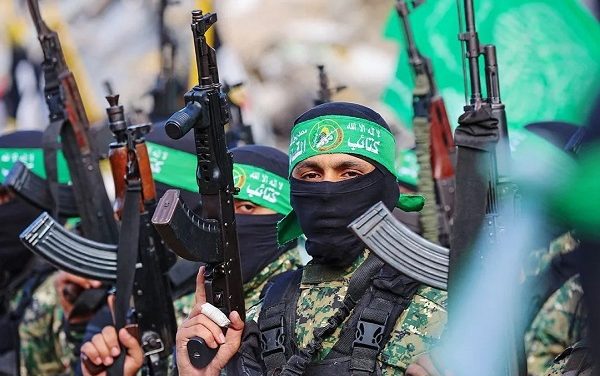
Strategic Council Online – Interview: A senior analyst on West Asian affairs stated that under the current circumstances, discussing the disarmament of the Resistance is not only unfeasible but could also lead to an escalation of tensions. Following the 12-day aggression by the United States and the Israeli regime against Iran, efforts in another layer to disarm Resistance groups, including Hezbollah, the Popular Mobilization Forces (PMF or Hashd al-Shaabi), and Hamas, have intensified as part of a coordinated project pursued to weaken the Axis of Resistance and impose American regional dominance. The U.S. proposal for Lebanon, which includes disarming Hezbollah by the end of 2025 and the withdrawal of the Israeli regime from border positions, is an attempt to transform an external conflict into an internal one. Hezbollah has firmly rejected this proposal, deeming it a violation of national sovereignty and a service to the interests of the Israeli regime, while emphasizing its defensive role. In Iraq, pressure on the Popular Mobilization Forces has been accompanied by accusations and economic sanctions, yet this group continues to stand as a popular force against external threats. Hamas, despite heavy attacks by the Israeli regime, has continued its resistance and rejected a recent ceasefire proposal in exchange for disarmament. These plans, supported by U.S. and allied diplomatic and economic backing, seek to alter the balance of power in the region. Still, the resistance of the groups and popular support have prevented the realization of these objectives.

The Outlook for Political-Security Developments in Syria

The Outlook for Political-Security Developments in Syria

Strategic Council Online – Interview: A regional affairs expert stated that at present, it is impossible to have an accurate prediction whether Syria will move towards stability or another civil war will occur in the country in the next six months to a year.

أحدث الوظائف

The Zionist Regime’s Time Bomb Activated in the West Bank

Strategic Council Online – Opinion: In the midst of America’s military deployment to West Asia and the Persian Gulf, which has increased tensions at the regional and global levels, the Zionist regime has seized the opportunity and accelerated the advancement of its ambitious projects, including the process of the illegal annexation of the West Bank to the occupied territories.

With the End of New START, How Will the Future of Nuclear Security Be Shaped?

Strategic Council Online – Opinion: With the collapse of the last pillar of nuclear arms control between Washington and Moscow, the world stands on the threshold of a ruleless order that both carries the scent of unlimited competition and conceals within itself the possibility of new forms of bargaining.

Loading

Defense & Security

Challenges Facing NATO in the Ukraine Crisis

Challenges Facing NATO in the Ukraine Crisis

Strategic Council Online – Interview: An international affairs expert stated that the flight of unidentified drones over Polish airspace has sounded a new alarm for European security; an incident that, despite its limited scale, sent severe tremors through the foundations of NATO and U.S.-Europe relations. The situation became more complicated when Polish officials accused Russia of violating its airspace. At the same time, the Kremlin denied such accusations, and some sources even suggested that Ukraine was the origin of these drones. The importance of the issue lies in the fact that Poland, unlike Ukraine, is a member of NATO, and any attack on its territory could trigger the alliance’s collective defense clause. However, Donald Trump’s cold and ambiguous reaction to the drone incident left Europeans questioning whether Washington would be willing to defend its allies if the crisis escalates. Meanwhile, NATO has launched the “Eastern Guardian” operation to demonstrate its strength on its eastern borders. Still, at the same time, there are signs of hesitation and division among Western countries. These developments have shifted the balance of power in the Ukraine war into a new phase; a war in which Moscow is not retreating from its positions, Europe has no clear strategy to contain the crisis, and the U.S. shows no willingness to confront Russia directly.

Attack by the Israeli Regime on Qatar and the Collapse of American Security Guarantees

Attack by the Israeli Regime on Qatar and the Collapse of American Security Guarantees

Strategic Council Online – Interview: An international affairs analyst stated that the Israeli regime’s airstrike on Qatar, under the pretext of targeting Hamas leaders, could be a turning point in the security and diplomatic equations of the Persian Gulf. This action not only challenged Qatar’s sovereignty but also raised questions about the security of the member states of the Persian Gulf Cooperation Council. Given that the Israeli regime is considered a close ally of the United States, this aggression has heightened sensitivities and increased doubts about Washington’s commitment to ensuring the security and protection of its regional partners. Under such circumstances, Iran can pursue regional dialogues and cooperation in the Persian Gulf, considering the Arab countries’ concerns about the ineffectiveness of American security guarantees. On the other hand, the Israeli regime’s aggression against Qatar has practically endangered normalization agreements, including the Abraham Accords, and reduced the chances of developing cooperation between Tel Aviv and some Arab countries. Internal pressure on the UAE and Bahrain to reconsider their relations with this regime has increased. Thus, the Israeli regime’s attack on Doha has not only complicated the security equations but also plunged the region’s political and diplomatic prospects into a complex phase, indicating that regional actors must reconsider traditional approaches dependent on extra-regional powers.

Prospect of a Potential NATO Confrontation with Russia and China

Prospect of a Potential NATO Confrontation with Russia and China

Strategic Council Online – Opinion: The escalating possibility of confrontation between the world’s Eastern and Western powers, particularly after the Russia-Ukraine war, along with the consolidation of China’s narrative of itself as the largest developing country with the capacity to lead the Global South, has become a threatening issue for the West, led by America and Europe. In this context, Mark Rutte, the Secretary-General of NATO, recently spoke at a press conference in Berlin about the necessity of European military modernization and called for “changing defense postures” in line with the increasing international military threats.

Hidden Objectives of U.S. Military Threats Against Venezuela

Hidden Objectives of U.S. Military Threats Against Venezuela

Strategic Council Online – Interview: An American affairs expert stated that in recent weeks, U.S. policy toward Venezuela has undergone a distinct redefinition, shifting toward hard power tools. According to media reports, during Donald Trump’s presidency, the White House reviewed options for military operations “against drug cartels”. It even introduced a deadly attack on a suspected boat leaving Venezuelan waters as the beginning of a new phase of its campaign. This approach has been reinforced by the deployment of significant military assets to the Caribbean periphery, including cruisers equipped with cruise missiles and attack submarines, as well as the stationing of F-35 fighter jets in Puerto Rico. It is complemented by labeling Nicolás Maduro a “narcoterrorist” and doubling the bounty for his capture.
Although Trump, when asked about “regime change,” said, “We’re not discussing that,” by linking Venezuela to the anti-drug mission, he has effectively redefined the “maximum pressure” strategy within a security-military framework. At the regional level, the resurgence of the old concept of “gunboat diplomacy” in America’s backyard sends a deterrent message to Caracas and its allies on one hand, while increasing the risk of sliding into proxy and attritional conflicts on the other. At the structural level, the merging of U.S. domestic considerations, including the “crackdown on drug trafficking” agenda, with geopolitical calculations to control energy resources and routes of influence, indicates that the Venezuela issue is not merely a criminal-security matter but rather a reflection of great power competition and a test of the resilience of the Latin American regional order—an order that, with each crisis escalation, simultaneously creates opportunities and threats for both extra-regional and regional actors.

Disarming Lebanon’s Hezbollah and Probable Scenarios

Disarming Lebanon’s Hezbollah and Probable Scenarios

Strategic Council Online – Opinion: The plan recently approved by the Lebanese government regarding the disarmament of Hezbollah is, in fact, an American project and scheme, which should be analyzed and assessed within the context of the developments of the past year in Lebanon, specifically the war waged by the Israeli regime against this country. The overarching goal of presenting such a plan is to enable the Israeli regime to impose new security arrangements in Lebanon as part of its efforts to change the regional order.

An Analysis of Macron’s Initiative to Send European Troops to Ukraine

An Analysis of Macron’s Initiative to Send European Troops to Ukraine

Strategic Council Online – Interview: A senior international affairs analyst stated that Europe today, more than ever, needs a unified strategy; without such a strategy, not only will peace be unachievable, but Europe itself will become the main stage for the consequences of this war.

Objectives and Messages of China’s Military Drill Concurrent with the SCO Summit

Objectives and Messages of China’s Military Drill Concurrent with the SCO Summit

Strategic Council Online – Interview: A senior analyst on Chinese affairs stated that China’s major military drill on September 3, coinciding with the 80th anniversary of the end of World War II, is far more than a simple military event; it carries immense importance in today’s geopolitical equations. The presence of Vladimir Putin, Masoud Pezeshkian, and Kim Jong-un alongside Xi Jinping not only reflects the convergence of non-Western powers against pressure from the United States and NATO but also demonstrates Beijing’s efforts to consolidate its position as a decisive player in the global order. Among the 26 foreign leaders participating in this parade, none of the Western leaders are present except for Robert Fico, the Prime Minister of Slovakia. Also attending are Alexander Lukashenko, President of Belarus; Prabowo Subianto, President of Indonesia; Aleksandar Vučić, President of Serbia; and Woo Won-sik, Speaker of South Korea’s National Assembly. Li Junhua, Under-Secretary-General of the UN, will also be present on behalf of the organization.
This drill—considered one of the largest military maneuvers in China’s modern history—focuses on showcasing the latest defensive and offensive technologies, including hypersonic weapon systems and advanced communication networks whose capabilities could alter the balance of power in East Asia and even globally. This event is not merely a show of military force but also serves as a tool of deterrence and diplomacy. Under growing economic and diplomatic pressure, China is demonstrating through such drills that it possesses the ability to manage crises and reshape regional equations. In fact, Beijing is seizing this opportunity both to reassure its allies and to warn its rivals that East Asia is no longer under American dominance.

The Landscape of the Battle Between the Zionist Regime and the Yemeni Resistance

The Landscape of the Battle Between the Zionist Regime and the Yemeni Resistance

Strategic Council Online – Opinion: The escalating conflict between the Yemeni Resistance and the Zionist regime is a clear example of asymmetric confrontation with strategic consequences in the region. The missile operations of the Yemeni Resistance serve as a demonstration of this country’s strategic and military power and send a clear message to the Zionist regime and America regarding the costs of continuing the status quo. This has increased the legitimacy and influence of the Yemeni Resistance, led by Ansarullah, in the Arab world and turned it into an undeniable strategic actor.

Dimensions and Implications of Parallel Efforts to Disarm the Resistance in West Asia

Dimensions and Implications of Parallel Efforts to Disarm the Resistance in West Asia

Strategic Council Online – Interview: A senior analyst on West Asian affairs stated that under the current circumstances, discussing the disarmament of the Resistance is not only unfeasible but could also lead to an escalation of tensions. Following the 12-day aggression by the United States and the Israeli regime against Iran, efforts in another layer to disarm Resistance groups, including Hezbollah, the Popular Mobilization Forces (PMF or Hashd al-Shaabi), and Hamas, have intensified as part of a coordinated project pursued to weaken the Axis of Resistance and impose American regional dominance. The U.S. proposal for Lebanon, which includes disarming Hezbollah by the end of 2025 and the withdrawal of the Israeli regime from border positions, is an attempt to transform an external conflict into an internal one. Hezbollah has firmly rejected this proposal, deeming it a violation of national sovereignty and a service to the interests of the Israeli regime, while emphasizing its defensive role. In Iraq, pressure on the Popular Mobilization Forces has been accompanied by accusations and economic sanctions, yet this group continues to stand as a popular force against external threats. Hamas, despite heavy attacks by the Israeli regime, has continued its resistance and rejected a recent ceasefire proposal in exchange for disarmament. These plans, supported by U.S. and allied diplomatic and economic backing, seek to alter the balance of power in the region. Still, the resistance of the groups and popular support have prevented the realization of these objectives.

The Outlook for Political-Security Developments in Syria

The Outlook for Political-Security Developments in Syria

Strategic Council Online – Interview: A regional affairs expert stated that at present, it is impossible to have an accurate prediction whether Syria will move towards stability or another civil war will occur in the country in the next six months to a year.

Defense & Security

Challenges Facing NATO in the Ukraine Crisis

Challenges Facing NATO in the Ukraine Crisis

Strategic Council Online – Interview: An international affairs expert stated that the flight of unidentified drones over Polish airspace has sounded a new alarm for European security; an incident that, despite its limited scale, sent severe tremors through the foundations of NATO and U.S.-Europe relations. The situation became more complicated when Polish officials accused Russia of violating its airspace. At the same time, the Kremlin denied such accusations, and some sources even suggested that Ukraine was the origin of these drones. The importance of the issue lies in the fact that Poland, unlike Ukraine, is a member of NATO, and any attack on its territory could trigger the alliance’s collective defense clause. However, Donald Trump’s cold and ambiguous reaction to the drone incident left Europeans questioning whether Washington would be willing to defend its allies if the crisis escalates. Meanwhile, NATO has launched the “Eastern Guardian” operation to demonstrate its strength on its eastern borders. Still, at the same time, there are signs of hesitation and division among Western countries. These developments have shifted the balance of power in the Ukraine war into a new phase; a war in which Moscow is not retreating from its positions, Europe has no clear strategy to contain the crisis, and the U.S. shows no willingness to confront Russia directly.

Attack by the Israeli Regime on Qatar and the Collapse of American Security Guarantees

Attack by the Israeli Regime on Qatar and the Collapse of American Security Guarantees

Strategic Council Online – Interview: An international affairs analyst stated that the Israeli regime’s airstrike on Qatar, under the pretext of targeting Hamas leaders, could be a turning point in the security and diplomatic equations of the Persian Gulf. This action not only challenged Qatar’s sovereignty but also raised questions about the security of the member states of the Persian Gulf Cooperation Council. Given that the Israeli regime is considered a close ally of the United States, this aggression has heightened sensitivities and increased doubts about Washington’s commitment to ensuring the security and protection of its regional partners. Under such circumstances, Iran can pursue regional dialogues and cooperation in the Persian Gulf, considering the Arab countries’ concerns about the ineffectiveness of American security guarantees. On the other hand, the Israeli regime’s aggression against Qatar has practically endangered normalization agreements, including the Abraham Accords, and reduced the chances of developing cooperation between Tel Aviv and some Arab countries. Internal pressure on the UAE and Bahrain to reconsider their relations with this regime has increased. Thus, the Israeli regime’s attack on Doha has not only complicated the security equations but also plunged the region’s political and diplomatic prospects into a complex phase, indicating that regional actors must reconsider traditional approaches dependent on extra-regional powers.

Prospect of a Potential NATO Confrontation with Russia and China

Prospect of a Potential NATO Confrontation with Russia and China

Strategic Council Online – Opinion: The escalating possibility of confrontation between the world’s Eastern and Western powers, particularly after the Russia-Ukraine war, along with the consolidation of China’s narrative of itself as the largest developing country with the capacity to lead the Global South, has become a threatening issue for the West, led by America and Europe. In this context, Mark Rutte, the Secretary-General of NATO, recently spoke at a press conference in Berlin about the necessity of European military modernization and called for “changing defense postures” in line with the increasing international military threats.

Hidden Objectives of U.S. Military Threats Against Venezuela

Hidden Objectives of U.S. Military Threats Against Venezuela

Strategic Council Online – Interview: An American affairs expert stated that in recent weeks, U.S. policy toward Venezuela has undergone a distinct redefinition, shifting toward hard power tools. According to media reports, during Donald Trump’s presidency, the White House reviewed options for military operations “against drug cartels”. It even introduced a deadly attack on a suspected boat leaving Venezuelan waters as the beginning of a new phase of its campaign. This approach has been reinforced by the deployment of significant military assets to the Caribbean periphery, including cruisers equipped with cruise missiles and attack submarines, as well as the stationing of F-35 fighter jets in Puerto Rico. It is complemented by labeling Nicolás Maduro a “narcoterrorist” and doubling the bounty for his capture.
Although Trump, when asked about “regime change,” said, “We’re not discussing that,” by linking Venezuela to the anti-drug mission, he has effectively redefined the “maximum pressure” strategy within a security-military framework. At the regional level, the resurgence of the old concept of “gunboat diplomacy” in America’s backyard sends a deterrent message to Caracas and its allies on one hand, while increasing the risk of sliding into proxy and attritional conflicts on the other. At the structural level, the merging of U.S. domestic considerations, including the “crackdown on drug trafficking” agenda, with geopolitical calculations to control energy resources and routes of influence, indicates that the Venezuela issue is not merely a criminal-security matter but rather a reflection of great power competition and a test of the resilience of the Latin American regional order—an order that, with each crisis escalation, simultaneously creates opportunities and threats for both extra-regional and regional actors.

Disarming Lebanon’s Hezbollah and Probable Scenarios

Disarming Lebanon’s Hezbollah and Probable Scenarios

Strategic Council Online – Opinion: The plan recently approved by the Lebanese government regarding the disarmament of Hezbollah is, in fact, an American project and scheme, which should be analyzed and assessed within the context of the developments of the past year in Lebanon, specifically the war waged by the Israeli regime against this country. The overarching goal of presenting such a plan is to enable the Israeli regime to impose new security arrangements in Lebanon as part of its efforts to change the regional order.

An Analysis of Macron’s Initiative to Send European Troops to Ukraine

An Analysis of Macron’s Initiative to Send European Troops to Ukraine

Strategic Council Online – Interview: A senior international affairs analyst stated that Europe today, more than ever, needs a unified strategy; without such a strategy, not only will peace be unachievable, but Europe itself will become the main stage for the consequences of this war.

Objectives and Messages of China’s Military Drill Concurrent with the SCO Summit

Objectives and Messages of China’s Military Drill Concurrent with the SCO Summit

Strategic Council Online – Interview: A senior analyst on Chinese affairs stated that China’s major military drill on September 3, coinciding with the 80th anniversary of the end of World War II, is far more than a simple military event; it carries immense importance in today’s geopolitical equations. The presence of Vladimir Putin, Masoud Pezeshkian, and Kim Jong-un alongside Xi Jinping not only reflects the convergence of non-Western powers against pressure from the United States and NATO but also demonstrates Beijing’s efforts to consolidate its position as a decisive player in the global order. Among the 26 foreign leaders participating in this parade, none of the Western leaders are present except for Robert Fico, the Prime Minister of Slovakia. Also attending are Alexander Lukashenko, President of Belarus; Prabowo Subianto, President of Indonesia; Aleksandar Vučić, President of Serbia; and Woo Won-sik, Speaker of South Korea’s National Assembly. Li Junhua, Under-Secretary-General of the UN, will also be present on behalf of the organization.
This drill—considered one of the largest military maneuvers in China’s modern history—focuses on showcasing the latest defensive and offensive technologies, including hypersonic weapon systems and advanced communication networks whose capabilities could alter the balance of power in East Asia and even globally. This event is not merely a show of military force but also serves as a tool of deterrence and diplomacy. Under growing economic and diplomatic pressure, China is demonstrating through such drills that it possesses the ability to manage crises and reshape regional equations. In fact, Beijing is seizing this opportunity both to reassure its allies and to warn its rivals that East Asia is no longer under American dominance.

The Landscape of the Battle Between the Zionist Regime and the Yemeni Resistance

The Landscape of the Battle Between the Zionist Regime and the Yemeni Resistance

Strategic Council Online – Opinion: The escalating conflict between the Yemeni Resistance and the Zionist regime is a clear example of asymmetric confrontation with strategic consequences in the region. The missile operations of the Yemeni Resistance serve as a demonstration of this country’s strategic and military power and send a clear message to the Zionist regime and America regarding the costs of continuing the status quo. This has increased the legitimacy and influence of the Yemeni Resistance, led by Ansarullah, in the Arab world and turned it into an undeniable strategic actor.

Dimensions and Implications of Parallel Efforts to Disarm the Resistance in West Asia

Dimensions and Implications of Parallel Efforts to Disarm the Resistance in West Asia

Strategic Council Online – Interview: A senior analyst on West Asian affairs stated that under the current circumstances, discussing the disarmament of the Resistance is not only unfeasible but could also lead to an escalation of tensions. Following the 12-day aggression by the United States and the Israeli regime against Iran, efforts in another layer to disarm Resistance groups, including Hezbollah, the Popular Mobilization Forces (PMF or Hashd al-Shaabi), and Hamas, have intensified as part of a coordinated project pursued to weaken the Axis of Resistance and impose American regional dominance. The U.S. proposal for Lebanon, which includes disarming Hezbollah by the end of 2025 and the withdrawal of the Israeli regime from border positions, is an attempt to transform an external conflict into an internal one. Hezbollah has firmly rejected this proposal, deeming it a violation of national sovereignty and a service to the interests of the Israeli regime, while emphasizing its defensive role. In Iraq, pressure on the Popular Mobilization Forces has been accompanied by accusations and economic sanctions, yet this group continues to stand as a popular force against external threats. Hamas, despite heavy attacks by the Israeli regime, has continued its resistance and rejected a recent ceasefire proposal in exchange for disarmament. These plans, supported by U.S. and allied diplomatic and economic backing, seek to alter the balance of power in the region. Still, the resistance of the groups and popular support have prevented the realization of these objectives.

The Outlook for Political-Security Developments in Syria

The Outlook for Political-Security Developments in Syria

Strategic Council Online – Interview: A regional affairs expert stated that at present, it is impossible to have an accurate prediction whether Syria will move towards stability or another civil war will occur in the country in the next six months to a year.

LATEST CONTENT

The Zionist Regime’s Time Bomb Activated in the West Bank

Strategic Council Online – Opinion: In the midst of America’s military deployment to West Asia and the Persian Gulf, which has increased tensions at the regional and global levels, the Zionist regime has seized the opportunity and accelerated the advancement of its ambitious projects, including the process of the illegal annexation of the West Bank to the occupied territories.

With the End of New START, How Will the Future of Nuclear Security Be Shaped?

Strategic Council Online – Opinion: With the collapse of the last pillar of nuclear arms control between Washington and Moscow, the world stands on the threshold of a ruleless order that both carries the scent of unlimited competition and conceals within itself the possibility of new forms of bargaining.

Loading

Defense & Security

Challenges Facing NATO in the Ukraine Crisis

Challenges Facing NATO in the Ukraine Crisis

Strategic Council Online – Interview: An international affairs expert stated that the flight of unidentified drones over Polish airspace has sounded a new alarm for European security; an incident that, despite its limited scale, sent severe tremors through the foundations of NATO and U.S.-Europe relations. The situation became more complicated when Polish officials accused Russia of violating its airspace. At the same time, the Kremlin denied such accusations, and some sources even suggested that Ukraine was the origin of these drones. The importance of the issue lies in the fact that Poland, unlike Ukraine, is a member of NATO, and any attack on its territory could trigger the alliance’s collective defense clause. However, Donald Trump’s cold and ambiguous reaction to the drone incident left Europeans questioning whether Washington would be willing to defend its allies if the crisis escalates. Meanwhile, NATO has launched the “Eastern Guardian” operation to demonstrate its strength on its eastern borders. Still, at the same time, there are signs of hesitation and division among Western countries. These developments have shifted the balance of power in the Ukraine war into a new phase; a war in which Moscow is not retreating from its positions, Europe has no clear strategy to contain the crisis, and the U.S. shows no willingness to confront Russia directly.

Attack by the Israeli Regime on Qatar and the Collapse of American Security Guarantees

Attack by the Israeli Regime on Qatar and the Collapse of American Security Guarantees

Strategic Council Online – Interview: An international affairs analyst stated that the Israeli regime’s airstrike on Qatar, under the pretext of targeting Hamas leaders, could be a turning point in the security and diplomatic equations of the Persian Gulf. This action not only challenged Qatar’s sovereignty but also raised questions about the security of the member states of the Persian Gulf Cooperation Council. Given that the Israeli regime is considered a close ally of the United States, this aggression has heightened sensitivities and increased doubts about Washington’s commitment to ensuring the security and protection of its regional partners. Under such circumstances, Iran can pursue regional dialogues and cooperation in the Persian Gulf, considering the Arab countries’ concerns about the ineffectiveness of American security guarantees. On the other hand, the Israeli regime’s aggression against Qatar has practically endangered normalization agreements, including the Abraham Accords, and reduced the chances of developing cooperation between Tel Aviv and some Arab countries. Internal pressure on the UAE and Bahrain to reconsider their relations with this regime has increased. Thus, the Israeli regime’s attack on Doha has not only complicated the security equations but also plunged the region’s political and diplomatic prospects into a complex phase, indicating that regional actors must reconsider traditional approaches dependent on extra-regional powers.

Prospect of a Potential NATO Confrontation with Russia and China

Prospect of a Potential NATO Confrontation with Russia and China

Strategic Council Online – Opinion: The escalating possibility of confrontation between the world’s Eastern and Western powers, particularly after the Russia-Ukraine war, along with the consolidation of China’s narrative of itself as the largest developing country with the capacity to lead the Global South, has become a threatening issue for the West, led by America and Europe. In this context, Mark Rutte, the Secretary-General of NATO, recently spoke at a press conference in Berlin about the necessity of European military modernization and called for “changing defense postures” in line with the increasing international military threats.

Hidden Objectives of U.S. Military Threats Against Venezuela

Hidden Objectives of U.S. Military Threats Against Venezuela

Strategic Council Online – Interview: An American affairs expert stated that in recent weeks, U.S. policy toward Venezuela has undergone a distinct redefinition, shifting toward hard power tools. According to media reports, during Donald Trump’s presidency, the White House reviewed options for military operations “against drug cartels”. It even introduced a deadly attack on a suspected boat leaving Venezuelan waters as the beginning of a new phase of its campaign. This approach has been reinforced by the deployment of significant military assets to the Caribbean periphery, including cruisers equipped with cruise missiles and attack submarines, as well as the stationing of F-35 fighter jets in Puerto Rico. It is complemented by labeling Nicolás Maduro a “narcoterrorist” and doubling the bounty for his capture.
Although Trump, when asked about “regime change,” said, “We’re not discussing that,” by linking Venezuela to the anti-drug mission, he has effectively redefined the “maximum pressure” strategy within a security-military framework. At the regional level, the resurgence of the old concept of “gunboat diplomacy” in America’s backyard sends a deterrent message to Caracas and its allies on one hand, while increasing the risk of sliding into proxy and attritional conflicts on the other. At the structural level, the merging of U.S. domestic considerations, including the “crackdown on drug trafficking” agenda, with geopolitical calculations to control energy resources and routes of influence, indicates that the Venezuela issue is not merely a criminal-security matter but rather a reflection of great power competition and a test of the resilience of the Latin American regional order—an order that, with each crisis escalation, simultaneously creates opportunities and threats for both extra-regional and regional actors.

Disarming Lebanon’s Hezbollah and Probable Scenarios

Disarming Lebanon’s Hezbollah and Probable Scenarios

Strategic Council Online – Opinion: The plan recently approved by the Lebanese government regarding the disarmament of Hezbollah is, in fact, an American project and scheme, which should be analyzed and assessed within the context of the developments of the past year in Lebanon, specifically the war waged by the Israeli regime against this country. The overarching goal of presenting such a plan is to enable the Israeli regime to impose new security arrangements in Lebanon as part of its efforts to change the regional order.

An Analysis of Macron’s Initiative to Send European Troops to Ukraine

An Analysis of Macron’s Initiative to Send European Troops to Ukraine

Strategic Council Online – Interview: A senior international affairs analyst stated that Europe today, more than ever, needs a unified strategy; without such a strategy, not only will peace be unachievable, but Europe itself will become the main stage for the consequences of this war.

Objectives and Messages of China’s Military Drill Concurrent with the SCO Summit

Objectives and Messages of China’s Military Drill Concurrent with the SCO Summit

Strategic Council Online – Interview: A senior analyst on Chinese affairs stated that China’s major military drill on September 3, coinciding with the 80th anniversary of the end of World War II, is far more than a simple military event; it carries immense importance in today’s geopolitical equations. The presence of Vladimir Putin, Masoud Pezeshkian, and Kim Jong-un alongside Xi Jinping not only reflects the convergence of non-Western powers against pressure from the United States and NATO but also demonstrates Beijing’s efforts to consolidate its position as a decisive player in the global order. Among the 26 foreign leaders participating in this parade, none of the Western leaders are present except for Robert Fico, the Prime Minister of Slovakia. Also attending are Alexander Lukashenko, President of Belarus; Prabowo Subianto, President of Indonesia; Aleksandar Vučić, President of Serbia; and Woo Won-sik, Speaker of South Korea’s National Assembly. Li Junhua, Under-Secretary-General of the UN, will also be present on behalf of the organization.
This drill—considered one of the largest military maneuvers in China’s modern history—focuses on showcasing the latest defensive and offensive technologies, including hypersonic weapon systems and advanced communication networks whose capabilities could alter the balance of power in East Asia and even globally. This event is not merely a show of military force but also serves as a tool of deterrence and diplomacy. Under growing economic and diplomatic pressure, China is demonstrating through such drills that it possesses the ability to manage crises and reshape regional equations. In fact, Beijing is seizing this opportunity both to reassure its allies and to warn its rivals that East Asia is no longer under American dominance.

The Landscape of the Battle Between the Zionist Regime and the Yemeni Resistance

The Landscape of the Battle Between the Zionist Regime and the Yemeni Resistance

Strategic Council Online – Opinion: The escalating conflict between the Yemeni Resistance and the Zionist regime is a clear example of asymmetric confrontation with strategic consequences in the region. The missile operations of the Yemeni Resistance serve as a demonstration of this country’s strategic and military power and send a clear message to the Zionist regime and America regarding the costs of continuing the status quo. This has increased the legitimacy and influence of the Yemeni Resistance, led by Ansarullah, in the Arab world and turned it into an undeniable strategic actor.

Dimensions and Implications of Parallel Efforts to Disarm the Resistance in West Asia

Dimensions and Implications of Parallel Efforts to Disarm the Resistance in West Asia

Strategic Council Online – Interview: A senior analyst on West Asian affairs stated that under the current circumstances, discussing the disarmament of the Resistance is not only unfeasible but could also lead to an escalation of tensions. Following the 12-day aggression by the United States and the Israeli regime against Iran, efforts in another layer to disarm Resistance groups, including Hezbollah, the Popular Mobilization Forces (PMF or Hashd al-Shaabi), and Hamas, have intensified as part of a coordinated project pursued to weaken the Axis of Resistance and impose American regional dominance. The U.S. proposal for Lebanon, which includes disarming Hezbollah by the end of 2025 and the withdrawal of the Israeli regime from border positions, is an attempt to transform an external conflict into an internal one. Hezbollah has firmly rejected this proposal, deeming it a violation of national sovereignty and a service to the interests of the Israeli regime, while emphasizing its defensive role. In Iraq, pressure on the Popular Mobilization Forces has been accompanied by accusations and economic sanctions, yet this group continues to stand as a popular force against external threats. Hamas, despite heavy attacks by the Israeli regime, has continued its resistance and rejected a recent ceasefire proposal in exchange for disarmament. These plans, supported by U.S. and allied diplomatic and economic backing, seek to alter the balance of power in the region. Still, the resistance of the groups and popular support have prevented the realization of these objectives.

The Outlook for Political-Security Developments in Syria

The Outlook for Political-Security Developments in Syria

Strategic Council Online – Interview: A regional affairs expert stated that at present, it is impossible to have an accurate prediction whether Syria will move towards stability or another civil war will occur in the country in the next six months to a year.

ÚLTIMAS PUBLICACIONES

The Zionist Regime’s Time Bomb Activated in the West Bank

Strategic Council Online – Opinion: In the midst of America’s military deployment to West Asia and the Persian Gulf, which has increased tensions at the regional and global levels, the Zionist regime has seized the opportunity and accelerated the advancement of its ambitious projects, including the process of the illegal annexation of the West Bank to the occupied territories.

With the End of New START, How Will the Future of Nuclear Security Be Shaped?

Strategic Council Online – Opinion: With the collapse of the last pillar of nuclear arms control between Washington and Moscow, the world stands on the threshold of a ruleless order that both carries the scent of unlimited competition and conceals within itself the possibility of new forms of bargaining.

Loading

Defense & Security

Challenges Facing NATO in the Ukraine Crisis

Challenges Facing NATO in the Ukraine Crisis

Strategic Council Online – Interview: An international affairs expert stated that the flight of unidentified drones over Polish airspace has sounded a new alarm for European security; an incident that, despite its limited scale, sent severe tremors through the foundations of NATO and U.S.-Europe relations. The situation became more complicated when Polish officials accused Russia of violating its airspace. At the same time, the Kremlin denied such accusations, and some sources even suggested that Ukraine was the origin of these drones. The importance of the issue lies in the fact that Poland, unlike Ukraine, is a member of NATO, and any attack on its territory could trigger the alliance’s collective defense clause. However, Donald Trump’s cold and ambiguous reaction to the drone incident left Europeans questioning whether Washington would be willing to defend its allies if the crisis escalates. Meanwhile, NATO has launched the “Eastern Guardian” operation to demonstrate its strength on its eastern borders. Still, at the same time, there are signs of hesitation and division among Western countries. These developments have shifted the balance of power in the Ukraine war into a new phase; a war in which Moscow is not retreating from its positions, Europe has no clear strategy to contain the crisis, and the U.S. shows no willingness to confront Russia directly.

Attack by the Israeli Regime on Qatar and the Collapse of American Security Guarantees

Attack by the Israeli Regime on Qatar and the Collapse of American Security Guarantees

Strategic Council Online – Interview: An international affairs analyst stated that the Israeli regime’s airstrike on Qatar, under the pretext of targeting Hamas leaders, could be a turning point in the security and diplomatic equations of the Persian Gulf. This action not only challenged Qatar’s sovereignty but also raised questions about the security of the member states of the Persian Gulf Cooperation Council. Given that the Israeli regime is considered a close ally of the United States, this aggression has heightened sensitivities and increased doubts about Washington’s commitment to ensuring the security and protection of its regional partners. Under such circumstances, Iran can pursue regional dialogues and cooperation in the Persian Gulf, considering the Arab countries’ concerns about the ineffectiveness of American security guarantees. On the other hand, the Israeli regime’s aggression against Qatar has practically endangered normalization agreements, including the Abraham Accords, and reduced the chances of developing cooperation between Tel Aviv and some Arab countries. Internal pressure on the UAE and Bahrain to reconsider their relations with this regime has increased. Thus, the Israeli regime’s attack on Doha has not only complicated the security equations but also plunged the region’s political and diplomatic prospects into a complex phase, indicating that regional actors must reconsider traditional approaches dependent on extra-regional powers.

Prospect of a Potential NATO Confrontation with Russia and China

Prospect of a Potential NATO Confrontation with Russia and China

Strategic Council Online – Opinion: The escalating possibility of confrontation between the world’s Eastern and Western powers, particularly after the Russia-Ukraine war, along with the consolidation of China’s narrative of itself as the largest developing country with the capacity to lead the Global South, has become a threatening issue for the West, led by America and Europe. In this context, Mark Rutte, the Secretary-General of NATO, recently spoke at a press conference in Berlin about the necessity of European military modernization and called for “changing defense postures” in line with the increasing international military threats.

Hidden Objectives of U.S. Military Threats Against Venezuela

Hidden Objectives of U.S. Military Threats Against Venezuela

Strategic Council Online – Interview: An American affairs expert stated that in recent weeks, U.S. policy toward Venezuela has undergone a distinct redefinition, shifting toward hard power tools. According to media reports, during Donald Trump’s presidency, the White House reviewed options for military operations “against drug cartels”. It even introduced a deadly attack on a suspected boat leaving Venezuelan waters as the beginning of a new phase of its campaign. This approach has been reinforced by the deployment of significant military assets to the Caribbean periphery, including cruisers equipped with cruise missiles and attack submarines, as well as the stationing of F-35 fighter jets in Puerto Rico. It is complemented by labeling Nicolás Maduro a “narcoterrorist” and doubling the bounty for his capture.
Although Trump, when asked about “regime change,” said, “We’re not discussing that,” by linking Venezuela to the anti-drug mission, he has effectively redefined the “maximum pressure” strategy within a security-military framework. At the regional level, the resurgence of the old concept of “gunboat diplomacy” in America’s backyard sends a deterrent message to Caracas and its allies on one hand, while increasing the risk of sliding into proxy and attritional conflicts on the other. At the structural level, the merging of U.S. domestic considerations, including the “crackdown on drug trafficking” agenda, with geopolitical calculations to control energy resources and routes of influence, indicates that the Venezuela issue is not merely a criminal-security matter but rather a reflection of great power competition and a test of the resilience of the Latin American regional order—an order that, with each crisis escalation, simultaneously creates opportunities and threats for both extra-regional and regional actors.

Disarming Lebanon’s Hezbollah and Probable Scenarios

Disarming Lebanon’s Hezbollah and Probable Scenarios

Strategic Council Online – Opinion: The plan recently approved by the Lebanese government regarding the disarmament of Hezbollah is, in fact, an American project and scheme, which should be analyzed and assessed within the context of the developments of the past year in Lebanon, specifically the war waged by the Israeli regime against this country. The overarching goal of presenting such a plan is to enable the Israeli regime to impose new security arrangements in Lebanon as part of its efforts to change the regional order.

An Analysis of Macron’s Initiative to Send European Troops to Ukraine

An Analysis of Macron’s Initiative to Send European Troops to Ukraine

Strategic Council Online – Interview: A senior international affairs analyst stated that Europe today, more than ever, needs a unified strategy; without such a strategy, not only will peace be unachievable, but Europe itself will become the main stage for the consequences of this war.

Objectives and Messages of China’s Military Drill Concurrent with the SCO Summit

Objectives and Messages of China’s Military Drill Concurrent with the SCO Summit

Strategic Council Online – Interview: A senior analyst on Chinese affairs stated that China’s major military drill on September 3, coinciding with the 80th anniversary of the end of World War II, is far more than a simple military event; it carries immense importance in today’s geopolitical equations. The presence of Vladimir Putin, Masoud Pezeshkian, and Kim Jong-un alongside Xi Jinping not only reflects the convergence of non-Western powers against pressure from the United States and NATO but also demonstrates Beijing’s efforts to consolidate its position as a decisive player in the global order. Among the 26 foreign leaders participating in this parade, none of the Western leaders are present except for Robert Fico, the Prime Minister of Slovakia. Also attending are Alexander Lukashenko, President of Belarus; Prabowo Subianto, President of Indonesia; Aleksandar Vučić, President of Serbia; and Woo Won-sik, Speaker of South Korea’s National Assembly. Li Junhua, Under-Secretary-General of the UN, will also be present on behalf of the organization.
This drill—considered one of the largest military maneuvers in China’s modern history—focuses on showcasing the latest defensive and offensive technologies, including hypersonic weapon systems and advanced communication networks whose capabilities could alter the balance of power in East Asia and even globally. This event is not merely a show of military force but also serves as a tool of deterrence and diplomacy. Under growing economic and diplomatic pressure, China is demonstrating through such drills that it possesses the ability to manage crises and reshape regional equations. In fact, Beijing is seizing this opportunity both to reassure its allies and to warn its rivals that East Asia is no longer under American dominance.

The Landscape of the Battle Between the Zionist Regime and the Yemeni Resistance

The Landscape of the Battle Between the Zionist Regime and the Yemeni Resistance

Strategic Council Online – Opinion: The escalating conflict between the Yemeni Resistance and the Zionist regime is a clear example of asymmetric confrontation with strategic consequences in the region. The missile operations of the Yemeni Resistance serve as a demonstration of this country’s strategic and military power and send a clear message to the Zionist regime and America regarding the costs of continuing the status quo. This has increased the legitimacy and influence of the Yemeni Resistance, led by Ansarullah, in the Arab world and turned it into an undeniable strategic actor.

Dimensions and Implications of Parallel Efforts to Disarm the Resistance in West Asia

Dimensions and Implications of Parallel Efforts to Disarm the Resistance in West Asia

Strategic Council Online – Interview: A senior analyst on West Asian affairs stated that under the current circumstances, discussing the disarmament of the Resistance is not only unfeasible but could also lead to an escalation of tensions. Following the 12-day aggression by the United States and the Israeli regime against Iran, efforts in another layer to disarm Resistance groups, including Hezbollah, the Popular Mobilization Forces (PMF or Hashd al-Shaabi), and Hamas, have intensified as part of a coordinated project pursued to weaken the Axis of Resistance and impose American regional dominance. The U.S. proposal for Lebanon, which includes disarming Hezbollah by the end of 2025 and the withdrawal of the Israeli regime from border positions, is an attempt to transform an external conflict into an internal one. Hezbollah has firmly rejected this proposal, deeming it a violation of national sovereignty and a service to the interests of the Israeli regime, while emphasizing its defensive role. In Iraq, pressure on the Popular Mobilization Forces has been accompanied by accusations and economic sanctions, yet this group continues to stand as a popular force against external threats. Hamas, despite heavy attacks by the Israeli regime, has continued its resistance and rejected a recent ceasefire proposal in exchange for disarmament. These plans, supported by U.S. and allied diplomatic and economic backing, seek to alter the balance of power in the region. Still, the resistance of the groups and popular support have prevented the realization of these objectives.

The Outlook for Political-Security Developments in Syria

The Outlook for Political-Security Developments in Syria

Strategic Council Online – Interview: A regional affairs expert stated that at present, it is impossible to have an accurate prediction whether Syria will move towards stability or another civil war will occur in the country in the next six months to a year.

ÚLTIMAS PUBLICACIONES

The Zionist Regime’s Time Bomb Activated in the West Bank

Strategic Council Online – Opinion: In the midst of America’s military deployment to West Asia and the Persian Gulf, which has increased tensions at the regional and global levels, the Zionist regime has seized the opportunity and accelerated the advancement of its ambitious projects, including the process of the illegal annexation of the West Bank to the occupied territories.

With the End of New START, How Will the Future of Nuclear Security Be Shaped?

Strategic Council Online – Opinion: With the collapse of the last pillar of nuclear arms control between Washington and Moscow, the world stands on the threshold of a ruleless order that both carries the scent of unlimited competition and conceals within itself the possibility of new forms of bargaining.

Loading

Defense & Security

Challenges Facing NATO in the Ukraine Crisis

Challenges Facing NATO in the Ukraine Crisis

Strategic Council Online – Interview: An international affairs expert stated that the flight of unidentified drones over Polish airspace has sounded a new alarm for European security; an incident that, despite its limited scale, sent severe tremors through the foundations of NATO and U.S.-Europe relations. The situation became more complicated when Polish officials accused Russia of violating its airspace. At the same time, the Kremlin denied such accusations, and some sources even suggested that Ukraine was the origin of these drones. The importance of the issue lies in the fact that Poland, unlike Ukraine, is a member of NATO, and any attack on its territory could trigger the alliance’s collective defense clause. However, Donald Trump’s cold and ambiguous reaction to the drone incident left Europeans questioning whether Washington would be willing to defend its allies if the crisis escalates. Meanwhile, NATO has launched the “Eastern Guardian” operation to demonstrate its strength on its eastern borders. Still, at the same time, there are signs of hesitation and division among Western countries. These developments have shifted the balance of power in the Ukraine war into a new phase; a war in which Moscow is not retreating from its positions, Europe has no clear strategy to contain the crisis, and the U.S. shows no willingness to confront Russia directly.

Attack by the Israeli Regime on Qatar and the Collapse of American Security Guarantees

Attack by the Israeli Regime on Qatar and the Collapse of American Security Guarantees

Strategic Council Online – Interview: An international affairs analyst stated that the Israeli regime’s airstrike on Qatar, under the pretext of targeting Hamas leaders, could be a turning point in the security and diplomatic equations of the Persian Gulf. This action not only challenged Qatar’s sovereignty but also raised questions about the security of the member states of the Persian Gulf Cooperation Council. Given that the Israeli regime is considered a close ally of the United States, this aggression has heightened sensitivities and increased doubts about Washington’s commitment to ensuring the security and protection of its regional partners. Under such circumstances, Iran can pursue regional dialogues and cooperation in the Persian Gulf, considering the Arab countries’ concerns about the ineffectiveness of American security guarantees. On the other hand, the Israeli regime’s aggression against Qatar has practically endangered normalization agreements, including the Abraham Accords, and reduced the chances of developing cooperation between Tel Aviv and some Arab countries. Internal pressure on the UAE and Bahrain to reconsider their relations with this regime has increased. Thus, the Israeli regime’s attack on Doha has not only complicated the security equations but also plunged the region’s political and diplomatic prospects into a complex phase, indicating that regional actors must reconsider traditional approaches dependent on extra-regional powers.

Prospect of a Potential NATO Confrontation with Russia and China

Prospect of a Potential NATO Confrontation with Russia and China

Strategic Council Online – Opinion: The escalating possibility of confrontation between the world’s Eastern and Western powers, particularly after the Russia-Ukraine war, along with the consolidation of China’s narrative of itself as the largest developing country with the capacity to lead the Global South, has become a threatening issue for the West, led by America and Europe. In this context, Mark Rutte, the Secretary-General of NATO, recently spoke at a press conference in Berlin about the necessity of European military modernization and called for “changing defense postures” in line with the increasing international military threats.

Hidden Objectives of U.S. Military Threats Against Venezuela

Hidden Objectives of U.S. Military Threats Against Venezuela

Strategic Council Online – Interview: An American affairs expert stated that in recent weeks, U.S. policy toward Venezuela has undergone a distinct redefinition, shifting toward hard power tools. According to media reports, during Donald Trump’s presidency, the White House reviewed options for military operations “against drug cartels”. It even introduced a deadly attack on a suspected boat leaving Venezuelan waters as the beginning of a new phase of its campaign. This approach has been reinforced by the deployment of significant military assets to the Caribbean periphery, including cruisers equipped with cruise missiles and attack submarines, as well as the stationing of F-35 fighter jets in Puerto Rico. It is complemented by labeling Nicolás Maduro a “narcoterrorist” and doubling the bounty for his capture.
Although Trump, when asked about “regime change,” said, “We’re not discussing that,” by linking Venezuela to the anti-drug mission, he has effectively redefined the “maximum pressure” strategy within a security-military framework. At the regional level, the resurgence of the old concept of “gunboat diplomacy” in America’s backyard sends a deterrent message to Caracas and its allies on one hand, while increasing the risk of sliding into proxy and attritional conflicts on the other. At the structural level, the merging of U.S. domestic considerations, including the “crackdown on drug trafficking” agenda, with geopolitical calculations to control energy resources and routes of influence, indicates that the Venezuela issue is not merely a criminal-security matter but rather a reflection of great power competition and a test of the resilience of the Latin American regional order—an order that, with each crisis escalation, simultaneously creates opportunities and threats for both extra-regional and regional actors.

Disarming Lebanon’s Hezbollah and Probable Scenarios

Disarming Lebanon’s Hezbollah and Probable Scenarios

Strategic Council Online – Opinion: The plan recently approved by the Lebanese government regarding the disarmament of Hezbollah is, in fact, an American project and scheme, which should be analyzed and assessed within the context of the developments of the past year in Lebanon, specifically the war waged by the Israeli regime against this country. The overarching goal of presenting such a plan is to enable the Israeli regime to impose new security arrangements in Lebanon as part of its efforts to change the regional order.

An Analysis of Macron’s Initiative to Send European Troops to Ukraine

An Analysis of Macron’s Initiative to Send European Troops to Ukraine

Strategic Council Online – Interview: A senior international affairs analyst stated that Europe today, more than ever, needs a unified strategy; without such a strategy, not only will peace be unachievable, but Europe itself will become the main stage for the consequences of this war.

Objectives and Messages of China’s Military Drill Concurrent with the SCO Summit

Objectives and Messages of China’s Military Drill Concurrent with the SCO Summit

Strategic Council Online – Interview: A senior analyst on Chinese affairs stated that China’s major military drill on September 3, coinciding with the 80th anniversary of the end of World War II, is far more than a simple military event; it carries immense importance in today’s geopolitical equations. The presence of Vladimir Putin, Masoud Pezeshkian, and Kim Jong-un alongside Xi Jinping not only reflects the convergence of non-Western powers against pressure from the United States and NATO but also demonstrates Beijing’s efforts to consolidate its position as a decisive player in the global order. Among the 26 foreign leaders participating in this parade, none of the Western leaders are present except for Robert Fico, the Prime Minister of Slovakia. Also attending are Alexander Lukashenko, President of Belarus; Prabowo Subianto, President of Indonesia; Aleksandar Vučić, President of Serbia; and Woo Won-sik, Speaker of South Korea’s National Assembly. Li Junhua, Under-Secretary-General of the UN, will also be present on behalf of the organization.
This drill—considered one of the largest military maneuvers in China’s modern history—focuses on showcasing the latest defensive and offensive technologies, including hypersonic weapon systems and advanced communication networks whose capabilities could alter the balance of power in East Asia and even globally. This event is not merely a show of military force but also serves as a tool of deterrence and diplomacy. Under growing economic and diplomatic pressure, China is demonstrating through such drills that it possesses the ability to manage crises and reshape regional equations. In fact, Beijing is seizing this opportunity both to reassure its allies and to warn its rivals that East Asia is no longer under American dominance.

The Landscape of the Battle Between the Zionist Regime and the Yemeni Resistance

The Landscape of the Battle Between the Zionist Regime and the Yemeni Resistance

Strategic Council Online – Opinion: The escalating conflict between the Yemeni Resistance and the Zionist regime is a clear example of asymmetric confrontation with strategic consequences in the region. The missile operations of the Yemeni Resistance serve as a demonstration of this country’s strategic and military power and send a clear message to the Zionist regime and America regarding the costs of continuing the status quo. This has increased the legitimacy and influence of the Yemeni Resistance, led by Ansarullah, in the Arab world and turned it into an undeniable strategic actor.

Dimensions and Implications of Parallel Efforts to Disarm the Resistance in West Asia

Dimensions and Implications of Parallel Efforts to Disarm the Resistance in West Asia

Strategic Council Online – Interview: A senior analyst on West Asian affairs stated that under the current circumstances, discussing the disarmament of the Resistance is not only unfeasible but could also lead to an escalation of tensions. Following the 12-day aggression by the United States and the Israeli regime against Iran, efforts in another layer to disarm Resistance groups, including Hezbollah, the Popular Mobilization Forces (PMF or Hashd al-Shaabi), and Hamas, have intensified as part of a coordinated project pursued to weaken the Axis of Resistance and impose American regional dominance. The U.S. proposal for Lebanon, which includes disarming Hezbollah by the end of 2025 and the withdrawal of the Israeli regime from border positions, is an attempt to transform an external conflict into an internal one. Hezbollah has firmly rejected this proposal, deeming it a violation of national sovereignty and a service to the interests of the Israeli regime, while emphasizing its defensive role. In Iraq, pressure on the Popular Mobilization Forces has been accompanied by accusations and economic sanctions, yet this group continues to stand as a popular force against external threats. Hamas, despite heavy attacks by the Israeli regime, has continued its resistance and rejected a recent ceasefire proposal in exchange for disarmament. These plans, supported by U.S. and allied diplomatic and economic backing, seek to alter the balance of power in the region. Still, the resistance of the groups and popular support have prevented the realization of these objectives.

The Outlook for Political-Security Developments in Syria

The Outlook for Political-Security Developments in Syria

Strategic Council Online – Interview: A regional affairs expert stated that at present, it is impossible to have an accurate prediction whether Syria will move towards stability or another civil war will occur in the country in the next six months to a year.

ÚLTIMAS PUBLICACIONES

The Zionist Regime’s Time Bomb Activated in the West Bank

Strategic Council Online – Opinion: In the midst of America’s military deployment to West Asia and the Persian Gulf, which has increased tensions at the regional and global levels, the Zionist regime has seized the opportunity and accelerated the advancement of its ambitious projects, including the process of the illegal annexation of the West Bank to the occupied territories.

With the End of New START, How Will the Future of Nuclear Security Be Shaped?

Strategic Council Online – Opinion: With the collapse of the last pillar of nuclear arms control between Washington and Moscow, the world stands on the threshold of a ruleless order that both carries the scent of unlimited competition and conceals within itself the possibility of new forms of bargaining.

Loading

Defense & Security

Challenges Facing NATO in the Ukraine Crisis

Challenges Facing NATO in the Ukraine Crisis

Strategic Council Online – Interview: An international affairs expert stated that the flight of unidentified drones over Polish airspace has sounded a new alarm for European security; an incident that, despite its limited scale, sent severe tremors through the foundations of NATO and U.S.-Europe relations. The situation became more complicated when Polish officials accused Russia of violating its airspace. At the same time, the Kremlin denied such accusations, and some sources even suggested that Ukraine was the origin of these drones. The importance of the issue lies in the fact that Poland, unlike Ukraine, is a member of NATO, and any attack on its territory could trigger the alliance’s collective defense clause. However, Donald Trump’s cold and ambiguous reaction to the drone incident left Europeans questioning whether Washington would be willing to defend its allies if the crisis escalates. Meanwhile, NATO has launched the “Eastern Guardian” operation to demonstrate its strength on its eastern borders. Still, at the same time, there are signs of hesitation and division among Western countries. These developments have shifted the balance of power in the Ukraine war into a new phase; a war in which Moscow is not retreating from its positions, Europe has no clear strategy to contain the crisis, and the U.S. shows no willingness to confront Russia directly.

Attack by the Israeli Regime on Qatar and the Collapse of American Security Guarantees

Attack by the Israeli Regime on Qatar and the Collapse of American Security Guarantees

Strategic Council Online – Interview: An international affairs analyst stated that the Israeli regime’s airstrike on Qatar, under the pretext of targeting Hamas leaders, could be a turning point in the security and diplomatic equations of the Persian Gulf. This action not only challenged Qatar’s sovereignty but also raised questions about the security of the member states of the Persian Gulf Cooperation Council. Given that the Israeli regime is considered a close ally of the United States, this aggression has heightened sensitivities and increased doubts about Washington’s commitment to ensuring the security and protection of its regional partners. Under such circumstances, Iran can pursue regional dialogues and cooperation in the Persian Gulf, considering the Arab countries’ concerns about the ineffectiveness of American security guarantees. On the other hand, the Israeli regime’s aggression against Qatar has practically endangered normalization agreements, including the Abraham Accords, and reduced the chances of developing cooperation between Tel Aviv and some Arab countries. Internal pressure on the UAE and Bahrain to reconsider their relations with this regime has increased. Thus, the Israeli regime’s attack on Doha has not only complicated the security equations but also plunged the region’s political and diplomatic prospects into a complex phase, indicating that regional actors must reconsider traditional approaches dependent on extra-regional powers.

Prospect of a Potential NATO Confrontation with Russia and China

Prospect of a Potential NATO Confrontation with Russia and China

Strategic Council Online – Opinion: The escalating possibility of confrontation between the world’s Eastern and Western powers, particularly after the Russia-Ukraine war, along with the consolidation of China’s narrative of itself as the largest developing country with the capacity to lead the Global South, has become a threatening issue for the West, led by America and Europe. In this context, Mark Rutte, the Secretary-General of NATO, recently spoke at a press conference in Berlin about the necessity of European military modernization and called for “changing defense postures” in line with the increasing international military threats.

Hidden Objectives of U.S. Military Threats Against Venezuela

Hidden Objectives of U.S. Military Threats Against Venezuela

Strategic Council Online – Interview: An American affairs expert stated that in recent weeks, U.S. policy toward Venezuela has undergone a distinct redefinition, shifting toward hard power tools. According to media reports, during Donald Trump’s presidency, the White House reviewed options for military operations “against drug cartels”. It even introduced a deadly attack on a suspected boat leaving Venezuelan waters as the beginning of a new phase of its campaign. This approach has been reinforced by the deployment of significant military assets to the Caribbean periphery, including cruisers equipped with cruise missiles and attack submarines, as well as the stationing of F-35 fighter jets in Puerto Rico. It is complemented by labeling Nicolás Maduro a “narcoterrorist” and doubling the bounty for his capture.
Although Trump, when asked about “regime change,” said, “We’re not discussing that,” by linking Venezuela to the anti-drug mission, he has effectively redefined the “maximum pressure” strategy within a security-military framework. At the regional level, the resurgence of the old concept of “gunboat diplomacy” in America’s backyard sends a deterrent message to Caracas and its allies on one hand, while increasing the risk of sliding into proxy and attritional conflicts on the other. At the structural level, the merging of U.S. domestic considerations, including the “crackdown on drug trafficking” agenda, with geopolitical calculations to control energy resources and routes of influence, indicates that the Venezuela issue is not merely a criminal-security matter but rather a reflection of great power competition and a test of the resilience of the Latin American regional order—an order that, with each crisis escalation, simultaneously creates opportunities and threats for both extra-regional and regional actors.

Disarming Lebanon’s Hezbollah and Probable Scenarios

Disarming Lebanon’s Hezbollah and Probable Scenarios

Strategic Council Online – Opinion: The plan recently approved by the Lebanese government regarding the disarmament of Hezbollah is, in fact, an American project and scheme, which should be analyzed and assessed within the context of the developments of the past year in Lebanon, specifically the war waged by the Israeli regime against this country. The overarching goal of presenting such a plan is to enable the Israeli regime to impose new security arrangements in Lebanon as part of its efforts to change the regional order.

An Analysis of Macron’s Initiative to Send European Troops to Ukraine

An Analysis of Macron’s Initiative to Send European Troops to Ukraine

Strategic Council Online – Interview: A senior international affairs analyst stated that Europe today, more than ever, needs a unified strategy; without such a strategy, not only will peace be unachievable, but Europe itself will become the main stage for the consequences of this war.

Objectives and Messages of China’s Military Drill Concurrent with the SCO Summit

Objectives and Messages of China’s Military Drill Concurrent with the SCO Summit

Strategic Council Online – Interview: A senior analyst on Chinese affairs stated that China’s major military drill on September 3, coinciding with the 80th anniversary of the end of World War II, is far more than a simple military event; it carries immense importance in today’s geopolitical equations. The presence of Vladimir Putin, Masoud Pezeshkian, and Kim Jong-un alongside Xi Jinping not only reflects the convergence of non-Western powers against pressure from the United States and NATO but also demonstrates Beijing’s efforts to consolidate its position as a decisive player in the global order. Among the 26 foreign leaders participating in this parade, none of the Western leaders are present except for Robert Fico, the Prime Minister of Slovakia. Also attending are Alexander Lukashenko, President of Belarus; Prabowo Subianto, President of Indonesia; Aleksandar Vučić, President of Serbia; and Woo Won-sik, Speaker of South Korea’s National Assembly. Li Junhua, Under-Secretary-General of the UN, will also be present on behalf of the organization.
This drill—considered one of the largest military maneuvers in China’s modern history—focuses on showcasing the latest defensive and offensive technologies, including hypersonic weapon systems and advanced communication networks whose capabilities could alter the balance of power in East Asia and even globally. This event is not merely a show of military force but also serves as a tool of deterrence and diplomacy. Under growing economic and diplomatic pressure, China is demonstrating through such drills that it possesses the ability to manage crises and reshape regional equations. In fact, Beijing is seizing this opportunity both to reassure its allies and to warn its rivals that East Asia is no longer under American dominance.

The Landscape of the Battle Between the Zionist Regime and the Yemeni Resistance

The Landscape of the Battle Between the Zionist Regime and the Yemeni Resistance

Strategic Council Online – Opinion: The escalating conflict between the Yemeni Resistance and the Zionist regime is a clear example of asymmetric confrontation with strategic consequences in the region. The missile operations of the Yemeni Resistance serve as a demonstration of this country’s strategic and military power and send a clear message to the Zionist regime and America regarding the costs of continuing the status quo. This has increased the legitimacy and influence of the Yemeni Resistance, led by Ansarullah, in the Arab world and turned it into an undeniable strategic actor.

Dimensions and Implications of Parallel Efforts to Disarm the Resistance in West Asia

Dimensions and Implications of Parallel Efforts to Disarm the Resistance in West Asia

Strategic Council Online – Interview: A senior analyst on West Asian affairs stated that under the current circumstances, discussing the disarmament of the Resistance is not only unfeasible but could also lead to an escalation of tensions. Following the 12-day aggression by the United States and the Israeli regime against Iran, efforts in another layer to disarm Resistance groups, including Hezbollah, the Popular Mobilization Forces (PMF or Hashd al-Shaabi), and Hamas, have intensified as part of a coordinated project pursued to weaken the Axis of Resistance and impose American regional dominance. The U.S. proposal for Lebanon, which includes disarming Hezbollah by the end of 2025 and the withdrawal of the Israeli regime from border positions, is an attempt to transform an external conflict into an internal one. Hezbollah has firmly rejected this proposal, deeming it a violation of national sovereignty and a service to the interests of the Israeli regime, while emphasizing its defensive role. In Iraq, pressure on the Popular Mobilization Forces has been accompanied by accusations and economic sanctions, yet this group continues to stand as a popular force against external threats. Hamas, despite heavy attacks by the Israeli regime, has continued its resistance and rejected a recent ceasefire proposal in exchange for disarmament. These plans, supported by U.S. and allied diplomatic and economic backing, seek to alter the balance of power in the region. Still, the resistance of the groups and popular support have prevented the realization of these objectives.

The Outlook for Political-Security Developments in Syria

The Outlook for Political-Security Developments in Syria

Strategic Council Online – Interview: A regional affairs expert stated that at present, it is impossible to have an accurate prediction whether Syria will move towards stability or another civil war will occur in the country in the next six months to a year.

ÚLTIMAS PUBLICACIONES

The Zionist Regime’s Time Bomb Activated in the West Bank

Strategic Council Online – Opinion: In the midst of America’s military deployment to West Asia and the Persian Gulf, which has increased tensions at the regional and global levels, the Zionist regime has seized the opportunity and accelerated the advancement of its ambitious projects, including the process of the illegal annexation of the West Bank to the occupied territories.

With the End of New START, How Will the Future of Nuclear Security Be Shaped?

Strategic Council Online – Opinion: With the collapse of the last pillar of nuclear arms control between Washington and Moscow, the world stands on the threshold of a ruleless order that both carries the scent of unlimited competition and conceals within itself the possibility of new forms of bargaining.

Loading