جدیدترین مطالب

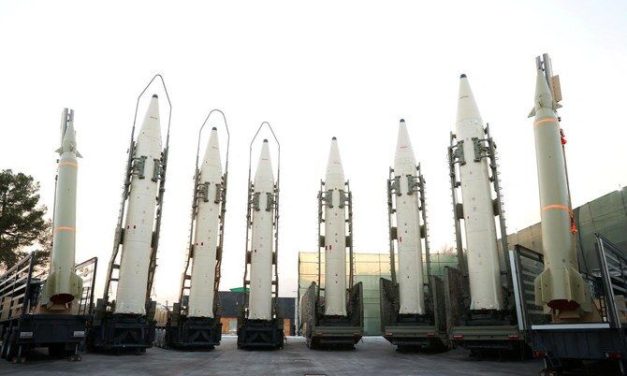
An Analysis of Iran’s Missile Capability

Strategic Council Online – Interview: A strategic affairs analyst said: Iran’s missile doctrine is not only part of its deterrent capability but also part of the security identity of the Islamic Republic of Iran and should not be weakened.
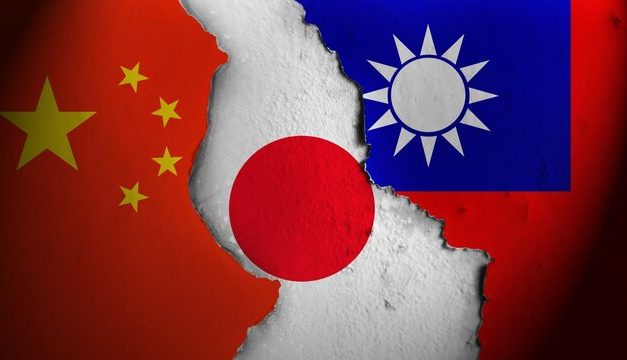
Japan-China Tensions Over Taiwan

Strategic Council Online – Interview: An international affairs expert said that U.S. President Donald Trump, in a phone call this week with Sanae Takaichi, asked her not to further escalate disputes with China. Earlier this month, Takaichi created a rare tension with Beijing by stating that “a potential Chinese attack on Taiwan could lead to military action by Japan,” remarks that drew a sharp reaction from China. Beijing demanded that she retract these statements, but the Japanese Prime Minister has not done so thus far, and Tokyo has only emphasized that its policy regarding Taiwan has not changed.

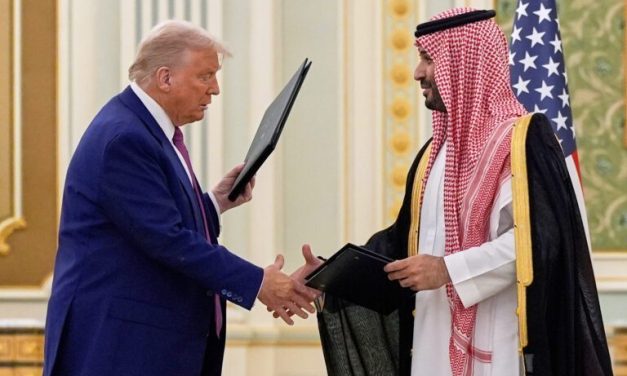
A Look at bin Salman’s Recent Trip to America

Strategic Council Online – Opinion: The recent trip of the Saudi Crown Prince to America was a targeted effort to solidify the strategic partnership with Washington, reduce political uncertainties, and strengthen Riyadh’s political role-playing.

Creating the Right Narrative: A Principled Strategy for Countering the Enemy’s Soft War

Strategic Council Online – Interview: A media expert stated: Given the intensification of the West’s soft war and psychological operations against Iran, our country’s primary strategy must be based on public education, strengthening national cohesion, developing international media, and countering the distortion of history through creating the right narrative.

F-35 Sale to Saudi Arabia: From Promise to Reality

Strategic Council Online – Interview: An international affairs analyst said: The issue of selling the F-35 to Saudi Arabia is not merely a military case, but rather part of a regional engineering that Washington is trying to advance.

Caspian Sea Water Level Drop; A Geopolitical Harm for Coastal Countries

Strategic Council Online – Interview: An expert in geopolitics stated, “The unprecedented drop in the Caspian Sea water level is not only an environmental threat but also a geopolitical alarm bell for Iran and the coastal countries, requiring urgent multilateral cooperation.”

Loading

Zionist regime

Legal Avenues for Seeking Justice for the Crimes and Damages of the 12-Day War in International Forums

Legal Avenues for Seeking Justice for the Crimes and Damages of the 12-Day War in International Forums

Strategic Council Online Opinion: The 12-day imposed war, which began on June 12 of this year with the Zionist regime’s invasion of Iranian soil, marked one of the darkest chapters in Iran’s contemporary history. This conflict started with Israel’s surprise attacks on Iran’s military and nuclear facilities, as well as civilian targets, including several hospitals. It was accompanied by the targeted assassinations of military commanders and prominent nuclear scientists, the destruction of Evin Prison (resulting in 71 deaths), and the bombing of the Islamic Republic of Iran Broadcasting (IRIB. The direct involvement of the U.S., through the bombing of Iran’s peaceful nuclear facilities in Fordow and Isfahan, completed this tragedy. These actions not only constituted a blatant violation of international obligations, including the UN Charter, the Geneva Conventions, and the Treaty on the Non-Proliferation of Nuclear Weapons (NPT), but also imposed heavy legal and criminal responsibility on the U.S. and the Israeli regime.

Turkey’s Concerns Regarding Recent Developments in Syria

Turkey’s Concerns Regarding Recent Developments in Syria

Strategic Council Online– Interview: A West Asia affairs expert stated that despite the internationally brokered ceasefire agreement reached a few days ago in Al-Suwayda, the Israeli regime’s movements in southern Syria continue. In this context, an important issue that has drawn public attention is Turkey’s reaction to these developments. By supporting Ahmed al-Shara (also known as Abu Muhammad al-Julene), Turkey managed to lay the groundwork for the fall of Bashar al-Assad and, in its view, solidify its foothold in the country. However, over the past few weeks, with the Zionist regime’s attacks on positions held by Julani’s forces in Syria and other areas, Ankara’s calculations in Syria have been significantly disrupted.

An Analysis of Germany’s Wrong Approach to the 12-Day War

An Analysis of Germany’s Wrong Approach to the 12-Day War

Strategic Council Online – Interview: A senior European affairs analyst stated that Germany’s support for the Israeli regime in the 12-day war against Iran stems from its historical commitment to this regime. Friedrich Merz, Germany’s Chancellor from the Christian Democratic Party, firmly backed the Israeli regime’s attacks on Iran in June 2025, calling them a “dirty job for everyone’s benefit” and part of the Israeli regime’s “self-defense.” This stance is rooted in Germany’s historical commitment to the security of the Israeli regime (Staatsräson), which has been reinforced since the Holocaust and Angela Merkel’s 2008 speech at the Knesset. At the G7 summit and a conference in Berlin, Merz cited Iran’s underground facilities, arguing that the attacks were necessary to prevent Iran from obtaining nuclear weapons. Germany’s Foreign Minister, Johann Wadephul, also reiterated support for the Israeli regime’s “right to self-defense.” This position has faced domestic and international criticism. Germany’s unconditional support, aligned with Western geopolitical interests against Iran, signals a shift toward a more aggressive foreign policy. This stance has sparked criticism both at home and abroad.

The Necessity of Systematizing the Role of Artificial Intelligence in the Military Domain

The Necessity of Systematizing the Role of Artificial Intelligence in the Military Domain

Strategic Council Online– Opinion Significant advancements in artificial intelligence have created new and sometimes concerning capabilities across various fields, including the military domain. AI, which is inherently meant to serve human welfare, comfort, and progress, is increasingly being utilized in the military programs of major powers and disruptive actors worldwide, particularly in West Asia.

An Analysis of the Behind-the-Scenes of Recent Developments in Syria

An Analysis of the Behind-the-Scenes of Recent Developments in Syria

Strategic Council Online Opinion: After the outbreak of clashes between the Druze and Bedouin tribes in As-Suwayda Governorate, the Israeli regime intervened in favor of the Druze and launched airstrikes against Syria, which lasted for three days. Although this tension ultimately led to a fragile ceasefire, what lies behind this escalation and the confrontation between the Zionist regime and the interim government of Ahmad al-Shara (also known as Abu Muhammad al-Julani)?

Consequences of America’s Efforts to Destroy Resistance Groups in Iraq

Consequences of America’s Efforts to Destroy Resistance Groups in Iraq

Online Strategic Council – Commentary: In recent weeks, as part of advancing the so-called “New Middle East” plan by the U.S. and the Zionist regime in the region, and following the 12-day war against Iran, Washington and Tel Aviv have focused on Iraq and are pursuing a project to destabilize the country.

Iran’s Smart Diplomacy in Managing Regional Crises

Iran’s Smart Diplomacy in Managing Regional Crises

Strategic Council Online– Interview: A West Asia affairs analyst, discussing the role of Iran’s smart diplomacy in turning regional crises into opportunities to strengthen the country’s influence and position in the region, stated: Iran’s multilateral foreign policy can be an effective alternative to Western military interventions, especially at a time when the failures of the U.S. and the Israeli regime have reduced the trust of West Asian countries in them. By consciously leveraging regional capacities and strengthening cooperation, Tehran can play a pivotal role in establishing sustainable stability in the region.

أحدث الوظائف

An Analysis of Iran’s Missile Capability

Strategic Council Online – Interview: A strategic affairs analyst said: Iran’s missile doctrine is not only part of its deterrent capability but also part of the security identity of the Islamic Republic of Iran and should not be weakened.

Japan-China Tensions Over Taiwan

Strategic Council Online – Interview: An international affairs expert said that U.S. President Donald Trump, in a phone call this week with Sanae Takaichi, asked her not to further escalate disputes with China. Earlier this month, Takaichi created a rare tension with Beijing by stating that “a potential Chinese attack on Taiwan could lead to military action by Japan,” remarks that drew a sharp reaction from China. Beijing demanded that she retract these statements, but the Japanese Prime Minister has not done so thus far, and Tokyo has only emphasized that its policy regarding Taiwan has not changed.

A Look at bin Salman’s Recent Trip to America

Strategic Council Online – Opinion: The recent trip of the Saudi Crown Prince to America was a targeted effort to solidify the strategic partnership with Washington, reduce political uncertainties, and strengthen Riyadh’s political role-playing.

Creating the Right Narrative: A Principled Strategy for Countering the Enemy’s Soft War

Strategic Council Online – Interview: A media expert stated: Given the intensification of the West’s soft war and psychological operations against Iran, our country’s primary strategy must be based on public education, strengthening national cohesion, developing international media, and countering the distortion of history through creating the right narrative.

F-35 Sale to Saudi Arabia: From Promise to Reality

Strategic Council Online – Interview: An international affairs analyst said: The issue of selling the F-35 to Saudi Arabia is not merely a military case, but rather part of a regional engineering that Washington is trying to advance.

Caspian Sea Water Level Drop; A Geopolitical Harm for Coastal Countries

Strategic Council Online – Interview: An expert in geopolitics stated, “The unprecedented drop in the Caspian Sea water level is not only an environmental threat but also a geopolitical alarm bell for Iran and the coastal countries, requiring urgent multilateral cooperation.”

Loading

Zionist regime

Legal Avenues for Seeking Justice for the Crimes and Damages of the 12-Day War in International Forums

Legal Avenues for Seeking Justice for the Crimes and Damages of the 12-Day War in International Forums

Strategic Council Online Opinion: The 12-day imposed war, which began on June 12 of this year with the Zionist regime’s invasion of Iranian soil, marked one of the darkest chapters in Iran’s contemporary history. This conflict started with Israel’s surprise attacks on Iran’s military and nuclear facilities, as well as civilian targets, including several hospitals. It was accompanied by the targeted assassinations of military commanders and prominent nuclear scientists, the destruction of Evin Prison (resulting in 71 deaths), and the bombing of the Islamic Republic of Iran Broadcasting (IRIB. The direct involvement of the U.S., through the bombing of Iran’s peaceful nuclear facilities in Fordow and Isfahan, completed this tragedy. These actions not only constituted a blatant violation of international obligations, including the UN Charter, the Geneva Conventions, and the Treaty on the Non-Proliferation of Nuclear Weapons (NPT), but also imposed heavy legal and criminal responsibility on the U.S. and the Israeli regime.

Turkey’s Concerns Regarding Recent Developments in Syria

Turkey’s Concerns Regarding Recent Developments in Syria

Strategic Council Online– Interview: A West Asia affairs expert stated that despite the internationally brokered ceasefire agreement reached a few days ago in Al-Suwayda, the Israeli regime’s movements in southern Syria continue. In this context, an important issue that has drawn public attention is Turkey’s reaction to these developments. By supporting Ahmed al-Shara (also known as Abu Muhammad al-Julene), Turkey managed to lay the groundwork for the fall of Bashar al-Assad and, in its view, solidify its foothold in the country. However, over the past few weeks, with the Zionist regime’s attacks on positions held by Julani’s forces in Syria and other areas, Ankara’s calculations in Syria have been significantly disrupted.

An Analysis of Germany’s Wrong Approach to the 12-Day War

An Analysis of Germany’s Wrong Approach to the 12-Day War

Strategic Council Online – Interview: A senior European affairs analyst stated that Germany’s support for the Israeli regime in the 12-day war against Iran stems from its historical commitment to this regime. Friedrich Merz, Germany’s Chancellor from the Christian Democratic Party, firmly backed the Israeli regime’s attacks on Iran in June 2025, calling them a “dirty job for everyone’s benefit” and part of the Israeli regime’s “self-defense.” This stance is rooted in Germany’s historical commitment to the security of the Israeli regime (Staatsräson), which has been reinforced since the Holocaust and Angela Merkel’s 2008 speech at the Knesset. At the G7 summit and a conference in Berlin, Merz cited Iran’s underground facilities, arguing that the attacks were necessary to prevent Iran from obtaining nuclear weapons. Germany’s Foreign Minister, Johann Wadephul, also reiterated support for the Israeli regime’s “right to self-defense.” This position has faced domestic and international criticism. Germany’s unconditional support, aligned with Western geopolitical interests against Iran, signals a shift toward a more aggressive foreign policy. This stance has sparked criticism both at home and abroad.

The Necessity of Systematizing the Role of Artificial Intelligence in the Military Domain

The Necessity of Systematizing the Role of Artificial Intelligence in the Military Domain

Strategic Council Online– Opinion Significant advancements in artificial intelligence have created new and sometimes concerning capabilities across various fields, including the military domain. AI, which is inherently meant to serve human welfare, comfort, and progress, is increasingly being utilized in the military programs of major powers and disruptive actors worldwide, particularly in West Asia.

An Analysis of the Behind-the-Scenes of Recent Developments in Syria

An Analysis of the Behind-the-Scenes of Recent Developments in Syria

Strategic Council Online Opinion: After the outbreak of clashes between the Druze and Bedouin tribes in As-Suwayda Governorate, the Israeli regime intervened in favor of the Druze and launched airstrikes against Syria, which lasted for three days. Although this tension ultimately led to a fragile ceasefire, what lies behind this escalation and the confrontation between the Zionist regime and the interim government of Ahmad al-Shara (also known as Abu Muhammad al-Julani)?

Consequences of America’s Efforts to Destroy Resistance Groups in Iraq

Consequences of America’s Efforts to Destroy Resistance Groups in Iraq

Online Strategic Council – Commentary: In recent weeks, as part of advancing the so-called “New Middle East” plan by the U.S. and the Zionist regime in the region, and following the 12-day war against Iran, Washington and Tel Aviv have focused on Iraq and are pursuing a project to destabilize the country.

Iran’s Smart Diplomacy in Managing Regional Crises

Iran’s Smart Diplomacy in Managing Regional Crises

Strategic Council Online– Interview: A West Asia affairs analyst, discussing the role of Iran’s smart diplomacy in turning regional crises into opportunities to strengthen the country’s influence and position in the region, stated: Iran’s multilateral foreign policy can be an effective alternative to Western military interventions, especially at a time when the failures of the U.S. and the Israeli regime have reduced the trust of West Asian countries in them. By consciously leveraging regional capacities and strengthening cooperation, Tehran can play a pivotal role in establishing sustainable stability in the region.

Zionist regime

Legal Avenues for Seeking Justice for the Crimes and Damages of the 12-Day War in International Forums

Legal Avenues for Seeking Justice for the Crimes and Damages of the 12-Day War in International Forums

Strategic Council Online Opinion: The 12-day imposed war, which began on June 12 of this year with the Zionist regime’s invasion of Iranian soil, marked one of the darkest chapters in Iran’s contemporary history. This conflict started with Israel’s surprise attacks on Iran’s military and nuclear facilities, as well as civilian targets, including several hospitals. It was accompanied by the targeted assassinations of military commanders and prominent nuclear scientists, the destruction of Evin Prison (resulting in 71 deaths), and the bombing of the Islamic Republic of Iran Broadcasting (IRIB. The direct involvement of the U.S., through the bombing of Iran’s peaceful nuclear facilities in Fordow and Isfahan, completed this tragedy. These actions not only constituted a blatant violation of international obligations, including the UN Charter, the Geneva Conventions, and the Treaty on the Non-Proliferation of Nuclear Weapons (NPT), but also imposed heavy legal and criminal responsibility on the U.S. and the Israeli regime.

Turkey’s Concerns Regarding Recent Developments in Syria

Turkey’s Concerns Regarding Recent Developments in Syria

Strategic Council Online– Interview: A West Asia affairs expert stated that despite the internationally brokered ceasefire agreement reached a few days ago in Al-Suwayda, the Israeli regime’s movements in southern Syria continue. In this context, an important issue that has drawn public attention is Turkey’s reaction to these developments. By supporting Ahmed al-Shara (also known as Abu Muhammad al-Julene), Turkey managed to lay the groundwork for the fall of Bashar al-Assad and, in its view, solidify its foothold in the country. However, over the past few weeks, with the Zionist regime’s attacks on positions held by Julani’s forces in Syria and other areas, Ankara’s calculations in Syria have been significantly disrupted.

An Analysis of Germany’s Wrong Approach to the 12-Day War

An Analysis of Germany’s Wrong Approach to the 12-Day War

Strategic Council Online – Interview: A senior European affairs analyst stated that Germany’s support for the Israeli regime in the 12-day war against Iran stems from its historical commitment to this regime. Friedrich Merz, Germany’s Chancellor from the Christian Democratic Party, firmly backed the Israeli regime’s attacks on Iran in June 2025, calling them a “dirty job for everyone’s benefit” and part of the Israeli regime’s “self-defense.” This stance is rooted in Germany’s historical commitment to the security of the Israeli regime (Staatsräson), which has been reinforced since the Holocaust and Angela Merkel’s 2008 speech at the Knesset. At the G7 summit and a conference in Berlin, Merz cited Iran’s underground facilities, arguing that the attacks were necessary to prevent Iran from obtaining nuclear weapons. Germany’s Foreign Minister, Johann Wadephul, also reiterated support for the Israeli regime’s “right to self-defense.” This position has faced domestic and international criticism. Germany’s unconditional support, aligned with Western geopolitical interests against Iran, signals a shift toward a more aggressive foreign policy. This stance has sparked criticism both at home and abroad.

The Necessity of Systematizing the Role of Artificial Intelligence in the Military Domain

The Necessity of Systematizing the Role of Artificial Intelligence in the Military Domain

Strategic Council Online– Opinion Significant advancements in artificial intelligence have created new and sometimes concerning capabilities across various fields, including the military domain. AI, which is inherently meant to serve human welfare, comfort, and progress, is increasingly being utilized in the military programs of major powers and disruptive actors worldwide, particularly in West Asia.

An Analysis of the Behind-the-Scenes of Recent Developments in Syria

An Analysis of the Behind-the-Scenes of Recent Developments in Syria

Strategic Council Online Opinion: After the outbreak of clashes between the Druze and Bedouin tribes in As-Suwayda Governorate, the Israeli regime intervened in favor of the Druze and launched airstrikes against Syria, which lasted for three days. Although this tension ultimately led to a fragile ceasefire, what lies behind this escalation and the confrontation between the Zionist regime and the interim government of Ahmad al-Shara (also known as Abu Muhammad al-Julani)?

Consequences of America’s Efforts to Destroy Resistance Groups in Iraq

Consequences of America’s Efforts to Destroy Resistance Groups in Iraq

Online Strategic Council – Commentary: In recent weeks, as part of advancing the so-called “New Middle East” plan by the U.S. and the Zionist regime in the region, and following the 12-day war against Iran, Washington and Tel Aviv have focused on Iraq and are pursuing a project to destabilize the country.

Iran’s Smart Diplomacy in Managing Regional Crises

Iran’s Smart Diplomacy in Managing Regional Crises

Strategic Council Online– Interview: A West Asia affairs analyst, discussing the role of Iran’s smart diplomacy in turning regional crises into opportunities to strengthen the country’s influence and position in the region, stated: Iran’s multilateral foreign policy can be an effective alternative to Western military interventions, especially at a time when the failures of the U.S. and the Israeli regime have reduced the trust of West Asian countries in them. By consciously leveraging regional capacities and strengthening cooperation, Tehran can play a pivotal role in establishing sustainable stability in the region.

LATEST CONTENT

An Analysis of Iran’s Missile Capability

Strategic Council Online – Interview: A strategic affairs analyst said: Iran’s missile doctrine is not only part of its deterrent capability but also part of the security identity of the Islamic Republic of Iran and should not be weakened.

Japan-China Tensions Over Taiwan

Strategic Council Online – Interview: An international affairs expert said that U.S. President Donald Trump, in a phone call this week with Sanae Takaichi, asked her not to further escalate disputes with China. Earlier this month, Takaichi created a rare tension with Beijing by stating that “a potential Chinese attack on Taiwan could lead to military action by Japan,” remarks that drew a sharp reaction from China. Beijing demanded that she retract these statements, but the Japanese Prime Minister has not done so thus far, and Tokyo has only emphasized that its policy regarding Taiwan has not changed.

A Look at bin Salman’s Recent Trip to America

Strategic Council Online – Opinion: The recent trip of the Saudi Crown Prince to America was a targeted effort to solidify the strategic partnership with Washington, reduce political uncertainties, and strengthen Riyadh’s political role-playing.

Creating the Right Narrative: A Principled Strategy for Countering the Enemy’s Soft War

Strategic Council Online – Interview: A media expert stated: Given the intensification of the West’s soft war and psychological operations against Iran, our country’s primary strategy must be based on public education, strengthening national cohesion, developing international media, and countering the distortion of history through creating the right narrative.

F-35 Sale to Saudi Arabia: From Promise to Reality

Strategic Council Online – Interview: An international affairs analyst said: The issue of selling the F-35 to Saudi Arabia is not merely a military case, but rather part of a regional engineering that Washington is trying to advance.

Caspian Sea Water Level Drop; A Geopolitical Harm for Coastal Countries

Strategic Council Online – Interview: An expert in geopolitics stated, “The unprecedented drop in the Caspian Sea water level is not only an environmental threat but also a geopolitical alarm bell for Iran and the coastal countries, requiring urgent multilateral cooperation.”

Loading

Zionist regime

Legal Avenues for Seeking Justice for the Crimes and Damages of the 12-Day War in International Forums

Legal Avenues for Seeking Justice for the Crimes and Damages of the 12-Day War in International Forums

Strategic Council Online Opinion: The 12-day imposed war, which began on June 12 of this year with the Zionist regime’s invasion of Iranian soil, marked one of the darkest chapters in Iran’s contemporary history. This conflict started with Israel’s surprise attacks on Iran’s military and nuclear facilities, as well as civilian targets, including several hospitals. It was accompanied by the targeted assassinations of military commanders and prominent nuclear scientists, the destruction of Evin Prison (resulting in 71 deaths), and the bombing of the Islamic Republic of Iran Broadcasting (IRIB. The direct involvement of the U.S., through the bombing of Iran’s peaceful nuclear facilities in Fordow and Isfahan, completed this tragedy. These actions not only constituted a blatant violation of international obligations, including the UN Charter, the Geneva Conventions, and the Treaty on the Non-Proliferation of Nuclear Weapons (NPT), but also imposed heavy legal and criminal responsibility on the U.S. and the Israeli regime.

Turkey’s Concerns Regarding Recent Developments in Syria

Turkey’s Concerns Regarding Recent Developments in Syria

Strategic Council Online– Interview: A West Asia affairs expert stated that despite the internationally brokered ceasefire agreement reached a few days ago in Al-Suwayda, the Israeli regime’s movements in southern Syria continue. In this context, an important issue that has drawn public attention is Turkey’s reaction to these developments. By supporting Ahmed al-Shara (also known as Abu Muhammad al-Julene), Turkey managed to lay the groundwork for the fall of Bashar al-Assad and, in its view, solidify its foothold in the country. However, over the past few weeks, with the Zionist regime’s attacks on positions held by Julani’s forces in Syria and other areas, Ankara’s calculations in Syria have been significantly disrupted.

An Analysis of Germany’s Wrong Approach to the 12-Day War

An Analysis of Germany’s Wrong Approach to the 12-Day War

Strategic Council Online – Interview: A senior European affairs analyst stated that Germany’s support for the Israeli regime in the 12-day war against Iran stems from its historical commitment to this regime. Friedrich Merz, Germany’s Chancellor from the Christian Democratic Party, firmly backed the Israeli regime’s attacks on Iran in June 2025, calling them a “dirty job for everyone’s benefit” and part of the Israeli regime’s “self-defense.” This stance is rooted in Germany’s historical commitment to the security of the Israeli regime (Staatsräson), which has been reinforced since the Holocaust and Angela Merkel’s 2008 speech at the Knesset. At the G7 summit and a conference in Berlin, Merz cited Iran’s underground facilities, arguing that the attacks were necessary to prevent Iran from obtaining nuclear weapons. Germany’s Foreign Minister, Johann Wadephul, also reiterated support for the Israeli regime’s “right to self-defense.” This position has faced domestic and international criticism. Germany’s unconditional support, aligned with Western geopolitical interests against Iran, signals a shift toward a more aggressive foreign policy. This stance has sparked criticism both at home and abroad.

The Necessity of Systematizing the Role of Artificial Intelligence in the Military Domain

The Necessity of Systematizing the Role of Artificial Intelligence in the Military Domain

Strategic Council Online– Opinion Significant advancements in artificial intelligence have created new and sometimes concerning capabilities across various fields, including the military domain. AI, which is inherently meant to serve human welfare, comfort, and progress, is increasingly being utilized in the military programs of major powers and disruptive actors worldwide, particularly in West Asia.

An Analysis of the Behind-the-Scenes of Recent Developments in Syria

An Analysis of the Behind-the-Scenes of Recent Developments in Syria

Strategic Council Online Opinion: After the outbreak of clashes between the Druze and Bedouin tribes in As-Suwayda Governorate, the Israeli regime intervened in favor of the Druze and launched airstrikes against Syria, which lasted for three days. Although this tension ultimately led to a fragile ceasefire, what lies behind this escalation and the confrontation between the Zionist regime and the interim government of Ahmad al-Shara (also known as Abu Muhammad al-Julani)?

Consequences of America’s Efforts to Destroy Resistance Groups in Iraq

Consequences of America’s Efforts to Destroy Resistance Groups in Iraq

Online Strategic Council – Commentary: In recent weeks, as part of advancing the so-called “New Middle East” plan by the U.S. and the Zionist regime in the region, and following the 12-day war against Iran, Washington and Tel Aviv have focused on Iraq and are pursuing a project to destabilize the country.

Iran’s Smart Diplomacy in Managing Regional Crises

Iran’s Smart Diplomacy in Managing Regional Crises

Strategic Council Online– Interview: A West Asia affairs analyst, discussing the role of Iran’s smart diplomacy in turning regional crises into opportunities to strengthen the country’s influence and position in the region, stated: Iran’s multilateral foreign policy can be an effective alternative to Western military interventions, especially at a time when the failures of the U.S. and the Israeli regime have reduced the trust of West Asian countries in them. By consciously leveraging regional capacities and strengthening cooperation, Tehran can play a pivotal role in establishing sustainable stability in the region.

ÚLTIMAS PUBLICACIONES

An Analysis of Iran’s Missile Capability

Strategic Council Online – Interview: A strategic affairs analyst said: Iran’s missile doctrine is not only part of its deterrent capability but also part of the security identity of the Islamic Republic of Iran and should not be weakened.
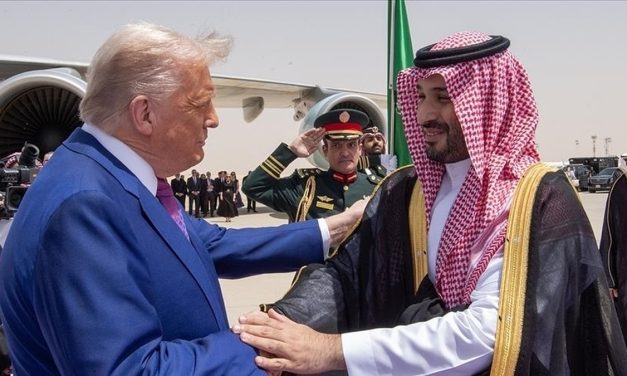
Japan-China Tensions Over Taiwan

Strategic Council Online – Interview: An international affairs expert said that U.S. President Donald Trump, in a phone call this week with Sanae Takaichi, asked her not to further escalate disputes with China. Earlier this month, Takaichi created a rare tension with Beijing by stating that “a potential Chinese attack on Taiwan could lead to military action by Japan,” remarks that drew a sharp reaction from China. Beijing demanded that she retract these statements, but the Japanese Prime Minister has not done so thus far, and Tokyo has only emphasized that its policy regarding Taiwan has not changed.

A Look at bin Salman’s Recent Trip to America

Strategic Council Online – Opinion: The recent trip of the Saudi Crown Prince to America was a targeted effort to solidify the strategic partnership with Washington, reduce political uncertainties, and strengthen Riyadh’s political role-playing.

Creating the Right Narrative: A Principled Strategy for Countering the Enemy’s Soft War

Strategic Council Online – Interview: A media expert stated: Given the intensification of the West’s soft war and psychological operations against Iran, our country’s primary strategy must be based on public education, strengthening national cohesion, developing international media, and countering the distortion of history through creating the right narrative.

F-35 Sale to Saudi Arabia: From Promise to Reality

Strategic Council Online – Interview: An international affairs analyst said: The issue of selling the F-35 to Saudi Arabia is not merely a military case, but rather part of a regional engineering that Washington is trying to advance.

Caspian Sea Water Level Drop; A Geopolitical Harm for Coastal Countries

Strategic Council Online – Interview: An expert in geopolitics stated, “The unprecedented drop in the Caspian Sea water level is not only an environmental threat but also a geopolitical alarm bell for Iran and the coastal countries, requiring urgent multilateral cooperation.”

Loading

Zionist regime

Legal Avenues for Seeking Justice for the Crimes and Damages of the 12-Day War in International Forums

Legal Avenues for Seeking Justice for the Crimes and Damages of the 12-Day War in International Forums

Strategic Council Online Opinion: The 12-day imposed war, which began on June 12 of this year with the Zionist regime’s invasion of Iranian soil, marked one of the darkest chapters in Iran’s contemporary history. This conflict started with Israel’s surprise attacks on Iran’s military and nuclear facilities, as well as civilian targets, including several hospitals. It was accompanied by the targeted assassinations of military commanders and prominent nuclear scientists, the destruction of Evin Prison (resulting in 71 deaths), and the bombing of the Islamic Republic of Iran Broadcasting (IRIB. The direct involvement of the U.S., through the bombing of Iran’s peaceful nuclear facilities in Fordow and Isfahan, completed this tragedy. These actions not only constituted a blatant violation of international obligations, including the UN Charter, the Geneva Conventions, and the Treaty on the Non-Proliferation of Nuclear Weapons (NPT), but also imposed heavy legal and criminal responsibility on the U.S. and the Israeli regime.

Turkey’s Concerns Regarding Recent Developments in Syria

Turkey’s Concerns Regarding Recent Developments in Syria

Strategic Council Online– Interview: A West Asia affairs expert stated that despite the internationally brokered ceasefire agreement reached a few days ago in Al-Suwayda, the Israeli regime’s movements in southern Syria continue. In this context, an important issue that has drawn public attention is Turkey’s reaction to these developments. By supporting Ahmed al-Shara (also known as Abu Muhammad al-Julene), Turkey managed to lay the groundwork for the fall of Bashar al-Assad and, in its view, solidify its foothold in the country. However, over the past few weeks, with the Zionist regime’s attacks on positions held by Julani’s forces in Syria and other areas, Ankara’s calculations in Syria have been significantly disrupted.

An Analysis of Germany’s Wrong Approach to the 12-Day War

An Analysis of Germany’s Wrong Approach to the 12-Day War

Strategic Council Online – Interview: A senior European affairs analyst stated that Germany’s support for the Israeli regime in the 12-day war against Iran stems from its historical commitment to this regime. Friedrich Merz, Germany’s Chancellor from the Christian Democratic Party, firmly backed the Israeli regime’s attacks on Iran in June 2025, calling them a “dirty job for everyone’s benefit” and part of the Israeli regime’s “self-defense.” This stance is rooted in Germany’s historical commitment to the security of the Israeli regime (Staatsräson), which has been reinforced since the Holocaust and Angela Merkel’s 2008 speech at the Knesset. At the G7 summit and a conference in Berlin, Merz cited Iran’s underground facilities, arguing that the attacks were necessary to prevent Iran from obtaining nuclear weapons. Germany’s Foreign Minister, Johann Wadephul, also reiterated support for the Israeli regime’s “right to self-defense.” This position has faced domestic and international criticism. Germany’s unconditional support, aligned with Western geopolitical interests against Iran, signals a shift toward a more aggressive foreign policy. This stance has sparked criticism both at home and abroad.

The Necessity of Systematizing the Role of Artificial Intelligence in the Military Domain

The Necessity of Systematizing the Role of Artificial Intelligence in the Military Domain

Strategic Council Online– Opinion Significant advancements in artificial intelligence have created new and sometimes concerning capabilities across various fields, including the military domain. AI, which is inherently meant to serve human welfare, comfort, and progress, is increasingly being utilized in the military programs of major powers and disruptive actors worldwide, particularly in West Asia.

An Analysis of the Behind-the-Scenes of Recent Developments in Syria

An Analysis of the Behind-the-Scenes of Recent Developments in Syria

Strategic Council Online Opinion: After the outbreak of clashes between the Druze and Bedouin tribes in As-Suwayda Governorate, the Israeli regime intervened in favor of the Druze and launched airstrikes against Syria, which lasted for three days. Although this tension ultimately led to a fragile ceasefire, what lies behind this escalation and the confrontation between the Zionist regime and the interim government of Ahmad al-Shara (also known as Abu Muhammad al-Julani)?

Consequences of America’s Efforts to Destroy Resistance Groups in Iraq

Consequences of America’s Efforts to Destroy Resistance Groups in Iraq

Online Strategic Council – Commentary: In recent weeks, as part of advancing the so-called “New Middle East” plan by the U.S. and the Zionist regime in the region, and following the 12-day war against Iran, Washington and Tel Aviv have focused on Iraq and are pursuing a project to destabilize the country.

Iran’s Smart Diplomacy in Managing Regional Crises

Iran’s Smart Diplomacy in Managing Regional Crises

Strategic Council Online– Interview: A West Asia affairs analyst, discussing the role of Iran’s smart diplomacy in turning regional crises into opportunities to strengthen the country’s influence and position in the region, stated: Iran’s multilateral foreign policy can be an effective alternative to Western military interventions, especially at a time when the failures of the U.S. and the Israeli regime have reduced the trust of West Asian countries in them. By consciously leveraging regional capacities and strengthening cooperation, Tehran can play a pivotal role in establishing sustainable stability in the region.

ÚLTIMAS PUBLICACIONES

An Analysis of Iran’s Missile Capability

Strategic Council Online – Interview: A strategic affairs analyst said: Iran’s missile doctrine is not only part of its deterrent capability but also part of the security identity of the Islamic Republic of Iran and should not be weakened.
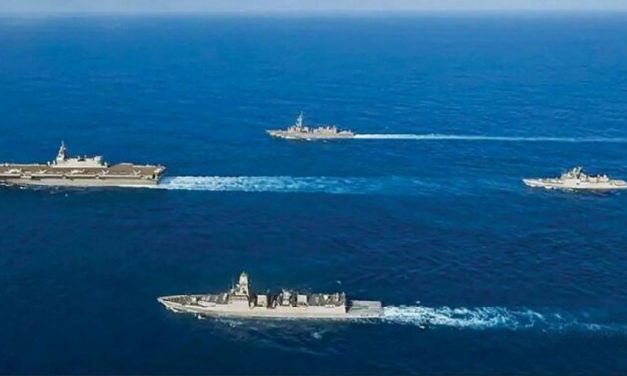
Japan-China Tensions Over Taiwan

Strategic Council Online – Interview: An international affairs expert said that U.S. President Donald Trump, in a phone call this week with Sanae Takaichi, asked her not to further escalate disputes with China. Earlier this month, Takaichi created a rare tension with Beijing by stating that “a potential Chinese attack on Taiwan could lead to military action by Japan,” remarks that drew a sharp reaction from China. Beijing demanded that she retract these statements, but the Japanese Prime Minister has not done so thus far, and Tokyo has only emphasized that its policy regarding Taiwan has not changed.

A Look at bin Salman’s Recent Trip to America

Strategic Council Online – Opinion: The recent trip of the Saudi Crown Prince to America was a targeted effort to solidify the strategic partnership with Washington, reduce political uncertainties, and strengthen Riyadh’s political role-playing.

Creating the Right Narrative: A Principled Strategy for Countering the Enemy’s Soft War

Strategic Council Online – Interview: A media expert stated: Given the intensification of the West’s soft war and psychological operations against Iran, our country’s primary strategy must be based on public education, strengthening national cohesion, developing international media, and countering the distortion of history through creating the right narrative.

F-35 Sale to Saudi Arabia: From Promise to Reality

Strategic Council Online – Interview: An international affairs analyst said: The issue of selling the F-35 to Saudi Arabia is not merely a military case, but rather part of a regional engineering that Washington is trying to advance.

Caspian Sea Water Level Drop; A Geopolitical Harm for Coastal Countries

Strategic Council Online – Interview: An expert in geopolitics stated, “The unprecedented drop in the Caspian Sea water level is not only an environmental threat but also a geopolitical alarm bell for Iran and the coastal countries, requiring urgent multilateral cooperation.”

Loading