جدیدترین مطالب

Europe’s Enduring Dependence on Persian Gulf Energy

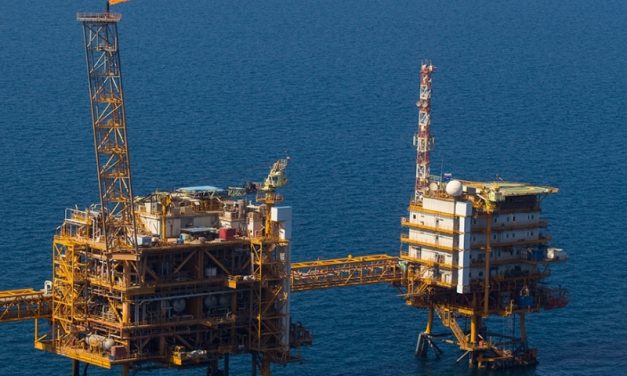
SCFR Online – Opinion: The dominant discourse in the field of European energy security over the past two decades has revolved around diversification of supply sources and the gradual reduction of dependence on fossil fuels. This narrative, which gained particular momentum after the Ukraine gas crisis in 2006 and its intensification in 2014 and 2022, was based on the assumption that Europe could free itself from the geopolitical vulnerabilities arising from dependence on specific suppliers through investment in renewable energy, imports of liquefied natural gas from diversified sources, and the establishment of new infrastructure. However, a closer analysis of energy trade data and the structure of the global oil and gas supply chain presents a different picture. Europe has not only failed to meaningfully reduce its dependence on the Persian Gulf, but in some sectors — particularly in liquefied natural gas imports — this dependence has deepened. This reality, which is often overlooked in public discourse, raises fundamental questions about the sustainability of Europe’s energy security strategies and their impact on regional power equations.

The Challenge of Hezbollah’s Low-Cost “FPV” Drones for the Zionist Regime

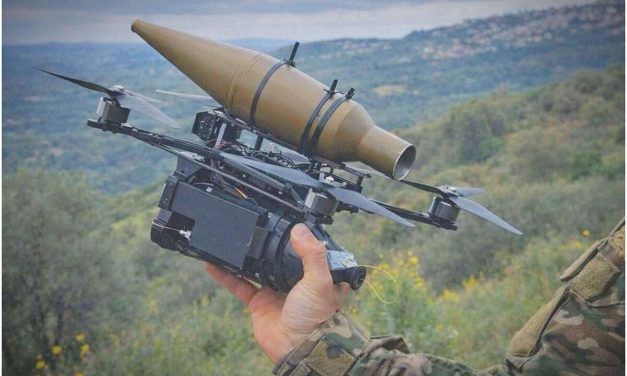
SCFR Online – Opinion: In modern warfare, it has always been assumed that the more expensive, and advanced the weapon—particularly from well-known companies—the more certain the victory will be. However, developments on the northern front of occupied Palestine in recent months have challenged this long-held belief. Here, the Zionist regime’s military, despite possessing the most advanced defense systems such as Iron Dome, David’s Sling, and Arrow, as well as fifth-generation F-35 fighter jets, Merkava tanks, and other modern equipment found in few countries worldwide, has effectively been rendered helpless against Hezbollah Lebanon’s few-hundred-dollar drones. Benjamin Netanyahu’s bitter admission regarding the inability to counter this threat, and his order to allocate an unlimited budget to find a solution, underscores the reality that the era of pure superiority through expensive technologies has come to an end.

The Impact of West Asian Developments on the Ukraine War

SCFR Online – Note: Vladimir Putin, President of Russia, recently announced—more than four years after the commencement of military aggression against Ukraine—that he believes the conflict between Russia and Ukraine is drawing to a close.

Temporary China–U.S. Trade Truce in the Shadow of Fundamental Distrust

SCFR Online – Opinion: The recent visit of the President of the United States to China is significant from various aspects; because China is recognized as the world’s second-largest economic power and a growing economy. The Chinese are also advancing in various fields, including the space sector, artificial intelligence, and military industries; to the extent that in the military sector, whereas they previously lacked an aircraft carrier, they now possess their third aircraft carrier. On the other hand, the United States, as a superpower, has always regarded China as its rival and continues to view it as such today.

Loading

Syrian kurds

An Analysis of Syria’s Parliamentary Elections

An Analysis of Syria’s Parliamentary Elections

Online Strategic Council – Interview: A West Asia affairs expert stated that the first parliamentary elections in Syria during the interim government’s tenure, led by Ahmad al-Shar, were held while the appointed composition of seats, the absence of a national census, and the influence of foreign actors challenge the real legitimacy and freedom of these elections.

The Strategic Significance of Syria-Turkey-Azerbaijan Gas Project

The Strategic Significance of Syria-Turkey-Azerbaijan Gas Project

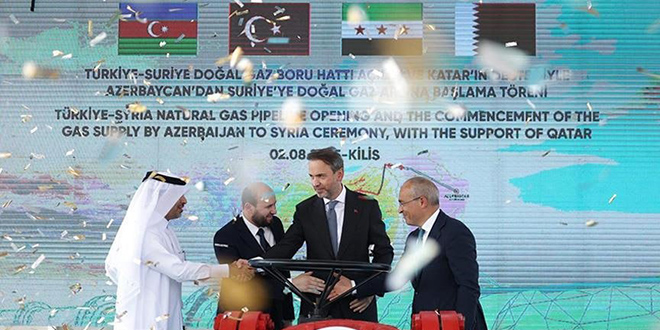
Strategic Council Online – Interview: A West Asia affairs analyst stated: The Syria-Turkey-Azerbaijan gas project goes beyond simple energy cooperation and must be evaluated within the context of regional power competition, efforts to redefine the political order in Syria, and the strengthening of the Turkish-Qatari-Azerbaijani axis in West Asia. An order whose future will largely depend on the stability of the Damascus government and Turkey’s ability to manage security, economic, and geopolitical crises simultaneously.
At a time when Syria is still grappling with extensive infrastructure problems and an energy crisis, the inauguration of the gas pipeline from Azerbaijan to Syria via Turkey, with Qatar’s financial support, has drawn the attention of regional analysts. This project, which in its first phase will transfer 3.4 million cubic meters of gas per day and will eventually reach a capacity of 6 million cubic meters per day, could add approximately 750 megawatts to Syria’s electricity generation capacity.

Reducing US Military Presence in Syria: Motivations and Strategic Consequences

Reducing US Military Presence in Syria: Motivations and Strategic Consequences

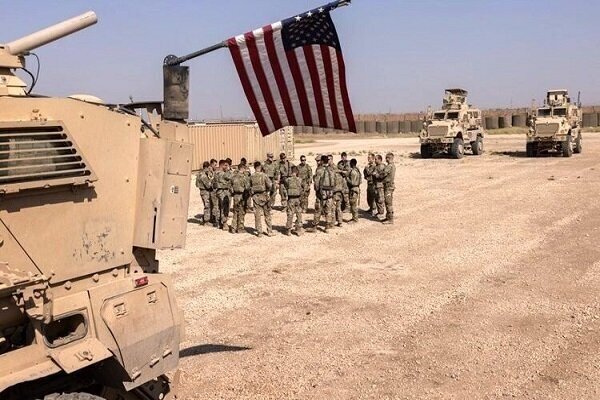
Strategic Council Online – Opinion: On April 18, 2025, the US Department of Defense (Pentagon) announced a review of the deployment of its military forces in Syria codenamed “Operation Inherent Resolve”. This plan, designed in line with Donald Trump’s policies to reduce US military presence in the Middle East, will reduce the number of US troops from 10,000 to 1,000 within two months. Although this measure was announced under the pretext of success in weakening ISIS, it is part of a broader US strategy to redefine its mission in the region. However, numerous political and security complexities accompany this decision, the consequences of which will be significant for Syria, the entire region, and even the international system.

Dimensions and Scope of the Conflict between Ankara and Syrian Kurds

Dimensions and Scope of the Conflict between Ankara and Syrian Kurds

Strategic Council Online – Guest Opinion: The increase in civilian casualties and ordinary citizens in the northern and eastern regions of Syria, following the continuation and intensification of air and artillery attacks by the Turkish army and its affiliated militias, namely the Syrian National Army (SNA), has led to growing concerns about the future course of developments in Syria.

The Fall of Bashar Assad Government and Turkey’s Role and Challenges

The Fall of Bashar Assad Government and Turkey’s Role and Challenges

Strategic Council Online – Interview: An expert on Turkish affairs said: The power vacuum in the region after the US military withdrawal from Iraq and its intensification after the withdrawal from Afghanistan opened up space for maneuvering by regional powers, especially Turkey. In the meantime, Ankara, relying on national power, an active foreign policy, and cooperation with the main power blocs in the international system, turned towards ambition and role-playing in the affairs of countries and regional issues, the most important example of which we are witnessing today in Syria.

Erdogan’s Motives and Opportunities for Reconciliation with the Syrian Government

Erdogan’s Motives and Opportunities for Reconciliation with the Syrian Government

Strategic Council Online—An expert on Caucasus issues said that the Turkish Foreign Minister recently stated in a joint press conference with his Saudi counterpart: “Our current strategy is dialogue and peace, and we ask Iran and Russia to play a constructive role in this process.” According to these statements, Turkey’s policy towards Syrian refugees and its consequences have once again been considered.

The goals of the suspicious movements of the United States in Syria

The goals of the suspicious movements of the United States in Syria

Strategic Council Online—Opinion: In recent weeks, the “suspicious movements” of the US in Syria have spread. So that the movement of American political and intelligence officials to areas in the northeast of Syria, as well as the holding of meetings to exchange views with the opposition of the Damascus government outside of Syria, have increased.
Hamid Khoshayand-Regional affairs expert

أحدث الوظائف

Europe’s Enduring Dependence on Persian Gulf Energy

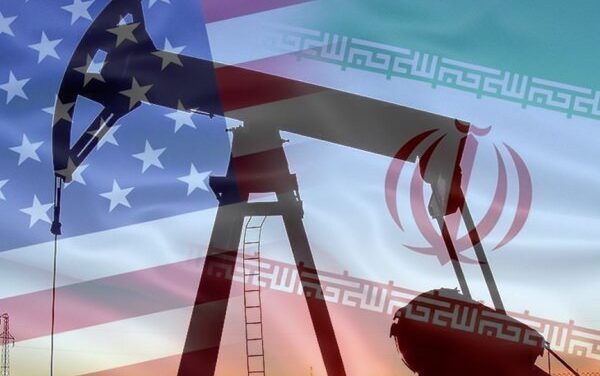
SCFR Online – Opinion: The dominant discourse in the field of European energy security over the past two decades has revolved around diversification of supply sources and the gradual reduction of dependence on fossil fuels. This narrative, which gained particular momentum after the Ukraine gas crisis in 2006 and its intensification in 2014 and 2022, was based on the assumption that Europe could free itself from the geopolitical vulnerabilities arising from dependence on specific suppliers through investment in renewable energy, imports of liquefied natural gas from diversified sources, and the establishment of new infrastructure. However, a closer analysis of energy trade data and the structure of the global oil and gas supply chain presents a different picture. Europe has not only failed to meaningfully reduce its dependence on the Persian Gulf, but in some sectors — particularly in liquefied natural gas imports — this dependence has deepened. This reality, which is often overlooked in public discourse, raises fundamental questions about the sustainability of Europe’s energy security strategies and their impact on regional power equations.
The Challenge of Hezbollah’s Low-Cost “FPV” Drones for the Zionist Regime

SCFR Online – Opinion: In modern warfare, it has always been assumed that the more expensive, and advanced the weapon—particularly from well-known companies—the more certain the victory will be. However, developments on the northern front of occupied Palestine in recent months have challenged this long-held belief. Here, the Zionist regime’s military, despite possessing the most advanced defense systems such as Iron Dome, David’s Sling, and Arrow, as well as fifth-generation F-35 fighter jets, Merkava tanks, and other modern equipment found in few countries worldwide, has effectively been rendered helpless against Hezbollah Lebanon’s few-hundred-dollar drones. Benjamin Netanyahu’s bitter admission regarding the inability to counter this threat, and his order to allocate an unlimited budget to find a solution, underscores the reality that the era of pure superiority through expensive technologies has come to an end.

The Impact of West Asian Developments on the Ukraine War

SCFR Online – Note: Vladimir Putin, President of Russia, recently announced—more than four years after the commencement of military aggression against Ukraine—that he believes the conflict between Russia and Ukraine is drawing to a close.

Temporary China–U.S. Trade Truce in the Shadow of Fundamental Distrust

SCFR Online – Opinion: The recent visit of the President of the United States to China is significant from various aspects; because China is recognized as the world’s second-largest economic power and a growing economy. The Chinese are also advancing in various fields, including the space sector, artificial intelligence, and military industries; to the extent that in the military sector, whereas they previously lacked an aircraft carrier, they now possess their third aircraft carrier. On the other hand, the United States, as a superpower, has always regarded China as its rival and continues to view it as such today.

Loading

Syrian kurds

An Analysis of Syria’s Parliamentary Elections

An Analysis of Syria’s Parliamentary Elections

Online Strategic Council – Interview: A West Asia affairs expert stated that the first parliamentary elections in Syria during the interim government’s tenure, led by Ahmad al-Shar, were held while the appointed composition of seats, the absence of a national census, and the influence of foreign actors challenge the real legitimacy and freedom of these elections.

The Strategic Significance of Syria-Turkey-Azerbaijan Gas Project

The Strategic Significance of Syria-Turkey-Azerbaijan Gas Project

Strategic Council Online – Interview: A West Asia affairs analyst stated: The Syria-Turkey-Azerbaijan gas project goes beyond simple energy cooperation and must be evaluated within the context of regional power competition, efforts to redefine the political order in Syria, and the strengthening of the Turkish-Qatari-Azerbaijani axis in West Asia. An order whose future will largely depend on the stability of the Damascus government and Turkey’s ability to manage security, economic, and geopolitical crises simultaneously.
At a time when Syria is still grappling with extensive infrastructure problems and an energy crisis, the inauguration of the gas pipeline from Azerbaijan to Syria via Turkey, with Qatar’s financial support, has drawn the attention of regional analysts. This project, which in its first phase will transfer 3.4 million cubic meters of gas per day and will eventually reach a capacity of 6 million cubic meters per day, could add approximately 750 megawatts to Syria’s electricity generation capacity.

Reducing US Military Presence in Syria: Motivations and Strategic Consequences

Reducing US Military Presence in Syria: Motivations and Strategic Consequences

Strategic Council Online – Opinion: On April 18, 2025, the US Department of Defense (Pentagon) announced a review of the deployment of its military forces in Syria codenamed “Operation Inherent Resolve”. This plan, designed in line with Donald Trump’s policies to reduce US military presence in the Middle East, will reduce the number of US troops from 10,000 to 1,000 within two months. Although this measure was announced under the pretext of success in weakening ISIS, it is part of a broader US strategy to redefine its mission in the region. However, numerous political and security complexities accompany this decision, the consequences of which will be significant for Syria, the entire region, and even the international system.

Dimensions and Scope of the Conflict between Ankara and Syrian Kurds

Dimensions and Scope of the Conflict between Ankara and Syrian Kurds

Strategic Council Online – Guest Opinion: The increase in civilian casualties and ordinary citizens in the northern and eastern regions of Syria, following the continuation and intensification of air and artillery attacks by the Turkish army and its affiliated militias, namely the Syrian National Army (SNA), has led to growing concerns about the future course of developments in Syria.

The Fall of Bashar Assad Government and Turkey’s Role and Challenges

The Fall of Bashar Assad Government and Turkey’s Role and Challenges

Strategic Council Online – Interview: An expert on Turkish affairs said: The power vacuum in the region after the US military withdrawal from Iraq and its intensification after the withdrawal from Afghanistan opened up space for maneuvering by regional powers, especially Turkey. In the meantime, Ankara, relying on national power, an active foreign policy, and cooperation with the main power blocs in the international system, turned towards ambition and role-playing in the affairs of countries and regional issues, the most important example of which we are witnessing today in Syria.

Erdogan’s Motives and Opportunities for Reconciliation with the Syrian Government

Erdogan’s Motives and Opportunities for Reconciliation with the Syrian Government

Strategic Council Online—An expert on Caucasus issues said that the Turkish Foreign Minister recently stated in a joint press conference with his Saudi counterpart: “Our current strategy is dialogue and peace, and we ask Iran and Russia to play a constructive role in this process.” According to these statements, Turkey’s policy towards Syrian refugees and its consequences have once again been considered.

The goals of the suspicious movements of the United States in Syria

The goals of the suspicious movements of the United States in Syria

Strategic Council Online—Opinion: In recent weeks, the “suspicious movements” of the US in Syria have spread. So that the movement of American political and intelligence officials to areas in the northeast of Syria, as well as the holding of meetings to exchange views with the opposition of the Damascus government outside of Syria, have increased.
Hamid Khoshayand-Regional affairs expert

Syrian kurds

An Analysis of Syria’s Parliamentary Elections

An Analysis of Syria’s Parliamentary Elections

Online Strategic Council – Interview: A West Asia affairs expert stated that the first parliamentary elections in Syria during the interim government’s tenure, led by Ahmad al-Shar, were held while the appointed composition of seats, the absence of a national census, and the influence of foreign actors challenge the real legitimacy and freedom of these elections.

The Strategic Significance of Syria-Turkey-Azerbaijan Gas Project

The Strategic Significance of Syria-Turkey-Azerbaijan Gas Project

Strategic Council Online – Interview: A West Asia affairs analyst stated: The Syria-Turkey-Azerbaijan gas project goes beyond simple energy cooperation and must be evaluated within the context of regional power competition, efforts to redefine the political order in Syria, and the strengthening of the Turkish-Qatari-Azerbaijani axis in West Asia. An order whose future will largely depend on the stability of the Damascus government and Turkey’s ability to manage security, economic, and geopolitical crises simultaneously.
At a time when Syria is still grappling with extensive infrastructure problems and an energy crisis, the inauguration of the gas pipeline from Azerbaijan to Syria via Turkey, with Qatar’s financial support, has drawn the attention of regional analysts. This project, which in its first phase will transfer 3.4 million cubic meters of gas per day and will eventually reach a capacity of 6 million cubic meters per day, could add approximately 750 megawatts to Syria’s electricity generation capacity.

Reducing US Military Presence in Syria: Motivations and Strategic Consequences

Reducing US Military Presence in Syria: Motivations and Strategic Consequences

Strategic Council Online – Opinion: On April 18, 2025, the US Department of Defense (Pentagon) announced a review of the deployment of its military forces in Syria codenamed “Operation Inherent Resolve”. This plan, designed in line with Donald Trump’s policies to reduce US military presence in the Middle East, will reduce the number of US troops from 10,000 to 1,000 within two months. Although this measure was announced under the pretext of success in weakening ISIS, it is part of a broader US strategy to redefine its mission in the region. However, numerous political and security complexities accompany this decision, the consequences of which will be significant for Syria, the entire region, and even the international system.

Dimensions and Scope of the Conflict between Ankara and Syrian Kurds

Dimensions and Scope of the Conflict between Ankara and Syrian Kurds

Strategic Council Online – Guest Opinion: The increase in civilian casualties and ordinary citizens in the northern and eastern regions of Syria, following the continuation and intensification of air and artillery attacks by the Turkish army and its affiliated militias, namely the Syrian National Army (SNA), has led to growing concerns about the future course of developments in Syria.

The Fall of Bashar Assad Government and Turkey’s Role and Challenges

The Fall of Bashar Assad Government and Turkey’s Role and Challenges

Strategic Council Online – Interview: An expert on Turkish affairs said: The power vacuum in the region after the US military withdrawal from Iraq and its intensification after the withdrawal from Afghanistan opened up space for maneuvering by regional powers, especially Turkey. In the meantime, Ankara, relying on national power, an active foreign policy, and cooperation with the main power blocs in the international system, turned towards ambition and role-playing in the affairs of countries and regional issues, the most important example of which we are witnessing today in Syria.

Erdogan’s Motives and Opportunities for Reconciliation with the Syrian Government

Erdogan’s Motives and Opportunities for Reconciliation with the Syrian Government

Strategic Council Online—An expert on Caucasus issues said that the Turkish Foreign Minister recently stated in a joint press conference with his Saudi counterpart: “Our current strategy is dialogue and peace, and we ask Iran and Russia to play a constructive role in this process.” According to these statements, Turkey’s policy towards Syrian refugees and its consequences have once again been considered.

The goals of the suspicious movements of the United States in Syria

The goals of the suspicious movements of the United States in Syria

Strategic Council Online—Opinion: In recent weeks, the “suspicious movements” of the US in Syria have spread. So that the movement of American political and intelligence officials to areas in the northeast of Syria, as well as the holding of meetings to exchange views with the opposition of the Damascus government outside of Syria, have increased.
Hamid Khoshayand-Regional affairs expert

LATEST CONTENT

Europe’s Enduring Dependence on Persian Gulf Energy

SCFR Online – Opinion: The dominant discourse in the field of European energy security over the past two decades has revolved around diversification of supply sources and the gradual reduction of dependence on fossil fuels. This narrative, which gained particular momentum after the Ukraine gas crisis in 2006 and its intensification in 2014 and 2022, was based on the assumption that Europe could free itself from the geopolitical vulnerabilities arising from dependence on specific suppliers through investment in renewable energy, imports of liquefied natural gas from diversified sources, and the establishment of new infrastructure. However, a closer analysis of energy trade data and the structure of the global oil and gas supply chain presents a different picture. Europe has not only failed to meaningfully reduce its dependence on the Persian Gulf, but in some sectors — particularly in liquefied natural gas imports — this dependence has deepened. This reality, which is often overlooked in public discourse, raises fundamental questions about the sustainability of Europe’s energy security strategies and their impact on regional power equations.
The Challenge of Hezbollah’s Low-Cost “FPV” Drones for the Zionist Regime

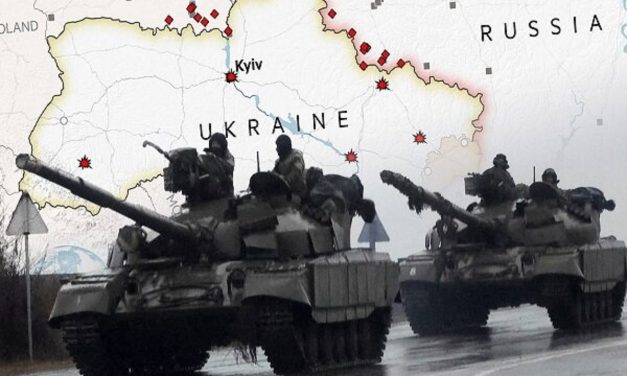
SCFR Online – Opinion: In modern warfare, it has always been assumed that the more expensive, and advanced the weapon—particularly from well-known companies—the more certain the victory will be. However, developments on the northern front of occupied Palestine in recent months have challenged this long-held belief. Here, the Zionist regime’s military, despite possessing the most advanced defense systems such as Iron Dome, David’s Sling, and Arrow, as well as fifth-generation F-35 fighter jets, Merkava tanks, and other modern equipment found in few countries worldwide, has effectively been rendered helpless against Hezbollah Lebanon’s few-hundred-dollar drones. Benjamin Netanyahu’s bitter admission regarding the inability to counter this threat, and his order to allocate an unlimited budget to find a solution, underscores the reality that the era of pure superiority through expensive technologies has come to an end.

The Impact of West Asian Developments on the Ukraine War

SCFR Online – Note: Vladimir Putin, President of Russia, recently announced—more than four years after the commencement of military aggression against Ukraine—that he believes the conflict between Russia and Ukraine is drawing to a close.

Temporary China–U.S. Trade Truce in the Shadow of Fundamental Distrust

SCFR Online – Opinion: The recent visit of the President of the United States to China is significant from various aspects; because China is recognized as the world’s second-largest economic power and a growing economy. The Chinese are also advancing in various fields, including the space sector, artificial intelligence, and military industries; to the extent that in the military sector, whereas they previously lacked an aircraft carrier, they now possess their third aircraft carrier. On the other hand, the United States, as a superpower, has always regarded China as its rival and continues to view it as such today.

Loading

Syrian kurds

An Analysis of Syria’s Parliamentary Elections

An Analysis of Syria’s Parliamentary Elections

Online Strategic Council – Interview: A West Asia affairs expert stated that the first parliamentary elections in Syria during the interim government’s tenure, led by Ahmad al-Shar, were held while the appointed composition of seats, the absence of a national census, and the influence of foreign actors challenge the real legitimacy and freedom of these elections.

The Strategic Significance of Syria-Turkey-Azerbaijan Gas Project

The Strategic Significance of Syria-Turkey-Azerbaijan Gas Project

Strategic Council Online – Interview: A West Asia affairs analyst stated: The Syria-Turkey-Azerbaijan gas project goes beyond simple energy cooperation and must be evaluated within the context of regional power competition, efforts to redefine the political order in Syria, and the strengthening of the Turkish-Qatari-Azerbaijani axis in West Asia. An order whose future will largely depend on the stability of the Damascus government and Turkey’s ability to manage security, economic, and geopolitical crises simultaneously.
At a time when Syria is still grappling with extensive infrastructure problems and an energy crisis, the inauguration of the gas pipeline from Azerbaijan to Syria via Turkey, with Qatar’s financial support, has drawn the attention of regional analysts. This project, which in its first phase will transfer 3.4 million cubic meters of gas per day and will eventually reach a capacity of 6 million cubic meters per day, could add approximately 750 megawatts to Syria’s electricity generation capacity.

Reducing US Military Presence in Syria: Motivations and Strategic Consequences

Reducing US Military Presence in Syria: Motivations and Strategic Consequences

Strategic Council Online – Opinion: On April 18, 2025, the US Department of Defense (Pentagon) announced a review of the deployment of its military forces in Syria codenamed “Operation Inherent Resolve”. This plan, designed in line with Donald Trump’s policies to reduce US military presence in the Middle East, will reduce the number of US troops from 10,000 to 1,000 within two months. Although this measure was announced under the pretext of success in weakening ISIS, it is part of a broader US strategy to redefine its mission in the region. However, numerous political and security complexities accompany this decision, the consequences of which will be significant for Syria, the entire region, and even the international system.

Dimensions and Scope of the Conflict between Ankara and Syrian Kurds

Dimensions and Scope of the Conflict between Ankara and Syrian Kurds

Strategic Council Online – Guest Opinion: The increase in civilian casualties and ordinary citizens in the northern and eastern regions of Syria, following the continuation and intensification of air and artillery attacks by the Turkish army and its affiliated militias, namely the Syrian National Army (SNA), has led to growing concerns about the future course of developments in Syria.

The Fall of Bashar Assad Government and Turkey’s Role and Challenges

The Fall of Bashar Assad Government and Turkey’s Role and Challenges

Strategic Council Online – Interview: An expert on Turkish affairs said: The power vacuum in the region after the US military withdrawal from Iraq and its intensification after the withdrawal from Afghanistan opened up space for maneuvering by regional powers, especially Turkey. In the meantime, Ankara, relying on national power, an active foreign policy, and cooperation with the main power blocs in the international system, turned towards ambition and role-playing in the affairs of countries and regional issues, the most important example of which we are witnessing today in Syria.

Erdogan’s Motives and Opportunities for Reconciliation with the Syrian Government

Erdogan’s Motives and Opportunities for Reconciliation with the Syrian Government

Strategic Council Online—An expert on Caucasus issues said that the Turkish Foreign Minister recently stated in a joint press conference with his Saudi counterpart: “Our current strategy is dialogue and peace, and we ask Iran and Russia to play a constructive role in this process.” According to these statements, Turkey’s policy towards Syrian refugees and its consequences have once again been considered.

The goals of the suspicious movements of the United States in Syria

The goals of the suspicious movements of the United States in Syria

Strategic Council Online—Opinion: In recent weeks, the “suspicious movements” of the US in Syria have spread. So that the movement of American political and intelligence officials to areas in the northeast of Syria, as well as the holding of meetings to exchange views with the opposition of the Damascus government outside of Syria, have increased.
Hamid Khoshayand-Regional affairs expert

ÚLTIMAS PUBLICACIONES

Europe’s Enduring Dependence on Persian Gulf Energy

SCFR Online – Opinion: The dominant discourse in the field of European energy security over the past two decades has revolved around diversification of supply sources and the gradual reduction of dependence on fossil fuels. This narrative, which gained particular momentum after the Ukraine gas crisis in 2006 and its intensification in 2014 and 2022, was based on the assumption that Europe could free itself from the geopolitical vulnerabilities arising from dependence on specific suppliers through investment in renewable energy, imports of liquefied natural gas from diversified sources, and the establishment of new infrastructure. However, a closer analysis of energy trade data and the structure of the global oil and gas supply chain presents a different picture. Europe has not only failed to meaningfully reduce its dependence on the Persian Gulf, but in some sectors — particularly in liquefied natural gas imports — this dependence has deepened. This reality, which is often overlooked in public discourse, raises fundamental questions about the sustainability of Europe’s energy security strategies and their impact on regional power equations.
The Challenge of Hezbollah’s Low-Cost “FPV” Drones for the Zionist Regime

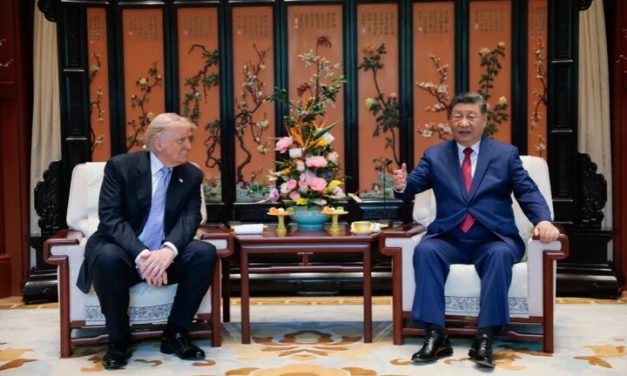
SCFR Online – Opinion: In modern warfare, it has always been assumed that the more expensive, and advanced the weapon—particularly from well-known companies—the more certain the victory will be. However, developments on the northern front of occupied Palestine in recent months have challenged this long-held belief. Here, the Zionist regime’s military, despite possessing the most advanced defense systems such as Iron Dome, David’s Sling, and Arrow, as well as fifth-generation F-35 fighter jets, Merkava tanks, and other modern equipment found in few countries worldwide, has effectively been rendered helpless against Hezbollah Lebanon’s few-hundred-dollar drones. Benjamin Netanyahu’s bitter admission regarding the inability to counter this threat, and his order to allocate an unlimited budget to find a solution, underscores the reality that the era of pure superiority through expensive technologies has come to an end.

The Impact of West Asian Developments on the Ukraine War

SCFR Online – Note: Vladimir Putin, President of Russia, recently announced—more than four years after the commencement of military aggression against Ukraine—that he believes the conflict between Russia and Ukraine is drawing to a close.

Temporary China–U.S. Trade Truce in the Shadow of Fundamental Distrust

SCFR Online – Opinion: The recent visit of the President of the United States to China is significant from various aspects; because China is recognized as the world’s second-largest economic power and a growing economy. The Chinese are also advancing in various fields, including the space sector, artificial intelligence, and military industries; to the extent that in the military sector, whereas they previously lacked an aircraft carrier, they now possess their third aircraft carrier. On the other hand, the United States, as a superpower, has always regarded China as its rival and continues to view it as such today.

Loading

Syrian kurds

An Analysis of Syria’s Parliamentary Elections

An Analysis of Syria’s Parliamentary Elections

Online Strategic Council – Interview: A West Asia affairs expert stated that the first parliamentary elections in Syria during the interim government’s tenure, led by Ahmad al-Shar, were held while the appointed composition of seats, the absence of a national census, and the influence of foreign actors challenge the real legitimacy and freedom of these elections.

The Strategic Significance of Syria-Turkey-Azerbaijan Gas Project

The Strategic Significance of Syria-Turkey-Azerbaijan Gas Project

Strategic Council Online – Interview: A West Asia affairs analyst stated: The Syria-Turkey-Azerbaijan gas project goes beyond simple energy cooperation and must be evaluated within the context of regional power competition, efforts to redefine the political order in Syria, and the strengthening of the Turkish-Qatari-Azerbaijani axis in West Asia. An order whose future will largely depend on the stability of the Damascus government and Turkey’s ability to manage security, economic, and geopolitical crises simultaneously.
At a time when Syria is still grappling with extensive infrastructure problems and an energy crisis, the inauguration of the gas pipeline from Azerbaijan to Syria via Turkey, with Qatar’s financial support, has drawn the attention of regional analysts. This project, which in its first phase will transfer 3.4 million cubic meters of gas per day and will eventually reach a capacity of 6 million cubic meters per day, could add approximately 750 megawatts to Syria’s electricity generation capacity.

Reducing US Military Presence in Syria: Motivations and Strategic Consequences

Reducing US Military Presence in Syria: Motivations and Strategic Consequences

Strategic Council Online – Opinion: On April 18, 2025, the US Department of Defense (Pentagon) announced a review of the deployment of its military forces in Syria codenamed “Operation Inherent Resolve”. This plan, designed in line with Donald Trump’s policies to reduce US military presence in the Middle East, will reduce the number of US troops from 10,000 to 1,000 within two months. Although this measure was announced under the pretext of success in weakening ISIS, it is part of a broader US strategy to redefine its mission in the region. However, numerous political and security complexities accompany this decision, the consequences of which will be significant for Syria, the entire region, and even the international system.

Dimensions and Scope of the Conflict between Ankara and Syrian Kurds

Dimensions and Scope of the Conflict between Ankara and Syrian Kurds

Strategic Council Online – Guest Opinion: The increase in civilian casualties and ordinary citizens in the northern and eastern regions of Syria, following the continuation and intensification of air and artillery attacks by the Turkish army and its affiliated militias, namely the Syrian National Army (SNA), has led to growing concerns about the future course of developments in Syria.

The Fall of Bashar Assad Government and Turkey’s Role and Challenges

The Fall of Bashar Assad Government and Turkey’s Role and Challenges

Strategic Council Online – Interview: An expert on Turkish affairs said: The power vacuum in the region after the US military withdrawal from Iraq and its intensification after the withdrawal from Afghanistan opened up space for maneuvering by regional powers, especially Turkey. In the meantime, Ankara, relying on national power, an active foreign policy, and cooperation with the main power blocs in the international system, turned towards ambition and role-playing in the affairs of countries and regional issues, the most important example of which we are witnessing today in Syria.

Erdogan’s Motives and Opportunities for Reconciliation with the Syrian Government

Erdogan’s Motives and Opportunities for Reconciliation with the Syrian Government

Strategic Council Online—An expert on Caucasus issues said that the Turkish Foreign Minister recently stated in a joint press conference with his Saudi counterpart: “Our current strategy is dialogue and peace, and we ask Iran and Russia to play a constructive role in this process.” According to these statements, Turkey’s policy towards Syrian refugees and its consequences have once again been considered.

The goals of the suspicious movements of the United States in Syria

The goals of the suspicious movements of the United States in Syria

Strategic Council Online—Opinion: In recent weeks, the “suspicious movements” of the US in Syria have spread. So that the movement of American political and intelligence officials to areas in the northeast of Syria, as well as the holding of meetings to exchange views with the opposition of the Damascus government outside of Syria, have increased.
Hamid Khoshayand-Regional affairs expert

ÚLTIMAS PUBLICACIONES

Europe’s Enduring Dependence on Persian Gulf Energy

SCFR Online – Opinion: The dominant discourse in the field of European energy security over the past two decades has revolved around diversification of supply sources and the gradual reduction of dependence on fossil fuels. This narrative, which gained particular momentum after the Ukraine gas crisis in 2006 and its intensification in 2014 and 2022, was based on the assumption that Europe could free itself from the geopolitical vulnerabilities arising from dependence on specific suppliers through investment in renewable energy, imports of liquefied natural gas from diversified sources, and the establishment of new infrastructure. However, a closer analysis of energy trade data and the structure of the global oil and gas supply chain presents a different picture. Europe has not only failed to meaningfully reduce its dependence on the Persian Gulf, but in some sectors — particularly in liquefied natural gas imports — this dependence has deepened. This reality, which is often overlooked in public discourse, raises fundamental questions about the sustainability of Europe’s energy security strategies and their impact on regional power equations.
The Challenge of Hezbollah’s Low-Cost “FPV” Drones for the Zionist Regime

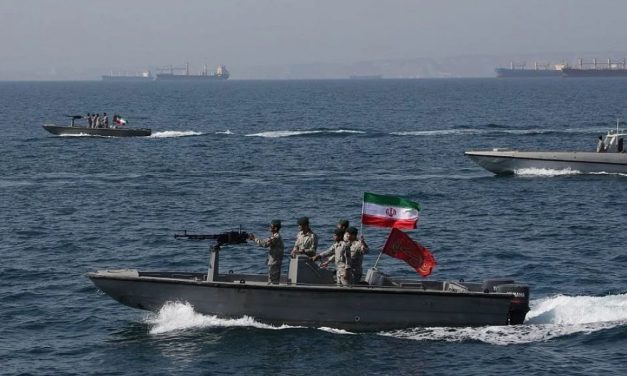
SCFR Online – Opinion: In modern warfare, it has always been assumed that the more expensive, and advanced the weapon—particularly from well-known companies—the more certain the victory will be. However, developments on the northern front of occupied Palestine in recent months have challenged this long-held belief. Here, the Zionist regime’s military, despite possessing the most advanced defense systems such as Iron Dome, David’s Sling, and Arrow, as well as fifth-generation F-35 fighter jets, Merkava tanks, and other modern equipment found in few countries worldwide, has effectively been rendered helpless against Hezbollah Lebanon’s few-hundred-dollar drones. Benjamin Netanyahu’s bitter admission regarding the inability to counter this threat, and his order to allocate an unlimited budget to find a solution, underscores the reality that the era of pure superiority through expensive technologies has come to an end.

The Impact of West Asian Developments on the Ukraine War

SCFR Online – Note: Vladimir Putin, President of Russia, recently announced—more than four years after the commencement of military aggression against Ukraine—that he believes the conflict between Russia and Ukraine is drawing to a close.

Temporary China–U.S. Trade Truce in the Shadow of Fundamental Distrust

SCFR Online – Opinion: The recent visit of the President of the United States to China is significant from various aspects; because China is recognized as the world’s second-largest economic power and a growing economy. The Chinese are also advancing in various fields, including the space sector, artificial intelligence, and military industries; to the extent that in the military sector, whereas they previously lacked an aircraft carrier, they now possess their third aircraft carrier. On the other hand, the United States, as a superpower, has always regarded China as its rival and continues to view it as such today.

Loading

Syrian kurds

An Analysis of Syria’s Parliamentary Elections

An Analysis of Syria’s Parliamentary Elections

Online Strategic Council – Interview: A West Asia affairs expert stated that the first parliamentary elections in Syria during the interim government’s tenure, led by Ahmad al-Shar, were held while the appointed composition of seats, the absence of a national census, and the influence of foreign actors challenge the real legitimacy and freedom of these elections.

The Strategic Significance of Syria-Turkey-Azerbaijan Gas Project

The Strategic Significance of Syria-Turkey-Azerbaijan Gas Project

Strategic Council Online – Interview: A West Asia affairs analyst stated: The Syria-Turkey-Azerbaijan gas project goes beyond simple energy cooperation and must be evaluated within the context of regional power competition, efforts to redefine the political order in Syria, and the strengthening of the Turkish-Qatari-Azerbaijani axis in West Asia. An order whose future will largely depend on the stability of the Damascus government and Turkey’s ability to manage security, economic, and geopolitical crises simultaneously.
At a time when Syria is still grappling with extensive infrastructure problems and an energy crisis, the inauguration of the gas pipeline from Azerbaijan to Syria via Turkey, with Qatar’s financial support, has drawn the attention of regional analysts. This project, which in its first phase will transfer 3.4 million cubic meters of gas per day and will eventually reach a capacity of 6 million cubic meters per day, could add approximately 750 megawatts to Syria’s electricity generation capacity.

Reducing US Military Presence in Syria: Motivations and Strategic Consequences

Reducing US Military Presence in Syria: Motivations and Strategic Consequences

Strategic Council Online – Opinion: On April 18, 2025, the US Department of Defense (Pentagon) announced a review of the deployment of its military forces in Syria codenamed “Operation Inherent Resolve”. This plan, designed in line with Donald Trump’s policies to reduce US military presence in the Middle East, will reduce the number of US troops from 10,000 to 1,000 within two months. Although this measure was announced under the pretext of success in weakening ISIS, it is part of a broader US strategy to redefine its mission in the region. However, numerous political and security complexities accompany this decision, the consequences of which will be significant for Syria, the entire region, and even the international system.

Dimensions and Scope of the Conflict between Ankara and Syrian Kurds

Dimensions and Scope of the Conflict between Ankara and Syrian Kurds

Strategic Council Online – Guest Opinion: The increase in civilian casualties and ordinary citizens in the northern and eastern regions of Syria, following the continuation and intensification of air and artillery attacks by the Turkish army and its affiliated militias, namely the Syrian National Army (SNA), has led to growing concerns about the future course of developments in Syria.

The Fall of Bashar Assad Government and Turkey’s Role and Challenges

The Fall of Bashar Assad Government and Turkey’s Role and Challenges

Strategic Council Online – Interview: An expert on Turkish affairs said: The power vacuum in the region after the US military withdrawal from Iraq and its intensification after the withdrawal from Afghanistan opened up space for maneuvering by regional powers, especially Turkey. In the meantime, Ankara, relying on national power, an active foreign policy, and cooperation with the main power blocs in the international system, turned towards ambition and role-playing in the affairs of countries and regional issues, the most important example of which we are witnessing today in Syria.

Erdogan’s Motives and Opportunities for Reconciliation with the Syrian Government

Erdogan’s Motives and Opportunities for Reconciliation with the Syrian Government

Strategic Council Online—An expert on Caucasus issues said that the Turkish Foreign Minister recently stated in a joint press conference with his Saudi counterpart: “Our current strategy is dialogue and peace, and we ask Iran and Russia to play a constructive role in this process.” According to these statements, Turkey’s policy towards Syrian refugees and its consequences have once again been considered.

The goals of the suspicious movements of the United States in Syria

The goals of the suspicious movements of the United States in Syria

Strategic Council Online—Opinion: In recent weeks, the “suspicious movements” of the US in Syria have spread. So that the movement of American political and intelligence officials to areas in the northeast of Syria, as well as the holding of meetings to exchange views with the opposition of the Damascus government outside of Syria, have increased.
Hamid Khoshayand-Regional affairs expert

ÚLTIMAS PUBLICACIONES

Europe’s Enduring Dependence on Persian Gulf Energy

SCFR Online – Opinion: The dominant discourse in the field of European energy security over the past two decades has revolved around diversification of supply sources and the gradual reduction of dependence on fossil fuels. This narrative, which gained particular momentum after the Ukraine gas crisis in 2006 and its intensification in 2014 and 2022, was based on the assumption that Europe could free itself from the geopolitical vulnerabilities arising from dependence on specific suppliers through investment in renewable energy, imports of liquefied natural gas from diversified sources, and the establishment of new infrastructure. However, a closer analysis of energy trade data and the structure of the global oil and gas supply chain presents a different picture. Europe has not only failed to meaningfully reduce its dependence on the Persian Gulf, but in some sectors — particularly in liquefied natural gas imports — this dependence has deepened. This reality, which is often overlooked in public discourse, raises fundamental questions about the sustainability of Europe’s energy security strategies and their impact on regional power equations.

The Challenge of Hezbollah’s Low-Cost “FPV” Drones for the Zionist Regime

SCFR Online – Opinion: In modern warfare, it has always been assumed that the more expensive, and advanced the weapon—particularly from well-known companies—the more certain the victory will be. However, developments on the northern front of occupied Palestine in recent months have challenged this long-held belief. Here, the Zionist regime’s military, despite possessing the most advanced defense systems such as Iron Dome, David’s Sling, and Arrow, as well as fifth-generation F-35 fighter jets, Merkava tanks, and other modern equipment found in few countries worldwide, has effectively been rendered helpless against Hezbollah Lebanon’s few-hundred-dollar drones. Benjamin Netanyahu’s bitter admission regarding the inability to counter this threat, and his order to allocate an unlimited budget to find a solution, underscores the reality that the era of pure superiority through expensive technologies has come to an end.

The Impact of West Asian Developments on the Ukraine War

SCFR Online – Note: Vladimir Putin, President of Russia, recently announced—more than four years after the commencement of military aggression against Ukraine—that he believes the conflict between Russia and Ukraine is drawing to a close.

Temporary China–U.S. Trade Truce in the Shadow of Fundamental Distrust

SCFR Online – Opinion: The recent visit of the President of the United States to China is significant from various aspects; because China is recognized as the world’s second-largest economic power and a growing economy. The Chinese are also advancing in various fields, including the space sector, artificial intelligence, and military industries; to the extent that in the military sector, whereas they previously lacked an aircraft carrier, they now possess their third aircraft carrier. On the other hand, the United States, as a superpower, has always regarded China as its rival and continues to view it as such today.

Loading

Syrian kurds

An Analysis of Syria’s Parliamentary Elections

An Analysis of Syria’s Parliamentary Elections

Online Strategic Council – Interview: A West Asia affairs expert stated that the first parliamentary elections in Syria during the interim government’s tenure, led by Ahmad al-Shar, were held while the appointed composition of seats, the absence of a national census, and the influence of foreign actors challenge the real legitimacy and freedom of these elections.

The Strategic Significance of Syria-Turkey-Azerbaijan Gas Project

The Strategic Significance of Syria-Turkey-Azerbaijan Gas Project

Strategic Council Online – Interview: A West Asia affairs analyst stated: The Syria-Turkey-Azerbaijan gas project goes beyond simple energy cooperation and must be evaluated within the context of regional power competition, efforts to redefine the political order in Syria, and the strengthening of the Turkish-Qatari-Azerbaijani axis in West Asia. An order whose future will largely depend on the stability of the Damascus government and Turkey’s ability to manage security, economic, and geopolitical crises simultaneously.
At a time when Syria is still grappling with extensive infrastructure problems and an energy crisis, the inauguration of the gas pipeline from Azerbaijan to Syria via Turkey, with Qatar’s financial support, has drawn the attention of regional analysts. This project, which in its first phase will transfer 3.4 million cubic meters of gas per day and will eventually reach a capacity of 6 million cubic meters per day, could add approximately 750 megawatts to Syria’s electricity generation capacity.

Reducing US Military Presence in Syria: Motivations and Strategic Consequences

Reducing US Military Presence in Syria: Motivations and Strategic Consequences

Strategic Council Online – Opinion: On April 18, 2025, the US Department of Defense (Pentagon) announced a review of the deployment of its military forces in Syria codenamed “Operation Inherent Resolve”. This plan, designed in line with Donald Trump’s policies to reduce US military presence in the Middle East, will reduce the number of US troops from 10,000 to 1,000 within two months. Although this measure was announced under the pretext of success in weakening ISIS, it is part of a broader US strategy to redefine its mission in the region. However, numerous political and security complexities accompany this decision, the consequences of which will be significant for Syria, the entire region, and even the international system.

Dimensions and Scope of the Conflict between Ankara and Syrian Kurds

Dimensions and Scope of the Conflict between Ankara and Syrian Kurds

Strategic Council Online – Guest Opinion: The increase in civilian casualties and ordinary citizens in the northern and eastern regions of Syria, following the continuation and intensification of air and artillery attacks by the Turkish army and its affiliated militias, namely the Syrian National Army (SNA), has led to growing concerns about the future course of developments in Syria.

The Fall of Bashar Assad Government and Turkey’s Role and Challenges

The Fall of Bashar Assad Government and Turkey’s Role and Challenges

Strategic Council Online – Interview: An expert on Turkish affairs said: The power vacuum in the region after the US military withdrawal from Iraq and its intensification after the withdrawal from Afghanistan opened up space for maneuvering by regional powers, especially Turkey. In the meantime, Ankara, relying on national power, an active foreign policy, and cooperation with the main power blocs in the international system, turned towards ambition and role-playing in the affairs of countries and regional issues, the most important example of which we are witnessing today in Syria.

Erdogan’s Motives and Opportunities for Reconciliation with the Syrian Government

Erdogan’s Motives and Opportunities for Reconciliation with the Syrian Government

Strategic Council Online—An expert on Caucasus issues said that the Turkish Foreign Minister recently stated in a joint press conference with his Saudi counterpart: “Our current strategy is dialogue and peace, and we ask Iran and Russia to play a constructive role in this process.” According to these statements, Turkey’s policy towards Syrian refugees and its consequences have once again been considered.

The goals of the suspicious movements of the United States in Syria

The goals of the suspicious movements of the United States in Syria

Strategic Council Online—Opinion: In recent weeks, the “suspicious movements” of the US in Syria have spread. So that the movement of American political and intelligence officials to areas in the northeast of Syria, as well as the holding of meetings to exchange views with the opposition of the Damascus government outside of Syria, have increased.
Hamid Khoshayand-Regional affairs expert

ÚLTIMAS PUBLICACIONES

Europe’s Enduring Dependence on Persian Gulf Energy

SCFR Online – Opinion: The dominant discourse in the field of European energy security over the past two decades has revolved around diversification of supply sources and the gradual reduction of dependence on fossil fuels. This narrative, which gained particular momentum after the Ukraine gas crisis in 2006 and its intensification in 2014 and 2022, was based on the assumption that Europe could free itself from the geopolitical vulnerabilities arising from dependence on specific suppliers through investment in renewable energy, imports of liquefied natural gas from diversified sources, and the establishment of new infrastructure. However, a closer analysis of energy trade data and the structure of the global oil and gas supply chain presents a different picture. Europe has not only failed to meaningfully reduce its dependence on the Persian Gulf, but in some sectors — particularly in liquefied natural gas imports — this dependence has deepened. This reality, which is often overlooked in public discourse, raises fundamental questions about the sustainability of Europe’s energy security strategies and their impact on regional power equations.

The Challenge of Hezbollah’s Low-Cost “FPV” Drones for the Zionist Regime

SCFR Online – Opinion: In modern warfare, it has always been assumed that the more expensive, and advanced the weapon—particularly from well-known companies—the more certain the victory will be. However, developments on the northern front of occupied Palestine in recent months have challenged this long-held belief. Here, the Zionist regime’s military, despite possessing the most advanced defense systems such as Iron Dome, David’s Sling, and Arrow, as well as fifth-generation F-35 fighter jets, Merkava tanks, and other modern equipment found in few countries worldwide, has effectively been rendered helpless against Hezbollah Lebanon’s few-hundred-dollar drones. Benjamin Netanyahu’s bitter admission regarding the inability to counter this threat, and his order to allocate an unlimited budget to find a solution, underscores the reality that the era of pure superiority through expensive technologies has come to an end.

The Impact of West Asian Developments on the Ukraine War

SCFR Online – Note: Vladimir Putin, President of Russia, recently announced—more than four years after the commencement of military aggression against Ukraine—that he believes the conflict between Russia and Ukraine is drawing to a close.

Temporary China–U.S. Trade Truce in the Shadow of Fundamental Distrust

SCFR Online – Opinion: The recent visit of the President of the United States to China is significant from various aspects; because China is recognized as the world’s second-largest economic power and a growing economy. The Chinese are also advancing in various fields, including the space sector, artificial intelligence, and military industries; to the extent that in the military sector, whereas they previously lacked an aircraft carrier, they now possess their third aircraft carrier. On the other hand, the United States, as a superpower, has always regarded China as its rival and continues to view it as such today.

Loading