جدیدترین مطالب

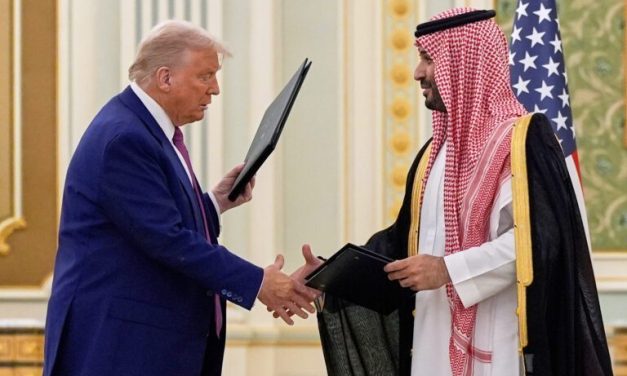
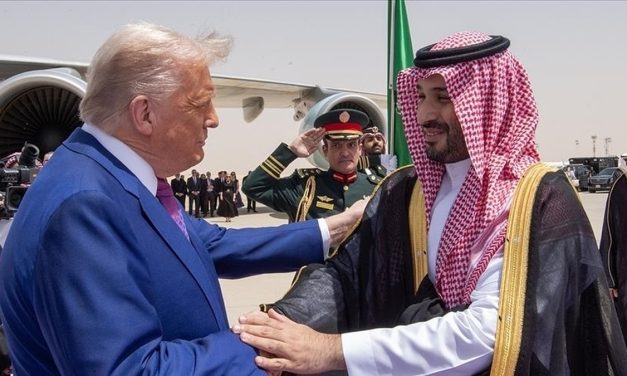
A Look at bin Salman’s Recent Trip to America

Strategic Council Online – Opinion: The recent trip of the Saudi Crown Prince to America was a targeted effort to solidify the strategic partnership with Washington, reduce political uncertainties, and strengthen Riyadh’s political role-playing.


Creating the Right Narrative: A Principled Strategy for Countering the Enemy’s Soft War

Strategic Council Online – Interview: A media expert stated: Given the intensification of the West’s soft war and psychological operations against Iran, our country’s primary strategy must be based on public education, strengthening national cohesion, developing international media, and countering the distortion of history through creating the right narrative.

F-35 Sale to Saudi Arabia: From Promise to Reality

Strategic Council Online – Interview: An international affairs analyst said: The issue of selling the F-35 to Saudi Arabia is not merely a military case, but rather part of a regional engineering that Washington is trying to advance.

Caspian Sea Water Level Drop; A Geopolitical Harm for Coastal Countries

Strategic Council Online – Interview: An expert in geopolitics stated, “The unprecedented drop in the Caspian Sea water level is not only an environmental threat but also a geopolitical alarm bell for Iran and the coastal countries, requiring urgent multilateral cooperation.”

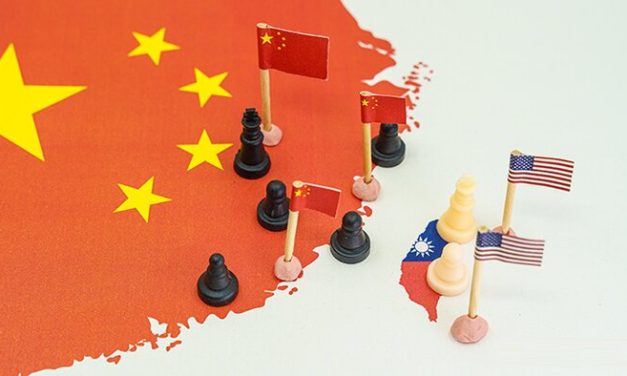
China’s Strategy to Counter the U.S. Effort to Escalate the Taiwan Crisis

Strategic Council Online – Interview: “Any miscalculated move could lead to escalating tensions and uncontrollable crises, but Beijing’s prudence and precise strategies have so far prevented the Taiwan issue from escalating into a crisis similar to that of Ukraine,” said an East Asia analyst.

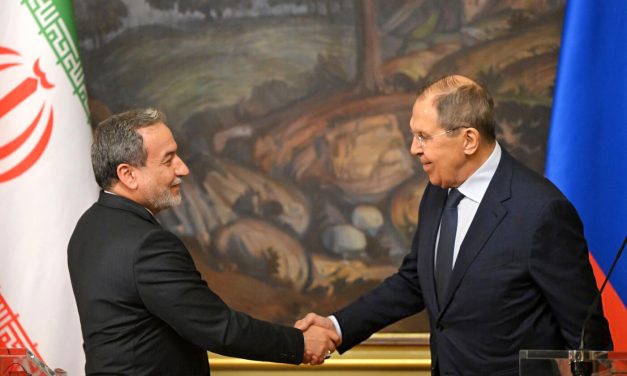
Iran in the New Eurasian Order

Strategic Council Online – Interview: A geostrategic affairs analyst said: The emerging Eurasian order is not merely an economic plan, but an effort to redefine the global order based on independence, multilateralism, and regional convergence.

Loading

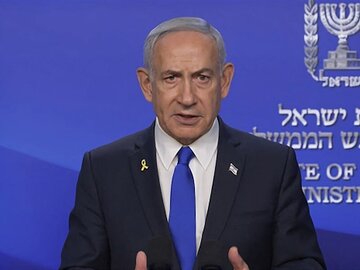
Netanyahu

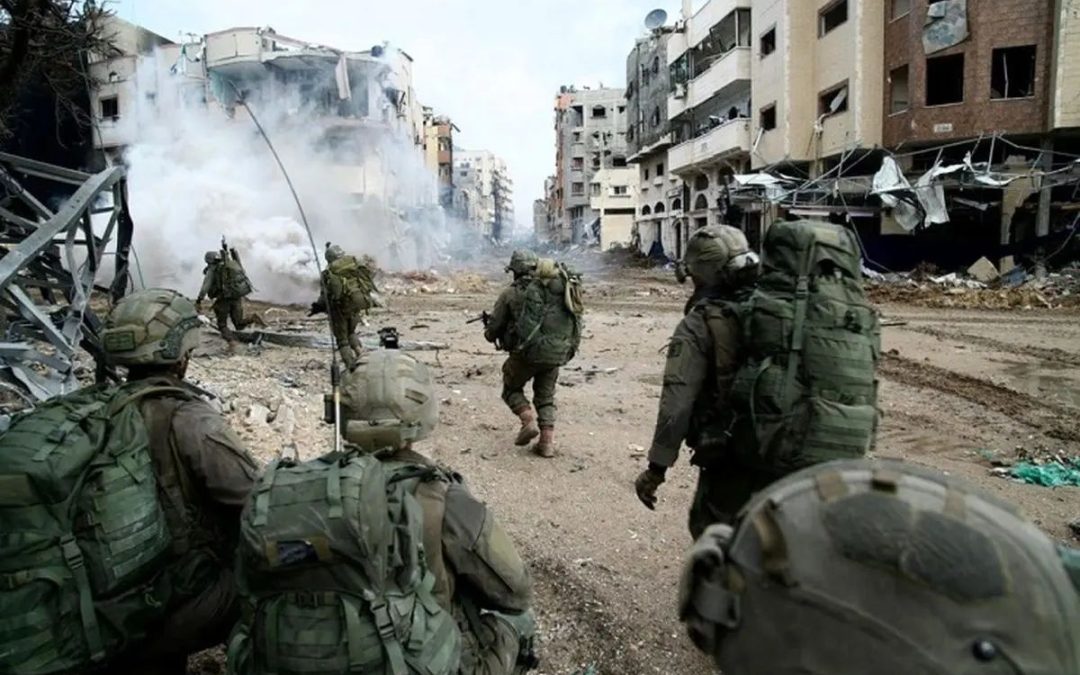
America’s Endeavor to Rebuild Domination in West Asia Under the Guise of Peace Plans

America’s Endeavor to Rebuild Domination in West Asia Under the Guise of Peace Plans

Strategic Council Online- Interview: An expert on West Asian issues stated: The developments following the Gaza war indicate that the U.S. strategy to redefine the West Asian order through the normalization of relations with the Israeli regime has reached a dead end. Therefore, the post-Gaza war developments have once again placed the U.S. security engineering strategy in West Asia at the center of analysts’ attention.

Failure of the Israeli Regime’s Assassination Policy in Containing the Resistance Front

Failure of the Israeli Regime’s Assassination Policy in Containing the Resistance Front

Strategic Council Online – Interview: A senior West Asia affairs analyst stated: By assassinating Yemeni executive officials, the Israeli regime has not only failed to achieve its military objectives, but its position has also been weakened in the diplomatic arena. In contrast, Yemen and the Resistance Front are continuing their path with greater cohesion, and the future outlook indicates that not only will their military capabilities not diminish, but their political standing will also be enhanced at the regional and global levels.

An Analysis of the Recognition of the Armenian Genocide by the Zionist Regime

An Analysis of the Recognition of the Armenian Genocide by the Zionist Regime

Strategic Council Online Opinion: Despite past cooperation and extensive interactions between Ankara and Tel Aviv in various economic, commercial, political, and other domains, Benjamin Netanyahu, the Prime Minister of the Zionist regime, recently took an unprecedented step by recognizing the Armenian Genocide perpetrated by the Ottoman Empire on April 24, 1915, during World War I.

Dimensions and Negative Consequences of Netanyahu’s “Greater Israel” Idea

Dimensions and Negative Consequences of Netanyahu’s “Greater Israel” Idea

Strategic Council Online– Opinion: Netanyahu, the Prime Minister of the Zionist regime, in an interview with the i24 network, while receiving the “Promised Land” talisman from Sharon Gal, a former representative of the right-wing faction, said he is very attached to the ideal of “Greater Israel.” In this interview, he emphasized that he sees himself on a historical and spiritual mission that includes generations of Jews who dreamed of coming here and generations of Jews who will come after us.

Decoding the Israeli Regime’s Narrative-Building in the Gaza War

Decoding the Israeli Regime’s Narrative-Building in the Gaza War

Strategic Council Online – Interview: A senior Palestinian affairs analyst stated: To justify its crimes in Gaza, the Zionist regime employs two main strategies: using military censorship regarding the publication of operational details and presenting an official narrative by military spokespersons in Hebrew and Arabic. By relying on selective images and information, it attempts to make its military actions in Gaza seem believable. While Benjamin Netanyahu, the Prime Minister of the Israeli regime, has announced readiness to expand military operations in Gaza and claimed that Palestinians would be allowed to leave the area, international criticism of this regime’s actions under the accusation of ethnic cleansing has intensified. By controlling Gaza’s borders, the Israeli regime’s military has restricted the exit of Palestinians and simultaneously carried out extensive bombings in the residential areas of Zeitoun and Sabra, which, according to the Hamas Civil Defense Organization, resulted in at least 33 deaths and widespread destruction. The European Union, the United Kingdom, Australia, Canada, and Japan, in a joint statement, have warned of an impending famine in Gaza and called for a halt to the use of lethal force near aid distribution sites. The World Health Organization has also emphasized the necessity of medical equipment entering Gaza, but the Israeli regime continues to prevent sufficient humanitarian aid from being sent.

Ambiguous Prospects of the Zionist Regime’s Strategy for the Occupation of Gaza

Ambiguous Prospects of the Zionist Regime’s Strategy for the Occupation of Gaza

Strategic Council Online – Opinion: Despite widespread disagreements between Netanyahu and the Chief of the General Staff of the Zionist regime’s army, Eyal Zamir, the main framework of the plan to occupy Gaza City was finally signed after the war cabinet agreed to seize Gaza City; a decision that could have extensive consequences in the Occupied Territories and the region.

Netanyahu’s Legal Liability After Confession About Assassination of Iranian Nuclear Scientists

Netanyahu’s Legal Liability After Confession About Assassination of Iranian Nuclear Scientists

Strategic Council Online – Interview: A West Asia affairs analyst said: Recently, Benjamin Netanyahu, the Prime Minister of the Zionist regime, explicitly stated in an interview with Channel 14 of this regime that a significant number of Iran’s nuclear scientists have been killed as part of a targeted assassination program. This is the first time that a senior official of the Israeli regime has made such an explicit confession. Although the Israeli regime had previously been accused of playing a role in the assassination of Iranian scientists, this official confession opens a new chapter in legal and political pursuits; a chapter that could, by utilizing international capacities, confront a regime that sees itself as above the law with serious consequences.

The Impact of the 12-Day War on the Economy of the Israeli Regime

The Impact of the 12-Day War on the Economy of the Israeli Regime

Strategic Council Online – Interview: A senior international affairs analyst stated that the Israeli regime’s 12-day war against Iran in June 2025 has pushed its economy to a fragile point. A 16.2% decline in exports to $3.6 billion is just the tip of the iceberg of the crisis. Simultaneously, global isolation and the continued widening of crimes in Gaza have placed an additional burden on its economy. The weakening of the shekel against the dollar and the destruction of key infrastructure have plunged the Israeli regime’s economy into a whirlpool of a 20.6% trade deficit and a 3.4% drop in six-month exports to $26.97 billion. A 5% increase in imports has further exacerbated the pressure. This crisis, rooted in the Israeli regime’s military adventurism and global isolation, has driven it toward dependence on foreign aid and social collapse.

Domestic Concerns and Repercussions of the 12-Day War for Trump and Netanyahu

Domestic Concerns and Repercussions of the 12-Day War for Trump and Netanyahu

Strategic Council Online – Opinion: Every war, regardless of its duration (short or long) and how it ends (ceasefire, lifting siege, or peace), faces an issue called “The Day After.” The day after the war ends refers to the day when the consequences of the war gradually become apparent to the warring parties in various spheres, including political, military, social, economic, and others. The imposed war by the Zionist regime and America against Iran is no exception to this rule.

أحدث الوظائف

A Look at bin Salman’s Recent Trip to America

Strategic Council Online – Opinion: The recent trip of the Saudi Crown Prince to America was a targeted effort to solidify the strategic partnership with Washington, reduce political uncertainties, and strengthen Riyadh’s political role-playing.
Creating the Right Narrative: A Principled Strategy for Countering the Enemy’s Soft War

Strategic Council Online – Interview: A media expert stated: Given the intensification of the West’s soft war and psychological operations against Iran, our country’s primary strategy must be based on public education, strengthening national cohesion, developing international media, and countering the distortion of history through creating the right narrative.

F-35 Sale to Saudi Arabia: From Promise to Reality

Strategic Council Online – Interview: An international affairs analyst said: The issue of selling the F-35 to Saudi Arabia is not merely a military case, but rather part of a regional engineering that Washington is trying to advance.

Caspian Sea Water Level Drop; A Geopolitical Harm for Coastal Countries

Strategic Council Online – Interview: An expert in geopolitics stated, “The unprecedented drop in the Caspian Sea water level is not only an environmental threat but also a geopolitical alarm bell for Iran and the coastal countries, requiring urgent multilateral cooperation.”

China’s Strategy to Counter the U.S. Effort to Escalate the Taiwan Crisis

Strategic Council Online – Interview: “Any miscalculated move could lead to escalating tensions and uncontrollable crises, but Beijing’s prudence and precise strategies have so far prevented the Taiwan issue from escalating into a crisis similar to that of Ukraine,” said an East Asia analyst.

Iran in the New Eurasian Order

Strategic Council Online – Interview: A geostrategic affairs analyst said: The emerging Eurasian order is not merely an economic plan, but an effort to redefine the global order based on independence, multilateralism, and regional convergence.

Loading

Netanyahu

America’s Endeavor to Rebuild Domination in West Asia Under the Guise of Peace Plans

America’s Endeavor to Rebuild Domination in West Asia Under the Guise of Peace Plans

Strategic Council Online- Interview: An expert on West Asian issues stated: The developments following the Gaza war indicate that the U.S. strategy to redefine the West Asian order through the normalization of relations with the Israeli regime has reached a dead end. Therefore, the post-Gaza war developments have once again placed the U.S. security engineering strategy in West Asia at the center of analysts’ attention.

Failure of the Israeli Regime’s Assassination Policy in Containing the Resistance Front

Failure of the Israeli Regime’s Assassination Policy in Containing the Resistance Front

Strategic Council Online – Interview: A senior West Asia affairs analyst stated: By assassinating Yemeni executive officials, the Israeli regime has not only failed to achieve its military objectives, but its position has also been weakened in the diplomatic arena. In contrast, Yemen and the Resistance Front are continuing their path with greater cohesion, and the future outlook indicates that not only will their military capabilities not diminish, but their political standing will also be enhanced at the regional and global levels.

An Analysis of the Recognition of the Armenian Genocide by the Zionist Regime

An Analysis of the Recognition of the Armenian Genocide by the Zionist Regime

Strategic Council Online Opinion: Despite past cooperation and extensive interactions between Ankara and Tel Aviv in various economic, commercial, political, and other domains, Benjamin Netanyahu, the Prime Minister of the Zionist regime, recently took an unprecedented step by recognizing the Armenian Genocide perpetrated by the Ottoman Empire on April 24, 1915, during World War I.

Dimensions and Negative Consequences of Netanyahu’s “Greater Israel” Idea

Dimensions and Negative Consequences of Netanyahu’s “Greater Israel” Idea

Strategic Council Online– Opinion: Netanyahu, the Prime Minister of the Zionist regime, in an interview with the i24 network, while receiving the “Promised Land” talisman from Sharon Gal, a former representative of the right-wing faction, said he is very attached to the ideal of “Greater Israel.” In this interview, he emphasized that he sees himself on a historical and spiritual mission that includes generations of Jews who dreamed of coming here and generations of Jews who will come after us.

Decoding the Israeli Regime’s Narrative-Building in the Gaza War

Decoding the Israeli Regime’s Narrative-Building in the Gaza War

Strategic Council Online – Interview: A senior Palestinian affairs analyst stated: To justify its crimes in Gaza, the Zionist regime employs two main strategies: using military censorship regarding the publication of operational details and presenting an official narrative by military spokespersons in Hebrew and Arabic. By relying on selective images and information, it attempts to make its military actions in Gaza seem believable. While Benjamin Netanyahu, the Prime Minister of the Israeli regime, has announced readiness to expand military operations in Gaza and claimed that Palestinians would be allowed to leave the area, international criticism of this regime’s actions under the accusation of ethnic cleansing has intensified. By controlling Gaza’s borders, the Israeli regime’s military has restricted the exit of Palestinians and simultaneously carried out extensive bombings in the residential areas of Zeitoun and Sabra, which, according to the Hamas Civil Defense Organization, resulted in at least 33 deaths and widespread destruction. The European Union, the United Kingdom, Australia, Canada, and Japan, in a joint statement, have warned of an impending famine in Gaza and called for a halt to the use of lethal force near aid distribution sites. The World Health Organization has also emphasized the necessity of medical equipment entering Gaza, but the Israeli regime continues to prevent sufficient humanitarian aid from being sent.

Ambiguous Prospects of the Zionist Regime’s Strategy for the Occupation of Gaza

Ambiguous Prospects of the Zionist Regime’s Strategy for the Occupation of Gaza

Strategic Council Online – Opinion: Despite widespread disagreements between Netanyahu and the Chief of the General Staff of the Zionist regime’s army, Eyal Zamir, the main framework of the plan to occupy Gaza City was finally signed after the war cabinet agreed to seize Gaza City; a decision that could have extensive consequences in the Occupied Territories and the region.

Netanyahu’s Legal Liability After Confession About Assassination of Iranian Nuclear Scientists

Netanyahu’s Legal Liability After Confession About Assassination of Iranian Nuclear Scientists

Strategic Council Online – Interview: A West Asia affairs analyst said: Recently, Benjamin Netanyahu, the Prime Minister of the Zionist regime, explicitly stated in an interview with Channel 14 of this regime that a significant number of Iran’s nuclear scientists have been killed as part of a targeted assassination program. This is the first time that a senior official of the Israeli regime has made such an explicit confession. Although the Israeli regime had previously been accused of playing a role in the assassination of Iranian scientists, this official confession opens a new chapter in legal and political pursuits; a chapter that could, by utilizing international capacities, confront a regime that sees itself as above the law with serious consequences.

The Impact of the 12-Day War on the Economy of the Israeli Regime

The Impact of the 12-Day War on the Economy of the Israeli Regime

Strategic Council Online – Interview: A senior international affairs analyst stated that the Israeli regime’s 12-day war against Iran in June 2025 has pushed its economy to a fragile point. A 16.2% decline in exports to $3.6 billion is just the tip of the iceberg of the crisis. Simultaneously, global isolation and the continued widening of crimes in Gaza have placed an additional burden on its economy. The weakening of the shekel against the dollar and the destruction of key infrastructure have plunged the Israeli regime’s economy into a whirlpool of a 20.6% trade deficit and a 3.4% drop in six-month exports to $26.97 billion. A 5% increase in imports has further exacerbated the pressure. This crisis, rooted in the Israeli regime’s military adventurism and global isolation, has driven it toward dependence on foreign aid and social collapse.

Domestic Concerns and Repercussions of the 12-Day War for Trump and Netanyahu

Domestic Concerns and Repercussions of the 12-Day War for Trump and Netanyahu

Strategic Council Online – Opinion: Every war, regardless of its duration (short or long) and how it ends (ceasefire, lifting siege, or peace), faces an issue called “The Day After.” The day after the war ends refers to the day when the consequences of the war gradually become apparent to the warring parties in various spheres, including political, military, social, economic, and others. The imposed war by the Zionist regime and America against Iran is no exception to this rule.

Netanyahu

America’s Endeavor to Rebuild Domination in West Asia Under the Guise of Peace Plans

America’s Endeavor to Rebuild Domination in West Asia Under the Guise of Peace Plans

Strategic Council Online- Interview: An expert on West Asian issues stated: The developments following the Gaza war indicate that the U.S. strategy to redefine the West Asian order through the normalization of relations with the Israeli regime has reached a dead end. Therefore, the post-Gaza war developments have once again placed the U.S. security engineering strategy in West Asia at the center of analysts’ attention.

Failure of the Israeli Regime’s Assassination Policy in Containing the Resistance Front

Failure of the Israeli Regime’s Assassination Policy in Containing the Resistance Front

Strategic Council Online – Interview: A senior West Asia affairs analyst stated: By assassinating Yemeni executive officials, the Israeli regime has not only failed to achieve its military objectives, but its position has also been weakened in the diplomatic arena. In contrast, Yemen and the Resistance Front are continuing their path with greater cohesion, and the future outlook indicates that not only will their military capabilities not diminish, but their political standing will also be enhanced at the regional and global levels.

An Analysis of the Recognition of the Armenian Genocide by the Zionist Regime

An Analysis of the Recognition of the Armenian Genocide by the Zionist Regime

Strategic Council Online Opinion: Despite past cooperation and extensive interactions between Ankara and Tel Aviv in various economic, commercial, political, and other domains, Benjamin Netanyahu, the Prime Minister of the Zionist regime, recently took an unprecedented step by recognizing the Armenian Genocide perpetrated by the Ottoman Empire on April 24, 1915, during World War I.

Dimensions and Negative Consequences of Netanyahu’s “Greater Israel” Idea

Dimensions and Negative Consequences of Netanyahu’s “Greater Israel” Idea

Strategic Council Online– Opinion: Netanyahu, the Prime Minister of the Zionist regime, in an interview with the i24 network, while receiving the “Promised Land” talisman from Sharon Gal, a former representative of the right-wing faction, said he is very attached to the ideal of “Greater Israel.” In this interview, he emphasized that he sees himself on a historical and spiritual mission that includes generations of Jews who dreamed of coming here and generations of Jews who will come after us.

Decoding the Israeli Regime’s Narrative-Building in the Gaza War

Decoding the Israeli Regime’s Narrative-Building in the Gaza War

Strategic Council Online – Interview: A senior Palestinian affairs analyst stated: To justify its crimes in Gaza, the Zionist regime employs two main strategies: using military censorship regarding the publication of operational details and presenting an official narrative by military spokespersons in Hebrew and Arabic. By relying on selective images and information, it attempts to make its military actions in Gaza seem believable. While Benjamin Netanyahu, the Prime Minister of the Israeli regime, has announced readiness to expand military operations in Gaza and claimed that Palestinians would be allowed to leave the area, international criticism of this regime’s actions under the accusation of ethnic cleansing has intensified. By controlling Gaza’s borders, the Israeli regime’s military has restricted the exit of Palestinians and simultaneously carried out extensive bombings in the residential areas of Zeitoun and Sabra, which, according to the Hamas Civil Defense Organization, resulted in at least 33 deaths and widespread destruction. The European Union, the United Kingdom, Australia, Canada, and Japan, in a joint statement, have warned of an impending famine in Gaza and called for a halt to the use of lethal force near aid distribution sites. The World Health Organization has also emphasized the necessity of medical equipment entering Gaza, but the Israeli regime continues to prevent sufficient humanitarian aid from being sent.

Ambiguous Prospects of the Zionist Regime’s Strategy for the Occupation of Gaza

Ambiguous Prospects of the Zionist Regime’s Strategy for the Occupation of Gaza

Strategic Council Online – Opinion: Despite widespread disagreements between Netanyahu and the Chief of the General Staff of the Zionist regime’s army, Eyal Zamir, the main framework of the plan to occupy Gaza City was finally signed after the war cabinet agreed to seize Gaza City; a decision that could have extensive consequences in the Occupied Territories and the region.

Netanyahu’s Legal Liability After Confession About Assassination of Iranian Nuclear Scientists

Netanyahu’s Legal Liability After Confession About Assassination of Iranian Nuclear Scientists

Strategic Council Online – Interview: A West Asia affairs analyst said: Recently, Benjamin Netanyahu, the Prime Minister of the Zionist regime, explicitly stated in an interview with Channel 14 of this regime that a significant number of Iran’s nuclear scientists have been killed as part of a targeted assassination program. This is the first time that a senior official of the Israeli regime has made such an explicit confession. Although the Israeli regime had previously been accused of playing a role in the assassination of Iranian scientists, this official confession opens a new chapter in legal and political pursuits; a chapter that could, by utilizing international capacities, confront a regime that sees itself as above the law with serious consequences.

The Impact of the 12-Day War on the Economy of the Israeli Regime

The Impact of the 12-Day War on the Economy of the Israeli Regime

Strategic Council Online – Interview: A senior international affairs analyst stated that the Israeli regime’s 12-day war against Iran in June 2025 has pushed its economy to a fragile point. A 16.2% decline in exports to $3.6 billion is just the tip of the iceberg of the crisis. Simultaneously, global isolation and the continued widening of crimes in Gaza have placed an additional burden on its economy. The weakening of the shekel against the dollar and the destruction of key infrastructure have plunged the Israeli regime’s economy into a whirlpool of a 20.6% trade deficit and a 3.4% drop in six-month exports to $26.97 billion. A 5% increase in imports has further exacerbated the pressure. This crisis, rooted in the Israeli regime’s military adventurism and global isolation, has driven it toward dependence on foreign aid and social collapse.

Domestic Concerns and Repercussions of the 12-Day War for Trump and Netanyahu

Domestic Concerns and Repercussions of the 12-Day War for Trump and Netanyahu

Strategic Council Online – Opinion: Every war, regardless of its duration (short or long) and how it ends (ceasefire, lifting siege, or peace), faces an issue called “The Day After.” The day after the war ends refers to the day when the consequences of the war gradually become apparent to the warring parties in various spheres, including political, military, social, economic, and others. The imposed war by the Zionist regime and America against Iran is no exception to this rule.

LATEST CONTENT

A Look at bin Salman’s Recent Trip to America

Strategic Council Online – Opinion: The recent trip of the Saudi Crown Prince to America was a targeted effort to solidify the strategic partnership with Washington, reduce political uncertainties, and strengthen Riyadh’s political role-playing.
Creating the Right Narrative: A Principled Strategy for Countering the Enemy’s Soft War

Strategic Council Online – Interview: A media expert stated: Given the intensification of the West’s soft war and psychological operations against Iran, our country’s primary strategy must be based on public education, strengthening national cohesion, developing international media, and countering the distortion of history through creating the right narrative.

F-35 Sale to Saudi Arabia: From Promise to Reality

Strategic Council Online – Interview: An international affairs analyst said: The issue of selling the F-35 to Saudi Arabia is not merely a military case, but rather part of a regional engineering that Washington is trying to advance.

Caspian Sea Water Level Drop; A Geopolitical Harm for Coastal Countries

Strategic Council Online – Interview: An expert in geopolitics stated, “The unprecedented drop in the Caspian Sea water level is not only an environmental threat but also a geopolitical alarm bell for Iran and the coastal countries, requiring urgent multilateral cooperation.”

China’s Strategy to Counter the U.S. Effort to Escalate the Taiwan Crisis

Strategic Council Online – Interview: “Any miscalculated move could lead to escalating tensions and uncontrollable crises, but Beijing’s prudence and precise strategies have so far prevented the Taiwan issue from escalating into a crisis similar to that of Ukraine,” said an East Asia analyst.

Iran in the New Eurasian Order

Strategic Council Online – Interview: A geostrategic affairs analyst said: The emerging Eurasian order is not merely an economic plan, but an effort to redefine the global order based on independence, multilateralism, and regional convergence.

Loading

Netanyahu

America’s Endeavor to Rebuild Domination in West Asia Under the Guise of Peace Plans

America’s Endeavor to Rebuild Domination in West Asia Under the Guise of Peace Plans

Strategic Council Online- Interview: An expert on West Asian issues stated: The developments following the Gaza war indicate that the U.S. strategy to redefine the West Asian order through the normalization of relations with the Israeli regime has reached a dead end. Therefore, the post-Gaza war developments have once again placed the U.S. security engineering strategy in West Asia at the center of analysts’ attention.

Failure of the Israeli Regime’s Assassination Policy in Containing the Resistance Front

Failure of the Israeli Regime’s Assassination Policy in Containing the Resistance Front

Strategic Council Online – Interview: A senior West Asia affairs analyst stated: By assassinating Yemeni executive officials, the Israeli regime has not only failed to achieve its military objectives, but its position has also been weakened in the diplomatic arena. In contrast, Yemen and the Resistance Front are continuing their path with greater cohesion, and the future outlook indicates that not only will their military capabilities not diminish, but their political standing will also be enhanced at the regional and global levels.

An Analysis of the Recognition of the Armenian Genocide by the Zionist Regime

An Analysis of the Recognition of the Armenian Genocide by the Zionist Regime

Strategic Council Online Opinion: Despite past cooperation and extensive interactions between Ankara and Tel Aviv in various economic, commercial, political, and other domains, Benjamin Netanyahu, the Prime Minister of the Zionist regime, recently took an unprecedented step by recognizing the Armenian Genocide perpetrated by the Ottoman Empire on April 24, 1915, during World War I.

Dimensions and Negative Consequences of Netanyahu’s “Greater Israel” Idea

Dimensions and Negative Consequences of Netanyahu’s “Greater Israel” Idea

Strategic Council Online– Opinion: Netanyahu, the Prime Minister of the Zionist regime, in an interview with the i24 network, while receiving the “Promised Land” talisman from Sharon Gal, a former representative of the right-wing faction, said he is very attached to the ideal of “Greater Israel.” In this interview, he emphasized that he sees himself on a historical and spiritual mission that includes generations of Jews who dreamed of coming here and generations of Jews who will come after us.

Decoding the Israeli Regime’s Narrative-Building in the Gaza War

Decoding the Israeli Regime’s Narrative-Building in the Gaza War

Strategic Council Online – Interview: A senior Palestinian affairs analyst stated: To justify its crimes in Gaza, the Zionist regime employs two main strategies: using military censorship regarding the publication of operational details and presenting an official narrative by military spokespersons in Hebrew and Arabic. By relying on selective images and information, it attempts to make its military actions in Gaza seem believable. While Benjamin Netanyahu, the Prime Minister of the Israeli regime, has announced readiness to expand military operations in Gaza and claimed that Palestinians would be allowed to leave the area, international criticism of this regime’s actions under the accusation of ethnic cleansing has intensified. By controlling Gaza’s borders, the Israeli regime’s military has restricted the exit of Palestinians and simultaneously carried out extensive bombings in the residential areas of Zeitoun and Sabra, which, according to the Hamas Civil Defense Organization, resulted in at least 33 deaths and widespread destruction. The European Union, the United Kingdom, Australia, Canada, and Japan, in a joint statement, have warned of an impending famine in Gaza and called for a halt to the use of lethal force near aid distribution sites. The World Health Organization has also emphasized the necessity of medical equipment entering Gaza, but the Israeli regime continues to prevent sufficient humanitarian aid from being sent.

Ambiguous Prospects of the Zionist Regime’s Strategy for the Occupation of Gaza

Ambiguous Prospects of the Zionist Regime’s Strategy for the Occupation of Gaza

Strategic Council Online – Opinion: Despite widespread disagreements between Netanyahu and the Chief of the General Staff of the Zionist regime’s army, Eyal Zamir, the main framework of the plan to occupy Gaza City was finally signed after the war cabinet agreed to seize Gaza City; a decision that could have extensive consequences in the Occupied Territories and the region.

Netanyahu’s Legal Liability After Confession About Assassination of Iranian Nuclear Scientists

Netanyahu’s Legal Liability After Confession About Assassination of Iranian Nuclear Scientists

Strategic Council Online – Interview: A West Asia affairs analyst said: Recently, Benjamin Netanyahu, the Prime Minister of the Zionist regime, explicitly stated in an interview with Channel 14 of this regime that a significant number of Iran’s nuclear scientists have been killed as part of a targeted assassination program. This is the first time that a senior official of the Israeli regime has made such an explicit confession. Although the Israeli regime had previously been accused of playing a role in the assassination of Iranian scientists, this official confession opens a new chapter in legal and political pursuits; a chapter that could, by utilizing international capacities, confront a regime that sees itself as above the law with serious consequences.

The Impact of the 12-Day War on the Economy of the Israeli Regime

The Impact of the 12-Day War on the Economy of the Israeli Regime

Strategic Council Online – Interview: A senior international affairs analyst stated that the Israeli regime’s 12-day war against Iran in June 2025 has pushed its economy to a fragile point. A 16.2% decline in exports to $3.6 billion is just the tip of the iceberg of the crisis. Simultaneously, global isolation and the continued widening of crimes in Gaza have placed an additional burden on its economy. The weakening of the shekel against the dollar and the destruction of key infrastructure have plunged the Israeli regime’s economy into a whirlpool of a 20.6% trade deficit and a 3.4% drop in six-month exports to $26.97 billion. A 5% increase in imports has further exacerbated the pressure. This crisis, rooted in the Israeli regime’s military adventurism and global isolation, has driven it toward dependence on foreign aid and social collapse.

Domestic Concerns and Repercussions of the 12-Day War for Trump and Netanyahu

Domestic Concerns and Repercussions of the 12-Day War for Trump and Netanyahu

Strategic Council Online – Opinion: Every war, regardless of its duration (short or long) and how it ends (ceasefire, lifting siege, or peace), faces an issue called “The Day After.” The day after the war ends refers to the day when the consequences of the war gradually become apparent to the warring parties in various spheres, including political, military, social, economic, and others. The imposed war by the Zionist regime and America against Iran is no exception to this rule.

ÚLTIMAS PUBLICACIONES

A Look at bin Salman’s Recent Trip to America

Strategic Council Online – Opinion: The recent trip of the Saudi Crown Prince to America was a targeted effort to solidify the strategic partnership with Washington, reduce political uncertainties, and strengthen Riyadh’s political role-playing.

Creating the Right Narrative: A Principled Strategy for Countering the Enemy’s Soft War

Strategic Council Online – Interview: A media expert stated: Given the intensification of the West’s soft war and psychological operations against Iran, our country’s primary strategy must be based on public education, strengthening national cohesion, developing international media, and countering the distortion of history through creating the right narrative.

F-35 Sale to Saudi Arabia: From Promise to Reality

Strategic Council Online – Interview: An international affairs analyst said: The issue of selling the F-35 to Saudi Arabia is not merely a military case, but rather part of a regional engineering that Washington is trying to advance.

Caspian Sea Water Level Drop; A Geopolitical Harm for Coastal Countries

Strategic Council Online – Interview: An expert in geopolitics stated, “The unprecedented drop in the Caspian Sea water level is not only an environmental threat but also a geopolitical alarm bell for Iran and the coastal countries, requiring urgent multilateral cooperation.”

China’s Strategy to Counter the U.S. Effort to Escalate the Taiwan Crisis

Strategic Council Online – Interview: “Any miscalculated move could lead to escalating tensions and uncontrollable crises, but Beijing’s prudence and precise strategies have so far prevented the Taiwan issue from escalating into a crisis similar to that of Ukraine,” said an East Asia analyst.

Iran in the New Eurasian Order

Strategic Council Online – Interview: A geostrategic affairs analyst said: The emerging Eurasian order is not merely an economic plan, but an effort to redefine the global order based on independence, multilateralism, and regional convergence.

Loading

Netanyahu

America’s Endeavor to Rebuild Domination in West Asia Under the Guise of Peace Plans

America’s Endeavor to Rebuild Domination in West Asia Under the Guise of Peace Plans

Strategic Council Online- Interview: An expert on West Asian issues stated: The developments following the Gaza war indicate that the U.S. strategy to redefine the West Asian order through the normalization of relations with the Israeli regime has reached a dead end. Therefore, the post-Gaza war developments have once again placed the U.S. security engineering strategy in West Asia at the center of analysts’ attention.

Failure of the Israeli Regime’s Assassination Policy in Containing the Resistance Front

Failure of the Israeli Regime’s Assassination Policy in Containing the Resistance Front

Strategic Council Online – Interview: A senior West Asia affairs analyst stated: By assassinating Yemeni executive officials, the Israeli regime has not only failed to achieve its military objectives, but its position has also been weakened in the diplomatic arena. In contrast, Yemen and the Resistance Front are continuing their path with greater cohesion, and the future outlook indicates that not only will their military capabilities not diminish, but their political standing will also be enhanced at the regional and global levels.

An Analysis of the Recognition of the Armenian Genocide by the Zionist Regime

An Analysis of the Recognition of the Armenian Genocide by the Zionist Regime

Strategic Council Online Opinion: Despite past cooperation and extensive interactions between Ankara and Tel Aviv in various economic, commercial, political, and other domains, Benjamin Netanyahu, the Prime Minister of the Zionist regime, recently took an unprecedented step by recognizing the Armenian Genocide perpetrated by the Ottoman Empire on April 24, 1915, during World War I.

Dimensions and Negative Consequences of Netanyahu’s “Greater Israel” Idea

Dimensions and Negative Consequences of Netanyahu’s “Greater Israel” Idea

Strategic Council Online– Opinion: Netanyahu, the Prime Minister of the Zionist regime, in an interview with the i24 network, while receiving the “Promised Land” talisman from Sharon Gal, a former representative of the right-wing faction, said he is very attached to the ideal of “Greater Israel.” In this interview, he emphasized that he sees himself on a historical and spiritual mission that includes generations of Jews who dreamed of coming here and generations of Jews who will come after us.

Decoding the Israeli Regime’s Narrative-Building in the Gaza War

Decoding the Israeli Regime’s Narrative-Building in the Gaza War

Strategic Council Online – Interview: A senior Palestinian affairs analyst stated: To justify its crimes in Gaza, the Zionist regime employs two main strategies: using military censorship regarding the publication of operational details and presenting an official narrative by military spokespersons in Hebrew and Arabic. By relying on selective images and information, it attempts to make its military actions in Gaza seem believable. While Benjamin Netanyahu, the Prime Minister of the Israeli regime, has announced readiness to expand military operations in Gaza and claimed that Palestinians would be allowed to leave the area, international criticism of this regime’s actions under the accusation of ethnic cleansing has intensified. By controlling Gaza’s borders, the Israeli regime’s military has restricted the exit of Palestinians and simultaneously carried out extensive bombings in the residential areas of Zeitoun and Sabra, which, according to the Hamas Civil Defense Organization, resulted in at least 33 deaths and widespread destruction. The European Union, the United Kingdom, Australia, Canada, and Japan, in a joint statement, have warned of an impending famine in Gaza and called for a halt to the use of lethal force near aid distribution sites. The World Health Organization has also emphasized the necessity of medical equipment entering Gaza, but the Israeli regime continues to prevent sufficient humanitarian aid from being sent.

Ambiguous Prospects of the Zionist Regime’s Strategy for the Occupation of Gaza

Ambiguous Prospects of the Zionist Regime’s Strategy for the Occupation of Gaza

Strategic Council Online – Opinion: Despite widespread disagreements between Netanyahu and the Chief of the General Staff of the Zionist regime’s army, Eyal Zamir, the main framework of the plan to occupy Gaza City was finally signed after the war cabinet agreed to seize Gaza City; a decision that could have extensive consequences in the Occupied Territories and the region.

Netanyahu’s Legal Liability After Confession About Assassination of Iranian Nuclear Scientists

Netanyahu’s Legal Liability After Confession About Assassination of Iranian Nuclear Scientists

Strategic Council Online – Interview: A West Asia affairs analyst said: Recently, Benjamin Netanyahu, the Prime Minister of the Zionist regime, explicitly stated in an interview with Channel 14 of this regime that a significant number of Iran’s nuclear scientists have been killed as part of a targeted assassination program. This is the first time that a senior official of the Israeli regime has made such an explicit confession. Although the Israeli regime had previously been accused of playing a role in the assassination of Iranian scientists, this official confession opens a new chapter in legal and political pursuits; a chapter that could, by utilizing international capacities, confront a regime that sees itself as above the law with serious consequences.

The Impact of the 12-Day War on the Economy of the Israeli Regime

The Impact of the 12-Day War on the Economy of the Israeli Regime

Strategic Council Online – Interview: A senior international affairs analyst stated that the Israeli regime’s 12-day war against Iran in June 2025 has pushed its economy to a fragile point. A 16.2% decline in exports to $3.6 billion is just the tip of the iceberg of the crisis. Simultaneously, global isolation and the continued widening of crimes in Gaza have placed an additional burden on its economy. The weakening of the shekel against the dollar and the destruction of key infrastructure have plunged the Israeli regime’s economy into a whirlpool of a 20.6% trade deficit and a 3.4% drop in six-month exports to $26.97 billion. A 5% increase in imports has further exacerbated the pressure. This crisis, rooted in the Israeli regime’s military adventurism and global isolation, has driven it toward dependence on foreign aid and social collapse.

Domestic Concerns and Repercussions of the 12-Day War for Trump and Netanyahu

Domestic Concerns and Repercussions of the 12-Day War for Trump and Netanyahu

Strategic Council Online – Opinion: Every war, regardless of its duration (short or long) and how it ends (ceasefire, lifting siege, or peace), faces an issue called “The Day After.” The day after the war ends refers to the day when the consequences of the war gradually become apparent to the warring parties in various spheres, including political, military, social, economic, and others. The imposed war by the Zionist regime and America against Iran is no exception to this rule.

ÚLTIMAS PUBLICACIONES

A Look at bin Salman’s Recent Trip to America

Strategic Council Online – Opinion: The recent trip of the Saudi Crown Prince to America was a targeted effort to solidify the strategic partnership with Washington, reduce political uncertainties, and strengthen Riyadh’s political role-playing.
Creating the Right Narrative: A Principled Strategy for Countering the Enemy’s Soft War

Strategic Council Online – Interview: A media expert stated: Given the intensification of the West’s soft war and psychological operations against Iran, our country’s primary strategy must be based on public education, strengthening national cohesion, developing international media, and countering the distortion of history through creating the right narrative.

F-35 Sale to Saudi Arabia: From Promise to Reality

Strategic Council Online – Interview: An international affairs analyst said: The issue of selling the F-35 to Saudi Arabia is not merely a military case, but rather part of a regional engineering that Washington is trying to advance.

Caspian Sea Water Level Drop; A Geopolitical Harm for Coastal Countries

Strategic Council Online – Interview: An expert in geopolitics stated, “The unprecedented drop in the Caspian Sea water level is not only an environmental threat but also a geopolitical alarm bell for Iran and the coastal countries, requiring urgent multilateral cooperation.”

China’s Strategy to Counter the U.S. Effort to Escalate the Taiwan Crisis

Strategic Council Online – Interview: “Any miscalculated move could lead to escalating tensions and uncontrollable crises, but Beijing’s prudence and precise strategies have so far prevented the Taiwan issue from escalating into a crisis similar to that of Ukraine,” said an East Asia analyst.

Iran in the New Eurasian Order

Strategic Council Online – Interview: A geostrategic affairs analyst said: The emerging Eurasian order is not merely an economic plan, but an effort to redefine the global order based on independence, multilateralism, and regional convergence.

Loading