جدیدترین مطالب

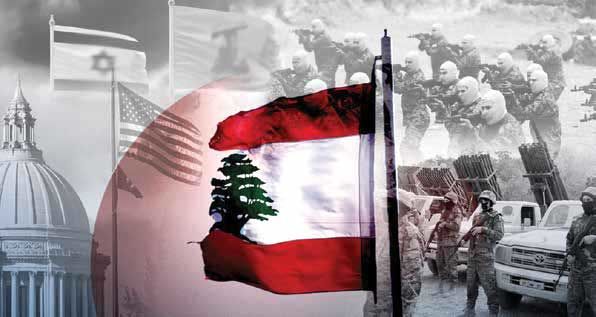
The Security Equation of Southern Lebanon for the Zionist Regime

Strategic Council Online – Opinion: American-Zionist objectives in the region are not limited to weakening Hezbollah. Efforts to disarm Iraqi resistance groups such as Kata’ib Hezbollah and the Popular Mobilization Forces are also part of their subsequent plans.
Commercial Exploitation of Peace; The Gaza Committee in Confrontation with International Legitimacy

Strategic Council Online – Report: While the second phase of the implementation of the Gaza ceasefire has begun, the establishment of the “Peace Board” chaired by Donald Trump on the sidelines of the Davos meeting (22 January 2026) has become more than a technical mechanism for reconstruction and has turned into a test for the future of the international order.
Despite the signing of the charter by 22 out of 60 invited countries, the limited presence of global leaders at the Davos ceremony and the non-acceptance of this body by the European Union and key Western countries indicate a deep divide in global perceptions of the legitimacy of this mechanism.
In this report, drawing on the analysis of Hadi Borhani, a regional affairs expert, and international data, three strategic questions are addressed: Is the Peace Board an instrument for implementing UN Security Council Resolution 2803 or a substitute for the United Nations? How does the hierarchical architecture of this committee intensify executive challenges in Gaza? And finally, can this body create sustainable peace without the cooperation of Palestinians and with the concentration of power in the hands of a single individual?

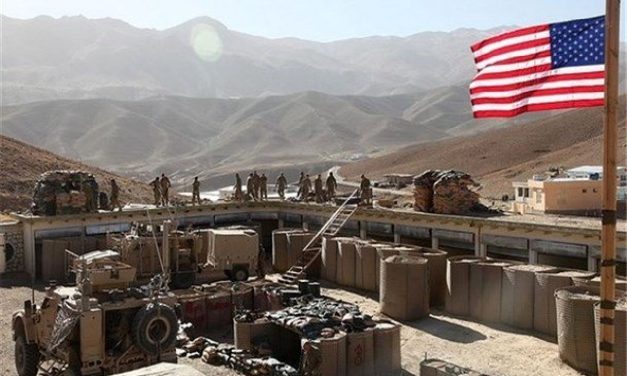
America’s Zero-Sum Game in Iraq

Online Strategic Council – Memoir: The swift selection of Nouri al-Maliki for the premiership constitutes a new phase in Iraq’s political sphere. Multiple factors have played a role in this process, the most important being the prevailing situation in Iraq and the region. Under such circumstances, Iraq requires a powerful and experienced prime minister who can keep the country away from the dangers of wars and crises.

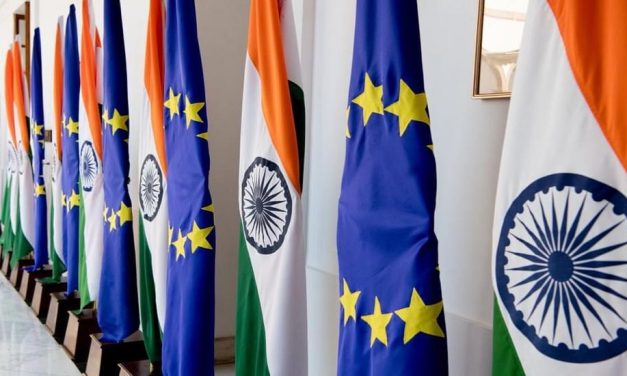
America’s Strategy for Creating Tension in the Asia-Pacific

Strategic Council Online – Opinion: Relations between some countries in the Asia-Pacific region, such as China and Japan or China and Australia, which were previously relatively normal, are trending towards deterioration, and the primary reason for this is the aggressive policies of the United States of America.

Loading

maximum pressure strategy

Hidden Objectives of U.S. Military Threats Against Venezuela

Hidden Objectives of U.S. Military Threats Against Venezuela

Strategic Council Online – Interview: An American affairs expert stated that in recent weeks, U.S. policy toward Venezuela has undergone a distinct redefinition, shifting toward hard power tools. According to media reports, during Donald Trump’s presidency, the White House reviewed options for military operations “against drug cartels”. It even introduced a deadly attack on a suspected boat leaving Venezuelan waters as the beginning of a new phase of its campaign. This approach has been reinforced by the deployment of significant military assets to the Caribbean periphery, including cruisers equipped with cruise missiles and attack submarines, as well as the stationing of F-35 fighter jets in Puerto Rico. It is complemented by labeling Nicolás Maduro a “narcoterrorist” and doubling the bounty for his capture.
Although Trump, when asked about “regime change,” said, “We’re not discussing that,” by linking Venezuela to the anti-drug mission, he has effectively redefined the “maximum pressure” strategy within a security-military framework. At the regional level, the resurgence of the old concept of “gunboat diplomacy” in America’s backyard sends a deterrent message to Caracas and its allies on one hand, while increasing the risk of sliding into proxy and attritional conflicts on the other. At the structural level, the merging of U.S. domestic considerations, including the “crackdown on drug trafficking” agenda, with geopolitical calculations to control energy resources and routes of influence, indicates that the Venezuela issue is not merely a criminal-security matter but rather a reflection of great power competition and a test of the resilience of the Latin American regional order—an order that, with each crisis escalation, simultaneously creates opportunities and threats for both extra-regional and regional actors.

Realities of “Plan B” of the US, Zionist Regime against Iran

Realities of “Plan B” of the US, Zionist Regime against Iran

Strategic Council Online – Opinion: Recently, Zionist regime’s Foreign Minister Yair Lapid in an interview with the German newspaper “Die Welt” stressed that the time is ripe for the implementation of “Plan B” against Iran.
Hamid Khoshayand – Expert on regional affairs

US Attempts to Create Religious-Ethnic Sedition in Lebanon

US Attempts to Create Religious-Ethnic Sedition in Lebanon

Strategic Council Online – Opinion: On October 14, a group of Lebanese people, invited by the Lebanese Hezbollah and the Amal movement, gathered in front of the Lebanese Ministry of Justice, between Ain al-Rummaneh and Tayouneh areas, to protest the political process of investigation into the Beirut bombing, especially the performance of the judge investigating the incident, Mr. Tariq Bitar. The demonstrators were shot by the assailants affiliated to the Lebanese Forces led by Samir Geagea, “one of the parties to the Lebanese civil war and one of the present allies in the Western-Arab axis,” was witnessed which led to the killing and wounding of many protesters.
Hossein Ajorloo – expert on Middle East affairs

Contemplating on Reasons for Concerns of Opponents of Iran-China Comprehensive Strategic Partnership Document

Contemplating on Reasons for Concerns of Opponents of Iran-China Comprehensive Strategic Partnership Document

Strategic Council Online – Signing of the 25-year document on Iran-China strategic cooperation is still the most important political and economic event of the day. At the end of the 2016 visit of President of China to Iran, who had also an important meeting with the Supreme Leader of the Islamic Revolution, a joint 20-point statement was issued emphasizing promotion of relations to “Comprehensive Strategic Partnership”.
Hamid Khoshayand – Analyst of international affairs

أحدث الوظائف

The Security Equation of Southern Lebanon for the Zionist Regime

Strategic Council Online – Opinion: American-Zionist objectives in the region are not limited to weakening Hezbollah. Efforts to disarm Iraqi resistance groups such as Kata’ib Hezbollah and the Popular Mobilization Forces are also part of their subsequent plans.

Commercial Exploitation of Peace; The Gaza Committee in Confrontation with International Legitimacy

Strategic Council Online – Report: While the second phase of the implementation of the Gaza ceasefire has begun, the establishment of the “Peace Board” chaired by Donald Trump on the sidelines of the Davos meeting (22 January 2026) has become more than a technical mechanism for reconstruction and has turned into a test for the future of the international order.
Despite the signing of the charter by 22 out of 60 invited countries, the limited presence of global leaders at the Davos ceremony and the non-acceptance of this body by the European Union and key Western countries indicate a deep divide in global perceptions of the legitimacy of this mechanism.
In this report, drawing on the analysis of Hadi Borhani, a regional affairs expert, and international data, three strategic questions are addressed: Is the Peace Board an instrument for implementing UN Security Council Resolution 2803 or a substitute for the United Nations? How does the hierarchical architecture of this committee intensify executive challenges in Gaza? And finally, can this body create sustainable peace without the cooperation of Palestinians and with the concentration of power in the hands of a single individual?

America’s Zero-Sum Game in Iraq

Online Strategic Council – Memoir: The swift selection of Nouri al-Maliki for the premiership constitutes a new phase in Iraq’s political sphere. Multiple factors have played a role in this process, the most important being the prevailing situation in Iraq and the region. Under such circumstances, Iraq requires a powerful and experienced prime minister who can keep the country away from the dangers of wars and crises.

America’s Strategy for Creating Tension in the Asia-Pacific

Strategic Council Online – Opinion: Relations between some countries in the Asia-Pacific region, such as China and Japan or China and Australia, which were previously relatively normal, are trending towards deterioration, and the primary reason for this is the aggressive policies of the United States of America.

Loading

maximum pressure strategy

Hidden Objectives of U.S. Military Threats Against Venezuela

Hidden Objectives of U.S. Military Threats Against Venezuela

Strategic Council Online – Interview: An American affairs expert stated that in recent weeks, U.S. policy toward Venezuela has undergone a distinct redefinition, shifting toward hard power tools. According to media reports, during Donald Trump’s presidency, the White House reviewed options for military operations “against drug cartels”. It even introduced a deadly attack on a suspected boat leaving Venezuelan waters as the beginning of a new phase of its campaign. This approach has been reinforced by the deployment of significant military assets to the Caribbean periphery, including cruisers equipped with cruise missiles and attack submarines, as well as the stationing of F-35 fighter jets in Puerto Rico. It is complemented by labeling Nicolás Maduro a “narcoterrorist” and doubling the bounty for his capture.
Although Trump, when asked about “regime change,” said, “We’re not discussing that,” by linking Venezuela to the anti-drug mission, he has effectively redefined the “maximum pressure” strategy within a security-military framework. At the regional level, the resurgence of the old concept of “gunboat diplomacy” in America’s backyard sends a deterrent message to Caracas and its allies on one hand, while increasing the risk of sliding into proxy and attritional conflicts on the other. At the structural level, the merging of U.S. domestic considerations, including the “crackdown on drug trafficking” agenda, with geopolitical calculations to control energy resources and routes of influence, indicates that the Venezuela issue is not merely a criminal-security matter but rather a reflection of great power competition and a test of the resilience of the Latin American regional order—an order that, with each crisis escalation, simultaneously creates opportunities and threats for both extra-regional and regional actors.

Realities of “Plan B” of the US, Zionist Regime against Iran

Realities of “Plan B” of the US, Zionist Regime against Iran

Strategic Council Online – Opinion: Recently, Zionist regime’s Foreign Minister Yair Lapid in an interview with the German newspaper “Die Welt” stressed that the time is ripe for the implementation of “Plan B” against Iran.
Hamid Khoshayand – Expert on regional affairs

US Attempts to Create Religious-Ethnic Sedition in Lebanon

US Attempts to Create Religious-Ethnic Sedition in Lebanon

Strategic Council Online – Opinion: On October 14, a group of Lebanese people, invited by the Lebanese Hezbollah and the Amal movement, gathered in front of the Lebanese Ministry of Justice, between Ain al-Rummaneh and Tayouneh areas, to protest the political process of investigation into the Beirut bombing, especially the performance of the judge investigating the incident, Mr. Tariq Bitar. The demonstrators were shot by the assailants affiliated to the Lebanese Forces led by Samir Geagea, “one of the parties to the Lebanese civil war and one of the present allies in the Western-Arab axis,” was witnessed which led to the killing and wounding of many protesters.
Hossein Ajorloo – expert on Middle East affairs

Contemplating on Reasons for Concerns of Opponents of Iran-China Comprehensive Strategic Partnership Document

Contemplating on Reasons for Concerns of Opponents of Iran-China Comprehensive Strategic Partnership Document

Strategic Council Online – Signing of the 25-year document on Iran-China strategic cooperation is still the most important political and economic event of the day. At the end of the 2016 visit of President of China to Iran, who had also an important meeting with the Supreme Leader of the Islamic Revolution, a joint 20-point statement was issued emphasizing promotion of relations to “Comprehensive Strategic Partnership”.
Hamid Khoshayand – Analyst of international affairs

maximum pressure strategy

Hidden Objectives of U.S. Military Threats Against Venezuela

Hidden Objectives of U.S. Military Threats Against Venezuela

Strategic Council Online – Interview: An American affairs expert stated that in recent weeks, U.S. policy toward Venezuela has undergone a distinct redefinition, shifting toward hard power tools. According to media reports, during Donald Trump’s presidency, the White House reviewed options for military operations “against drug cartels”. It even introduced a deadly attack on a suspected boat leaving Venezuelan waters as the beginning of a new phase of its campaign. This approach has been reinforced by the deployment of significant military assets to the Caribbean periphery, including cruisers equipped with cruise missiles and attack submarines, as well as the stationing of F-35 fighter jets in Puerto Rico. It is complemented by labeling Nicolás Maduro a “narcoterrorist” and doubling the bounty for his capture.
Although Trump, when asked about “regime change,” said, “We’re not discussing that,” by linking Venezuela to the anti-drug mission, he has effectively redefined the “maximum pressure” strategy within a security-military framework. At the regional level, the resurgence of the old concept of “gunboat diplomacy” in America’s backyard sends a deterrent message to Caracas and its allies on one hand, while increasing the risk of sliding into proxy and attritional conflicts on the other. At the structural level, the merging of U.S. domestic considerations, including the “crackdown on drug trafficking” agenda, with geopolitical calculations to control energy resources and routes of influence, indicates that the Venezuela issue is not merely a criminal-security matter but rather a reflection of great power competition and a test of the resilience of the Latin American regional order—an order that, with each crisis escalation, simultaneously creates opportunities and threats for both extra-regional and regional actors.

Realities of “Plan B” of the US, Zionist Regime against Iran

Realities of “Plan B” of the US, Zionist Regime against Iran

Strategic Council Online – Opinion: Recently, Zionist regime’s Foreign Minister Yair Lapid in an interview with the German newspaper “Die Welt” stressed that the time is ripe for the implementation of “Plan B” against Iran.
Hamid Khoshayand – Expert on regional affairs

US Attempts to Create Religious-Ethnic Sedition in Lebanon

US Attempts to Create Religious-Ethnic Sedition in Lebanon

Strategic Council Online – Opinion: On October 14, a group of Lebanese people, invited by the Lebanese Hezbollah and the Amal movement, gathered in front of the Lebanese Ministry of Justice, between Ain al-Rummaneh and Tayouneh areas, to protest the political process of investigation into the Beirut bombing, especially the performance of the judge investigating the incident, Mr. Tariq Bitar. The demonstrators were shot by the assailants affiliated to the Lebanese Forces led by Samir Geagea, “one of the parties to the Lebanese civil war and one of the present allies in the Western-Arab axis,” was witnessed which led to the killing and wounding of many protesters.
Hossein Ajorloo – expert on Middle East affairs

Contemplating on Reasons for Concerns of Opponents of Iran-China Comprehensive Strategic Partnership Document

Contemplating on Reasons for Concerns of Opponents of Iran-China Comprehensive Strategic Partnership Document

Strategic Council Online – Signing of the 25-year document on Iran-China strategic cooperation is still the most important political and economic event of the day. At the end of the 2016 visit of President of China to Iran, who had also an important meeting with the Supreme Leader of the Islamic Revolution, a joint 20-point statement was issued emphasizing promotion of relations to “Comprehensive Strategic Partnership”.
Hamid Khoshayand – Analyst of international affairs

LATEST CONTENT

The Security Equation of Southern Lebanon for the Zionist Regime

Strategic Council Online – Opinion: American-Zionist objectives in the region are not limited to weakening Hezbollah. Efforts to disarm Iraqi resistance groups such as Kata’ib Hezbollah and the Popular Mobilization Forces are also part of their subsequent plans.
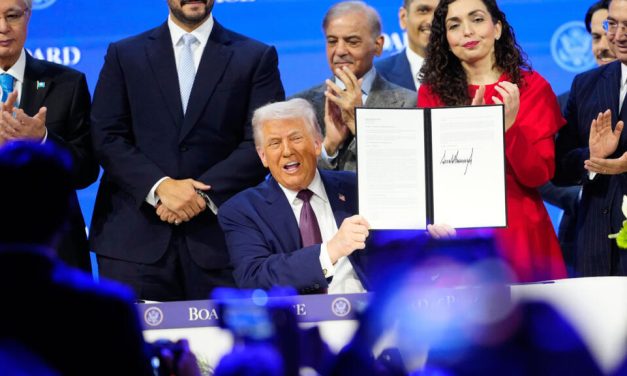
Commercial Exploitation of Peace; The Gaza Committee in Confrontation with International Legitimacy

Strategic Council Online – Report: While the second phase of the implementation of the Gaza ceasefire has begun, the establishment of the “Peace Board” chaired by Donald Trump on the sidelines of the Davos meeting (22 January 2026) has become more than a technical mechanism for reconstruction and has turned into a test for the future of the international order.
Despite the signing of the charter by 22 out of 60 invited countries, the limited presence of global leaders at the Davos ceremony and the non-acceptance of this body by the European Union and key Western countries indicate a deep divide in global perceptions of the legitimacy of this mechanism.
In this report, drawing on the analysis of Hadi Borhani, a regional affairs expert, and international data, three strategic questions are addressed: Is the Peace Board an instrument for implementing UN Security Council Resolution 2803 or a substitute for the United Nations? How does the hierarchical architecture of this committee intensify executive challenges in Gaza? And finally, can this body create sustainable peace without the cooperation of Palestinians and with the concentration of power in the hands of a single individual?

America’s Zero-Sum Game in Iraq

Online Strategic Council – Memoir: The swift selection of Nouri al-Maliki for the premiership constitutes a new phase in Iraq’s political sphere. Multiple factors have played a role in this process, the most important being the prevailing situation in Iraq and the region. Under such circumstances, Iraq requires a powerful and experienced prime minister who can keep the country away from the dangers of wars and crises.

America’s Strategy for Creating Tension in the Asia-Pacific

Strategic Council Online – Opinion: Relations between some countries in the Asia-Pacific region, such as China and Japan or China and Australia, which were previously relatively normal, are trending towards deterioration, and the primary reason for this is the aggressive policies of the United States of America.

Loading

maximum pressure strategy

Hidden Objectives of U.S. Military Threats Against Venezuela

Hidden Objectives of U.S. Military Threats Against Venezuela

Strategic Council Online – Interview: An American affairs expert stated that in recent weeks, U.S. policy toward Venezuela has undergone a distinct redefinition, shifting toward hard power tools. According to media reports, during Donald Trump’s presidency, the White House reviewed options for military operations “against drug cartels”. It even introduced a deadly attack on a suspected boat leaving Venezuelan waters as the beginning of a new phase of its campaign. This approach has been reinforced by the deployment of significant military assets to the Caribbean periphery, including cruisers equipped with cruise missiles and attack submarines, as well as the stationing of F-35 fighter jets in Puerto Rico. It is complemented by labeling Nicolás Maduro a “narcoterrorist” and doubling the bounty for his capture.
Although Trump, when asked about “regime change,” said, “We’re not discussing that,” by linking Venezuela to the anti-drug mission, he has effectively redefined the “maximum pressure” strategy within a security-military framework. At the regional level, the resurgence of the old concept of “gunboat diplomacy” in America’s backyard sends a deterrent message to Caracas and its allies on one hand, while increasing the risk of sliding into proxy and attritional conflicts on the other. At the structural level, the merging of U.S. domestic considerations, including the “crackdown on drug trafficking” agenda, with geopolitical calculations to control energy resources and routes of influence, indicates that the Venezuela issue is not merely a criminal-security matter but rather a reflection of great power competition and a test of the resilience of the Latin American regional order—an order that, with each crisis escalation, simultaneously creates opportunities and threats for both extra-regional and regional actors.

Realities of “Plan B” of the US, Zionist Regime against Iran

Realities of “Plan B” of the US, Zionist Regime against Iran

Strategic Council Online – Opinion: Recently, Zionist regime’s Foreign Minister Yair Lapid in an interview with the German newspaper “Die Welt” stressed that the time is ripe for the implementation of “Plan B” against Iran.
Hamid Khoshayand – Expert on regional affairs

US Attempts to Create Religious-Ethnic Sedition in Lebanon

US Attempts to Create Religious-Ethnic Sedition in Lebanon

Strategic Council Online – Opinion: On October 14, a group of Lebanese people, invited by the Lebanese Hezbollah and the Amal movement, gathered in front of the Lebanese Ministry of Justice, between Ain al-Rummaneh and Tayouneh areas, to protest the political process of investigation into the Beirut bombing, especially the performance of the judge investigating the incident, Mr. Tariq Bitar. The demonstrators were shot by the assailants affiliated to the Lebanese Forces led by Samir Geagea, “one of the parties to the Lebanese civil war and one of the present allies in the Western-Arab axis,” was witnessed which led to the killing and wounding of many protesters.
Hossein Ajorloo – expert on Middle East affairs

Contemplating on Reasons for Concerns of Opponents of Iran-China Comprehensive Strategic Partnership Document

Contemplating on Reasons for Concerns of Opponents of Iran-China Comprehensive Strategic Partnership Document

Strategic Council Online – Signing of the 25-year document on Iran-China strategic cooperation is still the most important political and economic event of the day. At the end of the 2016 visit of President of China to Iran, who had also an important meeting with the Supreme Leader of the Islamic Revolution, a joint 20-point statement was issued emphasizing promotion of relations to “Comprehensive Strategic Partnership”.
Hamid Khoshayand – Analyst of international affairs

ÚLTIMAS PUBLICACIONES

The Security Equation of Southern Lebanon for the Zionist Regime

Strategic Council Online – Opinion: American-Zionist objectives in the region are not limited to weakening Hezbollah. Efforts to disarm Iraqi resistance groups such as Kata’ib Hezbollah and the Popular Mobilization Forces are also part of their subsequent plans.
Commercial Exploitation of Peace; The Gaza Committee in Confrontation with International Legitimacy

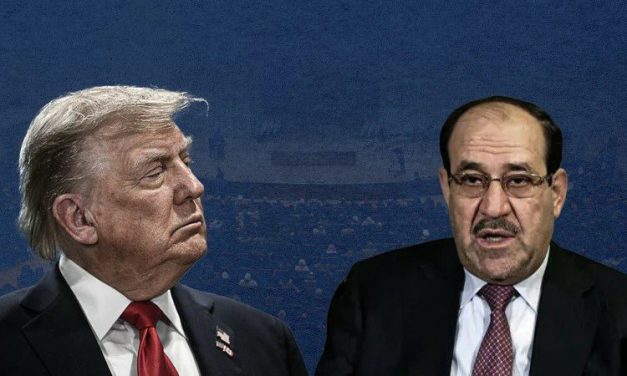
Strategic Council Online – Report: While the second phase of the implementation of the Gaza ceasefire has begun, the establishment of the “Peace Board” chaired by Donald Trump on the sidelines of the Davos meeting (22 January 2026) has become more than a technical mechanism for reconstruction and has turned into a test for the future of the international order.
Despite the signing of the charter by 22 out of 60 invited countries, the limited presence of global leaders at the Davos ceremony and the non-acceptance of this body by the European Union and key Western countries indicate a deep divide in global perceptions of the legitimacy of this mechanism.
In this report, drawing on the analysis of Hadi Borhani, a regional affairs expert, and international data, three strategic questions are addressed: Is the Peace Board an instrument for implementing UN Security Council Resolution 2803 or a substitute for the United Nations? How does the hierarchical architecture of this committee intensify executive challenges in Gaza? And finally, can this body create sustainable peace without the cooperation of Palestinians and with the concentration of power in the hands of a single individual?

America’s Zero-Sum Game in Iraq

Online Strategic Council – Memoir: The swift selection of Nouri al-Maliki for the premiership constitutes a new phase in Iraq’s political sphere. Multiple factors have played a role in this process, the most important being the prevailing situation in Iraq and the region. Under such circumstances, Iraq requires a powerful and experienced prime minister who can keep the country away from the dangers of wars and crises.

America’s Strategy for Creating Tension in the Asia-Pacific

Strategic Council Online – Opinion: Relations between some countries in the Asia-Pacific region, such as China and Japan or China and Australia, which were previously relatively normal, are trending towards deterioration, and the primary reason for this is the aggressive policies of the United States of America.

Loading

maximum pressure strategy

Hidden Objectives of U.S. Military Threats Against Venezuela

Hidden Objectives of U.S. Military Threats Against Venezuela

Strategic Council Online – Interview: An American affairs expert stated that in recent weeks, U.S. policy toward Venezuela has undergone a distinct redefinition, shifting toward hard power tools. According to media reports, during Donald Trump’s presidency, the White House reviewed options for military operations “against drug cartels”. It even introduced a deadly attack on a suspected boat leaving Venezuelan waters as the beginning of a new phase of its campaign. This approach has been reinforced by the deployment of significant military assets to the Caribbean periphery, including cruisers equipped with cruise missiles and attack submarines, as well as the stationing of F-35 fighter jets in Puerto Rico. It is complemented by labeling Nicolás Maduro a “narcoterrorist” and doubling the bounty for his capture.
Although Trump, when asked about “regime change,” said, “We’re not discussing that,” by linking Venezuela to the anti-drug mission, he has effectively redefined the “maximum pressure” strategy within a security-military framework. At the regional level, the resurgence of the old concept of “gunboat diplomacy” in America’s backyard sends a deterrent message to Caracas and its allies on one hand, while increasing the risk of sliding into proxy and attritional conflicts on the other. At the structural level, the merging of U.S. domestic considerations, including the “crackdown on drug trafficking” agenda, with geopolitical calculations to control energy resources and routes of influence, indicates that the Venezuela issue is not merely a criminal-security matter but rather a reflection of great power competition and a test of the resilience of the Latin American regional order—an order that, with each crisis escalation, simultaneously creates opportunities and threats for both extra-regional and regional actors.

Realities of “Plan B” of the US, Zionist Regime against Iran

Realities of “Plan B” of the US, Zionist Regime against Iran

Strategic Council Online – Opinion: Recently, Zionist regime’s Foreign Minister Yair Lapid in an interview with the German newspaper “Die Welt” stressed that the time is ripe for the implementation of “Plan B” against Iran.
Hamid Khoshayand – Expert on regional affairs

US Attempts to Create Religious-Ethnic Sedition in Lebanon

US Attempts to Create Religious-Ethnic Sedition in Lebanon

Strategic Council Online – Opinion: On October 14, a group of Lebanese people, invited by the Lebanese Hezbollah and the Amal movement, gathered in front of the Lebanese Ministry of Justice, between Ain al-Rummaneh and Tayouneh areas, to protest the political process of investigation into the Beirut bombing, especially the performance of the judge investigating the incident, Mr. Tariq Bitar. The demonstrators were shot by the assailants affiliated to the Lebanese Forces led by Samir Geagea, “one of the parties to the Lebanese civil war and one of the present allies in the Western-Arab axis,” was witnessed which led to the killing and wounding of many protesters.
Hossein Ajorloo – expert on Middle East affairs

Contemplating on Reasons for Concerns of Opponents of Iran-China Comprehensive Strategic Partnership Document

Contemplating on Reasons for Concerns of Opponents of Iran-China Comprehensive Strategic Partnership Document

Strategic Council Online – Signing of the 25-year document on Iran-China strategic cooperation is still the most important political and economic event of the day. At the end of the 2016 visit of President of China to Iran, who had also an important meeting with the Supreme Leader of the Islamic Revolution, a joint 20-point statement was issued emphasizing promotion of relations to “Comprehensive Strategic Partnership”.
Hamid Khoshayand – Analyst of international affairs

ÚLTIMAS PUBLICACIONES

The Security Equation of Southern Lebanon for the Zionist Regime

Strategic Council Online – Opinion: American-Zionist objectives in the region are not limited to weakening Hezbollah. Efforts to disarm Iraqi resistance groups such as Kata’ib Hezbollah and the Popular Mobilization Forces are also part of their subsequent plans.
Commercial Exploitation of Peace; The Gaza Committee in Confrontation with International Legitimacy

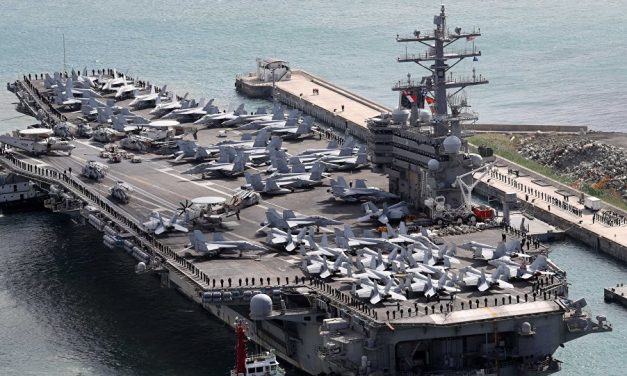
Strategic Council Online – Report: While the second phase of the implementation of the Gaza ceasefire has begun, the establishment of the “Peace Board” chaired by Donald Trump on the sidelines of the Davos meeting (22 January 2026) has become more than a technical mechanism for reconstruction and has turned into a test for the future of the international order.
Despite the signing of the charter by 22 out of 60 invited countries, the limited presence of global leaders at the Davos ceremony and the non-acceptance of this body by the European Union and key Western countries indicate a deep divide in global perceptions of the legitimacy of this mechanism.
In this report, drawing on the analysis of Hadi Borhani, a regional affairs expert, and international data, three strategic questions are addressed: Is the Peace Board an instrument for implementing UN Security Council Resolution 2803 or a substitute for the United Nations? How does the hierarchical architecture of this committee intensify executive challenges in Gaza? And finally, can this body create sustainable peace without the cooperation of Palestinians and with the concentration of power in the hands of a single individual?

America’s Zero-Sum Game in Iraq

Online Strategic Council – Memoir: The swift selection of Nouri al-Maliki for the premiership constitutes a new phase in Iraq’s political sphere. Multiple factors have played a role in this process, the most important being the prevailing situation in Iraq and the region. Under such circumstances, Iraq requires a powerful and experienced prime minister who can keep the country away from the dangers of wars and crises.

America’s Strategy for Creating Tension in the Asia-Pacific

Strategic Council Online – Opinion: Relations between some countries in the Asia-Pacific region, such as China and Japan or China and Australia, which were previously relatively normal, are trending towards deterioration, and the primary reason for this is the aggressive policies of the United States of America.

Loading

maximum pressure strategy

Hidden Objectives of U.S. Military Threats Against Venezuela

Hidden Objectives of U.S. Military Threats Against Venezuela

Strategic Council Online – Interview: An American affairs expert stated that in recent weeks, U.S. policy toward Venezuela has undergone a distinct redefinition, shifting toward hard power tools. According to media reports, during Donald Trump’s presidency, the White House reviewed options for military operations “against drug cartels”. It even introduced a deadly attack on a suspected boat leaving Venezuelan waters as the beginning of a new phase of its campaign. This approach has been reinforced by the deployment of significant military assets to the Caribbean periphery, including cruisers equipped with cruise missiles and attack submarines, as well as the stationing of F-35 fighter jets in Puerto Rico. It is complemented by labeling Nicolás Maduro a “narcoterrorist” and doubling the bounty for his capture.
Although Trump, when asked about “regime change,” said, “We’re not discussing that,” by linking Venezuela to the anti-drug mission, he has effectively redefined the “maximum pressure” strategy within a security-military framework. At the regional level, the resurgence of the old concept of “gunboat diplomacy” in America’s backyard sends a deterrent message to Caracas and its allies on one hand, while increasing the risk of sliding into proxy and attritional conflicts on the other. At the structural level, the merging of U.S. domestic considerations, including the “crackdown on drug trafficking” agenda, with geopolitical calculations to control energy resources and routes of influence, indicates that the Venezuela issue is not merely a criminal-security matter but rather a reflection of great power competition and a test of the resilience of the Latin American regional order—an order that, with each crisis escalation, simultaneously creates opportunities and threats for both extra-regional and regional actors.

Realities of “Plan B” of the US, Zionist Regime against Iran

Realities of “Plan B” of the US, Zionist Regime against Iran

Strategic Council Online – Opinion: Recently, Zionist regime’s Foreign Minister Yair Lapid in an interview with the German newspaper “Die Welt” stressed that the time is ripe for the implementation of “Plan B” against Iran.
Hamid Khoshayand – Expert on regional affairs

US Attempts to Create Religious-Ethnic Sedition in Lebanon

US Attempts to Create Religious-Ethnic Sedition in Lebanon

Strategic Council Online – Opinion: On October 14, a group of Lebanese people, invited by the Lebanese Hezbollah and the Amal movement, gathered in front of the Lebanese Ministry of Justice, between Ain al-Rummaneh and Tayouneh areas, to protest the political process of investigation into the Beirut bombing, especially the performance of the judge investigating the incident, Mr. Tariq Bitar. The demonstrators were shot by the assailants affiliated to the Lebanese Forces led by Samir Geagea, “one of the parties to the Lebanese civil war and one of the present allies in the Western-Arab axis,” was witnessed which led to the killing and wounding of many protesters.
Hossein Ajorloo – expert on Middle East affairs

Contemplating on Reasons for Concerns of Opponents of Iran-China Comprehensive Strategic Partnership Document

Contemplating on Reasons for Concerns of Opponents of Iran-China Comprehensive Strategic Partnership Document

Strategic Council Online – Signing of the 25-year document on Iran-China strategic cooperation is still the most important political and economic event of the day. At the end of the 2016 visit of President of China to Iran, who had also an important meeting with the Supreme Leader of the Islamic Revolution, a joint 20-point statement was issued emphasizing promotion of relations to “Comprehensive Strategic Partnership”.
Hamid Khoshayand – Analyst of international affairs

ÚLTIMAS PUBLICACIONES

The Security Equation of Southern Lebanon for the Zionist Regime

Strategic Council Online – Opinion: American-Zionist objectives in the region are not limited to weakening Hezbollah. Efforts to disarm Iraqi resistance groups such as Kata’ib Hezbollah and the Popular Mobilization Forces are also part of their subsequent plans.

Commercial Exploitation of Peace; The Gaza Committee in Confrontation with International Legitimacy

Strategic Council Online – Report: While the second phase of the implementation of the Gaza ceasefire has begun, the establishment of the “Peace Board” chaired by Donald Trump on the sidelines of the Davos meeting (22 January 2026) has become more than a technical mechanism for reconstruction and has turned into a test for the future of the international order.
Despite the signing of the charter by 22 out of 60 invited countries, the limited presence of global leaders at the Davos ceremony and the non-acceptance of this body by the European Union and key Western countries indicate a deep divide in global perceptions of the legitimacy of this mechanism.
In this report, drawing on the analysis of Hadi Borhani, a regional affairs expert, and international data, three strategic questions are addressed: Is the Peace Board an instrument for implementing UN Security Council Resolution 2803 or a substitute for the United Nations? How does the hierarchical architecture of this committee intensify executive challenges in Gaza? And finally, can this body create sustainable peace without the cooperation of Palestinians and with the concentration of power in the hands of a single individual?

America’s Zero-Sum Game in Iraq

Online Strategic Council – Memoir: The swift selection of Nouri al-Maliki for the premiership constitutes a new phase in Iraq’s political sphere. Multiple factors have played a role in this process, the most important being the prevailing situation in Iraq and the region. Under such circumstances, Iraq requires a powerful and experienced prime minister who can keep the country away from the dangers of wars and crises.

America’s Strategy for Creating Tension in the Asia-Pacific

Strategic Council Online – Opinion: Relations between some countries in the Asia-Pacific region, such as China and Japan or China and Australia, which were previously relatively normal, are trending towards deterioration, and the primary reason for this is the aggressive policies of the United States of America.

Loading

maximum pressure strategy

Hidden Objectives of U.S. Military Threats Against Venezuela

Hidden Objectives of U.S. Military Threats Against Venezuela

Strategic Council Online – Interview: An American affairs expert stated that in recent weeks, U.S. policy toward Venezuela has undergone a distinct redefinition, shifting toward hard power tools. According to media reports, during Donald Trump’s presidency, the White House reviewed options for military operations “against drug cartels”. It even introduced a deadly attack on a suspected boat leaving Venezuelan waters as the beginning of a new phase of its campaign. This approach has been reinforced by the deployment of significant military assets to the Caribbean periphery, including cruisers equipped with cruise missiles and attack submarines, as well as the stationing of F-35 fighter jets in Puerto Rico. It is complemented by labeling Nicolás Maduro a “narcoterrorist” and doubling the bounty for his capture.
Although Trump, when asked about “regime change,” said, “We’re not discussing that,” by linking Venezuela to the anti-drug mission, he has effectively redefined the “maximum pressure” strategy within a security-military framework. At the regional level, the resurgence of the old concept of “gunboat diplomacy” in America’s backyard sends a deterrent message to Caracas and its allies on one hand, while increasing the risk of sliding into proxy and attritional conflicts on the other. At the structural level, the merging of U.S. domestic considerations, including the “crackdown on drug trafficking” agenda, with geopolitical calculations to control energy resources and routes of influence, indicates that the Venezuela issue is not merely a criminal-security matter but rather a reflection of great power competition and a test of the resilience of the Latin American regional order—an order that, with each crisis escalation, simultaneously creates opportunities and threats for both extra-regional and regional actors.

Realities of “Plan B” of the US, Zionist Regime against Iran

Realities of “Plan B” of the US, Zionist Regime against Iran

Strategic Council Online – Opinion: Recently, Zionist regime’s Foreign Minister Yair Lapid in an interview with the German newspaper “Die Welt” stressed that the time is ripe for the implementation of “Plan B” against Iran.
Hamid Khoshayand – Expert on regional affairs

US Attempts to Create Religious-Ethnic Sedition in Lebanon

US Attempts to Create Religious-Ethnic Sedition in Lebanon

Strategic Council Online – Opinion: On October 14, a group of Lebanese people, invited by the Lebanese Hezbollah and the Amal movement, gathered in front of the Lebanese Ministry of Justice, between Ain al-Rummaneh and Tayouneh areas, to protest the political process of investigation into the Beirut bombing, especially the performance of the judge investigating the incident, Mr. Tariq Bitar. The demonstrators were shot by the assailants affiliated to the Lebanese Forces led by Samir Geagea, “one of the parties to the Lebanese civil war and one of the present allies in the Western-Arab axis,” was witnessed which led to the killing and wounding of many protesters.
Hossein Ajorloo – expert on Middle East affairs

Contemplating on Reasons for Concerns of Opponents of Iran-China Comprehensive Strategic Partnership Document

Contemplating on Reasons for Concerns of Opponents of Iran-China Comprehensive Strategic Partnership Document

Strategic Council Online – Signing of the 25-year document on Iran-China strategic cooperation is still the most important political and economic event of the day. At the end of the 2016 visit of President of China to Iran, who had also an important meeting with the Supreme Leader of the Islamic Revolution, a joint 20-point statement was issued emphasizing promotion of relations to “Comprehensive Strategic Partnership”.
Hamid Khoshayand – Analyst of international affairs

ÚLTIMAS PUBLICACIONES

The Security Equation of Southern Lebanon for the Zionist Regime

Strategic Council Online – Opinion: American-Zionist objectives in the region are not limited to weakening Hezbollah. Efforts to disarm Iraqi resistance groups such as Kata’ib Hezbollah and the Popular Mobilization Forces are also part of their subsequent plans.

Commercial Exploitation of Peace; The Gaza Committee in Confrontation with International Legitimacy

Strategic Council Online – Report: While the second phase of the implementation of the Gaza ceasefire has begun, the establishment of the “Peace Board” chaired by Donald Trump on the sidelines of the Davos meeting (22 January 2026) has become more than a technical mechanism for reconstruction and has turned into a test for the future of the international order.
Despite the signing of the charter by 22 out of 60 invited countries, the limited presence of global leaders at the Davos ceremony and the non-acceptance of this body by the European Union and key Western countries indicate a deep divide in global perceptions of the legitimacy of this mechanism.
In this report, drawing on the analysis of Hadi Borhani, a regional affairs expert, and international data, three strategic questions are addressed: Is the Peace Board an instrument for implementing UN Security Council Resolution 2803 or a substitute for the United Nations? How does the hierarchical architecture of this committee intensify executive challenges in Gaza? And finally, can this body create sustainable peace without the cooperation of Palestinians and with the concentration of power in the hands of a single individual?

America’s Zero-Sum Game in Iraq

Online Strategic Council – Memoir: The swift selection of Nouri al-Maliki for the premiership constitutes a new phase in Iraq’s political sphere. Multiple factors have played a role in this process, the most important being the prevailing situation in Iraq and the region. Under such circumstances, Iraq requires a powerful and experienced prime minister who can keep the country away from the dangers of wars and crises.

America’s Strategy for Creating Tension in the Asia-Pacific

Strategic Council Online – Opinion: Relations between some countries in the Asia-Pacific region, such as China and Japan or China and Australia, which were previously relatively normal, are trending towards deterioration, and the primary reason for this is the aggressive policies of the United States of America.

Loading