Reasons for the Ineffectiveness of Trump’s “Economic War” against Iran
SCFR Online – Opinion: The intensification of U.S. sanctions against Iran on the eve of the U.S. midterm elections indicates Washington’s inability to achieve its war objectives.


SCFR Online – Opinion: The intensification of U.S. sanctions against Iran on the eve of the U.S. midterm elections indicates Washington’s inability to achieve its war objectives.

SCFR Online – Opinion: The competition between Washington and Beijing over chips and artificial intelligence, simultaneously with the shifting of technological balances, has taken on new economic and security dimensions.
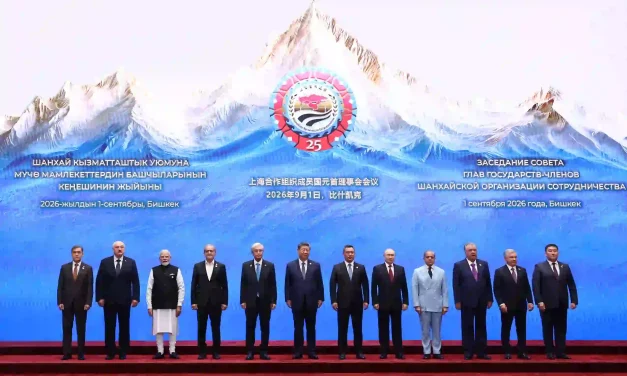
SCFR Online – Opinion: The Shanghai Cooperation Organization summit has created a new opportunity for Iran to transform its membership from a political achievement into economic and transit cooperation.
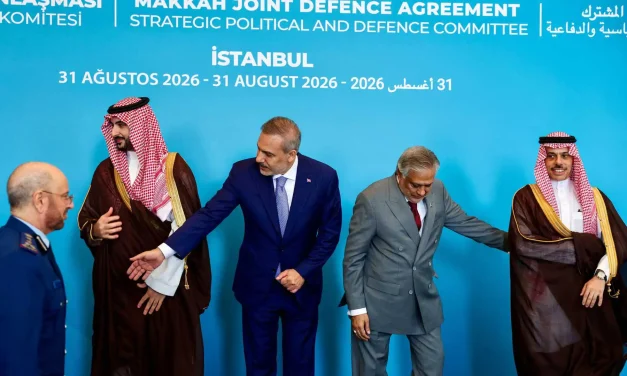
Strategic Council Online – Note: The Makkah Defense Pact can be seen as a sign of regional countries’ efforts to reduce security dependence on extra-regional powers and redefine the balance in West Asia.

SCFR Online – Opinion: The Ukraine war, by exhausting US military capability on one hand and strengthening European defense capacity on the other, has altered the balance of power in the European continent, cast uncertainty over NATO’s future, and is driving it toward a European NATO.
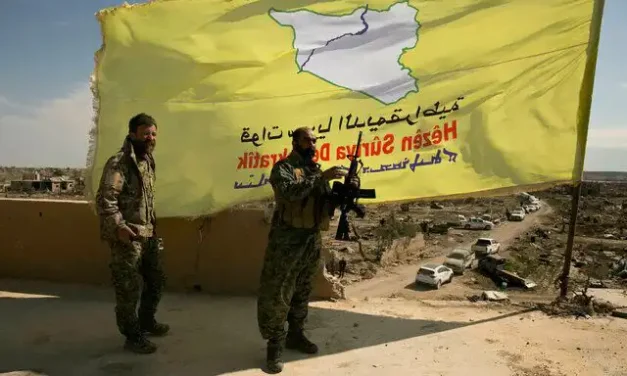
SCFR Online – Opinion: The dissolution of the SDF, although considered an achievement for Turkey’s security, does not put an end to the challenges arising from the Israeli regime’s aggression and expansionism, refugees, and Syria’s fragility.
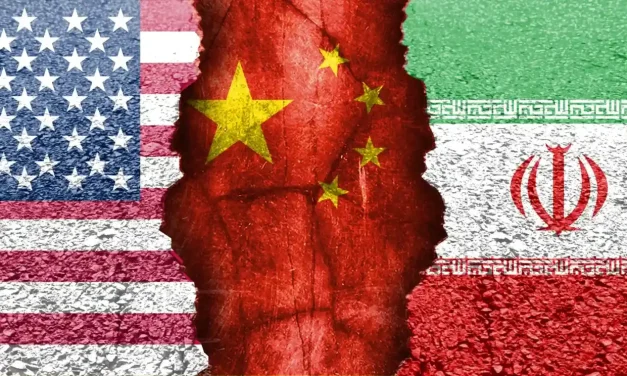
SCFR Online – Opinion: Concurrent with the official commencement of the United States’ economic war against our country, focusing on sanctions instruments, isolation, and economic pressure, what has now become increasingly important is the lack of alignment of other major global powers, especially China, with this policy.
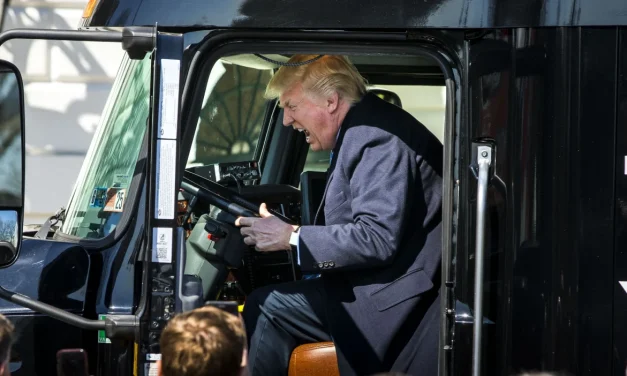
SCFR Online – Opinion: The new US sanctions against Iran, despite extensive propaganda, face serious obstacles to success due to the ineffectiveness of sanctions tools and opposition from some of Tehran’s trading partners.


Strategic Council Online – Opinion: There are a couple of different readings on the recent Iraqi parliament bill about banning the normalization of relations with the Zionist regime; The first interpretation deals with it from micro scale and studies the case from executive background. The second interpretation reviews the bill from macro and strategic aspects and thus analyses its effects on Iraq’s foreign relations as well as political and military equations of the region.
Jafar Ghannad Baashi, Expert of the Middle East issues

Strategic Council Online – In the negotiations between the United States and Iraq in recent weeks, a reduction of American forces in Iraq has been emphasized and it has been decided that the withdrawal of these forces will take place in the coming months; but because the term “reduction of forces” has been used, this can be interpretive.
Siamak Kakai – Iraqi Affairs Expert

Strategic Council Online: Following the formation of Mustafa al-Kazemi’s government Iraq today is sailing on a boat that will inevitably have to cross a large whirlpool much of whose potential is secured outside the borders. Perhaps the only force that can ensure the safety of this boat and its successful passage is the cooperation and unity of Iraqi parties and the patience of the Iraqi people to resolve the situation in their country, at the beginning of which putting government organizations and institutions in order is among the most infrastructural affairs.
Jafar Qanadbashi – Middle East Affairs Expert

Strategic Council Online: An international relations professor describing the factors that led to the failure and resignation of Tawfiq Alawi in forming the government, noted: The Iraqis by going home from the streets truly cooperated with the political groups but these groups failed to cooperate in formation of an independent government and asked for their share of the cabinet. Therefore, there are high possibilities for the people to go back to the streets and violence could erupt again.
SCFR Online – Opinion: The intensification of U.S. sanctions against Iran on the eve of the U.S. midterm elections indicates Washington’s inability to achieve its war objectives.
SCFR Online – Opinion: The competition between Washington and Beijing over chips and artificial intelligence, simultaneously with the shifting of technological balances, has taken on new economic and security dimensions.
SCFR Online – Opinion: The Shanghai Cooperation Organization summit has created a new opportunity for Iran to transform its membership from a political achievement into economic and transit cooperation.
Strategic Council Online – Note: The Makkah Defense Pact can be seen as a sign of regional countries’ efforts to reduce security dependence on extra-regional powers and redefine the balance in West Asia.
SCFR Online – Opinion: The Ukraine war, by exhausting US military capability on one hand and strengthening European defense capacity on the other, has altered the balance of power in the European continent, cast uncertainty over NATO’s future, and is driving it toward a European NATO.
SCFR Online – Opinion: The dissolution of the SDF, although considered an achievement for Turkey’s security, does not put an end to the challenges arising from the Israeli regime’s aggression and expansionism, refugees, and Syria’s fragility.
SCFR Online – Opinion: Concurrent with the official commencement of the United States’ economic war against our country, focusing on sanctions instruments, isolation, and economic pressure, what has now become increasingly important is the lack of alignment of other major global powers, especially China, with this policy.
SCFR Online – Opinion: The new US sanctions against Iran, despite extensive propaganda, face serious obstacles to success due to the ineffectiveness of sanctions tools and opposition from some of Tehran’s trading partners.
Strategic Council Online – Opinion: There are a couple of different readings on the recent Iraqi parliament bill about banning the normalization of relations with the Zionist regime; The first interpretation deals with it from micro scale and studies the case from executive background. The second interpretation reviews the bill from macro and strategic aspects and thus analyses its effects on Iraq’s foreign relations as well as political and military equations of the region.
Jafar Ghannad Baashi, Expert of the Middle East issues
Strategic Council Online – In the negotiations between the United States and Iraq in recent weeks, a reduction of American forces in Iraq has been emphasized and it has been decided that the withdrawal of these forces will take place in the coming months; but because the term “reduction of forces” has been used, this can be interpretive.
Siamak Kakai – Iraqi Affairs Expert
Strategic Council Online: Following the formation of Mustafa al-Kazemi’s government Iraq today is sailing on a boat that will inevitably have to cross a large whirlpool much of whose potential is secured outside the borders. Perhaps the only force that can ensure the safety of this boat and its successful passage is the cooperation and unity of Iraqi parties and the patience of the Iraqi people to resolve the situation in their country, at the beginning of which putting government organizations and institutions in order is among the most infrastructural affairs.
Jafar Qanadbashi – Middle East Affairs Expert
Strategic Council Online: An international relations professor describing the factors that led to the failure and resignation of Tawfiq Alawi in forming the government, noted: The Iraqis by going home from the streets truly cooperated with the political groups but these groups failed to cooperate in formation of an independent government and asked for their share of the cabinet. Therefore, there are high possibilities for the people to go back to the streets and violence could erupt again.
Strategic Council Online – Opinion: There are a couple of different readings on the recent Iraqi parliament bill about banning the normalization of relations with the Zionist regime; The first interpretation deals with it from micro scale and studies the case from executive background. The second interpretation reviews the bill from macro and strategic aspects and thus analyses its effects on Iraq’s foreign relations as well as political and military equations of the region.
Jafar Ghannad Baashi, Expert of the Middle East issues
Strategic Council Online – In the negotiations between the United States and Iraq in recent weeks, a reduction of American forces in Iraq has been emphasized and it has been decided that the withdrawal of these forces will take place in the coming months; but because the term “reduction of forces” has been used, this can be interpretive.
Siamak Kakai – Iraqi Affairs Expert
Strategic Council Online: Following the formation of Mustafa al-Kazemi’s government Iraq today is sailing on a boat that will inevitably have to cross a large whirlpool much of whose potential is secured outside the borders. Perhaps the only force that can ensure the safety of this boat and its successful passage is the cooperation and unity of Iraqi parties and the patience of the Iraqi people to resolve the situation in their country, at the beginning of which putting government organizations and institutions in order is among the most infrastructural affairs.
Jafar Qanadbashi – Middle East Affairs Expert
Strategic Council Online: An international relations professor describing the factors that led to the failure and resignation of Tawfiq Alawi in forming the government, noted: The Iraqis by going home from the streets truly cooperated with the political groups but these groups failed to cooperate in formation of an independent government and asked for their share of the cabinet. Therefore, there are high possibilities for the people to go back to the streets and violence could erupt again.
SCFR Online – Opinion: The intensification of U.S. sanctions against Iran on the eve of the U.S. midterm elections indicates Washington’s inability to achieve its war objectives.
SCFR Online – Opinion: The competition between Washington and Beijing over chips and artificial intelligence, simultaneously with the shifting of technological balances, has taken on new economic and security dimensions.
SCFR Online – Opinion: The Shanghai Cooperation Organization summit has created a new opportunity for Iran to transform its membership from a political achievement into economic and transit cooperation.
Strategic Council Online – Note: The Makkah Defense Pact can be seen as a sign of regional countries’ efforts to reduce security dependence on extra-regional powers and redefine the balance in West Asia.
SCFR Online – Opinion: The Ukraine war, by exhausting US military capability on one hand and strengthening European defense capacity on the other, has altered the balance of power in the European continent, cast uncertainty over NATO’s future, and is driving it toward a European NATO.
SCFR Online – Opinion: The dissolution of the SDF, although considered an achievement for Turkey’s security, does not put an end to the challenges arising from the Israeli regime’s aggression and expansionism, refugees, and Syria’s fragility.
SCFR Online – Opinion: Concurrent with the official commencement of the United States’ economic war against our country, focusing on sanctions instruments, isolation, and economic pressure, what has now become increasingly important is the lack of alignment of other major global powers, especially China, with this policy.
SCFR Online – Opinion: The new US sanctions against Iran, despite extensive propaganda, face serious obstacles to success due to the ineffectiveness of sanctions tools and opposition from some of Tehran’s trading partners.
Strategic Council Online – Opinion: There are a couple of different readings on the recent Iraqi parliament bill about banning the normalization of relations with the Zionist regime; The first interpretation deals with it from micro scale and studies the case from executive background. The second interpretation reviews the bill from macro and strategic aspects and thus analyses its effects on Iraq’s foreign relations as well as political and military equations of the region.
Jafar Ghannad Baashi, Expert of the Middle East issues
Strategic Council Online – In the negotiations between the United States and Iraq in recent weeks, a reduction of American forces in Iraq has been emphasized and it has been decided that the withdrawal of these forces will take place in the coming months; but because the term “reduction of forces” has been used, this can be interpretive.
Siamak Kakai – Iraqi Affairs Expert
Strategic Council Online: Following the formation of Mustafa al-Kazemi’s government Iraq today is sailing on a boat that will inevitably have to cross a large whirlpool much of whose potential is secured outside the borders. Perhaps the only force that can ensure the safety of this boat and its successful passage is the cooperation and unity of Iraqi parties and the patience of the Iraqi people to resolve the situation in their country, at the beginning of which putting government organizations and institutions in order is among the most infrastructural affairs.
Jafar Qanadbashi – Middle East Affairs Expert
Strategic Council Online: An international relations professor describing the factors that led to the failure and resignation of Tawfiq Alawi in forming the government, noted: The Iraqis by going home from the streets truly cooperated with the political groups but these groups failed to cooperate in formation of an independent government and asked for their share of the cabinet. Therefore, there are high possibilities for the people to go back to the streets and violence could erupt again.
SCFR Online – Opinion: The intensification of U.S. sanctions against Iran on the eve of the U.S. midterm elections indicates Washington’s inability to achieve its war objectives.
SCFR Online – Opinion: The competition between Washington and Beijing over chips and artificial intelligence, simultaneously with the shifting of technological balances, has taken on new economic and security dimensions.
SCFR Online – Opinion: The Shanghai Cooperation Organization summit has created a new opportunity for Iran to transform its membership from a political achievement into economic and transit cooperation.
Strategic Council Online – Note: The Makkah Defense Pact can be seen as a sign of regional countries’ efforts to reduce security dependence on extra-regional powers and redefine the balance in West Asia.
SCFR Online – Opinion: The Ukraine war, by exhausting US military capability on one hand and strengthening European defense capacity on the other, has altered the balance of power in the European continent, cast uncertainty over NATO’s future, and is driving it toward a European NATO.
SCFR Online – Opinion: The dissolution of the SDF, although considered an achievement for Turkey’s security, does not put an end to the challenges arising from the Israeli regime’s aggression and expansionism, refugees, and Syria’s fragility.
SCFR Online – Opinion: Concurrent with the official commencement of the United States’ economic war against our country, focusing on sanctions instruments, isolation, and economic pressure, what has now become increasingly important is the lack of alignment of other major global powers, especially China, with this policy.
SCFR Online – Opinion: The new US sanctions against Iran, despite extensive propaganda, face serious obstacles to success due to the ineffectiveness of sanctions tools and opposition from some of Tehran’s trading partners.
Strategic Council Online – Opinion: There are a couple of different readings on the recent Iraqi parliament bill about banning the normalization of relations with the Zionist regime; The first interpretation deals with it from micro scale and studies the case from executive background. The second interpretation reviews the bill from macro and strategic aspects and thus analyses its effects on Iraq’s foreign relations as well as political and military equations of the region.
Jafar Ghannad Baashi, Expert of the Middle East issues
Strategic Council Online – In the negotiations between the United States and Iraq in recent weeks, a reduction of American forces in Iraq has been emphasized and it has been decided that the withdrawal of these forces will take place in the coming months; but because the term “reduction of forces” has been used, this can be interpretive.
Siamak Kakai – Iraqi Affairs Expert
Strategic Council Online: Following the formation of Mustafa al-Kazemi’s government Iraq today is sailing on a boat that will inevitably have to cross a large whirlpool much of whose potential is secured outside the borders. Perhaps the only force that can ensure the safety of this boat and its successful passage is the cooperation and unity of Iraqi parties and the patience of the Iraqi people to resolve the situation in their country, at the beginning of which putting government organizations and institutions in order is among the most infrastructural affairs.
Jafar Qanadbashi – Middle East Affairs Expert
Strategic Council Online: An international relations professor describing the factors that led to the failure and resignation of Tawfiq Alawi in forming the government, noted: The Iraqis by going home from the streets truly cooperated with the political groups but these groups failed to cooperate in formation of an independent government and asked for their share of the cabinet. Therefore, there are high possibilities for the people to go back to the streets and violence could erupt again.
SCFR Online – Opinion: The intensification of U.S. sanctions against Iran on the eve of the U.S. midterm elections indicates Washington’s inability to achieve its war objectives.
SCFR Online – Opinion: The competition between Washington and Beijing over chips and artificial intelligence, simultaneously with the shifting of technological balances, has taken on new economic and security dimensions.
SCFR Online – Opinion: The Shanghai Cooperation Organization summit has created a new opportunity for Iran to transform its membership from a political achievement into economic and transit cooperation.
Strategic Council Online – Note: The Makkah Defense Pact can be seen as a sign of regional countries’ efforts to reduce security dependence on extra-regional powers and redefine the balance in West Asia.
SCFR Online – Opinion: The Ukraine war, by exhausting US military capability on one hand and strengthening European defense capacity on the other, has altered the balance of power in the European continent, cast uncertainty over NATO’s future, and is driving it toward a European NATO.
SCFR Online – Opinion: The dissolution of the SDF, although considered an achievement for Turkey’s security, does not put an end to the challenges arising from the Israeli regime’s aggression and expansionism, refugees, and Syria’s fragility.
SCFR Online – Opinion: Concurrent with the official commencement of the United States’ economic war against our country, focusing on sanctions instruments, isolation, and economic pressure, what has now become increasingly important is the lack of alignment of other major global powers, especially China, with this policy.
SCFR Online – Opinion: The new US sanctions against Iran, despite extensive propaganda, face serious obstacles to success due to the ineffectiveness of sanctions tools and opposition from some of Tehran’s trading partners.
Strategic Council Online – Opinion: There are a couple of different readings on the recent Iraqi parliament bill about banning the normalization of relations with the Zionist regime; The first interpretation deals with it from micro scale and studies the case from executive background. The second interpretation reviews the bill from macro and strategic aspects and thus analyses its effects on Iraq’s foreign relations as well as political and military equations of the region.
Jafar Ghannad Baashi, Expert of the Middle East issues
Strategic Council Online – In the negotiations between the United States and Iraq in recent weeks, a reduction of American forces in Iraq has been emphasized and it has been decided that the withdrawal of these forces will take place in the coming months; but because the term “reduction of forces” has been used, this can be interpretive.
Siamak Kakai – Iraqi Affairs Expert
Strategic Council Online: Following the formation of Mustafa al-Kazemi’s government Iraq today is sailing on a boat that will inevitably have to cross a large whirlpool much of whose potential is secured outside the borders. Perhaps the only force that can ensure the safety of this boat and its successful passage is the cooperation and unity of Iraqi parties and the patience of the Iraqi people to resolve the situation in their country, at the beginning of which putting government organizations and institutions in order is among the most infrastructural affairs.
Jafar Qanadbashi – Middle East Affairs Expert
Strategic Council Online: An international relations professor describing the factors that led to the failure and resignation of Tawfiq Alawi in forming the government, noted: The Iraqis by going home from the streets truly cooperated with the political groups but these groups failed to cooperate in formation of an independent government and asked for their share of the cabinet. Therefore, there are high possibilities for the people to go back to the streets and violence could erupt again.
SCFR Online – Opinion: The intensification of U.S. sanctions against Iran on the eve of the U.S. midterm elections indicates Washington’s inability to achieve its war objectives.
SCFR Online – Opinion: The competition between Washington and Beijing over chips and artificial intelligence, simultaneously with the shifting of technological balances, has taken on new economic and security dimensions.
SCFR Online – Opinion: The Shanghai Cooperation Organization summit has created a new opportunity for Iran to transform its membership from a political achievement into economic and transit cooperation.
Strategic Council Online – Note: The Makkah Defense Pact can be seen as a sign of regional countries’ efforts to reduce security dependence on extra-regional powers and redefine the balance in West Asia.
SCFR Online – Opinion: The Ukraine war, by exhausting US military capability on one hand and strengthening European defense capacity on the other, has altered the balance of power in the European continent, cast uncertainty over NATO’s future, and is driving it toward a European NATO.
SCFR Online – Opinion: The dissolution of the SDF, although considered an achievement for Turkey’s security, does not put an end to the challenges arising from the Israeli regime’s aggression and expansionism, refugees, and Syria’s fragility.
SCFR Online – Opinion: Concurrent with the official commencement of the United States’ economic war against our country, focusing on sanctions instruments, isolation, and economic pressure, what has now become increasingly important is the lack of alignment of other major global powers, especially China, with this policy.
SCFR Online – Opinion: The new US sanctions against Iran, despite extensive propaganda, face serious obstacles to success due to the ineffectiveness of sanctions tools and opposition from some of Tehran’s trading partners.
Strategic Council Online – Opinion: There are a couple of different readings on the recent Iraqi parliament bill about banning the normalization of relations with the Zionist regime; The first interpretation deals with it from micro scale and studies the case from executive background. The second interpretation reviews the bill from macro and strategic aspects and thus analyses its effects on Iraq’s foreign relations as well as political and military equations of the region.
Jafar Ghannad Baashi, Expert of the Middle East issues
Strategic Council Online – In the negotiations between the United States and Iraq in recent weeks, a reduction of American forces in Iraq has been emphasized and it has been decided that the withdrawal of these forces will take place in the coming months; but because the term “reduction of forces” has been used, this can be interpretive.
Siamak Kakai – Iraqi Affairs Expert
Strategic Council Online: Following the formation of Mustafa al-Kazemi’s government Iraq today is sailing on a boat that will inevitably have to cross a large whirlpool much of whose potential is secured outside the borders. Perhaps the only force that can ensure the safety of this boat and its successful passage is the cooperation and unity of Iraqi parties and the patience of the Iraqi people to resolve the situation in their country, at the beginning of which putting government organizations and institutions in order is among the most infrastructural affairs.
Jafar Qanadbashi – Middle East Affairs Expert
Strategic Council Online: An international relations professor describing the factors that led to the failure and resignation of Tawfiq Alawi in forming the government, noted: The Iraqis by going home from the streets truly cooperated with the political groups but these groups failed to cooperate in formation of an independent government and asked for their share of the cabinet. Therefore, there are high possibilities for the people to go back to the streets and violence could erupt again.
SCFR Online – Opinion: The intensification of U.S. sanctions against Iran on the eve of the U.S. midterm elections indicates Washington’s inability to achieve its war objectives.
SCFR Online – Opinion: The competition between Washington and Beijing over chips and artificial intelligence, simultaneously with the shifting of technological balances, has taken on new economic and security dimensions.
SCFR Online – Opinion: The Shanghai Cooperation Organization summit has created a new opportunity for Iran to transform its membership from a political achievement into economic and transit cooperation.
Strategic Council Online – Note: The Makkah Defense Pact can be seen as a sign of regional countries’ efforts to reduce security dependence on extra-regional powers and redefine the balance in West Asia.
SCFR Online – Opinion: The Ukraine war, by exhausting US military capability on one hand and strengthening European defense capacity on the other, has altered the balance of power in the European continent, cast uncertainty over NATO’s future, and is driving it toward a European NATO.
SCFR Online – Opinion: The dissolution of the SDF, although considered an achievement for Turkey’s security, does not put an end to the challenges arising from the Israeli regime’s aggression and expansionism, refugees, and Syria’s fragility.
SCFR Online – Opinion: Concurrent with the official commencement of the United States’ economic war against our country, focusing on sanctions instruments, isolation, and economic pressure, what has now become increasingly important is the lack of alignment of other major global powers, especially China, with this policy.
SCFR Online – Opinion: The new US sanctions against Iran, despite extensive propaganda, face serious obstacles to success due to the ineffectiveness of sanctions tools and opposition from some of Tehran’s trading partners.