جدیدترین مطالب

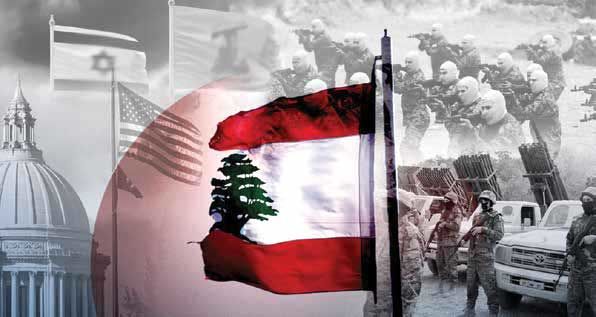
The Security Equation of Southern Lebanon for the Zionist Regime

Strategic Council Online – Opinion: American-Zionist objectives in the region are not limited to weakening Hezbollah. Efforts to disarm Iraqi resistance groups such as Kata’ib Hezbollah and the Popular Mobilization Forces are also part of their subsequent plans.
Commercial Exploitation of Peace; The Gaza Committee in Confrontation with International Legitimacy

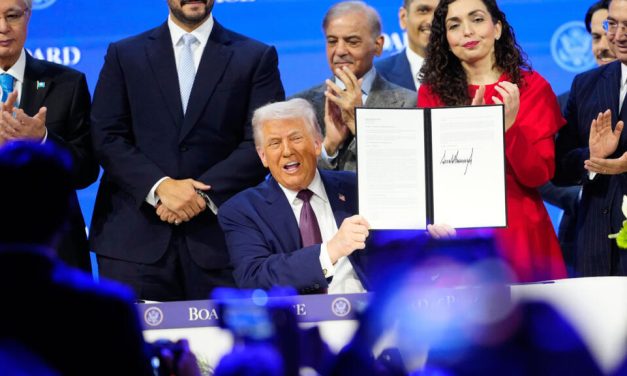
Strategic Council Online – Report: While the second phase of the implementation of the Gaza ceasefire has begun, the establishment of the “Peace Board” chaired by Donald Trump on the sidelines of the Davos meeting (22 January 2026) has become more than a technical mechanism for reconstruction and has turned into a test for the future of the international order.
Despite the signing of the charter by 22 out of 60 invited countries, the limited presence of global leaders at the Davos ceremony and the non-acceptance of this body by the European Union and key Western countries indicate a deep divide in global perceptions of the legitimacy of this mechanism.
In this report, drawing on the analysis of Hadi Borhani, a regional affairs expert, and international data, three strategic questions are addressed: Is the Peace Board an instrument for implementing UN Security Council Resolution 2803 or a substitute for the United Nations? How does the hierarchical architecture of this committee intensify executive challenges in Gaza? And finally, can this body create sustainable peace without the cooperation of Palestinians and with the concentration of power in the hands of a single individual?

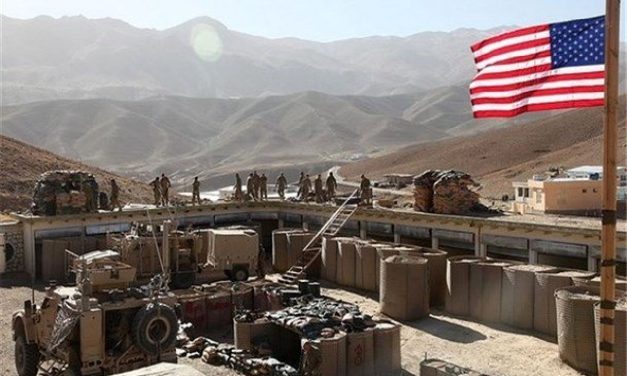
America’s Zero-Sum Game in Iraq

Online Strategic Council – Memoir: The swift selection of Nouri al-Maliki for the premiership constitutes a new phase in Iraq’s political sphere. Multiple factors have played a role in this process, the most important being the prevailing situation in Iraq and the region. Under such circumstances, Iraq requires a powerful and experienced prime minister who can keep the country away from the dangers of wars and crises.

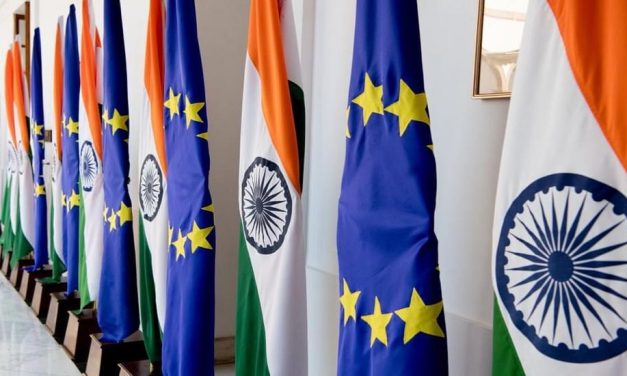
America’s Strategy for Creating Tension in the Asia-Pacific

Strategic Council Online – Opinion: Relations between some countries in the Asia-Pacific region, such as China and Japan or China and Australia, which were previously relatively normal, are trending towards deterioration, and the primary reason for this is the aggressive policies of the United States of America.

Loading

Aramco

Opportunities, Challenges of Two-Month Ceasefire in Yemen

Opportunities, Challenges of Two-Month Ceasefire in Yemen

Strategic Council Online – Note: On the eve of the eighth year of the Saudi coalition invasion of Yemen, a two-month ceasefire was put into effect on Saturday, April 1, upon the initiative of the UN Special Envoy to Yemen and upon the agreement of the parties involved.

Aims, Achievements of Ansarollah’s Recent Attack on Aramco

Aims, Achievements of Ansarollah’s Recent Attack on Aramco

Strategic Council Online – Interview: Director of Yemen Desk at Mersad Center for Strategic Studies, explaining the targets and achievements of Ansarollah’s recent attack on Aramco oil facility in Saudi Arabia, called it a response to the escalation of the siege of Yemen and said: Ansarollah decided to show some of the pressure imposed on the Yemeni people over fuel shortage to the Saudi people so that perhaps with social pressure, the Saudis lift the siege of the Yemeni people.

Strategic targets behind Saudi military agreements with Greece

Strategic targets behind Saudi military agreements with Greece

Strategic Council Online – Note: Greek Foreign Minister Nikos Dendias in his visit to Saudi Arabia signed two agreements on military cooperation between the two countries. According to the signed document, Greece is supposed to deliver one of the Patriot missiles received from the United States to Saudi Arabia, a move that could be the result of Saudi Arabia’s failure against Yemeni missiles and drones. The US-made Patriot anti-aircraft systems will be used to protect Saudi Arabia’s most important oil facilities, and the Greek systems will be used to protect other important military bases in that country. In recent months, Saudi Arabia has been under the burden of missile and drone strikes by the Yemeni armed forces and has never been able to thwart those attacks with its own defense systems.
Mahmoud Fazeli – analyst of international affairs

Change of Military Balance in Yemen with Advances of Ansarollah in Ma’rib

Change of Military Balance in Yemen with Advances of Ansarollah in Ma’rib

Strategic Council Online – An expert on West Asia affairs said that Ansarollah’s advances in Ma’rib have put Saudi Arabia in a diplomatic and security dilemma adding that the country will not be able to withstand further damage and attacks and it seems that this crisis is approaching its final months.

Yemen War; Strategic necessities and emergence of new power

Yemen War; Strategic necessities and emergence of new power

Strategic Council Online – The start of Saudi Arabia’s military aggression against Yemen on March 25, 2015 and the unequal continuation of this war to the present time has led to the emergence of a huge swamp for the Saudi coalition after six years as such that the United States and the pro-Saudi coalition governments are desperately looking for a solution to this crisis. In fact, the main question will be whether the end of the Yemen war is a strategic necessity for the countries involved in this crisis or the political life of this crisis is nearing the end of its life?
Kourosh Salehi – International affairs expert

Behind the Scenes of Ansarullah-Saudi Peace Talks

Behind the Scenes of Ansarullah-Saudi Peace Talks

Strategic Council Online: Given the recent divergence in Saudi political power system and the opposition of some influential Saudi princes to Mohammed bin Salman’s military strategies, the prolongation of the Yemeni war could intensify competition within the kingdom.
Davoud Ahmadzadeh – Middle East affairs expert

Yemen’s Growing Resistance Provides Grounds for Ceasefire

Yemen’s Growing Resistance Provides Grounds for Ceasefire

Strategic Council Online: A regional affairs analyst pointing to the dimensions and implications of Operation “Victory from God” in Najran and Yemen’s increasing resistance power said the spontaneous improvement could cause a balance of terror and concern among the Saudis. These developments have made Saudi Arabia more inclined to seek a mutually agreed to solution.

Practical Failure of Security for Oil Policy

Practical Failure of Security for Oil Policy

Strategic Council Online: A Middle East affairs expert says the Saudi policy is one of destructive proxy policy, adding that the Saudi behavior is a function of the policies of the United States, the West and the Zionist regime. He further pointed out that despite Saudi policy of “buying security from the US”, the recent strike on Saudi oil facilities showed the weakness of the military-security structure of the United States and Saudi Arabia.

أحدث الوظائف

The Security Equation of Southern Lebanon for the Zionist Regime

Strategic Council Online – Opinion: American-Zionist objectives in the region are not limited to weakening Hezbollah. Efforts to disarm Iraqi resistance groups such as Kata’ib Hezbollah and the Popular Mobilization Forces are also part of their subsequent plans.

Commercial Exploitation of Peace; The Gaza Committee in Confrontation with International Legitimacy

Strategic Council Online – Report: While the second phase of the implementation of the Gaza ceasefire has begun, the establishment of the “Peace Board” chaired by Donald Trump on the sidelines of the Davos meeting (22 January 2026) has become more than a technical mechanism for reconstruction and has turned into a test for the future of the international order.
Despite the signing of the charter by 22 out of 60 invited countries, the limited presence of global leaders at the Davos ceremony and the non-acceptance of this body by the European Union and key Western countries indicate a deep divide in global perceptions of the legitimacy of this mechanism.
In this report, drawing on the analysis of Hadi Borhani, a regional affairs expert, and international data, three strategic questions are addressed: Is the Peace Board an instrument for implementing UN Security Council Resolution 2803 or a substitute for the United Nations? How does the hierarchical architecture of this committee intensify executive challenges in Gaza? And finally, can this body create sustainable peace without the cooperation of Palestinians and with the concentration of power in the hands of a single individual?

America’s Zero-Sum Game in Iraq

Online Strategic Council – Memoir: The swift selection of Nouri al-Maliki for the premiership constitutes a new phase in Iraq’s political sphere. Multiple factors have played a role in this process, the most important being the prevailing situation in Iraq and the region. Under such circumstances, Iraq requires a powerful and experienced prime minister who can keep the country away from the dangers of wars and crises.

America’s Strategy for Creating Tension in the Asia-Pacific

Strategic Council Online – Opinion: Relations between some countries in the Asia-Pacific region, such as China and Japan or China and Australia, which were previously relatively normal, are trending towards deterioration, and the primary reason for this is the aggressive policies of the United States of America.

Loading

Aramco

Opportunities, Challenges of Two-Month Ceasefire in Yemen

Opportunities, Challenges of Two-Month Ceasefire in Yemen

Strategic Council Online – Note: On the eve of the eighth year of the Saudi coalition invasion of Yemen, a two-month ceasefire was put into effect on Saturday, April 1, upon the initiative of the UN Special Envoy to Yemen and upon the agreement of the parties involved.

Aims, Achievements of Ansarollah’s Recent Attack on Aramco

Aims, Achievements of Ansarollah’s Recent Attack on Aramco

Strategic Council Online – Interview: Director of Yemen Desk at Mersad Center for Strategic Studies, explaining the targets and achievements of Ansarollah’s recent attack on Aramco oil facility in Saudi Arabia, called it a response to the escalation of the siege of Yemen and said: Ansarollah decided to show some of the pressure imposed on the Yemeni people over fuel shortage to the Saudi people so that perhaps with social pressure, the Saudis lift the siege of the Yemeni people.

Strategic targets behind Saudi military agreements with Greece

Strategic targets behind Saudi military agreements with Greece

Strategic Council Online – Note: Greek Foreign Minister Nikos Dendias in his visit to Saudi Arabia signed two agreements on military cooperation between the two countries. According to the signed document, Greece is supposed to deliver one of the Patriot missiles received from the United States to Saudi Arabia, a move that could be the result of Saudi Arabia’s failure against Yemeni missiles and drones. The US-made Patriot anti-aircraft systems will be used to protect Saudi Arabia’s most important oil facilities, and the Greek systems will be used to protect other important military bases in that country. In recent months, Saudi Arabia has been under the burden of missile and drone strikes by the Yemeni armed forces and has never been able to thwart those attacks with its own defense systems.
Mahmoud Fazeli – analyst of international affairs

Change of Military Balance in Yemen with Advances of Ansarollah in Ma’rib

Change of Military Balance in Yemen with Advances of Ansarollah in Ma’rib

Strategic Council Online – An expert on West Asia affairs said that Ansarollah’s advances in Ma’rib have put Saudi Arabia in a diplomatic and security dilemma adding that the country will not be able to withstand further damage and attacks and it seems that this crisis is approaching its final months.

Yemen War; Strategic necessities and emergence of new power

Yemen War; Strategic necessities and emergence of new power

Strategic Council Online – The start of Saudi Arabia’s military aggression against Yemen on March 25, 2015 and the unequal continuation of this war to the present time has led to the emergence of a huge swamp for the Saudi coalition after six years as such that the United States and the pro-Saudi coalition governments are desperately looking for a solution to this crisis. In fact, the main question will be whether the end of the Yemen war is a strategic necessity for the countries involved in this crisis or the political life of this crisis is nearing the end of its life?
Kourosh Salehi – International affairs expert

Behind the Scenes of Ansarullah-Saudi Peace Talks

Behind the Scenes of Ansarullah-Saudi Peace Talks

Strategic Council Online: Given the recent divergence in Saudi political power system and the opposition of some influential Saudi princes to Mohammed bin Salman’s military strategies, the prolongation of the Yemeni war could intensify competition within the kingdom.
Davoud Ahmadzadeh – Middle East affairs expert

Yemen’s Growing Resistance Provides Grounds for Ceasefire

Yemen’s Growing Resistance Provides Grounds for Ceasefire

Strategic Council Online: A regional affairs analyst pointing to the dimensions and implications of Operation “Victory from God” in Najran and Yemen’s increasing resistance power said the spontaneous improvement could cause a balance of terror and concern among the Saudis. These developments have made Saudi Arabia more inclined to seek a mutually agreed to solution.

Practical Failure of Security for Oil Policy

Practical Failure of Security for Oil Policy

Strategic Council Online: A Middle East affairs expert says the Saudi policy is one of destructive proxy policy, adding that the Saudi behavior is a function of the policies of the United States, the West and the Zionist regime. He further pointed out that despite Saudi policy of “buying security from the US”, the recent strike on Saudi oil facilities showed the weakness of the military-security structure of the United States and Saudi Arabia.

Aramco

Opportunities, Challenges of Two-Month Ceasefire in Yemen

Opportunities, Challenges of Two-Month Ceasefire in Yemen

Strategic Council Online – Note: On the eve of the eighth year of the Saudi coalition invasion of Yemen, a two-month ceasefire was put into effect on Saturday, April 1, upon the initiative of the UN Special Envoy to Yemen and upon the agreement of the parties involved.

Aims, Achievements of Ansarollah’s Recent Attack on Aramco

Aims, Achievements of Ansarollah’s Recent Attack on Aramco

Strategic Council Online – Interview: Director of Yemen Desk at Mersad Center for Strategic Studies, explaining the targets and achievements of Ansarollah’s recent attack on Aramco oil facility in Saudi Arabia, called it a response to the escalation of the siege of Yemen and said: Ansarollah decided to show some of the pressure imposed on the Yemeni people over fuel shortage to the Saudi people so that perhaps with social pressure, the Saudis lift the siege of the Yemeni people.

Strategic targets behind Saudi military agreements with Greece

Strategic targets behind Saudi military agreements with Greece

Strategic Council Online – Note: Greek Foreign Minister Nikos Dendias in his visit to Saudi Arabia signed two agreements on military cooperation between the two countries. According to the signed document, Greece is supposed to deliver one of the Patriot missiles received from the United States to Saudi Arabia, a move that could be the result of Saudi Arabia’s failure against Yemeni missiles and drones. The US-made Patriot anti-aircraft systems will be used to protect Saudi Arabia’s most important oil facilities, and the Greek systems will be used to protect other important military bases in that country. In recent months, Saudi Arabia has been under the burden of missile and drone strikes by the Yemeni armed forces and has never been able to thwart those attacks with its own defense systems.
Mahmoud Fazeli – analyst of international affairs

Change of Military Balance in Yemen with Advances of Ansarollah in Ma’rib

Change of Military Balance in Yemen with Advances of Ansarollah in Ma’rib

Strategic Council Online – An expert on West Asia affairs said that Ansarollah’s advances in Ma’rib have put Saudi Arabia in a diplomatic and security dilemma adding that the country will not be able to withstand further damage and attacks and it seems that this crisis is approaching its final months.

Yemen War; Strategic necessities and emergence of new power

Yemen War; Strategic necessities and emergence of new power

Strategic Council Online – The start of Saudi Arabia’s military aggression against Yemen on March 25, 2015 and the unequal continuation of this war to the present time has led to the emergence of a huge swamp for the Saudi coalition after six years as such that the United States and the pro-Saudi coalition governments are desperately looking for a solution to this crisis. In fact, the main question will be whether the end of the Yemen war is a strategic necessity for the countries involved in this crisis or the political life of this crisis is nearing the end of its life?
Kourosh Salehi – International affairs expert

Behind the Scenes of Ansarullah-Saudi Peace Talks

Behind the Scenes of Ansarullah-Saudi Peace Talks

Strategic Council Online: Given the recent divergence in Saudi political power system and the opposition of some influential Saudi princes to Mohammed bin Salman’s military strategies, the prolongation of the Yemeni war could intensify competition within the kingdom.
Davoud Ahmadzadeh – Middle East affairs expert

Yemen’s Growing Resistance Provides Grounds for Ceasefire

Yemen’s Growing Resistance Provides Grounds for Ceasefire

Strategic Council Online: A regional affairs analyst pointing to the dimensions and implications of Operation “Victory from God” in Najran and Yemen’s increasing resistance power said the spontaneous improvement could cause a balance of terror and concern among the Saudis. These developments have made Saudi Arabia more inclined to seek a mutually agreed to solution.

Practical Failure of Security for Oil Policy

Practical Failure of Security for Oil Policy

Strategic Council Online: A Middle East affairs expert says the Saudi policy is one of destructive proxy policy, adding that the Saudi behavior is a function of the policies of the United States, the West and the Zionist regime. He further pointed out that despite Saudi policy of “buying security from the US”, the recent strike on Saudi oil facilities showed the weakness of the military-security structure of the United States and Saudi Arabia.

LATEST CONTENT

The Security Equation of Southern Lebanon for the Zionist Regime

Strategic Council Online – Opinion: American-Zionist objectives in the region are not limited to weakening Hezbollah. Efforts to disarm Iraqi resistance groups such as Kata’ib Hezbollah and the Popular Mobilization Forces are also part of their subsequent plans.
Commercial Exploitation of Peace; The Gaza Committee in Confrontation with International Legitimacy

Strategic Council Online – Report: While the second phase of the implementation of the Gaza ceasefire has begun, the establishment of the “Peace Board” chaired by Donald Trump on the sidelines of the Davos meeting (22 January 2026) has become more than a technical mechanism for reconstruction and has turned into a test for the future of the international order.
Despite the signing of the charter by 22 out of 60 invited countries, the limited presence of global leaders at the Davos ceremony and the non-acceptance of this body by the European Union and key Western countries indicate a deep divide in global perceptions of the legitimacy of this mechanism.
In this report, drawing on the analysis of Hadi Borhani, a regional affairs expert, and international data, three strategic questions are addressed: Is the Peace Board an instrument for implementing UN Security Council Resolution 2803 or a substitute for the United Nations? How does the hierarchical architecture of this committee intensify executive challenges in Gaza? And finally, can this body create sustainable peace without the cooperation of Palestinians and with the concentration of power in the hands of a single individual?

America’s Zero-Sum Game in Iraq

Online Strategic Council – Memoir: The swift selection of Nouri al-Maliki for the premiership constitutes a new phase in Iraq’s political sphere. Multiple factors have played a role in this process, the most important being the prevailing situation in Iraq and the region. Under such circumstances, Iraq requires a powerful and experienced prime minister who can keep the country away from the dangers of wars and crises.

America’s Strategy for Creating Tension in the Asia-Pacific

Strategic Council Online – Opinion: Relations between some countries in the Asia-Pacific region, such as China and Japan or China and Australia, which were previously relatively normal, are trending towards deterioration, and the primary reason for this is the aggressive policies of the United States of America.

Loading

Aramco

Opportunities, Challenges of Two-Month Ceasefire in Yemen

Opportunities, Challenges of Two-Month Ceasefire in Yemen

Strategic Council Online – Note: On the eve of the eighth year of the Saudi coalition invasion of Yemen, a two-month ceasefire was put into effect on Saturday, April 1, upon the initiative of the UN Special Envoy to Yemen and upon the agreement of the parties involved.

Aims, Achievements of Ansarollah’s Recent Attack on Aramco

Aims, Achievements of Ansarollah’s Recent Attack on Aramco

Strategic Council Online – Interview: Director of Yemen Desk at Mersad Center for Strategic Studies, explaining the targets and achievements of Ansarollah’s recent attack on Aramco oil facility in Saudi Arabia, called it a response to the escalation of the siege of Yemen and said: Ansarollah decided to show some of the pressure imposed on the Yemeni people over fuel shortage to the Saudi people so that perhaps with social pressure, the Saudis lift the siege of the Yemeni people.

Strategic targets behind Saudi military agreements with Greece

Strategic targets behind Saudi military agreements with Greece

Strategic Council Online – Note: Greek Foreign Minister Nikos Dendias in his visit to Saudi Arabia signed two agreements on military cooperation between the two countries. According to the signed document, Greece is supposed to deliver one of the Patriot missiles received from the United States to Saudi Arabia, a move that could be the result of Saudi Arabia’s failure against Yemeni missiles and drones. The US-made Patriot anti-aircraft systems will be used to protect Saudi Arabia’s most important oil facilities, and the Greek systems will be used to protect other important military bases in that country. In recent months, Saudi Arabia has been under the burden of missile and drone strikes by the Yemeni armed forces and has never been able to thwart those attacks with its own defense systems.
Mahmoud Fazeli – analyst of international affairs

Change of Military Balance in Yemen with Advances of Ansarollah in Ma’rib

Change of Military Balance in Yemen with Advances of Ansarollah in Ma’rib

Strategic Council Online – An expert on West Asia affairs said that Ansarollah’s advances in Ma’rib have put Saudi Arabia in a diplomatic and security dilemma adding that the country will not be able to withstand further damage and attacks and it seems that this crisis is approaching its final months.

Yemen War; Strategic necessities and emergence of new power

Yemen War; Strategic necessities and emergence of new power

Strategic Council Online – The start of Saudi Arabia’s military aggression against Yemen on March 25, 2015 and the unequal continuation of this war to the present time has led to the emergence of a huge swamp for the Saudi coalition after six years as such that the United States and the pro-Saudi coalition governments are desperately looking for a solution to this crisis. In fact, the main question will be whether the end of the Yemen war is a strategic necessity for the countries involved in this crisis or the political life of this crisis is nearing the end of its life?
Kourosh Salehi – International affairs expert

Behind the Scenes of Ansarullah-Saudi Peace Talks

Behind the Scenes of Ansarullah-Saudi Peace Talks

Strategic Council Online: Given the recent divergence in Saudi political power system and the opposition of some influential Saudi princes to Mohammed bin Salman’s military strategies, the prolongation of the Yemeni war could intensify competition within the kingdom.
Davoud Ahmadzadeh – Middle East affairs expert

Yemen’s Growing Resistance Provides Grounds for Ceasefire

Yemen’s Growing Resistance Provides Grounds for Ceasefire

Strategic Council Online: A regional affairs analyst pointing to the dimensions and implications of Operation “Victory from God” in Najran and Yemen’s increasing resistance power said the spontaneous improvement could cause a balance of terror and concern among the Saudis. These developments have made Saudi Arabia more inclined to seek a mutually agreed to solution.

Practical Failure of Security for Oil Policy

Practical Failure of Security for Oil Policy

Strategic Council Online: A Middle East affairs expert says the Saudi policy is one of destructive proxy policy, adding that the Saudi behavior is a function of the policies of the United States, the West and the Zionist regime. He further pointed out that despite Saudi policy of “buying security from the US”, the recent strike on Saudi oil facilities showed the weakness of the military-security structure of the United States and Saudi Arabia.

ÚLTIMAS PUBLICACIONES

The Security Equation of Southern Lebanon for the Zionist Regime

Strategic Council Online – Opinion: American-Zionist objectives in the region are not limited to weakening Hezbollah. Efforts to disarm Iraqi resistance groups such as Kata’ib Hezbollah and the Popular Mobilization Forces are also part of their subsequent plans.
Commercial Exploitation of Peace; The Gaza Committee in Confrontation with International Legitimacy

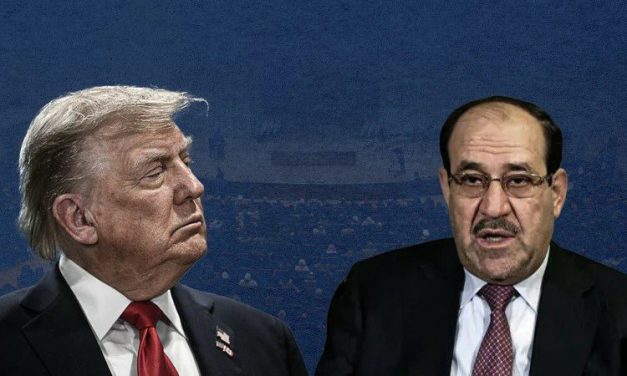
Strategic Council Online – Report: While the second phase of the implementation of the Gaza ceasefire has begun, the establishment of the “Peace Board” chaired by Donald Trump on the sidelines of the Davos meeting (22 January 2026) has become more than a technical mechanism for reconstruction and has turned into a test for the future of the international order.
Despite the signing of the charter by 22 out of 60 invited countries, the limited presence of global leaders at the Davos ceremony and the non-acceptance of this body by the European Union and key Western countries indicate a deep divide in global perceptions of the legitimacy of this mechanism.
In this report, drawing on the analysis of Hadi Borhani, a regional affairs expert, and international data, three strategic questions are addressed: Is the Peace Board an instrument for implementing UN Security Council Resolution 2803 or a substitute for the United Nations? How does the hierarchical architecture of this committee intensify executive challenges in Gaza? And finally, can this body create sustainable peace without the cooperation of Palestinians and with the concentration of power in the hands of a single individual?

America’s Zero-Sum Game in Iraq

Online Strategic Council – Memoir: The swift selection of Nouri al-Maliki for the premiership constitutes a new phase in Iraq’s political sphere. Multiple factors have played a role in this process, the most important being the prevailing situation in Iraq and the region. Under such circumstances, Iraq requires a powerful and experienced prime minister who can keep the country away from the dangers of wars and crises.

America’s Strategy for Creating Tension in the Asia-Pacific

Strategic Council Online – Opinion: Relations between some countries in the Asia-Pacific region, such as China and Japan or China and Australia, which were previously relatively normal, are trending towards deterioration, and the primary reason for this is the aggressive policies of the United States of America.

Loading

Aramco

Opportunities, Challenges of Two-Month Ceasefire in Yemen

Opportunities, Challenges of Two-Month Ceasefire in Yemen

Strategic Council Online – Note: On the eve of the eighth year of the Saudi coalition invasion of Yemen, a two-month ceasefire was put into effect on Saturday, April 1, upon the initiative of the UN Special Envoy to Yemen and upon the agreement of the parties involved.

Aims, Achievements of Ansarollah’s Recent Attack on Aramco

Aims, Achievements of Ansarollah’s Recent Attack on Aramco

Strategic Council Online – Interview: Director of Yemen Desk at Mersad Center for Strategic Studies, explaining the targets and achievements of Ansarollah’s recent attack on Aramco oil facility in Saudi Arabia, called it a response to the escalation of the siege of Yemen and said: Ansarollah decided to show some of the pressure imposed on the Yemeni people over fuel shortage to the Saudi people so that perhaps with social pressure, the Saudis lift the siege of the Yemeni people.

Strategic targets behind Saudi military agreements with Greece

Strategic targets behind Saudi military agreements with Greece

Strategic Council Online – Note: Greek Foreign Minister Nikos Dendias in his visit to Saudi Arabia signed two agreements on military cooperation between the two countries. According to the signed document, Greece is supposed to deliver one of the Patriot missiles received from the United States to Saudi Arabia, a move that could be the result of Saudi Arabia’s failure against Yemeni missiles and drones. The US-made Patriot anti-aircraft systems will be used to protect Saudi Arabia’s most important oil facilities, and the Greek systems will be used to protect other important military bases in that country. In recent months, Saudi Arabia has been under the burden of missile and drone strikes by the Yemeni armed forces and has never been able to thwart those attacks with its own defense systems.
Mahmoud Fazeli – analyst of international affairs

Change of Military Balance in Yemen with Advances of Ansarollah in Ma’rib

Change of Military Balance in Yemen with Advances of Ansarollah in Ma’rib

Strategic Council Online – An expert on West Asia affairs said that Ansarollah’s advances in Ma’rib have put Saudi Arabia in a diplomatic and security dilemma adding that the country will not be able to withstand further damage and attacks and it seems that this crisis is approaching its final months.

Yemen War; Strategic necessities and emergence of new power

Yemen War; Strategic necessities and emergence of new power

Strategic Council Online – The start of Saudi Arabia’s military aggression against Yemen on March 25, 2015 and the unequal continuation of this war to the present time has led to the emergence of a huge swamp for the Saudi coalition after six years as such that the United States and the pro-Saudi coalition governments are desperately looking for a solution to this crisis. In fact, the main question will be whether the end of the Yemen war is a strategic necessity for the countries involved in this crisis or the political life of this crisis is nearing the end of its life?
Kourosh Salehi – International affairs expert

Behind the Scenes of Ansarullah-Saudi Peace Talks

Behind the Scenes of Ansarullah-Saudi Peace Talks

Strategic Council Online: Given the recent divergence in Saudi political power system and the opposition of some influential Saudi princes to Mohammed bin Salman’s military strategies, the prolongation of the Yemeni war could intensify competition within the kingdom.
Davoud Ahmadzadeh – Middle East affairs expert

Yemen’s Growing Resistance Provides Grounds for Ceasefire

Yemen’s Growing Resistance Provides Grounds for Ceasefire

Strategic Council Online: A regional affairs analyst pointing to the dimensions and implications of Operation “Victory from God” in Najran and Yemen’s increasing resistance power said the spontaneous improvement could cause a balance of terror and concern among the Saudis. These developments have made Saudi Arabia more inclined to seek a mutually agreed to solution.

Practical Failure of Security for Oil Policy

Practical Failure of Security for Oil Policy

Strategic Council Online: A Middle East affairs expert says the Saudi policy is one of destructive proxy policy, adding that the Saudi behavior is a function of the policies of the United States, the West and the Zionist regime. He further pointed out that despite Saudi policy of “buying security from the US”, the recent strike on Saudi oil facilities showed the weakness of the military-security structure of the United States and Saudi Arabia.

ÚLTIMAS PUBLICACIONES

The Security Equation of Southern Lebanon for the Zionist Regime

Strategic Council Online – Opinion: American-Zionist objectives in the region are not limited to weakening Hezbollah. Efforts to disarm Iraqi resistance groups such as Kata’ib Hezbollah and the Popular Mobilization Forces are also part of their subsequent plans.
Commercial Exploitation of Peace; The Gaza Committee in Confrontation with International Legitimacy

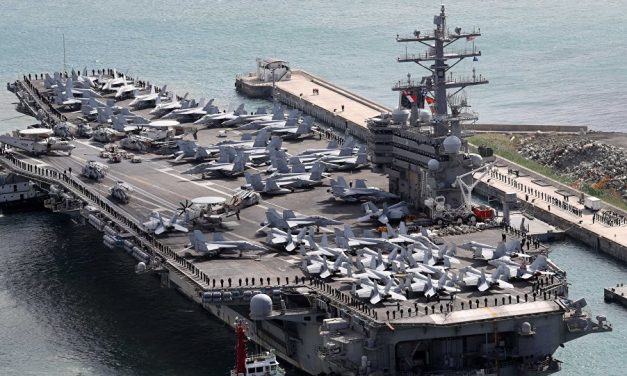
Strategic Council Online – Report: While the second phase of the implementation of the Gaza ceasefire has begun, the establishment of the “Peace Board” chaired by Donald Trump on the sidelines of the Davos meeting (22 January 2026) has become more than a technical mechanism for reconstruction and has turned into a test for the future of the international order.
Despite the signing of the charter by 22 out of 60 invited countries, the limited presence of global leaders at the Davos ceremony and the non-acceptance of this body by the European Union and key Western countries indicate a deep divide in global perceptions of the legitimacy of this mechanism.
In this report, drawing on the analysis of Hadi Borhani, a regional affairs expert, and international data, three strategic questions are addressed: Is the Peace Board an instrument for implementing UN Security Council Resolution 2803 or a substitute for the United Nations? How does the hierarchical architecture of this committee intensify executive challenges in Gaza? And finally, can this body create sustainable peace without the cooperation of Palestinians and with the concentration of power in the hands of a single individual?

America’s Zero-Sum Game in Iraq

Online Strategic Council – Memoir: The swift selection of Nouri al-Maliki for the premiership constitutes a new phase in Iraq’s political sphere. Multiple factors have played a role in this process, the most important being the prevailing situation in Iraq and the region. Under such circumstances, Iraq requires a powerful and experienced prime minister who can keep the country away from the dangers of wars and crises.

America’s Strategy for Creating Tension in the Asia-Pacific

Strategic Council Online – Opinion: Relations between some countries in the Asia-Pacific region, such as China and Japan or China and Australia, which were previously relatively normal, are trending towards deterioration, and the primary reason for this is the aggressive policies of the United States of America.

Loading

Aramco

Opportunities, Challenges of Two-Month Ceasefire in Yemen

Opportunities, Challenges of Two-Month Ceasefire in Yemen

Strategic Council Online – Note: On the eve of the eighth year of the Saudi coalition invasion of Yemen, a two-month ceasefire was put into effect on Saturday, April 1, upon the initiative of the UN Special Envoy to Yemen and upon the agreement of the parties involved.

Aims, Achievements of Ansarollah’s Recent Attack on Aramco

Aims, Achievements of Ansarollah’s Recent Attack on Aramco

Strategic Council Online – Interview: Director of Yemen Desk at Mersad Center for Strategic Studies, explaining the targets and achievements of Ansarollah’s recent attack on Aramco oil facility in Saudi Arabia, called it a response to the escalation of the siege of Yemen and said: Ansarollah decided to show some of the pressure imposed on the Yemeni people over fuel shortage to the Saudi people so that perhaps with social pressure, the Saudis lift the siege of the Yemeni people.

Strategic targets behind Saudi military agreements with Greece

Strategic targets behind Saudi military agreements with Greece

Strategic Council Online – Note: Greek Foreign Minister Nikos Dendias in his visit to Saudi Arabia signed two agreements on military cooperation between the two countries. According to the signed document, Greece is supposed to deliver one of the Patriot missiles received from the United States to Saudi Arabia, a move that could be the result of Saudi Arabia’s failure against Yemeni missiles and drones. The US-made Patriot anti-aircraft systems will be used to protect Saudi Arabia’s most important oil facilities, and the Greek systems will be used to protect other important military bases in that country. In recent months, Saudi Arabia has been under the burden of missile and drone strikes by the Yemeni armed forces and has never been able to thwart those attacks with its own defense systems.
Mahmoud Fazeli – analyst of international affairs

Change of Military Balance in Yemen with Advances of Ansarollah in Ma’rib

Change of Military Balance in Yemen with Advances of Ansarollah in Ma’rib

Strategic Council Online – An expert on West Asia affairs said that Ansarollah’s advances in Ma’rib have put Saudi Arabia in a diplomatic and security dilemma adding that the country will not be able to withstand further damage and attacks and it seems that this crisis is approaching its final months.

Yemen War; Strategic necessities and emergence of new power

Yemen War; Strategic necessities and emergence of new power

Strategic Council Online – The start of Saudi Arabia’s military aggression against Yemen on March 25, 2015 and the unequal continuation of this war to the present time has led to the emergence of a huge swamp for the Saudi coalition after six years as such that the United States and the pro-Saudi coalition governments are desperately looking for a solution to this crisis. In fact, the main question will be whether the end of the Yemen war is a strategic necessity for the countries involved in this crisis or the political life of this crisis is nearing the end of its life?
Kourosh Salehi – International affairs expert

Behind the Scenes of Ansarullah-Saudi Peace Talks

Behind the Scenes of Ansarullah-Saudi Peace Talks

Strategic Council Online: Given the recent divergence in Saudi political power system and the opposition of some influential Saudi princes to Mohammed bin Salman’s military strategies, the prolongation of the Yemeni war could intensify competition within the kingdom.
Davoud Ahmadzadeh – Middle East affairs expert

Yemen’s Growing Resistance Provides Grounds for Ceasefire

Yemen’s Growing Resistance Provides Grounds for Ceasefire

Strategic Council Online: A regional affairs analyst pointing to the dimensions and implications of Operation “Victory from God” in Najran and Yemen’s increasing resistance power said the spontaneous improvement could cause a balance of terror and concern among the Saudis. These developments have made Saudi Arabia more inclined to seek a mutually agreed to solution.

Practical Failure of Security for Oil Policy

Practical Failure of Security for Oil Policy

Strategic Council Online: A Middle East affairs expert says the Saudi policy is one of destructive proxy policy, adding that the Saudi behavior is a function of the policies of the United States, the West and the Zionist regime. He further pointed out that despite Saudi policy of “buying security from the US”, the recent strike on Saudi oil facilities showed the weakness of the military-security structure of the United States and Saudi Arabia.

ÚLTIMAS PUBLICACIONES

The Security Equation of Southern Lebanon for the Zionist Regime

Strategic Council Online – Opinion: American-Zionist objectives in the region are not limited to weakening Hezbollah. Efforts to disarm Iraqi resistance groups such as Kata’ib Hezbollah and the Popular Mobilization Forces are also part of their subsequent plans.

Commercial Exploitation of Peace; The Gaza Committee in Confrontation with International Legitimacy

Strategic Council Online – Report: While the second phase of the implementation of the Gaza ceasefire has begun, the establishment of the “Peace Board” chaired by Donald Trump on the sidelines of the Davos meeting (22 January 2026) has become more than a technical mechanism for reconstruction and has turned into a test for the future of the international order.
Despite the signing of the charter by 22 out of 60 invited countries, the limited presence of global leaders at the Davos ceremony and the non-acceptance of this body by the European Union and key Western countries indicate a deep divide in global perceptions of the legitimacy of this mechanism.
In this report, drawing on the analysis of Hadi Borhani, a regional affairs expert, and international data, three strategic questions are addressed: Is the Peace Board an instrument for implementing UN Security Council Resolution 2803 or a substitute for the United Nations? How does the hierarchical architecture of this committee intensify executive challenges in Gaza? And finally, can this body create sustainable peace without the cooperation of Palestinians and with the concentration of power in the hands of a single individual?

America’s Zero-Sum Game in Iraq

Online Strategic Council – Memoir: The swift selection of Nouri al-Maliki for the premiership constitutes a new phase in Iraq’s political sphere. Multiple factors have played a role in this process, the most important being the prevailing situation in Iraq and the region. Under such circumstances, Iraq requires a powerful and experienced prime minister who can keep the country away from the dangers of wars and crises.

America’s Strategy for Creating Tension in the Asia-Pacific

Strategic Council Online – Opinion: Relations between some countries in the Asia-Pacific region, such as China and Japan or China and Australia, which were previously relatively normal, are trending towards deterioration, and the primary reason for this is the aggressive policies of the United States of America.

Loading

Aramco

Opportunities, Challenges of Two-Month Ceasefire in Yemen

Opportunities, Challenges of Two-Month Ceasefire in Yemen

Strategic Council Online – Note: On the eve of the eighth year of the Saudi coalition invasion of Yemen, a two-month ceasefire was put into effect on Saturday, April 1, upon the initiative of the UN Special Envoy to Yemen and upon the agreement of the parties involved.

Aims, Achievements of Ansarollah’s Recent Attack on Aramco

Aims, Achievements of Ansarollah’s Recent Attack on Aramco

Strategic Council Online – Interview: Director of Yemen Desk at Mersad Center for Strategic Studies, explaining the targets and achievements of Ansarollah’s recent attack on Aramco oil facility in Saudi Arabia, called it a response to the escalation of the siege of Yemen and said: Ansarollah decided to show some of the pressure imposed on the Yemeni people over fuel shortage to the Saudi people so that perhaps with social pressure, the Saudis lift the siege of the Yemeni people.

Strategic targets behind Saudi military agreements with Greece

Strategic targets behind Saudi military agreements with Greece

Strategic Council Online – Note: Greek Foreign Minister Nikos Dendias in his visit to Saudi Arabia signed two agreements on military cooperation between the two countries. According to the signed document, Greece is supposed to deliver one of the Patriot missiles received from the United States to Saudi Arabia, a move that could be the result of Saudi Arabia’s failure against Yemeni missiles and drones. The US-made Patriot anti-aircraft systems will be used to protect Saudi Arabia’s most important oil facilities, and the Greek systems will be used to protect other important military bases in that country. In recent months, Saudi Arabia has been under the burden of missile and drone strikes by the Yemeni armed forces and has never been able to thwart those attacks with its own defense systems.
Mahmoud Fazeli – analyst of international affairs

Change of Military Balance in Yemen with Advances of Ansarollah in Ma’rib

Change of Military Balance in Yemen with Advances of Ansarollah in Ma’rib

Strategic Council Online – An expert on West Asia affairs said that Ansarollah’s advances in Ma’rib have put Saudi Arabia in a diplomatic and security dilemma adding that the country will not be able to withstand further damage and attacks and it seems that this crisis is approaching its final months.

Yemen War; Strategic necessities and emergence of new power

Yemen War; Strategic necessities and emergence of new power

Strategic Council Online – The start of Saudi Arabia’s military aggression against Yemen on March 25, 2015 and the unequal continuation of this war to the present time has led to the emergence of a huge swamp for the Saudi coalition after six years as such that the United States and the pro-Saudi coalition governments are desperately looking for a solution to this crisis. In fact, the main question will be whether the end of the Yemen war is a strategic necessity for the countries involved in this crisis or the political life of this crisis is nearing the end of its life?
Kourosh Salehi – International affairs expert

Behind the Scenes of Ansarullah-Saudi Peace Talks

Behind the Scenes of Ansarullah-Saudi Peace Talks

Strategic Council Online: Given the recent divergence in Saudi political power system and the opposition of some influential Saudi princes to Mohammed bin Salman’s military strategies, the prolongation of the Yemeni war could intensify competition within the kingdom.
Davoud Ahmadzadeh – Middle East affairs expert

Yemen’s Growing Resistance Provides Grounds for Ceasefire

Yemen’s Growing Resistance Provides Grounds for Ceasefire

Strategic Council Online: A regional affairs analyst pointing to the dimensions and implications of Operation “Victory from God” in Najran and Yemen’s increasing resistance power said the spontaneous improvement could cause a balance of terror and concern among the Saudis. These developments have made Saudi Arabia more inclined to seek a mutually agreed to solution.

Practical Failure of Security for Oil Policy

Practical Failure of Security for Oil Policy

Strategic Council Online: A Middle East affairs expert says the Saudi policy is one of destructive proxy policy, adding that the Saudi behavior is a function of the policies of the United States, the West and the Zionist regime. He further pointed out that despite Saudi policy of “buying security from the US”, the recent strike on Saudi oil facilities showed the weakness of the military-security structure of the United States and Saudi Arabia.

ÚLTIMAS PUBLICACIONES

The Security Equation of Southern Lebanon for the Zionist Regime

Strategic Council Online – Opinion: American-Zionist objectives in the region are not limited to weakening Hezbollah. Efforts to disarm Iraqi resistance groups such as Kata’ib Hezbollah and the Popular Mobilization Forces are also part of their subsequent plans.

Commercial Exploitation of Peace; The Gaza Committee in Confrontation with International Legitimacy

Strategic Council Online – Report: While the second phase of the implementation of the Gaza ceasefire has begun, the establishment of the “Peace Board” chaired by Donald Trump on the sidelines of the Davos meeting (22 January 2026) has become more than a technical mechanism for reconstruction and has turned into a test for the future of the international order.
Despite the signing of the charter by 22 out of 60 invited countries, the limited presence of global leaders at the Davos ceremony and the non-acceptance of this body by the European Union and key Western countries indicate a deep divide in global perceptions of the legitimacy of this mechanism.
In this report, drawing on the analysis of Hadi Borhani, a regional affairs expert, and international data, three strategic questions are addressed: Is the Peace Board an instrument for implementing UN Security Council Resolution 2803 or a substitute for the United Nations? How does the hierarchical architecture of this committee intensify executive challenges in Gaza? And finally, can this body create sustainable peace without the cooperation of Palestinians and with the concentration of power in the hands of a single individual?

America’s Zero-Sum Game in Iraq

Online Strategic Council – Memoir: The swift selection of Nouri al-Maliki for the premiership constitutes a new phase in Iraq’s political sphere. Multiple factors have played a role in this process, the most important being the prevailing situation in Iraq and the region. Under such circumstances, Iraq requires a powerful and experienced prime minister who can keep the country away from the dangers of wars and crises.

America’s Strategy for Creating Tension in the Asia-Pacific

Strategic Council Online – Opinion: Relations between some countries in the Asia-Pacific region, such as China and Japan or China and Australia, which were previously relatively normal, are trending towards deterioration, and the primary reason for this is the aggressive policies of the United States of America.

Loading