جدیدترین مطالب

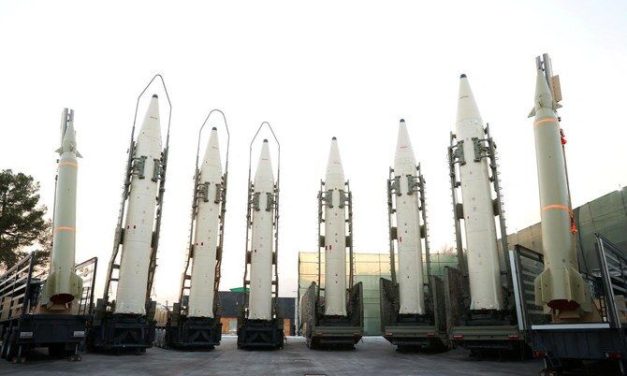
An Analysis of Iran’s Missile Capability

Strategic Council Online – Interview: A strategic affairs analyst said: Iran’s missile doctrine is not only part of its deterrent capability but also part of the security identity of the Islamic Republic of Iran and should not be weakened.
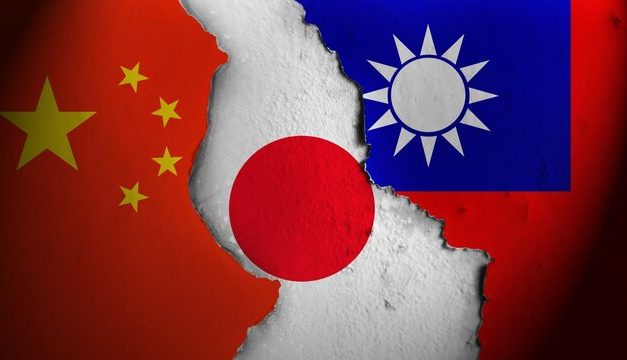
Japan-China Tensions Over Taiwan

Strategic Council Online – Interview: An international affairs expert said that U.S. President Donald Trump, in a phone call this week with Sanae Takaichi, asked her not to further escalate disputes with China. Earlier this month, Takaichi created a rare tension with Beijing by stating that “a potential Chinese attack on Taiwan could lead to military action by Japan,” remarks that drew a sharp reaction from China. Beijing demanded that she retract these statements, but the Japanese Prime Minister has not done so thus far, and Tokyo has only emphasized that its policy regarding Taiwan has not changed.

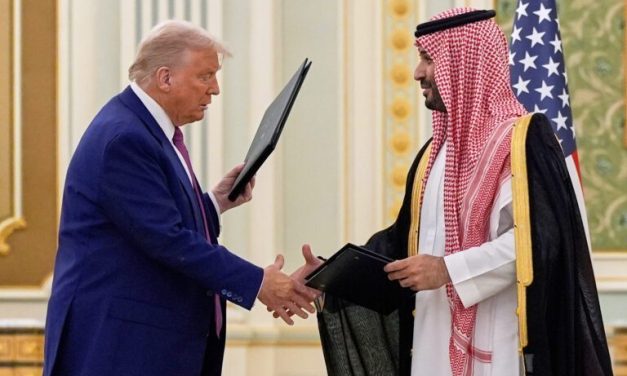
A Look at bin Salman’s Recent Trip to America

Strategic Council Online – Opinion: The recent trip of the Saudi Crown Prince to America was a targeted effort to solidify the strategic partnership with Washington, reduce political uncertainties, and strengthen Riyadh’s political role-playing.

Creating the Right Narrative: A Principled Strategy for Countering the Enemy’s Soft War

Strategic Council Online – Interview: A media expert stated: Given the intensification of the West’s soft war and psychological operations against Iran, our country’s primary strategy must be based on public education, strengthening national cohesion, developing international media, and countering the distortion of history through creating the right narrative.

F-35 Sale to Saudi Arabia: From Promise to Reality

Strategic Council Online – Interview: An international affairs analyst said: The issue of selling the F-35 to Saudi Arabia is not merely a military case, but rather part of a regional engineering that Washington is trying to advance.

Caspian Sea Water Level Drop; A Geopolitical Harm for Coastal Countries

Strategic Council Online – Interview: An expert in geopolitics stated, “The unprecedented drop in the Caspian Sea water level is not only an environmental threat but also a geopolitical alarm bell for Iran and the coastal countries, requiring urgent multilateral cooperation.”

Loading

Zionist regime

Analysis: The Reasons for Accepting the Ceasefire in Lebanon

Analysis: The Reasons for Accepting the Ceasefire in Lebanon

Strategic Council Online – Opinion: Finally, after about two months of the Zionist regime’s war against Lebanon and in a situation where the war on the Lebanese front had intensified to an unprecedented extent in the days leading up to the ceasefire, the Zionist regime agreed to truce.

Analysis of the Roots and Prospects of the Conflict in Aleppo, Syria

Analysis of the Roots and Prospects of the Conflict in Aleppo, Syria

Strategic Council Online – Opinion: After several years of calm and immediately after the ceasefire agreement in Lebanon, the Syrian city of Aleppo has become the scene of clashes between opposition and armed groups led by Tahrir al-Sham (formerly Jabhat al-Nusra) and the Syrian army and government.

Media Approach under Pressure of Zionist Regime towards Gaza War

Media Approach under Pressure of Zionist Regime towards Gaza War

Strategic Council Online – interview: A researcher said: The level and depth of the Israeli regime’s crimes in Gaza is so high that it has even raised the voice of the foreign media, and in case of escalation, it will definitely be to the detriment of this regime and its fans who provide media, political and security support.

Reasons for Resilience of the Zionist Regime’s Economy after Operation Al-Aqsa Storm

Reasons for Resilience of the Zionist Regime’s Economy after Operation Al-Aqsa Storm

Strategic Council Online – Guest Note: Although the Zionist regime was an economy focused on agriculture and basic kibbutz until the 1970s, after the economic crises in the 1970s and the political affinity of this regime with the United States, economic governance in occupied Palestine witnessed a change and the focus switched to investing in new technologies. During the last two decades, the Israeli regime developed an exogenous economy based on technological industries to such an extent that, contrary to the desire of its traditional ally (America), this type of cooperation expanded to a close bond with China in the technology field.

America’s Strategy in the First Year of the Gaza War

America’s Strategy in the First Year of the Gaza War

Strategic Council Online: An American issues expert said: The American strategy after one year of the Gaza war is to eradicate West Asia’s resistance groups, but this should be done in such a way that the United States would lose control of the situation because its interests are not in starting a full-scale war in the region.

An Analysis of America’s Approach towards Lebanon

An Analysis of America’s Approach towards Lebanon

Strategic Council Online – Opinion: Washington claims to be trying to manage tension and establish a ceasefire, especially in Lebanon, which has practically become the “driving engine” of the war. The fact that Americans talk about the reduction of tension in the official platforms and invite the parties to exercise restraint with what they do in the field and do not hesitate to provide any military, security, economic, political, and diplomatic assistance to the Israeli regime to continue the war is in the open “contradiction.”

أحدث الوظائف

An Analysis of Iran’s Missile Capability

Strategic Council Online – Interview: A strategic affairs analyst said: Iran’s missile doctrine is not only part of its deterrent capability but also part of the security identity of the Islamic Republic of Iran and should not be weakened.

Japan-China Tensions Over Taiwan

Strategic Council Online – Interview: An international affairs expert said that U.S. President Donald Trump, in a phone call this week with Sanae Takaichi, asked her not to further escalate disputes with China. Earlier this month, Takaichi created a rare tension with Beijing by stating that “a potential Chinese attack on Taiwan could lead to military action by Japan,” remarks that drew a sharp reaction from China. Beijing demanded that she retract these statements, but the Japanese Prime Minister has not done so thus far, and Tokyo has only emphasized that its policy regarding Taiwan has not changed.

A Look at bin Salman’s Recent Trip to America

Strategic Council Online – Opinion: The recent trip of the Saudi Crown Prince to America was a targeted effort to solidify the strategic partnership with Washington, reduce political uncertainties, and strengthen Riyadh’s political role-playing.

Creating the Right Narrative: A Principled Strategy for Countering the Enemy’s Soft War

Strategic Council Online – Interview: A media expert stated: Given the intensification of the West’s soft war and psychological operations against Iran, our country’s primary strategy must be based on public education, strengthening national cohesion, developing international media, and countering the distortion of history through creating the right narrative.

F-35 Sale to Saudi Arabia: From Promise to Reality

Strategic Council Online – Interview: An international affairs analyst said: The issue of selling the F-35 to Saudi Arabia is not merely a military case, but rather part of a regional engineering that Washington is trying to advance.

Caspian Sea Water Level Drop; A Geopolitical Harm for Coastal Countries

Strategic Council Online – Interview: An expert in geopolitics stated, “The unprecedented drop in the Caspian Sea water level is not only an environmental threat but also a geopolitical alarm bell for Iran and the coastal countries, requiring urgent multilateral cooperation.”

Loading

Zionist regime

Analysis: The Reasons for Accepting the Ceasefire in Lebanon

Analysis: The Reasons for Accepting the Ceasefire in Lebanon

Strategic Council Online – Opinion: Finally, after about two months of the Zionist regime’s war against Lebanon and in a situation where the war on the Lebanese front had intensified to an unprecedented extent in the days leading up to the ceasefire, the Zionist regime agreed to truce.

Analysis of the Roots and Prospects of the Conflict in Aleppo, Syria

Analysis of the Roots and Prospects of the Conflict in Aleppo, Syria

Strategic Council Online – Opinion: After several years of calm and immediately after the ceasefire agreement in Lebanon, the Syrian city of Aleppo has become the scene of clashes between opposition and armed groups led by Tahrir al-Sham (formerly Jabhat al-Nusra) and the Syrian army and government.

Media Approach under Pressure of Zionist Regime towards Gaza War

Media Approach under Pressure of Zionist Regime towards Gaza War

Strategic Council Online – interview: A researcher said: The level and depth of the Israeli regime’s crimes in Gaza is so high that it has even raised the voice of the foreign media, and in case of escalation, it will definitely be to the detriment of this regime and its fans who provide media, political and security support.

Reasons for Resilience of the Zionist Regime’s Economy after Operation Al-Aqsa Storm

Reasons for Resilience of the Zionist Regime’s Economy after Operation Al-Aqsa Storm

Strategic Council Online – Guest Note: Although the Zionist regime was an economy focused on agriculture and basic kibbutz until the 1970s, after the economic crises in the 1970s and the political affinity of this regime with the United States, economic governance in occupied Palestine witnessed a change and the focus switched to investing in new technologies. During the last two decades, the Israeli regime developed an exogenous economy based on technological industries to such an extent that, contrary to the desire of its traditional ally (America), this type of cooperation expanded to a close bond with China in the technology field.

America’s Strategy in the First Year of the Gaza War

America’s Strategy in the First Year of the Gaza War

Strategic Council Online: An American issues expert said: The American strategy after one year of the Gaza war is to eradicate West Asia’s resistance groups, but this should be done in such a way that the United States would lose control of the situation because its interests are not in starting a full-scale war in the region.

An Analysis of America’s Approach towards Lebanon

An Analysis of America’s Approach towards Lebanon

Strategic Council Online – Opinion: Washington claims to be trying to manage tension and establish a ceasefire, especially in Lebanon, which has practically become the “driving engine” of the war. The fact that Americans talk about the reduction of tension in the official platforms and invite the parties to exercise restraint with what they do in the field and do not hesitate to provide any military, security, economic, political, and diplomatic assistance to the Israeli regime to continue the war is in the open “contradiction.”

Zionist regime

Analysis: The Reasons for Accepting the Ceasefire in Lebanon

Analysis: The Reasons for Accepting the Ceasefire in Lebanon

Strategic Council Online – Opinion: Finally, after about two months of the Zionist regime’s war against Lebanon and in a situation where the war on the Lebanese front had intensified to an unprecedented extent in the days leading up to the ceasefire, the Zionist regime agreed to truce.

Analysis of the Roots and Prospects of the Conflict in Aleppo, Syria

Analysis of the Roots and Prospects of the Conflict in Aleppo, Syria

Strategic Council Online – Opinion: After several years of calm and immediately after the ceasefire agreement in Lebanon, the Syrian city of Aleppo has become the scene of clashes between opposition and armed groups led by Tahrir al-Sham (formerly Jabhat al-Nusra) and the Syrian army and government.

Media Approach under Pressure of Zionist Regime towards Gaza War

Media Approach under Pressure of Zionist Regime towards Gaza War

Strategic Council Online – interview: A researcher said: The level and depth of the Israeli regime’s crimes in Gaza is so high that it has even raised the voice of the foreign media, and in case of escalation, it will definitely be to the detriment of this regime and its fans who provide media, political and security support.

Reasons for Resilience of the Zionist Regime’s Economy after Operation Al-Aqsa Storm

Reasons for Resilience of the Zionist Regime’s Economy after Operation Al-Aqsa Storm

Strategic Council Online – Guest Note: Although the Zionist regime was an economy focused on agriculture and basic kibbutz until the 1970s, after the economic crises in the 1970s and the political affinity of this regime with the United States, economic governance in occupied Palestine witnessed a change and the focus switched to investing in new technologies. During the last two decades, the Israeli regime developed an exogenous economy based on technological industries to such an extent that, contrary to the desire of its traditional ally (America), this type of cooperation expanded to a close bond with China in the technology field.

America’s Strategy in the First Year of the Gaza War

America’s Strategy in the First Year of the Gaza War

Strategic Council Online: An American issues expert said: The American strategy after one year of the Gaza war is to eradicate West Asia’s resistance groups, but this should be done in such a way that the United States would lose control of the situation because its interests are not in starting a full-scale war in the region.

An Analysis of America’s Approach towards Lebanon

An Analysis of America’s Approach towards Lebanon

Strategic Council Online – Opinion: Washington claims to be trying to manage tension and establish a ceasefire, especially in Lebanon, which has practically become the “driving engine” of the war. The fact that Americans talk about the reduction of tension in the official platforms and invite the parties to exercise restraint with what they do in the field and do not hesitate to provide any military, security, economic, political, and diplomatic assistance to the Israeli regime to continue the war is in the open “contradiction.”

LATEST CONTENT

An Analysis of Iran’s Missile Capability

Strategic Council Online – Interview: A strategic affairs analyst said: Iran’s missile doctrine is not only part of its deterrent capability but also part of the security identity of the Islamic Republic of Iran and should not be weakened.
Japan-China Tensions Over Taiwan

Strategic Council Online – Interview: An international affairs expert said that U.S. President Donald Trump, in a phone call this week with Sanae Takaichi, asked her not to further escalate disputes with China. Earlier this month, Takaichi created a rare tension with Beijing by stating that “a potential Chinese attack on Taiwan could lead to military action by Japan,” remarks that drew a sharp reaction from China. Beijing demanded that she retract these statements, but the Japanese Prime Minister has not done so thus far, and Tokyo has only emphasized that its policy regarding Taiwan has not changed.

A Look at bin Salman’s Recent Trip to America

Strategic Council Online – Opinion: The recent trip of the Saudi Crown Prince to America was a targeted effort to solidify the strategic partnership with Washington, reduce political uncertainties, and strengthen Riyadh’s political role-playing.

Creating the Right Narrative: A Principled Strategy for Countering the Enemy’s Soft War

Strategic Council Online – Interview: A media expert stated: Given the intensification of the West’s soft war and psychological operations against Iran, our country’s primary strategy must be based on public education, strengthening national cohesion, developing international media, and countering the distortion of history through creating the right narrative.

F-35 Sale to Saudi Arabia: From Promise to Reality

Strategic Council Online – Interview: An international affairs analyst said: The issue of selling the F-35 to Saudi Arabia is not merely a military case, but rather part of a regional engineering that Washington is trying to advance.

Caspian Sea Water Level Drop; A Geopolitical Harm for Coastal Countries

Strategic Council Online – Interview: An expert in geopolitics stated, “The unprecedented drop in the Caspian Sea water level is not only an environmental threat but also a geopolitical alarm bell for Iran and the coastal countries, requiring urgent multilateral cooperation.”

Loading

Zionist regime

Analysis: The Reasons for Accepting the Ceasefire in Lebanon

Analysis: The Reasons for Accepting the Ceasefire in Lebanon

Strategic Council Online – Opinion: Finally, after about two months of the Zionist regime’s war against Lebanon and in a situation where the war on the Lebanese front had intensified to an unprecedented extent in the days leading up to the ceasefire, the Zionist regime agreed to truce.

Analysis of the Roots and Prospects of the Conflict in Aleppo, Syria

Analysis of the Roots and Prospects of the Conflict in Aleppo, Syria

Strategic Council Online – Opinion: After several years of calm and immediately after the ceasefire agreement in Lebanon, the Syrian city of Aleppo has become the scene of clashes between opposition and armed groups led by Tahrir al-Sham (formerly Jabhat al-Nusra) and the Syrian army and government.

Media Approach under Pressure of Zionist Regime towards Gaza War

Media Approach under Pressure of Zionist Regime towards Gaza War

Strategic Council Online – interview: A researcher said: The level and depth of the Israeli regime’s crimes in Gaza is so high that it has even raised the voice of the foreign media, and in case of escalation, it will definitely be to the detriment of this regime and its fans who provide media, political and security support.

Reasons for Resilience of the Zionist Regime’s Economy after Operation Al-Aqsa Storm

Reasons for Resilience of the Zionist Regime’s Economy after Operation Al-Aqsa Storm

Strategic Council Online – Guest Note: Although the Zionist regime was an economy focused on agriculture and basic kibbutz until the 1970s, after the economic crises in the 1970s and the political affinity of this regime with the United States, economic governance in occupied Palestine witnessed a change and the focus switched to investing in new technologies. During the last two decades, the Israeli regime developed an exogenous economy based on technological industries to such an extent that, contrary to the desire of its traditional ally (America), this type of cooperation expanded to a close bond with China in the technology field.

America’s Strategy in the First Year of the Gaza War

America’s Strategy in the First Year of the Gaza War

Strategic Council Online: An American issues expert said: The American strategy after one year of the Gaza war is to eradicate West Asia’s resistance groups, but this should be done in such a way that the United States would lose control of the situation because its interests are not in starting a full-scale war in the region.

An Analysis of America’s Approach towards Lebanon

An Analysis of America’s Approach towards Lebanon

Strategic Council Online – Opinion: Washington claims to be trying to manage tension and establish a ceasefire, especially in Lebanon, which has practically become the “driving engine” of the war. The fact that Americans talk about the reduction of tension in the official platforms and invite the parties to exercise restraint with what they do in the field and do not hesitate to provide any military, security, economic, political, and diplomatic assistance to the Israeli regime to continue the war is in the open “contradiction.”

ÚLTIMAS PUBLICACIONES

An Analysis of Iran’s Missile Capability

Strategic Council Online – Interview: A strategic affairs analyst said: Iran’s missile doctrine is not only part of its deterrent capability but also part of the security identity of the Islamic Republic of Iran and should not be weakened.
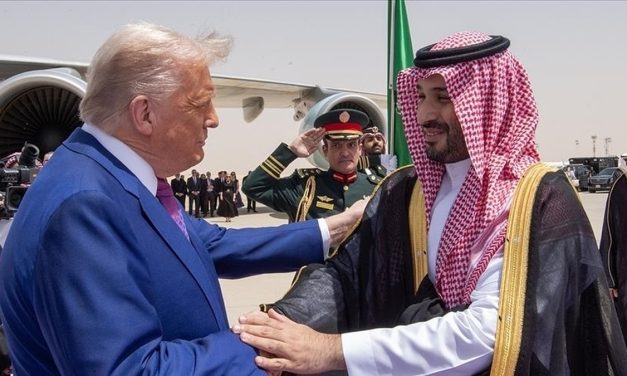
Japan-China Tensions Over Taiwan

Strategic Council Online – Interview: An international affairs expert said that U.S. President Donald Trump, in a phone call this week with Sanae Takaichi, asked her not to further escalate disputes with China. Earlier this month, Takaichi created a rare tension with Beijing by stating that “a potential Chinese attack on Taiwan could lead to military action by Japan,” remarks that drew a sharp reaction from China. Beijing demanded that she retract these statements, but the Japanese Prime Minister has not done so thus far, and Tokyo has only emphasized that its policy regarding Taiwan has not changed.

A Look at bin Salman’s Recent Trip to America

Strategic Council Online – Opinion: The recent trip of the Saudi Crown Prince to America was a targeted effort to solidify the strategic partnership with Washington, reduce political uncertainties, and strengthen Riyadh’s political role-playing.

Creating the Right Narrative: A Principled Strategy for Countering the Enemy’s Soft War

Strategic Council Online – Interview: A media expert stated: Given the intensification of the West’s soft war and psychological operations against Iran, our country’s primary strategy must be based on public education, strengthening national cohesion, developing international media, and countering the distortion of history through creating the right narrative.

F-35 Sale to Saudi Arabia: From Promise to Reality

Strategic Council Online – Interview: An international affairs analyst said: The issue of selling the F-35 to Saudi Arabia is not merely a military case, but rather part of a regional engineering that Washington is trying to advance.

Caspian Sea Water Level Drop; A Geopolitical Harm for Coastal Countries

Strategic Council Online – Interview: An expert in geopolitics stated, “The unprecedented drop in the Caspian Sea water level is not only an environmental threat but also a geopolitical alarm bell for Iran and the coastal countries, requiring urgent multilateral cooperation.”

Loading

Zionist regime

Analysis: The Reasons for Accepting the Ceasefire in Lebanon

Analysis: The Reasons for Accepting the Ceasefire in Lebanon

Strategic Council Online – Opinion: Finally, after about two months of the Zionist regime’s war against Lebanon and in a situation where the war on the Lebanese front had intensified to an unprecedented extent in the days leading up to the ceasefire, the Zionist regime agreed to truce.

Analysis of the Roots and Prospects of the Conflict in Aleppo, Syria

Analysis of the Roots and Prospects of the Conflict in Aleppo, Syria

Strategic Council Online – Opinion: After several years of calm and immediately after the ceasefire agreement in Lebanon, the Syrian city of Aleppo has become the scene of clashes between opposition and armed groups led by Tahrir al-Sham (formerly Jabhat al-Nusra) and the Syrian army and government.

Media Approach under Pressure of Zionist Regime towards Gaza War

Media Approach under Pressure of Zionist Regime towards Gaza War

Strategic Council Online – interview: A researcher said: The level and depth of the Israeli regime’s crimes in Gaza is so high that it has even raised the voice of the foreign media, and in case of escalation, it will definitely be to the detriment of this regime and its fans who provide media, political and security support.

Reasons for Resilience of the Zionist Regime’s Economy after Operation Al-Aqsa Storm

Reasons for Resilience of the Zionist Regime’s Economy after Operation Al-Aqsa Storm

Strategic Council Online – Guest Note: Although the Zionist regime was an economy focused on agriculture and basic kibbutz until the 1970s, after the economic crises in the 1970s and the political affinity of this regime with the United States, economic governance in occupied Palestine witnessed a change and the focus switched to investing in new technologies. During the last two decades, the Israeli regime developed an exogenous economy based on technological industries to such an extent that, contrary to the desire of its traditional ally (America), this type of cooperation expanded to a close bond with China in the technology field.

America’s Strategy in the First Year of the Gaza War

America’s Strategy in the First Year of the Gaza War

Strategic Council Online: An American issues expert said: The American strategy after one year of the Gaza war is to eradicate West Asia’s resistance groups, but this should be done in such a way that the United States would lose control of the situation because its interests are not in starting a full-scale war in the region.

An Analysis of America’s Approach towards Lebanon

An Analysis of America’s Approach towards Lebanon

Strategic Council Online – Opinion: Washington claims to be trying to manage tension and establish a ceasefire, especially in Lebanon, which has practically become the “driving engine” of the war. The fact that Americans talk about the reduction of tension in the official platforms and invite the parties to exercise restraint with what they do in the field and do not hesitate to provide any military, security, economic, political, and diplomatic assistance to the Israeli regime to continue the war is in the open “contradiction.”

ÚLTIMAS PUBLICACIONES

An Analysis of Iran’s Missile Capability

Strategic Council Online – Interview: A strategic affairs analyst said: Iran’s missile doctrine is not only part of its deterrent capability but also part of the security identity of the Islamic Republic of Iran and should not be weakened.
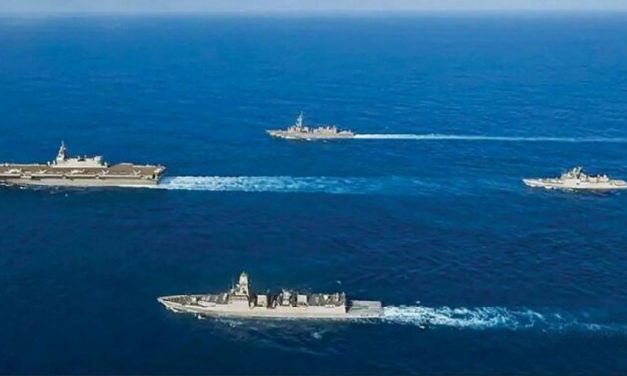
Japan-China Tensions Over Taiwan

Strategic Council Online – Interview: An international affairs expert said that U.S. President Donald Trump, in a phone call this week with Sanae Takaichi, asked her not to further escalate disputes with China. Earlier this month, Takaichi created a rare tension with Beijing by stating that “a potential Chinese attack on Taiwan could lead to military action by Japan,” remarks that drew a sharp reaction from China. Beijing demanded that she retract these statements, but the Japanese Prime Minister has not done so thus far, and Tokyo has only emphasized that its policy regarding Taiwan has not changed.

A Look at bin Salman’s Recent Trip to America

Strategic Council Online – Opinion: The recent trip of the Saudi Crown Prince to America was a targeted effort to solidify the strategic partnership with Washington, reduce political uncertainties, and strengthen Riyadh’s political role-playing.

Creating the Right Narrative: A Principled Strategy for Countering the Enemy’s Soft War

Strategic Council Online – Interview: A media expert stated: Given the intensification of the West’s soft war and psychological operations against Iran, our country’s primary strategy must be based on public education, strengthening national cohesion, developing international media, and countering the distortion of history through creating the right narrative.

F-35 Sale to Saudi Arabia: From Promise to Reality

Strategic Council Online – Interview: An international affairs analyst said: The issue of selling the F-35 to Saudi Arabia is not merely a military case, but rather part of a regional engineering that Washington is trying to advance.

Caspian Sea Water Level Drop; A Geopolitical Harm for Coastal Countries

Strategic Council Online – Interview: An expert in geopolitics stated, “The unprecedented drop in the Caspian Sea water level is not only an environmental threat but also a geopolitical alarm bell for Iran and the coastal countries, requiring urgent multilateral cooperation.”

Loading