جدیدترین مطالب

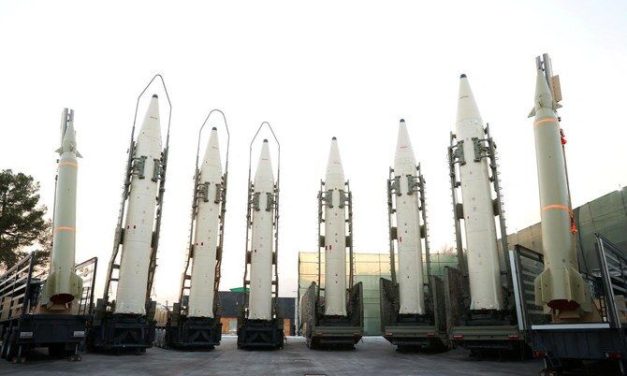
An Analysis of Iran’s Missile Capability

Strategic Council Online – Interview: A strategic affairs analyst said: Iran’s missile doctrine is not only part of its deterrent capability but also part of the security identity of the Islamic Republic of Iran and should not be weakened.
Japan-China Tensions Over Taiwan

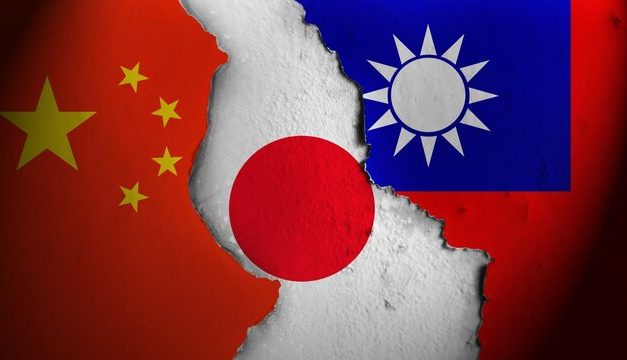
Strategic Council Online – Interview: An international affairs expert said that U.S. President Donald Trump, in a phone call this week with Sanae Takaichi, asked her not to further escalate disputes with China. Earlier this month, Takaichi created a rare tension with Beijing by stating that “a potential Chinese attack on Taiwan could lead to military action by Japan,” remarks that drew a sharp reaction from China. Beijing demanded that she retract these statements, but the Japanese Prime Minister has not done so thus far, and Tokyo has only emphasized that its policy regarding Taiwan has not changed.

A Look at bin Salman’s Recent Trip to America

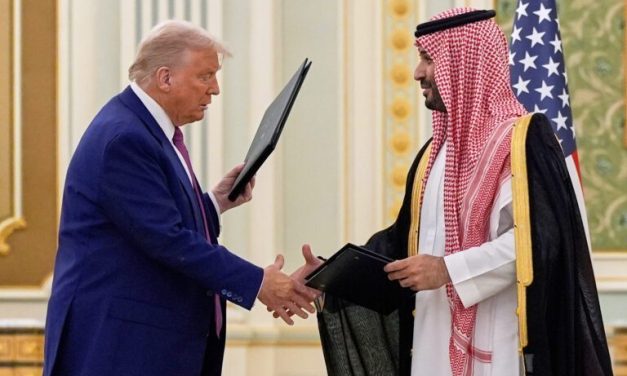
Strategic Council Online – Opinion: The recent trip of the Saudi Crown Prince to America was a targeted effort to solidify the strategic partnership with Washington, reduce political uncertainties, and strengthen Riyadh’s political role-playing.

Creating the Right Narrative: A Principled Strategy for Countering the Enemy’s Soft War

Strategic Council Online – Interview: A media expert stated: Given the intensification of the West’s soft war and psychological operations against Iran, our country’s primary strategy must be based on public education, strengthening national cohesion, developing international media, and countering the distortion of history through creating the right narrative.

F-35 Sale to Saudi Arabia: From Promise to Reality

Strategic Council Online – Interview: An international affairs analyst said: The issue of selling the F-35 to Saudi Arabia is not merely a military case, but rather part of a regional engineering that Washington is trying to advance.

Caspian Sea Water Level Drop; A Geopolitical Harm for Coastal Countries

Strategic Council Online – Interview: An expert in geopolitics stated, “The unprecedented drop in the Caspian Sea water level is not only an environmental threat but also a geopolitical alarm bell for Iran and the coastal countries, requiring urgent multilateral cooperation.”

Loading

top news

Impact of Operation Cobweb on the Future Course of the Ukraine War

Impact of Operation Cobweb on the Future Course of the Ukraine War

Strategic Council Online – Interview: While Donald Trump, the President of the United States, was pressuring the parties involved in the Ukraine war to initiate negotiations to end the conflict, Operation Cobweb emerged as an unexpected development that transformed the dynamics of this war. This operation, which led to the destruction of several Russian strategic Tu-22M3 bombers, has raised questions about the future of negotiations, the escalation of tensions, and its strategic implications for Russia’s foreign policy and relations with NATO.

Europe’s New Security Strategy Aimed at Defense Self-Sufficiency

Europe’s New Security Strategy Aimed at Defense Self-Sufficiency

Strategic Council Online – Opinion: On June 2, 2025, the Council of the European Union took an unprecedented step toward strengthening Europe’s military self-sufficiency by officially approving a new defense fund worth 150 billion euros. This decision, made after decades of institutional debate and effort in common security policy, is now regarded not merely as a technical or budgetary initiative but as a reflection of a paradigm shift in Europe’s strategic outlook on its security future.

Impact of the U.S.-China Tariff War on Iran’s Economy

Impact of the U.S.-China Tariff War on Iran’s Economy

Strategic Council Online – Interview: An economist and university faculty member stated that the temporary agreement between the U.S. and China to reduce trade tariffs, recently announced in Geneva, is a turning point in easing trade tensions between the two largest economies in the world. This development, which led to positive reactions in global markets and a rise in economic indicators, has indirect consequences for Iran’s economy.

Reasons for NATO’s Interest in a Military Partnership with Iraq

Reasons for NATO’s Interest in a Military Partnership with Iraq

Strategic Council Online – Interview: A West Asia affairs expert stated that Christoph Henzi, the new NATO commander in Iraq, recently emphasized the North Atlantic Treaty Organization’s (NATO) continued commitment to coordinating and cooperating with Iraqi military and security institutions through experience-sharing, advisory services, and capacity-building.

Prospect of Military Confrontation Between Yemen’s Ansarullah and the Zionist Regime

Prospect of Military Confrontation Between Yemen’s Ansarullah and the Zionist Regime

Strategic Council Online – Interview: A senior West Asia affairs analyst stated that the recent ceasefire agreement between Yemen’s Ansarullah and the U.S., mediated by Oman, led to the cessation of Ansarullah’s attacks on non-Israeli ships in the Red Sea and the suspension of American airstrikes. This agreement, reached after weeks of intense clashes—during which Ansarullah targeted the USS Harry Truman aircraft carrier with missile and drone attacks, inflicting over a billion dollars in losses on the U.S.—marks a turning point in Yemen’s strategic equations. Ansarullah’s military successes, from downing MQ-9 Reaper drones to missile strikes on Ben Gurion Airport, which halted its operations and sent millions of Zionists to shelters, have solidified its position as a key player in the Axis of Resistance.

An Analysis of the Escalating Isolation of Netanyahu Govt Worldwide

An Analysis of the Escalating Isolation of Netanyahu Govt Worldwide

Strategic Council Online – Opinion: Netanyahu’s cabinet, which has recently launched a new military operation in Gaza, is insanely massacring civilians. The continuation of the war until the complete destruction of Gaza and its takeover is the ultimate goal of the Zionist regime’s recent military operation.

Reasons for the EU’s Cautious Approach Toward U.S. Tariff Hikes

Reasons for the EU’s Cautious Approach Toward U.S. Tariff Hikes

Online Strategic Council – Interview: A European and American affairs expert stated that the European Union, due to its unstable economic situation and the Ukraine issue, is compelled to accommodate the U.S., and thus, it does not challenge America over the tariff hikes.

An Analysis of the Resumption of Diplomatic Relations Between Pakistan and Afghanistan

An Analysis of the Resumption of Diplomatic Relations Between Pakistan and Afghanistan

Strategic Council Online– Interview: A senior analyst on South Asian affairs stated that after a period of escalating tensions, which led to the mass expulsion of Afghan refugees from Pakistan and a downgrade in diplomatic relations between Islamabad and Kabul, the two sides have strategically resumed relations at the ambassador level. This development, which followed high-level consultations and coincided with an informal trilateral meeting of the foreign ministers of Pakistan, Afghanistan, and China in Beijing, signals a shared willingness to rebuild trust and deepen security and economic cooperation. This diplomatic shift must be understood as the result of intersecting security, economic, and geopolitical factors.

Multifaceted Crises of the Zionist Regime and Netanyahu’s Fragile Position

Multifaceted Crises of the Zionist Regime and Netanyahu’s Fragile Position

Strategic Council Online – Interview: A West Asia affairs analyst stated that according to a recent poll by the Maariv newspaper, Netanyahu’s ruling coalition would secure only 49 seats in the Knesset (parliament) if new elections were held, losing one seat, while a minimum of 61 seats is required to form a government. This situation and military and judicial failures will place Netanyahu in the most critical phase of his leadership.

Examining Some Opportunities for Iran’s Cooperation with the Persian Gulf States

Examining Some Opportunities for Iran’s Cooperation with the Persian Gulf States

Strategic Council Online– Opinion: The Persian Gulf, as one of the most sensitive geopolitical regions in the world, is an arena for competition among regional and transregional powers, where the security and national interests of the actors take priority. This region holds strategic importance due to its vast energy reserves and the key role it plays in global oil and gas trade.
However, threats like environmental issues, smuggling, and energy security risks have added new complexities to its security equations. Iran, with the longest coastline in the Persian Gulf and a strategic geographical position, must protect its interests in a tense environment where extra-regional actors like the United States play a destructive role. In this framework, cooperation in specific areas serves as a tool to mitigate threats and strengthen our position in the regional balance of power.

أحدث الوظائف

An Analysis of Iran’s Missile Capability

Strategic Council Online – Interview: A strategic affairs analyst said: Iran’s missile doctrine is not only part of its deterrent capability but also part of the security identity of the Islamic Republic of Iran and should not be weakened.

Japan-China Tensions Over Taiwan

Strategic Council Online – Interview: An international affairs expert said that U.S. President Donald Trump, in a phone call this week with Sanae Takaichi, asked her not to further escalate disputes with China. Earlier this month, Takaichi created a rare tension with Beijing by stating that “a potential Chinese attack on Taiwan could lead to military action by Japan,” remarks that drew a sharp reaction from China. Beijing demanded that she retract these statements, but the Japanese Prime Minister has not done so thus far, and Tokyo has only emphasized that its policy regarding Taiwan has not changed.

A Look at bin Salman’s Recent Trip to America

Strategic Council Online – Opinion: The recent trip of the Saudi Crown Prince to America was a targeted effort to solidify the strategic partnership with Washington, reduce political uncertainties, and strengthen Riyadh’s political role-playing.

Creating the Right Narrative: A Principled Strategy for Countering the Enemy’s Soft War

Strategic Council Online – Interview: A media expert stated: Given the intensification of the West’s soft war and psychological operations against Iran, our country’s primary strategy must be based on public education, strengthening national cohesion, developing international media, and countering the distortion of history through creating the right narrative.

F-35 Sale to Saudi Arabia: From Promise to Reality

Strategic Council Online – Interview: An international affairs analyst said: The issue of selling the F-35 to Saudi Arabia is not merely a military case, but rather part of a regional engineering that Washington is trying to advance.

Caspian Sea Water Level Drop; A Geopolitical Harm for Coastal Countries

Strategic Council Online – Interview: An expert in geopolitics stated, “The unprecedented drop in the Caspian Sea water level is not only an environmental threat but also a geopolitical alarm bell for Iran and the coastal countries, requiring urgent multilateral cooperation.”

Loading

top news

Impact of Operation Cobweb on the Future Course of the Ukraine War

Impact of Operation Cobweb on the Future Course of the Ukraine War

Strategic Council Online – Interview: While Donald Trump, the President of the United States, was pressuring the parties involved in the Ukraine war to initiate negotiations to end the conflict, Operation Cobweb emerged as an unexpected development that transformed the dynamics of this war. This operation, which led to the destruction of several Russian strategic Tu-22M3 bombers, has raised questions about the future of negotiations, the escalation of tensions, and its strategic implications for Russia’s foreign policy and relations with NATO.

Europe’s New Security Strategy Aimed at Defense Self-Sufficiency

Europe’s New Security Strategy Aimed at Defense Self-Sufficiency

Strategic Council Online – Opinion: On June 2, 2025, the Council of the European Union took an unprecedented step toward strengthening Europe’s military self-sufficiency by officially approving a new defense fund worth 150 billion euros. This decision, made after decades of institutional debate and effort in common security policy, is now regarded not merely as a technical or budgetary initiative but as a reflection of a paradigm shift in Europe’s strategic outlook on its security future.

Impact of the U.S.-China Tariff War on Iran’s Economy

Impact of the U.S.-China Tariff War on Iran’s Economy

Strategic Council Online – Interview: An economist and university faculty member stated that the temporary agreement between the U.S. and China to reduce trade tariffs, recently announced in Geneva, is a turning point in easing trade tensions between the two largest economies in the world. This development, which led to positive reactions in global markets and a rise in economic indicators, has indirect consequences for Iran’s economy.

Reasons for NATO’s Interest in a Military Partnership with Iraq

Reasons for NATO’s Interest in a Military Partnership with Iraq

Strategic Council Online – Interview: A West Asia affairs expert stated that Christoph Henzi, the new NATO commander in Iraq, recently emphasized the North Atlantic Treaty Organization’s (NATO) continued commitment to coordinating and cooperating with Iraqi military and security institutions through experience-sharing, advisory services, and capacity-building.

Prospect of Military Confrontation Between Yemen’s Ansarullah and the Zionist Regime

Prospect of Military Confrontation Between Yemen’s Ansarullah and the Zionist Regime

Strategic Council Online – Interview: A senior West Asia affairs analyst stated that the recent ceasefire agreement between Yemen’s Ansarullah and the U.S., mediated by Oman, led to the cessation of Ansarullah’s attacks on non-Israeli ships in the Red Sea and the suspension of American airstrikes. This agreement, reached after weeks of intense clashes—during which Ansarullah targeted the USS Harry Truman aircraft carrier with missile and drone attacks, inflicting over a billion dollars in losses on the U.S.—marks a turning point in Yemen’s strategic equations. Ansarullah’s military successes, from downing MQ-9 Reaper drones to missile strikes on Ben Gurion Airport, which halted its operations and sent millions of Zionists to shelters, have solidified its position as a key player in the Axis of Resistance.

An Analysis of the Escalating Isolation of Netanyahu Govt Worldwide

An Analysis of the Escalating Isolation of Netanyahu Govt Worldwide

Strategic Council Online – Opinion: Netanyahu’s cabinet, which has recently launched a new military operation in Gaza, is insanely massacring civilians. The continuation of the war until the complete destruction of Gaza and its takeover is the ultimate goal of the Zionist regime’s recent military operation.

Reasons for the EU’s Cautious Approach Toward U.S. Tariff Hikes

Reasons for the EU’s Cautious Approach Toward U.S. Tariff Hikes

Online Strategic Council – Interview: A European and American affairs expert stated that the European Union, due to its unstable economic situation and the Ukraine issue, is compelled to accommodate the U.S., and thus, it does not challenge America over the tariff hikes.

An Analysis of the Resumption of Diplomatic Relations Between Pakistan and Afghanistan

An Analysis of the Resumption of Diplomatic Relations Between Pakistan and Afghanistan

Strategic Council Online– Interview: A senior analyst on South Asian affairs stated that after a period of escalating tensions, which led to the mass expulsion of Afghan refugees from Pakistan and a downgrade in diplomatic relations between Islamabad and Kabul, the two sides have strategically resumed relations at the ambassador level. This development, which followed high-level consultations and coincided with an informal trilateral meeting of the foreign ministers of Pakistan, Afghanistan, and China in Beijing, signals a shared willingness to rebuild trust and deepen security and economic cooperation. This diplomatic shift must be understood as the result of intersecting security, economic, and geopolitical factors.

Multifaceted Crises of the Zionist Regime and Netanyahu’s Fragile Position

Multifaceted Crises of the Zionist Regime and Netanyahu’s Fragile Position

Strategic Council Online – Interview: A West Asia affairs analyst stated that according to a recent poll by the Maariv newspaper, Netanyahu’s ruling coalition would secure only 49 seats in the Knesset (parliament) if new elections were held, losing one seat, while a minimum of 61 seats is required to form a government. This situation and military and judicial failures will place Netanyahu in the most critical phase of his leadership.

Examining Some Opportunities for Iran’s Cooperation with the Persian Gulf States

Examining Some Opportunities for Iran’s Cooperation with the Persian Gulf States

Strategic Council Online– Opinion: The Persian Gulf, as one of the most sensitive geopolitical regions in the world, is an arena for competition among regional and transregional powers, where the security and national interests of the actors take priority. This region holds strategic importance due to its vast energy reserves and the key role it plays in global oil and gas trade.
However, threats like environmental issues, smuggling, and energy security risks have added new complexities to its security equations. Iran, with the longest coastline in the Persian Gulf and a strategic geographical position, must protect its interests in a tense environment where extra-regional actors like the United States play a destructive role. In this framework, cooperation in specific areas serves as a tool to mitigate threats and strengthen our position in the regional balance of power.

top news

Impact of Operation Cobweb on the Future Course of the Ukraine War

Impact of Operation Cobweb on the Future Course of the Ukraine War

Strategic Council Online – Interview: While Donald Trump, the President of the United States, was pressuring the parties involved in the Ukraine war to initiate negotiations to end the conflict, Operation Cobweb emerged as an unexpected development that transformed the dynamics of this war. This operation, which led to the destruction of several Russian strategic Tu-22M3 bombers, has raised questions about the future of negotiations, the escalation of tensions, and its strategic implications for Russia’s foreign policy and relations with NATO.

Europe’s New Security Strategy Aimed at Defense Self-Sufficiency

Europe’s New Security Strategy Aimed at Defense Self-Sufficiency

Strategic Council Online – Opinion: On June 2, 2025, the Council of the European Union took an unprecedented step toward strengthening Europe’s military self-sufficiency by officially approving a new defense fund worth 150 billion euros. This decision, made after decades of institutional debate and effort in common security policy, is now regarded not merely as a technical or budgetary initiative but as a reflection of a paradigm shift in Europe’s strategic outlook on its security future.

Impact of the U.S.-China Tariff War on Iran’s Economy

Impact of the U.S.-China Tariff War on Iran’s Economy

Strategic Council Online – Interview: An economist and university faculty member stated that the temporary agreement between the U.S. and China to reduce trade tariffs, recently announced in Geneva, is a turning point in easing trade tensions between the two largest economies in the world. This development, which led to positive reactions in global markets and a rise in economic indicators, has indirect consequences for Iran’s economy.

Reasons for NATO’s Interest in a Military Partnership with Iraq

Reasons for NATO’s Interest in a Military Partnership with Iraq

Strategic Council Online – Interview: A West Asia affairs expert stated that Christoph Henzi, the new NATO commander in Iraq, recently emphasized the North Atlantic Treaty Organization’s (NATO) continued commitment to coordinating and cooperating with Iraqi military and security institutions through experience-sharing, advisory services, and capacity-building.

Prospect of Military Confrontation Between Yemen’s Ansarullah and the Zionist Regime

Prospect of Military Confrontation Between Yemen’s Ansarullah and the Zionist Regime

Strategic Council Online – Interview: A senior West Asia affairs analyst stated that the recent ceasefire agreement between Yemen’s Ansarullah and the U.S., mediated by Oman, led to the cessation of Ansarullah’s attacks on non-Israeli ships in the Red Sea and the suspension of American airstrikes. This agreement, reached after weeks of intense clashes—during which Ansarullah targeted the USS Harry Truman aircraft carrier with missile and drone attacks, inflicting over a billion dollars in losses on the U.S.—marks a turning point in Yemen’s strategic equations. Ansarullah’s military successes, from downing MQ-9 Reaper drones to missile strikes on Ben Gurion Airport, which halted its operations and sent millions of Zionists to shelters, have solidified its position as a key player in the Axis of Resistance.

An Analysis of the Escalating Isolation of Netanyahu Govt Worldwide

An Analysis of the Escalating Isolation of Netanyahu Govt Worldwide

Strategic Council Online – Opinion: Netanyahu’s cabinet, which has recently launched a new military operation in Gaza, is insanely massacring civilians. The continuation of the war until the complete destruction of Gaza and its takeover is the ultimate goal of the Zionist regime’s recent military operation.

Reasons for the EU’s Cautious Approach Toward U.S. Tariff Hikes

Reasons for the EU’s Cautious Approach Toward U.S. Tariff Hikes

Online Strategic Council – Interview: A European and American affairs expert stated that the European Union, due to its unstable economic situation and the Ukraine issue, is compelled to accommodate the U.S., and thus, it does not challenge America over the tariff hikes.

An Analysis of the Resumption of Diplomatic Relations Between Pakistan and Afghanistan

An Analysis of the Resumption of Diplomatic Relations Between Pakistan and Afghanistan

Strategic Council Online– Interview: A senior analyst on South Asian affairs stated that after a period of escalating tensions, which led to the mass expulsion of Afghan refugees from Pakistan and a downgrade in diplomatic relations between Islamabad and Kabul, the two sides have strategically resumed relations at the ambassador level. This development, which followed high-level consultations and coincided with an informal trilateral meeting of the foreign ministers of Pakistan, Afghanistan, and China in Beijing, signals a shared willingness to rebuild trust and deepen security and economic cooperation. This diplomatic shift must be understood as the result of intersecting security, economic, and geopolitical factors.

Multifaceted Crises of the Zionist Regime and Netanyahu’s Fragile Position

Multifaceted Crises of the Zionist Regime and Netanyahu’s Fragile Position

Strategic Council Online – Interview: A West Asia affairs analyst stated that according to a recent poll by the Maariv newspaper, Netanyahu’s ruling coalition would secure only 49 seats in the Knesset (parliament) if new elections were held, losing one seat, while a minimum of 61 seats is required to form a government. This situation and military and judicial failures will place Netanyahu in the most critical phase of his leadership.

Examining Some Opportunities for Iran’s Cooperation with the Persian Gulf States

Examining Some Opportunities for Iran’s Cooperation with the Persian Gulf States

Strategic Council Online– Opinion: The Persian Gulf, as one of the most sensitive geopolitical regions in the world, is an arena for competition among regional and transregional powers, where the security and national interests of the actors take priority. This region holds strategic importance due to its vast energy reserves and the key role it plays in global oil and gas trade.
However, threats like environmental issues, smuggling, and energy security risks have added new complexities to its security equations. Iran, with the longest coastline in the Persian Gulf and a strategic geographical position, must protect its interests in a tense environment where extra-regional actors like the United States play a destructive role. In this framework, cooperation in specific areas serves as a tool to mitigate threats and strengthen our position in the regional balance of power.

LATEST CONTENT

An Analysis of Iran’s Missile Capability

Strategic Council Online – Interview: A strategic affairs analyst said: Iran’s missile doctrine is not only part of its deterrent capability but also part of the security identity of the Islamic Republic of Iran and should not be weakened.
Japan-China Tensions Over Taiwan

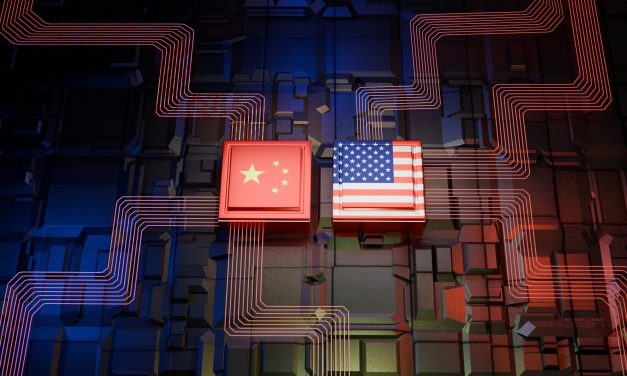
Strategic Council Online – Interview: An international affairs expert said that U.S. President Donald Trump, in a phone call this week with Sanae Takaichi, asked her not to further escalate disputes with China. Earlier this month, Takaichi created a rare tension with Beijing by stating that “a potential Chinese attack on Taiwan could lead to military action by Japan,” remarks that drew a sharp reaction from China. Beijing demanded that she retract these statements, but the Japanese Prime Minister has not done so thus far, and Tokyo has only emphasized that its policy regarding Taiwan has not changed.

A Look at bin Salman’s Recent Trip to America

Strategic Council Online – Opinion: The recent trip of the Saudi Crown Prince to America was a targeted effort to solidify the strategic partnership with Washington, reduce political uncertainties, and strengthen Riyadh’s political role-playing.

Creating the Right Narrative: A Principled Strategy for Countering the Enemy’s Soft War

Strategic Council Online – Interview: A media expert stated: Given the intensification of the West’s soft war and psychological operations against Iran, our country’s primary strategy must be based on public education, strengthening national cohesion, developing international media, and countering the distortion of history through creating the right narrative.

F-35 Sale to Saudi Arabia: From Promise to Reality

Strategic Council Online – Interview: An international affairs analyst said: The issue of selling the F-35 to Saudi Arabia is not merely a military case, but rather part of a regional engineering that Washington is trying to advance.

Caspian Sea Water Level Drop; A Geopolitical Harm for Coastal Countries

Strategic Council Online – Interview: An expert in geopolitics stated, “The unprecedented drop in the Caspian Sea water level is not only an environmental threat but also a geopolitical alarm bell for Iran and the coastal countries, requiring urgent multilateral cooperation.”

Loading

top news

Impact of Operation Cobweb on the Future Course of the Ukraine War

Impact of Operation Cobweb on the Future Course of the Ukraine War

Strategic Council Online – Interview: While Donald Trump, the President of the United States, was pressuring the parties involved in the Ukraine war to initiate negotiations to end the conflict, Operation Cobweb emerged as an unexpected development that transformed the dynamics of this war. This operation, which led to the destruction of several Russian strategic Tu-22M3 bombers, has raised questions about the future of negotiations, the escalation of tensions, and its strategic implications for Russia’s foreign policy and relations with NATO.

Europe’s New Security Strategy Aimed at Defense Self-Sufficiency

Europe’s New Security Strategy Aimed at Defense Self-Sufficiency

Strategic Council Online – Opinion: On June 2, 2025, the Council of the European Union took an unprecedented step toward strengthening Europe’s military self-sufficiency by officially approving a new defense fund worth 150 billion euros. This decision, made after decades of institutional debate and effort in common security policy, is now regarded not merely as a technical or budgetary initiative but as a reflection of a paradigm shift in Europe’s strategic outlook on its security future.

Impact of the U.S.-China Tariff War on Iran’s Economy

Impact of the U.S.-China Tariff War on Iran’s Economy

Strategic Council Online – Interview: An economist and university faculty member stated that the temporary agreement between the U.S. and China to reduce trade tariffs, recently announced in Geneva, is a turning point in easing trade tensions between the two largest economies in the world. This development, which led to positive reactions in global markets and a rise in economic indicators, has indirect consequences for Iran’s economy.

Reasons for NATO’s Interest in a Military Partnership with Iraq

Reasons for NATO’s Interest in a Military Partnership with Iraq

Strategic Council Online – Interview: A West Asia affairs expert stated that Christoph Henzi, the new NATO commander in Iraq, recently emphasized the North Atlantic Treaty Organization’s (NATO) continued commitment to coordinating and cooperating with Iraqi military and security institutions through experience-sharing, advisory services, and capacity-building.

Prospect of Military Confrontation Between Yemen’s Ansarullah and the Zionist Regime

Prospect of Military Confrontation Between Yemen’s Ansarullah and the Zionist Regime

Strategic Council Online – Interview: A senior West Asia affairs analyst stated that the recent ceasefire agreement between Yemen’s Ansarullah and the U.S., mediated by Oman, led to the cessation of Ansarullah’s attacks on non-Israeli ships in the Red Sea and the suspension of American airstrikes. This agreement, reached after weeks of intense clashes—during which Ansarullah targeted the USS Harry Truman aircraft carrier with missile and drone attacks, inflicting over a billion dollars in losses on the U.S.—marks a turning point in Yemen’s strategic equations. Ansarullah’s military successes, from downing MQ-9 Reaper drones to missile strikes on Ben Gurion Airport, which halted its operations and sent millions of Zionists to shelters, have solidified its position as a key player in the Axis of Resistance.

An Analysis of the Escalating Isolation of Netanyahu Govt Worldwide

An Analysis of the Escalating Isolation of Netanyahu Govt Worldwide

Strategic Council Online – Opinion: Netanyahu’s cabinet, which has recently launched a new military operation in Gaza, is insanely massacring civilians. The continuation of the war until the complete destruction of Gaza and its takeover is the ultimate goal of the Zionist regime’s recent military operation.

Reasons for the EU’s Cautious Approach Toward U.S. Tariff Hikes

Reasons for the EU’s Cautious Approach Toward U.S. Tariff Hikes

Online Strategic Council – Interview: A European and American affairs expert stated that the European Union, due to its unstable economic situation and the Ukraine issue, is compelled to accommodate the U.S., and thus, it does not challenge America over the tariff hikes.

An Analysis of the Resumption of Diplomatic Relations Between Pakistan and Afghanistan

An Analysis of the Resumption of Diplomatic Relations Between Pakistan and Afghanistan

Strategic Council Online– Interview: A senior analyst on South Asian affairs stated that after a period of escalating tensions, which led to the mass expulsion of Afghan refugees from Pakistan and a downgrade in diplomatic relations between Islamabad and Kabul, the two sides have strategically resumed relations at the ambassador level. This development, which followed high-level consultations and coincided with an informal trilateral meeting of the foreign ministers of Pakistan, Afghanistan, and China in Beijing, signals a shared willingness to rebuild trust and deepen security and economic cooperation. This diplomatic shift must be understood as the result of intersecting security, economic, and geopolitical factors.

Multifaceted Crises of the Zionist Regime and Netanyahu’s Fragile Position

Multifaceted Crises of the Zionist Regime and Netanyahu’s Fragile Position

Strategic Council Online – Interview: A West Asia affairs analyst stated that according to a recent poll by the Maariv newspaper, Netanyahu’s ruling coalition would secure only 49 seats in the Knesset (parliament) if new elections were held, losing one seat, while a minimum of 61 seats is required to form a government. This situation and military and judicial failures will place Netanyahu in the most critical phase of his leadership.

Examining Some Opportunities for Iran’s Cooperation with the Persian Gulf States

Examining Some Opportunities for Iran’s Cooperation with the Persian Gulf States

Strategic Council Online– Opinion: The Persian Gulf, as one of the most sensitive geopolitical regions in the world, is an arena for competition among regional and transregional powers, where the security and national interests of the actors take priority. This region holds strategic importance due to its vast energy reserves and the key role it plays in global oil and gas trade.
However, threats like environmental issues, smuggling, and energy security risks have added new complexities to its security equations. Iran, with the longest coastline in the Persian Gulf and a strategic geographical position, must protect its interests in a tense environment where extra-regional actors like the United States play a destructive role. In this framework, cooperation in specific areas serves as a tool to mitigate threats and strengthen our position in the regional balance of power.

ÚLTIMAS PUBLICACIONES

An Analysis of Iran’s Missile Capability

Strategic Council Online – Interview: A strategic affairs analyst said: Iran’s missile doctrine is not only part of its deterrent capability but also part of the security identity of the Islamic Republic of Iran and should not be weakened.
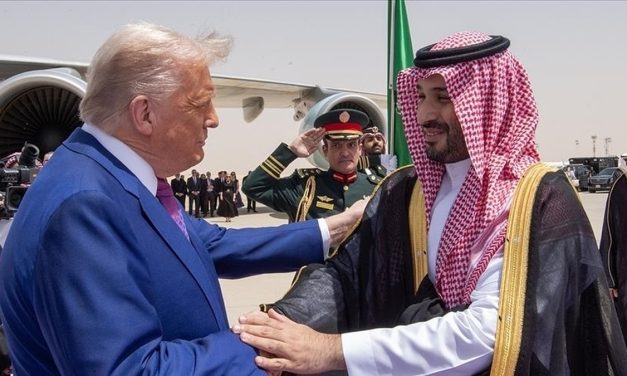
Japan-China Tensions Over Taiwan

Strategic Council Online – Interview: An international affairs expert said that U.S. President Donald Trump, in a phone call this week with Sanae Takaichi, asked her not to further escalate disputes with China. Earlier this month, Takaichi created a rare tension with Beijing by stating that “a potential Chinese attack on Taiwan could lead to military action by Japan,” remarks that drew a sharp reaction from China. Beijing demanded that she retract these statements, but the Japanese Prime Minister has not done so thus far, and Tokyo has only emphasized that its policy regarding Taiwan has not changed.

A Look at bin Salman’s Recent Trip to America

Strategic Council Online – Opinion: The recent trip of the Saudi Crown Prince to America was a targeted effort to solidify the strategic partnership with Washington, reduce political uncertainties, and strengthen Riyadh’s political role-playing.

Creating the Right Narrative: A Principled Strategy for Countering the Enemy’s Soft War

Strategic Council Online – Interview: A media expert stated: Given the intensification of the West’s soft war and psychological operations against Iran, our country’s primary strategy must be based on public education, strengthening national cohesion, developing international media, and countering the distortion of history through creating the right narrative.

F-35 Sale to Saudi Arabia: From Promise to Reality

Strategic Council Online – Interview: An international affairs analyst said: The issue of selling the F-35 to Saudi Arabia is not merely a military case, but rather part of a regional engineering that Washington is trying to advance.

Caspian Sea Water Level Drop; A Geopolitical Harm for Coastal Countries

Strategic Council Online – Interview: An expert in geopolitics stated, “The unprecedented drop in the Caspian Sea water level is not only an environmental threat but also a geopolitical alarm bell for Iran and the coastal countries, requiring urgent multilateral cooperation.”

Loading

top news

Impact of Operation Cobweb on the Future Course of the Ukraine War

Impact of Operation Cobweb on the Future Course of the Ukraine War

Strategic Council Online – Interview: While Donald Trump, the President of the United States, was pressuring the parties involved in the Ukraine war to initiate negotiations to end the conflict, Operation Cobweb emerged as an unexpected development that transformed the dynamics of this war. This operation, which led to the destruction of several Russian strategic Tu-22M3 bombers, has raised questions about the future of negotiations, the escalation of tensions, and its strategic implications for Russia’s foreign policy and relations with NATO.

Europe’s New Security Strategy Aimed at Defense Self-Sufficiency

Europe’s New Security Strategy Aimed at Defense Self-Sufficiency

Strategic Council Online – Opinion: On June 2, 2025, the Council of the European Union took an unprecedented step toward strengthening Europe’s military self-sufficiency by officially approving a new defense fund worth 150 billion euros. This decision, made after decades of institutional debate and effort in common security policy, is now regarded not merely as a technical or budgetary initiative but as a reflection of a paradigm shift in Europe’s strategic outlook on its security future.

Impact of the U.S.-China Tariff War on Iran’s Economy

Impact of the U.S.-China Tariff War on Iran’s Economy

Strategic Council Online – Interview: An economist and university faculty member stated that the temporary agreement between the U.S. and China to reduce trade tariffs, recently announced in Geneva, is a turning point in easing trade tensions between the two largest economies in the world. This development, which led to positive reactions in global markets and a rise in economic indicators, has indirect consequences for Iran’s economy.

Reasons for NATO’s Interest in a Military Partnership with Iraq

Reasons for NATO’s Interest in a Military Partnership with Iraq

Strategic Council Online – Interview: A West Asia affairs expert stated that Christoph Henzi, the new NATO commander in Iraq, recently emphasized the North Atlantic Treaty Organization’s (NATO) continued commitment to coordinating and cooperating with Iraqi military and security institutions through experience-sharing, advisory services, and capacity-building.

Prospect of Military Confrontation Between Yemen’s Ansarullah and the Zionist Regime

Prospect of Military Confrontation Between Yemen’s Ansarullah and the Zionist Regime

Strategic Council Online – Interview: A senior West Asia affairs analyst stated that the recent ceasefire agreement between Yemen’s Ansarullah and the U.S., mediated by Oman, led to the cessation of Ansarullah’s attacks on non-Israeli ships in the Red Sea and the suspension of American airstrikes. This agreement, reached after weeks of intense clashes—during which Ansarullah targeted the USS Harry Truman aircraft carrier with missile and drone attacks, inflicting over a billion dollars in losses on the U.S.—marks a turning point in Yemen’s strategic equations. Ansarullah’s military successes, from downing MQ-9 Reaper drones to missile strikes on Ben Gurion Airport, which halted its operations and sent millions of Zionists to shelters, have solidified its position as a key player in the Axis of Resistance.

An Analysis of the Escalating Isolation of Netanyahu Govt Worldwide

An Analysis of the Escalating Isolation of Netanyahu Govt Worldwide

Strategic Council Online – Opinion: Netanyahu’s cabinet, which has recently launched a new military operation in Gaza, is insanely massacring civilians. The continuation of the war until the complete destruction of Gaza and its takeover is the ultimate goal of the Zionist regime’s recent military operation.

Reasons for the EU’s Cautious Approach Toward U.S. Tariff Hikes

Reasons for the EU’s Cautious Approach Toward U.S. Tariff Hikes

Online Strategic Council – Interview: A European and American affairs expert stated that the European Union, due to its unstable economic situation and the Ukraine issue, is compelled to accommodate the U.S., and thus, it does not challenge America over the tariff hikes.

An Analysis of the Resumption of Diplomatic Relations Between Pakistan and Afghanistan

An Analysis of the Resumption of Diplomatic Relations Between Pakistan and Afghanistan

Strategic Council Online– Interview: A senior analyst on South Asian affairs stated that after a period of escalating tensions, which led to the mass expulsion of Afghan refugees from Pakistan and a downgrade in diplomatic relations between Islamabad and Kabul, the two sides have strategically resumed relations at the ambassador level. This development, which followed high-level consultations and coincided with an informal trilateral meeting of the foreign ministers of Pakistan, Afghanistan, and China in Beijing, signals a shared willingness to rebuild trust and deepen security and economic cooperation. This diplomatic shift must be understood as the result of intersecting security, economic, and geopolitical factors.

Multifaceted Crises of the Zionist Regime and Netanyahu’s Fragile Position

Multifaceted Crises of the Zionist Regime and Netanyahu’s Fragile Position

Strategic Council Online – Interview: A West Asia affairs analyst stated that according to a recent poll by the Maariv newspaper, Netanyahu’s ruling coalition would secure only 49 seats in the Knesset (parliament) if new elections were held, losing one seat, while a minimum of 61 seats is required to form a government. This situation and military and judicial failures will place Netanyahu in the most critical phase of his leadership.

Examining Some Opportunities for Iran’s Cooperation with the Persian Gulf States

Examining Some Opportunities for Iran’s Cooperation with the Persian Gulf States

Strategic Council Online– Opinion: The Persian Gulf, as one of the most sensitive geopolitical regions in the world, is an arena for competition among regional and transregional powers, where the security and national interests of the actors take priority. This region holds strategic importance due to its vast energy reserves and the key role it plays in global oil and gas trade.
However, threats like environmental issues, smuggling, and energy security risks have added new complexities to its security equations. Iran, with the longest coastline in the Persian Gulf and a strategic geographical position, must protect its interests in a tense environment where extra-regional actors like the United States play a destructive role. In this framework, cooperation in specific areas serves as a tool to mitigate threats and strengthen our position in the regional balance of power.

ÚLTIMAS PUBLICACIONES

An Analysis of Iran’s Missile Capability

Strategic Council Online – Interview: A strategic affairs analyst said: Iran’s missile doctrine is not only part of its deterrent capability but also part of the security identity of the Islamic Republic of Iran and should not be weakened.
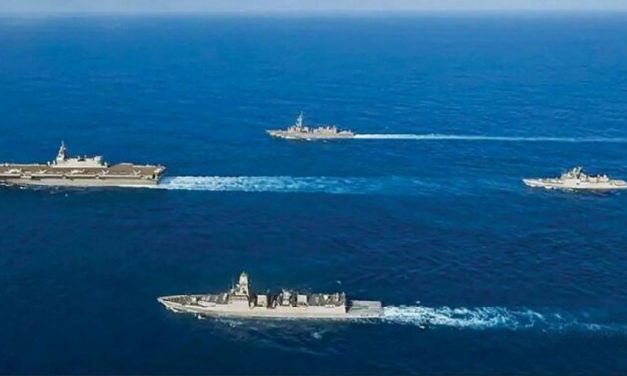
Japan-China Tensions Over Taiwan

Strategic Council Online – Interview: An international affairs expert said that U.S. President Donald Trump, in a phone call this week with Sanae Takaichi, asked her not to further escalate disputes with China. Earlier this month, Takaichi created a rare tension with Beijing by stating that “a potential Chinese attack on Taiwan could lead to military action by Japan,” remarks that drew a sharp reaction from China. Beijing demanded that she retract these statements, but the Japanese Prime Minister has not done so thus far, and Tokyo has only emphasized that its policy regarding Taiwan has not changed.

A Look at bin Salman’s Recent Trip to America

Strategic Council Online – Opinion: The recent trip of the Saudi Crown Prince to America was a targeted effort to solidify the strategic partnership with Washington, reduce political uncertainties, and strengthen Riyadh’s political role-playing.

Creating the Right Narrative: A Principled Strategy for Countering the Enemy’s Soft War

Strategic Council Online – Interview: A media expert stated: Given the intensification of the West’s soft war and psychological operations against Iran, our country’s primary strategy must be based on public education, strengthening national cohesion, developing international media, and countering the distortion of history through creating the right narrative.

F-35 Sale to Saudi Arabia: From Promise to Reality

Strategic Council Online – Interview: An international affairs analyst said: The issue of selling the F-35 to Saudi Arabia is not merely a military case, but rather part of a regional engineering that Washington is trying to advance.

Caspian Sea Water Level Drop; A Geopolitical Harm for Coastal Countries

Strategic Council Online – Interview: An expert in geopolitics stated, “The unprecedented drop in the Caspian Sea water level is not only an environmental threat but also a geopolitical alarm bell for Iran and the coastal countries, requiring urgent multilateral cooperation.”

Loading