
جدیدترین مطالب

Iran’s Success in the Narrative Battle in Cyberspace

SCFR Online – Opinion: In the war between Iran and the United States, the main battlefield was not defined solely in the military domain; rather, the battle of narratives in cyberspace—particularly through memes—reached a decisive level.

The Global Energy Shock Situation and Future Scenarios

SCFR Online – Opinion: Only one month after the beginning of the Ramadan War, maritime traffic in the Strait of Hormuz decreased dramatically, with Bloomberg announcing a reduction of 103 vessels; Brent oil prices rose by more than 50 percent, and gasoline prices in the United States increased by 31.4 percent. Additionally, benchmark gas prices in Europe showed a 73.4 percent increase.

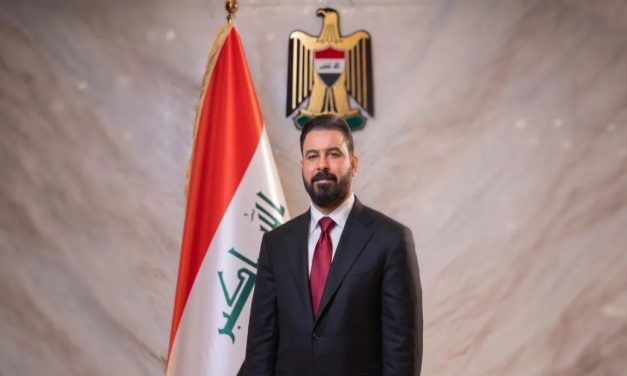
Al-Zaydi’s Selection as Prime Minister, The Beginning of a New Chapter in Iraq

SCFR Online – Note: After approximately five months of political deadlock and institutional confusion, Ali al-Zaydi has finally been selected as Iraq’s Prime Minister. Al-Zaydi’s selection as Prime Minister represents a positive sign of the completion of the government formation process and the beginning of a new phase in Iraqi politics and governance. The emergence of a young, technocratic figure from the third generation of politicians—in a context where the country has been administered by traditional figures for decades—revives hope that Iraq may perhaps distance itself from the repetitive cycle of crises and experience a new path of stability, efficiency, and regional convergence.

Intensifying Intra-Party Divisions in the United States Regarding the Zionist Regime

SCFR Online – Note: Over recent decades, support for the Zionist regime has been one of the few issues commanding bipartisan consensus in US foreign policy. Since the Cold War era, Republicans and Democrats have generally agreed on the necessity of preserving the security and survival of the Zionist regime as Washington’s most strategic ally in West Asia—and indeed, globally. However, developments in recent years—particularly the Gaza war, escalating regional conflicts, the expansion of tensions into Lebanon, and this regime’s recent warmongering against Iran—have caused this traditional consensus, especially within the Democratic Party, to face significant fractures.

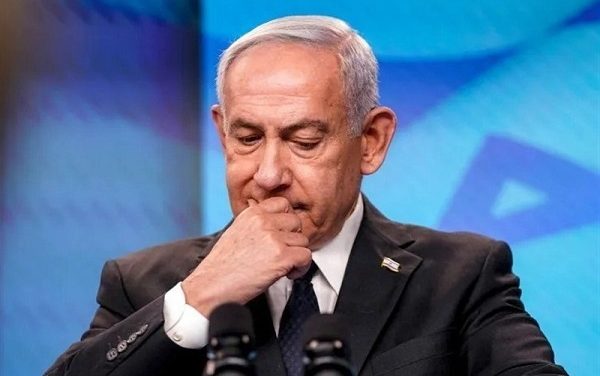
Public Opinion Disappointment of the Zionist Regime Regarding Success in War with Iran

SCFR Online – Opinion: The internal situation of the Israeli regime during the 40-day war can be analyzed from several perspectives. The popularity levels of Benjamin Netanyahu, the Likud Party, and the ruling coalition led by Netanyahu until February 28, 2026, remained approximately the same as during the preceding year. The most recent factor that had somewhat increased Netanyahu’s popularity was the advancement of the 2024 war with Hezbollah Lebanon. Subsequently, his popularity temporarily increased during the 12-day war with Iran, but after the war, it returned to its previous state.

Loading

Saudi Arabia

Saudi Arabia to Compensate for Its Regional Mistakes?

Saudi Arabia to Compensate for Its Regional Mistakes?

Strategic Council Online: Former Middle East Director-General of the IRI Foreign Ministry believes that after the recent drone attacks on Saudi Arabia, the authorities in Riyadh have concluded that the crisis is getting out of control.

Vigilance Needed to Thwart Schemes to Destroy Iran-Iraq Relations

Vigilance Needed to Thwart Schemes to Destroy Iran-Iraq Relations

Strategic Council Online: Former Iranian ambassador to Baghdad believes Iran-Iraq relations are strong enough so that the attack on the Iranian consulate in Najaf under the provocation of third parties, or the resignation of Iraqi Prime Minister Adel Abdul Mahdi cannot disrupt the foundation of those ties.

Popular Protests and Foreign Interventions in Lebanon

Popular Protests and Foreign Interventions in Lebanon

Strategic Council Online: An analyst on regional issues, referring to the resignation of Lebanese Prime Minister Saad Hariri and the pressure of certain countries to wage a civil war in Lebanon and weaken the Lebanese Hezbollah, said that today more than being normal events based on current developments the recent unrests revolve around the demands of the external elements with an aim to undermine stability and peace in Lebanon.

Goals of US & Allies Naval Drills in Persian Gulf

Goals of US & Allies Naval Drills in Persian Gulf

Strategic Council Online: The declared goal of the US and its allies’ maritime exercises in the Persian Gulf is to limit Iran’s maneuvering power and controlling the Strait of Hormuz, the Persian Gulf, and Oman Sea, and it looks like the US will continue to maintain its naval fleet in the Persian Gulf for the next three decades.

Dimensions and Implications of Hariri-Saudi Encounter

Dimensions and Implications of Hariri-Saudi Encounter

Strategic Council Online: Confiscation of $7 billion in Saad Hariri’s property in Saudi Arabia has led the Lebanese prime minister to change his policies towards Riyadh.
Hassan Hanizadeh – Middle East Affairs Expert

Roots of the Recent Protests in Egypt

Roots of the Recent Protests in Egypt

Strategic Council Online: Former head of Iran’s Interest Section in Egypt, referring to the recent unrest in this country, said what happened in the past two weeks shows that dissention in Egypt has created a complicated situation and the fire under the ashes may flare up any moment on different pretexts.

Disintegration of Arab States; Big Powers Dominant Strategy

Disintegration of Arab States; Big Powers Dominant Strategy

Strategic Council Online: A university lecturer of international relations says the greatest achievement of colonialists in their efforts to intervene in other countries is the creation of instability. “Today, the United States and Israel want to get strong in the region and endeavour by fomenting secessionist sentiments in countries like Iraq, Syria and Yemen to pressure smaller nations and even bring them under their domination more easily.”

Saudis Strive to Escape the Yemeni Quagmire

Saudis Strive to Escape the Yemeni Quagmire

Strategic Council Online: A West Asian Affairs expert, pointing to Saudi efforts to communicate with Yemeni tribal chiefs in order to persuade Ansarullah to reach an agreement on the end of the war, said: The Saudis are looking for a safe and decent way out of the swamp they are stuck in Yemen.

What Made UAE to Exit Yemeni Quagmire!

What Made UAE to Exit Yemeni Quagmire!

Strategic Council Online: An expert on West Asia affairs commenting on the UAE decision to withdraw from Yemen and reduce its troops, said: “The UAE, sooner than Saudi Arabia, realized that Yemen was indeed a quagmire; as Kuwait was a swamp for Iraq’s Saddam Hussein and resulted in his downfall Yemen too could decide the same fate for the interventionists.”

أحدث الوظائف

Iran’s Success in the Narrative Battle in Cyberspace

SCFR Online – Opinion: In the war between Iran and the United States, the main battlefield was not defined solely in the military domain; rather, the battle of narratives in cyberspace—particularly through memes—reached a decisive level.
The Global Energy Shock Situation and Future Scenarios

SCFR Online – Opinion: Only one month after the beginning of the Ramadan War, maritime traffic in the Strait of Hormuz decreased dramatically, with Bloomberg announcing a reduction of 103 vessels; Brent oil prices rose by more than 50 percent, and gasoline prices in the United States increased by 31.4 percent. Additionally, benchmark gas prices in Europe showed a 73.4 percent increase.

Al-Zaydi’s Selection as Prime Minister, The Beginning of a New Chapter in Iraq

SCFR Online – Note: After approximately five months of political deadlock and institutional confusion, Ali al-Zaydi has finally been selected as Iraq’s Prime Minister. Al-Zaydi’s selection as Prime Minister represents a positive sign of the completion of the government formation process and the beginning of a new phase in Iraqi politics and governance. The emergence of a young, technocratic figure from the third generation of politicians—in a context where the country has been administered by traditional figures for decades—revives hope that Iraq may perhaps distance itself from the repetitive cycle of crises and experience a new path of stability, efficiency, and regional convergence.

Intensifying Intra-Party Divisions in the United States Regarding the Zionist Regime

SCFR Online – Note: Over recent decades, support for the Zionist regime has been one of the few issues commanding bipartisan consensus in US foreign policy. Since the Cold War era, Republicans and Democrats have generally agreed on the necessity of preserving the security and survival of the Zionist regime as Washington’s most strategic ally in West Asia—and indeed, globally. However, developments in recent years—particularly the Gaza war, escalating regional conflicts, the expansion of tensions into Lebanon, and this regime’s recent warmongering against Iran—have caused this traditional consensus, especially within the Democratic Party, to face significant fractures.

Public Opinion Disappointment of the Zionist Regime Regarding Success in War with Iran

SCFR Online – Opinion: The internal situation of the Israeli regime during the 40-day war can be analyzed from several perspectives. The popularity levels of Benjamin Netanyahu, the Likud Party, and the ruling coalition led by Netanyahu until February 28, 2026, remained approximately the same as during the preceding year. The most recent factor that had somewhat increased Netanyahu’s popularity was the advancement of the 2024 war with Hezbollah Lebanon. Subsequently, his popularity temporarily increased during the 12-day war with Iran, but after the war, it returned to its previous state.

Loading

Saudi Arabia

Saudi Arabia to Compensate for Its Regional Mistakes?

Saudi Arabia to Compensate for Its Regional Mistakes?

Strategic Council Online: Former Middle East Director-General of the IRI Foreign Ministry believes that after the recent drone attacks on Saudi Arabia, the authorities in Riyadh have concluded that the crisis is getting out of control.

Vigilance Needed to Thwart Schemes to Destroy Iran-Iraq Relations

Vigilance Needed to Thwart Schemes to Destroy Iran-Iraq Relations

Strategic Council Online: Former Iranian ambassador to Baghdad believes Iran-Iraq relations are strong enough so that the attack on the Iranian consulate in Najaf under the provocation of third parties, or the resignation of Iraqi Prime Minister Adel Abdul Mahdi cannot disrupt the foundation of those ties.

Popular Protests and Foreign Interventions in Lebanon

Popular Protests and Foreign Interventions in Lebanon

Strategic Council Online: An analyst on regional issues, referring to the resignation of Lebanese Prime Minister Saad Hariri and the pressure of certain countries to wage a civil war in Lebanon and weaken the Lebanese Hezbollah, said that today more than being normal events based on current developments the recent unrests revolve around the demands of the external elements with an aim to undermine stability and peace in Lebanon.

Goals of US & Allies Naval Drills in Persian Gulf

Goals of US & Allies Naval Drills in Persian Gulf

Strategic Council Online: The declared goal of the US and its allies’ maritime exercises in the Persian Gulf is to limit Iran’s maneuvering power and controlling the Strait of Hormuz, the Persian Gulf, and Oman Sea, and it looks like the US will continue to maintain its naval fleet in the Persian Gulf for the next three decades.

Dimensions and Implications of Hariri-Saudi Encounter

Dimensions and Implications of Hariri-Saudi Encounter

Strategic Council Online: Confiscation of $7 billion in Saad Hariri’s property in Saudi Arabia has led the Lebanese prime minister to change his policies towards Riyadh.
Hassan Hanizadeh – Middle East Affairs Expert

Roots of the Recent Protests in Egypt

Roots of the Recent Protests in Egypt

Strategic Council Online: Former head of Iran’s Interest Section in Egypt, referring to the recent unrest in this country, said what happened in the past two weeks shows that dissention in Egypt has created a complicated situation and the fire under the ashes may flare up any moment on different pretexts.

Disintegration of Arab States; Big Powers Dominant Strategy

Disintegration of Arab States; Big Powers Dominant Strategy

Strategic Council Online: A university lecturer of international relations says the greatest achievement of colonialists in their efforts to intervene in other countries is the creation of instability. “Today, the United States and Israel want to get strong in the region and endeavour by fomenting secessionist sentiments in countries like Iraq, Syria and Yemen to pressure smaller nations and even bring them under their domination more easily.”

Saudis Strive to Escape the Yemeni Quagmire

Saudis Strive to Escape the Yemeni Quagmire

Strategic Council Online: A West Asian Affairs expert, pointing to Saudi efforts to communicate with Yemeni tribal chiefs in order to persuade Ansarullah to reach an agreement on the end of the war, said: The Saudis are looking for a safe and decent way out of the swamp they are stuck in Yemen.

What Made UAE to Exit Yemeni Quagmire!

What Made UAE to Exit Yemeni Quagmire!

Strategic Council Online: An expert on West Asia affairs commenting on the UAE decision to withdraw from Yemen and reduce its troops, said: “The UAE, sooner than Saudi Arabia, realized that Yemen was indeed a quagmire; as Kuwait was a swamp for Iraq’s Saddam Hussein and resulted in his downfall Yemen too could decide the same fate for the interventionists.”

Saudi Arabia

Saudi Arabia to Compensate for Its Regional Mistakes?

Saudi Arabia to Compensate for Its Regional Mistakes?

Strategic Council Online: Former Middle East Director-General of the IRI Foreign Ministry believes that after the recent drone attacks on Saudi Arabia, the authorities in Riyadh have concluded that the crisis is getting out of control.

Vigilance Needed to Thwart Schemes to Destroy Iran-Iraq Relations

Vigilance Needed to Thwart Schemes to Destroy Iran-Iraq Relations

Strategic Council Online: Former Iranian ambassador to Baghdad believes Iran-Iraq relations are strong enough so that the attack on the Iranian consulate in Najaf under the provocation of third parties, or the resignation of Iraqi Prime Minister Adel Abdul Mahdi cannot disrupt the foundation of those ties.

Popular Protests and Foreign Interventions in Lebanon

Popular Protests and Foreign Interventions in Lebanon

Strategic Council Online: An analyst on regional issues, referring to the resignation of Lebanese Prime Minister Saad Hariri and the pressure of certain countries to wage a civil war in Lebanon and weaken the Lebanese Hezbollah, said that today more than being normal events based on current developments the recent unrests revolve around the demands of the external elements with an aim to undermine stability and peace in Lebanon.

Goals of US & Allies Naval Drills in Persian Gulf

Goals of US & Allies Naval Drills in Persian Gulf

Strategic Council Online: The declared goal of the US and its allies’ maritime exercises in the Persian Gulf is to limit Iran’s maneuvering power and controlling the Strait of Hormuz, the Persian Gulf, and Oman Sea, and it looks like the US will continue to maintain its naval fleet in the Persian Gulf for the next three decades.

Dimensions and Implications of Hariri-Saudi Encounter

Dimensions and Implications of Hariri-Saudi Encounter

Strategic Council Online: Confiscation of $7 billion in Saad Hariri’s property in Saudi Arabia has led the Lebanese prime minister to change his policies towards Riyadh.
Hassan Hanizadeh – Middle East Affairs Expert

Roots of the Recent Protests in Egypt

Roots of the Recent Protests in Egypt

Strategic Council Online: Former head of Iran’s Interest Section in Egypt, referring to the recent unrest in this country, said what happened in the past two weeks shows that dissention in Egypt has created a complicated situation and the fire under the ashes may flare up any moment on different pretexts.

Disintegration of Arab States; Big Powers Dominant Strategy

Disintegration of Arab States; Big Powers Dominant Strategy

Strategic Council Online: A university lecturer of international relations says the greatest achievement of colonialists in their efforts to intervene in other countries is the creation of instability. “Today, the United States and Israel want to get strong in the region and endeavour by fomenting secessionist sentiments in countries like Iraq, Syria and Yemen to pressure smaller nations and even bring them under their domination more easily.”

Saudis Strive to Escape the Yemeni Quagmire

Saudis Strive to Escape the Yemeni Quagmire

Strategic Council Online: A West Asian Affairs expert, pointing to Saudi efforts to communicate with Yemeni tribal chiefs in order to persuade Ansarullah to reach an agreement on the end of the war, said: The Saudis are looking for a safe and decent way out of the swamp they are stuck in Yemen.

What Made UAE to Exit Yemeni Quagmire!

What Made UAE to Exit Yemeni Quagmire!

Strategic Council Online: An expert on West Asia affairs commenting on the UAE decision to withdraw from Yemen and reduce its troops, said: “The UAE, sooner than Saudi Arabia, realized that Yemen was indeed a quagmire; as Kuwait was a swamp for Iraq’s Saddam Hussein and resulted in his downfall Yemen too could decide the same fate for the interventionists.”

LATEST CONTENT

Iran’s Success in the Narrative Battle in Cyberspace

SCFR Online – Opinion: In the war between Iran and the United States, the main battlefield was not defined solely in the military domain; rather, the battle of narratives in cyberspace—particularly through memes—reached a decisive level.

The Global Energy Shock Situation and Future Scenarios

SCFR Online – Opinion: Only one month after the beginning of the Ramadan War, maritime traffic in the Strait of Hormuz decreased dramatically, with Bloomberg announcing a reduction of 103 vessels; Brent oil prices rose by more than 50 percent, and gasoline prices in the United States increased by 31.4 percent. Additionally, benchmark gas prices in Europe showed a 73.4 percent increase.

Al-Zaydi’s Selection as Prime Minister, The Beginning of a New Chapter in Iraq

SCFR Online – Note: After approximately five months of political deadlock and institutional confusion, Ali al-Zaydi has finally been selected as Iraq’s Prime Minister. Al-Zaydi’s selection as Prime Minister represents a positive sign of the completion of the government formation process and the beginning of a new phase in Iraqi politics and governance. The emergence of a young, technocratic figure from the third generation of politicians—in a context where the country has been administered by traditional figures for decades—revives hope that Iraq may perhaps distance itself from the repetitive cycle of crises and experience a new path of stability, efficiency, and regional convergence.

Intensifying Intra-Party Divisions in the United States Regarding the Zionist Regime

SCFR Online – Note: Over recent decades, support for the Zionist regime has been one of the few issues commanding bipartisan consensus in US foreign policy. Since the Cold War era, Republicans and Democrats have generally agreed on the necessity of preserving the security and survival of the Zionist regime as Washington’s most strategic ally in West Asia—and indeed, globally. However, developments in recent years—particularly the Gaza war, escalating regional conflicts, the expansion of tensions into Lebanon, and this regime’s recent warmongering against Iran—have caused this traditional consensus, especially within the Democratic Party, to face significant fractures.

Public Opinion Disappointment of the Zionist Regime Regarding Success in War with Iran

SCFR Online – Opinion: The internal situation of the Israeli regime during the 40-day war can be analyzed from several perspectives. The popularity levels of Benjamin Netanyahu, the Likud Party, and the ruling coalition led by Netanyahu until February 28, 2026, remained approximately the same as during the preceding year. The most recent factor that had somewhat increased Netanyahu’s popularity was the advancement of the 2024 war with Hezbollah Lebanon. Subsequently, his popularity temporarily increased during the 12-day war with Iran, but after the war, it returned to its previous state.

Loading

Saudi Arabia

Saudi Arabia to Compensate for Its Regional Mistakes?

Saudi Arabia to Compensate for Its Regional Mistakes?

Strategic Council Online: Former Middle East Director-General of the IRI Foreign Ministry believes that after the recent drone attacks on Saudi Arabia, the authorities in Riyadh have concluded that the crisis is getting out of control.

Vigilance Needed to Thwart Schemes to Destroy Iran-Iraq Relations

Vigilance Needed to Thwart Schemes to Destroy Iran-Iraq Relations

Strategic Council Online: Former Iranian ambassador to Baghdad believes Iran-Iraq relations are strong enough so that the attack on the Iranian consulate in Najaf under the provocation of third parties, or the resignation of Iraqi Prime Minister Adel Abdul Mahdi cannot disrupt the foundation of those ties.

Popular Protests and Foreign Interventions in Lebanon

Popular Protests and Foreign Interventions in Lebanon

Strategic Council Online: An analyst on regional issues, referring to the resignation of Lebanese Prime Minister Saad Hariri and the pressure of certain countries to wage a civil war in Lebanon and weaken the Lebanese Hezbollah, said that today more than being normal events based on current developments the recent unrests revolve around the demands of the external elements with an aim to undermine stability and peace in Lebanon.

Goals of US & Allies Naval Drills in Persian Gulf

Goals of US & Allies Naval Drills in Persian Gulf

Strategic Council Online: The declared goal of the US and its allies’ maritime exercises in the Persian Gulf is to limit Iran’s maneuvering power and controlling the Strait of Hormuz, the Persian Gulf, and Oman Sea, and it looks like the US will continue to maintain its naval fleet in the Persian Gulf for the next three decades.

Dimensions and Implications of Hariri-Saudi Encounter

Dimensions and Implications of Hariri-Saudi Encounter

Strategic Council Online: Confiscation of $7 billion in Saad Hariri’s property in Saudi Arabia has led the Lebanese prime minister to change his policies towards Riyadh.
Hassan Hanizadeh – Middle East Affairs Expert

Roots of the Recent Protests in Egypt

Roots of the Recent Protests in Egypt

Strategic Council Online: Former head of Iran’s Interest Section in Egypt, referring to the recent unrest in this country, said what happened in the past two weeks shows that dissention in Egypt has created a complicated situation and the fire under the ashes may flare up any moment on different pretexts.

Disintegration of Arab States; Big Powers Dominant Strategy

Disintegration of Arab States; Big Powers Dominant Strategy

Strategic Council Online: A university lecturer of international relations says the greatest achievement of colonialists in their efforts to intervene in other countries is the creation of instability. “Today, the United States and Israel want to get strong in the region and endeavour by fomenting secessionist sentiments in countries like Iraq, Syria and Yemen to pressure smaller nations and even bring them under their domination more easily.”

Saudis Strive to Escape the Yemeni Quagmire

Saudis Strive to Escape the Yemeni Quagmire

Strategic Council Online: A West Asian Affairs expert, pointing to Saudi efforts to communicate with Yemeni tribal chiefs in order to persuade Ansarullah to reach an agreement on the end of the war, said: The Saudis are looking for a safe and decent way out of the swamp they are stuck in Yemen.

What Made UAE to Exit Yemeni Quagmire!

What Made UAE to Exit Yemeni Quagmire!

Strategic Council Online: An expert on West Asia affairs commenting on the UAE decision to withdraw from Yemen and reduce its troops, said: “The UAE, sooner than Saudi Arabia, realized that Yemen was indeed a quagmire; as Kuwait was a swamp for Iraq’s Saddam Hussein and resulted in his downfall Yemen too could decide the same fate for the interventionists.”

ÚLTIMAS PUBLICACIONES

Iran’s Success in the Narrative Battle in Cyberspace

SCFR Online – Opinion: In the war between Iran and the United States, the main battlefield was not defined solely in the military domain; rather, the battle of narratives in cyberspace—particularly through memes—reached a decisive level.

The Global Energy Shock Situation and Future Scenarios

SCFR Online – Opinion: Only one month after the beginning of the Ramadan War, maritime traffic in the Strait of Hormuz decreased dramatically, with Bloomberg announcing a reduction of 103 vessels; Brent oil prices rose by more than 50 percent, and gasoline prices in the United States increased by 31.4 percent. Additionally, benchmark gas prices in Europe showed a 73.4 percent increase.

Al-Zaydi’s Selection as Prime Minister, The Beginning of a New Chapter in Iraq

SCFR Online – Note: After approximately five months of political deadlock and institutional confusion, Ali al-Zaydi has finally been selected as Iraq’s Prime Minister. Al-Zaydi’s selection as Prime Minister represents a positive sign of the completion of the government formation process and the beginning of a new phase in Iraqi politics and governance. The emergence of a young, technocratic figure from the third generation of politicians—in a context where the country has been administered by traditional figures for decades—revives hope that Iraq may perhaps distance itself from the repetitive cycle of crises and experience a new path of stability, efficiency, and regional convergence.

Intensifying Intra-Party Divisions in the United States Regarding the Zionist Regime

SCFR Online – Note: Over recent decades, support for the Zionist regime has been one of the few issues commanding bipartisan consensus in US foreign policy. Since the Cold War era, Republicans and Democrats have generally agreed on the necessity of preserving the security and survival of the Zionist regime as Washington’s most strategic ally in West Asia—and indeed, globally. However, developments in recent years—particularly the Gaza war, escalating regional conflicts, the expansion of tensions into Lebanon, and this regime’s recent warmongering against Iran—have caused this traditional consensus, especially within the Democratic Party, to face significant fractures.

Public Opinion Disappointment of the Zionist Regime Regarding Success in War with Iran

SCFR Online – Opinion: The internal situation of the Israeli regime during the 40-day war can be analyzed from several perspectives. The popularity levels of Benjamin Netanyahu, the Likud Party, and the ruling coalition led by Netanyahu until February 28, 2026, remained approximately the same as during the preceding year. The most recent factor that had somewhat increased Netanyahu’s popularity was the advancement of the 2024 war with Hezbollah Lebanon. Subsequently, his popularity temporarily increased during the 12-day war with Iran, but after the war, it returned to its previous state.

Loading

Saudi Arabia

Saudi Arabia to Compensate for Its Regional Mistakes?

Saudi Arabia to Compensate for Its Regional Mistakes?

Strategic Council Online: Former Middle East Director-General of the IRI Foreign Ministry believes that after the recent drone attacks on Saudi Arabia, the authorities in Riyadh have concluded that the crisis is getting out of control.

Vigilance Needed to Thwart Schemes to Destroy Iran-Iraq Relations

Vigilance Needed to Thwart Schemes to Destroy Iran-Iraq Relations

Strategic Council Online: Former Iranian ambassador to Baghdad believes Iran-Iraq relations are strong enough so that the attack on the Iranian consulate in Najaf under the provocation of third parties, or the resignation of Iraqi Prime Minister Adel Abdul Mahdi cannot disrupt the foundation of those ties.

Popular Protests and Foreign Interventions in Lebanon

Popular Protests and Foreign Interventions in Lebanon

Strategic Council Online: An analyst on regional issues, referring to the resignation of Lebanese Prime Minister Saad Hariri and the pressure of certain countries to wage a civil war in Lebanon and weaken the Lebanese Hezbollah, said that today more than being normal events based on current developments the recent unrests revolve around the demands of the external elements with an aim to undermine stability and peace in Lebanon.

Goals of US & Allies Naval Drills in Persian Gulf

Goals of US & Allies Naval Drills in Persian Gulf

Strategic Council Online: The declared goal of the US and its allies’ maritime exercises in the Persian Gulf is to limit Iran’s maneuvering power and controlling the Strait of Hormuz, the Persian Gulf, and Oman Sea, and it looks like the US will continue to maintain its naval fleet in the Persian Gulf for the next three decades.

Dimensions and Implications of Hariri-Saudi Encounter

Dimensions and Implications of Hariri-Saudi Encounter

Strategic Council Online: Confiscation of $7 billion in Saad Hariri’s property in Saudi Arabia has led the Lebanese prime minister to change his policies towards Riyadh.
Hassan Hanizadeh – Middle East Affairs Expert

Roots of the Recent Protests in Egypt

Roots of the Recent Protests in Egypt

Strategic Council Online: Former head of Iran’s Interest Section in Egypt, referring to the recent unrest in this country, said what happened in the past two weeks shows that dissention in Egypt has created a complicated situation and the fire under the ashes may flare up any moment on different pretexts.

Disintegration of Arab States; Big Powers Dominant Strategy

Disintegration of Arab States; Big Powers Dominant Strategy

Strategic Council Online: A university lecturer of international relations says the greatest achievement of colonialists in their efforts to intervene in other countries is the creation of instability. “Today, the United States and Israel want to get strong in the region and endeavour by fomenting secessionist sentiments in countries like Iraq, Syria and Yemen to pressure smaller nations and even bring them under their domination more easily.”

Saudis Strive to Escape the Yemeni Quagmire

Saudis Strive to Escape the Yemeni Quagmire

Strategic Council Online: A West Asian Affairs expert, pointing to Saudi efforts to communicate with Yemeni tribal chiefs in order to persuade Ansarullah to reach an agreement on the end of the war, said: The Saudis are looking for a safe and decent way out of the swamp they are stuck in Yemen.

What Made UAE to Exit Yemeni Quagmire!

What Made UAE to Exit Yemeni Quagmire!

Strategic Council Online: An expert on West Asia affairs commenting on the UAE decision to withdraw from Yemen and reduce its troops, said: “The UAE, sooner than Saudi Arabia, realized that Yemen was indeed a quagmire; as Kuwait was a swamp for Iraq’s Saddam Hussein and resulted in his downfall Yemen too could decide the same fate for the interventionists.”

ÚLTIMAS PUBLICACIONES

Iran’s Success in the Narrative Battle in Cyberspace

SCFR Online – Opinion: In the war between Iran and the United States, the main battlefield was not defined solely in the military domain; rather, the battle of narratives in cyberspace—particularly through memes—reached a decisive level.
The Global Energy Shock Situation and Future Scenarios

SCFR Online – Opinion: Only one month after the beginning of the Ramadan War, maritime traffic in the Strait of Hormuz decreased dramatically, with Bloomberg announcing a reduction of 103 vessels; Brent oil prices rose by more than 50 percent, and gasoline prices in the United States increased by 31.4 percent. Additionally, benchmark gas prices in Europe showed a 73.4 percent increase.

Al-Zaydi’s Selection as Prime Minister, The Beginning of a New Chapter in Iraq

SCFR Online – Note: After approximately five months of political deadlock and institutional confusion, Ali al-Zaydi has finally been selected as Iraq’s Prime Minister. Al-Zaydi’s selection as Prime Minister represents a positive sign of the completion of the government formation process and the beginning of a new phase in Iraqi politics and governance. The emergence of a young, technocratic figure from the third generation of politicians—in a context where the country has been administered by traditional figures for decades—revives hope that Iraq may perhaps distance itself from the repetitive cycle of crises and experience a new path of stability, efficiency, and regional convergence.

Intensifying Intra-Party Divisions in the United States Regarding the Zionist Regime

SCFR Online – Note: Over recent decades, support for the Zionist regime has been one of the few issues commanding bipartisan consensus in US foreign policy. Since the Cold War era, Republicans and Democrats have generally agreed on the necessity of preserving the security and survival of the Zionist regime as Washington’s most strategic ally in West Asia—and indeed, globally. However, developments in recent years—particularly the Gaza war, escalating regional conflicts, the expansion of tensions into Lebanon, and this regime’s recent warmongering against Iran—have caused this traditional consensus, especially within the Democratic Party, to face significant fractures.

Public Opinion Disappointment of the Zionist Regime Regarding Success in War with Iran

SCFR Online – Opinion: The internal situation of the Israeli regime during the 40-day war can be analyzed from several perspectives. The popularity levels of Benjamin Netanyahu, the Likud Party, and the ruling coalition led by Netanyahu until February 28, 2026, remained approximately the same as during the preceding year. The most recent factor that had somewhat increased Netanyahu’s popularity was the advancement of the 2024 war with Hezbollah Lebanon. Subsequently, his popularity temporarily increased during the 12-day war with Iran, but after the war, it returned to its previous state.

Loading

Saudi Arabia

Saudi Arabia to Compensate for Its Regional Mistakes?

Saudi Arabia to Compensate for Its Regional Mistakes?

Strategic Council Online: Former Middle East Director-General of the IRI Foreign Ministry believes that after the recent drone attacks on Saudi Arabia, the authorities in Riyadh have concluded that the crisis is getting out of control.

Vigilance Needed to Thwart Schemes to Destroy Iran-Iraq Relations

Vigilance Needed to Thwart Schemes to Destroy Iran-Iraq Relations

Strategic Council Online: Former Iranian ambassador to Baghdad believes Iran-Iraq relations are strong enough so that the attack on the Iranian consulate in Najaf under the provocation of third parties, or the resignation of Iraqi Prime Minister Adel Abdul Mahdi cannot disrupt the foundation of those ties.

Popular Protests and Foreign Interventions in Lebanon

Popular Protests and Foreign Interventions in Lebanon

Strategic Council Online: An analyst on regional issues, referring to the resignation of Lebanese Prime Minister Saad Hariri and the pressure of certain countries to wage a civil war in Lebanon and weaken the Lebanese Hezbollah, said that today more than being normal events based on current developments the recent unrests revolve around the demands of the external elements with an aim to undermine stability and peace in Lebanon.

Goals of US & Allies Naval Drills in Persian Gulf

Goals of US & Allies Naval Drills in Persian Gulf

Strategic Council Online: The declared goal of the US and its allies’ maritime exercises in the Persian Gulf is to limit Iran’s maneuvering power and controlling the Strait of Hormuz, the Persian Gulf, and Oman Sea, and it looks like the US will continue to maintain its naval fleet in the Persian Gulf for the next three decades.

Dimensions and Implications of Hariri-Saudi Encounter

Dimensions and Implications of Hariri-Saudi Encounter

Strategic Council Online: Confiscation of $7 billion in Saad Hariri’s property in Saudi Arabia has led the Lebanese prime minister to change his policies towards Riyadh.
Hassan Hanizadeh – Middle East Affairs Expert

Roots of the Recent Protests in Egypt

Roots of the Recent Protests in Egypt

Strategic Council Online: Former head of Iran’s Interest Section in Egypt, referring to the recent unrest in this country, said what happened in the past two weeks shows that dissention in Egypt has created a complicated situation and the fire under the ashes may flare up any moment on different pretexts.

Disintegration of Arab States; Big Powers Dominant Strategy

Disintegration of Arab States; Big Powers Dominant Strategy

Strategic Council Online: A university lecturer of international relations says the greatest achievement of colonialists in their efforts to intervene in other countries is the creation of instability. “Today, the United States and Israel want to get strong in the region and endeavour by fomenting secessionist sentiments in countries like Iraq, Syria and Yemen to pressure smaller nations and even bring them under their domination more easily.”

Saudis Strive to Escape the Yemeni Quagmire

Saudis Strive to Escape the Yemeni Quagmire

Strategic Council Online: A West Asian Affairs expert, pointing to Saudi efforts to communicate with Yemeni tribal chiefs in order to persuade Ansarullah to reach an agreement on the end of the war, said: The Saudis are looking for a safe and decent way out of the swamp they are stuck in Yemen.

What Made UAE to Exit Yemeni Quagmire!

What Made UAE to Exit Yemeni Quagmire!

Strategic Council Online: An expert on West Asia affairs commenting on the UAE decision to withdraw from Yemen and reduce its troops, said: “The UAE, sooner than Saudi Arabia, realized that Yemen was indeed a quagmire; as Kuwait was a swamp for Iraq’s Saddam Hussein and resulted in his downfall Yemen too could decide the same fate for the interventionists.”

ÚLTIMAS PUBLICACIONES

Iran’s Success in the Narrative Battle in Cyberspace

SCFR Online – Opinion: In the war between Iran and the United States, the main battlefield was not defined solely in the military domain; rather, the battle of narratives in cyberspace—particularly through memes—reached a decisive level.
The Global Energy Shock Situation and Future Scenarios

SCFR Online – Opinion: Only one month after the beginning of the Ramadan War, maritime traffic in the Strait of Hormuz decreased dramatically, with Bloomberg announcing a reduction of 103 vessels; Brent oil prices rose by more than 50 percent, and gasoline prices in the United States increased by 31.4 percent. Additionally, benchmark gas prices in Europe showed a 73.4 percent increase.

Al-Zaydi’s Selection as Prime Minister, The Beginning of a New Chapter in Iraq

SCFR Online – Note: After approximately five months of political deadlock and institutional confusion, Ali al-Zaydi has finally been selected as Iraq’s Prime Minister. Al-Zaydi’s selection as Prime Minister represents a positive sign of the completion of the government formation process and the beginning of a new phase in Iraqi politics and governance. The emergence of a young, technocratic figure from the third generation of politicians—in a context where the country has been administered by traditional figures for decades—revives hope that Iraq may perhaps distance itself from the repetitive cycle of crises and experience a new path of stability, efficiency, and regional convergence.

Intensifying Intra-Party Divisions in the United States Regarding the Zionist Regime

SCFR Online – Note: Over recent decades, support for the Zionist regime has been one of the few issues commanding bipartisan consensus in US foreign policy. Since the Cold War era, Republicans and Democrats have generally agreed on the necessity of preserving the security and survival of the Zionist regime as Washington’s most strategic ally in West Asia—and indeed, globally. However, developments in recent years—particularly the Gaza war, escalating regional conflicts, the expansion of tensions into Lebanon, and this regime’s recent warmongering against Iran—have caused this traditional consensus, especially within the Democratic Party, to face significant fractures.

Public Opinion Disappointment of the Zionist Regime Regarding Success in War with Iran

SCFR Online – Opinion: The internal situation of the Israeli regime during the 40-day war can be analyzed from several perspectives. The popularity levels of Benjamin Netanyahu, the Likud Party, and the ruling coalition led by Netanyahu until February 28, 2026, remained approximately the same as during the preceding year. The most recent factor that had somewhat increased Netanyahu’s popularity was the advancement of the 2024 war with Hezbollah Lebanon. Subsequently, his popularity temporarily increased during the 12-day war with Iran, but after the war, it returned to its previous state.

Loading

Saudi Arabia

Saudi Arabia to Compensate for Its Regional Mistakes?

Saudi Arabia to Compensate for Its Regional Mistakes?

Strategic Council Online: Former Middle East Director-General of the IRI Foreign Ministry believes that after the recent drone attacks on Saudi Arabia, the authorities in Riyadh have concluded that the crisis is getting out of control.

Vigilance Needed to Thwart Schemes to Destroy Iran-Iraq Relations

Vigilance Needed to Thwart Schemes to Destroy Iran-Iraq Relations

Strategic Council Online: Former Iranian ambassador to Baghdad believes Iran-Iraq relations are strong enough so that the attack on the Iranian consulate in Najaf under the provocation of third parties, or the resignation of Iraqi Prime Minister Adel Abdul Mahdi cannot disrupt the foundation of those ties.

Popular Protests and Foreign Interventions in Lebanon

Popular Protests and Foreign Interventions in Lebanon

Strategic Council Online: An analyst on regional issues, referring to the resignation of Lebanese Prime Minister Saad Hariri and the pressure of certain countries to wage a civil war in Lebanon and weaken the Lebanese Hezbollah, said that today more than being normal events based on current developments the recent unrests revolve around the demands of the external elements with an aim to undermine stability and peace in Lebanon.

Goals of US & Allies Naval Drills in Persian Gulf

Goals of US & Allies Naval Drills in Persian Gulf

Strategic Council Online: The declared goal of the US and its allies’ maritime exercises in the Persian Gulf is to limit Iran’s maneuvering power and controlling the Strait of Hormuz, the Persian Gulf, and Oman Sea, and it looks like the US will continue to maintain its naval fleet in the Persian Gulf for the next three decades.

Dimensions and Implications of Hariri-Saudi Encounter

Dimensions and Implications of Hariri-Saudi Encounter

Strategic Council Online: Confiscation of $7 billion in Saad Hariri’s property in Saudi Arabia has led the Lebanese prime minister to change his policies towards Riyadh.
Hassan Hanizadeh – Middle East Affairs Expert

Roots of the Recent Protests in Egypt

Roots of the Recent Protests in Egypt

Strategic Council Online: Former head of Iran’s Interest Section in Egypt, referring to the recent unrest in this country, said what happened in the past two weeks shows that dissention in Egypt has created a complicated situation and the fire under the ashes may flare up any moment on different pretexts.

Disintegration of Arab States; Big Powers Dominant Strategy

Disintegration of Arab States; Big Powers Dominant Strategy

Strategic Council Online: A university lecturer of international relations says the greatest achievement of colonialists in their efforts to intervene in other countries is the creation of instability. “Today, the United States and Israel want to get strong in the region and endeavour by fomenting secessionist sentiments in countries like Iraq, Syria and Yemen to pressure smaller nations and even bring them under their domination more easily.”

Saudis Strive to Escape the Yemeni Quagmire

Saudis Strive to Escape the Yemeni Quagmire

Strategic Council Online: A West Asian Affairs expert, pointing to Saudi efforts to communicate with Yemeni tribal chiefs in order to persuade Ansarullah to reach an agreement on the end of the war, said: The Saudis are looking for a safe and decent way out of the swamp they are stuck in Yemen.

What Made UAE to Exit Yemeni Quagmire!

What Made UAE to Exit Yemeni Quagmire!

Strategic Council Online: An expert on West Asia affairs commenting on the UAE decision to withdraw from Yemen and reduce its troops, said: “The UAE, sooner than Saudi Arabia, realized that Yemen was indeed a quagmire; as Kuwait was a swamp for Iraq’s Saddam Hussein and resulted in his downfall Yemen too could decide the same fate for the interventionists.”

ÚLTIMAS PUBLICACIONES

Iran’s Success in the Narrative Battle in Cyberspace

SCFR Online – Opinion: In the war between Iran and the United States, the main battlefield was not defined solely in the military domain; rather, the battle of narratives in cyberspace—particularly through memes—reached a decisive level.

The Global Energy Shock Situation and Future Scenarios

SCFR Online – Opinion: Only one month after the beginning of the Ramadan War, maritime traffic in the Strait of Hormuz decreased dramatically, with Bloomberg announcing a reduction of 103 vessels; Brent oil prices rose by more than 50 percent, and gasoline prices in the United States increased by 31.4 percent. Additionally, benchmark gas prices in Europe showed a 73.4 percent increase.

Al-Zaydi’s Selection as Prime Minister, The Beginning of a New Chapter in Iraq

SCFR Online – Note: After approximately five months of political deadlock and institutional confusion, Ali al-Zaydi has finally been selected as Iraq’s Prime Minister. Al-Zaydi’s selection as Prime Minister represents a positive sign of the completion of the government formation process and the beginning of a new phase in Iraqi politics and governance. The emergence of a young, technocratic figure from the third generation of politicians—in a context where the country has been administered by traditional figures for decades—revives hope that Iraq may perhaps distance itself from the repetitive cycle of crises and experience a new path of stability, efficiency, and regional convergence.

Intensifying Intra-Party Divisions in the United States Regarding the Zionist Regime

SCFR Online – Note: Over recent decades, support for the Zionist regime has been one of the few issues commanding bipartisan consensus in US foreign policy. Since the Cold War era, Republicans and Democrats have generally agreed on the necessity of preserving the security and survival of the Zionist regime as Washington’s most strategic ally in West Asia—and indeed, globally. However, developments in recent years—particularly the Gaza war, escalating regional conflicts, the expansion of tensions into Lebanon, and this regime’s recent warmongering against Iran—have caused this traditional consensus, especially within the Democratic Party, to face significant fractures.

Public Opinion Disappointment of the Zionist Regime Regarding Success in War with Iran

SCFR Online – Opinion: The internal situation of the Israeli regime during the 40-day war can be analyzed from several perspectives. The popularity levels of Benjamin Netanyahu, the Likud Party, and the ruling coalition led by Netanyahu until February 28, 2026, remained approximately the same as during the preceding year. The most recent factor that had somewhat increased Netanyahu’s popularity was the advancement of the 2024 war with Hezbollah Lebanon. Subsequently, his popularity temporarily increased during the 12-day war with Iran, but after the war, it returned to its previous state.

Loading