جدیدترین مطالب

Iran’s Success in the Narrative Battle in Cyberspace

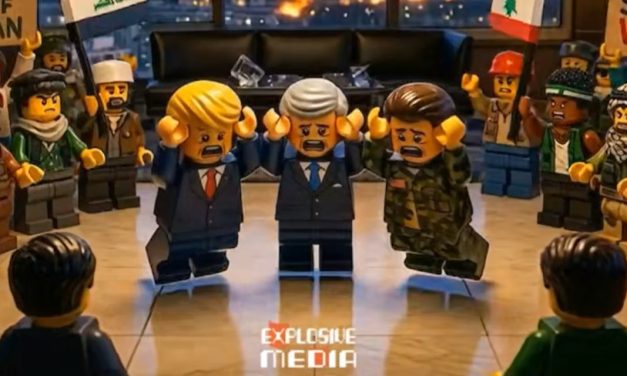
SCFR Online – Opinion: In the war between Iran and the United States, the main battlefield was not defined solely in the military domain; rather, the battle of narratives in cyberspace—particularly through memes—reached a decisive level.

The Global Energy Shock Situation and Future Scenarios

SCFR Online – Opinion: Only one month after the beginning of the Ramadan War, maritime traffic in the Strait of Hormuz decreased dramatically, with Bloomberg announcing a reduction of 103 vessels; Brent oil prices rose by more than 50 percent, and gasoline prices in the United States increased by 31.4 percent. Additionally, benchmark gas prices in Europe showed a 73.4 percent increase.

Al-Zaydi’s Selection as Prime Minister, The Beginning of a New Chapter in Iraq

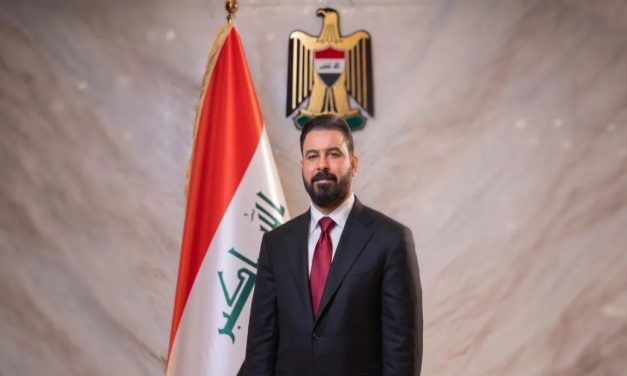
SCFR Online – Note: After approximately five months of political deadlock and institutional confusion, Ali al-Zaydi has finally been selected as Iraq’s Prime Minister. Al-Zaydi’s selection as Prime Minister represents a positive sign of the completion of the government formation process and the beginning of a new phase in Iraqi politics and governance. The emergence of a young, technocratic figure from the third generation of politicians—in a context where the country has been administered by traditional figures for decades—revives hope that Iraq may perhaps distance itself from the repetitive cycle of crises and experience a new path of stability, efficiency, and regional convergence.

Intensifying Intra-Party Divisions in the United States Regarding the Zionist Regime

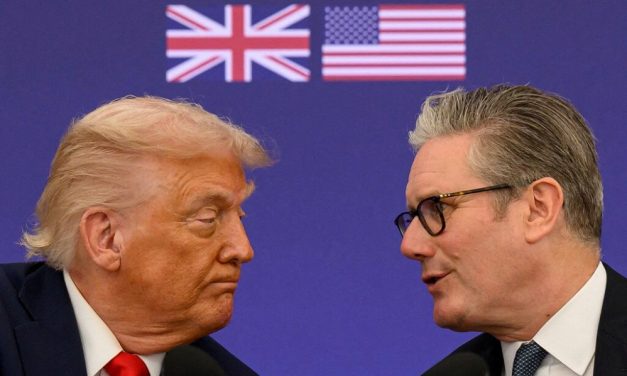
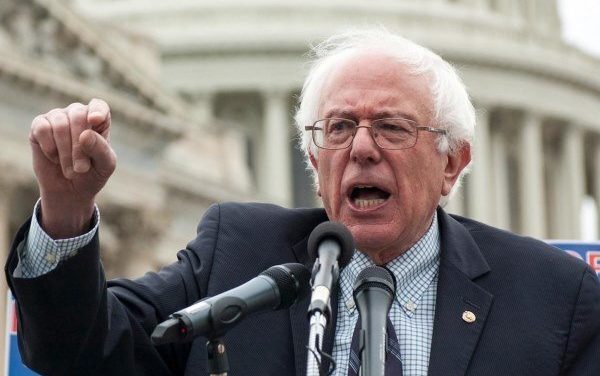
SCFR Online – Note: Over recent decades, support for the Zionist regime has been one of the few issues commanding bipartisan consensus in US foreign policy. Since the Cold War era, Republicans and Democrats have generally agreed on the necessity of preserving the security and survival of the Zionist regime as Washington’s most strategic ally in West Asia—and indeed, globally. However, developments in recent years—particularly the Gaza war, escalating regional conflicts, the expansion of tensions into Lebanon, and this regime’s recent warmongering against Iran—have caused this traditional consensus, especially within the Democratic Party, to face significant fractures.

Public Opinion Disappointment of the Zionist Regime Regarding Success in War with Iran

SCFR Online – Opinion: The internal situation of the Israeli regime during the 40-day war can be analyzed from several perspectives. The popularity levels of Benjamin Netanyahu, the Likud Party, and the ruling coalition led by Netanyahu until February 28, 2026, remained approximately the same as during the preceding year. The most recent factor that had somewhat increased Netanyahu’s popularity was the advancement of the 2024 war with Hezbollah Lebanon. Subsequently, his popularity temporarily increased during the 12-day war with Iran, but after the war, it returned to its previous state.

Loading

Saudi Arabia

Lebanese Parliamentary Election & Political Perspective Ahead

Lebanese Parliamentary Election & Political Perspective Ahead

Strategic Council Online – Interview: The expert of West Asia affairs commented about the recent parliamentary election of Lebanon and its results:” the results obtained was in a way that no party managed to win the majority of the parliament. It means the lists of Resistance Coalition groups gained about 58 to 59 seats and the other party that is in line with the West – Arab axis gained nearly 41 to 45 seats. Amid this, independent groups and individuals also won 128 seats”.

Erdogan’s visit to Saudi Arabia; Strategic or tactical approach?

Erdogan’s visit to Saudi Arabia; Strategic or tactical approach?

Strategic Council Online—Interview: An expert of Turkish issues says Turkey and Saudi Arabia, after one decade of severing relations, have once again talked about a new opening in their relations, adding that Erdogan’s visit to Saudi Arabia indicates review and a new era in Ankara-Riyadh relations.

Behind the Scene of Turkey’s Withdrawal from Khashoggi’s Murder File

Behind the Scene of Turkey’s Withdrawal from Khashoggi’s Murder File

Strategic Council Online – Interview: Director of Turkology Group of Contemporary Islam Encyclopedia, commented on the Ankara’s decision to withdraw Jamal Khashoggi’ file and said:” Turkey does not basically, engage itself in long term disputes and normally follows its opportunistic interests from short term disputes and drops the issue as well as tension.

Strategic Implications of Hezbollah’s Recent Show of Power over Occupied Territories

Strategic Implications of Hezbollah’s Recent Show of Power over Occupied Territories

Strategic Council Online – Opinion: Hezbollah in Lebanon is demonstrating new dimensions of its new operational tactics every day. The recent Hezbollah drone operation over key parts of the Occupied Territories in the north of the Occupied Territories, which flew for identification purposes, is one of Hezbollah’s strategic measures in the field of advancing the “strategic confrontation” of the Islamic Resistance with the Zionist regime.
Barsam Mohammadi – Expert on regional issues

Bahrain’s Objectives behind Normalization of Relations with Syria

Bahrain’s Objectives behind Normalization of Relations with Syria

Strategic Council Online – Interview: An expert on the Middle East affairs, commenting on the targets of the recent measure of the King of Bahrain in appointing the ambassador extraordinary and plenipotentiary to Syria after 10 years said that Manama pursues two main targets in such measure; first, the use of economic benefits in Syria, that is to say participation in the reconstruction of the country, and second, with regard to the profound transformation in the new regional equations, including the Tehran-Riyadh talks and the reduction of US presence in the region, Bahrain does not want to lag behind such equations. In addition, alleviating pressure on the public opinion, due to the normalization of relations with the Zionist regime, can also be one of the objectives of the Zionist regime behind such action.

De-escalation of Tension with Arab Neighbors & Importance of Following up Export Oriented Strategy with Them

De-escalation of Tension with Arab Neighbors & Importance of Following up Export Oriented Strategy with Them

Strategic Council Online – Opinion: Heating up the issue of de-escalation of tension between Iran and its southern neighbors in the Persian Gulf, particularly two main players of the regional bloc. i.e. Saudi Arabia and UAE, have bolded trade element, economic cooperation and the necessity of export promotion to Arab countries of the Persian Gulf ahead of the perspective to this end.
Dr. Kamran Karami, Expert on Arab Peninsula affairs

Objectives & Motivations of Bin Salman Regional Tour

Objectives & Motivations of Bin Salman Regional Tour

Strategic Council Online- Opinion: Regional tour of Mohammad Bin Salman to five countries of Oman, Bahrain, UAE, Kuwait and Qatar (Persian Gulf Cooperation Council members) is considered to be the most important political, economic and security momentum of the Crown Prince of Saudi Arabia in the last days of 2021. It is also interpreted as a remedial measure for fragile situation of Saudis at the regional and world levels. It should be noted that one of the objectives of Mohammad Bin Salman was to consult with the authorities of littoral Arab states of Persian Gulf and to make a consensus to confront some of the regional as well as the global issues such as Yemen, Iran, JCPOA revival, etc.
Hamid Khoshayand, Expert of Regional Issues

Biden’s US Targets of New Intervention in the Region

Biden’s US Targets of New Intervention in the Region

Strategic Council Online – Interview: An expert on US affairs, commenting on the US President Joe Biden’s recent claims that one of the reasons for the US military presence outside the borders, including deployment of US troops in the Persian Gulf region such as Saudi Arabia, Iraq and Syria, is Iran’s regional activities, said: Although there are talks over a change in Washington’s approach in the Middle East region in line with implementation of Biden’s stated policies in that region, in general, it seems that the main foundations of the US foreign policy in the region have not changed much, rather the process of implementation of its policies has been subject to changes.

Saudi Interventionist Policy in Lebanon, Its Consequences on Axis of Resistance

Saudi Interventionist Policy in Lebanon, Its Consequences on Axis of Resistance

Strategic Council Online – Interview: An analyst of West Asia affairs, stressing that resignation of the Lebanese minister of information will not resolve the Riyadh-Beirut issues, said: Saudi aid is a function of Riyadh’s policies in Beirut, that is to say an attempt to isolate the Hezbollah and the Axis of Resistance.

Saudi Political-Economic Pressures on Lebanon, Its Consequences

Saudi Political-Economic Pressures on Lebanon, Its Consequences

Strategic Council Online – Interview: Former Iranian ambassador to Lebanon said that Saudi Arabia in any case seeks to create chaos, form a kind of political vacuum and create crisis in Lebanon. Riyadh also intends to lead the Resistance to the civil war and tarnish its image in that country. He noted: The main problem of Riyadh is the presence of Hezbollah in Lebanon, and with the resignation of Mr. Qardahi, Saudi Arabia will not take a positive step to solve Lebanon’s economic problems.

أحدث الوظائف

Iran’s Success in the Narrative Battle in Cyberspace

SCFR Online – Opinion: In the war between Iran and the United States, the main battlefield was not defined solely in the military domain; rather, the battle of narratives in cyberspace—particularly through memes—reached a decisive level.
The Global Energy Shock Situation and Future Scenarios

SCFR Online – Opinion: Only one month after the beginning of the Ramadan War, maritime traffic in the Strait of Hormuz decreased dramatically, with Bloomberg announcing a reduction of 103 vessels; Brent oil prices rose by more than 50 percent, and gasoline prices in the United States increased by 31.4 percent. Additionally, benchmark gas prices in Europe showed a 73.4 percent increase.

Al-Zaydi’s Selection as Prime Minister, The Beginning of a New Chapter in Iraq

SCFR Online – Note: After approximately five months of political deadlock and institutional confusion, Ali al-Zaydi has finally been selected as Iraq’s Prime Minister. Al-Zaydi’s selection as Prime Minister represents a positive sign of the completion of the government formation process and the beginning of a new phase in Iraqi politics and governance. The emergence of a young, technocratic figure from the third generation of politicians—in a context where the country has been administered by traditional figures for decades—revives hope that Iraq may perhaps distance itself from the repetitive cycle of crises and experience a new path of stability, efficiency, and regional convergence.

Intensifying Intra-Party Divisions in the United States Regarding the Zionist Regime

SCFR Online – Note: Over recent decades, support for the Zionist regime has been one of the few issues commanding bipartisan consensus in US foreign policy. Since the Cold War era, Republicans and Democrats have generally agreed on the necessity of preserving the security and survival of the Zionist regime as Washington’s most strategic ally in West Asia—and indeed, globally. However, developments in recent years—particularly the Gaza war, escalating regional conflicts, the expansion of tensions into Lebanon, and this regime’s recent warmongering against Iran—have caused this traditional consensus, especially within the Democratic Party, to face significant fractures.

Public Opinion Disappointment of the Zionist Regime Regarding Success in War with Iran

SCFR Online – Opinion: The internal situation of the Israeli regime during the 40-day war can be analyzed from several perspectives. The popularity levels of Benjamin Netanyahu, the Likud Party, and the ruling coalition led by Netanyahu until February 28, 2026, remained approximately the same as during the preceding year. The most recent factor that had somewhat increased Netanyahu’s popularity was the advancement of the 2024 war with Hezbollah Lebanon. Subsequently, his popularity temporarily increased during the 12-day war with Iran, but after the war, it returned to its previous state.

Loading

Saudi Arabia

Lebanese Parliamentary Election & Political Perspective Ahead

Lebanese Parliamentary Election & Political Perspective Ahead

Strategic Council Online – Interview: The expert of West Asia affairs commented about the recent parliamentary election of Lebanon and its results:” the results obtained was in a way that no party managed to win the majority of the parliament. It means the lists of Resistance Coalition groups gained about 58 to 59 seats and the other party that is in line with the West – Arab axis gained nearly 41 to 45 seats. Amid this, independent groups and individuals also won 128 seats”.

Erdogan’s visit to Saudi Arabia; Strategic or tactical approach?

Erdogan’s visit to Saudi Arabia; Strategic or tactical approach?

Strategic Council Online—Interview: An expert of Turkish issues says Turkey and Saudi Arabia, after one decade of severing relations, have once again talked about a new opening in their relations, adding that Erdogan’s visit to Saudi Arabia indicates review and a new era in Ankara-Riyadh relations.

Behind the Scene of Turkey’s Withdrawal from Khashoggi’s Murder File

Behind the Scene of Turkey’s Withdrawal from Khashoggi’s Murder File

Strategic Council Online – Interview: Director of Turkology Group of Contemporary Islam Encyclopedia, commented on the Ankara’s decision to withdraw Jamal Khashoggi’ file and said:” Turkey does not basically, engage itself in long term disputes and normally follows its opportunistic interests from short term disputes and drops the issue as well as tension.

Strategic Implications of Hezbollah’s Recent Show of Power over Occupied Territories

Strategic Implications of Hezbollah’s Recent Show of Power over Occupied Territories

Strategic Council Online – Opinion: Hezbollah in Lebanon is demonstrating new dimensions of its new operational tactics every day. The recent Hezbollah drone operation over key parts of the Occupied Territories in the north of the Occupied Territories, which flew for identification purposes, is one of Hezbollah’s strategic measures in the field of advancing the “strategic confrontation” of the Islamic Resistance with the Zionist regime.
Barsam Mohammadi – Expert on regional issues

Bahrain’s Objectives behind Normalization of Relations with Syria

Bahrain’s Objectives behind Normalization of Relations with Syria

Strategic Council Online – Interview: An expert on the Middle East affairs, commenting on the targets of the recent measure of the King of Bahrain in appointing the ambassador extraordinary and plenipotentiary to Syria after 10 years said that Manama pursues two main targets in such measure; first, the use of economic benefits in Syria, that is to say participation in the reconstruction of the country, and second, with regard to the profound transformation in the new regional equations, including the Tehran-Riyadh talks and the reduction of US presence in the region, Bahrain does not want to lag behind such equations. In addition, alleviating pressure on the public opinion, due to the normalization of relations with the Zionist regime, can also be one of the objectives of the Zionist regime behind such action.

De-escalation of Tension with Arab Neighbors & Importance of Following up Export Oriented Strategy with Them

De-escalation of Tension with Arab Neighbors & Importance of Following up Export Oriented Strategy with Them

Strategic Council Online – Opinion: Heating up the issue of de-escalation of tension between Iran and its southern neighbors in the Persian Gulf, particularly two main players of the regional bloc. i.e. Saudi Arabia and UAE, have bolded trade element, economic cooperation and the necessity of export promotion to Arab countries of the Persian Gulf ahead of the perspective to this end.
Dr. Kamran Karami, Expert on Arab Peninsula affairs

Objectives & Motivations of Bin Salman Regional Tour

Objectives & Motivations of Bin Salman Regional Tour

Strategic Council Online- Opinion: Regional tour of Mohammad Bin Salman to five countries of Oman, Bahrain, UAE, Kuwait and Qatar (Persian Gulf Cooperation Council members) is considered to be the most important political, economic and security momentum of the Crown Prince of Saudi Arabia in the last days of 2021. It is also interpreted as a remedial measure for fragile situation of Saudis at the regional and world levels. It should be noted that one of the objectives of Mohammad Bin Salman was to consult with the authorities of littoral Arab states of Persian Gulf and to make a consensus to confront some of the regional as well as the global issues such as Yemen, Iran, JCPOA revival, etc.
Hamid Khoshayand, Expert of Regional Issues

Biden’s US Targets of New Intervention in the Region

Biden’s US Targets of New Intervention in the Region

Strategic Council Online – Interview: An expert on US affairs, commenting on the US President Joe Biden’s recent claims that one of the reasons for the US military presence outside the borders, including deployment of US troops in the Persian Gulf region such as Saudi Arabia, Iraq and Syria, is Iran’s regional activities, said: Although there are talks over a change in Washington’s approach in the Middle East region in line with implementation of Biden’s stated policies in that region, in general, it seems that the main foundations of the US foreign policy in the region have not changed much, rather the process of implementation of its policies has been subject to changes.

Saudi Interventionist Policy in Lebanon, Its Consequences on Axis of Resistance

Saudi Interventionist Policy in Lebanon, Its Consequences on Axis of Resistance

Strategic Council Online – Interview: An analyst of West Asia affairs, stressing that resignation of the Lebanese minister of information will not resolve the Riyadh-Beirut issues, said: Saudi aid is a function of Riyadh’s policies in Beirut, that is to say an attempt to isolate the Hezbollah and the Axis of Resistance.

Saudi Political-Economic Pressures on Lebanon, Its Consequences

Saudi Political-Economic Pressures on Lebanon, Its Consequences

Strategic Council Online – Interview: Former Iranian ambassador to Lebanon said that Saudi Arabia in any case seeks to create chaos, form a kind of political vacuum and create crisis in Lebanon. Riyadh also intends to lead the Resistance to the civil war and tarnish its image in that country. He noted: The main problem of Riyadh is the presence of Hezbollah in Lebanon, and with the resignation of Mr. Qardahi, Saudi Arabia will not take a positive step to solve Lebanon’s economic problems.

Saudi Arabia

Lebanese Parliamentary Election & Political Perspective Ahead

Lebanese Parliamentary Election & Political Perspective Ahead

Strategic Council Online – Interview: The expert of West Asia affairs commented about the recent parliamentary election of Lebanon and its results:” the results obtained was in a way that no party managed to win the majority of the parliament. It means the lists of Resistance Coalition groups gained about 58 to 59 seats and the other party that is in line with the West – Arab axis gained nearly 41 to 45 seats. Amid this, independent groups and individuals also won 128 seats”.

Erdogan’s visit to Saudi Arabia; Strategic or tactical approach?

Erdogan’s visit to Saudi Arabia; Strategic or tactical approach?

Strategic Council Online—Interview: An expert of Turkish issues says Turkey and Saudi Arabia, after one decade of severing relations, have once again talked about a new opening in their relations, adding that Erdogan’s visit to Saudi Arabia indicates review and a new era in Ankara-Riyadh relations.

Behind the Scene of Turkey’s Withdrawal from Khashoggi’s Murder File

Behind the Scene of Turkey’s Withdrawal from Khashoggi’s Murder File

Strategic Council Online – Interview: Director of Turkology Group of Contemporary Islam Encyclopedia, commented on the Ankara’s decision to withdraw Jamal Khashoggi’ file and said:” Turkey does not basically, engage itself in long term disputes and normally follows its opportunistic interests from short term disputes and drops the issue as well as tension.

Strategic Implications of Hezbollah’s Recent Show of Power over Occupied Territories

Strategic Implications of Hezbollah’s Recent Show of Power over Occupied Territories

Strategic Council Online – Opinion: Hezbollah in Lebanon is demonstrating new dimensions of its new operational tactics every day. The recent Hezbollah drone operation over key parts of the Occupied Territories in the north of the Occupied Territories, which flew for identification purposes, is one of Hezbollah’s strategic measures in the field of advancing the “strategic confrontation” of the Islamic Resistance with the Zionist regime.
Barsam Mohammadi – Expert on regional issues

Bahrain’s Objectives behind Normalization of Relations with Syria

Bahrain’s Objectives behind Normalization of Relations with Syria

Strategic Council Online – Interview: An expert on the Middle East affairs, commenting on the targets of the recent measure of the King of Bahrain in appointing the ambassador extraordinary and plenipotentiary to Syria after 10 years said that Manama pursues two main targets in such measure; first, the use of economic benefits in Syria, that is to say participation in the reconstruction of the country, and second, with regard to the profound transformation in the new regional equations, including the Tehran-Riyadh talks and the reduction of US presence in the region, Bahrain does not want to lag behind such equations. In addition, alleviating pressure on the public opinion, due to the normalization of relations with the Zionist regime, can also be one of the objectives of the Zionist regime behind such action.

De-escalation of Tension with Arab Neighbors & Importance of Following up Export Oriented Strategy with Them

De-escalation of Tension with Arab Neighbors & Importance of Following up Export Oriented Strategy with Them

Strategic Council Online – Opinion: Heating up the issue of de-escalation of tension between Iran and its southern neighbors in the Persian Gulf, particularly two main players of the regional bloc. i.e. Saudi Arabia and UAE, have bolded trade element, economic cooperation and the necessity of export promotion to Arab countries of the Persian Gulf ahead of the perspective to this end.
Dr. Kamran Karami, Expert on Arab Peninsula affairs

Objectives & Motivations of Bin Salman Regional Tour

Objectives & Motivations of Bin Salman Regional Tour

Strategic Council Online- Opinion: Regional tour of Mohammad Bin Salman to five countries of Oman, Bahrain, UAE, Kuwait and Qatar (Persian Gulf Cooperation Council members) is considered to be the most important political, economic and security momentum of the Crown Prince of Saudi Arabia in the last days of 2021. It is also interpreted as a remedial measure for fragile situation of Saudis at the regional and world levels. It should be noted that one of the objectives of Mohammad Bin Salman was to consult with the authorities of littoral Arab states of Persian Gulf and to make a consensus to confront some of the regional as well as the global issues such as Yemen, Iran, JCPOA revival, etc.
Hamid Khoshayand, Expert of Regional Issues

Biden’s US Targets of New Intervention in the Region

Biden’s US Targets of New Intervention in the Region

Strategic Council Online – Interview: An expert on US affairs, commenting on the US President Joe Biden’s recent claims that one of the reasons for the US military presence outside the borders, including deployment of US troops in the Persian Gulf region such as Saudi Arabia, Iraq and Syria, is Iran’s regional activities, said: Although there are talks over a change in Washington’s approach in the Middle East region in line with implementation of Biden’s stated policies in that region, in general, it seems that the main foundations of the US foreign policy in the region have not changed much, rather the process of implementation of its policies has been subject to changes.

Saudi Interventionist Policy in Lebanon, Its Consequences on Axis of Resistance

Saudi Interventionist Policy in Lebanon, Its Consequences on Axis of Resistance

Strategic Council Online – Interview: An analyst of West Asia affairs, stressing that resignation of the Lebanese minister of information will not resolve the Riyadh-Beirut issues, said: Saudi aid is a function of Riyadh’s policies in Beirut, that is to say an attempt to isolate the Hezbollah and the Axis of Resistance.

Saudi Political-Economic Pressures on Lebanon, Its Consequences

Saudi Political-Economic Pressures on Lebanon, Its Consequences

Strategic Council Online – Interview: Former Iranian ambassador to Lebanon said that Saudi Arabia in any case seeks to create chaos, form a kind of political vacuum and create crisis in Lebanon. Riyadh also intends to lead the Resistance to the civil war and tarnish its image in that country. He noted: The main problem of Riyadh is the presence of Hezbollah in Lebanon, and with the resignation of Mr. Qardahi, Saudi Arabia will not take a positive step to solve Lebanon’s economic problems.

LATEST CONTENT

Iran’s Success in the Narrative Battle in Cyberspace

SCFR Online – Opinion: In the war between Iran and the United States, the main battlefield was not defined solely in the military domain; rather, the battle of narratives in cyberspace—particularly through memes—reached a decisive level.

The Global Energy Shock Situation and Future Scenarios

SCFR Online – Opinion: Only one month after the beginning of the Ramadan War, maritime traffic in the Strait of Hormuz decreased dramatically, with Bloomberg announcing a reduction of 103 vessels; Brent oil prices rose by more than 50 percent, and gasoline prices in the United States increased by 31.4 percent. Additionally, benchmark gas prices in Europe showed a 73.4 percent increase.

Al-Zaydi’s Selection as Prime Minister, The Beginning of a New Chapter in Iraq

SCFR Online – Note: After approximately five months of political deadlock and institutional confusion, Ali al-Zaydi has finally been selected as Iraq’s Prime Minister. Al-Zaydi’s selection as Prime Minister represents a positive sign of the completion of the government formation process and the beginning of a new phase in Iraqi politics and governance. The emergence of a young, technocratic figure from the third generation of politicians—in a context where the country has been administered by traditional figures for decades—revives hope that Iraq may perhaps distance itself from the repetitive cycle of crises and experience a new path of stability, efficiency, and regional convergence.

Intensifying Intra-Party Divisions in the United States Regarding the Zionist Regime

SCFR Online – Note: Over recent decades, support for the Zionist regime has been one of the few issues commanding bipartisan consensus in US foreign policy. Since the Cold War era, Republicans and Democrats have generally agreed on the necessity of preserving the security and survival of the Zionist regime as Washington’s most strategic ally in West Asia—and indeed, globally. However, developments in recent years—particularly the Gaza war, escalating regional conflicts, the expansion of tensions into Lebanon, and this regime’s recent warmongering against Iran—have caused this traditional consensus, especially within the Democratic Party, to face significant fractures.

Public Opinion Disappointment of the Zionist Regime Regarding Success in War with Iran

SCFR Online – Opinion: The internal situation of the Israeli regime during the 40-day war can be analyzed from several perspectives. The popularity levels of Benjamin Netanyahu, the Likud Party, and the ruling coalition led by Netanyahu until February 28, 2026, remained approximately the same as during the preceding year. The most recent factor that had somewhat increased Netanyahu’s popularity was the advancement of the 2024 war with Hezbollah Lebanon. Subsequently, his popularity temporarily increased during the 12-day war with Iran, but after the war, it returned to its previous state.

Loading

Saudi Arabia

Lebanese Parliamentary Election & Political Perspective Ahead

Lebanese Parliamentary Election & Political Perspective Ahead

Strategic Council Online – Interview: The expert of West Asia affairs commented about the recent parliamentary election of Lebanon and its results:” the results obtained was in a way that no party managed to win the majority of the parliament. It means the lists of Resistance Coalition groups gained about 58 to 59 seats and the other party that is in line with the West – Arab axis gained nearly 41 to 45 seats. Amid this, independent groups and individuals also won 128 seats”.

Erdogan’s visit to Saudi Arabia; Strategic or tactical approach?

Erdogan’s visit to Saudi Arabia; Strategic or tactical approach?

Strategic Council Online—Interview: An expert of Turkish issues says Turkey and Saudi Arabia, after one decade of severing relations, have once again talked about a new opening in their relations, adding that Erdogan’s visit to Saudi Arabia indicates review and a new era in Ankara-Riyadh relations.

Behind the Scene of Turkey’s Withdrawal from Khashoggi’s Murder File

Behind the Scene of Turkey’s Withdrawal from Khashoggi’s Murder File

Strategic Council Online – Interview: Director of Turkology Group of Contemporary Islam Encyclopedia, commented on the Ankara’s decision to withdraw Jamal Khashoggi’ file and said:” Turkey does not basically, engage itself in long term disputes and normally follows its opportunistic interests from short term disputes and drops the issue as well as tension.

Strategic Implications of Hezbollah’s Recent Show of Power over Occupied Territories

Strategic Implications of Hezbollah’s Recent Show of Power over Occupied Territories

Strategic Council Online – Opinion: Hezbollah in Lebanon is demonstrating new dimensions of its new operational tactics every day. The recent Hezbollah drone operation over key parts of the Occupied Territories in the north of the Occupied Territories, which flew for identification purposes, is one of Hezbollah’s strategic measures in the field of advancing the “strategic confrontation” of the Islamic Resistance with the Zionist regime.
Barsam Mohammadi – Expert on regional issues

Bahrain’s Objectives behind Normalization of Relations with Syria

Bahrain’s Objectives behind Normalization of Relations with Syria

Strategic Council Online – Interview: An expert on the Middle East affairs, commenting on the targets of the recent measure of the King of Bahrain in appointing the ambassador extraordinary and plenipotentiary to Syria after 10 years said that Manama pursues two main targets in such measure; first, the use of economic benefits in Syria, that is to say participation in the reconstruction of the country, and second, with regard to the profound transformation in the new regional equations, including the Tehran-Riyadh talks and the reduction of US presence in the region, Bahrain does not want to lag behind such equations. In addition, alleviating pressure on the public opinion, due to the normalization of relations with the Zionist regime, can also be one of the objectives of the Zionist regime behind such action.

De-escalation of Tension with Arab Neighbors & Importance of Following up Export Oriented Strategy with Them

De-escalation of Tension with Arab Neighbors & Importance of Following up Export Oriented Strategy with Them

Strategic Council Online – Opinion: Heating up the issue of de-escalation of tension between Iran and its southern neighbors in the Persian Gulf, particularly two main players of the regional bloc. i.e. Saudi Arabia and UAE, have bolded trade element, economic cooperation and the necessity of export promotion to Arab countries of the Persian Gulf ahead of the perspective to this end.
Dr. Kamran Karami, Expert on Arab Peninsula affairs

Objectives & Motivations of Bin Salman Regional Tour

Objectives & Motivations of Bin Salman Regional Tour

Strategic Council Online- Opinion: Regional tour of Mohammad Bin Salman to five countries of Oman, Bahrain, UAE, Kuwait and Qatar (Persian Gulf Cooperation Council members) is considered to be the most important political, economic and security momentum of the Crown Prince of Saudi Arabia in the last days of 2021. It is also interpreted as a remedial measure for fragile situation of Saudis at the regional and world levels. It should be noted that one of the objectives of Mohammad Bin Salman was to consult with the authorities of littoral Arab states of Persian Gulf and to make a consensus to confront some of the regional as well as the global issues such as Yemen, Iran, JCPOA revival, etc.
Hamid Khoshayand, Expert of Regional Issues

Biden’s US Targets of New Intervention in the Region

Biden’s US Targets of New Intervention in the Region

Strategic Council Online – Interview: An expert on US affairs, commenting on the US President Joe Biden’s recent claims that one of the reasons for the US military presence outside the borders, including deployment of US troops in the Persian Gulf region such as Saudi Arabia, Iraq and Syria, is Iran’s regional activities, said: Although there are talks over a change in Washington’s approach in the Middle East region in line with implementation of Biden’s stated policies in that region, in general, it seems that the main foundations of the US foreign policy in the region have not changed much, rather the process of implementation of its policies has been subject to changes.

Saudi Interventionist Policy in Lebanon, Its Consequences on Axis of Resistance

Saudi Interventionist Policy in Lebanon, Its Consequences on Axis of Resistance

Strategic Council Online – Interview: An analyst of West Asia affairs, stressing that resignation of the Lebanese minister of information will not resolve the Riyadh-Beirut issues, said: Saudi aid is a function of Riyadh’s policies in Beirut, that is to say an attempt to isolate the Hezbollah and the Axis of Resistance.

Saudi Political-Economic Pressures on Lebanon, Its Consequences

Saudi Political-Economic Pressures on Lebanon, Its Consequences

Strategic Council Online – Interview: Former Iranian ambassador to Lebanon said that Saudi Arabia in any case seeks to create chaos, form a kind of political vacuum and create crisis in Lebanon. Riyadh also intends to lead the Resistance to the civil war and tarnish its image in that country. He noted: The main problem of Riyadh is the presence of Hezbollah in Lebanon, and with the resignation of Mr. Qardahi, Saudi Arabia will not take a positive step to solve Lebanon’s economic problems.

ÚLTIMAS PUBLICACIONES

Iran’s Success in the Narrative Battle in Cyberspace

SCFR Online – Opinion: In the war between Iran and the United States, the main battlefield was not defined solely in the military domain; rather, the battle of narratives in cyberspace—particularly through memes—reached a decisive level.
The Global Energy Shock Situation and Future Scenarios

SCFR Online – Opinion: Only one month after the beginning of the Ramadan War, maritime traffic in the Strait of Hormuz decreased dramatically, with Bloomberg announcing a reduction of 103 vessels; Brent oil prices rose by more than 50 percent, and gasoline prices in the United States increased by 31.4 percent. Additionally, benchmark gas prices in Europe showed a 73.4 percent increase.

Al-Zaydi’s Selection as Prime Minister, The Beginning of a New Chapter in Iraq

SCFR Online – Note: After approximately five months of political deadlock and institutional confusion, Ali al-Zaydi has finally been selected as Iraq’s Prime Minister. Al-Zaydi’s selection as Prime Minister represents a positive sign of the completion of the government formation process and the beginning of a new phase in Iraqi politics and governance. The emergence of a young, technocratic figure from the third generation of politicians—in a context where the country has been administered by traditional figures for decades—revives hope that Iraq may perhaps distance itself from the repetitive cycle of crises and experience a new path of stability, efficiency, and regional convergence.

Intensifying Intra-Party Divisions in the United States Regarding the Zionist Regime

SCFR Online – Note: Over recent decades, support for the Zionist regime has been one of the few issues commanding bipartisan consensus in US foreign policy. Since the Cold War era, Republicans and Democrats have generally agreed on the necessity of preserving the security and survival of the Zionist regime as Washington’s most strategic ally in West Asia—and indeed, globally. However, developments in recent years—particularly the Gaza war, escalating regional conflicts, the expansion of tensions into Lebanon, and this regime’s recent warmongering against Iran—have caused this traditional consensus, especially within the Democratic Party, to face significant fractures.

Public Opinion Disappointment of the Zionist Regime Regarding Success in War with Iran

SCFR Online – Opinion: The internal situation of the Israeli regime during the 40-day war can be analyzed from several perspectives. The popularity levels of Benjamin Netanyahu, the Likud Party, and the ruling coalition led by Netanyahu until February 28, 2026, remained approximately the same as during the preceding year. The most recent factor that had somewhat increased Netanyahu’s popularity was the advancement of the 2024 war with Hezbollah Lebanon. Subsequently, his popularity temporarily increased during the 12-day war with Iran, but after the war, it returned to its previous state.

Loading

Saudi Arabia

Lebanese Parliamentary Election & Political Perspective Ahead

Lebanese Parliamentary Election & Political Perspective Ahead

Strategic Council Online – Interview: The expert of West Asia affairs commented about the recent parliamentary election of Lebanon and its results:” the results obtained was in a way that no party managed to win the majority of the parliament. It means the lists of Resistance Coalition groups gained about 58 to 59 seats and the other party that is in line with the West – Arab axis gained nearly 41 to 45 seats. Amid this, independent groups and individuals also won 128 seats”.

Erdogan’s visit to Saudi Arabia; Strategic or tactical approach?

Erdogan’s visit to Saudi Arabia; Strategic or tactical approach?

Strategic Council Online—Interview: An expert of Turkish issues says Turkey and Saudi Arabia, after one decade of severing relations, have once again talked about a new opening in their relations, adding that Erdogan’s visit to Saudi Arabia indicates review and a new era in Ankara-Riyadh relations.

Behind the Scene of Turkey’s Withdrawal from Khashoggi’s Murder File

Behind the Scene of Turkey’s Withdrawal from Khashoggi’s Murder File

Strategic Council Online – Interview: Director of Turkology Group of Contemporary Islam Encyclopedia, commented on the Ankara’s decision to withdraw Jamal Khashoggi’ file and said:” Turkey does not basically, engage itself in long term disputes and normally follows its opportunistic interests from short term disputes and drops the issue as well as tension.

Strategic Implications of Hezbollah’s Recent Show of Power over Occupied Territories

Strategic Implications of Hezbollah’s Recent Show of Power over Occupied Territories

Strategic Council Online – Opinion: Hezbollah in Lebanon is demonstrating new dimensions of its new operational tactics every day. The recent Hezbollah drone operation over key parts of the Occupied Territories in the north of the Occupied Territories, which flew for identification purposes, is one of Hezbollah’s strategic measures in the field of advancing the “strategic confrontation” of the Islamic Resistance with the Zionist regime.
Barsam Mohammadi – Expert on regional issues

Bahrain’s Objectives behind Normalization of Relations with Syria

Bahrain’s Objectives behind Normalization of Relations with Syria

Strategic Council Online – Interview: An expert on the Middle East affairs, commenting on the targets of the recent measure of the King of Bahrain in appointing the ambassador extraordinary and plenipotentiary to Syria after 10 years said that Manama pursues two main targets in such measure; first, the use of economic benefits in Syria, that is to say participation in the reconstruction of the country, and second, with regard to the profound transformation in the new regional equations, including the Tehran-Riyadh talks and the reduction of US presence in the region, Bahrain does not want to lag behind such equations. In addition, alleviating pressure on the public opinion, due to the normalization of relations with the Zionist regime, can also be one of the objectives of the Zionist regime behind such action.

De-escalation of Tension with Arab Neighbors & Importance of Following up Export Oriented Strategy with Them

De-escalation of Tension with Arab Neighbors & Importance of Following up Export Oriented Strategy with Them

Strategic Council Online – Opinion: Heating up the issue of de-escalation of tension between Iran and its southern neighbors in the Persian Gulf, particularly two main players of the regional bloc. i.e. Saudi Arabia and UAE, have bolded trade element, economic cooperation and the necessity of export promotion to Arab countries of the Persian Gulf ahead of the perspective to this end.
Dr. Kamran Karami, Expert on Arab Peninsula affairs

Objectives & Motivations of Bin Salman Regional Tour

Objectives & Motivations of Bin Salman Regional Tour

Strategic Council Online- Opinion: Regional tour of Mohammad Bin Salman to five countries of Oman, Bahrain, UAE, Kuwait and Qatar (Persian Gulf Cooperation Council members) is considered to be the most important political, economic and security momentum of the Crown Prince of Saudi Arabia in the last days of 2021. It is also interpreted as a remedial measure for fragile situation of Saudis at the regional and world levels. It should be noted that one of the objectives of Mohammad Bin Salman was to consult with the authorities of littoral Arab states of Persian Gulf and to make a consensus to confront some of the regional as well as the global issues such as Yemen, Iran, JCPOA revival, etc.
Hamid Khoshayand, Expert of Regional Issues

Biden’s US Targets of New Intervention in the Region

Biden’s US Targets of New Intervention in the Region

Strategic Council Online – Interview: An expert on US affairs, commenting on the US President Joe Biden’s recent claims that one of the reasons for the US military presence outside the borders, including deployment of US troops in the Persian Gulf region such as Saudi Arabia, Iraq and Syria, is Iran’s regional activities, said: Although there are talks over a change in Washington’s approach in the Middle East region in line with implementation of Biden’s stated policies in that region, in general, it seems that the main foundations of the US foreign policy in the region have not changed much, rather the process of implementation of its policies has been subject to changes.

Saudi Interventionist Policy in Lebanon, Its Consequences on Axis of Resistance

Saudi Interventionist Policy in Lebanon, Its Consequences on Axis of Resistance

Strategic Council Online – Interview: An analyst of West Asia affairs, stressing that resignation of the Lebanese minister of information will not resolve the Riyadh-Beirut issues, said: Saudi aid is a function of Riyadh’s policies in Beirut, that is to say an attempt to isolate the Hezbollah and the Axis of Resistance.

Saudi Political-Economic Pressures on Lebanon, Its Consequences

Saudi Political-Economic Pressures on Lebanon, Its Consequences

Strategic Council Online – Interview: Former Iranian ambassador to Lebanon said that Saudi Arabia in any case seeks to create chaos, form a kind of political vacuum and create crisis in Lebanon. Riyadh also intends to lead the Resistance to the civil war and tarnish its image in that country. He noted: The main problem of Riyadh is the presence of Hezbollah in Lebanon, and with the resignation of Mr. Qardahi, Saudi Arabia will not take a positive step to solve Lebanon’s economic problems.

ÚLTIMAS PUBLICACIONES

Iran’s Success in the Narrative Battle in Cyberspace

SCFR Online – Opinion: In the war between Iran and the United States, the main battlefield was not defined solely in the military domain; rather, the battle of narratives in cyberspace—particularly through memes—reached a decisive level.
The Global Energy Shock Situation and Future Scenarios

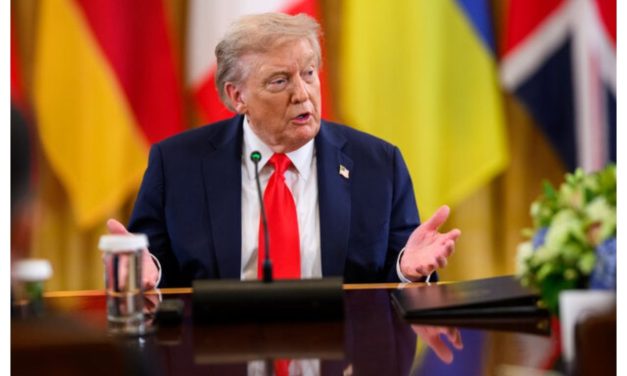
SCFR Online – Opinion: Only one month after the beginning of the Ramadan War, maritime traffic in the Strait of Hormuz decreased dramatically, with Bloomberg announcing a reduction of 103 vessels; Brent oil prices rose by more than 50 percent, and gasoline prices in the United States increased by 31.4 percent. Additionally, benchmark gas prices in Europe showed a 73.4 percent increase.

Al-Zaydi’s Selection as Prime Minister, The Beginning of a New Chapter in Iraq

SCFR Online – Note: After approximately five months of political deadlock and institutional confusion, Ali al-Zaydi has finally been selected as Iraq’s Prime Minister. Al-Zaydi’s selection as Prime Minister represents a positive sign of the completion of the government formation process and the beginning of a new phase in Iraqi politics and governance. The emergence of a young, technocratic figure from the third generation of politicians—in a context where the country has been administered by traditional figures for decades—revives hope that Iraq may perhaps distance itself from the repetitive cycle of crises and experience a new path of stability, efficiency, and regional convergence.

Intensifying Intra-Party Divisions in the United States Regarding the Zionist Regime

SCFR Online – Note: Over recent decades, support for the Zionist regime has been one of the few issues commanding bipartisan consensus in US foreign policy. Since the Cold War era, Republicans and Democrats have generally agreed on the necessity of preserving the security and survival of the Zionist regime as Washington’s most strategic ally in West Asia—and indeed, globally. However, developments in recent years—particularly the Gaza war, escalating regional conflicts, the expansion of tensions into Lebanon, and this regime’s recent warmongering against Iran—have caused this traditional consensus, especially within the Democratic Party, to face significant fractures.

Public Opinion Disappointment of the Zionist Regime Regarding Success in War with Iran

SCFR Online – Opinion: The internal situation of the Israeli regime during the 40-day war can be analyzed from several perspectives. The popularity levels of Benjamin Netanyahu, the Likud Party, and the ruling coalition led by Netanyahu until February 28, 2026, remained approximately the same as during the preceding year. The most recent factor that had somewhat increased Netanyahu’s popularity was the advancement of the 2024 war with Hezbollah Lebanon. Subsequently, his popularity temporarily increased during the 12-day war with Iran, but after the war, it returned to its previous state.

Loading

Saudi Arabia

Lebanese Parliamentary Election & Political Perspective Ahead

Lebanese Parliamentary Election & Political Perspective Ahead

Strategic Council Online – Interview: The expert of West Asia affairs commented about the recent parliamentary election of Lebanon and its results:” the results obtained was in a way that no party managed to win the majority of the parliament. It means the lists of Resistance Coalition groups gained about 58 to 59 seats and the other party that is in line with the West – Arab axis gained nearly 41 to 45 seats. Amid this, independent groups and individuals also won 128 seats”.

Erdogan’s visit to Saudi Arabia; Strategic or tactical approach?

Erdogan’s visit to Saudi Arabia; Strategic or tactical approach?

Strategic Council Online—Interview: An expert of Turkish issues says Turkey and Saudi Arabia, after one decade of severing relations, have once again talked about a new opening in their relations, adding that Erdogan’s visit to Saudi Arabia indicates review and a new era in Ankara-Riyadh relations.

Behind the Scene of Turkey’s Withdrawal from Khashoggi’s Murder File

Behind the Scene of Turkey’s Withdrawal from Khashoggi’s Murder File

Strategic Council Online – Interview: Director of Turkology Group of Contemporary Islam Encyclopedia, commented on the Ankara’s decision to withdraw Jamal Khashoggi’ file and said:” Turkey does not basically, engage itself in long term disputes and normally follows its opportunistic interests from short term disputes and drops the issue as well as tension.

Strategic Implications of Hezbollah’s Recent Show of Power over Occupied Territories

Strategic Implications of Hezbollah’s Recent Show of Power over Occupied Territories

Strategic Council Online – Opinion: Hezbollah in Lebanon is demonstrating new dimensions of its new operational tactics every day. The recent Hezbollah drone operation over key parts of the Occupied Territories in the north of the Occupied Territories, which flew for identification purposes, is one of Hezbollah’s strategic measures in the field of advancing the “strategic confrontation” of the Islamic Resistance with the Zionist regime.
Barsam Mohammadi – Expert on regional issues

Bahrain’s Objectives behind Normalization of Relations with Syria

Bahrain’s Objectives behind Normalization of Relations with Syria

Strategic Council Online – Interview: An expert on the Middle East affairs, commenting on the targets of the recent measure of the King of Bahrain in appointing the ambassador extraordinary and plenipotentiary to Syria after 10 years said that Manama pursues two main targets in such measure; first, the use of economic benefits in Syria, that is to say participation in the reconstruction of the country, and second, with regard to the profound transformation in the new regional equations, including the Tehran-Riyadh talks and the reduction of US presence in the region, Bahrain does not want to lag behind such equations. In addition, alleviating pressure on the public opinion, due to the normalization of relations with the Zionist regime, can also be one of the objectives of the Zionist regime behind such action.

De-escalation of Tension with Arab Neighbors & Importance of Following up Export Oriented Strategy with Them

De-escalation of Tension with Arab Neighbors & Importance of Following up Export Oriented Strategy with Them

Strategic Council Online – Opinion: Heating up the issue of de-escalation of tension between Iran and its southern neighbors in the Persian Gulf, particularly two main players of the regional bloc. i.e. Saudi Arabia and UAE, have bolded trade element, economic cooperation and the necessity of export promotion to Arab countries of the Persian Gulf ahead of the perspective to this end.
Dr. Kamran Karami, Expert on Arab Peninsula affairs

Objectives & Motivations of Bin Salman Regional Tour

Objectives & Motivations of Bin Salman Regional Tour

Strategic Council Online- Opinion: Regional tour of Mohammad Bin Salman to five countries of Oman, Bahrain, UAE, Kuwait and Qatar (Persian Gulf Cooperation Council members) is considered to be the most important political, economic and security momentum of the Crown Prince of Saudi Arabia in the last days of 2021. It is also interpreted as a remedial measure for fragile situation of Saudis at the regional and world levels. It should be noted that one of the objectives of Mohammad Bin Salman was to consult with the authorities of littoral Arab states of Persian Gulf and to make a consensus to confront some of the regional as well as the global issues such as Yemen, Iran, JCPOA revival, etc.
Hamid Khoshayand, Expert of Regional Issues

Biden’s US Targets of New Intervention in the Region

Biden’s US Targets of New Intervention in the Region

Strategic Council Online – Interview: An expert on US affairs, commenting on the US President Joe Biden’s recent claims that one of the reasons for the US military presence outside the borders, including deployment of US troops in the Persian Gulf region such as Saudi Arabia, Iraq and Syria, is Iran’s regional activities, said: Although there are talks over a change in Washington’s approach in the Middle East region in line with implementation of Biden’s stated policies in that region, in general, it seems that the main foundations of the US foreign policy in the region have not changed much, rather the process of implementation of its policies has been subject to changes.

Saudi Interventionist Policy in Lebanon, Its Consequences on Axis of Resistance

Saudi Interventionist Policy in Lebanon, Its Consequences on Axis of Resistance

Strategic Council Online – Interview: An analyst of West Asia affairs, stressing that resignation of the Lebanese minister of information will not resolve the Riyadh-Beirut issues, said: Saudi aid is a function of Riyadh’s policies in Beirut, that is to say an attempt to isolate the Hezbollah and the Axis of Resistance.

Saudi Political-Economic Pressures on Lebanon, Its Consequences

Saudi Political-Economic Pressures on Lebanon, Its Consequences

Strategic Council Online – Interview: Former Iranian ambassador to Lebanon said that Saudi Arabia in any case seeks to create chaos, form a kind of political vacuum and create crisis in Lebanon. Riyadh also intends to lead the Resistance to the civil war and tarnish its image in that country. He noted: The main problem of Riyadh is the presence of Hezbollah in Lebanon, and with the resignation of Mr. Qardahi, Saudi Arabia will not take a positive step to solve Lebanon’s economic problems.

ÚLTIMAS PUBLICACIONES

Iran’s Success in the Narrative Battle in Cyberspace

SCFR Online – Opinion: In the war between Iran and the United States, the main battlefield was not defined solely in the military domain; rather, the battle of narratives in cyberspace—particularly through memes—reached a decisive level.
The Global Energy Shock Situation and Future Scenarios

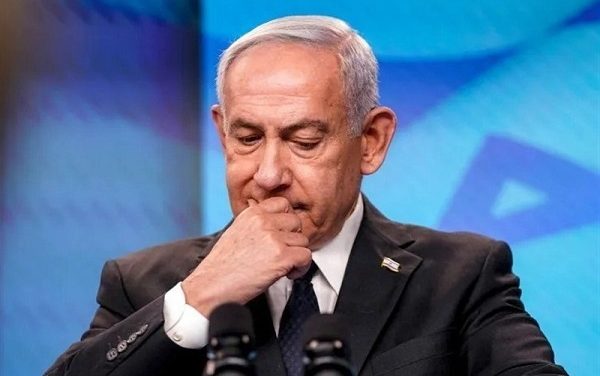
SCFR Online – Opinion: Only one month after the beginning of the Ramadan War, maritime traffic in the Strait of Hormuz decreased dramatically, with Bloomberg announcing a reduction of 103 vessels; Brent oil prices rose by more than 50 percent, and gasoline prices in the United States increased by 31.4 percent. Additionally, benchmark gas prices in Europe showed a 73.4 percent increase.

Al-Zaydi’s Selection as Prime Minister, The Beginning of a New Chapter in Iraq

SCFR Online – Note: After approximately five months of political deadlock and institutional confusion, Ali al-Zaydi has finally been selected as Iraq’s Prime Minister. Al-Zaydi’s selection as Prime Minister represents a positive sign of the completion of the government formation process and the beginning of a new phase in Iraqi politics and governance. The emergence of a young, technocratic figure from the third generation of politicians—in a context where the country has been administered by traditional figures for decades—revives hope that Iraq may perhaps distance itself from the repetitive cycle of crises and experience a new path of stability, efficiency, and regional convergence.

Intensifying Intra-Party Divisions in the United States Regarding the Zionist Regime

SCFR Online – Note: Over recent decades, support for the Zionist regime has been one of the few issues commanding bipartisan consensus in US foreign policy. Since the Cold War era, Republicans and Democrats have generally agreed on the necessity of preserving the security and survival of the Zionist regime as Washington’s most strategic ally in West Asia—and indeed, globally. However, developments in recent years—particularly the Gaza war, escalating regional conflicts, the expansion of tensions into Lebanon, and this regime’s recent warmongering against Iran—have caused this traditional consensus, especially within the Democratic Party, to face significant fractures.

Public Opinion Disappointment of the Zionist Regime Regarding Success in War with Iran

SCFR Online – Opinion: The internal situation of the Israeli regime during the 40-day war can be analyzed from several perspectives. The popularity levels of Benjamin Netanyahu, the Likud Party, and the ruling coalition led by Netanyahu until February 28, 2026, remained approximately the same as during the preceding year. The most recent factor that had somewhat increased Netanyahu’s popularity was the advancement of the 2024 war with Hezbollah Lebanon. Subsequently, his popularity temporarily increased during the 12-day war with Iran, but after the war, it returned to its previous state.

Loading

Saudi Arabia

Lebanese Parliamentary Election & Political Perspective Ahead

Lebanese Parliamentary Election & Political Perspective Ahead

Strategic Council Online – Interview: The expert of West Asia affairs commented about the recent parliamentary election of Lebanon and its results:” the results obtained was in a way that no party managed to win the majority of the parliament. It means the lists of Resistance Coalition groups gained about 58 to 59 seats and the other party that is in line with the West – Arab axis gained nearly 41 to 45 seats. Amid this, independent groups and individuals also won 128 seats”.

Erdogan’s visit to Saudi Arabia; Strategic or tactical approach?

Erdogan’s visit to Saudi Arabia; Strategic or tactical approach?

Strategic Council Online—Interview: An expert of Turkish issues says Turkey and Saudi Arabia, after one decade of severing relations, have once again talked about a new opening in their relations, adding that Erdogan’s visit to Saudi Arabia indicates review and a new era in Ankara-Riyadh relations.

Behind the Scene of Turkey’s Withdrawal from Khashoggi’s Murder File

Behind the Scene of Turkey’s Withdrawal from Khashoggi’s Murder File

Strategic Council Online – Interview: Director of Turkology Group of Contemporary Islam Encyclopedia, commented on the Ankara’s decision to withdraw Jamal Khashoggi’ file and said:” Turkey does not basically, engage itself in long term disputes and normally follows its opportunistic interests from short term disputes and drops the issue as well as tension.

Strategic Implications of Hezbollah’s Recent Show of Power over Occupied Territories

Strategic Implications of Hezbollah’s Recent Show of Power over Occupied Territories

Strategic Council Online – Opinion: Hezbollah in Lebanon is demonstrating new dimensions of its new operational tactics every day. The recent Hezbollah drone operation over key parts of the Occupied Territories in the north of the Occupied Territories, which flew for identification purposes, is one of Hezbollah’s strategic measures in the field of advancing the “strategic confrontation” of the Islamic Resistance with the Zionist regime.
Barsam Mohammadi – Expert on regional issues

Bahrain’s Objectives behind Normalization of Relations with Syria

Bahrain’s Objectives behind Normalization of Relations with Syria

Strategic Council Online – Interview: An expert on the Middle East affairs, commenting on the targets of the recent measure of the King of Bahrain in appointing the ambassador extraordinary and plenipotentiary to Syria after 10 years said that Manama pursues two main targets in such measure; first, the use of economic benefits in Syria, that is to say participation in the reconstruction of the country, and second, with regard to the profound transformation in the new regional equations, including the Tehran-Riyadh talks and the reduction of US presence in the region, Bahrain does not want to lag behind such equations. In addition, alleviating pressure on the public opinion, due to the normalization of relations with the Zionist regime, can also be one of the objectives of the Zionist regime behind such action.

De-escalation of Tension with Arab Neighbors & Importance of Following up Export Oriented Strategy with Them

De-escalation of Tension with Arab Neighbors & Importance of Following up Export Oriented Strategy with Them

Strategic Council Online – Opinion: Heating up the issue of de-escalation of tension between Iran and its southern neighbors in the Persian Gulf, particularly two main players of the regional bloc. i.e. Saudi Arabia and UAE, have bolded trade element, economic cooperation and the necessity of export promotion to Arab countries of the Persian Gulf ahead of the perspective to this end.
Dr. Kamran Karami, Expert on Arab Peninsula affairs

Objectives & Motivations of Bin Salman Regional Tour

Objectives & Motivations of Bin Salman Regional Tour

Strategic Council Online- Opinion: Regional tour of Mohammad Bin Salman to five countries of Oman, Bahrain, UAE, Kuwait and Qatar (Persian Gulf Cooperation Council members) is considered to be the most important political, economic and security momentum of the Crown Prince of Saudi Arabia in the last days of 2021. It is also interpreted as a remedial measure for fragile situation of Saudis at the regional and world levels. It should be noted that one of the objectives of Mohammad Bin Salman was to consult with the authorities of littoral Arab states of Persian Gulf and to make a consensus to confront some of the regional as well as the global issues such as Yemen, Iran, JCPOA revival, etc.
Hamid Khoshayand, Expert of Regional Issues

Biden’s US Targets of New Intervention in the Region

Biden’s US Targets of New Intervention in the Region

Strategic Council Online – Interview: An expert on US affairs, commenting on the US President Joe Biden’s recent claims that one of the reasons for the US military presence outside the borders, including deployment of US troops in the Persian Gulf region such as Saudi Arabia, Iraq and Syria, is Iran’s regional activities, said: Although there are talks over a change in Washington’s approach in the Middle East region in line with implementation of Biden’s stated policies in that region, in general, it seems that the main foundations of the US foreign policy in the region have not changed much, rather the process of implementation of its policies has been subject to changes.

Saudi Interventionist Policy in Lebanon, Its Consequences on Axis of Resistance

Saudi Interventionist Policy in Lebanon, Its Consequences on Axis of Resistance

Strategic Council Online – Interview: An analyst of West Asia affairs, stressing that resignation of the Lebanese minister of information will not resolve the Riyadh-Beirut issues, said: Saudi aid is a function of Riyadh’s policies in Beirut, that is to say an attempt to isolate the Hezbollah and the Axis of Resistance.

Saudi Political-Economic Pressures on Lebanon, Its Consequences

Saudi Political-Economic Pressures on Lebanon, Its Consequences

Strategic Council Online – Interview: Former Iranian ambassador to Lebanon said that Saudi Arabia in any case seeks to create chaos, form a kind of political vacuum and create crisis in Lebanon. Riyadh also intends to lead the Resistance to the civil war and tarnish its image in that country. He noted: The main problem of Riyadh is the presence of Hezbollah in Lebanon, and with the resignation of Mr. Qardahi, Saudi Arabia will not take a positive step to solve Lebanon’s economic problems.

ÚLTIMAS PUBLICACIONES

Iran’s Success in the Narrative Battle in Cyberspace

SCFR Online – Opinion: In the war between Iran and the United States, the main battlefield was not defined solely in the military domain; rather, the battle of narratives in cyberspace—particularly through memes—reached a decisive level.

The Global Energy Shock Situation and Future Scenarios

SCFR Online – Opinion: Only one month after the beginning of the Ramadan War, maritime traffic in the Strait of Hormuz decreased dramatically, with Bloomberg announcing a reduction of 103 vessels; Brent oil prices rose by more than 50 percent, and gasoline prices in the United States increased by 31.4 percent. Additionally, benchmark gas prices in Europe showed a 73.4 percent increase.

Al-Zaydi’s Selection as Prime Minister, The Beginning of a New Chapter in Iraq

SCFR Online – Note: After approximately five months of political deadlock and institutional confusion, Ali al-Zaydi has finally been selected as Iraq’s Prime Minister. Al-Zaydi’s selection as Prime Minister represents a positive sign of the completion of the government formation process and the beginning of a new phase in Iraqi politics and governance. The emergence of a young, technocratic figure from the third generation of politicians—in a context where the country has been administered by traditional figures for decades—revives hope that Iraq may perhaps distance itself from the repetitive cycle of crises and experience a new path of stability, efficiency, and regional convergence.

Intensifying Intra-Party Divisions in the United States Regarding the Zionist Regime

SCFR Online – Note: Over recent decades, support for the Zionist regime has been one of the few issues commanding bipartisan consensus in US foreign policy. Since the Cold War era, Republicans and Democrats have generally agreed on the necessity of preserving the security and survival of the Zionist regime as Washington’s most strategic ally in West Asia—and indeed, globally. However, developments in recent years—particularly the Gaza war, escalating regional conflicts, the expansion of tensions into Lebanon, and this regime’s recent warmongering against Iran—have caused this traditional consensus, especially within the Democratic Party, to face significant fractures.

Public Opinion Disappointment of the Zionist Regime Regarding Success in War with Iran

SCFR Online – Opinion: The internal situation of the Israeli regime during the 40-day war can be analyzed from several perspectives. The popularity levels of Benjamin Netanyahu, the Likud Party, and the ruling coalition led by Netanyahu until February 28, 2026, remained approximately the same as during the preceding year. The most recent factor that had somewhat increased Netanyahu’s popularity was the advancement of the 2024 war with Hezbollah Lebanon. Subsequently, his popularity temporarily increased during the 12-day war with Iran, but after the war, it returned to its previous state.

Loading