
جدیدترین مطالب

Iran’s Success in the Narrative Battle in Cyberspace

SCFR Online – Opinion: In the war between Iran and the United States, the main battlefield was not defined solely in the military domain; rather, the battle of narratives in cyberspace—particularly through memes—reached a decisive level.
The Global Energy Shock Situation and Future Scenarios

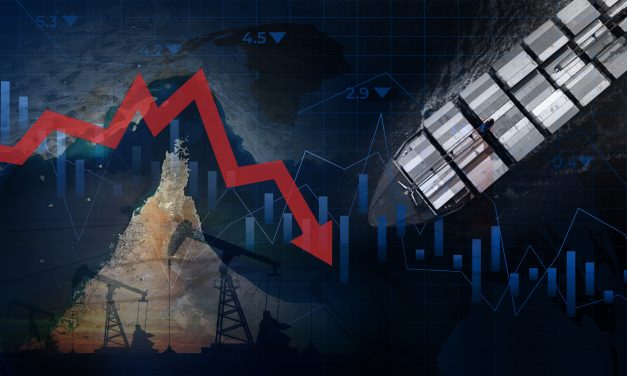
SCFR Online – Opinion: Only one month after the beginning of the Ramadan War, maritime traffic in the Strait of Hormuz decreased dramatically, with Bloomberg announcing a reduction of 103 vessels; Brent oil prices rose by more than 50 percent, and gasoline prices in the United States increased by 31.4 percent. Additionally, benchmark gas prices in Europe showed a 73.4 percent increase.

Al-Zaydi’s Selection as Prime Minister, The Beginning of a New Chapter in Iraq

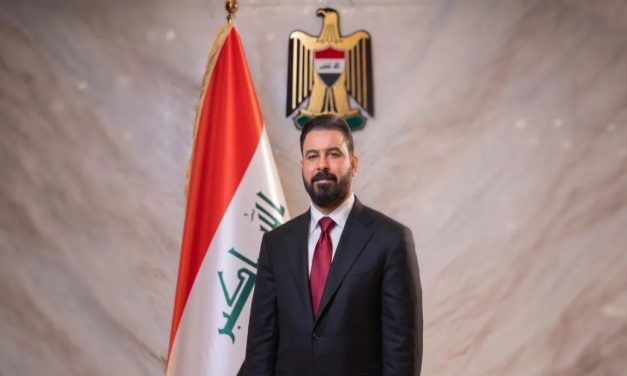
SCFR Online – Note: After approximately five months of political deadlock and institutional confusion, Ali al-Zaydi has finally been selected as Iraq’s Prime Minister. Al-Zaydi’s selection as Prime Minister represents a positive sign of the completion of the government formation process and the beginning of a new phase in Iraqi politics and governance. The emergence of a young, technocratic figure from the third generation of politicians—in a context where the country has been administered by traditional figures for decades—revives hope that Iraq may perhaps distance itself from the repetitive cycle of crises and experience a new path of stability, efficiency, and regional convergence.

Intensifying Intra-Party Divisions in the United States Regarding the Zionist Regime

SCFR Online – Note: Over recent decades, support for the Zionist regime has been one of the few issues commanding bipartisan consensus in US foreign policy. Since the Cold War era, Republicans and Democrats have generally agreed on the necessity of preserving the security and survival of the Zionist regime as Washington’s most strategic ally in West Asia—and indeed, globally. However, developments in recent years—particularly the Gaza war, escalating regional conflicts, the expansion of tensions into Lebanon, and this regime’s recent warmongering against Iran—have caused this traditional consensus, especially within the Democratic Party, to face significant fractures.

Public Opinion Disappointment of the Zionist Regime Regarding Success in War with Iran

SCFR Online – Opinion: The internal situation of the Israeli regime during the 40-day war can be analyzed from several perspectives. The popularity levels of Benjamin Netanyahu, the Likud Party, and the ruling coalition led by Netanyahu until February 28, 2026, remained approximately the same as during the preceding year. The most recent factor that had somewhat increased Netanyahu’s popularity was the advancement of the 2024 war with Hezbollah Lebanon. Subsequently, his popularity temporarily increased during the 12-day war with Iran, but after the war, it returned to its previous state.

Loading

Zionist regime

Turkey’s Policy Towards Trade Relations with the Zionist Regime

Turkey’s Policy Towards Trade Relations with the Zionist Regime

Strategic Council Online—Opinion: Recently, the Turkish Minister of Commerce confirmed that Turkish customs have been completely closed to trade with the Zionist Regime. This news was met with many comments and questions, and one of the most important questions was why Turkey decided to take such a step, how serious it is in practice, and what will be its consequences on the relations between the parties.

Analysis: The Reasons for Accepting the Ceasefire in Lebanon

Analysis: The Reasons for Accepting the Ceasefire in Lebanon

Strategic Council Online – Opinion: Finally, after about two months of the Zionist regime’s war against Lebanon and in a situation where the war on the Lebanese front had intensified to an unprecedented extent in the days leading up to the ceasefire, the Zionist regime agreed to truce.

Analysis of the Roots and Prospects of the Conflict in Aleppo, Syria

Analysis of the Roots and Prospects of the Conflict in Aleppo, Syria

Strategic Council Online – Opinion: After several years of calm and immediately after the ceasefire agreement in Lebanon, the Syrian city of Aleppo has become the scene of clashes between opposition and armed groups led by Tahrir al-Sham (formerly Jabhat al-Nusra) and the Syrian army and government.

Media Approach under Pressure of Zionist Regime towards Gaza War

Media Approach under Pressure of Zionist Regime towards Gaza War

Strategic Council Online – interview: A researcher said: The level and depth of the Israeli regime’s crimes in Gaza is so high that it has even raised the voice of the foreign media, and in case of escalation, it will definitely be to the detriment of this regime and its fans who provide media, political and security support.

Reasons for Resilience of the Zionist Regime’s Economy after Operation Al-Aqsa Storm

Reasons for Resilience of the Zionist Regime’s Economy after Operation Al-Aqsa Storm

Strategic Council Online – Guest Note: Although the Zionist regime was an economy focused on agriculture and basic kibbutz until the 1970s, after the economic crises in the 1970s and the political affinity of this regime with the United States, economic governance in occupied Palestine witnessed a change and the focus switched to investing in new technologies. During the last two decades, the Israeli regime developed an exogenous economy based on technological industries to such an extent that, contrary to the desire of its traditional ally (America), this type of cooperation expanded to a close bond with China in the technology field.

America’s Strategy in the First Year of the Gaza War

America’s Strategy in the First Year of the Gaza War

Strategic Council Online: An American issues expert said: The American strategy after one year of the Gaza war is to eradicate West Asia’s resistance groups, but this should be done in such a way that the United States would lose control of the situation because its interests are not in starting a full-scale war in the region.

أحدث الوظائف

Iran’s Success in the Narrative Battle in Cyberspace

SCFR Online – Opinion: In the war between Iran and the United States, the main battlefield was not defined solely in the military domain; rather, the battle of narratives in cyberspace—particularly through memes—reached a decisive level.
The Global Energy Shock Situation and Future Scenarios

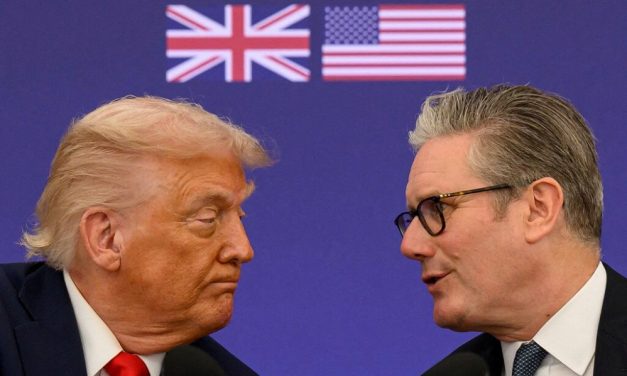
SCFR Online – Opinion: Only one month after the beginning of the Ramadan War, maritime traffic in the Strait of Hormuz decreased dramatically, with Bloomberg announcing a reduction of 103 vessels; Brent oil prices rose by more than 50 percent, and gasoline prices in the United States increased by 31.4 percent. Additionally, benchmark gas prices in Europe showed a 73.4 percent increase.

Al-Zaydi’s Selection as Prime Minister, The Beginning of a New Chapter in Iraq

SCFR Online – Note: After approximately five months of political deadlock and institutional confusion, Ali al-Zaydi has finally been selected as Iraq’s Prime Minister. Al-Zaydi’s selection as Prime Minister represents a positive sign of the completion of the government formation process and the beginning of a new phase in Iraqi politics and governance. The emergence of a young, technocratic figure from the third generation of politicians—in a context where the country has been administered by traditional figures for decades—revives hope that Iraq may perhaps distance itself from the repetitive cycle of crises and experience a new path of stability, efficiency, and regional convergence.

Intensifying Intra-Party Divisions in the United States Regarding the Zionist Regime

SCFR Online – Note: Over recent decades, support for the Zionist regime has been one of the few issues commanding bipartisan consensus in US foreign policy. Since the Cold War era, Republicans and Democrats have generally agreed on the necessity of preserving the security and survival of the Zionist regime as Washington’s most strategic ally in West Asia—and indeed, globally. However, developments in recent years—particularly the Gaza war, escalating regional conflicts, the expansion of tensions into Lebanon, and this regime’s recent warmongering against Iran—have caused this traditional consensus, especially within the Democratic Party, to face significant fractures.

Public Opinion Disappointment of the Zionist Regime Regarding Success in War with Iran

SCFR Online – Opinion: The internal situation of the Israeli regime during the 40-day war can be analyzed from several perspectives. The popularity levels of Benjamin Netanyahu, the Likud Party, and the ruling coalition led by Netanyahu until February 28, 2026, remained approximately the same as during the preceding year. The most recent factor that had somewhat increased Netanyahu’s popularity was the advancement of the 2024 war with Hezbollah Lebanon. Subsequently, his popularity temporarily increased during the 12-day war with Iran, but after the war, it returned to its previous state.

Loading

Zionist regime

Turkey’s Policy Towards Trade Relations with the Zionist Regime

Turkey’s Policy Towards Trade Relations with the Zionist Regime

Strategic Council Online—Opinion: Recently, the Turkish Minister of Commerce confirmed that Turkish customs have been completely closed to trade with the Zionist Regime. This news was met with many comments and questions, and one of the most important questions was why Turkey decided to take such a step, how serious it is in practice, and what will be its consequences on the relations between the parties.

Analysis: The Reasons for Accepting the Ceasefire in Lebanon

Analysis: The Reasons for Accepting the Ceasefire in Lebanon

Strategic Council Online – Opinion: Finally, after about two months of the Zionist regime’s war against Lebanon and in a situation where the war on the Lebanese front had intensified to an unprecedented extent in the days leading up to the ceasefire, the Zionist regime agreed to truce.

Analysis of the Roots and Prospects of the Conflict in Aleppo, Syria

Analysis of the Roots and Prospects of the Conflict in Aleppo, Syria

Strategic Council Online – Opinion: After several years of calm and immediately after the ceasefire agreement in Lebanon, the Syrian city of Aleppo has become the scene of clashes between opposition and armed groups led by Tahrir al-Sham (formerly Jabhat al-Nusra) and the Syrian army and government.

Media Approach under Pressure of Zionist Regime towards Gaza War

Media Approach under Pressure of Zionist Regime towards Gaza War

Strategic Council Online – interview: A researcher said: The level and depth of the Israeli regime’s crimes in Gaza is so high that it has even raised the voice of the foreign media, and in case of escalation, it will definitely be to the detriment of this regime and its fans who provide media, political and security support.

Reasons for Resilience of the Zionist Regime’s Economy after Operation Al-Aqsa Storm

Reasons for Resilience of the Zionist Regime’s Economy after Operation Al-Aqsa Storm

Strategic Council Online – Guest Note: Although the Zionist regime was an economy focused on agriculture and basic kibbutz until the 1970s, after the economic crises in the 1970s and the political affinity of this regime with the United States, economic governance in occupied Palestine witnessed a change and the focus switched to investing in new technologies. During the last two decades, the Israeli regime developed an exogenous economy based on technological industries to such an extent that, contrary to the desire of its traditional ally (America), this type of cooperation expanded to a close bond with China in the technology field.

America’s Strategy in the First Year of the Gaza War

America’s Strategy in the First Year of the Gaza War

Strategic Council Online: An American issues expert said: The American strategy after one year of the Gaza war is to eradicate West Asia’s resistance groups, but this should be done in such a way that the United States would lose control of the situation because its interests are not in starting a full-scale war in the region.

Zionist regime

Turkey’s Policy Towards Trade Relations with the Zionist Regime

Turkey’s Policy Towards Trade Relations with the Zionist Regime

Strategic Council Online—Opinion: Recently, the Turkish Minister of Commerce confirmed that Turkish customs have been completely closed to trade with the Zionist Regime. This news was met with many comments and questions, and one of the most important questions was why Turkey decided to take such a step, how serious it is in practice, and what will be its consequences on the relations between the parties.

Analysis: The Reasons for Accepting the Ceasefire in Lebanon

Analysis: The Reasons for Accepting the Ceasefire in Lebanon

Strategic Council Online – Opinion: Finally, after about two months of the Zionist regime’s war against Lebanon and in a situation where the war on the Lebanese front had intensified to an unprecedented extent in the days leading up to the ceasefire, the Zionist regime agreed to truce.

Analysis of the Roots and Prospects of the Conflict in Aleppo, Syria

Analysis of the Roots and Prospects of the Conflict in Aleppo, Syria

Strategic Council Online – Opinion: After several years of calm and immediately after the ceasefire agreement in Lebanon, the Syrian city of Aleppo has become the scene of clashes between opposition and armed groups led by Tahrir al-Sham (formerly Jabhat al-Nusra) and the Syrian army and government.

Media Approach under Pressure of Zionist Regime towards Gaza War

Media Approach under Pressure of Zionist Regime towards Gaza War

Strategic Council Online – interview: A researcher said: The level and depth of the Israeli regime’s crimes in Gaza is so high that it has even raised the voice of the foreign media, and in case of escalation, it will definitely be to the detriment of this regime and its fans who provide media, political and security support.

Reasons for Resilience of the Zionist Regime’s Economy after Operation Al-Aqsa Storm

Reasons for Resilience of the Zionist Regime’s Economy after Operation Al-Aqsa Storm

Strategic Council Online – Guest Note: Although the Zionist regime was an economy focused on agriculture and basic kibbutz until the 1970s, after the economic crises in the 1970s and the political affinity of this regime with the United States, economic governance in occupied Palestine witnessed a change and the focus switched to investing in new technologies. During the last two decades, the Israeli regime developed an exogenous economy based on technological industries to such an extent that, contrary to the desire of its traditional ally (America), this type of cooperation expanded to a close bond with China in the technology field.

America’s Strategy in the First Year of the Gaza War

America’s Strategy in the First Year of the Gaza War

Strategic Council Online: An American issues expert said: The American strategy after one year of the Gaza war is to eradicate West Asia’s resistance groups, but this should be done in such a way that the United States would lose control of the situation because its interests are not in starting a full-scale war in the region.

LATEST CONTENT

Iran’s Success in the Narrative Battle in Cyberspace

SCFR Online – Opinion: In the war between Iran and the United States, the main battlefield was not defined solely in the military domain; rather, the battle of narratives in cyberspace—particularly through memes—reached a decisive level.

The Global Energy Shock Situation and Future Scenarios

SCFR Online – Opinion: Only one month after the beginning of the Ramadan War, maritime traffic in the Strait of Hormuz decreased dramatically, with Bloomberg announcing a reduction of 103 vessels; Brent oil prices rose by more than 50 percent, and gasoline prices in the United States increased by 31.4 percent. Additionally, benchmark gas prices in Europe showed a 73.4 percent increase.

Al-Zaydi’s Selection as Prime Minister, The Beginning of a New Chapter in Iraq

SCFR Online – Note: After approximately five months of political deadlock and institutional confusion, Ali al-Zaydi has finally been selected as Iraq’s Prime Minister. Al-Zaydi’s selection as Prime Minister represents a positive sign of the completion of the government formation process and the beginning of a new phase in Iraqi politics and governance. The emergence of a young, technocratic figure from the third generation of politicians—in a context where the country has been administered by traditional figures for decades—revives hope that Iraq may perhaps distance itself from the repetitive cycle of crises and experience a new path of stability, efficiency, and regional convergence.

Intensifying Intra-Party Divisions in the United States Regarding the Zionist Regime

SCFR Online – Note: Over recent decades, support for the Zionist regime has been one of the few issues commanding bipartisan consensus in US foreign policy. Since the Cold War era, Republicans and Democrats have generally agreed on the necessity of preserving the security and survival of the Zionist regime as Washington’s most strategic ally in West Asia—and indeed, globally. However, developments in recent years—particularly the Gaza war, escalating regional conflicts, the expansion of tensions into Lebanon, and this regime’s recent warmongering against Iran—have caused this traditional consensus, especially within the Democratic Party, to face significant fractures.

Public Opinion Disappointment of the Zionist Regime Regarding Success in War with Iran

SCFR Online – Opinion: The internal situation of the Israeli regime during the 40-day war can be analyzed from several perspectives. The popularity levels of Benjamin Netanyahu, the Likud Party, and the ruling coalition led by Netanyahu until February 28, 2026, remained approximately the same as during the preceding year. The most recent factor that had somewhat increased Netanyahu’s popularity was the advancement of the 2024 war with Hezbollah Lebanon. Subsequently, his popularity temporarily increased during the 12-day war with Iran, but after the war, it returned to its previous state.

Loading

Zionist regime

Turkey’s Policy Towards Trade Relations with the Zionist Regime

Turkey’s Policy Towards Trade Relations with the Zionist Regime

Strategic Council Online—Opinion: Recently, the Turkish Minister of Commerce confirmed that Turkish customs have been completely closed to trade with the Zionist Regime. This news was met with many comments and questions, and one of the most important questions was why Turkey decided to take such a step, how serious it is in practice, and what will be its consequences on the relations between the parties.

Analysis: The Reasons for Accepting the Ceasefire in Lebanon

Analysis: The Reasons for Accepting the Ceasefire in Lebanon

Strategic Council Online – Opinion: Finally, after about two months of the Zionist regime’s war against Lebanon and in a situation where the war on the Lebanese front had intensified to an unprecedented extent in the days leading up to the ceasefire, the Zionist regime agreed to truce.

Analysis of the Roots and Prospects of the Conflict in Aleppo, Syria

Analysis of the Roots and Prospects of the Conflict in Aleppo, Syria

Strategic Council Online – Opinion: After several years of calm and immediately after the ceasefire agreement in Lebanon, the Syrian city of Aleppo has become the scene of clashes between opposition and armed groups led by Tahrir al-Sham (formerly Jabhat al-Nusra) and the Syrian army and government.

Media Approach under Pressure of Zionist Regime towards Gaza War

Media Approach under Pressure of Zionist Regime towards Gaza War

Strategic Council Online – interview: A researcher said: The level and depth of the Israeli regime’s crimes in Gaza is so high that it has even raised the voice of the foreign media, and in case of escalation, it will definitely be to the detriment of this regime and its fans who provide media, political and security support.

Reasons for Resilience of the Zionist Regime’s Economy after Operation Al-Aqsa Storm

Reasons for Resilience of the Zionist Regime’s Economy after Operation Al-Aqsa Storm

Strategic Council Online – Guest Note: Although the Zionist regime was an economy focused on agriculture and basic kibbutz until the 1970s, after the economic crises in the 1970s and the political affinity of this regime with the United States, economic governance in occupied Palestine witnessed a change and the focus switched to investing in new technologies. During the last two decades, the Israeli regime developed an exogenous economy based on technological industries to such an extent that, contrary to the desire of its traditional ally (America), this type of cooperation expanded to a close bond with China in the technology field.

America’s Strategy in the First Year of the Gaza War

America’s Strategy in the First Year of the Gaza War

Strategic Council Online: An American issues expert said: The American strategy after one year of the Gaza war is to eradicate West Asia’s resistance groups, but this should be done in such a way that the United States would lose control of the situation because its interests are not in starting a full-scale war in the region.

ÚLTIMAS PUBLICACIONES

Iran’s Success in the Narrative Battle in Cyberspace

SCFR Online – Opinion: In the war between Iran and the United States, the main battlefield was not defined solely in the military domain; rather, the battle of narratives in cyberspace—particularly through memes—reached a decisive level.
The Global Energy Shock Situation and Future Scenarios

SCFR Online – Opinion: Only one month after the beginning of the Ramadan War, maritime traffic in the Strait of Hormuz decreased dramatically, with Bloomberg announcing a reduction of 103 vessels; Brent oil prices rose by more than 50 percent, and gasoline prices in the United States increased by 31.4 percent. Additionally, benchmark gas prices in Europe showed a 73.4 percent increase.

Al-Zaydi’s Selection as Prime Minister, The Beginning of a New Chapter in Iraq

SCFR Online – Note: After approximately five months of political deadlock and institutional confusion, Ali al-Zaydi has finally been selected as Iraq’s Prime Minister. Al-Zaydi’s selection as Prime Minister represents a positive sign of the completion of the government formation process and the beginning of a new phase in Iraqi politics and governance. The emergence of a young, technocratic figure from the third generation of politicians—in a context where the country has been administered by traditional figures for decades—revives hope that Iraq may perhaps distance itself from the repetitive cycle of crises and experience a new path of stability, efficiency, and regional convergence.

Intensifying Intra-Party Divisions in the United States Regarding the Zionist Regime

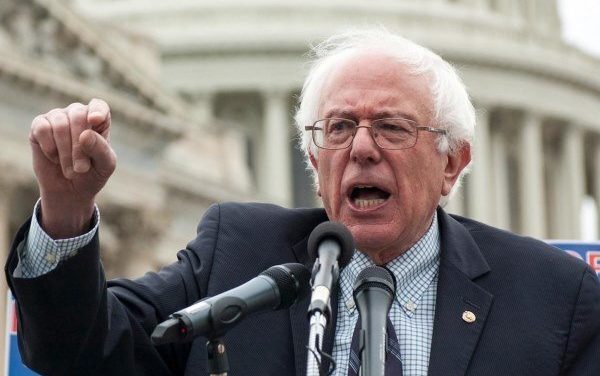
SCFR Online – Note: Over recent decades, support for the Zionist regime has been one of the few issues commanding bipartisan consensus in US foreign policy. Since the Cold War era, Republicans and Democrats have generally agreed on the necessity of preserving the security and survival of the Zionist regime as Washington’s most strategic ally in West Asia—and indeed, globally. However, developments in recent years—particularly the Gaza war, escalating regional conflicts, the expansion of tensions into Lebanon, and this regime’s recent warmongering against Iran—have caused this traditional consensus, especially within the Democratic Party, to face significant fractures.

Public Opinion Disappointment of the Zionist Regime Regarding Success in War with Iran

SCFR Online – Opinion: The internal situation of the Israeli regime during the 40-day war can be analyzed from several perspectives. The popularity levels of Benjamin Netanyahu, the Likud Party, and the ruling coalition led by Netanyahu until February 28, 2026, remained approximately the same as during the preceding year. The most recent factor that had somewhat increased Netanyahu’s popularity was the advancement of the 2024 war with Hezbollah Lebanon. Subsequently, his popularity temporarily increased during the 12-day war with Iran, but after the war, it returned to its previous state.

Loading

Zionist regime

Turkey’s Policy Towards Trade Relations with the Zionist Regime

Turkey’s Policy Towards Trade Relations with the Zionist Regime

Strategic Council Online—Opinion: Recently, the Turkish Minister of Commerce confirmed that Turkish customs have been completely closed to trade with the Zionist Regime. This news was met with many comments and questions, and one of the most important questions was why Turkey decided to take such a step, how serious it is in practice, and what will be its consequences on the relations between the parties.

Analysis: The Reasons for Accepting the Ceasefire in Lebanon

Analysis: The Reasons for Accepting the Ceasefire in Lebanon

Strategic Council Online – Opinion: Finally, after about two months of the Zionist regime’s war against Lebanon and in a situation where the war on the Lebanese front had intensified to an unprecedented extent in the days leading up to the ceasefire, the Zionist regime agreed to truce.

Analysis of the Roots and Prospects of the Conflict in Aleppo, Syria

Analysis of the Roots and Prospects of the Conflict in Aleppo, Syria

Strategic Council Online – Opinion: After several years of calm and immediately after the ceasefire agreement in Lebanon, the Syrian city of Aleppo has become the scene of clashes between opposition and armed groups led by Tahrir al-Sham (formerly Jabhat al-Nusra) and the Syrian army and government.

Media Approach under Pressure of Zionist Regime towards Gaza War

Media Approach under Pressure of Zionist Regime towards Gaza War

Strategic Council Online – interview: A researcher said: The level and depth of the Israeli regime’s crimes in Gaza is so high that it has even raised the voice of the foreign media, and in case of escalation, it will definitely be to the detriment of this regime and its fans who provide media, political and security support.

Reasons for Resilience of the Zionist Regime’s Economy after Operation Al-Aqsa Storm

Reasons for Resilience of the Zionist Regime’s Economy after Operation Al-Aqsa Storm

Strategic Council Online – Guest Note: Although the Zionist regime was an economy focused on agriculture and basic kibbutz until the 1970s, after the economic crises in the 1970s and the political affinity of this regime with the United States, economic governance in occupied Palestine witnessed a change and the focus switched to investing in new technologies. During the last two decades, the Israeli regime developed an exogenous economy based on technological industries to such an extent that, contrary to the desire of its traditional ally (America), this type of cooperation expanded to a close bond with China in the technology field.

America’s Strategy in the First Year of the Gaza War

America’s Strategy in the First Year of the Gaza War

Strategic Council Online: An American issues expert said: The American strategy after one year of the Gaza war is to eradicate West Asia’s resistance groups, but this should be done in such a way that the United States would lose control of the situation because its interests are not in starting a full-scale war in the region.

ÚLTIMAS PUBLICACIONES

Iran’s Success in the Narrative Battle in Cyberspace

SCFR Online – Opinion: In the war between Iran and the United States, the main battlefield was not defined solely in the military domain; rather, the battle of narratives in cyberspace—particularly through memes—reached a decisive level.
The Global Energy Shock Situation and Future Scenarios

SCFR Online – Opinion: Only one month after the beginning of the Ramadan War, maritime traffic in the Strait of Hormuz decreased dramatically, with Bloomberg announcing a reduction of 103 vessels; Brent oil prices rose by more than 50 percent, and gasoline prices in the United States increased by 31.4 percent. Additionally, benchmark gas prices in Europe showed a 73.4 percent increase.

Al-Zaydi’s Selection as Prime Minister, The Beginning of a New Chapter in Iraq

SCFR Online – Note: After approximately five months of political deadlock and institutional confusion, Ali al-Zaydi has finally been selected as Iraq’s Prime Minister. Al-Zaydi’s selection as Prime Minister represents a positive sign of the completion of the government formation process and the beginning of a new phase in Iraqi politics and governance. The emergence of a young, technocratic figure from the third generation of politicians—in a context where the country has been administered by traditional figures for decades—revives hope that Iraq may perhaps distance itself from the repetitive cycle of crises and experience a new path of stability, efficiency, and regional convergence.

Intensifying Intra-Party Divisions in the United States Regarding the Zionist Regime

SCFR Online – Note: Over recent decades, support for the Zionist regime has been one of the few issues commanding bipartisan consensus in US foreign policy. Since the Cold War era, Republicans and Democrats have generally agreed on the necessity of preserving the security and survival of the Zionist regime as Washington’s most strategic ally in West Asia—and indeed, globally. However, developments in recent years—particularly the Gaza war, escalating regional conflicts, the expansion of tensions into Lebanon, and this regime’s recent warmongering against Iran—have caused this traditional consensus, especially within the Democratic Party, to face significant fractures.

Public Opinion Disappointment of the Zionist Regime Regarding Success in War with Iran

SCFR Online – Opinion: The internal situation of the Israeli regime during the 40-day war can be analyzed from several perspectives. The popularity levels of Benjamin Netanyahu, the Likud Party, and the ruling coalition led by Netanyahu until February 28, 2026, remained approximately the same as during the preceding year. The most recent factor that had somewhat increased Netanyahu’s popularity was the advancement of the 2024 war with Hezbollah Lebanon. Subsequently, his popularity temporarily increased during the 12-day war with Iran, but after the war, it returned to its previous state.

Loading

Zionist regime

Turkey’s Policy Towards Trade Relations with the Zionist Regime

Turkey’s Policy Towards Trade Relations with the Zionist Regime

Strategic Council Online—Opinion: Recently, the Turkish Minister of Commerce confirmed that Turkish customs have been completely closed to trade with the Zionist Regime. This news was met with many comments and questions, and one of the most important questions was why Turkey decided to take such a step, how serious it is in practice, and what will be its consequences on the relations between the parties.

Analysis: The Reasons for Accepting the Ceasefire in Lebanon

Analysis: The Reasons for Accepting the Ceasefire in Lebanon

Strategic Council Online – Opinion: Finally, after about two months of the Zionist regime’s war against Lebanon and in a situation where the war on the Lebanese front had intensified to an unprecedented extent in the days leading up to the ceasefire, the Zionist regime agreed to truce.

Analysis of the Roots and Prospects of the Conflict in Aleppo, Syria

Analysis of the Roots and Prospects of the Conflict in Aleppo, Syria

Strategic Council Online – Opinion: After several years of calm and immediately after the ceasefire agreement in Lebanon, the Syrian city of Aleppo has become the scene of clashes between opposition and armed groups led by Tahrir al-Sham (formerly Jabhat al-Nusra) and the Syrian army and government.

Media Approach under Pressure of Zionist Regime towards Gaza War

Media Approach under Pressure of Zionist Regime towards Gaza War

Strategic Council Online – interview: A researcher said: The level and depth of the Israeli regime’s crimes in Gaza is so high that it has even raised the voice of the foreign media, and in case of escalation, it will definitely be to the detriment of this regime and its fans who provide media, political and security support.

Reasons for Resilience of the Zionist Regime’s Economy after Operation Al-Aqsa Storm

Reasons for Resilience of the Zionist Regime’s Economy after Operation Al-Aqsa Storm

Strategic Council Online – Guest Note: Although the Zionist regime was an economy focused on agriculture and basic kibbutz until the 1970s, after the economic crises in the 1970s and the political affinity of this regime with the United States, economic governance in occupied Palestine witnessed a change and the focus switched to investing in new technologies. During the last two decades, the Israeli regime developed an exogenous economy based on technological industries to such an extent that, contrary to the desire of its traditional ally (America), this type of cooperation expanded to a close bond with China in the technology field.

America’s Strategy in the First Year of the Gaza War

America’s Strategy in the First Year of the Gaza War

Strategic Council Online: An American issues expert said: The American strategy after one year of the Gaza war is to eradicate West Asia’s resistance groups, but this should be done in such a way that the United States would lose control of the situation because its interests are not in starting a full-scale war in the region.

ÚLTIMAS PUBLICACIONES

Iran’s Success in the Narrative Battle in Cyberspace

SCFR Online – Opinion: In the war between Iran and the United States, the main battlefield was not defined solely in the military domain; rather, the battle of narratives in cyberspace—particularly through memes—reached a decisive level.
The Global Energy Shock Situation and Future Scenarios

SCFR Online – Opinion: Only one month after the beginning of the Ramadan War, maritime traffic in the Strait of Hormuz decreased dramatically, with Bloomberg announcing a reduction of 103 vessels; Brent oil prices rose by more than 50 percent, and gasoline prices in the United States increased by 31.4 percent. Additionally, benchmark gas prices in Europe showed a 73.4 percent increase.

Al-Zaydi’s Selection as Prime Minister, The Beginning of a New Chapter in Iraq

SCFR Online – Note: After approximately five months of political deadlock and institutional confusion, Ali al-Zaydi has finally been selected as Iraq’s Prime Minister. Al-Zaydi’s selection as Prime Minister represents a positive sign of the completion of the government formation process and the beginning of a new phase in Iraqi politics and governance. The emergence of a young, technocratic figure from the third generation of politicians—in a context where the country has been administered by traditional figures for decades—revives hope that Iraq may perhaps distance itself from the repetitive cycle of crises and experience a new path of stability, efficiency, and regional convergence.

Intensifying Intra-Party Divisions in the United States Regarding the Zionist Regime

SCFR Online – Note: Over recent decades, support for the Zionist regime has been one of the few issues commanding bipartisan consensus in US foreign policy. Since the Cold War era, Republicans and Democrats have generally agreed on the necessity of preserving the security and survival of the Zionist regime as Washington’s most strategic ally in West Asia—and indeed, globally. However, developments in recent years—particularly the Gaza war, escalating regional conflicts, the expansion of tensions into Lebanon, and this regime’s recent warmongering against Iran—have caused this traditional consensus, especially within the Democratic Party, to face significant fractures.

Public Opinion Disappointment of the Zionist Regime Regarding Success in War with Iran

SCFR Online – Opinion: The internal situation of the Israeli regime during the 40-day war can be analyzed from several perspectives. The popularity levels of Benjamin Netanyahu, the Likud Party, and the ruling coalition led by Netanyahu until February 28, 2026, remained approximately the same as during the preceding year. The most recent factor that had somewhat increased Netanyahu’s popularity was the advancement of the 2024 war with Hezbollah Lebanon. Subsequently, his popularity temporarily increased during the 12-day war with Iran, but after the war, it returned to its previous state.

Loading

Zionist regime

Turkey’s Policy Towards Trade Relations with the Zionist Regime

Turkey’s Policy Towards Trade Relations with the Zionist Regime

Strategic Council Online—Opinion: Recently, the Turkish Minister of Commerce confirmed that Turkish customs have been completely closed to trade with the Zionist Regime. This news was met with many comments and questions, and one of the most important questions was why Turkey decided to take such a step, how serious it is in practice, and what will be its consequences on the relations between the parties.

Analysis: The Reasons for Accepting the Ceasefire in Lebanon

Analysis: The Reasons for Accepting the Ceasefire in Lebanon

Strategic Council Online – Opinion: Finally, after about two months of the Zionist regime’s war against Lebanon and in a situation where the war on the Lebanese front had intensified to an unprecedented extent in the days leading up to the ceasefire, the Zionist regime agreed to truce.

Analysis of the Roots and Prospects of the Conflict in Aleppo, Syria

Analysis of the Roots and Prospects of the Conflict in Aleppo, Syria

Strategic Council Online – Opinion: After several years of calm and immediately after the ceasefire agreement in Lebanon, the Syrian city of Aleppo has become the scene of clashes between opposition and armed groups led by Tahrir al-Sham (formerly Jabhat al-Nusra) and the Syrian army and government.

Media Approach under Pressure of Zionist Regime towards Gaza War

Media Approach under Pressure of Zionist Regime towards Gaza War

Strategic Council Online – interview: A researcher said: The level and depth of the Israeli regime’s crimes in Gaza is so high that it has even raised the voice of the foreign media, and in case of escalation, it will definitely be to the detriment of this regime and its fans who provide media, political and security support.

Reasons for Resilience of the Zionist Regime’s Economy after Operation Al-Aqsa Storm

Reasons for Resilience of the Zionist Regime’s Economy after Operation Al-Aqsa Storm

Strategic Council Online – Guest Note: Although the Zionist regime was an economy focused on agriculture and basic kibbutz until the 1970s, after the economic crises in the 1970s and the political affinity of this regime with the United States, economic governance in occupied Palestine witnessed a change and the focus switched to investing in new technologies. During the last two decades, the Israeli regime developed an exogenous economy based on technological industries to such an extent that, contrary to the desire of its traditional ally (America), this type of cooperation expanded to a close bond with China in the technology field.

America’s Strategy in the First Year of the Gaza War

America’s Strategy in the First Year of the Gaza War

Strategic Council Online: An American issues expert said: The American strategy after one year of the Gaza war is to eradicate West Asia’s resistance groups, but this should be done in such a way that the United States would lose control of the situation because its interests are not in starting a full-scale war in the region.

ÚLTIMAS PUBLICACIONES

Iran’s Success in the Narrative Battle in Cyberspace

SCFR Online – Opinion: In the war between Iran and the United States, the main battlefield was not defined solely in the military domain; rather, the battle of narratives in cyberspace—particularly through memes—reached a decisive level.

The Global Energy Shock Situation and Future Scenarios

SCFR Online – Opinion: Only one month after the beginning of the Ramadan War, maritime traffic in the Strait of Hormuz decreased dramatically, with Bloomberg announcing a reduction of 103 vessels; Brent oil prices rose by more than 50 percent, and gasoline prices in the United States increased by 31.4 percent. Additionally, benchmark gas prices in Europe showed a 73.4 percent increase.

Al-Zaydi’s Selection as Prime Minister, The Beginning of a New Chapter in Iraq

SCFR Online – Note: After approximately five months of political deadlock and institutional confusion, Ali al-Zaydi has finally been selected as Iraq’s Prime Minister. Al-Zaydi’s selection as Prime Minister represents a positive sign of the completion of the government formation process and the beginning of a new phase in Iraqi politics and governance. The emergence of a young, technocratic figure from the third generation of politicians—in a context where the country has been administered by traditional figures for decades—revives hope that Iraq may perhaps distance itself from the repetitive cycle of crises and experience a new path of stability, efficiency, and regional convergence.

Intensifying Intra-Party Divisions in the United States Regarding the Zionist Regime

SCFR Online – Note: Over recent decades, support for the Zionist regime has been one of the few issues commanding bipartisan consensus in US foreign policy. Since the Cold War era, Republicans and Democrats have generally agreed on the necessity of preserving the security and survival of the Zionist regime as Washington’s most strategic ally in West Asia—and indeed, globally. However, developments in recent years—particularly the Gaza war, escalating regional conflicts, the expansion of tensions into Lebanon, and this regime’s recent warmongering against Iran—have caused this traditional consensus, especially within the Democratic Party, to face significant fractures.

Public Opinion Disappointment of the Zionist Regime Regarding Success in War with Iran

SCFR Online – Opinion: The internal situation of the Israeli regime during the 40-day war can be analyzed from several perspectives. The popularity levels of Benjamin Netanyahu, the Likud Party, and the ruling coalition led by Netanyahu until February 28, 2026, remained approximately the same as during the preceding year. The most recent factor that had somewhat increased Netanyahu’s popularity was the advancement of the 2024 war with Hezbollah Lebanon. Subsequently, his popularity temporarily increased during the 12-day war with Iran, but after the war, it returned to its previous state.

Loading