جدیدترین مطالب

Iran’s Success in the Narrative Battle in Cyberspace

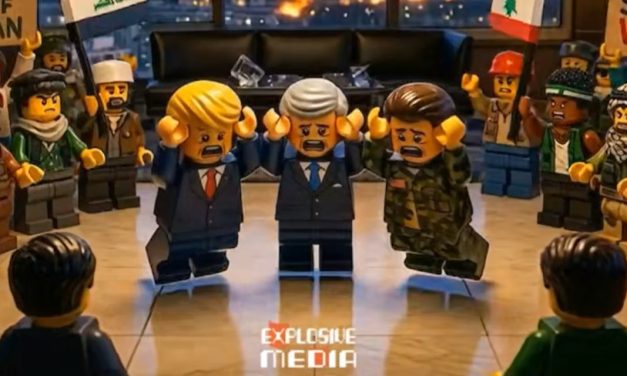
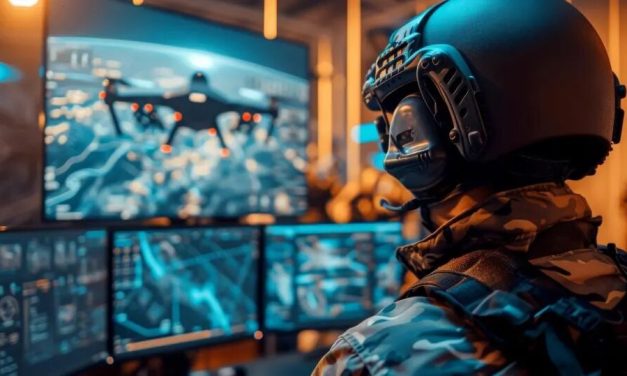
SCFR Online – Opinion: In the war between Iran and the United States, the main battlefield was not defined solely in the military domain; rather, the battle of narratives in cyberspace—particularly through memes—reached a decisive level.
The Global Energy Shock Situation and Future Scenarios

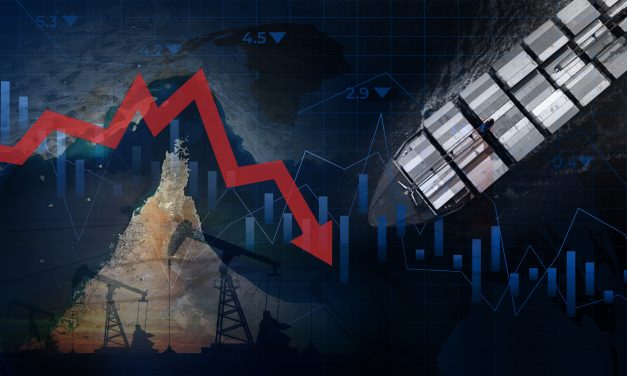
SCFR Online – Opinion: Only one month after the beginning of the Ramadan War, maritime traffic in the Strait of Hormuz decreased dramatically, with Bloomberg announcing a reduction of 103 vessels; Brent oil prices rose by more than 50 percent, and gasoline prices in the United States increased by 31.4 percent. Additionally, benchmark gas prices in Europe showed a 73.4 percent increase.

Al-Zaydi’s Selection as Prime Minister, The Beginning of a New Chapter in Iraq

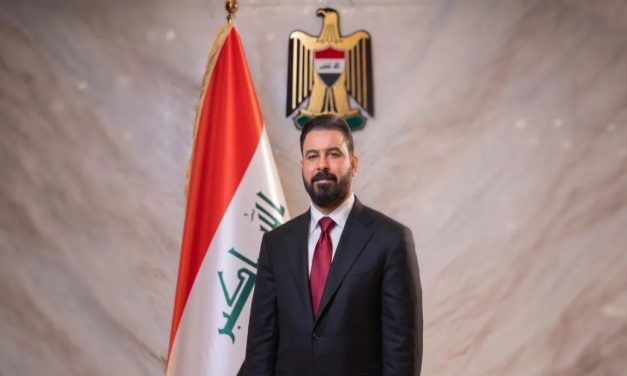
SCFR Online – Note: After approximately five months of political deadlock and institutional confusion, Ali al-Zaydi has finally been selected as Iraq’s Prime Minister. Al-Zaydi’s selection as Prime Minister represents a positive sign of the completion of the government formation process and the beginning of a new phase in Iraqi politics and governance. The emergence of a young, technocratic figure from the third generation of politicians—in a context where the country has been administered by traditional figures for decades—revives hope that Iraq may perhaps distance itself from the repetitive cycle of crises and experience a new path of stability, efficiency, and regional convergence.

Intensifying Intra-Party Divisions in the United States Regarding the Zionist Regime

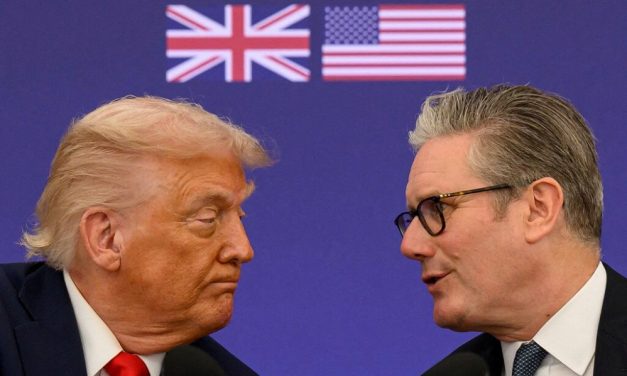
SCFR Online – Note: Over recent decades, support for the Zionist regime has been one of the few issues commanding bipartisan consensus in US foreign policy. Since the Cold War era, Republicans and Democrats have generally agreed on the necessity of preserving the security and survival of the Zionist regime as Washington’s most strategic ally in West Asia—and indeed, globally. However, developments in recent years—particularly the Gaza war, escalating regional conflicts, the expansion of tensions into Lebanon, and this regime’s recent warmongering against Iran—have caused this traditional consensus, especially within the Democratic Party, to face significant fractures.

Public Opinion Disappointment of the Zionist Regime Regarding Success in War with Iran

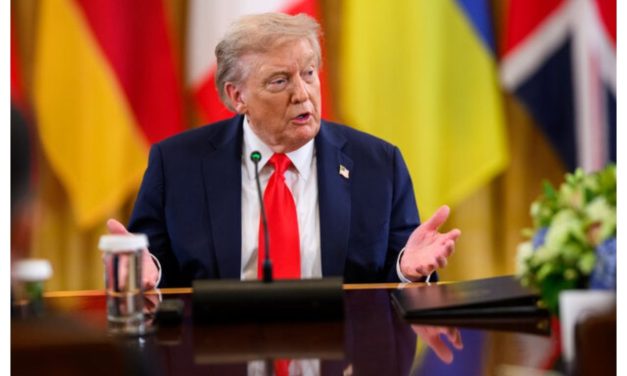
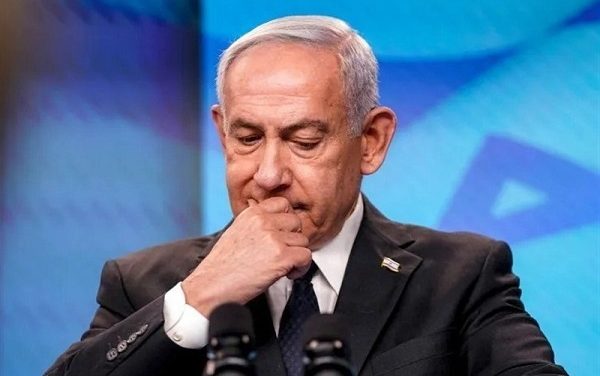
SCFR Online – Opinion: The internal situation of the Israeli regime during the 40-day war can be analyzed from several perspectives. The popularity levels of Benjamin Netanyahu, the Likud Party, and the ruling coalition led by Netanyahu until February 28, 2026, remained approximately the same as during the preceding year. The most recent factor that had somewhat increased Netanyahu’s popularity was the advancement of the 2024 war with Hezbollah Lebanon. Subsequently, his popularity temporarily increased during the 12-day war with Iran, but after the war, it returned to its previous state.

Loading

Iran

West Asia: An Arena of Strength Testing

West Asia: An Arena of Strength Testing

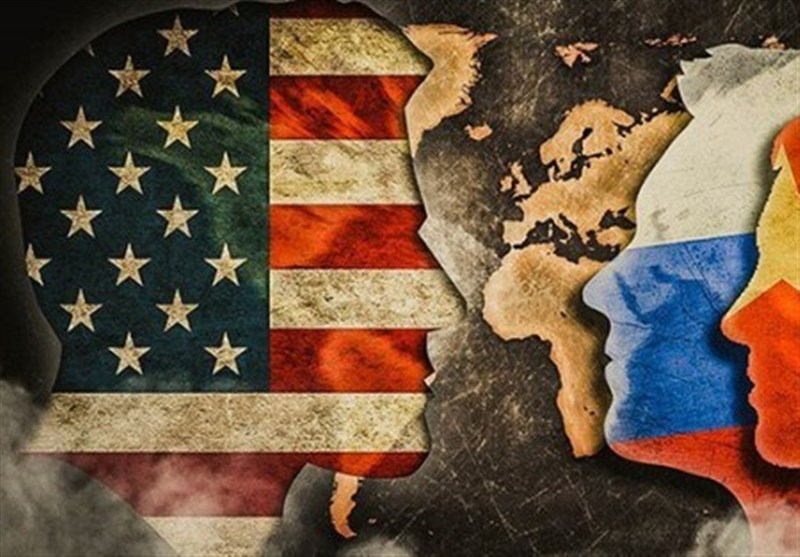
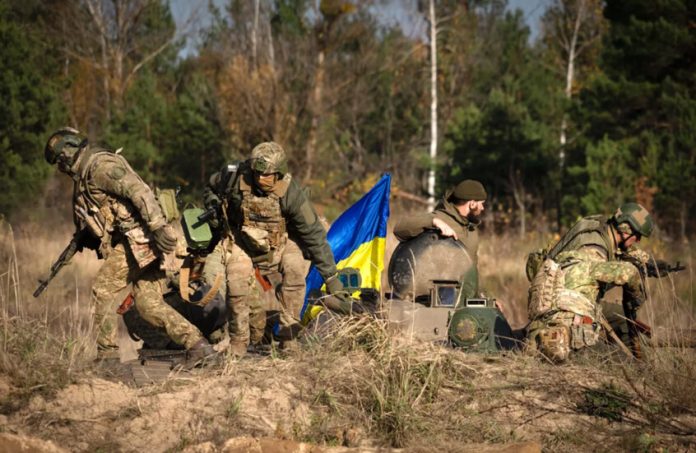
Online Strategic Council – Note: Developments in the West Asia region, including tensions between Iran and the Israeli regime or regional cooperation, are influenced by macro policies pursued by extra-regional powers. Of course, other equations are very influential. It must be noted that China and Russia have no desire whatsoever for America’s success in the West Asia region and, based on this, they do not support the success and operational superiority of the Israeli regime in confronting Iran. Meanwhile, the Americans are seeking to focus their forces in West Asia for now, amid the three crises of Ukraine, Taiwan, and West Asia.

Tensions between Pakistan and Afghanistan: the Potential for Iran’s Stabilizing Role

Tensions between Pakistan and Afghanistan: the Potential for Iran’s Stabilizing Role

Online Strategic Council – Interview: A senior Afghan affairs analyst stated: Recently, Afghan media reported on airstrikes on Kabul and the sound of massive explosions. Local sources and news networks claimed that the Pakistani army had taken responsibility for this operation, and the target of the operation was identified as the leader of the Pakistani Taliban movement. Local Taliban spokesmen confirmed the occurrence of the explosion and announced that investigations had begun. The escalation of this incident, which occurred amid rising border and political tensions between Islamabad and Kabul, could affect the security equations in West and South Asia.

The Role of Missiles and Drones in Iran’s Deterrence Power

The Role of Missiles and Drones in Iran’s Deterrence Power

Online Strategic Council – Interview: An international affairs analyst said: In recent years, the Islamic Republic of Iran has strengthened its asymmetric capabilities, especially in the missile and drone fields. The growing development of missile and drone capabilities has not only raised the cost for regional rivals to enter the aerial arena but also enabled our country to establish layered deterrence and pursue more sustainable strategies compared to countries possessing advanced fighter jets.

An Analysis of Iran’s Strategy in Central Asia and the Caucasus

An Analysis of Iran’s Strategy in Central Asia and the Caucasus

Online Strategic Council – Interview: An international affairs expert stated that Iran, by relying on its geo-economic capacities across various fields, should strive to solidify its position as a bridge connecting the Persian Gulf to Eurasia. However, regional and extra-regional competition for influence in Azerbaijan and Armenia has reached a critical point, where Iran’s security considerations and geopolitical red lines could turn the advancement of a multi-faceted strategy into a real test for the diplomatic apparatus.

Iran’s Challenges and Opportunities in a Multipolar World

Iran’s Challenges and Opportunities in a Multipolar World

Online Strategic Council – Interview: A university professor and international affairs analyst stated, “The US-centered world order is transitioning towards a multipolar structure.” This geopolitical transformation brings challenges and opportunities for Iran.

A Look at the U.S. Security Agreement with Qatar

A Look at the U.S. Security Agreement with Qatar

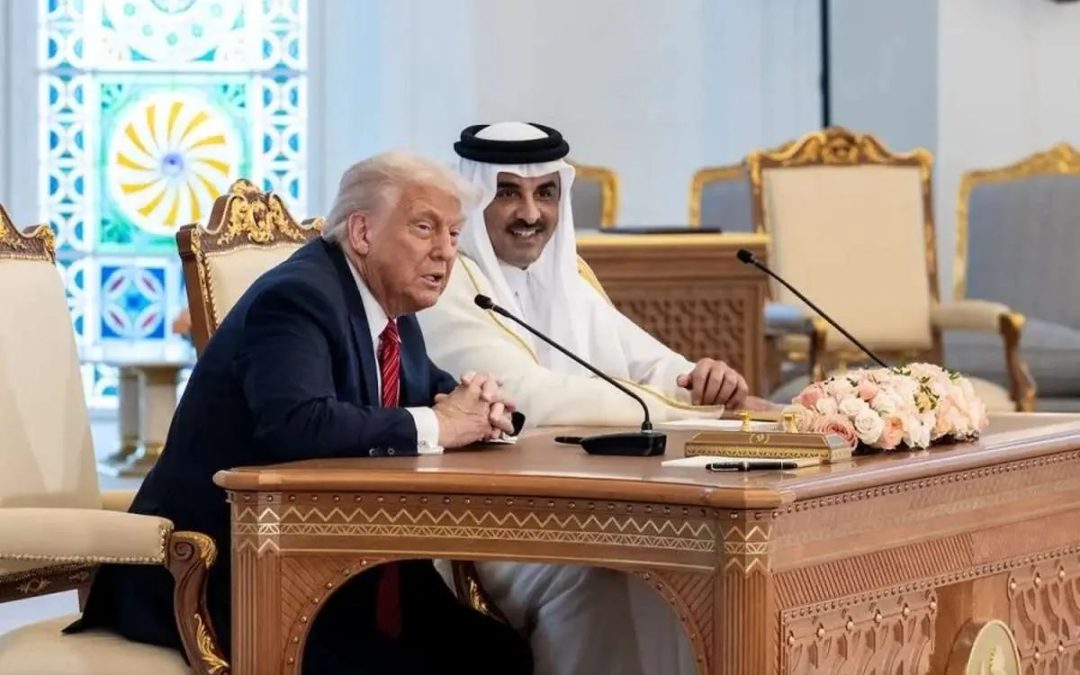
Online Strategic Council – Interview: An expert on Persian Gulf regional issues stated: The White House recently announced that Trump signed an executive order guaranteeing Qatar’s security. The order states that U.S. policy is to deter and respond to any external attack on Qatar’s security and territorial integrity.

Iran’s Opportunities to Play a Role in the Digital Economy of the Global South

Iran’s Opportunities to Play a Role in the Digital Economy of the Global South

Online Strategic Council – Interview: A researcher in the field of digital economy and artificial intelligence said: In today’s world, artificial intelligence (AI) is considered one of the main pillars of global economic and geopolitical transformations. The increasing competition among major powers, such as the United States and China, along with the European Union’s efforts to become a leading continent in the field of artificial intelligence, underscores the growing importance of this technology in shaping the economic and political destinies of countries. Amidst this, Global South countries, including Iran, can play an effective role in shaping the digital future by utilizing their domestic capacities and international cooperation.

Egypt Seeks to Reduce Vulnerability vis-à-vis the Zionist Regime

Egypt Seeks to Reduce Vulnerability vis-à-vis the Zionist Regime

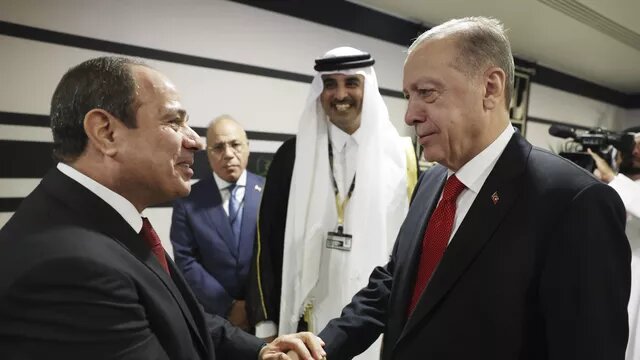
Online Strategic Council – Interview: A senior Egyptian affairs analyst stated that Egypt, the first Arab country to sign a peace agreement with the Zionist regime in 1979, has now adopted a new strategy due to concerns about the regime’s expansionist policies. The developments following the 2023 Gaza war revealed that Tel Aviv, with the unconditional support of the United States, seeks to alter the balance of power in West Asia —a matter that has compelled Cairo to expand its relations with Iran and Turkey, two significant regional powers. By holding joint military exercises with Turkey, mediating in Iran’s nuclear dossier, and seeking military and technological cooperation, Egypt is trying to prevent the Zionists’ hegemony in the region. Although the formation of a trilateral military alliance seems unlikely for now, Cairo’s rapprochement with Tehran and Ankara is considered a potential threat to the Israeli regime. In fact, in the face of regional pressures and border crises, Egypt is seeking to create a strategic balance to curb Tel Aviv’s influence and enhance its own position in the West Asian equations.

أحدث الوظائف

Iran’s Success in the Narrative Battle in Cyberspace

SCFR Online – Opinion: In the war between Iran and the United States, the main battlefield was not defined solely in the military domain; rather, the battle of narratives in cyberspace—particularly through memes—reached a decisive level.
The Global Energy Shock Situation and Future Scenarios

SCFR Online – Opinion: Only one month after the beginning of the Ramadan War, maritime traffic in the Strait of Hormuz decreased dramatically, with Bloomberg announcing a reduction of 103 vessels; Brent oil prices rose by more than 50 percent, and gasoline prices in the United States increased by 31.4 percent. Additionally, benchmark gas prices in Europe showed a 73.4 percent increase.

Al-Zaydi’s Selection as Prime Minister, The Beginning of a New Chapter in Iraq

SCFR Online – Note: After approximately five months of political deadlock and institutional confusion, Ali al-Zaydi has finally been selected as Iraq’s Prime Minister. Al-Zaydi’s selection as Prime Minister represents a positive sign of the completion of the government formation process and the beginning of a new phase in Iraqi politics and governance. The emergence of a young, technocratic figure from the third generation of politicians—in a context where the country has been administered by traditional figures for decades—revives hope that Iraq may perhaps distance itself from the repetitive cycle of crises and experience a new path of stability, efficiency, and regional convergence.

Intensifying Intra-Party Divisions in the United States Regarding the Zionist Regime

SCFR Online – Note: Over recent decades, support for the Zionist regime has been one of the few issues commanding bipartisan consensus in US foreign policy. Since the Cold War era, Republicans and Democrats have generally agreed on the necessity of preserving the security and survival of the Zionist regime as Washington’s most strategic ally in West Asia—and indeed, globally. However, developments in recent years—particularly the Gaza war, escalating regional conflicts, the expansion of tensions into Lebanon, and this regime’s recent warmongering against Iran—have caused this traditional consensus, especially within the Democratic Party, to face significant fractures.

Public Opinion Disappointment of the Zionist Regime Regarding Success in War with Iran

SCFR Online – Opinion: The internal situation of the Israeli regime during the 40-day war can be analyzed from several perspectives. The popularity levels of Benjamin Netanyahu, the Likud Party, and the ruling coalition led by Netanyahu until February 28, 2026, remained approximately the same as during the preceding year. The most recent factor that had somewhat increased Netanyahu’s popularity was the advancement of the 2024 war with Hezbollah Lebanon. Subsequently, his popularity temporarily increased during the 12-day war with Iran, but after the war, it returned to its previous state.

Loading

Iran

West Asia: An Arena of Strength Testing

West Asia: An Arena of Strength Testing

Online Strategic Council – Note: Developments in the West Asia region, including tensions between Iran and the Israeli regime or regional cooperation, are influenced by macro policies pursued by extra-regional powers. Of course, other equations are very influential. It must be noted that China and Russia have no desire whatsoever for America’s success in the West Asia region and, based on this, they do not support the success and operational superiority of the Israeli regime in confronting Iran. Meanwhile, the Americans are seeking to focus their forces in West Asia for now, amid the three crises of Ukraine, Taiwan, and West Asia.

Tensions between Pakistan and Afghanistan: the Potential for Iran’s Stabilizing Role

Tensions between Pakistan and Afghanistan: the Potential for Iran’s Stabilizing Role

Online Strategic Council – Interview: A senior Afghan affairs analyst stated: Recently, Afghan media reported on airstrikes on Kabul and the sound of massive explosions. Local sources and news networks claimed that the Pakistani army had taken responsibility for this operation, and the target of the operation was identified as the leader of the Pakistani Taliban movement. Local Taliban spokesmen confirmed the occurrence of the explosion and announced that investigations had begun. The escalation of this incident, which occurred amid rising border and political tensions between Islamabad and Kabul, could affect the security equations in West and South Asia.

The Role of Missiles and Drones in Iran’s Deterrence Power

The Role of Missiles and Drones in Iran’s Deterrence Power

Online Strategic Council – Interview: An international affairs analyst said: In recent years, the Islamic Republic of Iran has strengthened its asymmetric capabilities, especially in the missile and drone fields. The growing development of missile and drone capabilities has not only raised the cost for regional rivals to enter the aerial arena but also enabled our country to establish layered deterrence and pursue more sustainable strategies compared to countries possessing advanced fighter jets.

An Analysis of Iran’s Strategy in Central Asia and the Caucasus

An Analysis of Iran’s Strategy in Central Asia and the Caucasus

Online Strategic Council – Interview: An international affairs expert stated that Iran, by relying on its geo-economic capacities across various fields, should strive to solidify its position as a bridge connecting the Persian Gulf to Eurasia. However, regional and extra-regional competition for influence in Azerbaijan and Armenia has reached a critical point, where Iran’s security considerations and geopolitical red lines could turn the advancement of a multi-faceted strategy into a real test for the diplomatic apparatus.

Iran’s Challenges and Opportunities in a Multipolar World

Iran’s Challenges and Opportunities in a Multipolar World

Online Strategic Council – Interview: A university professor and international affairs analyst stated, “The US-centered world order is transitioning towards a multipolar structure.” This geopolitical transformation brings challenges and opportunities for Iran.

A Look at the U.S. Security Agreement with Qatar

A Look at the U.S. Security Agreement with Qatar

Online Strategic Council – Interview: An expert on Persian Gulf regional issues stated: The White House recently announced that Trump signed an executive order guaranteeing Qatar’s security. The order states that U.S. policy is to deter and respond to any external attack on Qatar’s security and territorial integrity.

Iran’s Opportunities to Play a Role in the Digital Economy of the Global South

Iran’s Opportunities to Play a Role in the Digital Economy of the Global South

Online Strategic Council – Interview: A researcher in the field of digital economy and artificial intelligence said: In today’s world, artificial intelligence (AI) is considered one of the main pillars of global economic and geopolitical transformations. The increasing competition among major powers, such as the United States and China, along with the European Union’s efforts to become a leading continent in the field of artificial intelligence, underscores the growing importance of this technology in shaping the economic and political destinies of countries. Amidst this, Global South countries, including Iran, can play an effective role in shaping the digital future by utilizing their domestic capacities and international cooperation.

Egypt Seeks to Reduce Vulnerability vis-à-vis the Zionist Regime

Egypt Seeks to Reduce Vulnerability vis-à-vis the Zionist Regime

Online Strategic Council – Interview: A senior Egyptian affairs analyst stated that Egypt, the first Arab country to sign a peace agreement with the Zionist regime in 1979, has now adopted a new strategy due to concerns about the regime’s expansionist policies. The developments following the 2023 Gaza war revealed that Tel Aviv, with the unconditional support of the United States, seeks to alter the balance of power in West Asia —a matter that has compelled Cairo to expand its relations with Iran and Turkey, two significant regional powers. By holding joint military exercises with Turkey, mediating in Iran’s nuclear dossier, and seeking military and technological cooperation, Egypt is trying to prevent the Zionists’ hegemony in the region. Although the formation of a trilateral military alliance seems unlikely for now, Cairo’s rapprochement with Tehran and Ankara is considered a potential threat to the Israeli regime. In fact, in the face of regional pressures and border crises, Egypt is seeking to create a strategic balance to curb Tel Aviv’s influence and enhance its own position in the West Asian equations.

Iran

West Asia: An Arena of Strength Testing

West Asia: An Arena of Strength Testing

Online Strategic Council – Note: Developments in the West Asia region, including tensions between Iran and the Israeli regime or regional cooperation, are influenced by macro policies pursued by extra-regional powers. Of course, other equations are very influential. It must be noted that China and Russia have no desire whatsoever for America’s success in the West Asia region and, based on this, they do not support the success and operational superiority of the Israeli regime in confronting Iran. Meanwhile, the Americans are seeking to focus their forces in West Asia for now, amid the three crises of Ukraine, Taiwan, and West Asia.

Tensions between Pakistan and Afghanistan: the Potential for Iran’s Stabilizing Role

Tensions between Pakistan and Afghanistan: the Potential for Iran’s Stabilizing Role

Online Strategic Council – Interview: A senior Afghan affairs analyst stated: Recently, Afghan media reported on airstrikes on Kabul and the sound of massive explosions. Local sources and news networks claimed that the Pakistani army had taken responsibility for this operation, and the target of the operation was identified as the leader of the Pakistani Taliban movement. Local Taliban spokesmen confirmed the occurrence of the explosion and announced that investigations had begun. The escalation of this incident, which occurred amid rising border and political tensions between Islamabad and Kabul, could affect the security equations in West and South Asia.

The Role of Missiles and Drones in Iran’s Deterrence Power

The Role of Missiles and Drones in Iran’s Deterrence Power

Online Strategic Council – Interview: An international affairs analyst said: In recent years, the Islamic Republic of Iran has strengthened its asymmetric capabilities, especially in the missile and drone fields. The growing development of missile and drone capabilities has not only raised the cost for regional rivals to enter the aerial arena but also enabled our country to establish layered deterrence and pursue more sustainable strategies compared to countries possessing advanced fighter jets.

An Analysis of Iran’s Strategy in Central Asia and the Caucasus

An Analysis of Iran’s Strategy in Central Asia and the Caucasus

Online Strategic Council – Interview: An international affairs expert stated that Iran, by relying on its geo-economic capacities across various fields, should strive to solidify its position as a bridge connecting the Persian Gulf to Eurasia. However, regional and extra-regional competition for influence in Azerbaijan and Armenia has reached a critical point, where Iran’s security considerations and geopolitical red lines could turn the advancement of a multi-faceted strategy into a real test for the diplomatic apparatus.

Iran’s Challenges and Opportunities in a Multipolar World

Iran’s Challenges and Opportunities in a Multipolar World

Online Strategic Council – Interview: A university professor and international affairs analyst stated, “The US-centered world order is transitioning towards a multipolar structure.” This geopolitical transformation brings challenges and opportunities for Iran.

A Look at the U.S. Security Agreement with Qatar

A Look at the U.S. Security Agreement with Qatar

Online Strategic Council – Interview: An expert on Persian Gulf regional issues stated: The White House recently announced that Trump signed an executive order guaranteeing Qatar’s security. The order states that U.S. policy is to deter and respond to any external attack on Qatar’s security and territorial integrity.

Iran’s Opportunities to Play a Role in the Digital Economy of the Global South

Iran’s Opportunities to Play a Role in the Digital Economy of the Global South

Online Strategic Council – Interview: A researcher in the field of digital economy and artificial intelligence said: In today’s world, artificial intelligence (AI) is considered one of the main pillars of global economic and geopolitical transformations. The increasing competition among major powers, such as the United States and China, along with the European Union’s efforts to become a leading continent in the field of artificial intelligence, underscores the growing importance of this technology in shaping the economic and political destinies of countries. Amidst this, Global South countries, including Iran, can play an effective role in shaping the digital future by utilizing their domestic capacities and international cooperation.

Egypt Seeks to Reduce Vulnerability vis-à-vis the Zionist Regime

Egypt Seeks to Reduce Vulnerability vis-à-vis the Zionist Regime

Online Strategic Council – Interview: A senior Egyptian affairs analyst stated that Egypt, the first Arab country to sign a peace agreement with the Zionist regime in 1979, has now adopted a new strategy due to concerns about the regime’s expansionist policies. The developments following the 2023 Gaza war revealed that Tel Aviv, with the unconditional support of the United States, seeks to alter the balance of power in West Asia —a matter that has compelled Cairo to expand its relations with Iran and Turkey, two significant regional powers. By holding joint military exercises with Turkey, mediating in Iran’s nuclear dossier, and seeking military and technological cooperation, Egypt is trying to prevent the Zionists’ hegemony in the region. Although the formation of a trilateral military alliance seems unlikely for now, Cairo’s rapprochement with Tehran and Ankara is considered a potential threat to the Israeli regime. In fact, in the face of regional pressures and border crises, Egypt is seeking to create a strategic balance to curb Tel Aviv’s influence and enhance its own position in the West Asian equations.

LATEST CONTENT

Iran’s Success in the Narrative Battle in Cyberspace

SCFR Online – Opinion: In the war between Iran and the United States, the main battlefield was not defined solely in the military domain; rather, the battle of narratives in cyberspace—particularly through memes—reached a decisive level.
The Global Energy Shock Situation and Future Scenarios

SCFR Online – Opinion: Only one month after the beginning of the Ramadan War, maritime traffic in the Strait of Hormuz decreased dramatically, with Bloomberg announcing a reduction of 103 vessels; Brent oil prices rose by more than 50 percent, and gasoline prices in the United States increased by 31.4 percent. Additionally, benchmark gas prices in Europe showed a 73.4 percent increase.

Al-Zaydi’s Selection as Prime Minister, The Beginning of a New Chapter in Iraq

SCFR Online – Note: After approximately five months of political deadlock and institutional confusion, Ali al-Zaydi has finally been selected as Iraq’s Prime Minister. Al-Zaydi’s selection as Prime Minister represents a positive sign of the completion of the government formation process and the beginning of a new phase in Iraqi politics and governance. The emergence of a young, technocratic figure from the third generation of politicians—in a context where the country has been administered by traditional figures for decades—revives hope that Iraq may perhaps distance itself from the repetitive cycle of crises and experience a new path of stability, efficiency, and regional convergence.

Intensifying Intra-Party Divisions in the United States Regarding the Zionist Regime

SCFR Online – Note: Over recent decades, support for the Zionist regime has been one of the few issues commanding bipartisan consensus in US foreign policy. Since the Cold War era, Republicans and Democrats have generally agreed on the necessity of preserving the security and survival of the Zionist regime as Washington’s most strategic ally in West Asia—and indeed, globally. However, developments in recent years—particularly the Gaza war, escalating regional conflicts, the expansion of tensions into Lebanon, and this regime’s recent warmongering against Iran—have caused this traditional consensus, especially within the Democratic Party, to face significant fractures.

Public Opinion Disappointment of the Zionist Regime Regarding Success in War with Iran

SCFR Online – Opinion: The internal situation of the Israeli regime during the 40-day war can be analyzed from several perspectives. The popularity levels of Benjamin Netanyahu, the Likud Party, and the ruling coalition led by Netanyahu until February 28, 2026, remained approximately the same as during the preceding year. The most recent factor that had somewhat increased Netanyahu’s popularity was the advancement of the 2024 war with Hezbollah Lebanon. Subsequently, his popularity temporarily increased during the 12-day war with Iran, but after the war, it returned to its previous state.

Loading

Iran

West Asia: An Arena of Strength Testing

West Asia: An Arena of Strength Testing

Online Strategic Council – Note: Developments in the West Asia region, including tensions between Iran and the Israeli regime or regional cooperation, are influenced by macro policies pursued by extra-regional powers. Of course, other equations are very influential. It must be noted that China and Russia have no desire whatsoever for America’s success in the West Asia region and, based on this, they do not support the success and operational superiority of the Israeli regime in confronting Iran. Meanwhile, the Americans are seeking to focus their forces in West Asia for now, amid the three crises of Ukraine, Taiwan, and West Asia.

Tensions between Pakistan and Afghanistan: the Potential for Iran’s Stabilizing Role

Tensions between Pakistan and Afghanistan: the Potential for Iran’s Stabilizing Role

Online Strategic Council – Interview: A senior Afghan affairs analyst stated: Recently, Afghan media reported on airstrikes on Kabul and the sound of massive explosions. Local sources and news networks claimed that the Pakistani army had taken responsibility for this operation, and the target of the operation was identified as the leader of the Pakistani Taliban movement. Local Taliban spokesmen confirmed the occurrence of the explosion and announced that investigations had begun. The escalation of this incident, which occurred amid rising border and political tensions between Islamabad and Kabul, could affect the security equations in West and South Asia.

The Role of Missiles and Drones in Iran’s Deterrence Power

The Role of Missiles and Drones in Iran’s Deterrence Power

Online Strategic Council – Interview: An international affairs analyst said: In recent years, the Islamic Republic of Iran has strengthened its asymmetric capabilities, especially in the missile and drone fields. The growing development of missile and drone capabilities has not only raised the cost for regional rivals to enter the aerial arena but also enabled our country to establish layered deterrence and pursue more sustainable strategies compared to countries possessing advanced fighter jets.

An Analysis of Iran’s Strategy in Central Asia and the Caucasus

An Analysis of Iran’s Strategy in Central Asia and the Caucasus

Online Strategic Council – Interview: An international affairs expert stated that Iran, by relying on its geo-economic capacities across various fields, should strive to solidify its position as a bridge connecting the Persian Gulf to Eurasia. However, regional and extra-regional competition for influence in Azerbaijan and Armenia has reached a critical point, where Iran’s security considerations and geopolitical red lines could turn the advancement of a multi-faceted strategy into a real test for the diplomatic apparatus.

Iran’s Challenges and Opportunities in a Multipolar World

Iran’s Challenges and Opportunities in a Multipolar World

Online Strategic Council – Interview: A university professor and international affairs analyst stated, “The US-centered world order is transitioning towards a multipolar structure.” This geopolitical transformation brings challenges and opportunities for Iran.

A Look at the U.S. Security Agreement with Qatar

A Look at the U.S. Security Agreement with Qatar

Online Strategic Council – Interview: An expert on Persian Gulf regional issues stated: The White House recently announced that Trump signed an executive order guaranteeing Qatar’s security. The order states that U.S. policy is to deter and respond to any external attack on Qatar’s security and territorial integrity.

Iran’s Opportunities to Play a Role in the Digital Economy of the Global South

Iran’s Opportunities to Play a Role in the Digital Economy of the Global South

Online Strategic Council – Interview: A researcher in the field of digital economy and artificial intelligence said: In today’s world, artificial intelligence (AI) is considered one of the main pillars of global economic and geopolitical transformations. The increasing competition among major powers, such as the United States and China, along with the European Union’s efforts to become a leading continent in the field of artificial intelligence, underscores the growing importance of this technology in shaping the economic and political destinies of countries. Amidst this, Global South countries, including Iran, can play an effective role in shaping the digital future by utilizing their domestic capacities and international cooperation.

Egypt Seeks to Reduce Vulnerability vis-à-vis the Zionist Regime

Egypt Seeks to Reduce Vulnerability vis-à-vis the Zionist Regime

Online Strategic Council – Interview: A senior Egyptian affairs analyst stated that Egypt, the first Arab country to sign a peace agreement with the Zionist regime in 1979, has now adopted a new strategy due to concerns about the regime’s expansionist policies. The developments following the 2023 Gaza war revealed that Tel Aviv, with the unconditional support of the United States, seeks to alter the balance of power in West Asia —a matter that has compelled Cairo to expand its relations with Iran and Turkey, two significant regional powers. By holding joint military exercises with Turkey, mediating in Iran’s nuclear dossier, and seeking military and technological cooperation, Egypt is trying to prevent the Zionists’ hegemony in the region. Although the formation of a trilateral military alliance seems unlikely for now, Cairo’s rapprochement with Tehran and Ankara is considered a potential threat to the Israeli regime. In fact, in the face of regional pressures and border crises, Egypt is seeking to create a strategic balance to curb Tel Aviv’s influence and enhance its own position in the West Asian equations.

ÚLTIMAS PUBLICACIONES

Iran’s Success in the Narrative Battle in Cyberspace

SCFR Online – Opinion: In the war between Iran and the United States, the main battlefield was not defined solely in the military domain; rather, the battle of narratives in cyberspace—particularly through memes—reached a decisive level.

The Global Energy Shock Situation and Future Scenarios

SCFR Online – Opinion: Only one month after the beginning of the Ramadan War, maritime traffic in the Strait of Hormuz decreased dramatically, with Bloomberg announcing a reduction of 103 vessels; Brent oil prices rose by more than 50 percent, and gasoline prices in the United States increased by 31.4 percent. Additionally, benchmark gas prices in Europe showed a 73.4 percent increase.

Al-Zaydi’s Selection as Prime Minister, The Beginning of a New Chapter in Iraq

SCFR Online – Note: After approximately five months of political deadlock and institutional confusion, Ali al-Zaydi has finally been selected as Iraq’s Prime Minister. Al-Zaydi’s selection as Prime Minister represents a positive sign of the completion of the government formation process and the beginning of a new phase in Iraqi politics and governance. The emergence of a young, technocratic figure from the third generation of politicians—in a context where the country has been administered by traditional figures for decades—revives hope that Iraq may perhaps distance itself from the repetitive cycle of crises and experience a new path of stability, efficiency, and regional convergence.

Intensifying Intra-Party Divisions in the United States Regarding the Zionist Regime

SCFR Online – Note: Over recent decades, support for the Zionist regime has been one of the few issues commanding bipartisan consensus in US foreign policy. Since the Cold War era, Republicans and Democrats have generally agreed on the necessity of preserving the security and survival of the Zionist regime as Washington’s most strategic ally in West Asia—and indeed, globally. However, developments in recent years—particularly the Gaza war, escalating regional conflicts, the expansion of tensions into Lebanon, and this regime’s recent warmongering against Iran—have caused this traditional consensus, especially within the Democratic Party, to face significant fractures.

Public Opinion Disappointment of the Zionist Regime Regarding Success in War with Iran

SCFR Online – Opinion: The internal situation of the Israeli regime during the 40-day war can be analyzed from several perspectives. The popularity levels of Benjamin Netanyahu, the Likud Party, and the ruling coalition led by Netanyahu until February 28, 2026, remained approximately the same as during the preceding year. The most recent factor that had somewhat increased Netanyahu’s popularity was the advancement of the 2024 war with Hezbollah Lebanon. Subsequently, his popularity temporarily increased during the 12-day war with Iran, but after the war, it returned to its previous state.

Loading

Iran

West Asia: An Arena of Strength Testing

West Asia: An Arena of Strength Testing

Online Strategic Council – Note: Developments in the West Asia region, including tensions between Iran and the Israeli regime or regional cooperation, are influenced by macro policies pursued by extra-regional powers. Of course, other equations are very influential. It must be noted that China and Russia have no desire whatsoever for America’s success in the West Asia region and, based on this, they do not support the success and operational superiority of the Israeli regime in confronting Iran. Meanwhile, the Americans are seeking to focus their forces in West Asia for now, amid the three crises of Ukraine, Taiwan, and West Asia.

Tensions between Pakistan and Afghanistan: the Potential for Iran’s Stabilizing Role

Tensions between Pakistan and Afghanistan: the Potential for Iran’s Stabilizing Role

Online Strategic Council – Interview: A senior Afghan affairs analyst stated: Recently, Afghan media reported on airstrikes on Kabul and the sound of massive explosions. Local sources and news networks claimed that the Pakistani army had taken responsibility for this operation, and the target of the operation was identified as the leader of the Pakistani Taliban movement. Local Taliban spokesmen confirmed the occurrence of the explosion and announced that investigations had begun. The escalation of this incident, which occurred amid rising border and political tensions between Islamabad and Kabul, could affect the security equations in West and South Asia.

The Role of Missiles and Drones in Iran’s Deterrence Power

The Role of Missiles and Drones in Iran’s Deterrence Power

Online Strategic Council – Interview: An international affairs analyst said: In recent years, the Islamic Republic of Iran has strengthened its asymmetric capabilities, especially in the missile and drone fields. The growing development of missile and drone capabilities has not only raised the cost for regional rivals to enter the aerial arena but also enabled our country to establish layered deterrence and pursue more sustainable strategies compared to countries possessing advanced fighter jets.

An Analysis of Iran’s Strategy in Central Asia and the Caucasus

An Analysis of Iran’s Strategy in Central Asia and the Caucasus

Online Strategic Council – Interview: An international affairs expert stated that Iran, by relying on its geo-economic capacities across various fields, should strive to solidify its position as a bridge connecting the Persian Gulf to Eurasia. However, regional and extra-regional competition for influence in Azerbaijan and Armenia has reached a critical point, where Iran’s security considerations and geopolitical red lines could turn the advancement of a multi-faceted strategy into a real test for the diplomatic apparatus.

Iran’s Challenges and Opportunities in a Multipolar World

Iran’s Challenges and Opportunities in a Multipolar World

Online Strategic Council – Interview: A university professor and international affairs analyst stated, “The US-centered world order is transitioning towards a multipolar structure.” This geopolitical transformation brings challenges and opportunities for Iran.

A Look at the U.S. Security Agreement with Qatar

A Look at the U.S. Security Agreement with Qatar

Online Strategic Council – Interview: An expert on Persian Gulf regional issues stated: The White House recently announced that Trump signed an executive order guaranteeing Qatar’s security. The order states that U.S. policy is to deter and respond to any external attack on Qatar’s security and territorial integrity.

Iran’s Opportunities to Play a Role in the Digital Economy of the Global South

Iran’s Opportunities to Play a Role in the Digital Economy of the Global South

Online Strategic Council – Interview: A researcher in the field of digital economy and artificial intelligence said: In today’s world, artificial intelligence (AI) is considered one of the main pillars of global economic and geopolitical transformations. The increasing competition among major powers, such as the United States and China, along with the European Union’s efforts to become a leading continent in the field of artificial intelligence, underscores the growing importance of this technology in shaping the economic and political destinies of countries. Amidst this, Global South countries, including Iran, can play an effective role in shaping the digital future by utilizing their domestic capacities and international cooperation.

Egypt Seeks to Reduce Vulnerability vis-à-vis the Zionist Regime

Egypt Seeks to Reduce Vulnerability vis-à-vis the Zionist Regime

Online Strategic Council – Interview: A senior Egyptian affairs analyst stated that Egypt, the first Arab country to sign a peace agreement with the Zionist regime in 1979, has now adopted a new strategy due to concerns about the regime’s expansionist policies. The developments following the 2023 Gaza war revealed that Tel Aviv, with the unconditional support of the United States, seeks to alter the balance of power in West Asia —a matter that has compelled Cairo to expand its relations with Iran and Turkey, two significant regional powers. By holding joint military exercises with Turkey, mediating in Iran’s nuclear dossier, and seeking military and technological cooperation, Egypt is trying to prevent the Zionists’ hegemony in the region. Although the formation of a trilateral military alliance seems unlikely for now, Cairo’s rapprochement with Tehran and Ankara is considered a potential threat to the Israeli regime. In fact, in the face of regional pressures and border crises, Egypt is seeking to create a strategic balance to curb Tel Aviv’s influence and enhance its own position in the West Asian equations.

ÚLTIMAS PUBLICACIONES

Iran’s Success in the Narrative Battle in Cyberspace

SCFR Online – Opinion: In the war between Iran and the United States, the main battlefield was not defined solely in the military domain; rather, the battle of narratives in cyberspace—particularly through memes—reached a decisive level.
The Global Energy Shock Situation and Future Scenarios

SCFR Online – Opinion: Only one month after the beginning of the Ramadan War, maritime traffic in the Strait of Hormuz decreased dramatically, with Bloomberg announcing a reduction of 103 vessels; Brent oil prices rose by more than 50 percent, and gasoline prices in the United States increased by 31.4 percent. Additionally, benchmark gas prices in Europe showed a 73.4 percent increase.

Al-Zaydi’s Selection as Prime Minister, The Beginning of a New Chapter in Iraq

SCFR Online – Note: After approximately five months of political deadlock and institutional confusion, Ali al-Zaydi has finally been selected as Iraq’s Prime Minister. Al-Zaydi’s selection as Prime Minister represents a positive sign of the completion of the government formation process and the beginning of a new phase in Iraqi politics and governance. The emergence of a young, technocratic figure from the third generation of politicians—in a context where the country has been administered by traditional figures for decades—revives hope that Iraq may perhaps distance itself from the repetitive cycle of crises and experience a new path of stability, efficiency, and regional convergence.

Intensifying Intra-Party Divisions in the United States Regarding the Zionist Regime

SCFR Online – Note: Over recent decades, support for the Zionist regime has been one of the few issues commanding bipartisan consensus in US foreign policy. Since the Cold War era, Republicans and Democrats have generally agreed on the necessity of preserving the security and survival of the Zionist regime as Washington’s most strategic ally in West Asia—and indeed, globally. However, developments in recent years—particularly the Gaza war, escalating regional conflicts, the expansion of tensions into Lebanon, and this regime’s recent warmongering against Iran—have caused this traditional consensus, especially within the Democratic Party, to face significant fractures.

Public Opinion Disappointment of the Zionist Regime Regarding Success in War with Iran

SCFR Online – Opinion: The internal situation of the Israeli regime during the 40-day war can be analyzed from several perspectives. The popularity levels of Benjamin Netanyahu, the Likud Party, and the ruling coalition led by Netanyahu until February 28, 2026, remained approximately the same as during the preceding year. The most recent factor that had somewhat increased Netanyahu’s popularity was the advancement of the 2024 war with Hezbollah Lebanon. Subsequently, his popularity temporarily increased during the 12-day war with Iran, but after the war, it returned to its previous state.

Loading

Iran

West Asia: An Arena of Strength Testing

West Asia: An Arena of Strength Testing

Online Strategic Council – Note: Developments in the West Asia region, including tensions between Iran and the Israeli regime or regional cooperation, are influenced by macro policies pursued by extra-regional powers. Of course, other equations are very influential. It must be noted that China and Russia have no desire whatsoever for America’s success in the West Asia region and, based on this, they do not support the success and operational superiority of the Israeli regime in confronting Iran. Meanwhile, the Americans are seeking to focus their forces in West Asia for now, amid the three crises of Ukraine, Taiwan, and West Asia.

Tensions between Pakistan and Afghanistan: the Potential for Iran’s Stabilizing Role

Tensions between Pakistan and Afghanistan: the Potential for Iran’s Stabilizing Role

Online Strategic Council – Interview: A senior Afghan affairs analyst stated: Recently, Afghan media reported on airstrikes on Kabul and the sound of massive explosions. Local sources and news networks claimed that the Pakistani army had taken responsibility for this operation, and the target of the operation was identified as the leader of the Pakistani Taliban movement. Local Taliban spokesmen confirmed the occurrence of the explosion and announced that investigations had begun. The escalation of this incident, which occurred amid rising border and political tensions between Islamabad and Kabul, could affect the security equations in West and South Asia.

The Role of Missiles and Drones in Iran’s Deterrence Power

The Role of Missiles and Drones in Iran’s Deterrence Power

Online Strategic Council – Interview: An international affairs analyst said: In recent years, the Islamic Republic of Iran has strengthened its asymmetric capabilities, especially in the missile and drone fields. The growing development of missile and drone capabilities has not only raised the cost for regional rivals to enter the aerial arena but also enabled our country to establish layered deterrence and pursue more sustainable strategies compared to countries possessing advanced fighter jets.

An Analysis of Iran’s Strategy in Central Asia and the Caucasus

An Analysis of Iran’s Strategy in Central Asia and the Caucasus

Online Strategic Council – Interview: An international affairs expert stated that Iran, by relying on its geo-economic capacities across various fields, should strive to solidify its position as a bridge connecting the Persian Gulf to Eurasia. However, regional and extra-regional competition for influence in Azerbaijan and Armenia has reached a critical point, where Iran’s security considerations and geopolitical red lines could turn the advancement of a multi-faceted strategy into a real test for the diplomatic apparatus.

Iran’s Challenges and Opportunities in a Multipolar World

Iran’s Challenges and Opportunities in a Multipolar World

Online Strategic Council – Interview: A university professor and international affairs analyst stated, “The US-centered world order is transitioning towards a multipolar structure.” This geopolitical transformation brings challenges and opportunities for Iran.

A Look at the U.S. Security Agreement with Qatar

A Look at the U.S. Security Agreement with Qatar

Online Strategic Council – Interview: An expert on Persian Gulf regional issues stated: The White House recently announced that Trump signed an executive order guaranteeing Qatar’s security. The order states that U.S. policy is to deter and respond to any external attack on Qatar’s security and territorial integrity.

Iran’s Opportunities to Play a Role in the Digital Economy of the Global South

Iran’s Opportunities to Play a Role in the Digital Economy of the Global South

Online Strategic Council – Interview: A researcher in the field of digital economy and artificial intelligence said: In today’s world, artificial intelligence (AI) is considered one of the main pillars of global economic and geopolitical transformations. The increasing competition among major powers, such as the United States and China, along with the European Union’s efforts to become a leading continent in the field of artificial intelligence, underscores the growing importance of this technology in shaping the economic and political destinies of countries. Amidst this, Global South countries, including Iran, can play an effective role in shaping the digital future by utilizing their domestic capacities and international cooperation.

Egypt Seeks to Reduce Vulnerability vis-à-vis the Zionist Regime

Egypt Seeks to Reduce Vulnerability vis-à-vis the Zionist Regime

Online Strategic Council – Interview: A senior Egyptian affairs analyst stated that Egypt, the first Arab country to sign a peace agreement with the Zionist regime in 1979, has now adopted a new strategy due to concerns about the regime’s expansionist policies. The developments following the 2023 Gaza war revealed that Tel Aviv, with the unconditional support of the United States, seeks to alter the balance of power in West Asia —a matter that has compelled Cairo to expand its relations with Iran and Turkey, two significant regional powers. By holding joint military exercises with Turkey, mediating in Iran’s nuclear dossier, and seeking military and technological cooperation, Egypt is trying to prevent the Zionists’ hegemony in the region. Although the formation of a trilateral military alliance seems unlikely for now, Cairo’s rapprochement with Tehran and Ankara is considered a potential threat to the Israeli regime. In fact, in the face of regional pressures and border crises, Egypt is seeking to create a strategic balance to curb Tel Aviv’s influence and enhance its own position in the West Asian equations.

ÚLTIMAS PUBLICACIONES

Iran’s Success in the Narrative Battle in Cyberspace

SCFR Online – Opinion: In the war between Iran and the United States, the main battlefield was not defined solely in the military domain; rather, the battle of narratives in cyberspace—particularly through memes—reached a decisive level.
The Global Energy Shock Situation and Future Scenarios

SCFR Online – Opinion: Only one month after the beginning of the Ramadan War, maritime traffic in the Strait of Hormuz decreased dramatically, with Bloomberg announcing a reduction of 103 vessels; Brent oil prices rose by more than 50 percent, and gasoline prices in the United States increased by 31.4 percent. Additionally, benchmark gas prices in Europe showed a 73.4 percent increase.

Al-Zaydi’s Selection as Prime Minister, The Beginning of a New Chapter in Iraq

SCFR Online – Note: After approximately five months of political deadlock and institutional confusion, Ali al-Zaydi has finally been selected as Iraq’s Prime Minister. Al-Zaydi’s selection as Prime Minister represents a positive sign of the completion of the government formation process and the beginning of a new phase in Iraqi politics and governance. The emergence of a young, technocratic figure from the third generation of politicians—in a context where the country has been administered by traditional figures for decades—revives hope that Iraq may perhaps distance itself from the repetitive cycle of crises and experience a new path of stability, efficiency, and regional convergence.

Intensifying Intra-Party Divisions in the United States Regarding the Zionist Regime

SCFR Online – Note: Over recent decades, support for the Zionist regime has been one of the few issues commanding bipartisan consensus in US foreign policy. Since the Cold War era, Republicans and Democrats have generally agreed on the necessity of preserving the security and survival of the Zionist regime as Washington’s most strategic ally in West Asia—and indeed, globally. However, developments in recent years—particularly the Gaza war, escalating regional conflicts, the expansion of tensions into Lebanon, and this regime’s recent warmongering against Iran—have caused this traditional consensus, especially within the Democratic Party, to face significant fractures.

Public Opinion Disappointment of the Zionist Regime Regarding Success in War with Iran

SCFR Online – Opinion: The internal situation of the Israeli regime during the 40-day war can be analyzed from several perspectives. The popularity levels of Benjamin Netanyahu, the Likud Party, and the ruling coalition led by Netanyahu until February 28, 2026, remained approximately the same as during the preceding year. The most recent factor that had somewhat increased Netanyahu’s popularity was the advancement of the 2024 war with Hezbollah Lebanon. Subsequently, his popularity temporarily increased during the 12-day war with Iran, but after the war, it returned to its previous state.

Loading

Iran

West Asia: An Arena of Strength Testing

West Asia: An Arena of Strength Testing

Online Strategic Council – Note: Developments in the West Asia region, including tensions between Iran and the Israeli regime or regional cooperation, are influenced by macro policies pursued by extra-regional powers. Of course, other equations are very influential. It must be noted that China and Russia have no desire whatsoever for America’s success in the West Asia region and, based on this, they do not support the success and operational superiority of the Israeli regime in confronting Iran. Meanwhile, the Americans are seeking to focus their forces in West Asia for now, amid the three crises of Ukraine, Taiwan, and West Asia.

Tensions between Pakistan and Afghanistan: the Potential for Iran’s Stabilizing Role

Tensions between Pakistan and Afghanistan: the Potential for Iran’s Stabilizing Role

Online Strategic Council – Interview: A senior Afghan affairs analyst stated: Recently, Afghan media reported on airstrikes on Kabul and the sound of massive explosions. Local sources and news networks claimed that the Pakistani army had taken responsibility for this operation, and the target of the operation was identified as the leader of the Pakistani Taliban movement. Local Taliban spokesmen confirmed the occurrence of the explosion and announced that investigations had begun. The escalation of this incident, which occurred amid rising border and political tensions between Islamabad and Kabul, could affect the security equations in West and South Asia.

The Role of Missiles and Drones in Iran’s Deterrence Power

The Role of Missiles and Drones in Iran’s Deterrence Power

Online Strategic Council – Interview: An international affairs analyst said: In recent years, the Islamic Republic of Iran has strengthened its asymmetric capabilities, especially in the missile and drone fields. The growing development of missile and drone capabilities has not only raised the cost for regional rivals to enter the aerial arena but also enabled our country to establish layered deterrence and pursue more sustainable strategies compared to countries possessing advanced fighter jets.

An Analysis of Iran’s Strategy in Central Asia and the Caucasus

An Analysis of Iran’s Strategy in Central Asia and the Caucasus

Online Strategic Council – Interview: An international affairs expert stated that Iran, by relying on its geo-economic capacities across various fields, should strive to solidify its position as a bridge connecting the Persian Gulf to Eurasia. However, regional and extra-regional competition for influence in Azerbaijan and Armenia has reached a critical point, where Iran’s security considerations and geopolitical red lines could turn the advancement of a multi-faceted strategy into a real test for the diplomatic apparatus.

Iran’s Challenges and Opportunities in a Multipolar World

Iran’s Challenges and Opportunities in a Multipolar World

Online Strategic Council – Interview: A university professor and international affairs analyst stated, “The US-centered world order is transitioning towards a multipolar structure.” This geopolitical transformation brings challenges and opportunities for Iran.

A Look at the U.S. Security Agreement with Qatar

A Look at the U.S. Security Agreement with Qatar

Online Strategic Council – Interview: An expert on Persian Gulf regional issues stated: The White House recently announced that Trump signed an executive order guaranteeing Qatar’s security. The order states that U.S. policy is to deter and respond to any external attack on Qatar’s security and territorial integrity.

Iran’s Opportunities to Play a Role in the Digital Economy of the Global South

Iran’s Opportunities to Play a Role in the Digital Economy of the Global South

Online Strategic Council – Interview: A researcher in the field of digital economy and artificial intelligence said: In today’s world, artificial intelligence (AI) is considered one of the main pillars of global economic and geopolitical transformations. The increasing competition among major powers, such as the United States and China, along with the European Union’s efforts to become a leading continent in the field of artificial intelligence, underscores the growing importance of this technology in shaping the economic and political destinies of countries. Amidst this, Global South countries, including Iran, can play an effective role in shaping the digital future by utilizing their domestic capacities and international cooperation.

Egypt Seeks to Reduce Vulnerability vis-à-vis the Zionist Regime

Egypt Seeks to Reduce Vulnerability vis-à-vis the Zionist Regime

Online Strategic Council – Interview: A senior Egyptian affairs analyst stated that Egypt, the first Arab country to sign a peace agreement with the Zionist regime in 1979, has now adopted a new strategy due to concerns about the regime’s expansionist policies. The developments following the 2023 Gaza war revealed that Tel Aviv, with the unconditional support of the United States, seeks to alter the balance of power in West Asia —a matter that has compelled Cairo to expand its relations with Iran and Turkey, two significant regional powers. By holding joint military exercises with Turkey, mediating in Iran’s nuclear dossier, and seeking military and technological cooperation, Egypt is trying to prevent the Zionists’ hegemony in the region. Although the formation of a trilateral military alliance seems unlikely for now, Cairo’s rapprochement with Tehran and Ankara is considered a potential threat to the Israeli regime. In fact, in the face of regional pressures and border crises, Egypt is seeking to create a strategic balance to curb Tel Aviv’s influence and enhance its own position in the West Asian equations.

ÚLTIMAS PUBLICACIONES

Iran’s Success in the Narrative Battle in Cyberspace

SCFR Online – Opinion: In the war between Iran and the United States, the main battlefield was not defined solely in the military domain; rather, the battle of narratives in cyberspace—particularly through memes—reached a decisive level.

The Global Energy Shock Situation and Future Scenarios

SCFR Online – Opinion: Only one month after the beginning of the Ramadan War, maritime traffic in the Strait of Hormuz decreased dramatically, with Bloomberg announcing a reduction of 103 vessels; Brent oil prices rose by more than 50 percent, and gasoline prices in the United States increased by 31.4 percent. Additionally, benchmark gas prices in Europe showed a 73.4 percent increase.

Al-Zaydi’s Selection as Prime Minister, The Beginning of a New Chapter in Iraq

SCFR Online – Note: After approximately five months of political deadlock and institutional confusion, Ali al-Zaydi has finally been selected as Iraq’s Prime Minister. Al-Zaydi’s selection as Prime Minister represents a positive sign of the completion of the government formation process and the beginning of a new phase in Iraqi politics and governance. The emergence of a young, technocratic figure from the third generation of politicians—in a context where the country has been administered by traditional figures for decades—revives hope that Iraq may perhaps distance itself from the repetitive cycle of crises and experience a new path of stability, efficiency, and regional convergence.

Intensifying Intra-Party Divisions in the United States Regarding the Zionist Regime

SCFR Online – Note: Over recent decades, support for the Zionist regime has been one of the few issues commanding bipartisan consensus in US foreign policy. Since the Cold War era, Republicans and Democrats have generally agreed on the necessity of preserving the security and survival of the Zionist regime as Washington’s most strategic ally in West Asia—and indeed, globally. However, developments in recent years—particularly the Gaza war, escalating regional conflicts, the expansion of tensions into Lebanon, and this regime’s recent warmongering against Iran—have caused this traditional consensus, especially within the Democratic Party, to face significant fractures.

Public Opinion Disappointment of the Zionist Regime Regarding Success in War with Iran

SCFR Online – Opinion: The internal situation of the Israeli regime during the 40-day war can be analyzed from several perspectives. The popularity levels of Benjamin Netanyahu, the Likud Party, and the ruling coalition led by Netanyahu until February 28, 2026, remained approximately the same as during the preceding year. The most recent factor that had somewhat increased Netanyahu’s popularity was the advancement of the 2024 war with Hezbollah Lebanon. Subsequently, his popularity temporarily increased during the 12-day war with Iran, but after the war, it returned to its previous state.

Loading