جدیدترین مطالب

Iran’s Success in the Narrative Battle in Cyberspace

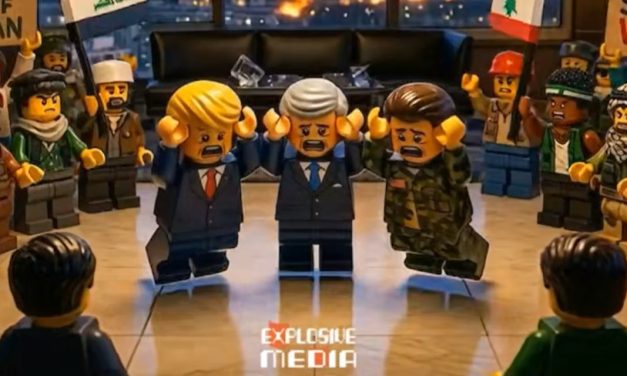
SCFR Online – Opinion: In the war between Iran and the United States, the main battlefield was not defined solely in the military domain; rather, the battle of narratives in cyberspace—particularly through memes—reached a decisive level.
The Global Energy Shock Situation and Future Scenarios

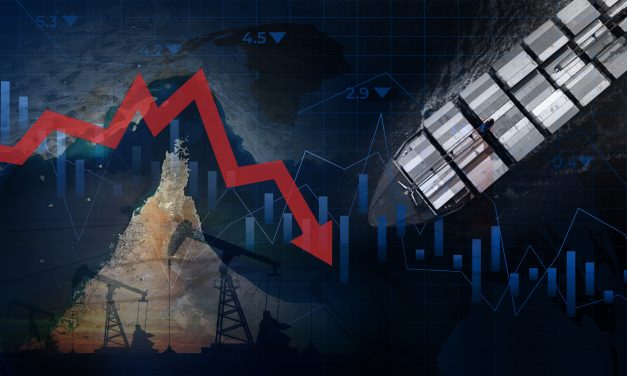
SCFR Online – Opinion: Only one month after the beginning of the Ramadan War, maritime traffic in the Strait of Hormuz decreased dramatically, with Bloomberg announcing a reduction of 103 vessels; Brent oil prices rose by more than 50 percent, and gasoline prices in the United States increased by 31.4 percent. Additionally, benchmark gas prices in Europe showed a 73.4 percent increase.

Al-Zaydi’s Selection as Prime Minister, The Beginning of a New Chapter in Iraq

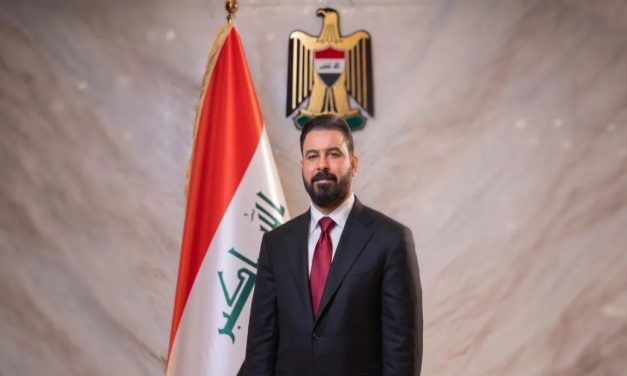
SCFR Online – Note: After approximately five months of political deadlock and institutional confusion, Ali al-Zaydi has finally been selected as Iraq’s Prime Minister. Al-Zaydi’s selection as Prime Minister represents a positive sign of the completion of the government formation process and the beginning of a new phase in Iraqi politics and governance. The emergence of a young, technocratic figure from the third generation of politicians—in a context where the country has been administered by traditional figures for decades—revives hope that Iraq may perhaps distance itself from the repetitive cycle of crises and experience a new path of stability, efficiency, and regional convergence.

Intensifying Intra-Party Divisions in the United States Regarding the Zionist Regime

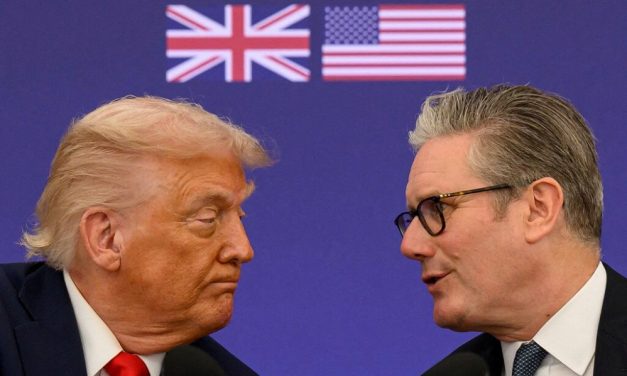
SCFR Online – Note: Over recent decades, support for the Zionist regime has been one of the few issues commanding bipartisan consensus in US foreign policy. Since the Cold War era, Republicans and Democrats have generally agreed on the necessity of preserving the security and survival of the Zionist regime as Washington’s most strategic ally in West Asia—and indeed, globally. However, developments in recent years—particularly the Gaza war, escalating regional conflicts, the expansion of tensions into Lebanon, and this regime’s recent warmongering against Iran—have caused this traditional consensus, especially within the Democratic Party, to face significant fractures.

Public Opinion Disappointment of the Zionist Regime Regarding Success in War with Iran

SCFR Online – Opinion: The internal situation of the Israeli regime during the 40-day war can be analyzed from several perspectives. The popularity levels of Benjamin Netanyahu, the Likud Party, and the ruling coalition led by Netanyahu until February 28, 2026, remained approximately the same as during the preceding year. The most recent factor that had somewhat increased Netanyahu’s popularity was the advancement of the 2024 war with Hezbollah Lebanon. Subsequently, his popularity temporarily increased during the 12-day war with Iran, but after the war, it returned to its previous state.

Loading

Iran

The IAEA’s difficult test in the technical and legal follow-up of Iran’s case

The IAEA’s difficult test in the technical and legal follow-up of Iran’s case

Strategic Council Online-Interview: An international affairs expert stated that the International Atomic Energy Agency is facing a difficult test, adding that Iran’s general agreement to step up cooperation with the agency confirms the claim that Iran is not seeking to increase tension with the agency; But the agency’s non-technical behavior and external pressures on this international body have affected its performance, and in the current situation, the continuation of legal disputes over the interpretation of the scope of the agency’s authority can disrupt the process of cooperation.

Return of Cold War Aura to Munich Security Conference

Return of Cold War Aura to Munich Security Conference

Strategic Council Online – Interview: An expert on international affairs stated that not inviting Iran to the Munich conference is a political and symbolic action against the Islamic Republic of Iran, and stated: Such events may continue and somehow seek isolation, defamation and delegitimization of Iran which should be confronted.

Ukraine War; Approach of World Powers, Iran’s Policy

Ukraine War; Approach of World Powers, Iran’s Policy

Strategic Council Online – Guest opinion: Russia’s attack on Ukraine, which was initially thought to be a lightning attack with quick and tangible results, has lasted a year; meantime with the recent stances taken by certain European countries at the Munich Security Conference to the effect that they have prepared for a long-term war, no definite end can be expected for the conflict.
Dr. Mohammad Mahdi Mazaheri – University professor

Reconstruction of the “Jarrah” military airport in Syria; New field equation of Russia

Reconstruction of the “Jarrah” military airport in Syria; New field equation of Russia

Strategic Council Online—Opinion: Recently, in one of the most important military and field developments in Syria, Russia opened its air base in this strategic airport after the reconstruction of “Al-Jarrah Airport” with the cooperation of the Syrian and Russian air forces. This airport, which has military use, had been disabled due to severe damages during the conflicts of the past years.
Barsam Mohammadi—Expert in regional issues

Tracking US Goals in Iraq within the Framework of Strengthening NATO-Iraq Cooperation

Tracking US Goals in Iraq within the Framework of Strengthening NATO-Iraq Cooperation

Strategic Council Online – Interview: An analyst of Iraq affairs, saying that many groups and political parties and decision-makers in Iraq’s foreign policy believe that military cooperation with NATO should be expanded, noted: Joint military cooperation of Western countries, such as France, Britain and the US with some regional players such as Egypt, Jordan and Iraq and some countries of the Persian Gulf Cooperation Council are increasing and joint naval and air exercises in the Red Sea and other places have become more prominent. NATO follows a model in which expansion of its presence in the West Asian region is one of its components, which will entail its own risks.

Addressing Roots of Erbil, Sulaymaniyah Disputes, US Motivation to Reduce Tension

Addressing Roots of Erbil, Sulaymaniyah Disputes, US Motivation to Reduce Tension

Strategic Council Online – Interview: A university professor of the Kurdistan Region of Iraq, saying that the main difference between the two main parties of the Kurdistan Region is rooted in their power-seeking desire and the extent of their political domination, adding: Disputes such as the budget and control over disputed areas are the main difference the two main parties of Kurdistan have with the central government in Baghdad, and such deep differences do not seem to be easily resolved.

أحدث الوظائف

Iran’s Success in the Narrative Battle in Cyberspace

SCFR Online – Opinion: In the war between Iran and the United States, the main battlefield was not defined solely in the military domain; rather, the battle of narratives in cyberspace—particularly through memes—reached a decisive level.
The Global Energy Shock Situation and Future Scenarios

SCFR Online – Opinion: Only one month after the beginning of the Ramadan War, maritime traffic in the Strait of Hormuz decreased dramatically, with Bloomberg announcing a reduction of 103 vessels; Brent oil prices rose by more than 50 percent, and gasoline prices in the United States increased by 31.4 percent. Additionally, benchmark gas prices in Europe showed a 73.4 percent increase.

Al-Zaydi’s Selection as Prime Minister, The Beginning of a New Chapter in Iraq

SCFR Online – Note: After approximately five months of political deadlock and institutional confusion, Ali al-Zaydi has finally been selected as Iraq’s Prime Minister. Al-Zaydi’s selection as Prime Minister represents a positive sign of the completion of the government formation process and the beginning of a new phase in Iraqi politics and governance. The emergence of a young, technocratic figure from the third generation of politicians—in a context where the country has been administered by traditional figures for decades—revives hope that Iraq may perhaps distance itself from the repetitive cycle of crises and experience a new path of stability, efficiency, and regional convergence.

Intensifying Intra-Party Divisions in the United States Regarding the Zionist Regime

SCFR Online – Note: Over recent decades, support for the Zionist regime has been one of the few issues commanding bipartisan consensus in US foreign policy. Since the Cold War era, Republicans and Democrats have generally agreed on the necessity of preserving the security and survival of the Zionist regime as Washington’s most strategic ally in West Asia—and indeed, globally. However, developments in recent years—particularly the Gaza war, escalating regional conflicts, the expansion of tensions into Lebanon, and this regime’s recent warmongering against Iran—have caused this traditional consensus, especially within the Democratic Party, to face significant fractures.

Public Opinion Disappointment of the Zionist Regime Regarding Success in War with Iran

SCFR Online – Opinion: The internal situation of the Israeli regime during the 40-day war can be analyzed from several perspectives. The popularity levels of Benjamin Netanyahu, the Likud Party, and the ruling coalition led by Netanyahu until February 28, 2026, remained approximately the same as during the preceding year. The most recent factor that had somewhat increased Netanyahu’s popularity was the advancement of the 2024 war with Hezbollah Lebanon. Subsequently, his popularity temporarily increased during the 12-day war with Iran, but after the war, it returned to its previous state.

Loading

Iran

The IAEA’s difficult test in the technical and legal follow-up of Iran’s case

The IAEA’s difficult test in the technical and legal follow-up of Iran’s case

Strategic Council Online-Interview: An international affairs expert stated that the International Atomic Energy Agency is facing a difficult test, adding that Iran’s general agreement to step up cooperation with the agency confirms the claim that Iran is not seeking to increase tension with the agency; But the agency’s non-technical behavior and external pressures on this international body have affected its performance, and in the current situation, the continuation of legal disputes over the interpretation of the scope of the agency’s authority can disrupt the process of cooperation.

Return of Cold War Aura to Munich Security Conference

Return of Cold War Aura to Munich Security Conference

Strategic Council Online – Interview: An expert on international affairs stated that not inviting Iran to the Munich conference is a political and symbolic action against the Islamic Republic of Iran, and stated: Such events may continue and somehow seek isolation, defamation and delegitimization of Iran which should be confronted.

Ukraine War; Approach of World Powers, Iran’s Policy

Ukraine War; Approach of World Powers, Iran’s Policy

Strategic Council Online – Guest opinion: Russia’s attack on Ukraine, which was initially thought to be a lightning attack with quick and tangible results, has lasted a year; meantime with the recent stances taken by certain European countries at the Munich Security Conference to the effect that they have prepared for a long-term war, no definite end can be expected for the conflict.
Dr. Mohammad Mahdi Mazaheri – University professor

Reconstruction of the “Jarrah” military airport in Syria; New field equation of Russia

Reconstruction of the “Jarrah” military airport in Syria; New field equation of Russia

Strategic Council Online—Opinion: Recently, in one of the most important military and field developments in Syria, Russia opened its air base in this strategic airport after the reconstruction of “Al-Jarrah Airport” with the cooperation of the Syrian and Russian air forces. This airport, which has military use, had been disabled due to severe damages during the conflicts of the past years.
Barsam Mohammadi—Expert in regional issues

Tracking US Goals in Iraq within the Framework of Strengthening NATO-Iraq Cooperation

Tracking US Goals in Iraq within the Framework of Strengthening NATO-Iraq Cooperation

Strategic Council Online – Interview: An analyst of Iraq affairs, saying that many groups and political parties and decision-makers in Iraq’s foreign policy believe that military cooperation with NATO should be expanded, noted: Joint military cooperation of Western countries, such as France, Britain and the US with some regional players such as Egypt, Jordan and Iraq and some countries of the Persian Gulf Cooperation Council are increasing and joint naval and air exercises in the Red Sea and other places have become more prominent. NATO follows a model in which expansion of its presence in the West Asian region is one of its components, which will entail its own risks.

Addressing Roots of Erbil, Sulaymaniyah Disputes, US Motivation to Reduce Tension

Addressing Roots of Erbil, Sulaymaniyah Disputes, US Motivation to Reduce Tension

Strategic Council Online – Interview: A university professor of the Kurdistan Region of Iraq, saying that the main difference between the two main parties of the Kurdistan Region is rooted in their power-seeking desire and the extent of their political domination, adding: Disputes such as the budget and control over disputed areas are the main difference the two main parties of Kurdistan have with the central government in Baghdad, and such deep differences do not seem to be easily resolved.

Iran

The IAEA’s difficult test in the technical and legal follow-up of Iran’s case

The IAEA’s difficult test in the technical and legal follow-up of Iran’s case

Strategic Council Online-Interview: An international affairs expert stated that the International Atomic Energy Agency is facing a difficult test, adding that Iran’s general agreement to step up cooperation with the agency confirms the claim that Iran is not seeking to increase tension with the agency; But the agency’s non-technical behavior and external pressures on this international body have affected its performance, and in the current situation, the continuation of legal disputes over the interpretation of the scope of the agency’s authority can disrupt the process of cooperation.

Return of Cold War Aura to Munich Security Conference

Return of Cold War Aura to Munich Security Conference

Strategic Council Online – Interview: An expert on international affairs stated that not inviting Iran to the Munich conference is a political and symbolic action against the Islamic Republic of Iran, and stated: Such events may continue and somehow seek isolation, defamation and delegitimization of Iran which should be confronted.

Ukraine War; Approach of World Powers, Iran’s Policy

Ukraine War; Approach of World Powers, Iran’s Policy

Strategic Council Online – Guest opinion: Russia’s attack on Ukraine, which was initially thought to be a lightning attack with quick and tangible results, has lasted a year; meantime with the recent stances taken by certain European countries at the Munich Security Conference to the effect that they have prepared for a long-term war, no definite end can be expected for the conflict.
Dr. Mohammad Mahdi Mazaheri – University professor

Reconstruction of the “Jarrah” military airport in Syria; New field equation of Russia

Reconstruction of the “Jarrah” military airport in Syria; New field equation of Russia

Strategic Council Online—Opinion: Recently, in one of the most important military and field developments in Syria, Russia opened its air base in this strategic airport after the reconstruction of “Al-Jarrah Airport” with the cooperation of the Syrian and Russian air forces. This airport, which has military use, had been disabled due to severe damages during the conflicts of the past years.
Barsam Mohammadi—Expert in regional issues

Tracking US Goals in Iraq within the Framework of Strengthening NATO-Iraq Cooperation

Tracking US Goals in Iraq within the Framework of Strengthening NATO-Iraq Cooperation

Strategic Council Online – Interview: An analyst of Iraq affairs, saying that many groups and political parties and decision-makers in Iraq’s foreign policy believe that military cooperation with NATO should be expanded, noted: Joint military cooperation of Western countries, such as France, Britain and the US with some regional players such as Egypt, Jordan and Iraq and some countries of the Persian Gulf Cooperation Council are increasing and joint naval and air exercises in the Red Sea and other places have become more prominent. NATO follows a model in which expansion of its presence in the West Asian region is one of its components, which will entail its own risks.

Addressing Roots of Erbil, Sulaymaniyah Disputes, US Motivation to Reduce Tension

Addressing Roots of Erbil, Sulaymaniyah Disputes, US Motivation to Reduce Tension

Strategic Council Online – Interview: A university professor of the Kurdistan Region of Iraq, saying that the main difference between the two main parties of the Kurdistan Region is rooted in their power-seeking desire and the extent of their political domination, adding: Disputes such as the budget and control over disputed areas are the main difference the two main parties of Kurdistan have with the central government in Baghdad, and such deep differences do not seem to be easily resolved.

LATEST CONTENT

Iran’s Success in the Narrative Battle in Cyberspace

SCFR Online – Opinion: In the war between Iran and the United States, the main battlefield was not defined solely in the military domain; rather, the battle of narratives in cyberspace—particularly through memes—reached a decisive level.

The Global Energy Shock Situation and Future Scenarios

SCFR Online – Opinion: Only one month after the beginning of the Ramadan War, maritime traffic in the Strait of Hormuz decreased dramatically, with Bloomberg announcing a reduction of 103 vessels; Brent oil prices rose by more than 50 percent, and gasoline prices in the United States increased by 31.4 percent. Additionally, benchmark gas prices in Europe showed a 73.4 percent increase.

Al-Zaydi’s Selection as Prime Minister, The Beginning of a New Chapter in Iraq

SCFR Online – Note: After approximately five months of political deadlock and institutional confusion, Ali al-Zaydi has finally been selected as Iraq’s Prime Minister. Al-Zaydi’s selection as Prime Minister represents a positive sign of the completion of the government formation process and the beginning of a new phase in Iraqi politics and governance. The emergence of a young, technocratic figure from the third generation of politicians—in a context where the country has been administered by traditional figures for decades—revives hope that Iraq may perhaps distance itself from the repetitive cycle of crises and experience a new path of stability, efficiency, and regional convergence.

Intensifying Intra-Party Divisions in the United States Regarding the Zionist Regime

SCFR Online – Note: Over recent decades, support for the Zionist regime has been one of the few issues commanding bipartisan consensus in US foreign policy. Since the Cold War era, Republicans and Democrats have generally agreed on the necessity of preserving the security and survival of the Zionist regime as Washington’s most strategic ally in West Asia—and indeed, globally. However, developments in recent years—particularly the Gaza war, escalating regional conflicts, the expansion of tensions into Lebanon, and this regime’s recent warmongering against Iran—have caused this traditional consensus, especially within the Democratic Party, to face significant fractures.

Public Opinion Disappointment of the Zionist Regime Regarding Success in War with Iran

SCFR Online – Opinion: The internal situation of the Israeli regime during the 40-day war can be analyzed from several perspectives. The popularity levels of Benjamin Netanyahu, the Likud Party, and the ruling coalition led by Netanyahu until February 28, 2026, remained approximately the same as during the preceding year. The most recent factor that had somewhat increased Netanyahu’s popularity was the advancement of the 2024 war with Hezbollah Lebanon. Subsequently, his popularity temporarily increased during the 12-day war with Iran, but after the war, it returned to its previous state.

Loading

Iran

The IAEA’s difficult test in the technical and legal follow-up of Iran’s case

The IAEA’s difficult test in the technical and legal follow-up of Iran’s case

Strategic Council Online-Interview: An international affairs expert stated that the International Atomic Energy Agency is facing a difficult test, adding that Iran’s general agreement to step up cooperation with the agency confirms the claim that Iran is not seeking to increase tension with the agency; But the agency’s non-technical behavior and external pressures on this international body have affected its performance, and in the current situation, the continuation of legal disputes over the interpretation of the scope of the agency’s authority can disrupt the process of cooperation.

Return of Cold War Aura to Munich Security Conference

Return of Cold War Aura to Munich Security Conference

Strategic Council Online – Interview: An expert on international affairs stated that not inviting Iran to the Munich conference is a political and symbolic action against the Islamic Republic of Iran, and stated: Such events may continue and somehow seek isolation, defamation and delegitimization of Iran which should be confronted.

Ukraine War; Approach of World Powers, Iran’s Policy

Ukraine War; Approach of World Powers, Iran’s Policy

Strategic Council Online – Guest opinion: Russia’s attack on Ukraine, which was initially thought to be a lightning attack with quick and tangible results, has lasted a year; meantime with the recent stances taken by certain European countries at the Munich Security Conference to the effect that they have prepared for a long-term war, no definite end can be expected for the conflict.
Dr. Mohammad Mahdi Mazaheri – University professor

Reconstruction of the “Jarrah” military airport in Syria; New field equation of Russia

Reconstruction of the “Jarrah” military airport in Syria; New field equation of Russia

Strategic Council Online—Opinion: Recently, in one of the most important military and field developments in Syria, Russia opened its air base in this strategic airport after the reconstruction of “Al-Jarrah Airport” with the cooperation of the Syrian and Russian air forces. This airport, which has military use, had been disabled due to severe damages during the conflicts of the past years.
Barsam Mohammadi—Expert in regional issues

Tracking US Goals in Iraq within the Framework of Strengthening NATO-Iraq Cooperation

Tracking US Goals in Iraq within the Framework of Strengthening NATO-Iraq Cooperation

Strategic Council Online – Interview: An analyst of Iraq affairs, saying that many groups and political parties and decision-makers in Iraq’s foreign policy believe that military cooperation with NATO should be expanded, noted: Joint military cooperation of Western countries, such as France, Britain and the US with some regional players such as Egypt, Jordan and Iraq and some countries of the Persian Gulf Cooperation Council are increasing and joint naval and air exercises in the Red Sea and other places have become more prominent. NATO follows a model in which expansion of its presence in the West Asian region is one of its components, which will entail its own risks.

Addressing Roots of Erbil, Sulaymaniyah Disputes, US Motivation to Reduce Tension

Addressing Roots of Erbil, Sulaymaniyah Disputes, US Motivation to Reduce Tension

Strategic Council Online – Interview: A university professor of the Kurdistan Region of Iraq, saying that the main difference between the two main parties of the Kurdistan Region is rooted in their power-seeking desire and the extent of their political domination, adding: Disputes such as the budget and control over disputed areas are the main difference the two main parties of Kurdistan have with the central government in Baghdad, and such deep differences do not seem to be easily resolved.

ÚLTIMAS PUBLICACIONES

Iran’s Success in the Narrative Battle in Cyberspace

SCFR Online – Opinion: In the war between Iran and the United States, the main battlefield was not defined solely in the military domain; rather, the battle of narratives in cyberspace—particularly through memes—reached a decisive level.

The Global Energy Shock Situation and Future Scenarios

SCFR Online – Opinion: Only one month after the beginning of the Ramadan War, maritime traffic in the Strait of Hormuz decreased dramatically, with Bloomberg announcing a reduction of 103 vessels; Brent oil prices rose by more than 50 percent, and gasoline prices in the United States increased by 31.4 percent. Additionally, benchmark gas prices in Europe showed a 73.4 percent increase.

Al-Zaydi’s Selection as Prime Minister, The Beginning of a New Chapter in Iraq

SCFR Online – Note: After approximately five months of political deadlock and institutional confusion, Ali al-Zaydi has finally been selected as Iraq’s Prime Minister. Al-Zaydi’s selection as Prime Minister represents a positive sign of the completion of the government formation process and the beginning of a new phase in Iraqi politics and governance. The emergence of a young, technocratic figure from the third generation of politicians—in a context where the country has been administered by traditional figures for decades—revives hope that Iraq may perhaps distance itself from the repetitive cycle of crises and experience a new path of stability, efficiency, and regional convergence.

Intensifying Intra-Party Divisions in the United States Regarding the Zionist Regime

SCFR Online – Note: Over recent decades, support for the Zionist regime has been one of the few issues commanding bipartisan consensus in US foreign policy. Since the Cold War era, Republicans and Democrats have generally agreed on the necessity of preserving the security and survival of the Zionist regime as Washington’s most strategic ally in West Asia—and indeed, globally. However, developments in recent years—particularly the Gaza war, escalating regional conflicts, the expansion of tensions into Lebanon, and this regime’s recent warmongering against Iran—have caused this traditional consensus, especially within the Democratic Party, to face significant fractures.

Public Opinion Disappointment of the Zionist Regime Regarding Success in War with Iran

SCFR Online – Opinion: The internal situation of the Israeli regime during the 40-day war can be analyzed from several perspectives. The popularity levels of Benjamin Netanyahu, the Likud Party, and the ruling coalition led by Netanyahu until February 28, 2026, remained approximately the same as during the preceding year. The most recent factor that had somewhat increased Netanyahu’s popularity was the advancement of the 2024 war with Hezbollah Lebanon. Subsequently, his popularity temporarily increased during the 12-day war with Iran, but after the war, it returned to its previous state.

Loading

Iran

The IAEA’s difficult test in the technical and legal follow-up of Iran’s case

The IAEA’s difficult test in the technical and legal follow-up of Iran’s case

Strategic Council Online-Interview: An international affairs expert stated that the International Atomic Energy Agency is facing a difficult test, adding that Iran’s general agreement to step up cooperation with the agency confirms the claim that Iran is not seeking to increase tension with the agency; But the agency’s non-technical behavior and external pressures on this international body have affected its performance, and in the current situation, the continuation of legal disputes over the interpretation of the scope of the agency’s authority can disrupt the process of cooperation.

Return of Cold War Aura to Munich Security Conference

Return of Cold War Aura to Munich Security Conference

Strategic Council Online – Interview: An expert on international affairs stated that not inviting Iran to the Munich conference is a political and symbolic action against the Islamic Republic of Iran, and stated: Such events may continue and somehow seek isolation, defamation and delegitimization of Iran which should be confronted.

Ukraine War; Approach of World Powers, Iran’s Policy

Ukraine War; Approach of World Powers, Iran’s Policy

Strategic Council Online – Guest opinion: Russia’s attack on Ukraine, which was initially thought to be a lightning attack with quick and tangible results, has lasted a year; meantime with the recent stances taken by certain European countries at the Munich Security Conference to the effect that they have prepared for a long-term war, no definite end can be expected for the conflict.
Dr. Mohammad Mahdi Mazaheri – University professor

Reconstruction of the “Jarrah” military airport in Syria; New field equation of Russia

Reconstruction of the “Jarrah” military airport in Syria; New field equation of Russia

Strategic Council Online—Opinion: Recently, in one of the most important military and field developments in Syria, Russia opened its air base in this strategic airport after the reconstruction of “Al-Jarrah Airport” with the cooperation of the Syrian and Russian air forces. This airport, which has military use, had been disabled due to severe damages during the conflicts of the past years.
Barsam Mohammadi—Expert in regional issues

Tracking US Goals in Iraq within the Framework of Strengthening NATO-Iraq Cooperation

Tracking US Goals in Iraq within the Framework of Strengthening NATO-Iraq Cooperation

Strategic Council Online – Interview: An analyst of Iraq affairs, saying that many groups and political parties and decision-makers in Iraq’s foreign policy believe that military cooperation with NATO should be expanded, noted: Joint military cooperation of Western countries, such as France, Britain and the US with some regional players such as Egypt, Jordan and Iraq and some countries of the Persian Gulf Cooperation Council are increasing and joint naval and air exercises in the Red Sea and other places have become more prominent. NATO follows a model in which expansion of its presence in the West Asian region is one of its components, which will entail its own risks.

Addressing Roots of Erbil, Sulaymaniyah Disputes, US Motivation to Reduce Tension

Addressing Roots of Erbil, Sulaymaniyah Disputes, US Motivation to Reduce Tension

Strategic Council Online – Interview: A university professor of the Kurdistan Region of Iraq, saying that the main difference between the two main parties of the Kurdistan Region is rooted in their power-seeking desire and the extent of their political domination, adding: Disputes such as the budget and control over disputed areas are the main difference the two main parties of Kurdistan have with the central government in Baghdad, and such deep differences do not seem to be easily resolved.

ÚLTIMAS PUBLICACIONES

Iran’s Success in the Narrative Battle in Cyberspace

SCFR Online – Opinion: In the war between Iran and the United States, the main battlefield was not defined solely in the military domain; rather, the battle of narratives in cyberspace—particularly through memes—reached a decisive level.
The Global Energy Shock Situation and Future Scenarios

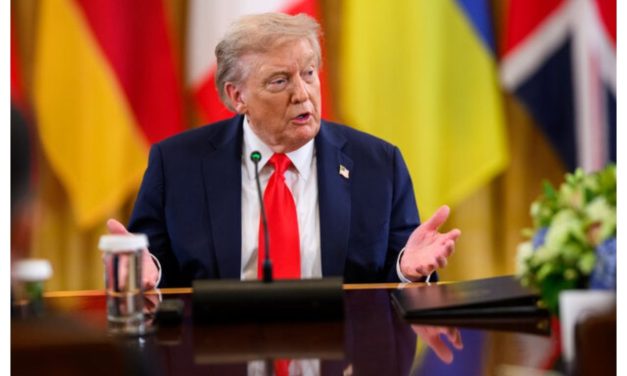
SCFR Online – Opinion: Only one month after the beginning of the Ramadan War, maritime traffic in the Strait of Hormuz decreased dramatically, with Bloomberg announcing a reduction of 103 vessels; Brent oil prices rose by more than 50 percent, and gasoline prices in the United States increased by 31.4 percent. Additionally, benchmark gas prices in Europe showed a 73.4 percent increase.

Al-Zaydi’s Selection as Prime Minister, The Beginning of a New Chapter in Iraq

SCFR Online – Note: After approximately five months of political deadlock and institutional confusion, Ali al-Zaydi has finally been selected as Iraq’s Prime Minister. Al-Zaydi’s selection as Prime Minister represents a positive sign of the completion of the government formation process and the beginning of a new phase in Iraqi politics and governance. The emergence of a young, technocratic figure from the third generation of politicians—in a context where the country has been administered by traditional figures for decades—revives hope that Iraq may perhaps distance itself from the repetitive cycle of crises and experience a new path of stability, efficiency, and regional convergence.

Intensifying Intra-Party Divisions in the United States Regarding the Zionist Regime

SCFR Online – Note: Over recent decades, support for the Zionist regime has been one of the few issues commanding bipartisan consensus in US foreign policy. Since the Cold War era, Republicans and Democrats have generally agreed on the necessity of preserving the security and survival of the Zionist regime as Washington’s most strategic ally in West Asia—and indeed, globally. However, developments in recent years—particularly the Gaza war, escalating regional conflicts, the expansion of tensions into Lebanon, and this regime’s recent warmongering against Iran—have caused this traditional consensus, especially within the Democratic Party, to face significant fractures.

Public Opinion Disappointment of the Zionist Regime Regarding Success in War with Iran

SCFR Online – Opinion: The internal situation of the Israeli regime during the 40-day war can be analyzed from several perspectives. The popularity levels of Benjamin Netanyahu, the Likud Party, and the ruling coalition led by Netanyahu until February 28, 2026, remained approximately the same as during the preceding year. The most recent factor that had somewhat increased Netanyahu’s popularity was the advancement of the 2024 war with Hezbollah Lebanon. Subsequently, his popularity temporarily increased during the 12-day war with Iran, but after the war, it returned to its previous state.

Loading

Iran

The IAEA’s difficult test in the technical and legal follow-up of Iran’s case

The IAEA’s difficult test in the technical and legal follow-up of Iran’s case

Strategic Council Online-Interview: An international affairs expert stated that the International Atomic Energy Agency is facing a difficult test, adding that Iran’s general agreement to step up cooperation with the agency confirms the claim that Iran is not seeking to increase tension with the agency; But the agency’s non-technical behavior and external pressures on this international body have affected its performance, and in the current situation, the continuation of legal disputes over the interpretation of the scope of the agency’s authority can disrupt the process of cooperation.

Return of Cold War Aura to Munich Security Conference

Return of Cold War Aura to Munich Security Conference

Strategic Council Online – Interview: An expert on international affairs stated that not inviting Iran to the Munich conference is a political and symbolic action against the Islamic Republic of Iran, and stated: Such events may continue and somehow seek isolation, defamation and delegitimization of Iran which should be confronted.

Ukraine War; Approach of World Powers, Iran’s Policy

Ukraine War; Approach of World Powers, Iran’s Policy

Strategic Council Online – Guest opinion: Russia’s attack on Ukraine, which was initially thought to be a lightning attack with quick and tangible results, has lasted a year; meantime with the recent stances taken by certain European countries at the Munich Security Conference to the effect that they have prepared for a long-term war, no definite end can be expected for the conflict.
Dr. Mohammad Mahdi Mazaheri – University professor

Reconstruction of the “Jarrah” military airport in Syria; New field equation of Russia

Reconstruction of the “Jarrah” military airport in Syria; New field equation of Russia

Strategic Council Online—Opinion: Recently, in one of the most important military and field developments in Syria, Russia opened its air base in this strategic airport after the reconstruction of “Al-Jarrah Airport” with the cooperation of the Syrian and Russian air forces. This airport, which has military use, had been disabled due to severe damages during the conflicts of the past years.
Barsam Mohammadi—Expert in regional issues

Tracking US Goals in Iraq within the Framework of Strengthening NATO-Iraq Cooperation

Tracking US Goals in Iraq within the Framework of Strengthening NATO-Iraq Cooperation

Strategic Council Online – Interview: An analyst of Iraq affairs, saying that many groups and political parties and decision-makers in Iraq’s foreign policy believe that military cooperation with NATO should be expanded, noted: Joint military cooperation of Western countries, such as France, Britain and the US with some regional players such as Egypt, Jordan and Iraq and some countries of the Persian Gulf Cooperation Council are increasing and joint naval and air exercises in the Red Sea and other places have become more prominent. NATO follows a model in which expansion of its presence in the West Asian region is one of its components, which will entail its own risks.

Addressing Roots of Erbil, Sulaymaniyah Disputes, US Motivation to Reduce Tension

Addressing Roots of Erbil, Sulaymaniyah Disputes, US Motivation to Reduce Tension

Strategic Council Online – Interview: A university professor of the Kurdistan Region of Iraq, saying that the main difference between the two main parties of the Kurdistan Region is rooted in their power-seeking desire and the extent of their political domination, adding: Disputes such as the budget and control over disputed areas are the main difference the two main parties of Kurdistan have with the central government in Baghdad, and such deep differences do not seem to be easily resolved.

ÚLTIMAS PUBLICACIONES

Iran’s Success in the Narrative Battle in Cyberspace

SCFR Online – Opinion: In the war between Iran and the United States, the main battlefield was not defined solely in the military domain; rather, the battle of narratives in cyberspace—particularly through memes—reached a decisive level.
The Global Energy Shock Situation and Future Scenarios

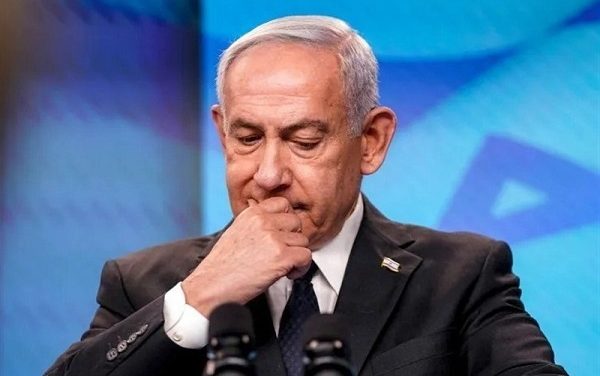
SCFR Online – Opinion: Only one month after the beginning of the Ramadan War, maritime traffic in the Strait of Hormuz decreased dramatically, with Bloomberg announcing a reduction of 103 vessels; Brent oil prices rose by more than 50 percent, and gasoline prices in the United States increased by 31.4 percent. Additionally, benchmark gas prices in Europe showed a 73.4 percent increase.

Al-Zaydi’s Selection as Prime Minister, The Beginning of a New Chapter in Iraq

SCFR Online – Note: After approximately five months of political deadlock and institutional confusion, Ali al-Zaydi has finally been selected as Iraq’s Prime Minister. Al-Zaydi’s selection as Prime Minister represents a positive sign of the completion of the government formation process and the beginning of a new phase in Iraqi politics and governance. The emergence of a young, technocratic figure from the third generation of politicians—in a context where the country has been administered by traditional figures for decades—revives hope that Iraq may perhaps distance itself from the repetitive cycle of crises and experience a new path of stability, efficiency, and regional convergence.

Intensifying Intra-Party Divisions in the United States Regarding the Zionist Regime

SCFR Online – Note: Over recent decades, support for the Zionist regime has been one of the few issues commanding bipartisan consensus in US foreign policy. Since the Cold War era, Republicans and Democrats have generally agreed on the necessity of preserving the security and survival of the Zionist regime as Washington’s most strategic ally in West Asia—and indeed, globally. However, developments in recent years—particularly the Gaza war, escalating regional conflicts, the expansion of tensions into Lebanon, and this regime’s recent warmongering against Iran—have caused this traditional consensus, especially within the Democratic Party, to face significant fractures.

Public Opinion Disappointment of the Zionist Regime Regarding Success in War with Iran

SCFR Online – Opinion: The internal situation of the Israeli regime during the 40-day war can be analyzed from several perspectives. The popularity levels of Benjamin Netanyahu, the Likud Party, and the ruling coalition led by Netanyahu until February 28, 2026, remained approximately the same as during the preceding year. The most recent factor that had somewhat increased Netanyahu’s popularity was the advancement of the 2024 war with Hezbollah Lebanon. Subsequently, his popularity temporarily increased during the 12-day war with Iran, but after the war, it returned to its previous state.

Loading

Iran

The IAEA’s difficult test in the technical and legal follow-up of Iran’s case

The IAEA’s difficult test in the technical and legal follow-up of Iran’s case

Strategic Council Online-Interview: An international affairs expert stated that the International Atomic Energy Agency is facing a difficult test, adding that Iran’s general agreement to step up cooperation with the agency confirms the claim that Iran is not seeking to increase tension with the agency; But the agency’s non-technical behavior and external pressures on this international body have affected its performance, and in the current situation, the continuation of legal disputes over the interpretation of the scope of the agency’s authority can disrupt the process of cooperation.

Return of Cold War Aura to Munich Security Conference

Return of Cold War Aura to Munich Security Conference

Strategic Council Online – Interview: An expert on international affairs stated that not inviting Iran to the Munich conference is a political and symbolic action against the Islamic Republic of Iran, and stated: Such events may continue and somehow seek isolation, defamation and delegitimization of Iran which should be confronted.

Ukraine War; Approach of World Powers, Iran’s Policy

Ukraine War; Approach of World Powers, Iran’s Policy

Strategic Council Online – Guest opinion: Russia’s attack on Ukraine, which was initially thought to be a lightning attack with quick and tangible results, has lasted a year; meantime with the recent stances taken by certain European countries at the Munich Security Conference to the effect that they have prepared for a long-term war, no definite end can be expected for the conflict.
Dr. Mohammad Mahdi Mazaheri – University professor

Reconstruction of the “Jarrah” military airport in Syria; New field equation of Russia

Reconstruction of the “Jarrah” military airport in Syria; New field equation of Russia

Strategic Council Online—Opinion: Recently, in one of the most important military and field developments in Syria, Russia opened its air base in this strategic airport after the reconstruction of “Al-Jarrah Airport” with the cooperation of the Syrian and Russian air forces. This airport, which has military use, had been disabled due to severe damages during the conflicts of the past years.
Barsam Mohammadi—Expert in regional issues

Tracking US Goals in Iraq within the Framework of Strengthening NATO-Iraq Cooperation

Tracking US Goals in Iraq within the Framework of Strengthening NATO-Iraq Cooperation

Strategic Council Online – Interview: An analyst of Iraq affairs, saying that many groups and political parties and decision-makers in Iraq’s foreign policy believe that military cooperation with NATO should be expanded, noted: Joint military cooperation of Western countries, such as France, Britain and the US with some regional players such as Egypt, Jordan and Iraq and some countries of the Persian Gulf Cooperation Council are increasing and joint naval and air exercises in the Red Sea and other places have become more prominent. NATO follows a model in which expansion of its presence in the West Asian region is one of its components, which will entail its own risks.

Addressing Roots of Erbil, Sulaymaniyah Disputes, US Motivation to Reduce Tension

Addressing Roots of Erbil, Sulaymaniyah Disputes, US Motivation to Reduce Tension

Strategic Council Online – Interview: A university professor of the Kurdistan Region of Iraq, saying that the main difference between the two main parties of the Kurdistan Region is rooted in their power-seeking desire and the extent of their political domination, adding: Disputes such as the budget and control over disputed areas are the main difference the two main parties of Kurdistan have with the central government in Baghdad, and such deep differences do not seem to be easily resolved.

ÚLTIMAS PUBLICACIONES

Iran’s Success in the Narrative Battle in Cyberspace

SCFR Online – Opinion: In the war between Iran and the United States, the main battlefield was not defined solely in the military domain; rather, the battle of narratives in cyberspace—particularly through memes—reached a decisive level.

The Global Energy Shock Situation and Future Scenarios

SCFR Online – Opinion: Only one month after the beginning of the Ramadan War, maritime traffic in the Strait of Hormuz decreased dramatically, with Bloomberg announcing a reduction of 103 vessels; Brent oil prices rose by more than 50 percent, and gasoline prices in the United States increased by 31.4 percent. Additionally, benchmark gas prices in Europe showed a 73.4 percent increase.

Al-Zaydi’s Selection as Prime Minister, The Beginning of a New Chapter in Iraq

SCFR Online – Note: After approximately five months of political deadlock and institutional confusion, Ali al-Zaydi has finally been selected as Iraq’s Prime Minister. Al-Zaydi’s selection as Prime Minister represents a positive sign of the completion of the government formation process and the beginning of a new phase in Iraqi politics and governance. The emergence of a young, technocratic figure from the third generation of politicians—in a context where the country has been administered by traditional figures for decades—revives hope that Iraq may perhaps distance itself from the repetitive cycle of crises and experience a new path of stability, efficiency, and regional convergence.

Intensifying Intra-Party Divisions in the United States Regarding the Zionist Regime

SCFR Online – Note: Over recent decades, support for the Zionist regime has been one of the few issues commanding bipartisan consensus in US foreign policy. Since the Cold War era, Republicans and Democrats have generally agreed on the necessity of preserving the security and survival of the Zionist regime as Washington’s most strategic ally in West Asia—and indeed, globally. However, developments in recent years—particularly the Gaza war, escalating regional conflicts, the expansion of tensions into Lebanon, and this regime’s recent warmongering against Iran—have caused this traditional consensus, especially within the Democratic Party, to face significant fractures.

Public Opinion Disappointment of the Zionist Regime Regarding Success in War with Iran

SCFR Online – Opinion: The internal situation of the Israeli regime during the 40-day war can be analyzed from several perspectives. The popularity levels of Benjamin Netanyahu, the Likud Party, and the ruling coalition led by Netanyahu until February 28, 2026, remained approximately the same as during the preceding year. The most recent factor that had somewhat increased Netanyahu’s popularity was the advancement of the 2024 war with Hezbollah Lebanon. Subsequently, his popularity temporarily increased during the 12-day war with Iran, but after the war, it returned to its previous state.

Loading