جدیدترین مطالب

Iran’s Success in the Narrative Battle in Cyberspace

SCFR Online – Opinion: In the war between Iran and the United States, the main battlefield was not defined solely in the military domain; rather, the battle of narratives in cyberspace—particularly through memes—reached a decisive level.
The Global Energy Shock Situation and Future Scenarios

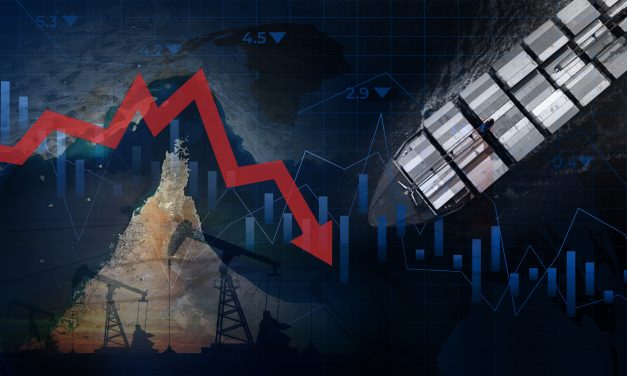
SCFR Online – Opinion: Only one month after the beginning of the Ramadan War, maritime traffic in the Strait of Hormuz decreased dramatically, with Bloomberg announcing a reduction of 103 vessels; Brent oil prices rose by more than 50 percent, and gasoline prices in the United States increased by 31.4 percent. Additionally, benchmark gas prices in Europe showed a 73.4 percent increase.

Al-Zaydi’s Selection as Prime Minister, The Beginning of a New Chapter in Iraq

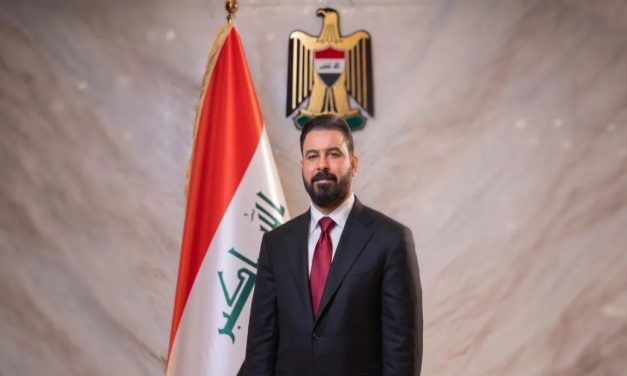
SCFR Online – Note: After approximately five months of political deadlock and institutional confusion, Ali al-Zaydi has finally been selected as Iraq’s Prime Minister. Al-Zaydi’s selection as Prime Minister represents a positive sign of the completion of the government formation process and the beginning of a new phase in Iraqi politics and governance. The emergence of a young, technocratic figure from the third generation of politicians—in a context where the country has been administered by traditional figures for decades—revives hope that Iraq may perhaps distance itself from the repetitive cycle of crises and experience a new path of stability, efficiency, and regional convergence.

Intensifying Intra-Party Divisions in the United States Regarding the Zionist Regime

SCFR Online – Note: Over recent decades, support for the Zionist regime has been one of the few issues commanding bipartisan consensus in US foreign policy. Since the Cold War era, Republicans and Democrats have generally agreed on the necessity of preserving the security and survival of the Zionist regime as Washington’s most strategic ally in West Asia—and indeed, globally. However, developments in recent years—particularly the Gaza war, escalating regional conflicts, the expansion of tensions into Lebanon, and this regime’s recent warmongering against Iran—have caused this traditional consensus, especially within the Democratic Party, to face significant fractures.

Public Opinion Disappointment of the Zionist Regime Regarding Success in War with Iran

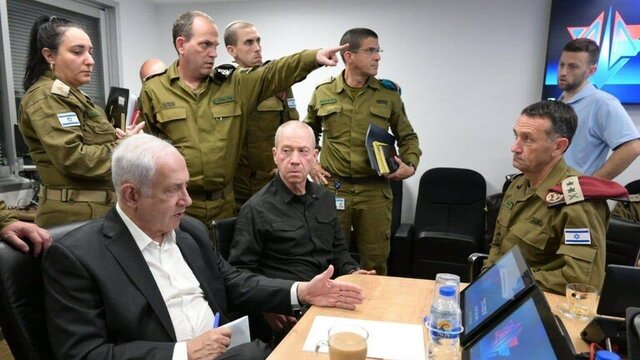
SCFR Online – Opinion: The internal situation of the Israeli regime during the 40-day war can be analyzed from several perspectives. The popularity levels of Benjamin Netanyahu, the Likud Party, and the ruling coalition led by Netanyahu until February 28, 2026, remained approximately the same as during the preceding year. The most recent factor that had somewhat increased Netanyahu’s popularity was the advancement of the 2024 war with Hezbollah Lebanon. Subsequently, his popularity temporarily increased during the 12-day war with Iran, but after the war, it returned to its previous state.

Loading

Iran

Regional and Global Cooperation Necessary to Deal Seriously with the Dust Crisis

Regional and Global Cooperation Necessary to Deal Seriously with the Dust Crisis

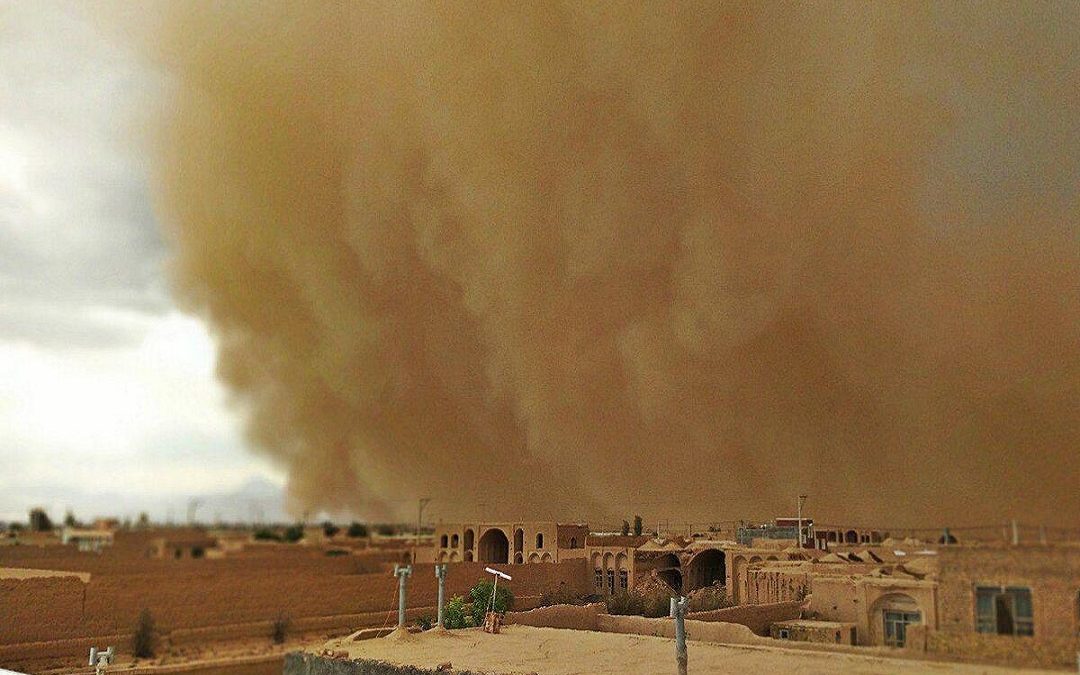
Strategic Council Online – Analytical Report: Dust plays an important role in the ecosystem, which affects the chemical processes of the atmosphere and climate, the properties of water and soil, the movement of nutrients, and the cycle of food in the marine and terrestrial environment. Dust can also damage crops and adversely affect food production. Airborne dust reduces air quality and visibility and may have adverse health effects, especially for people with respiratory problems.

Reasons for Armenia’s Strategic Proximity to Europe and America

Reasons for Armenia’s Strategic Proximity to Europe and America

Strategic Council Online: The former Iranian ambassador to Armenia said Armenia’s strategic closeness to Europe and America is not far from expected because Pashinyan’s government is worried that if another attack occurs on its borders, it will not be able to maintain its position and defend its country. Therefore, he is trying to arrange for allies in the West.

Erdogan’s Motives and Opportunities for Reconciliation with the Syrian Government

Erdogan’s Motives and Opportunities for Reconciliation with the Syrian Government

Strategic Council Online—An expert on Caucasus issues said that the Turkish Foreign Minister recently stated in a joint press conference with his Saudi counterpart: “Our current strategy is dialogue and peace, and we ask Iran and Russia to play a constructive role in this process.” According to these statements, Turkey’s policy towards Syrian refugees and its consequences have once again been considered.

An Analysis of the Possible Approach of the New British Government in Foreign Policy

An Analysis of the Possible Approach of the New British Government in Foreign Policy

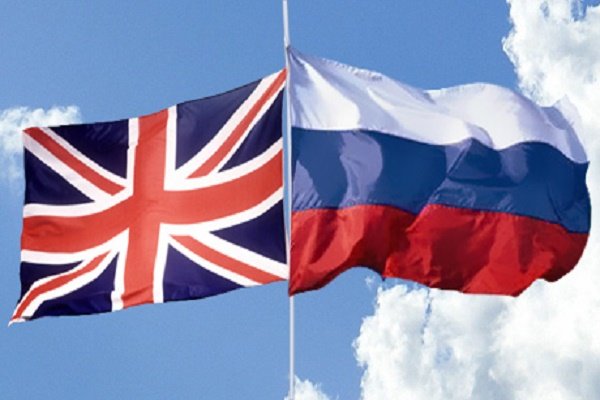
Strategic Council Online—Interview: An expert on European issues said: The British Labor Party, led by Keir Starmer, won the election by winning an overwhelming majority of the seats in the House of Commons. On the other hand, the Conservative party, led by Rishi Sunak, has lost 170 seats and is on the way to its heaviest political defeat since the party was founded in the 19th century.

An Analysis of the Saudi-UAE Border Dispute

An Analysis of the Saudi-UAE Border Dispute

Strategic Council Online – Interview: An expert on regional issues said: The dispute between Saudi Arabia and the United Arab Emirates over the Ilyasat region is more economy and investment oriented than border related. Therefore, it is unlikely for the dispute to have widescale repercussions politically and diplomatically.

Economy & Security: Connecting Links between Turkey and Persian Gulf States

Economy & Security: Connecting Links between Turkey and Persian Gulf States

Strategic Council Online – Opinion: Since 2000, Turkey has gradually shifted its foreign policy from the “Looking East” approach to the more traditional “Looking West” foreign policy. The most important reasons for this change in the structure of Turkey’s foreign policy were the developments in Iraq, the Syrian crisis, and Ankara’s failure to become a member state of the European Union. In addition to the above, the influence of people like President Erdogan and Davutoglu (former PM) on the change in Turkey’s foreign policy has been undeniable.

BRICS: Capacities & Opportunities

BRICS: Capacities & Opportunities

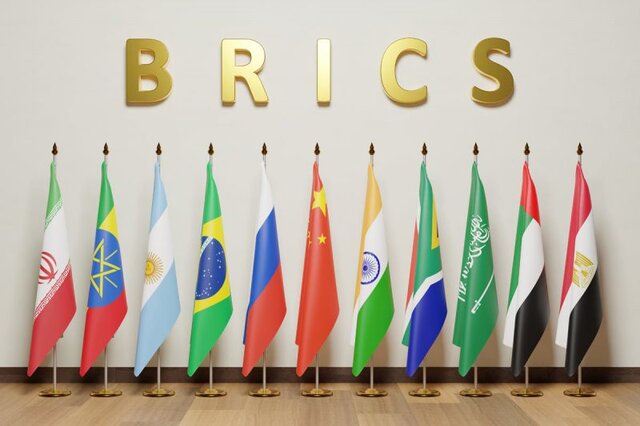
Strategic Council Online—Opinion: Recently, Russian Foreign Minister Sergei Lavrov said that BRICS is currently reviewing about 30 requests from different countries proposing various forms of cooperation. The increase in the number of countries applying for membership in the BRICS group indicates the growing importance of this group in the political and economic relations of the international system.

An Analysis on the Adoption the IAEA Board of Governors’ Resolution Against Iran

An Analysis on the Adoption the IAEA Board of Governors’ Resolution Against Iran

Strategic Council Online – Interview: An international lawyer and senior expert on international affairs said: The abstention and negative votes to the resolution of the Board of Governors regarding Iran should not overshadow the importance of the resolution’s content. In the past, there had been resolutions that were adopted with a similar voting ratio but that, nevertheless, ultimately left a negative impact on the nuclear dossier by shifting the course towards an unfavorable direction.

Strategic Importance of India-Middle East-Europe Economic Corridor

Strategic Importance of India-Middle East-Europe Economic Corridor

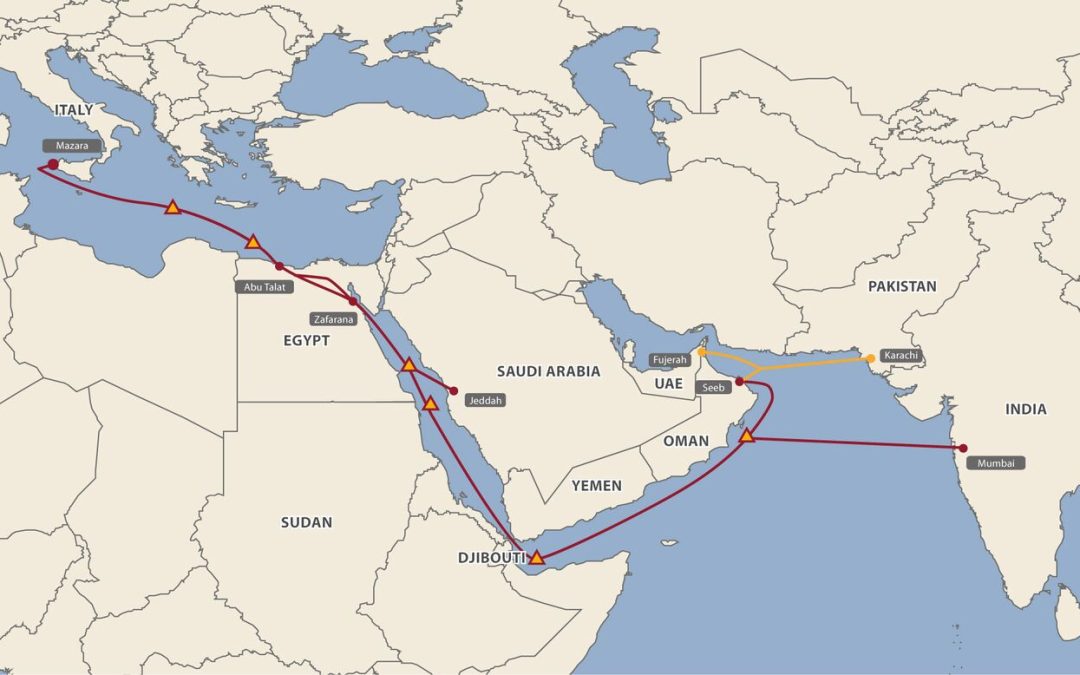
Strategic Council Online – Interview: An expert on subcontinental issues said that India and the United Arab Emirates are working on the first phase of the creation of the India-Middle East-Europe Economic Corridor, known as the IMEC Corridor (ArabMed), which is an alternative route to the Strait of Hormuz and China’s Silk Road plan. Although there are some speculations that with the continuation of the war in Gaza and the unrest in the Middle East, work on this corridor may be sidelined.

Netanyahu’s War Cabinet’s Efforts to Divert Public Opinion from The Gaza War

Netanyahu’s War Cabinet’s Efforts to Divert Public Opinion from The Gaza War

Strategic Council Online – Opinion: The Zionist regime is trying to “psychologically exploit” the recent events in the region to divert the world public opinion from the crimes this regime is committing in Gaza. Examining the atmosphere prevailing in the political and media circles of the Zionist regime and the centers aligned with it at the regional and international level shows that this regime seeks to “highlight and dominate” the recent tensions with the Islamic Republic of Iran so that it could reduce the heavy pressure that is felt in the domestic, regional, and international public opinion and even European governments against the Gaza war.
Hamid Khoshayand – expert on regional issues

أحدث الوظائف

Iran’s Success in the Narrative Battle in Cyberspace

SCFR Online – Opinion: In the war between Iran and the United States, the main battlefield was not defined solely in the military domain; rather, the battle of narratives in cyberspace—particularly through memes—reached a decisive level.
The Global Energy Shock Situation and Future Scenarios

SCFR Online – Opinion: Only one month after the beginning of the Ramadan War, maritime traffic in the Strait of Hormuz decreased dramatically, with Bloomberg announcing a reduction of 103 vessels; Brent oil prices rose by more than 50 percent, and gasoline prices in the United States increased by 31.4 percent. Additionally, benchmark gas prices in Europe showed a 73.4 percent increase.

Al-Zaydi’s Selection as Prime Minister, The Beginning of a New Chapter in Iraq

SCFR Online – Note: After approximately five months of political deadlock and institutional confusion, Ali al-Zaydi has finally been selected as Iraq’s Prime Minister. Al-Zaydi’s selection as Prime Minister represents a positive sign of the completion of the government formation process and the beginning of a new phase in Iraqi politics and governance. The emergence of a young, technocratic figure from the third generation of politicians—in a context where the country has been administered by traditional figures for decades—revives hope that Iraq may perhaps distance itself from the repetitive cycle of crises and experience a new path of stability, efficiency, and regional convergence.

Intensifying Intra-Party Divisions in the United States Regarding the Zionist Regime

SCFR Online – Note: Over recent decades, support for the Zionist regime has been one of the few issues commanding bipartisan consensus in US foreign policy. Since the Cold War era, Republicans and Democrats have generally agreed on the necessity of preserving the security and survival of the Zionist regime as Washington’s most strategic ally in West Asia—and indeed, globally. However, developments in recent years—particularly the Gaza war, escalating regional conflicts, the expansion of tensions into Lebanon, and this regime’s recent warmongering against Iran—have caused this traditional consensus, especially within the Democratic Party, to face significant fractures.

Public Opinion Disappointment of the Zionist Regime Regarding Success in War with Iran

SCFR Online – Opinion: The internal situation of the Israeli regime during the 40-day war can be analyzed from several perspectives. The popularity levels of Benjamin Netanyahu, the Likud Party, and the ruling coalition led by Netanyahu until February 28, 2026, remained approximately the same as during the preceding year. The most recent factor that had somewhat increased Netanyahu’s popularity was the advancement of the 2024 war with Hezbollah Lebanon. Subsequently, his popularity temporarily increased during the 12-day war with Iran, but after the war, it returned to its previous state.

Loading

Iran

Regional and Global Cooperation Necessary to Deal Seriously with the Dust Crisis

Regional and Global Cooperation Necessary to Deal Seriously with the Dust Crisis

Strategic Council Online – Analytical Report: Dust plays an important role in the ecosystem, which affects the chemical processes of the atmosphere and climate, the properties of water and soil, the movement of nutrients, and the cycle of food in the marine and terrestrial environment. Dust can also damage crops and adversely affect food production. Airborne dust reduces air quality and visibility and may have adverse health effects, especially for people with respiratory problems.

Reasons for Armenia’s Strategic Proximity to Europe and America

Reasons for Armenia’s Strategic Proximity to Europe and America

Strategic Council Online: The former Iranian ambassador to Armenia said Armenia’s strategic closeness to Europe and America is not far from expected because Pashinyan’s government is worried that if another attack occurs on its borders, it will not be able to maintain its position and defend its country. Therefore, he is trying to arrange for allies in the West.

Erdogan’s Motives and Opportunities for Reconciliation with the Syrian Government

Erdogan’s Motives and Opportunities for Reconciliation with the Syrian Government

Strategic Council Online—An expert on Caucasus issues said that the Turkish Foreign Minister recently stated in a joint press conference with his Saudi counterpart: “Our current strategy is dialogue and peace, and we ask Iran and Russia to play a constructive role in this process.” According to these statements, Turkey’s policy towards Syrian refugees and its consequences have once again been considered.

An Analysis of the Possible Approach of the New British Government in Foreign Policy

An Analysis of the Possible Approach of the New British Government in Foreign Policy

Strategic Council Online—Interview: An expert on European issues said: The British Labor Party, led by Keir Starmer, won the election by winning an overwhelming majority of the seats in the House of Commons. On the other hand, the Conservative party, led by Rishi Sunak, has lost 170 seats and is on the way to its heaviest political defeat since the party was founded in the 19th century.

An Analysis of the Saudi-UAE Border Dispute

An Analysis of the Saudi-UAE Border Dispute

Strategic Council Online – Interview: An expert on regional issues said: The dispute between Saudi Arabia and the United Arab Emirates over the Ilyasat region is more economy and investment oriented than border related. Therefore, it is unlikely for the dispute to have widescale repercussions politically and diplomatically.

Economy & Security: Connecting Links between Turkey and Persian Gulf States

Economy & Security: Connecting Links between Turkey and Persian Gulf States

Strategic Council Online – Opinion: Since 2000, Turkey has gradually shifted its foreign policy from the “Looking East” approach to the more traditional “Looking West” foreign policy. The most important reasons for this change in the structure of Turkey’s foreign policy were the developments in Iraq, the Syrian crisis, and Ankara’s failure to become a member state of the European Union. In addition to the above, the influence of people like President Erdogan and Davutoglu (former PM) on the change in Turkey’s foreign policy has been undeniable.

BRICS: Capacities & Opportunities

BRICS: Capacities & Opportunities

Strategic Council Online—Opinion: Recently, Russian Foreign Minister Sergei Lavrov said that BRICS is currently reviewing about 30 requests from different countries proposing various forms of cooperation. The increase in the number of countries applying for membership in the BRICS group indicates the growing importance of this group in the political and economic relations of the international system.

An Analysis on the Adoption the IAEA Board of Governors’ Resolution Against Iran

An Analysis on the Adoption the IAEA Board of Governors’ Resolution Against Iran

Strategic Council Online – Interview: An international lawyer and senior expert on international affairs said: The abstention and negative votes to the resolution of the Board of Governors regarding Iran should not overshadow the importance of the resolution’s content. In the past, there had been resolutions that were adopted with a similar voting ratio but that, nevertheless, ultimately left a negative impact on the nuclear dossier by shifting the course towards an unfavorable direction.

Strategic Importance of India-Middle East-Europe Economic Corridor

Strategic Importance of India-Middle East-Europe Economic Corridor

Strategic Council Online – Interview: An expert on subcontinental issues said that India and the United Arab Emirates are working on the first phase of the creation of the India-Middle East-Europe Economic Corridor, known as the IMEC Corridor (ArabMed), which is an alternative route to the Strait of Hormuz and China’s Silk Road plan. Although there are some speculations that with the continuation of the war in Gaza and the unrest in the Middle East, work on this corridor may be sidelined.

Netanyahu’s War Cabinet’s Efforts to Divert Public Opinion from The Gaza War

Netanyahu’s War Cabinet’s Efforts to Divert Public Opinion from The Gaza War

Strategic Council Online – Opinion: The Zionist regime is trying to “psychologically exploit” the recent events in the region to divert the world public opinion from the crimes this regime is committing in Gaza. Examining the atmosphere prevailing in the political and media circles of the Zionist regime and the centers aligned with it at the regional and international level shows that this regime seeks to “highlight and dominate” the recent tensions with the Islamic Republic of Iran so that it could reduce the heavy pressure that is felt in the domestic, regional, and international public opinion and even European governments against the Gaza war.
Hamid Khoshayand – expert on regional issues

Iran

Regional and Global Cooperation Necessary to Deal Seriously with the Dust Crisis

Regional and Global Cooperation Necessary to Deal Seriously with the Dust Crisis

Strategic Council Online – Analytical Report: Dust plays an important role in the ecosystem, which affects the chemical processes of the atmosphere and climate, the properties of water and soil, the movement of nutrients, and the cycle of food in the marine and terrestrial environment. Dust can also damage crops and adversely affect food production. Airborne dust reduces air quality and visibility and may have adverse health effects, especially for people with respiratory problems.

Reasons for Armenia’s Strategic Proximity to Europe and America

Reasons for Armenia’s Strategic Proximity to Europe and America

Strategic Council Online: The former Iranian ambassador to Armenia said Armenia’s strategic closeness to Europe and America is not far from expected because Pashinyan’s government is worried that if another attack occurs on its borders, it will not be able to maintain its position and defend its country. Therefore, he is trying to arrange for allies in the West.

Erdogan’s Motives and Opportunities for Reconciliation with the Syrian Government

Erdogan’s Motives and Opportunities for Reconciliation with the Syrian Government

Strategic Council Online—An expert on Caucasus issues said that the Turkish Foreign Minister recently stated in a joint press conference with his Saudi counterpart: “Our current strategy is dialogue and peace, and we ask Iran and Russia to play a constructive role in this process.” According to these statements, Turkey’s policy towards Syrian refugees and its consequences have once again been considered.

An Analysis of the Possible Approach of the New British Government in Foreign Policy

An Analysis of the Possible Approach of the New British Government in Foreign Policy

Strategic Council Online—Interview: An expert on European issues said: The British Labor Party, led by Keir Starmer, won the election by winning an overwhelming majority of the seats in the House of Commons. On the other hand, the Conservative party, led by Rishi Sunak, has lost 170 seats and is on the way to its heaviest political defeat since the party was founded in the 19th century.

An Analysis of the Saudi-UAE Border Dispute

An Analysis of the Saudi-UAE Border Dispute

Strategic Council Online – Interview: An expert on regional issues said: The dispute between Saudi Arabia and the United Arab Emirates over the Ilyasat region is more economy and investment oriented than border related. Therefore, it is unlikely for the dispute to have widescale repercussions politically and diplomatically.

Economy & Security: Connecting Links between Turkey and Persian Gulf States

Economy & Security: Connecting Links between Turkey and Persian Gulf States

Strategic Council Online – Opinion: Since 2000, Turkey has gradually shifted its foreign policy from the “Looking East” approach to the more traditional “Looking West” foreign policy. The most important reasons for this change in the structure of Turkey’s foreign policy were the developments in Iraq, the Syrian crisis, and Ankara’s failure to become a member state of the European Union. In addition to the above, the influence of people like President Erdogan and Davutoglu (former PM) on the change in Turkey’s foreign policy has been undeniable.

BRICS: Capacities & Opportunities

BRICS: Capacities & Opportunities

Strategic Council Online—Opinion: Recently, Russian Foreign Minister Sergei Lavrov said that BRICS is currently reviewing about 30 requests from different countries proposing various forms of cooperation. The increase in the number of countries applying for membership in the BRICS group indicates the growing importance of this group in the political and economic relations of the international system.

An Analysis on the Adoption the IAEA Board of Governors’ Resolution Against Iran

An Analysis on the Adoption the IAEA Board of Governors’ Resolution Against Iran

Strategic Council Online – Interview: An international lawyer and senior expert on international affairs said: The abstention and negative votes to the resolution of the Board of Governors regarding Iran should not overshadow the importance of the resolution’s content. In the past, there had been resolutions that were adopted with a similar voting ratio but that, nevertheless, ultimately left a negative impact on the nuclear dossier by shifting the course towards an unfavorable direction.

Strategic Importance of India-Middle East-Europe Economic Corridor

Strategic Importance of India-Middle East-Europe Economic Corridor

Strategic Council Online – Interview: An expert on subcontinental issues said that India and the United Arab Emirates are working on the first phase of the creation of the India-Middle East-Europe Economic Corridor, known as the IMEC Corridor (ArabMed), which is an alternative route to the Strait of Hormuz and China’s Silk Road plan. Although there are some speculations that with the continuation of the war in Gaza and the unrest in the Middle East, work on this corridor may be sidelined.

Netanyahu’s War Cabinet’s Efforts to Divert Public Opinion from The Gaza War

Netanyahu’s War Cabinet’s Efforts to Divert Public Opinion from The Gaza War

Strategic Council Online – Opinion: The Zionist regime is trying to “psychologically exploit” the recent events in the region to divert the world public opinion from the crimes this regime is committing in Gaza. Examining the atmosphere prevailing in the political and media circles of the Zionist regime and the centers aligned with it at the regional and international level shows that this regime seeks to “highlight and dominate” the recent tensions with the Islamic Republic of Iran so that it could reduce the heavy pressure that is felt in the domestic, regional, and international public opinion and even European governments against the Gaza war.
Hamid Khoshayand – expert on regional issues

LATEST CONTENT

Iran’s Success in the Narrative Battle in Cyberspace

SCFR Online – Opinion: In the war between Iran and the United States, the main battlefield was not defined solely in the military domain; rather, the battle of narratives in cyberspace—particularly through memes—reached a decisive level.

The Global Energy Shock Situation and Future Scenarios

SCFR Online – Opinion: Only one month after the beginning of the Ramadan War, maritime traffic in the Strait of Hormuz decreased dramatically, with Bloomberg announcing a reduction of 103 vessels; Brent oil prices rose by more than 50 percent, and gasoline prices in the United States increased by 31.4 percent. Additionally, benchmark gas prices in Europe showed a 73.4 percent increase.

Al-Zaydi’s Selection as Prime Minister, The Beginning of a New Chapter in Iraq

SCFR Online – Note: After approximately five months of political deadlock and institutional confusion, Ali al-Zaydi has finally been selected as Iraq’s Prime Minister. Al-Zaydi’s selection as Prime Minister represents a positive sign of the completion of the government formation process and the beginning of a new phase in Iraqi politics and governance. The emergence of a young, technocratic figure from the third generation of politicians—in a context where the country has been administered by traditional figures for decades—revives hope that Iraq may perhaps distance itself from the repetitive cycle of crises and experience a new path of stability, efficiency, and regional convergence.

Intensifying Intra-Party Divisions in the United States Regarding the Zionist Regime

SCFR Online – Note: Over recent decades, support for the Zionist regime has been one of the few issues commanding bipartisan consensus in US foreign policy. Since the Cold War era, Republicans and Democrats have generally agreed on the necessity of preserving the security and survival of the Zionist regime as Washington’s most strategic ally in West Asia—and indeed, globally. However, developments in recent years—particularly the Gaza war, escalating regional conflicts, the expansion of tensions into Lebanon, and this regime’s recent warmongering against Iran—have caused this traditional consensus, especially within the Democratic Party, to face significant fractures.

Public Opinion Disappointment of the Zionist Regime Regarding Success in War with Iran

SCFR Online – Opinion: The internal situation of the Israeli regime during the 40-day war can be analyzed from several perspectives. The popularity levels of Benjamin Netanyahu, the Likud Party, and the ruling coalition led by Netanyahu until February 28, 2026, remained approximately the same as during the preceding year. The most recent factor that had somewhat increased Netanyahu’s popularity was the advancement of the 2024 war with Hezbollah Lebanon. Subsequently, his popularity temporarily increased during the 12-day war with Iran, but after the war, it returned to its previous state.

Loading

Iran

Regional and Global Cooperation Necessary to Deal Seriously with the Dust Crisis

Regional and Global Cooperation Necessary to Deal Seriously with the Dust Crisis

Strategic Council Online – Analytical Report: Dust plays an important role in the ecosystem, which affects the chemical processes of the atmosphere and climate, the properties of water and soil, the movement of nutrients, and the cycle of food in the marine and terrestrial environment. Dust can also damage crops and adversely affect food production. Airborne dust reduces air quality and visibility and may have adverse health effects, especially for people with respiratory problems.

Reasons for Armenia’s Strategic Proximity to Europe and America

Reasons for Armenia’s Strategic Proximity to Europe and America

Strategic Council Online: The former Iranian ambassador to Armenia said Armenia’s strategic closeness to Europe and America is not far from expected because Pashinyan’s government is worried that if another attack occurs on its borders, it will not be able to maintain its position and defend its country. Therefore, he is trying to arrange for allies in the West.

Erdogan’s Motives and Opportunities for Reconciliation with the Syrian Government

Erdogan’s Motives and Opportunities for Reconciliation with the Syrian Government

Strategic Council Online—An expert on Caucasus issues said that the Turkish Foreign Minister recently stated in a joint press conference with his Saudi counterpart: “Our current strategy is dialogue and peace, and we ask Iran and Russia to play a constructive role in this process.” According to these statements, Turkey’s policy towards Syrian refugees and its consequences have once again been considered.

An Analysis of the Possible Approach of the New British Government in Foreign Policy

An Analysis of the Possible Approach of the New British Government in Foreign Policy

Strategic Council Online—Interview: An expert on European issues said: The British Labor Party, led by Keir Starmer, won the election by winning an overwhelming majority of the seats in the House of Commons. On the other hand, the Conservative party, led by Rishi Sunak, has lost 170 seats and is on the way to its heaviest political defeat since the party was founded in the 19th century.

An Analysis of the Saudi-UAE Border Dispute

An Analysis of the Saudi-UAE Border Dispute

Strategic Council Online – Interview: An expert on regional issues said: The dispute between Saudi Arabia and the United Arab Emirates over the Ilyasat region is more economy and investment oriented than border related. Therefore, it is unlikely for the dispute to have widescale repercussions politically and diplomatically.

Economy & Security: Connecting Links between Turkey and Persian Gulf States

Economy & Security: Connecting Links between Turkey and Persian Gulf States

Strategic Council Online – Opinion: Since 2000, Turkey has gradually shifted its foreign policy from the “Looking East” approach to the more traditional “Looking West” foreign policy. The most important reasons for this change in the structure of Turkey’s foreign policy were the developments in Iraq, the Syrian crisis, and Ankara’s failure to become a member state of the European Union. In addition to the above, the influence of people like President Erdogan and Davutoglu (former PM) on the change in Turkey’s foreign policy has been undeniable.

BRICS: Capacities & Opportunities

BRICS: Capacities & Opportunities

Strategic Council Online—Opinion: Recently, Russian Foreign Minister Sergei Lavrov said that BRICS is currently reviewing about 30 requests from different countries proposing various forms of cooperation. The increase in the number of countries applying for membership in the BRICS group indicates the growing importance of this group in the political and economic relations of the international system.

An Analysis on the Adoption the IAEA Board of Governors’ Resolution Against Iran

An Analysis on the Adoption the IAEA Board of Governors’ Resolution Against Iran

Strategic Council Online – Interview: An international lawyer and senior expert on international affairs said: The abstention and negative votes to the resolution of the Board of Governors regarding Iran should not overshadow the importance of the resolution’s content. In the past, there had been resolutions that were adopted with a similar voting ratio but that, nevertheless, ultimately left a negative impact on the nuclear dossier by shifting the course towards an unfavorable direction.

Strategic Importance of India-Middle East-Europe Economic Corridor

Strategic Importance of India-Middle East-Europe Economic Corridor

Strategic Council Online – Interview: An expert on subcontinental issues said that India and the United Arab Emirates are working on the first phase of the creation of the India-Middle East-Europe Economic Corridor, known as the IMEC Corridor (ArabMed), which is an alternative route to the Strait of Hormuz and China’s Silk Road plan. Although there are some speculations that with the continuation of the war in Gaza and the unrest in the Middle East, work on this corridor may be sidelined.

Netanyahu’s War Cabinet’s Efforts to Divert Public Opinion from The Gaza War

Netanyahu’s War Cabinet’s Efforts to Divert Public Opinion from The Gaza War

Strategic Council Online – Opinion: The Zionist regime is trying to “psychologically exploit” the recent events in the region to divert the world public opinion from the crimes this regime is committing in Gaza. Examining the atmosphere prevailing in the political and media circles of the Zionist regime and the centers aligned with it at the regional and international level shows that this regime seeks to “highlight and dominate” the recent tensions with the Islamic Republic of Iran so that it could reduce the heavy pressure that is felt in the domestic, regional, and international public opinion and even European governments against the Gaza war.
Hamid Khoshayand – expert on regional issues

ÚLTIMAS PUBLICACIONES

Iran’s Success in the Narrative Battle in Cyberspace

SCFR Online – Opinion: In the war between Iran and the United States, the main battlefield was not defined solely in the military domain; rather, the battle of narratives in cyberspace—particularly through memes—reached a decisive level.

The Global Energy Shock Situation and Future Scenarios

SCFR Online – Opinion: Only one month after the beginning of the Ramadan War, maritime traffic in the Strait of Hormuz decreased dramatically, with Bloomberg announcing a reduction of 103 vessels; Brent oil prices rose by more than 50 percent, and gasoline prices in the United States increased by 31.4 percent. Additionally, benchmark gas prices in Europe showed a 73.4 percent increase.

Al-Zaydi’s Selection as Prime Minister, The Beginning of a New Chapter in Iraq

SCFR Online – Note: After approximately five months of political deadlock and institutional confusion, Ali al-Zaydi has finally been selected as Iraq’s Prime Minister. Al-Zaydi’s selection as Prime Minister represents a positive sign of the completion of the government formation process and the beginning of a new phase in Iraqi politics and governance. The emergence of a young, technocratic figure from the third generation of politicians—in a context where the country has been administered by traditional figures for decades—revives hope that Iraq may perhaps distance itself from the repetitive cycle of crises and experience a new path of stability, efficiency, and regional convergence.

Intensifying Intra-Party Divisions in the United States Regarding the Zionist Regime

SCFR Online – Note: Over recent decades, support for the Zionist regime has been one of the few issues commanding bipartisan consensus in US foreign policy. Since the Cold War era, Republicans and Democrats have generally agreed on the necessity of preserving the security and survival of the Zionist regime as Washington’s most strategic ally in West Asia—and indeed, globally. However, developments in recent years—particularly the Gaza war, escalating regional conflicts, the expansion of tensions into Lebanon, and this regime’s recent warmongering against Iran—have caused this traditional consensus, especially within the Democratic Party, to face significant fractures.

Public Opinion Disappointment of the Zionist Regime Regarding Success in War with Iran

SCFR Online – Opinion: The internal situation of the Israeli regime during the 40-day war can be analyzed from several perspectives. The popularity levels of Benjamin Netanyahu, the Likud Party, and the ruling coalition led by Netanyahu until February 28, 2026, remained approximately the same as during the preceding year. The most recent factor that had somewhat increased Netanyahu’s popularity was the advancement of the 2024 war with Hezbollah Lebanon. Subsequently, his popularity temporarily increased during the 12-day war with Iran, but after the war, it returned to its previous state.

Loading

Iran

Regional and Global Cooperation Necessary to Deal Seriously with the Dust Crisis

Regional and Global Cooperation Necessary to Deal Seriously with the Dust Crisis

Strategic Council Online – Analytical Report: Dust plays an important role in the ecosystem, which affects the chemical processes of the atmosphere and climate, the properties of water and soil, the movement of nutrients, and the cycle of food in the marine and terrestrial environment. Dust can also damage crops and adversely affect food production. Airborne dust reduces air quality and visibility and may have adverse health effects, especially for people with respiratory problems.

Reasons for Armenia’s Strategic Proximity to Europe and America

Reasons for Armenia’s Strategic Proximity to Europe and America

Strategic Council Online: The former Iranian ambassador to Armenia said Armenia’s strategic closeness to Europe and America is not far from expected because Pashinyan’s government is worried that if another attack occurs on its borders, it will not be able to maintain its position and defend its country. Therefore, he is trying to arrange for allies in the West.

Erdogan’s Motives and Opportunities for Reconciliation with the Syrian Government

Erdogan’s Motives and Opportunities for Reconciliation with the Syrian Government

Strategic Council Online—An expert on Caucasus issues said that the Turkish Foreign Minister recently stated in a joint press conference with his Saudi counterpart: “Our current strategy is dialogue and peace, and we ask Iran and Russia to play a constructive role in this process.” According to these statements, Turkey’s policy towards Syrian refugees and its consequences have once again been considered.

An Analysis of the Possible Approach of the New British Government in Foreign Policy

An Analysis of the Possible Approach of the New British Government in Foreign Policy

Strategic Council Online—Interview: An expert on European issues said: The British Labor Party, led by Keir Starmer, won the election by winning an overwhelming majority of the seats in the House of Commons. On the other hand, the Conservative party, led by Rishi Sunak, has lost 170 seats and is on the way to its heaviest political defeat since the party was founded in the 19th century.

An Analysis of the Saudi-UAE Border Dispute

An Analysis of the Saudi-UAE Border Dispute

Strategic Council Online – Interview: An expert on regional issues said: The dispute between Saudi Arabia and the United Arab Emirates over the Ilyasat region is more economy and investment oriented than border related. Therefore, it is unlikely for the dispute to have widescale repercussions politically and diplomatically.

Economy & Security: Connecting Links between Turkey and Persian Gulf States

Economy & Security: Connecting Links between Turkey and Persian Gulf States

Strategic Council Online – Opinion: Since 2000, Turkey has gradually shifted its foreign policy from the “Looking East” approach to the more traditional “Looking West” foreign policy. The most important reasons for this change in the structure of Turkey’s foreign policy were the developments in Iraq, the Syrian crisis, and Ankara’s failure to become a member state of the European Union. In addition to the above, the influence of people like President Erdogan and Davutoglu (former PM) on the change in Turkey’s foreign policy has been undeniable.

BRICS: Capacities & Opportunities

BRICS: Capacities & Opportunities

Strategic Council Online—Opinion: Recently, Russian Foreign Minister Sergei Lavrov said that BRICS is currently reviewing about 30 requests from different countries proposing various forms of cooperation. The increase in the number of countries applying for membership in the BRICS group indicates the growing importance of this group in the political and economic relations of the international system.

An Analysis on the Adoption the IAEA Board of Governors’ Resolution Against Iran

An Analysis on the Adoption the IAEA Board of Governors’ Resolution Against Iran

Strategic Council Online – Interview: An international lawyer and senior expert on international affairs said: The abstention and negative votes to the resolution of the Board of Governors regarding Iran should not overshadow the importance of the resolution’s content. In the past, there had been resolutions that were adopted with a similar voting ratio but that, nevertheless, ultimately left a negative impact on the nuclear dossier by shifting the course towards an unfavorable direction.

Strategic Importance of India-Middle East-Europe Economic Corridor

Strategic Importance of India-Middle East-Europe Economic Corridor

Strategic Council Online – Interview: An expert on subcontinental issues said that India and the United Arab Emirates are working on the first phase of the creation of the India-Middle East-Europe Economic Corridor, known as the IMEC Corridor (ArabMed), which is an alternative route to the Strait of Hormuz and China’s Silk Road plan. Although there are some speculations that with the continuation of the war in Gaza and the unrest in the Middle East, work on this corridor may be sidelined.

Netanyahu’s War Cabinet’s Efforts to Divert Public Opinion from The Gaza War

Netanyahu’s War Cabinet’s Efforts to Divert Public Opinion from The Gaza War

Strategic Council Online – Opinion: The Zionist regime is trying to “psychologically exploit” the recent events in the region to divert the world public opinion from the crimes this regime is committing in Gaza. Examining the atmosphere prevailing in the political and media circles of the Zionist regime and the centers aligned with it at the regional and international level shows that this regime seeks to “highlight and dominate” the recent tensions with the Islamic Republic of Iran so that it could reduce the heavy pressure that is felt in the domestic, regional, and international public opinion and even European governments against the Gaza war.
Hamid Khoshayand – expert on regional issues

ÚLTIMAS PUBLICACIONES

Iran’s Success in the Narrative Battle in Cyberspace

SCFR Online – Opinion: In the war between Iran and the United States, the main battlefield was not defined solely in the military domain; rather, the battle of narratives in cyberspace—particularly through memes—reached a decisive level.
The Global Energy Shock Situation and Future Scenarios

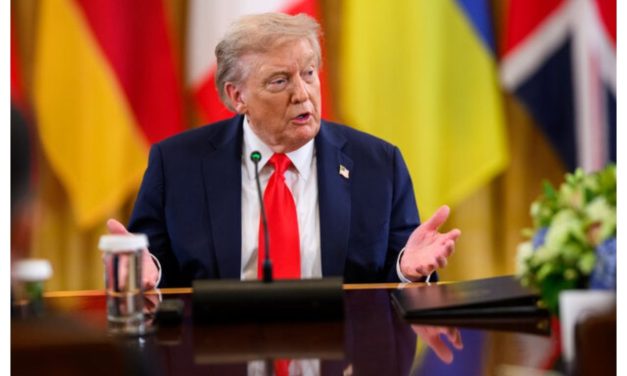
SCFR Online – Opinion: Only one month after the beginning of the Ramadan War, maritime traffic in the Strait of Hormuz decreased dramatically, with Bloomberg announcing a reduction of 103 vessels; Brent oil prices rose by more than 50 percent, and gasoline prices in the United States increased by 31.4 percent. Additionally, benchmark gas prices in Europe showed a 73.4 percent increase.

Al-Zaydi’s Selection as Prime Minister, The Beginning of a New Chapter in Iraq

SCFR Online – Note: After approximately five months of political deadlock and institutional confusion, Ali al-Zaydi has finally been selected as Iraq’s Prime Minister. Al-Zaydi’s selection as Prime Minister represents a positive sign of the completion of the government formation process and the beginning of a new phase in Iraqi politics and governance. The emergence of a young, technocratic figure from the third generation of politicians—in a context where the country has been administered by traditional figures for decades—revives hope that Iraq may perhaps distance itself from the repetitive cycle of crises and experience a new path of stability, efficiency, and regional convergence.

Intensifying Intra-Party Divisions in the United States Regarding the Zionist Regime

SCFR Online – Note: Over recent decades, support for the Zionist regime has been one of the few issues commanding bipartisan consensus in US foreign policy. Since the Cold War era, Republicans and Democrats have generally agreed on the necessity of preserving the security and survival of the Zionist regime as Washington’s most strategic ally in West Asia—and indeed, globally. However, developments in recent years—particularly the Gaza war, escalating regional conflicts, the expansion of tensions into Lebanon, and this regime’s recent warmongering against Iran—have caused this traditional consensus, especially within the Democratic Party, to face significant fractures.

Public Opinion Disappointment of the Zionist Regime Regarding Success in War with Iran

SCFR Online – Opinion: The internal situation of the Israeli regime during the 40-day war can be analyzed from several perspectives. The popularity levels of Benjamin Netanyahu, the Likud Party, and the ruling coalition led by Netanyahu until February 28, 2026, remained approximately the same as during the preceding year. The most recent factor that had somewhat increased Netanyahu’s popularity was the advancement of the 2024 war with Hezbollah Lebanon. Subsequently, his popularity temporarily increased during the 12-day war with Iran, but after the war, it returned to its previous state.

Loading

Iran

Regional and Global Cooperation Necessary to Deal Seriously with the Dust Crisis

Regional and Global Cooperation Necessary to Deal Seriously with the Dust Crisis

Strategic Council Online – Analytical Report: Dust plays an important role in the ecosystem, which affects the chemical processes of the atmosphere and climate, the properties of water and soil, the movement of nutrients, and the cycle of food in the marine and terrestrial environment. Dust can also damage crops and adversely affect food production. Airborne dust reduces air quality and visibility and may have adverse health effects, especially for people with respiratory problems.

Reasons for Armenia’s Strategic Proximity to Europe and America

Reasons for Armenia’s Strategic Proximity to Europe and America

Strategic Council Online: The former Iranian ambassador to Armenia said Armenia’s strategic closeness to Europe and America is not far from expected because Pashinyan’s government is worried that if another attack occurs on its borders, it will not be able to maintain its position and defend its country. Therefore, he is trying to arrange for allies in the West.

Erdogan’s Motives and Opportunities for Reconciliation with the Syrian Government

Erdogan’s Motives and Opportunities for Reconciliation with the Syrian Government

Strategic Council Online—An expert on Caucasus issues said that the Turkish Foreign Minister recently stated in a joint press conference with his Saudi counterpart: “Our current strategy is dialogue and peace, and we ask Iran and Russia to play a constructive role in this process.” According to these statements, Turkey’s policy towards Syrian refugees and its consequences have once again been considered.

An Analysis of the Possible Approach of the New British Government in Foreign Policy

An Analysis of the Possible Approach of the New British Government in Foreign Policy

Strategic Council Online—Interview: An expert on European issues said: The British Labor Party, led by Keir Starmer, won the election by winning an overwhelming majority of the seats in the House of Commons. On the other hand, the Conservative party, led by Rishi Sunak, has lost 170 seats and is on the way to its heaviest political defeat since the party was founded in the 19th century.

An Analysis of the Saudi-UAE Border Dispute

An Analysis of the Saudi-UAE Border Dispute

Strategic Council Online – Interview: An expert on regional issues said: The dispute between Saudi Arabia and the United Arab Emirates over the Ilyasat region is more economy and investment oriented than border related. Therefore, it is unlikely for the dispute to have widescale repercussions politically and diplomatically.

Economy & Security: Connecting Links between Turkey and Persian Gulf States

Economy & Security: Connecting Links between Turkey and Persian Gulf States

Strategic Council Online – Opinion: Since 2000, Turkey has gradually shifted its foreign policy from the “Looking East” approach to the more traditional “Looking West” foreign policy. The most important reasons for this change in the structure of Turkey’s foreign policy were the developments in Iraq, the Syrian crisis, and Ankara’s failure to become a member state of the European Union. In addition to the above, the influence of people like President Erdogan and Davutoglu (former PM) on the change in Turkey’s foreign policy has been undeniable.

BRICS: Capacities & Opportunities

BRICS: Capacities & Opportunities

Strategic Council Online—Opinion: Recently, Russian Foreign Minister Sergei Lavrov said that BRICS is currently reviewing about 30 requests from different countries proposing various forms of cooperation. The increase in the number of countries applying for membership in the BRICS group indicates the growing importance of this group in the political and economic relations of the international system.

An Analysis on the Adoption the IAEA Board of Governors’ Resolution Against Iran

An Analysis on the Adoption the IAEA Board of Governors’ Resolution Against Iran

Strategic Council Online – Interview: An international lawyer and senior expert on international affairs said: The abstention and negative votes to the resolution of the Board of Governors regarding Iran should not overshadow the importance of the resolution’s content. In the past, there had been resolutions that were adopted with a similar voting ratio but that, nevertheless, ultimately left a negative impact on the nuclear dossier by shifting the course towards an unfavorable direction.

Strategic Importance of India-Middle East-Europe Economic Corridor

Strategic Importance of India-Middle East-Europe Economic Corridor

Strategic Council Online – Interview: An expert on subcontinental issues said that India and the United Arab Emirates are working on the first phase of the creation of the India-Middle East-Europe Economic Corridor, known as the IMEC Corridor (ArabMed), which is an alternative route to the Strait of Hormuz and China’s Silk Road plan. Although there are some speculations that with the continuation of the war in Gaza and the unrest in the Middle East, work on this corridor may be sidelined.

Netanyahu’s War Cabinet’s Efforts to Divert Public Opinion from The Gaza War

Netanyahu’s War Cabinet’s Efforts to Divert Public Opinion from The Gaza War

Strategic Council Online – Opinion: The Zionist regime is trying to “psychologically exploit” the recent events in the region to divert the world public opinion from the crimes this regime is committing in Gaza. Examining the atmosphere prevailing in the political and media circles of the Zionist regime and the centers aligned with it at the regional and international level shows that this regime seeks to “highlight and dominate” the recent tensions with the Islamic Republic of Iran so that it could reduce the heavy pressure that is felt in the domestic, regional, and international public opinion and even European governments against the Gaza war.
Hamid Khoshayand – expert on regional issues

ÚLTIMAS PUBLICACIONES

Iran’s Success in the Narrative Battle in Cyberspace

SCFR Online – Opinion: In the war between Iran and the United States, the main battlefield was not defined solely in the military domain; rather, the battle of narratives in cyberspace—particularly through memes—reached a decisive level.
The Global Energy Shock Situation and Future Scenarios

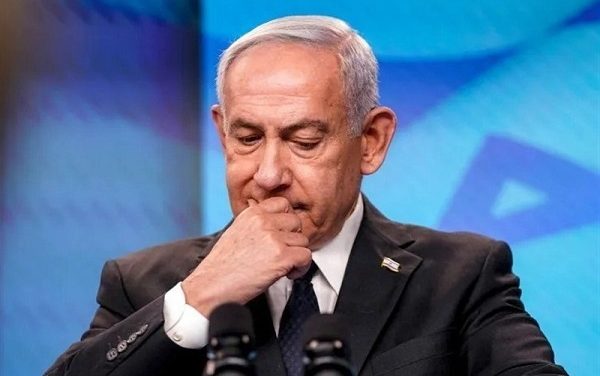
SCFR Online – Opinion: Only one month after the beginning of the Ramadan War, maritime traffic in the Strait of Hormuz decreased dramatically, with Bloomberg announcing a reduction of 103 vessels; Brent oil prices rose by more than 50 percent, and gasoline prices in the United States increased by 31.4 percent. Additionally, benchmark gas prices in Europe showed a 73.4 percent increase.

Al-Zaydi’s Selection as Prime Minister, The Beginning of a New Chapter in Iraq

SCFR Online – Note: After approximately five months of political deadlock and institutional confusion, Ali al-Zaydi has finally been selected as Iraq’s Prime Minister. Al-Zaydi’s selection as Prime Minister represents a positive sign of the completion of the government formation process and the beginning of a new phase in Iraqi politics and governance. The emergence of a young, technocratic figure from the third generation of politicians—in a context where the country has been administered by traditional figures for decades—revives hope that Iraq may perhaps distance itself from the repetitive cycle of crises and experience a new path of stability, efficiency, and regional convergence.

Intensifying Intra-Party Divisions in the United States Regarding the Zionist Regime

SCFR Online – Note: Over recent decades, support for the Zionist regime has been one of the few issues commanding bipartisan consensus in US foreign policy. Since the Cold War era, Republicans and Democrats have generally agreed on the necessity of preserving the security and survival of the Zionist regime as Washington’s most strategic ally in West Asia—and indeed, globally. However, developments in recent years—particularly the Gaza war, escalating regional conflicts, the expansion of tensions into Lebanon, and this regime’s recent warmongering against Iran—have caused this traditional consensus, especially within the Democratic Party, to face significant fractures.

Public Opinion Disappointment of the Zionist Regime Regarding Success in War with Iran

SCFR Online – Opinion: The internal situation of the Israeli regime during the 40-day war can be analyzed from several perspectives. The popularity levels of Benjamin Netanyahu, the Likud Party, and the ruling coalition led by Netanyahu until February 28, 2026, remained approximately the same as during the preceding year. The most recent factor that had somewhat increased Netanyahu’s popularity was the advancement of the 2024 war with Hezbollah Lebanon. Subsequently, his popularity temporarily increased during the 12-day war with Iran, but after the war, it returned to its previous state.

Loading

Iran

Regional and Global Cooperation Necessary to Deal Seriously with the Dust Crisis

Regional and Global Cooperation Necessary to Deal Seriously with the Dust Crisis

Strategic Council Online – Analytical Report: Dust plays an important role in the ecosystem, which affects the chemical processes of the atmosphere and climate, the properties of water and soil, the movement of nutrients, and the cycle of food in the marine and terrestrial environment. Dust can also damage crops and adversely affect food production. Airborne dust reduces air quality and visibility and may have adverse health effects, especially for people with respiratory problems.

Reasons for Armenia’s Strategic Proximity to Europe and America

Reasons for Armenia’s Strategic Proximity to Europe and America

Strategic Council Online: The former Iranian ambassador to Armenia said Armenia’s strategic closeness to Europe and America is not far from expected because Pashinyan’s government is worried that if another attack occurs on its borders, it will not be able to maintain its position and defend its country. Therefore, he is trying to arrange for allies in the West.

Erdogan’s Motives and Opportunities for Reconciliation with the Syrian Government

Erdogan’s Motives and Opportunities for Reconciliation with the Syrian Government

Strategic Council Online—An expert on Caucasus issues said that the Turkish Foreign Minister recently stated in a joint press conference with his Saudi counterpart: “Our current strategy is dialogue and peace, and we ask Iran and Russia to play a constructive role in this process.” According to these statements, Turkey’s policy towards Syrian refugees and its consequences have once again been considered.

An Analysis of the Possible Approach of the New British Government in Foreign Policy

An Analysis of the Possible Approach of the New British Government in Foreign Policy

Strategic Council Online—Interview: An expert on European issues said: The British Labor Party, led by Keir Starmer, won the election by winning an overwhelming majority of the seats in the House of Commons. On the other hand, the Conservative party, led by Rishi Sunak, has lost 170 seats and is on the way to its heaviest political defeat since the party was founded in the 19th century.

An Analysis of the Saudi-UAE Border Dispute

An Analysis of the Saudi-UAE Border Dispute

Strategic Council Online – Interview: An expert on regional issues said: The dispute between Saudi Arabia and the United Arab Emirates over the Ilyasat region is more economy and investment oriented than border related. Therefore, it is unlikely for the dispute to have widescale repercussions politically and diplomatically.

Economy & Security: Connecting Links between Turkey and Persian Gulf States

Economy & Security: Connecting Links between Turkey and Persian Gulf States

Strategic Council Online – Opinion: Since 2000, Turkey has gradually shifted its foreign policy from the “Looking East” approach to the more traditional “Looking West” foreign policy. The most important reasons for this change in the structure of Turkey’s foreign policy were the developments in Iraq, the Syrian crisis, and Ankara’s failure to become a member state of the European Union. In addition to the above, the influence of people like President Erdogan and Davutoglu (former PM) on the change in Turkey’s foreign policy has been undeniable.

BRICS: Capacities & Opportunities

BRICS: Capacities & Opportunities

Strategic Council Online—Opinion: Recently, Russian Foreign Minister Sergei Lavrov said that BRICS is currently reviewing about 30 requests from different countries proposing various forms of cooperation. The increase in the number of countries applying for membership in the BRICS group indicates the growing importance of this group in the political and economic relations of the international system.

An Analysis on the Adoption the IAEA Board of Governors’ Resolution Against Iran

An Analysis on the Adoption the IAEA Board of Governors’ Resolution Against Iran

Strategic Council Online – Interview: An international lawyer and senior expert on international affairs said: The abstention and negative votes to the resolution of the Board of Governors regarding Iran should not overshadow the importance of the resolution’s content. In the past, there had been resolutions that were adopted with a similar voting ratio but that, nevertheless, ultimately left a negative impact on the nuclear dossier by shifting the course towards an unfavorable direction.

Strategic Importance of India-Middle East-Europe Economic Corridor

Strategic Importance of India-Middle East-Europe Economic Corridor

Strategic Council Online – Interview: An expert on subcontinental issues said that India and the United Arab Emirates are working on the first phase of the creation of the India-Middle East-Europe Economic Corridor, known as the IMEC Corridor (ArabMed), which is an alternative route to the Strait of Hormuz and China’s Silk Road plan. Although there are some speculations that with the continuation of the war in Gaza and the unrest in the Middle East, work on this corridor may be sidelined.

Netanyahu’s War Cabinet’s Efforts to Divert Public Opinion from The Gaza War

Netanyahu’s War Cabinet’s Efforts to Divert Public Opinion from The Gaza War

Strategic Council Online – Opinion: The Zionist regime is trying to “psychologically exploit” the recent events in the region to divert the world public opinion from the crimes this regime is committing in Gaza. Examining the atmosphere prevailing in the political and media circles of the Zionist regime and the centers aligned with it at the regional and international level shows that this regime seeks to “highlight and dominate” the recent tensions with the Islamic Republic of Iran so that it could reduce the heavy pressure that is felt in the domestic, regional, and international public opinion and even European governments against the Gaza war.
Hamid Khoshayand – expert on regional issues

ÚLTIMAS PUBLICACIONES

Iran’s Success in the Narrative Battle in Cyberspace

SCFR Online – Opinion: In the war between Iran and the United States, the main battlefield was not defined solely in the military domain; rather, the battle of narratives in cyberspace—particularly through memes—reached a decisive level.

The Global Energy Shock Situation and Future Scenarios

SCFR Online – Opinion: Only one month after the beginning of the Ramadan War, maritime traffic in the Strait of Hormuz decreased dramatically, with Bloomberg announcing a reduction of 103 vessels; Brent oil prices rose by more than 50 percent, and gasoline prices in the United States increased by 31.4 percent. Additionally, benchmark gas prices in Europe showed a 73.4 percent increase.

Al-Zaydi’s Selection as Prime Minister, The Beginning of a New Chapter in Iraq

SCFR Online – Note: After approximately five months of political deadlock and institutional confusion, Ali al-Zaydi has finally been selected as Iraq’s Prime Minister. Al-Zaydi’s selection as Prime Minister represents a positive sign of the completion of the government formation process and the beginning of a new phase in Iraqi politics and governance. The emergence of a young, technocratic figure from the third generation of politicians—in a context where the country has been administered by traditional figures for decades—revives hope that Iraq may perhaps distance itself from the repetitive cycle of crises and experience a new path of stability, efficiency, and regional convergence.

Intensifying Intra-Party Divisions in the United States Regarding the Zionist Regime

SCFR Online – Note: Over recent decades, support for the Zionist regime has been one of the few issues commanding bipartisan consensus in US foreign policy. Since the Cold War era, Republicans and Democrats have generally agreed on the necessity of preserving the security and survival of the Zionist regime as Washington’s most strategic ally in West Asia—and indeed, globally. However, developments in recent years—particularly the Gaza war, escalating regional conflicts, the expansion of tensions into Lebanon, and this regime’s recent warmongering against Iran—have caused this traditional consensus, especially within the Democratic Party, to face significant fractures.

Public Opinion Disappointment of the Zionist Regime Regarding Success in War with Iran

SCFR Online – Opinion: The internal situation of the Israeli regime during the 40-day war can be analyzed from several perspectives. The popularity levels of Benjamin Netanyahu, the Likud Party, and the ruling coalition led by Netanyahu until February 28, 2026, remained approximately the same as during the preceding year. The most recent factor that had somewhat increased Netanyahu’s popularity was the advancement of the 2024 war with Hezbollah Lebanon. Subsequently, his popularity temporarily increased during the 12-day war with Iran, but after the war, it returned to its previous state.

Loading