جدیدترین مطالب

Consequences of Declining Trust in the Judiciary in Europe

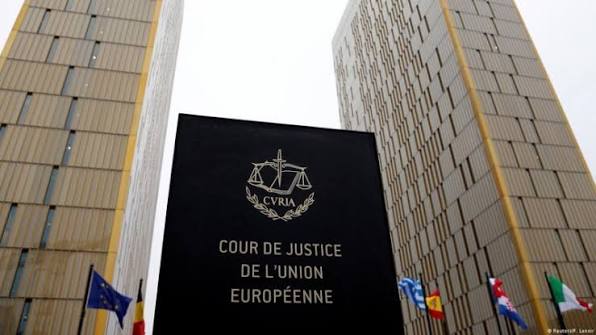
SCFRonline – Opinion: The increase in public distrust of the French judicial system, which in recent surveys has reached approximately two-thirds of citizens, should be analyzed within a framework broader than temporary dissatisfaction or an emotional reaction to a particular criminal case.
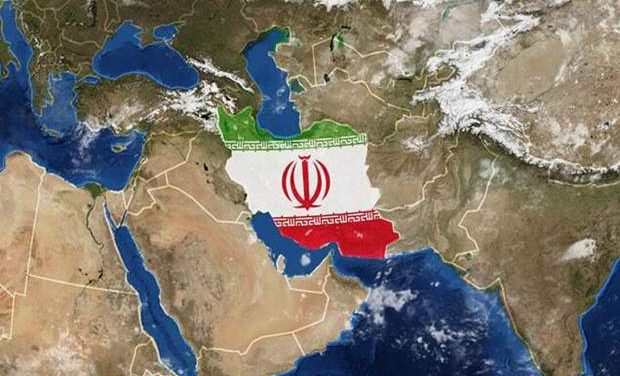

Iran’s Potential Levers of Power

SCFRonline– Opinion: Iran’s geopolitical power is not limited solely to oil and the Strait of Hormuz; the unintended emergence of disruptions in the future global food and energy security chains can also demonstrate Iran’s strategic importance.

The Inseparability of the Lebanese Front from the Axis of Resistance

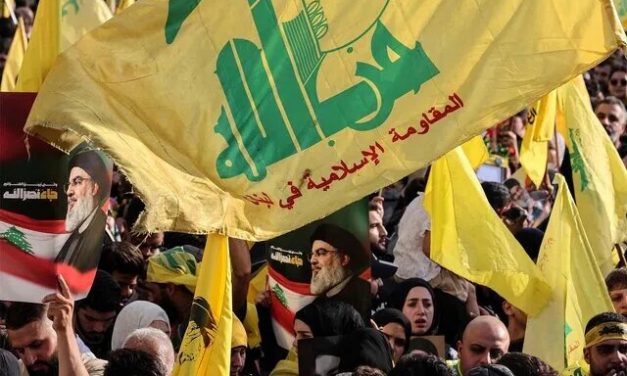
SCFR Online–Opinion: By providing an extensive network of social, healthcare, educational, and post-war reconstruction services, Hezbollah has established a strong social base for itself among Lebanon’s Shiites and Sunnis, and even beyond that, among other segments of Lebanese society, including Christians. Hezbollah has never been an external actor imposed upon Lebanon; rather, it is a phenomenon fundamentally born out of the occupation and crimes of the Zionist regime and itself influenced by popular resistance.

The Increasing Efforts of the Zionist Regime to Redefine Borders and the Regional Order and Its Consequences

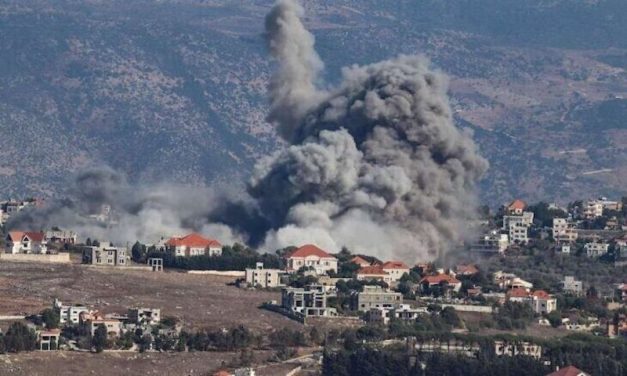
SCFR Online– Opinion: Security and military developments in the region over recent months indicate that the ongoing crises and wars in Gaza, southern Lebanon, and parts of Syrian territory encompass broader dimensions of geopolitical and geostrategic transformations. In this context, the increased military presence and control of the Zionist regime over parts of the territories of these areas, along with proposals regarding the creation of buffer zones or even the expansion of security borders, have raised serious questions about the future of the regional order and its consequences for the countries of West Asia.

Loading

Muslim Brotherhood

Egypt Seeks to Reduce Vulnerability vis-à-vis the Zionist Regime

Egypt Seeks to Reduce Vulnerability vis-à-vis the Zionist Regime

Online Strategic Council – Interview: A senior Egyptian affairs analyst stated that Egypt, the first Arab country to sign a peace agreement with the Zionist regime in 1979, has now adopted a new strategy due to concerns about the regime’s expansionist policies. The developments following the 2023 Gaza war revealed that Tel Aviv, with the unconditional support of the United States, seeks to alter the balance of power in West Asia —a matter that has compelled Cairo to expand its relations with Iran and Turkey, two significant regional powers. By holding joint military exercises with Turkey, mediating in Iran’s nuclear dossier, and seeking military and technological cooperation, Egypt is trying to prevent the Zionists’ hegemony in the region. Although the formation of a trilateral military alliance seems unlikely for now, Cairo’s rapprochement with Tehran and Ankara is considered a potential threat to the Israeli regime. In fact, in the face of regional pressures and border crises, Egypt is seeking to create a strategic balance to curb Tel Aviv’s influence and enhance its own position in the West Asian equations.

An Analysis of Recent Developments in Egypt-Turkiye Relations, Its Implications

An Analysis of Recent Developments in Egypt-Turkiye Relations, Its Implications

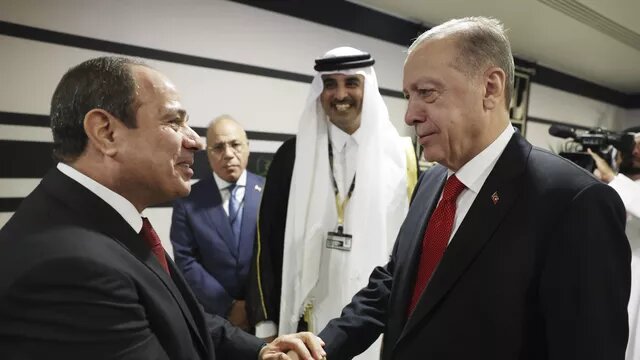
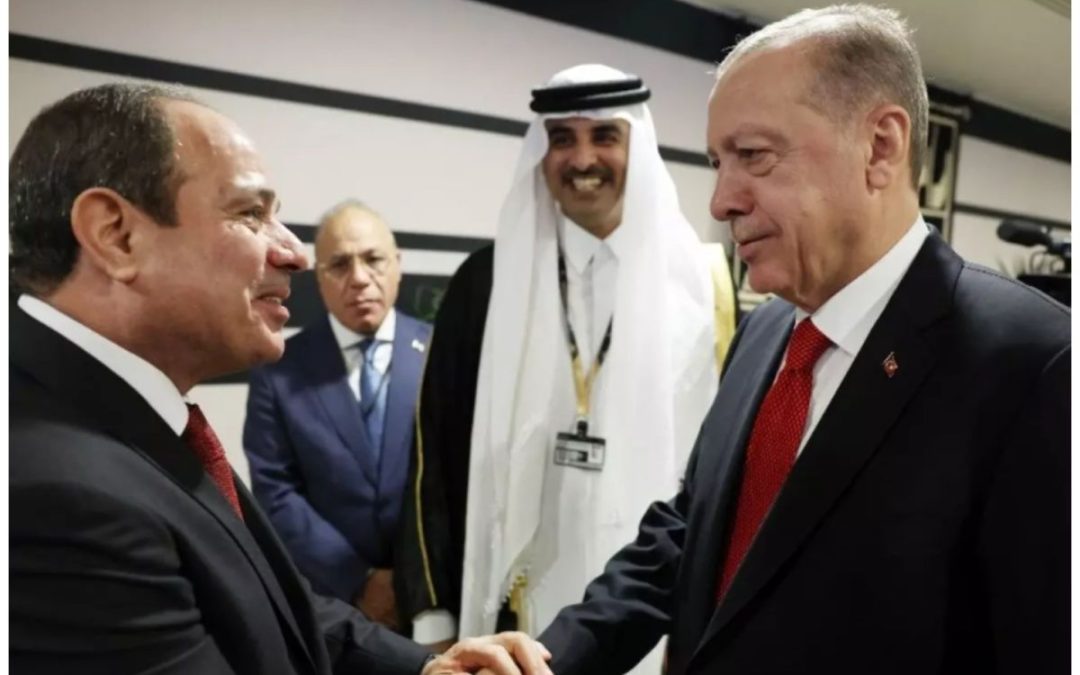
Strategic Council Online – Opinion: Egypt and Türkiye are going through a developing relationship. In the past seven months, we have witnessed two “important developments” in the relations between Türkiye and Egypt. First, Erdoğan’s visit to Egypt in February was done for the first time after the 2013 events in Egypt and Morsi’s removal from power. Second, the recent visit of Egyptian President Sisi to Turkey in September 1403), which took place after 12 years, can be considered very important and the beginning of a new phase in Egypt-Turkey relations.

The prospect of Possible Departure of Hamas Political Office from Qatar

The prospect of Possible Departure of Hamas Political Office from Qatar

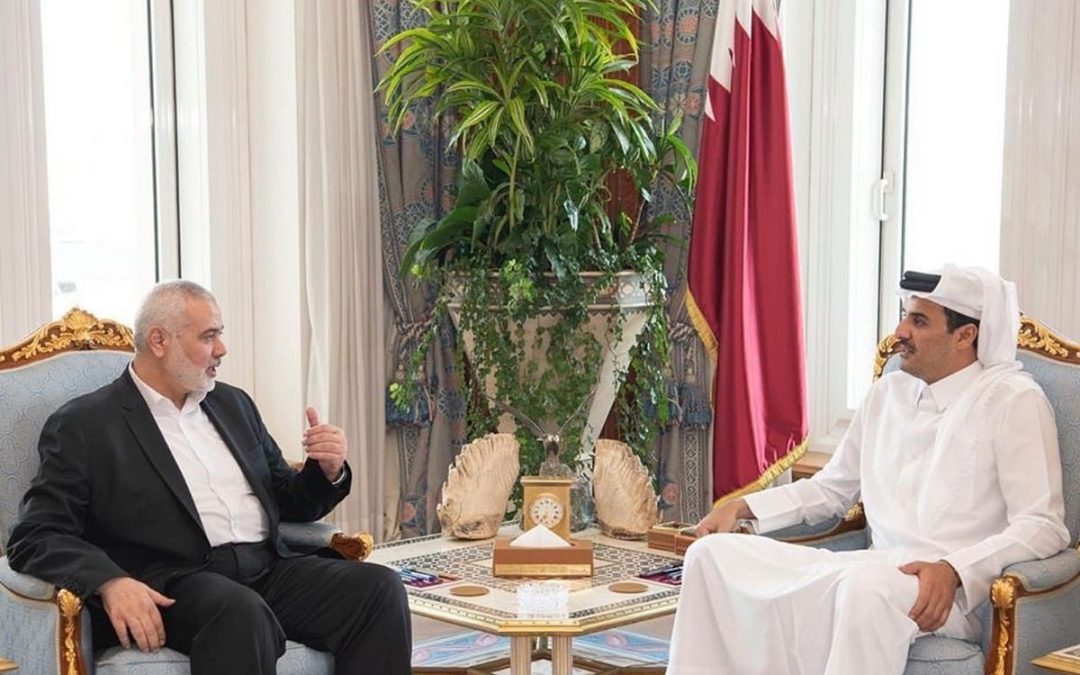
Strategic Council Online – Interview: An expert on regional issues said Qatari authorities will definitely resist Western pressure to expel Hamas leaders from their territory, and probably the United States will not move towards a zero-hundred equation in this regard because if the Hamas leaders remain in Qatar, which is an ally of the United States, is better than moving to a country outside the power of the United States to exert pressure.

Analysis of Turkey-Egypt Relations Process

Analysis of Turkey-Egypt Relations Process

Strategic Council Online – Opinion: After a decade of severance of diplomatic relations, Turkey and Egypt announced in a joint statement promotion of their political ties and nominated their ambassadors in Ankara and Cairo. The two sides announced that their goal behind “normalization and expansion of relations” is in line with the interests of the people of the two countries. From the point of view of the two countries, the re-normalization of relations will show the mutual will to develop bilateral relations in line with providing the interests of the people of Turkey and Egypt. The normalization was welcomed by the Secretary General of the Arab League, who considered it a positive development to create peace in the region and strengthen diplomatic relations to solve problems effectively.
Mahmoud Fazeli – Analyst of international affairs

أحدث الوظائف

Consequences of Declining Trust in the Judiciary in Europe

SCFRonline – Opinion: The increase in public distrust of the French judicial system, which in recent surveys has reached approximately two-thirds of citizens, should be analyzed within a framework broader than temporary dissatisfaction or an emotional reaction to a particular criminal case.

Iran’s Potential Levers of Power

SCFRonline– Opinion: Iran’s geopolitical power is not limited solely to oil and the Strait of Hormuz; the unintended emergence of disruptions in the future global food and energy security chains can also demonstrate Iran’s strategic importance.

The Inseparability of the Lebanese Front from the Axis of Resistance

SCFR Online–Opinion: By providing an extensive network of social, healthcare, educational, and post-war reconstruction services, Hezbollah has established a strong social base for itself among Lebanon’s Shiites and Sunnis, and even beyond that, among other segments of Lebanese society, including Christians. Hezbollah has never been an external actor imposed upon Lebanon; rather, it is a phenomenon fundamentally born out of the occupation and crimes of the Zionist regime and itself influenced by popular resistance.

The Increasing Efforts of the Zionist Regime to Redefine Borders and the Regional Order and Its Consequences

SCFR Online– Opinion: Security and military developments in the region over recent months indicate that the ongoing crises and wars in Gaza, southern Lebanon, and parts of Syrian territory encompass broader dimensions of geopolitical and geostrategic transformations. In this context, the increased military presence and control of the Zionist regime over parts of the territories of these areas, along with proposals regarding the creation of buffer zones or even the expansion of security borders, have raised serious questions about the future of the regional order and its consequences for the countries of West Asia.

Loading

Muslim Brotherhood

Egypt Seeks to Reduce Vulnerability vis-à-vis the Zionist Regime

Egypt Seeks to Reduce Vulnerability vis-à-vis the Zionist Regime

Online Strategic Council – Interview: A senior Egyptian affairs analyst stated that Egypt, the first Arab country to sign a peace agreement with the Zionist regime in 1979, has now adopted a new strategy due to concerns about the regime’s expansionist policies. The developments following the 2023 Gaza war revealed that Tel Aviv, with the unconditional support of the United States, seeks to alter the balance of power in West Asia —a matter that has compelled Cairo to expand its relations with Iran and Turkey, two significant regional powers. By holding joint military exercises with Turkey, mediating in Iran’s nuclear dossier, and seeking military and technological cooperation, Egypt is trying to prevent the Zionists’ hegemony in the region. Although the formation of a trilateral military alliance seems unlikely for now, Cairo’s rapprochement with Tehran and Ankara is considered a potential threat to the Israeli regime. In fact, in the face of regional pressures and border crises, Egypt is seeking to create a strategic balance to curb Tel Aviv’s influence and enhance its own position in the West Asian equations.

An Analysis of Recent Developments in Egypt-Turkiye Relations, Its Implications

An Analysis of Recent Developments in Egypt-Turkiye Relations, Its Implications

Strategic Council Online – Opinion: Egypt and Türkiye are going through a developing relationship. In the past seven months, we have witnessed two “important developments” in the relations between Türkiye and Egypt. First, Erdoğan’s visit to Egypt in February was done for the first time after the 2013 events in Egypt and Morsi’s removal from power. Second, the recent visit of Egyptian President Sisi to Turkey in September 1403), which took place after 12 years, can be considered very important and the beginning of a new phase in Egypt-Turkey relations.

The prospect of Possible Departure of Hamas Political Office from Qatar

The prospect of Possible Departure of Hamas Political Office from Qatar

Strategic Council Online – Interview: An expert on regional issues said Qatari authorities will definitely resist Western pressure to expel Hamas leaders from their territory, and probably the United States will not move towards a zero-hundred equation in this regard because if the Hamas leaders remain in Qatar, which is an ally of the United States, is better than moving to a country outside the power of the United States to exert pressure.

Analysis of Turkey-Egypt Relations Process

Analysis of Turkey-Egypt Relations Process

Strategic Council Online – Opinion: After a decade of severance of diplomatic relations, Turkey and Egypt announced in a joint statement promotion of their political ties and nominated their ambassadors in Ankara and Cairo. The two sides announced that their goal behind “normalization and expansion of relations” is in line with the interests of the people of the two countries. From the point of view of the two countries, the re-normalization of relations will show the mutual will to develop bilateral relations in line with providing the interests of the people of Turkey and Egypt. The normalization was welcomed by the Secretary General of the Arab League, who considered it a positive development to create peace in the region and strengthen diplomatic relations to solve problems effectively.
Mahmoud Fazeli – Analyst of international affairs

Muslim Brotherhood

Egypt Seeks to Reduce Vulnerability vis-à-vis the Zionist Regime

Egypt Seeks to Reduce Vulnerability vis-à-vis the Zionist Regime

Online Strategic Council – Interview: A senior Egyptian affairs analyst stated that Egypt, the first Arab country to sign a peace agreement with the Zionist regime in 1979, has now adopted a new strategy due to concerns about the regime’s expansionist policies. The developments following the 2023 Gaza war revealed that Tel Aviv, with the unconditional support of the United States, seeks to alter the balance of power in West Asia —a matter that has compelled Cairo to expand its relations with Iran and Turkey, two significant regional powers. By holding joint military exercises with Turkey, mediating in Iran’s nuclear dossier, and seeking military and technological cooperation, Egypt is trying to prevent the Zionists’ hegemony in the region. Although the formation of a trilateral military alliance seems unlikely for now, Cairo’s rapprochement with Tehran and Ankara is considered a potential threat to the Israeli regime. In fact, in the face of regional pressures and border crises, Egypt is seeking to create a strategic balance to curb Tel Aviv’s influence and enhance its own position in the West Asian equations.

An Analysis of Recent Developments in Egypt-Turkiye Relations, Its Implications

An Analysis of Recent Developments in Egypt-Turkiye Relations, Its Implications

Strategic Council Online – Opinion: Egypt and Türkiye are going through a developing relationship. In the past seven months, we have witnessed two “important developments” in the relations between Türkiye and Egypt. First, Erdoğan’s visit to Egypt in February was done for the first time after the 2013 events in Egypt and Morsi’s removal from power. Second, the recent visit of Egyptian President Sisi to Turkey in September 1403), which took place after 12 years, can be considered very important and the beginning of a new phase in Egypt-Turkey relations.

The prospect of Possible Departure of Hamas Political Office from Qatar

The prospect of Possible Departure of Hamas Political Office from Qatar

Strategic Council Online – Interview: An expert on regional issues said Qatari authorities will definitely resist Western pressure to expel Hamas leaders from their territory, and probably the United States will not move towards a zero-hundred equation in this regard because if the Hamas leaders remain in Qatar, which is an ally of the United States, is better than moving to a country outside the power of the United States to exert pressure.

Analysis of Turkey-Egypt Relations Process

Analysis of Turkey-Egypt Relations Process

Strategic Council Online – Opinion: After a decade of severance of diplomatic relations, Turkey and Egypt announced in a joint statement promotion of their political ties and nominated their ambassadors in Ankara and Cairo. The two sides announced that their goal behind “normalization and expansion of relations” is in line with the interests of the people of the two countries. From the point of view of the two countries, the re-normalization of relations will show the mutual will to develop bilateral relations in line with providing the interests of the people of Turkey and Egypt. The normalization was welcomed by the Secretary General of the Arab League, who considered it a positive development to create peace in the region and strengthen diplomatic relations to solve problems effectively.
Mahmoud Fazeli – Analyst of international affairs

LATEST CONTENT

Consequences of Declining Trust in the Judiciary in Europe

SCFRonline – Opinion: The increase in public distrust of the French judicial system, which in recent surveys has reached approximately two-thirds of citizens, should be analyzed within a framework broader than temporary dissatisfaction or an emotional reaction to a particular criminal case.
Iran’s Potential Levers of Power

SCFRonline– Opinion: Iran’s geopolitical power is not limited solely to oil and the Strait of Hormuz; the unintended emergence of disruptions in the future global food and energy security chains can also demonstrate Iran’s strategic importance.

The Inseparability of the Lebanese Front from the Axis of Resistance

SCFR Online–Opinion: By providing an extensive network of social, healthcare, educational, and post-war reconstruction services, Hezbollah has established a strong social base for itself among Lebanon’s Shiites and Sunnis, and even beyond that, among other segments of Lebanese society, including Christians. Hezbollah has never been an external actor imposed upon Lebanon; rather, it is a phenomenon fundamentally born out of the occupation and crimes of the Zionist regime and itself influenced by popular resistance.

The Increasing Efforts of the Zionist Regime to Redefine Borders and the Regional Order and Its Consequences

SCFR Online– Opinion: Security and military developments in the region over recent months indicate that the ongoing crises and wars in Gaza, southern Lebanon, and parts of Syrian territory encompass broader dimensions of geopolitical and geostrategic transformations. In this context, the increased military presence and control of the Zionist regime over parts of the territories of these areas, along with proposals regarding the creation of buffer zones or even the expansion of security borders, have raised serious questions about the future of the regional order and its consequences for the countries of West Asia.

Loading

Muslim Brotherhood

Egypt Seeks to Reduce Vulnerability vis-à-vis the Zionist Regime

Egypt Seeks to Reduce Vulnerability vis-à-vis the Zionist Regime

Online Strategic Council – Interview: A senior Egyptian affairs analyst stated that Egypt, the first Arab country to sign a peace agreement with the Zionist regime in 1979, has now adopted a new strategy due to concerns about the regime’s expansionist policies. The developments following the 2023 Gaza war revealed that Tel Aviv, with the unconditional support of the United States, seeks to alter the balance of power in West Asia —a matter that has compelled Cairo to expand its relations with Iran and Turkey, two significant regional powers. By holding joint military exercises with Turkey, mediating in Iran’s nuclear dossier, and seeking military and technological cooperation, Egypt is trying to prevent the Zionists’ hegemony in the region. Although the formation of a trilateral military alliance seems unlikely for now, Cairo’s rapprochement with Tehran and Ankara is considered a potential threat to the Israeli regime. In fact, in the face of regional pressures and border crises, Egypt is seeking to create a strategic balance to curb Tel Aviv’s influence and enhance its own position in the West Asian equations.

An Analysis of Recent Developments in Egypt-Turkiye Relations, Its Implications

An Analysis of Recent Developments in Egypt-Turkiye Relations, Its Implications

Strategic Council Online – Opinion: Egypt and Türkiye are going through a developing relationship. In the past seven months, we have witnessed two “important developments” in the relations between Türkiye and Egypt. First, Erdoğan’s visit to Egypt in February was done for the first time after the 2013 events in Egypt and Morsi’s removal from power. Second, the recent visit of Egyptian President Sisi to Turkey in September 1403), which took place after 12 years, can be considered very important and the beginning of a new phase in Egypt-Turkey relations.

The prospect of Possible Departure of Hamas Political Office from Qatar

The prospect of Possible Departure of Hamas Political Office from Qatar

Strategic Council Online – Interview: An expert on regional issues said Qatari authorities will definitely resist Western pressure to expel Hamas leaders from their territory, and probably the United States will not move towards a zero-hundred equation in this regard because if the Hamas leaders remain in Qatar, which is an ally of the United States, is better than moving to a country outside the power of the United States to exert pressure.

Analysis of Turkey-Egypt Relations Process

Analysis of Turkey-Egypt Relations Process

Strategic Council Online – Opinion: After a decade of severance of diplomatic relations, Turkey and Egypt announced in a joint statement promotion of their political ties and nominated their ambassadors in Ankara and Cairo. The two sides announced that their goal behind “normalization and expansion of relations” is in line with the interests of the people of the two countries. From the point of view of the two countries, the re-normalization of relations will show the mutual will to develop bilateral relations in line with providing the interests of the people of Turkey and Egypt. The normalization was welcomed by the Secretary General of the Arab League, who considered it a positive development to create peace in the region and strengthen diplomatic relations to solve problems effectively.
Mahmoud Fazeli – Analyst of international affairs

ÚLTIMAS PUBLICACIONES

Consequences of Declining Trust in the Judiciary in Europe

SCFRonline – Opinion: The increase in public distrust of the French judicial system, which in recent surveys has reached approximately two-thirds of citizens, should be analyzed within a framework broader than temporary dissatisfaction or an emotional reaction to a particular criminal case.
Iran’s Potential Levers of Power

SCFRonline– Opinion: Iran’s geopolitical power is not limited solely to oil and the Strait of Hormuz; the unintended emergence of disruptions in the future global food and energy security chains can also demonstrate Iran’s strategic importance.

The Inseparability of the Lebanese Front from the Axis of Resistance

SCFR Online–Opinion: By providing an extensive network of social, healthcare, educational, and post-war reconstruction services, Hezbollah has established a strong social base for itself among Lebanon’s Shiites and Sunnis, and even beyond that, among other segments of Lebanese society, including Christians. Hezbollah has never been an external actor imposed upon Lebanon; rather, it is a phenomenon fundamentally born out of the occupation and crimes of the Zionist regime and itself influenced by popular resistance.

The Increasing Efforts of the Zionist Regime to Redefine Borders and the Regional Order and Its Consequences

SCFR Online– Opinion: Security and military developments in the region over recent months indicate that the ongoing crises and wars in Gaza, southern Lebanon, and parts of Syrian territory encompass broader dimensions of geopolitical and geostrategic transformations. In this context, the increased military presence and control of the Zionist regime over parts of the territories of these areas, along with proposals regarding the creation of buffer zones or even the expansion of security borders, have raised serious questions about the future of the regional order and its consequences for the countries of West Asia.

Loading

Muslim Brotherhood

Egypt Seeks to Reduce Vulnerability vis-à-vis the Zionist Regime

Egypt Seeks to Reduce Vulnerability vis-à-vis the Zionist Regime

Online Strategic Council – Interview: A senior Egyptian affairs analyst stated that Egypt, the first Arab country to sign a peace agreement with the Zionist regime in 1979, has now adopted a new strategy due to concerns about the regime’s expansionist policies. The developments following the 2023 Gaza war revealed that Tel Aviv, with the unconditional support of the United States, seeks to alter the balance of power in West Asia —a matter that has compelled Cairo to expand its relations with Iran and Turkey, two significant regional powers. By holding joint military exercises with Turkey, mediating in Iran’s nuclear dossier, and seeking military and technological cooperation, Egypt is trying to prevent the Zionists’ hegemony in the region. Although the formation of a trilateral military alliance seems unlikely for now, Cairo’s rapprochement with Tehran and Ankara is considered a potential threat to the Israeli regime. In fact, in the face of regional pressures and border crises, Egypt is seeking to create a strategic balance to curb Tel Aviv’s influence and enhance its own position in the West Asian equations.

An Analysis of Recent Developments in Egypt-Turkiye Relations, Its Implications

An Analysis of Recent Developments in Egypt-Turkiye Relations, Its Implications

Strategic Council Online – Opinion: Egypt and Türkiye are going through a developing relationship. In the past seven months, we have witnessed two “important developments” in the relations between Türkiye and Egypt. First, Erdoğan’s visit to Egypt in February was done for the first time after the 2013 events in Egypt and Morsi’s removal from power. Second, the recent visit of Egyptian President Sisi to Turkey in September 1403), which took place after 12 years, can be considered very important and the beginning of a new phase in Egypt-Turkey relations.

The prospect of Possible Departure of Hamas Political Office from Qatar

The prospect of Possible Departure of Hamas Political Office from Qatar

Strategic Council Online – Interview: An expert on regional issues said Qatari authorities will definitely resist Western pressure to expel Hamas leaders from their territory, and probably the United States will not move towards a zero-hundred equation in this regard because if the Hamas leaders remain in Qatar, which is an ally of the United States, is better than moving to a country outside the power of the United States to exert pressure.

Analysis of Turkey-Egypt Relations Process

Analysis of Turkey-Egypt Relations Process

Strategic Council Online – Opinion: After a decade of severance of diplomatic relations, Turkey and Egypt announced in a joint statement promotion of their political ties and nominated their ambassadors in Ankara and Cairo. The two sides announced that their goal behind “normalization and expansion of relations” is in line with the interests of the people of the two countries. From the point of view of the two countries, the re-normalization of relations will show the mutual will to develop bilateral relations in line with providing the interests of the people of Turkey and Egypt. The normalization was welcomed by the Secretary General of the Arab League, who considered it a positive development to create peace in the region and strengthen diplomatic relations to solve problems effectively.
Mahmoud Fazeli – Analyst of international affairs

ÚLTIMAS PUBLICACIONES

Consequences of Declining Trust in the Judiciary in Europe

SCFRonline – Opinion: The increase in public distrust of the French judicial system, which in recent surveys has reached approximately two-thirds of citizens, should be analyzed within a framework broader than temporary dissatisfaction or an emotional reaction to a particular criminal case.
Iran’s Potential Levers of Power

SCFRonline– Opinion: Iran’s geopolitical power is not limited solely to oil and the Strait of Hormuz; the unintended emergence of disruptions in the future global food and energy security chains can also demonstrate Iran’s strategic importance.

The Inseparability of the Lebanese Front from the Axis of Resistance

SCFR Online–Opinion: By providing an extensive network of social, healthcare, educational, and post-war reconstruction services, Hezbollah has established a strong social base for itself among Lebanon’s Shiites and Sunnis, and even beyond that, among other segments of Lebanese society, including Christians. Hezbollah has never been an external actor imposed upon Lebanon; rather, it is a phenomenon fundamentally born out of the occupation and crimes of the Zionist regime and itself influenced by popular resistance.

The Increasing Efforts of the Zionist Regime to Redefine Borders and the Regional Order and Its Consequences

SCFR Online– Opinion: Security and military developments in the region over recent months indicate that the ongoing crises and wars in Gaza, southern Lebanon, and parts of Syrian territory encompass broader dimensions of geopolitical and geostrategic transformations. In this context, the increased military presence and control of the Zionist regime over parts of the territories of these areas, along with proposals regarding the creation of buffer zones or even the expansion of security borders, have raised serious questions about the future of the regional order and its consequences for the countries of West Asia.

Loading

Muslim Brotherhood

Egypt Seeks to Reduce Vulnerability vis-à-vis the Zionist Regime

Egypt Seeks to Reduce Vulnerability vis-à-vis the Zionist Regime

Online Strategic Council – Interview: A senior Egyptian affairs analyst stated that Egypt, the first Arab country to sign a peace agreement with the Zionist regime in 1979, has now adopted a new strategy due to concerns about the regime’s expansionist policies. The developments following the 2023 Gaza war revealed that Tel Aviv, with the unconditional support of the United States, seeks to alter the balance of power in West Asia —a matter that has compelled Cairo to expand its relations with Iran and Turkey, two significant regional powers. By holding joint military exercises with Turkey, mediating in Iran’s nuclear dossier, and seeking military and technological cooperation, Egypt is trying to prevent the Zionists’ hegemony in the region. Although the formation of a trilateral military alliance seems unlikely for now, Cairo’s rapprochement with Tehran and Ankara is considered a potential threat to the Israeli regime. In fact, in the face of regional pressures and border crises, Egypt is seeking to create a strategic balance to curb Tel Aviv’s influence and enhance its own position in the West Asian equations.

An Analysis of Recent Developments in Egypt-Turkiye Relations, Its Implications

An Analysis of Recent Developments in Egypt-Turkiye Relations, Its Implications

Strategic Council Online – Opinion: Egypt and Türkiye are going through a developing relationship. In the past seven months, we have witnessed two “important developments” in the relations between Türkiye and Egypt. First, Erdoğan’s visit to Egypt in February was done for the first time after the 2013 events in Egypt and Morsi’s removal from power. Second, the recent visit of Egyptian President Sisi to Turkey in September 1403), which took place after 12 years, can be considered very important and the beginning of a new phase in Egypt-Turkey relations.

The prospect of Possible Departure of Hamas Political Office from Qatar

The prospect of Possible Departure of Hamas Political Office from Qatar

Strategic Council Online – Interview: An expert on regional issues said Qatari authorities will definitely resist Western pressure to expel Hamas leaders from their territory, and probably the United States will not move towards a zero-hundred equation in this regard because if the Hamas leaders remain in Qatar, which is an ally of the United States, is better than moving to a country outside the power of the United States to exert pressure.

Analysis of Turkey-Egypt Relations Process

Analysis of Turkey-Egypt Relations Process

Strategic Council Online – Opinion: After a decade of severance of diplomatic relations, Turkey and Egypt announced in a joint statement promotion of their political ties and nominated their ambassadors in Ankara and Cairo. The two sides announced that their goal behind “normalization and expansion of relations” is in line with the interests of the people of the two countries. From the point of view of the two countries, the re-normalization of relations will show the mutual will to develop bilateral relations in line with providing the interests of the people of Turkey and Egypt. The normalization was welcomed by the Secretary General of the Arab League, who considered it a positive development to create peace in the region and strengthen diplomatic relations to solve problems effectively.
Mahmoud Fazeli – Analyst of international affairs

ÚLTIMAS PUBLICACIONES

Consequences of Declining Trust in the Judiciary in Europe

SCFRonline – Opinion: The increase in public distrust of the French judicial system, which in recent surveys has reached approximately two-thirds of citizens, should be analyzed within a framework broader than temporary dissatisfaction or an emotional reaction to a particular criminal case.
Iran’s Potential Levers of Power

SCFRonline– Opinion: Iran’s geopolitical power is not limited solely to oil and the Strait of Hormuz; the unintended emergence of disruptions in the future global food and energy security chains can also demonstrate Iran’s strategic importance.

The Inseparability of the Lebanese Front from the Axis of Resistance

SCFR Online–Opinion: By providing an extensive network of social, healthcare, educational, and post-war reconstruction services, Hezbollah has established a strong social base for itself among Lebanon’s Shiites and Sunnis, and even beyond that, among other segments of Lebanese society, including Christians. Hezbollah has never been an external actor imposed upon Lebanon; rather, it is a phenomenon fundamentally born out of the occupation and crimes of the Zionist regime and itself influenced by popular resistance.

The Increasing Efforts of the Zionist Regime to Redefine Borders and the Regional Order and Its Consequences

SCFR Online– Opinion: Security and military developments in the region over recent months indicate that the ongoing crises and wars in Gaza, southern Lebanon, and parts of Syrian territory encompass broader dimensions of geopolitical and geostrategic transformations. In this context, the increased military presence and control of the Zionist regime over parts of the territories of these areas, along with proposals regarding the creation of buffer zones or even the expansion of security borders, have raised serious questions about the future of the regional order and its consequences for the countries of West Asia.

Loading

Muslim Brotherhood

Egypt Seeks to Reduce Vulnerability vis-à-vis the Zionist Regime

Egypt Seeks to Reduce Vulnerability vis-à-vis the Zionist Regime

Online Strategic Council – Interview: A senior Egyptian affairs analyst stated that Egypt, the first Arab country to sign a peace agreement with the Zionist regime in 1979, has now adopted a new strategy due to concerns about the regime’s expansionist policies. The developments following the 2023 Gaza war revealed that Tel Aviv, with the unconditional support of the United States, seeks to alter the balance of power in West Asia —a matter that has compelled Cairo to expand its relations with Iran and Turkey, two significant regional powers. By holding joint military exercises with Turkey, mediating in Iran’s nuclear dossier, and seeking military and technological cooperation, Egypt is trying to prevent the Zionists’ hegemony in the region. Although the formation of a trilateral military alliance seems unlikely for now, Cairo’s rapprochement with Tehran and Ankara is considered a potential threat to the Israeli regime. In fact, in the face of regional pressures and border crises, Egypt is seeking to create a strategic balance to curb Tel Aviv’s influence and enhance its own position in the West Asian equations.

An Analysis of Recent Developments in Egypt-Turkiye Relations, Its Implications

An Analysis of Recent Developments in Egypt-Turkiye Relations, Its Implications

Strategic Council Online – Opinion: Egypt and Türkiye are going through a developing relationship. In the past seven months, we have witnessed two “important developments” in the relations between Türkiye and Egypt. First, Erdoğan’s visit to Egypt in February was done for the first time after the 2013 events in Egypt and Morsi’s removal from power. Second, the recent visit of Egyptian President Sisi to Turkey in September 1403), which took place after 12 years, can be considered very important and the beginning of a new phase in Egypt-Turkey relations.

The prospect of Possible Departure of Hamas Political Office from Qatar

The prospect of Possible Departure of Hamas Political Office from Qatar

Strategic Council Online – Interview: An expert on regional issues said Qatari authorities will definitely resist Western pressure to expel Hamas leaders from their territory, and probably the United States will not move towards a zero-hundred equation in this regard because if the Hamas leaders remain in Qatar, which is an ally of the United States, is better than moving to a country outside the power of the United States to exert pressure.

Analysis of Turkey-Egypt Relations Process

Analysis of Turkey-Egypt Relations Process

Strategic Council Online – Opinion: After a decade of severance of diplomatic relations, Turkey and Egypt announced in a joint statement promotion of their political ties and nominated their ambassadors in Ankara and Cairo. The two sides announced that their goal behind “normalization and expansion of relations” is in line with the interests of the people of the two countries. From the point of view of the two countries, the re-normalization of relations will show the mutual will to develop bilateral relations in line with providing the interests of the people of Turkey and Egypt. The normalization was welcomed by the Secretary General of the Arab League, who considered it a positive development to create peace in the region and strengthen diplomatic relations to solve problems effectively.
Mahmoud Fazeli – Analyst of international affairs

ÚLTIMAS PUBLICACIONES

Consequences of Declining Trust in the Judiciary in Europe

SCFRonline – Opinion: The increase in public distrust of the French judicial system, which in recent surveys has reached approximately two-thirds of citizens, should be analyzed within a framework broader than temporary dissatisfaction or an emotional reaction to a particular criminal case.

Iran’s Potential Levers of Power

SCFRonline– Opinion: Iran’s geopolitical power is not limited solely to oil and the Strait of Hormuz; the unintended emergence of disruptions in the future global food and energy security chains can also demonstrate Iran’s strategic importance.

The Inseparability of the Lebanese Front from the Axis of Resistance

SCFR Online–Opinion: By providing an extensive network of social, healthcare, educational, and post-war reconstruction services, Hezbollah has established a strong social base for itself among Lebanon’s Shiites and Sunnis, and even beyond that, among other segments of Lebanese society, including Christians. Hezbollah has never been an external actor imposed upon Lebanon; rather, it is a phenomenon fundamentally born out of the occupation and crimes of the Zionist regime and itself influenced by popular resistance.

The Increasing Efforts of the Zionist Regime to Redefine Borders and the Regional Order and Its Consequences

SCFR Online– Opinion: Security and military developments in the region over recent months indicate that the ongoing crises and wars in Gaza, southern Lebanon, and parts of Syrian territory encompass broader dimensions of geopolitical and geostrategic transformations. In this context, the increased military presence and control of the Zionist regime over parts of the territories of these areas, along with proposals regarding the creation of buffer zones or even the expansion of security borders, have raised serious questions about the future of the regional order and its consequences for the countries of West Asia.

Loading