Reasons for the Ineffectiveness of Trump’s “Economic War” against Iran
SCFR Online – Opinion: The intensification of U.S. sanctions against Iran on the eve of the U.S. midterm elections indicates Washington’s inability to achieve its war objectives.


SCFR Online – Opinion: The intensification of U.S. sanctions against Iran on the eve of the U.S. midterm elections indicates Washington’s inability to achieve its war objectives.

SCFR Online – Opinion: The competition between Washington and Beijing over chips and artificial intelligence, simultaneously with the shifting of technological balances, has taken on new economic and security dimensions.
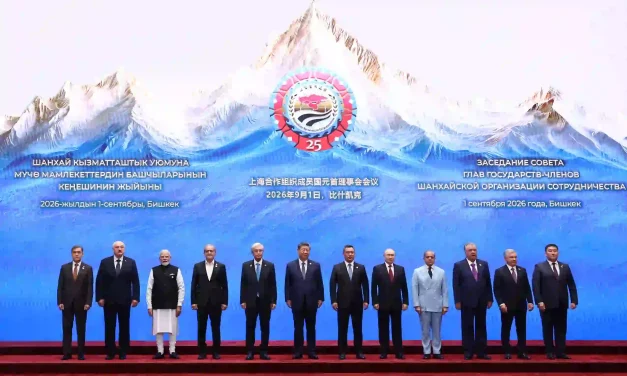
SCFR Online – Opinion: The Shanghai Cooperation Organization summit has created a new opportunity for Iran to transform its membership from a political achievement into economic and transit cooperation.
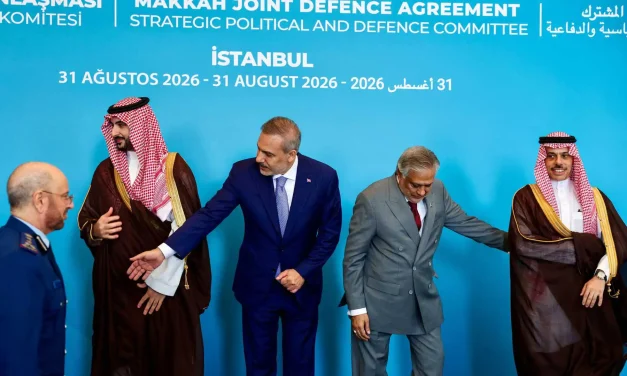
Strategic Council Online – Note: The Makkah Defense Pact can be seen as a sign of regional countries’ efforts to reduce security dependence on extra-regional powers and redefine the balance in West Asia.

SCFR Online – Opinion: The Ukraine war, by exhausting US military capability on one hand and strengthening European defense capacity on the other, has altered the balance of power in the European continent, cast uncertainty over NATO’s future, and is driving it toward a European NATO.
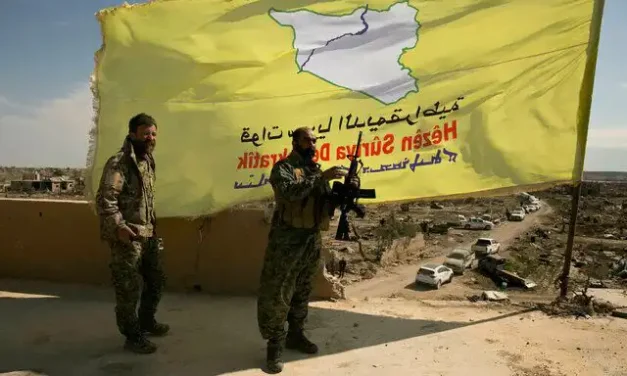
SCFR Online – Opinion: The dissolution of the SDF, although considered an achievement for Turkey’s security, does not put an end to the challenges arising from the Israeli regime’s aggression and expansionism, refugees, and Syria’s fragility.
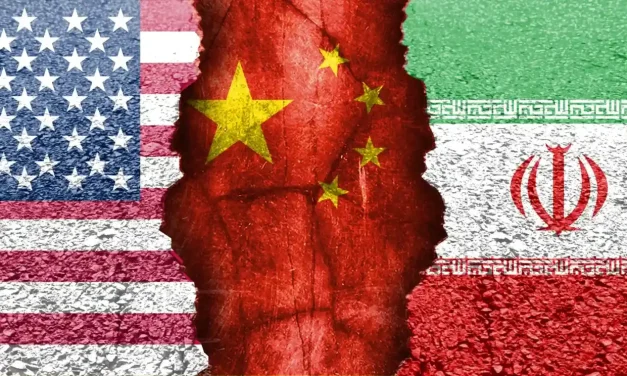
SCFR Online – Opinion: Concurrent with the official commencement of the United States’ economic war against our country, focusing on sanctions instruments, isolation, and economic pressure, what has now become increasingly important is the lack of alignment of other major global powers, especially China, with this policy.
SCFR Online – Opinion: The new US sanctions against Iran, despite extensive propaganda, face serious obstacles to success due to the ineffectiveness of sanctions tools and opposition from some of Tehran’s trading partners.


Strategic Council Online: President of the Strategic Council on Foreign Relations said the solution to the Yemen crisis is to end the siege, establish a ceasefire and hold Yemeni-Yemeni talks, adding: The United Nations must, in this way, show its goodwill by avoiding double standards and gain the trust of the Yemeni National Salvation Government.

Strategic Council Online- According to the Director Yemen desk, at Mersaad think-tank, with the departure of Omani delegation to Sanaa, there was a promising perspective that war would stop, everybody was waiting for a serious incident in this respect. But with statements of political authorities of Haadi government, and also Sanaa government, it was clear that the talks would lead to nowhere.

Strategic Council Online – Interview: A faculty member of the Faculty of World Studies, University of Tehran, stating that before Saudi Arabia and the government of Mansour Hadi did not consider any rights for the Houthis, said: Now Saudi Arabia’s position has completely changed and it seems that Saudi Arabia has to pay the price to stop the war, which is to pay attention to the rights of the Yemenis.

Strategic Council Online – An analyst of Saudi affairs said that Saudi Arabia and the United States are currently evaluating each other, adding: If Bin Salman cooperates with the United States in resolving the Yemen crisis, as such that Biden represents himself as the “savior of several nations,” Biden will also reduce his pressure in the field of Saudi domestic issues.

Strategic Council Online – The Vice President of the Washington based Middle East Institute (MEI), Gerald M. Feierstein says that growth of Chinese influence in the Persian Gulf is more a recognition of China’s growing economic and commercial power than it is a reflection of declining U.S. influence.

Strategic Council Online – Despite the continuation of some economic cooperation between Turkey and Saudi Arabia and the UAE, in the political and security spheres, serious challenges will be faced in the future in these countries.
Davoud Ahmadzadeh – Middle East Affairs Expert

Strategic Council Online: A Middle East affairs expert and history researcher says the Riyadh agreement between the Yemeni Transitional Council and Mansour Hadi cannot help restore calm in Yemen. He said the aim of the deal is not peace but to increase pressure on Ansarullah.
SCFR Online – Opinion: The intensification of U.S. sanctions against Iran on the eve of the U.S. midterm elections indicates Washington’s inability to achieve its war objectives.
SCFR Online – Opinion: The competition between Washington and Beijing over chips and artificial intelligence, simultaneously with the shifting of technological balances, has taken on new economic and security dimensions.
SCFR Online – Opinion: The Shanghai Cooperation Organization summit has created a new opportunity for Iran to transform its membership from a political achievement into economic and transit cooperation.
Strategic Council Online – Note: The Makkah Defense Pact can be seen as a sign of regional countries’ efforts to reduce security dependence on extra-regional powers and redefine the balance in West Asia.
SCFR Online – Opinion: The Ukraine war, by exhausting US military capability on one hand and strengthening European defense capacity on the other, has altered the balance of power in the European continent, cast uncertainty over NATO’s future, and is driving it toward a European NATO.
SCFR Online – Opinion: The dissolution of the SDF, although considered an achievement for Turkey’s security, does not put an end to the challenges arising from the Israeli regime’s aggression and expansionism, refugees, and Syria’s fragility.
SCFR Online – Opinion: Concurrent with the official commencement of the United States’ economic war against our country, focusing on sanctions instruments, isolation, and economic pressure, what has now become increasingly important is the lack of alignment of other major global powers, especially China, with this policy.
SCFR Online – Opinion: The new US sanctions against Iran, despite extensive propaganda, face serious obstacles to success due to the ineffectiveness of sanctions tools and opposition from some of Tehran’s trading partners.
Strategic Council Online: President of the Strategic Council on Foreign Relations said the solution to the Yemen crisis is to end the siege, establish a ceasefire and hold Yemeni-Yemeni talks, adding: The United Nations must, in this way, show its goodwill by avoiding double standards and gain the trust of the Yemeni National Salvation Government.
Strategic Council Online- According to the Director Yemen desk, at Mersaad think-tank, with the departure of Omani delegation to Sanaa, there was a promising perspective that war would stop, everybody was waiting for a serious incident in this respect. But with statements of political authorities of Haadi government, and also Sanaa government, it was clear that the talks would lead to nowhere.
Strategic Council Online – Interview: A faculty member of the Faculty of World Studies, University of Tehran, stating that before Saudi Arabia and the government of Mansour Hadi did not consider any rights for the Houthis, said: Now Saudi Arabia’s position has completely changed and it seems that Saudi Arabia has to pay the price to stop the war, which is to pay attention to the rights of the Yemenis.
Strategic Council Online – An analyst of Saudi affairs said that Saudi Arabia and the United States are currently evaluating each other, adding: If Bin Salman cooperates with the United States in resolving the Yemen crisis, as such that Biden represents himself as the “savior of several nations,” Biden will also reduce his pressure in the field of Saudi domestic issues.
Strategic Council Online – The Vice President of the Washington based Middle East Institute (MEI), Gerald M. Feierstein says that growth of Chinese influence in the Persian Gulf is more a recognition of China’s growing economic and commercial power than it is a reflection of declining U.S. influence.
Strategic Council Online – Despite the continuation of some economic cooperation between Turkey and Saudi Arabia and the UAE, in the political and security spheres, serious challenges will be faced in the future in these countries.
Davoud Ahmadzadeh – Middle East Affairs Expert
Strategic Council Online: A Middle East affairs expert and history researcher says the Riyadh agreement between the Yemeni Transitional Council and Mansour Hadi cannot help restore calm in Yemen. He said the aim of the deal is not peace but to increase pressure on Ansarullah.
Strategic Council Online: President of the Strategic Council on Foreign Relations said the solution to the Yemen crisis is to end the siege, establish a ceasefire and hold Yemeni-Yemeni talks, adding: The United Nations must, in this way, show its goodwill by avoiding double standards and gain the trust of the Yemeni National Salvation Government.
Strategic Council Online- According to the Director Yemen desk, at Mersaad think-tank, with the departure of Omani delegation to Sanaa, there was a promising perspective that war would stop, everybody was waiting for a serious incident in this respect. But with statements of political authorities of Haadi government, and also Sanaa government, it was clear that the talks would lead to nowhere.
Strategic Council Online – Interview: A faculty member of the Faculty of World Studies, University of Tehran, stating that before Saudi Arabia and the government of Mansour Hadi did not consider any rights for the Houthis, said: Now Saudi Arabia’s position has completely changed and it seems that Saudi Arabia has to pay the price to stop the war, which is to pay attention to the rights of the Yemenis.
Strategic Council Online – An analyst of Saudi affairs said that Saudi Arabia and the United States are currently evaluating each other, adding: If Bin Salman cooperates with the United States in resolving the Yemen crisis, as such that Biden represents himself as the “savior of several nations,” Biden will also reduce his pressure in the field of Saudi domestic issues.
Strategic Council Online – The Vice President of the Washington based Middle East Institute (MEI), Gerald M. Feierstein says that growth of Chinese influence in the Persian Gulf is more a recognition of China’s growing economic and commercial power than it is a reflection of declining U.S. influence.
Strategic Council Online – Despite the continuation of some economic cooperation between Turkey and Saudi Arabia and the UAE, in the political and security spheres, serious challenges will be faced in the future in these countries.
Davoud Ahmadzadeh – Middle East Affairs Expert
Strategic Council Online: A Middle East affairs expert and history researcher says the Riyadh agreement between the Yemeni Transitional Council and Mansour Hadi cannot help restore calm in Yemen. He said the aim of the deal is not peace but to increase pressure on Ansarullah.
SCFR Online – Opinion: The intensification of U.S. sanctions against Iran on the eve of the U.S. midterm elections indicates Washington’s inability to achieve its war objectives.
SCFR Online – Opinion: The competition between Washington and Beijing over chips and artificial intelligence, simultaneously with the shifting of technological balances, has taken on new economic and security dimensions.
SCFR Online – Opinion: The Shanghai Cooperation Organization summit has created a new opportunity for Iran to transform its membership from a political achievement into economic and transit cooperation.
Strategic Council Online – Note: The Makkah Defense Pact can be seen as a sign of regional countries’ efforts to reduce security dependence on extra-regional powers and redefine the balance in West Asia.
SCFR Online – Opinion: The Ukraine war, by exhausting US military capability on one hand and strengthening European defense capacity on the other, has altered the balance of power in the European continent, cast uncertainty over NATO’s future, and is driving it toward a European NATO.
SCFR Online – Opinion: The dissolution of the SDF, although considered an achievement for Turkey’s security, does not put an end to the challenges arising from the Israeli regime’s aggression and expansionism, refugees, and Syria’s fragility.
SCFR Online – Opinion: Concurrent with the official commencement of the United States’ economic war against our country, focusing on sanctions instruments, isolation, and economic pressure, what has now become increasingly important is the lack of alignment of other major global powers, especially China, with this policy.
SCFR Online – Opinion: The new US sanctions against Iran, despite extensive propaganda, face serious obstacles to success due to the ineffectiveness of sanctions tools and opposition from some of Tehran’s trading partners.
Strategic Council Online: President of the Strategic Council on Foreign Relations said the solution to the Yemen crisis is to end the siege, establish a ceasefire and hold Yemeni-Yemeni talks, adding: The United Nations must, in this way, show its goodwill by avoiding double standards and gain the trust of the Yemeni National Salvation Government.
Strategic Council Online- According to the Director Yemen desk, at Mersaad think-tank, with the departure of Omani delegation to Sanaa, there was a promising perspective that war would stop, everybody was waiting for a serious incident in this respect. But with statements of political authorities of Haadi government, and also Sanaa government, it was clear that the talks would lead to nowhere.
Strategic Council Online – Interview: A faculty member of the Faculty of World Studies, University of Tehran, stating that before Saudi Arabia and the government of Mansour Hadi did not consider any rights for the Houthis, said: Now Saudi Arabia’s position has completely changed and it seems that Saudi Arabia has to pay the price to stop the war, which is to pay attention to the rights of the Yemenis.
Strategic Council Online – An analyst of Saudi affairs said that Saudi Arabia and the United States are currently evaluating each other, adding: If Bin Salman cooperates with the United States in resolving the Yemen crisis, as such that Biden represents himself as the “savior of several nations,” Biden will also reduce his pressure in the field of Saudi domestic issues.
Strategic Council Online – The Vice President of the Washington based Middle East Institute (MEI), Gerald M. Feierstein says that growth of Chinese influence in the Persian Gulf is more a recognition of China’s growing economic and commercial power than it is a reflection of declining U.S. influence.
Strategic Council Online – Despite the continuation of some economic cooperation between Turkey and Saudi Arabia and the UAE, in the political and security spheres, serious challenges will be faced in the future in these countries.
Davoud Ahmadzadeh – Middle East Affairs Expert
Strategic Council Online: A Middle East affairs expert and history researcher says the Riyadh agreement between the Yemeni Transitional Council and Mansour Hadi cannot help restore calm in Yemen. He said the aim of the deal is not peace but to increase pressure on Ansarullah.
SCFR Online – Opinion: The intensification of U.S. sanctions against Iran on the eve of the U.S. midterm elections indicates Washington’s inability to achieve its war objectives.
SCFR Online – Opinion: The competition between Washington and Beijing over chips and artificial intelligence, simultaneously with the shifting of technological balances, has taken on new economic and security dimensions.
SCFR Online – Opinion: The Shanghai Cooperation Organization summit has created a new opportunity for Iran to transform its membership from a political achievement into economic and transit cooperation.
Strategic Council Online – Note: The Makkah Defense Pact can be seen as a sign of regional countries’ efforts to reduce security dependence on extra-regional powers and redefine the balance in West Asia.
SCFR Online – Opinion: The Ukraine war, by exhausting US military capability on one hand and strengthening European defense capacity on the other, has altered the balance of power in the European continent, cast uncertainty over NATO’s future, and is driving it toward a European NATO.
SCFR Online – Opinion: The dissolution of the SDF, although considered an achievement for Turkey’s security, does not put an end to the challenges arising from the Israeli regime’s aggression and expansionism, refugees, and Syria’s fragility.
SCFR Online – Opinion: Concurrent with the official commencement of the United States’ economic war against our country, focusing on sanctions instruments, isolation, and economic pressure, what has now become increasingly important is the lack of alignment of other major global powers, especially China, with this policy.
SCFR Online – Opinion: The new US sanctions against Iran, despite extensive propaganda, face serious obstacles to success due to the ineffectiveness of sanctions tools and opposition from some of Tehran’s trading partners.
Strategic Council Online: President of the Strategic Council on Foreign Relations said the solution to the Yemen crisis is to end the siege, establish a ceasefire and hold Yemeni-Yemeni talks, adding: The United Nations must, in this way, show its goodwill by avoiding double standards and gain the trust of the Yemeni National Salvation Government.
Strategic Council Online- According to the Director Yemen desk, at Mersaad think-tank, with the departure of Omani delegation to Sanaa, there was a promising perspective that war would stop, everybody was waiting for a serious incident in this respect. But with statements of political authorities of Haadi government, and also Sanaa government, it was clear that the talks would lead to nowhere.
Strategic Council Online – Interview: A faculty member of the Faculty of World Studies, University of Tehran, stating that before Saudi Arabia and the government of Mansour Hadi did not consider any rights for the Houthis, said: Now Saudi Arabia’s position has completely changed and it seems that Saudi Arabia has to pay the price to stop the war, which is to pay attention to the rights of the Yemenis.
Strategic Council Online – An analyst of Saudi affairs said that Saudi Arabia and the United States are currently evaluating each other, adding: If Bin Salman cooperates with the United States in resolving the Yemen crisis, as such that Biden represents himself as the “savior of several nations,” Biden will also reduce his pressure in the field of Saudi domestic issues.
Strategic Council Online – The Vice President of the Washington based Middle East Institute (MEI), Gerald M. Feierstein says that growth of Chinese influence in the Persian Gulf is more a recognition of China’s growing economic and commercial power than it is a reflection of declining U.S. influence.
Strategic Council Online – Despite the continuation of some economic cooperation between Turkey and Saudi Arabia and the UAE, in the political and security spheres, serious challenges will be faced in the future in these countries.
Davoud Ahmadzadeh – Middle East Affairs Expert
Strategic Council Online: A Middle East affairs expert and history researcher says the Riyadh agreement between the Yemeni Transitional Council and Mansour Hadi cannot help restore calm in Yemen. He said the aim of the deal is not peace but to increase pressure on Ansarullah.
SCFR Online – Opinion: The intensification of U.S. sanctions against Iran on the eve of the U.S. midterm elections indicates Washington’s inability to achieve its war objectives.
SCFR Online – Opinion: The competition between Washington and Beijing over chips and artificial intelligence, simultaneously with the shifting of technological balances, has taken on new economic and security dimensions.
SCFR Online – Opinion: The Shanghai Cooperation Organization summit has created a new opportunity for Iran to transform its membership from a political achievement into economic and transit cooperation.
Strategic Council Online – Note: The Makkah Defense Pact can be seen as a sign of regional countries’ efforts to reduce security dependence on extra-regional powers and redefine the balance in West Asia.
SCFR Online – Opinion: The Ukraine war, by exhausting US military capability on one hand and strengthening European defense capacity on the other, has altered the balance of power in the European continent, cast uncertainty over NATO’s future, and is driving it toward a European NATO.
SCFR Online – Opinion: The dissolution of the SDF, although considered an achievement for Turkey’s security, does not put an end to the challenges arising from the Israeli regime’s aggression and expansionism, refugees, and Syria’s fragility.
SCFR Online – Opinion: Concurrent with the official commencement of the United States’ economic war against our country, focusing on sanctions instruments, isolation, and economic pressure, what has now become increasingly important is the lack of alignment of other major global powers, especially China, with this policy.
SCFR Online – Opinion: The new US sanctions against Iran, despite extensive propaganda, face serious obstacles to success due to the ineffectiveness of sanctions tools and opposition from some of Tehran’s trading partners.
Strategic Council Online: President of the Strategic Council on Foreign Relations said the solution to the Yemen crisis is to end the siege, establish a ceasefire and hold Yemeni-Yemeni talks, adding: The United Nations must, in this way, show its goodwill by avoiding double standards and gain the trust of the Yemeni National Salvation Government.
Strategic Council Online- According to the Director Yemen desk, at Mersaad think-tank, with the departure of Omani delegation to Sanaa, there was a promising perspective that war would stop, everybody was waiting for a serious incident in this respect. But with statements of political authorities of Haadi government, and also Sanaa government, it was clear that the talks would lead to nowhere.
Strategic Council Online – Interview: A faculty member of the Faculty of World Studies, University of Tehran, stating that before Saudi Arabia and the government of Mansour Hadi did not consider any rights for the Houthis, said: Now Saudi Arabia’s position has completely changed and it seems that Saudi Arabia has to pay the price to stop the war, which is to pay attention to the rights of the Yemenis.
Strategic Council Online – An analyst of Saudi affairs said that Saudi Arabia and the United States are currently evaluating each other, adding: If Bin Salman cooperates with the United States in resolving the Yemen crisis, as such that Biden represents himself as the “savior of several nations,” Biden will also reduce his pressure in the field of Saudi domestic issues.
Strategic Council Online – The Vice President of the Washington based Middle East Institute (MEI), Gerald M. Feierstein says that growth of Chinese influence in the Persian Gulf is more a recognition of China’s growing economic and commercial power than it is a reflection of declining U.S. influence.
Strategic Council Online – Despite the continuation of some economic cooperation between Turkey and Saudi Arabia and the UAE, in the political and security spheres, serious challenges will be faced in the future in these countries.
Davoud Ahmadzadeh – Middle East Affairs Expert
Strategic Council Online: A Middle East affairs expert and history researcher says the Riyadh agreement between the Yemeni Transitional Council and Mansour Hadi cannot help restore calm in Yemen. He said the aim of the deal is not peace but to increase pressure on Ansarullah.
SCFR Online – Opinion: The intensification of U.S. sanctions against Iran on the eve of the U.S. midterm elections indicates Washington’s inability to achieve its war objectives.
SCFR Online – Opinion: The competition between Washington and Beijing over chips and artificial intelligence, simultaneously with the shifting of technological balances, has taken on new economic and security dimensions.
SCFR Online – Opinion: The Shanghai Cooperation Organization summit has created a new opportunity for Iran to transform its membership from a political achievement into economic and transit cooperation.
Strategic Council Online – Note: The Makkah Defense Pact can be seen as a sign of regional countries’ efforts to reduce security dependence on extra-regional powers and redefine the balance in West Asia.
SCFR Online – Opinion: The Ukraine war, by exhausting US military capability on one hand and strengthening European defense capacity on the other, has altered the balance of power in the European continent, cast uncertainty over NATO’s future, and is driving it toward a European NATO.
SCFR Online – Opinion: The dissolution of the SDF, although considered an achievement for Turkey’s security, does not put an end to the challenges arising from the Israeli regime’s aggression and expansionism, refugees, and Syria’s fragility.
SCFR Online – Opinion: Concurrent with the official commencement of the United States’ economic war against our country, focusing on sanctions instruments, isolation, and economic pressure, what has now become increasingly important is the lack of alignment of other major global powers, especially China, with this policy.
SCFR Online – Opinion: The new US sanctions against Iran, despite extensive propaganda, face serious obstacles to success due to the ineffectiveness of sanctions tools and opposition from some of Tehran’s trading partners.
Strategic Council Online: President of the Strategic Council on Foreign Relations said the solution to the Yemen crisis is to end the siege, establish a ceasefire and hold Yemeni-Yemeni talks, adding: The United Nations must, in this way, show its goodwill by avoiding double standards and gain the trust of the Yemeni National Salvation Government.
Strategic Council Online- According to the Director Yemen desk, at Mersaad think-tank, with the departure of Omani delegation to Sanaa, there was a promising perspective that war would stop, everybody was waiting for a serious incident in this respect. But with statements of political authorities of Haadi government, and also Sanaa government, it was clear that the talks would lead to nowhere.
Strategic Council Online – Interview: A faculty member of the Faculty of World Studies, University of Tehran, stating that before Saudi Arabia and the government of Mansour Hadi did not consider any rights for the Houthis, said: Now Saudi Arabia’s position has completely changed and it seems that Saudi Arabia has to pay the price to stop the war, which is to pay attention to the rights of the Yemenis.
Strategic Council Online – An analyst of Saudi affairs said that Saudi Arabia and the United States are currently evaluating each other, adding: If Bin Salman cooperates with the United States in resolving the Yemen crisis, as such that Biden represents himself as the “savior of several nations,” Biden will also reduce his pressure in the field of Saudi domestic issues.
Strategic Council Online – The Vice President of the Washington based Middle East Institute (MEI), Gerald M. Feierstein says that growth of Chinese influence in the Persian Gulf is more a recognition of China’s growing economic and commercial power than it is a reflection of declining U.S. influence.
Strategic Council Online – Despite the continuation of some economic cooperation between Turkey and Saudi Arabia and the UAE, in the political and security spheres, serious challenges will be faced in the future in these countries.
Davoud Ahmadzadeh – Middle East Affairs Expert
Strategic Council Online: A Middle East affairs expert and history researcher says the Riyadh agreement between the Yemeni Transitional Council and Mansour Hadi cannot help restore calm in Yemen. He said the aim of the deal is not peace but to increase pressure on Ansarullah.
SCFR Online – Opinion: The intensification of U.S. sanctions against Iran on the eve of the U.S. midterm elections indicates Washington’s inability to achieve its war objectives.
SCFR Online – Opinion: The competition between Washington and Beijing over chips and artificial intelligence, simultaneously with the shifting of technological balances, has taken on new economic and security dimensions.
SCFR Online – Opinion: The Shanghai Cooperation Organization summit has created a new opportunity for Iran to transform its membership from a political achievement into economic and transit cooperation.
Strategic Council Online – Note: The Makkah Defense Pact can be seen as a sign of regional countries’ efforts to reduce security dependence on extra-regional powers and redefine the balance in West Asia.
SCFR Online – Opinion: The Ukraine war, by exhausting US military capability on one hand and strengthening European defense capacity on the other, has altered the balance of power in the European continent, cast uncertainty over NATO’s future, and is driving it toward a European NATO.
SCFR Online – Opinion: The dissolution of the SDF, although considered an achievement for Turkey’s security, does not put an end to the challenges arising from the Israeli regime’s aggression and expansionism, refugees, and Syria’s fragility.
SCFR Online – Opinion: Concurrent with the official commencement of the United States’ economic war against our country, focusing on sanctions instruments, isolation, and economic pressure, what has now become increasingly important is the lack of alignment of other major global powers, especially China, with this policy.
SCFR Online – Opinion: The new US sanctions against Iran, despite extensive propaganda, face serious obstacles to success due to the ineffectiveness of sanctions tools and opposition from some of Tehran’s trading partners.