جدیدترین مطالب

Consequences of Declining Trust in the Judiciary in Europe

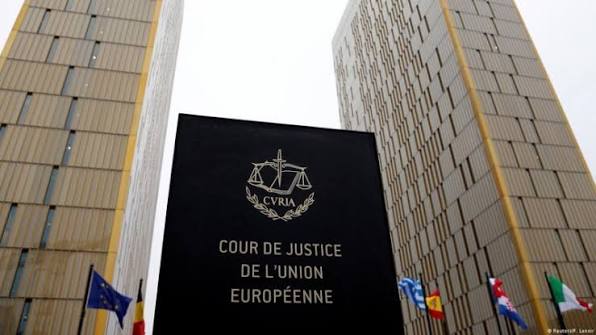
SCFRonline – Opinion: The increase in public distrust of the French judicial system, which in recent surveys has reached approximately two-thirds of citizens, should be analyzed within a framework broader than temporary dissatisfaction or an emotional reaction to a particular criminal case.

Iran’s Potential Levers of Power

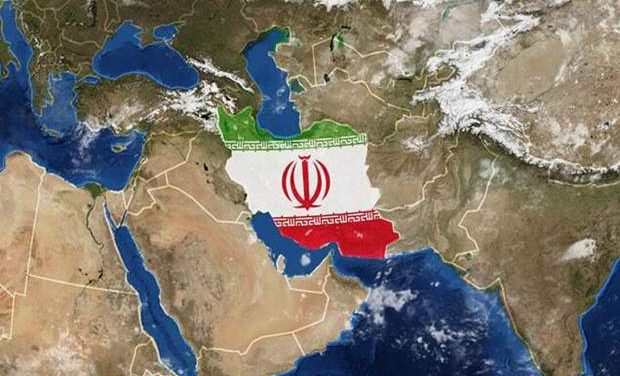
SCFRonline– Opinion: Iran’s geopolitical power is not limited solely to oil and the Strait of Hormuz; the unintended emergence of disruptions in the future global food and energy security chains can also demonstrate Iran’s strategic importance.

The Inseparability of the Lebanese Front from the Axis of Resistance

SCFR Online–Opinion: By providing an extensive network of social, healthcare, educational, and post-war reconstruction services, Hezbollah has established a strong social base for itself among Lebanon’s Shiites and Sunnis, and even beyond that, among other segments of Lebanese society, including Christians. Hezbollah has never been an external actor imposed upon Lebanon; rather, it is a phenomenon fundamentally born out of the occupation and crimes of the Zionist regime and itself influenced by popular resistance.

The Increasing Efforts of the Zionist Regime to Redefine Borders and the Regional Order and Its Consequences

SCFR Online– Opinion: Security and military developments in the region over recent months indicate that the ongoing crises and wars in Gaza, southern Lebanon, and parts of Syrian territory encompass broader dimensions of geopolitical and geostrategic transformations. In this context, the increased military presence and control of the Zionist regime over parts of the territories of these areas, along with proposals regarding the creation of buffer zones or even the expansion of security borders, have raised serious questions about the future of the regional order and its consequences for the countries of West Asia.

Loading

Turkey | Turkey-Syria Security-Military Agreement

A Look at the Turkey-Syria Security-Military Agreement

A Look at the Turkey-Syria Security-Military Agreement

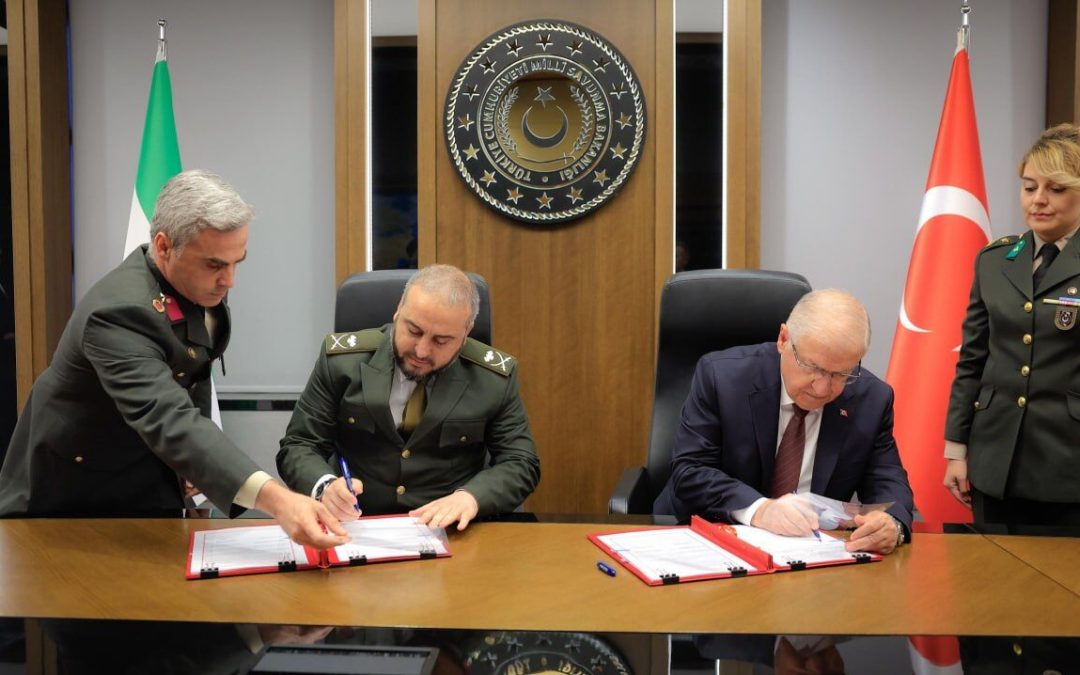
Strategic Council Online Interview: A senior Turkish affairs analyst stated: The signing of a military memorandum of understanding between Turkey and Syria on August 13, 2025, in Ankara marks a turning point in the defense relations of the two neighboring countries, which have grappled with years of political and military tensions. This agreement, signed after intensive negotiations between the two countries’ defense ministers, Yaşar Güler and Merif Abu Qasrah, provides a framework for educational and advisory cooperation and the exchange of military personnel. The primary objective of this memorandum is to enhance the capabilities of the Syrian army, rebuild its defense structures according to international standards, and reduce the threats posed by non-professional armed groups. This move, within the context of recent regional developments, particularly following the fall of Bashar al-Assad’s government in December 2024, signifies a shift in Turkey’s approach towards Syria and an effort to establish stability along their shared borders. This agreement not only helps redefine the defense relations between Damascus and Ankara but could also lead to a reduction in border tensions and counter common threats, including the activities of Kurdish groups such as the “People’s Defense Units” [YPG]. Hakan Fidan, Turkey’s Foreign Minister, in a joint press conference with his Syrian counterpart, Esad Hasan eş-Şibani, criticized the interventions of the Zionist regime in the Suwayda conflicts and emphasized the necessity of establishing an inclusive government in Syria. These statements reflect Turkey’s concern over the role of external actors in regional instability. However, some analysts believe this memorandum might imply a tacit acceptance of Turkish influence within the military structures of Syria’s new government. At the same time, internal challenges, including ethnic and religious tensions, continue to pose obstacles to sustainable stability in the region.

أحدث الوظائف

Consequences of Declining Trust in the Judiciary in Europe

SCFRonline – Opinion: The increase in public distrust of the French judicial system, which in recent surveys has reached approximately two-thirds of citizens, should be analyzed within a framework broader than temporary dissatisfaction or an emotional reaction to a particular criminal case.

Iran’s Potential Levers of Power

SCFRonline– Opinion: Iran’s geopolitical power is not limited solely to oil and the Strait of Hormuz; the unintended emergence of disruptions in the future global food and energy security chains can also demonstrate Iran’s strategic importance.

The Inseparability of the Lebanese Front from the Axis of Resistance

SCFR Online–Opinion: By providing an extensive network of social, healthcare, educational, and post-war reconstruction services, Hezbollah has established a strong social base for itself among Lebanon’s Shiites and Sunnis, and even beyond that, among other segments of Lebanese society, including Christians. Hezbollah has never been an external actor imposed upon Lebanon; rather, it is a phenomenon fundamentally born out of the occupation and crimes of the Zionist regime and itself influenced by popular resistance.

The Increasing Efforts of the Zionist Regime to Redefine Borders and the Regional Order and Its Consequences

SCFR Online– Opinion: Security and military developments in the region over recent months indicate that the ongoing crises and wars in Gaza, southern Lebanon, and parts of Syrian territory encompass broader dimensions of geopolitical and geostrategic transformations. In this context, the increased military presence and control of the Zionist regime over parts of the territories of these areas, along with proposals regarding the creation of buffer zones or even the expansion of security borders, have raised serious questions about the future of the regional order and its consequences for the countries of West Asia.

Loading

Turkey | Turkey-Syria Security-Military Agreement

A Look at the Turkey-Syria Security-Military Agreement

A Look at the Turkey-Syria Security-Military Agreement

Strategic Council Online Interview: A senior Turkish affairs analyst stated: The signing of a military memorandum of understanding between Turkey and Syria on August 13, 2025, in Ankara marks a turning point in the defense relations of the two neighboring countries, which have grappled with years of political and military tensions. This agreement, signed after intensive negotiations between the two countries’ defense ministers, Yaşar Güler and Merif Abu Qasrah, provides a framework for educational and advisory cooperation and the exchange of military personnel. The primary objective of this memorandum is to enhance the capabilities of the Syrian army, rebuild its defense structures according to international standards, and reduce the threats posed by non-professional armed groups. This move, within the context of recent regional developments, particularly following the fall of Bashar al-Assad’s government in December 2024, signifies a shift in Turkey’s approach towards Syria and an effort to establish stability along their shared borders. This agreement not only helps redefine the defense relations between Damascus and Ankara but could also lead to a reduction in border tensions and counter common threats, including the activities of Kurdish groups such as the “People’s Defense Units” [YPG]. Hakan Fidan, Turkey’s Foreign Minister, in a joint press conference with his Syrian counterpart, Esad Hasan eş-Şibani, criticized the interventions of the Zionist regime in the Suwayda conflicts and emphasized the necessity of establishing an inclusive government in Syria. These statements reflect Turkey’s concern over the role of external actors in regional instability. However, some analysts believe this memorandum might imply a tacit acceptance of Turkish influence within the military structures of Syria’s new government. At the same time, internal challenges, including ethnic and religious tensions, continue to pose obstacles to sustainable stability in the region.

Turkey | Turkey-Syria Security-Military Agreement

A Look at the Turkey-Syria Security-Military Agreement

A Look at the Turkey-Syria Security-Military Agreement

Strategic Council Online Interview: A senior Turkish affairs analyst stated: The signing of a military memorandum of understanding between Turkey and Syria on August 13, 2025, in Ankara marks a turning point in the defense relations of the two neighboring countries, which have grappled with years of political and military tensions. This agreement, signed after intensive negotiations between the two countries’ defense ministers, Yaşar Güler and Merif Abu Qasrah, provides a framework for educational and advisory cooperation and the exchange of military personnel. The primary objective of this memorandum is to enhance the capabilities of the Syrian army, rebuild its defense structures according to international standards, and reduce the threats posed by non-professional armed groups. This move, within the context of recent regional developments, particularly following the fall of Bashar al-Assad’s government in December 2024, signifies a shift in Turkey’s approach towards Syria and an effort to establish stability along their shared borders. This agreement not only helps redefine the defense relations between Damascus and Ankara but could also lead to a reduction in border tensions and counter common threats, including the activities of Kurdish groups such as the “People’s Defense Units” [YPG]. Hakan Fidan, Turkey’s Foreign Minister, in a joint press conference with his Syrian counterpart, Esad Hasan eş-Şibani, criticized the interventions of the Zionist regime in the Suwayda conflicts and emphasized the necessity of establishing an inclusive government in Syria. These statements reflect Turkey’s concern over the role of external actors in regional instability. However, some analysts believe this memorandum might imply a tacit acceptance of Turkish influence within the military structures of Syria’s new government. At the same time, internal challenges, including ethnic and religious tensions, continue to pose obstacles to sustainable stability in the region.

LATEST CONTENT

Consequences of Declining Trust in the Judiciary in Europe

SCFRonline – Opinion: The increase in public distrust of the French judicial system, which in recent surveys has reached approximately two-thirds of citizens, should be analyzed within a framework broader than temporary dissatisfaction or an emotional reaction to a particular criminal case.
Iran’s Potential Levers of Power

SCFRonline– Opinion: Iran’s geopolitical power is not limited solely to oil and the Strait of Hormuz; the unintended emergence of disruptions in the future global food and energy security chains can also demonstrate Iran’s strategic importance.

The Inseparability of the Lebanese Front from the Axis of Resistance

SCFR Online–Opinion: By providing an extensive network of social, healthcare, educational, and post-war reconstruction services, Hezbollah has established a strong social base for itself among Lebanon’s Shiites and Sunnis, and even beyond that, among other segments of Lebanese society, including Christians. Hezbollah has never been an external actor imposed upon Lebanon; rather, it is a phenomenon fundamentally born out of the occupation and crimes of the Zionist regime and itself influenced by popular resistance.

The Increasing Efforts of the Zionist Regime to Redefine Borders and the Regional Order and Its Consequences

SCFR Online– Opinion: Security and military developments in the region over recent months indicate that the ongoing crises and wars in Gaza, southern Lebanon, and parts of Syrian territory encompass broader dimensions of geopolitical and geostrategic transformations. In this context, the increased military presence and control of the Zionist regime over parts of the territories of these areas, along with proposals regarding the creation of buffer zones or even the expansion of security borders, have raised serious questions about the future of the regional order and its consequences for the countries of West Asia.

Loading

Turkey | Turkey-Syria Security-Military Agreement

A Look at the Turkey-Syria Security-Military Agreement

A Look at the Turkey-Syria Security-Military Agreement

Strategic Council Online Interview: A senior Turkish affairs analyst stated: The signing of a military memorandum of understanding between Turkey and Syria on August 13, 2025, in Ankara marks a turning point in the defense relations of the two neighboring countries, which have grappled with years of political and military tensions. This agreement, signed after intensive negotiations between the two countries’ defense ministers, Yaşar Güler and Merif Abu Qasrah, provides a framework for educational and advisory cooperation and the exchange of military personnel. The primary objective of this memorandum is to enhance the capabilities of the Syrian army, rebuild its defense structures according to international standards, and reduce the threats posed by non-professional armed groups. This move, within the context of recent regional developments, particularly following the fall of Bashar al-Assad’s government in December 2024, signifies a shift in Turkey’s approach towards Syria and an effort to establish stability along their shared borders. This agreement not only helps redefine the defense relations between Damascus and Ankara but could also lead to a reduction in border tensions and counter common threats, including the activities of Kurdish groups such as the “People’s Defense Units” [YPG]. Hakan Fidan, Turkey’s Foreign Minister, in a joint press conference with his Syrian counterpart, Esad Hasan eş-Şibani, criticized the interventions of the Zionist regime in the Suwayda conflicts and emphasized the necessity of establishing an inclusive government in Syria. These statements reflect Turkey’s concern over the role of external actors in regional instability. However, some analysts believe this memorandum might imply a tacit acceptance of Turkish influence within the military structures of Syria’s new government. At the same time, internal challenges, including ethnic and religious tensions, continue to pose obstacles to sustainable stability in the region.

ÚLTIMAS PUBLICACIONES

Consequences of Declining Trust in the Judiciary in Europe

SCFRonline – Opinion: The increase in public distrust of the French judicial system, which in recent surveys has reached approximately two-thirds of citizens, should be analyzed within a framework broader than temporary dissatisfaction or an emotional reaction to a particular criminal case.
Iran’s Potential Levers of Power

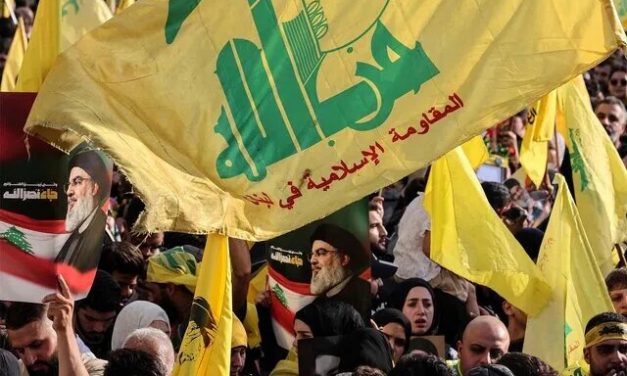
SCFRonline– Opinion: Iran’s geopolitical power is not limited solely to oil and the Strait of Hormuz; the unintended emergence of disruptions in the future global food and energy security chains can also demonstrate Iran’s strategic importance.

The Inseparability of the Lebanese Front from the Axis of Resistance

SCFR Online–Opinion: By providing an extensive network of social, healthcare, educational, and post-war reconstruction services, Hezbollah has established a strong social base for itself among Lebanon’s Shiites and Sunnis, and even beyond that, among other segments of Lebanese society, including Christians. Hezbollah has never been an external actor imposed upon Lebanon; rather, it is a phenomenon fundamentally born out of the occupation and crimes of the Zionist regime and itself influenced by popular resistance.

The Increasing Efforts of the Zionist Regime to Redefine Borders and the Regional Order and Its Consequences

SCFR Online– Opinion: Security and military developments in the region over recent months indicate that the ongoing crises and wars in Gaza, southern Lebanon, and parts of Syrian territory encompass broader dimensions of geopolitical and geostrategic transformations. In this context, the increased military presence and control of the Zionist regime over parts of the territories of these areas, along with proposals regarding the creation of buffer zones or even the expansion of security borders, have raised serious questions about the future of the regional order and its consequences for the countries of West Asia.

Loading

Turkey | Turkey-Syria Security-Military Agreement

A Look at the Turkey-Syria Security-Military Agreement

A Look at the Turkey-Syria Security-Military Agreement

Strategic Council Online Interview: A senior Turkish affairs analyst stated: The signing of a military memorandum of understanding between Turkey and Syria on August 13, 2025, in Ankara marks a turning point in the defense relations of the two neighboring countries, which have grappled with years of political and military tensions. This agreement, signed after intensive negotiations between the two countries’ defense ministers, Yaşar Güler and Merif Abu Qasrah, provides a framework for educational and advisory cooperation and the exchange of military personnel. The primary objective of this memorandum is to enhance the capabilities of the Syrian army, rebuild its defense structures according to international standards, and reduce the threats posed by non-professional armed groups. This move, within the context of recent regional developments, particularly following the fall of Bashar al-Assad’s government in December 2024, signifies a shift in Turkey’s approach towards Syria and an effort to establish stability along their shared borders. This agreement not only helps redefine the defense relations between Damascus and Ankara but could also lead to a reduction in border tensions and counter common threats, including the activities of Kurdish groups such as the “People’s Defense Units” [YPG]. Hakan Fidan, Turkey’s Foreign Minister, in a joint press conference with his Syrian counterpart, Esad Hasan eş-Şibani, criticized the interventions of the Zionist regime in the Suwayda conflicts and emphasized the necessity of establishing an inclusive government in Syria. These statements reflect Turkey’s concern over the role of external actors in regional instability. However, some analysts believe this memorandum might imply a tacit acceptance of Turkish influence within the military structures of Syria’s new government. At the same time, internal challenges, including ethnic and religious tensions, continue to pose obstacles to sustainable stability in the region.

ÚLTIMAS PUBLICACIONES

Consequences of Declining Trust in the Judiciary in Europe

SCFRonline – Opinion: The increase in public distrust of the French judicial system, which in recent surveys has reached approximately two-thirds of citizens, should be analyzed within a framework broader than temporary dissatisfaction or an emotional reaction to a particular criminal case.
Iran’s Potential Levers of Power

SCFRonline– Opinion: Iran’s geopolitical power is not limited solely to oil and the Strait of Hormuz; the unintended emergence of disruptions in the future global food and energy security chains can also demonstrate Iran’s strategic importance.

The Inseparability of the Lebanese Front from the Axis of Resistance

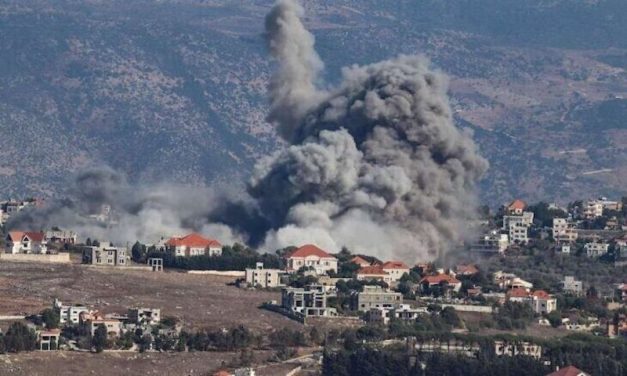
SCFR Online–Opinion: By providing an extensive network of social, healthcare, educational, and post-war reconstruction services, Hezbollah has established a strong social base for itself among Lebanon’s Shiites and Sunnis, and even beyond that, among other segments of Lebanese society, including Christians. Hezbollah has never been an external actor imposed upon Lebanon; rather, it is a phenomenon fundamentally born out of the occupation and crimes of the Zionist regime and itself influenced by popular resistance.

The Increasing Efforts of the Zionist Regime to Redefine Borders and the Regional Order and Its Consequences

SCFR Online– Opinion: Security and military developments in the region over recent months indicate that the ongoing crises and wars in Gaza, southern Lebanon, and parts of Syrian territory encompass broader dimensions of geopolitical and geostrategic transformations. In this context, the increased military presence and control of the Zionist regime over parts of the territories of these areas, along with proposals regarding the creation of buffer zones or even the expansion of security borders, have raised serious questions about the future of the regional order and its consequences for the countries of West Asia.

Loading

Turkey | Turkey-Syria Security-Military Agreement

A Look at the Turkey-Syria Security-Military Agreement

A Look at the Turkey-Syria Security-Military Agreement

Strategic Council Online Interview: A senior Turkish affairs analyst stated: The signing of a military memorandum of understanding between Turkey and Syria on August 13, 2025, in Ankara marks a turning point in the defense relations of the two neighboring countries, which have grappled with years of political and military tensions. This agreement, signed after intensive negotiations between the two countries’ defense ministers, Yaşar Güler and Merif Abu Qasrah, provides a framework for educational and advisory cooperation and the exchange of military personnel. The primary objective of this memorandum is to enhance the capabilities of the Syrian army, rebuild its defense structures according to international standards, and reduce the threats posed by non-professional armed groups. This move, within the context of recent regional developments, particularly following the fall of Bashar al-Assad’s government in December 2024, signifies a shift in Turkey’s approach towards Syria and an effort to establish stability along their shared borders. This agreement not only helps redefine the defense relations between Damascus and Ankara but could also lead to a reduction in border tensions and counter common threats, including the activities of Kurdish groups such as the “People’s Defense Units” [YPG]. Hakan Fidan, Turkey’s Foreign Minister, in a joint press conference with his Syrian counterpart, Esad Hasan eş-Şibani, criticized the interventions of the Zionist regime in the Suwayda conflicts and emphasized the necessity of establishing an inclusive government in Syria. These statements reflect Turkey’s concern over the role of external actors in regional instability. However, some analysts believe this memorandum might imply a tacit acceptance of Turkish influence within the military structures of Syria’s new government. At the same time, internal challenges, including ethnic and religious tensions, continue to pose obstacles to sustainable stability in the region.

ÚLTIMAS PUBLICACIONES

Consequences of Declining Trust in the Judiciary in Europe

SCFRonline – Opinion: The increase in public distrust of the French judicial system, which in recent surveys has reached approximately two-thirds of citizens, should be analyzed within a framework broader than temporary dissatisfaction or an emotional reaction to a particular criminal case.
Iran’s Potential Levers of Power

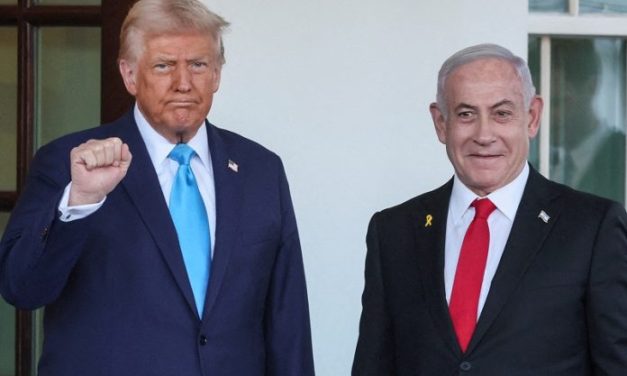
SCFRonline– Opinion: Iran’s geopolitical power is not limited solely to oil and the Strait of Hormuz; the unintended emergence of disruptions in the future global food and energy security chains can also demonstrate Iran’s strategic importance.

The Inseparability of the Lebanese Front from the Axis of Resistance

SCFR Online–Opinion: By providing an extensive network of social, healthcare, educational, and post-war reconstruction services, Hezbollah has established a strong social base for itself among Lebanon’s Shiites and Sunnis, and even beyond that, among other segments of Lebanese society, including Christians. Hezbollah has never been an external actor imposed upon Lebanon; rather, it is a phenomenon fundamentally born out of the occupation and crimes of the Zionist regime and itself influenced by popular resistance.

The Increasing Efforts of the Zionist Regime to Redefine Borders and the Regional Order and Its Consequences

SCFR Online– Opinion: Security and military developments in the region over recent months indicate that the ongoing crises and wars in Gaza, southern Lebanon, and parts of Syrian territory encompass broader dimensions of geopolitical and geostrategic transformations. In this context, the increased military presence and control of the Zionist regime over parts of the territories of these areas, along with proposals regarding the creation of buffer zones or even the expansion of security borders, have raised serious questions about the future of the regional order and its consequences for the countries of West Asia.

Loading

Turkey | Turkey-Syria Security-Military Agreement

A Look at the Turkey-Syria Security-Military Agreement

A Look at the Turkey-Syria Security-Military Agreement

Strategic Council Online Interview: A senior Turkish affairs analyst stated: The signing of a military memorandum of understanding between Turkey and Syria on August 13, 2025, in Ankara marks a turning point in the defense relations of the two neighboring countries, which have grappled with years of political and military tensions. This agreement, signed after intensive negotiations between the two countries’ defense ministers, Yaşar Güler and Merif Abu Qasrah, provides a framework for educational and advisory cooperation and the exchange of military personnel. The primary objective of this memorandum is to enhance the capabilities of the Syrian army, rebuild its defense structures according to international standards, and reduce the threats posed by non-professional armed groups. This move, within the context of recent regional developments, particularly following the fall of Bashar al-Assad’s government in December 2024, signifies a shift in Turkey’s approach towards Syria and an effort to establish stability along their shared borders. This agreement not only helps redefine the defense relations between Damascus and Ankara but could also lead to a reduction in border tensions and counter common threats, including the activities of Kurdish groups such as the “People’s Defense Units” [YPG]. Hakan Fidan, Turkey’s Foreign Minister, in a joint press conference with his Syrian counterpart, Esad Hasan eş-Şibani, criticized the interventions of the Zionist regime in the Suwayda conflicts and emphasized the necessity of establishing an inclusive government in Syria. These statements reflect Turkey’s concern over the role of external actors in regional instability. However, some analysts believe this memorandum might imply a tacit acceptance of Turkish influence within the military structures of Syria’s new government. At the same time, internal challenges, including ethnic and religious tensions, continue to pose obstacles to sustainable stability in the region.

ÚLTIMAS PUBLICACIONES

Consequences of Declining Trust in the Judiciary in Europe

SCFRonline – Opinion: The increase in public distrust of the French judicial system, which in recent surveys has reached approximately two-thirds of citizens, should be analyzed within a framework broader than temporary dissatisfaction or an emotional reaction to a particular criminal case.

Iran’s Potential Levers of Power

SCFRonline– Opinion: Iran’s geopolitical power is not limited solely to oil and the Strait of Hormuz; the unintended emergence of disruptions in the future global food and energy security chains can also demonstrate Iran’s strategic importance.

The Inseparability of the Lebanese Front from the Axis of Resistance

SCFR Online–Opinion: By providing an extensive network of social, healthcare, educational, and post-war reconstruction services, Hezbollah has established a strong social base for itself among Lebanon’s Shiites and Sunnis, and even beyond that, among other segments of Lebanese society, including Christians. Hezbollah has never been an external actor imposed upon Lebanon; rather, it is a phenomenon fundamentally born out of the occupation and crimes of the Zionist regime and itself influenced by popular resistance.

The Increasing Efforts of the Zionist Regime to Redefine Borders and the Regional Order and Its Consequences

SCFR Online– Opinion: Security and military developments in the region over recent months indicate that the ongoing crises and wars in Gaza, southern Lebanon, and parts of Syrian territory encompass broader dimensions of geopolitical and geostrategic transformations. In this context, the increased military presence and control of the Zionist regime over parts of the territories of these areas, along with proposals regarding the creation of buffer zones or even the expansion of security borders, have raised serious questions about the future of the regional order and its consequences for the countries of West Asia.

Loading