جدیدترین مطالب

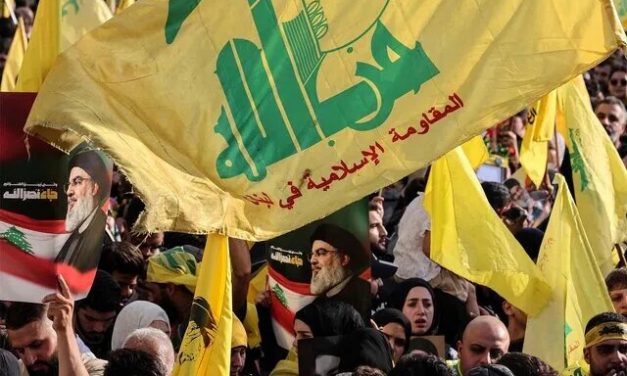
The Inseparability of the Lebanese Front from the Axis of Resistance

SCFR Online–Opinion: By providing an extensive network of social, healthcare, educational, and post-war reconstruction services, Hezbollah has established a strong social base for itself among Lebanon’s Shiites and Sunnis, and even beyond that, among other segments of Lebanese society, including Christians. Hezbollah has never been an external actor imposed upon Lebanon; rather, it is a phenomenon fundamentally born out of the occupation and crimes of the Zionist regime and itself influenced by popular resistance.
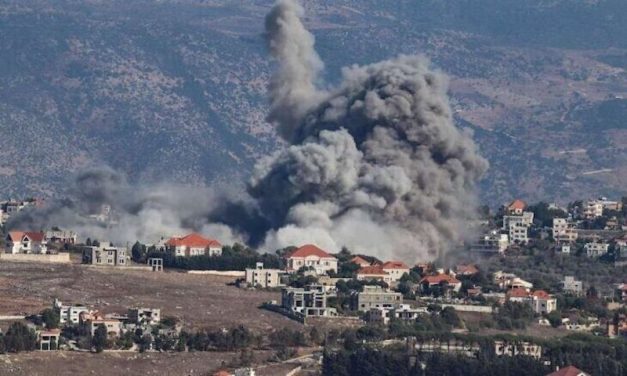
The Increasing Efforts of the Zionist Regime to Redefine Borders and the Regional Order and Its Consequences

SCFR Online– Opinion: Security and military developments in the region over recent months indicate that the ongoing crises and wars in Gaza, southern Lebanon, and parts of Syrian territory encompass broader dimensions of geopolitical and geostrategic transformations. In this context, the increased military presence and control of the Zionist regime over parts of the territories of these areas, along with proposals regarding the creation of buffer zones or even the expansion of security borders, have raised serious questions about the future of the regional order and its consequences for the countries of West Asia.

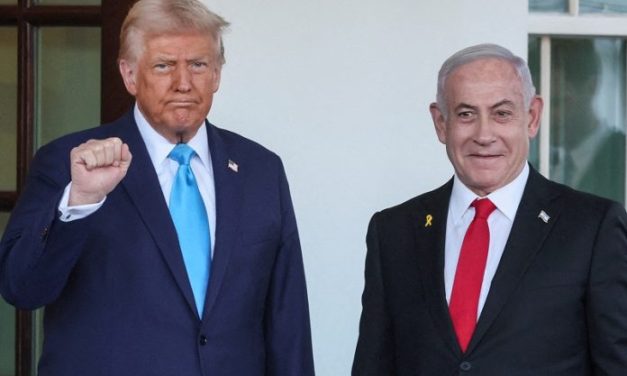
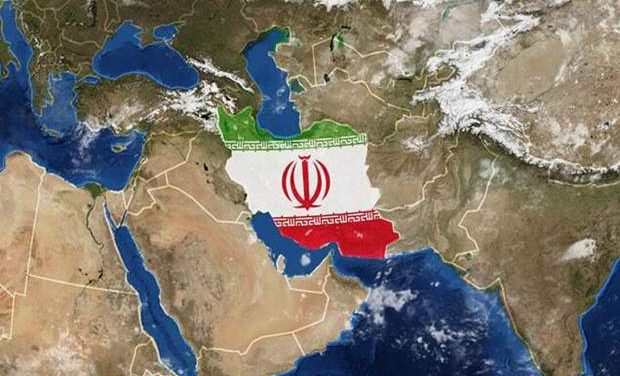
The Components of Iran’s Deterrence Power

SCFR Online – Opinion: At a time when regional security equations have reached a sensitive stage under the influence of Iran’s strategic confrontation with the United States and the Zionist regime, the question of the nature of Tehran’s defensive power has gained greater significance than ever before. While Washington and Tel Aviv rely on their technological superiority, the Islamic Republic of Iran has presented a model of deterrence that extends beyond the material calculations of the world’s classical militaries. This power, rooted in the connection between “the field” and “the people,” has not only altered the balance of power in recent conflicts but has also disrupted adversaries’ calculations when confronting Iran’s strategic depth.

The Persian Gulf; A Cold Battlefield Between Beijing and Washington

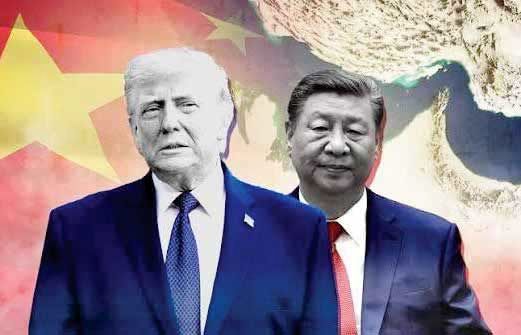
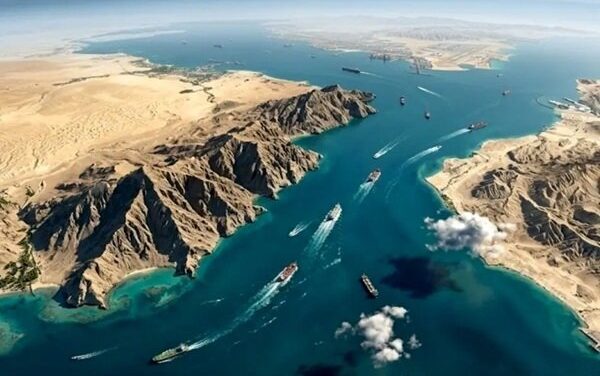
SCFR Online – Opinion: The competition in recent years between the United States and China encompasses various geographical regions—including the Indo-Pacific, West Asia, the Arctic and Antarctic, and Africa—as well as multiple domains such as economics and technology. Within this context, a strategic competition has also emerged in the Persian Gulf region across economic, technological, and military spheres.

Europe’s Enduring Dependence on Persian Gulf Energy

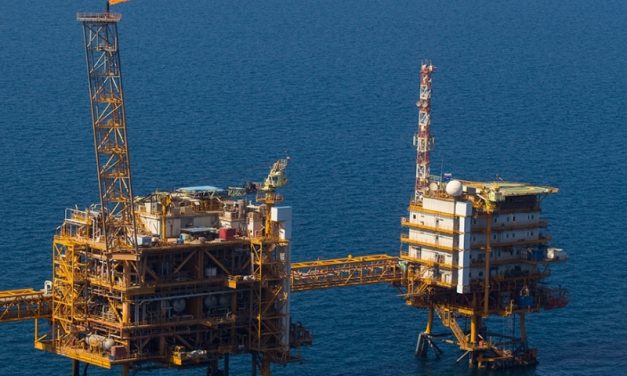
SCFR Online – Opinion: The dominant discourse in the field of European energy security over the past two decades has revolved around diversification of supply sources and the gradual reduction of dependence on fossil fuels. This narrative, which gained particular momentum after the Ukraine gas crisis in 2006 and its intensification in 2014 and 2022, was based on the assumption that Europe could free itself from the geopolitical vulnerabilities arising from dependence on specific suppliers through investment in renewable energy, imports of liquefied natural gas from diversified sources, and the establishment of new infrastructure. However, a closer analysis of energy trade data and the structure of the global oil and gas supply chain presents a different picture. Europe has not only failed to meaningfully reduce its dependence on the Persian Gulf, but in some sectors — particularly in liquefied natural gas imports — this dependence has deepened. This reality, which is often overlooked in public discourse, raises fundamental questions about the sustainability of Europe’s energy security strategies and their impact on regional power equations.

Loading

Turkey

Turkey’s Macro Approach in Promoting Regional, European Policy; Interaction with Big Powers

Turkey’s Macro Approach in Promoting Regional, European Policy; Interaction with Big Powers

Strategic Council Online – Interview: Secretary of the Turkish Studies Department at the Iranian Association of West Asian Studies said: Turkey is trying to pass through the tensions it experienced with some countries in the region and its neighbors in the past years and put the policy of reducing tension seriously on its agenda. The increase in tensions has negatively affected the country’s economy, and now Ankara is not in a good position to bear more costs.

Analysis of Turkey-Egypt Relations Process

Analysis of Turkey-Egypt Relations Process

Strategic Council Online – Opinion: After a decade of severance of diplomatic relations, Turkey and Egypt announced in a joint statement promotion of their political ties and nominated their ambassadors in Ankara and Cairo. The two sides announced that their goal behind “normalization and expansion of relations” is in line with the interests of the people of the two countries. From the point of view of the two countries, the re-normalization of relations will show the mutual will to develop bilateral relations in line with providing the interests of the people of Turkey and Egypt. The normalization was welcomed by the Secretary General of the Arab League, who considered it a positive development to create peace in the region and strengthen diplomatic relations to solve problems effectively.
Mahmoud Fazeli – Analyst of international affairs

Impact of Regional Developments on the Zionist Regime’s anti-Iran Strategy

Impact of Regional Developments on the Zionist Regime’s anti-Iran Strategy

Strategic Council Online – Interview: An expert on the Zionist regime affairs said: A few Arab governments that pursued normalization of relations with the Zionist regime do not have the interest and haste of the past due to the changing conditions in the region and the existence of the extreme right-wing cabinet in the occupied territories.

Formation of New Era in Turkey-Greece Relations?

Formation of New Era in Turkey-Greece Relations?

Strategic Council Online – Opinion: The president of Turkey and the prime minister of Greece will meet on the sidelines of the North Atlantic Treaty Organization (NATO) Summit, July 11-12, in Vilnius, Lithuania. The public opinion of the two countries expects the meeting to be held after the elections in the two countries to be a new step towards de-escalation between the two neighboring countries.
Mahmoud Fazeli- International affairs analyst

US goals of creating artificial intelligence centers in the Kurdistan region of Iraq

US goals of creating artificial intelligence centers in the Kurdistan region of Iraq

Strategic Council Online-Interview: The head of international affairs of the Sharif University’s Science and Technology Park stated that the US, while being concerned about the presence of China in the technological fields of the region, is trying to enter this market and meet the demands of the countries of the region, especially its former allies and partners, including Iraqi Kurdistan to reduce the influence and monopoly of Chinese technological companies. He suggested that “Iran should take the lead in meeting the technological needs of the Kurdistan region by respecting the considerations of Iraqi national sovereignty and strategic interactions in this area.”

An analysis of the degree of the stability of tension-free relations between Türkiye and Greece

An analysis of the degree of the stability of tension-free relations between Türkiye and Greece

Strategic Council Online-Opinion: Although President Erdogan has tried to make a new start in the country and the international and regional relations of Turkey in recent months, it seems that the relative peace in the bilateral relations with Greece is not sustainable and the differences will once again return to the political scene.
Mahmoud Fazeli—Analyst of international issues

Strategic Importance of Strengthening Iran-Turkey Relations

Strategic Importance of Strengthening Iran-Turkey Relations

Strategic Council Online – Guest opinion: In the West Asian region, the number of countries that have democratic systems and real and free elections may not even reach the number of the fingers of one hand, and when those elections are related to an active and proactive country in the region, such as Turkey, its importance and analytical value multiplies.
Dr. Mohammad Mehdi Mazaheri – University professor

Foreign Policy Challenges of the New Greek Government

Foreign Policy Challenges of the New Greek Government

Strategic Council Online – Opinion: With the holding of the national elections in Greece on May 21, although the winning party announced priorities of its future government to be mainly improvement of the economic situation, the continuation of the national policy in foreign relations, security, and immigration would be most important challenges for this EU and NATO member country. Although the new leaders defend the continuation of the foreign and defense policy, strengthening of the country’s armed forces, creation of solid alliances, and development of the weapons program over the past four years, they differ in the field of energy exploration, the militarization of some islands in the Aegean Sea, and the issue of refugees.
Mahmoud Fazeli – International Affairs analyst

A Glance at Presidential Election Results in Turkey

A Glance at Presidential Election Results in Turkey

Strategic Council Online – Interview: An analyst of Turkey affairs considered the results of the first round of the elections as a kind of victory for Erdogan and said: With the victory of Kılıçdaroğlu, some regional changes might be witnessed, but in any case, it seems that the winner of the elections will face a series of internal problems and those problems will be aggravated if Kılıçdaroğlu wins.

Importance and strategic dimensions of Iran’s President visit to Syria

Importance and strategic dimensions of Iran’s President visit to Syria

Strategic Council Online—Opinion: The two-day visit of Mr. Raisi, the president of the Islamic Republic of Iran, to Syria is important from different dimensions. This trip, which has had many reflections in the media and political circles of the region, has a vital role in the implementation of dozens of economic and commercial agreements, as well as the signing of new military and security agreements, which were agreed upon by the parties during the past years but were not fully implemented.
Barsam Mohammadi—Expert in regional issues

أحدث الوظائف

The Inseparability of the Lebanese Front from the Axis of Resistance

SCFR Online–Opinion: By providing an extensive network of social, healthcare, educational, and post-war reconstruction services, Hezbollah has established a strong social base for itself among Lebanon’s Shiites and Sunnis, and even beyond that, among other segments of Lebanese society, including Christians. Hezbollah has never been an external actor imposed upon Lebanon; rather, it is a phenomenon fundamentally born out of the occupation and crimes of the Zionist regime and itself influenced by popular resistance.
The Increasing Efforts of the Zionist Regime to Redefine Borders and the Regional Order and Its Consequences

SCFR Online– Opinion: Security and military developments in the region over recent months indicate that the ongoing crises and wars in Gaza, southern Lebanon, and parts of Syrian territory encompass broader dimensions of geopolitical and geostrategic transformations. In this context, the increased military presence and control of the Zionist regime over parts of the territories of these areas, along with proposals regarding the creation of buffer zones or even the expansion of security borders, have raised serious questions about the future of the regional order and its consequences for the countries of West Asia.

The Components of Iran’s Deterrence Power

SCFR Online – Opinion: At a time when regional security equations have reached a sensitive stage under the influence of Iran’s strategic confrontation with the United States and the Zionist regime, the question of the nature of Tehran’s defensive power has gained greater significance than ever before. While Washington and Tel Aviv rely on their technological superiority, the Islamic Republic of Iran has presented a model of deterrence that extends beyond the material calculations of the world’s classical militaries. This power, rooted in the connection between “the field” and “the people,” has not only altered the balance of power in recent conflicts but has also disrupted adversaries’ calculations when confronting Iran’s strategic depth.

The Persian Gulf; A Cold Battlefield Between Beijing and Washington

SCFR Online – Opinion: The competition in recent years between the United States and China encompasses various geographical regions—including the Indo-Pacific, West Asia, the Arctic and Antarctic, and Africa—as well as multiple domains such as economics and technology. Within this context, a strategic competition has also emerged in the Persian Gulf region across economic, technological, and military spheres.

Europe’s Enduring Dependence on Persian Gulf Energy

SCFR Online – Opinion: The dominant discourse in the field of European energy security over the past two decades has revolved around diversification of supply sources and the gradual reduction of dependence on fossil fuels. This narrative, which gained particular momentum after the Ukraine gas crisis in 2006 and its intensification in 2014 and 2022, was based on the assumption that Europe could free itself from the geopolitical vulnerabilities arising from dependence on specific suppliers through investment in renewable energy, imports of liquefied natural gas from diversified sources, and the establishment of new infrastructure. However, a closer analysis of energy trade data and the structure of the global oil and gas supply chain presents a different picture. Europe has not only failed to meaningfully reduce its dependence on the Persian Gulf, but in some sectors — particularly in liquefied natural gas imports — this dependence has deepened. This reality, which is often overlooked in public discourse, raises fundamental questions about the sustainability of Europe’s energy security strategies and their impact on regional power equations.

Loading

Turkey

Turkey’s Macro Approach in Promoting Regional, European Policy; Interaction with Big Powers

Turkey’s Macro Approach in Promoting Regional, European Policy; Interaction with Big Powers

Strategic Council Online – Interview: Secretary of the Turkish Studies Department at the Iranian Association of West Asian Studies said: Turkey is trying to pass through the tensions it experienced with some countries in the region and its neighbors in the past years and put the policy of reducing tension seriously on its agenda. The increase in tensions has negatively affected the country’s economy, and now Ankara is not in a good position to bear more costs.

Analysis of Turkey-Egypt Relations Process

Analysis of Turkey-Egypt Relations Process

Strategic Council Online – Opinion: After a decade of severance of diplomatic relations, Turkey and Egypt announced in a joint statement promotion of their political ties and nominated their ambassadors in Ankara and Cairo. The two sides announced that their goal behind “normalization and expansion of relations” is in line with the interests of the people of the two countries. From the point of view of the two countries, the re-normalization of relations will show the mutual will to develop bilateral relations in line with providing the interests of the people of Turkey and Egypt. The normalization was welcomed by the Secretary General of the Arab League, who considered it a positive development to create peace in the region and strengthen diplomatic relations to solve problems effectively.
Mahmoud Fazeli – Analyst of international affairs

Impact of Regional Developments on the Zionist Regime’s anti-Iran Strategy

Impact of Regional Developments on the Zionist Regime’s anti-Iran Strategy

Strategic Council Online – Interview: An expert on the Zionist regime affairs said: A few Arab governments that pursued normalization of relations with the Zionist regime do not have the interest and haste of the past due to the changing conditions in the region and the existence of the extreme right-wing cabinet in the occupied territories.

Formation of New Era in Turkey-Greece Relations?

Formation of New Era in Turkey-Greece Relations?

Strategic Council Online – Opinion: The president of Turkey and the prime minister of Greece will meet on the sidelines of the North Atlantic Treaty Organization (NATO) Summit, July 11-12, in Vilnius, Lithuania. The public opinion of the two countries expects the meeting to be held after the elections in the two countries to be a new step towards de-escalation between the two neighboring countries.
Mahmoud Fazeli- International affairs analyst

US goals of creating artificial intelligence centers in the Kurdistan region of Iraq

US goals of creating artificial intelligence centers in the Kurdistan region of Iraq

Strategic Council Online-Interview: The head of international affairs of the Sharif University’s Science and Technology Park stated that the US, while being concerned about the presence of China in the technological fields of the region, is trying to enter this market and meet the demands of the countries of the region, especially its former allies and partners, including Iraqi Kurdistan to reduce the influence and monopoly of Chinese technological companies. He suggested that “Iran should take the lead in meeting the technological needs of the Kurdistan region by respecting the considerations of Iraqi national sovereignty and strategic interactions in this area.”

An analysis of the degree of the stability of tension-free relations between Türkiye and Greece

An analysis of the degree of the stability of tension-free relations between Türkiye and Greece

Strategic Council Online-Opinion: Although President Erdogan has tried to make a new start in the country and the international and regional relations of Turkey in recent months, it seems that the relative peace in the bilateral relations with Greece is not sustainable and the differences will once again return to the political scene.
Mahmoud Fazeli—Analyst of international issues

Strategic Importance of Strengthening Iran-Turkey Relations

Strategic Importance of Strengthening Iran-Turkey Relations

Strategic Council Online – Guest opinion: In the West Asian region, the number of countries that have democratic systems and real and free elections may not even reach the number of the fingers of one hand, and when those elections are related to an active and proactive country in the region, such as Turkey, its importance and analytical value multiplies.
Dr. Mohammad Mehdi Mazaheri – University professor

Foreign Policy Challenges of the New Greek Government

Foreign Policy Challenges of the New Greek Government

Strategic Council Online – Opinion: With the holding of the national elections in Greece on May 21, although the winning party announced priorities of its future government to be mainly improvement of the economic situation, the continuation of the national policy in foreign relations, security, and immigration would be most important challenges for this EU and NATO member country. Although the new leaders defend the continuation of the foreign and defense policy, strengthening of the country’s armed forces, creation of solid alliances, and development of the weapons program over the past four years, they differ in the field of energy exploration, the militarization of some islands in the Aegean Sea, and the issue of refugees.
Mahmoud Fazeli – International Affairs analyst

A Glance at Presidential Election Results in Turkey

A Glance at Presidential Election Results in Turkey

Strategic Council Online – Interview: An analyst of Turkey affairs considered the results of the first round of the elections as a kind of victory for Erdogan and said: With the victory of Kılıçdaroğlu, some regional changes might be witnessed, but in any case, it seems that the winner of the elections will face a series of internal problems and those problems will be aggravated if Kılıçdaroğlu wins.

Importance and strategic dimensions of Iran’s President visit to Syria

Importance and strategic dimensions of Iran’s President visit to Syria

Strategic Council Online—Opinion: The two-day visit of Mr. Raisi, the president of the Islamic Republic of Iran, to Syria is important from different dimensions. This trip, which has had many reflections in the media and political circles of the region, has a vital role in the implementation of dozens of economic and commercial agreements, as well as the signing of new military and security agreements, which were agreed upon by the parties during the past years but were not fully implemented.
Barsam Mohammadi—Expert in regional issues

Turkey

Turkey’s Macro Approach in Promoting Regional, European Policy; Interaction with Big Powers

Turkey’s Macro Approach in Promoting Regional, European Policy; Interaction with Big Powers

Strategic Council Online – Interview: Secretary of the Turkish Studies Department at the Iranian Association of West Asian Studies said: Turkey is trying to pass through the tensions it experienced with some countries in the region and its neighbors in the past years and put the policy of reducing tension seriously on its agenda. The increase in tensions has negatively affected the country’s economy, and now Ankara is not in a good position to bear more costs.

Analysis of Turkey-Egypt Relations Process

Analysis of Turkey-Egypt Relations Process

Strategic Council Online – Opinion: After a decade of severance of diplomatic relations, Turkey and Egypt announced in a joint statement promotion of their political ties and nominated their ambassadors in Ankara and Cairo. The two sides announced that their goal behind “normalization and expansion of relations” is in line with the interests of the people of the two countries. From the point of view of the two countries, the re-normalization of relations will show the mutual will to develop bilateral relations in line with providing the interests of the people of Turkey and Egypt. The normalization was welcomed by the Secretary General of the Arab League, who considered it a positive development to create peace in the region and strengthen diplomatic relations to solve problems effectively.
Mahmoud Fazeli – Analyst of international affairs

Impact of Regional Developments on the Zionist Regime’s anti-Iran Strategy

Impact of Regional Developments on the Zionist Regime’s anti-Iran Strategy

Strategic Council Online – Interview: An expert on the Zionist regime affairs said: A few Arab governments that pursued normalization of relations with the Zionist regime do not have the interest and haste of the past due to the changing conditions in the region and the existence of the extreme right-wing cabinet in the occupied territories.

Formation of New Era in Turkey-Greece Relations?

Formation of New Era in Turkey-Greece Relations?

Strategic Council Online – Opinion: The president of Turkey and the prime minister of Greece will meet on the sidelines of the North Atlantic Treaty Organization (NATO) Summit, July 11-12, in Vilnius, Lithuania. The public opinion of the two countries expects the meeting to be held after the elections in the two countries to be a new step towards de-escalation between the two neighboring countries.
Mahmoud Fazeli- International affairs analyst

US goals of creating artificial intelligence centers in the Kurdistan region of Iraq

US goals of creating artificial intelligence centers in the Kurdistan region of Iraq

Strategic Council Online-Interview: The head of international affairs of the Sharif University’s Science and Technology Park stated that the US, while being concerned about the presence of China in the technological fields of the region, is trying to enter this market and meet the demands of the countries of the region, especially its former allies and partners, including Iraqi Kurdistan to reduce the influence and monopoly of Chinese technological companies. He suggested that “Iran should take the lead in meeting the technological needs of the Kurdistan region by respecting the considerations of Iraqi national sovereignty and strategic interactions in this area.”

An analysis of the degree of the stability of tension-free relations between Türkiye and Greece

An analysis of the degree of the stability of tension-free relations between Türkiye and Greece

Strategic Council Online-Opinion: Although President Erdogan has tried to make a new start in the country and the international and regional relations of Turkey in recent months, it seems that the relative peace in the bilateral relations with Greece is not sustainable and the differences will once again return to the political scene.
Mahmoud Fazeli—Analyst of international issues

Strategic Importance of Strengthening Iran-Turkey Relations

Strategic Importance of Strengthening Iran-Turkey Relations

Strategic Council Online – Guest opinion: In the West Asian region, the number of countries that have democratic systems and real and free elections may not even reach the number of the fingers of one hand, and when those elections are related to an active and proactive country in the region, such as Turkey, its importance and analytical value multiplies.
Dr. Mohammad Mehdi Mazaheri – University professor

Foreign Policy Challenges of the New Greek Government

Foreign Policy Challenges of the New Greek Government

Strategic Council Online – Opinion: With the holding of the national elections in Greece on May 21, although the winning party announced priorities of its future government to be mainly improvement of the economic situation, the continuation of the national policy in foreign relations, security, and immigration would be most important challenges for this EU and NATO member country. Although the new leaders defend the continuation of the foreign and defense policy, strengthening of the country’s armed forces, creation of solid alliances, and development of the weapons program over the past four years, they differ in the field of energy exploration, the militarization of some islands in the Aegean Sea, and the issue of refugees.
Mahmoud Fazeli – International Affairs analyst

A Glance at Presidential Election Results in Turkey

A Glance at Presidential Election Results in Turkey

Strategic Council Online – Interview: An analyst of Turkey affairs considered the results of the first round of the elections as a kind of victory for Erdogan and said: With the victory of Kılıçdaroğlu, some regional changes might be witnessed, but in any case, it seems that the winner of the elections will face a series of internal problems and those problems will be aggravated if Kılıçdaroğlu wins.

Importance and strategic dimensions of Iran’s President visit to Syria

Importance and strategic dimensions of Iran’s President visit to Syria

Strategic Council Online—Opinion: The two-day visit of Mr. Raisi, the president of the Islamic Republic of Iran, to Syria is important from different dimensions. This trip, which has had many reflections in the media and political circles of the region, has a vital role in the implementation of dozens of economic and commercial agreements, as well as the signing of new military and security agreements, which were agreed upon by the parties during the past years but were not fully implemented.
Barsam Mohammadi—Expert in regional issues

LATEST CONTENT

The Inseparability of the Lebanese Front from the Axis of Resistance

SCFR Online–Opinion: By providing an extensive network of social, healthcare, educational, and post-war reconstruction services, Hezbollah has established a strong social base for itself among Lebanon’s Shiites and Sunnis, and even beyond that, among other segments of Lebanese society, including Christians. Hezbollah has never been an external actor imposed upon Lebanon; rather, it is a phenomenon fundamentally born out of the occupation and crimes of the Zionist regime and itself influenced by popular resistance.
The Increasing Efforts of the Zionist Regime to Redefine Borders and the Regional Order and Its Consequences

SCFR Online– Opinion: Security and military developments in the region over recent months indicate that the ongoing crises and wars in Gaza, southern Lebanon, and parts of Syrian territory encompass broader dimensions of geopolitical and geostrategic transformations. In this context, the increased military presence and control of the Zionist regime over parts of the territories of these areas, along with proposals regarding the creation of buffer zones or even the expansion of security borders, have raised serious questions about the future of the regional order and its consequences for the countries of West Asia.

The Components of Iran’s Deterrence Power

SCFR Online – Opinion: At a time when regional security equations have reached a sensitive stage under the influence of Iran’s strategic confrontation with the United States and the Zionist regime, the question of the nature of Tehran’s defensive power has gained greater significance than ever before. While Washington and Tel Aviv rely on their technological superiority, the Islamic Republic of Iran has presented a model of deterrence that extends beyond the material calculations of the world’s classical militaries. This power, rooted in the connection between “the field” and “the people,” has not only altered the balance of power in recent conflicts but has also disrupted adversaries’ calculations when confronting Iran’s strategic depth.

The Persian Gulf; A Cold Battlefield Between Beijing and Washington

SCFR Online – Opinion: The competition in recent years between the United States and China encompasses various geographical regions—including the Indo-Pacific, West Asia, the Arctic and Antarctic, and Africa—as well as multiple domains such as economics and technology. Within this context, a strategic competition has also emerged in the Persian Gulf region across economic, technological, and military spheres.

Europe’s Enduring Dependence on Persian Gulf Energy

SCFR Online – Opinion: The dominant discourse in the field of European energy security over the past two decades has revolved around diversification of supply sources and the gradual reduction of dependence on fossil fuels. This narrative, which gained particular momentum after the Ukraine gas crisis in 2006 and its intensification in 2014 and 2022, was based on the assumption that Europe could free itself from the geopolitical vulnerabilities arising from dependence on specific suppliers through investment in renewable energy, imports of liquefied natural gas from diversified sources, and the establishment of new infrastructure. However, a closer analysis of energy trade data and the structure of the global oil and gas supply chain presents a different picture. Europe has not only failed to meaningfully reduce its dependence on the Persian Gulf, but in some sectors — particularly in liquefied natural gas imports — this dependence has deepened. This reality, which is often overlooked in public discourse, raises fundamental questions about the sustainability of Europe’s energy security strategies and their impact on regional power equations.

Loading

Turkey

Turkey’s Macro Approach in Promoting Regional, European Policy; Interaction with Big Powers

Turkey’s Macro Approach in Promoting Regional, European Policy; Interaction with Big Powers

Strategic Council Online – Interview: Secretary of the Turkish Studies Department at the Iranian Association of West Asian Studies said: Turkey is trying to pass through the tensions it experienced with some countries in the region and its neighbors in the past years and put the policy of reducing tension seriously on its agenda. The increase in tensions has negatively affected the country’s economy, and now Ankara is not in a good position to bear more costs.

Analysis of Turkey-Egypt Relations Process

Analysis of Turkey-Egypt Relations Process

Strategic Council Online – Opinion: After a decade of severance of diplomatic relations, Turkey and Egypt announced in a joint statement promotion of their political ties and nominated their ambassadors in Ankara and Cairo. The two sides announced that their goal behind “normalization and expansion of relations” is in line with the interests of the people of the two countries. From the point of view of the two countries, the re-normalization of relations will show the mutual will to develop bilateral relations in line with providing the interests of the people of Turkey and Egypt. The normalization was welcomed by the Secretary General of the Arab League, who considered it a positive development to create peace in the region and strengthen diplomatic relations to solve problems effectively.
Mahmoud Fazeli – Analyst of international affairs

Impact of Regional Developments on the Zionist Regime’s anti-Iran Strategy

Impact of Regional Developments on the Zionist Regime’s anti-Iran Strategy

Strategic Council Online – Interview: An expert on the Zionist regime affairs said: A few Arab governments that pursued normalization of relations with the Zionist regime do not have the interest and haste of the past due to the changing conditions in the region and the existence of the extreme right-wing cabinet in the occupied territories.

Formation of New Era in Turkey-Greece Relations?

Formation of New Era in Turkey-Greece Relations?

Strategic Council Online – Opinion: The president of Turkey and the prime minister of Greece will meet on the sidelines of the North Atlantic Treaty Organization (NATO) Summit, July 11-12, in Vilnius, Lithuania. The public opinion of the two countries expects the meeting to be held after the elections in the two countries to be a new step towards de-escalation between the two neighboring countries.
Mahmoud Fazeli- International affairs analyst

US goals of creating artificial intelligence centers in the Kurdistan region of Iraq

US goals of creating artificial intelligence centers in the Kurdistan region of Iraq

Strategic Council Online-Interview: The head of international affairs of the Sharif University’s Science and Technology Park stated that the US, while being concerned about the presence of China in the technological fields of the region, is trying to enter this market and meet the demands of the countries of the region, especially its former allies and partners, including Iraqi Kurdistan to reduce the influence and monopoly of Chinese technological companies. He suggested that “Iran should take the lead in meeting the technological needs of the Kurdistan region by respecting the considerations of Iraqi national sovereignty and strategic interactions in this area.”

An analysis of the degree of the stability of tension-free relations between Türkiye and Greece

An analysis of the degree of the stability of tension-free relations between Türkiye and Greece

Strategic Council Online-Opinion: Although President Erdogan has tried to make a new start in the country and the international and regional relations of Turkey in recent months, it seems that the relative peace in the bilateral relations with Greece is not sustainable and the differences will once again return to the political scene.
Mahmoud Fazeli—Analyst of international issues

Strategic Importance of Strengthening Iran-Turkey Relations

Strategic Importance of Strengthening Iran-Turkey Relations

Strategic Council Online – Guest opinion: In the West Asian region, the number of countries that have democratic systems and real and free elections may not even reach the number of the fingers of one hand, and when those elections are related to an active and proactive country in the region, such as Turkey, its importance and analytical value multiplies.
Dr. Mohammad Mehdi Mazaheri – University professor

Foreign Policy Challenges of the New Greek Government

Foreign Policy Challenges of the New Greek Government

Strategic Council Online – Opinion: With the holding of the national elections in Greece on May 21, although the winning party announced priorities of its future government to be mainly improvement of the economic situation, the continuation of the national policy in foreign relations, security, and immigration would be most important challenges for this EU and NATO member country. Although the new leaders defend the continuation of the foreign and defense policy, strengthening of the country’s armed forces, creation of solid alliances, and development of the weapons program over the past four years, they differ in the field of energy exploration, the militarization of some islands in the Aegean Sea, and the issue of refugees.
Mahmoud Fazeli – International Affairs analyst

A Glance at Presidential Election Results in Turkey

A Glance at Presidential Election Results in Turkey

Strategic Council Online – Interview: An analyst of Turkey affairs considered the results of the first round of the elections as a kind of victory for Erdogan and said: With the victory of Kılıçdaroğlu, some regional changes might be witnessed, but in any case, it seems that the winner of the elections will face a series of internal problems and those problems will be aggravated if Kılıçdaroğlu wins.

Importance and strategic dimensions of Iran’s President visit to Syria

Importance and strategic dimensions of Iran’s President visit to Syria

Strategic Council Online—Opinion: The two-day visit of Mr. Raisi, the president of the Islamic Republic of Iran, to Syria is important from different dimensions. This trip, which has had many reflections in the media and political circles of the region, has a vital role in the implementation of dozens of economic and commercial agreements, as well as the signing of new military and security agreements, which were agreed upon by the parties during the past years but were not fully implemented.
Barsam Mohammadi—Expert in regional issues

ÚLTIMAS PUBLICACIONES

The Inseparability of the Lebanese Front from the Axis of Resistance

SCFR Online–Opinion: By providing an extensive network of social, healthcare, educational, and post-war reconstruction services, Hezbollah has established a strong social base for itself among Lebanon’s Shiites and Sunnis, and even beyond that, among other segments of Lebanese society, including Christians. Hezbollah has never been an external actor imposed upon Lebanon; rather, it is a phenomenon fundamentally born out of the occupation and crimes of the Zionist regime and itself influenced by popular resistance.
The Increasing Efforts of the Zionist Regime to Redefine Borders and the Regional Order and Its Consequences

SCFR Online– Opinion: Security and military developments in the region over recent months indicate that the ongoing crises and wars in Gaza, southern Lebanon, and parts of Syrian territory encompass broader dimensions of geopolitical and geostrategic transformations. In this context, the increased military presence and control of the Zionist regime over parts of the territories of these areas, along with proposals regarding the creation of buffer zones or even the expansion of security borders, have raised serious questions about the future of the regional order and its consequences for the countries of West Asia.

The Components of Iran’s Deterrence Power

SCFR Online – Opinion: At a time when regional security equations have reached a sensitive stage under the influence of Iran’s strategic confrontation with the United States and the Zionist regime, the question of the nature of Tehran’s defensive power has gained greater significance than ever before. While Washington and Tel Aviv rely on their technological superiority, the Islamic Republic of Iran has presented a model of deterrence that extends beyond the material calculations of the world’s classical militaries. This power, rooted in the connection between “the field” and “the people,” has not only altered the balance of power in recent conflicts but has also disrupted adversaries’ calculations when confronting Iran’s strategic depth.

The Persian Gulf; A Cold Battlefield Between Beijing and Washington

SCFR Online – Opinion: The competition in recent years between the United States and China encompasses various geographical regions—including the Indo-Pacific, West Asia, the Arctic and Antarctic, and Africa—as well as multiple domains such as economics and technology. Within this context, a strategic competition has also emerged in the Persian Gulf region across economic, technological, and military spheres.

Europe’s Enduring Dependence on Persian Gulf Energy

SCFR Online – Opinion: The dominant discourse in the field of European energy security over the past two decades has revolved around diversification of supply sources and the gradual reduction of dependence on fossil fuels. This narrative, which gained particular momentum after the Ukraine gas crisis in 2006 and its intensification in 2014 and 2022, was based on the assumption that Europe could free itself from the geopolitical vulnerabilities arising from dependence on specific suppliers through investment in renewable energy, imports of liquefied natural gas from diversified sources, and the establishment of new infrastructure. However, a closer analysis of energy trade data and the structure of the global oil and gas supply chain presents a different picture. Europe has not only failed to meaningfully reduce its dependence on the Persian Gulf, but in some sectors — particularly in liquefied natural gas imports — this dependence has deepened. This reality, which is often overlooked in public discourse, raises fundamental questions about the sustainability of Europe’s energy security strategies and their impact on regional power equations.

Loading

Turkey

Turkey’s Macro Approach in Promoting Regional, European Policy; Interaction with Big Powers

Turkey’s Macro Approach in Promoting Regional, European Policy; Interaction with Big Powers

Strategic Council Online – Interview: Secretary of the Turkish Studies Department at the Iranian Association of West Asian Studies said: Turkey is trying to pass through the tensions it experienced with some countries in the region and its neighbors in the past years and put the policy of reducing tension seriously on its agenda. The increase in tensions has negatively affected the country’s economy, and now Ankara is not in a good position to bear more costs.

Analysis of Turkey-Egypt Relations Process

Analysis of Turkey-Egypt Relations Process

Strategic Council Online – Opinion: After a decade of severance of diplomatic relations, Turkey and Egypt announced in a joint statement promotion of their political ties and nominated their ambassadors in Ankara and Cairo. The two sides announced that their goal behind “normalization and expansion of relations” is in line with the interests of the people of the two countries. From the point of view of the two countries, the re-normalization of relations will show the mutual will to develop bilateral relations in line with providing the interests of the people of Turkey and Egypt. The normalization was welcomed by the Secretary General of the Arab League, who considered it a positive development to create peace in the region and strengthen diplomatic relations to solve problems effectively.
Mahmoud Fazeli – Analyst of international affairs

Impact of Regional Developments on the Zionist Regime’s anti-Iran Strategy

Impact of Regional Developments on the Zionist Regime’s anti-Iran Strategy

Strategic Council Online – Interview: An expert on the Zionist regime affairs said: A few Arab governments that pursued normalization of relations with the Zionist regime do not have the interest and haste of the past due to the changing conditions in the region and the existence of the extreme right-wing cabinet in the occupied territories.

Formation of New Era in Turkey-Greece Relations?

Formation of New Era in Turkey-Greece Relations?

Strategic Council Online – Opinion: The president of Turkey and the prime minister of Greece will meet on the sidelines of the North Atlantic Treaty Organization (NATO) Summit, July 11-12, in Vilnius, Lithuania. The public opinion of the two countries expects the meeting to be held after the elections in the two countries to be a new step towards de-escalation between the two neighboring countries.
Mahmoud Fazeli- International affairs analyst

US goals of creating artificial intelligence centers in the Kurdistan region of Iraq

US goals of creating artificial intelligence centers in the Kurdistan region of Iraq

Strategic Council Online-Interview: The head of international affairs of the Sharif University’s Science and Technology Park stated that the US, while being concerned about the presence of China in the technological fields of the region, is trying to enter this market and meet the demands of the countries of the region, especially its former allies and partners, including Iraqi Kurdistan to reduce the influence and monopoly of Chinese technological companies. He suggested that “Iran should take the lead in meeting the technological needs of the Kurdistan region by respecting the considerations of Iraqi national sovereignty and strategic interactions in this area.”

An analysis of the degree of the stability of tension-free relations between Türkiye and Greece

An analysis of the degree of the stability of tension-free relations between Türkiye and Greece

Strategic Council Online-Opinion: Although President Erdogan has tried to make a new start in the country and the international and regional relations of Turkey in recent months, it seems that the relative peace in the bilateral relations with Greece is not sustainable and the differences will once again return to the political scene.
Mahmoud Fazeli—Analyst of international issues

Strategic Importance of Strengthening Iran-Turkey Relations

Strategic Importance of Strengthening Iran-Turkey Relations

Strategic Council Online – Guest opinion: In the West Asian region, the number of countries that have democratic systems and real and free elections may not even reach the number of the fingers of one hand, and when those elections are related to an active and proactive country in the region, such as Turkey, its importance and analytical value multiplies.
Dr. Mohammad Mehdi Mazaheri – University professor

Foreign Policy Challenges of the New Greek Government

Foreign Policy Challenges of the New Greek Government

Strategic Council Online – Opinion: With the holding of the national elections in Greece on May 21, although the winning party announced priorities of its future government to be mainly improvement of the economic situation, the continuation of the national policy in foreign relations, security, and immigration would be most important challenges for this EU and NATO member country. Although the new leaders defend the continuation of the foreign and defense policy, strengthening of the country’s armed forces, creation of solid alliances, and development of the weapons program over the past four years, they differ in the field of energy exploration, the militarization of some islands in the Aegean Sea, and the issue of refugees.
Mahmoud Fazeli – International Affairs analyst

A Glance at Presidential Election Results in Turkey

A Glance at Presidential Election Results in Turkey

Strategic Council Online – Interview: An analyst of Turkey affairs considered the results of the first round of the elections as a kind of victory for Erdogan and said: With the victory of Kılıçdaroğlu, some regional changes might be witnessed, but in any case, it seems that the winner of the elections will face a series of internal problems and those problems will be aggravated if Kılıçdaroğlu wins.

Importance and strategic dimensions of Iran’s President visit to Syria

Importance and strategic dimensions of Iran’s President visit to Syria

Strategic Council Online—Opinion: The two-day visit of Mr. Raisi, the president of the Islamic Republic of Iran, to Syria is important from different dimensions. This trip, which has had many reflections in the media and political circles of the region, has a vital role in the implementation of dozens of economic and commercial agreements, as well as the signing of new military and security agreements, which were agreed upon by the parties during the past years but were not fully implemented.
Barsam Mohammadi—Expert in regional issues

ÚLTIMAS PUBLICACIONES

The Inseparability of the Lebanese Front from the Axis of Resistance

SCFR Online–Opinion: By providing an extensive network of social, healthcare, educational, and post-war reconstruction services, Hezbollah has established a strong social base for itself among Lebanon’s Shiites and Sunnis, and even beyond that, among other segments of Lebanese society, including Christians. Hezbollah has never been an external actor imposed upon Lebanon; rather, it is a phenomenon fundamentally born out of the occupation and crimes of the Zionist regime and itself influenced by popular resistance.
The Increasing Efforts of the Zionist Regime to Redefine Borders and the Regional Order and Its Consequences

SCFR Online– Opinion: Security and military developments in the region over recent months indicate that the ongoing crises and wars in Gaza, southern Lebanon, and parts of Syrian territory encompass broader dimensions of geopolitical and geostrategic transformations. In this context, the increased military presence and control of the Zionist regime over parts of the territories of these areas, along with proposals regarding the creation of buffer zones or even the expansion of security borders, have raised serious questions about the future of the regional order and its consequences for the countries of West Asia.

The Components of Iran’s Deterrence Power

SCFR Online – Opinion: At a time when regional security equations have reached a sensitive stage under the influence of Iran’s strategic confrontation with the United States and the Zionist regime, the question of the nature of Tehran’s defensive power has gained greater significance than ever before. While Washington and Tel Aviv rely on their technological superiority, the Islamic Republic of Iran has presented a model of deterrence that extends beyond the material calculations of the world’s classical militaries. This power, rooted in the connection between “the field” and “the people,” has not only altered the balance of power in recent conflicts but has also disrupted adversaries’ calculations when confronting Iran’s strategic depth.

The Persian Gulf; A Cold Battlefield Between Beijing and Washington

SCFR Online – Opinion: The competition in recent years between the United States and China encompasses various geographical regions—including the Indo-Pacific, West Asia, the Arctic and Antarctic, and Africa—as well as multiple domains such as economics and technology. Within this context, a strategic competition has also emerged in the Persian Gulf region across economic, technological, and military spheres.

Europe’s Enduring Dependence on Persian Gulf Energy

SCFR Online – Opinion: The dominant discourse in the field of European energy security over the past two decades has revolved around diversification of supply sources and the gradual reduction of dependence on fossil fuels. This narrative, which gained particular momentum after the Ukraine gas crisis in 2006 and its intensification in 2014 and 2022, was based on the assumption that Europe could free itself from the geopolitical vulnerabilities arising from dependence on specific suppliers through investment in renewable energy, imports of liquefied natural gas from diversified sources, and the establishment of new infrastructure. However, a closer analysis of energy trade data and the structure of the global oil and gas supply chain presents a different picture. Europe has not only failed to meaningfully reduce its dependence on the Persian Gulf, but in some sectors — particularly in liquefied natural gas imports — this dependence has deepened. This reality, which is often overlooked in public discourse, raises fundamental questions about the sustainability of Europe’s energy security strategies and their impact on regional power equations.

Loading

Turkey

Turkey’s Macro Approach in Promoting Regional, European Policy; Interaction with Big Powers

Turkey’s Macro Approach in Promoting Regional, European Policy; Interaction with Big Powers

Strategic Council Online – Interview: Secretary of the Turkish Studies Department at the Iranian Association of West Asian Studies said: Turkey is trying to pass through the tensions it experienced with some countries in the region and its neighbors in the past years and put the policy of reducing tension seriously on its agenda. The increase in tensions has negatively affected the country’s economy, and now Ankara is not in a good position to bear more costs.

Analysis of Turkey-Egypt Relations Process

Analysis of Turkey-Egypt Relations Process

Strategic Council Online – Opinion: After a decade of severance of diplomatic relations, Turkey and Egypt announced in a joint statement promotion of their political ties and nominated their ambassadors in Ankara and Cairo. The two sides announced that their goal behind “normalization and expansion of relations” is in line with the interests of the people of the two countries. From the point of view of the two countries, the re-normalization of relations will show the mutual will to develop bilateral relations in line with providing the interests of the people of Turkey and Egypt. The normalization was welcomed by the Secretary General of the Arab League, who considered it a positive development to create peace in the region and strengthen diplomatic relations to solve problems effectively.
Mahmoud Fazeli – Analyst of international affairs

Impact of Regional Developments on the Zionist Regime’s anti-Iran Strategy

Impact of Regional Developments on the Zionist Regime’s anti-Iran Strategy

Strategic Council Online – Interview: An expert on the Zionist regime affairs said: A few Arab governments that pursued normalization of relations with the Zionist regime do not have the interest and haste of the past due to the changing conditions in the region and the existence of the extreme right-wing cabinet in the occupied territories.

Formation of New Era in Turkey-Greece Relations?

Formation of New Era in Turkey-Greece Relations?

Strategic Council Online – Opinion: The president of Turkey and the prime minister of Greece will meet on the sidelines of the North Atlantic Treaty Organization (NATO) Summit, July 11-12, in Vilnius, Lithuania. The public opinion of the two countries expects the meeting to be held after the elections in the two countries to be a new step towards de-escalation between the two neighboring countries.
Mahmoud Fazeli- International affairs analyst

US goals of creating artificial intelligence centers in the Kurdistan region of Iraq

US goals of creating artificial intelligence centers in the Kurdistan region of Iraq

Strategic Council Online-Interview: The head of international affairs of the Sharif University’s Science and Technology Park stated that the US, while being concerned about the presence of China in the technological fields of the region, is trying to enter this market and meet the demands of the countries of the region, especially its former allies and partners, including Iraqi Kurdistan to reduce the influence and monopoly of Chinese technological companies. He suggested that “Iran should take the lead in meeting the technological needs of the Kurdistan region by respecting the considerations of Iraqi national sovereignty and strategic interactions in this area.”

An analysis of the degree of the stability of tension-free relations between Türkiye and Greece

An analysis of the degree of the stability of tension-free relations between Türkiye and Greece

Strategic Council Online-Opinion: Although President Erdogan has tried to make a new start in the country and the international and regional relations of Turkey in recent months, it seems that the relative peace in the bilateral relations with Greece is not sustainable and the differences will once again return to the political scene.
Mahmoud Fazeli—Analyst of international issues

Strategic Importance of Strengthening Iran-Turkey Relations

Strategic Importance of Strengthening Iran-Turkey Relations

Strategic Council Online – Guest opinion: In the West Asian region, the number of countries that have democratic systems and real and free elections may not even reach the number of the fingers of one hand, and when those elections are related to an active and proactive country in the region, such as Turkey, its importance and analytical value multiplies.
Dr. Mohammad Mehdi Mazaheri – University professor

Foreign Policy Challenges of the New Greek Government

Foreign Policy Challenges of the New Greek Government

Strategic Council Online – Opinion: With the holding of the national elections in Greece on May 21, although the winning party announced priorities of its future government to be mainly improvement of the economic situation, the continuation of the national policy in foreign relations, security, and immigration would be most important challenges for this EU and NATO member country. Although the new leaders defend the continuation of the foreign and defense policy, strengthening of the country’s armed forces, creation of solid alliances, and development of the weapons program over the past four years, they differ in the field of energy exploration, the militarization of some islands in the Aegean Sea, and the issue of refugees.
Mahmoud Fazeli – International Affairs analyst

A Glance at Presidential Election Results in Turkey

A Glance at Presidential Election Results in Turkey

Strategic Council Online – Interview: An analyst of Turkey affairs considered the results of the first round of the elections as a kind of victory for Erdogan and said: With the victory of Kılıçdaroğlu, some regional changes might be witnessed, but in any case, it seems that the winner of the elections will face a series of internal problems and those problems will be aggravated if Kılıçdaroğlu wins.

Importance and strategic dimensions of Iran’s President visit to Syria

Importance and strategic dimensions of Iran’s President visit to Syria

Strategic Council Online—Opinion: The two-day visit of Mr. Raisi, the president of the Islamic Republic of Iran, to Syria is important from different dimensions. This trip, which has had many reflections in the media and political circles of the region, has a vital role in the implementation of dozens of economic and commercial agreements, as well as the signing of new military and security agreements, which were agreed upon by the parties during the past years but were not fully implemented.
Barsam Mohammadi—Expert in regional issues

ÚLTIMAS PUBLICACIONES

The Inseparability of the Lebanese Front from the Axis of Resistance

SCFR Online–Opinion: By providing an extensive network of social, healthcare, educational, and post-war reconstruction services, Hezbollah has established a strong social base for itself among Lebanon’s Shiites and Sunnis, and even beyond that, among other segments of Lebanese society, including Christians. Hezbollah has never been an external actor imposed upon Lebanon; rather, it is a phenomenon fundamentally born out of the occupation and crimes of the Zionist regime and itself influenced by popular resistance.
The Increasing Efforts of the Zionist Regime to Redefine Borders and the Regional Order and Its Consequences

SCFR Online– Opinion: Security and military developments in the region over recent months indicate that the ongoing crises and wars in Gaza, southern Lebanon, and parts of Syrian territory encompass broader dimensions of geopolitical and geostrategic transformations. In this context, the increased military presence and control of the Zionist regime over parts of the territories of these areas, along with proposals regarding the creation of buffer zones or even the expansion of security borders, have raised serious questions about the future of the regional order and its consequences for the countries of West Asia.

The Components of Iran’s Deterrence Power

SCFR Online – Opinion: At a time when regional security equations have reached a sensitive stage under the influence of Iran’s strategic confrontation with the United States and the Zionist regime, the question of the nature of Tehran’s defensive power has gained greater significance than ever before. While Washington and Tel Aviv rely on their technological superiority, the Islamic Republic of Iran has presented a model of deterrence that extends beyond the material calculations of the world’s classical militaries. This power, rooted in the connection between “the field” and “the people,” has not only altered the balance of power in recent conflicts but has also disrupted adversaries’ calculations when confronting Iran’s strategic depth.

The Persian Gulf; A Cold Battlefield Between Beijing and Washington

SCFR Online – Opinion: The competition in recent years between the United States and China encompasses various geographical regions—including the Indo-Pacific, West Asia, the Arctic and Antarctic, and Africa—as well as multiple domains such as economics and technology. Within this context, a strategic competition has also emerged in the Persian Gulf region across economic, technological, and military spheres.

Europe’s Enduring Dependence on Persian Gulf Energy

SCFR Online – Opinion: The dominant discourse in the field of European energy security over the past two decades has revolved around diversification of supply sources and the gradual reduction of dependence on fossil fuels. This narrative, which gained particular momentum after the Ukraine gas crisis in 2006 and its intensification in 2014 and 2022, was based on the assumption that Europe could free itself from the geopolitical vulnerabilities arising from dependence on specific suppliers through investment in renewable energy, imports of liquefied natural gas from diversified sources, and the establishment of new infrastructure. However, a closer analysis of energy trade data and the structure of the global oil and gas supply chain presents a different picture. Europe has not only failed to meaningfully reduce its dependence on the Persian Gulf, but in some sectors — particularly in liquefied natural gas imports — this dependence has deepened. This reality, which is often overlooked in public discourse, raises fundamental questions about the sustainability of Europe’s energy security strategies and their impact on regional power equations.

Loading

Turkey

Turkey’s Macro Approach in Promoting Regional, European Policy; Interaction with Big Powers

Turkey’s Macro Approach in Promoting Regional, European Policy; Interaction with Big Powers

Strategic Council Online – Interview: Secretary of the Turkish Studies Department at the Iranian Association of West Asian Studies said: Turkey is trying to pass through the tensions it experienced with some countries in the region and its neighbors in the past years and put the policy of reducing tension seriously on its agenda. The increase in tensions has negatively affected the country’s economy, and now Ankara is not in a good position to bear more costs.

Analysis of Turkey-Egypt Relations Process

Analysis of Turkey-Egypt Relations Process

Strategic Council Online – Opinion: After a decade of severance of diplomatic relations, Turkey and Egypt announced in a joint statement promotion of their political ties and nominated their ambassadors in Ankara and Cairo. The two sides announced that their goal behind “normalization and expansion of relations” is in line with the interests of the people of the two countries. From the point of view of the two countries, the re-normalization of relations will show the mutual will to develop bilateral relations in line with providing the interests of the people of Turkey and Egypt. The normalization was welcomed by the Secretary General of the Arab League, who considered it a positive development to create peace in the region and strengthen diplomatic relations to solve problems effectively.
Mahmoud Fazeli – Analyst of international affairs

Impact of Regional Developments on the Zionist Regime’s anti-Iran Strategy

Impact of Regional Developments on the Zionist Regime’s anti-Iran Strategy

Strategic Council Online – Interview: An expert on the Zionist regime affairs said: A few Arab governments that pursued normalization of relations with the Zionist regime do not have the interest and haste of the past due to the changing conditions in the region and the existence of the extreme right-wing cabinet in the occupied territories.

Formation of New Era in Turkey-Greece Relations?

Formation of New Era in Turkey-Greece Relations?

Strategic Council Online – Opinion: The president of Turkey and the prime minister of Greece will meet on the sidelines of the North Atlantic Treaty Organization (NATO) Summit, July 11-12, in Vilnius, Lithuania. The public opinion of the two countries expects the meeting to be held after the elections in the two countries to be a new step towards de-escalation between the two neighboring countries.
Mahmoud Fazeli- International affairs analyst

US goals of creating artificial intelligence centers in the Kurdistan region of Iraq

US goals of creating artificial intelligence centers in the Kurdistan region of Iraq

Strategic Council Online-Interview: The head of international affairs of the Sharif University’s Science and Technology Park stated that the US, while being concerned about the presence of China in the technological fields of the region, is trying to enter this market and meet the demands of the countries of the region, especially its former allies and partners, including Iraqi Kurdistan to reduce the influence and monopoly of Chinese technological companies. He suggested that “Iran should take the lead in meeting the technological needs of the Kurdistan region by respecting the considerations of Iraqi national sovereignty and strategic interactions in this area.”

An analysis of the degree of the stability of tension-free relations between Türkiye and Greece

An analysis of the degree of the stability of tension-free relations between Türkiye and Greece

Strategic Council Online-Opinion: Although President Erdogan has tried to make a new start in the country and the international and regional relations of Turkey in recent months, it seems that the relative peace in the bilateral relations with Greece is not sustainable and the differences will once again return to the political scene.
Mahmoud Fazeli—Analyst of international issues

Strategic Importance of Strengthening Iran-Turkey Relations

Strategic Importance of Strengthening Iran-Turkey Relations

Strategic Council Online – Guest opinion: In the West Asian region, the number of countries that have democratic systems and real and free elections may not even reach the number of the fingers of one hand, and when those elections are related to an active and proactive country in the region, such as Turkey, its importance and analytical value multiplies.
Dr. Mohammad Mehdi Mazaheri – University professor

Foreign Policy Challenges of the New Greek Government

Foreign Policy Challenges of the New Greek Government

Strategic Council Online – Opinion: With the holding of the national elections in Greece on May 21, although the winning party announced priorities of its future government to be mainly improvement of the economic situation, the continuation of the national policy in foreign relations, security, and immigration would be most important challenges for this EU and NATO member country. Although the new leaders defend the continuation of the foreign and defense policy, strengthening of the country’s armed forces, creation of solid alliances, and development of the weapons program over the past four years, they differ in the field of energy exploration, the militarization of some islands in the Aegean Sea, and the issue of refugees.
Mahmoud Fazeli – International Affairs analyst

A Glance at Presidential Election Results in Turkey

A Glance at Presidential Election Results in Turkey

Strategic Council Online – Interview: An analyst of Turkey affairs considered the results of the first round of the elections as a kind of victory for Erdogan and said: With the victory of Kılıçdaroğlu, some regional changes might be witnessed, but in any case, it seems that the winner of the elections will face a series of internal problems and those problems will be aggravated if Kılıçdaroğlu wins.

Importance and strategic dimensions of Iran’s President visit to Syria

Importance and strategic dimensions of Iran’s President visit to Syria

Strategic Council Online—Opinion: The two-day visit of Mr. Raisi, the president of the Islamic Republic of Iran, to Syria is important from different dimensions. This trip, which has had many reflections in the media and political circles of the region, has a vital role in the implementation of dozens of economic and commercial agreements, as well as the signing of new military and security agreements, which were agreed upon by the parties during the past years but were not fully implemented.
Barsam Mohammadi—Expert in regional issues

ÚLTIMAS PUBLICACIONES

The Inseparability of the Lebanese Front from the Axis of Resistance

SCFR Online–Opinion: By providing an extensive network of social, healthcare, educational, and post-war reconstruction services, Hezbollah has established a strong social base for itself among Lebanon’s Shiites and Sunnis, and even beyond that, among other segments of Lebanese society, including Christians. Hezbollah has never been an external actor imposed upon Lebanon; rather, it is a phenomenon fundamentally born out of the occupation and crimes of the Zionist regime and itself influenced by popular resistance.

The Increasing Efforts of the Zionist Regime to Redefine Borders and the Regional Order and Its Consequences

SCFR Online– Opinion: Security and military developments in the region over recent months indicate that the ongoing crises and wars in Gaza, southern Lebanon, and parts of Syrian territory encompass broader dimensions of geopolitical and geostrategic transformations. In this context, the increased military presence and control of the Zionist regime over parts of the territories of these areas, along with proposals regarding the creation of buffer zones or even the expansion of security borders, have raised serious questions about the future of the regional order and its consequences for the countries of West Asia.

The Components of Iran’s Deterrence Power

SCFR Online – Opinion: At a time when regional security equations have reached a sensitive stage under the influence of Iran’s strategic confrontation with the United States and the Zionist regime, the question of the nature of Tehran’s defensive power has gained greater significance than ever before. While Washington and Tel Aviv rely on their technological superiority, the Islamic Republic of Iran has presented a model of deterrence that extends beyond the material calculations of the world’s classical militaries. This power, rooted in the connection between “the field” and “the people,” has not only altered the balance of power in recent conflicts but has also disrupted adversaries’ calculations when confronting Iran’s strategic depth.

The Persian Gulf; A Cold Battlefield Between Beijing and Washington

SCFR Online – Opinion: The competition in recent years between the United States and China encompasses various geographical regions—including the Indo-Pacific, West Asia, the Arctic and Antarctic, and Africa—as well as multiple domains such as economics and technology. Within this context, a strategic competition has also emerged in the Persian Gulf region across economic, technological, and military spheres.

Europe’s Enduring Dependence on Persian Gulf Energy

SCFR Online – Opinion: The dominant discourse in the field of European energy security over the past two decades has revolved around diversification of supply sources and the gradual reduction of dependence on fossil fuels. This narrative, which gained particular momentum after the Ukraine gas crisis in 2006 and its intensification in 2014 and 2022, was based on the assumption that Europe could free itself from the geopolitical vulnerabilities arising from dependence on specific suppliers through investment in renewable energy, imports of liquefied natural gas from diversified sources, and the establishment of new infrastructure. However, a closer analysis of energy trade data and the structure of the global oil and gas supply chain presents a different picture. Europe has not only failed to meaningfully reduce its dependence on the Persian Gulf, but in some sectors — particularly in liquefied natural gas imports — this dependence has deepened. This reality, which is often overlooked in public discourse, raises fundamental questions about the sustainability of Europe’s energy security strategies and their impact on regional power equations.

Loading