جدیدترین مطالب

The Inseparability of the Lebanese Front from the Axis of Resistance

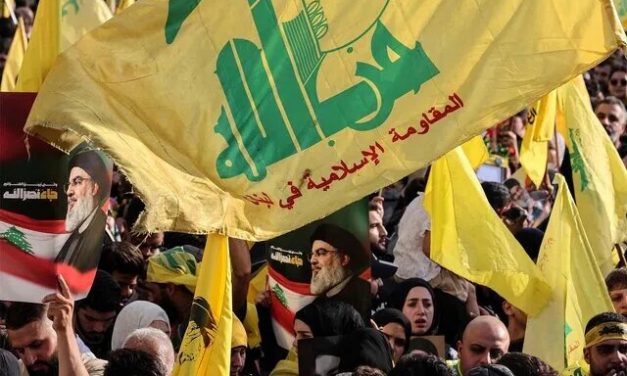
SCFR Online–Opinion: By providing an extensive network of social, healthcare, educational, and post-war reconstruction services, Hezbollah has established a strong social base for itself among Lebanon’s Shiites and Sunnis, and even beyond that, among other segments of Lebanese society, including Christians. Hezbollah has never been an external actor imposed upon Lebanon; rather, it is a phenomenon fundamentally born out of the occupation and crimes of the Zionist regime and itself influenced by popular resistance.

The Increasing Efforts of the Zionist Regime to Redefine Borders and the Regional Order and Its Consequences

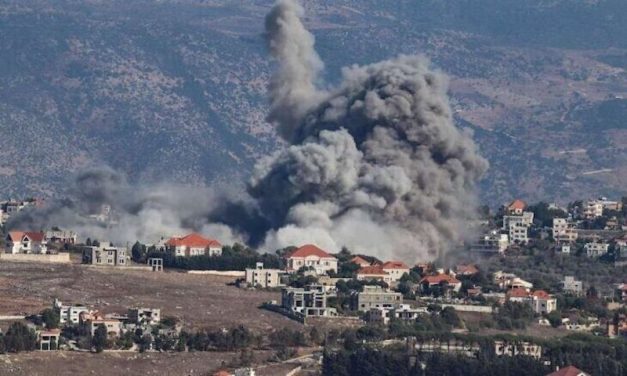
SCFR Online– Opinion: Security and military developments in the region over recent months indicate that the ongoing crises and wars in Gaza, southern Lebanon, and parts of Syrian territory encompass broader dimensions of geopolitical and geostrategic transformations. In this context, the increased military presence and control of the Zionist regime over parts of the territories of these areas, along with proposals regarding the creation of buffer zones or even the expansion of security borders, have raised serious questions about the future of the regional order and its consequences for the countries of West Asia.

The Components of Iran’s Deterrence Power

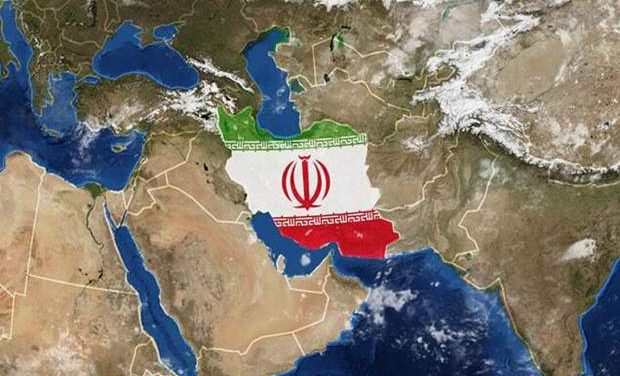
SCFR Online – Opinion: At a time when regional security equations have reached a sensitive stage under the influence of Iran’s strategic confrontation with the United States and the Zionist regime, the question of the nature of Tehran’s defensive power has gained greater significance than ever before. While Washington and Tel Aviv rely on their technological superiority, the Islamic Republic of Iran has presented a model of deterrence that extends beyond the material calculations of the world’s classical militaries. This power, rooted in the connection between “the field” and “the people,” has not only altered the balance of power in recent conflicts but has also disrupted adversaries’ calculations when confronting Iran’s strategic depth.

Loading

Turkey

The Impact of the Baghdad-Erbil Agreement on the Balance of Power in Iraq

The Impact of the Baghdad-Erbil Agreement on the Balance of Power in Iraq

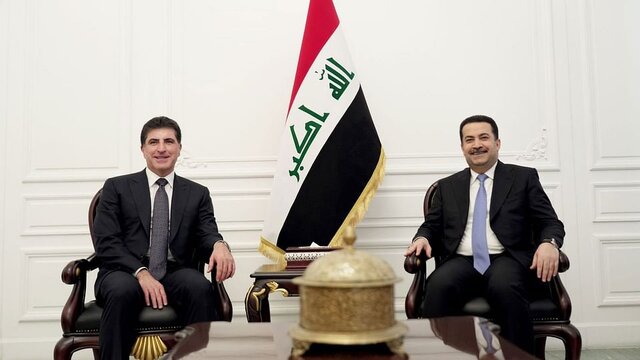
Online Strategic Council – Interview: A West Asia affairs expert stated that oil exports from the Kurdistan Region have resumed after a halt of over two years, following a tripartite agreement between Baghdad, Erbil, and oil companies. These exports had been suspended since March 2023 due to a ruling by the Paris arbitration court against Turkey. The court stated that Ankara had violated the 1973 pipeline agreement with Baghdad by allowing Erbil to export oil independently since 2014. The Iraqi Ministry of Oil announced that oil exports have commenced at full capacity and are continuing without any technical issues. The ministry described the recent move as a significant step toward strengthening the management of national wealth. Officials of the Kurdistan Regional Government (KRG) also described this event as historic and a significant achievement for the whole of Iraq. On the other hand, the Baghdad government announced that the resumption of oil exports from the Kurdistan Region could add between $ 400 million and $ 500 million monthly to the federal budget and play a significant role in boosting national revenues.

An Analysis of Baku’s Mediation between Syria and the Israeli Regime

An Analysis of Baku’s Mediation between Syria and the Israeli Regime

Strategic Council Online – Interview: An international affairs expert stated that recently, Ilham Aliyev, the President of Azerbaijan, by announcing his country’s mediating role between the Israeli regime and Syria, attempted to turn Baku into one of the active regional players. In an interview, Aliyev emphasized that the primary goal of this action is to strengthen peace and stability in the Middle East. Furthermore, Aliyev spoke of Azerbaijan’s readiness to support the restoration of relations between Turkey and the Israeli regime and elaborated on his country’s humanitarian and energy assistance to Syria, including the export of gas to Syria based on a quadrilateral agreement with Turkey and Qatar, which began on August 2nd and may increase in the future. However, regional analysts view this mediation with skepticism, seeing it as being in line with Tel Aviv’s interests and the improvement of Baku’s geopolitical standing.

An Analysis of the Recognition of the Armenian Genocide by the Zionist Regime

An Analysis of the Recognition of the Armenian Genocide by the Zionist Regime

Strategic Council Online Opinion: Despite past cooperation and extensive interactions between Ankara and Tel Aviv in various economic, commercial, political, and other domains, Benjamin Netanyahu, the Prime Minister of the Zionist regime, recently took an unprecedented step by recognizing the Armenian Genocide perpetrated by the Ottoman Empire on April 24, 1915, during World War I.

France’s Mediterranean Policy in Geopolitical Competition with Turkey

France’s Mediterranean Policy in Geopolitical Competition with Turkey

Strategic Council Online – Opinion: France’s Mediterranean policy, which clarifies the country’s genuine political orientation in the Euro-Mediterranean region, can be summarized in three primary strategies: strengthening France’s position in the European Union, maintaining its strategic position in Africa, and enhancing France’s political and military role in the Eastern Mediterranean. However, Ukraine and Armenia are also now gaining increasing importance in France’s Mediterranean policies.

A Look at the Turkey-Syria Security-Military Agreement

A Look at the Turkey-Syria Security-Military Agreement

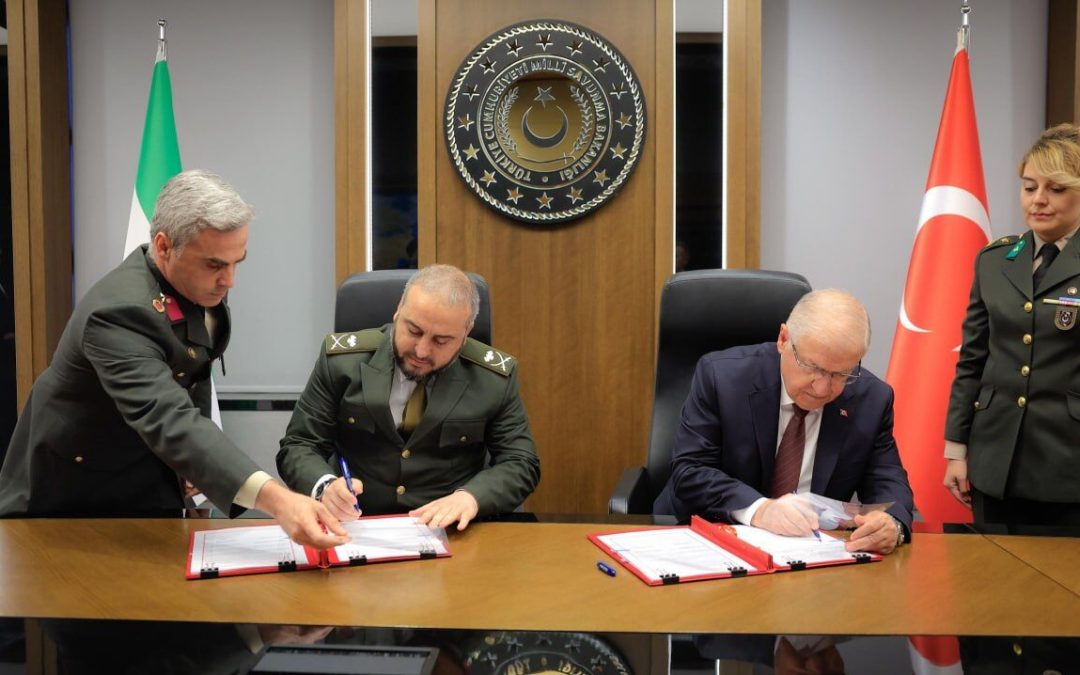
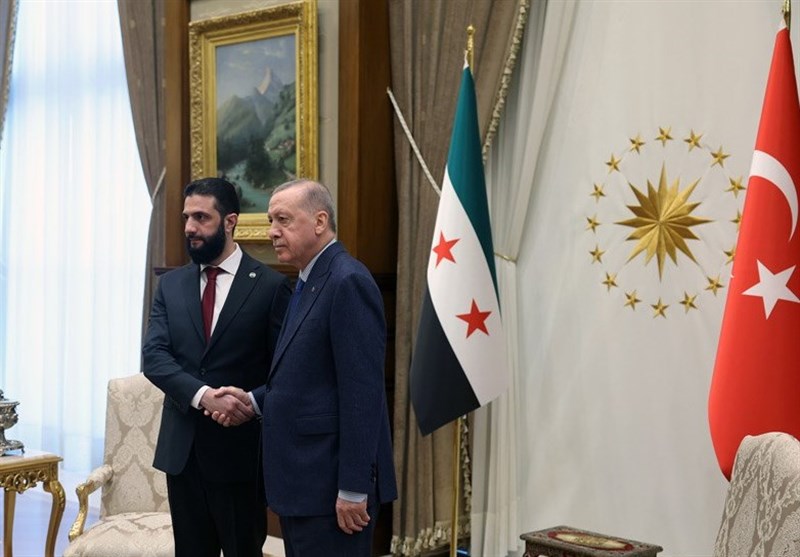
Strategic Council Online Interview: A senior Turkish affairs analyst stated: The signing of a military memorandum of understanding between Turkey and Syria on August 13, 2025, in Ankara marks a turning point in the defense relations of the two neighboring countries, which have grappled with years of political and military tensions. This agreement, signed after intensive negotiations between the two countries’ defense ministers, Yaşar Güler and Merif Abu Qasrah, provides a framework for educational and advisory cooperation and the exchange of military personnel. The primary objective of this memorandum is to enhance the capabilities of the Syrian army, rebuild its defense structures according to international standards, and reduce the threats posed by non-professional armed groups. This move, within the context of recent regional developments, particularly following the fall of Bashar al-Assad’s government in December 2024, signifies a shift in Turkey’s approach towards Syria and an effort to establish stability along their shared borders. This agreement not only helps redefine the defense relations between Damascus and Ankara but could also lead to a reduction in border tensions and counter common threats, including the activities of Kurdish groups such as the “People’s Defense Units” [YPG]. Hakan Fidan, Turkey’s Foreign Minister, in a joint press conference with his Syrian counterpart, Esad Hasan eş-Şibani, criticized the interventions of the Zionist regime in the Suwayda conflicts and emphasized the necessity of establishing an inclusive government in Syria. These statements reflect Turkey’s concern over the role of external actors in regional instability. However, some analysts believe this memorandum might imply a tacit acceptance of Turkish influence within the military structures of Syria’s new government. At the same time, internal challenges, including ethnic and religious tensions, continue to pose obstacles to sustainable stability in the region.

The Outlook for Political-Security Developments in Syria

The Outlook for Political-Security Developments in Syria

Strategic Council Online – Interview: A regional affairs expert stated that at present, it is impossible to have an accurate prediction whether Syria will move towards stability or another civil war will occur in the country in the next six months to a year.

Turkey’s Concerns Regarding Recent Developments in Syria

Turkey’s Concerns Regarding Recent Developments in Syria

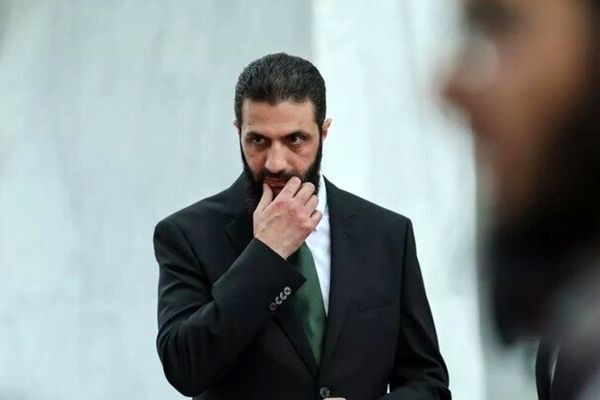
Strategic Council Online– Interview: A West Asia affairs expert stated that despite the internationally brokered ceasefire agreement reached a few days ago in Al-Suwayda, the Israeli regime’s movements in southern Syria continue. In this context, an important issue that has drawn public attention is Turkey’s reaction to these developments. By supporting Ahmed al-Shara (also known as Abu Muhammad al-Julene), Turkey managed to lay the groundwork for the fall of Bashar al-Assad and, in its view, solidify its foothold in the country. However, over the past few weeks, with the Zionist regime’s attacks on positions held by Julani’s forces in Syria and other areas, Ankara’s calculations in Syria have been significantly disrupted.

An Analysis of Various Dimensions of PKK Disarmament

An Analysis of Various Dimensions of PKK Disarmament

Strategic Council Online – Opinion: Friday, July 11, 2025, marks a turning point in the history of regional developments, as the issue of disarmament of PKK forces was finally operationalized following the call and video message of their imprisoned leader (Apo), Abdullah Öcalan (who has been held in a prison near Istanbul for 26 years). In a symbolic ceremony in Sulaymaniyah, 15 female fighters and 15 male fighters burned and destroyed their weapons.

Reducing US Military Presence in Syria: Motivations and Strategic Consequences

Reducing US Military Presence in Syria: Motivations and Strategic Consequences

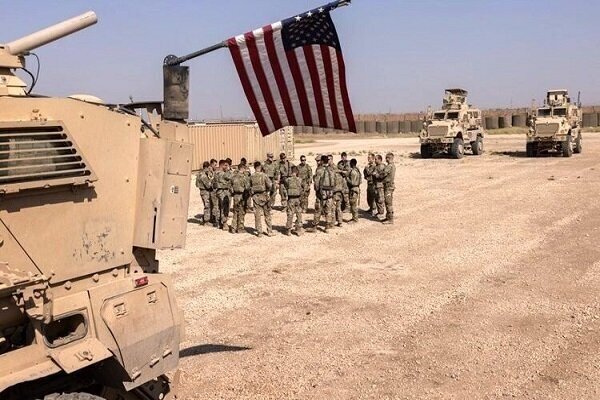
Strategic Council Online – Opinion: On April 18, 2025, the US Department of Defense (Pentagon) announced a review of the deployment of its military forces in Syria codenamed “Operation Inherent Resolve”. This plan, designed in line with Donald Trump’s policies to reduce US military presence in the Middle East, will reduce the number of US troops from 10,000 to 1,000 within two months. Although this measure was announced under the pretext of success in weakening ISIS, it is part of a broader US strategy to redefine its mission in the region. However, numerous political and security complexities accompany this decision, the consequences of which will be significant for Syria, the entire region, and even the international system.

An Analysis on PKK Disarmament

An Analysis on PKK Disarmament

Strategic Council Online – Interview: A researcher in the field of strategy and geopolitical affairs considered the PKK disarmament to be due to their feeling of weakness after the collapse of Bashar al-Assad’s government and the rise of Turkey, as well as the increase in international pressure with the coming to power of Donald Trump, and said: At the current stage, both the PKK and the Turkish government welcome this agreement, but it is unlikely that this agreement will last long.

أحدث الوظائف

The Inseparability of the Lebanese Front from the Axis of Resistance

SCFR Online–Opinion: By providing an extensive network of social, healthcare, educational, and post-war reconstruction services, Hezbollah has established a strong social base for itself among Lebanon’s Shiites and Sunnis, and even beyond that, among other segments of Lebanese society, including Christians. Hezbollah has never been an external actor imposed upon Lebanon; rather, it is a phenomenon fundamentally born out of the occupation and crimes of the Zionist regime and itself influenced by popular resistance.

The Increasing Efforts of the Zionist Regime to Redefine Borders and the Regional Order and Its Consequences

SCFR Online– Opinion: Security and military developments in the region over recent months indicate that the ongoing crises and wars in Gaza, southern Lebanon, and parts of Syrian territory encompass broader dimensions of geopolitical and geostrategic transformations. In this context, the increased military presence and control of the Zionist regime over parts of the territories of these areas, along with proposals regarding the creation of buffer zones or even the expansion of security borders, have raised serious questions about the future of the regional order and its consequences for the countries of West Asia.

The Components of Iran’s Deterrence Power

SCFR Online – Opinion: At a time when regional security equations have reached a sensitive stage under the influence of Iran’s strategic confrontation with the United States and the Zionist regime, the question of the nature of Tehran’s defensive power has gained greater significance than ever before. While Washington and Tel Aviv rely on their technological superiority, the Islamic Republic of Iran has presented a model of deterrence that extends beyond the material calculations of the world’s classical militaries. This power, rooted in the connection between “the field” and “the people,” has not only altered the balance of power in recent conflicts but has also disrupted adversaries’ calculations when confronting Iran’s strategic depth.

Loading

Turkey

The Impact of the Baghdad-Erbil Agreement on the Balance of Power in Iraq

The Impact of the Baghdad-Erbil Agreement on the Balance of Power in Iraq

Online Strategic Council – Interview: A West Asia affairs expert stated that oil exports from the Kurdistan Region have resumed after a halt of over two years, following a tripartite agreement between Baghdad, Erbil, and oil companies. These exports had been suspended since March 2023 due to a ruling by the Paris arbitration court against Turkey. The court stated that Ankara had violated the 1973 pipeline agreement with Baghdad by allowing Erbil to export oil independently since 2014. The Iraqi Ministry of Oil announced that oil exports have commenced at full capacity and are continuing without any technical issues. The ministry described the recent move as a significant step toward strengthening the management of national wealth. Officials of the Kurdistan Regional Government (KRG) also described this event as historic and a significant achievement for the whole of Iraq. On the other hand, the Baghdad government announced that the resumption of oil exports from the Kurdistan Region could add between $ 400 million and $ 500 million monthly to the federal budget and play a significant role in boosting national revenues.

An Analysis of Baku’s Mediation between Syria and the Israeli Regime

An Analysis of Baku’s Mediation between Syria and the Israeli Regime

Strategic Council Online – Interview: An international affairs expert stated that recently, Ilham Aliyev, the President of Azerbaijan, by announcing his country’s mediating role between the Israeli regime and Syria, attempted to turn Baku into one of the active regional players. In an interview, Aliyev emphasized that the primary goal of this action is to strengthen peace and stability in the Middle East. Furthermore, Aliyev spoke of Azerbaijan’s readiness to support the restoration of relations between Turkey and the Israeli regime and elaborated on his country’s humanitarian and energy assistance to Syria, including the export of gas to Syria based on a quadrilateral agreement with Turkey and Qatar, which began on August 2nd and may increase in the future. However, regional analysts view this mediation with skepticism, seeing it as being in line with Tel Aviv’s interests and the improvement of Baku’s geopolitical standing.

An Analysis of the Recognition of the Armenian Genocide by the Zionist Regime

An Analysis of the Recognition of the Armenian Genocide by the Zionist Regime

Strategic Council Online Opinion: Despite past cooperation and extensive interactions between Ankara and Tel Aviv in various economic, commercial, political, and other domains, Benjamin Netanyahu, the Prime Minister of the Zionist regime, recently took an unprecedented step by recognizing the Armenian Genocide perpetrated by the Ottoman Empire on April 24, 1915, during World War I.

France’s Mediterranean Policy in Geopolitical Competition with Turkey

France’s Mediterranean Policy in Geopolitical Competition with Turkey

Strategic Council Online – Opinion: France’s Mediterranean policy, which clarifies the country’s genuine political orientation in the Euro-Mediterranean region, can be summarized in three primary strategies: strengthening France’s position in the European Union, maintaining its strategic position in Africa, and enhancing France’s political and military role in the Eastern Mediterranean. However, Ukraine and Armenia are also now gaining increasing importance in France’s Mediterranean policies.

A Look at the Turkey-Syria Security-Military Agreement

A Look at the Turkey-Syria Security-Military Agreement

Strategic Council Online Interview: A senior Turkish affairs analyst stated: The signing of a military memorandum of understanding between Turkey and Syria on August 13, 2025, in Ankara marks a turning point in the defense relations of the two neighboring countries, which have grappled with years of political and military tensions. This agreement, signed after intensive negotiations between the two countries’ defense ministers, Yaşar Güler and Merif Abu Qasrah, provides a framework for educational and advisory cooperation and the exchange of military personnel. The primary objective of this memorandum is to enhance the capabilities of the Syrian army, rebuild its defense structures according to international standards, and reduce the threats posed by non-professional armed groups. This move, within the context of recent regional developments, particularly following the fall of Bashar al-Assad’s government in December 2024, signifies a shift in Turkey’s approach towards Syria and an effort to establish stability along their shared borders. This agreement not only helps redefine the defense relations between Damascus and Ankara but could also lead to a reduction in border tensions and counter common threats, including the activities of Kurdish groups such as the “People’s Defense Units” [YPG]. Hakan Fidan, Turkey’s Foreign Minister, in a joint press conference with his Syrian counterpart, Esad Hasan eş-Şibani, criticized the interventions of the Zionist regime in the Suwayda conflicts and emphasized the necessity of establishing an inclusive government in Syria. These statements reflect Turkey’s concern over the role of external actors in regional instability. However, some analysts believe this memorandum might imply a tacit acceptance of Turkish influence within the military structures of Syria’s new government. At the same time, internal challenges, including ethnic and religious tensions, continue to pose obstacles to sustainable stability in the region.

The Outlook for Political-Security Developments in Syria

The Outlook for Political-Security Developments in Syria

Strategic Council Online – Interview: A regional affairs expert stated that at present, it is impossible to have an accurate prediction whether Syria will move towards stability or another civil war will occur in the country in the next six months to a year.

Turkey’s Concerns Regarding Recent Developments in Syria

Turkey’s Concerns Regarding Recent Developments in Syria

Strategic Council Online– Interview: A West Asia affairs expert stated that despite the internationally brokered ceasefire agreement reached a few days ago in Al-Suwayda, the Israeli regime’s movements in southern Syria continue. In this context, an important issue that has drawn public attention is Turkey’s reaction to these developments. By supporting Ahmed al-Shara (also known as Abu Muhammad al-Julene), Turkey managed to lay the groundwork for the fall of Bashar al-Assad and, in its view, solidify its foothold in the country. However, over the past few weeks, with the Zionist regime’s attacks on positions held by Julani’s forces in Syria and other areas, Ankara’s calculations in Syria have been significantly disrupted.

An Analysis of Various Dimensions of PKK Disarmament

An Analysis of Various Dimensions of PKK Disarmament

Strategic Council Online – Opinion: Friday, July 11, 2025, marks a turning point in the history of regional developments, as the issue of disarmament of PKK forces was finally operationalized following the call and video message of their imprisoned leader (Apo), Abdullah Öcalan (who has been held in a prison near Istanbul for 26 years). In a symbolic ceremony in Sulaymaniyah, 15 female fighters and 15 male fighters burned and destroyed their weapons.

Reducing US Military Presence in Syria: Motivations and Strategic Consequences

Reducing US Military Presence in Syria: Motivations and Strategic Consequences

Strategic Council Online – Opinion: On April 18, 2025, the US Department of Defense (Pentagon) announced a review of the deployment of its military forces in Syria codenamed “Operation Inherent Resolve”. This plan, designed in line with Donald Trump’s policies to reduce US military presence in the Middle East, will reduce the number of US troops from 10,000 to 1,000 within two months. Although this measure was announced under the pretext of success in weakening ISIS, it is part of a broader US strategy to redefine its mission in the region. However, numerous political and security complexities accompany this decision, the consequences of which will be significant for Syria, the entire region, and even the international system.

An Analysis on PKK Disarmament

An Analysis on PKK Disarmament

Strategic Council Online – Interview: A researcher in the field of strategy and geopolitical affairs considered the PKK disarmament to be due to their feeling of weakness after the collapse of Bashar al-Assad’s government and the rise of Turkey, as well as the increase in international pressure with the coming to power of Donald Trump, and said: At the current stage, both the PKK and the Turkish government welcome this agreement, but it is unlikely that this agreement will last long.

Turkey

The Impact of the Baghdad-Erbil Agreement on the Balance of Power in Iraq

The Impact of the Baghdad-Erbil Agreement on the Balance of Power in Iraq

Online Strategic Council – Interview: A West Asia affairs expert stated that oil exports from the Kurdistan Region have resumed after a halt of over two years, following a tripartite agreement between Baghdad, Erbil, and oil companies. These exports had been suspended since March 2023 due to a ruling by the Paris arbitration court against Turkey. The court stated that Ankara had violated the 1973 pipeline agreement with Baghdad by allowing Erbil to export oil independently since 2014. The Iraqi Ministry of Oil announced that oil exports have commenced at full capacity and are continuing without any technical issues. The ministry described the recent move as a significant step toward strengthening the management of national wealth. Officials of the Kurdistan Regional Government (KRG) also described this event as historic and a significant achievement for the whole of Iraq. On the other hand, the Baghdad government announced that the resumption of oil exports from the Kurdistan Region could add between $ 400 million and $ 500 million monthly to the federal budget and play a significant role in boosting national revenues.

An Analysis of Baku’s Mediation between Syria and the Israeli Regime

An Analysis of Baku’s Mediation between Syria and the Israeli Regime

Strategic Council Online – Interview: An international affairs expert stated that recently, Ilham Aliyev, the President of Azerbaijan, by announcing his country’s mediating role between the Israeli regime and Syria, attempted to turn Baku into one of the active regional players. In an interview, Aliyev emphasized that the primary goal of this action is to strengthen peace and stability in the Middle East. Furthermore, Aliyev spoke of Azerbaijan’s readiness to support the restoration of relations between Turkey and the Israeli regime and elaborated on his country’s humanitarian and energy assistance to Syria, including the export of gas to Syria based on a quadrilateral agreement with Turkey and Qatar, which began on August 2nd and may increase in the future. However, regional analysts view this mediation with skepticism, seeing it as being in line with Tel Aviv’s interests and the improvement of Baku’s geopolitical standing.

An Analysis of the Recognition of the Armenian Genocide by the Zionist Regime

An Analysis of the Recognition of the Armenian Genocide by the Zionist Regime

Strategic Council Online Opinion: Despite past cooperation and extensive interactions between Ankara and Tel Aviv in various economic, commercial, political, and other domains, Benjamin Netanyahu, the Prime Minister of the Zionist regime, recently took an unprecedented step by recognizing the Armenian Genocide perpetrated by the Ottoman Empire on April 24, 1915, during World War I.

France’s Mediterranean Policy in Geopolitical Competition with Turkey

France’s Mediterranean Policy in Geopolitical Competition with Turkey

Strategic Council Online – Opinion: France’s Mediterranean policy, which clarifies the country’s genuine political orientation in the Euro-Mediterranean region, can be summarized in three primary strategies: strengthening France’s position in the European Union, maintaining its strategic position in Africa, and enhancing France’s political and military role in the Eastern Mediterranean. However, Ukraine and Armenia are also now gaining increasing importance in France’s Mediterranean policies.

A Look at the Turkey-Syria Security-Military Agreement

A Look at the Turkey-Syria Security-Military Agreement

Strategic Council Online Interview: A senior Turkish affairs analyst stated: The signing of a military memorandum of understanding between Turkey and Syria on August 13, 2025, in Ankara marks a turning point in the defense relations of the two neighboring countries, which have grappled with years of political and military tensions. This agreement, signed after intensive negotiations between the two countries’ defense ministers, Yaşar Güler and Merif Abu Qasrah, provides a framework for educational and advisory cooperation and the exchange of military personnel. The primary objective of this memorandum is to enhance the capabilities of the Syrian army, rebuild its defense structures according to international standards, and reduce the threats posed by non-professional armed groups. This move, within the context of recent regional developments, particularly following the fall of Bashar al-Assad’s government in December 2024, signifies a shift in Turkey’s approach towards Syria and an effort to establish stability along their shared borders. This agreement not only helps redefine the defense relations between Damascus and Ankara but could also lead to a reduction in border tensions and counter common threats, including the activities of Kurdish groups such as the “People’s Defense Units” [YPG]. Hakan Fidan, Turkey’s Foreign Minister, in a joint press conference with his Syrian counterpart, Esad Hasan eş-Şibani, criticized the interventions of the Zionist regime in the Suwayda conflicts and emphasized the necessity of establishing an inclusive government in Syria. These statements reflect Turkey’s concern over the role of external actors in regional instability. However, some analysts believe this memorandum might imply a tacit acceptance of Turkish influence within the military structures of Syria’s new government. At the same time, internal challenges, including ethnic and religious tensions, continue to pose obstacles to sustainable stability in the region.

The Outlook for Political-Security Developments in Syria

The Outlook for Political-Security Developments in Syria

Strategic Council Online – Interview: A regional affairs expert stated that at present, it is impossible to have an accurate prediction whether Syria will move towards stability or another civil war will occur in the country in the next six months to a year.

Turkey’s Concerns Regarding Recent Developments in Syria

Turkey’s Concerns Regarding Recent Developments in Syria

Strategic Council Online– Interview: A West Asia affairs expert stated that despite the internationally brokered ceasefire agreement reached a few days ago in Al-Suwayda, the Israeli regime’s movements in southern Syria continue. In this context, an important issue that has drawn public attention is Turkey’s reaction to these developments. By supporting Ahmed al-Shara (also known as Abu Muhammad al-Julene), Turkey managed to lay the groundwork for the fall of Bashar al-Assad and, in its view, solidify its foothold in the country. However, over the past few weeks, with the Zionist regime’s attacks on positions held by Julani’s forces in Syria and other areas, Ankara’s calculations in Syria have been significantly disrupted.

An Analysis of Various Dimensions of PKK Disarmament

An Analysis of Various Dimensions of PKK Disarmament

Strategic Council Online – Opinion: Friday, July 11, 2025, marks a turning point in the history of regional developments, as the issue of disarmament of PKK forces was finally operationalized following the call and video message of their imprisoned leader (Apo), Abdullah Öcalan (who has been held in a prison near Istanbul for 26 years). In a symbolic ceremony in Sulaymaniyah, 15 female fighters and 15 male fighters burned and destroyed their weapons.

Reducing US Military Presence in Syria: Motivations and Strategic Consequences

Reducing US Military Presence in Syria: Motivations and Strategic Consequences

Strategic Council Online – Opinion: On April 18, 2025, the US Department of Defense (Pentagon) announced a review of the deployment of its military forces in Syria codenamed “Operation Inherent Resolve”. This plan, designed in line with Donald Trump’s policies to reduce US military presence in the Middle East, will reduce the number of US troops from 10,000 to 1,000 within two months. Although this measure was announced under the pretext of success in weakening ISIS, it is part of a broader US strategy to redefine its mission in the region. However, numerous political and security complexities accompany this decision, the consequences of which will be significant for Syria, the entire region, and even the international system.

An Analysis on PKK Disarmament

An Analysis on PKK Disarmament

Strategic Council Online – Interview: A researcher in the field of strategy and geopolitical affairs considered the PKK disarmament to be due to their feeling of weakness after the collapse of Bashar al-Assad’s government and the rise of Turkey, as well as the increase in international pressure with the coming to power of Donald Trump, and said: At the current stage, both the PKK and the Turkish government welcome this agreement, but it is unlikely that this agreement will last long.

LATEST CONTENT

The Inseparability of the Lebanese Front from the Axis of Resistance

SCFR Online–Opinion: By providing an extensive network of social, healthcare, educational, and post-war reconstruction services, Hezbollah has established a strong social base for itself among Lebanon’s Shiites and Sunnis, and even beyond that, among other segments of Lebanese society, including Christians. Hezbollah has never been an external actor imposed upon Lebanon; rather, it is a phenomenon fundamentally born out of the occupation and crimes of the Zionist regime and itself influenced by popular resistance.

The Increasing Efforts of the Zionist Regime to Redefine Borders and the Regional Order and Its Consequences

SCFR Online– Opinion: Security and military developments in the region over recent months indicate that the ongoing crises and wars in Gaza, southern Lebanon, and parts of Syrian territory encompass broader dimensions of geopolitical and geostrategic transformations. In this context, the increased military presence and control of the Zionist regime over parts of the territories of these areas, along with proposals regarding the creation of buffer zones or even the expansion of security borders, have raised serious questions about the future of the regional order and its consequences for the countries of West Asia.

The Components of Iran’s Deterrence Power

SCFR Online – Opinion: At a time when regional security equations have reached a sensitive stage under the influence of Iran’s strategic confrontation with the United States and the Zionist regime, the question of the nature of Tehran’s defensive power has gained greater significance than ever before. While Washington and Tel Aviv rely on their technological superiority, the Islamic Republic of Iran has presented a model of deterrence that extends beyond the material calculations of the world’s classical militaries. This power, rooted in the connection between “the field” and “the people,” has not only altered the balance of power in recent conflicts but has also disrupted adversaries’ calculations when confronting Iran’s strategic depth.

Loading

Turkey

The Impact of the Baghdad-Erbil Agreement on the Balance of Power in Iraq

The Impact of the Baghdad-Erbil Agreement on the Balance of Power in Iraq

Online Strategic Council – Interview: A West Asia affairs expert stated that oil exports from the Kurdistan Region have resumed after a halt of over two years, following a tripartite agreement between Baghdad, Erbil, and oil companies. These exports had been suspended since March 2023 due to a ruling by the Paris arbitration court against Turkey. The court stated that Ankara had violated the 1973 pipeline agreement with Baghdad by allowing Erbil to export oil independently since 2014. The Iraqi Ministry of Oil announced that oil exports have commenced at full capacity and are continuing without any technical issues. The ministry described the recent move as a significant step toward strengthening the management of national wealth. Officials of the Kurdistan Regional Government (KRG) also described this event as historic and a significant achievement for the whole of Iraq. On the other hand, the Baghdad government announced that the resumption of oil exports from the Kurdistan Region could add between $ 400 million and $ 500 million monthly to the federal budget and play a significant role in boosting national revenues.

An Analysis of Baku’s Mediation between Syria and the Israeli Regime

An Analysis of Baku’s Mediation between Syria and the Israeli Regime

Strategic Council Online – Interview: An international affairs expert stated that recently, Ilham Aliyev, the President of Azerbaijan, by announcing his country’s mediating role between the Israeli regime and Syria, attempted to turn Baku into one of the active regional players. In an interview, Aliyev emphasized that the primary goal of this action is to strengthen peace and stability in the Middle East. Furthermore, Aliyev spoke of Azerbaijan’s readiness to support the restoration of relations between Turkey and the Israeli regime and elaborated on his country’s humanitarian and energy assistance to Syria, including the export of gas to Syria based on a quadrilateral agreement with Turkey and Qatar, which began on August 2nd and may increase in the future. However, regional analysts view this mediation with skepticism, seeing it as being in line with Tel Aviv’s interests and the improvement of Baku’s geopolitical standing.

An Analysis of the Recognition of the Armenian Genocide by the Zionist Regime

An Analysis of the Recognition of the Armenian Genocide by the Zionist Regime

Strategic Council Online Opinion: Despite past cooperation and extensive interactions between Ankara and Tel Aviv in various economic, commercial, political, and other domains, Benjamin Netanyahu, the Prime Minister of the Zionist regime, recently took an unprecedented step by recognizing the Armenian Genocide perpetrated by the Ottoman Empire on April 24, 1915, during World War I.

France’s Mediterranean Policy in Geopolitical Competition with Turkey

France’s Mediterranean Policy in Geopolitical Competition with Turkey

Strategic Council Online – Opinion: France’s Mediterranean policy, which clarifies the country’s genuine political orientation in the Euro-Mediterranean region, can be summarized in three primary strategies: strengthening France’s position in the European Union, maintaining its strategic position in Africa, and enhancing France’s political and military role in the Eastern Mediterranean. However, Ukraine and Armenia are also now gaining increasing importance in France’s Mediterranean policies.

A Look at the Turkey-Syria Security-Military Agreement

A Look at the Turkey-Syria Security-Military Agreement

Strategic Council Online Interview: A senior Turkish affairs analyst stated: The signing of a military memorandum of understanding between Turkey and Syria on August 13, 2025, in Ankara marks a turning point in the defense relations of the two neighboring countries, which have grappled with years of political and military tensions. This agreement, signed after intensive negotiations between the two countries’ defense ministers, Yaşar Güler and Merif Abu Qasrah, provides a framework for educational and advisory cooperation and the exchange of military personnel. The primary objective of this memorandum is to enhance the capabilities of the Syrian army, rebuild its defense structures according to international standards, and reduce the threats posed by non-professional armed groups. This move, within the context of recent regional developments, particularly following the fall of Bashar al-Assad’s government in December 2024, signifies a shift in Turkey’s approach towards Syria and an effort to establish stability along their shared borders. This agreement not only helps redefine the defense relations between Damascus and Ankara but could also lead to a reduction in border tensions and counter common threats, including the activities of Kurdish groups such as the “People’s Defense Units” [YPG]. Hakan Fidan, Turkey’s Foreign Minister, in a joint press conference with his Syrian counterpart, Esad Hasan eş-Şibani, criticized the interventions of the Zionist regime in the Suwayda conflicts and emphasized the necessity of establishing an inclusive government in Syria. These statements reflect Turkey’s concern over the role of external actors in regional instability. However, some analysts believe this memorandum might imply a tacit acceptance of Turkish influence within the military structures of Syria’s new government. At the same time, internal challenges, including ethnic and religious tensions, continue to pose obstacles to sustainable stability in the region.

The Outlook for Political-Security Developments in Syria

The Outlook for Political-Security Developments in Syria

Strategic Council Online – Interview: A regional affairs expert stated that at present, it is impossible to have an accurate prediction whether Syria will move towards stability or another civil war will occur in the country in the next six months to a year.

Turkey’s Concerns Regarding Recent Developments in Syria

Turkey’s Concerns Regarding Recent Developments in Syria

Strategic Council Online– Interview: A West Asia affairs expert stated that despite the internationally brokered ceasefire agreement reached a few days ago in Al-Suwayda, the Israeli regime’s movements in southern Syria continue. In this context, an important issue that has drawn public attention is Turkey’s reaction to these developments. By supporting Ahmed al-Shara (also known as Abu Muhammad al-Julene), Turkey managed to lay the groundwork for the fall of Bashar al-Assad and, in its view, solidify its foothold in the country. However, over the past few weeks, with the Zionist regime’s attacks on positions held by Julani’s forces in Syria and other areas, Ankara’s calculations in Syria have been significantly disrupted.

An Analysis of Various Dimensions of PKK Disarmament

An Analysis of Various Dimensions of PKK Disarmament

Strategic Council Online – Opinion: Friday, July 11, 2025, marks a turning point in the history of regional developments, as the issue of disarmament of PKK forces was finally operationalized following the call and video message of their imprisoned leader (Apo), Abdullah Öcalan (who has been held in a prison near Istanbul for 26 years). In a symbolic ceremony in Sulaymaniyah, 15 female fighters and 15 male fighters burned and destroyed their weapons.

Reducing US Military Presence in Syria: Motivations and Strategic Consequences

Reducing US Military Presence in Syria: Motivations and Strategic Consequences

Strategic Council Online – Opinion: On April 18, 2025, the US Department of Defense (Pentagon) announced a review of the deployment of its military forces in Syria codenamed “Operation Inherent Resolve”. This plan, designed in line with Donald Trump’s policies to reduce US military presence in the Middle East, will reduce the number of US troops from 10,000 to 1,000 within two months. Although this measure was announced under the pretext of success in weakening ISIS, it is part of a broader US strategy to redefine its mission in the region. However, numerous political and security complexities accompany this decision, the consequences of which will be significant for Syria, the entire region, and even the international system.

An Analysis on PKK Disarmament

An Analysis on PKK Disarmament

Strategic Council Online – Interview: A researcher in the field of strategy and geopolitical affairs considered the PKK disarmament to be due to their feeling of weakness after the collapse of Bashar al-Assad’s government and the rise of Turkey, as well as the increase in international pressure with the coming to power of Donald Trump, and said: At the current stage, both the PKK and the Turkish government welcome this agreement, but it is unlikely that this agreement will last long.

ÚLTIMAS PUBLICACIONES

The Inseparability of the Lebanese Front from the Axis of Resistance

SCFR Online–Opinion: By providing an extensive network of social, healthcare, educational, and post-war reconstruction services, Hezbollah has established a strong social base for itself among Lebanon’s Shiites and Sunnis, and even beyond that, among other segments of Lebanese society, including Christians. Hezbollah has never been an external actor imposed upon Lebanon; rather, it is a phenomenon fundamentally born out of the occupation and crimes of the Zionist regime and itself influenced by popular resistance.

The Increasing Efforts of the Zionist Regime to Redefine Borders and the Regional Order and Its Consequences

SCFR Online– Opinion: Security and military developments in the region over recent months indicate that the ongoing crises and wars in Gaza, southern Lebanon, and parts of Syrian territory encompass broader dimensions of geopolitical and geostrategic transformations. In this context, the increased military presence and control of the Zionist regime over parts of the territories of these areas, along with proposals regarding the creation of buffer zones or even the expansion of security borders, have raised serious questions about the future of the regional order and its consequences for the countries of West Asia.

The Components of Iran’s Deterrence Power

SCFR Online – Opinion: At a time when regional security equations have reached a sensitive stage under the influence of Iran’s strategic confrontation with the United States and the Zionist regime, the question of the nature of Tehran’s defensive power has gained greater significance than ever before. While Washington and Tel Aviv rely on their technological superiority, the Islamic Republic of Iran has presented a model of deterrence that extends beyond the material calculations of the world’s classical militaries. This power, rooted in the connection between “the field” and “the people,” has not only altered the balance of power in recent conflicts but has also disrupted adversaries’ calculations when confronting Iran’s strategic depth.

Loading

Turkey

The Impact of the Baghdad-Erbil Agreement on the Balance of Power in Iraq

The Impact of the Baghdad-Erbil Agreement on the Balance of Power in Iraq

Online Strategic Council – Interview: A West Asia affairs expert stated that oil exports from the Kurdistan Region have resumed after a halt of over two years, following a tripartite agreement between Baghdad, Erbil, and oil companies. These exports had been suspended since March 2023 due to a ruling by the Paris arbitration court against Turkey. The court stated that Ankara had violated the 1973 pipeline agreement with Baghdad by allowing Erbil to export oil independently since 2014. The Iraqi Ministry of Oil announced that oil exports have commenced at full capacity and are continuing without any technical issues. The ministry described the recent move as a significant step toward strengthening the management of national wealth. Officials of the Kurdistan Regional Government (KRG) also described this event as historic and a significant achievement for the whole of Iraq. On the other hand, the Baghdad government announced that the resumption of oil exports from the Kurdistan Region could add between $ 400 million and $ 500 million monthly to the federal budget and play a significant role in boosting national revenues.

An Analysis of Baku’s Mediation between Syria and the Israeli Regime

An Analysis of Baku’s Mediation between Syria and the Israeli Regime

Strategic Council Online – Interview: An international affairs expert stated that recently, Ilham Aliyev, the President of Azerbaijan, by announcing his country’s mediating role between the Israeli regime and Syria, attempted to turn Baku into one of the active regional players. In an interview, Aliyev emphasized that the primary goal of this action is to strengthen peace and stability in the Middle East. Furthermore, Aliyev spoke of Azerbaijan’s readiness to support the restoration of relations between Turkey and the Israeli regime and elaborated on his country’s humanitarian and energy assistance to Syria, including the export of gas to Syria based on a quadrilateral agreement with Turkey and Qatar, which began on August 2nd and may increase in the future. However, regional analysts view this mediation with skepticism, seeing it as being in line with Tel Aviv’s interests and the improvement of Baku’s geopolitical standing.

An Analysis of the Recognition of the Armenian Genocide by the Zionist Regime

An Analysis of the Recognition of the Armenian Genocide by the Zionist Regime

Strategic Council Online Opinion: Despite past cooperation and extensive interactions between Ankara and Tel Aviv in various economic, commercial, political, and other domains, Benjamin Netanyahu, the Prime Minister of the Zionist regime, recently took an unprecedented step by recognizing the Armenian Genocide perpetrated by the Ottoman Empire on April 24, 1915, during World War I.

France’s Mediterranean Policy in Geopolitical Competition with Turkey

France’s Mediterranean Policy in Geopolitical Competition with Turkey

Strategic Council Online – Opinion: France’s Mediterranean policy, which clarifies the country’s genuine political orientation in the Euro-Mediterranean region, can be summarized in three primary strategies: strengthening France’s position in the European Union, maintaining its strategic position in Africa, and enhancing France’s political and military role in the Eastern Mediterranean. However, Ukraine and Armenia are also now gaining increasing importance in France’s Mediterranean policies.

A Look at the Turkey-Syria Security-Military Agreement

A Look at the Turkey-Syria Security-Military Agreement

Strategic Council Online Interview: A senior Turkish affairs analyst stated: The signing of a military memorandum of understanding between Turkey and Syria on August 13, 2025, in Ankara marks a turning point in the defense relations of the two neighboring countries, which have grappled with years of political and military tensions. This agreement, signed after intensive negotiations between the two countries’ defense ministers, Yaşar Güler and Merif Abu Qasrah, provides a framework for educational and advisory cooperation and the exchange of military personnel. The primary objective of this memorandum is to enhance the capabilities of the Syrian army, rebuild its defense structures according to international standards, and reduce the threats posed by non-professional armed groups. This move, within the context of recent regional developments, particularly following the fall of Bashar al-Assad’s government in December 2024, signifies a shift in Turkey’s approach towards Syria and an effort to establish stability along their shared borders. This agreement not only helps redefine the defense relations between Damascus and Ankara but could also lead to a reduction in border tensions and counter common threats, including the activities of Kurdish groups such as the “People’s Defense Units” [YPG]. Hakan Fidan, Turkey’s Foreign Minister, in a joint press conference with his Syrian counterpart, Esad Hasan eş-Şibani, criticized the interventions of the Zionist regime in the Suwayda conflicts and emphasized the necessity of establishing an inclusive government in Syria. These statements reflect Turkey’s concern over the role of external actors in regional instability. However, some analysts believe this memorandum might imply a tacit acceptance of Turkish influence within the military structures of Syria’s new government. At the same time, internal challenges, including ethnic and religious tensions, continue to pose obstacles to sustainable stability in the region.

The Outlook for Political-Security Developments in Syria

The Outlook for Political-Security Developments in Syria

Strategic Council Online – Interview: A regional affairs expert stated that at present, it is impossible to have an accurate prediction whether Syria will move towards stability or another civil war will occur in the country in the next six months to a year.

Turkey’s Concerns Regarding Recent Developments in Syria

Turkey’s Concerns Regarding Recent Developments in Syria

Strategic Council Online– Interview: A West Asia affairs expert stated that despite the internationally brokered ceasefire agreement reached a few days ago in Al-Suwayda, the Israeli regime’s movements in southern Syria continue. In this context, an important issue that has drawn public attention is Turkey’s reaction to these developments. By supporting Ahmed al-Shara (also known as Abu Muhammad al-Julene), Turkey managed to lay the groundwork for the fall of Bashar al-Assad and, in its view, solidify its foothold in the country. However, over the past few weeks, with the Zionist regime’s attacks on positions held by Julani’s forces in Syria and other areas, Ankara’s calculations in Syria have been significantly disrupted.

An Analysis of Various Dimensions of PKK Disarmament

An Analysis of Various Dimensions of PKK Disarmament

Strategic Council Online – Opinion: Friday, July 11, 2025, marks a turning point in the history of regional developments, as the issue of disarmament of PKK forces was finally operationalized following the call and video message of their imprisoned leader (Apo), Abdullah Öcalan (who has been held in a prison near Istanbul for 26 years). In a symbolic ceremony in Sulaymaniyah, 15 female fighters and 15 male fighters burned and destroyed their weapons.

Reducing US Military Presence in Syria: Motivations and Strategic Consequences

Reducing US Military Presence in Syria: Motivations and Strategic Consequences

Strategic Council Online – Opinion: On April 18, 2025, the US Department of Defense (Pentagon) announced a review of the deployment of its military forces in Syria codenamed “Operation Inherent Resolve”. This plan, designed in line with Donald Trump’s policies to reduce US military presence in the Middle East, will reduce the number of US troops from 10,000 to 1,000 within two months. Although this measure was announced under the pretext of success in weakening ISIS, it is part of a broader US strategy to redefine its mission in the region. However, numerous political and security complexities accompany this decision, the consequences of which will be significant for Syria, the entire region, and even the international system.

An Analysis on PKK Disarmament

An Analysis on PKK Disarmament

Strategic Council Online – Interview: A researcher in the field of strategy and geopolitical affairs considered the PKK disarmament to be due to their feeling of weakness after the collapse of Bashar al-Assad’s government and the rise of Turkey, as well as the increase in international pressure with the coming to power of Donald Trump, and said: At the current stage, both the PKK and the Turkish government welcome this agreement, but it is unlikely that this agreement will last long.

ÚLTIMAS PUBLICACIONES

The Inseparability of the Lebanese Front from the Axis of Resistance

SCFR Online–Opinion: By providing an extensive network of social, healthcare, educational, and post-war reconstruction services, Hezbollah has established a strong social base for itself among Lebanon’s Shiites and Sunnis, and even beyond that, among other segments of Lebanese society, including Christians. Hezbollah has never been an external actor imposed upon Lebanon; rather, it is a phenomenon fundamentally born out of the occupation and crimes of the Zionist regime and itself influenced by popular resistance.

The Increasing Efforts of the Zionist Regime to Redefine Borders and the Regional Order and Its Consequences

SCFR Online– Opinion: Security and military developments in the region over recent months indicate that the ongoing crises and wars in Gaza, southern Lebanon, and parts of Syrian territory encompass broader dimensions of geopolitical and geostrategic transformations. In this context, the increased military presence and control of the Zionist regime over parts of the territories of these areas, along with proposals regarding the creation of buffer zones or even the expansion of security borders, have raised serious questions about the future of the regional order and its consequences for the countries of West Asia.

The Components of Iran’s Deterrence Power

SCFR Online – Opinion: At a time when regional security equations have reached a sensitive stage under the influence of Iran’s strategic confrontation with the United States and the Zionist regime, the question of the nature of Tehran’s defensive power has gained greater significance than ever before. While Washington and Tel Aviv rely on their technological superiority, the Islamic Republic of Iran has presented a model of deterrence that extends beyond the material calculations of the world’s classical militaries. This power, rooted in the connection between “the field” and “the people,” has not only altered the balance of power in recent conflicts but has also disrupted adversaries’ calculations when confronting Iran’s strategic depth.

Loading

Turkey

The Impact of the Baghdad-Erbil Agreement on the Balance of Power in Iraq

The Impact of the Baghdad-Erbil Agreement on the Balance of Power in Iraq

Online Strategic Council – Interview: A West Asia affairs expert stated that oil exports from the Kurdistan Region have resumed after a halt of over two years, following a tripartite agreement between Baghdad, Erbil, and oil companies. These exports had been suspended since March 2023 due to a ruling by the Paris arbitration court against Turkey. The court stated that Ankara had violated the 1973 pipeline agreement with Baghdad by allowing Erbil to export oil independently since 2014. The Iraqi Ministry of Oil announced that oil exports have commenced at full capacity and are continuing without any technical issues. The ministry described the recent move as a significant step toward strengthening the management of national wealth. Officials of the Kurdistan Regional Government (KRG) also described this event as historic and a significant achievement for the whole of Iraq. On the other hand, the Baghdad government announced that the resumption of oil exports from the Kurdistan Region could add between $ 400 million and $ 500 million monthly to the federal budget and play a significant role in boosting national revenues.

An Analysis of Baku’s Mediation between Syria and the Israeli Regime

An Analysis of Baku’s Mediation between Syria and the Israeli Regime

Strategic Council Online – Interview: An international affairs expert stated that recently, Ilham Aliyev, the President of Azerbaijan, by announcing his country’s mediating role between the Israeli regime and Syria, attempted to turn Baku into one of the active regional players. In an interview, Aliyev emphasized that the primary goal of this action is to strengthen peace and stability in the Middle East. Furthermore, Aliyev spoke of Azerbaijan’s readiness to support the restoration of relations between Turkey and the Israeli regime and elaborated on his country’s humanitarian and energy assistance to Syria, including the export of gas to Syria based on a quadrilateral agreement with Turkey and Qatar, which began on August 2nd and may increase in the future. However, regional analysts view this mediation with skepticism, seeing it as being in line with Tel Aviv’s interests and the improvement of Baku’s geopolitical standing.

An Analysis of the Recognition of the Armenian Genocide by the Zionist Regime

An Analysis of the Recognition of the Armenian Genocide by the Zionist Regime

Strategic Council Online Opinion: Despite past cooperation and extensive interactions between Ankara and Tel Aviv in various economic, commercial, political, and other domains, Benjamin Netanyahu, the Prime Minister of the Zionist regime, recently took an unprecedented step by recognizing the Armenian Genocide perpetrated by the Ottoman Empire on April 24, 1915, during World War I.

France’s Mediterranean Policy in Geopolitical Competition with Turkey

France’s Mediterranean Policy in Geopolitical Competition with Turkey

Strategic Council Online – Opinion: France’s Mediterranean policy, which clarifies the country’s genuine political orientation in the Euro-Mediterranean region, can be summarized in three primary strategies: strengthening France’s position in the European Union, maintaining its strategic position in Africa, and enhancing France’s political and military role in the Eastern Mediterranean. However, Ukraine and Armenia are also now gaining increasing importance in France’s Mediterranean policies.

A Look at the Turkey-Syria Security-Military Agreement

A Look at the Turkey-Syria Security-Military Agreement

Strategic Council Online Interview: A senior Turkish affairs analyst stated: The signing of a military memorandum of understanding between Turkey and Syria on August 13, 2025, in Ankara marks a turning point in the defense relations of the two neighboring countries, which have grappled with years of political and military tensions. This agreement, signed after intensive negotiations between the two countries’ defense ministers, Yaşar Güler and Merif Abu Qasrah, provides a framework for educational and advisory cooperation and the exchange of military personnel. The primary objective of this memorandum is to enhance the capabilities of the Syrian army, rebuild its defense structures according to international standards, and reduce the threats posed by non-professional armed groups. This move, within the context of recent regional developments, particularly following the fall of Bashar al-Assad’s government in December 2024, signifies a shift in Turkey’s approach towards Syria and an effort to establish stability along their shared borders. This agreement not only helps redefine the defense relations between Damascus and Ankara but could also lead to a reduction in border tensions and counter common threats, including the activities of Kurdish groups such as the “People’s Defense Units” [YPG]. Hakan Fidan, Turkey’s Foreign Minister, in a joint press conference with his Syrian counterpart, Esad Hasan eş-Şibani, criticized the interventions of the Zionist regime in the Suwayda conflicts and emphasized the necessity of establishing an inclusive government in Syria. These statements reflect Turkey’s concern over the role of external actors in regional instability. However, some analysts believe this memorandum might imply a tacit acceptance of Turkish influence within the military structures of Syria’s new government. At the same time, internal challenges, including ethnic and religious tensions, continue to pose obstacles to sustainable stability in the region.

The Outlook for Political-Security Developments in Syria

The Outlook for Political-Security Developments in Syria

Strategic Council Online – Interview: A regional affairs expert stated that at present, it is impossible to have an accurate prediction whether Syria will move towards stability or another civil war will occur in the country in the next six months to a year.

Turkey’s Concerns Regarding Recent Developments in Syria

Turkey’s Concerns Regarding Recent Developments in Syria

Strategic Council Online– Interview: A West Asia affairs expert stated that despite the internationally brokered ceasefire agreement reached a few days ago in Al-Suwayda, the Israeli regime’s movements in southern Syria continue. In this context, an important issue that has drawn public attention is Turkey’s reaction to these developments. By supporting Ahmed al-Shara (also known as Abu Muhammad al-Julene), Turkey managed to lay the groundwork for the fall of Bashar al-Assad and, in its view, solidify its foothold in the country. However, over the past few weeks, with the Zionist regime’s attacks on positions held by Julani’s forces in Syria and other areas, Ankara’s calculations in Syria have been significantly disrupted.

An Analysis of Various Dimensions of PKK Disarmament

An Analysis of Various Dimensions of PKK Disarmament

Strategic Council Online – Opinion: Friday, July 11, 2025, marks a turning point in the history of regional developments, as the issue of disarmament of PKK forces was finally operationalized following the call and video message of their imprisoned leader (Apo), Abdullah Öcalan (who has been held in a prison near Istanbul for 26 years). In a symbolic ceremony in Sulaymaniyah, 15 female fighters and 15 male fighters burned and destroyed their weapons.

Reducing US Military Presence in Syria: Motivations and Strategic Consequences

Reducing US Military Presence in Syria: Motivations and Strategic Consequences

Strategic Council Online – Opinion: On April 18, 2025, the US Department of Defense (Pentagon) announced a review of the deployment of its military forces in Syria codenamed “Operation Inherent Resolve”. This plan, designed in line with Donald Trump’s policies to reduce US military presence in the Middle East, will reduce the number of US troops from 10,000 to 1,000 within two months. Although this measure was announced under the pretext of success in weakening ISIS, it is part of a broader US strategy to redefine its mission in the region. However, numerous political and security complexities accompany this decision, the consequences of which will be significant for Syria, the entire region, and even the international system.

An Analysis on PKK Disarmament

An Analysis on PKK Disarmament

Strategic Council Online – Interview: A researcher in the field of strategy and geopolitical affairs considered the PKK disarmament to be due to their feeling of weakness after the collapse of Bashar al-Assad’s government and the rise of Turkey, as well as the increase in international pressure with the coming to power of Donald Trump, and said: At the current stage, both the PKK and the Turkish government welcome this agreement, but it is unlikely that this agreement will last long.

ÚLTIMAS PUBLICACIONES

The Inseparability of the Lebanese Front from the Axis of Resistance

SCFR Online–Opinion: By providing an extensive network of social, healthcare, educational, and post-war reconstruction services, Hezbollah has established a strong social base for itself among Lebanon’s Shiites and Sunnis, and even beyond that, among other segments of Lebanese society, including Christians. Hezbollah has never been an external actor imposed upon Lebanon; rather, it is a phenomenon fundamentally born out of the occupation and crimes of the Zionist regime and itself influenced by popular resistance.

The Increasing Efforts of the Zionist Regime to Redefine Borders and the Regional Order and Its Consequences

SCFR Online– Opinion: Security and military developments in the region over recent months indicate that the ongoing crises and wars in Gaza, southern Lebanon, and parts of Syrian territory encompass broader dimensions of geopolitical and geostrategic transformations. In this context, the increased military presence and control of the Zionist regime over parts of the territories of these areas, along with proposals regarding the creation of buffer zones or even the expansion of security borders, have raised serious questions about the future of the regional order and its consequences for the countries of West Asia.

The Components of Iran’s Deterrence Power

SCFR Online – Opinion: At a time when regional security equations have reached a sensitive stage under the influence of Iran’s strategic confrontation with the United States and the Zionist regime, the question of the nature of Tehran’s defensive power has gained greater significance than ever before. While Washington and Tel Aviv rely on their technological superiority, the Islamic Republic of Iran has presented a model of deterrence that extends beyond the material calculations of the world’s classical militaries. This power, rooted in the connection between “the field” and “the people,” has not only altered the balance of power in recent conflicts but has also disrupted adversaries’ calculations when confronting Iran’s strategic depth.

Loading

Turkey

The Impact of the Baghdad-Erbil Agreement on the Balance of Power in Iraq

The Impact of the Baghdad-Erbil Agreement on the Balance of Power in Iraq

Online Strategic Council – Interview: A West Asia affairs expert stated that oil exports from the Kurdistan Region have resumed after a halt of over two years, following a tripartite agreement between Baghdad, Erbil, and oil companies. These exports had been suspended since March 2023 due to a ruling by the Paris arbitration court against Turkey. The court stated that Ankara had violated the 1973 pipeline agreement with Baghdad by allowing Erbil to export oil independently since 2014. The Iraqi Ministry of Oil announced that oil exports have commenced at full capacity and are continuing without any technical issues. The ministry described the recent move as a significant step toward strengthening the management of national wealth. Officials of the Kurdistan Regional Government (KRG) also described this event as historic and a significant achievement for the whole of Iraq. On the other hand, the Baghdad government announced that the resumption of oil exports from the Kurdistan Region could add between $ 400 million and $ 500 million monthly to the federal budget and play a significant role in boosting national revenues.

An Analysis of Baku’s Mediation between Syria and the Israeli Regime

An Analysis of Baku’s Mediation between Syria and the Israeli Regime

Strategic Council Online – Interview: An international affairs expert stated that recently, Ilham Aliyev, the President of Azerbaijan, by announcing his country’s mediating role between the Israeli regime and Syria, attempted to turn Baku into one of the active regional players. In an interview, Aliyev emphasized that the primary goal of this action is to strengthen peace and stability in the Middle East. Furthermore, Aliyev spoke of Azerbaijan’s readiness to support the restoration of relations between Turkey and the Israeli regime and elaborated on his country’s humanitarian and energy assistance to Syria, including the export of gas to Syria based on a quadrilateral agreement with Turkey and Qatar, which began on August 2nd and may increase in the future. However, regional analysts view this mediation with skepticism, seeing it as being in line with Tel Aviv’s interests and the improvement of Baku’s geopolitical standing.

An Analysis of the Recognition of the Armenian Genocide by the Zionist Regime

An Analysis of the Recognition of the Armenian Genocide by the Zionist Regime

Strategic Council Online Opinion: Despite past cooperation and extensive interactions between Ankara and Tel Aviv in various economic, commercial, political, and other domains, Benjamin Netanyahu, the Prime Minister of the Zionist regime, recently took an unprecedented step by recognizing the Armenian Genocide perpetrated by the Ottoman Empire on April 24, 1915, during World War I.

France’s Mediterranean Policy in Geopolitical Competition with Turkey

France’s Mediterranean Policy in Geopolitical Competition with Turkey

Strategic Council Online – Opinion: France’s Mediterranean policy, which clarifies the country’s genuine political orientation in the Euro-Mediterranean region, can be summarized in three primary strategies: strengthening France’s position in the European Union, maintaining its strategic position in Africa, and enhancing France’s political and military role in the Eastern Mediterranean. However, Ukraine and Armenia are also now gaining increasing importance in France’s Mediterranean policies.

A Look at the Turkey-Syria Security-Military Agreement

A Look at the Turkey-Syria Security-Military Agreement

Strategic Council Online Interview: A senior Turkish affairs analyst stated: The signing of a military memorandum of understanding between Turkey and Syria on August 13, 2025, in Ankara marks a turning point in the defense relations of the two neighboring countries, which have grappled with years of political and military tensions. This agreement, signed after intensive negotiations between the two countries’ defense ministers, Yaşar Güler and Merif Abu Qasrah, provides a framework for educational and advisory cooperation and the exchange of military personnel. The primary objective of this memorandum is to enhance the capabilities of the Syrian army, rebuild its defense structures according to international standards, and reduce the threats posed by non-professional armed groups. This move, within the context of recent regional developments, particularly following the fall of Bashar al-Assad’s government in December 2024, signifies a shift in Turkey’s approach towards Syria and an effort to establish stability along their shared borders. This agreement not only helps redefine the defense relations between Damascus and Ankara but could also lead to a reduction in border tensions and counter common threats, including the activities of Kurdish groups such as the “People’s Defense Units” [YPG]. Hakan Fidan, Turkey’s Foreign Minister, in a joint press conference with his Syrian counterpart, Esad Hasan eş-Şibani, criticized the interventions of the Zionist regime in the Suwayda conflicts and emphasized the necessity of establishing an inclusive government in Syria. These statements reflect Turkey’s concern over the role of external actors in regional instability. However, some analysts believe this memorandum might imply a tacit acceptance of Turkish influence within the military structures of Syria’s new government. At the same time, internal challenges, including ethnic and religious tensions, continue to pose obstacles to sustainable stability in the region.

The Outlook for Political-Security Developments in Syria

The Outlook for Political-Security Developments in Syria

Strategic Council Online – Interview: A regional affairs expert stated that at present, it is impossible to have an accurate prediction whether Syria will move towards stability or another civil war will occur in the country in the next six months to a year.

Turkey’s Concerns Regarding Recent Developments in Syria

Turkey’s Concerns Regarding Recent Developments in Syria

Strategic Council Online– Interview: A West Asia affairs expert stated that despite the internationally brokered ceasefire agreement reached a few days ago in Al-Suwayda, the Israeli regime’s movements in southern Syria continue. In this context, an important issue that has drawn public attention is Turkey’s reaction to these developments. By supporting Ahmed al-Shara (also known as Abu Muhammad al-Julene), Turkey managed to lay the groundwork for the fall of Bashar al-Assad and, in its view, solidify its foothold in the country. However, over the past few weeks, with the Zionist regime’s attacks on positions held by Julani’s forces in Syria and other areas, Ankara’s calculations in Syria have been significantly disrupted.

An Analysis of Various Dimensions of PKK Disarmament

An Analysis of Various Dimensions of PKK Disarmament

Strategic Council Online – Opinion: Friday, July 11, 2025, marks a turning point in the history of regional developments, as the issue of disarmament of PKK forces was finally operationalized following the call and video message of their imprisoned leader (Apo), Abdullah Öcalan (who has been held in a prison near Istanbul for 26 years). In a symbolic ceremony in Sulaymaniyah, 15 female fighters and 15 male fighters burned and destroyed their weapons.

Reducing US Military Presence in Syria: Motivations and Strategic Consequences

Reducing US Military Presence in Syria: Motivations and Strategic Consequences

Strategic Council Online – Opinion: On April 18, 2025, the US Department of Defense (Pentagon) announced a review of the deployment of its military forces in Syria codenamed “Operation Inherent Resolve”. This plan, designed in line with Donald Trump’s policies to reduce US military presence in the Middle East, will reduce the number of US troops from 10,000 to 1,000 within two months. Although this measure was announced under the pretext of success in weakening ISIS, it is part of a broader US strategy to redefine its mission in the region. However, numerous political and security complexities accompany this decision, the consequences of which will be significant for Syria, the entire region, and even the international system.

An Analysis on PKK Disarmament

An Analysis on PKK Disarmament

Strategic Council Online – Interview: A researcher in the field of strategy and geopolitical affairs considered the PKK disarmament to be due to their feeling of weakness after the collapse of Bashar al-Assad’s government and the rise of Turkey, as well as the increase in international pressure with the coming to power of Donald Trump, and said: At the current stage, both the PKK and the Turkish government welcome this agreement, but it is unlikely that this agreement will last long.

ÚLTIMAS PUBLICACIONES

The Inseparability of the Lebanese Front from the Axis of Resistance

SCFR Online–Opinion: By providing an extensive network of social, healthcare, educational, and post-war reconstruction services, Hezbollah has established a strong social base for itself among Lebanon’s Shiites and Sunnis, and even beyond that, among other segments of Lebanese society, including Christians. Hezbollah has never been an external actor imposed upon Lebanon; rather, it is a phenomenon fundamentally born out of the occupation and crimes of the Zionist regime and itself influenced by popular resistance.

The Increasing Efforts of the Zionist Regime to Redefine Borders and the Regional Order and Its Consequences

SCFR Online– Opinion: Security and military developments in the region over recent months indicate that the ongoing crises and wars in Gaza, southern Lebanon, and parts of Syrian territory encompass broader dimensions of geopolitical and geostrategic transformations. In this context, the increased military presence and control of the Zionist regime over parts of the territories of these areas, along with proposals regarding the creation of buffer zones or even the expansion of security borders, have raised serious questions about the future of the regional order and its consequences for the countries of West Asia.

The Components of Iran’s Deterrence Power

SCFR Online – Opinion: At a time when regional security equations have reached a sensitive stage under the influence of Iran’s strategic confrontation with the United States and the Zionist regime, the question of the nature of Tehran’s defensive power has gained greater significance than ever before. While Washington and Tel Aviv rely on their technological superiority, the Islamic Republic of Iran has presented a model of deterrence that extends beyond the material calculations of the world’s classical militaries. This power, rooted in the connection between “the field” and “the people,” has not only altered the balance of power in recent conflicts but has also disrupted adversaries’ calculations when confronting Iran’s strategic depth.

Loading