جدیدترین مطالب

The Inseparability of the Lebanese Front from the Axis of Resistance

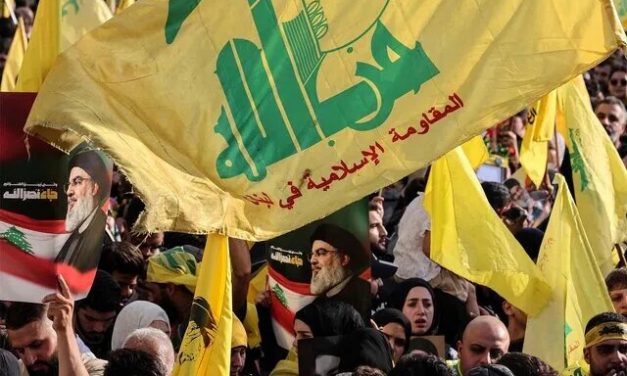
SCFR Online–Opinion: By providing an extensive network of social, healthcare, educational, and post-war reconstruction services, Hezbollah has established a strong social base for itself among Lebanon’s Shiites and Sunnis, and even beyond that, among other segments of Lebanese society, including Christians. Hezbollah has never been an external actor imposed upon Lebanon; rather, it is a phenomenon fundamentally born out of the occupation and crimes of the Zionist regime and itself influenced by popular resistance.
The Increasing Efforts of the Zionist Regime to Redefine Borders and the Regional Order and Its Consequences

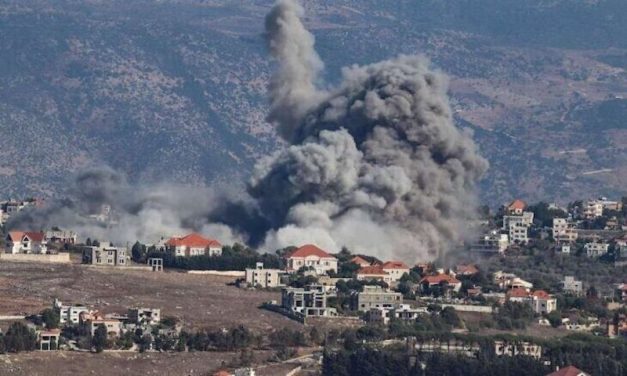
SCFR Online– Opinion: Security and military developments in the region over recent months indicate that the ongoing crises and wars in Gaza, southern Lebanon, and parts of Syrian territory encompass broader dimensions of geopolitical and geostrategic transformations. In this context, the increased military presence and control of the Zionist regime over parts of the territories of these areas, along with proposals regarding the creation of buffer zones or even the expansion of security borders, have raised serious questions about the future of the regional order and its consequences for the countries of West Asia.

The Components of Iran’s Deterrence Power

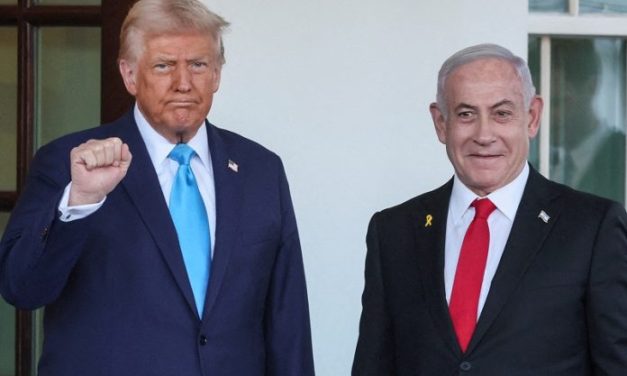
SCFR Online – Opinion: At a time when regional security equations have reached a sensitive stage under the influence of Iran’s strategic confrontation with the United States and the Zionist regime, the question of the nature of Tehran’s defensive power has gained greater significance than ever before. While Washington and Tel Aviv rely on their technological superiority, the Islamic Republic of Iran has presented a model of deterrence that extends beyond the material calculations of the world’s classical militaries. This power, rooted in the connection between “the field” and “the people,” has not only altered the balance of power in recent conflicts but has also disrupted adversaries’ calculations when confronting Iran’s strategic depth.

The Persian Gulf; A Cold Battlefield Between Beijing and Washington

SCFR Online – Opinion: The competition in recent years between the United States and China encompasses various geographical regions—including the Indo-Pacific, West Asia, the Arctic and Antarctic, and Africa—as well as multiple domains such as economics and technology. Within this context, a strategic competition has also emerged in the Persian Gulf region across economic, technological, and military spheres.

Europe’s Enduring Dependence on Persian Gulf Energy

SCFR Online – Opinion: The dominant discourse in the field of European energy security over the past two decades has revolved around diversification of supply sources and the gradual reduction of dependence on fossil fuels. This narrative, which gained particular momentum after the Ukraine gas crisis in 2006 and its intensification in 2014 and 2022, was based on the assumption that Europe could free itself from the geopolitical vulnerabilities arising from dependence on specific suppliers through investment in renewable energy, imports of liquefied natural gas from diversified sources, and the establishment of new infrastructure. However, a closer analysis of energy trade data and the structure of the global oil and gas supply chain presents a different picture. Europe has not only failed to meaningfully reduce its dependence on the Persian Gulf, but in some sectors — particularly in liquefied natural gas imports — this dependence has deepened. This reality, which is often overlooked in public discourse, raises fundamental questions about the sustainability of Europe’s energy security strategies and their impact on regional power equations.

Loading

Turkey

Objectives and consequences of new Turkish military movements in Syria

Objectives and consequences of new Turkish military movements in Syria

Strategic Council Online—Opinion: One of the most important consequences of the prolongation of the Russian conflict in Ukraine and the erosion of this war in Europe is the impact on the extent and manner of Russia’s military presence in the Middle East and, most importantly, in Syria. Russia has to deploy a large part of its forces and military base in Syria to support its forces in Ukraine, and in this case, the vacuum of Russia’s presence in crisis-stricken Syria will allow new conflicts to arise between ambitious actors, including Turkey.
Ali Saadtazar-Director of Turkey Department, Encyclopedia of Contemporary Islam

Erdogan’s visit to Saudi Arabia; Strategic or tactical approach?

Erdogan’s visit to Saudi Arabia; Strategic or tactical approach?

Strategic Council Online—Interview: An expert of Turkish issues says Turkey and Saudi Arabia, after one decade of severing relations, have once again talked about a new opening in their relations, adding that Erdogan’s visit to Saudi Arabia indicates review and a new era in Ankara-Riyadh relations.

Behind the Scene of Turkey’s Withdrawal from Khashoggi’s Murder File

Behind the Scene of Turkey’s Withdrawal from Khashoggi’s Murder File

Strategic Council Online – Interview: Director of Turkology Group of Contemporary Islam Encyclopedia, commented on the Ankara’s decision to withdraw Jamal Khashoggi’ file and said:” Turkey does not basically, engage itself in long term disputes and normally follows its opportunistic interests from short term disputes and drops the issue as well as tension.

Strategic Outcomes of Economic Cooperation between Iran & Eurasia

Strategic Outcomes of Economic Cooperation between Iran & Eurasia

Strategic Council Online- Opinion: In addition to bilateral relations, regionalism as well as linking the economic interests of Northern neighbors to Iran’s potentials can bring more achievements.
Mehdi Khoorsand, Expert on China and Eurasia affairs

Objectives of Reviving Turkey’s Relations with UAE

Objectives of Reviving Turkey’s Relations with UAE

Strategic Council Online – Opinion: The recent visit of the UAE Crown Prince Mohammed bin Zayed Al Nahyan to Ankara and the consequences of this visit in Turkish foreign policy shows that the Turkish president, despite his decisive vision in domestic politics, has become more realistic in foreign policy in recent years and the new round of relations with the UAE is important in economic, political, and regional terms and in strengthening Ankara’s position in the international arena.
Mahmoud Fazeli – Analyst of international affairs

Ambitious Objectives of “Turkic Council” Summit

Ambitious Objectives of “Turkic Council” Summit

Strategic Council Online- Interview: An expert on Turkey issues commented on the meeting of the Foreign Ministers of Turkish speaking countries which was hosted by Turkey on Friday, November 12, 2021, in Istanbul and said:” more willingness of Turkey to foster the concepts like Turkish World or the Turkish States and Turkish States Council is considered to be an effort to strengthen trans-national identity seeking in the foreign policy of Ankara, which is known as another part of ambitious programs in Euro-Asia region”.

Consequences of the Recent Erdogan Approche against 10 Western Countries

Consequences of the Recent Erdogan Approche against 10 Western Countries

Strategic Council Online- Opinion: The decision made by Recep Tayyip Erdogan to unprecedented expel of 10 ambassadors (Canada, Denmark, France, Germany, the Netherland, Norway, Sweden, Finland, New Zealand and the U.S.) from Turkey, while accusing them for supporting the release of Osman Kavala has once again disclosed the disputes between Turkey and the Western countries.
Hassan Ashrafi, Researcher on Turkey affairs

Unacceptable Ambitions of Azeri President to Change Geopolitics of Caucasus

Unacceptable Ambitions of Azeri President to Change Geopolitics of Caucasus

Strategic Council Online – Interview: An expert on international and regional affairs, referring to the destructive role of the Zionist regime in the Caucasus and considering the confession of the President of Azerbaijan on using Israeli drones, said: The recent provocative actions of the government of President Ilham Aliyev in holding a joint maneuver with Turkey and the Zionist regime along Iran’s northwestern borders and Aliyev’s accusations against Iran within the context of his family’s long-standing and unacceptable ambition to change the geopolitics of the Caucasus can be analyzed.

Turkey’s Strategic Targets in Afghanistan

Turkey’s Strategic Targets in Afghanistan

Strategic Council Online – Interview: A university professor, stating that Turkey has a strategic and economic motivation to be present in Afghanistan, suggested that in the near future we will be witness to the extensive talks between the Taliban and Turkey.

Afghan asylum seekers; Neighbors’ Role & Responsibility of International Community

Afghan asylum seekers; Neighbors’ Role & Responsibility of International Community

Strategic Council Online- Interview: Former Director of the Logistics Headquarter of Afghanistan at the Ministry of Foreign Affairs having stated that countries and international bodies should fulfill their responsibilities by receiving Afghan asylum seekers and put their full weight behind Iran said:” Iran’s hospitality extended to the asylum seekers will, in fact, prevent them to head towards other regions and European countries.

أحدث الوظائف

The Inseparability of the Lebanese Front from the Axis of Resistance

SCFR Online–Opinion: By providing an extensive network of social, healthcare, educational, and post-war reconstruction services, Hezbollah has established a strong social base for itself among Lebanon’s Shiites and Sunnis, and even beyond that, among other segments of Lebanese society, including Christians. Hezbollah has never been an external actor imposed upon Lebanon; rather, it is a phenomenon fundamentally born out of the occupation and crimes of the Zionist regime and itself influenced by popular resistance.
The Increasing Efforts of the Zionist Regime to Redefine Borders and the Regional Order and Its Consequences

SCFR Online– Opinion: Security and military developments in the region over recent months indicate that the ongoing crises and wars in Gaza, southern Lebanon, and parts of Syrian territory encompass broader dimensions of geopolitical and geostrategic transformations. In this context, the increased military presence and control of the Zionist regime over parts of the territories of these areas, along with proposals regarding the creation of buffer zones or even the expansion of security borders, have raised serious questions about the future of the regional order and its consequences for the countries of West Asia.

The Components of Iran’s Deterrence Power

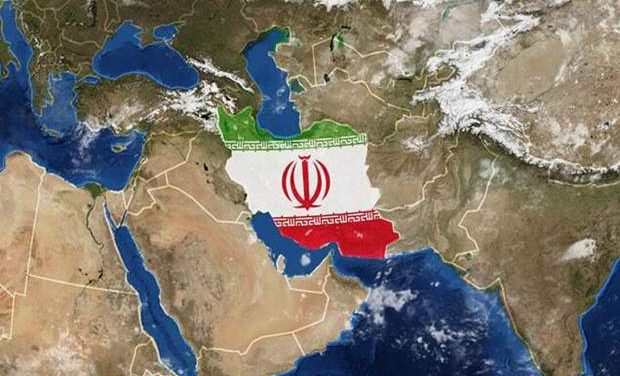
SCFR Online – Opinion: At a time when regional security equations have reached a sensitive stage under the influence of Iran’s strategic confrontation with the United States and the Zionist regime, the question of the nature of Tehran’s defensive power has gained greater significance than ever before. While Washington and Tel Aviv rely on their technological superiority, the Islamic Republic of Iran has presented a model of deterrence that extends beyond the material calculations of the world’s classical militaries. This power, rooted in the connection between “the field” and “the people,” has not only altered the balance of power in recent conflicts but has also disrupted adversaries’ calculations when confronting Iran’s strategic depth.

The Persian Gulf; A Cold Battlefield Between Beijing and Washington

SCFR Online – Opinion: The competition in recent years between the United States and China encompasses various geographical regions—including the Indo-Pacific, West Asia, the Arctic and Antarctic, and Africa—as well as multiple domains such as economics and technology. Within this context, a strategic competition has also emerged in the Persian Gulf region across economic, technological, and military spheres.

Europe’s Enduring Dependence on Persian Gulf Energy

SCFR Online – Opinion: The dominant discourse in the field of European energy security over the past two decades has revolved around diversification of supply sources and the gradual reduction of dependence on fossil fuels. This narrative, which gained particular momentum after the Ukraine gas crisis in 2006 and its intensification in 2014 and 2022, was based on the assumption that Europe could free itself from the geopolitical vulnerabilities arising from dependence on specific suppliers through investment in renewable energy, imports of liquefied natural gas from diversified sources, and the establishment of new infrastructure. However, a closer analysis of energy trade data and the structure of the global oil and gas supply chain presents a different picture. Europe has not only failed to meaningfully reduce its dependence on the Persian Gulf, but in some sectors — particularly in liquefied natural gas imports — this dependence has deepened. This reality, which is often overlooked in public discourse, raises fundamental questions about the sustainability of Europe’s energy security strategies and their impact on regional power equations.

Loading

Turkey

Objectives and consequences of new Turkish military movements in Syria

Objectives and consequences of new Turkish military movements in Syria

Strategic Council Online—Opinion: One of the most important consequences of the prolongation of the Russian conflict in Ukraine and the erosion of this war in Europe is the impact on the extent and manner of Russia’s military presence in the Middle East and, most importantly, in Syria. Russia has to deploy a large part of its forces and military base in Syria to support its forces in Ukraine, and in this case, the vacuum of Russia’s presence in crisis-stricken Syria will allow new conflicts to arise between ambitious actors, including Turkey.
Ali Saadtazar-Director of Turkey Department, Encyclopedia of Contemporary Islam

Erdogan’s visit to Saudi Arabia; Strategic or tactical approach?

Erdogan’s visit to Saudi Arabia; Strategic or tactical approach?

Strategic Council Online—Interview: An expert of Turkish issues says Turkey and Saudi Arabia, after one decade of severing relations, have once again talked about a new opening in their relations, adding that Erdogan’s visit to Saudi Arabia indicates review and a new era in Ankara-Riyadh relations.

Behind the Scene of Turkey’s Withdrawal from Khashoggi’s Murder File

Behind the Scene of Turkey’s Withdrawal from Khashoggi’s Murder File

Strategic Council Online – Interview: Director of Turkology Group of Contemporary Islam Encyclopedia, commented on the Ankara’s decision to withdraw Jamal Khashoggi’ file and said:” Turkey does not basically, engage itself in long term disputes and normally follows its opportunistic interests from short term disputes and drops the issue as well as tension.

Strategic Outcomes of Economic Cooperation between Iran & Eurasia

Strategic Outcomes of Economic Cooperation between Iran & Eurasia

Strategic Council Online- Opinion: In addition to bilateral relations, regionalism as well as linking the economic interests of Northern neighbors to Iran’s potentials can bring more achievements.
Mehdi Khoorsand, Expert on China and Eurasia affairs

Objectives of Reviving Turkey’s Relations with UAE

Objectives of Reviving Turkey’s Relations with UAE

Strategic Council Online – Opinion: The recent visit of the UAE Crown Prince Mohammed bin Zayed Al Nahyan to Ankara and the consequences of this visit in Turkish foreign policy shows that the Turkish president, despite his decisive vision in domestic politics, has become more realistic in foreign policy in recent years and the new round of relations with the UAE is important in economic, political, and regional terms and in strengthening Ankara’s position in the international arena.
Mahmoud Fazeli – Analyst of international affairs

Ambitious Objectives of “Turkic Council” Summit

Ambitious Objectives of “Turkic Council” Summit

Strategic Council Online- Interview: An expert on Turkey issues commented on the meeting of the Foreign Ministers of Turkish speaking countries which was hosted by Turkey on Friday, November 12, 2021, in Istanbul and said:” more willingness of Turkey to foster the concepts like Turkish World or the Turkish States and Turkish States Council is considered to be an effort to strengthen trans-national identity seeking in the foreign policy of Ankara, which is known as another part of ambitious programs in Euro-Asia region”.

Consequences of the Recent Erdogan Approche against 10 Western Countries

Consequences of the Recent Erdogan Approche against 10 Western Countries

Strategic Council Online- Opinion: The decision made by Recep Tayyip Erdogan to unprecedented expel of 10 ambassadors (Canada, Denmark, France, Germany, the Netherland, Norway, Sweden, Finland, New Zealand and the U.S.) from Turkey, while accusing them for supporting the release of Osman Kavala has once again disclosed the disputes between Turkey and the Western countries.
Hassan Ashrafi, Researcher on Turkey affairs

Unacceptable Ambitions of Azeri President to Change Geopolitics of Caucasus

Unacceptable Ambitions of Azeri President to Change Geopolitics of Caucasus

Strategic Council Online – Interview: An expert on international and regional affairs, referring to the destructive role of the Zionist regime in the Caucasus and considering the confession of the President of Azerbaijan on using Israeli drones, said: The recent provocative actions of the government of President Ilham Aliyev in holding a joint maneuver with Turkey and the Zionist regime along Iran’s northwestern borders and Aliyev’s accusations against Iran within the context of his family’s long-standing and unacceptable ambition to change the geopolitics of the Caucasus can be analyzed.

Turkey’s Strategic Targets in Afghanistan

Turkey’s Strategic Targets in Afghanistan

Strategic Council Online – Interview: A university professor, stating that Turkey has a strategic and economic motivation to be present in Afghanistan, suggested that in the near future we will be witness to the extensive talks between the Taliban and Turkey.

Afghan asylum seekers; Neighbors’ Role & Responsibility of International Community

Afghan asylum seekers; Neighbors’ Role & Responsibility of International Community

Strategic Council Online- Interview: Former Director of the Logistics Headquarter of Afghanistan at the Ministry of Foreign Affairs having stated that countries and international bodies should fulfill their responsibilities by receiving Afghan asylum seekers and put their full weight behind Iran said:” Iran’s hospitality extended to the asylum seekers will, in fact, prevent them to head towards other regions and European countries.

Turkey

Objectives and consequences of new Turkish military movements in Syria

Objectives and consequences of new Turkish military movements in Syria

Strategic Council Online—Opinion: One of the most important consequences of the prolongation of the Russian conflict in Ukraine and the erosion of this war in Europe is the impact on the extent and manner of Russia’s military presence in the Middle East and, most importantly, in Syria. Russia has to deploy a large part of its forces and military base in Syria to support its forces in Ukraine, and in this case, the vacuum of Russia’s presence in crisis-stricken Syria will allow new conflicts to arise between ambitious actors, including Turkey.
Ali Saadtazar-Director of Turkey Department, Encyclopedia of Contemporary Islam

Erdogan’s visit to Saudi Arabia; Strategic or tactical approach?

Erdogan’s visit to Saudi Arabia; Strategic or tactical approach?

Strategic Council Online—Interview: An expert of Turkish issues says Turkey and Saudi Arabia, after one decade of severing relations, have once again talked about a new opening in their relations, adding that Erdogan’s visit to Saudi Arabia indicates review and a new era in Ankara-Riyadh relations.

Behind the Scene of Turkey’s Withdrawal from Khashoggi’s Murder File

Behind the Scene of Turkey’s Withdrawal from Khashoggi’s Murder File

Strategic Council Online – Interview: Director of Turkology Group of Contemporary Islam Encyclopedia, commented on the Ankara’s decision to withdraw Jamal Khashoggi’ file and said:” Turkey does not basically, engage itself in long term disputes and normally follows its opportunistic interests from short term disputes and drops the issue as well as tension.

Strategic Outcomes of Economic Cooperation between Iran & Eurasia

Strategic Outcomes of Economic Cooperation between Iran & Eurasia

Strategic Council Online- Opinion: In addition to bilateral relations, regionalism as well as linking the economic interests of Northern neighbors to Iran’s potentials can bring more achievements.
Mehdi Khoorsand, Expert on China and Eurasia affairs

Objectives of Reviving Turkey’s Relations with UAE

Objectives of Reviving Turkey’s Relations with UAE

Strategic Council Online – Opinion: The recent visit of the UAE Crown Prince Mohammed bin Zayed Al Nahyan to Ankara and the consequences of this visit in Turkish foreign policy shows that the Turkish president, despite his decisive vision in domestic politics, has become more realistic in foreign policy in recent years and the new round of relations with the UAE is important in economic, political, and regional terms and in strengthening Ankara’s position in the international arena.
Mahmoud Fazeli – Analyst of international affairs

Ambitious Objectives of “Turkic Council” Summit

Ambitious Objectives of “Turkic Council” Summit

Strategic Council Online- Interview: An expert on Turkey issues commented on the meeting of the Foreign Ministers of Turkish speaking countries which was hosted by Turkey on Friday, November 12, 2021, in Istanbul and said:” more willingness of Turkey to foster the concepts like Turkish World or the Turkish States and Turkish States Council is considered to be an effort to strengthen trans-national identity seeking in the foreign policy of Ankara, which is known as another part of ambitious programs in Euro-Asia region”.

Consequences of the Recent Erdogan Approche against 10 Western Countries

Consequences of the Recent Erdogan Approche against 10 Western Countries

Strategic Council Online- Opinion: The decision made by Recep Tayyip Erdogan to unprecedented expel of 10 ambassadors (Canada, Denmark, France, Germany, the Netherland, Norway, Sweden, Finland, New Zealand and the U.S.) from Turkey, while accusing them for supporting the release of Osman Kavala has once again disclosed the disputes between Turkey and the Western countries.
Hassan Ashrafi, Researcher on Turkey affairs

Unacceptable Ambitions of Azeri President to Change Geopolitics of Caucasus

Unacceptable Ambitions of Azeri President to Change Geopolitics of Caucasus

Strategic Council Online – Interview: An expert on international and regional affairs, referring to the destructive role of the Zionist regime in the Caucasus and considering the confession of the President of Azerbaijan on using Israeli drones, said: The recent provocative actions of the government of President Ilham Aliyev in holding a joint maneuver with Turkey and the Zionist regime along Iran’s northwestern borders and Aliyev’s accusations against Iran within the context of his family’s long-standing and unacceptable ambition to change the geopolitics of the Caucasus can be analyzed.

Turkey’s Strategic Targets in Afghanistan

Turkey’s Strategic Targets in Afghanistan

Strategic Council Online – Interview: A university professor, stating that Turkey has a strategic and economic motivation to be present in Afghanistan, suggested that in the near future we will be witness to the extensive talks between the Taliban and Turkey.

Afghan asylum seekers; Neighbors’ Role & Responsibility of International Community

Afghan asylum seekers; Neighbors’ Role & Responsibility of International Community

Strategic Council Online- Interview: Former Director of the Logistics Headquarter of Afghanistan at the Ministry of Foreign Affairs having stated that countries and international bodies should fulfill their responsibilities by receiving Afghan asylum seekers and put their full weight behind Iran said:” Iran’s hospitality extended to the asylum seekers will, in fact, prevent them to head towards other regions and European countries.

LATEST CONTENT

The Inseparability of the Lebanese Front from the Axis of Resistance

SCFR Online–Opinion: By providing an extensive network of social, healthcare, educational, and post-war reconstruction services, Hezbollah has established a strong social base for itself among Lebanon’s Shiites and Sunnis, and even beyond that, among other segments of Lebanese society, including Christians. Hezbollah has never been an external actor imposed upon Lebanon; rather, it is a phenomenon fundamentally born out of the occupation and crimes of the Zionist regime and itself influenced by popular resistance.
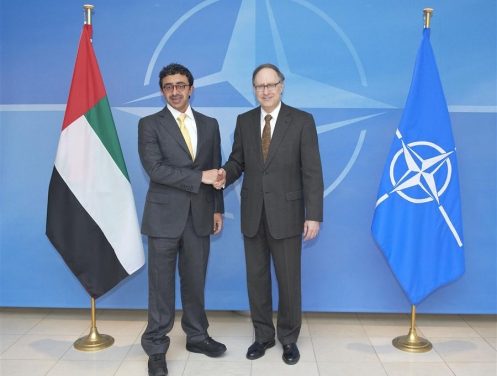
The Increasing Efforts of the Zionist Regime to Redefine Borders and the Regional Order and Its Consequences

SCFR Online– Opinion: Security and military developments in the region over recent months indicate that the ongoing crises and wars in Gaza, southern Lebanon, and parts of Syrian territory encompass broader dimensions of geopolitical and geostrategic transformations. In this context, the increased military presence and control of the Zionist regime over parts of the territories of these areas, along with proposals regarding the creation of buffer zones or even the expansion of security borders, have raised serious questions about the future of the regional order and its consequences for the countries of West Asia.

The Components of Iran’s Deterrence Power

SCFR Online – Opinion: At a time when regional security equations have reached a sensitive stage under the influence of Iran’s strategic confrontation with the United States and the Zionist regime, the question of the nature of Tehran’s defensive power has gained greater significance than ever before. While Washington and Tel Aviv rely on their technological superiority, the Islamic Republic of Iran has presented a model of deterrence that extends beyond the material calculations of the world’s classical militaries. This power, rooted in the connection between “the field” and “the people,” has not only altered the balance of power in recent conflicts but has also disrupted adversaries’ calculations when confronting Iran’s strategic depth.

The Persian Gulf; A Cold Battlefield Between Beijing and Washington

SCFR Online – Opinion: The competition in recent years between the United States and China encompasses various geographical regions—including the Indo-Pacific, West Asia, the Arctic and Antarctic, and Africa—as well as multiple domains such as economics and technology. Within this context, a strategic competition has also emerged in the Persian Gulf region across economic, technological, and military spheres.

Europe’s Enduring Dependence on Persian Gulf Energy

SCFR Online – Opinion: The dominant discourse in the field of European energy security over the past two decades has revolved around diversification of supply sources and the gradual reduction of dependence on fossil fuels. This narrative, which gained particular momentum after the Ukraine gas crisis in 2006 and its intensification in 2014 and 2022, was based on the assumption that Europe could free itself from the geopolitical vulnerabilities arising from dependence on specific suppliers through investment in renewable energy, imports of liquefied natural gas from diversified sources, and the establishment of new infrastructure. However, a closer analysis of energy trade data and the structure of the global oil and gas supply chain presents a different picture. Europe has not only failed to meaningfully reduce its dependence on the Persian Gulf, but in some sectors — particularly in liquefied natural gas imports — this dependence has deepened. This reality, which is often overlooked in public discourse, raises fundamental questions about the sustainability of Europe’s energy security strategies and their impact on regional power equations.

Loading

Turkey

Objectives and consequences of new Turkish military movements in Syria

Objectives and consequences of new Turkish military movements in Syria

Strategic Council Online—Opinion: One of the most important consequences of the prolongation of the Russian conflict in Ukraine and the erosion of this war in Europe is the impact on the extent and manner of Russia’s military presence in the Middle East and, most importantly, in Syria. Russia has to deploy a large part of its forces and military base in Syria to support its forces in Ukraine, and in this case, the vacuum of Russia’s presence in crisis-stricken Syria will allow new conflicts to arise between ambitious actors, including Turkey.
Ali Saadtazar-Director of Turkey Department, Encyclopedia of Contemporary Islam

Erdogan’s visit to Saudi Arabia; Strategic or tactical approach?

Erdogan’s visit to Saudi Arabia; Strategic or tactical approach?

Strategic Council Online—Interview: An expert of Turkish issues says Turkey and Saudi Arabia, after one decade of severing relations, have once again talked about a new opening in their relations, adding that Erdogan’s visit to Saudi Arabia indicates review and a new era in Ankara-Riyadh relations.

Behind the Scene of Turkey’s Withdrawal from Khashoggi’s Murder File

Behind the Scene of Turkey’s Withdrawal from Khashoggi’s Murder File

Strategic Council Online – Interview: Director of Turkology Group of Contemporary Islam Encyclopedia, commented on the Ankara’s decision to withdraw Jamal Khashoggi’ file and said:” Turkey does not basically, engage itself in long term disputes and normally follows its opportunistic interests from short term disputes and drops the issue as well as tension.

Strategic Outcomes of Economic Cooperation between Iran & Eurasia

Strategic Outcomes of Economic Cooperation between Iran & Eurasia

Strategic Council Online- Opinion: In addition to bilateral relations, regionalism as well as linking the economic interests of Northern neighbors to Iran’s potentials can bring more achievements.
Mehdi Khoorsand, Expert on China and Eurasia affairs

Objectives of Reviving Turkey’s Relations with UAE

Objectives of Reviving Turkey’s Relations with UAE

Strategic Council Online – Opinion: The recent visit of the UAE Crown Prince Mohammed bin Zayed Al Nahyan to Ankara and the consequences of this visit in Turkish foreign policy shows that the Turkish president, despite his decisive vision in domestic politics, has become more realistic in foreign policy in recent years and the new round of relations with the UAE is important in economic, political, and regional terms and in strengthening Ankara’s position in the international arena.
Mahmoud Fazeli – Analyst of international affairs

Ambitious Objectives of “Turkic Council” Summit

Ambitious Objectives of “Turkic Council” Summit

Strategic Council Online- Interview: An expert on Turkey issues commented on the meeting of the Foreign Ministers of Turkish speaking countries which was hosted by Turkey on Friday, November 12, 2021, in Istanbul and said:” more willingness of Turkey to foster the concepts like Turkish World or the Turkish States and Turkish States Council is considered to be an effort to strengthen trans-national identity seeking in the foreign policy of Ankara, which is known as another part of ambitious programs in Euro-Asia region”.

Consequences of the Recent Erdogan Approche against 10 Western Countries

Consequences of the Recent Erdogan Approche against 10 Western Countries

Strategic Council Online- Opinion: The decision made by Recep Tayyip Erdogan to unprecedented expel of 10 ambassadors (Canada, Denmark, France, Germany, the Netherland, Norway, Sweden, Finland, New Zealand and the U.S.) from Turkey, while accusing them for supporting the release of Osman Kavala has once again disclosed the disputes between Turkey and the Western countries.
Hassan Ashrafi, Researcher on Turkey affairs

Unacceptable Ambitions of Azeri President to Change Geopolitics of Caucasus

Unacceptable Ambitions of Azeri President to Change Geopolitics of Caucasus

Strategic Council Online – Interview: An expert on international and regional affairs, referring to the destructive role of the Zionist regime in the Caucasus and considering the confession of the President of Azerbaijan on using Israeli drones, said: The recent provocative actions of the government of President Ilham Aliyev in holding a joint maneuver with Turkey and the Zionist regime along Iran’s northwestern borders and Aliyev’s accusations against Iran within the context of his family’s long-standing and unacceptable ambition to change the geopolitics of the Caucasus can be analyzed.

Turkey’s Strategic Targets in Afghanistan

Turkey’s Strategic Targets in Afghanistan

Strategic Council Online – Interview: A university professor, stating that Turkey has a strategic and economic motivation to be present in Afghanistan, suggested that in the near future we will be witness to the extensive talks between the Taliban and Turkey.

Afghan asylum seekers; Neighbors’ Role & Responsibility of International Community

Afghan asylum seekers; Neighbors’ Role & Responsibility of International Community

Strategic Council Online- Interview: Former Director of the Logistics Headquarter of Afghanistan at the Ministry of Foreign Affairs having stated that countries and international bodies should fulfill their responsibilities by receiving Afghan asylum seekers and put their full weight behind Iran said:” Iran’s hospitality extended to the asylum seekers will, in fact, prevent them to head towards other regions and European countries.

ÚLTIMAS PUBLICACIONES

The Inseparability of the Lebanese Front from the Axis of Resistance

SCFR Online–Opinion: By providing an extensive network of social, healthcare, educational, and post-war reconstruction services, Hezbollah has established a strong social base for itself among Lebanon’s Shiites and Sunnis, and even beyond that, among other segments of Lebanese society, including Christians. Hezbollah has never been an external actor imposed upon Lebanon; rather, it is a phenomenon fundamentally born out of the occupation and crimes of the Zionist regime and itself influenced by popular resistance.
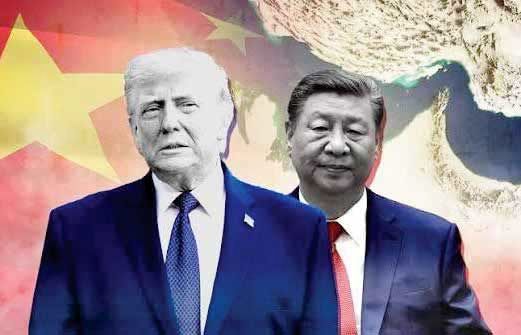
The Increasing Efforts of the Zionist Regime to Redefine Borders and the Regional Order and Its Consequences

SCFR Online– Opinion: Security and military developments in the region over recent months indicate that the ongoing crises and wars in Gaza, southern Lebanon, and parts of Syrian territory encompass broader dimensions of geopolitical and geostrategic transformations. In this context, the increased military presence and control of the Zionist regime over parts of the territories of these areas, along with proposals regarding the creation of buffer zones or even the expansion of security borders, have raised serious questions about the future of the regional order and its consequences for the countries of West Asia.

The Components of Iran’s Deterrence Power

SCFR Online – Opinion: At a time when regional security equations have reached a sensitive stage under the influence of Iran’s strategic confrontation with the United States and the Zionist regime, the question of the nature of Tehran’s defensive power has gained greater significance than ever before. While Washington and Tel Aviv rely on their technological superiority, the Islamic Republic of Iran has presented a model of deterrence that extends beyond the material calculations of the world’s classical militaries. This power, rooted in the connection between “the field” and “the people,” has not only altered the balance of power in recent conflicts but has also disrupted adversaries’ calculations when confronting Iran’s strategic depth.

The Persian Gulf; A Cold Battlefield Between Beijing and Washington

SCFR Online – Opinion: The competition in recent years between the United States and China encompasses various geographical regions—including the Indo-Pacific, West Asia, the Arctic and Antarctic, and Africa—as well as multiple domains such as economics and technology. Within this context, a strategic competition has also emerged in the Persian Gulf region across economic, technological, and military spheres.

Europe’s Enduring Dependence on Persian Gulf Energy

SCFR Online – Opinion: The dominant discourse in the field of European energy security over the past two decades has revolved around diversification of supply sources and the gradual reduction of dependence on fossil fuels. This narrative, which gained particular momentum after the Ukraine gas crisis in 2006 and its intensification in 2014 and 2022, was based on the assumption that Europe could free itself from the geopolitical vulnerabilities arising from dependence on specific suppliers through investment in renewable energy, imports of liquefied natural gas from diversified sources, and the establishment of new infrastructure. However, a closer analysis of energy trade data and the structure of the global oil and gas supply chain presents a different picture. Europe has not only failed to meaningfully reduce its dependence on the Persian Gulf, but in some sectors — particularly in liquefied natural gas imports — this dependence has deepened. This reality, which is often overlooked in public discourse, raises fundamental questions about the sustainability of Europe’s energy security strategies and their impact on regional power equations.

Loading

Turkey

Objectives and consequences of new Turkish military movements in Syria

Objectives and consequences of new Turkish military movements in Syria

Strategic Council Online—Opinion: One of the most important consequences of the prolongation of the Russian conflict in Ukraine and the erosion of this war in Europe is the impact on the extent and manner of Russia’s military presence in the Middle East and, most importantly, in Syria. Russia has to deploy a large part of its forces and military base in Syria to support its forces in Ukraine, and in this case, the vacuum of Russia’s presence in crisis-stricken Syria will allow new conflicts to arise between ambitious actors, including Turkey.
Ali Saadtazar-Director of Turkey Department, Encyclopedia of Contemporary Islam

Erdogan’s visit to Saudi Arabia; Strategic or tactical approach?

Erdogan’s visit to Saudi Arabia; Strategic or tactical approach?

Strategic Council Online—Interview: An expert of Turkish issues says Turkey and Saudi Arabia, after one decade of severing relations, have once again talked about a new opening in their relations, adding that Erdogan’s visit to Saudi Arabia indicates review and a new era in Ankara-Riyadh relations.

Behind the Scene of Turkey’s Withdrawal from Khashoggi’s Murder File

Behind the Scene of Turkey’s Withdrawal from Khashoggi’s Murder File

Strategic Council Online – Interview: Director of Turkology Group of Contemporary Islam Encyclopedia, commented on the Ankara’s decision to withdraw Jamal Khashoggi’ file and said:” Turkey does not basically, engage itself in long term disputes and normally follows its opportunistic interests from short term disputes and drops the issue as well as tension.

Strategic Outcomes of Economic Cooperation between Iran & Eurasia

Strategic Outcomes of Economic Cooperation between Iran & Eurasia

Strategic Council Online- Opinion: In addition to bilateral relations, regionalism as well as linking the economic interests of Northern neighbors to Iran’s potentials can bring more achievements.
Mehdi Khoorsand, Expert on China and Eurasia affairs

Objectives of Reviving Turkey’s Relations with UAE

Objectives of Reviving Turkey’s Relations with UAE

Strategic Council Online – Opinion: The recent visit of the UAE Crown Prince Mohammed bin Zayed Al Nahyan to Ankara and the consequences of this visit in Turkish foreign policy shows that the Turkish president, despite his decisive vision in domestic politics, has become more realistic in foreign policy in recent years and the new round of relations with the UAE is important in economic, political, and regional terms and in strengthening Ankara’s position in the international arena.
Mahmoud Fazeli – Analyst of international affairs

Ambitious Objectives of “Turkic Council” Summit

Ambitious Objectives of “Turkic Council” Summit

Strategic Council Online- Interview: An expert on Turkey issues commented on the meeting of the Foreign Ministers of Turkish speaking countries which was hosted by Turkey on Friday, November 12, 2021, in Istanbul and said:” more willingness of Turkey to foster the concepts like Turkish World or the Turkish States and Turkish States Council is considered to be an effort to strengthen trans-national identity seeking in the foreign policy of Ankara, which is known as another part of ambitious programs in Euro-Asia region”.

Consequences of the Recent Erdogan Approche against 10 Western Countries

Consequences of the Recent Erdogan Approche against 10 Western Countries

Strategic Council Online- Opinion: The decision made by Recep Tayyip Erdogan to unprecedented expel of 10 ambassadors (Canada, Denmark, France, Germany, the Netherland, Norway, Sweden, Finland, New Zealand and the U.S.) from Turkey, while accusing them for supporting the release of Osman Kavala has once again disclosed the disputes between Turkey and the Western countries.
Hassan Ashrafi, Researcher on Turkey affairs

Unacceptable Ambitions of Azeri President to Change Geopolitics of Caucasus

Unacceptable Ambitions of Azeri President to Change Geopolitics of Caucasus

Strategic Council Online – Interview: An expert on international and regional affairs, referring to the destructive role of the Zionist regime in the Caucasus and considering the confession of the President of Azerbaijan on using Israeli drones, said: The recent provocative actions of the government of President Ilham Aliyev in holding a joint maneuver with Turkey and the Zionist regime along Iran’s northwestern borders and Aliyev’s accusations against Iran within the context of his family’s long-standing and unacceptable ambition to change the geopolitics of the Caucasus can be analyzed.

Turkey’s Strategic Targets in Afghanistan

Turkey’s Strategic Targets in Afghanistan

Strategic Council Online – Interview: A university professor, stating that Turkey has a strategic and economic motivation to be present in Afghanistan, suggested that in the near future we will be witness to the extensive talks between the Taliban and Turkey.

Afghan asylum seekers; Neighbors’ Role & Responsibility of International Community

Afghan asylum seekers; Neighbors’ Role & Responsibility of International Community

Strategic Council Online- Interview: Former Director of the Logistics Headquarter of Afghanistan at the Ministry of Foreign Affairs having stated that countries and international bodies should fulfill their responsibilities by receiving Afghan asylum seekers and put their full weight behind Iran said:” Iran’s hospitality extended to the asylum seekers will, in fact, prevent them to head towards other regions and European countries.

ÚLTIMAS PUBLICACIONES

The Inseparability of the Lebanese Front from the Axis of Resistance

SCFR Online–Opinion: By providing an extensive network of social, healthcare, educational, and post-war reconstruction services, Hezbollah has established a strong social base for itself among Lebanon’s Shiites and Sunnis, and even beyond that, among other segments of Lebanese society, including Christians. Hezbollah has never been an external actor imposed upon Lebanon; rather, it is a phenomenon fundamentally born out of the occupation and crimes of the Zionist regime and itself influenced by popular resistance.
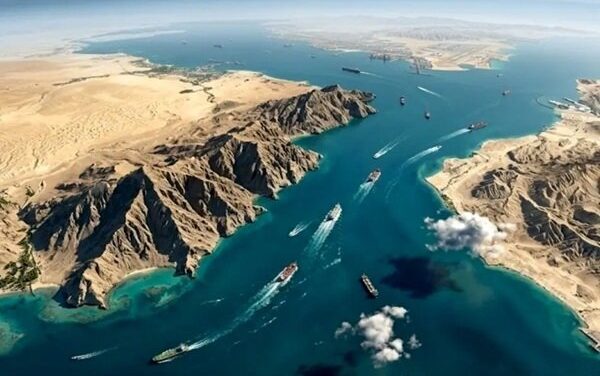
The Increasing Efforts of the Zionist Regime to Redefine Borders and the Regional Order and Its Consequences

SCFR Online– Opinion: Security and military developments in the region over recent months indicate that the ongoing crises and wars in Gaza, southern Lebanon, and parts of Syrian territory encompass broader dimensions of geopolitical and geostrategic transformations. In this context, the increased military presence and control of the Zionist regime over parts of the territories of these areas, along with proposals regarding the creation of buffer zones or even the expansion of security borders, have raised serious questions about the future of the regional order and its consequences for the countries of West Asia.

The Components of Iran’s Deterrence Power

SCFR Online – Opinion: At a time when regional security equations have reached a sensitive stage under the influence of Iran’s strategic confrontation with the United States and the Zionist regime, the question of the nature of Tehran’s defensive power has gained greater significance than ever before. While Washington and Tel Aviv rely on their technological superiority, the Islamic Republic of Iran has presented a model of deterrence that extends beyond the material calculations of the world’s classical militaries. This power, rooted in the connection between “the field” and “the people,” has not only altered the balance of power in recent conflicts but has also disrupted adversaries’ calculations when confronting Iran’s strategic depth.

The Persian Gulf; A Cold Battlefield Between Beijing and Washington

SCFR Online – Opinion: The competition in recent years between the United States and China encompasses various geographical regions—including the Indo-Pacific, West Asia, the Arctic and Antarctic, and Africa—as well as multiple domains such as economics and technology. Within this context, a strategic competition has also emerged in the Persian Gulf region across economic, technological, and military spheres.

Europe’s Enduring Dependence on Persian Gulf Energy

SCFR Online – Opinion: The dominant discourse in the field of European energy security over the past two decades has revolved around diversification of supply sources and the gradual reduction of dependence on fossil fuels. This narrative, which gained particular momentum after the Ukraine gas crisis in 2006 and its intensification in 2014 and 2022, was based on the assumption that Europe could free itself from the geopolitical vulnerabilities arising from dependence on specific suppliers through investment in renewable energy, imports of liquefied natural gas from diversified sources, and the establishment of new infrastructure. However, a closer analysis of energy trade data and the structure of the global oil and gas supply chain presents a different picture. Europe has not only failed to meaningfully reduce its dependence on the Persian Gulf, but in some sectors — particularly in liquefied natural gas imports — this dependence has deepened. This reality, which is often overlooked in public discourse, raises fundamental questions about the sustainability of Europe’s energy security strategies and their impact on regional power equations.

Loading

Turkey

Objectives and consequences of new Turkish military movements in Syria

Objectives and consequences of new Turkish military movements in Syria

Strategic Council Online—Opinion: One of the most important consequences of the prolongation of the Russian conflict in Ukraine and the erosion of this war in Europe is the impact on the extent and manner of Russia’s military presence in the Middle East and, most importantly, in Syria. Russia has to deploy a large part of its forces and military base in Syria to support its forces in Ukraine, and in this case, the vacuum of Russia’s presence in crisis-stricken Syria will allow new conflicts to arise between ambitious actors, including Turkey.
Ali Saadtazar-Director of Turkey Department, Encyclopedia of Contemporary Islam

Erdogan’s visit to Saudi Arabia; Strategic or tactical approach?

Erdogan’s visit to Saudi Arabia; Strategic or tactical approach?

Strategic Council Online—Interview: An expert of Turkish issues says Turkey and Saudi Arabia, after one decade of severing relations, have once again talked about a new opening in their relations, adding that Erdogan’s visit to Saudi Arabia indicates review and a new era in Ankara-Riyadh relations.

Behind the Scene of Turkey’s Withdrawal from Khashoggi’s Murder File

Behind the Scene of Turkey’s Withdrawal from Khashoggi’s Murder File

Strategic Council Online – Interview: Director of Turkology Group of Contemporary Islam Encyclopedia, commented on the Ankara’s decision to withdraw Jamal Khashoggi’ file and said:” Turkey does not basically, engage itself in long term disputes and normally follows its opportunistic interests from short term disputes and drops the issue as well as tension.

Strategic Outcomes of Economic Cooperation between Iran & Eurasia

Strategic Outcomes of Economic Cooperation between Iran & Eurasia

Strategic Council Online- Opinion: In addition to bilateral relations, regionalism as well as linking the economic interests of Northern neighbors to Iran’s potentials can bring more achievements.
Mehdi Khoorsand, Expert on China and Eurasia affairs

Objectives of Reviving Turkey’s Relations with UAE

Objectives of Reviving Turkey’s Relations with UAE

Strategic Council Online – Opinion: The recent visit of the UAE Crown Prince Mohammed bin Zayed Al Nahyan to Ankara and the consequences of this visit in Turkish foreign policy shows that the Turkish president, despite his decisive vision in domestic politics, has become more realistic in foreign policy in recent years and the new round of relations with the UAE is important in economic, political, and regional terms and in strengthening Ankara’s position in the international arena.
Mahmoud Fazeli – Analyst of international affairs

Ambitious Objectives of “Turkic Council” Summit

Ambitious Objectives of “Turkic Council” Summit

Strategic Council Online- Interview: An expert on Turkey issues commented on the meeting of the Foreign Ministers of Turkish speaking countries which was hosted by Turkey on Friday, November 12, 2021, in Istanbul and said:” more willingness of Turkey to foster the concepts like Turkish World or the Turkish States and Turkish States Council is considered to be an effort to strengthen trans-national identity seeking in the foreign policy of Ankara, which is known as another part of ambitious programs in Euro-Asia region”.

Consequences of the Recent Erdogan Approche against 10 Western Countries

Consequences of the Recent Erdogan Approche against 10 Western Countries

Strategic Council Online- Opinion: The decision made by Recep Tayyip Erdogan to unprecedented expel of 10 ambassadors (Canada, Denmark, France, Germany, the Netherland, Norway, Sweden, Finland, New Zealand and the U.S.) from Turkey, while accusing them for supporting the release of Osman Kavala has once again disclosed the disputes between Turkey and the Western countries.
Hassan Ashrafi, Researcher on Turkey affairs

Unacceptable Ambitions of Azeri President to Change Geopolitics of Caucasus

Unacceptable Ambitions of Azeri President to Change Geopolitics of Caucasus

Strategic Council Online – Interview: An expert on international and regional affairs, referring to the destructive role of the Zionist regime in the Caucasus and considering the confession of the President of Azerbaijan on using Israeli drones, said: The recent provocative actions of the government of President Ilham Aliyev in holding a joint maneuver with Turkey and the Zionist regime along Iran’s northwestern borders and Aliyev’s accusations against Iran within the context of his family’s long-standing and unacceptable ambition to change the geopolitics of the Caucasus can be analyzed.

Turkey’s Strategic Targets in Afghanistan

Turkey’s Strategic Targets in Afghanistan

Strategic Council Online – Interview: A university professor, stating that Turkey has a strategic and economic motivation to be present in Afghanistan, suggested that in the near future we will be witness to the extensive talks between the Taliban and Turkey.

Afghan asylum seekers; Neighbors’ Role & Responsibility of International Community

Afghan asylum seekers; Neighbors’ Role & Responsibility of International Community

Strategic Council Online- Interview: Former Director of the Logistics Headquarter of Afghanistan at the Ministry of Foreign Affairs having stated that countries and international bodies should fulfill their responsibilities by receiving Afghan asylum seekers and put their full weight behind Iran said:” Iran’s hospitality extended to the asylum seekers will, in fact, prevent them to head towards other regions and European countries.

ÚLTIMAS PUBLICACIONES

The Inseparability of the Lebanese Front from the Axis of Resistance

SCFR Online–Opinion: By providing an extensive network of social, healthcare, educational, and post-war reconstruction services, Hezbollah has established a strong social base for itself among Lebanon’s Shiites and Sunnis, and even beyond that, among other segments of Lebanese society, including Christians. Hezbollah has never been an external actor imposed upon Lebanon; rather, it is a phenomenon fundamentally born out of the occupation and crimes of the Zionist regime and itself influenced by popular resistance.
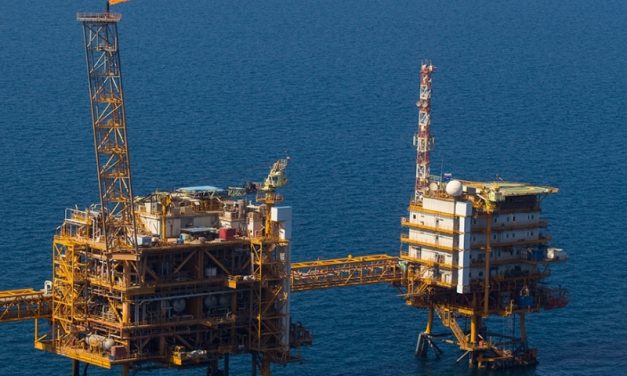
The Increasing Efforts of the Zionist Regime to Redefine Borders and the Regional Order and Its Consequences

SCFR Online– Opinion: Security and military developments in the region over recent months indicate that the ongoing crises and wars in Gaza, southern Lebanon, and parts of Syrian territory encompass broader dimensions of geopolitical and geostrategic transformations. In this context, the increased military presence and control of the Zionist regime over parts of the territories of these areas, along with proposals regarding the creation of buffer zones or even the expansion of security borders, have raised serious questions about the future of the regional order and its consequences for the countries of West Asia.

The Components of Iran’s Deterrence Power

SCFR Online – Opinion: At a time when regional security equations have reached a sensitive stage under the influence of Iran’s strategic confrontation with the United States and the Zionist regime, the question of the nature of Tehran’s defensive power has gained greater significance than ever before. While Washington and Tel Aviv rely on their technological superiority, the Islamic Republic of Iran has presented a model of deterrence that extends beyond the material calculations of the world’s classical militaries. This power, rooted in the connection between “the field” and “the people,” has not only altered the balance of power in recent conflicts but has also disrupted adversaries’ calculations when confronting Iran’s strategic depth.

The Persian Gulf; A Cold Battlefield Between Beijing and Washington

SCFR Online – Opinion: The competition in recent years between the United States and China encompasses various geographical regions—including the Indo-Pacific, West Asia, the Arctic and Antarctic, and Africa—as well as multiple domains such as economics and technology. Within this context, a strategic competition has also emerged in the Persian Gulf region across economic, technological, and military spheres.

Europe’s Enduring Dependence on Persian Gulf Energy

SCFR Online – Opinion: The dominant discourse in the field of European energy security over the past two decades has revolved around diversification of supply sources and the gradual reduction of dependence on fossil fuels. This narrative, which gained particular momentum after the Ukraine gas crisis in 2006 and its intensification in 2014 and 2022, was based on the assumption that Europe could free itself from the geopolitical vulnerabilities arising from dependence on specific suppliers through investment in renewable energy, imports of liquefied natural gas from diversified sources, and the establishment of new infrastructure. However, a closer analysis of energy trade data and the structure of the global oil and gas supply chain presents a different picture. Europe has not only failed to meaningfully reduce its dependence on the Persian Gulf, but in some sectors — particularly in liquefied natural gas imports — this dependence has deepened. This reality, which is often overlooked in public discourse, raises fundamental questions about the sustainability of Europe’s energy security strategies and their impact on regional power equations.

Loading

Turkey

Objectives and consequences of new Turkish military movements in Syria

Objectives and consequences of new Turkish military movements in Syria

Strategic Council Online—Opinion: One of the most important consequences of the prolongation of the Russian conflict in Ukraine and the erosion of this war in Europe is the impact on the extent and manner of Russia’s military presence in the Middle East and, most importantly, in Syria. Russia has to deploy a large part of its forces and military base in Syria to support its forces in Ukraine, and in this case, the vacuum of Russia’s presence in crisis-stricken Syria will allow new conflicts to arise between ambitious actors, including Turkey.
Ali Saadtazar-Director of Turkey Department, Encyclopedia of Contemporary Islam

Erdogan’s visit to Saudi Arabia; Strategic or tactical approach?

Erdogan’s visit to Saudi Arabia; Strategic or tactical approach?

Strategic Council Online—Interview: An expert of Turkish issues says Turkey and Saudi Arabia, after one decade of severing relations, have once again talked about a new opening in their relations, adding that Erdogan’s visit to Saudi Arabia indicates review and a new era in Ankara-Riyadh relations.

Behind the Scene of Turkey’s Withdrawal from Khashoggi’s Murder File

Behind the Scene of Turkey’s Withdrawal from Khashoggi’s Murder File

Strategic Council Online – Interview: Director of Turkology Group of Contemporary Islam Encyclopedia, commented on the Ankara’s decision to withdraw Jamal Khashoggi’ file and said:” Turkey does not basically, engage itself in long term disputes and normally follows its opportunistic interests from short term disputes and drops the issue as well as tension.

Strategic Outcomes of Economic Cooperation between Iran & Eurasia

Strategic Outcomes of Economic Cooperation between Iran & Eurasia

Strategic Council Online- Opinion: In addition to bilateral relations, regionalism as well as linking the economic interests of Northern neighbors to Iran’s potentials can bring more achievements.
Mehdi Khoorsand, Expert on China and Eurasia affairs

Objectives of Reviving Turkey’s Relations with UAE

Objectives of Reviving Turkey’s Relations with UAE

Strategic Council Online – Opinion: The recent visit of the UAE Crown Prince Mohammed bin Zayed Al Nahyan to Ankara and the consequences of this visit in Turkish foreign policy shows that the Turkish president, despite his decisive vision in domestic politics, has become more realistic in foreign policy in recent years and the new round of relations with the UAE is important in economic, political, and regional terms and in strengthening Ankara’s position in the international arena.
Mahmoud Fazeli – Analyst of international affairs

Ambitious Objectives of “Turkic Council” Summit

Ambitious Objectives of “Turkic Council” Summit

Strategic Council Online- Interview: An expert on Turkey issues commented on the meeting of the Foreign Ministers of Turkish speaking countries which was hosted by Turkey on Friday, November 12, 2021, in Istanbul and said:” more willingness of Turkey to foster the concepts like Turkish World or the Turkish States and Turkish States Council is considered to be an effort to strengthen trans-national identity seeking in the foreign policy of Ankara, which is known as another part of ambitious programs in Euro-Asia region”.

Consequences of the Recent Erdogan Approche against 10 Western Countries

Consequences of the Recent Erdogan Approche against 10 Western Countries

Strategic Council Online- Opinion: The decision made by Recep Tayyip Erdogan to unprecedented expel of 10 ambassadors (Canada, Denmark, France, Germany, the Netherland, Norway, Sweden, Finland, New Zealand and the U.S.) from Turkey, while accusing them for supporting the release of Osman Kavala has once again disclosed the disputes between Turkey and the Western countries.
Hassan Ashrafi, Researcher on Turkey affairs

Unacceptable Ambitions of Azeri President to Change Geopolitics of Caucasus

Unacceptable Ambitions of Azeri President to Change Geopolitics of Caucasus

Strategic Council Online – Interview: An expert on international and regional affairs, referring to the destructive role of the Zionist regime in the Caucasus and considering the confession of the President of Azerbaijan on using Israeli drones, said: The recent provocative actions of the government of President Ilham Aliyev in holding a joint maneuver with Turkey and the Zionist regime along Iran’s northwestern borders and Aliyev’s accusations against Iran within the context of his family’s long-standing and unacceptable ambition to change the geopolitics of the Caucasus can be analyzed.

Turkey’s Strategic Targets in Afghanistan

Turkey’s Strategic Targets in Afghanistan

Strategic Council Online – Interview: A university professor, stating that Turkey has a strategic and economic motivation to be present in Afghanistan, suggested that in the near future we will be witness to the extensive talks between the Taliban and Turkey.

Afghan asylum seekers; Neighbors’ Role & Responsibility of International Community

Afghan asylum seekers; Neighbors’ Role & Responsibility of International Community

Strategic Council Online- Interview: Former Director of the Logistics Headquarter of Afghanistan at the Ministry of Foreign Affairs having stated that countries and international bodies should fulfill their responsibilities by receiving Afghan asylum seekers and put their full weight behind Iran said:” Iran’s hospitality extended to the asylum seekers will, in fact, prevent them to head towards other regions and European countries.

ÚLTIMAS PUBLICACIONES

The Inseparability of the Lebanese Front from the Axis of Resistance

SCFR Online–Opinion: By providing an extensive network of social, healthcare, educational, and post-war reconstruction services, Hezbollah has established a strong social base for itself among Lebanon’s Shiites and Sunnis, and even beyond that, among other segments of Lebanese society, including Christians. Hezbollah has never been an external actor imposed upon Lebanon; rather, it is a phenomenon fundamentally born out of the occupation and crimes of the Zionist regime and itself influenced by popular resistance.

The Increasing Efforts of the Zionist Regime to Redefine Borders and the Regional Order and Its Consequences

SCFR Online– Opinion: Security and military developments in the region over recent months indicate that the ongoing crises and wars in Gaza, southern Lebanon, and parts of Syrian territory encompass broader dimensions of geopolitical and geostrategic transformations. In this context, the increased military presence and control of the Zionist regime over parts of the territories of these areas, along with proposals regarding the creation of buffer zones or even the expansion of security borders, have raised serious questions about the future of the regional order and its consequences for the countries of West Asia.

The Components of Iran’s Deterrence Power

SCFR Online – Opinion: At a time when regional security equations have reached a sensitive stage under the influence of Iran’s strategic confrontation with the United States and the Zionist regime, the question of the nature of Tehran’s defensive power has gained greater significance than ever before. While Washington and Tel Aviv rely on their technological superiority, the Islamic Republic of Iran has presented a model of deterrence that extends beyond the material calculations of the world’s classical militaries. This power, rooted in the connection between “the field” and “the people,” has not only altered the balance of power in recent conflicts but has also disrupted adversaries’ calculations when confronting Iran’s strategic depth.

The Persian Gulf; A Cold Battlefield Between Beijing and Washington

SCFR Online – Opinion: The competition in recent years between the United States and China encompasses various geographical regions—including the Indo-Pacific, West Asia, the Arctic and Antarctic, and Africa—as well as multiple domains such as economics and technology. Within this context, a strategic competition has also emerged in the Persian Gulf region across economic, technological, and military spheres.

Europe’s Enduring Dependence on Persian Gulf Energy

SCFR Online – Opinion: The dominant discourse in the field of European energy security over the past two decades has revolved around diversification of supply sources and the gradual reduction of dependence on fossil fuels. This narrative, which gained particular momentum after the Ukraine gas crisis in 2006 and its intensification in 2014 and 2022, was based on the assumption that Europe could free itself from the geopolitical vulnerabilities arising from dependence on specific suppliers through investment in renewable energy, imports of liquefied natural gas from diversified sources, and the establishment of new infrastructure. However, a closer analysis of energy trade data and the structure of the global oil and gas supply chain presents a different picture. Europe has not only failed to meaningfully reduce its dependence on the Persian Gulf, but in some sectors — particularly in liquefied natural gas imports — this dependence has deepened. This reality, which is often overlooked in public discourse, raises fundamental questions about the sustainability of Europe’s energy security strategies and their impact on regional power equations.

Loading