جدیدترین مطالب

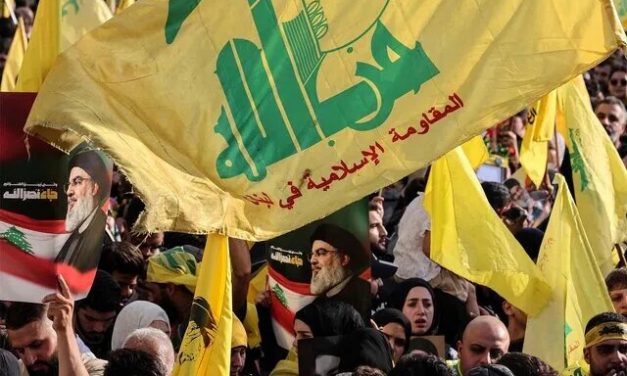
The Inseparability of the Lebanese Front from the Axis of Resistance

SCFR Online–Opinion: By providing an extensive network of social, healthcare, educational, and post-war reconstruction services, Hezbollah has established a strong social base for itself among Lebanon’s Shiites and Sunnis, and even beyond that, among other segments of Lebanese society, including Christians. Hezbollah has never been an external actor imposed upon Lebanon; rather, it is a phenomenon fundamentally born out of the occupation and crimes of the Zionist regime and itself influenced by popular resistance.

The Increasing Efforts of the Zionist Regime to Redefine Borders and the Regional Order and Its Consequences

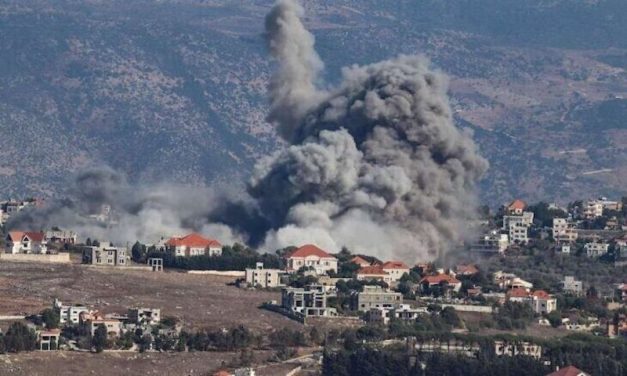
SCFR Online– Opinion: Security and military developments in the region over recent months indicate that the ongoing crises and wars in Gaza, southern Lebanon, and parts of Syrian territory encompass broader dimensions of geopolitical and geostrategic transformations. In this context, the increased military presence and control of the Zionist regime over parts of the territories of these areas, along with proposals regarding the creation of buffer zones or even the expansion of security borders, have raised serious questions about the future of the regional order and its consequences for the countries of West Asia.

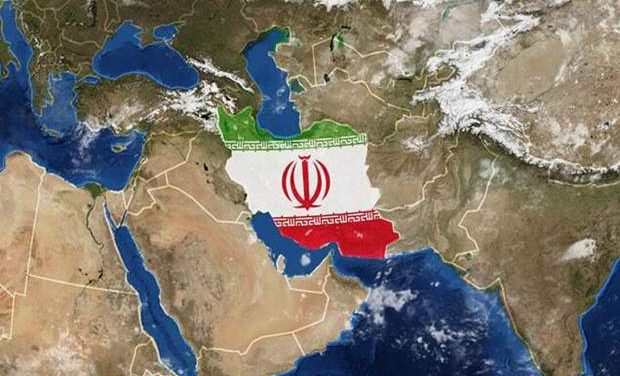
The Components of Iran’s Deterrence Power

SCFR Online – Opinion: At a time when regional security equations have reached a sensitive stage under the influence of Iran’s strategic confrontation with the United States and the Zionist regime, the question of the nature of Tehran’s defensive power has gained greater significance than ever before. While Washington and Tel Aviv rely on their technological superiority, the Islamic Republic of Iran has presented a model of deterrence that extends beyond the material calculations of the world’s classical militaries. This power, rooted in the connection between “the field” and “the people,” has not only altered the balance of power in recent conflicts but has also disrupted adversaries’ calculations when confronting Iran’s strategic depth.

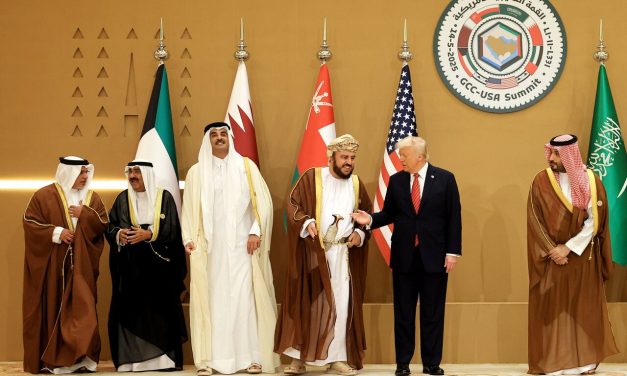
The Persian Gulf; A Cold Battlefield Between Beijing and Washington

SCFR Online – Opinion: The competition in recent years between the United States and China encompasses various geographical regions—including the Indo-Pacific, West Asia, the Arctic and Antarctic, and Africa—as well as multiple domains such as economics and technology. Within this context, a strategic competition has also emerged in the Persian Gulf region across economic, technological, and military spheres.

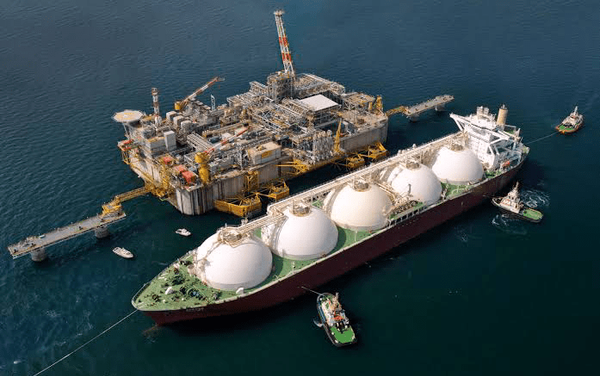
Europe’s Enduring Dependence on Persian Gulf Energy

SCFR Online – Opinion: The dominant discourse in the field of European energy security over the past two decades has revolved around diversification of supply sources and the gradual reduction of dependence on fossil fuels. This narrative, which gained particular momentum after the Ukraine gas crisis in 2006 and its intensification in 2014 and 2022, was based on the assumption that Europe could free itself from the geopolitical vulnerabilities arising from dependence on specific suppliers through investment in renewable energy, imports of liquefied natural gas from diversified sources, and the establishment of new infrastructure. However, a closer analysis of energy trade data and the structure of the global oil and gas supply chain presents a different picture. Europe has not only failed to meaningfully reduce its dependence on the Persian Gulf, but in some sectors — particularly in liquefied natural gas imports — this dependence has deepened. This reality, which is often overlooked in public discourse, raises fundamental questions about the sustainability of Europe’s energy security strategies and their impact on regional power equations.

Loading

Turkey

Effects of Elections in Greece & Turkey on Bilateral Relations

Effects of Elections in Greece & Turkey on Bilateral Relations

Strategic Council Online – Opinion: While national elections are set to be held in Turkey (May 14), and Greece (May 21), senior officials of the two countries hope to witness a new chapter in bilateral relations after the official election results are announced. Despite deep-rooted differences between the two countries, Greece was one of the first countries to offer sympathy and aid after two earthquakes hit 11 southern Turkish provinces on February 6. Turkey was also the first country to express sympathy and help after the train accident in northern Greece on February 28 that left 57 dead.
Mahmoud Fazeli – International Affairs analyst

A look into the election contests in Turkiye and its strategic consequences

A look into the election contests in Turkiye and its strategic consequences

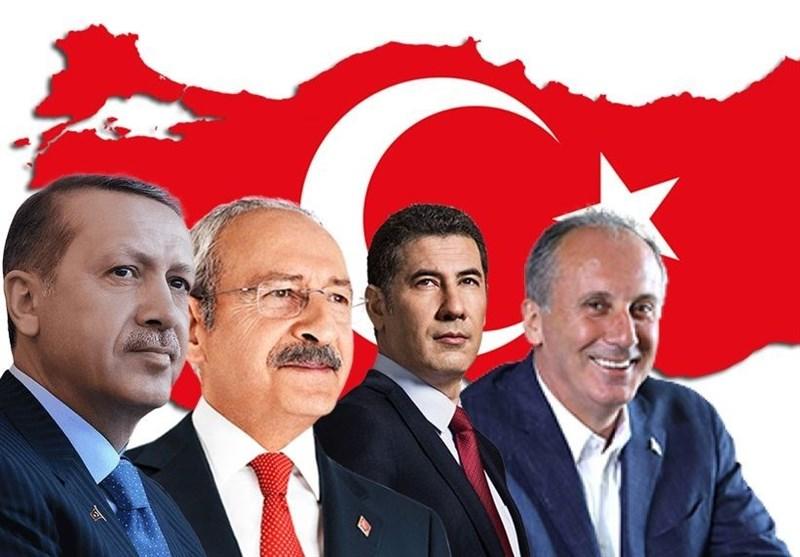
Strategic Council Online—Opinion: As the Turkish presidential and parliamentary elections on May 14, 2023, are approaching, the activities of the eligible candidates are expanding. In the Turkish presidential election, four candidates, and in the parliamentary election, 27 parties will compete. The upcoming elections will be the 13th presidential election in Türkiye’s history, the second presidential election since the beginning of the presidential term, and the 28th parliamentary election in this country. The presidency and parliamentary representation term is five years, and the number of people elected representatives is 600.
Mahmoud Fazeli—Analyst of international affairs

Reviewing Effects of Upcoming Elections on Turkey’s Foreign Policy

Reviewing Effects of Upcoming Elections on Turkey’s Foreign Policy

Strategic Council Online – Interview: An analyst of Turkey affairs, saying that the victory of each of the candidates in the upcoming Turkish elections brings opportunities and threats in the field of foreign relations, emphasized: If the Nation Alliance wins the elections in Turkey, naturally Ankara’s regional ambitions will decrease, and this issue will leave its impacts on Iran-Turkey relations as well.

Aims of New Russian Foreign Policy Document, Its Challenges

Aims of New Russian Foreign Policy Document, Its Challenges

Strategic Council Online – Interview: The associate professor of international relations at the University of Tehran, while explaining Moscow’s targets and challenges in implementing its new foreign policy strategy document, said: Russia’s desire to shape the new structures and norms in the international system is not a simple task; meanwhile, in this case too, Moscow’s strategy has its contradictions.

Roles of Cyprus Peace Negotiations Players and its Future

Roles of Cyprus Peace Negotiations Players and its Future

Strategic Council Online – Opinion: During his two-day trip to Brussels and participation in the European Council meeting, Cypriot President Christodoulides evaluated the meeting with his European counterparts and some EU leaders positively and emphasized the greater involvement of the European Union in negotiations to solve the problem of Cyprus. Without going into the details of the road map for the resumption of Cyprus negotiations, he called for the European Union’s more assertive role. The European Union can provide initiatives and incentives to attract better Turkey’s positive stance to resolving Cyprus.
Mahmoud Fazeli – International Affairs analyst

The continuation of the US military presence in Iraq and its consequences

The continuation of the US military presence in Iraq and its consequences

Strategic Council Online-Interview: An Iraqi affairs expert emphasized that the US wants to maintain a military presence in Iraq and the region, adding that the US presence has no consequences other than insecurity in the region and an impact on the independence of decision-making in the governments that host them.

Middle East on the Threshold of Comprehensive Peace

Middle East on the Threshold of Comprehensive Peace

Strategic Council Online – Opinion: The strategic agreement between Iran and Saudi Arabia in Beijing will help transform the political and security conditions and move towards stable peace and stability in the region. This agreement will end the costly tensions between Tehran and Riyadh and create new political and security stability requirements and expand cooperation between the region’s countries.
Hassan Hanizadeh – Expert on Middle East affairs

A Glance at Klichdaroglu’s Rivalry with Erdogan in Turkish Elections

A Glance at Klichdaroglu’s Rivalry with Erdogan in Turkish Elections

Strategic Council Online – Opinion: After long speculations and consultations among Turkish parties known as the “Table of Six,” the leader of the People’s Republic Party, Kemal Klichdaroglu, was nominated as the presidential candidate of the six opposition parties after resolving the crisis with the “Good Party.” It is expected that 60 million people will participate in Turkey’s May 14 elections. Mahmoud Fazeli – International affairs analyst

Greece-US Arms Cooperation, Strengthening National Unity on Threshold of Elections in Turkey

Greece-US Arms Cooperation, Strengthening National Unity on Threshold of Elections in Turkey

Strategic Council Online – Opinion: During Anthony Blinken’s two-day trip to Greece, defense and security issues were major part of his talks with Greek officials. The Greek side expressed interest in purchasing fifth generation of F-35 fighter jets, and the US Secretary of State, while expressing satisfaction with the decision of the Athens government, announced support of the US administration. It is expected that the official response of the United States to Greece’s request for the purchase of 20+20 F-35 fighter planes will be announced in early April.
Mahmoud Fazeli – International affairs analyst

Impacts of Earthquake in Turkey on Presidential Election

Impacts of Earthquake in Turkey on Presidential Election

Strategic Council Online – Opinion: While the disaster of the 7.8 magnitude earthquake has shaken Turkey, people of Turkey are going to vote in the presidential and parliamentary elections on May 14. All the opinion polls show that Erdoğan is in a tough competition with other rivals. The deadly disaster of the recent earthquake has added to Erdogan’s political and economic problems.
Mahmoud Fazeli – Analyst of international affairs

أحدث الوظائف

The Inseparability of the Lebanese Front from the Axis of Resistance

SCFR Online–Opinion: By providing an extensive network of social, healthcare, educational, and post-war reconstruction services, Hezbollah has established a strong social base for itself among Lebanon’s Shiites and Sunnis, and even beyond that, among other segments of Lebanese society, including Christians. Hezbollah has never been an external actor imposed upon Lebanon; rather, it is a phenomenon fundamentally born out of the occupation and crimes of the Zionist regime and itself influenced by popular resistance.

The Increasing Efforts of the Zionist Regime to Redefine Borders and the Regional Order and Its Consequences

SCFR Online– Opinion: Security and military developments in the region over recent months indicate that the ongoing crises and wars in Gaza, southern Lebanon, and parts of Syrian territory encompass broader dimensions of geopolitical and geostrategic transformations. In this context, the increased military presence and control of the Zionist regime over parts of the territories of these areas, along with proposals regarding the creation of buffer zones or even the expansion of security borders, have raised serious questions about the future of the regional order and its consequences for the countries of West Asia.

The Components of Iran’s Deterrence Power

SCFR Online – Opinion: At a time when regional security equations have reached a sensitive stage under the influence of Iran’s strategic confrontation with the United States and the Zionist regime, the question of the nature of Tehran’s defensive power has gained greater significance than ever before. While Washington and Tel Aviv rely on their technological superiority, the Islamic Republic of Iran has presented a model of deterrence that extends beyond the material calculations of the world’s classical militaries. This power, rooted in the connection between “the field” and “the people,” has not only altered the balance of power in recent conflicts but has also disrupted adversaries’ calculations when confronting Iran’s strategic depth.

The Persian Gulf; A Cold Battlefield Between Beijing and Washington

SCFR Online – Opinion: The competition in recent years between the United States and China encompasses various geographical regions—including the Indo-Pacific, West Asia, the Arctic and Antarctic, and Africa—as well as multiple domains such as economics and technology. Within this context, a strategic competition has also emerged in the Persian Gulf region across economic, technological, and military spheres.

Europe’s Enduring Dependence on Persian Gulf Energy

SCFR Online – Opinion: The dominant discourse in the field of European energy security over the past two decades has revolved around diversification of supply sources and the gradual reduction of dependence on fossil fuels. This narrative, which gained particular momentum after the Ukraine gas crisis in 2006 and its intensification in 2014 and 2022, was based on the assumption that Europe could free itself from the geopolitical vulnerabilities arising from dependence on specific suppliers through investment in renewable energy, imports of liquefied natural gas from diversified sources, and the establishment of new infrastructure. However, a closer analysis of energy trade data and the structure of the global oil and gas supply chain presents a different picture. Europe has not only failed to meaningfully reduce its dependence on the Persian Gulf, but in some sectors — particularly in liquefied natural gas imports — this dependence has deepened. This reality, which is often overlooked in public discourse, raises fundamental questions about the sustainability of Europe’s energy security strategies and their impact on regional power equations.

Loading

Turkey

Effects of Elections in Greece & Turkey on Bilateral Relations

Effects of Elections in Greece & Turkey on Bilateral Relations

Strategic Council Online – Opinion: While national elections are set to be held in Turkey (May 14), and Greece (May 21), senior officials of the two countries hope to witness a new chapter in bilateral relations after the official election results are announced. Despite deep-rooted differences between the two countries, Greece was one of the first countries to offer sympathy and aid after two earthquakes hit 11 southern Turkish provinces on February 6. Turkey was also the first country to express sympathy and help after the train accident in northern Greece on February 28 that left 57 dead.
Mahmoud Fazeli – International Affairs analyst

A look into the election contests in Turkiye and its strategic consequences

A look into the election contests in Turkiye and its strategic consequences

Strategic Council Online—Opinion: As the Turkish presidential and parliamentary elections on May 14, 2023, are approaching, the activities of the eligible candidates are expanding. In the Turkish presidential election, four candidates, and in the parliamentary election, 27 parties will compete. The upcoming elections will be the 13th presidential election in Türkiye’s history, the second presidential election since the beginning of the presidential term, and the 28th parliamentary election in this country. The presidency and parliamentary representation term is five years, and the number of people elected representatives is 600.
Mahmoud Fazeli—Analyst of international affairs

Reviewing Effects of Upcoming Elections on Turkey’s Foreign Policy

Reviewing Effects of Upcoming Elections on Turkey’s Foreign Policy

Strategic Council Online – Interview: An analyst of Turkey affairs, saying that the victory of each of the candidates in the upcoming Turkish elections brings opportunities and threats in the field of foreign relations, emphasized: If the Nation Alliance wins the elections in Turkey, naturally Ankara’s regional ambitions will decrease, and this issue will leave its impacts on Iran-Turkey relations as well.

Aims of New Russian Foreign Policy Document, Its Challenges

Aims of New Russian Foreign Policy Document, Its Challenges

Strategic Council Online – Interview: The associate professor of international relations at the University of Tehran, while explaining Moscow’s targets and challenges in implementing its new foreign policy strategy document, said: Russia’s desire to shape the new structures and norms in the international system is not a simple task; meanwhile, in this case too, Moscow’s strategy has its contradictions.

Roles of Cyprus Peace Negotiations Players and its Future

Roles of Cyprus Peace Negotiations Players and its Future

Strategic Council Online – Opinion: During his two-day trip to Brussels and participation in the European Council meeting, Cypriot President Christodoulides evaluated the meeting with his European counterparts and some EU leaders positively and emphasized the greater involvement of the European Union in negotiations to solve the problem of Cyprus. Without going into the details of the road map for the resumption of Cyprus negotiations, he called for the European Union’s more assertive role. The European Union can provide initiatives and incentives to attract better Turkey’s positive stance to resolving Cyprus.
Mahmoud Fazeli – International Affairs analyst

The continuation of the US military presence in Iraq and its consequences

The continuation of the US military presence in Iraq and its consequences

Strategic Council Online-Interview: An Iraqi affairs expert emphasized that the US wants to maintain a military presence in Iraq and the region, adding that the US presence has no consequences other than insecurity in the region and an impact on the independence of decision-making in the governments that host them.

Middle East on the Threshold of Comprehensive Peace

Middle East on the Threshold of Comprehensive Peace

Strategic Council Online – Opinion: The strategic agreement between Iran and Saudi Arabia in Beijing will help transform the political and security conditions and move towards stable peace and stability in the region. This agreement will end the costly tensions between Tehran and Riyadh and create new political and security stability requirements and expand cooperation between the region’s countries.
Hassan Hanizadeh – Expert on Middle East affairs

A Glance at Klichdaroglu’s Rivalry with Erdogan in Turkish Elections

A Glance at Klichdaroglu’s Rivalry with Erdogan in Turkish Elections

Strategic Council Online – Opinion: After long speculations and consultations among Turkish parties known as the “Table of Six,” the leader of the People’s Republic Party, Kemal Klichdaroglu, was nominated as the presidential candidate of the six opposition parties after resolving the crisis with the “Good Party.” It is expected that 60 million people will participate in Turkey’s May 14 elections. Mahmoud Fazeli – International affairs analyst

Greece-US Arms Cooperation, Strengthening National Unity on Threshold of Elections in Turkey

Greece-US Arms Cooperation, Strengthening National Unity on Threshold of Elections in Turkey

Strategic Council Online – Opinion: During Anthony Blinken’s two-day trip to Greece, defense and security issues were major part of his talks with Greek officials. The Greek side expressed interest in purchasing fifth generation of F-35 fighter jets, and the US Secretary of State, while expressing satisfaction with the decision of the Athens government, announced support of the US administration. It is expected that the official response of the United States to Greece’s request for the purchase of 20+20 F-35 fighter planes will be announced in early April.
Mahmoud Fazeli – International affairs analyst

Impacts of Earthquake in Turkey on Presidential Election

Impacts of Earthquake in Turkey on Presidential Election

Strategic Council Online – Opinion: While the disaster of the 7.8 magnitude earthquake has shaken Turkey, people of Turkey are going to vote in the presidential and parliamentary elections on May 14. All the opinion polls show that Erdoğan is in a tough competition with other rivals. The deadly disaster of the recent earthquake has added to Erdogan’s political and economic problems.
Mahmoud Fazeli – Analyst of international affairs

Turkey

Effects of Elections in Greece & Turkey on Bilateral Relations

Effects of Elections in Greece & Turkey on Bilateral Relations

Strategic Council Online – Opinion: While national elections are set to be held in Turkey (May 14), and Greece (May 21), senior officials of the two countries hope to witness a new chapter in bilateral relations after the official election results are announced. Despite deep-rooted differences between the two countries, Greece was one of the first countries to offer sympathy and aid after two earthquakes hit 11 southern Turkish provinces on February 6. Turkey was also the first country to express sympathy and help after the train accident in northern Greece on February 28 that left 57 dead.
Mahmoud Fazeli – International Affairs analyst

A look into the election contests in Turkiye and its strategic consequences

A look into the election contests in Turkiye and its strategic consequences

Strategic Council Online—Opinion: As the Turkish presidential and parliamentary elections on May 14, 2023, are approaching, the activities of the eligible candidates are expanding. In the Turkish presidential election, four candidates, and in the parliamentary election, 27 parties will compete. The upcoming elections will be the 13th presidential election in Türkiye’s history, the second presidential election since the beginning of the presidential term, and the 28th parliamentary election in this country. The presidency and parliamentary representation term is five years, and the number of people elected representatives is 600.
Mahmoud Fazeli—Analyst of international affairs

Reviewing Effects of Upcoming Elections on Turkey’s Foreign Policy

Reviewing Effects of Upcoming Elections on Turkey’s Foreign Policy

Strategic Council Online – Interview: An analyst of Turkey affairs, saying that the victory of each of the candidates in the upcoming Turkish elections brings opportunities and threats in the field of foreign relations, emphasized: If the Nation Alliance wins the elections in Turkey, naturally Ankara’s regional ambitions will decrease, and this issue will leave its impacts on Iran-Turkey relations as well.

Aims of New Russian Foreign Policy Document, Its Challenges

Aims of New Russian Foreign Policy Document, Its Challenges

Strategic Council Online – Interview: The associate professor of international relations at the University of Tehran, while explaining Moscow’s targets and challenges in implementing its new foreign policy strategy document, said: Russia’s desire to shape the new structures and norms in the international system is not a simple task; meanwhile, in this case too, Moscow’s strategy has its contradictions.

Roles of Cyprus Peace Negotiations Players and its Future

Roles of Cyprus Peace Negotiations Players and its Future

Strategic Council Online – Opinion: During his two-day trip to Brussels and participation in the European Council meeting, Cypriot President Christodoulides evaluated the meeting with his European counterparts and some EU leaders positively and emphasized the greater involvement of the European Union in negotiations to solve the problem of Cyprus. Without going into the details of the road map for the resumption of Cyprus negotiations, he called for the European Union’s more assertive role. The European Union can provide initiatives and incentives to attract better Turkey’s positive stance to resolving Cyprus.
Mahmoud Fazeli – International Affairs analyst

The continuation of the US military presence in Iraq and its consequences

The continuation of the US military presence in Iraq and its consequences

Strategic Council Online-Interview: An Iraqi affairs expert emphasized that the US wants to maintain a military presence in Iraq and the region, adding that the US presence has no consequences other than insecurity in the region and an impact on the independence of decision-making in the governments that host them.

Middle East on the Threshold of Comprehensive Peace

Middle East on the Threshold of Comprehensive Peace

Strategic Council Online – Opinion: The strategic agreement between Iran and Saudi Arabia in Beijing will help transform the political and security conditions and move towards stable peace and stability in the region. This agreement will end the costly tensions between Tehran and Riyadh and create new political and security stability requirements and expand cooperation between the region’s countries.
Hassan Hanizadeh – Expert on Middle East affairs

A Glance at Klichdaroglu’s Rivalry with Erdogan in Turkish Elections

A Glance at Klichdaroglu’s Rivalry with Erdogan in Turkish Elections

Strategic Council Online – Opinion: After long speculations and consultations among Turkish parties known as the “Table of Six,” the leader of the People’s Republic Party, Kemal Klichdaroglu, was nominated as the presidential candidate of the six opposition parties after resolving the crisis with the “Good Party.” It is expected that 60 million people will participate in Turkey’s May 14 elections. Mahmoud Fazeli – International affairs analyst

Greece-US Arms Cooperation, Strengthening National Unity on Threshold of Elections in Turkey

Greece-US Arms Cooperation, Strengthening National Unity on Threshold of Elections in Turkey

Strategic Council Online – Opinion: During Anthony Blinken’s two-day trip to Greece, defense and security issues were major part of his talks with Greek officials. The Greek side expressed interest in purchasing fifth generation of F-35 fighter jets, and the US Secretary of State, while expressing satisfaction with the decision of the Athens government, announced support of the US administration. It is expected that the official response of the United States to Greece’s request for the purchase of 20+20 F-35 fighter planes will be announced in early April.
Mahmoud Fazeli – International affairs analyst

Impacts of Earthquake in Turkey on Presidential Election

Impacts of Earthquake in Turkey on Presidential Election

Strategic Council Online – Opinion: While the disaster of the 7.8 magnitude earthquake has shaken Turkey, people of Turkey are going to vote in the presidential and parliamentary elections on May 14. All the opinion polls show that Erdoğan is in a tough competition with other rivals. The deadly disaster of the recent earthquake has added to Erdogan’s political and economic problems.
Mahmoud Fazeli – Analyst of international affairs

LATEST CONTENT

The Inseparability of the Lebanese Front from the Axis of Resistance

SCFR Online–Opinion: By providing an extensive network of social, healthcare, educational, and post-war reconstruction services, Hezbollah has established a strong social base for itself among Lebanon’s Shiites and Sunnis, and even beyond that, among other segments of Lebanese society, including Christians. Hezbollah has never been an external actor imposed upon Lebanon; rather, it is a phenomenon fundamentally born out of the occupation and crimes of the Zionist regime and itself influenced by popular resistance.

The Increasing Efforts of the Zionist Regime to Redefine Borders and the Regional Order and Its Consequences

SCFR Online– Opinion: Security and military developments in the region over recent months indicate that the ongoing crises and wars in Gaza, southern Lebanon, and parts of Syrian territory encompass broader dimensions of geopolitical and geostrategic transformations. In this context, the increased military presence and control of the Zionist regime over parts of the territories of these areas, along with proposals regarding the creation of buffer zones or even the expansion of security borders, have raised serious questions about the future of the regional order and its consequences for the countries of West Asia.

The Components of Iran’s Deterrence Power

SCFR Online – Opinion: At a time when regional security equations have reached a sensitive stage under the influence of Iran’s strategic confrontation with the United States and the Zionist regime, the question of the nature of Tehran’s defensive power has gained greater significance than ever before. While Washington and Tel Aviv rely on their technological superiority, the Islamic Republic of Iran has presented a model of deterrence that extends beyond the material calculations of the world’s classical militaries. This power, rooted in the connection between “the field” and “the people,” has not only altered the balance of power in recent conflicts but has also disrupted adversaries’ calculations when confronting Iran’s strategic depth.

The Persian Gulf; A Cold Battlefield Between Beijing and Washington

SCFR Online – Opinion: The competition in recent years between the United States and China encompasses various geographical regions—including the Indo-Pacific, West Asia, the Arctic and Antarctic, and Africa—as well as multiple domains such as economics and technology. Within this context, a strategic competition has also emerged in the Persian Gulf region across economic, technological, and military spheres.

Europe’s Enduring Dependence on Persian Gulf Energy

SCFR Online – Opinion: The dominant discourse in the field of European energy security over the past two decades has revolved around diversification of supply sources and the gradual reduction of dependence on fossil fuels. This narrative, which gained particular momentum after the Ukraine gas crisis in 2006 and its intensification in 2014 and 2022, was based on the assumption that Europe could free itself from the geopolitical vulnerabilities arising from dependence on specific suppliers through investment in renewable energy, imports of liquefied natural gas from diversified sources, and the establishment of new infrastructure. However, a closer analysis of energy trade data and the structure of the global oil and gas supply chain presents a different picture. Europe has not only failed to meaningfully reduce its dependence on the Persian Gulf, but in some sectors — particularly in liquefied natural gas imports — this dependence has deepened. This reality, which is often overlooked in public discourse, raises fundamental questions about the sustainability of Europe’s energy security strategies and their impact on regional power equations.

Loading

Turkey

Effects of Elections in Greece & Turkey on Bilateral Relations

Effects of Elections in Greece & Turkey on Bilateral Relations

Strategic Council Online – Opinion: While national elections are set to be held in Turkey (May 14), and Greece (May 21), senior officials of the two countries hope to witness a new chapter in bilateral relations after the official election results are announced. Despite deep-rooted differences between the two countries, Greece was one of the first countries to offer sympathy and aid after two earthquakes hit 11 southern Turkish provinces on February 6. Turkey was also the first country to express sympathy and help after the train accident in northern Greece on February 28 that left 57 dead.
Mahmoud Fazeli – International Affairs analyst

A look into the election contests in Turkiye and its strategic consequences

A look into the election contests in Turkiye and its strategic consequences

Strategic Council Online—Opinion: As the Turkish presidential and parliamentary elections on May 14, 2023, are approaching, the activities of the eligible candidates are expanding. In the Turkish presidential election, four candidates, and in the parliamentary election, 27 parties will compete. The upcoming elections will be the 13th presidential election in Türkiye’s history, the second presidential election since the beginning of the presidential term, and the 28th parliamentary election in this country. The presidency and parliamentary representation term is five years, and the number of people elected representatives is 600.
Mahmoud Fazeli—Analyst of international affairs

Reviewing Effects of Upcoming Elections on Turkey’s Foreign Policy

Reviewing Effects of Upcoming Elections on Turkey’s Foreign Policy

Strategic Council Online – Interview: An analyst of Turkey affairs, saying that the victory of each of the candidates in the upcoming Turkish elections brings opportunities and threats in the field of foreign relations, emphasized: If the Nation Alliance wins the elections in Turkey, naturally Ankara’s regional ambitions will decrease, and this issue will leave its impacts on Iran-Turkey relations as well.

Aims of New Russian Foreign Policy Document, Its Challenges

Aims of New Russian Foreign Policy Document, Its Challenges

Strategic Council Online – Interview: The associate professor of international relations at the University of Tehran, while explaining Moscow’s targets and challenges in implementing its new foreign policy strategy document, said: Russia’s desire to shape the new structures and norms in the international system is not a simple task; meanwhile, in this case too, Moscow’s strategy has its contradictions.

Roles of Cyprus Peace Negotiations Players and its Future

Roles of Cyprus Peace Negotiations Players and its Future

Strategic Council Online – Opinion: During his two-day trip to Brussels and participation in the European Council meeting, Cypriot President Christodoulides evaluated the meeting with his European counterparts and some EU leaders positively and emphasized the greater involvement of the European Union in negotiations to solve the problem of Cyprus. Without going into the details of the road map for the resumption of Cyprus negotiations, he called for the European Union’s more assertive role. The European Union can provide initiatives and incentives to attract better Turkey’s positive stance to resolving Cyprus.
Mahmoud Fazeli – International Affairs analyst

The continuation of the US military presence in Iraq and its consequences

The continuation of the US military presence in Iraq and its consequences

Strategic Council Online-Interview: An Iraqi affairs expert emphasized that the US wants to maintain a military presence in Iraq and the region, adding that the US presence has no consequences other than insecurity in the region and an impact on the independence of decision-making in the governments that host them.

Middle East on the Threshold of Comprehensive Peace

Middle East on the Threshold of Comprehensive Peace

Strategic Council Online – Opinion: The strategic agreement between Iran and Saudi Arabia in Beijing will help transform the political and security conditions and move towards stable peace and stability in the region. This agreement will end the costly tensions between Tehran and Riyadh and create new political and security stability requirements and expand cooperation between the region’s countries.
Hassan Hanizadeh – Expert on Middle East affairs

A Glance at Klichdaroglu’s Rivalry with Erdogan in Turkish Elections

A Glance at Klichdaroglu’s Rivalry with Erdogan in Turkish Elections

Strategic Council Online – Opinion: After long speculations and consultations among Turkish parties known as the “Table of Six,” the leader of the People’s Republic Party, Kemal Klichdaroglu, was nominated as the presidential candidate of the six opposition parties after resolving the crisis with the “Good Party.” It is expected that 60 million people will participate in Turkey’s May 14 elections. Mahmoud Fazeli – International affairs analyst

Greece-US Arms Cooperation, Strengthening National Unity on Threshold of Elections in Turkey

Greece-US Arms Cooperation, Strengthening National Unity on Threshold of Elections in Turkey

Strategic Council Online – Opinion: During Anthony Blinken’s two-day trip to Greece, defense and security issues were major part of his talks with Greek officials. The Greek side expressed interest in purchasing fifth generation of F-35 fighter jets, and the US Secretary of State, while expressing satisfaction with the decision of the Athens government, announced support of the US administration. It is expected that the official response of the United States to Greece’s request for the purchase of 20+20 F-35 fighter planes will be announced in early April.
Mahmoud Fazeli – International affairs analyst

Impacts of Earthquake in Turkey on Presidential Election

Impacts of Earthquake in Turkey on Presidential Election

Strategic Council Online – Opinion: While the disaster of the 7.8 magnitude earthquake has shaken Turkey, people of Turkey are going to vote in the presidential and parliamentary elections on May 14. All the opinion polls show that Erdoğan is in a tough competition with other rivals. The deadly disaster of the recent earthquake has added to Erdogan’s political and economic problems.
Mahmoud Fazeli – Analyst of international affairs

ÚLTIMAS PUBLICACIONES

The Inseparability of the Lebanese Front from the Axis of Resistance

SCFR Online–Opinion: By providing an extensive network of social, healthcare, educational, and post-war reconstruction services, Hezbollah has established a strong social base for itself among Lebanon’s Shiites and Sunnis, and even beyond that, among other segments of Lebanese society, including Christians. Hezbollah has never been an external actor imposed upon Lebanon; rather, it is a phenomenon fundamentally born out of the occupation and crimes of the Zionist regime and itself influenced by popular resistance.

The Increasing Efforts of the Zionist Regime to Redefine Borders and the Regional Order and Its Consequences

SCFR Online– Opinion: Security and military developments in the region over recent months indicate that the ongoing crises and wars in Gaza, southern Lebanon, and parts of Syrian territory encompass broader dimensions of geopolitical and geostrategic transformations. In this context, the increased military presence and control of the Zionist regime over parts of the territories of these areas, along with proposals regarding the creation of buffer zones or even the expansion of security borders, have raised serious questions about the future of the regional order and its consequences for the countries of West Asia.

The Components of Iran’s Deterrence Power

SCFR Online – Opinion: At a time when regional security equations have reached a sensitive stage under the influence of Iran’s strategic confrontation with the United States and the Zionist regime, the question of the nature of Tehran’s defensive power has gained greater significance than ever before. While Washington and Tel Aviv rely on their technological superiority, the Islamic Republic of Iran has presented a model of deterrence that extends beyond the material calculations of the world’s classical militaries. This power, rooted in the connection between “the field” and “the people,” has not only altered the balance of power in recent conflicts but has also disrupted adversaries’ calculations when confronting Iran’s strategic depth.

The Persian Gulf; A Cold Battlefield Between Beijing and Washington

SCFR Online – Opinion: The competition in recent years between the United States and China encompasses various geographical regions—including the Indo-Pacific, West Asia, the Arctic and Antarctic, and Africa—as well as multiple domains such as economics and technology. Within this context, a strategic competition has also emerged in the Persian Gulf region across economic, technological, and military spheres.

Europe’s Enduring Dependence on Persian Gulf Energy

SCFR Online – Opinion: The dominant discourse in the field of European energy security over the past two decades has revolved around diversification of supply sources and the gradual reduction of dependence on fossil fuels. This narrative, which gained particular momentum after the Ukraine gas crisis in 2006 and its intensification in 2014 and 2022, was based on the assumption that Europe could free itself from the geopolitical vulnerabilities arising from dependence on specific suppliers through investment in renewable energy, imports of liquefied natural gas from diversified sources, and the establishment of new infrastructure. However, a closer analysis of energy trade data and the structure of the global oil and gas supply chain presents a different picture. Europe has not only failed to meaningfully reduce its dependence on the Persian Gulf, but in some sectors — particularly in liquefied natural gas imports — this dependence has deepened. This reality, which is often overlooked in public discourse, raises fundamental questions about the sustainability of Europe’s energy security strategies and their impact on regional power equations.

Loading

Turkey

Effects of Elections in Greece & Turkey on Bilateral Relations

Effects of Elections in Greece & Turkey on Bilateral Relations

Strategic Council Online – Opinion: While national elections are set to be held in Turkey (May 14), and Greece (May 21), senior officials of the two countries hope to witness a new chapter in bilateral relations after the official election results are announced. Despite deep-rooted differences between the two countries, Greece was one of the first countries to offer sympathy and aid after two earthquakes hit 11 southern Turkish provinces on February 6. Turkey was also the first country to express sympathy and help after the train accident in northern Greece on February 28 that left 57 dead.
Mahmoud Fazeli – International Affairs analyst

A look into the election contests in Turkiye and its strategic consequences

A look into the election contests in Turkiye and its strategic consequences

Strategic Council Online—Opinion: As the Turkish presidential and parliamentary elections on May 14, 2023, are approaching, the activities of the eligible candidates are expanding. In the Turkish presidential election, four candidates, and in the parliamentary election, 27 parties will compete. The upcoming elections will be the 13th presidential election in Türkiye’s history, the second presidential election since the beginning of the presidential term, and the 28th parliamentary election in this country. The presidency and parliamentary representation term is five years, and the number of people elected representatives is 600.
Mahmoud Fazeli—Analyst of international affairs

Reviewing Effects of Upcoming Elections on Turkey’s Foreign Policy

Reviewing Effects of Upcoming Elections on Turkey’s Foreign Policy

Strategic Council Online – Interview: An analyst of Turkey affairs, saying that the victory of each of the candidates in the upcoming Turkish elections brings opportunities and threats in the field of foreign relations, emphasized: If the Nation Alliance wins the elections in Turkey, naturally Ankara’s regional ambitions will decrease, and this issue will leave its impacts on Iran-Turkey relations as well.

Aims of New Russian Foreign Policy Document, Its Challenges

Aims of New Russian Foreign Policy Document, Its Challenges

Strategic Council Online – Interview: The associate professor of international relations at the University of Tehran, while explaining Moscow’s targets and challenges in implementing its new foreign policy strategy document, said: Russia’s desire to shape the new structures and norms in the international system is not a simple task; meanwhile, in this case too, Moscow’s strategy has its contradictions.

Roles of Cyprus Peace Negotiations Players and its Future

Roles of Cyprus Peace Negotiations Players and its Future

Strategic Council Online – Opinion: During his two-day trip to Brussels and participation in the European Council meeting, Cypriot President Christodoulides evaluated the meeting with his European counterparts and some EU leaders positively and emphasized the greater involvement of the European Union in negotiations to solve the problem of Cyprus. Without going into the details of the road map for the resumption of Cyprus negotiations, he called for the European Union’s more assertive role. The European Union can provide initiatives and incentives to attract better Turkey’s positive stance to resolving Cyprus.
Mahmoud Fazeli – International Affairs analyst

The continuation of the US military presence in Iraq and its consequences

The continuation of the US military presence in Iraq and its consequences

Strategic Council Online-Interview: An Iraqi affairs expert emphasized that the US wants to maintain a military presence in Iraq and the region, adding that the US presence has no consequences other than insecurity in the region and an impact on the independence of decision-making in the governments that host them.

Middle East on the Threshold of Comprehensive Peace

Middle East on the Threshold of Comprehensive Peace

Strategic Council Online – Opinion: The strategic agreement between Iran and Saudi Arabia in Beijing will help transform the political and security conditions and move towards stable peace and stability in the region. This agreement will end the costly tensions between Tehran and Riyadh and create new political and security stability requirements and expand cooperation between the region’s countries.
Hassan Hanizadeh – Expert on Middle East affairs

A Glance at Klichdaroglu’s Rivalry with Erdogan in Turkish Elections

A Glance at Klichdaroglu’s Rivalry with Erdogan in Turkish Elections

Strategic Council Online – Opinion: After long speculations and consultations among Turkish parties known as the “Table of Six,” the leader of the People’s Republic Party, Kemal Klichdaroglu, was nominated as the presidential candidate of the six opposition parties after resolving the crisis with the “Good Party.” It is expected that 60 million people will participate in Turkey’s May 14 elections. Mahmoud Fazeli – International affairs analyst

Greece-US Arms Cooperation, Strengthening National Unity on Threshold of Elections in Turkey

Greece-US Arms Cooperation, Strengthening National Unity on Threshold of Elections in Turkey

Strategic Council Online – Opinion: During Anthony Blinken’s two-day trip to Greece, defense and security issues were major part of his talks with Greek officials. The Greek side expressed interest in purchasing fifth generation of F-35 fighter jets, and the US Secretary of State, while expressing satisfaction with the decision of the Athens government, announced support of the US administration. It is expected that the official response of the United States to Greece’s request for the purchase of 20+20 F-35 fighter planes will be announced in early April.
Mahmoud Fazeli – International affairs analyst

Impacts of Earthquake in Turkey on Presidential Election

Impacts of Earthquake in Turkey on Presidential Election

Strategic Council Online – Opinion: While the disaster of the 7.8 magnitude earthquake has shaken Turkey, people of Turkey are going to vote in the presidential and parliamentary elections on May 14. All the opinion polls show that Erdoğan is in a tough competition with other rivals. The deadly disaster of the recent earthquake has added to Erdogan’s political and economic problems.
Mahmoud Fazeli – Analyst of international affairs

ÚLTIMAS PUBLICACIONES

The Inseparability of the Lebanese Front from the Axis of Resistance

SCFR Online–Opinion: By providing an extensive network of social, healthcare, educational, and post-war reconstruction services, Hezbollah has established a strong social base for itself among Lebanon’s Shiites and Sunnis, and even beyond that, among other segments of Lebanese society, including Christians. Hezbollah has never been an external actor imposed upon Lebanon; rather, it is a phenomenon fundamentally born out of the occupation and crimes of the Zionist regime and itself influenced by popular resistance.

The Increasing Efforts of the Zionist Regime to Redefine Borders and the Regional Order and Its Consequences

SCFR Online– Opinion: Security and military developments in the region over recent months indicate that the ongoing crises and wars in Gaza, southern Lebanon, and parts of Syrian territory encompass broader dimensions of geopolitical and geostrategic transformations. In this context, the increased military presence and control of the Zionist regime over parts of the territories of these areas, along with proposals regarding the creation of buffer zones or even the expansion of security borders, have raised serious questions about the future of the regional order and its consequences for the countries of West Asia.

The Components of Iran’s Deterrence Power

SCFR Online – Opinion: At a time when regional security equations have reached a sensitive stage under the influence of Iran’s strategic confrontation with the United States and the Zionist regime, the question of the nature of Tehran’s defensive power has gained greater significance than ever before. While Washington and Tel Aviv rely on their technological superiority, the Islamic Republic of Iran has presented a model of deterrence that extends beyond the material calculations of the world’s classical militaries. This power, rooted in the connection between “the field” and “the people,” has not only altered the balance of power in recent conflicts but has also disrupted adversaries’ calculations when confronting Iran’s strategic depth.

The Persian Gulf; A Cold Battlefield Between Beijing and Washington

SCFR Online – Opinion: The competition in recent years between the United States and China encompasses various geographical regions—including the Indo-Pacific, West Asia, the Arctic and Antarctic, and Africa—as well as multiple domains such as economics and technology. Within this context, a strategic competition has also emerged in the Persian Gulf region across economic, technological, and military spheres.

Europe’s Enduring Dependence on Persian Gulf Energy

SCFR Online – Opinion: The dominant discourse in the field of European energy security over the past two decades has revolved around diversification of supply sources and the gradual reduction of dependence on fossil fuels. This narrative, which gained particular momentum after the Ukraine gas crisis in 2006 and its intensification in 2014 and 2022, was based on the assumption that Europe could free itself from the geopolitical vulnerabilities arising from dependence on specific suppliers through investment in renewable energy, imports of liquefied natural gas from diversified sources, and the establishment of new infrastructure. However, a closer analysis of energy trade data and the structure of the global oil and gas supply chain presents a different picture. Europe has not only failed to meaningfully reduce its dependence on the Persian Gulf, but in some sectors — particularly in liquefied natural gas imports — this dependence has deepened. This reality, which is often overlooked in public discourse, raises fundamental questions about the sustainability of Europe’s energy security strategies and their impact on regional power equations.

Loading

Turkey

Effects of Elections in Greece & Turkey on Bilateral Relations

Effects of Elections in Greece & Turkey on Bilateral Relations

Strategic Council Online – Opinion: While national elections are set to be held in Turkey (May 14), and Greece (May 21), senior officials of the two countries hope to witness a new chapter in bilateral relations after the official election results are announced. Despite deep-rooted differences between the two countries, Greece was one of the first countries to offer sympathy and aid after two earthquakes hit 11 southern Turkish provinces on February 6. Turkey was also the first country to express sympathy and help after the train accident in northern Greece on February 28 that left 57 dead.
Mahmoud Fazeli – International Affairs analyst

A look into the election contests in Turkiye and its strategic consequences

A look into the election contests in Turkiye and its strategic consequences

Strategic Council Online—Opinion: As the Turkish presidential and parliamentary elections on May 14, 2023, are approaching, the activities of the eligible candidates are expanding. In the Turkish presidential election, four candidates, and in the parliamentary election, 27 parties will compete. The upcoming elections will be the 13th presidential election in Türkiye’s history, the second presidential election since the beginning of the presidential term, and the 28th parliamentary election in this country. The presidency and parliamentary representation term is five years, and the number of people elected representatives is 600.
Mahmoud Fazeli—Analyst of international affairs

Reviewing Effects of Upcoming Elections on Turkey’s Foreign Policy

Reviewing Effects of Upcoming Elections on Turkey’s Foreign Policy

Strategic Council Online – Interview: An analyst of Turkey affairs, saying that the victory of each of the candidates in the upcoming Turkish elections brings opportunities and threats in the field of foreign relations, emphasized: If the Nation Alliance wins the elections in Turkey, naturally Ankara’s regional ambitions will decrease, and this issue will leave its impacts on Iran-Turkey relations as well.

Aims of New Russian Foreign Policy Document, Its Challenges

Aims of New Russian Foreign Policy Document, Its Challenges

Strategic Council Online – Interview: The associate professor of international relations at the University of Tehran, while explaining Moscow’s targets and challenges in implementing its new foreign policy strategy document, said: Russia’s desire to shape the new structures and norms in the international system is not a simple task; meanwhile, in this case too, Moscow’s strategy has its contradictions.

Roles of Cyprus Peace Negotiations Players and its Future

Roles of Cyprus Peace Negotiations Players and its Future

Strategic Council Online – Opinion: During his two-day trip to Brussels and participation in the European Council meeting, Cypriot President Christodoulides evaluated the meeting with his European counterparts and some EU leaders positively and emphasized the greater involvement of the European Union in negotiations to solve the problem of Cyprus. Without going into the details of the road map for the resumption of Cyprus negotiations, he called for the European Union’s more assertive role. The European Union can provide initiatives and incentives to attract better Turkey’s positive stance to resolving Cyprus.
Mahmoud Fazeli – International Affairs analyst

The continuation of the US military presence in Iraq and its consequences

The continuation of the US military presence in Iraq and its consequences

Strategic Council Online-Interview: An Iraqi affairs expert emphasized that the US wants to maintain a military presence in Iraq and the region, adding that the US presence has no consequences other than insecurity in the region and an impact on the independence of decision-making in the governments that host them.

Middle East on the Threshold of Comprehensive Peace

Middle East on the Threshold of Comprehensive Peace

Strategic Council Online – Opinion: The strategic agreement between Iran and Saudi Arabia in Beijing will help transform the political and security conditions and move towards stable peace and stability in the region. This agreement will end the costly tensions between Tehran and Riyadh and create new political and security stability requirements and expand cooperation between the region’s countries.
Hassan Hanizadeh – Expert on Middle East affairs

A Glance at Klichdaroglu’s Rivalry with Erdogan in Turkish Elections

A Glance at Klichdaroglu’s Rivalry with Erdogan in Turkish Elections

Strategic Council Online – Opinion: After long speculations and consultations among Turkish parties known as the “Table of Six,” the leader of the People’s Republic Party, Kemal Klichdaroglu, was nominated as the presidential candidate of the six opposition parties after resolving the crisis with the “Good Party.” It is expected that 60 million people will participate in Turkey’s May 14 elections. Mahmoud Fazeli – International affairs analyst

Greece-US Arms Cooperation, Strengthening National Unity on Threshold of Elections in Turkey

Greece-US Arms Cooperation, Strengthening National Unity on Threshold of Elections in Turkey

Strategic Council Online – Opinion: During Anthony Blinken’s two-day trip to Greece, defense and security issues were major part of his talks with Greek officials. The Greek side expressed interest in purchasing fifth generation of F-35 fighter jets, and the US Secretary of State, while expressing satisfaction with the decision of the Athens government, announced support of the US administration. It is expected that the official response of the United States to Greece’s request for the purchase of 20+20 F-35 fighter planes will be announced in early April.
Mahmoud Fazeli – International affairs analyst

Impacts of Earthquake in Turkey on Presidential Election

Impacts of Earthquake in Turkey on Presidential Election

Strategic Council Online – Opinion: While the disaster of the 7.8 magnitude earthquake has shaken Turkey, people of Turkey are going to vote in the presidential and parliamentary elections on May 14. All the opinion polls show that Erdoğan is in a tough competition with other rivals. The deadly disaster of the recent earthquake has added to Erdogan’s political and economic problems.
Mahmoud Fazeli – Analyst of international affairs

ÚLTIMAS PUBLICACIONES

The Inseparability of the Lebanese Front from the Axis of Resistance

SCFR Online–Opinion: By providing an extensive network of social, healthcare, educational, and post-war reconstruction services, Hezbollah has established a strong social base for itself among Lebanon’s Shiites and Sunnis, and even beyond that, among other segments of Lebanese society, including Christians. Hezbollah has never been an external actor imposed upon Lebanon; rather, it is a phenomenon fundamentally born out of the occupation and crimes of the Zionist regime and itself influenced by popular resistance.

The Increasing Efforts of the Zionist Regime to Redefine Borders and the Regional Order and Its Consequences

SCFR Online– Opinion: Security and military developments in the region over recent months indicate that the ongoing crises and wars in Gaza, southern Lebanon, and parts of Syrian territory encompass broader dimensions of geopolitical and geostrategic transformations. In this context, the increased military presence and control of the Zionist regime over parts of the territories of these areas, along with proposals regarding the creation of buffer zones or even the expansion of security borders, have raised serious questions about the future of the regional order and its consequences for the countries of West Asia.

The Components of Iran’s Deterrence Power

SCFR Online – Opinion: At a time when regional security equations have reached a sensitive stage under the influence of Iran’s strategic confrontation with the United States and the Zionist regime, the question of the nature of Tehran’s defensive power has gained greater significance than ever before. While Washington and Tel Aviv rely on their technological superiority, the Islamic Republic of Iran has presented a model of deterrence that extends beyond the material calculations of the world’s classical militaries. This power, rooted in the connection between “the field” and “the people,” has not only altered the balance of power in recent conflicts but has also disrupted adversaries’ calculations when confronting Iran’s strategic depth.

The Persian Gulf; A Cold Battlefield Between Beijing and Washington

SCFR Online – Opinion: The competition in recent years between the United States and China encompasses various geographical regions—including the Indo-Pacific, West Asia, the Arctic and Antarctic, and Africa—as well as multiple domains such as economics and technology. Within this context, a strategic competition has also emerged in the Persian Gulf region across economic, technological, and military spheres.

Europe’s Enduring Dependence on Persian Gulf Energy

SCFR Online – Opinion: The dominant discourse in the field of European energy security over the past two decades has revolved around diversification of supply sources and the gradual reduction of dependence on fossil fuels. This narrative, which gained particular momentum after the Ukraine gas crisis in 2006 and its intensification in 2014 and 2022, was based on the assumption that Europe could free itself from the geopolitical vulnerabilities arising from dependence on specific suppliers through investment in renewable energy, imports of liquefied natural gas from diversified sources, and the establishment of new infrastructure. However, a closer analysis of energy trade data and the structure of the global oil and gas supply chain presents a different picture. Europe has not only failed to meaningfully reduce its dependence on the Persian Gulf, but in some sectors — particularly in liquefied natural gas imports — this dependence has deepened. This reality, which is often overlooked in public discourse, raises fundamental questions about the sustainability of Europe’s energy security strategies and their impact on regional power equations.

Loading

Turkey

Effects of Elections in Greece & Turkey on Bilateral Relations

Effects of Elections in Greece & Turkey on Bilateral Relations

Strategic Council Online – Opinion: While national elections are set to be held in Turkey (May 14), and Greece (May 21), senior officials of the two countries hope to witness a new chapter in bilateral relations after the official election results are announced. Despite deep-rooted differences between the two countries, Greece was one of the first countries to offer sympathy and aid after two earthquakes hit 11 southern Turkish provinces on February 6. Turkey was also the first country to express sympathy and help after the train accident in northern Greece on February 28 that left 57 dead.
Mahmoud Fazeli – International Affairs analyst

A look into the election contests in Turkiye and its strategic consequences

A look into the election contests in Turkiye and its strategic consequences

Strategic Council Online—Opinion: As the Turkish presidential and parliamentary elections on May 14, 2023, are approaching, the activities of the eligible candidates are expanding. In the Turkish presidential election, four candidates, and in the parliamentary election, 27 parties will compete. The upcoming elections will be the 13th presidential election in Türkiye’s history, the second presidential election since the beginning of the presidential term, and the 28th parliamentary election in this country. The presidency and parliamentary representation term is five years, and the number of people elected representatives is 600.
Mahmoud Fazeli—Analyst of international affairs

Reviewing Effects of Upcoming Elections on Turkey’s Foreign Policy

Reviewing Effects of Upcoming Elections on Turkey’s Foreign Policy

Strategic Council Online – Interview: An analyst of Turkey affairs, saying that the victory of each of the candidates in the upcoming Turkish elections brings opportunities and threats in the field of foreign relations, emphasized: If the Nation Alliance wins the elections in Turkey, naturally Ankara’s regional ambitions will decrease, and this issue will leave its impacts on Iran-Turkey relations as well.

Aims of New Russian Foreign Policy Document, Its Challenges

Aims of New Russian Foreign Policy Document, Its Challenges

Strategic Council Online – Interview: The associate professor of international relations at the University of Tehran, while explaining Moscow’s targets and challenges in implementing its new foreign policy strategy document, said: Russia’s desire to shape the new structures and norms in the international system is not a simple task; meanwhile, in this case too, Moscow’s strategy has its contradictions.

Roles of Cyprus Peace Negotiations Players and its Future

Roles of Cyprus Peace Negotiations Players and its Future

Strategic Council Online – Opinion: During his two-day trip to Brussels and participation in the European Council meeting, Cypriot President Christodoulides evaluated the meeting with his European counterparts and some EU leaders positively and emphasized the greater involvement of the European Union in negotiations to solve the problem of Cyprus. Without going into the details of the road map for the resumption of Cyprus negotiations, he called for the European Union’s more assertive role. The European Union can provide initiatives and incentives to attract better Turkey’s positive stance to resolving Cyprus.
Mahmoud Fazeli – International Affairs analyst

The continuation of the US military presence in Iraq and its consequences

The continuation of the US military presence in Iraq and its consequences

Strategic Council Online-Interview: An Iraqi affairs expert emphasized that the US wants to maintain a military presence in Iraq and the region, adding that the US presence has no consequences other than insecurity in the region and an impact on the independence of decision-making in the governments that host them.

Middle East on the Threshold of Comprehensive Peace

Middle East on the Threshold of Comprehensive Peace

Strategic Council Online – Opinion: The strategic agreement between Iran and Saudi Arabia in Beijing will help transform the political and security conditions and move towards stable peace and stability in the region. This agreement will end the costly tensions between Tehran and Riyadh and create new political and security stability requirements and expand cooperation between the region’s countries.
Hassan Hanizadeh – Expert on Middle East affairs

A Glance at Klichdaroglu’s Rivalry with Erdogan in Turkish Elections

A Glance at Klichdaroglu’s Rivalry with Erdogan in Turkish Elections

Strategic Council Online – Opinion: After long speculations and consultations among Turkish parties known as the “Table of Six,” the leader of the People’s Republic Party, Kemal Klichdaroglu, was nominated as the presidential candidate of the six opposition parties after resolving the crisis with the “Good Party.” It is expected that 60 million people will participate in Turkey’s May 14 elections. Mahmoud Fazeli – International affairs analyst

Greece-US Arms Cooperation, Strengthening National Unity on Threshold of Elections in Turkey

Greece-US Arms Cooperation, Strengthening National Unity on Threshold of Elections in Turkey

Strategic Council Online – Opinion: During Anthony Blinken’s two-day trip to Greece, defense and security issues were major part of his talks with Greek officials. The Greek side expressed interest in purchasing fifth generation of F-35 fighter jets, and the US Secretary of State, while expressing satisfaction with the decision of the Athens government, announced support of the US administration. It is expected that the official response of the United States to Greece’s request for the purchase of 20+20 F-35 fighter planes will be announced in early April.
Mahmoud Fazeli – International affairs analyst

Impacts of Earthquake in Turkey on Presidential Election

Impacts of Earthquake in Turkey on Presidential Election

Strategic Council Online – Opinion: While the disaster of the 7.8 magnitude earthquake has shaken Turkey, people of Turkey are going to vote in the presidential and parliamentary elections on May 14. All the opinion polls show that Erdoğan is in a tough competition with other rivals. The deadly disaster of the recent earthquake has added to Erdogan’s political and economic problems.
Mahmoud Fazeli – Analyst of international affairs

ÚLTIMAS PUBLICACIONES

The Inseparability of the Lebanese Front from the Axis of Resistance

SCFR Online–Opinion: By providing an extensive network of social, healthcare, educational, and post-war reconstruction services, Hezbollah has established a strong social base for itself among Lebanon’s Shiites and Sunnis, and even beyond that, among other segments of Lebanese society, including Christians. Hezbollah has never been an external actor imposed upon Lebanon; rather, it is a phenomenon fundamentally born out of the occupation and crimes of the Zionist regime and itself influenced by popular resistance.

The Increasing Efforts of the Zionist Regime to Redefine Borders and the Regional Order and Its Consequences

SCFR Online– Opinion: Security and military developments in the region over recent months indicate that the ongoing crises and wars in Gaza, southern Lebanon, and parts of Syrian territory encompass broader dimensions of geopolitical and geostrategic transformations. In this context, the increased military presence and control of the Zionist regime over parts of the territories of these areas, along with proposals regarding the creation of buffer zones or even the expansion of security borders, have raised serious questions about the future of the regional order and its consequences for the countries of West Asia.

The Components of Iran’s Deterrence Power

SCFR Online – Opinion: At a time when regional security equations have reached a sensitive stage under the influence of Iran’s strategic confrontation with the United States and the Zionist regime, the question of the nature of Tehran’s defensive power has gained greater significance than ever before. While Washington and Tel Aviv rely on their technological superiority, the Islamic Republic of Iran has presented a model of deterrence that extends beyond the material calculations of the world’s classical militaries. This power, rooted in the connection between “the field” and “the people,” has not only altered the balance of power in recent conflicts but has also disrupted adversaries’ calculations when confronting Iran’s strategic depth.

The Persian Gulf; A Cold Battlefield Between Beijing and Washington

SCFR Online – Opinion: The competition in recent years between the United States and China encompasses various geographical regions—including the Indo-Pacific, West Asia, the Arctic and Antarctic, and Africa—as well as multiple domains such as economics and technology. Within this context, a strategic competition has also emerged in the Persian Gulf region across economic, technological, and military spheres.

Europe’s Enduring Dependence on Persian Gulf Energy

SCFR Online – Opinion: The dominant discourse in the field of European energy security over the past two decades has revolved around diversification of supply sources and the gradual reduction of dependence on fossil fuels. This narrative, which gained particular momentum after the Ukraine gas crisis in 2006 and its intensification in 2014 and 2022, was based on the assumption that Europe could free itself from the geopolitical vulnerabilities arising from dependence on specific suppliers through investment in renewable energy, imports of liquefied natural gas from diversified sources, and the establishment of new infrastructure. However, a closer analysis of energy trade data and the structure of the global oil and gas supply chain presents a different picture. Europe has not only failed to meaningfully reduce its dependence on the Persian Gulf, but in some sectors — particularly in liquefied natural gas imports — this dependence has deepened. This reality, which is often overlooked in public discourse, raises fundamental questions about the sustainability of Europe’s energy security strategies and their impact on regional power equations.

Loading