Reasons for the Ineffectiveness of Trump’s “Economic War” against Iran
SCFR Online – Opinion: The intensification of U.S. sanctions against Iran on the eve of the U.S. midterm elections indicates Washington’s inability to achieve its war objectives.


SCFR Online – Opinion: The intensification of U.S. sanctions against Iran on the eve of the U.S. midterm elections indicates Washington’s inability to achieve its war objectives.

SCFR Online – Opinion: The competition between Washington and Beijing over chips and artificial intelligence, simultaneously with the shifting of technological balances, has taken on new economic and security dimensions.
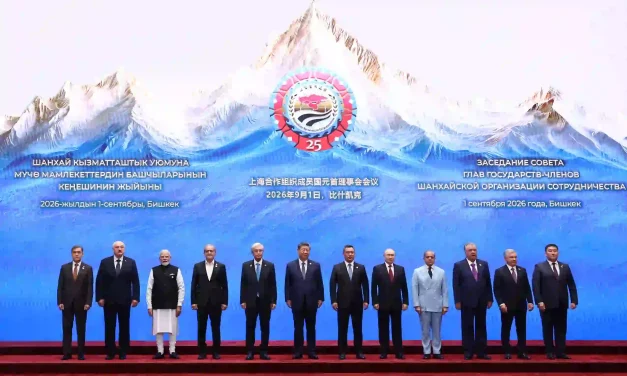
SCFR Online – Opinion: The Shanghai Cooperation Organization summit has created a new opportunity for Iran to transform its membership from a political achievement into economic and transit cooperation.
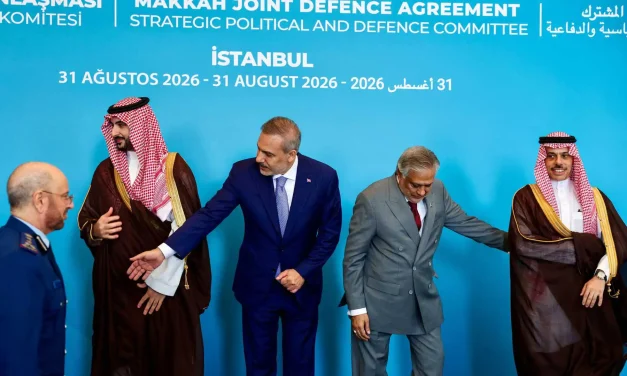
Strategic Council Online – Note: The Makkah Defense Pact can be seen as a sign of regional countries’ efforts to reduce security dependence on extra-regional powers and redefine the balance in West Asia.
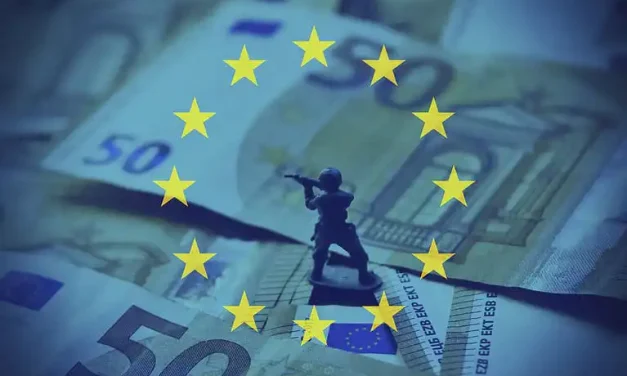
SCFR Online – Opinion: The Ukraine war, by exhausting US military capability on one hand and strengthening European defense capacity on the other, has altered the balance of power in the European continent, cast uncertainty over NATO’s future, and is driving it toward a European NATO.
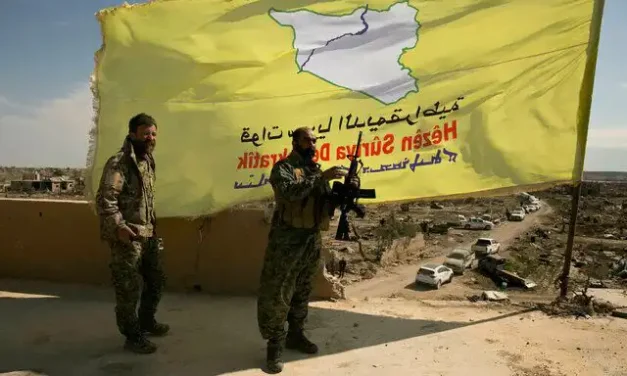
SCFR Online – Opinion: The dissolution of the SDF, although considered an achievement for Turkey’s security, does not put an end to the challenges arising from the Israeli regime’s aggression and expansionism, refugees, and Syria’s fragility.
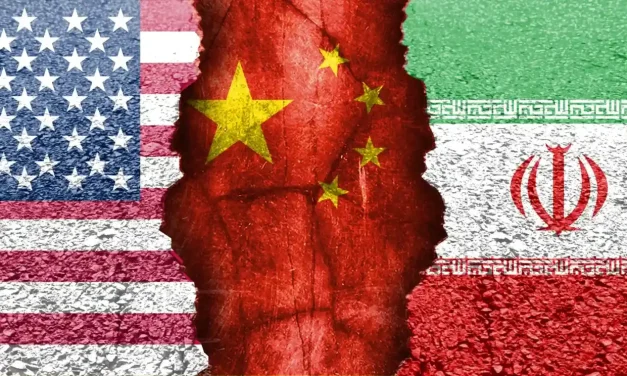
SCFR Online – Opinion: Concurrent with the official commencement of the United States’ economic war against our country, focusing on sanctions instruments, isolation, and economic pressure, what has now become increasingly important is the lack of alignment of other major global powers, especially China, with this policy.
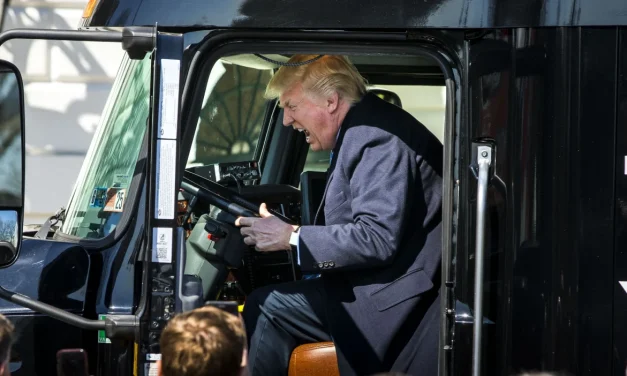
SCFR Online – Opinion: The new US sanctions against Iran, despite extensive propaganda, face serious obstacles to success due to the ineffectiveness of sanctions tools and opposition from some of Tehran’s trading partners.


Strategic Council Online – The Eastern Mediterranean, border issues as well as the maritime agreement between Turkey and Libya are among the axes that have caused tensions between Greece and Turkey over the past two years. One of the contentious issues between the two neighbors is the internal developments in Libya. The visits of the leaders of both Libyan factions to Turkey and Greece have been met with fringe and controversy, and the crisis in Libya has practically added to the scope of the traditional rivalry between Athens and Ankara. Libya is in a geopolitically sensitive position, and its developments directly affect the security of Africa, the Middle East and Europe. If the Libyan crisis is resolved, the country can increase its oil production in 2 to 3 years and start oil trade with southern Europe.
Mahmoud Fazeli – Analyst of international affairs

Strategic Council Online – Interview: The two sides of the war in Libya have ceased the conflict under the present circumstances and are calling for political talks to end the deadlock, an expert of international relations said, adding that they face lengthy and difficult negotiations.

Strategic Council Online – Talking about the field progress of the National Unity Government and the defeats of Khalifa Haftar in Libya, a university professor said it is unlikely that peace will be achieved in Libya in the current situation. He stressed that other agreements should be reached in addition to the Skhirat peace agreement another deal must be forged taking into account the demands of the political groups because if the government of national unity fails to meet the people’s demands we may see extremist groups emerge in the country.

Strategic Council Online: Libya’s good economic opportunities have led European states to enter into serious disputes with each other in their bid to dominate Libya, each secretly and openly supporting one of the parties involved in Libya, or like the London government play a significant role in the ongoing Libyan conflict through their interventions in the Arab world and through the use of Arab reaction on their behalf.
Jafar Qanadbashi – Middle East Affairs Expert

Strategic Council Online: The new round of rivalries in Libya began when the Turkish and Russian governments sought to pave the way for their exclusive presence in the country under the pretext of a ceasefire. They aimed to forge an agreement between Seraj and Haftar governments without the knowledge of the European states.
Jafar Qanadbashi – Middle East Affairs Expert
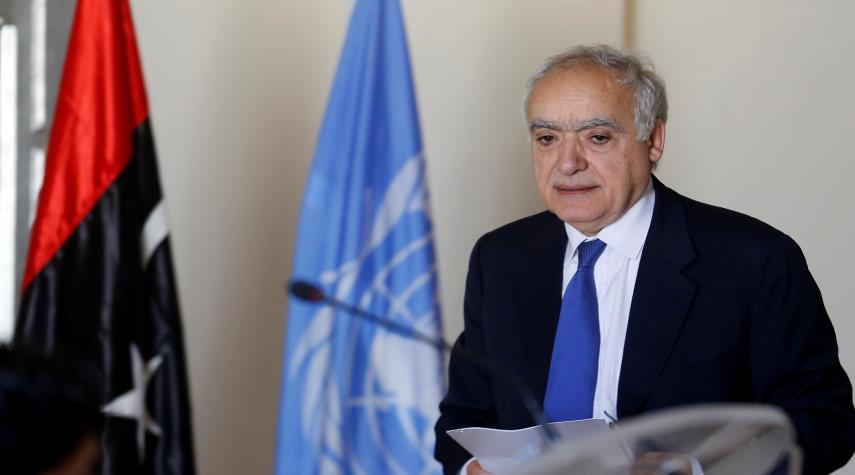
Strategic Council Online: Former Iranian ambassador to Libya criticizing the UN role and performance in Libya crisis said the outbreak of a regional war in Libya is unlikely but current violence and political confrontations will continue.

Strategic Council Online: Despite the presence of representatives of the four major international organizations, the Berlin Conference was a venue for the rivalry of various big players and profit-seeking of European powers over its resources rather than showing conciliation and convergence on a ceasefire and peace in Libya.
Jafar Ghanadbashi – African Affairs Expert

Strategic Council Online: In Libya, extensive military and material support is extended to General Khalifa Haftar. In regional level too, countries like Jordan, Sudan, UAE and Egypt extend logistical, financial and military support to Haftar. Therefore, the probability of his victory and the defeat of Faiz al-Seraj is one of the leading scenarios.
SCFR Online – Opinion: The intensification of U.S. sanctions against Iran on the eve of the U.S. midterm elections indicates Washington’s inability to achieve its war objectives.
SCFR Online – Opinion: The competition between Washington and Beijing over chips and artificial intelligence, simultaneously with the shifting of technological balances, has taken on new economic and security dimensions.
SCFR Online – Opinion: The Shanghai Cooperation Organization summit has created a new opportunity for Iran to transform its membership from a political achievement into economic and transit cooperation.
Strategic Council Online – Note: The Makkah Defense Pact can be seen as a sign of regional countries’ efforts to reduce security dependence on extra-regional powers and redefine the balance in West Asia.
SCFR Online – Opinion: The Ukraine war, by exhausting US military capability on one hand and strengthening European defense capacity on the other, has altered the balance of power in the European continent, cast uncertainty over NATO’s future, and is driving it toward a European NATO.
SCFR Online – Opinion: The dissolution of the SDF, although considered an achievement for Turkey’s security, does not put an end to the challenges arising from the Israeli regime’s aggression and expansionism, refugees, and Syria’s fragility.
SCFR Online – Opinion: Concurrent with the official commencement of the United States’ economic war against our country, focusing on sanctions instruments, isolation, and economic pressure, what has now become increasingly important is the lack of alignment of other major global powers, especially China, with this policy.
SCFR Online – Opinion: The new US sanctions against Iran, despite extensive propaganda, face serious obstacles to success due to the ineffectiveness of sanctions tools and opposition from some of Tehran’s trading partners.
Strategic Council Online – The Eastern Mediterranean, border issues as well as the maritime agreement between Turkey and Libya are among the axes that have caused tensions between Greece and Turkey over the past two years. One of the contentious issues between the two neighbors is the internal developments in Libya. The visits of the leaders of both Libyan factions to Turkey and Greece have been met with fringe and controversy, and the crisis in Libya has practically added to the scope of the traditional rivalry between Athens and Ankara. Libya is in a geopolitically sensitive position, and its developments directly affect the security of Africa, the Middle East and Europe. If the Libyan crisis is resolved, the country can increase its oil production in 2 to 3 years and start oil trade with southern Europe.
Mahmoud Fazeli – Analyst of international affairs
Strategic Council Online – Interview: The two sides of the war in Libya have ceased the conflict under the present circumstances and are calling for political talks to end the deadlock, an expert of international relations said, adding that they face lengthy and difficult negotiations.
Strategic Council Online – Talking about the field progress of the National Unity Government and the defeats of Khalifa Haftar in Libya, a university professor said it is unlikely that peace will be achieved in Libya in the current situation. He stressed that other agreements should be reached in addition to the Skhirat peace agreement another deal must be forged taking into account the demands of the political groups because if the government of national unity fails to meet the people’s demands we may see extremist groups emerge in the country.
Strategic Council Online: Libya’s good economic opportunities have led European states to enter into serious disputes with each other in their bid to dominate Libya, each secretly and openly supporting one of the parties involved in Libya, or like the London government play a significant role in the ongoing Libyan conflict through their interventions in the Arab world and through the use of Arab reaction on their behalf.
Jafar Qanadbashi – Middle East Affairs Expert
Strategic Council Online: The new round of rivalries in Libya began when the Turkish and Russian governments sought to pave the way for their exclusive presence in the country under the pretext of a ceasefire. They aimed to forge an agreement between Seraj and Haftar governments without the knowledge of the European states.
Jafar Qanadbashi – Middle East Affairs Expert
Strategic Council Online: Former Iranian ambassador to Libya criticizing the UN role and performance in Libya crisis said the outbreak of a regional war in Libya is unlikely but current violence and political confrontations will continue.
Strategic Council Online: Despite the presence of representatives of the four major international organizations, the Berlin Conference was a venue for the rivalry of various big players and profit-seeking of European powers over its resources rather than showing conciliation and convergence on a ceasefire and peace in Libya.
Jafar Ghanadbashi – African Affairs Expert
Strategic Council Online: In Libya, extensive military and material support is extended to General Khalifa Haftar. In regional level too, countries like Jordan, Sudan, UAE and Egypt extend logistical, financial and military support to Haftar. Therefore, the probability of his victory and the defeat of Faiz al-Seraj is one of the leading scenarios.
Strategic Council Online – The Eastern Mediterranean, border issues as well as the maritime agreement between Turkey and Libya are among the axes that have caused tensions between Greece and Turkey over the past two years. One of the contentious issues between the two neighbors is the internal developments in Libya. The visits of the leaders of both Libyan factions to Turkey and Greece have been met with fringe and controversy, and the crisis in Libya has practically added to the scope of the traditional rivalry between Athens and Ankara. Libya is in a geopolitically sensitive position, and its developments directly affect the security of Africa, the Middle East and Europe. If the Libyan crisis is resolved, the country can increase its oil production in 2 to 3 years and start oil trade with southern Europe.
Mahmoud Fazeli – Analyst of international affairs
Strategic Council Online – Interview: The two sides of the war in Libya have ceased the conflict under the present circumstances and are calling for political talks to end the deadlock, an expert of international relations said, adding that they face lengthy and difficult negotiations.
Strategic Council Online – Talking about the field progress of the National Unity Government and the defeats of Khalifa Haftar in Libya, a university professor said it is unlikely that peace will be achieved in Libya in the current situation. He stressed that other agreements should be reached in addition to the Skhirat peace agreement another deal must be forged taking into account the demands of the political groups because if the government of national unity fails to meet the people’s demands we may see extremist groups emerge in the country.
Strategic Council Online: Libya’s good economic opportunities have led European states to enter into serious disputes with each other in their bid to dominate Libya, each secretly and openly supporting one of the parties involved in Libya, or like the London government play a significant role in the ongoing Libyan conflict through their interventions in the Arab world and through the use of Arab reaction on their behalf.
Jafar Qanadbashi – Middle East Affairs Expert
Strategic Council Online: The new round of rivalries in Libya began when the Turkish and Russian governments sought to pave the way for their exclusive presence in the country under the pretext of a ceasefire. They aimed to forge an agreement between Seraj and Haftar governments without the knowledge of the European states.
Jafar Qanadbashi – Middle East Affairs Expert
Strategic Council Online: Former Iranian ambassador to Libya criticizing the UN role and performance in Libya crisis said the outbreak of a regional war in Libya is unlikely but current violence and political confrontations will continue.
Strategic Council Online: Despite the presence of representatives of the four major international organizations, the Berlin Conference was a venue for the rivalry of various big players and profit-seeking of European powers over its resources rather than showing conciliation and convergence on a ceasefire and peace in Libya.
Jafar Ghanadbashi – African Affairs Expert
Strategic Council Online: In Libya, extensive military and material support is extended to General Khalifa Haftar. In regional level too, countries like Jordan, Sudan, UAE and Egypt extend logistical, financial and military support to Haftar. Therefore, the probability of his victory and the defeat of Faiz al-Seraj is one of the leading scenarios.
SCFR Online – Opinion: The intensification of U.S. sanctions against Iran on the eve of the U.S. midterm elections indicates Washington’s inability to achieve its war objectives.
SCFR Online – Opinion: The competition between Washington and Beijing over chips and artificial intelligence, simultaneously with the shifting of technological balances, has taken on new economic and security dimensions.
SCFR Online – Opinion: The Shanghai Cooperation Organization summit has created a new opportunity for Iran to transform its membership from a political achievement into economic and transit cooperation.
Strategic Council Online – Note: The Makkah Defense Pact can be seen as a sign of regional countries’ efforts to reduce security dependence on extra-regional powers and redefine the balance in West Asia.
SCFR Online – Opinion: The Ukraine war, by exhausting US military capability on one hand and strengthening European defense capacity on the other, has altered the balance of power in the European continent, cast uncertainty over NATO’s future, and is driving it toward a European NATO.
SCFR Online – Opinion: The dissolution of the SDF, although considered an achievement for Turkey’s security, does not put an end to the challenges arising from the Israeli regime’s aggression and expansionism, refugees, and Syria’s fragility.
SCFR Online – Opinion: Concurrent with the official commencement of the United States’ economic war against our country, focusing on sanctions instruments, isolation, and economic pressure, what has now become increasingly important is the lack of alignment of other major global powers, especially China, with this policy.
SCFR Online – Opinion: The new US sanctions against Iran, despite extensive propaganda, face serious obstacles to success due to the ineffectiveness of sanctions tools and opposition from some of Tehran’s trading partners.
Strategic Council Online – The Eastern Mediterranean, border issues as well as the maritime agreement between Turkey and Libya are among the axes that have caused tensions between Greece and Turkey over the past two years. One of the contentious issues between the two neighbors is the internal developments in Libya. The visits of the leaders of both Libyan factions to Turkey and Greece have been met with fringe and controversy, and the crisis in Libya has practically added to the scope of the traditional rivalry between Athens and Ankara. Libya is in a geopolitically sensitive position, and its developments directly affect the security of Africa, the Middle East and Europe. If the Libyan crisis is resolved, the country can increase its oil production in 2 to 3 years and start oil trade with southern Europe.
Mahmoud Fazeli – Analyst of international affairs
Strategic Council Online – Interview: The two sides of the war in Libya have ceased the conflict under the present circumstances and are calling for political talks to end the deadlock, an expert of international relations said, adding that they face lengthy and difficult negotiations.
Strategic Council Online – Talking about the field progress of the National Unity Government and the defeats of Khalifa Haftar in Libya, a university professor said it is unlikely that peace will be achieved in Libya in the current situation. He stressed that other agreements should be reached in addition to the Skhirat peace agreement another deal must be forged taking into account the demands of the political groups because if the government of national unity fails to meet the people’s demands we may see extremist groups emerge in the country.
Strategic Council Online: Libya’s good economic opportunities have led European states to enter into serious disputes with each other in their bid to dominate Libya, each secretly and openly supporting one of the parties involved in Libya, or like the London government play a significant role in the ongoing Libyan conflict through their interventions in the Arab world and through the use of Arab reaction on their behalf.
Jafar Qanadbashi – Middle East Affairs Expert
Strategic Council Online: The new round of rivalries in Libya began when the Turkish and Russian governments sought to pave the way for their exclusive presence in the country under the pretext of a ceasefire. They aimed to forge an agreement between Seraj and Haftar governments without the knowledge of the European states.
Jafar Qanadbashi – Middle East Affairs Expert
Strategic Council Online: Former Iranian ambassador to Libya criticizing the UN role and performance in Libya crisis said the outbreak of a regional war in Libya is unlikely but current violence and political confrontations will continue.
Strategic Council Online: Despite the presence of representatives of the four major international organizations, the Berlin Conference was a venue for the rivalry of various big players and profit-seeking of European powers over its resources rather than showing conciliation and convergence on a ceasefire and peace in Libya.
Jafar Ghanadbashi – African Affairs Expert
Strategic Council Online: In Libya, extensive military and material support is extended to General Khalifa Haftar. In regional level too, countries like Jordan, Sudan, UAE and Egypt extend logistical, financial and military support to Haftar. Therefore, the probability of his victory and the defeat of Faiz al-Seraj is one of the leading scenarios.
SCFR Online – Opinion: The intensification of U.S. sanctions against Iran on the eve of the U.S. midterm elections indicates Washington’s inability to achieve its war objectives.
SCFR Online – Opinion: The competition between Washington and Beijing over chips and artificial intelligence, simultaneously with the shifting of technological balances, has taken on new economic and security dimensions.
SCFR Online – Opinion: The Shanghai Cooperation Organization summit has created a new opportunity for Iran to transform its membership from a political achievement into economic and transit cooperation.
Strategic Council Online – Note: The Makkah Defense Pact can be seen as a sign of regional countries’ efforts to reduce security dependence on extra-regional powers and redefine the balance in West Asia.
SCFR Online – Opinion: The Ukraine war, by exhausting US military capability on one hand and strengthening European defense capacity on the other, has altered the balance of power in the European continent, cast uncertainty over NATO’s future, and is driving it toward a European NATO.
SCFR Online – Opinion: The dissolution of the SDF, although considered an achievement for Turkey’s security, does not put an end to the challenges arising from the Israeli regime’s aggression and expansionism, refugees, and Syria’s fragility.
SCFR Online – Opinion: Concurrent with the official commencement of the United States’ economic war against our country, focusing on sanctions instruments, isolation, and economic pressure, what has now become increasingly important is the lack of alignment of other major global powers, especially China, with this policy.
SCFR Online – Opinion: The new US sanctions against Iran, despite extensive propaganda, face serious obstacles to success due to the ineffectiveness of sanctions tools and opposition from some of Tehran’s trading partners.
Strategic Council Online – The Eastern Mediterranean, border issues as well as the maritime agreement between Turkey and Libya are among the axes that have caused tensions between Greece and Turkey over the past two years. One of the contentious issues between the two neighbors is the internal developments in Libya. The visits of the leaders of both Libyan factions to Turkey and Greece have been met with fringe and controversy, and the crisis in Libya has practically added to the scope of the traditional rivalry between Athens and Ankara. Libya is in a geopolitically sensitive position, and its developments directly affect the security of Africa, the Middle East and Europe. If the Libyan crisis is resolved, the country can increase its oil production in 2 to 3 years and start oil trade with southern Europe.
Mahmoud Fazeli – Analyst of international affairs
Strategic Council Online – Interview: The two sides of the war in Libya have ceased the conflict under the present circumstances and are calling for political talks to end the deadlock, an expert of international relations said, adding that they face lengthy and difficult negotiations.
Strategic Council Online – Talking about the field progress of the National Unity Government and the defeats of Khalifa Haftar in Libya, a university professor said it is unlikely that peace will be achieved in Libya in the current situation. He stressed that other agreements should be reached in addition to the Skhirat peace agreement another deal must be forged taking into account the demands of the political groups because if the government of national unity fails to meet the people’s demands we may see extremist groups emerge in the country.
Strategic Council Online: Libya’s good economic opportunities have led European states to enter into serious disputes with each other in their bid to dominate Libya, each secretly and openly supporting one of the parties involved in Libya, or like the London government play a significant role in the ongoing Libyan conflict through their interventions in the Arab world and through the use of Arab reaction on their behalf.
Jafar Qanadbashi – Middle East Affairs Expert
Strategic Council Online: The new round of rivalries in Libya began when the Turkish and Russian governments sought to pave the way for their exclusive presence in the country under the pretext of a ceasefire. They aimed to forge an agreement between Seraj and Haftar governments without the knowledge of the European states.
Jafar Qanadbashi – Middle East Affairs Expert
Strategic Council Online: Former Iranian ambassador to Libya criticizing the UN role and performance in Libya crisis said the outbreak of a regional war in Libya is unlikely but current violence and political confrontations will continue.
Strategic Council Online: Despite the presence of representatives of the four major international organizations, the Berlin Conference was a venue for the rivalry of various big players and profit-seeking of European powers over its resources rather than showing conciliation and convergence on a ceasefire and peace in Libya.
Jafar Ghanadbashi – African Affairs Expert
Strategic Council Online: In Libya, extensive military and material support is extended to General Khalifa Haftar. In regional level too, countries like Jordan, Sudan, UAE and Egypt extend logistical, financial and military support to Haftar. Therefore, the probability of his victory and the defeat of Faiz al-Seraj is one of the leading scenarios.
SCFR Online – Opinion: The intensification of U.S. sanctions against Iran on the eve of the U.S. midterm elections indicates Washington’s inability to achieve its war objectives.
SCFR Online – Opinion: The competition between Washington and Beijing over chips and artificial intelligence, simultaneously with the shifting of technological balances, has taken on new economic and security dimensions.
SCFR Online – Opinion: The Shanghai Cooperation Organization summit has created a new opportunity for Iran to transform its membership from a political achievement into economic and transit cooperation.
Strategic Council Online – Note: The Makkah Defense Pact can be seen as a sign of regional countries’ efforts to reduce security dependence on extra-regional powers and redefine the balance in West Asia.
SCFR Online – Opinion: The Ukraine war, by exhausting US military capability on one hand and strengthening European defense capacity on the other, has altered the balance of power in the European continent, cast uncertainty over NATO’s future, and is driving it toward a European NATO.
SCFR Online – Opinion: The dissolution of the SDF, although considered an achievement for Turkey’s security, does not put an end to the challenges arising from the Israeli regime’s aggression and expansionism, refugees, and Syria’s fragility.
SCFR Online – Opinion: Concurrent with the official commencement of the United States’ economic war against our country, focusing on sanctions instruments, isolation, and economic pressure, what has now become increasingly important is the lack of alignment of other major global powers, especially China, with this policy.
SCFR Online – Opinion: The new US sanctions against Iran, despite extensive propaganda, face serious obstacles to success due to the ineffectiveness of sanctions tools and opposition from some of Tehran’s trading partners.
Strategic Council Online – The Eastern Mediterranean, border issues as well as the maritime agreement between Turkey and Libya are among the axes that have caused tensions between Greece and Turkey over the past two years. One of the contentious issues between the two neighbors is the internal developments in Libya. The visits of the leaders of both Libyan factions to Turkey and Greece have been met with fringe and controversy, and the crisis in Libya has practically added to the scope of the traditional rivalry between Athens and Ankara. Libya is in a geopolitically sensitive position, and its developments directly affect the security of Africa, the Middle East and Europe. If the Libyan crisis is resolved, the country can increase its oil production in 2 to 3 years and start oil trade with southern Europe.
Mahmoud Fazeli – Analyst of international affairs
Strategic Council Online – Interview: The two sides of the war in Libya have ceased the conflict under the present circumstances and are calling for political talks to end the deadlock, an expert of international relations said, adding that they face lengthy and difficult negotiations.
Strategic Council Online – Talking about the field progress of the National Unity Government and the defeats of Khalifa Haftar in Libya, a university professor said it is unlikely that peace will be achieved in Libya in the current situation. He stressed that other agreements should be reached in addition to the Skhirat peace agreement another deal must be forged taking into account the demands of the political groups because if the government of national unity fails to meet the people’s demands we may see extremist groups emerge in the country.
Strategic Council Online: Libya’s good economic opportunities have led European states to enter into serious disputes with each other in their bid to dominate Libya, each secretly and openly supporting one of the parties involved in Libya, or like the London government play a significant role in the ongoing Libyan conflict through their interventions in the Arab world and through the use of Arab reaction on their behalf.
Jafar Qanadbashi – Middle East Affairs Expert
Strategic Council Online: The new round of rivalries in Libya began when the Turkish and Russian governments sought to pave the way for their exclusive presence in the country under the pretext of a ceasefire. They aimed to forge an agreement between Seraj and Haftar governments without the knowledge of the European states.
Jafar Qanadbashi – Middle East Affairs Expert
Strategic Council Online: Former Iranian ambassador to Libya criticizing the UN role and performance in Libya crisis said the outbreak of a regional war in Libya is unlikely but current violence and political confrontations will continue.
Strategic Council Online: Despite the presence of representatives of the four major international organizations, the Berlin Conference was a venue for the rivalry of various big players and profit-seeking of European powers over its resources rather than showing conciliation and convergence on a ceasefire and peace in Libya.
Jafar Ghanadbashi – African Affairs Expert
Strategic Council Online: In Libya, extensive military and material support is extended to General Khalifa Haftar. In regional level too, countries like Jordan, Sudan, UAE and Egypt extend logistical, financial and military support to Haftar. Therefore, the probability of his victory and the defeat of Faiz al-Seraj is one of the leading scenarios.
SCFR Online – Opinion: The intensification of U.S. sanctions against Iran on the eve of the U.S. midterm elections indicates Washington’s inability to achieve its war objectives.
SCFR Online – Opinion: The competition between Washington and Beijing over chips and artificial intelligence, simultaneously with the shifting of technological balances, has taken on new economic and security dimensions.
SCFR Online – Opinion: The Shanghai Cooperation Organization summit has created a new opportunity for Iran to transform its membership from a political achievement into economic and transit cooperation.
Strategic Council Online – Note: The Makkah Defense Pact can be seen as a sign of regional countries’ efforts to reduce security dependence on extra-regional powers and redefine the balance in West Asia.
SCFR Online – Opinion: The Ukraine war, by exhausting US military capability on one hand and strengthening European defense capacity on the other, has altered the balance of power in the European continent, cast uncertainty over NATO’s future, and is driving it toward a European NATO.
SCFR Online – Opinion: The dissolution of the SDF, although considered an achievement for Turkey’s security, does not put an end to the challenges arising from the Israeli regime’s aggression and expansionism, refugees, and Syria’s fragility.
SCFR Online – Opinion: Concurrent with the official commencement of the United States’ economic war against our country, focusing on sanctions instruments, isolation, and economic pressure, what has now become increasingly important is the lack of alignment of other major global powers, especially China, with this policy.
SCFR Online – Opinion: The new US sanctions against Iran, despite extensive propaganda, face serious obstacles to success due to the ineffectiveness of sanctions tools and opposition from some of Tehran’s trading partners.
Strategic Council Online – The Eastern Mediterranean, border issues as well as the maritime agreement between Turkey and Libya are among the axes that have caused tensions between Greece and Turkey over the past two years. One of the contentious issues between the two neighbors is the internal developments in Libya. The visits of the leaders of both Libyan factions to Turkey and Greece have been met with fringe and controversy, and the crisis in Libya has practically added to the scope of the traditional rivalry between Athens and Ankara. Libya is in a geopolitically sensitive position, and its developments directly affect the security of Africa, the Middle East and Europe. If the Libyan crisis is resolved, the country can increase its oil production in 2 to 3 years and start oil trade with southern Europe.
Mahmoud Fazeli – Analyst of international affairs
Strategic Council Online – Interview: The two sides of the war in Libya have ceased the conflict under the present circumstances and are calling for political talks to end the deadlock, an expert of international relations said, adding that they face lengthy and difficult negotiations.
Strategic Council Online – Talking about the field progress of the National Unity Government and the defeats of Khalifa Haftar in Libya, a university professor said it is unlikely that peace will be achieved in Libya in the current situation. He stressed that other agreements should be reached in addition to the Skhirat peace agreement another deal must be forged taking into account the demands of the political groups because if the government of national unity fails to meet the people’s demands we may see extremist groups emerge in the country.
Strategic Council Online: Libya’s good economic opportunities have led European states to enter into serious disputes with each other in their bid to dominate Libya, each secretly and openly supporting one of the parties involved in Libya, or like the London government play a significant role in the ongoing Libyan conflict through their interventions in the Arab world and through the use of Arab reaction on their behalf.
Jafar Qanadbashi – Middle East Affairs Expert
Strategic Council Online: The new round of rivalries in Libya began when the Turkish and Russian governments sought to pave the way for their exclusive presence in the country under the pretext of a ceasefire. They aimed to forge an agreement between Seraj and Haftar governments without the knowledge of the European states.
Jafar Qanadbashi – Middle East Affairs Expert
Strategic Council Online: Former Iranian ambassador to Libya criticizing the UN role and performance in Libya crisis said the outbreak of a regional war in Libya is unlikely but current violence and political confrontations will continue.
Strategic Council Online: Despite the presence of representatives of the four major international organizations, the Berlin Conference was a venue for the rivalry of various big players and profit-seeking of European powers over its resources rather than showing conciliation and convergence on a ceasefire and peace in Libya.
Jafar Ghanadbashi – African Affairs Expert
Strategic Council Online: In Libya, extensive military and material support is extended to General Khalifa Haftar. In regional level too, countries like Jordan, Sudan, UAE and Egypt extend logistical, financial and military support to Haftar. Therefore, the probability of his victory and the defeat of Faiz al-Seraj is one of the leading scenarios.
SCFR Online – Opinion: The intensification of U.S. sanctions against Iran on the eve of the U.S. midterm elections indicates Washington’s inability to achieve its war objectives.
SCFR Online – Opinion: The competition between Washington and Beijing over chips and artificial intelligence, simultaneously with the shifting of technological balances, has taken on new economic and security dimensions.
SCFR Online – Opinion: The Shanghai Cooperation Organization summit has created a new opportunity for Iran to transform its membership from a political achievement into economic and transit cooperation.
Strategic Council Online – Note: The Makkah Defense Pact can be seen as a sign of regional countries’ efforts to reduce security dependence on extra-regional powers and redefine the balance in West Asia.
SCFR Online – Opinion: The Ukraine war, by exhausting US military capability on one hand and strengthening European defense capacity on the other, has altered the balance of power in the European continent, cast uncertainty over NATO’s future, and is driving it toward a European NATO.
SCFR Online – Opinion: The dissolution of the SDF, although considered an achievement for Turkey’s security, does not put an end to the challenges arising from the Israeli regime’s aggression and expansionism, refugees, and Syria’s fragility.
SCFR Online – Opinion: Concurrent with the official commencement of the United States’ economic war against our country, focusing on sanctions instruments, isolation, and economic pressure, what has now become increasingly important is the lack of alignment of other major global powers, especially China, with this policy.
SCFR Online – Opinion: The new US sanctions against Iran, despite extensive propaganda, face serious obstacles to success due to the ineffectiveness of sanctions tools and opposition from some of Tehran’s trading partners.