جدیدترین مطالب

Consequences of Declining Trust in the Judiciary in Europe

SCFRonline – Opinion: The increase in public distrust of the French judicial system, which in recent surveys has reached approximately two-thirds of citizens, should be analyzed within a framework broader than temporary dissatisfaction or an emotional reaction to a particular criminal case.
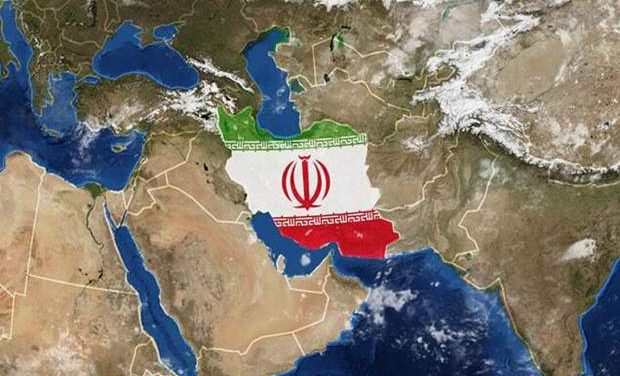

Iran’s Potential Levers of Power

SCFRonline– Opinion: Iran’s geopolitical power is not limited solely to oil and the Strait of Hormuz; the unintended emergence of disruptions in the future global food and energy security chains can also demonstrate Iran’s strategic importance.

The Inseparability of the Lebanese Front from the Axis of Resistance

SCFR Online–Opinion: By providing an extensive network of social, healthcare, educational, and post-war reconstruction services, Hezbollah has established a strong social base for itself among Lebanon’s Shiites and Sunnis, and even beyond that, among other segments of Lebanese society, including Christians. Hezbollah has never been an external actor imposed upon Lebanon; rather, it is a phenomenon fundamentally born out of the occupation and crimes of the Zionist regime and itself influenced by popular resistance.

The Increasing Efforts of the Zionist Regime to Redefine Borders and the Regional Order and Its Consequences

SCFR Online– Opinion: Security and military developments in the region over recent months indicate that the ongoing crises and wars in Gaza, southern Lebanon, and parts of Syrian territory encompass broader dimensions of geopolitical and geostrategic transformations. In this context, the increased military presence and control of the Zionist regime over parts of the territories of these areas, along with proposals regarding the creation of buffer zones or even the expansion of security borders, have raised serious questions about the future of the regional order and its consequences for the countries of West Asia.

Loading

Sayyid Reza Ghazvini Gharabi

Redefining the Discourse of Resistance After the 12-Day War

Redefining the Discourse of Resistance After the 12-Day War

Strategic Council Online – Interview: A West Asia affairs analyst said: After the 12-day war, Iran, by redefining the discourse of resistance and utilizing media diplomacy, strengthened its soft and regional legitimacy against the Western narrative.

Consequences of Four Iraqi Shiite Groups Being Placed on the US Terrorist List

Consequences of Four Iraqi Shiite Groups Being Placed on the US Terrorist List

Strategic Council Online– Interview: A senior Iraqi affairs analyst stated that the recent action by the US Department of State in placing four Iraqi Shiite groups on the list of foreign terrorist organizations has not only seriously challenged Iraq’s security dimension but has also broadly overshadowed Baghdad’s political and diplomatic equations. This decision, interpreted as a continuation of Washington’s policy of maximum pressure in the region, could have multi-layered consequences for Iraq’s internal security, foreign relations, and even the balance of power. The groups affected by this decision are part of the official structure of the Popular Mobilization Forces (PMF) and were key players in the defeat of ISIS; therefore, their placement on the terrorist list is not only considered a threat against US interests but also calls into question the legitimacy and cohesion of Iraq’s security forces. This move could cast a shadow over the process of withdrawing US forces from Iraq and provide a pretext for the continuation of Washington’s military presence. Similarly, at the regional level, it further frees the hands of the Israeli regime for aggressive actions.

Dimensions, Perspective of Jordan, Iraq and Egypt Cooperation in “New Levant” Plan

Dimensions, Perspective of Jordan, Iraq and Egypt Cooperation in “New Levant” Plan

Strategic Council Online – A researcher on Iraq affairs saying that Iraq, Egypt, and Jordan have strong economic incentives for trilateral cooperation within the framework of the “New Levant” plan, pointed to the challenges facing the cooperation of the three countries and noted: If the effectiveness of the agreement becomes clear to Iraq, there is the possibility that the cooperation may be extended to other political, security and military fields.

US Withdrawal from Iraq to Guarantee Regional Peace, Stability

US Withdrawal from Iraq to Guarantee Regional Peace, Stability

Strategic Council Online – An analyst of Iraq affairs, referring to some issues of concern to Tehran and Baghdad raised during the visit of the Iraqi National Security Adviser to Iran, said that withdrawal of the Americans from that country can help improve security situation in Iraq and limit the ISIS. Unfortunately, he said what has overshadowed common security issues between Iran and Iraq is the continued presence of US forces in Iraq.

Reasons for ISIS Regaining Strength in Iraq

Reasons for ISIS Regaining Strength in Iraq

Strategic Council Online: The issue of engaging the Iraqi popular mobilization forces and resistance groups against ISIS could be a ploy to draw the attention of these groups to the confrontation with terrorists rather than to the United States.
Seyed Reza Qazvini Gharabi – Journalist and Senior Analyst of Iraqi Affairs

New Iraqi Prime Minister Facing Complex Internal & External Situations

New Iraqi Prime Minister Facing Complex Internal & External Situations

Strategic Council Online: One of the major challenges of the new Iraqi prime minister is his foreign policy in dealing with important regional and international actors. In particular, the shape of Baghdad’s relations with Tehran and Washington will be of great importance in determining the stability and continuity of the government of Mohammad Tawfiq Hussein Allawi.
Sayyid Reza Ghazvini Gharabi – Iraqi Affairs Analyst

أحدث الوظائف

Consequences of Declining Trust in the Judiciary in Europe

SCFRonline – Opinion: The increase in public distrust of the French judicial system, which in recent surveys has reached approximately two-thirds of citizens, should be analyzed within a framework broader than temporary dissatisfaction or an emotional reaction to a particular criminal case.

Iran’s Potential Levers of Power

SCFRonline– Opinion: Iran’s geopolitical power is not limited solely to oil and the Strait of Hormuz; the unintended emergence of disruptions in the future global food and energy security chains can also demonstrate Iran’s strategic importance.

The Inseparability of the Lebanese Front from the Axis of Resistance

SCFR Online–Opinion: By providing an extensive network of social, healthcare, educational, and post-war reconstruction services, Hezbollah has established a strong social base for itself among Lebanon’s Shiites and Sunnis, and even beyond that, among other segments of Lebanese society, including Christians. Hezbollah has never been an external actor imposed upon Lebanon; rather, it is a phenomenon fundamentally born out of the occupation and crimes of the Zionist regime and itself influenced by popular resistance.

The Increasing Efforts of the Zionist Regime to Redefine Borders and the Regional Order and Its Consequences

SCFR Online– Opinion: Security and military developments in the region over recent months indicate that the ongoing crises and wars in Gaza, southern Lebanon, and parts of Syrian territory encompass broader dimensions of geopolitical and geostrategic transformations. In this context, the increased military presence and control of the Zionist regime over parts of the territories of these areas, along with proposals regarding the creation of buffer zones or even the expansion of security borders, have raised serious questions about the future of the regional order and its consequences for the countries of West Asia.

Loading

Sayyid Reza Ghazvini Gharabi

Redefining the Discourse of Resistance After the 12-Day War

Redefining the Discourse of Resistance After the 12-Day War

Strategic Council Online – Interview: A West Asia affairs analyst said: After the 12-day war, Iran, by redefining the discourse of resistance and utilizing media diplomacy, strengthened its soft and regional legitimacy against the Western narrative.

Consequences of Four Iraqi Shiite Groups Being Placed on the US Terrorist List

Consequences of Four Iraqi Shiite Groups Being Placed on the US Terrorist List

Strategic Council Online– Interview: A senior Iraqi affairs analyst stated that the recent action by the US Department of State in placing four Iraqi Shiite groups on the list of foreign terrorist organizations has not only seriously challenged Iraq’s security dimension but has also broadly overshadowed Baghdad’s political and diplomatic equations. This decision, interpreted as a continuation of Washington’s policy of maximum pressure in the region, could have multi-layered consequences for Iraq’s internal security, foreign relations, and even the balance of power. The groups affected by this decision are part of the official structure of the Popular Mobilization Forces (PMF) and were key players in the defeat of ISIS; therefore, their placement on the terrorist list is not only considered a threat against US interests but also calls into question the legitimacy and cohesion of Iraq’s security forces. This move could cast a shadow over the process of withdrawing US forces from Iraq and provide a pretext for the continuation of Washington’s military presence. Similarly, at the regional level, it further frees the hands of the Israeli regime for aggressive actions.

Dimensions, Perspective of Jordan, Iraq and Egypt Cooperation in “New Levant” Plan

Dimensions, Perspective of Jordan, Iraq and Egypt Cooperation in “New Levant” Plan

Strategic Council Online – A researcher on Iraq affairs saying that Iraq, Egypt, and Jordan have strong economic incentives for trilateral cooperation within the framework of the “New Levant” plan, pointed to the challenges facing the cooperation of the three countries and noted: If the effectiveness of the agreement becomes clear to Iraq, there is the possibility that the cooperation may be extended to other political, security and military fields.

US Withdrawal from Iraq to Guarantee Regional Peace, Stability

US Withdrawal from Iraq to Guarantee Regional Peace, Stability

Strategic Council Online – An analyst of Iraq affairs, referring to some issues of concern to Tehran and Baghdad raised during the visit of the Iraqi National Security Adviser to Iran, said that withdrawal of the Americans from that country can help improve security situation in Iraq and limit the ISIS. Unfortunately, he said what has overshadowed common security issues between Iran and Iraq is the continued presence of US forces in Iraq.

Reasons for ISIS Regaining Strength in Iraq

Reasons for ISIS Regaining Strength in Iraq

Strategic Council Online: The issue of engaging the Iraqi popular mobilization forces and resistance groups against ISIS could be a ploy to draw the attention of these groups to the confrontation with terrorists rather than to the United States.
Seyed Reza Qazvini Gharabi – Journalist and Senior Analyst of Iraqi Affairs

New Iraqi Prime Minister Facing Complex Internal & External Situations

New Iraqi Prime Minister Facing Complex Internal & External Situations

Strategic Council Online: One of the major challenges of the new Iraqi prime minister is his foreign policy in dealing with important regional and international actors. In particular, the shape of Baghdad’s relations with Tehran and Washington will be of great importance in determining the stability and continuity of the government of Mohammad Tawfiq Hussein Allawi.
Sayyid Reza Ghazvini Gharabi – Iraqi Affairs Analyst

Sayyid Reza Ghazvini Gharabi

Redefining the Discourse of Resistance After the 12-Day War

Redefining the Discourse of Resistance After the 12-Day War

Strategic Council Online – Interview: A West Asia affairs analyst said: After the 12-day war, Iran, by redefining the discourse of resistance and utilizing media diplomacy, strengthened its soft and regional legitimacy against the Western narrative.

Consequences of Four Iraqi Shiite Groups Being Placed on the US Terrorist List

Consequences of Four Iraqi Shiite Groups Being Placed on the US Terrorist List

Strategic Council Online– Interview: A senior Iraqi affairs analyst stated that the recent action by the US Department of State in placing four Iraqi Shiite groups on the list of foreign terrorist organizations has not only seriously challenged Iraq’s security dimension but has also broadly overshadowed Baghdad’s political and diplomatic equations. This decision, interpreted as a continuation of Washington’s policy of maximum pressure in the region, could have multi-layered consequences for Iraq’s internal security, foreign relations, and even the balance of power. The groups affected by this decision are part of the official structure of the Popular Mobilization Forces (PMF) and were key players in the defeat of ISIS; therefore, their placement on the terrorist list is not only considered a threat against US interests but also calls into question the legitimacy and cohesion of Iraq’s security forces. This move could cast a shadow over the process of withdrawing US forces from Iraq and provide a pretext for the continuation of Washington’s military presence. Similarly, at the regional level, it further frees the hands of the Israeli regime for aggressive actions.

Dimensions, Perspective of Jordan, Iraq and Egypt Cooperation in “New Levant” Plan

Dimensions, Perspective of Jordan, Iraq and Egypt Cooperation in “New Levant” Plan

Strategic Council Online – A researcher on Iraq affairs saying that Iraq, Egypt, and Jordan have strong economic incentives for trilateral cooperation within the framework of the “New Levant” plan, pointed to the challenges facing the cooperation of the three countries and noted: If the effectiveness of the agreement becomes clear to Iraq, there is the possibility that the cooperation may be extended to other political, security and military fields.

US Withdrawal from Iraq to Guarantee Regional Peace, Stability

US Withdrawal from Iraq to Guarantee Regional Peace, Stability

Strategic Council Online – An analyst of Iraq affairs, referring to some issues of concern to Tehran and Baghdad raised during the visit of the Iraqi National Security Adviser to Iran, said that withdrawal of the Americans from that country can help improve security situation in Iraq and limit the ISIS. Unfortunately, he said what has overshadowed common security issues between Iran and Iraq is the continued presence of US forces in Iraq.

Reasons for ISIS Regaining Strength in Iraq

Reasons for ISIS Regaining Strength in Iraq

Strategic Council Online: The issue of engaging the Iraqi popular mobilization forces and resistance groups against ISIS could be a ploy to draw the attention of these groups to the confrontation with terrorists rather than to the United States.
Seyed Reza Qazvini Gharabi – Journalist and Senior Analyst of Iraqi Affairs

New Iraqi Prime Minister Facing Complex Internal & External Situations

New Iraqi Prime Minister Facing Complex Internal & External Situations

Strategic Council Online: One of the major challenges of the new Iraqi prime minister is his foreign policy in dealing with important regional and international actors. In particular, the shape of Baghdad’s relations with Tehran and Washington will be of great importance in determining the stability and continuity of the government of Mohammad Tawfiq Hussein Allawi.
Sayyid Reza Ghazvini Gharabi – Iraqi Affairs Analyst

LATEST CONTENT

Consequences of Declining Trust in the Judiciary in Europe

SCFRonline – Opinion: The increase in public distrust of the French judicial system, which in recent surveys has reached approximately two-thirds of citizens, should be analyzed within a framework broader than temporary dissatisfaction or an emotional reaction to a particular criminal case.
Iran’s Potential Levers of Power

SCFRonline– Opinion: Iran’s geopolitical power is not limited solely to oil and the Strait of Hormuz; the unintended emergence of disruptions in the future global food and energy security chains can also demonstrate Iran’s strategic importance.

The Inseparability of the Lebanese Front from the Axis of Resistance

SCFR Online–Opinion: By providing an extensive network of social, healthcare, educational, and post-war reconstruction services, Hezbollah has established a strong social base for itself among Lebanon’s Shiites and Sunnis, and even beyond that, among other segments of Lebanese society, including Christians. Hezbollah has never been an external actor imposed upon Lebanon; rather, it is a phenomenon fundamentally born out of the occupation and crimes of the Zionist regime and itself influenced by popular resistance.

The Increasing Efforts of the Zionist Regime to Redefine Borders and the Regional Order and Its Consequences

SCFR Online– Opinion: Security and military developments in the region over recent months indicate that the ongoing crises and wars in Gaza, southern Lebanon, and parts of Syrian territory encompass broader dimensions of geopolitical and geostrategic transformations. In this context, the increased military presence and control of the Zionist regime over parts of the territories of these areas, along with proposals regarding the creation of buffer zones or even the expansion of security borders, have raised serious questions about the future of the regional order and its consequences for the countries of West Asia.

Loading

Sayyid Reza Ghazvini Gharabi

Redefining the Discourse of Resistance After the 12-Day War

Redefining the Discourse of Resistance After the 12-Day War

Strategic Council Online – Interview: A West Asia affairs analyst said: After the 12-day war, Iran, by redefining the discourse of resistance and utilizing media diplomacy, strengthened its soft and regional legitimacy against the Western narrative.

Consequences of Four Iraqi Shiite Groups Being Placed on the US Terrorist List

Consequences of Four Iraqi Shiite Groups Being Placed on the US Terrorist List

Strategic Council Online– Interview: A senior Iraqi affairs analyst stated that the recent action by the US Department of State in placing four Iraqi Shiite groups on the list of foreign terrorist organizations has not only seriously challenged Iraq’s security dimension but has also broadly overshadowed Baghdad’s political and diplomatic equations. This decision, interpreted as a continuation of Washington’s policy of maximum pressure in the region, could have multi-layered consequences for Iraq’s internal security, foreign relations, and even the balance of power. The groups affected by this decision are part of the official structure of the Popular Mobilization Forces (PMF) and were key players in the defeat of ISIS; therefore, their placement on the terrorist list is not only considered a threat against US interests but also calls into question the legitimacy and cohesion of Iraq’s security forces. This move could cast a shadow over the process of withdrawing US forces from Iraq and provide a pretext for the continuation of Washington’s military presence. Similarly, at the regional level, it further frees the hands of the Israeli regime for aggressive actions.

Dimensions, Perspective of Jordan, Iraq and Egypt Cooperation in “New Levant” Plan

Dimensions, Perspective of Jordan, Iraq and Egypt Cooperation in “New Levant” Plan

Strategic Council Online – A researcher on Iraq affairs saying that Iraq, Egypt, and Jordan have strong economic incentives for trilateral cooperation within the framework of the “New Levant” plan, pointed to the challenges facing the cooperation of the three countries and noted: If the effectiveness of the agreement becomes clear to Iraq, there is the possibility that the cooperation may be extended to other political, security and military fields.

US Withdrawal from Iraq to Guarantee Regional Peace, Stability

US Withdrawal from Iraq to Guarantee Regional Peace, Stability

Strategic Council Online – An analyst of Iraq affairs, referring to some issues of concern to Tehran and Baghdad raised during the visit of the Iraqi National Security Adviser to Iran, said that withdrawal of the Americans from that country can help improve security situation in Iraq and limit the ISIS. Unfortunately, he said what has overshadowed common security issues between Iran and Iraq is the continued presence of US forces in Iraq.

Reasons for ISIS Regaining Strength in Iraq

Reasons for ISIS Regaining Strength in Iraq

Strategic Council Online: The issue of engaging the Iraqi popular mobilization forces and resistance groups against ISIS could be a ploy to draw the attention of these groups to the confrontation with terrorists rather than to the United States.
Seyed Reza Qazvini Gharabi – Journalist and Senior Analyst of Iraqi Affairs

New Iraqi Prime Minister Facing Complex Internal & External Situations

New Iraqi Prime Minister Facing Complex Internal & External Situations

Strategic Council Online: One of the major challenges of the new Iraqi prime minister is his foreign policy in dealing with important regional and international actors. In particular, the shape of Baghdad’s relations with Tehran and Washington will be of great importance in determining the stability and continuity of the government of Mohammad Tawfiq Hussein Allawi.
Sayyid Reza Ghazvini Gharabi – Iraqi Affairs Analyst

ÚLTIMAS PUBLICACIONES

Consequences of Declining Trust in the Judiciary in Europe

SCFRonline – Opinion: The increase in public distrust of the French judicial system, which in recent surveys has reached approximately two-thirds of citizens, should be analyzed within a framework broader than temporary dissatisfaction or an emotional reaction to a particular criminal case.
Iran’s Potential Levers of Power

SCFRonline– Opinion: Iran’s geopolitical power is not limited solely to oil and the Strait of Hormuz; the unintended emergence of disruptions in the future global food and energy security chains can also demonstrate Iran’s strategic importance.

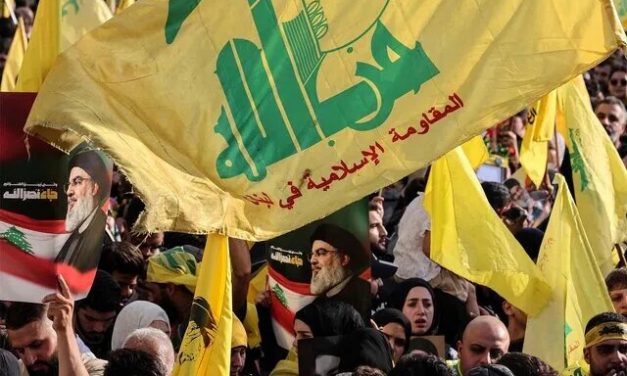
The Inseparability of the Lebanese Front from the Axis of Resistance

SCFR Online–Opinion: By providing an extensive network of social, healthcare, educational, and post-war reconstruction services, Hezbollah has established a strong social base for itself among Lebanon’s Shiites and Sunnis, and even beyond that, among other segments of Lebanese society, including Christians. Hezbollah has never been an external actor imposed upon Lebanon; rather, it is a phenomenon fundamentally born out of the occupation and crimes of the Zionist regime and itself influenced by popular resistance.

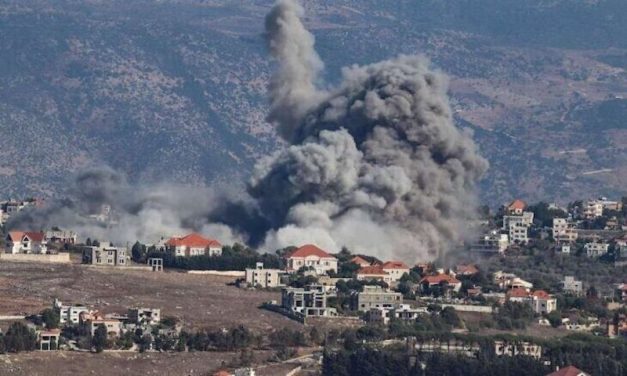
The Increasing Efforts of the Zionist Regime to Redefine Borders and the Regional Order and Its Consequences

SCFR Online– Opinion: Security and military developments in the region over recent months indicate that the ongoing crises and wars in Gaza, southern Lebanon, and parts of Syrian territory encompass broader dimensions of geopolitical and geostrategic transformations. In this context, the increased military presence and control of the Zionist regime over parts of the territories of these areas, along with proposals regarding the creation of buffer zones or even the expansion of security borders, have raised serious questions about the future of the regional order and its consequences for the countries of West Asia.

Loading

Sayyid Reza Ghazvini Gharabi

Redefining the Discourse of Resistance After the 12-Day War

Redefining the Discourse of Resistance After the 12-Day War

Strategic Council Online – Interview: A West Asia affairs analyst said: After the 12-day war, Iran, by redefining the discourse of resistance and utilizing media diplomacy, strengthened its soft and regional legitimacy against the Western narrative.

Consequences of Four Iraqi Shiite Groups Being Placed on the US Terrorist List

Consequences of Four Iraqi Shiite Groups Being Placed on the US Terrorist List

Strategic Council Online– Interview: A senior Iraqi affairs analyst stated that the recent action by the US Department of State in placing four Iraqi Shiite groups on the list of foreign terrorist organizations has not only seriously challenged Iraq’s security dimension but has also broadly overshadowed Baghdad’s political and diplomatic equations. This decision, interpreted as a continuation of Washington’s policy of maximum pressure in the region, could have multi-layered consequences for Iraq’s internal security, foreign relations, and even the balance of power. The groups affected by this decision are part of the official structure of the Popular Mobilization Forces (PMF) and were key players in the defeat of ISIS; therefore, their placement on the terrorist list is not only considered a threat against US interests but also calls into question the legitimacy and cohesion of Iraq’s security forces. This move could cast a shadow over the process of withdrawing US forces from Iraq and provide a pretext for the continuation of Washington’s military presence. Similarly, at the regional level, it further frees the hands of the Israeli regime for aggressive actions.

Dimensions, Perspective of Jordan, Iraq and Egypt Cooperation in “New Levant” Plan

Dimensions, Perspective of Jordan, Iraq and Egypt Cooperation in “New Levant” Plan

Strategic Council Online – A researcher on Iraq affairs saying that Iraq, Egypt, and Jordan have strong economic incentives for trilateral cooperation within the framework of the “New Levant” plan, pointed to the challenges facing the cooperation of the three countries and noted: If the effectiveness of the agreement becomes clear to Iraq, there is the possibility that the cooperation may be extended to other political, security and military fields.

US Withdrawal from Iraq to Guarantee Regional Peace, Stability

US Withdrawal from Iraq to Guarantee Regional Peace, Stability

Strategic Council Online – An analyst of Iraq affairs, referring to some issues of concern to Tehran and Baghdad raised during the visit of the Iraqi National Security Adviser to Iran, said that withdrawal of the Americans from that country can help improve security situation in Iraq and limit the ISIS. Unfortunately, he said what has overshadowed common security issues between Iran and Iraq is the continued presence of US forces in Iraq.

Reasons for ISIS Regaining Strength in Iraq

Reasons for ISIS Regaining Strength in Iraq

Strategic Council Online: The issue of engaging the Iraqi popular mobilization forces and resistance groups against ISIS could be a ploy to draw the attention of these groups to the confrontation with terrorists rather than to the United States.
Seyed Reza Qazvini Gharabi – Journalist and Senior Analyst of Iraqi Affairs

New Iraqi Prime Minister Facing Complex Internal & External Situations

New Iraqi Prime Minister Facing Complex Internal & External Situations

Strategic Council Online: One of the major challenges of the new Iraqi prime minister is his foreign policy in dealing with important regional and international actors. In particular, the shape of Baghdad’s relations with Tehran and Washington will be of great importance in determining the stability and continuity of the government of Mohammad Tawfiq Hussein Allawi.
Sayyid Reza Ghazvini Gharabi – Iraqi Affairs Analyst

ÚLTIMAS PUBLICACIONES

Consequences of Declining Trust in the Judiciary in Europe

SCFRonline – Opinion: The increase in public distrust of the French judicial system, which in recent surveys has reached approximately two-thirds of citizens, should be analyzed within a framework broader than temporary dissatisfaction or an emotional reaction to a particular criminal case.
Iran’s Potential Levers of Power

SCFRonline– Opinion: Iran’s geopolitical power is not limited solely to oil and the Strait of Hormuz; the unintended emergence of disruptions in the future global food and energy security chains can also demonstrate Iran’s strategic importance.

The Inseparability of the Lebanese Front from the Axis of Resistance

SCFR Online–Opinion: By providing an extensive network of social, healthcare, educational, and post-war reconstruction services, Hezbollah has established a strong social base for itself among Lebanon’s Shiites and Sunnis, and even beyond that, among other segments of Lebanese society, including Christians. Hezbollah has never been an external actor imposed upon Lebanon; rather, it is a phenomenon fundamentally born out of the occupation and crimes of the Zionist regime and itself influenced by popular resistance.

The Increasing Efforts of the Zionist Regime to Redefine Borders and the Regional Order and Its Consequences

SCFR Online– Opinion: Security and military developments in the region over recent months indicate that the ongoing crises and wars in Gaza, southern Lebanon, and parts of Syrian territory encompass broader dimensions of geopolitical and geostrategic transformations. In this context, the increased military presence and control of the Zionist regime over parts of the territories of these areas, along with proposals regarding the creation of buffer zones or even the expansion of security borders, have raised serious questions about the future of the regional order and its consequences for the countries of West Asia.

Loading

Sayyid Reza Ghazvini Gharabi

Redefining the Discourse of Resistance After the 12-Day War

Redefining the Discourse of Resistance After the 12-Day War

Strategic Council Online – Interview: A West Asia affairs analyst said: After the 12-day war, Iran, by redefining the discourse of resistance and utilizing media diplomacy, strengthened its soft and regional legitimacy against the Western narrative.

Consequences of Four Iraqi Shiite Groups Being Placed on the US Terrorist List

Consequences of Four Iraqi Shiite Groups Being Placed on the US Terrorist List

Strategic Council Online– Interview: A senior Iraqi affairs analyst stated that the recent action by the US Department of State in placing four Iraqi Shiite groups on the list of foreign terrorist organizations has not only seriously challenged Iraq’s security dimension but has also broadly overshadowed Baghdad’s political and diplomatic equations. This decision, interpreted as a continuation of Washington’s policy of maximum pressure in the region, could have multi-layered consequences for Iraq’s internal security, foreign relations, and even the balance of power. The groups affected by this decision are part of the official structure of the Popular Mobilization Forces (PMF) and were key players in the defeat of ISIS; therefore, their placement on the terrorist list is not only considered a threat against US interests but also calls into question the legitimacy and cohesion of Iraq’s security forces. This move could cast a shadow over the process of withdrawing US forces from Iraq and provide a pretext for the continuation of Washington’s military presence. Similarly, at the regional level, it further frees the hands of the Israeli regime for aggressive actions.

Dimensions, Perspective of Jordan, Iraq and Egypt Cooperation in “New Levant” Plan

Dimensions, Perspective of Jordan, Iraq and Egypt Cooperation in “New Levant” Plan

Strategic Council Online – A researcher on Iraq affairs saying that Iraq, Egypt, and Jordan have strong economic incentives for trilateral cooperation within the framework of the “New Levant” plan, pointed to the challenges facing the cooperation of the three countries and noted: If the effectiveness of the agreement becomes clear to Iraq, there is the possibility that the cooperation may be extended to other political, security and military fields.

US Withdrawal from Iraq to Guarantee Regional Peace, Stability

US Withdrawal from Iraq to Guarantee Regional Peace, Stability

Strategic Council Online – An analyst of Iraq affairs, referring to some issues of concern to Tehran and Baghdad raised during the visit of the Iraqi National Security Adviser to Iran, said that withdrawal of the Americans from that country can help improve security situation in Iraq and limit the ISIS. Unfortunately, he said what has overshadowed common security issues between Iran and Iraq is the continued presence of US forces in Iraq.

Reasons for ISIS Regaining Strength in Iraq

Reasons for ISIS Regaining Strength in Iraq

Strategic Council Online: The issue of engaging the Iraqi popular mobilization forces and resistance groups against ISIS could be a ploy to draw the attention of these groups to the confrontation with terrorists rather than to the United States.
Seyed Reza Qazvini Gharabi – Journalist and Senior Analyst of Iraqi Affairs

New Iraqi Prime Minister Facing Complex Internal & External Situations

New Iraqi Prime Minister Facing Complex Internal & External Situations

Strategic Council Online: One of the major challenges of the new Iraqi prime minister is his foreign policy in dealing with important regional and international actors. In particular, the shape of Baghdad’s relations with Tehran and Washington will be of great importance in determining the stability and continuity of the government of Mohammad Tawfiq Hussein Allawi.
Sayyid Reza Ghazvini Gharabi – Iraqi Affairs Analyst

ÚLTIMAS PUBLICACIONES

Consequences of Declining Trust in the Judiciary in Europe

SCFRonline – Opinion: The increase in public distrust of the French judicial system, which in recent surveys has reached approximately two-thirds of citizens, should be analyzed within a framework broader than temporary dissatisfaction or an emotional reaction to a particular criminal case.
Iran’s Potential Levers of Power

SCFRonline– Opinion: Iran’s geopolitical power is not limited solely to oil and the Strait of Hormuz; the unintended emergence of disruptions in the future global food and energy security chains can also demonstrate Iran’s strategic importance.

The Inseparability of the Lebanese Front from the Axis of Resistance

SCFR Online–Opinion: By providing an extensive network of social, healthcare, educational, and post-war reconstruction services, Hezbollah has established a strong social base for itself among Lebanon’s Shiites and Sunnis, and even beyond that, among other segments of Lebanese society, including Christians. Hezbollah has never been an external actor imposed upon Lebanon; rather, it is a phenomenon fundamentally born out of the occupation and crimes of the Zionist regime and itself influenced by popular resistance.

The Increasing Efforts of the Zionist Regime to Redefine Borders and the Regional Order and Its Consequences

SCFR Online– Opinion: Security and military developments in the region over recent months indicate that the ongoing crises and wars in Gaza, southern Lebanon, and parts of Syrian territory encompass broader dimensions of geopolitical and geostrategic transformations. In this context, the increased military presence and control of the Zionist regime over parts of the territories of these areas, along with proposals regarding the creation of buffer zones or even the expansion of security borders, have raised serious questions about the future of the regional order and its consequences for the countries of West Asia.

Loading

Sayyid Reza Ghazvini Gharabi

Redefining the Discourse of Resistance After the 12-Day War

Redefining the Discourse of Resistance After the 12-Day War

Strategic Council Online – Interview: A West Asia affairs analyst said: After the 12-day war, Iran, by redefining the discourse of resistance and utilizing media diplomacy, strengthened its soft and regional legitimacy against the Western narrative.

Consequences of Four Iraqi Shiite Groups Being Placed on the US Terrorist List

Consequences of Four Iraqi Shiite Groups Being Placed on the US Terrorist List

Strategic Council Online– Interview: A senior Iraqi affairs analyst stated that the recent action by the US Department of State in placing four Iraqi Shiite groups on the list of foreign terrorist organizations has not only seriously challenged Iraq’s security dimension but has also broadly overshadowed Baghdad’s political and diplomatic equations. This decision, interpreted as a continuation of Washington’s policy of maximum pressure in the region, could have multi-layered consequences for Iraq’s internal security, foreign relations, and even the balance of power. The groups affected by this decision are part of the official structure of the Popular Mobilization Forces (PMF) and were key players in the defeat of ISIS; therefore, their placement on the terrorist list is not only considered a threat against US interests but also calls into question the legitimacy and cohesion of Iraq’s security forces. This move could cast a shadow over the process of withdrawing US forces from Iraq and provide a pretext for the continuation of Washington’s military presence. Similarly, at the regional level, it further frees the hands of the Israeli regime for aggressive actions.

Dimensions, Perspective of Jordan, Iraq and Egypt Cooperation in “New Levant” Plan

Dimensions, Perspective of Jordan, Iraq and Egypt Cooperation in “New Levant” Plan

Strategic Council Online – A researcher on Iraq affairs saying that Iraq, Egypt, and Jordan have strong economic incentives for trilateral cooperation within the framework of the “New Levant” plan, pointed to the challenges facing the cooperation of the three countries and noted: If the effectiveness of the agreement becomes clear to Iraq, there is the possibility that the cooperation may be extended to other political, security and military fields.

US Withdrawal from Iraq to Guarantee Regional Peace, Stability

US Withdrawal from Iraq to Guarantee Regional Peace, Stability

Strategic Council Online – An analyst of Iraq affairs, referring to some issues of concern to Tehran and Baghdad raised during the visit of the Iraqi National Security Adviser to Iran, said that withdrawal of the Americans from that country can help improve security situation in Iraq and limit the ISIS. Unfortunately, he said what has overshadowed common security issues between Iran and Iraq is the continued presence of US forces in Iraq.

Reasons for ISIS Regaining Strength in Iraq

Reasons for ISIS Regaining Strength in Iraq

Strategic Council Online: The issue of engaging the Iraqi popular mobilization forces and resistance groups against ISIS could be a ploy to draw the attention of these groups to the confrontation with terrorists rather than to the United States.
Seyed Reza Qazvini Gharabi – Journalist and Senior Analyst of Iraqi Affairs

New Iraqi Prime Minister Facing Complex Internal & External Situations

New Iraqi Prime Minister Facing Complex Internal & External Situations

Strategic Council Online: One of the major challenges of the new Iraqi prime minister is his foreign policy in dealing with important regional and international actors. In particular, the shape of Baghdad’s relations with Tehran and Washington will be of great importance in determining the stability and continuity of the government of Mohammad Tawfiq Hussein Allawi.
Sayyid Reza Ghazvini Gharabi – Iraqi Affairs Analyst

ÚLTIMAS PUBLICACIONES

Consequences of Declining Trust in the Judiciary in Europe

SCFRonline – Opinion: The increase in public distrust of the French judicial system, which in recent surveys has reached approximately two-thirds of citizens, should be analyzed within a framework broader than temporary dissatisfaction or an emotional reaction to a particular criminal case.

Iran’s Potential Levers of Power

SCFRonline– Opinion: Iran’s geopolitical power is not limited solely to oil and the Strait of Hormuz; the unintended emergence of disruptions in the future global food and energy security chains can also demonstrate Iran’s strategic importance.

The Inseparability of the Lebanese Front from the Axis of Resistance

SCFR Online–Opinion: By providing an extensive network of social, healthcare, educational, and post-war reconstruction services, Hezbollah has established a strong social base for itself among Lebanon’s Shiites and Sunnis, and even beyond that, among other segments of Lebanese society, including Christians. Hezbollah has never been an external actor imposed upon Lebanon; rather, it is a phenomenon fundamentally born out of the occupation and crimes of the Zionist regime and itself influenced by popular resistance.

The Increasing Efforts of the Zionist Regime to Redefine Borders and the Regional Order and Its Consequences

SCFR Online– Opinion: Security and military developments in the region over recent months indicate that the ongoing crises and wars in Gaza, southern Lebanon, and parts of Syrian territory encompass broader dimensions of geopolitical and geostrategic transformations. In this context, the increased military presence and control of the Zionist regime over parts of the territories of these areas, along with proposals regarding the creation of buffer zones or even the expansion of security borders, have raised serious questions about the future of the regional order and its consequences for the countries of West Asia.

Loading