جدیدترین مطالب

Europe’s Enduring Dependence on Persian Gulf Energy

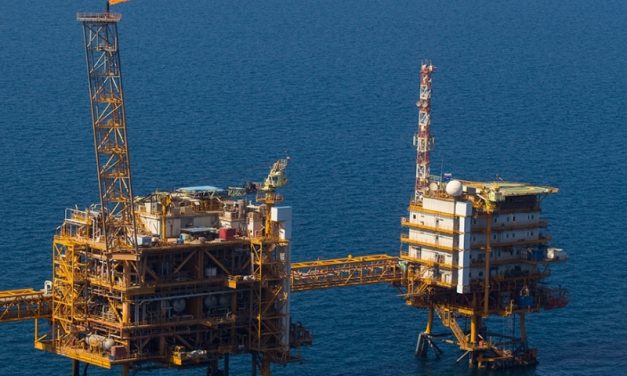
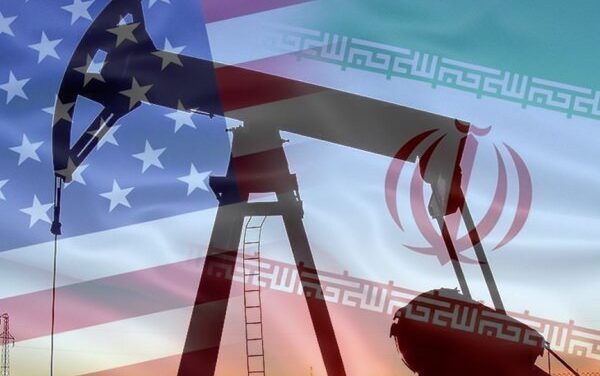
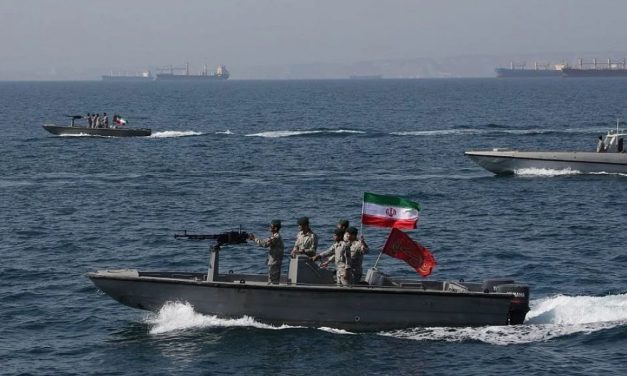
SCFR Online – Opinion: The dominant discourse in the field of European energy security over the past two decades has revolved around diversification of supply sources and the gradual reduction of dependence on fossil fuels. This narrative, which gained particular momentum after the Ukraine gas crisis in 2006 and its intensification in 2014 and 2022, was based on the assumption that Europe could free itself from the geopolitical vulnerabilities arising from dependence on specific suppliers through investment in renewable energy, imports of liquefied natural gas from diversified sources, and the establishment of new infrastructure. However, a closer analysis of energy trade data and the structure of the global oil and gas supply chain presents a different picture. Europe has not only failed to meaningfully reduce its dependence on the Persian Gulf, but in some sectors — particularly in liquefied natural gas imports — this dependence has deepened. This reality, which is often overlooked in public discourse, raises fundamental questions about the sustainability of Europe’s energy security strategies and their impact on regional power equations.
The Challenge of Hezbollah’s Low-Cost “FPV” Drones for the Zionist Regime

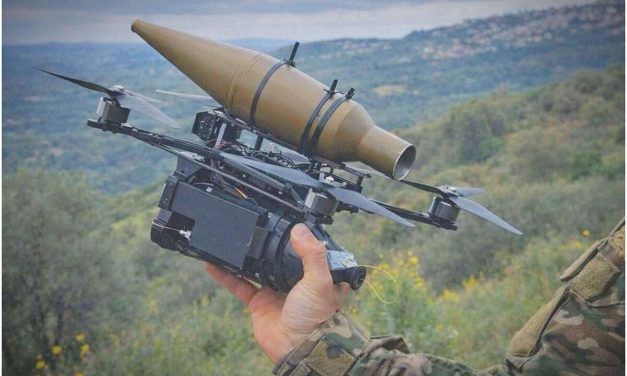
SCFR Online – Opinion: In modern warfare, it has always been assumed that the more expensive, and advanced the weapon—particularly from well-known companies—the more certain the victory will be. However, developments on the northern front of occupied Palestine in recent months have challenged this long-held belief. Here, the Zionist regime’s military, despite possessing the most advanced defense systems such as Iron Dome, David’s Sling, and Arrow, as well as fifth-generation F-35 fighter jets, Merkava tanks, and other modern equipment found in few countries worldwide, has effectively been rendered helpless against Hezbollah Lebanon’s few-hundred-dollar drones. Benjamin Netanyahu’s bitter admission regarding the inability to counter this threat, and his order to allocate an unlimited budget to find a solution, underscores the reality that the era of pure superiority through expensive technologies has come to an end.

The Impact of West Asian Developments on the Ukraine War

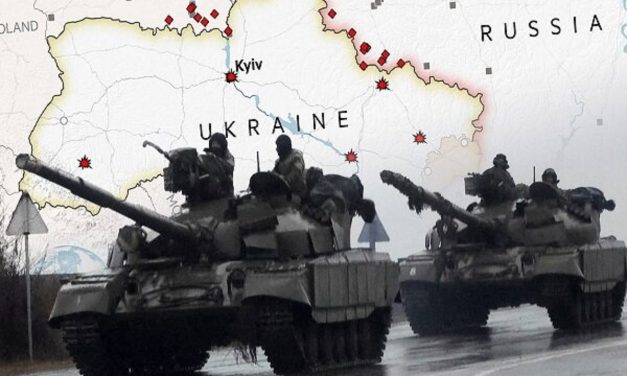
SCFR Online – Note: Vladimir Putin, President of Russia, recently announced—more than four years after the commencement of military aggression against Ukraine—that he believes the conflict between Russia and Ukraine is drawing to a close.

Temporary China–U.S. Trade Truce in the Shadow of Fundamental Distrust

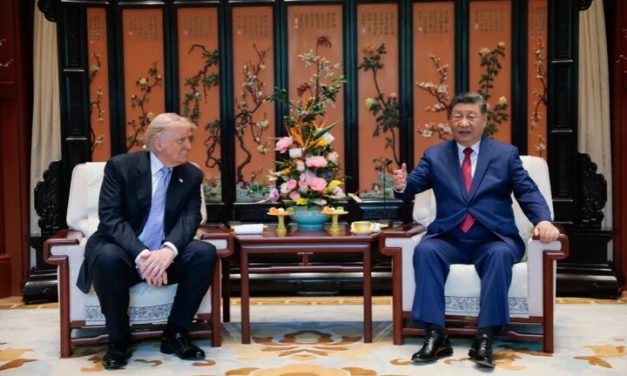
SCFR Online – Opinion: The recent visit of the President of the United States to China is significant from various aspects; because China is recognized as the world’s second-largest economic power and a growing economy. The Chinese are also advancing in various fields, including the space sector, artificial intelligence, and military industries; to the extent that in the military sector, whereas they previously lacked an aircraft carrier, they now possess their third aircraft carrier. On the other hand, the United States, as a superpower, has always regarded China as its rival and continues to view it as such today.

Loading

Sanction

Europe and Russia Confront Each Other Over Allocating Russian Assets to Arm Ukraine

Europe and Russia Confront Each Other Over Allocating Russian Assets to Arm Ukraine

Strategic Council Online – Interview: A senior European affairs analyst stated that Russia’s sharp reaction to the decision by Britain and the European Union to use Moscow’s frozen assets in favor of Ukraine has once again revealed new dimensions of the West’s economic war against Russia. The Russian embassy in London described the allocation of over one billion pounds of its blocked funds to purchase weapons for Ukraine as a “criminal act”. It warned that such policies would not only weaken London’s financial and political credibility in the world but would also not go unanswered. Simultaneously, the European Commission is also considering transferring 200 billion euros of Russian assets for the reconstruction of Ukraine—a decision that Moscow has described as a clear violation of international law.
Experts believe that by arming Ukraine using Russia’s frozen resources, the West has not only escalated the level of economic confrontation but has also challenged the traditional rules of the international financial and trade system. While Russia is seeking ways to circumvent sanctions through some of its partners, Europe and Britain are also determined to maintain pressure. It appears that this economic war is no longer confined to the conflict over Ukraine, and its effects will continue for years to come, redefining international relations and creating new geopolitical blocs.

China’s Role in Undermining Effectiveness of Western Sanctions against Russia

China’s Role in Undermining Effectiveness of Western Sanctions against Russia

Strategic Council Online – Interview: An expert on Russian affairs stated that despite some challenges and uncertainties, the relationship between Moscow and Beijing has somehow insured the Russian economy; at the same time, she said that the West has a long-term plan to weaken Russia through sanctions.

Behind the Scenes of Venezuelan Government’s Negotiations with Opposition

Behind the Scenes of Venezuelan Government’s Negotiations with Opposition

Strategic Council Online – Interview: An expert on Latin America affairs commenting on the resumption of negotiations between the Venezuelan government and political opposition after a year-long suspension and the subsequent reduction of some US sanctions against Nicolas Maduro’s government, said: These days, in terms of the American foreign policy, Venezuela is preferred in comparison to many countries, including some countries in the Middle East; because they can deal with this country more easily and due to its proximity, they buy cheaper oil from Caracas.

Strengthening Iran-Russia Cooperation Areas

Strengthening Iran-Russia Cooperation Areas

Strategic Council Online – Interview: An expert on international issues says what has led to further expansion and closeness of Tehran-Moscow relations today is primarily Russia’s interest in using the experiences and achievements that the Islamic Republic of Iran has obtained in dealing with the sanctions over the past 40 years.

Importance of Iran’s role playing in BRICS

Importance of Iran’s role playing in BRICS

Strategic Council Online-Interview: An expert of subcontinent affairs, referring to the virtual meeting between the leaders of Brazil, Russia, India, China and South Africa as members of BRICS and remarks by Chinese President who said the world should oppose unilateral sanctions and the efforts of some countries to maintain their political and military power, said that in order to better understand the effects and results of the BRICS summit, we must understand the macro trend in the field of international politics, which is the decline of the United States as the hegemon of the unipolar world.

US strategy in describing Taiwan Strait as an “international waterway”

US strategy in describing Taiwan Strait as an “international waterway”

Strategic Council Online—Interview: An expert of the Presidential Studies Center stated that the American strategy regarding the issue of “One China” has changed, adding that “the United States has countered the policy of “One China” by calling the Taiwan Strait waterway international.

Intl. Implications of China’s Future Presidency over BRICS

Intl. Implications of China’s Future Presidency over BRICS

Strategic Council Online – Opinion: Tensions and rivalries between China and the United States have global significance and implications, affecting relations with other powers and even international organizations and institutions such as the G20 or the United Nations and its agencies.
Pouria Nabipour – Ph.D. in political science and international relations

Competition in Space, Necessity of Strategic Action

Competition in Space, Necessity of Strategic Action

Strategic Council Online – Interview: The former head of the Aerospace Research Institute, referring to the possibility of cooperation between Russia and China in the space industry and emphasizing the importance of Iran’s cooperation with them to share research, said: Given the nature of Iran-Russia relations, in a situation where the two countries are under sanctions, this is an opportunity for cooperation; as in the past, this cooperation existed, through which great successes have been achieved.

Perspective of the U.S. Strategy to Confront China

Perspective of the U.S. Strategy to Confront China

Having stated that the U.S. would like to have clash in the peripheral and strategic depth of China, an expert of the international issues said:” in the meantime, the U.S. follows up the decline of China’s competition capability in all fields and the competition will, certainly, turn to a hostility”.

Multifaceted Effects of Sanctions against Russia, Challenges Facing Europe

Multifaceted Effects of Sanctions against Russia, Challenges Facing Europe

Strategic Council Online – Interview: An analyst of Europe affairs, saying that although the damage of the packages of the European sanctions for Russia is more fragile, to some extent it has been largely bilateral, added: Given the consequences of war and sanctions, some European countries remain concerned about Europe’s future security in the long-term, and US provocations and policies to erode the war have added to the concerns.

أحدث الوظائف

Europe’s Enduring Dependence on Persian Gulf Energy

SCFR Online – Opinion: The dominant discourse in the field of European energy security over the past two decades has revolved around diversification of supply sources and the gradual reduction of dependence on fossil fuels. This narrative, which gained particular momentum after the Ukraine gas crisis in 2006 and its intensification in 2014 and 2022, was based on the assumption that Europe could free itself from the geopolitical vulnerabilities arising from dependence on specific suppliers through investment in renewable energy, imports of liquefied natural gas from diversified sources, and the establishment of new infrastructure. However, a closer analysis of energy trade data and the structure of the global oil and gas supply chain presents a different picture. Europe has not only failed to meaningfully reduce its dependence on the Persian Gulf, but in some sectors — particularly in liquefied natural gas imports — this dependence has deepened. This reality, which is often overlooked in public discourse, raises fundamental questions about the sustainability of Europe’s energy security strategies and their impact on regional power equations.
The Challenge of Hezbollah’s Low-Cost “FPV” Drones for the Zionist Regime

SCFR Online – Opinion: In modern warfare, it has always been assumed that the more expensive, and advanced the weapon—particularly from well-known companies—the more certain the victory will be. However, developments on the northern front of occupied Palestine in recent months have challenged this long-held belief. Here, the Zionist regime’s military, despite possessing the most advanced defense systems such as Iron Dome, David’s Sling, and Arrow, as well as fifth-generation F-35 fighter jets, Merkava tanks, and other modern equipment found in few countries worldwide, has effectively been rendered helpless against Hezbollah Lebanon’s few-hundred-dollar drones. Benjamin Netanyahu’s bitter admission regarding the inability to counter this threat, and his order to allocate an unlimited budget to find a solution, underscores the reality that the era of pure superiority through expensive technologies has come to an end.

The Impact of West Asian Developments on the Ukraine War

SCFR Online – Note: Vladimir Putin, President of Russia, recently announced—more than four years after the commencement of military aggression against Ukraine—that he believes the conflict between Russia and Ukraine is drawing to a close.

Temporary China–U.S. Trade Truce in the Shadow of Fundamental Distrust

SCFR Online – Opinion: The recent visit of the President of the United States to China is significant from various aspects; because China is recognized as the world’s second-largest economic power and a growing economy. The Chinese are also advancing in various fields, including the space sector, artificial intelligence, and military industries; to the extent that in the military sector, whereas they previously lacked an aircraft carrier, they now possess their third aircraft carrier. On the other hand, the United States, as a superpower, has always regarded China as its rival and continues to view it as such today.

Loading

Sanction

Europe and Russia Confront Each Other Over Allocating Russian Assets to Arm Ukraine

Europe and Russia Confront Each Other Over Allocating Russian Assets to Arm Ukraine

Strategic Council Online – Interview: A senior European affairs analyst stated that Russia’s sharp reaction to the decision by Britain and the European Union to use Moscow’s frozen assets in favor of Ukraine has once again revealed new dimensions of the West’s economic war against Russia. The Russian embassy in London described the allocation of over one billion pounds of its blocked funds to purchase weapons for Ukraine as a “criminal act”. It warned that such policies would not only weaken London’s financial and political credibility in the world but would also not go unanswered. Simultaneously, the European Commission is also considering transferring 200 billion euros of Russian assets for the reconstruction of Ukraine—a decision that Moscow has described as a clear violation of international law.
Experts believe that by arming Ukraine using Russia’s frozen resources, the West has not only escalated the level of economic confrontation but has also challenged the traditional rules of the international financial and trade system. While Russia is seeking ways to circumvent sanctions through some of its partners, Europe and Britain are also determined to maintain pressure. It appears that this economic war is no longer confined to the conflict over Ukraine, and its effects will continue for years to come, redefining international relations and creating new geopolitical blocs.

China’s Role in Undermining Effectiveness of Western Sanctions against Russia

China’s Role in Undermining Effectiveness of Western Sanctions against Russia

Strategic Council Online – Interview: An expert on Russian affairs stated that despite some challenges and uncertainties, the relationship between Moscow and Beijing has somehow insured the Russian economy; at the same time, she said that the West has a long-term plan to weaken Russia through sanctions.

Behind the Scenes of Venezuelan Government’s Negotiations with Opposition

Behind the Scenes of Venezuelan Government’s Negotiations with Opposition

Strategic Council Online – Interview: An expert on Latin America affairs commenting on the resumption of negotiations between the Venezuelan government and political opposition after a year-long suspension and the subsequent reduction of some US sanctions against Nicolas Maduro’s government, said: These days, in terms of the American foreign policy, Venezuela is preferred in comparison to many countries, including some countries in the Middle East; because they can deal with this country more easily and due to its proximity, they buy cheaper oil from Caracas.

Strengthening Iran-Russia Cooperation Areas

Strengthening Iran-Russia Cooperation Areas

Strategic Council Online – Interview: An expert on international issues says what has led to further expansion and closeness of Tehran-Moscow relations today is primarily Russia’s interest in using the experiences and achievements that the Islamic Republic of Iran has obtained in dealing with the sanctions over the past 40 years.

Importance of Iran’s role playing in BRICS

Importance of Iran’s role playing in BRICS

Strategic Council Online-Interview: An expert of subcontinent affairs, referring to the virtual meeting between the leaders of Brazil, Russia, India, China and South Africa as members of BRICS and remarks by Chinese President who said the world should oppose unilateral sanctions and the efforts of some countries to maintain their political and military power, said that in order to better understand the effects and results of the BRICS summit, we must understand the macro trend in the field of international politics, which is the decline of the United States as the hegemon of the unipolar world.

US strategy in describing Taiwan Strait as an “international waterway”

US strategy in describing Taiwan Strait as an “international waterway”

Strategic Council Online—Interview: An expert of the Presidential Studies Center stated that the American strategy regarding the issue of “One China” has changed, adding that “the United States has countered the policy of “One China” by calling the Taiwan Strait waterway international.

Intl. Implications of China’s Future Presidency over BRICS

Intl. Implications of China’s Future Presidency over BRICS

Strategic Council Online – Opinion: Tensions and rivalries between China and the United States have global significance and implications, affecting relations with other powers and even international organizations and institutions such as the G20 or the United Nations and its agencies.
Pouria Nabipour – Ph.D. in political science and international relations

Competition in Space, Necessity of Strategic Action

Competition in Space, Necessity of Strategic Action

Strategic Council Online – Interview: The former head of the Aerospace Research Institute, referring to the possibility of cooperation between Russia and China in the space industry and emphasizing the importance of Iran’s cooperation with them to share research, said: Given the nature of Iran-Russia relations, in a situation where the two countries are under sanctions, this is an opportunity for cooperation; as in the past, this cooperation existed, through which great successes have been achieved.

Perspective of the U.S. Strategy to Confront China

Perspective of the U.S. Strategy to Confront China

Having stated that the U.S. would like to have clash in the peripheral and strategic depth of China, an expert of the international issues said:” in the meantime, the U.S. follows up the decline of China’s competition capability in all fields and the competition will, certainly, turn to a hostility”.

Multifaceted Effects of Sanctions against Russia, Challenges Facing Europe

Multifaceted Effects of Sanctions against Russia, Challenges Facing Europe

Strategic Council Online – Interview: An analyst of Europe affairs, saying that although the damage of the packages of the European sanctions for Russia is more fragile, to some extent it has been largely bilateral, added: Given the consequences of war and sanctions, some European countries remain concerned about Europe’s future security in the long-term, and US provocations and policies to erode the war have added to the concerns.

Sanction

Europe and Russia Confront Each Other Over Allocating Russian Assets to Arm Ukraine

Europe and Russia Confront Each Other Over Allocating Russian Assets to Arm Ukraine

Strategic Council Online – Interview: A senior European affairs analyst stated that Russia’s sharp reaction to the decision by Britain and the European Union to use Moscow’s frozen assets in favor of Ukraine has once again revealed new dimensions of the West’s economic war against Russia. The Russian embassy in London described the allocation of over one billion pounds of its blocked funds to purchase weapons for Ukraine as a “criminal act”. It warned that such policies would not only weaken London’s financial and political credibility in the world but would also not go unanswered. Simultaneously, the European Commission is also considering transferring 200 billion euros of Russian assets for the reconstruction of Ukraine—a decision that Moscow has described as a clear violation of international law.
Experts believe that by arming Ukraine using Russia’s frozen resources, the West has not only escalated the level of economic confrontation but has also challenged the traditional rules of the international financial and trade system. While Russia is seeking ways to circumvent sanctions through some of its partners, Europe and Britain are also determined to maintain pressure. It appears that this economic war is no longer confined to the conflict over Ukraine, and its effects will continue for years to come, redefining international relations and creating new geopolitical blocs.

China’s Role in Undermining Effectiveness of Western Sanctions against Russia

China’s Role in Undermining Effectiveness of Western Sanctions against Russia

Strategic Council Online – Interview: An expert on Russian affairs stated that despite some challenges and uncertainties, the relationship between Moscow and Beijing has somehow insured the Russian economy; at the same time, she said that the West has a long-term plan to weaken Russia through sanctions.

Behind the Scenes of Venezuelan Government’s Negotiations with Opposition

Behind the Scenes of Venezuelan Government’s Negotiations with Opposition

Strategic Council Online – Interview: An expert on Latin America affairs commenting on the resumption of negotiations between the Venezuelan government and political opposition after a year-long suspension and the subsequent reduction of some US sanctions against Nicolas Maduro’s government, said: These days, in terms of the American foreign policy, Venezuela is preferred in comparison to many countries, including some countries in the Middle East; because they can deal with this country more easily and due to its proximity, they buy cheaper oil from Caracas.

Strengthening Iran-Russia Cooperation Areas

Strengthening Iran-Russia Cooperation Areas

Strategic Council Online – Interview: An expert on international issues says what has led to further expansion and closeness of Tehran-Moscow relations today is primarily Russia’s interest in using the experiences and achievements that the Islamic Republic of Iran has obtained in dealing with the sanctions over the past 40 years.

Importance of Iran’s role playing in BRICS

Importance of Iran’s role playing in BRICS

Strategic Council Online-Interview: An expert of subcontinent affairs, referring to the virtual meeting between the leaders of Brazil, Russia, India, China and South Africa as members of BRICS and remarks by Chinese President who said the world should oppose unilateral sanctions and the efforts of some countries to maintain their political and military power, said that in order to better understand the effects and results of the BRICS summit, we must understand the macro trend in the field of international politics, which is the decline of the United States as the hegemon of the unipolar world.

US strategy in describing Taiwan Strait as an “international waterway”

US strategy in describing Taiwan Strait as an “international waterway”

Strategic Council Online—Interview: An expert of the Presidential Studies Center stated that the American strategy regarding the issue of “One China” has changed, adding that “the United States has countered the policy of “One China” by calling the Taiwan Strait waterway international.

Intl. Implications of China’s Future Presidency over BRICS

Intl. Implications of China’s Future Presidency over BRICS

Strategic Council Online – Opinion: Tensions and rivalries between China and the United States have global significance and implications, affecting relations with other powers and even international organizations and institutions such as the G20 or the United Nations and its agencies.
Pouria Nabipour – Ph.D. in political science and international relations

Competition in Space, Necessity of Strategic Action

Competition in Space, Necessity of Strategic Action

Strategic Council Online – Interview: The former head of the Aerospace Research Institute, referring to the possibility of cooperation between Russia and China in the space industry and emphasizing the importance of Iran’s cooperation with them to share research, said: Given the nature of Iran-Russia relations, in a situation where the two countries are under sanctions, this is an opportunity for cooperation; as in the past, this cooperation existed, through which great successes have been achieved.

Perspective of the U.S. Strategy to Confront China

Perspective of the U.S. Strategy to Confront China

Having stated that the U.S. would like to have clash in the peripheral and strategic depth of China, an expert of the international issues said:” in the meantime, the U.S. follows up the decline of China’s competition capability in all fields and the competition will, certainly, turn to a hostility”.

Multifaceted Effects of Sanctions against Russia, Challenges Facing Europe

Multifaceted Effects of Sanctions against Russia, Challenges Facing Europe

Strategic Council Online – Interview: An analyst of Europe affairs, saying that although the damage of the packages of the European sanctions for Russia is more fragile, to some extent it has been largely bilateral, added: Given the consequences of war and sanctions, some European countries remain concerned about Europe’s future security in the long-term, and US provocations and policies to erode the war have added to the concerns.

LATEST CONTENT

Europe’s Enduring Dependence on Persian Gulf Energy

SCFR Online – Opinion: The dominant discourse in the field of European energy security over the past two decades has revolved around diversification of supply sources and the gradual reduction of dependence on fossil fuels. This narrative, which gained particular momentum after the Ukraine gas crisis in 2006 and its intensification in 2014 and 2022, was based on the assumption that Europe could free itself from the geopolitical vulnerabilities arising from dependence on specific suppliers through investment in renewable energy, imports of liquefied natural gas from diversified sources, and the establishment of new infrastructure. However, a closer analysis of energy trade data and the structure of the global oil and gas supply chain presents a different picture. Europe has not only failed to meaningfully reduce its dependence on the Persian Gulf, but in some sectors — particularly in liquefied natural gas imports — this dependence has deepened. This reality, which is often overlooked in public discourse, raises fundamental questions about the sustainability of Europe’s energy security strategies and their impact on regional power equations.
The Challenge of Hezbollah’s Low-Cost “FPV” Drones for the Zionist Regime

SCFR Online – Opinion: In modern warfare, it has always been assumed that the more expensive, and advanced the weapon—particularly from well-known companies—the more certain the victory will be. However, developments on the northern front of occupied Palestine in recent months have challenged this long-held belief. Here, the Zionist regime’s military, despite possessing the most advanced defense systems such as Iron Dome, David’s Sling, and Arrow, as well as fifth-generation F-35 fighter jets, Merkava tanks, and other modern equipment found in few countries worldwide, has effectively been rendered helpless against Hezbollah Lebanon’s few-hundred-dollar drones. Benjamin Netanyahu’s bitter admission regarding the inability to counter this threat, and his order to allocate an unlimited budget to find a solution, underscores the reality that the era of pure superiority through expensive technologies has come to an end.

The Impact of West Asian Developments on the Ukraine War

SCFR Online – Note: Vladimir Putin, President of Russia, recently announced—more than four years after the commencement of military aggression against Ukraine—that he believes the conflict between Russia and Ukraine is drawing to a close.

Temporary China–U.S. Trade Truce in the Shadow of Fundamental Distrust

SCFR Online – Opinion: The recent visit of the President of the United States to China is significant from various aspects; because China is recognized as the world’s second-largest economic power and a growing economy. The Chinese are also advancing in various fields, including the space sector, artificial intelligence, and military industries; to the extent that in the military sector, whereas they previously lacked an aircraft carrier, they now possess their third aircraft carrier. On the other hand, the United States, as a superpower, has always regarded China as its rival and continues to view it as such today.

Loading

Sanction

Europe and Russia Confront Each Other Over Allocating Russian Assets to Arm Ukraine

Europe and Russia Confront Each Other Over Allocating Russian Assets to Arm Ukraine

Strategic Council Online – Interview: A senior European affairs analyst stated that Russia’s sharp reaction to the decision by Britain and the European Union to use Moscow’s frozen assets in favor of Ukraine has once again revealed new dimensions of the West’s economic war against Russia. The Russian embassy in London described the allocation of over one billion pounds of its blocked funds to purchase weapons for Ukraine as a “criminal act”. It warned that such policies would not only weaken London’s financial and political credibility in the world but would also not go unanswered. Simultaneously, the European Commission is also considering transferring 200 billion euros of Russian assets for the reconstruction of Ukraine—a decision that Moscow has described as a clear violation of international law.
Experts believe that by arming Ukraine using Russia’s frozen resources, the West has not only escalated the level of economic confrontation but has also challenged the traditional rules of the international financial and trade system. While Russia is seeking ways to circumvent sanctions through some of its partners, Europe and Britain are also determined to maintain pressure. It appears that this economic war is no longer confined to the conflict over Ukraine, and its effects will continue for years to come, redefining international relations and creating new geopolitical blocs.

China’s Role in Undermining Effectiveness of Western Sanctions against Russia

China’s Role in Undermining Effectiveness of Western Sanctions against Russia

Strategic Council Online – Interview: An expert on Russian affairs stated that despite some challenges and uncertainties, the relationship between Moscow and Beijing has somehow insured the Russian economy; at the same time, she said that the West has a long-term plan to weaken Russia through sanctions.

Behind the Scenes of Venezuelan Government’s Negotiations with Opposition

Behind the Scenes of Venezuelan Government’s Negotiations with Opposition

Strategic Council Online – Interview: An expert on Latin America affairs commenting on the resumption of negotiations between the Venezuelan government and political opposition after a year-long suspension and the subsequent reduction of some US sanctions against Nicolas Maduro’s government, said: These days, in terms of the American foreign policy, Venezuela is preferred in comparison to many countries, including some countries in the Middle East; because they can deal with this country more easily and due to its proximity, they buy cheaper oil from Caracas.

Strengthening Iran-Russia Cooperation Areas

Strengthening Iran-Russia Cooperation Areas

Strategic Council Online – Interview: An expert on international issues says what has led to further expansion and closeness of Tehran-Moscow relations today is primarily Russia’s interest in using the experiences and achievements that the Islamic Republic of Iran has obtained in dealing with the sanctions over the past 40 years.

Importance of Iran’s role playing in BRICS

Importance of Iran’s role playing in BRICS

Strategic Council Online-Interview: An expert of subcontinent affairs, referring to the virtual meeting between the leaders of Brazil, Russia, India, China and South Africa as members of BRICS and remarks by Chinese President who said the world should oppose unilateral sanctions and the efforts of some countries to maintain their political and military power, said that in order to better understand the effects and results of the BRICS summit, we must understand the macro trend in the field of international politics, which is the decline of the United States as the hegemon of the unipolar world.

US strategy in describing Taiwan Strait as an “international waterway”

US strategy in describing Taiwan Strait as an “international waterway”

Strategic Council Online—Interview: An expert of the Presidential Studies Center stated that the American strategy regarding the issue of “One China” has changed, adding that “the United States has countered the policy of “One China” by calling the Taiwan Strait waterway international.

Intl. Implications of China’s Future Presidency over BRICS

Intl. Implications of China’s Future Presidency over BRICS

Strategic Council Online – Opinion: Tensions and rivalries between China and the United States have global significance and implications, affecting relations with other powers and even international organizations and institutions such as the G20 or the United Nations and its agencies.
Pouria Nabipour – Ph.D. in political science and international relations

Competition in Space, Necessity of Strategic Action

Competition in Space, Necessity of Strategic Action

Strategic Council Online – Interview: The former head of the Aerospace Research Institute, referring to the possibility of cooperation between Russia and China in the space industry and emphasizing the importance of Iran’s cooperation with them to share research, said: Given the nature of Iran-Russia relations, in a situation where the two countries are under sanctions, this is an opportunity for cooperation; as in the past, this cooperation existed, through which great successes have been achieved.

Perspective of the U.S. Strategy to Confront China

Perspective of the U.S. Strategy to Confront China

Having stated that the U.S. would like to have clash in the peripheral and strategic depth of China, an expert of the international issues said:” in the meantime, the U.S. follows up the decline of China’s competition capability in all fields and the competition will, certainly, turn to a hostility”.

Multifaceted Effects of Sanctions against Russia, Challenges Facing Europe

Multifaceted Effects of Sanctions against Russia, Challenges Facing Europe

Strategic Council Online – Interview: An analyst of Europe affairs, saying that although the damage of the packages of the European sanctions for Russia is more fragile, to some extent it has been largely bilateral, added: Given the consequences of war and sanctions, some European countries remain concerned about Europe’s future security in the long-term, and US provocations and policies to erode the war have added to the concerns.

ÚLTIMAS PUBLICACIONES

Europe’s Enduring Dependence on Persian Gulf Energy

SCFR Online – Opinion: The dominant discourse in the field of European energy security over the past two decades has revolved around diversification of supply sources and the gradual reduction of dependence on fossil fuels. This narrative, which gained particular momentum after the Ukraine gas crisis in 2006 and its intensification in 2014 and 2022, was based on the assumption that Europe could free itself from the geopolitical vulnerabilities arising from dependence on specific suppliers through investment in renewable energy, imports of liquefied natural gas from diversified sources, and the establishment of new infrastructure. However, a closer analysis of energy trade data and the structure of the global oil and gas supply chain presents a different picture. Europe has not only failed to meaningfully reduce its dependence on the Persian Gulf, but in some sectors — particularly in liquefied natural gas imports — this dependence has deepened. This reality, which is often overlooked in public discourse, raises fundamental questions about the sustainability of Europe’s energy security strategies and their impact on regional power equations.
The Challenge of Hezbollah’s Low-Cost “FPV” Drones for the Zionist Regime

SCFR Online – Opinion: In modern warfare, it has always been assumed that the more expensive, and advanced the weapon—particularly from well-known companies—the more certain the victory will be. However, developments on the northern front of occupied Palestine in recent months have challenged this long-held belief. Here, the Zionist regime’s military, despite possessing the most advanced defense systems such as Iron Dome, David’s Sling, and Arrow, as well as fifth-generation F-35 fighter jets, Merkava tanks, and other modern equipment found in few countries worldwide, has effectively been rendered helpless against Hezbollah Lebanon’s few-hundred-dollar drones. Benjamin Netanyahu’s bitter admission regarding the inability to counter this threat, and his order to allocate an unlimited budget to find a solution, underscores the reality that the era of pure superiority through expensive technologies has come to an end.

The Impact of West Asian Developments on the Ukraine War

SCFR Online – Note: Vladimir Putin, President of Russia, recently announced—more than four years after the commencement of military aggression against Ukraine—that he believes the conflict between Russia and Ukraine is drawing to a close.

Temporary China–U.S. Trade Truce in the Shadow of Fundamental Distrust

SCFR Online – Opinion: The recent visit of the President of the United States to China is significant from various aspects; because China is recognized as the world’s second-largest economic power and a growing economy. The Chinese are also advancing in various fields, including the space sector, artificial intelligence, and military industries; to the extent that in the military sector, whereas they previously lacked an aircraft carrier, they now possess their third aircraft carrier. On the other hand, the United States, as a superpower, has always regarded China as its rival and continues to view it as such today.

Loading

Sanction

Europe and Russia Confront Each Other Over Allocating Russian Assets to Arm Ukraine

Europe and Russia Confront Each Other Over Allocating Russian Assets to Arm Ukraine

Strategic Council Online – Interview: A senior European affairs analyst stated that Russia’s sharp reaction to the decision by Britain and the European Union to use Moscow’s frozen assets in favor of Ukraine has once again revealed new dimensions of the West’s economic war against Russia. The Russian embassy in London described the allocation of over one billion pounds of its blocked funds to purchase weapons for Ukraine as a “criminal act”. It warned that such policies would not only weaken London’s financial and political credibility in the world but would also not go unanswered. Simultaneously, the European Commission is also considering transferring 200 billion euros of Russian assets for the reconstruction of Ukraine—a decision that Moscow has described as a clear violation of international law.
Experts believe that by arming Ukraine using Russia’s frozen resources, the West has not only escalated the level of economic confrontation but has also challenged the traditional rules of the international financial and trade system. While Russia is seeking ways to circumvent sanctions through some of its partners, Europe and Britain are also determined to maintain pressure. It appears that this economic war is no longer confined to the conflict over Ukraine, and its effects will continue for years to come, redefining international relations and creating new geopolitical blocs.

China’s Role in Undermining Effectiveness of Western Sanctions against Russia

China’s Role in Undermining Effectiveness of Western Sanctions against Russia

Strategic Council Online – Interview: An expert on Russian affairs stated that despite some challenges and uncertainties, the relationship between Moscow and Beijing has somehow insured the Russian economy; at the same time, she said that the West has a long-term plan to weaken Russia through sanctions.

Behind the Scenes of Venezuelan Government’s Negotiations with Opposition

Behind the Scenes of Venezuelan Government’s Negotiations with Opposition

Strategic Council Online – Interview: An expert on Latin America affairs commenting on the resumption of negotiations between the Venezuelan government and political opposition after a year-long suspension and the subsequent reduction of some US sanctions against Nicolas Maduro’s government, said: These days, in terms of the American foreign policy, Venezuela is preferred in comparison to many countries, including some countries in the Middle East; because they can deal with this country more easily and due to its proximity, they buy cheaper oil from Caracas.

Strengthening Iran-Russia Cooperation Areas

Strengthening Iran-Russia Cooperation Areas

Strategic Council Online – Interview: An expert on international issues says what has led to further expansion and closeness of Tehran-Moscow relations today is primarily Russia’s interest in using the experiences and achievements that the Islamic Republic of Iran has obtained in dealing with the sanctions over the past 40 years.

Importance of Iran’s role playing in BRICS

Importance of Iran’s role playing in BRICS

Strategic Council Online-Interview: An expert of subcontinent affairs, referring to the virtual meeting between the leaders of Brazil, Russia, India, China and South Africa as members of BRICS and remarks by Chinese President who said the world should oppose unilateral sanctions and the efforts of some countries to maintain their political and military power, said that in order to better understand the effects and results of the BRICS summit, we must understand the macro trend in the field of international politics, which is the decline of the United States as the hegemon of the unipolar world.

US strategy in describing Taiwan Strait as an “international waterway”

US strategy in describing Taiwan Strait as an “international waterway”

Strategic Council Online—Interview: An expert of the Presidential Studies Center stated that the American strategy regarding the issue of “One China” has changed, adding that “the United States has countered the policy of “One China” by calling the Taiwan Strait waterway international.

Intl. Implications of China’s Future Presidency over BRICS

Intl. Implications of China’s Future Presidency over BRICS

Strategic Council Online – Opinion: Tensions and rivalries between China and the United States have global significance and implications, affecting relations with other powers and even international organizations and institutions such as the G20 or the United Nations and its agencies.
Pouria Nabipour – Ph.D. in political science and international relations

Competition in Space, Necessity of Strategic Action

Competition in Space, Necessity of Strategic Action

Strategic Council Online – Interview: The former head of the Aerospace Research Institute, referring to the possibility of cooperation between Russia and China in the space industry and emphasizing the importance of Iran’s cooperation with them to share research, said: Given the nature of Iran-Russia relations, in a situation where the two countries are under sanctions, this is an opportunity for cooperation; as in the past, this cooperation existed, through which great successes have been achieved.

Perspective of the U.S. Strategy to Confront China

Perspective of the U.S. Strategy to Confront China

Having stated that the U.S. would like to have clash in the peripheral and strategic depth of China, an expert of the international issues said:” in the meantime, the U.S. follows up the decline of China’s competition capability in all fields and the competition will, certainly, turn to a hostility”.

Multifaceted Effects of Sanctions against Russia, Challenges Facing Europe

Multifaceted Effects of Sanctions against Russia, Challenges Facing Europe

Strategic Council Online – Interview: An analyst of Europe affairs, saying that although the damage of the packages of the European sanctions for Russia is more fragile, to some extent it has been largely bilateral, added: Given the consequences of war and sanctions, some European countries remain concerned about Europe’s future security in the long-term, and US provocations and policies to erode the war have added to the concerns.

ÚLTIMAS PUBLICACIONES

Europe’s Enduring Dependence on Persian Gulf Energy

SCFR Online – Opinion: The dominant discourse in the field of European energy security over the past two decades has revolved around diversification of supply sources and the gradual reduction of dependence on fossil fuels. This narrative, which gained particular momentum after the Ukraine gas crisis in 2006 and its intensification in 2014 and 2022, was based on the assumption that Europe could free itself from the geopolitical vulnerabilities arising from dependence on specific suppliers through investment in renewable energy, imports of liquefied natural gas from diversified sources, and the establishment of new infrastructure. However, a closer analysis of energy trade data and the structure of the global oil and gas supply chain presents a different picture. Europe has not only failed to meaningfully reduce its dependence on the Persian Gulf, but in some sectors — particularly in liquefied natural gas imports — this dependence has deepened. This reality, which is often overlooked in public discourse, raises fundamental questions about the sustainability of Europe’s energy security strategies and their impact on regional power equations.
The Challenge of Hezbollah’s Low-Cost “FPV” Drones for the Zionist Regime

SCFR Online – Opinion: In modern warfare, it has always been assumed that the more expensive, and advanced the weapon—particularly from well-known companies—the more certain the victory will be. However, developments on the northern front of occupied Palestine in recent months have challenged this long-held belief. Here, the Zionist regime’s military, despite possessing the most advanced defense systems such as Iron Dome, David’s Sling, and Arrow, as well as fifth-generation F-35 fighter jets, Merkava tanks, and other modern equipment found in few countries worldwide, has effectively been rendered helpless against Hezbollah Lebanon’s few-hundred-dollar drones. Benjamin Netanyahu’s bitter admission regarding the inability to counter this threat, and his order to allocate an unlimited budget to find a solution, underscores the reality that the era of pure superiority through expensive technologies has come to an end.

The Impact of West Asian Developments on the Ukraine War

SCFR Online – Note: Vladimir Putin, President of Russia, recently announced—more than four years after the commencement of military aggression against Ukraine—that he believes the conflict between Russia and Ukraine is drawing to a close.

Temporary China–U.S. Trade Truce in the Shadow of Fundamental Distrust

SCFR Online – Opinion: The recent visit of the President of the United States to China is significant from various aspects; because China is recognized as the world’s second-largest economic power and a growing economy. The Chinese are also advancing in various fields, including the space sector, artificial intelligence, and military industries; to the extent that in the military sector, whereas they previously lacked an aircraft carrier, they now possess their third aircraft carrier. On the other hand, the United States, as a superpower, has always regarded China as its rival and continues to view it as such today.

Loading

Sanction

Europe and Russia Confront Each Other Over Allocating Russian Assets to Arm Ukraine

Europe and Russia Confront Each Other Over Allocating Russian Assets to Arm Ukraine

Strategic Council Online – Interview: A senior European affairs analyst stated that Russia’s sharp reaction to the decision by Britain and the European Union to use Moscow’s frozen assets in favor of Ukraine has once again revealed new dimensions of the West’s economic war against Russia. The Russian embassy in London described the allocation of over one billion pounds of its blocked funds to purchase weapons for Ukraine as a “criminal act”. It warned that such policies would not only weaken London’s financial and political credibility in the world but would also not go unanswered. Simultaneously, the European Commission is also considering transferring 200 billion euros of Russian assets for the reconstruction of Ukraine—a decision that Moscow has described as a clear violation of international law.
Experts believe that by arming Ukraine using Russia’s frozen resources, the West has not only escalated the level of economic confrontation but has also challenged the traditional rules of the international financial and trade system. While Russia is seeking ways to circumvent sanctions through some of its partners, Europe and Britain are also determined to maintain pressure. It appears that this economic war is no longer confined to the conflict over Ukraine, and its effects will continue for years to come, redefining international relations and creating new geopolitical blocs.

China’s Role in Undermining Effectiveness of Western Sanctions against Russia

China’s Role in Undermining Effectiveness of Western Sanctions against Russia

Strategic Council Online – Interview: An expert on Russian affairs stated that despite some challenges and uncertainties, the relationship between Moscow and Beijing has somehow insured the Russian economy; at the same time, she said that the West has a long-term plan to weaken Russia through sanctions.

Behind the Scenes of Venezuelan Government’s Negotiations with Opposition

Behind the Scenes of Venezuelan Government’s Negotiations with Opposition

Strategic Council Online – Interview: An expert on Latin America affairs commenting on the resumption of negotiations between the Venezuelan government and political opposition after a year-long suspension and the subsequent reduction of some US sanctions against Nicolas Maduro’s government, said: These days, in terms of the American foreign policy, Venezuela is preferred in comparison to many countries, including some countries in the Middle East; because they can deal with this country more easily and due to its proximity, they buy cheaper oil from Caracas.

Strengthening Iran-Russia Cooperation Areas

Strengthening Iran-Russia Cooperation Areas

Strategic Council Online – Interview: An expert on international issues says what has led to further expansion and closeness of Tehran-Moscow relations today is primarily Russia’s interest in using the experiences and achievements that the Islamic Republic of Iran has obtained in dealing with the sanctions over the past 40 years.

Importance of Iran’s role playing in BRICS

Importance of Iran’s role playing in BRICS

Strategic Council Online-Interview: An expert of subcontinent affairs, referring to the virtual meeting between the leaders of Brazil, Russia, India, China and South Africa as members of BRICS and remarks by Chinese President who said the world should oppose unilateral sanctions and the efforts of some countries to maintain their political and military power, said that in order to better understand the effects and results of the BRICS summit, we must understand the macro trend in the field of international politics, which is the decline of the United States as the hegemon of the unipolar world.

US strategy in describing Taiwan Strait as an “international waterway”

US strategy in describing Taiwan Strait as an “international waterway”

Strategic Council Online—Interview: An expert of the Presidential Studies Center stated that the American strategy regarding the issue of “One China” has changed, adding that “the United States has countered the policy of “One China” by calling the Taiwan Strait waterway international.

Intl. Implications of China’s Future Presidency over BRICS

Intl. Implications of China’s Future Presidency over BRICS

Strategic Council Online – Opinion: Tensions and rivalries between China and the United States have global significance and implications, affecting relations with other powers and even international organizations and institutions such as the G20 or the United Nations and its agencies.
Pouria Nabipour – Ph.D. in political science and international relations

Competition in Space, Necessity of Strategic Action

Competition in Space, Necessity of Strategic Action

Strategic Council Online – Interview: The former head of the Aerospace Research Institute, referring to the possibility of cooperation between Russia and China in the space industry and emphasizing the importance of Iran’s cooperation with them to share research, said: Given the nature of Iran-Russia relations, in a situation where the two countries are under sanctions, this is an opportunity for cooperation; as in the past, this cooperation existed, through which great successes have been achieved.

Perspective of the U.S. Strategy to Confront China

Perspective of the U.S. Strategy to Confront China

Having stated that the U.S. would like to have clash in the peripheral and strategic depth of China, an expert of the international issues said:” in the meantime, the U.S. follows up the decline of China’s competition capability in all fields and the competition will, certainly, turn to a hostility”.

Multifaceted Effects of Sanctions against Russia, Challenges Facing Europe

Multifaceted Effects of Sanctions against Russia, Challenges Facing Europe

Strategic Council Online – Interview: An analyst of Europe affairs, saying that although the damage of the packages of the European sanctions for Russia is more fragile, to some extent it has been largely bilateral, added: Given the consequences of war and sanctions, some European countries remain concerned about Europe’s future security in the long-term, and US provocations and policies to erode the war have added to the concerns.

ÚLTIMAS PUBLICACIONES

Europe’s Enduring Dependence on Persian Gulf Energy

SCFR Online – Opinion: The dominant discourse in the field of European energy security over the past two decades has revolved around diversification of supply sources and the gradual reduction of dependence on fossil fuels. This narrative, which gained particular momentum after the Ukraine gas crisis in 2006 and its intensification in 2014 and 2022, was based on the assumption that Europe could free itself from the geopolitical vulnerabilities arising from dependence on specific suppliers through investment in renewable energy, imports of liquefied natural gas from diversified sources, and the establishment of new infrastructure. However, a closer analysis of energy trade data and the structure of the global oil and gas supply chain presents a different picture. Europe has not only failed to meaningfully reduce its dependence on the Persian Gulf, but in some sectors — particularly in liquefied natural gas imports — this dependence has deepened. This reality, which is often overlooked in public discourse, raises fundamental questions about the sustainability of Europe’s energy security strategies and their impact on regional power equations.
The Challenge of Hezbollah’s Low-Cost “FPV” Drones for the Zionist Regime

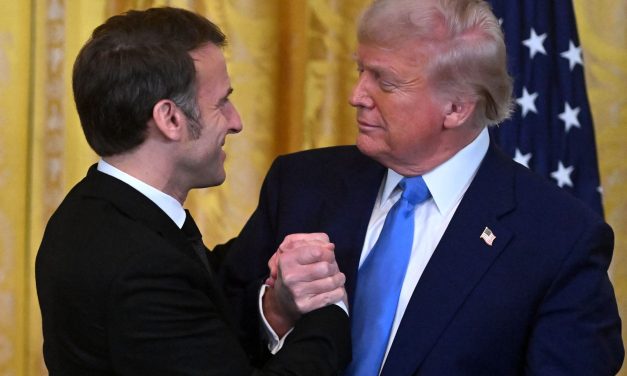
SCFR Online – Opinion: In modern warfare, it has always been assumed that the more expensive, and advanced the weapon—particularly from well-known companies—the more certain the victory will be. However, developments on the northern front of occupied Palestine in recent months have challenged this long-held belief. Here, the Zionist regime’s military, despite possessing the most advanced defense systems such as Iron Dome, David’s Sling, and Arrow, as well as fifth-generation F-35 fighter jets, Merkava tanks, and other modern equipment found in few countries worldwide, has effectively been rendered helpless against Hezbollah Lebanon’s few-hundred-dollar drones. Benjamin Netanyahu’s bitter admission regarding the inability to counter this threat, and his order to allocate an unlimited budget to find a solution, underscores the reality that the era of pure superiority through expensive technologies has come to an end.

The Impact of West Asian Developments on the Ukraine War

SCFR Online – Note: Vladimir Putin, President of Russia, recently announced—more than four years after the commencement of military aggression against Ukraine—that he believes the conflict between Russia and Ukraine is drawing to a close.

Temporary China–U.S. Trade Truce in the Shadow of Fundamental Distrust

SCFR Online – Opinion: The recent visit of the President of the United States to China is significant from various aspects; because China is recognized as the world’s second-largest economic power and a growing economy. The Chinese are also advancing in various fields, including the space sector, artificial intelligence, and military industries; to the extent that in the military sector, whereas they previously lacked an aircraft carrier, they now possess their third aircraft carrier. On the other hand, the United States, as a superpower, has always regarded China as its rival and continues to view it as such today.

Loading

Sanction

Europe and Russia Confront Each Other Over Allocating Russian Assets to Arm Ukraine

Europe and Russia Confront Each Other Over Allocating Russian Assets to Arm Ukraine

Strategic Council Online – Interview: A senior European affairs analyst stated that Russia’s sharp reaction to the decision by Britain and the European Union to use Moscow’s frozen assets in favor of Ukraine has once again revealed new dimensions of the West’s economic war against Russia. The Russian embassy in London described the allocation of over one billion pounds of its blocked funds to purchase weapons for Ukraine as a “criminal act”. It warned that such policies would not only weaken London’s financial and political credibility in the world but would also not go unanswered. Simultaneously, the European Commission is also considering transferring 200 billion euros of Russian assets for the reconstruction of Ukraine—a decision that Moscow has described as a clear violation of international law.
Experts believe that by arming Ukraine using Russia’s frozen resources, the West has not only escalated the level of economic confrontation but has also challenged the traditional rules of the international financial and trade system. While Russia is seeking ways to circumvent sanctions through some of its partners, Europe and Britain are also determined to maintain pressure. It appears that this economic war is no longer confined to the conflict over Ukraine, and its effects will continue for years to come, redefining international relations and creating new geopolitical blocs.

China’s Role in Undermining Effectiveness of Western Sanctions against Russia

China’s Role in Undermining Effectiveness of Western Sanctions against Russia

Strategic Council Online – Interview: An expert on Russian affairs stated that despite some challenges and uncertainties, the relationship between Moscow and Beijing has somehow insured the Russian economy; at the same time, she said that the West has a long-term plan to weaken Russia through sanctions.

Behind the Scenes of Venezuelan Government’s Negotiations with Opposition

Behind the Scenes of Venezuelan Government’s Negotiations with Opposition

Strategic Council Online – Interview: An expert on Latin America affairs commenting on the resumption of negotiations between the Venezuelan government and political opposition after a year-long suspension and the subsequent reduction of some US sanctions against Nicolas Maduro’s government, said: These days, in terms of the American foreign policy, Venezuela is preferred in comparison to many countries, including some countries in the Middle East; because they can deal with this country more easily and due to its proximity, they buy cheaper oil from Caracas.

Strengthening Iran-Russia Cooperation Areas

Strengthening Iran-Russia Cooperation Areas

Strategic Council Online – Interview: An expert on international issues says what has led to further expansion and closeness of Tehran-Moscow relations today is primarily Russia’s interest in using the experiences and achievements that the Islamic Republic of Iran has obtained in dealing with the sanctions over the past 40 years.

Importance of Iran’s role playing in BRICS

Importance of Iran’s role playing in BRICS

Strategic Council Online-Interview: An expert of subcontinent affairs, referring to the virtual meeting between the leaders of Brazil, Russia, India, China and South Africa as members of BRICS and remarks by Chinese President who said the world should oppose unilateral sanctions and the efforts of some countries to maintain their political and military power, said that in order to better understand the effects and results of the BRICS summit, we must understand the macro trend in the field of international politics, which is the decline of the United States as the hegemon of the unipolar world.

US strategy in describing Taiwan Strait as an “international waterway”

US strategy in describing Taiwan Strait as an “international waterway”

Strategic Council Online—Interview: An expert of the Presidential Studies Center stated that the American strategy regarding the issue of “One China” has changed, adding that “the United States has countered the policy of “One China” by calling the Taiwan Strait waterway international.

Intl. Implications of China’s Future Presidency over BRICS

Intl. Implications of China’s Future Presidency over BRICS

Strategic Council Online – Opinion: Tensions and rivalries between China and the United States have global significance and implications, affecting relations with other powers and even international organizations and institutions such as the G20 or the United Nations and its agencies.
Pouria Nabipour – Ph.D. in political science and international relations

Competition in Space, Necessity of Strategic Action

Competition in Space, Necessity of Strategic Action

Strategic Council Online – Interview: The former head of the Aerospace Research Institute, referring to the possibility of cooperation between Russia and China in the space industry and emphasizing the importance of Iran’s cooperation with them to share research, said: Given the nature of Iran-Russia relations, in a situation where the two countries are under sanctions, this is an opportunity for cooperation; as in the past, this cooperation existed, through which great successes have been achieved.

Perspective of the U.S. Strategy to Confront China

Perspective of the U.S. Strategy to Confront China

Having stated that the U.S. would like to have clash in the peripheral and strategic depth of China, an expert of the international issues said:” in the meantime, the U.S. follows up the decline of China’s competition capability in all fields and the competition will, certainly, turn to a hostility”.

Multifaceted Effects of Sanctions against Russia, Challenges Facing Europe

Multifaceted Effects of Sanctions against Russia, Challenges Facing Europe

Strategic Council Online – Interview: An analyst of Europe affairs, saying that although the damage of the packages of the European sanctions for Russia is more fragile, to some extent it has been largely bilateral, added: Given the consequences of war and sanctions, some European countries remain concerned about Europe’s future security in the long-term, and US provocations and policies to erode the war have added to the concerns.

ÚLTIMAS PUBLICACIONES

Europe’s Enduring Dependence on Persian Gulf Energy

SCFR Online – Opinion: The dominant discourse in the field of European energy security over the past two decades has revolved around diversification of supply sources and the gradual reduction of dependence on fossil fuels. This narrative, which gained particular momentum after the Ukraine gas crisis in 2006 and its intensification in 2014 and 2022, was based on the assumption that Europe could free itself from the geopolitical vulnerabilities arising from dependence on specific suppliers through investment in renewable energy, imports of liquefied natural gas from diversified sources, and the establishment of new infrastructure. However, a closer analysis of energy trade data and the structure of the global oil and gas supply chain presents a different picture. Europe has not only failed to meaningfully reduce its dependence on the Persian Gulf, but in some sectors — particularly in liquefied natural gas imports — this dependence has deepened. This reality, which is often overlooked in public discourse, raises fundamental questions about the sustainability of Europe’s energy security strategies and their impact on regional power equations.

The Challenge of Hezbollah’s Low-Cost “FPV” Drones for the Zionist Regime

SCFR Online – Opinion: In modern warfare, it has always been assumed that the more expensive, and advanced the weapon—particularly from well-known companies—the more certain the victory will be. However, developments on the northern front of occupied Palestine in recent months have challenged this long-held belief. Here, the Zionist regime’s military, despite possessing the most advanced defense systems such as Iron Dome, David’s Sling, and Arrow, as well as fifth-generation F-35 fighter jets, Merkava tanks, and other modern equipment found in few countries worldwide, has effectively been rendered helpless against Hezbollah Lebanon’s few-hundred-dollar drones. Benjamin Netanyahu’s bitter admission regarding the inability to counter this threat, and his order to allocate an unlimited budget to find a solution, underscores the reality that the era of pure superiority through expensive technologies has come to an end.

The Impact of West Asian Developments on the Ukraine War

SCFR Online – Note: Vladimir Putin, President of Russia, recently announced—more than four years after the commencement of military aggression against Ukraine—that he believes the conflict between Russia and Ukraine is drawing to a close.

Temporary China–U.S. Trade Truce in the Shadow of Fundamental Distrust

SCFR Online – Opinion: The recent visit of the President of the United States to China is significant from various aspects; because China is recognized as the world’s second-largest economic power and a growing economy. The Chinese are also advancing in various fields, including the space sector, artificial intelligence, and military industries; to the extent that in the military sector, whereas they previously lacked an aircraft carrier, they now possess their third aircraft carrier. On the other hand, the United States, as a superpower, has always regarded China as its rival and continues to view it as such today.

Loading