
جدیدترین مطالب

Iran’s Success in the Narrative Battle in Cyberspace

SCFR Online – Opinion: In the war between Iran and the United States, the main battlefield was not defined solely in the military domain; rather, the battle of narratives in cyberspace—particularly through memes—reached a decisive level.

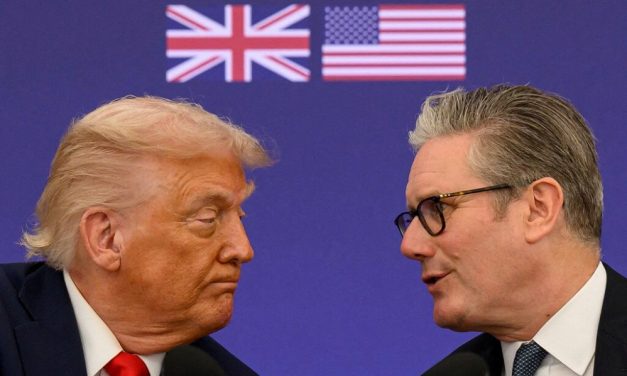
The Global Energy Shock Situation and Future Scenarios

SCFR Online – Opinion: Only one month after the beginning of the Ramadan War, maritime traffic in the Strait of Hormuz decreased dramatically, with Bloomberg announcing a reduction of 103 vessels; Brent oil prices rose by more than 50 percent, and gasoline prices in the United States increased by 31.4 percent. Additionally, benchmark gas prices in Europe showed a 73.4 percent increase.

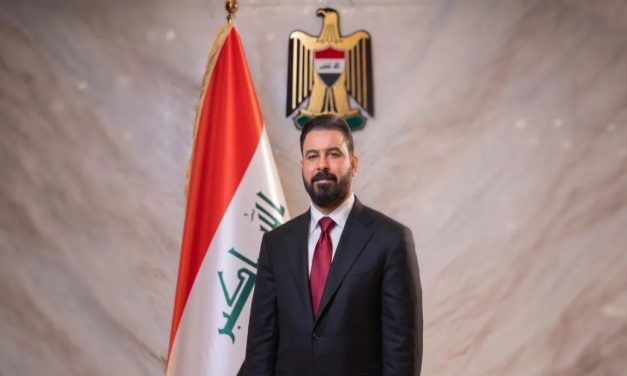
Al-Zaydi’s Selection as Prime Minister, The Beginning of a New Chapter in Iraq

SCFR Online – Note: After approximately five months of political deadlock and institutional confusion, Ali al-Zaydi has finally been selected as Iraq’s Prime Minister. Al-Zaydi’s selection as Prime Minister represents a positive sign of the completion of the government formation process and the beginning of a new phase in Iraqi politics and governance. The emergence of a young, technocratic figure from the third generation of politicians—in a context where the country has been administered by traditional figures for decades—revives hope that Iraq may perhaps distance itself from the repetitive cycle of crises and experience a new path of stability, efficiency, and regional convergence.

Intensifying Intra-Party Divisions in the United States Regarding the Zionist Regime

SCFR Online – Note: Over recent decades, support for the Zionist regime has been one of the few issues commanding bipartisan consensus in US foreign policy. Since the Cold War era, Republicans and Democrats have generally agreed on the necessity of preserving the security and survival of the Zionist regime as Washington’s most strategic ally in West Asia—and indeed, globally. However, developments in recent years—particularly the Gaza war, escalating regional conflicts, the expansion of tensions into Lebanon, and this regime’s recent warmongering against Iran—have caused this traditional consensus, especially within the Democratic Party, to face significant fractures.

Public Opinion Disappointment of the Zionist Regime Regarding Success in War with Iran

SCFR Online – Opinion: The internal situation of the Israeli regime during the 40-day war can be analyzed from several perspectives. The popularity levels of Benjamin Netanyahu, the Likud Party, and the ruling coalition led by Netanyahu until February 28, 2026, remained approximately the same as during the preceding year. The most recent factor that had somewhat increased Netanyahu’s popularity was the advancement of the 2024 war with Hezbollah Lebanon. Subsequently, his popularity temporarily increased during the 12-day war with Iran, but after the war, it returned to its previous state.

Loading

Russia

China’s Goals, Obstacles on the Path of Strengthening Peace in ME

China’s Goals, Obstacles on the Path of Strengthening Peace in ME

Strategic Council Online – Interview: Former director general of the Middle East and North Africa Department in the Ministry of Foreign Affairs believes that the Chinese have entered the Middle East equations more seriously and are trying to repeat their successful experience mediating between Saudi Arabia and Iran.

Russia’s Withdrawal from CFE Treaty; a Sign of Resumption of Cold War with the West

Russia’s Withdrawal from CFE Treaty; a Sign of Resumption of Cold War with the West

Strategic Council Online – Interview: An expert on international affairs stated that by withdrawing from the Treaty on Conventional Armed Forces in Europe and other military pacts, Russia is creating a kind of ambiguity in the scope of its military power, adding: Ambiguity in military power also occurred in the Cold War, and we are now witnessing a new Cold War between Russia and the West.

Analysis of Saudi Efforts to Join BRICS New Development Bank

Analysis of Saudi Efforts to Join BRICS New Development Bank

Strategic Council Online – Interview: An expert on Saudi affairs called Riyadh’s efforts to get closer and cooperate with BRICS as a continuation of the strategy of distancing itself from the US and the West and said: Riyadh does not like to give substantial free money to countries like Pakistan, Jordan, and Sudan, Egypt and other countries like in the past. The era of blank checks signed by Saudi Arabia is over for them, and in case there is going to help, it wants it to come back with a return on investment.

Analysis of China’s Concern over NATO Office Opening in Japan

Analysis of China’s Concern over NATO Office Opening in Japan

Strategic Council Online – Interview: An expert on international affairs says that China has increased its military and warfare power in the military and security fields rather than looking for alliances and coalitions. She added that: Establishment of a NATO mission in Japan creates the grounds for serious information and management cooperation in that region and conveys the message that NATO is closely monitoring regional trends and long-term plans for East Asia are being formed.

In Search of Roots of Recent Kosovo-Serbia Tensions, Its Prospects

In Search of Roots of Recent Kosovo-Serbia Tensions, Its Prospects

Strategic Council Online – Interview: An expert on Balkan affairs says that the West is trying to focus all its power on the issue of the war between Russia and Ukraine and, by managing the tensions between Kosovo and Serbia, prevent the opening of a new case, especially with a military-security nature in Europe, added: The recent tensions showed that the nation-state building process in Kosovo has a long way to go.

Analysis of Zelensky’s Presence in Recent Arab League Meeting

Analysis of Zelensky’s Presence in Recent Arab League Meeting

Strategic Council Online – Opinion: The recent meeting of the Arab League in Jeddah had two “main differences” from previous meetings; first, the presence of Syrian President Bashar Assad, and second, the speech delivered by Ukrainian President Zelensky at the Summit.
Hamid Khoshayand – Expert on regional affairs

Strategic Objectives, Results of 1st China-Central Asian Summit Meeting

Strategic Objectives, Results of 1st China-Central Asian Summit Meeting

Strategic Council Online – Interview: A faculty member of Allameh Tabataba’i University stated that in relations with Central Asia, China has considered a pragmatic policy centered on the economy and has put this economy in interaction with politics, and for this reason, concerning political and security issues has not been indifferent, adding: the agreements reached in the recent meeting of the heads of states of China and Central Asian countries, entails stabilization and intensification of Beijing’s presence and influence in that region, and as a result, an increase of Beijing’s playing capability in those countries.

New EU Strategy on Cooperation with the Persian Gulf, Its Challenges

New EU Strategy on Cooperation with the Persian Gulf, Its Challenges

Strategic Council Online – Guest Opinion: Normalization of Iran-Saudi relations with China’s mediation, which is an indication of Beijing’s more significant influence and role in new regional trends in the Middle East, increased speculations about the possibility of changes in the geostrategy of other powers.
Abbas Aslani – Expert on international relations

Arming Taiwan, One of the US Pressure Levers against China

Arming Taiwan, One of the US Pressure Levers against China

Strategic Council Online – Interview: An analyst of international affairs called the provision of various types of US military-armament aid to Taiwan one of the foundations of Washington’ towards that island and said: The Chinese have intelligently realized that the US measures must be accompanied by proportionate reactions to make them fully understand that Beijing will not sit idly by the expansion of US-Taiwan relations and the increasing dispatch of US weapons to Taiwan.

The political solution to terminate the Ukrainian war is deadlocked

The political solution to terminate the Ukrainian war is deadlocked

Strategic Council Online—Interview: The European issues researcher said about the latest round of tensions between the West and Moscow and Russia’s recent statements that it will react if Finland and Sweden join NATO, saying that “the discussion of Russia’s peripheral countries joining NATO is Moscow’s red line, and the Russian attack on Ukraine was also a reaction to this country’s attempt to join NATO.”

أحدث الوظائف

Iran’s Success in the Narrative Battle in Cyberspace

SCFR Online – Opinion: In the war between Iran and the United States, the main battlefield was not defined solely in the military domain; rather, the battle of narratives in cyberspace—particularly through memes—reached a decisive level.
The Global Energy Shock Situation and Future Scenarios

SCFR Online – Opinion: Only one month after the beginning of the Ramadan War, maritime traffic in the Strait of Hormuz decreased dramatically, with Bloomberg announcing a reduction of 103 vessels; Brent oil prices rose by more than 50 percent, and gasoline prices in the United States increased by 31.4 percent. Additionally, benchmark gas prices in Europe showed a 73.4 percent increase.

Al-Zaydi’s Selection as Prime Minister, The Beginning of a New Chapter in Iraq

SCFR Online – Note: After approximately five months of political deadlock and institutional confusion, Ali al-Zaydi has finally been selected as Iraq’s Prime Minister. Al-Zaydi’s selection as Prime Minister represents a positive sign of the completion of the government formation process and the beginning of a new phase in Iraqi politics and governance. The emergence of a young, technocratic figure from the third generation of politicians—in a context where the country has been administered by traditional figures for decades—revives hope that Iraq may perhaps distance itself from the repetitive cycle of crises and experience a new path of stability, efficiency, and regional convergence.

Intensifying Intra-Party Divisions in the United States Regarding the Zionist Regime

SCFR Online – Note: Over recent decades, support for the Zionist regime has been one of the few issues commanding bipartisan consensus in US foreign policy. Since the Cold War era, Republicans and Democrats have generally agreed on the necessity of preserving the security and survival of the Zionist regime as Washington’s most strategic ally in West Asia—and indeed, globally. However, developments in recent years—particularly the Gaza war, escalating regional conflicts, the expansion of tensions into Lebanon, and this regime’s recent warmongering against Iran—have caused this traditional consensus, especially within the Democratic Party, to face significant fractures.

Public Opinion Disappointment of the Zionist Regime Regarding Success in War with Iran

SCFR Online – Opinion: The internal situation of the Israeli regime during the 40-day war can be analyzed from several perspectives. The popularity levels of Benjamin Netanyahu, the Likud Party, and the ruling coalition led by Netanyahu until February 28, 2026, remained approximately the same as during the preceding year. The most recent factor that had somewhat increased Netanyahu’s popularity was the advancement of the 2024 war with Hezbollah Lebanon. Subsequently, his popularity temporarily increased during the 12-day war with Iran, but after the war, it returned to its previous state.

Loading

Russia

China’s Goals, Obstacles on the Path of Strengthening Peace in ME

China’s Goals, Obstacles on the Path of Strengthening Peace in ME

Strategic Council Online – Interview: Former director general of the Middle East and North Africa Department in the Ministry of Foreign Affairs believes that the Chinese have entered the Middle East equations more seriously and are trying to repeat their successful experience mediating between Saudi Arabia and Iran.

Russia’s Withdrawal from CFE Treaty; a Sign of Resumption of Cold War with the West

Russia’s Withdrawal from CFE Treaty; a Sign of Resumption of Cold War with the West

Strategic Council Online – Interview: An expert on international affairs stated that by withdrawing from the Treaty on Conventional Armed Forces in Europe and other military pacts, Russia is creating a kind of ambiguity in the scope of its military power, adding: Ambiguity in military power also occurred in the Cold War, and we are now witnessing a new Cold War between Russia and the West.

Analysis of Saudi Efforts to Join BRICS New Development Bank

Analysis of Saudi Efforts to Join BRICS New Development Bank

Strategic Council Online – Interview: An expert on Saudi affairs called Riyadh’s efforts to get closer and cooperate with BRICS as a continuation of the strategy of distancing itself from the US and the West and said: Riyadh does not like to give substantial free money to countries like Pakistan, Jordan, and Sudan, Egypt and other countries like in the past. The era of blank checks signed by Saudi Arabia is over for them, and in case there is going to help, it wants it to come back with a return on investment.

Analysis of China’s Concern over NATO Office Opening in Japan

Analysis of China’s Concern over NATO Office Opening in Japan

Strategic Council Online – Interview: An expert on international affairs says that China has increased its military and warfare power in the military and security fields rather than looking for alliances and coalitions. She added that: Establishment of a NATO mission in Japan creates the grounds for serious information and management cooperation in that region and conveys the message that NATO is closely monitoring regional trends and long-term plans for East Asia are being formed.

In Search of Roots of Recent Kosovo-Serbia Tensions, Its Prospects

In Search of Roots of Recent Kosovo-Serbia Tensions, Its Prospects

Strategic Council Online – Interview: An expert on Balkan affairs says that the West is trying to focus all its power on the issue of the war between Russia and Ukraine and, by managing the tensions between Kosovo and Serbia, prevent the opening of a new case, especially with a military-security nature in Europe, added: The recent tensions showed that the nation-state building process in Kosovo has a long way to go.

Analysis of Zelensky’s Presence in Recent Arab League Meeting

Analysis of Zelensky’s Presence in Recent Arab League Meeting

Strategic Council Online – Opinion: The recent meeting of the Arab League in Jeddah had two “main differences” from previous meetings; first, the presence of Syrian President Bashar Assad, and second, the speech delivered by Ukrainian President Zelensky at the Summit.
Hamid Khoshayand – Expert on regional affairs

Strategic Objectives, Results of 1st China-Central Asian Summit Meeting

Strategic Objectives, Results of 1st China-Central Asian Summit Meeting

Strategic Council Online – Interview: A faculty member of Allameh Tabataba’i University stated that in relations with Central Asia, China has considered a pragmatic policy centered on the economy and has put this economy in interaction with politics, and for this reason, concerning political and security issues has not been indifferent, adding: the agreements reached in the recent meeting of the heads of states of China and Central Asian countries, entails stabilization and intensification of Beijing’s presence and influence in that region, and as a result, an increase of Beijing’s playing capability in those countries.

New EU Strategy on Cooperation with the Persian Gulf, Its Challenges

New EU Strategy on Cooperation with the Persian Gulf, Its Challenges

Strategic Council Online – Guest Opinion: Normalization of Iran-Saudi relations with China’s mediation, which is an indication of Beijing’s more significant influence and role in new regional trends in the Middle East, increased speculations about the possibility of changes in the geostrategy of other powers.
Abbas Aslani – Expert on international relations

Arming Taiwan, One of the US Pressure Levers against China

Arming Taiwan, One of the US Pressure Levers against China

Strategic Council Online – Interview: An analyst of international affairs called the provision of various types of US military-armament aid to Taiwan one of the foundations of Washington’ towards that island and said: The Chinese have intelligently realized that the US measures must be accompanied by proportionate reactions to make them fully understand that Beijing will not sit idly by the expansion of US-Taiwan relations and the increasing dispatch of US weapons to Taiwan.

The political solution to terminate the Ukrainian war is deadlocked

The political solution to terminate the Ukrainian war is deadlocked

Strategic Council Online—Interview: The European issues researcher said about the latest round of tensions between the West and Moscow and Russia’s recent statements that it will react if Finland and Sweden join NATO, saying that “the discussion of Russia’s peripheral countries joining NATO is Moscow’s red line, and the Russian attack on Ukraine was also a reaction to this country’s attempt to join NATO.”

Russia

China’s Goals, Obstacles on the Path of Strengthening Peace in ME

China’s Goals, Obstacles on the Path of Strengthening Peace in ME

Strategic Council Online – Interview: Former director general of the Middle East and North Africa Department in the Ministry of Foreign Affairs believes that the Chinese have entered the Middle East equations more seriously and are trying to repeat their successful experience mediating between Saudi Arabia and Iran.

Russia’s Withdrawal from CFE Treaty; a Sign of Resumption of Cold War with the West

Russia’s Withdrawal from CFE Treaty; a Sign of Resumption of Cold War with the West

Strategic Council Online – Interview: An expert on international affairs stated that by withdrawing from the Treaty on Conventional Armed Forces in Europe and other military pacts, Russia is creating a kind of ambiguity in the scope of its military power, adding: Ambiguity in military power also occurred in the Cold War, and we are now witnessing a new Cold War between Russia and the West.

Analysis of Saudi Efforts to Join BRICS New Development Bank

Analysis of Saudi Efforts to Join BRICS New Development Bank

Strategic Council Online – Interview: An expert on Saudi affairs called Riyadh’s efforts to get closer and cooperate with BRICS as a continuation of the strategy of distancing itself from the US and the West and said: Riyadh does not like to give substantial free money to countries like Pakistan, Jordan, and Sudan, Egypt and other countries like in the past. The era of blank checks signed by Saudi Arabia is over for them, and in case there is going to help, it wants it to come back with a return on investment.

Analysis of China’s Concern over NATO Office Opening in Japan

Analysis of China’s Concern over NATO Office Opening in Japan

Strategic Council Online – Interview: An expert on international affairs says that China has increased its military and warfare power in the military and security fields rather than looking for alliances and coalitions. She added that: Establishment of a NATO mission in Japan creates the grounds for serious information and management cooperation in that region and conveys the message that NATO is closely monitoring regional trends and long-term plans for East Asia are being formed.

In Search of Roots of Recent Kosovo-Serbia Tensions, Its Prospects

In Search of Roots of Recent Kosovo-Serbia Tensions, Its Prospects

Strategic Council Online – Interview: An expert on Balkan affairs says that the West is trying to focus all its power on the issue of the war between Russia and Ukraine and, by managing the tensions between Kosovo and Serbia, prevent the opening of a new case, especially with a military-security nature in Europe, added: The recent tensions showed that the nation-state building process in Kosovo has a long way to go.

Analysis of Zelensky’s Presence in Recent Arab League Meeting

Analysis of Zelensky’s Presence in Recent Arab League Meeting

Strategic Council Online – Opinion: The recent meeting of the Arab League in Jeddah had two “main differences” from previous meetings; first, the presence of Syrian President Bashar Assad, and second, the speech delivered by Ukrainian President Zelensky at the Summit.
Hamid Khoshayand – Expert on regional affairs

Strategic Objectives, Results of 1st China-Central Asian Summit Meeting

Strategic Objectives, Results of 1st China-Central Asian Summit Meeting

Strategic Council Online – Interview: A faculty member of Allameh Tabataba’i University stated that in relations with Central Asia, China has considered a pragmatic policy centered on the economy and has put this economy in interaction with politics, and for this reason, concerning political and security issues has not been indifferent, adding: the agreements reached in the recent meeting of the heads of states of China and Central Asian countries, entails stabilization and intensification of Beijing’s presence and influence in that region, and as a result, an increase of Beijing’s playing capability in those countries.

New EU Strategy on Cooperation with the Persian Gulf, Its Challenges

New EU Strategy on Cooperation with the Persian Gulf, Its Challenges

Strategic Council Online – Guest Opinion: Normalization of Iran-Saudi relations with China’s mediation, which is an indication of Beijing’s more significant influence and role in new regional trends in the Middle East, increased speculations about the possibility of changes in the geostrategy of other powers.
Abbas Aslani – Expert on international relations

Arming Taiwan, One of the US Pressure Levers against China

Arming Taiwan, One of the US Pressure Levers against China

Strategic Council Online – Interview: An analyst of international affairs called the provision of various types of US military-armament aid to Taiwan one of the foundations of Washington’ towards that island and said: The Chinese have intelligently realized that the US measures must be accompanied by proportionate reactions to make them fully understand that Beijing will not sit idly by the expansion of US-Taiwan relations and the increasing dispatch of US weapons to Taiwan.

The political solution to terminate the Ukrainian war is deadlocked

The political solution to terminate the Ukrainian war is deadlocked

Strategic Council Online—Interview: The European issues researcher said about the latest round of tensions between the West and Moscow and Russia’s recent statements that it will react if Finland and Sweden join NATO, saying that “the discussion of Russia’s peripheral countries joining NATO is Moscow’s red line, and the Russian attack on Ukraine was also a reaction to this country’s attempt to join NATO.”

LATEST CONTENT

Iran’s Success in the Narrative Battle in Cyberspace

SCFR Online – Opinion: In the war between Iran and the United States, the main battlefield was not defined solely in the military domain; rather, the battle of narratives in cyberspace—particularly through memes—reached a decisive level.

The Global Energy Shock Situation and Future Scenarios

SCFR Online – Opinion: Only one month after the beginning of the Ramadan War, maritime traffic in the Strait of Hormuz decreased dramatically, with Bloomberg announcing a reduction of 103 vessels; Brent oil prices rose by more than 50 percent, and gasoline prices in the United States increased by 31.4 percent. Additionally, benchmark gas prices in Europe showed a 73.4 percent increase.

Al-Zaydi’s Selection as Prime Minister, The Beginning of a New Chapter in Iraq

SCFR Online – Note: After approximately five months of political deadlock and institutional confusion, Ali al-Zaydi has finally been selected as Iraq’s Prime Minister. Al-Zaydi’s selection as Prime Minister represents a positive sign of the completion of the government formation process and the beginning of a new phase in Iraqi politics and governance. The emergence of a young, technocratic figure from the third generation of politicians—in a context where the country has been administered by traditional figures for decades—revives hope that Iraq may perhaps distance itself from the repetitive cycle of crises and experience a new path of stability, efficiency, and regional convergence.

Intensifying Intra-Party Divisions in the United States Regarding the Zionist Regime

SCFR Online – Note: Over recent decades, support for the Zionist regime has been one of the few issues commanding bipartisan consensus in US foreign policy. Since the Cold War era, Republicans and Democrats have generally agreed on the necessity of preserving the security and survival of the Zionist regime as Washington’s most strategic ally in West Asia—and indeed, globally. However, developments in recent years—particularly the Gaza war, escalating regional conflicts, the expansion of tensions into Lebanon, and this regime’s recent warmongering against Iran—have caused this traditional consensus, especially within the Democratic Party, to face significant fractures.

Public Opinion Disappointment of the Zionist Regime Regarding Success in War with Iran

SCFR Online – Opinion: The internal situation of the Israeli regime during the 40-day war can be analyzed from several perspectives. The popularity levels of Benjamin Netanyahu, the Likud Party, and the ruling coalition led by Netanyahu until February 28, 2026, remained approximately the same as during the preceding year. The most recent factor that had somewhat increased Netanyahu’s popularity was the advancement of the 2024 war with Hezbollah Lebanon. Subsequently, his popularity temporarily increased during the 12-day war with Iran, but after the war, it returned to its previous state.

Loading

Russia

China’s Goals, Obstacles on the Path of Strengthening Peace in ME

China’s Goals, Obstacles on the Path of Strengthening Peace in ME

Strategic Council Online – Interview: Former director general of the Middle East and North Africa Department in the Ministry of Foreign Affairs believes that the Chinese have entered the Middle East equations more seriously and are trying to repeat their successful experience mediating between Saudi Arabia and Iran.

Russia’s Withdrawal from CFE Treaty; a Sign of Resumption of Cold War with the West

Russia’s Withdrawal from CFE Treaty; a Sign of Resumption of Cold War with the West

Strategic Council Online – Interview: An expert on international affairs stated that by withdrawing from the Treaty on Conventional Armed Forces in Europe and other military pacts, Russia is creating a kind of ambiguity in the scope of its military power, adding: Ambiguity in military power also occurred in the Cold War, and we are now witnessing a new Cold War between Russia and the West.

Analysis of Saudi Efforts to Join BRICS New Development Bank

Analysis of Saudi Efforts to Join BRICS New Development Bank

Strategic Council Online – Interview: An expert on Saudi affairs called Riyadh’s efforts to get closer and cooperate with BRICS as a continuation of the strategy of distancing itself from the US and the West and said: Riyadh does not like to give substantial free money to countries like Pakistan, Jordan, and Sudan, Egypt and other countries like in the past. The era of blank checks signed by Saudi Arabia is over for them, and in case there is going to help, it wants it to come back with a return on investment.

Analysis of China’s Concern over NATO Office Opening in Japan

Analysis of China’s Concern over NATO Office Opening in Japan

Strategic Council Online – Interview: An expert on international affairs says that China has increased its military and warfare power in the military and security fields rather than looking for alliances and coalitions. She added that: Establishment of a NATO mission in Japan creates the grounds for serious information and management cooperation in that region and conveys the message that NATO is closely monitoring regional trends and long-term plans for East Asia are being formed.

In Search of Roots of Recent Kosovo-Serbia Tensions, Its Prospects

In Search of Roots of Recent Kosovo-Serbia Tensions, Its Prospects

Strategic Council Online – Interview: An expert on Balkan affairs says that the West is trying to focus all its power on the issue of the war between Russia and Ukraine and, by managing the tensions between Kosovo and Serbia, prevent the opening of a new case, especially with a military-security nature in Europe, added: The recent tensions showed that the nation-state building process in Kosovo has a long way to go.

Analysis of Zelensky’s Presence in Recent Arab League Meeting

Analysis of Zelensky’s Presence in Recent Arab League Meeting

Strategic Council Online – Opinion: The recent meeting of the Arab League in Jeddah had two “main differences” from previous meetings; first, the presence of Syrian President Bashar Assad, and second, the speech delivered by Ukrainian President Zelensky at the Summit.
Hamid Khoshayand – Expert on regional affairs

Strategic Objectives, Results of 1st China-Central Asian Summit Meeting

Strategic Objectives, Results of 1st China-Central Asian Summit Meeting

Strategic Council Online – Interview: A faculty member of Allameh Tabataba’i University stated that in relations with Central Asia, China has considered a pragmatic policy centered on the economy and has put this economy in interaction with politics, and for this reason, concerning political and security issues has not been indifferent, adding: the agreements reached in the recent meeting of the heads of states of China and Central Asian countries, entails stabilization and intensification of Beijing’s presence and influence in that region, and as a result, an increase of Beijing’s playing capability in those countries.

New EU Strategy on Cooperation with the Persian Gulf, Its Challenges

New EU Strategy on Cooperation with the Persian Gulf, Its Challenges

Strategic Council Online – Guest Opinion: Normalization of Iran-Saudi relations with China’s mediation, which is an indication of Beijing’s more significant influence and role in new regional trends in the Middle East, increased speculations about the possibility of changes in the geostrategy of other powers.
Abbas Aslani – Expert on international relations

Arming Taiwan, One of the US Pressure Levers against China

Arming Taiwan, One of the US Pressure Levers against China

Strategic Council Online – Interview: An analyst of international affairs called the provision of various types of US military-armament aid to Taiwan one of the foundations of Washington’ towards that island and said: The Chinese have intelligently realized that the US measures must be accompanied by proportionate reactions to make them fully understand that Beijing will not sit idly by the expansion of US-Taiwan relations and the increasing dispatch of US weapons to Taiwan.

The political solution to terminate the Ukrainian war is deadlocked

The political solution to terminate the Ukrainian war is deadlocked

Strategic Council Online—Interview: The European issues researcher said about the latest round of tensions between the West and Moscow and Russia’s recent statements that it will react if Finland and Sweden join NATO, saying that “the discussion of Russia’s peripheral countries joining NATO is Moscow’s red line, and the Russian attack on Ukraine was also a reaction to this country’s attempt to join NATO.”

ÚLTIMAS PUBLICACIONES

Iran’s Success in the Narrative Battle in Cyberspace

SCFR Online – Opinion: In the war between Iran and the United States, the main battlefield was not defined solely in the military domain; rather, the battle of narratives in cyberspace—particularly through memes—reached a decisive level.

The Global Energy Shock Situation and Future Scenarios

SCFR Online – Opinion: Only one month after the beginning of the Ramadan War, maritime traffic in the Strait of Hormuz decreased dramatically, with Bloomberg announcing a reduction of 103 vessels; Brent oil prices rose by more than 50 percent, and gasoline prices in the United States increased by 31.4 percent. Additionally, benchmark gas prices in Europe showed a 73.4 percent increase.

Al-Zaydi’s Selection as Prime Minister, The Beginning of a New Chapter in Iraq

SCFR Online – Note: After approximately five months of political deadlock and institutional confusion, Ali al-Zaydi has finally been selected as Iraq’s Prime Minister. Al-Zaydi’s selection as Prime Minister represents a positive sign of the completion of the government formation process and the beginning of a new phase in Iraqi politics and governance. The emergence of a young, technocratic figure from the third generation of politicians—in a context where the country has been administered by traditional figures for decades—revives hope that Iraq may perhaps distance itself from the repetitive cycle of crises and experience a new path of stability, efficiency, and regional convergence.

Intensifying Intra-Party Divisions in the United States Regarding the Zionist Regime

SCFR Online – Note: Over recent decades, support for the Zionist regime has been one of the few issues commanding bipartisan consensus in US foreign policy. Since the Cold War era, Republicans and Democrats have generally agreed on the necessity of preserving the security and survival of the Zionist regime as Washington’s most strategic ally in West Asia—and indeed, globally. However, developments in recent years—particularly the Gaza war, escalating regional conflicts, the expansion of tensions into Lebanon, and this regime’s recent warmongering against Iran—have caused this traditional consensus, especially within the Democratic Party, to face significant fractures.

Public Opinion Disappointment of the Zionist Regime Regarding Success in War with Iran

SCFR Online – Opinion: The internal situation of the Israeli regime during the 40-day war can be analyzed from several perspectives. The popularity levels of Benjamin Netanyahu, the Likud Party, and the ruling coalition led by Netanyahu until February 28, 2026, remained approximately the same as during the preceding year. The most recent factor that had somewhat increased Netanyahu’s popularity was the advancement of the 2024 war with Hezbollah Lebanon. Subsequently, his popularity temporarily increased during the 12-day war with Iran, but after the war, it returned to its previous state.

Loading

Russia

China’s Goals, Obstacles on the Path of Strengthening Peace in ME

China’s Goals, Obstacles on the Path of Strengthening Peace in ME

Strategic Council Online – Interview: Former director general of the Middle East and North Africa Department in the Ministry of Foreign Affairs believes that the Chinese have entered the Middle East equations more seriously and are trying to repeat their successful experience mediating between Saudi Arabia and Iran.

Russia’s Withdrawal from CFE Treaty; a Sign of Resumption of Cold War with the West

Russia’s Withdrawal from CFE Treaty; a Sign of Resumption of Cold War with the West

Strategic Council Online – Interview: An expert on international affairs stated that by withdrawing from the Treaty on Conventional Armed Forces in Europe and other military pacts, Russia is creating a kind of ambiguity in the scope of its military power, adding: Ambiguity in military power also occurred in the Cold War, and we are now witnessing a new Cold War between Russia and the West.

Analysis of Saudi Efforts to Join BRICS New Development Bank

Analysis of Saudi Efforts to Join BRICS New Development Bank

Strategic Council Online – Interview: An expert on Saudi affairs called Riyadh’s efforts to get closer and cooperate with BRICS as a continuation of the strategy of distancing itself from the US and the West and said: Riyadh does not like to give substantial free money to countries like Pakistan, Jordan, and Sudan, Egypt and other countries like in the past. The era of blank checks signed by Saudi Arabia is over for them, and in case there is going to help, it wants it to come back with a return on investment.

Analysis of China’s Concern over NATO Office Opening in Japan

Analysis of China’s Concern over NATO Office Opening in Japan

Strategic Council Online – Interview: An expert on international affairs says that China has increased its military and warfare power in the military and security fields rather than looking for alliances and coalitions. She added that: Establishment of a NATO mission in Japan creates the grounds for serious information and management cooperation in that region and conveys the message that NATO is closely monitoring regional trends and long-term plans for East Asia are being formed.

In Search of Roots of Recent Kosovo-Serbia Tensions, Its Prospects

In Search of Roots of Recent Kosovo-Serbia Tensions, Its Prospects

Strategic Council Online – Interview: An expert on Balkan affairs says that the West is trying to focus all its power on the issue of the war between Russia and Ukraine and, by managing the tensions between Kosovo and Serbia, prevent the opening of a new case, especially with a military-security nature in Europe, added: The recent tensions showed that the nation-state building process in Kosovo has a long way to go.

Analysis of Zelensky’s Presence in Recent Arab League Meeting

Analysis of Zelensky’s Presence in Recent Arab League Meeting

Strategic Council Online – Opinion: The recent meeting of the Arab League in Jeddah had two “main differences” from previous meetings; first, the presence of Syrian President Bashar Assad, and second, the speech delivered by Ukrainian President Zelensky at the Summit.
Hamid Khoshayand – Expert on regional affairs

Strategic Objectives, Results of 1st China-Central Asian Summit Meeting

Strategic Objectives, Results of 1st China-Central Asian Summit Meeting

Strategic Council Online – Interview: A faculty member of Allameh Tabataba’i University stated that in relations with Central Asia, China has considered a pragmatic policy centered on the economy and has put this economy in interaction with politics, and for this reason, concerning political and security issues has not been indifferent, adding: the agreements reached in the recent meeting of the heads of states of China and Central Asian countries, entails stabilization and intensification of Beijing’s presence and influence in that region, and as a result, an increase of Beijing’s playing capability in those countries.

New EU Strategy on Cooperation with the Persian Gulf, Its Challenges

New EU Strategy on Cooperation with the Persian Gulf, Its Challenges

Strategic Council Online – Guest Opinion: Normalization of Iran-Saudi relations with China’s mediation, which is an indication of Beijing’s more significant influence and role in new regional trends in the Middle East, increased speculations about the possibility of changes in the geostrategy of other powers.
Abbas Aslani – Expert on international relations

Arming Taiwan, One of the US Pressure Levers against China

Arming Taiwan, One of the US Pressure Levers against China

Strategic Council Online – Interview: An analyst of international affairs called the provision of various types of US military-armament aid to Taiwan one of the foundations of Washington’ towards that island and said: The Chinese have intelligently realized that the US measures must be accompanied by proportionate reactions to make them fully understand that Beijing will not sit idly by the expansion of US-Taiwan relations and the increasing dispatch of US weapons to Taiwan.

The political solution to terminate the Ukrainian war is deadlocked

The political solution to terminate the Ukrainian war is deadlocked

Strategic Council Online—Interview: The European issues researcher said about the latest round of tensions between the West and Moscow and Russia’s recent statements that it will react if Finland and Sweden join NATO, saying that “the discussion of Russia’s peripheral countries joining NATO is Moscow’s red line, and the Russian attack on Ukraine was also a reaction to this country’s attempt to join NATO.”

ÚLTIMAS PUBLICACIONES

Iran’s Success in the Narrative Battle in Cyberspace

SCFR Online – Opinion: In the war between Iran and the United States, the main battlefield was not defined solely in the military domain; rather, the battle of narratives in cyberspace—particularly through memes—reached a decisive level.
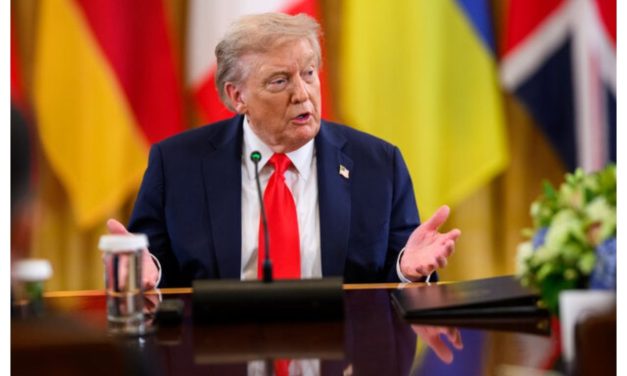
The Global Energy Shock Situation and Future Scenarios

SCFR Online – Opinion: Only one month after the beginning of the Ramadan War, maritime traffic in the Strait of Hormuz decreased dramatically, with Bloomberg announcing a reduction of 103 vessels; Brent oil prices rose by more than 50 percent, and gasoline prices in the United States increased by 31.4 percent. Additionally, benchmark gas prices in Europe showed a 73.4 percent increase.

Al-Zaydi’s Selection as Prime Minister, The Beginning of a New Chapter in Iraq

SCFR Online – Note: After approximately five months of political deadlock and institutional confusion, Ali al-Zaydi has finally been selected as Iraq’s Prime Minister. Al-Zaydi’s selection as Prime Minister represents a positive sign of the completion of the government formation process and the beginning of a new phase in Iraqi politics and governance. The emergence of a young, technocratic figure from the third generation of politicians—in a context where the country has been administered by traditional figures for decades—revives hope that Iraq may perhaps distance itself from the repetitive cycle of crises and experience a new path of stability, efficiency, and regional convergence.

Intensifying Intra-Party Divisions in the United States Regarding the Zionist Regime

SCFR Online – Note: Over recent decades, support for the Zionist regime has been one of the few issues commanding bipartisan consensus in US foreign policy. Since the Cold War era, Republicans and Democrats have generally agreed on the necessity of preserving the security and survival of the Zionist regime as Washington’s most strategic ally in West Asia—and indeed, globally. However, developments in recent years—particularly the Gaza war, escalating regional conflicts, the expansion of tensions into Lebanon, and this regime’s recent warmongering against Iran—have caused this traditional consensus, especially within the Democratic Party, to face significant fractures.

Public Opinion Disappointment of the Zionist Regime Regarding Success in War with Iran

SCFR Online – Opinion: The internal situation of the Israeli regime during the 40-day war can be analyzed from several perspectives. The popularity levels of Benjamin Netanyahu, the Likud Party, and the ruling coalition led by Netanyahu until February 28, 2026, remained approximately the same as during the preceding year. The most recent factor that had somewhat increased Netanyahu’s popularity was the advancement of the 2024 war with Hezbollah Lebanon. Subsequently, his popularity temporarily increased during the 12-day war with Iran, but after the war, it returned to its previous state.

Loading

Russia

China’s Goals, Obstacles on the Path of Strengthening Peace in ME

China’s Goals, Obstacles on the Path of Strengthening Peace in ME

Strategic Council Online – Interview: Former director general of the Middle East and North Africa Department in the Ministry of Foreign Affairs believes that the Chinese have entered the Middle East equations more seriously and are trying to repeat their successful experience mediating between Saudi Arabia and Iran.

Russia’s Withdrawal from CFE Treaty; a Sign of Resumption of Cold War with the West

Russia’s Withdrawal from CFE Treaty; a Sign of Resumption of Cold War with the West

Strategic Council Online – Interview: An expert on international affairs stated that by withdrawing from the Treaty on Conventional Armed Forces in Europe and other military pacts, Russia is creating a kind of ambiguity in the scope of its military power, adding: Ambiguity in military power also occurred in the Cold War, and we are now witnessing a new Cold War between Russia and the West.

Analysis of Saudi Efforts to Join BRICS New Development Bank

Analysis of Saudi Efforts to Join BRICS New Development Bank

Strategic Council Online – Interview: An expert on Saudi affairs called Riyadh’s efforts to get closer and cooperate with BRICS as a continuation of the strategy of distancing itself from the US and the West and said: Riyadh does not like to give substantial free money to countries like Pakistan, Jordan, and Sudan, Egypt and other countries like in the past. The era of blank checks signed by Saudi Arabia is over for them, and in case there is going to help, it wants it to come back with a return on investment.

Analysis of China’s Concern over NATO Office Opening in Japan

Analysis of China’s Concern over NATO Office Opening in Japan

Strategic Council Online – Interview: An expert on international affairs says that China has increased its military and warfare power in the military and security fields rather than looking for alliances and coalitions. She added that: Establishment of a NATO mission in Japan creates the grounds for serious information and management cooperation in that region and conveys the message that NATO is closely monitoring regional trends and long-term plans for East Asia are being formed.

In Search of Roots of Recent Kosovo-Serbia Tensions, Its Prospects

In Search of Roots of Recent Kosovo-Serbia Tensions, Its Prospects

Strategic Council Online – Interview: An expert on Balkan affairs says that the West is trying to focus all its power on the issue of the war between Russia and Ukraine and, by managing the tensions between Kosovo and Serbia, prevent the opening of a new case, especially with a military-security nature in Europe, added: The recent tensions showed that the nation-state building process in Kosovo has a long way to go.

Analysis of Zelensky’s Presence in Recent Arab League Meeting

Analysis of Zelensky’s Presence in Recent Arab League Meeting

Strategic Council Online – Opinion: The recent meeting of the Arab League in Jeddah had two “main differences” from previous meetings; first, the presence of Syrian President Bashar Assad, and second, the speech delivered by Ukrainian President Zelensky at the Summit.
Hamid Khoshayand – Expert on regional affairs

Strategic Objectives, Results of 1st China-Central Asian Summit Meeting

Strategic Objectives, Results of 1st China-Central Asian Summit Meeting

Strategic Council Online – Interview: A faculty member of Allameh Tabataba’i University stated that in relations with Central Asia, China has considered a pragmatic policy centered on the economy and has put this economy in interaction with politics, and for this reason, concerning political and security issues has not been indifferent, adding: the agreements reached in the recent meeting of the heads of states of China and Central Asian countries, entails stabilization and intensification of Beijing’s presence and influence in that region, and as a result, an increase of Beijing’s playing capability in those countries.

New EU Strategy on Cooperation with the Persian Gulf, Its Challenges

New EU Strategy on Cooperation with the Persian Gulf, Its Challenges

Strategic Council Online – Guest Opinion: Normalization of Iran-Saudi relations with China’s mediation, which is an indication of Beijing’s more significant influence and role in new regional trends in the Middle East, increased speculations about the possibility of changes in the geostrategy of other powers.
Abbas Aslani – Expert on international relations

Arming Taiwan, One of the US Pressure Levers against China

Arming Taiwan, One of the US Pressure Levers against China

Strategic Council Online – Interview: An analyst of international affairs called the provision of various types of US military-armament aid to Taiwan one of the foundations of Washington’ towards that island and said: The Chinese have intelligently realized that the US measures must be accompanied by proportionate reactions to make them fully understand that Beijing will not sit idly by the expansion of US-Taiwan relations and the increasing dispatch of US weapons to Taiwan.

The political solution to terminate the Ukrainian war is deadlocked

The political solution to terminate the Ukrainian war is deadlocked

Strategic Council Online—Interview: The European issues researcher said about the latest round of tensions between the West and Moscow and Russia’s recent statements that it will react if Finland and Sweden join NATO, saying that “the discussion of Russia’s peripheral countries joining NATO is Moscow’s red line, and the Russian attack on Ukraine was also a reaction to this country’s attempt to join NATO.”

ÚLTIMAS PUBLICACIONES

Iran’s Success in the Narrative Battle in Cyberspace

SCFR Online – Opinion: In the war between Iran and the United States, the main battlefield was not defined solely in the military domain; rather, the battle of narratives in cyberspace—particularly through memes—reached a decisive level.
The Global Energy Shock Situation and Future Scenarios

SCFR Online – Opinion: Only one month after the beginning of the Ramadan War, maritime traffic in the Strait of Hormuz decreased dramatically, with Bloomberg announcing a reduction of 103 vessels; Brent oil prices rose by more than 50 percent, and gasoline prices in the United States increased by 31.4 percent. Additionally, benchmark gas prices in Europe showed a 73.4 percent increase.

Al-Zaydi’s Selection as Prime Minister, The Beginning of a New Chapter in Iraq

SCFR Online – Note: After approximately five months of political deadlock and institutional confusion, Ali al-Zaydi has finally been selected as Iraq’s Prime Minister. Al-Zaydi’s selection as Prime Minister represents a positive sign of the completion of the government formation process and the beginning of a new phase in Iraqi politics and governance. The emergence of a young, technocratic figure from the third generation of politicians—in a context where the country has been administered by traditional figures for decades—revives hope that Iraq may perhaps distance itself from the repetitive cycle of crises and experience a new path of stability, efficiency, and regional convergence.

Intensifying Intra-Party Divisions in the United States Regarding the Zionist Regime

SCFR Online – Note: Over recent decades, support for the Zionist regime has been one of the few issues commanding bipartisan consensus in US foreign policy. Since the Cold War era, Republicans and Democrats have generally agreed on the necessity of preserving the security and survival of the Zionist regime as Washington’s most strategic ally in West Asia—and indeed, globally. However, developments in recent years—particularly the Gaza war, escalating regional conflicts, the expansion of tensions into Lebanon, and this regime’s recent warmongering against Iran—have caused this traditional consensus, especially within the Democratic Party, to face significant fractures.

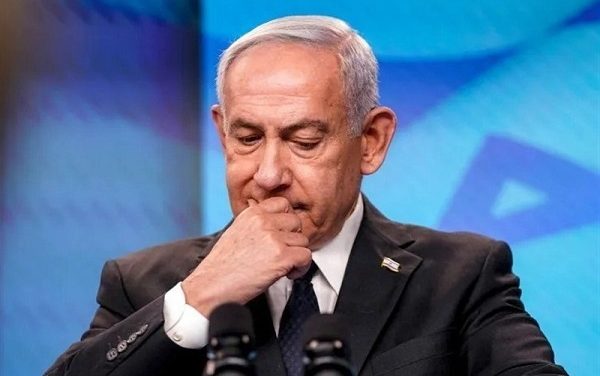
Public Opinion Disappointment of the Zionist Regime Regarding Success in War with Iran

SCFR Online – Opinion: The internal situation of the Israeli regime during the 40-day war can be analyzed from several perspectives. The popularity levels of Benjamin Netanyahu, the Likud Party, and the ruling coalition led by Netanyahu until February 28, 2026, remained approximately the same as during the preceding year. The most recent factor that had somewhat increased Netanyahu’s popularity was the advancement of the 2024 war with Hezbollah Lebanon. Subsequently, his popularity temporarily increased during the 12-day war with Iran, but after the war, it returned to its previous state.

Loading

Russia

China’s Goals, Obstacles on the Path of Strengthening Peace in ME

China’s Goals, Obstacles on the Path of Strengthening Peace in ME

Strategic Council Online – Interview: Former director general of the Middle East and North Africa Department in the Ministry of Foreign Affairs believes that the Chinese have entered the Middle East equations more seriously and are trying to repeat their successful experience mediating between Saudi Arabia and Iran.

Russia’s Withdrawal from CFE Treaty; a Sign of Resumption of Cold War with the West

Russia’s Withdrawal from CFE Treaty; a Sign of Resumption of Cold War with the West

Strategic Council Online – Interview: An expert on international affairs stated that by withdrawing from the Treaty on Conventional Armed Forces in Europe and other military pacts, Russia is creating a kind of ambiguity in the scope of its military power, adding: Ambiguity in military power also occurred in the Cold War, and we are now witnessing a new Cold War between Russia and the West.

Analysis of Saudi Efforts to Join BRICS New Development Bank

Analysis of Saudi Efforts to Join BRICS New Development Bank

Strategic Council Online – Interview: An expert on Saudi affairs called Riyadh’s efforts to get closer and cooperate with BRICS as a continuation of the strategy of distancing itself from the US and the West and said: Riyadh does not like to give substantial free money to countries like Pakistan, Jordan, and Sudan, Egypt and other countries like in the past. The era of blank checks signed by Saudi Arabia is over for them, and in case there is going to help, it wants it to come back with a return on investment.

Analysis of China’s Concern over NATO Office Opening in Japan

Analysis of China’s Concern over NATO Office Opening in Japan

Strategic Council Online – Interview: An expert on international affairs says that China has increased its military and warfare power in the military and security fields rather than looking for alliances and coalitions. She added that: Establishment of a NATO mission in Japan creates the grounds for serious information and management cooperation in that region and conveys the message that NATO is closely monitoring regional trends and long-term plans for East Asia are being formed.

In Search of Roots of Recent Kosovo-Serbia Tensions, Its Prospects

In Search of Roots of Recent Kosovo-Serbia Tensions, Its Prospects

Strategic Council Online – Interview: An expert on Balkan affairs says that the West is trying to focus all its power on the issue of the war between Russia and Ukraine and, by managing the tensions between Kosovo and Serbia, prevent the opening of a new case, especially with a military-security nature in Europe, added: The recent tensions showed that the nation-state building process in Kosovo has a long way to go.

Analysis of Zelensky’s Presence in Recent Arab League Meeting

Analysis of Zelensky’s Presence in Recent Arab League Meeting

Strategic Council Online – Opinion: The recent meeting of the Arab League in Jeddah had two “main differences” from previous meetings; first, the presence of Syrian President Bashar Assad, and second, the speech delivered by Ukrainian President Zelensky at the Summit.
Hamid Khoshayand – Expert on regional affairs

Strategic Objectives, Results of 1st China-Central Asian Summit Meeting

Strategic Objectives, Results of 1st China-Central Asian Summit Meeting

Strategic Council Online – Interview: A faculty member of Allameh Tabataba’i University stated that in relations with Central Asia, China has considered a pragmatic policy centered on the economy and has put this economy in interaction with politics, and for this reason, concerning political and security issues has not been indifferent, adding: the agreements reached in the recent meeting of the heads of states of China and Central Asian countries, entails stabilization and intensification of Beijing’s presence and influence in that region, and as a result, an increase of Beijing’s playing capability in those countries.

New EU Strategy on Cooperation with the Persian Gulf, Its Challenges

New EU Strategy on Cooperation with the Persian Gulf, Its Challenges

Strategic Council Online – Guest Opinion: Normalization of Iran-Saudi relations with China’s mediation, which is an indication of Beijing’s more significant influence and role in new regional trends in the Middle East, increased speculations about the possibility of changes in the geostrategy of other powers.
Abbas Aslani – Expert on international relations

Arming Taiwan, One of the US Pressure Levers against China

Arming Taiwan, One of the US Pressure Levers against China

Strategic Council Online – Interview: An analyst of international affairs called the provision of various types of US military-armament aid to Taiwan one of the foundations of Washington’ towards that island and said: The Chinese have intelligently realized that the US measures must be accompanied by proportionate reactions to make them fully understand that Beijing will not sit idly by the expansion of US-Taiwan relations and the increasing dispatch of US weapons to Taiwan.

The political solution to terminate the Ukrainian war is deadlocked

The political solution to terminate the Ukrainian war is deadlocked

Strategic Council Online—Interview: The European issues researcher said about the latest round of tensions between the West and Moscow and Russia’s recent statements that it will react if Finland and Sweden join NATO, saying that “the discussion of Russia’s peripheral countries joining NATO is Moscow’s red line, and the Russian attack on Ukraine was also a reaction to this country’s attempt to join NATO.”

ÚLTIMAS PUBLICACIONES

Iran’s Success in the Narrative Battle in Cyberspace

SCFR Online – Opinion: In the war between Iran and the United States, the main battlefield was not defined solely in the military domain; rather, the battle of narratives in cyberspace—particularly through memes—reached a decisive level.

The Global Energy Shock Situation and Future Scenarios

SCFR Online – Opinion: Only one month after the beginning of the Ramadan War, maritime traffic in the Strait of Hormuz decreased dramatically, with Bloomberg announcing a reduction of 103 vessels; Brent oil prices rose by more than 50 percent, and gasoline prices in the United States increased by 31.4 percent. Additionally, benchmark gas prices in Europe showed a 73.4 percent increase.

Al-Zaydi’s Selection as Prime Minister, The Beginning of a New Chapter in Iraq

SCFR Online – Note: After approximately five months of political deadlock and institutional confusion, Ali al-Zaydi has finally been selected as Iraq’s Prime Minister. Al-Zaydi’s selection as Prime Minister represents a positive sign of the completion of the government formation process and the beginning of a new phase in Iraqi politics and governance. The emergence of a young, technocratic figure from the third generation of politicians—in a context where the country has been administered by traditional figures for decades—revives hope that Iraq may perhaps distance itself from the repetitive cycle of crises and experience a new path of stability, efficiency, and regional convergence.

Intensifying Intra-Party Divisions in the United States Regarding the Zionist Regime

SCFR Online – Note: Over recent decades, support for the Zionist regime has been one of the few issues commanding bipartisan consensus in US foreign policy. Since the Cold War era, Republicans and Democrats have generally agreed on the necessity of preserving the security and survival of the Zionist regime as Washington’s most strategic ally in West Asia—and indeed, globally. However, developments in recent years—particularly the Gaza war, escalating regional conflicts, the expansion of tensions into Lebanon, and this regime’s recent warmongering against Iran—have caused this traditional consensus, especially within the Democratic Party, to face significant fractures.

Public Opinion Disappointment of the Zionist Regime Regarding Success in War with Iran

SCFR Online – Opinion: The internal situation of the Israeli regime during the 40-day war can be analyzed from several perspectives. The popularity levels of Benjamin Netanyahu, the Likud Party, and the ruling coalition led by Netanyahu until February 28, 2026, remained approximately the same as during the preceding year. The most recent factor that had somewhat increased Netanyahu’s popularity was the advancement of the 2024 war with Hezbollah Lebanon. Subsequently, his popularity temporarily increased during the 12-day war with Iran, but after the war, it returned to its previous state.

Loading