جدیدترین مطالب

The Inseparability of the Lebanese Front from the Axis of Resistance

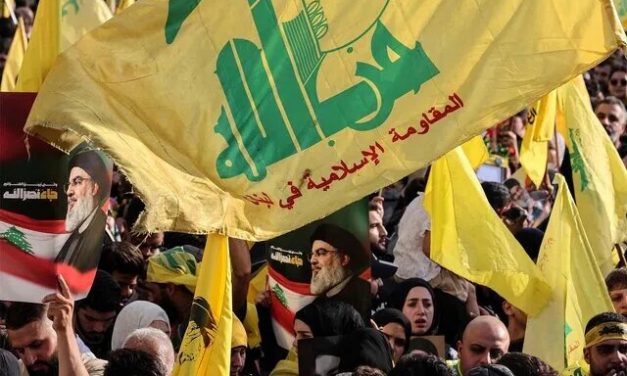
SCFR Online–Opinion: By providing an extensive network of social, healthcare, educational, and post-war reconstruction services, Hezbollah has established a strong social base for itself among Lebanon’s Shiites and Sunnis, and even beyond that, among other segments of Lebanese society, including Christians. Hezbollah has never been an external actor imposed upon Lebanon; rather, it is a phenomenon fundamentally born out of the occupation and crimes of the Zionist regime and itself influenced by popular resistance.

The Increasing Efforts of the Zionist Regime to Redefine Borders and the Regional Order and Its Consequences

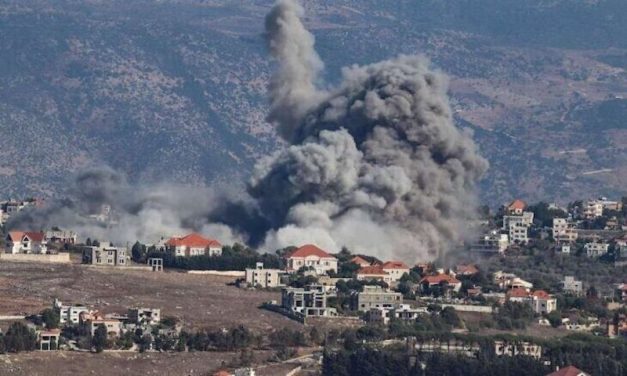
SCFR Online– Opinion: Security and military developments in the region over recent months indicate that the ongoing crises and wars in Gaza, southern Lebanon, and parts of Syrian territory encompass broader dimensions of geopolitical and geostrategic transformations. In this context, the increased military presence and control of the Zionist regime over parts of the territories of these areas, along with proposals regarding the creation of buffer zones or even the expansion of security borders, have raised serious questions about the future of the regional order and its consequences for the countries of West Asia.

The Components of Iran’s Deterrence Power

SCFR Online – Opinion: At a time when regional security equations have reached a sensitive stage under the influence of Iran’s strategic confrontation with the United States and the Zionist regime, the question of the nature of Tehran’s defensive power has gained greater significance than ever before. While Washington and Tel Aviv rely on their technological superiority, the Islamic Republic of Iran has presented a model of deterrence that extends beyond the material calculations of the world’s classical militaries. This power, rooted in the connection between “the field” and “the people,” has not only altered the balance of power in recent conflicts but has also disrupted adversaries’ calculations when confronting Iran’s strategic depth.

The Persian Gulf; A Cold Battlefield Between Beijing and Washington

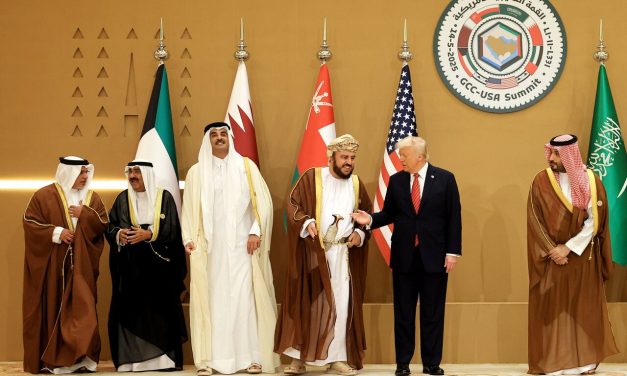
SCFR Online – Opinion: The competition in recent years between the United States and China encompasses various geographical regions—including the Indo-Pacific, West Asia, the Arctic and Antarctic, and Africa—as well as multiple domains such as economics and technology. Within this context, a strategic competition has also emerged in the Persian Gulf region across economic, technological, and military spheres.

Europe’s Enduring Dependence on Persian Gulf Energy

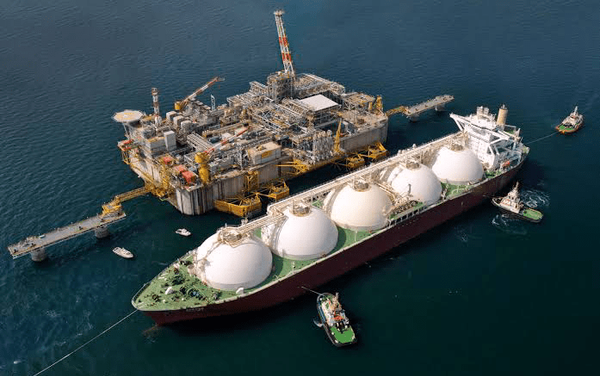
SCFR Online – Opinion: The dominant discourse in the field of European energy security over the past two decades has revolved around diversification of supply sources and the gradual reduction of dependence on fossil fuels. This narrative, which gained particular momentum after the Ukraine gas crisis in 2006 and its intensification in 2014 and 2022, was based on the assumption that Europe could free itself from the geopolitical vulnerabilities arising from dependence on specific suppliers through investment in renewable energy, imports of liquefied natural gas from diversified sources, and the establishment of new infrastructure. However, a closer analysis of energy trade data and the structure of the global oil and gas supply chain presents a different picture. Europe has not only failed to meaningfully reduce its dependence on the Persian Gulf, but in some sectors — particularly in liquefied natural gas imports — this dependence has deepened. This reality, which is often overlooked in public discourse, raises fundamental questions about the sustainability of Europe’s energy security strategies and their impact on regional power equations.

Loading

Resistance Movement

New Syrian-Zionist Interactions and the Greater Israel Project

New Syrian-Zionist Interactions and the Greater Israel Project

Strategic Council Online – Interview: A senior international affairs analyst stated that the recent meeting of the foreign minister of Syria’s interim government with a delegation from the Zionist regime in Paris marks a turning point in the regional equations; an event that, beyond a simple diplomatic meeting, signifies a redefinition of strategies regarding Syria’s future. These talks, which were mediated by the United States and focused on reducing tensions in southern Syria, monitoring the ceasefire, and reactivating the 1974 agreement, clearly indicate that the Syria file can no longer be analyzed solely within the framework of an internal crisis or field conflicts. Instead, Damascus today is caught in a complex duality: on one hand, it faces the occupation of part of its territory by the Israeli regime and increasing pressures on its strategic geography, and on the other hand, it feels the necessity of utilizing diplomacy to break out of political isolation. Meanwhile, the Israeli regime seeks to consolidate its position in the region, an issue that links to the long-standing project of “Greater Israel” and efforts to dismantle the traditional structures of the Middle East.

Dimensions and Implications of Parallel Efforts to Disarm the Resistance in West Asia

Dimensions and Implications of Parallel Efforts to Disarm the Resistance in West Asia

Strategic Council Online – Interview: A senior analyst on West Asian affairs stated that under the current circumstances, discussing the disarmament of the Resistance is not only unfeasible but could also lead to an escalation of tensions. Following the 12-day aggression by the United States and the Israeli regime against Iran, efforts in another layer to disarm Resistance groups, including Hezbollah, the Popular Mobilization Forces (PMF or Hashd al-Shaabi), and Hamas, have intensified as part of a coordinated project pursued to weaken the Axis of Resistance and impose American regional dominance. The U.S. proposal for Lebanon, which includes disarming Hezbollah by the end of 2025 and the withdrawal of the Israeli regime from border positions, is an attempt to transform an external conflict into an internal one. Hezbollah has firmly rejected this proposal, deeming it a violation of national sovereignty and a service to the interests of the Israeli regime, while emphasizing its defensive role. In Iraq, pressure on the Popular Mobilization Forces has been accompanied by accusations and economic sanctions, yet this group continues to stand as a popular force against external threats. Hamas, despite heavy attacks by the Israeli regime, has continued its resistance and rejected a recent ceasefire proposal in exchange for disarmament. These plans, supported by U.S. and allied diplomatic and economic backing, seek to alter the balance of power in the region. Still, the resistance of the groups and popular support have prevented the realization of these objectives.

US Attempts to Create Religious-Ethnic Sedition in Lebanon

US Attempts to Create Religious-Ethnic Sedition in Lebanon

Strategic Council Online – Opinion: On October 14, a group of Lebanese people, invited by the Lebanese Hezbollah and the Amal movement, gathered in front of the Lebanese Ministry of Justice, between Ain al-Rummaneh and Tayouneh areas, to protest the political process of investigation into the Beirut bombing, especially the performance of the judge investigating the incident, Mr. Tariq Bitar. The demonstrators were shot by the assailants affiliated to the Lebanese Forces led by Samir Geagea, “one of the parties to the Lebanese civil war and one of the present allies in the Western-Arab axis,” was witnessed which led to the killing and wounding of many protesters.
Hossein Ajorloo – expert on Middle East affairs

Players behind Resignation of Mustapha Adib

Players behind Resignation of Mustapha Adib

Strategic Council Online – The most likely scenario Lebanon is presently faced with is not to allow the prime minister proposed by Michel Aoun to form government in the absence of the consent of Saad Hariri, Fouad Siniora and Samir Geagea, and finally, with the widening of political vacuum, the Lebanese President will be forced to appoint Saad Hariri to form the government.
Hassan Hanizadeh – Expert on Middle East Affairs

Behind the Scenes of New Unrest in Lebanon

Behind the Scenes of New Unrest in Lebanon

Strategic Council Online – An analyst on West Asian affairs said there were “obvious hands” among foreign countries as well as domestic political currents against the Lebanese government, adding that Hassan Diab’s government did not appear to be able to maintain the status quo and efforts are underway to overthrow his government and put the phase of confrontation with the Hezbollah on the agenda; So the next step will be very difficult for Lebanon.

أحدث الوظائف

The Inseparability of the Lebanese Front from the Axis of Resistance

SCFR Online–Opinion: By providing an extensive network of social, healthcare, educational, and post-war reconstruction services, Hezbollah has established a strong social base for itself among Lebanon’s Shiites and Sunnis, and even beyond that, among other segments of Lebanese society, including Christians. Hezbollah has never been an external actor imposed upon Lebanon; rather, it is a phenomenon fundamentally born out of the occupation and crimes of the Zionist regime and itself influenced by popular resistance.

The Increasing Efforts of the Zionist Regime to Redefine Borders and the Regional Order and Its Consequences

SCFR Online– Opinion: Security and military developments in the region over recent months indicate that the ongoing crises and wars in Gaza, southern Lebanon, and parts of Syrian territory encompass broader dimensions of geopolitical and geostrategic transformations. In this context, the increased military presence and control of the Zionist regime over parts of the territories of these areas, along with proposals regarding the creation of buffer zones or even the expansion of security borders, have raised serious questions about the future of the regional order and its consequences for the countries of West Asia.

The Components of Iran’s Deterrence Power

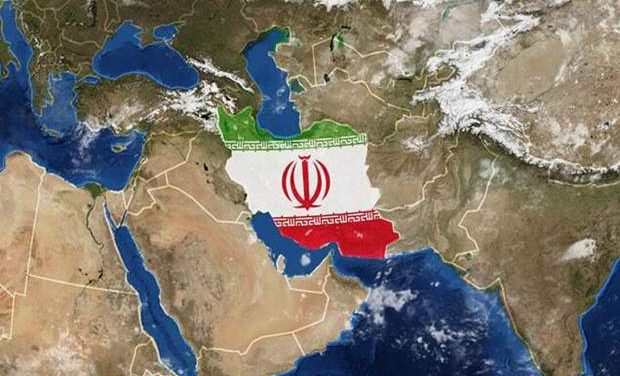
SCFR Online – Opinion: At a time when regional security equations have reached a sensitive stage under the influence of Iran’s strategic confrontation with the United States and the Zionist regime, the question of the nature of Tehran’s defensive power has gained greater significance than ever before. While Washington and Tel Aviv rely on their technological superiority, the Islamic Republic of Iran has presented a model of deterrence that extends beyond the material calculations of the world’s classical militaries. This power, rooted in the connection between “the field” and “the people,” has not only altered the balance of power in recent conflicts but has also disrupted adversaries’ calculations when confronting Iran’s strategic depth.

The Persian Gulf; A Cold Battlefield Between Beijing and Washington

SCFR Online – Opinion: The competition in recent years between the United States and China encompasses various geographical regions—including the Indo-Pacific, West Asia, the Arctic and Antarctic, and Africa—as well as multiple domains such as economics and technology. Within this context, a strategic competition has also emerged in the Persian Gulf region across economic, technological, and military spheres.

Europe’s Enduring Dependence on Persian Gulf Energy

SCFR Online – Opinion: The dominant discourse in the field of European energy security over the past two decades has revolved around diversification of supply sources and the gradual reduction of dependence on fossil fuels. This narrative, which gained particular momentum after the Ukraine gas crisis in 2006 and its intensification in 2014 and 2022, was based on the assumption that Europe could free itself from the geopolitical vulnerabilities arising from dependence on specific suppliers through investment in renewable energy, imports of liquefied natural gas from diversified sources, and the establishment of new infrastructure. However, a closer analysis of energy trade data and the structure of the global oil and gas supply chain presents a different picture. Europe has not only failed to meaningfully reduce its dependence on the Persian Gulf, but in some sectors — particularly in liquefied natural gas imports — this dependence has deepened. This reality, which is often overlooked in public discourse, raises fundamental questions about the sustainability of Europe’s energy security strategies and their impact on regional power equations.

Loading

Resistance Movement

New Syrian-Zionist Interactions and the Greater Israel Project

New Syrian-Zionist Interactions and the Greater Israel Project

Strategic Council Online – Interview: A senior international affairs analyst stated that the recent meeting of the foreign minister of Syria’s interim government with a delegation from the Zionist regime in Paris marks a turning point in the regional equations; an event that, beyond a simple diplomatic meeting, signifies a redefinition of strategies regarding Syria’s future. These talks, which were mediated by the United States and focused on reducing tensions in southern Syria, monitoring the ceasefire, and reactivating the 1974 agreement, clearly indicate that the Syria file can no longer be analyzed solely within the framework of an internal crisis or field conflicts. Instead, Damascus today is caught in a complex duality: on one hand, it faces the occupation of part of its territory by the Israeli regime and increasing pressures on its strategic geography, and on the other hand, it feels the necessity of utilizing diplomacy to break out of political isolation. Meanwhile, the Israeli regime seeks to consolidate its position in the region, an issue that links to the long-standing project of “Greater Israel” and efforts to dismantle the traditional structures of the Middle East.

Dimensions and Implications of Parallel Efforts to Disarm the Resistance in West Asia

Dimensions and Implications of Parallel Efforts to Disarm the Resistance in West Asia

Strategic Council Online – Interview: A senior analyst on West Asian affairs stated that under the current circumstances, discussing the disarmament of the Resistance is not only unfeasible but could also lead to an escalation of tensions. Following the 12-day aggression by the United States and the Israeli regime against Iran, efforts in another layer to disarm Resistance groups, including Hezbollah, the Popular Mobilization Forces (PMF or Hashd al-Shaabi), and Hamas, have intensified as part of a coordinated project pursued to weaken the Axis of Resistance and impose American regional dominance. The U.S. proposal for Lebanon, which includes disarming Hezbollah by the end of 2025 and the withdrawal of the Israeli regime from border positions, is an attempt to transform an external conflict into an internal one. Hezbollah has firmly rejected this proposal, deeming it a violation of national sovereignty and a service to the interests of the Israeli regime, while emphasizing its defensive role. In Iraq, pressure on the Popular Mobilization Forces has been accompanied by accusations and economic sanctions, yet this group continues to stand as a popular force against external threats. Hamas, despite heavy attacks by the Israeli regime, has continued its resistance and rejected a recent ceasefire proposal in exchange for disarmament. These plans, supported by U.S. and allied diplomatic and economic backing, seek to alter the balance of power in the region. Still, the resistance of the groups and popular support have prevented the realization of these objectives.

US Attempts to Create Religious-Ethnic Sedition in Lebanon

US Attempts to Create Religious-Ethnic Sedition in Lebanon

Strategic Council Online – Opinion: On October 14, a group of Lebanese people, invited by the Lebanese Hezbollah and the Amal movement, gathered in front of the Lebanese Ministry of Justice, between Ain al-Rummaneh and Tayouneh areas, to protest the political process of investigation into the Beirut bombing, especially the performance of the judge investigating the incident, Mr. Tariq Bitar. The demonstrators were shot by the assailants affiliated to the Lebanese Forces led by Samir Geagea, “one of the parties to the Lebanese civil war and one of the present allies in the Western-Arab axis,” was witnessed which led to the killing and wounding of many protesters.
Hossein Ajorloo – expert on Middle East affairs

Players behind Resignation of Mustapha Adib

Players behind Resignation of Mustapha Adib

Strategic Council Online – The most likely scenario Lebanon is presently faced with is not to allow the prime minister proposed by Michel Aoun to form government in the absence of the consent of Saad Hariri, Fouad Siniora and Samir Geagea, and finally, with the widening of political vacuum, the Lebanese President will be forced to appoint Saad Hariri to form the government.
Hassan Hanizadeh – Expert on Middle East Affairs

Behind the Scenes of New Unrest in Lebanon

Behind the Scenes of New Unrest in Lebanon

Strategic Council Online – An analyst on West Asian affairs said there were “obvious hands” among foreign countries as well as domestic political currents against the Lebanese government, adding that Hassan Diab’s government did not appear to be able to maintain the status quo and efforts are underway to overthrow his government and put the phase of confrontation with the Hezbollah on the agenda; So the next step will be very difficult for Lebanon.

Resistance Movement

New Syrian-Zionist Interactions and the Greater Israel Project

New Syrian-Zionist Interactions and the Greater Israel Project

Strategic Council Online – Interview: A senior international affairs analyst stated that the recent meeting of the foreign minister of Syria’s interim government with a delegation from the Zionist regime in Paris marks a turning point in the regional equations; an event that, beyond a simple diplomatic meeting, signifies a redefinition of strategies regarding Syria’s future. These talks, which were mediated by the United States and focused on reducing tensions in southern Syria, monitoring the ceasefire, and reactivating the 1974 agreement, clearly indicate that the Syria file can no longer be analyzed solely within the framework of an internal crisis or field conflicts. Instead, Damascus today is caught in a complex duality: on one hand, it faces the occupation of part of its territory by the Israeli regime and increasing pressures on its strategic geography, and on the other hand, it feels the necessity of utilizing diplomacy to break out of political isolation. Meanwhile, the Israeli regime seeks to consolidate its position in the region, an issue that links to the long-standing project of “Greater Israel” and efforts to dismantle the traditional structures of the Middle East.

Dimensions and Implications of Parallel Efforts to Disarm the Resistance in West Asia

Dimensions and Implications of Parallel Efforts to Disarm the Resistance in West Asia

Strategic Council Online – Interview: A senior analyst on West Asian affairs stated that under the current circumstances, discussing the disarmament of the Resistance is not only unfeasible but could also lead to an escalation of tensions. Following the 12-day aggression by the United States and the Israeli regime against Iran, efforts in another layer to disarm Resistance groups, including Hezbollah, the Popular Mobilization Forces (PMF or Hashd al-Shaabi), and Hamas, have intensified as part of a coordinated project pursued to weaken the Axis of Resistance and impose American regional dominance. The U.S. proposal for Lebanon, which includes disarming Hezbollah by the end of 2025 and the withdrawal of the Israeli regime from border positions, is an attempt to transform an external conflict into an internal one. Hezbollah has firmly rejected this proposal, deeming it a violation of national sovereignty and a service to the interests of the Israeli regime, while emphasizing its defensive role. In Iraq, pressure on the Popular Mobilization Forces has been accompanied by accusations and economic sanctions, yet this group continues to stand as a popular force against external threats. Hamas, despite heavy attacks by the Israeli regime, has continued its resistance and rejected a recent ceasefire proposal in exchange for disarmament. These plans, supported by U.S. and allied diplomatic and economic backing, seek to alter the balance of power in the region. Still, the resistance of the groups and popular support have prevented the realization of these objectives.

US Attempts to Create Religious-Ethnic Sedition in Lebanon

US Attempts to Create Religious-Ethnic Sedition in Lebanon

Strategic Council Online – Opinion: On October 14, a group of Lebanese people, invited by the Lebanese Hezbollah and the Amal movement, gathered in front of the Lebanese Ministry of Justice, between Ain al-Rummaneh and Tayouneh areas, to protest the political process of investigation into the Beirut bombing, especially the performance of the judge investigating the incident, Mr. Tariq Bitar. The demonstrators were shot by the assailants affiliated to the Lebanese Forces led by Samir Geagea, “one of the parties to the Lebanese civil war and one of the present allies in the Western-Arab axis,” was witnessed which led to the killing and wounding of many protesters.
Hossein Ajorloo – expert on Middle East affairs

Players behind Resignation of Mustapha Adib

Players behind Resignation of Mustapha Adib

Strategic Council Online – The most likely scenario Lebanon is presently faced with is not to allow the prime minister proposed by Michel Aoun to form government in the absence of the consent of Saad Hariri, Fouad Siniora and Samir Geagea, and finally, with the widening of political vacuum, the Lebanese President will be forced to appoint Saad Hariri to form the government.
Hassan Hanizadeh – Expert on Middle East Affairs

Behind the Scenes of New Unrest in Lebanon

Behind the Scenes of New Unrest in Lebanon

Strategic Council Online – An analyst on West Asian affairs said there were “obvious hands” among foreign countries as well as domestic political currents against the Lebanese government, adding that Hassan Diab’s government did not appear to be able to maintain the status quo and efforts are underway to overthrow his government and put the phase of confrontation with the Hezbollah on the agenda; So the next step will be very difficult for Lebanon.

LATEST CONTENT

The Inseparability of the Lebanese Front from the Axis of Resistance

SCFR Online–Opinion: By providing an extensive network of social, healthcare, educational, and post-war reconstruction services, Hezbollah has established a strong social base for itself among Lebanon’s Shiites and Sunnis, and even beyond that, among other segments of Lebanese society, including Christians. Hezbollah has never been an external actor imposed upon Lebanon; rather, it is a phenomenon fundamentally born out of the occupation and crimes of the Zionist regime and itself influenced by popular resistance.

The Increasing Efforts of the Zionist Regime to Redefine Borders and the Regional Order and Its Consequences

SCFR Online– Opinion: Security and military developments in the region over recent months indicate that the ongoing crises and wars in Gaza, southern Lebanon, and parts of Syrian territory encompass broader dimensions of geopolitical and geostrategic transformations. In this context, the increased military presence and control of the Zionist regime over parts of the territories of these areas, along with proposals regarding the creation of buffer zones or even the expansion of security borders, have raised serious questions about the future of the regional order and its consequences for the countries of West Asia.

The Components of Iran’s Deterrence Power

SCFR Online – Opinion: At a time when regional security equations have reached a sensitive stage under the influence of Iran’s strategic confrontation with the United States and the Zionist regime, the question of the nature of Tehran’s defensive power has gained greater significance than ever before. While Washington and Tel Aviv rely on their technological superiority, the Islamic Republic of Iran has presented a model of deterrence that extends beyond the material calculations of the world’s classical militaries. This power, rooted in the connection between “the field” and “the people,” has not only altered the balance of power in recent conflicts but has also disrupted adversaries’ calculations when confronting Iran’s strategic depth.

The Persian Gulf; A Cold Battlefield Between Beijing and Washington

SCFR Online – Opinion: The competition in recent years between the United States and China encompasses various geographical regions—including the Indo-Pacific, West Asia, the Arctic and Antarctic, and Africa—as well as multiple domains such as economics and technology. Within this context, a strategic competition has also emerged in the Persian Gulf region across economic, technological, and military spheres.

Europe’s Enduring Dependence on Persian Gulf Energy

SCFR Online – Opinion: The dominant discourse in the field of European energy security over the past two decades has revolved around diversification of supply sources and the gradual reduction of dependence on fossil fuels. This narrative, which gained particular momentum after the Ukraine gas crisis in 2006 and its intensification in 2014 and 2022, was based on the assumption that Europe could free itself from the geopolitical vulnerabilities arising from dependence on specific suppliers through investment in renewable energy, imports of liquefied natural gas from diversified sources, and the establishment of new infrastructure. However, a closer analysis of energy trade data and the structure of the global oil and gas supply chain presents a different picture. Europe has not only failed to meaningfully reduce its dependence on the Persian Gulf, but in some sectors — particularly in liquefied natural gas imports — this dependence has deepened. This reality, which is often overlooked in public discourse, raises fundamental questions about the sustainability of Europe’s energy security strategies and their impact on regional power equations.

Loading

Resistance Movement

New Syrian-Zionist Interactions and the Greater Israel Project

New Syrian-Zionist Interactions and the Greater Israel Project

Strategic Council Online – Interview: A senior international affairs analyst stated that the recent meeting of the foreign minister of Syria’s interim government with a delegation from the Zionist regime in Paris marks a turning point in the regional equations; an event that, beyond a simple diplomatic meeting, signifies a redefinition of strategies regarding Syria’s future. These talks, which were mediated by the United States and focused on reducing tensions in southern Syria, monitoring the ceasefire, and reactivating the 1974 agreement, clearly indicate that the Syria file can no longer be analyzed solely within the framework of an internal crisis or field conflicts. Instead, Damascus today is caught in a complex duality: on one hand, it faces the occupation of part of its territory by the Israeli regime and increasing pressures on its strategic geography, and on the other hand, it feels the necessity of utilizing diplomacy to break out of political isolation. Meanwhile, the Israeli regime seeks to consolidate its position in the region, an issue that links to the long-standing project of “Greater Israel” and efforts to dismantle the traditional structures of the Middle East.

Dimensions and Implications of Parallel Efforts to Disarm the Resistance in West Asia

Dimensions and Implications of Parallel Efforts to Disarm the Resistance in West Asia

Strategic Council Online – Interview: A senior analyst on West Asian affairs stated that under the current circumstances, discussing the disarmament of the Resistance is not only unfeasible but could also lead to an escalation of tensions. Following the 12-day aggression by the United States and the Israeli regime against Iran, efforts in another layer to disarm Resistance groups, including Hezbollah, the Popular Mobilization Forces (PMF or Hashd al-Shaabi), and Hamas, have intensified as part of a coordinated project pursued to weaken the Axis of Resistance and impose American regional dominance. The U.S. proposal for Lebanon, which includes disarming Hezbollah by the end of 2025 and the withdrawal of the Israeli regime from border positions, is an attempt to transform an external conflict into an internal one. Hezbollah has firmly rejected this proposal, deeming it a violation of national sovereignty and a service to the interests of the Israeli regime, while emphasizing its defensive role. In Iraq, pressure on the Popular Mobilization Forces has been accompanied by accusations and economic sanctions, yet this group continues to stand as a popular force against external threats. Hamas, despite heavy attacks by the Israeli regime, has continued its resistance and rejected a recent ceasefire proposal in exchange for disarmament. These plans, supported by U.S. and allied diplomatic and economic backing, seek to alter the balance of power in the region. Still, the resistance of the groups and popular support have prevented the realization of these objectives.

US Attempts to Create Religious-Ethnic Sedition in Lebanon

US Attempts to Create Religious-Ethnic Sedition in Lebanon

Strategic Council Online – Opinion: On October 14, a group of Lebanese people, invited by the Lebanese Hezbollah and the Amal movement, gathered in front of the Lebanese Ministry of Justice, between Ain al-Rummaneh and Tayouneh areas, to protest the political process of investigation into the Beirut bombing, especially the performance of the judge investigating the incident, Mr. Tariq Bitar. The demonstrators were shot by the assailants affiliated to the Lebanese Forces led by Samir Geagea, “one of the parties to the Lebanese civil war and one of the present allies in the Western-Arab axis,” was witnessed which led to the killing and wounding of many protesters.
Hossein Ajorloo – expert on Middle East affairs

Players behind Resignation of Mustapha Adib

Players behind Resignation of Mustapha Adib

Strategic Council Online – The most likely scenario Lebanon is presently faced with is not to allow the prime minister proposed by Michel Aoun to form government in the absence of the consent of Saad Hariri, Fouad Siniora and Samir Geagea, and finally, with the widening of political vacuum, the Lebanese President will be forced to appoint Saad Hariri to form the government.
Hassan Hanizadeh – Expert on Middle East Affairs

Behind the Scenes of New Unrest in Lebanon

Behind the Scenes of New Unrest in Lebanon

Strategic Council Online – An analyst on West Asian affairs said there were “obvious hands” among foreign countries as well as domestic political currents against the Lebanese government, adding that Hassan Diab’s government did not appear to be able to maintain the status quo and efforts are underway to overthrow his government and put the phase of confrontation with the Hezbollah on the agenda; So the next step will be very difficult for Lebanon.

ÚLTIMAS PUBLICACIONES

The Inseparability of the Lebanese Front from the Axis of Resistance

SCFR Online–Opinion: By providing an extensive network of social, healthcare, educational, and post-war reconstruction services, Hezbollah has established a strong social base for itself among Lebanon’s Shiites and Sunnis, and even beyond that, among other segments of Lebanese society, including Christians. Hezbollah has never been an external actor imposed upon Lebanon; rather, it is a phenomenon fundamentally born out of the occupation and crimes of the Zionist regime and itself influenced by popular resistance.

The Increasing Efforts of the Zionist Regime to Redefine Borders and the Regional Order and Its Consequences

SCFR Online– Opinion: Security and military developments in the region over recent months indicate that the ongoing crises and wars in Gaza, southern Lebanon, and parts of Syrian territory encompass broader dimensions of geopolitical and geostrategic transformations. In this context, the increased military presence and control of the Zionist regime over parts of the territories of these areas, along with proposals regarding the creation of buffer zones or even the expansion of security borders, have raised serious questions about the future of the regional order and its consequences for the countries of West Asia.

The Components of Iran’s Deterrence Power

SCFR Online – Opinion: At a time when regional security equations have reached a sensitive stage under the influence of Iran’s strategic confrontation with the United States and the Zionist regime, the question of the nature of Tehran’s defensive power has gained greater significance than ever before. While Washington and Tel Aviv rely on their technological superiority, the Islamic Republic of Iran has presented a model of deterrence that extends beyond the material calculations of the world’s classical militaries. This power, rooted in the connection between “the field” and “the people,” has not only altered the balance of power in recent conflicts but has also disrupted adversaries’ calculations when confronting Iran’s strategic depth.

The Persian Gulf; A Cold Battlefield Between Beijing and Washington

SCFR Online – Opinion: The competition in recent years between the United States and China encompasses various geographical regions—including the Indo-Pacific, West Asia, the Arctic and Antarctic, and Africa—as well as multiple domains such as economics and technology. Within this context, a strategic competition has also emerged in the Persian Gulf region across economic, technological, and military spheres.

Europe’s Enduring Dependence on Persian Gulf Energy

SCFR Online – Opinion: The dominant discourse in the field of European energy security over the past two decades has revolved around diversification of supply sources and the gradual reduction of dependence on fossil fuels. This narrative, which gained particular momentum after the Ukraine gas crisis in 2006 and its intensification in 2014 and 2022, was based on the assumption that Europe could free itself from the geopolitical vulnerabilities arising from dependence on specific suppliers through investment in renewable energy, imports of liquefied natural gas from diversified sources, and the establishment of new infrastructure. However, a closer analysis of energy trade data and the structure of the global oil and gas supply chain presents a different picture. Europe has not only failed to meaningfully reduce its dependence on the Persian Gulf, but in some sectors — particularly in liquefied natural gas imports — this dependence has deepened. This reality, which is often overlooked in public discourse, raises fundamental questions about the sustainability of Europe’s energy security strategies and their impact on regional power equations.

Loading

Resistance Movement

New Syrian-Zionist Interactions and the Greater Israel Project

New Syrian-Zionist Interactions and the Greater Israel Project

Strategic Council Online – Interview: A senior international affairs analyst stated that the recent meeting of the foreign minister of Syria’s interim government with a delegation from the Zionist regime in Paris marks a turning point in the regional equations; an event that, beyond a simple diplomatic meeting, signifies a redefinition of strategies regarding Syria’s future. These talks, which were mediated by the United States and focused on reducing tensions in southern Syria, monitoring the ceasefire, and reactivating the 1974 agreement, clearly indicate that the Syria file can no longer be analyzed solely within the framework of an internal crisis or field conflicts. Instead, Damascus today is caught in a complex duality: on one hand, it faces the occupation of part of its territory by the Israeli regime and increasing pressures on its strategic geography, and on the other hand, it feels the necessity of utilizing diplomacy to break out of political isolation. Meanwhile, the Israeli regime seeks to consolidate its position in the region, an issue that links to the long-standing project of “Greater Israel” and efforts to dismantle the traditional structures of the Middle East.

Dimensions and Implications of Parallel Efforts to Disarm the Resistance in West Asia

Dimensions and Implications of Parallel Efforts to Disarm the Resistance in West Asia

Strategic Council Online – Interview: A senior analyst on West Asian affairs stated that under the current circumstances, discussing the disarmament of the Resistance is not only unfeasible but could also lead to an escalation of tensions. Following the 12-day aggression by the United States and the Israeli regime against Iran, efforts in another layer to disarm Resistance groups, including Hezbollah, the Popular Mobilization Forces (PMF or Hashd al-Shaabi), and Hamas, have intensified as part of a coordinated project pursued to weaken the Axis of Resistance and impose American regional dominance. The U.S. proposal for Lebanon, which includes disarming Hezbollah by the end of 2025 and the withdrawal of the Israeli regime from border positions, is an attempt to transform an external conflict into an internal one. Hezbollah has firmly rejected this proposal, deeming it a violation of national sovereignty and a service to the interests of the Israeli regime, while emphasizing its defensive role. In Iraq, pressure on the Popular Mobilization Forces has been accompanied by accusations and economic sanctions, yet this group continues to stand as a popular force against external threats. Hamas, despite heavy attacks by the Israeli regime, has continued its resistance and rejected a recent ceasefire proposal in exchange for disarmament. These plans, supported by U.S. and allied diplomatic and economic backing, seek to alter the balance of power in the region. Still, the resistance of the groups and popular support have prevented the realization of these objectives.

US Attempts to Create Religious-Ethnic Sedition in Lebanon

US Attempts to Create Religious-Ethnic Sedition in Lebanon

Strategic Council Online – Opinion: On October 14, a group of Lebanese people, invited by the Lebanese Hezbollah and the Amal movement, gathered in front of the Lebanese Ministry of Justice, between Ain al-Rummaneh and Tayouneh areas, to protest the political process of investigation into the Beirut bombing, especially the performance of the judge investigating the incident, Mr. Tariq Bitar. The demonstrators were shot by the assailants affiliated to the Lebanese Forces led by Samir Geagea, “one of the parties to the Lebanese civil war and one of the present allies in the Western-Arab axis,” was witnessed which led to the killing and wounding of many protesters.
Hossein Ajorloo – expert on Middle East affairs

Players behind Resignation of Mustapha Adib

Players behind Resignation of Mustapha Adib

Strategic Council Online – The most likely scenario Lebanon is presently faced with is not to allow the prime minister proposed by Michel Aoun to form government in the absence of the consent of Saad Hariri, Fouad Siniora and Samir Geagea, and finally, with the widening of political vacuum, the Lebanese President will be forced to appoint Saad Hariri to form the government.
Hassan Hanizadeh – Expert on Middle East Affairs

Behind the Scenes of New Unrest in Lebanon

Behind the Scenes of New Unrest in Lebanon

Strategic Council Online – An analyst on West Asian affairs said there were “obvious hands” among foreign countries as well as domestic political currents against the Lebanese government, adding that Hassan Diab’s government did not appear to be able to maintain the status quo and efforts are underway to overthrow his government and put the phase of confrontation with the Hezbollah on the agenda; So the next step will be very difficult for Lebanon.

ÚLTIMAS PUBLICACIONES

The Inseparability of the Lebanese Front from the Axis of Resistance

SCFR Online–Opinion: By providing an extensive network of social, healthcare, educational, and post-war reconstruction services, Hezbollah has established a strong social base for itself among Lebanon’s Shiites and Sunnis, and even beyond that, among other segments of Lebanese society, including Christians. Hezbollah has never been an external actor imposed upon Lebanon; rather, it is a phenomenon fundamentally born out of the occupation and crimes of the Zionist regime and itself influenced by popular resistance.

The Increasing Efforts of the Zionist Regime to Redefine Borders and the Regional Order and Its Consequences

SCFR Online– Opinion: Security and military developments in the region over recent months indicate that the ongoing crises and wars in Gaza, southern Lebanon, and parts of Syrian territory encompass broader dimensions of geopolitical and geostrategic transformations. In this context, the increased military presence and control of the Zionist regime over parts of the territories of these areas, along with proposals regarding the creation of buffer zones or even the expansion of security borders, have raised serious questions about the future of the regional order and its consequences for the countries of West Asia.

The Components of Iran’s Deterrence Power

SCFR Online – Opinion: At a time when regional security equations have reached a sensitive stage under the influence of Iran’s strategic confrontation with the United States and the Zionist regime, the question of the nature of Tehran’s defensive power has gained greater significance than ever before. While Washington and Tel Aviv rely on their technological superiority, the Islamic Republic of Iran has presented a model of deterrence that extends beyond the material calculations of the world’s classical militaries. This power, rooted in the connection between “the field” and “the people,” has not only altered the balance of power in recent conflicts but has also disrupted adversaries’ calculations when confronting Iran’s strategic depth.

The Persian Gulf; A Cold Battlefield Between Beijing and Washington

SCFR Online – Opinion: The competition in recent years between the United States and China encompasses various geographical regions—including the Indo-Pacific, West Asia, the Arctic and Antarctic, and Africa—as well as multiple domains such as economics and technology. Within this context, a strategic competition has also emerged in the Persian Gulf region across economic, technological, and military spheres.

Europe’s Enduring Dependence on Persian Gulf Energy

SCFR Online – Opinion: The dominant discourse in the field of European energy security over the past two decades has revolved around diversification of supply sources and the gradual reduction of dependence on fossil fuels. This narrative, which gained particular momentum after the Ukraine gas crisis in 2006 and its intensification in 2014 and 2022, was based on the assumption that Europe could free itself from the geopolitical vulnerabilities arising from dependence on specific suppliers through investment in renewable energy, imports of liquefied natural gas from diversified sources, and the establishment of new infrastructure. However, a closer analysis of energy trade data and the structure of the global oil and gas supply chain presents a different picture. Europe has not only failed to meaningfully reduce its dependence on the Persian Gulf, but in some sectors — particularly in liquefied natural gas imports — this dependence has deepened. This reality, which is often overlooked in public discourse, raises fundamental questions about the sustainability of Europe’s energy security strategies and their impact on regional power equations.

Loading

Resistance Movement

New Syrian-Zionist Interactions and the Greater Israel Project

New Syrian-Zionist Interactions and the Greater Israel Project

Strategic Council Online – Interview: A senior international affairs analyst stated that the recent meeting of the foreign minister of Syria’s interim government with a delegation from the Zionist regime in Paris marks a turning point in the regional equations; an event that, beyond a simple diplomatic meeting, signifies a redefinition of strategies regarding Syria’s future. These talks, which were mediated by the United States and focused on reducing tensions in southern Syria, monitoring the ceasefire, and reactivating the 1974 agreement, clearly indicate that the Syria file can no longer be analyzed solely within the framework of an internal crisis or field conflicts. Instead, Damascus today is caught in a complex duality: on one hand, it faces the occupation of part of its territory by the Israeli regime and increasing pressures on its strategic geography, and on the other hand, it feels the necessity of utilizing diplomacy to break out of political isolation. Meanwhile, the Israeli regime seeks to consolidate its position in the region, an issue that links to the long-standing project of “Greater Israel” and efforts to dismantle the traditional structures of the Middle East.

Dimensions and Implications of Parallel Efforts to Disarm the Resistance in West Asia

Dimensions and Implications of Parallel Efforts to Disarm the Resistance in West Asia

Strategic Council Online – Interview: A senior analyst on West Asian affairs stated that under the current circumstances, discussing the disarmament of the Resistance is not only unfeasible but could also lead to an escalation of tensions. Following the 12-day aggression by the United States and the Israeli regime against Iran, efforts in another layer to disarm Resistance groups, including Hezbollah, the Popular Mobilization Forces (PMF or Hashd al-Shaabi), and Hamas, have intensified as part of a coordinated project pursued to weaken the Axis of Resistance and impose American regional dominance. The U.S. proposal for Lebanon, which includes disarming Hezbollah by the end of 2025 and the withdrawal of the Israeli regime from border positions, is an attempt to transform an external conflict into an internal one. Hezbollah has firmly rejected this proposal, deeming it a violation of national sovereignty and a service to the interests of the Israeli regime, while emphasizing its defensive role. In Iraq, pressure on the Popular Mobilization Forces has been accompanied by accusations and economic sanctions, yet this group continues to stand as a popular force against external threats. Hamas, despite heavy attacks by the Israeli regime, has continued its resistance and rejected a recent ceasefire proposal in exchange for disarmament. These plans, supported by U.S. and allied diplomatic and economic backing, seek to alter the balance of power in the region. Still, the resistance of the groups and popular support have prevented the realization of these objectives.

US Attempts to Create Religious-Ethnic Sedition in Lebanon

US Attempts to Create Religious-Ethnic Sedition in Lebanon

Strategic Council Online – Opinion: On October 14, a group of Lebanese people, invited by the Lebanese Hezbollah and the Amal movement, gathered in front of the Lebanese Ministry of Justice, between Ain al-Rummaneh and Tayouneh areas, to protest the political process of investigation into the Beirut bombing, especially the performance of the judge investigating the incident, Mr. Tariq Bitar. The demonstrators were shot by the assailants affiliated to the Lebanese Forces led by Samir Geagea, “one of the parties to the Lebanese civil war and one of the present allies in the Western-Arab axis,” was witnessed which led to the killing and wounding of many protesters.
Hossein Ajorloo – expert on Middle East affairs

Players behind Resignation of Mustapha Adib

Players behind Resignation of Mustapha Adib

Strategic Council Online – The most likely scenario Lebanon is presently faced with is not to allow the prime minister proposed by Michel Aoun to form government in the absence of the consent of Saad Hariri, Fouad Siniora and Samir Geagea, and finally, with the widening of political vacuum, the Lebanese President will be forced to appoint Saad Hariri to form the government.
Hassan Hanizadeh – Expert on Middle East Affairs

Behind the Scenes of New Unrest in Lebanon

Behind the Scenes of New Unrest in Lebanon

Strategic Council Online – An analyst on West Asian affairs said there were “obvious hands” among foreign countries as well as domestic political currents against the Lebanese government, adding that Hassan Diab’s government did not appear to be able to maintain the status quo and efforts are underway to overthrow his government and put the phase of confrontation with the Hezbollah on the agenda; So the next step will be very difficult for Lebanon.

ÚLTIMAS PUBLICACIONES

The Inseparability of the Lebanese Front from the Axis of Resistance

SCFR Online–Opinion: By providing an extensive network of social, healthcare, educational, and post-war reconstruction services, Hezbollah has established a strong social base for itself among Lebanon’s Shiites and Sunnis, and even beyond that, among other segments of Lebanese society, including Christians. Hezbollah has never been an external actor imposed upon Lebanon; rather, it is a phenomenon fundamentally born out of the occupation and crimes of the Zionist regime and itself influenced by popular resistance.

The Increasing Efforts of the Zionist Regime to Redefine Borders and the Regional Order and Its Consequences

SCFR Online– Opinion: Security and military developments in the region over recent months indicate that the ongoing crises and wars in Gaza, southern Lebanon, and parts of Syrian territory encompass broader dimensions of geopolitical and geostrategic transformations. In this context, the increased military presence and control of the Zionist regime over parts of the territories of these areas, along with proposals regarding the creation of buffer zones or even the expansion of security borders, have raised serious questions about the future of the regional order and its consequences for the countries of West Asia.

The Components of Iran’s Deterrence Power

SCFR Online – Opinion: At a time when regional security equations have reached a sensitive stage under the influence of Iran’s strategic confrontation with the United States and the Zionist regime, the question of the nature of Tehran’s defensive power has gained greater significance than ever before. While Washington and Tel Aviv rely on their technological superiority, the Islamic Republic of Iran has presented a model of deterrence that extends beyond the material calculations of the world’s classical militaries. This power, rooted in the connection between “the field” and “the people,” has not only altered the balance of power in recent conflicts but has also disrupted adversaries’ calculations when confronting Iran’s strategic depth.

The Persian Gulf; A Cold Battlefield Between Beijing and Washington

SCFR Online – Opinion: The competition in recent years between the United States and China encompasses various geographical regions—including the Indo-Pacific, West Asia, the Arctic and Antarctic, and Africa—as well as multiple domains such as economics and technology. Within this context, a strategic competition has also emerged in the Persian Gulf region across economic, technological, and military spheres.

Europe’s Enduring Dependence on Persian Gulf Energy

SCFR Online – Opinion: The dominant discourse in the field of European energy security over the past two decades has revolved around diversification of supply sources and the gradual reduction of dependence on fossil fuels. This narrative, which gained particular momentum after the Ukraine gas crisis in 2006 and its intensification in 2014 and 2022, was based on the assumption that Europe could free itself from the geopolitical vulnerabilities arising from dependence on specific suppliers through investment in renewable energy, imports of liquefied natural gas from diversified sources, and the establishment of new infrastructure. However, a closer analysis of energy trade data and the structure of the global oil and gas supply chain presents a different picture. Europe has not only failed to meaningfully reduce its dependence on the Persian Gulf, but in some sectors — particularly in liquefied natural gas imports — this dependence has deepened. This reality, which is often overlooked in public discourse, raises fundamental questions about the sustainability of Europe’s energy security strategies and their impact on regional power equations.

Loading

Resistance Movement

New Syrian-Zionist Interactions and the Greater Israel Project

New Syrian-Zionist Interactions and the Greater Israel Project

Strategic Council Online – Interview: A senior international affairs analyst stated that the recent meeting of the foreign minister of Syria’s interim government with a delegation from the Zionist regime in Paris marks a turning point in the regional equations; an event that, beyond a simple diplomatic meeting, signifies a redefinition of strategies regarding Syria’s future. These talks, which were mediated by the United States and focused on reducing tensions in southern Syria, monitoring the ceasefire, and reactivating the 1974 agreement, clearly indicate that the Syria file can no longer be analyzed solely within the framework of an internal crisis or field conflicts. Instead, Damascus today is caught in a complex duality: on one hand, it faces the occupation of part of its territory by the Israeli regime and increasing pressures on its strategic geography, and on the other hand, it feels the necessity of utilizing diplomacy to break out of political isolation. Meanwhile, the Israeli regime seeks to consolidate its position in the region, an issue that links to the long-standing project of “Greater Israel” and efforts to dismantle the traditional structures of the Middle East.

Dimensions and Implications of Parallel Efforts to Disarm the Resistance in West Asia

Dimensions and Implications of Parallel Efforts to Disarm the Resistance in West Asia

Strategic Council Online – Interview: A senior analyst on West Asian affairs stated that under the current circumstances, discussing the disarmament of the Resistance is not only unfeasible but could also lead to an escalation of tensions. Following the 12-day aggression by the United States and the Israeli regime against Iran, efforts in another layer to disarm Resistance groups, including Hezbollah, the Popular Mobilization Forces (PMF or Hashd al-Shaabi), and Hamas, have intensified as part of a coordinated project pursued to weaken the Axis of Resistance and impose American regional dominance. The U.S. proposal for Lebanon, which includes disarming Hezbollah by the end of 2025 and the withdrawal of the Israeli regime from border positions, is an attempt to transform an external conflict into an internal one. Hezbollah has firmly rejected this proposal, deeming it a violation of national sovereignty and a service to the interests of the Israeli regime, while emphasizing its defensive role. In Iraq, pressure on the Popular Mobilization Forces has been accompanied by accusations and economic sanctions, yet this group continues to stand as a popular force against external threats. Hamas, despite heavy attacks by the Israeli regime, has continued its resistance and rejected a recent ceasefire proposal in exchange for disarmament. These plans, supported by U.S. and allied diplomatic and economic backing, seek to alter the balance of power in the region. Still, the resistance of the groups and popular support have prevented the realization of these objectives.

US Attempts to Create Religious-Ethnic Sedition in Lebanon

US Attempts to Create Religious-Ethnic Sedition in Lebanon

Strategic Council Online – Opinion: On October 14, a group of Lebanese people, invited by the Lebanese Hezbollah and the Amal movement, gathered in front of the Lebanese Ministry of Justice, between Ain al-Rummaneh and Tayouneh areas, to protest the political process of investigation into the Beirut bombing, especially the performance of the judge investigating the incident, Mr. Tariq Bitar. The demonstrators were shot by the assailants affiliated to the Lebanese Forces led by Samir Geagea, “one of the parties to the Lebanese civil war and one of the present allies in the Western-Arab axis,” was witnessed which led to the killing and wounding of many protesters.
Hossein Ajorloo – expert on Middle East affairs

Players behind Resignation of Mustapha Adib

Players behind Resignation of Mustapha Adib

Strategic Council Online – The most likely scenario Lebanon is presently faced with is not to allow the prime minister proposed by Michel Aoun to form government in the absence of the consent of Saad Hariri, Fouad Siniora and Samir Geagea, and finally, with the widening of political vacuum, the Lebanese President will be forced to appoint Saad Hariri to form the government.
Hassan Hanizadeh – Expert on Middle East Affairs

Behind the Scenes of New Unrest in Lebanon

Behind the Scenes of New Unrest in Lebanon

Strategic Council Online – An analyst on West Asian affairs said there were “obvious hands” among foreign countries as well as domestic political currents against the Lebanese government, adding that Hassan Diab’s government did not appear to be able to maintain the status quo and efforts are underway to overthrow his government and put the phase of confrontation with the Hezbollah on the agenda; So the next step will be very difficult for Lebanon.

ÚLTIMAS PUBLICACIONES

The Inseparability of the Lebanese Front from the Axis of Resistance

SCFR Online–Opinion: By providing an extensive network of social, healthcare, educational, and post-war reconstruction services, Hezbollah has established a strong social base for itself among Lebanon’s Shiites and Sunnis, and even beyond that, among other segments of Lebanese society, including Christians. Hezbollah has never been an external actor imposed upon Lebanon; rather, it is a phenomenon fundamentally born out of the occupation and crimes of the Zionist regime and itself influenced by popular resistance.

The Increasing Efforts of the Zionist Regime to Redefine Borders and the Regional Order and Its Consequences

SCFR Online– Opinion: Security and military developments in the region over recent months indicate that the ongoing crises and wars in Gaza, southern Lebanon, and parts of Syrian territory encompass broader dimensions of geopolitical and geostrategic transformations. In this context, the increased military presence and control of the Zionist regime over parts of the territories of these areas, along with proposals regarding the creation of buffer zones or even the expansion of security borders, have raised serious questions about the future of the regional order and its consequences for the countries of West Asia.

The Components of Iran’s Deterrence Power

SCFR Online – Opinion: At a time when regional security equations have reached a sensitive stage under the influence of Iran’s strategic confrontation with the United States and the Zionist regime, the question of the nature of Tehran’s defensive power has gained greater significance than ever before. While Washington and Tel Aviv rely on their technological superiority, the Islamic Republic of Iran has presented a model of deterrence that extends beyond the material calculations of the world’s classical militaries. This power, rooted in the connection between “the field” and “the people,” has not only altered the balance of power in recent conflicts but has also disrupted adversaries’ calculations when confronting Iran’s strategic depth.

The Persian Gulf; A Cold Battlefield Between Beijing and Washington

SCFR Online – Opinion: The competition in recent years between the United States and China encompasses various geographical regions—including the Indo-Pacific, West Asia, the Arctic and Antarctic, and Africa—as well as multiple domains such as economics and technology. Within this context, a strategic competition has also emerged in the Persian Gulf region across economic, technological, and military spheres.

Europe’s Enduring Dependence on Persian Gulf Energy

SCFR Online – Opinion: The dominant discourse in the field of European energy security over the past two decades has revolved around diversification of supply sources and the gradual reduction of dependence on fossil fuels. This narrative, which gained particular momentum after the Ukraine gas crisis in 2006 and its intensification in 2014 and 2022, was based on the assumption that Europe could free itself from the geopolitical vulnerabilities arising from dependence on specific suppliers through investment in renewable energy, imports of liquefied natural gas from diversified sources, and the establishment of new infrastructure. However, a closer analysis of energy trade data and the structure of the global oil and gas supply chain presents a different picture. Europe has not only failed to meaningfully reduce its dependence on the Persian Gulf, but in some sectors — particularly in liquefied natural gas imports — this dependence has deepened. This reality, which is often overlooked in public discourse, raises fundamental questions about the sustainability of Europe’s energy security strategies and their impact on regional power equations.

Loading