جدیدترین مطالب

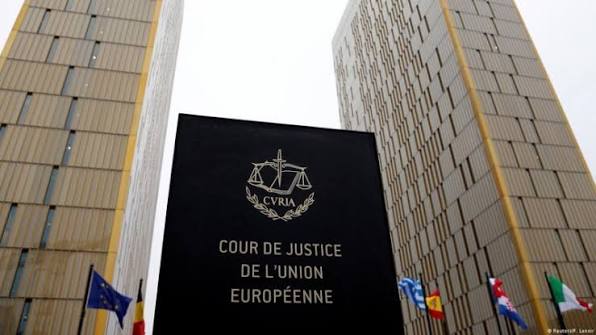
Consequences of Declining Trust in the Judiciary in Europe

SCFRonline – Opinion: The increase in public distrust of the French judicial system, which in recent surveys has reached approximately two-thirds of citizens, should be analyzed within a framework broader than temporary dissatisfaction or an emotional reaction to a particular criminal case.
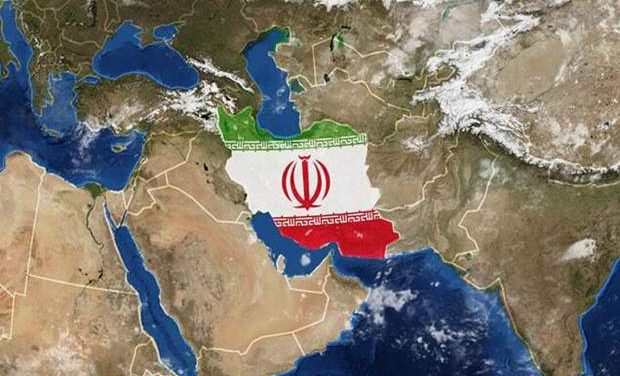

Iran’s Potential Levers of Power

SCFRonline– Opinion: Iran’s geopolitical power is not limited solely to oil and the Strait of Hormuz; the unintended emergence of disruptions in the future global food and energy security chains can also demonstrate Iran’s strategic importance.

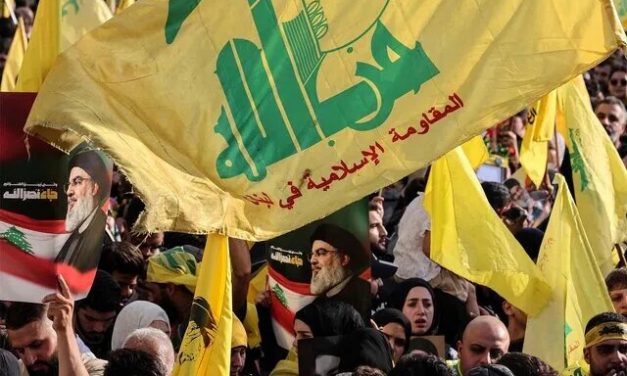
The Inseparability of the Lebanese Front from the Axis of Resistance

SCFR Online–Opinion: By providing an extensive network of social, healthcare, educational, and post-war reconstruction services, Hezbollah has established a strong social base for itself among Lebanon’s Shiites and Sunnis, and even beyond that, among other segments of Lebanese society, including Christians. Hezbollah has never been an external actor imposed upon Lebanon; rather, it is a phenomenon fundamentally born out of the occupation and crimes of the Zionist regime and itself influenced by popular resistance.

The Increasing Efforts of the Zionist Regime to Redefine Borders and the Regional Order and Its Consequences

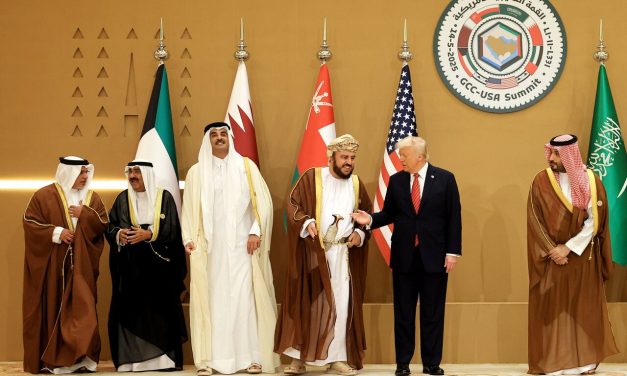
SCFR Online– Opinion: Security and military developments in the region over recent months indicate that the ongoing crises and wars in Gaza, southern Lebanon, and parts of Syrian territory encompass broader dimensions of geopolitical and geostrategic transformations. In this context, the increased military presence and control of the Zionist regime over parts of the territories of these areas, along with proposals regarding the creation of buffer zones or even the expansion of security borders, have raised serious questions about the future of the regional order and its consequences for the countries of West Asia.

Loading

Quds Day

Clashes in Al-Aqsa Mosque, Zionist Regime’s Concern over New  Intifada

Clashes in Al-Aqsa Mosque, Zionist Regime’s Concern over New Intifada

Strategic Council Online – Interview: An expert on Zionist regime affairs stated that the Tel Aviv’s political apparatus seeks to change the identity of Al-Aqsa Mosque, but because it is afraid of its consequences, it tries not to claim responsibility for his actions, adding: After Al-Aqsa Mosque clashes, the Zionist regime is concerned about a new Intifada and is trying to prevent its occurrence.

Features of the “garrison regime” of Israel

Features of the “garrison regime” of Israel

Strategic Council Online—Interview: A member of the academic staff of the University of Tehran says the Zionist regime is the proxy of the US Army in the Mediterranean, adding the fact that Israel is a garrison regime should be demonstrated to the world so that not only the void Western propaganda is neutralized but also reconciliation with the garrison regime and its promotion are not considered an advantage.

Factors Strengthening Position of Resistance among Regional Nations

Factors Strengthening Position of Resistance among Regional Nations

Strategic Council Online – The recent speeches delivered by Sayyed Hassan Nasrallah, Secretary-General of Hezbollah in Lebanon, and Sayyed Abdul Malik Badruddin al-Houthi, the leader of Yemen’s Ansarollah, once again drew attention to the importance of the issue of resistance.
Hassan Hanizadeh – expert on the Middle East affairs

أحدث الوظائف

Consequences of Declining Trust in the Judiciary in Europe

SCFRonline – Opinion: The increase in public distrust of the French judicial system, which in recent surveys has reached approximately two-thirds of citizens, should be analyzed within a framework broader than temporary dissatisfaction or an emotional reaction to a particular criminal case.

Iran’s Potential Levers of Power

SCFRonline– Opinion: Iran’s geopolitical power is not limited solely to oil and the Strait of Hormuz; the unintended emergence of disruptions in the future global food and energy security chains can also demonstrate Iran’s strategic importance.

The Inseparability of the Lebanese Front from the Axis of Resistance

SCFR Online–Opinion: By providing an extensive network of social, healthcare, educational, and post-war reconstruction services, Hezbollah has established a strong social base for itself among Lebanon’s Shiites and Sunnis, and even beyond that, among other segments of Lebanese society, including Christians. Hezbollah has never been an external actor imposed upon Lebanon; rather, it is a phenomenon fundamentally born out of the occupation and crimes of the Zionist regime and itself influenced by popular resistance.

The Increasing Efforts of the Zionist Regime to Redefine Borders and the Regional Order and Its Consequences

SCFR Online– Opinion: Security and military developments in the region over recent months indicate that the ongoing crises and wars in Gaza, southern Lebanon, and parts of Syrian territory encompass broader dimensions of geopolitical and geostrategic transformations. In this context, the increased military presence and control of the Zionist regime over parts of the territories of these areas, along with proposals regarding the creation of buffer zones or even the expansion of security borders, have raised serious questions about the future of the regional order and its consequences for the countries of West Asia.

Loading

Quds Day

Clashes in Al-Aqsa Mosque, Zionist Regime’s Concern over New  Intifada

Clashes in Al-Aqsa Mosque, Zionist Regime’s Concern over New Intifada

Strategic Council Online – Interview: An expert on Zionist regime affairs stated that the Tel Aviv’s political apparatus seeks to change the identity of Al-Aqsa Mosque, but because it is afraid of its consequences, it tries not to claim responsibility for his actions, adding: After Al-Aqsa Mosque clashes, the Zionist regime is concerned about a new Intifada and is trying to prevent its occurrence.

Features of the “garrison regime” of Israel

Features of the “garrison regime” of Israel

Strategic Council Online—Interview: A member of the academic staff of the University of Tehran says the Zionist regime is the proxy of the US Army in the Mediterranean, adding the fact that Israel is a garrison regime should be demonstrated to the world so that not only the void Western propaganda is neutralized but also reconciliation with the garrison regime and its promotion are not considered an advantage.

Factors Strengthening Position of Resistance among Regional Nations

Factors Strengthening Position of Resistance among Regional Nations

Strategic Council Online – The recent speeches delivered by Sayyed Hassan Nasrallah, Secretary-General of Hezbollah in Lebanon, and Sayyed Abdul Malik Badruddin al-Houthi, the leader of Yemen’s Ansarollah, once again drew attention to the importance of the issue of resistance.
Hassan Hanizadeh – expert on the Middle East affairs

Quds Day

Clashes in Al-Aqsa Mosque, Zionist Regime’s Concern over New  Intifada

Clashes in Al-Aqsa Mosque, Zionist Regime’s Concern over New Intifada

Strategic Council Online – Interview: An expert on Zionist regime affairs stated that the Tel Aviv’s political apparatus seeks to change the identity of Al-Aqsa Mosque, but because it is afraid of its consequences, it tries not to claim responsibility for his actions, adding: After Al-Aqsa Mosque clashes, the Zionist regime is concerned about a new Intifada and is trying to prevent its occurrence.

Features of the “garrison regime” of Israel

Features of the “garrison regime” of Israel

Strategic Council Online—Interview: A member of the academic staff of the University of Tehran says the Zionist regime is the proxy of the US Army in the Mediterranean, adding the fact that Israel is a garrison regime should be demonstrated to the world so that not only the void Western propaganda is neutralized but also reconciliation with the garrison regime and its promotion are not considered an advantage.

Factors Strengthening Position of Resistance among Regional Nations

Factors Strengthening Position of Resistance among Regional Nations

Strategic Council Online – The recent speeches delivered by Sayyed Hassan Nasrallah, Secretary-General of Hezbollah in Lebanon, and Sayyed Abdul Malik Badruddin al-Houthi, the leader of Yemen’s Ansarollah, once again drew attention to the importance of the issue of resistance.
Hassan Hanizadeh – expert on the Middle East affairs

LATEST CONTENT

Consequences of Declining Trust in the Judiciary in Europe

SCFRonline – Opinion: The increase in public distrust of the French judicial system, which in recent surveys has reached approximately two-thirds of citizens, should be analyzed within a framework broader than temporary dissatisfaction or an emotional reaction to a particular criminal case.
Iran’s Potential Levers of Power

SCFRonline– Opinion: Iran’s geopolitical power is not limited solely to oil and the Strait of Hormuz; the unintended emergence of disruptions in the future global food and energy security chains can also demonstrate Iran’s strategic importance.

The Inseparability of the Lebanese Front from the Axis of Resistance

SCFR Online–Opinion: By providing an extensive network of social, healthcare, educational, and post-war reconstruction services, Hezbollah has established a strong social base for itself among Lebanon’s Shiites and Sunnis, and even beyond that, among other segments of Lebanese society, including Christians. Hezbollah has never been an external actor imposed upon Lebanon; rather, it is a phenomenon fundamentally born out of the occupation and crimes of the Zionist regime and itself influenced by popular resistance.

The Increasing Efforts of the Zionist Regime to Redefine Borders and the Regional Order and Its Consequences

SCFR Online– Opinion: Security and military developments in the region over recent months indicate that the ongoing crises and wars in Gaza, southern Lebanon, and parts of Syrian territory encompass broader dimensions of geopolitical and geostrategic transformations. In this context, the increased military presence and control of the Zionist regime over parts of the territories of these areas, along with proposals regarding the creation of buffer zones or even the expansion of security borders, have raised serious questions about the future of the regional order and its consequences for the countries of West Asia.

Loading

Quds Day

Clashes in Al-Aqsa Mosque, Zionist Regime’s Concern over New  Intifada

Clashes in Al-Aqsa Mosque, Zionist Regime’s Concern over New Intifada

Strategic Council Online – Interview: An expert on Zionist regime affairs stated that the Tel Aviv’s political apparatus seeks to change the identity of Al-Aqsa Mosque, but because it is afraid of its consequences, it tries not to claim responsibility for his actions, adding: After Al-Aqsa Mosque clashes, the Zionist regime is concerned about a new Intifada and is trying to prevent its occurrence.

Features of the “garrison regime” of Israel

Features of the “garrison regime” of Israel

Strategic Council Online—Interview: A member of the academic staff of the University of Tehran says the Zionist regime is the proxy of the US Army in the Mediterranean, adding the fact that Israel is a garrison regime should be demonstrated to the world so that not only the void Western propaganda is neutralized but also reconciliation with the garrison regime and its promotion are not considered an advantage.

Factors Strengthening Position of Resistance among Regional Nations

Factors Strengthening Position of Resistance among Regional Nations

Strategic Council Online – The recent speeches delivered by Sayyed Hassan Nasrallah, Secretary-General of Hezbollah in Lebanon, and Sayyed Abdul Malik Badruddin al-Houthi, the leader of Yemen’s Ansarollah, once again drew attention to the importance of the issue of resistance.
Hassan Hanizadeh – expert on the Middle East affairs

ÚLTIMAS PUBLICACIONES

Consequences of Declining Trust in the Judiciary in Europe

SCFRonline – Opinion: The increase in public distrust of the French judicial system, which in recent surveys has reached approximately two-thirds of citizens, should be analyzed within a framework broader than temporary dissatisfaction or an emotional reaction to a particular criminal case.
Iran’s Potential Levers of Power

SCFRonline– Opinion: Iran’s geopolitical power is not limited solely to oil and the Strait of Hormuz; the unintended emergence of disruptions in the future global food and energy security chains can also demonstrate Iran’s strategic importance.

The Inseparability of the Lebanese Front from the Axis of Resistance

SCFR Online–Opinion: By providing an extensive network of social, healthcare, educational, and post-war reconstruction services, Hezbollah has established a strong social base for itself among Lebanon’s Shiites and Sunnis, and even beyond that, among other segments of Lebanese society, including Christians. Hezbollah has never been an external actor imposed upon Lebanon; rather, it is a phenomenon fundamentally born out of the occupation and crimes of the Zionist regime and itself influenced by popular resistance.

The Increasing Efforts of the Zionist Regime to Redefine Borders and the Regional Order and Its Consequences

SCFR Online– Opinion: Security and military developments in the region over recent months indicate that the ongoing crises and wars in Gaza, southern Lebanon, and parts of Syrian territory encompass broader dimensions of geopolitical and geostrategic transformations. In this context, the increased military presence and control of the Zionist regime over parts of the territories of these areas, along with proposals regarding the creation of buffer zones or even the expansion of security borders, have raised serious questions about the future of the regional order and its consequences for the countries of West Asia.

Loading

Quds Day

Clashes in Al-Aqsa Mosque, Zionist Regime’s Concern over New  Intifada

Clashes in Al-Aqsa Mosque, Zionist Regime’s Concern over New Intifada

Strategic Council Online – Interview: An expert on Zionist regime affairs stated that the Tel Aviv’s political apparatus seeks to change the identity of Al-Aqsa Mosque, but because it is afraid of its consequences, it tries not to claim responsibility for his actions, adding: After Al-Aqsa Mosque clashes, the Zionist regime is concerned about a new Intifada and is trying to prevent its occurrence.

Features of the “garrison regime” of Israel

Features of the “garrison regime” of Israel

Strategic Council Online—Interview: A member of the academic staff of the University of Tehran says the Zionist regime is the proxy of the US Army in the Mediterranean, adding the fact that Israel is a garrison regime should be demonstrated to the world so that not only the void Western propaganda is neutralized but also reconciliation with the garrison regime and its promotion are not considered an advantage.

Factors Strengthening Position of Resistance among Regional Nations

Factors Strengthening Position of Resistance among Regional Nations

Strategic Council Online – The recent speeches delivered by Sayyed Hassan Nasrallah, Secretary-General of Hezbollah in Lebanon, and Sayyed Abdul Malik Badruddin al-Houthi, the leader of Yemen’s Ansarollah, once again drew attention to the importance of the issue of resistance.
Hassan Hanizadeh – expert on the Middle East affairs

ÚLTIMAS PUBLICACIONES

Consequences of Declining Trust in the Judiciary in Europe

SCFRonline – Opinion: The increase in public distrust of the French judicial system, which in recent surveys has reached approximately two-thirds of citizens, should be analyzed within a framework broader than temporary dissatisfaction or an emotional reaction to a particular criminal case.
Iran’s Potential Levers of Power

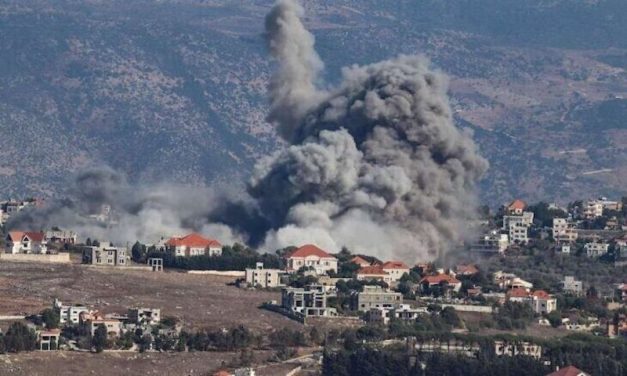
SCFRonline– Opinion: Iran’s geopolitical power is not limited solely to oil and the Strait of Hormuz; the unintended emergence of disruptions in the future global food and energy security chains can also demonstrate Iran’s strategic importance.

The Inseparability of the Lebanese Front from the Axis of Resistance

SCFR Online–Opinion: By providing an extensive network of social, healthcare, educational, and post-war reconstruction services, Hezbollah has established a strong social base for itself among Lebanon’s Shiites and Sunnis, and even beyond that, among other segments of Lebanese society, including Christians. Hezbollah has never been an external actor imposed upon Lebanon; rather, it is a phenomenon fundamentally born out of the occupation and crimes of the Zionist regime and itself influenced by popular resistance.

The Increasing Efforts of the Zionist Regime to Redefine Borders and the Regional Order and Its Consequences

SCFR Online– Opinion: Security and military developments in the region over recent months indicate that the ongoing crises and wars in Gaza, southern Lebanon, and parts of Syrian territory encompass broader dimensions of geopolitical and geostrategic transformations. In this context, the increased military presence and control of the Zionist regime over parts of the territories of these areas, along with proposals regarding the creation of buffer zones or even the expansion of security borders, have raised serious questions about the future of the regional order and its consequences for the countries of West Asia.

Loading

Quds Day

Clashes in Al-Aqsa Mosque, Zionist Regime’s Concern over New  Intifada

Clashes in Al-Aqsa Mosque, Zionist Regime’s Concern over New Intifada

Strategic Council Online – Interview: An expert on Zionist regime affairs stated that the Tel Aviv’s political apparatus seeks to change the identity of Al-Aqsa Mosque, but because it is afraid of its consequences, it tries not to claim responsibility for his actions, adding: After Al-Aqsa Mosque clashes, the Zionist regime is concerned about a new Intifada and is trying to prevent its occurrence.

Features of the “garrison regime” of Israel

Features of the “garrison regime” of Israel

Strategic Council Online—Interview: A member of the academic staff of the University of Tehran says the Zionist regime is the proxy of the US Army in the Mediterranean, adding the fact that Israel is a garrison regime should be demonstrated to the world so that not only the void Western propaganda is neutralized but also reconciliation with the garrison regime and its promotion are not considered an advantage.

Factors Strengthening Position of Resistance among Regional Nations

Factors Strengthening Position of Resistance among Regional Nations

Strategic Council Online – The recent speeches delivered by Sayyed Hassan Nasrallah, Secretary-General of Hezbollah in Lebanon, and Sayyed Abdul Malik Badruddin al-Houthi, the leader of Yemen’s Ansarollah, once again drew attention to the importance of the issue of resistance.
Hassan Hanizadeh – expert on the Middle East affairs

ÚLTIMAS PUBLICACIONES

Consequences of Declining Trust in the Judiciary in Europe

SCFRonline – Opinion: The increase in public distrust of the French judicial system, which in recent surveys has reached approximately two-thirds of citizens, should be analyzed within a framework broader than temporary dissatisfaction or an emotional reaction to a particular criminal case.
Iran’s Potential Levers of Power

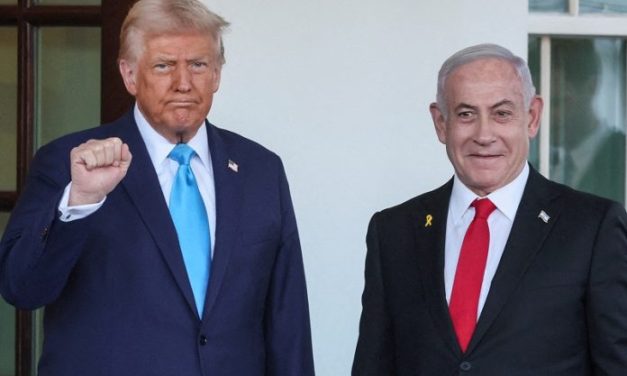
SCFRonline– Opinion: Iran’s geopolitical power is not limited solely to oil and the Strait of Hormuz; the unintended emergence of disruptions in the future global food and energy security chains can also demonstrate Iran’s strategic importance.

The Inseparability of the Lebanese Front from the Axis of Resistance

SCFR Online–Opinion: By providing an extensive network of social, healthcare, educational, and post-war reconstruction services, Hezbollah has established a strong social base for itself among Lebanon’s Shiites and Sunnis, and even beyond that, among other segments of Lebanese society, including Christians. Hezbollah has never been an external actor imposed upon Lebanon; rather, it is a phenomenon fundamentally born out of the occupation and crimes of the Zionist regime and itself influenced by popular resistance.

The Increasing Efforts of the Zionist Regime to Redefine Borders and the Regional Order and Its Consequences

SCFR Online– Opinion: Security and military developments in the region over recent months indicate that the ongoing crises and wars in Gaza, southern Lebanon, and parts of Syrian territory encompass broader dimensions of geopolitical and geostrategic transformations. In this context, the increased military presence and control of the Zionist regime over parts of the territories of these areas, along with proposals regarding the creation of buffer zones or even the expansion of security borders, have raised serious questions about the future of the regional order and its consequences for the countries of West Asia.

Loading

Quds Day

Clashes in Al-Aqsa Mosque, Zionist Regime’s Concern over New  Intifada

Clashes in Al-Aqsa Mosque, Zionist Regime’s Concern over New Intifada

Strategic Council Online – Interview: An expert on Zionist regime affairs stated that the Tel Aviv’s political apparatus seeks to change the identity of Al-Aqsa Mosque, but because it is afraid of its consequences, it tries not to claim responsibility for his actions, adding: After Al-Aqsa Mosque clashes, the Zionist regime is concerned about a new Intifada and is trying to prevent its occurrence.

Features of the “garrison regime” of Israel

Features of the “garrison regime” of Israel

Strategic Council Online—Interview: A member of the academic staff of the University of Tehran says the Zionist regime is the proxy of the US Army in the Mediterranean, adding the fact that Israel is a garrison regime should be demonstrated to the world so that not only the void Western propaganda is neutralized but also reconciliation with the garrison regime and its promotion are not considered an advantage.

Factors Strengthening Position of Resistance among Regional Nations

Factors Strengthening Position of Resistance among Regional Nations

Strategic Council Online – The recent speeches delivered by Sayyed Hassan Nasrallah, Secretary-General of Hezbollah in Lebanon, and Sayyed Abdul Malik Badruddin al-Houthi, the leader of Yemen’s Ansarollah, once again drew attention to the importance of the issue of resistance.
Hassan Hanizadeh – expert on the Middle East affairs

ÚLTIMAS PUBLICACIONES

Consequences of Declining Trust in the Judiciary in Europe

SCFRonline – Opinion: The increase in public distrust of the French judicial system, which in recent surveys has reached approximately two-thirds of citizens, should be analyzed within a framework broader than temporary dissatisfaction or an emotional reaction to a particular criminal case.

Iran’s Potential Levers of Power

SCFRonline– Opinion: Iran’s geopolitical power is not limited solely to oil and the Strait of Hormuz; the unintended emergence of disruptions in the future global food and energy security chains can also demonstrate Iran’s strategic importance.

The Inseparability of the Lebanese Front from the Axis of Resistance

SCFR Online–Opinion: By providing an extensive network of social, healthcare, educational, and post-war reconstruction services, Hezbollah has established a strong social base for itself among Lebanon’s Shiites and Sunnis, and even beyond that, among other segments of Lebanese society, including Christians. Hezbollah has never been an external actor imposed upon Lebanon; rather, it is a phenomenon fundamentally born out of the occupation and crimes of the Zionist regime and itself influenced by popular resistance.

The Increasing Efforts of the Zionist Regime to Redefine Borders and the Regional Order and Its Consequences

SCFR Online– Opinion: Security and military developments in the region over recent months indicate that the ongoing crises and wars in Gaza, southern Lebanon, and parts of Syrian territory encompass broader dimensions of geopolitical and geostrategic transformations. In this context, the increased military presence and control of the Zionist regime over parts of the territories of these areas, along with proposals regarding the creation of buffer zones or even the expansion of security borders, have raised serious questions about the future of the regional order and its consequences for the countries of West Asia.

Loading