جدیدترین مطالب

Consequences of Declining Trust in the Judiciary in Europe

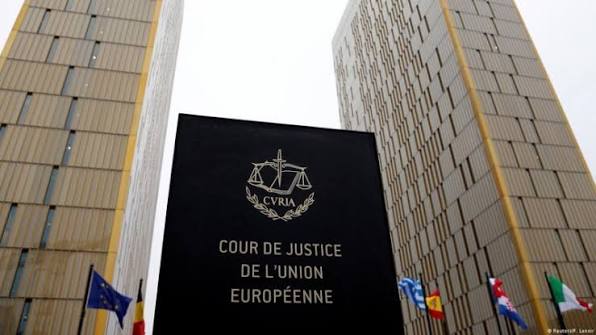
SCFRonline – Opinion: The increase in public distrust of the French judicial system, which in recent surveys has reached approximately two-thirds of citizens, should be analyzed within a framework broader than temporary dissatisfaction or an emotional reaction to a particular criminal case.

Iran’s Potential Levers of Power

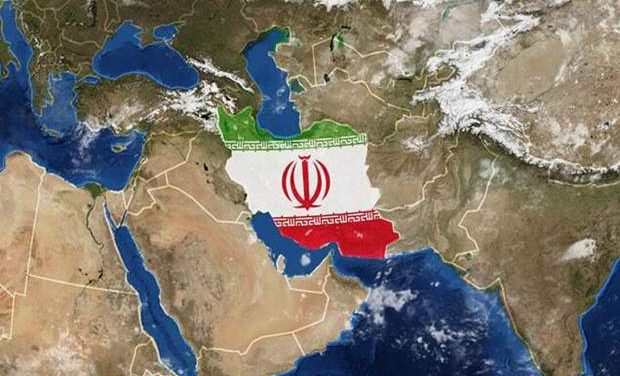
SCFRonline– Opinion: Iran’s geopolitical power is not limited solely to oil and the Strait of Hormuz; the unintended emergence of disruptions in the future global food and energy security chains can also demonstrate Iran’s strategic importance.

The Inseparability of the Lebanese Front from the Axis of Resistance

SCFR Online–Opinion: By providing an extensive network of social, healthcare, educational, and post-war reconstruction services, Hezbollah has established a strong social base for itself among Lebanon’s Shiites and Sunnis, and even beyond that, among other segments of Lebanese society, including Christians. Hezbollah has never been an external actor imposed upon Lebanon; rather, it is a phenomenon fundamentally born out of the occupation and crimes of the Zionist regime and itself influenced by popular resistance.

The Increasing Efforts of the Zionist Regime to Redefine Borders and the Regional Order and Its Consequences

SCFR Online– Opinion: Security and military developments in the region over recent months indicate that the ongoing crises and wars in Gaza, southern Lebanon, and parts of Syrian territory encompass broader dimensions of geopolitical and geostrategic transformations. In this context, the increased military presence and control of the Zionist regime over parts of the territories of these areas, along with proposals regarding the creation of buffer zones or even the expansion of security borders, have raised serious questions about the future of the regional order and its consequences for the countries of West Asia.

Loading

Oman

Kuwait’s Explicitness in Opposing Normalization of Relations with Zionist Regime

Kuwait’s Explicitness in Opposing Normalization of Relations with Zionist Regime

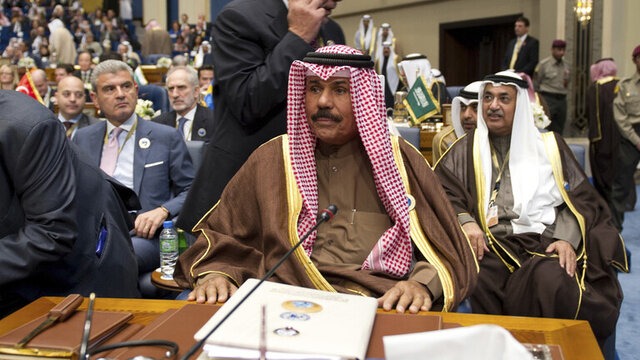
Strategic Council Online: The stance Kuwait has adopted in opposing the normalization of relations with the Zionist regime is important and has been more explicit than other Arab states, and the new Emir of Kuwait has explicitly stated that he will follow the policies of the late Emir in all cases, including the Palestinian issue.
Seyed Reza Mirabian – Expert on Middle East Affairs

Prospects of Field Developments after Israel-UAE Agreement

Prospects of Field Developments after Israel-UAE Agreement

Strategic Council Online – An expert on West Asian affairs said that what the Americans are saying in terms of achieving their goals or changing the course of peace in the Middle East is more propaganda and media feed, adding “The Arab states of the Persian Gulf have considerations and they know that this action will have serious consequences for them.”

Behind the Scenes of Iraq-Jordan-Egypt Trilateral Meeting

Behind the Scenes of Iraq-Jordan-Egypt Trilateral Meeting

Strategic Council Online – Arab states, especially Saudi Arabia, Jordan and Egypt, are trying to pull Iraq from the ideological sphere to the atmosphere of Arab reaction in order to deepen the distance between Tehran and Baghdad politically and ideologically.
Hassan Hanizadeh – Middle East Affairs Expert

Implications and Effects of UAE-Zionist Regime Official Relations

Implications and Effects of UAE-Zionist Regime Official Relations

Strategic Council Online – A Middle East affairs analyst said that the UAE is actually playing in the space provided by the United States and Israel, adding that the UAE is suffering from the delusions of grandeur and superiority complex and by enhancing its position in the region try to become one of the main regional players, but the Emirates has serious weaknesses and reservations regarding Iran.

Turkey’s Outlook about South Persian Gulf States

Turkey’s Outlook about South Persian Gulf States

Strategic Council Online – Despite the continuation of some economic cooperation between Turkey and Saudi Arabia and the UAE, in the political and security spheres, serious challenges will be faced in the future in these countries.
Davoud Ahmadzadeh – Middle East Affairs Expert

Saudi Confusion in Yemen over Ansarullah’s Call for Peace

Saudi Confusion in Yemen over Ansarullah’s Call for Peace

Strategic Council Online: The repeated violations of the ceasefire proposed by the Saudi coalition to the Yemeni army and the Yemeni People’s Committees must be analyzed in the context of Riyadh’s confusion in the face of the Yemeni war of attrition.
Kamran Karami – Researcher on Arab Peninsula Issues

Goals of Pompeo’s Saudi Visit

Goals of Pompeo’s Saudi Visit

Strategic Council Online: A university professor cited US Secretary of State Mike Pompeo’s goals behind his recent visit to Saudi Arabia, saying the trip was largely meant to prevent Iran from conducting bilateral talks with some countries in the region. He said the US wants to tell Saudi Arabia once again that it does not need to get closer to Iran because Washington will continue its policy of maximum pressure against Iran.

Saudi Arabia to Compensate for Its Regional Mistakes?

Saudi Arabia to Compensate for Its Regional Mistakes?

Strategic Council Online: Former Middle East Director-General of the IRI Foreign Ministry believes that after the recent drone attacks on Saudi Arabia, the authorities in Riyadh have concluded that the crisis is getting out of control.

أحدث الوظائف

Consequences of Declining Trust in the Judiciary in Europe

SCFRonline – Opinion: The increase in public distrust of the French judicial system, which in recent surveys has reached approximately two-thirds of citizens, should be analyzed within a framework broader than temporary dissatisfaction or an emotional reaction to a particular criminal case.

Iran’s Potential Levers of Power

SCFRonline– Opinion: Iran’s geopolitical power is not limited solely to oil and the Strait of Hormuz; the unintended emergence of disruptions in the future global food and energy security chains can also demonstrate Iran’s strategic importance.

The Inseparability of the Lebanese Front from the Axis of Resistance

SCFR Online–Opinion: By providing an extensive network of social, healthcare, educational, and post-war reconstruction services, Hezbollah has established a strong social base for itself among Lebanon’s Shiites and Sunnis, and even beyond that, among other segments of Lebanese society, including Christians. Hezbollah has never been an external actor imposed upon Lebanon; rather, it is a phenomenon fundamentally born out of the occupation and crimes of the Zionist regime and itself influenced by popular resistance.

The Increasing Efforts of the Zionist Regime to Redefine Borders and the Regional Order and Its Consequences

SCFR Online– Opinion: Security and military developments in the region over recent months indicate that the ongoing crises and wars in Gaza, southern Lebanon, and parts of Syrian territory encompass broader dimensions of geopolitical and geostrategic transformations. In this context, the increased military presence and control of the Zionist regime over parts of the territories of these areas, along with proposals regarding the creation of buffer zones or even the expansion of security borders, have raised serious questions about the future of the regional order and its consequences for the countries of West Asia.

Loading

Oman

Kuwait’s Explicitness in Opposing Normalization of Relations with Zionist Regime

Kuwait’s Explicitness in Opposing Normalization of Relations with Zionist Regime

Strategic Council Online: The stance Kuwait has adopted in opposing the normalization of relations with the Zionist regime is important and has been more explicit than other Arab states, and the new Emir of Kuwait has explicitly stated that he will follow the policies of the late Emir in all cases, including the Palestinian issue.
Seyed Reza Mirabian – Expert on Middle East Affairs

Prospects of Field Developments after Israel-UAE Agreement

Prospects of Field Developments after Israel-UAE Agreement

Strategic Council Online – An expert on West Asian affairs said that what the Americans are saying in terms of achieving their goals or changing the course of peace in the Middle East is more propaganda and media feed, adding “The Arab states of the Persian Gulf have considerations and they know that this action will have serious consequences for them.”

Behind the Scenes of Iraq-Jordan-Egypt Trilateral Meeting

Behind the Scenes of Iraq-Jordan-Egypt Trilateral Meeting

Strategic Council Online – Arab states, especially Saudi Arabia, Jordan and Egypt, are trying to pull Iraq from the ideological sphere to the atmosphere of Arab reaction in order to deepen the distance between Tehran and Baghdad politically and ideologically.
Hassan Hanizadeh – Middle East Affairs Expert

Implications and Effects of UAE-Zionist Regime Official Relations

Implications and Effects of UAE-Zionist Regime Official Relations

Strategic Council Online – A Middle East affairs analyst said that the UAE is actually playing in the space provided by the United States and Israel, adding that the UAE is suffering from the delusions of grandeur and superiority complex and by enhancing its position in the region try to become one of the main regional players, but the Emirates has serious weaknesses and reservations regarding Iran.

Turkey’s Outlook about South Persian Gulf States

Turkey’s Outlook about South Persian Gulf States

Strategic Council Online – Despite the continuation of some economic cooperation between Turkey and Saudi Arabia and the UAE, in the political and security spheres, serious challenges will be faced in the future in these countries.
Davoud Ahmadzadeh – Middle East Affairs Expert

Saudi Confusion in Yemen over Ansarullah’s Call for Peace

Saudi Confusion in Yemen over Ansarullah’s Call for Peace

Strategic Council Online: The repeated violations of the ceasefire proposed by the Saudi coalition to the Yemeni army and the Yemeni People’s Committees must be analyzed in the context of Riyadh’s confusion in the face of the Yemeni war of attrition.
Kamran Karami – Researcher on Arab Peninsula Issues

Goals of Pompeo’s Saudi Visit

Goals of Pompeo’s Saudi Visit

Strategic Council Online: A university professor cited US Secretary of State Mike Pompeo’s goals behind his recent visit to Saudi Arabia, saying the trip was largely meant to prevent Iran from conducting bilateral talks with some countries in the region. He said the US wants to tell Saudi Arabia once again that it does not need to get closer to Iran because Washington will continue its policy of maximum pressure against Iran.

Saudi Arabia to Compensate for Its Regional Mistakes?

Saudi Arabia to Compensate for Its Regional Mistakes?

Strategic Council Online: Former Middle East Director-General of the IRI Foreign Ministry believes that after the recent drone attacks on Saudi Arabia, the authorities in Riyadh have concluded that the crisis is getting out of control.

Oman

Kuwait’s Explicitness in Opposing Normalization of Relations with Zionist Regime

Kuwait’s Explicitness in Opposing Normalization of Relations with Zionist Regime

Strategic Council Online: The stance Kuwait has adopted in opposing the normalization of relations with the Zionist regime is important and has been more explicit than other Arab states, and the new Emir of Kuwait has explicitly stated that he will follow the policies of the late Emir in all cases, including the Palestinian issue.
Seyed Reza Mirabian – Expert on Middle East Affairs

Prospects of Field Developments after Israel-UAE Agreement

Prospects of Field Developments after Israel-UAE Agreement

Strategic Council Online – An expert on West Asian affairs said that what the Americans are saying in terms of achieving their goals or changing the course of peace in the Middle East is more propaganda and media feed, adding “The Arab states of the Persian Gulf have considerations and they know that this action will have serious consequences for them.”

Behind the Scenes of Iraq-Jordan-Egypt Trilateral Meeting

Behind the Scenes of Iraq-Jordan-Egypt Trilateral Meeting

Strategic Council Online – Arab states, especially Saudi Arabia, Jordan and Egypt, are trying to pull Iraq from the ideological sphere to the atmosphere of Arab reaction in order to deepen the distance between Tehran and Baghdad politically and ideologically.
Hassan Hanizadeh – Middle East Affairs Expert

Implications and Effects of UAE-Zionist Regime Official Relations

Implications and Effects of UAE-Zionist Regime Official Relations

Strategic Council Online – A Middle East affairs analyst said that the UAE is actually playing in the space provided by the United States and Israel, adding that the UAE is suffering from the delusions of grandeur and superiority complex and by enhancing its position in the region try to become one of the main regional players, but the Emirates has serious weaknesses and reservations regarding Iran.

Turkey’s Outlook about South Persian Gulf States

Turkey’s Outlook about South Persian Gulf States

Strategic Council Online – Despite the continuation of some economic cooperation between Turkey and Saudi Arabia and the UAE, in the political and security spheres, serious challenges will be faced in the future in these countries.
Davoud Ahmadzadeh – Middle East Affairs Expert

Saudi Confusion in Yemen over Ansarullah’s Call for Peace

Saudi Confusion in Yemen over Ansarullah’s Call for Peace

Strategic Council Online: The repeated violations of the ceasefire proposed by the Saudi coalition to the Yemeni army and the Yemeni People’s Committees must be analyzed in the context of Riyadh’s confusion in the face of the Yemeni war of attrition.
Kamran Karami – Researcher on Arab Peninsula Issues

Goals of Pompeo’s Saudi Visit

Goals of Pompeo’s Saudi Visit

Strategic Council Online: A university professor cited US Secretary of State Mike Pompeo’s goals behind his recent visit to Saudi Arabia, saying the trip was largely meant to prevent Iran from conducting bilateral talks with some countries in the region. He said the US wants to tell Saudi Arabia once again that it does not need to get closer to Iran because Washington will continue its policy of maximum pressure against Iran.

Saudi Arabia to Compensate for Its Regional Mistakes?

Saudi Arabia to Compensate for Its Regional Mistakes?

Strategic Council Online: Former Middle East Director-General of the IRI Foreign Ministry believes that after the recent drone attacks on Saudi Arabia, the authorities in Riyadh have concluded that the crisis is getting out of control.

LATEST CONTENT

Consequences of Declining Trust in the Judiciary in Europe

SCFRonline – Opinion: The increase in public distrust of the French judicial system, which in recent surveys has reached approximately two-thirds of citizens, should be analyzed within a framework broader than temporary dissatisfaction or an emotional reaction to a particular criminal case.
Iran’s Potential Levers of Power

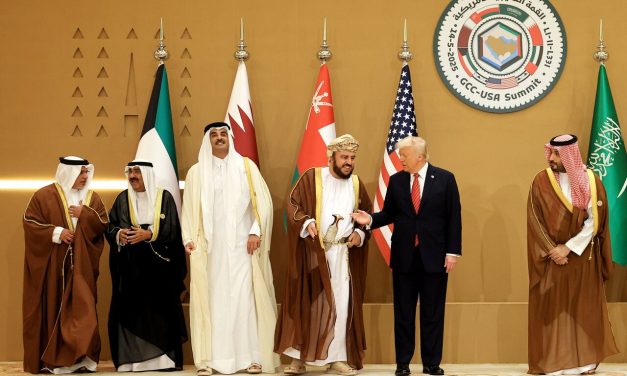
SCFRonline– Opinion: Iran’s geopolitical power is not limited solely to oil and the Strait of Hormuz; the unintended emergence of disruptions in the future global food and energy security chains can also demonstrate Iran’s strategic importance.

The Inseparability of the Lebanese Front from the Axis of Resistance

SCFR Online–Opinion: By providing an extensive network of social, healthcare, educational, and post-war reconstruction services, Hezbollah has established a strong social base for itself among Lebanon’s Shiites and Sunnis, and even beyond that, among other segments of Lebanese society, including Christians. Hezbollah has never been an external actor imposed upon Lebanon; rather, it is a phenomenon fundamentally born out of the occupation and crimes of the Zionist regime and itself influenced by popular resistance.

The Increasing Efforts of the Zionist Regime to Redefine Borders and the Regional Order and Its Consequences

SCFR Online– Opinion: Security and military developments in the region over recent months indicate that the ongoing crises and wars in Gaza, southern Lebanon, and parts of Syrian territory encompass broader dimensions of geopolitical and geostrategic transformations. In this context, the increased military presence and control of the Zionist regime over parts of the territories of these areas, along with proposals regarding the creation of buffer zones or even the expansion of security borders, have raised serious questions about the future of the regional order and its consequences for the countries of West Asia.

Loading

Oman

Kuwait’s Explicitness in Opposing Normalization of Relations with Zionist Regime

Kuwait’s Explicitness in Opposing Normalization of Relations with Zionist Regime

Strategic Council Online: The stance Kuwait has adopted in opposing the normalization of relations with the Zionist regime is important and has been more explicit than other Arab states, and the new Emir of Kuwait has explicitly stated that he will follow the policies of the late Emir in all cases, including the Palestinian issue.
Seyed Reza Mirabian – Expert on Middle East Affairs

Prospects of Field Developments after Israel-UAE Agreement

Prospects of Field Developments after Israel-UAE Agreement

Strategic Council Online – An expert on West Asian affairs said that what the Americans are saying in terms of achieving their goals or changing the course of peace in the Middle East is more propaganda and media feed, adding “The Arab states of the Persian Gulf have considerations and they know that this action will have serious consequences for them.”

Behind the Scenes of Iraq-Jordan-Egypt Trilateral Meeting

Behind the Scenes of Iraq-Jordan-Egypt Trilateral Meeting

Strategic Council Online – Arab states, especially Saudi Arabia, Jordan and Egypt, are trying to pull Iraq from the ideological sphere to the atmosphere of Arab reaction in order to deepen the distance between Tehran and Baghdad politically and ideologically.
Hassan Hanizadeh – Middle East Affairs Expert

Implications and Effects of UAE-Zionist Regime Official Relations

Implications and Effects of UAE-Zionist Regime Official Relations

Strategic Council Online – A Middle East affairs analyst said that the UAE is actually playing in the space provided by the United States and Israel, adding that the UAE is suffering from the delusions of grandeur and superiority complex and by enhancing its position in the region try to become one of the main regional players, but the Emirates has serious weaknesses and reservations regarding Iran.

Turkey’s Outlook about South Persian Gulf States

Turkey’s Outlook about South Persian Gulf States

Strategic Council Online – Despite the continuation of some economic cooperation between Turkey and Saudi Arabia and the UAE, in the political and security spheres, serious challenges will be faced in the future in these countries.
Davoud Ahmadzadeh – Middle East Affairs Expert

Saudi Confusion in Yemen over Ansarullah’s Call for Peace

Saudi Confusion in Yemen over Ansarullah’s Call for Peace

Strategic Council Online: The repeated violations of the ceasefire proposed by the Saudi coalition to the Yemeni army and the Yemeni People’s Committees must be analyzed in the context of Riyadh’s confusion in the face of the Yemeni war of attrition.
Kamran Karami – Researcher on Arab Peninsula Issues

Goals of Pompeo’s Saudi Visit

Goals of Pompeo’s Saudi Visit

Strategic Council Online: A university professor cited US Secretary of State Mike Pompeo’s goals behind his recent visit to Saudi Arabia, saying the trip was largely meant to prevent Iran from conducting bilateral talks with some countries in the region. He said the US wants to tell Saudi Arabia once again that it does not need to get closer to Iran because Washington will continue its policy of maximum pressure against Iran.

Saudi Arabia to Compensate for Its Regional Mistakes?

Saudi Arabia to Compensate for Its Regional Mistakes?

Strategic Council Online: Former Middle East Director-General of the IRI Foreign Ministry believes that after the recent drone attacks on Saudi Arabia, the authorities in Riyadh have concluded that the crisis is getting out of control.

ÚLTIMAS PUBLICACIONES

Consequences of Declining Trust in the Judiciary in Europe

SCFRonline – Opinion: The increase in public distrust of the French judicial system, which in recent surveys has reached approximately two-thirds of citizens, should be analyzed within a framework broader than temporary dissatisfaction or an emotional reaction to a particular criminal case.
Iran’s Potential Levers of Power

SCFRonline– Opinion: Iran’s geopolitical power is not limited solely to oil and the Strait of Hormuz; the unintended emergence of disruptions in the future global food and energy security chains can also demonstrate Iran’s strategic importance.

The Inseparability of the Lebanese Front from the Axis of Resistance

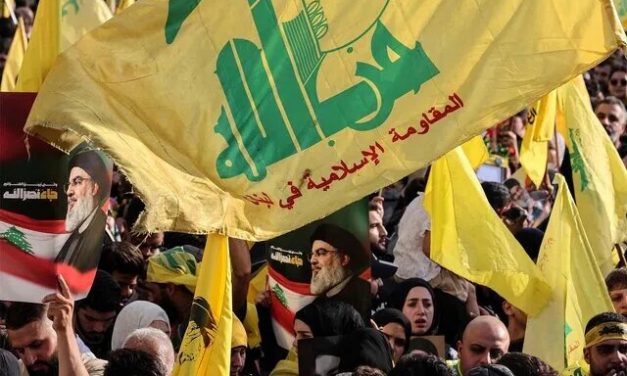
SCFR Online–Opinion: By providing an extensive network of social, healthcare, educational, and post-war reconstruction services, Hezbollah has established a strong social base for itself among Lebanon’s Shiites and Sunnis, and even beyond that, among other segments of Lebanese society, including Christians. Hezbollah has never been an external actor imposed upon Lebanon; rather, it is a phenomenon fundamentally born out of the occupation and crimes of the Zionist regime and itself influenced by popular resistance.

The Increasing Efforts of the Zionist Regime to Redefine Borders and the Regional Order and Its Consequences

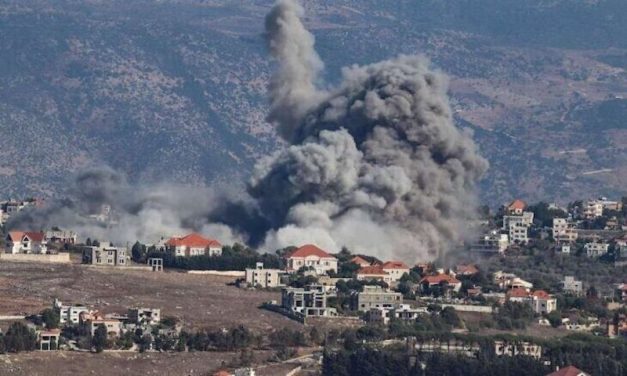
SCFR Online– Opinion: Security and military developments in the region over recent months indicate that the ongoing crises and wars in Gaza, southern Lebanon, and parts of Syrian territory encompass broader dimensions of geopolitical and geostrategic transformations. In this context, the increased military presence and control of the Zionist regime over parts of the territories of these areas, along with proposals regarding the creation of buffer zones or even the expansion of security borders, have raised serious questions about the future of the regional order and its consequences for the countries of West Asia.

Loading

Oman

Kuwait’s Explicitness in Opposing Normalization of Relations with Zionist Regime

Kuwait’s Explicitness in Opposing Normalization of Relations with Zionist Regime

Strategic Council Online: The stance Kuwait has adopted in opposing the normalization of relations with the Zionist regime is important and has been more explicit than other Arab states, and the new Emir of Kuwait has explicitly stated that he will follow the policies of the late Emir in all cases, including the Palestinian issue.
Seyed Reza Mirabian – Expert on Middle East Affairs

Prospects of Field Developments after Israel-UAE Agreement

Prospects of Field Developments after Israel-UAE Agreement

Strategic Council Online – An expert on West Asian affairs said that what the Americans are saying in terms of achieving their goals or changing the course of peace in the Middle East is more propaganda and media feed, adding “The Arab states of the Persian Gulf have considerations and they know that this action will have serious consequences for them.”

Behind the Scenes of Iraq-Jordan-Egypt Trilateral Meeting

Behind the Scenes of Iraq-Jordan-Egypt Trilateral Meeting

Strategic Council Online – Arab states, especially Saudi Arabia, Jordan and Egypt, are trying to pull Iraq from the ideological sphere to the atmosphere of Arab reaction in order to deepen the distance between Tehran and Baghdad politically and ideologically.
Hassan Hanizadeh – Middle East Affairs Expert

Implications and Effects of UAE-Zionist Regime Official Relations

Implications and Effects of UAE-Zionist Regime Official Relations

Strategic Council Online – A Middle East affairs analyst said that the UAE is actually playing in the space provided by the United States and Israel, adding that the UAE is suffering from the delusions of grandeur and superiority complex and by enhancing its position in the region try to become one of the main regional players, but the Emirates has serious weaknesses and reservations regarding Iran.

Turkey’s Outlook about South Persian Gulf States

Turkey’s Outlook about South Persian Gulf States

Strategic Council Online – Despite the continuation of some economic cooperation between Turkey and Saudi Arabia and the UAE, in the political and security spheres, serious challenges will be faced in the future in these countries.
Davoud Ahmadzadeh – Middle East Affairs Expert

Saudi Confusion in Yemen over Ansarullah’s Call for Peace

Saudi Confusion in Yemen over Ansarullah’s Call for Peace

Strategic Council Online: The repeated violations of the ceasefire proposed by the Saudi coalition to the Yemeni army and the Yemeni People’s Committees must be analyzed in the context of Riyadh’s confusion in the face of the Yemeni war of attrition.
Kamran Karami – Researcher on Arab Peninsula Issues

Goals of Pompeo’s Saudi Visit

Goals of Pompeo’s Saudi Visit

Strategic Council Online: A university professor cited US Secretary of State Mike Pompeo’s goals behind his recent visit to Saudi Arabia, saying the trip was largely meant to prevent Iran from conducting bilateral talks with some countries in the region. He said the US wants to tell Saudi Arabia once again that it does not need to get closer to Iran because Washington will continue its policy of maximum pressure against Iran.

Saudi Arabia to Compensate for Its Regional Mistakes?

Saudi Arabia to Compensate for Its Regional Mistakes?

Strategic Council Online: Former Middle East Director-General of the IRI Foreign Ministry believes that after the recent drone attacks on Saudi Arabia, the authorities in Riyadh have concluded that the crisis is getting out of control.

ÚLTIMAS PUBLICACIONES

Consequences of Declining Trust in the Judiciary in Europe

SCFRonline – Opinion: The increase in public distrust of the French judicial system, which in recent surveys has reached approximately two-thirds of citizens, should be analyzed within a framework broader than temporary dissatisfaction or an emotional reaction to a particular criminal case.
Iran’s Potential Levers of Power

SCFRonline– Opinion: Iran’s geopolitical power is not limited solely to oil and the Strait of Hormuz; the unintended emergence of disruptions in the future global food and energy security chains can also demonstrate Iran’s strategic importance.

The Inseparability of the Lebanese Front from the Axis of Resistance

SCFR Online–Opinion: By providing an extensive network of social, healthcare, educational, and post-war reconstruction services, Hezbollah has established a strong social base for itself among Lebanon’s Shiites and Sunnis, and even beyond that, among other segments of Lebanese society, including Christians. Hezbollah has never been an external actor imposed upon Lebanon; rather, it is a phenomenon fundamentally born out of the occupation and crimes of the Zionist regime and itself influenced by popular resistance.

The Increasing Efforts of the Zionist Regime to Redefine Borders and the Regional Order and Its Consequences

SCFR Online– Opinion: Security and military developments in the region over recent months indicate that the ongoing crises and wars in Gaza, southern Lebanon, and parts of Syrian territory encompass broader dimensions of geopolitical and geostrategic transformations. In this context, the increased military presence and control of the Zionist regime over parts of the territories of these areas, along with proposals regarding the creation of buffer zones or even the expansion of security borders, have raised serious questions about the future of the regional order and its consequences for the countries of West Asia.

Loading

Oman

Kuwait’s Explicitness in Opposing Normalization of Relations with Zionist Regime

Kuwait’s Explicitness in Opposing Normalization of Relations with Zionist Regime

Strategic Council Online: The stance Kuwait has adopted in opposing the normalization of relations with the Zionist regime is important and has been more explicit than other Arab states, and the new Emir of Kuwait has explicitly stated that he will follow the policies of the late Emir in all cases, including the Palestinian issue.
Seyed Reza Mirabian – Expert on Middle East Affairs

Prospects of Field Developments after Israel-UAE Agreement

Prospects of Field Developments after Israel-UAE Agreement

Strategic Council Online – An expert on West Asian affairs said that what the Americans are saying in terms of achieving their goals or changing the course of peace in the Middle East is more propaganda and media feed, adding “The Arab states of the Persian Gulf have considerations and they know that this action will have serious consequences for them.”

Behind the Scenes of Iraq-Jordan-Egypt Trilateral Meeting

Behind the Scenes of Iraq-Jordan-Egypt Trilateral Meeting

Strategic Council Online – Arab states, especially Saudi Arabia, Jordan and Egypt, are trying to pull Iraq from the ideological sphere to the atmosphere of Arab reaction in order to deepen the distance between Tehran and Baghdad politically and ideologically.
Hassan Hanizadeh – Middle East Affairs Expert

Implications and Effects of UAE-Zionist Regime Official Relations

Implications and Effects of UAE-Zionist Regime Official Relations

Strategic Council Online – A Middle East affairs analyst said that the UAE is actually playing in the space provided by the United States and Israel, adding that the UAE is suffering from the delusions of grandeur and superiority complex and by enhancing its position in the region try to become one of the main regional players, but the Emirates has serious weaknesses and reservations regarding Iran.

Turkey’s Outlook about South Persian Gulf States

Turkey’s Outlook about South Persian Gulf States

Strategic Council Online – Despite the continuation of some economic cooperation between Turkey and Saudi Arabia and the UAE, in the political and security spheres, serious challenges will be faced in the future in these countries.
Davoud Ahmadzadeh – Middle East Affairs Expert

Saudi Confusion in Yemen over Ansarullah’s Call for Peace

Saudi Confusion in Yemen over Ansarullah’s Call for Peace

Strategic Council Online: The repeated violations of the ceasefire proposed by the Saudi coalition to the Yemeni army and the Yemeni People’s Committees must be analyzed in the context of Riyadh’s confusion in the face of the Yemeni war of attrition.
Kamran Karami – Researcher on Arab Peninsula Issues

Goals of Pompeo’s Saudi Visit

Goals of Pompeo’s Saudi Visit

Strategic Council Online: A university professor cited US Secretary of State Mike Pompeo’s goals behind his recent visit to Saudi Arabia, saying the trip was largely meant to prevent Iran from conducting bilateral talks with some countries in the region. He said the US wants to tell Saudi Arabia once again that it does not need to get closer to Iran because Washington will continue its policy of maximum pressure against Iran.

Saudi Arabia to Compensate for Its Regional Mistakes?

Saudi Arabia to Compensate for Its Regional Mistakes?

Strategic Council Online: Former Middle East Director-General of the IRI Foreign Ministry believes that after the recent drone attacks on Saudi Arabia, the authorities in Riyadh have concluded that the crisis is getting out of control.

ÚLTIMAS PUBLICACIONES

Consequences of Declining Trust in the Judiciary in Europe

SCFRonline – Opinion: The increase in public distrust of the French judicial system, which in recent surveys has reached approximately two-thirds of citizens, should be analyzed within a framework broader than temporary dissatisfaction or an emotional reaction to a particular criminal case.
Iran’s Potential Levers of Power

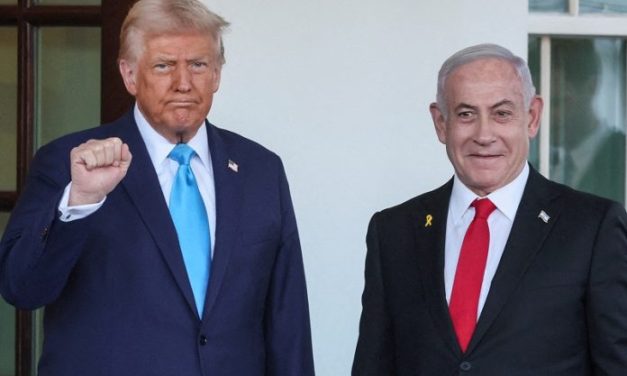
SCFRonline– Opinion: Iran’s geopolitical power is not limited solely to oil and the Strait of Hormuz; the unintended emergence of disruptions in the future global food and energy security chains can also demonstrate Iran’s strategic importance.

The Inseparability of the Lebanese Front from the Axis of Resistance

SCFR Online–Opinion: By providing an extensive network of social, healthcare, educational, and post-war reconstruction services, Hezbollah has established a strong social base for itself among Lebanon’s Shiites and Sunnis, and even beyond that, among other segments of Lebanese society, including Christians. Hezbollah has never been an external actor imposed upon Lebanon; rather, it is a phenomenon fundamentally born out of the occupation and crimes of the Zionist regime and itself influenced by popular resistance.

The Increasing Efforts of the Zionist Regime to Redefine Borders and the Regional Order and Its Consequences

SCFR Online– Opinion: Security and military developments in the region over recent months indicate that the ongoing crises and wars in Gaza, southern Lebanon, and parts of Syrian territory encompass broader dimensions of geopolitical and geostrategic transformations. In this context, the increased military presence and control of the Zionist regime over parts of the territories of these areas, along with proposals regarding the creation of buffer zones or even the expansion of security borders, have raised serious questions about the future of the regional order and its consequences for the countries of West Asia.

Loading

Oman

Kuwait’s Explicitness in Opposing Normalization of Relations with Zionist Regime

Kuwait’s Explicitness in Opposing Normalization of Relations with Zionist Regime

Strategic Council Online: The stance Kuwait has adopted in opposing the normalization of relations with the Zionist regime is important and has been more explicit than other Arab states, and the new Emir of Kuwait has explicitly stated that he will follow the policies of the late Emir in all cases, including the Palestinian issue.
Seyed Reza Mirabian – Expert on Middle East Affairs

Prospects of Field Developments after Israel-UAE Agreement

Prospects of Field Developments after Israel-UAE Agreement

Strategic Council Online – An expert on West Asian affairs said that what the Americans are saying in terms of achieving their goals or changing the course of peace in the Middle East is more propaganda and media feed, adding “The Arab states of the Persian Gulf have considerations and they know that this action will have serious consequences for them.”

Behind the Scenes of Iraq-Jordan-Egypt Trilateral Meeting

Behind the Scenes of Iraq-Jordan-Egypt Trilateral Meeting

Strategic Council Online – Arab states, especially Saudi Arabia, Jordan and Egypt, are trying to pull Iraq from the ideological sphere to the atmosphere of Arab reaction in order to deepen the distance between Tehran and Baghdad politically and ideologically.
Hassan Hanizadeh – Middle East Affairs Expert

Implications and Effects of UAE-Zionist Regime Official Relations

Implications and Effects of UAE-Zionist Regime Official Relations

Strategic Council Online – A Middle East affairs analyst said that the UAE is actually playing in the space provided by the United States and Israel, adding that the UAE is suffering from the delusions of grandeur and superiority complex and by enhancing its position in the region try to become one of the main regional players, but the Emirates has serious weaknesses and reservations regarding Iran.

Turkey’s Outlook about South Persian Gulf States

Turkey’s Outlook about South Persian Gulf States

Strategic Council Online – Despite the continuation of some economic cooperation between Turkey and Saudi Arabia and the UAE, in the political and security spheres, serious challenges will be faced in the future in these countries.
Davoud Ahmadzadeh – Middle East Affairs Expert

Saudi Confusion in Yemen over Ansarullah’s Call for Peace

Saudi Confusion in Yemen over Ansarullah’s Call for Peace

Strategic Council Online: The repeated violations of the ceasefire proposed by the Saudi coalition to the Yemeni army and the Yemeni People’s Committees must be analyzed in the context of Riyadh’s confusion in the face of the Yemeni war of attrition.
Kamran Karami – Researcher on Arab Peninsula Issues

Goals of Pompeo’s Saudi Visit

Goals of Pompeo’s Saudi Visit

Strategic Council Online: A university professor cited US Secretary of State Mike Pompeo’s goals behind his recent visit to Saudi Arabia, saying the trip was largely meant to prevent Iran from conducting bilateral talks with some countries in the region. He said the US wants to tell Saudi Arabia once again that it does not need to get closer to Iran because Washington will continue its policy of maximum pressure against Iran.

Saudi Arabia to Compensate for Its Regional Mistakes?

Saudi Arabia to Compensate for Its Regional Mistakes?

Strategic Council Online: Former Middle East Director-General of the IRI Foreign Ministry believes that after the recent drone attacks on Saudi Arabia, the authorities in Riyadh have concluded that the crisis is getting out of control.

ÚLTIMAS PUBLICACIONES

Consequences of Declining Trust in the Judiciary in Europe

SCFRonline – Opinion: The increase in public distrust of the French judicial system, which in recent surveys has reached approximately two-thirds of citizens, should be analyzed within a framework broader than temporary dissatisfaction or an emotional reaction to a particular criminal case.

Iran’s Potential Levers of Power

SCFRonline– Opinion: Iran’s geopolitical power is not limited solely to oil and the Strait of Hormuz; the unintended emergence of disruptions in the future global food and energy security chains can also demonstrate Iran’s strategic importance.

The Inseparability of the Lebanese Front from the Axis of Resistance

SCFR Online–Opinion: By providing an extensive network of social, healthcare, educational, and post-war reconstruction services, Hezbollah has established a strong social base for itself among Lebanon’s Shiites and Sunnis, and even beyond that, among other segments of Lebanese society, including Christians. Hezbollah has never been an external actor imposed upon Lebanon; rather, it is a phenomenon fundamentally born out of the occupation and crimes of the Zionist regime and itself influenced by popular resistance.

The Increasing Efforts of the Zionist Regime to Redefine Borders and the Regional Order and Its Consequences

SCFR Online– Opinion: Security and military developments in the region over recent months indicate that the ongoing crises and wars in Gaza, southern Lebanon, and parts of Syrian territory encompass broader dimensions of geopolitical and geostrategic transformations. In this context, the increased military presence and control of the Zionist regime over parts of the territories of these areas, along with proposals regarding the creation of buffer zones or even the expansion of security borders, have raised serious questions about the future of the regional order and its consequences for the countries of West Asia.

Loading