جدیدترین مطالب

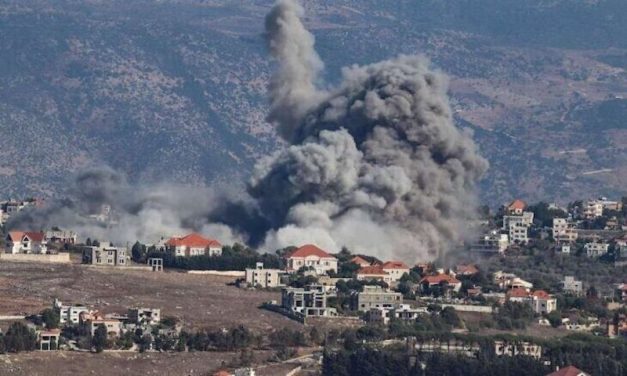
The Inseparability of the Lebanese Front from the Axis of Resistance

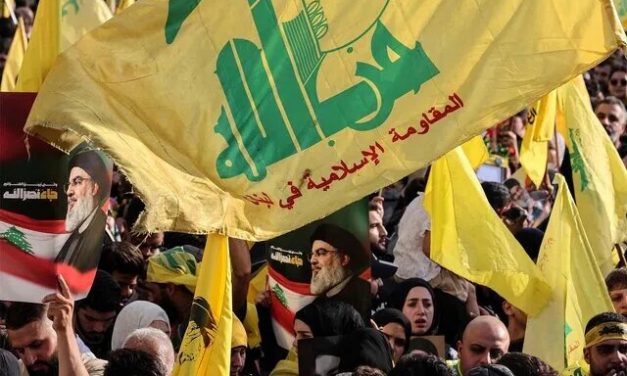
SCFR Online–Opinion: By providing an extensive network of social, healthcare, educational, and post-war reconstruction services, Hezbollah has established a strong social base for itself among Lebanon’s Shiites and Sunnis, and even beyond that, among other segments of Lebanese society, including Christians. Hezbollah has never been an external actor imposed upon Lebanon; rather, it is a phenomenon fundamentally born out of the occupation and crimes of the Zionist regime and itself influenced by popular resistance.

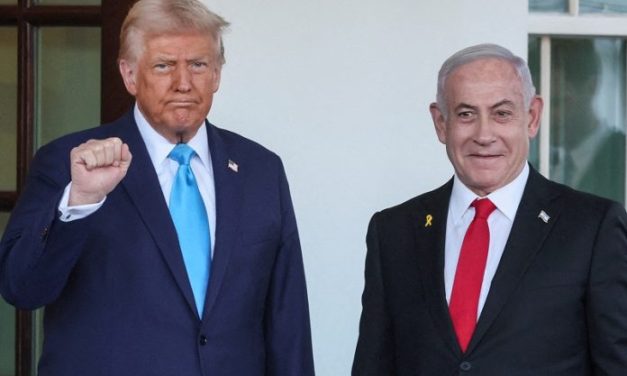
The Increasing Efforts of the Zionist Regime to Redefine Borders and the Regional Order and Its Consequences

SCFR Online– Opinion: Security and military developments in the region over recent months indicate that the ongoing crises and wars in Gaza, southern Lebanon, and parts of Syrian territory encompass broader dimensions of geopolitical and geostrategic transformations. In this context, the increased military presence and control of the Zionist regime over parts of the territories of these areas, along with proposals regarding the creation of buffer zones or even the expansion of security borders, have raised serious questions about the future of the regional order and its consequences for the countries of West Asia.

The Components of Iran’s Deterrence Power

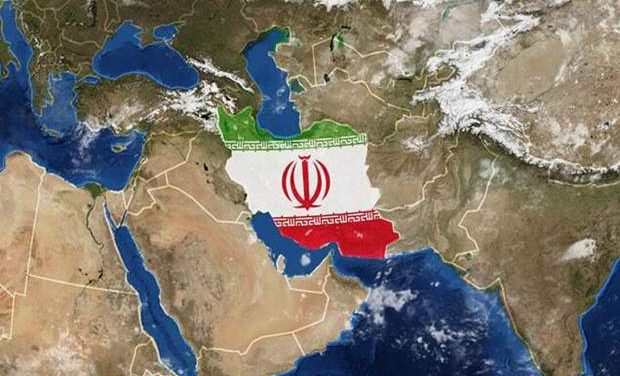
SCFR Online – Opinion: At a time when regional security equations have reached a sensitive stage under the influence of Iran’s strategic confrontation with the United States and the Zionist regime, the question of the nature of Tehran’s defensive power has gained greater significance than ever before. While Washington and Tel Aviv rely on their technological superiority, the Islamic Republic of Iran has presented a model of deterrence that extends beyond the material calculations of the world’s classical militaries. This power, rooted in the connection between “the field” and “the people,” has not only altered the balance of power in recent conflicts but has also disrupted adversaries’ calculations when confronting Iran’s strategic depth.

The Persian Gulf; A Cold Battlefield Between Beijing and Washington

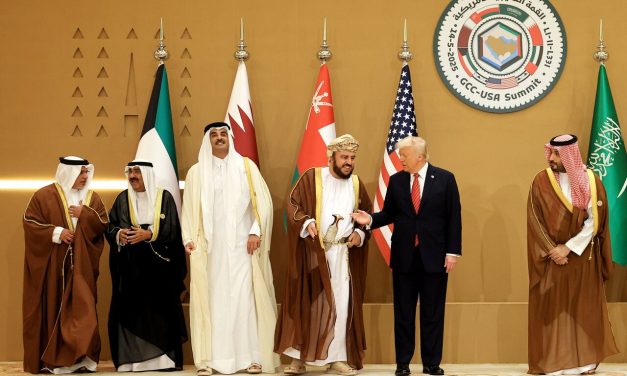
SCFR Online – Opinion: The competition in recent years between the United States and China encompasses various geographical regions—including the Indo-Pacific, West Asia, the Arctic and Antarctic, and Africa—as well as multiple domains such as economics and technology. Within this context, a strategic competition has also emerged in the Persian Gulf region across economic, technological, and military spheres.

Europe’s Enduring Dependence on Persian Gulf Energy

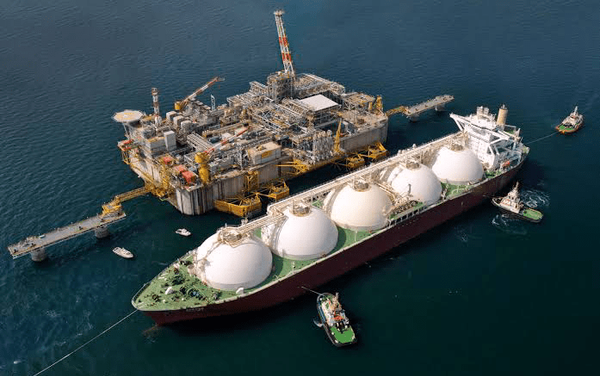
SCFR Online – Opinion: The dominant discourse in the field of European energy security over the past two decades has revolved around diversification of supply sources and the gradual reduction of dependence on fossil fuels. This narrative, which gained particular momentum after the Ukraine gas crisis in 2006 and its intensification in 2014 and 2022, was based on the assumption that Europe could free itself from the geopolitical vulnerabilities arising from dependence on specific suppliers through investment in renewable energy, imports of liquefied natural gas from diversified sources, and the establishment of new infrastructure. However, a closer analysis of energy trade data and the structure of the global oil and gas supply chain presents a different picture. Europe has not only failed to meaningfully reduce its dependence on the Persian Gulf, but in some sectors — particularly in liquefied natural gas imports — this dependence has deepened. This reality, which is often overlooked in public discourse, raises fundamental questions about the sustainability of Europe’s energy security strategies and their impact on regional power equations.

Loading

nuclear deal

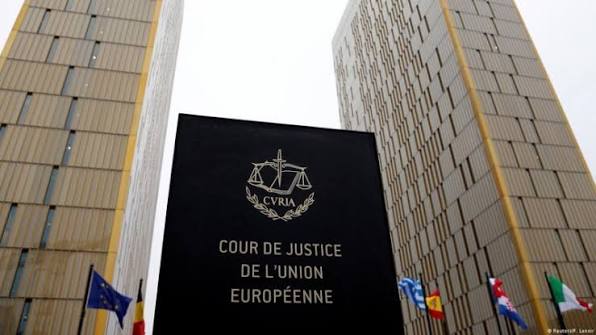
An Analysis of Europe’s Approach Towards Iran

An Analysis of Europe’s Approach Towards Iran

Strategic Council Online – Opinion: The sanctions imposed by the European Union against the Islamic Republic of Iran before the activation of the snapback mechanism represent an effort to exert additional political and economic pressure on our country to change the system’s behavior regarding regional developments.

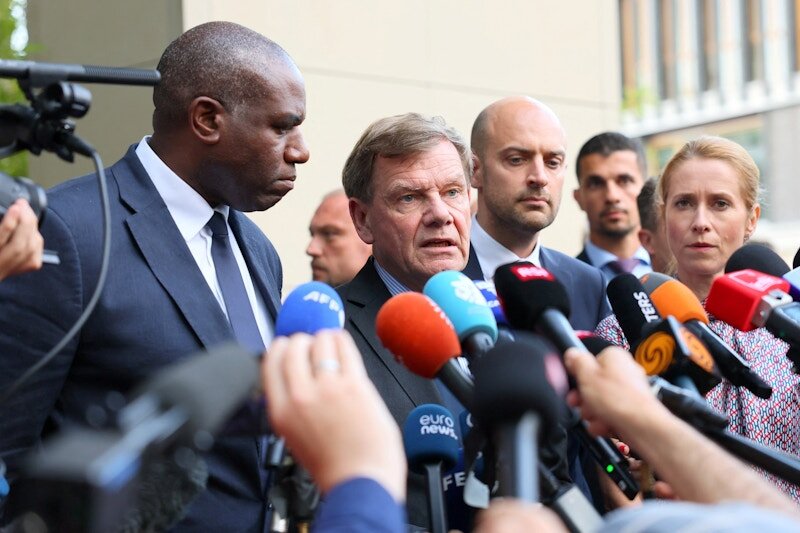
Deception of EU3 Foreign Ministers in Joint Article on Trigger Mechanism

Deception of EU3 Foreign Ministers in Joint Article on Trigger Mechanism

Strategic Council Online – Opinion: The joint article by the foreign ministers of Britain, France, and Germany, recently published in Politico under the title “Why we are seeking to reimpose UN sanctions on Iran,” was an apparent attempt to present a one-sided narrative regarding Iran’s nuclear dossier. While the article emphasized increased uranium stockpiles, limited cooperation with the IAEA, and Iran’s security threats, important facts of our country’s nuclear case were ignored entirely.

Challenges Facing Democrats on Biden’s Declining Popularity

Challenges Facing Democrats on Biden’s Declining Popularity

Strategic Council Online – Interview: An expert on US affairs says the Democrats are facing the challenge of unpopularity and are likely to lose seats in the mid-term congressional elections. He added: The internal situation in the United States is very chaotic for a variety of reasons, and its distorted image has negatively affected its soft power in the world.

Zionist Regime’s Internal Situation and Threatening Challenges

Zionist Regime’s Internal Situation and Threatening Challenges

Strategic Council Online – Interview: An analyst of Zionist regime’s affairs, saying that threats against the regime are more serious and fundamental than those outlined in the annual security report, added: In this document, the possibility of a nuclear deal in Vienna is one of those challenges that, given some of the changes that have taken place in Mossad, continuing to obstruct Iran’s nuclear program is the regime’s main strategy to counter it.

Saudis Escape Forward by Raising Unacceptable Proposal of Attending JCPOA Talks

Saudis Escape Forward by Raising Unacceptable Proposal of Attending JCPOA Talks

Strategic Council Online – Riyadh and Manama concerned about easing tensions between Iran and the United States and even with Europe and changing their supportive approach to Saudi Arabia and Bahrain, have called for participation in renewed talks on Iran or at least their interests be taken into account, an expert on the Middle East affairs said.

US Efforts to Extend Iran’s Arms Embargo and What We Should Do!

US Efforts to Extend Iran’s Arms Embargo and What We Should Do!

Strategic Council Online: Explaining the US efforts to release a UN Security Council resolution against Iran and activating the trigger mechanism, a university professor said: “A decisive response must be given to those who fully understand that their actions will not be without a cost, otherwise Biden’s victory in the presidential election would be more dangerous for Iran than Trump.”

أحدث الوظائف

The Inseparability of the Lebanese Front from the Axis of Resistance

SCFR Online–Opinion: By providing an extensive network of social, healthcare, educational, and post-war reconstruction services, Hezbollah has established a strong social base for itself among Lebanon’s Shiites and Sunnis, and even beyond that, among other segments of Lebanese society, including Christians. Hezbollah has never been an external actor imposed upon Lebanon; rather, it is a phenomenon fundamentally born out of the occupation and crimes of the Zionist regime and itself influenced by popular resistance.

The Increasing Efforts of the Zionist Regime to Redefine Borders and the Regional Order and Its Consequences

SCFR Online– Opinion: Security and military developments in the region over recent months indicate that the ongoing crises and wars in Gaza, southern Lebanon, and parts of Syrian territory encompass broader dimensions of geopolitical and geostrategic transformations. In this context, the increased military presence and control of the Zionist regime over parts of the territories of these areas, along with proposals regarding the creation of buffer zones or even the expansion of security borders, have raised serious questions about the future of the regional order and its consequences for the countries of West Asia.

The Components of Iran’s Deterrence Power

SCFR Online – Opinion: At a time when regional security equations have reached a sensitive stage under the influence of Iran’s strategic confrontation with the United States and the Zionist regime, the question of the nature of Tehran’s defensive power has gained greater significance than ever before. While Washington and Tel Aviv rely on their technological superiority, the Islamic Republic of Iran has presented a model of deterrence that extends beyond the material calculations of the world’s classical militaries. This power, rooted in the connection between “the field” and “the people,” has not only altered the balance of power in recent conflicts but has also disrupted adversaries’ calculations when confronting Iran’s strategic depth.

The Persian Gulf; A Cold Battlefield Between Beijing and Washington

SCFR Online – Opinion: The competition in recent years between the United States and China encompasses various geographical regions—including the Indo-Pacific, West Asia, the Arctic and Antarctic, and Africa—as well as multiple domains such as economics and technology. Within this context, a strategic competition has also emerged in the Persian Gulf region across economic, technological, and military spheres.

Europe’s Enduring Dependence on Persian Gulf Energy

SCFR Online – Opinion: The dominant discourse in the field of European energy security over the past two decades has revolved around diversification of supply sources and the gradual reduction of dependence on fossil fuels. This narrative, which gained particular momentum after the Ukraine gas crisis in 2006 and its intensification in 2014 and 2022, was based on the assumption that Europe could free itself from the geopolitical vulnerabilities arising from dependence on specific suppliers through investment in renewable energy, imports of liquefied natural gas from diversified sources, and the establishment of new infrastructure. However, a closer analysis of energy trade data and the structure of the global oil and gas supply chain presents a different picture. Europe has not only failed to meaningfully reduce its dependence on the Persian Gulf, but in some sectors — particularly in liquefied natural gas imports — this dependence has deepened. This reality, which is often overlooked in public discourse, raises fundamental questions about the sustainability of Europe’s energy security strategies and their impact on regional power equations.

Loading

nuclear deal

An Analysis of Europe’s Approach Towards Iran

An Analysis of Europe’s Approach Towards Iran

Strategic Council Online – Opinion: The sanctions imposed by the European Union against the Islamic Republic of Iran before the activation of the snapback mechanism represent an effort to exert additional political and economic pressure on our country to change the system’s behavior regarding regional developments.

Deception of EU3 Foreign Ministers in Joint Article on Trigger Mechanism

Deception of EU3 Foreign Ministers in Joint Article on Trigger Mechanism

Strategic Council Online – Opinion: The joint article by the foreign ministers of Britain, France, and Germany, recently published in Politico under the title “Why we are seeking to reimpose UN sanctions on Iran,” was an apparent attempt to present a one-sided narrative regarding Iran’s nuclear dossier. While the article emphasized increased uranium stockpiles, limited cooperation with the IAEA, and Iran’s security threats, important facts of our country’s nuclear case were ignored entirely.

Challenges Facing Democrats on Biden’s Declining Popularity

Challenges Facing Democrats on Biden’s Declining Popularity

Strategic Council Online – Interview: An expert on US affairs says the Democrats are facing the challenge of unpopularity and are likely to lose seats in the mid-term congressional elections. He added: The internal situation in the United States is very chaotic for a variety of reasons, and its distorted image has negatively affected its soft power in the world.

Zionist Regime’s Internal Situation and Threatening Challenges

Zionist Regime’s Internal Situation and Threatening Challenges

Strategic Council Online – Interview: An analyst of Zionist regime’s affairs, saying that threats against the regime are more serious and fundamental than those outlined in the annual security report, added: In this document, the possibility of a nuclear deal in Vienna is one of those challenges that, given some of the changes that have taken place in Mossad, continuing to obstruct Iran’s nuclear program is the regime’s main strategy to counter it.

Saudis Escape Forward by Raising Unacceptable Proposal of Attending JCPOA Talks

Saudis Escape Forward by Raising Unacceptable Proposal of Attending JCPOA Talks

Strategic Council Online – Riyadh and Manama concerned about easing tensions between Iran and the United States and even with Europe and changing their supportive approach to Saudi Arabia and Bahrain, have called for participation in renewed talks on Iran or at least their interests be taken into account, an expert on the Middle East affairs said.

US Efforts to Extend Iran’s Arms Embargo and What We Should Do!

US Efforts to Extend Iran’s Arms Embargo and What We Should Do!

Strategic Council Online: Explaining the US efforts to release a UN Security Council resolution against Iran and activating the trigger mechanism, a university professor said: “A decisive response must be given to those who fully understand that their actions will not be without a cost, otherwise Biden’s victory in the presidential election would be more dangerous for Iran than Trump.”

nuclear deal

An Analysis of Europe’s Approach Towards Iran

An Analysis of Europe’s Approach Towards Iran

Strategic Council Online – Opinion: The sanctions imposed by the European Union against the Islamic Republic of Iran before the activation of the snapback mechanism represent an effort to exert additional political and economic pressure on our country to change the system’s behavior regarding regional developments.

Deception of EU3 Foreign Ministers in Joint Article on Trigger Mechanism

Deception of EU3 Foreign Ministers in Joint Article on Trigger Mechanism

Strategic Council Online – Opinion: The joint article by the foreign ministers of Britain, France, and Germany, recently published in Politico under the title “Why we are seeking to reimpose UN sanctions on Iran,” was an apparent attempt to present a one-sided narrative regarding Iran’s nuclear dossier. While the article emphasized increased uranium stockpiles, limited cooperation with the IAEA, and Iran’s security threats, important facts of our country’s nuclear case were ignored entirely.

Challenges Facing Democrats on Biden’s Declining Popularity

Challenges Facing Democrats on Biden’s Declining Popularity

Strategic Council Online – Interview: An expert on US affairs says the Democrats are facing the challenge of unpopularity and are likely to lose seats in the mid-term congressional elections. He added: The internal situation in the United States is very chaotic for a variety of reasons, and its distorted image has negatively affected its soft power in the world.

Zionist Regime’s Internal Situation and Threatening Challenges

Zionist Regime’s Internal Situation and Threatening Challenges

Strategic Council Online – Interview: An analyst of Zionist regime’s affairs, saying that threats against the regime are more serious and fundamental than those outlined in the annual security report, added: In this document, the possibility of a nuclear deal in Vienna is one of those challenges that, given some of the changes that have taken place in Mossad, continuing to obstruct Iran’s nuclear program is the regime’s main strategy to counter it.

Saudis Escape Forward by Raising Unacceptable Proposal of Attending JCPOA Talks

Saudis Escape Forward by Raising Unacceptable Proposal of Attending JCPOA Talks

Strategic Council Online – Riyadh and Manama concerned about easing tensions between Iran and the United States and even with Europe and changing their supportive approach to Saudi Arabia and Bahrain, have called for participation in renewed talks on Iran or at least their interests be taken into account, an expert on the Middle East affairs said.

US Efforts to Extend Iran’s Arms Embargo and What We Should Do!

US Efforts to Extend Iran’s Arms Embargo and What We Should Do!

Strategic Council Online: Explaining the US efforts to release a UN Security Council resolution against Iran and activating the trigger mechanism, a university professor said: “A decisive response must be given to those who fully understand that their actions will not be without a cost, otherwise Biden’s victory in the presidential election would be more dangerous for Iran than Trump.”

LATEST CONTENT

The Inseparability of the Lebanese Front from the Axis of Resistance

SCFR Online–Opinion: By providing an extensive network of social, healthcare, educational, and post-war reconstruction services, Hezbollah has established a strong social base for itself among Lebanon’s Shiites and Sunnis, and even beyond that, among other segments of Lebanese society, including Christians. Hezbollah has never been an external actor imposed upon Lebanon; rather, it is a phenomenon fundamentally born out of the occupation and crimes of the Zionist regime and itself influenced by popular resistance.

The Increasing Efforts of the Zionist Regime to Redefine Borders and the Regional Order and Its Consequences

SCFR Online– Opinion: Security and military developments in the region over recent months indicate that the ongoing crises and wars in Gaza, southern Lebanon, and parts of Syrian territory encompass broader dimensions of geopolitical and geostrategic transformations. In this context, the increased military presence and control of the Zionist regime over parts of the territories of these areas, along with proposals regarding the creation of buffer zones or even the expansion of security borders, have raised serious questions about the future of the regional order and its consequences for the countries of West Asia.

The Components of Iran’s Deterrence Power

SCFR Online – Opinion: At a time when regional security equations have reached a sensitive stage under the influence of Iran’s strategic confrontation with the United States and the Zionist regime, the question of the nature of Tehran’s defensive power has gained greater significance than ever before. While Washington and Tel Aviv rely on their technological superiority, the Islamic Republic of Iran has presented a model of deterrence that extends beyond the material calculations of the world’s classical militaries. This power, rooted in the connection between “the field” and “the people,” has not only altered the balance of power in recent conflicts but has also disrupted adversaries’ calculations when confronting Iran’s strategic depth.

The Persian Gulf; A Cold Battlefield Between Beijing and Washington

SCFR Online – Opinion: The competition in recent years between the United States and China encompasses various geographical regions—including the Indo-Pacific, West Asia, the Arctic and Antarctic, and Africa—as well as multiple domains such as economics and technology. Within this context, a strategic competition has also emerged in the Persian Gulf region across economic, technological, and military spheres.

Europe’s Enduring Dependence on Persian Gulf Energy

SCFR Online – Opinion: The dominant discourse in the field of European energy security over the past two decades has revolved around diversification of supply sources and the gradual reduction of dependence on fossil fuels. This narrative, which gained particular momentum after the Ukraine gas crisis in 2006 and its intensification in 2014 and 2022, was based on the assumption that Europe could free itself from the geopolitical vulnerabilities arising from dependence on specific suppliers through investment in renewable energy, imports of liquefied natural gas from diversified sources, and the establishment of new infrastructure. However, a closer analysis of energy trade data and the structure of the global oil and gas supply chain presents a different picture. Europe has not only failed to meaningfully reduce its dependence on the Persian Gulf, but in some sectors — particularly in liquefied natural gas imports — this dependence has deepened. This reality, which is often overlooked in public discourse, raises fundamental questions about the sustainability of Europe’s energy security strategies and their impact on regional power equations.

Loading

nuclear deal

An Analysis of Europe’s Approach Towards Iran

An Analysis of Europe’s Approach Towards Iran

Strategic Council Online – Opinion: The sanctions imposed by the European Union against the Islamic Republic of Iran before the activation of the snapback mechanism represent an effort to exert additional political and economic pressure on our country to change the system’s behavior regarding regional developments.

Deception of EU3 Foreign Ministers in Joint Article on Trigger Mechanism

Deception of EU3 Foreign Ministers in Joint Article on Trigger Mechanism

Strategic Council Online – Opinion: The joint article by the foreign ministers of Britain, France, and Germany, recently published in Politico under the title “Why we are seeking to reimpose UN sanctions on Iran,” was an apparent attempt to present a one-sided narrative regarding Iran’s nuclear dossier. While the article emphasized increased uranium stockpiles, limited cooperation with the IAEA, and Iran’s security threats, important facts of our country’s nuclear case were ignored entirely.

Challenges Facing Democrats on Biden’s Declining Popularity

Challenges Facing Democrats on Biden’s Declining Popularity

Strategic Council Online – Interview: An expert on US affairs says the Democrats are facing the challenge of unpopularity and are likely to lose seats in the mid-term congressional elections. He added: The internal situation in the United States is very chaotic for a variety of reasons, and its distorted image has negatively affected its soft power in the world.

Zionist Regime’s Internal Situation and Threatening Challenges

Zionist Regime’s Internal Situation and Threatening Challenges

Strategic Council Online – Interview: An analyst of Zionist regime’s affairs, saying that threats against the regime are more serious and fundamental than those outlined in the annual security report, added: In this document, the possibility of a nuclear deal in Vienna is one of those challenges that, given some of the changes that have taken place in Mossad, continuing to obstruct Iran’s nuclear program is the regime’s main strategy to counter it.

Saudis Escape Forward by Raising Unacceptable Proposal of Attending JCPOA Talks

Saudis Escape Forward by Raising Unacceptable Proposal of Attending JCPOA Talks

Strategic Council Online – Riyadh and Manama concerned about easing tensions between Iran and the United States and even with Europe and changing their supportive approach to Saudi Arabia and Bahrain, have called for participation in renewed talks on Iran or at least their interests be taken into account, an expert on the Middle East affairs said.

US Efforts to Extend Iran’s Arms Embargo and What We Should Do!

US Efforts to Extend Iran’s Arms Embargo and What We Should Do!

Strategic Council Online: Explaining the US efforts to release a UN Security Council resolution against Iran and activating the trigger mechanism, a university professor said: “A decisive response must be given to those who fully understand that their actions will not be without a cost, otherwise Biden’s victory in the presidential election would be more dangerous for Iran than Trump.”

ÚLTIMAS PUBLICACIONES

The Inseparability of the Lebanese Front from the Axis of Resistance

SCFR Online–Opinion: By providing an extensive network of social, healthcare, educational, and post-war reconstruction services, Hezbollah has established a strong social base for itself among Lebanon’s Shiites and Sunnis, and even beyond that, among other segments of Lebanese society, including Christians. Hezbollah has never been an external actor imposed upon Lebanon; rather, it is a phenomenon fundamentally born out of the occupation and crimes of the Zionist regime and itself influenced by popular resistance.

The Increasing Efforts of the Zionist Regime to Redefine Borders and the Regional Order and Its Consequences

SCFR Online– Opinion: Security and military developments in the region over recent months indicate that the ongoing crises and wars in Gaza, southern Lebanon, and parts of Syrian territory encompass broader dimensions of geopolitical and geostrategic transformations. In this context, the increased military presence and control of the Zionist regime over parts of the territories of these areas, along with proposals regarding the creation of buffer zones or even the expansion of security borders, have raised serious questions about the future of the regional order and its consequences for the countries of West Asia.

The Components of Iran’s Deterrence Power

SCFR Online – Opinion: At a time when regional security equations have reached a sensitive stage under the influence of Iran’s strategic confrontation with the United States and the Zionist regime, the question of the nature of Tehran’s defensive power has gained greater significance than ever before. While Washington and Tel Aviv rely on their technological superiority, the Islamic Republic of Iran has presented a model of deterrence that extends beyond the material calculations of the world’s classical militaries. This power, rooted in the connection between “the field” and “the people,” has not only altered the balance of power in recent conflicts but has also disrupted adversaries’ calculations when confronting Iran’s strategic depth.

The Persian Gulf; A Cold Battlefield Between Beijing and Washington

SCFR Online – Opinion: The competition in recent years between the United States and China encompasses various geographical regions—including the Indo-Pacific, West Asia, the Arctic and Antarctic, and Africa—as well as multiple domains such as economics and technology. Within this context, a strategic competition has also emerged in the Persian Gulf region across economic, technological, and military spheres.

Europe’s Enduring Dependence on Persian Gulf Energy

SCFR Online – Opinion: The dominant discourse in the field of European energy security over the past two decades has revolved around diversification of supply sources and the gradual reduction of dependence on fossil fuels. This narrative, which gained particular momentum after the Ukraine gas crisis in 2006 and its intensification in 2014 and 2022, was based on the assumption that Europe could free itself from the geopolitical vulnerabilities arising from dependence on specific suppliers through investment in renewable energy, imports of liquefied natural gas from diversified sources, and the establishment of new infrastructure. However, a closer analysis of energy trade data and the structure of the global oil and gas supply chain presents a different picture. Europe has not only failed to meaningfully reduce its dependence on the Persian Gulf, but in some sectors — particularly in liquefied natural gas imports — this dependence has deepened. This reality, which is often overlooked in public discourse, raises fundamental questions about the sustainability of Europe’s energy security strategies and their impact on regional power equations.

Loading

nuclear deal

An Analysis of Europe’s Approach Towards Iran

An Analysis of Europe’s Approach Towards Iran

Strategic Council Online – Opinion: The sanctions imposed by the European Union against the Islamic Republic of Iran before the activation of the snapback mechanism represent an effort to exert additional political and economic pressure on our country to change the system’s behavior regarding regional developments.

Deception of EU3 Foreign Ministers in Joint Article on Trigger Mechanism

Deception of EU3 Foreign Ministers in Joint Article on Trigger Mechanism

Strategic Council Online – Opinion: The joint article by the foreign ministers of Britain, France, and Germany, recently published in Politico under the title “Why we are seeking to reimpose UN sanctions on Iran,” was an apparent attempt to present a one-sided narrative regarding Iran’s nuclear dossier. While the article emphasized increased uranium stockpiles, limited cooperation with the IAEA, and Iran’s security threats, important facts of our country’s nuclear case were ignored entirely.

Challenges Facing Democrats on Biden’s Declining Popularity

Challenges Facing Democrats on Biden’s Declining Popularity

Strategic Council Online – Interview: An expert on US affairs says the Democrats are facing the challenge of unpopularity and are likely to lose seats in the mid-term congressional elections. He added: The internal situation in the United States is very chaotic for a variety of reasons, and its distorted image has negatively affected its soft power in the world.

Zionist Regime’s Internal Situation and Threatening Challenges

Zionist Regime’s Internal Situation and Threatening Challenges

Strategic Council Online – Interview: An analyst of Zionist regime’s affairs, saying that threats against the regime are more serious and fundamental than those outlined in the annual security report, added: In this document, the possibility of a nuclear deal in Vienna is one of those challenges that, given some of the changes that have taken place in Mossad, continuing to obstruct Iran’s nuclear program is the regime’s main strategy to counter it.

Saudis Escape Forward by Raising Unacceptable Proposal of Attending JCPOA Talks

Saudis Escape Forward by Raising Unacceptable Proposal of Attending JCPOA Talks

Strategic Council Online – Riyadh and Manama concerned about easing tensions between Iran and the United States and even with Europe and changing their supportive approach to Saudi Arabia and Bahrain, have called for participation in renewed talks on Iran or at least their interests be taken into account, an expert on the Middle East affairs said.

US Efforts to Extend Iran’s Arms Embargo and What We Should Do!

US Efforts to Extend Iran’s Arms Embargo and What We Should Do!

Strategic Council Online: Explaining the US efforts to release a UN Security Council resolution against Iran and activating the trigger mechanism, a university professor said: “A decisive response must be given to those who fully understand that their actions will not be without a cost, otherwise Biden’s victory in the presidential election would be more dangerous for Iran than Trump.”

ÚLTIMAS PUBLICACIONES

The Inseparability of the Lebanese Front from the Axis of Resistance

SCFR Online–Opinion: By providing an extensive network of social, healthcare, educational, and post-war reconstruction services, Hezbollah has established a strong social base for itself among Lebanon’s Shiites and Sunnis, and even beyond that, among other segments of Lebanese society, including Christians. Hezbollah has never been an external actor imposed upon Lebanon; rather, it is a phenomenon fundamentally born out of the occupation and crimes of the Zionist regime and itself influenced by popular resistance.

The Increasing Efforts of the Zionist Regime to Redefine Borders and the Regional Order and Its Consequences

SCFR Online– Opinion: Security and military developments in the region over recent months indicate that the ongoing crises and wars in Gaza, southern Lebanon, and parts of Syrian territory encompass broader dimensions of geopolitical and geostrategic transformations. In this context, the increased military presence and control of the Zionist regime over parts of the territories of these areas, along with proposals regarding the creation of buffer zones or even the expansion of security borders, have raised serious questions about the future of the regional order and its consequences for the countries of West Asia.

The Components of Iran’s Deterrence Power

SCFR Online – Opinion: At a time when regional security equations have reached a sensitive stage under the influence of Iran’s strategic confrontation with the United States and the Zionist regime, the question of the nature of Tehran’s defensive power has gained greater significance than ever before. While Washington and Tel Aviv rely on their technological superiority, the Islamic Republic of Iran has presented a model of deterrence that extends beyond the material calculations of the world’s classical militaries. This power, rooted in the connection between “the field” and “the people,” has not only altered the balance of power in recent conflicts but has also disrupted adversaries’ calculations when confronting Iran’s strategic depth.

The Persian Gulf; A Cold Battlefield Between Beijing and Washington

SCFR Online – Opinion: The competition in recent years between the United States and China encompasses various geographical regions—including the Indo-Pacific, West Asia, the Arctic and Antarctic, and Africa—as well as multiple domains such as economics and technology. Within this context, a strategic competition has also emerged in the Persian Gulf region across economic, technological, and military spheres.

Europe’s Enduring Dependence on Persian Gulf Energy

SCFR Online – Opinion: The dominant discourse in the field of European energy security over the past two decades has revolved around diversification of supply sources and the gradual reduction of dependence on fossil fuels. This narrative, which gained particular momentum after the Ukraine gas crisis in 2006 and its intensification in 2014 and 2022, was based on the assumption that Europe could free itself from the geopolitical vulnerabilities arising from dependence on specific suppliers through investment in renewable energy, imports of liquefied natural gas from diversified sources, and the establishment of new infrastructure. However, a closer analysis of energy trade data and the structure of the global oil and gas supply chain presents a different picture. Europe has not only failed to meaningfully reduce its dependence on the Persian Gulf, but in some sectors — particularly in liquefied natural gas imports — this dependence has deepened. This reality, which is often overlooked in public discourse, raises fundamental questions about the sustainability of Europe’s energy security strategies and their impact on regional power equations.

Loading

nuclear deal

An Analysis of Europe’s Approach Towards Iran

An Analysis of Europe’s Approach Towards Iran

Strategic Council Online – Opinion: The sanctions imposed by the European Union against the Islamic Republic of Iran before the activation of the snapback mechanism represent an effort to exert additional political and economic pressure on our country to change the system’s behavior regarding regional developments.

Deception of EU3 Foreign Ministers in Joint Article on Trigger Mechanism

Deception of EU3 Foreign Ministers in Joint Article on Trigger Mechanism

Strategic Council Online – Opinion: The joint article by the foreign ministers of Britain, France, and Germany, recently published in Politico under the title “Why we are seeking to reimpose UN sanctions on Iran,” was an apparent attempt to present a one-sided narrative regarding Iran’s nuclear dossier. While the article emphasized increased uranium stockpiles, limited cooperation with the IAEA, and Iran’s security threats, important facts of our country’s nuclear case were ignored entirely.

Challenges Facing Democrats on Biden’s Declining Popularity

Challenges Facing Democrats on Biden’s Declining Popularity

Strategic Council Online – Interview: An expert on US affairs says the Democrats are facing the challenge of unpopularity and are likely to lose seats in the mid-term congressional elections. He added: The internal situation in the United States is very chaotic for a variety of reasons, and its distorted image has negatively affected its soft power in the world.

Zionist Regime’s Internal Situation and Threatening Challenges

Zionist Regime’s Internal Situation and Threatening Challenges

Strategic Council Online – Interview: An analyst of Zionist regime’s affairs, saying that threats against the regime are more serious and fundamental than those outlined in the annual security report, added: In this document, the possibility of a nuclear deal in Vienna is one of those challenges that, given some of the changes that have taken place in Mossad, continuing to obstruct Iran’s nuclear program is the regime’s main strategy to counter it.

Saudis Escape Forward by Raising Unacceptable Proposal of Attending JCPOA Talks

Saudis Escape Forward by Raising Unacceptable Proposal of Attending JCPOA Talks

Strategic Council Online – Riyadh and Manama concerned about easing tensions between Iran and the United States and even with Europe and changing their supportive approach to Saudi Arabia and Bahrain, have called for participation in renewed talks on Iran or at least their interests be taken into account, an expert on the Middle East affairs said.

US Efforts to Extend Iran’s Arms Embargo and What We Should Do!

US Efforts to Extend Iran’s Arms Embargo and What We Should Do!

Strategic Council Online: Explaining the US efforts to release a UN Security Council resolution against Iran and activating the trigger mechanism, a university professor said: “A decisive response must be given to those who fully understand that their actions will not be without a cost, otherwise Biden’s victory in the presidential election would be more dangerous for Iran than Trump.”

ÚLTIMAS PUBLICACIONES

The Inseparability of the Lebanese Front from the Axis of Resistance

SCFR Online–Opinion: By providing an extensive network of social, healthcare, educational, and post-war reconstruction services, Hezbollah has established a strong social base for itself among Lebanon’s Shiites and Sunnis, and even beyond that, among other segments of Lebanese society, including Christians. Hezbollah has never been an external actor imposed upon Lebanon; rather, it is a phenomenon fundamentally born out of the occupation and crimes of the Zionist regime and itself influenced by popular resistance.

The Increasing Efforts of the Zionist Regime to Redefine Borders and the Regional Order and Its Consequences

SCFR Online– Opinion: Security and military developments in the region over recent months indicate that the ongoing crises and wars in Gaza, southern Lebanon, and parts of Syrian territory encompass broader dimensions of geopolitical and geostrategic transformations. In this context, the increased military presence and control of the Zionist regime over parts of the territories of these areas, along with proposals regarding the creation of buffer zones or even the expansion of security borders, have raised serious questions about the future of the regional order and its consequences for the countries of West Asia.

The Components of Iran’s Deterrence Power

SCFR Online – Opinion: At a time when regional security equations have reached a sensitive stage under the influence of Iran’s strategic confrontation with the United States and the Zionist regime, the question of the nature of Tehran’s defensive power has gained greater significance than ever before. While Washington and Tel Aviv rely on their technological superiority, the Islamic Republic of Iran has presented a model of deterrence that extends beyond the material calculations of the world’s classical militaries. This power, rooted in the connection between “the field” and “the people,” has not only altered the balance of power in recent conflicts but has also disrupted adversaries’ calculations when confronting Iran’s strategic depth.

The Persian Gulf; A Cold Battlefield Between Beijing and Washington

SCFR Online – Opinion: The competition in recent years between the United States and China encompasses various geographical regions—including the Indo-Pacific, West Asia, the Arctic and Antarctic, and Africa—as well as multiple domains such as economics and technology. Within this context, a strategic competition has also emerged in the Persian Gulf region across economic, technological, and military spheres.

Europe’s Enduring Dependence on Persian Gulf Energy

SCFR Online – Opinion: The dominant discourse in the field of European energy security over the past two decades has revolved around diversification of supply sources and the gradual reduction of dependence on fossil fuels. This narrative, which gained particular momentum after the Ukraine gas crisis in 2006 and its intensification in 2014 and 2022, was based on the assumption that Europe could free itself from the geopolitical vulnerabilities arising from dependence on specific suppliers through investment in renewable energy, imports of liquefied natural gas from diversified sources, and the establishment of new infrastructure. However, a closer analysis of energy trade data and the structure of the global oil and gas supply chain presents a different picture. Europe has not only failed to meaningfully reduce its dependence on the Persian Gulf, but in some sectors — particularly in liquefied natural gas imports — this dependence has deepened. This reality, which is often overlooked in public discourse, raises fundamental questions about the sustainability of Europe’s energy security strategies and their impact on regional power equations.

Loading

nuclear deal

An Analysis of Europe’s Approach Towards Iran

An Analysis of Europe’s Approach Towards Iran

Strategic Council Online – Opinion: The sanctions imposed by the European Union against the Islamic Republic of Iran before the activation of the snapback mechanism represent an effort to exert additional political and economic pressure on our country to change the system’s behavior regarding regional developments.

Deception of EU3 Foreign Ministers in Joint Article on Trigger Mechanism

Deception of EU3 Foreign Ministers in Joint Article on Trigger Mechanism

Strategic Council Online – Opinion: The joint article by the foreign ministers of Britain, France, and Germany, recently published in Politico under the title “Why we are seeking to reimpose UN sanctions on Iran,” was an apparent attempt to present a one-sided narrative regarding Iran’s nuclear dossier. While the article emphasized increased uranium stockpiles, limited cooperation with the IAEA, and Iran’s security threats, important facts of our country’s nuclear case were ignored entirely.

Challenges Facing Democrats on Biden’s Declining Popularity

Challenges Facing Democrats on Biden’s Declining Popularity

Strategic Council Online – Interview: An expert on US affairs says the Democrats are facing the challenge of unpopularity and are likely to lose seats in the mid-term congressional elections. He added: The internal situation in the United States is very chaotic for a variety of reasons, and its distorted image has negatively affected its soft power in the world.

Zionist Regime’s Internal Situation and Threatening Challenges

Zionist Regime’s Internal Situation and Threatening Challenges

Strategic Council Online – Interview: An analyst of Zionist regime’s affairs, saying that threats against the regime are more serious and fundamental than those outlined in the annual security report, added: In this document, the possibility of a nuclear deal in Vienna is one of those challenges that, given some of the changes that have taken place in Mossad, continuing to obstruct Iran’s nuclear program is the regime’s main strategy to counter it.

Saudis Escape Forward by Raising Unacceptable Proposal of Attending JCPOA Talks

Saudis Escape Forward by Raising Unacceptable Proposal of Attending JCPOA Talks

Strategic Council Online – Riyadh and Manama concerned about easing tensions between Iran and the United States and even with Europe and changing their supportive approach to Saudi Arabia and Bahrain, have called for participation in renewed talks on Iran or at least their interests be taken into account, an expert on the Middle East affairs said.

US Efforts to Extend Iran’s Arms Embargo and What We Should Do!

US Efforts to Extend Iran’s Arms Embargo and What We Should Do!

Strategic Council Online: Explaining the US efforts to release a UN Security Council resolution against Iran and activating the trigger mechanism, a university professor said: “A decisive response must be given to those who fully understand that their actions will not be without a cost, otherwise Biden’s victory in the presidential election would be more dangerous for Iran than Trump.”

ÚLTIMAS PUBLICACIONES

The Inseparability of the Lebanese Front from the Axis of Resistance

SCFR Online–Opinion: By providing an extensive network of social, healthcare, educational, and post-war reconstruction services, Hezbollah has established a strong social base for itself among Lebanon’s Shiites and Sunnis, and even beyond that, among other segments of Lebanese society, including Christians. Hezbollah has never been an external actor imposed upon Lebanon; rather, it is a phenomenon fundamentally born out of the occupation and crimes of the Zionist regime and itself influenced by popular resistance.

The Increasing Efforts of the Zionist Regime to Redefine Borders and the Regional Order and Its Consequences

SCFR Online– Opinion: Security and military developments in the region over recent months indicate that the ongoing crises and wars in Gaza, southern Lebanon, and parts of Syrian territory encompass broader dimensions of geopolitical and geostrategic transformations. In this context, the increased military presence and control of the Zionist regime over parts of the territories of these areas, along with proposals regarding the creation of buffer zones or even the expansion of security borders, have raised serious questions about the future of the regional order and its consequences for the countries of West Asia.

The Components of Iran’s Deterrence Power

SCFR Online – Opinion: At a time when regional security equations have reached a sensitive stage under the influence of Iran’s strategic confrontation with the United States and the Zionist regime, the question of the nature of Tehran’s defensive power has gained greater significance than ever before. While Washington and Tel Aviv rely on their technological superiority, the Islamic Republic of Iran has presented a model of deterrence that extends beyond the material calculations of the world’s classical militaries. This power, rooted in the connection between “the field” and “the people,” has not only altered the balance of power in recent conflicts but has also disrupted adversaries’ calculations when confronting Iran’s strategic depth.

The Persian Gulf; A Cold Battlefield Between Beijing and Washington

SCFR Online – Opinion: The competition in recent years between the United States and China encompasses various geographical regions—including the Indo-Pacific, West Asia, the Arctic and Antarctic, and Africa—as well as multiple domains such as economics and technology. Within this context, a strategic competition has also emerged in the Persian Gulf region across economic, technological, and military spheres.

Europe’s Enduring Dependence on Persian Gulf Energy

SCFR Online – Opinion: The dominant discourse in the field of European energy security over the past two decades has revolved around diversification of supply sources and the gradual reduction of dependence on fossil fuels. This narrative, which gained particular momentum after the Ukraine gas crisis in 2006 and its intensification in 2014 and 2022, was based on the assumption that Europe could free itself from the geopolitical vulnerabilities arising from dependence on specific suppliers through investment in renewable energy, imports of liquefied natural gas from diversified sources, and the establishment of new infrastructure. However, a closer analysis of energy trade data and the structure of the global oil and gas supply chain presents a different picture. Europe has not only failed to meaningfully reduce its dependence on the Persian Gulf, but in some sectors — particularly in liquefied natural gas imports — this dependence has deepened. This reality, which is often overlooked in public discourse, raises fundamental questions about the sustainability of Europe’s energy security strategies and their impact on regional power equations.

Loading