جدیدترین مطالب

Iran’s Success in the Narrative Battle in Cyberspace

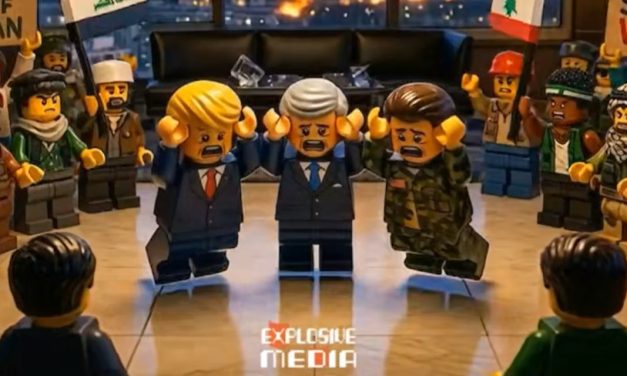
SCFR Online – Opinion: In the war between Iran and the United States, the main battlefield was not defined solely in the military domain; rather, the battle of narratives in cyberspace—particularly through memes—reached a decisive level.

The Global Energy Shock Situation and Future Scenarios

SCFR Online – Opinion: Only one month after the beginning of the Ramadan War, maritime traffic in the Strait of Hormuz decreased dramatically, with Bloomberg announcing a reduction of 103 vessels; Brent oil prices rose by more than 50 percent, and gasoline prices in the United States increased by 31.4 percent. Additionally, benchmark gas prices in Europe showed a 73.4 percent increase.

Al-Zaydi’s Selection as Prime Minister, The Beginning of a New Chapter in Iraq

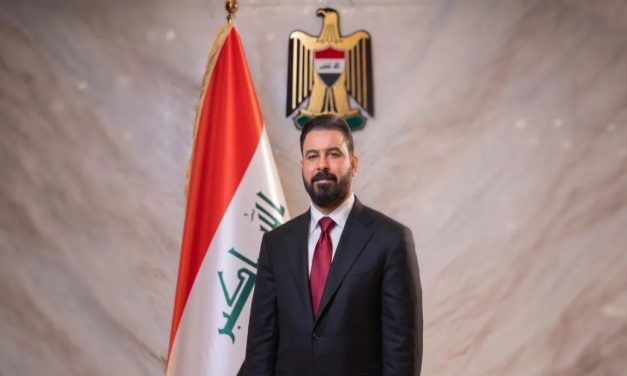
SCFR Online – Note: After approximately five months of political deadlock and institutional confusion, Ali al-Zaydi has finally been selected as Iraq’s Prime Minister. Al-Zaydi’s selection as Prime Minister represents a positive sign of the completion of the government formation process and the beginning of a new phase in Iraqi politics and governance. The emergence of a young, technocratic figure from the third generation of politicians—in a context where the country has been administered by traditional figures for decades—revives hope that Iraq may perhaps distance itself from the repetitive cycle of crises and experience a new path of stability, efficiency, and regional convergence.

Intensifying Intra-Party Divisions in the United States Regarding the Zionist Regime

SCFR Online – Note: Over recent decades, support for the Zionist regime has been one of the few issues commanding bipartisan consensus in US foreign policy. Since the Cold War era, Republicans and Democrats have generally agreed on the necessity of preserving the security and survival of the Zionist regime as Washington’s most strategic ally in West Asia—and indeed, globally. However, developments in recent years—particularly the Gaza war, escalating regional conflicts, the expansion of tensions into Lebanon, and this regime’s recent warmongering against Iran—have caused this traditional consensus, especially within the Democratic Party, to face significant fractures.

Public Opinion Disappointment of the Zionist Regime Regarding Success in War with Iran

SCFR Online – Opinion: The internal situation of the Israeli regime during the 40-day war can be analyzed from several perspectives. The popularity levels of Benjamin Netanyahu, the Likud Party, and the ruling coalition led by Netanyahu until February 28, 2026, remained approximately the same as during the preceding year. The most recent factor that had somewhat increased Netanyahu’s popularity was the advancement of the 2024 war with Hezbollah Lebanon. Subsequently, his popularity temporarily increased during the 12-day war with Iran, but after the war, it returned to its previous state.

Loading

NATO

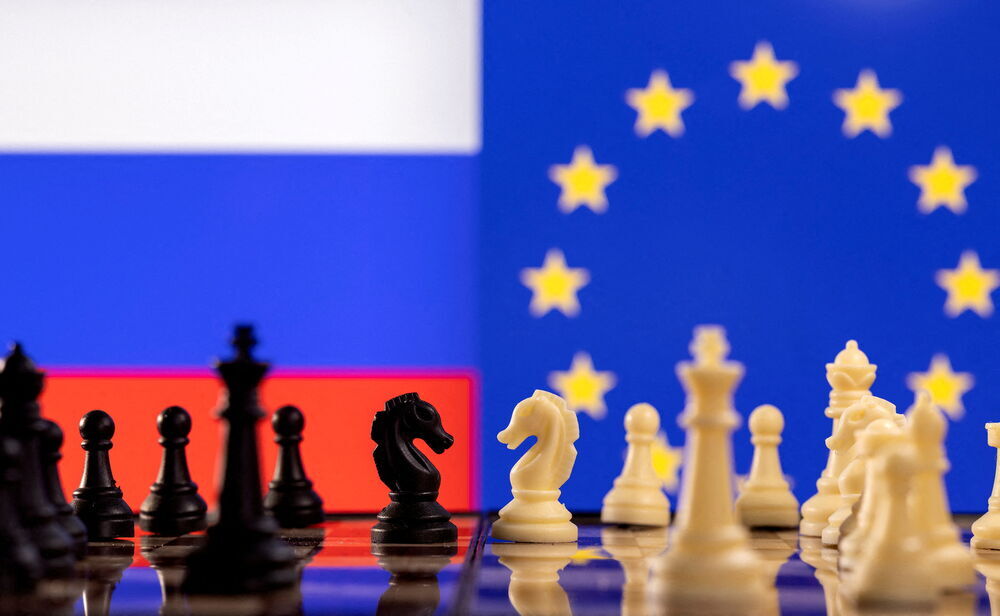
Europe’s Threat to Deploy Military Forces in Ukraine: From Words to Actions

Europe’s Threat to Deploy Military Forces in Ukraine: From Words to Actions

Strategic Council Online – Interview: An expert on Eurasian and Russian affairs stated that the West’s reaction to Russia’s threats regarding any deployment of foreign forces in Ukraine, whether under NATO or as an independent force, will be a combination of caution and deterrence. He said: Despite the desire of Europe and America to deploy military forces in Ukraine, they emphasize indirect support for Ukraine, including economic sanctions and increased diplomatic pressure on Moscow, and at best propose deploying neutral observers in Ukraine.

The Ukraine War and Europe’s Security Scenarios

The Ukraine War and Europe’s Security Scenarios

Strategic Council Online – Interview: A Russia affairs expert stated that Europe will face a complex security environment in the future, including increased militarization, economic challenges stemming from cutting dependence on Russian energy, and the need to redefine relations with the U.S. and NATO. As a result, without sustainable solutions, Europe may face greater existential, economic, and social threats in the future.

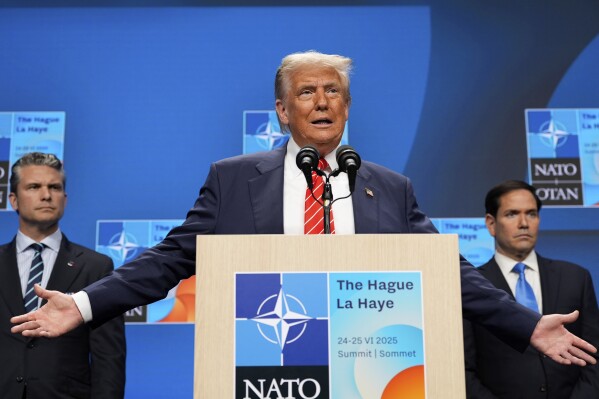
Reasons for NATO Members’ Agreement to the Proposed U.S. Budget Increase

Reasons for NATO Members’ Agreement to the Proposed U.S. Budget Increase

Strategic Council Online – Interview: An international affairs expert stated that, given the Russian threat and the rise of militarism worldwide, European countries have concluded that they must cooperate with the U.S. in establishing a unified European defense shield and strengthening NATO. Consequently, they agreed to a five percent increase in NATO’s budget during the recent summit.

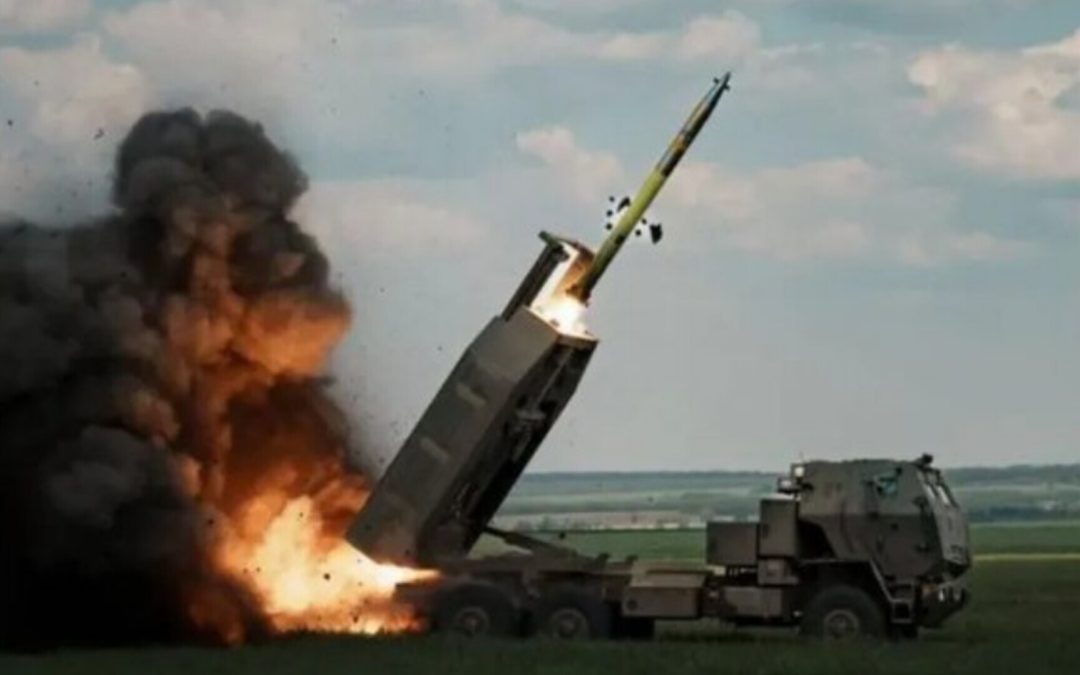
Ukraine’s Permission to Use Long-Range Weapons; Europe’s New Alignment Against Russia

Ukraine’s Permission to Use Long-Range Weapons; Europe’s New Alignment Against Russia

Strategic Council–Online – Interview: A European affairs expert stated that German Chancellor Friedrich Merz recently announced that Western allies would no longer impose any restrictions on Ukraine’s use of long-range weapons against Russian military targets. Following the decision by European countries, the question arises as to why this decision was made at this stage and what consequences it will have.

Impact of Operation Cobweb on the Future Course of the Ukraine War

Impact of Operation Cobweb on the Future Course of the Ukraine War

Strategic Council Online – Interview: While Donald Trump, the President of the United States, was pressuring the parties involved in the Ukraine war to initiate negotiations to end the conflict, Operation Cobweb emerged as an unexpected development that transformed the dynamics of this war. This operation, which led to the destruction of several Russian strategic Tu-22M3 bombers, has raised questions about the future of negotiations, the escalation of tensions, and its strategic implications for Russia’s foreign policy and relations with NATO.

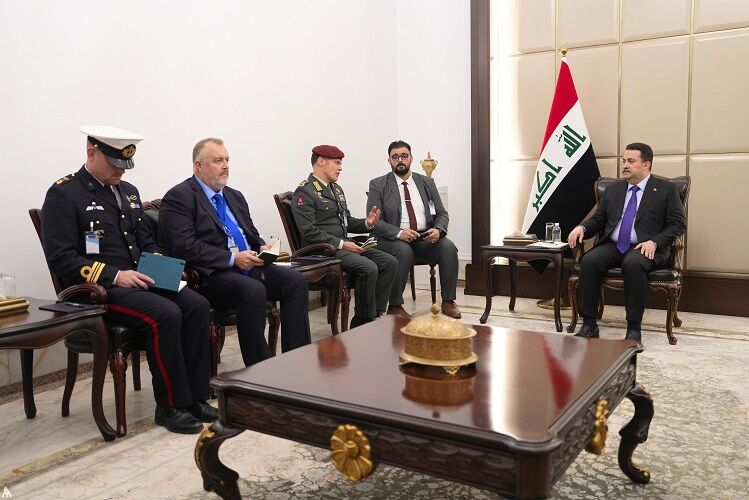
Reasons for NATO’s Interest in a Military Partnership with Iraq

Reasons for NATO’s Interest in a Military Partnership with Iraq

Strategic Council Online – Interview: A West Asia affairs expert stated that Christoph Henzi, the new NATO commander in Iraq, recently emphasized the North Atlantic Treaty Organization’s (NATO) continued commitment to coordinating and cooperating with Iraqi military and security institutions through experience-sharing, advisory services, and capacity-building.

EU’s Aspiration for Defense Autonomy and Responsibility

EU’s Aspiration for Defense Autonomy and Responsibility

Strategic Council Online – Interview: A senior European affairs analyst stated that the European Union needs military autonomy and responsibility to reduce its dependence on the United States and strengthen its defense capabilities. However, there are serious doubts about whether this can be achieved.

Dimensions and Consequences of the Gap in US-European Relations

Dimensions and Consequences of the Gap in US-European Relations

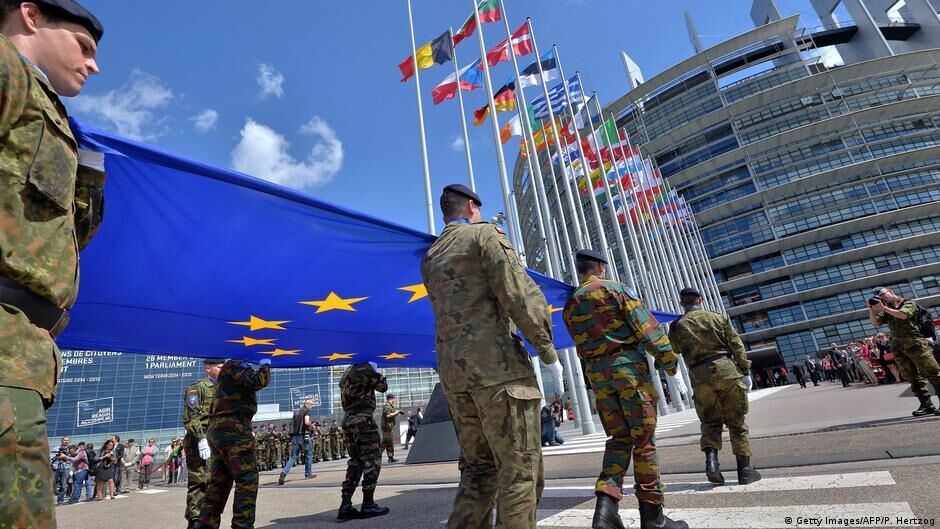
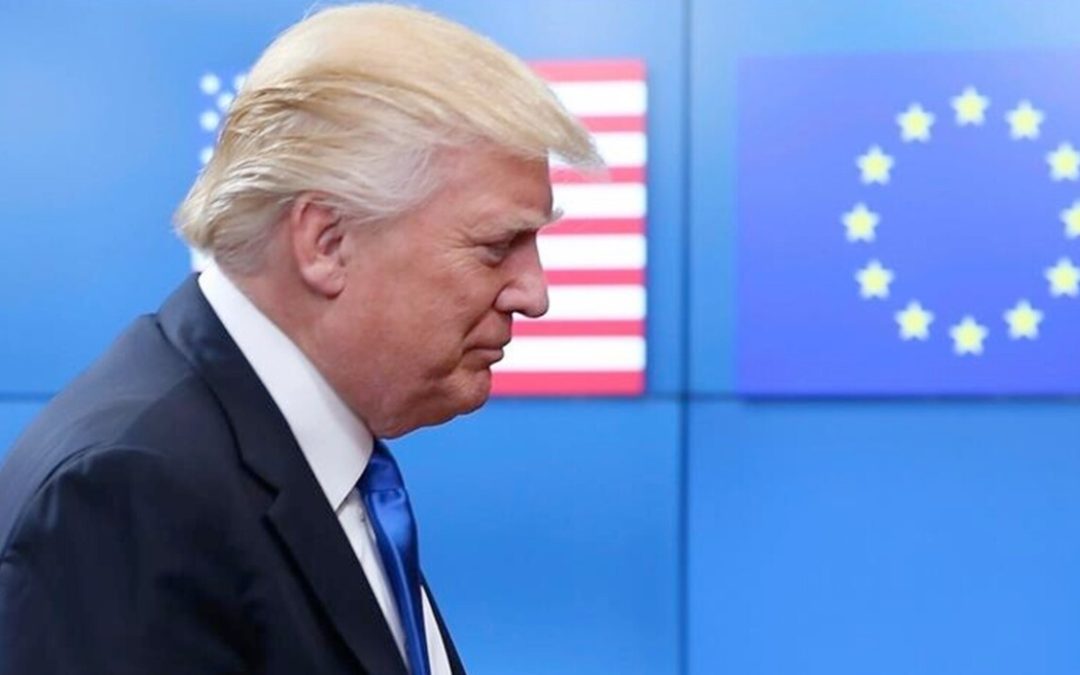
Strategic Council Online – Opinion: US-European relations are moving towards “divergence” unprecedentedly. The Trump administration’s humiliating actions and statements regarding the European Union show that relations between the two sides are entering a new phase of “gap” and subsequent “tension.”

Europe’s Challenge in Dealing with Trump

Europe’s Challenge in Dealing with Trump

Strategic Council Online – Interview: An expert on European and American issues said Trump is making a tactical and temporary retreat in his new presidential term to strengthen the United States from within so that he can carry out more serious attacks and structural disruptions similar to the issue of Canada’s annexation to the United States in the near future. Therefore, Europe feels extremely threatened.

أحدث الوظائف

Iran’s Success in the Narrative Battle in Cyberspace

SCFR Online – Opinion: In the war between Iran and the United States, the main battlefield was not defined solely in the military domain; rather, the battle of narratives in cyberspace—particularly through memes—reached a decisive level.
The Global Energy Shock Situation and Future Scenarios

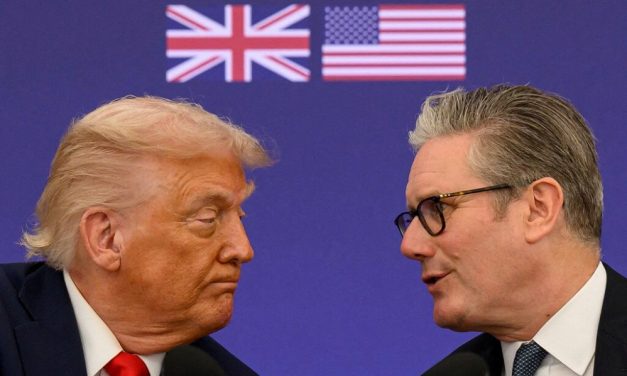
SCFR Online – Opinion: Only one month after the beginning of the Ramadan War, maritime traffic in the Strait of Hormuz decreased dramatically, with Bloomberg announcing a reduction of 103 vessels; Brent oil prices rose by more than 50 percent, and gasoline prices in the United States increased by 31.4 percent. Additionally, benchmark gas prices in Europe showed a 73.4 percent increase.

Al-Zaydi’s Selection as Prime Minister, The Beginning of a New Chapter in Iraq

SCFR Online – Note: After approximately five months of political deadlock and institutional confusion, Ali al-Zaydi has finally been selected as Iraq’s Prime Minister. Al-Zaydi’s selection as Prime Minister represents a positive sign of the completion of the government formation process and the beginning of a new phase in Iraqi politics and governance. The emergence of a young, technocratic figure from the third generation of politicians—in a context where the country has been administered by traditional figures for decades—revives hope that Iraq may perhaps distance itself from the repetitive cycle of crises and experience a new path of stability, efficiency, and regional convergence.

Intensifying Intra-Party Divisions in the United States Regarding the Zionist Regime

SCFR Online – Note: Over recent decades, support for the Zionist regime has been one of the few issues commanding bipartisan consensus in US foreign policy. Since the Cold War era, Republicans and Democrats have generally agreed on the necessity of preserving the security and survival of the Zionist regime as Washington’s most strategic ally in West Asia—and indeed, globally. However, developments in recent years—particularly the Gaza war, escalating regional conflicts, the expansion of tensions into Lebanon, and this regime’s recent warmongering against Iran—have caused this traditional consensus, especially within the Democratic Party, to face significant fractures.

Public Opinion Disappointment of the Zionist Regime Regarding Success in War with Iran

SCFR Online – Opinion: The internal situation of the Israeli regime during the 40-day war can be analyzed from several perspectives. The popularity levels of Benjamin Netanyahu, the Likud Party, and the ruling coalition led by Netanyahu until February 28, 2026, remained approximately the same as during the preceding year. The most recent factor that had somewhat increased Netanyahu’s popularity was the advancement of the 2024 war with Hezbollah Lebanon. Subsequently, his popularity temporarily increased during the 12-day war with Iran, but after the war, it returned to its previous state.

Loading

NATO

Europe’s Threat to Deploy Military Forces in Ukraine: From Words to Actions

Europe’s Threat to Deploy Military Forces in Ukraine: From Words to Actions

Strategic Council Online – Interview: An expert on Eurasian and Russian affairs stated that the West’s reaction to Russia’s threats regarding any deployment of foreign forces in Ukraine, whether under NATO or as an independent force, will be a combination of caution and deterrence. He said: Despite the desire of Europe and America to deploy military forces in Ukraine, they emphasize indirect support for Ukraine, including economic sanctions and increased diplomatic pressure on Moscow, and at best propose deploying neutral observers in Ukraine.

The Ukraine War and Europe’s Security Scenarios

The Ukraine War and Europe’s Security Scenarios

Strategic Council Online – Interview: A Russia affairs expert stated that Europe will face a complex security environment in the future, including increased militarization, economic challenges stemming from cutting dependence on Russian energy, and the need to redefine relations with the U.S. and NATO. As a result, without sustainable solutions, Europe may face greater existential, economic, and social threats in the future.

Reasons for NATO Members’ Agreement to the Proposed U.S. Budget Increase

Reasons for NATO Members’ Agreement to the Proposed U.S. Budget Increase

Strategic Council Online – Interview: An international affairs expert stated that, given the Russian threat and the rise of militarism worldwide, European countries have concluded that they must cooperate with the U.S. in establishing a unified European defense shield and strengthening NATO. Consequently, they agreed to a five percent increase in NATO’s budget during the recent summit.

Ukraine’s Permission to Use Long-Range Weapons; Europe’s New Alignment Against Russia

Ukraine’s Permission to Use Long-Range Weapons; Europe’s New Alignment Against Russia

Strategic Council–Online – Interview: A European affairs expert stated that German Chancellor Friedrich Merz recently announced that Western allies would no longer impose any restrictions on Ukraine’s use of long-range weapons against Russian military targets. Following the decision by European countries, the question arises as to why this decision was made at this stage and what consequences it will have.

Impact of Operation Cobweb on the Future Course of the Ukraine War

Impact of Operation Cobweb on the Future Course of the Ukraine War

Strategic Council Online – Interview: While Donald Trump, the President of the United States, was pressuring the parties involved in the Ukraine war to initiate negotiations to end the conflict, Operation Cobweb emerged as an unexpected development that transformed the dynamics of this war. This operation, which led to the destruction of several Russian strategic Tu-22M3 bombers, has raised questions about the future of negotiations, the escalation of tensions, and its strategic implications for Russia’s foreign policy and relations with NATO.

Reasons for NATO’s Interest in a Military Partnership with Iraq

Reasons for NATO’s Interest in a Military Partnership with Iraq

Strategic Council Online – Interview: A West Asia affairs expert stated that Christoph Henzi, the new NATO commander in Iraq, recently emphasized the North Atlantic Treaty Organization’s (NATO) continued commitment to coordinating and cooperating with Iraqi military and security institutions through experience-sharing, advisory services, and capacity-building.

EU’s Aspiration for Defense Autonomy and Responsibility

EU’s Aspiration for Defense Autonomy and Responsibility

Strategic Council Online – Interview: A senior European affairs analyst stated that the European Union needs military autonomy and responsibility to reduce its dependence on the United States and strengthen its defense capabilities. However, there are serious doubts about whether this can be achieved.

Dimensions and Consequences of the Gap in US-European Relations

Dimensions and Consequences of the Gap in US-European Relations

Strategic Council Online – Opinion: US-European relations are moving towards “divergence” unprecedentedly. The Trump administration’s humiliating actions and statements regarding the European Union show that relations between the two sides are entering a new phase of “gap” and subsequent “tension.”

Europe’s Challenge in Dealing with Trump

Europe’s Challenge in Dealing with Trump

Strategic Council Online – Interview: An expert on European and American issues said Trump is making a tactical and temporary retreat in his new presidential term to strengthen the United States from within so that he can carry out more serious attacks and structural disruptions similar to the issue of Canada’s annexation to the United States in the near future. Therefore, Europe feels extremely threatened.

NATO

Europe’s Threat to Deploy Military Forces in Ukraine: From Words to Actions

Europe’s Threat to Deploy Military Forces in Ukraine: From Words to Actions

Strategic Council Online – Interview: An expert on Eurasian and Russian affairs stated that the West’s reaction to Russia’s threats regarding any deployment of foreign forces in Ukraine, whether under NATO or as an independent force, will be a combination of caution and deterrence. He said: Despite the desire of Europe and America to deploy military forces in Ukraine, they emphasize indirect support for Ukraine, including economic sanctions and increased diplomatic pressure on Moscow, and at best propose deploying neutral observers in Ukraine.

The Ukraine War and Europe’s Security Scenarios

The Ukraine War and Europe’s Security Scenarios

Strategic Council Online – Interview: A Russia affairs expert stated that Europe will face a complex security environment in the future, including increased militarization, economic challenges stemming from cutting dependence on Russian energy, and the need to redefine relations with the U.S. and NATO. As a result, without sustainable solutions, Europe may face greater existential, economic, and social threats in the future.

Reasons for NATO Members’ Agreement to the Proposed U.S. Budget Increase

Reasons for NATO Members’ Agreement to the Proposed U.S. Budget Increase

Strategic Council Online – Interview: An international affairs expert stated that, given the Russian threat and the rise of militarism worldwide, European countries have concluded that they must cooperate with the U.S. in establishing a unified European defense shield and strengthening NATO. Consequently, they agreed to a five percent increase in NATO’s budget during the recent summit.

Ukraine’s Permission to Use Long-Range Weapons; Europe’s New Alignment Against Russia

Ukraine’s Permission to Use Long-Range Weapons; Europe’s New Alignment Against Russia

Strategic Council–Online – Interview: A European affairs expert stated that German Chancellor Friedrich Merz recently announced that Western allies would no longer impose any restrictions on Ukraine’s use of long-range weapons against Russian military targets. Following the decision by European countries, the question arises as to why this decision was made at this stage and what consequences it will have.

Impact of Operation Cobweb on the Future Course of the Ukraine War

Impact of Operation Cobweb on the Future Course of the Ukraine War

Strategic Council Online – Interview: While Donald Trump, the President of the United States, was pressuring the parties involved in the Ukraine war to initiate negotiations to end the conflict, Operation Cobweb emerged as an unexpected development that transformed the dynamics of this war. This operation, which led to the destruction of several Russian strategic Tu-22M3 bombers, has raised questions about the future of negotiations, the escalation of tensions, and its strategic implications for Russia’s foreign policy and relations with NATO.

Reasons for NATO’s Interest in a Military Partnership with Iraq

Reasons for NATO’s Interest in a Military Partnership with Iraq

Strategic Council Online – Interview: A West Asia affairs expert stated that Christoph Henzi, the new NATO commander in Iraq, recently emphasized the North Atlantic Treaty Organization’s (NATO) continued commitment to coordinating and cooperating with Iraqi military and security institutions through experience-sharing, advisory services, and capacity-building.

EU’s Aspiration for Defense Autonomy and Responsibility

EU’s Aspiration for Defense Autonomy and Responsibility

Strategic Council Online – Interview: A senior European affairs analyst stated that the European Union needs military autonomy and responsibility to reduce its dependence on the United States and strengthen its defense capabilities. However, there are serious doubts about whether this can be achieved.

Dimensions and Consequences of the Gap in US-European Relations

Dimensions and Consequences of the Gap in US-European Relations

Strategic Council Online – Opinion: US-European relations are moving towards “divergence” unprecedentedly. The Trump administration’s humiliating actions and statements regarding the European Union show that relations between the two sides are entering a new phase of “gap” and subsequent “tension.”

Europe’s Challenge in Dealing with Trump

Europe’s Challenge in Dealing with Trump

Strategic Council Online – Interview: An expert on European and American issues said Trump is making a tactical and temporary retreat in his new presidential term to strengthen the United States from within so that he can carry out more serious attacks and structural disruptions similar to the issue of Canada’s annexation to the United States in the near future. Therefore, Europe feels extremely threatened.

LATEST CONTENT

Iran’s Success in the Narrative Battle in Cyberspace

SCFR Online – Opinion: In the war between Iran and the United States, the main battlefield was not defined solely in the military domain; rather, the battle of narratives in cyberspace—particularly through memes—reached a decisive level.

The Global Energy Shock Situation and Future Scenarios

SCFR Online – Opinion: Only one month after the beginning of the Ramadan War, maritime traffic in the Strait of Hormuz decreased dramatically, with Bloomberg announcing a reduction of 103 vessels; Brent oil prices rose by more than 50 percent, and gasoline prices in the United States increased by 31.4 percent. Additionally, benchmark gas prices in Europe showed a 73.4 percent increase.

Al-Zaydi’s Selection as Prime Minister, The Beginning of a New Chapter in Iraq

SCFR Online – Note: After approximately five months of political deadlock and institutional confusion, Ali al-Zaydi has finally been selected as Iraq’s Prime Minister. Al-Zaydi’s selection as Prime Minister represents a positive sign of the completion of the government formation process and the beginning of a new phase in Iraqi politics and governance. The emergence of a young, technocratic figure from the third generation of politicians—in a context where the country has been administered by traditional figures for decades—revives hope that Iraq may perhaps distance itself from the repetitive cycle of crises and experience a new path of stability, efficiency, and regional convergence.

Intensifying Intra-Party Divisions in the United States Regarding the Zionist Regime

SCFR Online – Note: Over recent decades, support for the Zionist regime has been one of the few issues commanding bipartisan consensus in US foreign policy. Since the Cold War era, Republicans and Democrats have generally agreed on the necessity of preserving the security and survival of the Zionist regime as Washington’s most strategic ally in West Asia—and indeed, globally. However, developments in recent years—particularly the Gaza war, escalating regional conflicts, the expansion of tensions into Lebanon, and this regime’s recent warmongering against Iran—have caused this traditional consensus, especially within the Democratic Party, to face significant fractures.

Public Opinion Disappointment of the Zionist Regime Regarding Success in War with Iran

SCFR Online – Opinion: The internal situation of the Israeli regime during the 40-day war can be analyzed from several perspectives. The popularity levels of Benjamin Netanyahu, the Likud Party, and the ruling coalition led by Netanyahu until February 28, 2026, remained approximately the same as during the preceding year. The most recent factor that had somewhat increased Netanyahu’s popularity was the advancement of the 2024 war with Hezbollah Lebanon. Subsequently, his popularity temporarily increased during the 12-day war with Iran, but after the war, it returned to its previous state.

Loading

NATO

Europe’s Threat to Deploy Military Forces in Ukraine: From Words to Actions

Europe’s Threat to Deploy Military Forces in Ukraine: From Words to Actions

Strategic Council Online – Interview: An expert on Eurasian and Russian affairs stated that the West’s reaction to Russia’s threats regarding any deployment of foreign forces in Ukraine, whether under NATO or as an independent force, will be a combination of caution and deterrence. He said: Despite the desire of Europe and America to deploy military forces in Ukraine, they emphasize indirect support for Ukraine, including economic sanctions and increased diplomatic pressure on Moscow, and at best propose deploying neutral observers in Ukraine.

The Ukraine War and Europe’s Security Scenarios

The Ukraine War and Europe’s Security Scenarios

Strategic Council Online – Interview: A Russia affairs expert stated that Europe will face a complex security environment in the future, including increased militarization, economic challenges stemming from cutting dependence on Russian energy, and the need to redefine relations with the U.S. and NATO. As a result, without sustainable solutions, Europe may face greater existential, economic, and social threats in the future.

Reasons for NATO Members’ Agreement to the Proposed U.S. Budget Increase

Reasons for NATO Members’ Agreement to the Proposed U.S. Budget Increase

Strategic Council Online – Interview: An international affairs expert stated that, given the Russian threat and the rise of militarism worldwide, European countries have concluded that they must cooperate with the U.S. in establishing a unified European defense shield and strengthening NATO. Consequently, they agreed to a five percent increase in NATO’s budget during the recent summit.

Ukraine’s Permission to Use Long-Range Weapons; Europe’s New Alignment Against Russia

Ukraine’s Permission to Use Long-Range Weapons; Europe’s New Alignment Against Russia

Strategic Council–Online – Interview: A European affairs expert stated that German Chancellor Friedrich Merz recently announced that Western allies would no longer impose any restrictions on Ukraine’s use of long-range weapons against Russian military targets. Following the decision by European countries, the question arises as to why this decision was made at this stage and what consequences it will have.

Impact of Operation Cobweb on the Future Course of the Ukraine War

Impact of Operation Cobweb on the Future Course of the Ukraine War

Strategic Council Online – Interview: While Donald Trump, the President of the United States, was pressuring the parties involved in the Ukraine war to initiate negotiations to end the conflict, Operation Cobweb emerged as an unexpected development that transformed the dynamics of this war. This operation, which led to the destruction of several Russian strategic Tu-22M3 bombers, has raised questions about the future of negotiations, the escalation of tensions, and its strategic implications for Russia’s foreign policy and relations with NATO.

Reasons for NATO’s Interest in a Military Partnership with Iraq

Reasons for NATO’s Interest in a Military Partnership with Iraq

Strategic Council Online – Interview: A West Asia affairs expert stated that Christoph Henzi, the new NATO commander in Iraq, recently emphasized the North Atlantic Treaty Organization’s (NATO) continued commitment to coordinating and cooperating with Iraqi military and security institutions through experience-sharing, advisory services, and capacity-building.

EU’s Aspiration for Defense Autonomy and Responsibility

EU’s Aspiration for Defense Autonomy and Responsibility

Strategic Council Online – Interview: A senior European affairs analyst stated that the European Union needs military autonomy and responsibility to reduce its dependence on the United States and strengthen its defense capabilities. However, there are serious doubts about whether this can be achieved.

Dimensions and Consequences of the Gap in US-European Relations

Dimensions and Consequences of the Gap in US-European Relations

Strategic Council Online – Opinion: US-European relations are moving towards “divergence” unprecedentedly. The Trump administration’s humiliating actions and statements regarding the European Union show that relations between the two sides are entering a new phase of “gap” and subsequent “tension.”

Europe’s Challenge in Dealing with Trump

Europe’s Challenge in Dealing with Trump

Strategic Council Online – Interview: An expert on European and American issues said Trump is making a tactical and temporary retreat in his new presidential term to strengthen the United States from within so that he can carry out more serious attacks and structural disruptions similar to the issue of Canada’s annexation to the United States in the near future. Therefore, Europe feels extremely threatened.

ÚLTIMAS PUBLICACIONES

Iran’s Success in the Narrative Battle in Cyberspace

SCFR Online – Opinion: In the war between Iran and the United States, the main battlefield was not defined solely in the military domain; rather, the battle of narratives in cyberspace—particularly through memes—reached a decisive level.

The Global Energy Shock Situation and Future Scenarios

SCFR Online – Opinion: Only one month after the beginning of the Ramadan War, maritime traffic in the Strait of Hormuz decreased dramatically, with Bloomberg announcing a reduction of 103 vessels; Brent oil prices rose by more than 50 percent, and gasoline prices in the United States increased by 31.4 percent. Additionally, benchmark gas prices in Europe showed a 73.4 percent increase.

Al-Zaydi’s Selection as Prime Minister, The Beginning of a New Chapter in Iraq

SCFR Online – Note: After approximately five months of political deadlock and institutional confusion, Ali al-Zaydi has finally been selected as Iraq’s Prime Minister. Al-Zaydi’s selection as Prime Minister represents a positive sign of the completion of the government formation process and the beginning of a new phase in Iraqi politics and governance. The emergence of a young, technocratic figure from the third generation of politicians—in a context where the country has been administered by traditional figures for decades—revives hope that Iraq may perhaps distance itself from the repetitive cycle of crises and experience a new path of stability, efficiency, and regional convergence.

Intensifying Intra-Party Divisions in the United States Regarding the Zionist Regime

SCFR Online – Note: Over recent decades, support for the Zionist regime has been one of the few issues commanding bipartisan consensus in US foreign policy. Since the Cold War era, Republicans and Democrats have generally agreed on the necessity of preserving the security and survival of the Zionist regime as Washington’s most strategic ally in West Asia—and indeed, globally. However, developments in recent years—particularly the Gaza war, escalating regional conflicts, the expansion of tensions into Lebanon, and this regime’s recent warmongering against Iran—have caused this traditional consensus, especially within the Democratic Party, to face significant fractures.

Public Opinion Disappointment of the Zionist Regime Regarding Success in War with Iran

SCFR Online – Opinion: The internal situation of the Israeli regime during the 40-day war can be analyzed from several perspectives. The popularity levels of Benjamin Netanyahu, the Likud Party, and the ruling coalition led by Netanyahu until February 28, 2026, remained approximately the same as during the preceding year. The most recent factor that had somewhat increased Netanyahu’s popularity was the advancement of the 2024 war with Hezbollah Lebanon. Subsequently, his popularity temporarily increased during the 12-day war with Iran, but after the war, it returned to its previous state.

Loading

NATO

Europe’s Threat to Deploy Military Forces in Ukraine: From Words to Actions

Europe’s Threat to Deploy Military Forces in Ukraine: From Words to Actions

Strategic Council Online – Interview: An expert on Eurasian and Russian affairs stated that the West’s reaction to Russia’s threats regarding any deployment of foreign forces in Ukraine, whether under NATO or as an independent force, will be a combination of caution and deterrence. He said: Despite the desire of Europe and America to deploy military forces in Ukraine, they emphasize indirect support for Ukraine, including economic sanctions and increased diplomatic pressure on Moscow, and at best propose deploying neutral observers in Ukraine.

The Ukraine War and Europe’s Security Scenarios

The Ukraine War and Europe’s Security Scenarios

Strategic Council Online – Interview: A Russia affairs expert stated that Europe will face a complex security environment in the future, including increased militarization, economic challenges stemming from cutting dependence on Russian energy, and the need to redefine relations with the U.S. and NATO. As a result, without sustainable solutions, Europe may face greater existential, economic, and social threats in the future.

Reasons for NATO Members’ Agreement to the Proposed U.S. Budget Increase

Reasons for NATO Members’ Agreement to the Proposed U.S. Budget Increase

Strategic Council Online – Interview: An international affairs expert stated that, given the Russian threat and the rise of militarism worldwide, European countries have concluded that they must cooperate with the U.S. in establishing a unified European defense shield and strengthening NATO. Consequently, they agreed to a five percent increase in NATO’s budget during the recent summit.

Ukraine’s Permission to Use Long-Range Weapons; Europe’s New Alignment Against Russia

Ukraine’s Permission to Use Long-Range Weapons; Europe’s New Alignment Against Russia

Strategic Council–Online – Interview: A European affairs expert stated that German Chancellor Friedrich Merz recently announced that Western allies would no longer impose any restrictions on Ukraine’s use of long-range weapons against Russian military targets. Following the decision by European countries, the question arises as to why this decision was made at this stage and what consequences it will have.

Impact of Operation Cobweb on the Future Course of the Ukraine War

Impact of Operation Cobweb on the Future Course of the Ukraine War

Strategic Council Online – Interview: While Donald Trump, the President of the United States, was pressuring the parties involved in the Ukraine war to initiate negotiations to end the conflict, Operation Cobweb emerged as an unexpected development that transformed the dynamics of this war. This operation, which led to the destruction of several Russian strategic Tu-22M3 bombers, has raised questions about the future of negotiations, the escalation of tensions, and its strategic implications for Russia’s foreign policy and relations with NATO.

Reasons for NATO’s Interest in a Military Partnership with Iraq

Reasons for NATO’s Interest in a Military Partnership with Iraq

Strategic Council Online – Interview: A West Asia affairs expert stated that Christoph Henzi, the new NATO commander in Iraq, recently emphasized the North Atlantic Treaty Organization’s (NATO) continued commitment to coordinating and cooperating with Iraqi military and security institutions through experience-sharing, advisory services, and capacity-building.

EU’s Aspiration for Defense Autonomy and Responsibility

EU’s Aspiration for Defense Autonomy and Responsibility

Strategic Council Online – Interview: A senior European affairs analyst stated that the European Union needs military autonomy and responsibility to reduce its dependence on the United States and strengthen its defense capabilities. However, there are serious doubts about whether this can be achieved.

Dimensions and Consequences of the Gap in US-European Relations

Dimensions and Consequences of the Gap in US-European Relations

Strategic Council Online – Opinion: US-European relations are moving towards “divergence” unprecedentedly. The Trump administration’s humiliating actions and statements regarding the European Union show that relations between the two sides are entering a new phase of “gap” and subsequent “tension.”

Europe’s Challenge in Dealing with Trump

Europe’s Challenge in Dealing with Trump

Strategic Council Online – Interview: An expert on European and American issues said Trump is making a tactical and temporary retreat in his new presidential term to strengthen the United States from within so that he can carry out more serious attacks and structural disruptions similar to the issue of Canada’s annexation to the United States in the near future. Therefore, Europe feels extremely threatened.

ÚLTIMAS PUBLICACIONES

Iran’s Success in the Narrative Battle in Cyberspace

SCFR Online – Opinion: In the war between Iran and the United States, the main battlefield was not defined solely in the military domain; rather, the battle of narratives in cyberspace—particularly through memes—reached a decisive level.
The Global Energy Shock Situation and Future Scenarios

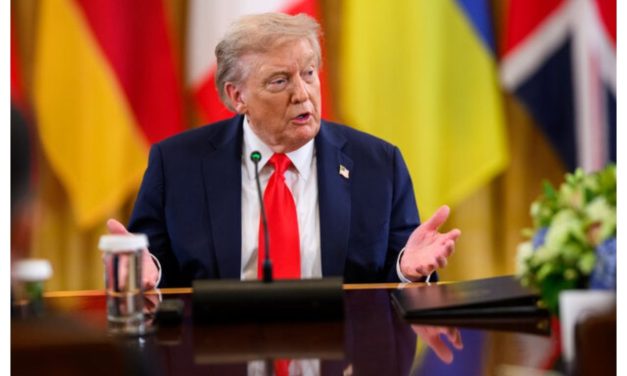
SCFR Online – Opinion: Only one month after the beginning of the Ramadan War, maritime traffic in the Strait of Hormuz decreased dramatically, with Bloomberg announcing a reduction of 103 vessels; Brent oil prices rose by more than 50 percent, and gasoline prices in the United States increased by 31.4 percent. Additionally, benchmark gas prices in Europe showed a 73.4 percent increase.

Al-Zaydi’s Selection as Prime Minister, The Beginning of a New Chapter in Iraq

SCFR Online – Note: After approximately five months of political deadlock and institutional confusion, Ali al-Zaydi has finally been selected as Iraq’s Prime Minister. Al-Zaydi’s selection as Prime Minister represents a positive sign of the completion of the government formation process and the beginning of a new phase in Iraqi politics and governance. The emergence of a young, technocratic figure from the third generation of politicians—in a context where the country has been administered by traditional figures for decades—revives hope that Iraq may perhaps distance itself from the repetitive cycle of crises and experience a new path of stability, efficiency, and regional convergence.

Intensifying Intra-Party Divisions in the United States Regarding the Zionist Regime

SCFR Online – Note: Over recent decades, support for the Zionist regime has been one of the few issues commanding bipartisan consensus in US foreign policy. Since the Cold War era, Republicans and Democrats have generally agreed on the necessity of preserving the security and survival of the Zionist regime as Washington’s most strategic ally in West Asia—and indeed, globally. However, developments in recent years—particularly the Gaza war, escalating regional conflicts, the expansion of tensions into Lebanon, and this regime’s recent warmongering against Iran—have caused this traditional consensus, especially within the Democratic Party, to face significant fractures.

Public Opinion Disappointment of the Zionist Regime Regarding Success in War with Iran

SCFR Online – Opinion: The internal situation of the Israeli regime during the 40-day war can be analyzed from several perspectives. The popularity levels of Benjamin Netanyahu, the Likud Party, and the ruling coalition led by Netanyahu until February 28, 2026, remained approximately the same as during the preceding year. The most recent factor that had somewhat increased Netanyahu’s popularity was the advancement of the 2024 war with Hezbollah Lebanon. Subsequently, his popularity temporarily increased during the 12-day war with Iran, but after the war, it returned to its previous state.

Loading

NATO

Europe’s Threat to Deploy Military Forces in Ukraine: From Words to Actions

Europe’s Threat to Deploy Military Forces in Ukraine: From Words to Actions

Strategic Council Online – Interview: An expert on Eurasian and Russian affairs stated that the West’s reaction to Russia’s threats regarding any deployment of foreign forces in Ukraine, whether under NATO or as an independent force, will be a combination of caution and deterrence. He said: Despite the desire of Europe and America to deploy military forces in Ukraine, they emphasize indirect support for Ukraine, including economic sanctions and increased diplomatic pressure on Moscow, and at best propose deploying neutral observers in Ukraine.

The Ukraine War and Europe’s Security Scenarios

The Ukraine War and Europe’s Security Scenarios

Strategic Council Online – Interview: A Russia affairs expert stated that Europe will face a complex security environment in the future, including increased militarization, economic challenges stemming from cutting dependence on Russian energy, and the need to redefine relations with the U.S. and NATO. As a result, without sustainable solutions, Europe may face greater existential, economic, and social threats in the future.

Reasons for NATO Members’ Agreement to the Proposed U.S. Budget Increase

Reasons for NATO Members’ Agreement to the Proposed U.S. Budget Increase

Strategic Council Online – Interview: An international affairs expert stated that, given the Russian threat and the rise of militarism worldwide, European countries have concluded that they must cooperate with the U.S. in establishing a unified European defense shield and strengthening NATO. Consequently, they agreed to a five percent increase in NATO’s budget during the recent summit.

Ukraine’s Permission to Use Long-Range Weapons; Europe’s New Alignment Against Russia

Ukraine’s Permission to Use Long-Range Weapons; Europe’s New Alignment Against Russia

Strategic Council–Online – Interview: A European affairs expert stated that German Chancellor Friedrich Merz recently announced that Western allies would no longer impose any restrictions on Ukraine’s use of long-range weapons against Russian military targets. Following the decision by European countries, the question arises as to why this decision was made at this stage and what consequences it will have.

Impact of Operation Cobweb on the Future Course of the Ukraine War

Impact of Operation Cobweb on the Future Course of the Ukraine War

Strategic Council Online – Interview: While Donald Trump, the President of the United States, was pressuring the parties involved in the Ukraine war to initiate negotiations to end the conflict, Operation Cobweb emerged as an unexpected development that transformed the dynamics of this war. This operation, which led to the destruction of several Russian strategic Tu-22M3 bombers, has raised questions about the future of negotiations, the escalation of tensions, and its strategic implications for Russia’s foreign policy and relations with NATO.

Reasons for NATO’s Interest in a Military Partnership with Iraq

Reasons for NATO’s Interest in a Military Partnership with Iraq

Strategic Council Online – Interview: A West Asia affairs expert stated that Christoph Henzi, the new NATO commander in Iraq, recently emphasized the North Atlantic Treaty Organization’s (NATO) continued commitment to coordinating and cooperating with Iraqi military and security institutions through experience-sharing, advisory services, and capacity-building.

EU’s Aspiration for Defense Autonomy and Responsibility

EU’s Aspiration for Defense Autonomy and Responsibility

Strategic Council Online – Interview: A senior European affairs analyst stated that the European Union needs military autonomy and responsibility to reduce its dependence on the United States and strengthen its defense capabilities. However, there are serious doubts about whether this can be achieved.

Dimensions and Consequences of the Gap in US-European Relations

Dimensions and Consequences of the Gap in US-European Relations

Strategic Council Online – Opinion: US-European relations are moving towards “divergence” unprecedentedly. The Trump administration’s humiliating actions and statements regarding the European Union show that relations between the two sides are entering a new phase of “gap” and subsequent “tension.”

Europe’s Challenge in Dealing with Trump

Europe’s Challenge in Dealing with Trump

Strategic Council Online – Interview: An expert on European and American issues said Trump is making a tactical and temporary retreat in his new presidential term to strengthen the United States from within so that he can carry out more serious attacks and structural disruptions similar to the issue of Canada’s annexation to the United States in the near future. Therefore, Europe feels extremely threatened.

ÚLTIMAS PUBLICACIONES

Iran’s Success in the Narrative Battle in Cyberspace

SCFR Online – Opinion: In the war between Iran and the United States, the main battlefield was not defined solely in the military domain; rather, the battle of narratives in cyberspace—particularly through memes—reached a decisive level.
The Global Energy Shock Situation and Future Scenarios

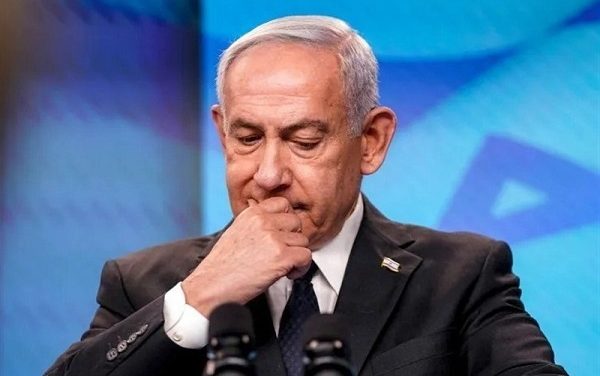
SCFR Online – Opinion: Only one month after the beginning of the Ramadan War, maritime traffic in the Strait of Hormuz decreased dramatically, with Bloomberg announcing a reduction of 103 vessels; Brent oil prices rose by more than 50 percent, and gasoline prices in the United States increased by 31.4 percent. Additionally, benchmark gas prices in Europe showed a 73.4 percent increase.

Al-Zaydi’s Selection as Prime Minister, The Beginning of a New Chapter in Iraq

SCFR Online – Note: After approximately five months of political deadlock and institutional confusion, Ali al-Zaydi has finally been selected as Iraq’s Prime Minister. Al-Zaydi’s selection as Prime Minister represents a positive sign of the completion of the government formation process and the beginning of a new phase in Iraqi politics and governance. The emergence of a young, technocratic figure from the third generation of politicians—in a context where the country has been administered by traditional figures for decades—revives hope that Iraq may perhaps distance itself from the repetitive cycle of crises and experience a new path of stability, efficiency, and regional convergence.

Intensifying Intra-Party Divisions in the United States Regarding the Zionist Regime

SCFR Online – Note: Over recent decades, support for the Zionist regime has been one of the few issues commanding bipartisan consensus in US foreign policy. Since the Cold War era, Republicans and Democrats have generally agreed on the necessity of preserving the security and survival of the Zionist regime as Washington’s most strategic ally in West Asia—and indeed, globally. However, developments in recent years—particularly the Gaza war, escalating regional conflicts, the expansion of tensions into Lebanon, and this regime’s recent warmongering against Iran—have caused this traditional consensus, especially within the Democratic Party, to face significant fractures.

Public Opinion Disappointment of the Zionist Regime Regarding Success in War with Iran

SCFR Online – Opinion: The internal situation of the Israeli regime during the 40-day war can be analyzed from several perspectives. The popularity levels of Benjamin Netanyahu, the Likud Party, and the ruling coalition led by Netanyahu until February 28, 2026, remained approximately the same as during the preceding year. The most recent factor that had somewhat increased Netanyahu’s popularity was the advancement of the 2024 war with Hezbollah Lebanon. Subsequently, his popularity temporarily increased during the 12-day war with Iran, but after the war, it returned to its previous state.

Loading

NATO

Europe’s Threat to Deploy Military Forces in Ukraine: From Words to Actions

Europe’s Threat to Deploy Military Forces in Ukraine: From Words to Actions

Strategic Council Online – Interview: An expert on Eurasian and Russian affairs stated that the West’s reaction to Russia’s threats regarding any deployment of foreign forces in Ukraine, whether under NATO or as an independent force, will be a combination of caution and deterrence. He said: Despite the desire of Europe and America to deploy military forces in Ukraine, they emphasize indirect support for Ukraine, including economic sanctions and increased diplomatic pressure on Moscow, and at best propose deploying neutral observers in Ukraine.

The Ukraine War and Europe’s Security Scenarios

The Ukraine War and Europe’s Security Scenarios

Strategic Council Online – Interview: A Russia affairs expert stated that Europe will face a complex security environment in the future, including increased militarization, economic challenges stemming from cutting dependence on Russian energy, and the need to redefine relations with the U.S. and NATO. As a result, without sustainable solutions, Europe may face greater existential, economic, and social threats in the future.

Reasons for NATO Members’ Agreement to the Proposed U.S. Budget Increase

Reasons for NATO Members’ Agreement to the Proposed U.S. Budget Increase

Strategic Council Online – Interview: An international affairs expert stated that, given the Russian threat and the rise of militarism worldwide, European countries have concluded that they must cooperate with the U.S. in establishing a unified European defense shield and strengthening NATO. Consequently, they agreed to a five percent increase in NATO’s budget during the recent summit.

Ukraine’s Permission to Use Long-Range Weapons; Europe’s New Alignment Against Russia

Ukraine’s Permission to Use Long-Range Weapons; Europe’s New Alignment Against Russia

Strategic Council–Online – Interview: A European affairs expert stated that German Chancellor Friedrich Merz recently announced that Western allies would no longer impose any restrictions on Ukraine’s use of long-range weapons against Russian military targets. Following the decision by European countries, the question arises as to why this decision was made at this stage and what consequences it will have.

Impact of Operation Cobweb on the Future Course of the Ukraine War

Impact of Operation Cobweb on the Future Course of the Ukraine War

Strategic Council Online – Interview: While Donald Trump, the President of the United States, was pressuring the parties involved in the Ukraine war to initiate negotiations to end the conflict, Operation Cobweb emerged as an unexpected development that transformed the dynamics of this war. This operation, which led to the destruction of several Russian strategic Tu-22M3 bombers, has raised questions about the future of negotiations, the escalation of tensions, and its strategic implications for Russia’s foreign policy and relations with NATO.

Reasons for NATO’s Interest in a Military Partnership with Iraq

Reasons for NATO’s Interest in a Military Partnership with Iraq

Strategic Council Online – Interview: A West Asia affairs expert stated that Christoph Henzi, the new NATO commander in Iraq, recently emphasized the North Atlantic Treaty Organization’s (NATO) continued commitment to coordinating and cooperating with Iraqi military and security institutions through experience-sharing, advisory services, and capacity-building.

EU’s Aspiration for Defense Autonomy and Responsibility

EU’s Aspiration for Defense Autonomy and Responsibility

Strategic Council Online – Interview: A senior European affairs analyst stated that the European Union needs military autonomy and responsibility to reduce its dependence on the United States and strengthen its defense capabilities. However, there are serious doubts about whether this can be achieved.

Dimensions and Consequences of the Gap in US-European Relations

Dimensions and Consequences of the Gap in US-European Relations

Strategic Council Online – Opinion: US-European relations are moving towards “divergence” unprecedentedly. The Trump administration’s humiliating actions and statements regarding the European Union show that relations between the two sides are entering a new phase of “gap” and subsequent “tension.”

Europe’s Challenge in Dealing with Trump

Europe’s Challenge in Dealing with Trump

Strategic Council Online – Interview: An expert on European and American issues said Trump is making a tactical and temporary retreat in his new presidential term to strengthen the United States from within so that he can carry out more serious attacks and structural disruptions similar to the issue of Canada’s annexation to the United States in the near future. Therefore, Europe feels extremely threatened.

ÚLTIMAS PUBLICACIONES

Iran’s Success in the Narrative Battle in Cyberspace

SCFR Online – Opinion: In the war between Iran and the United States, the main battlefield was not defined solely in the military domain; rather, the battle of narratives in cyberspace—particularly through memes—reached a decisive level.

The Global Energy Shock Situation and Future Scenarios

SCFR Online – Opinion: Only one month after the beginning of the Ramadan War, maritime traffic in the Strait of Hormuz decreased dramatically, with Bloomberg announcing a reduction of 103 vessels; Brent oil prices rose by more than 50 percent, and gasoline prices in the United States increased by 31.4 percent. Additionally, benchmark gas prices in Europe showed a 73.4 percent increase.

Al-Zaydi’s Selection as Prime Minister, The Beginning of a New Chapter in Iraq

SCFR Online – Note: After approximately five months of political deadlock and institutional confusion, Ali al-Zaydi has finally been selected as Iraq’s Prime Minister. Al-Zaydi’s selection as Prime Minister represents a positive sign of the completion of the government formation process and the beginning of a new phase in Iraqi politics and governance. The emergence of a young, technocratic figure from the third generation of politicians—in a context where the country has been administered by traditional figures for decades—revives hope that Iraq may perhaps distance itself from the repetitive cycle of crises and experience a new path of stability, efficiency, and regional convergence.

Intensifying Intra-Party Divisions in the United States Regarding the Zionist Regime

SCFR Online – Note: Over recent decades, support for the Zionist regime has been one of the few issues commanding bipartisan consensus in US foreign policy. Since the Cold War era, Republicans and Democrats have generally agreed on the necessity of preserving the security and survival of the Zionist regime as Washington’s most strategic ally in West Asia—and indeed, globally. However, developments in recent years—particularly the Gaza war, escalating regional conflicts, the expansion of tensions into Lebanon, and this regime’s recent warmongering against Iran—have caused this traditional consensus, especially within the Democratic Party, to face significant fractures.

Public Opinion Disappointment of the Zionist Regime Regarding Success in War with Iran

SCFR Online – Opinion: The internal situation of the Israeli regime during the 40-day war can be analyzed from several perspectives. The popularity levels of Benjamin Netanyahu, the Likud Party, and the ruling coalition led by Netanyahu until February 28, 2026, remained approximately the same as during the preceding year. The most recent factor that had somewhat increased Netanyahu’s popularity was the advancement of the 2024 war with Hezbollah Lebanon. Subsequently, his popularity temporarily increased during the 12-day war with Iran, but after the war, it returned to its previous state.

Loading