جدیدترین مطالب

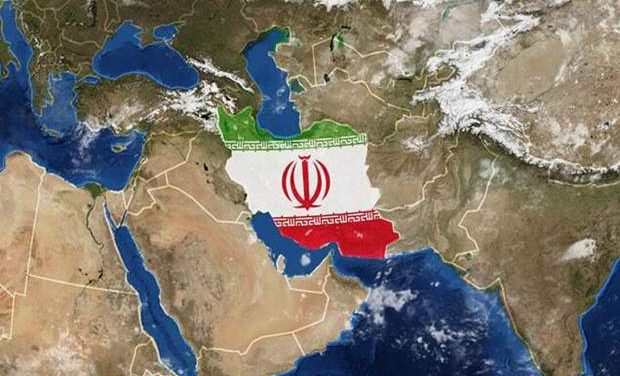
The Components of Iran’s Deterrence Power

SCFR Online – Opinion: At a time when regional security equations have reached a sensitive stage under the influence of Iran’s strategic confrontation with the United States and the Zionist regime, the question of the nature of Tehran’s defensive power has gained greater significance than ever before. While Washington and Tel Aviv rely on their technological superiority, the Islamic Republic of Iran has presented a model of deterrence that extends beyond the material calculations of the world’s classical militaries. This power, rooted in the connection between “the field” and “the people,” has not only altered the balance of power in recent conflicts but has also disrupted adversaries’ calculations when confronting Iran’s strategic depth.

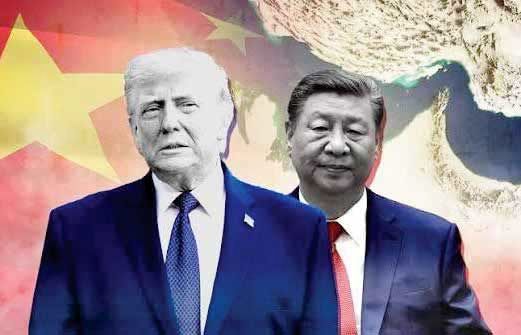
The Persian Gulf; A Cold Battlefield Between Beijing and Washington

SCFR Online – Opinion: The competition in recent years between the United States and China encompasses various geographical regions—including the Indo-Pacific, West Asia, the Arctic and Antarctic, and Africa—as well as multiple domains such as economics and technology. Within this context, a strategic competition has also emerged in the Persian Gulf region across economic, technological, and military spheres.

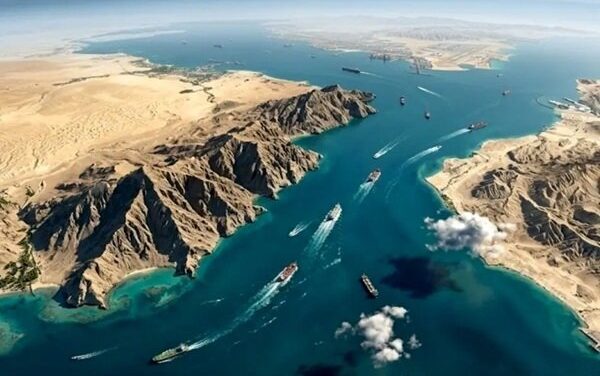
Europe’s Enduring Dependence on Persian Gulf Energy

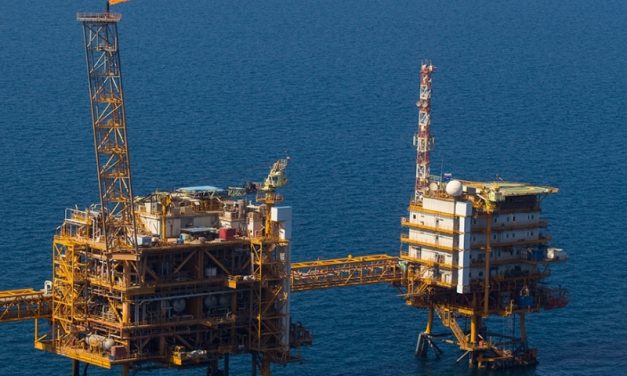
SCFR Online – Opinion: The dominant discourse in the field of European energy security over the past two decades has revolved around diversification of supply sources and the gradual reduction of dependence on fossil fuels. This narrative, which gained particular momentum after the Ukraine gas crisis in 2006 and its intensification in 2014 and 2022, was based on the assumption that Europe could free itself from the geopolitical vulnerabilities arising from dependence on specific suppliers through investment in renewable energy, imports of liquefied natural gas from diversified sources, and the establishment of new infrastructure. However, a closer analysis of energy trade data and the structure of the global oil and gas supply chain presents a different picture. Europe has not only failed to meaningfully reduce its dependence on the Persian Gulf, but in some sectors — particularly in liquefied natural gas imports — this dependence has deepened. This reality, which is often overlooked in public discourse, raises fundamental questions about the sustainability of Europe’s energy security strategies and their impact on regional power equations.

The Challenge of Hezbollah’s Low-Cost “FPV” Drones for the Zionist Regime

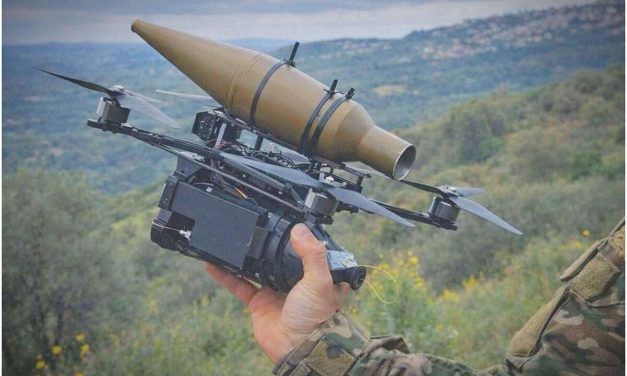
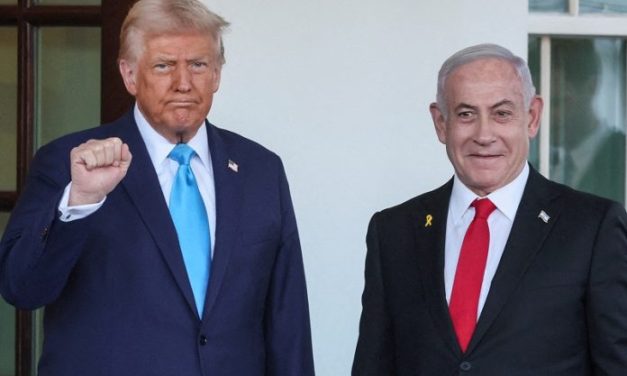
SCFR Online – Opinion: In modern warfare, it has always been assumed that the more expensive, and advanced the weapon—particularly from well-known companies—the more certain the victory will be. However, developments on the northern front of occupied Palestine in recent months have challenged this long-held belief. Here, the Zionist regime’s military, despite possessing the most advanced defense systems such as Iron Dome, David’s Sling, and Arrow, as well as fifth-generation F-35 fighter jets, Merkava tanks, and other modern equipment found in few countries worldwide, has effectively been rendered helpless against Hezbollah Lebanon’s few-hundred-dollar drones. Benjamin Netanyahu’s bitter admission regarding the inability to counter this threat, and his order to allocate an unlimited budget to find a solution, underscores the reality that the era of pure superiority through expensive technologies has come to an end.

Loading

Mustafa al-Kazemi

Al Kazemi’s Hard Way Out of Crisis in Iraq

Al Kazemi’s Hard Way Out of Crisis in Iraq

Strategic Council Online: Following the formation of Mustafa al-Kazemi’s government Iraq today is sailing on a boat that will inevitably have to cross a large whirlpool much of whose potential is secured outside the borders. Perhaps the only force that can ensure the safety of this boat and its successful passage is the cooperation and unity of Iraqi parties and the patience of the Iraqi people to resolve the situation in their country, at the beginning of which putting government organizations and institutions in order is among the most infrastructural affairs.
Jafar Qanadbashi – Middle East Affairs Expert

Iraq; Challenges Facing Mustafa al-Kazemi Government

Iraq; Challenges Facing Mustafa al-Kazemi Government

Strategic Council Online: The new Iraqi government is facing several challenges, while the economic situation in Iraq is not favorable due to the decrease in oil prices and the economic situation Iraq has been facing in the past.
Siamak Kakai – Expert on Iraqi Affairs

New Strategy of Hebrew-Arab-Western Front in Syria

New Strategy of Hebrew-Arab-Western Front in Syria

Strategic Council Online: The US-led Hebrew-Arab-Western axis, which has failed to contain the Resistance Axis in the political and security spheres, has entered the military phase, namely the escalation of the Zionist regime’s attacks and the resurgence of ISIS in Syria.
Hossein Ajorlou – Middle East Affairs Expert

أحدث الوظائف

The Components of Iran’s Deterrence Power

SCFR Online – Opinion: At a time when regional security equations have reached a sensitive stage under the influence of Iran’s strategic confrontation with the United States and the Zionist regime, the question of the nature of Tehran’s defensive power has gained greater significance than ever before. While Washington and Tel Aviv rely on their technological superiority, the Islamic Republic of Iran has presented a model of deterrence that extends beyond the material calculations of the world’s classical militaries. This power, rooted in the connection between “the field” and “the people,” has not only altered the balance of power in recent conflicts but has also disrupted adversaries’ calculations when confronting Iran’s strategic depth.

The Persian Gulf; A Cold Battlefield Between Beijing and Washington

SCFR Online – Opinion: The competition in recent years between the United States and China encompasses various geographical regions—including the Indo-Pacific, West Asia, the Arctic and Antarctic, and Africa—as well as multiple domains such as economics and technology. Within this context, a strategic competition has also emerged in the Persian Gulf region across economic, technological, and military spheres.

Europe’s Enduring Dependence on Persian Gulf Energy

SCFR Online – Opinion: The dominant discourse in the field of European energy security over the past two decades has revolved around diversification of supply sources and the gradual reduction of dependence on fossil fuels. This narrative, which gained particular momentum after the Ukraine gas crisis in 2006 and its intensification in 2014 and 2022, was based on the assumption that Europe could free itself from the geopolitical vulnerabilities arising from dependence on specific suppliers through investment in renewable energy, imports of liquefied natural gas from diversified sources, and the establishment of new infrastructure. However, a closer analysis of energy trade data and the structure of the global oil and gas supply chain presents a different picture. Europe has not only failed to meaningfully reduce its dependence on the Persian Gulf, but in some sectors — particularly in liquefied natural gas imports — this dependence has deepened. This reality, which is often overlooked in public discourse, raises fundamental questions about the sustainability of Europe’s energy security strategies and their impact on regional power equations.

The Challenge of Hezbollah’s Low-Cost “FPV” Drones for the Zionist Regime

SCFR Online – Opinion: In modern warfare, it has always been assumed that the more expensive, and advanced the weapon—particularly from well-known companies—the more certain the victory will be. However, developments on the northern front of occupied Palestine in recent months have challenged this long-held belief. Here, the Zionist regime’s military, despite possessing the most advanced defense systems such as Iron Dome, David’s Sling, and Arrow, as well as fifth-generation F-35 fighter jets, Merkava tanks, and other modern equipment found in few countries worldwide, has effectively been rendered helpless against Hezbollah Lebanon’s few-hundred-dollar drones. Benjamin Netanyahu’s bitter admission regarding the inability to counter this threat, and his order to allocate an unlimited budget to find a solution, underscores the reality that the era of pure superiority through expensive technologies has come to an end.

Loading

Mustafa al-Kazemi

Al Kazemi’s Hard Way Out of Crisis in Iraq

Al Kazemi’s Hard Way Out of Crisis in Iraq

Strategic Council Online: Following the formation of Mustafa al-Kazemi’s government Iraq today is sailing on a boat that will inevitably have to cross a large whirlpool much of whose potential is secured outside the borders. Perhaps the only force that can ensure the safety of this boat and its successful passage is the cooperation and unity of Iraqi parties and the patience of the Iraqi people to resolve the situation in their country, at the beginning of which putting government organizations and institutions in order is among the most infrastructural affairs.
Jafar Qanadbashi – Middle East Affairs Expert

Iraq; Challenges Facing Mustafa al-Kazemi Government

Iraq; Challenges Facing Mustafa al-Kazemi Government

Strategic Council Online: The new Iraqi government is facing several challenges, while the economic situation in Iraq is not favorable due to the decrease in oil prices and the economic situation Iraq has been facing in the past.
Siamak Kakai – Expert on Iraqi Affairs

New Strategy of Hebrew-Arab-Western Front in Syria

New Strategy of Hebrew-Arab-Western Front in Syria

Strategic Council Online: The US-led Hebrew-Arab-Western axis, which has failed to contain the Resistance Axis in the political and security spheres, has entered the military phase, namely the escalation of the Zionist regime’s attacks and the resurgence of ISIS in Syria.
Hossein Ajorlou – Middle East Affairs Expert

Mustafa al-Kazemi

Al Kazemi’s Hard Way Out of Crisis in Iraq

Al Kazemi’s Hard Way Out of Crisis in Iraq

Strategic Council Online: Following the formation of Mustafa al-Kazemi’s government Iraq today is sailing on a boat that will inevitably have to cross a large whirlpool much of whose potential is secured outside the borders. Perhaps the only force that can ensure the safety of this boat and its successful passage is the cooperation and unity of Iraqi parties and the patience of the Iraqi people to resolve the situation in their country, at the beginning of which putting government organizations and institutions in order is among the most infrastructural affairs.
Jafar Qanadbashi – Middle East Affairs Expert

Iraq; Challenges Facing Mustafa al-Kazemi Government

Iraq; Challenges Facing Mustafa al-Kazemi Government

Strategic Council Online: The new Iraqi government is facing several challenges, while the economic situation in Iraq is not favorable due to the decrease in oil prices and the economic situation Iraq has been facing in the past.
Siamak Kakai – Expert on Iraqi Affairs

New Strategy of Hebrew-Arab-Western Front in Syria

New Strategy of Hebrew-Arab-Western Front in Syria

Strategic Council Online: The US-led Hebrew-Arab-Western axis, which has failed to contain the Resistance Axis in the political and security spheres, has entered the military phase, namely the escalation of the Zionist regime’s attacks and the resurgence of ISIS in Syria.
Hossein Ajorlou – Middle East Affairs Expert

LATEST CONTENT

The Components of Iran’s Deterrence Power

SCFR Online – Opinion: At a time when regional security equations have reached a sensitive stage under the influence of Iran’s strategic confrontation with the United States and the Zionist regime, the question of the nature of Tehran’s defensive power has gained greater significance than ever before. While Washington and Tel Aviv rely on their technological superiority, the Islamic Republic of Iran has presented a model of deterrence that extends beyond the material calculations of the world’s classical militaries. This power, rooted in the connection between “the field” and “the people,” has not only altered the balance of power in recent conflicts but has also disrupted adversaries’ calculations when confronting Iran’s strategic depth.

The Persian Gulf; A Cold Battlefield Between Beijing and Washington

SCFR Online – Opinion: The competition in recent years between the United States and China encompasses various geographical regions—including the Indo-Pacific, West Asia, the Arctic and Antarctic, and Africa—as well as multiple domains such as economics and technology. Within this context, a strategic competition has also emerged in the Persian Gulf region across economic, technological, and military spheres.

Europe’s Enduring Dependence on Persian Gulf Energy

SCFR Online – Opinion: The dominant discourse in the field of European energy security over the past two decades has revolved around diversification of supply sources and the gradual reduction of dependence on fossil fuels. This narrative, which gained particular momentum after the Ukraine gas crisis in 2006 and its intensification in 2014 and 2022, was based on the assumption that Europe could free itself from the geopolitical vulnerabilities arising from dependence on specific suppliers through investment in renewable energy, imports of liquefied natural gas from diversified sources, and the establishment of new infrastructure. However, a closer analysis of energy trade data and the structure of the global oil and gas supply chain presents a different picture. Europe has not only failed to meaningfully reduce its dependence on the Persian Gulf, but in some sectors — particularly in liquefied natural gas imports — this dependence has deepened. This reality, which is often overlooked in public discourse, raises fundamental questions about the sustainability of Europe’s energy security strategies and their impact on regional power equations.

The Challenge of Hezbollah’s Low-Cost “FPV” Drones for the Zionist Regime

SCFR Online – Opinion: In modern warfare, it has always been assumed that the more expensive, and advanced the weapon—particularly from well-known companies—the more certain the victory will be. However, developments on the northern front of occupied Palestine in recent months have challenged this long-held belief. Here, the Zionist regime’s military, despite possessing the most advanced defense systems such as Iron Dome, David’s Sling, and Arrow, as well as fifth-generation F-35 fighter jets, Merkava tanks, and other modern equipment found in few countries worldwide, has effectively been rendered helpless against Hezbollah Lebanon’s few-hundred-dollar drones. Benjamin Netanyahu’s bitter admission regarding the inability to counter this threat, and his order to allocate an unlimited budget to find a solution, underscores the reality that the era of pure superiority through expensive technologies has come to an end.

Loading

Mustafa al-Kazemi

Al Kazemi’s Hard Way Out of Crisis in Iraq

Al Kazemi’s Hard Way Out of Crisis in Iraq

Strategic Council Online: Following the formation of Mustafa al-Kazemi’s government Iraq today is sailing on a boat that will inevitably have to cross a large whirlpool much of whose potential is secured outside the borders. Perhaps the only force that can ensure the safety of this boat and its successful passage is the cooperation and unity of Iraqi parties and the patience of the Iraqi people to resolve the situation in their country, at the beginning of which putting government organizations and institutions in order is among the most infrastructural affairs.
Jafar Qanadbashi – Middle East Affairs Expert

Iraq; Challenges Facing Mustafa al-Kazemi Government

Iraq; Challenges Facing Mustafa al-Kazemi Government

Strategic Council Online: The new Iraqi government is facing several challenges, while the economic situation in Iraq is not favorable due to the decrease in oil prices and the economic situation Iraq has been facing in the past.
Siamak Kakai – Expert on Iraqi Affairs

New Strategy of Hebrew-Arab-Western Front in Syria

New Strategy of Hebrew-Arab-Western Front in Syria

Strategic Council Online: The US-led Hebrew-Arab-Western axis, which has failed to contain the Resistance Axis in the political and security spheres, has entered the military phase, namely the escalation of the Zionist regime’s attacks and the resurgence of ISIS in Syria.
Hossein Ajorlou – Middle East Affairs Expert

ÚLTIMAS PUBLICACIONES

The Components of Iran’s Deterrence Power

SCFR Online – Opinion: At a time when regional security equations have reached a sensitive stage under the influence of Iran’s strategic confrontation with the United States and the Zionist regime, the question of the nature of Tehran’s defensive power has gained greater significance than ever before. While Washington and Tel Aviv rely on their technological superiority, the Islamic Republic of Iran has presented a model of deterrence that extends beyond the material calculations of the world’s classical militaries. This power, rooted in the connection between “the field” and “the people,” has not only altered the balance of power in recent conflicts but has also disrupted adversaries’ calculations when confronting Iran’s strategic depth.

The Persian Gulf; A Cold Battlefield Between Beijing and Washington

SCFR Online – Opinion: The competition in recent years between the United States and China encompasses various geographical regions—including the Indo-Pacific, West Asia, the Arctic and Antarctic, and Africa—as well as multiple domains such as economics and technology. Within this context, a strategic competition has also emerged in the Persian Gulf region across economic, technological, and military spheres.

Europe’s Enduring Dependence on Persian Gulf Energy

SCFR Online – Opinion: The dominant discourse in the field of European energy security over the past two decades has revolved around diversification of supply sources and the gradual reduction of dependence on fossil fuels. This narrative, which gained particular momentum after the Ukraine gas crisis in 2006 and its intensification in 2014 and 2022, was based on the assumption that Europe could free itself from the geopolitical vulnerabilities arising from dependence on specific suppliers through investment in renewable energy, imports of liquefied natural gas from diversified sources, and the establishment of new infrastructure. However, a closer analysis of energy trade data and the structure of the global oil and gas supply chain presents a different picture. Europe has not only failed to meaningfully reduce its dependence on the Persian Gulf, but in some sectors — particularly in liquefied natural gas imports — this dependence has deepened. This reality, which is often overlooked in public discourse, raises fundamental questions about the sustainability of Europe’s energy security strategies and their impact on regional power equations.

The Challenge of Hezbollah’s Low-Cost “FPV” Drones for the Zionist Regime

SCFR Online – Opinion: In modern warfare, it has always been assumed that the more expensive, and advanced the weapon—particularly from well-known companies—the more certain the victory will be. However, developments on the northern front of occupied Palestine in recent months have challenged this long-held belief. Here, the Zionist regime’s military, despite possessing the most advanced defense systems such as Iron Dome, David’s Sling, and Arrow, as well as fifth-generation F-35 fighter jets, Merkava tanks, and other modern equipment found in few countries worldwide, has effectively been rendered helpless against Hezbollah Lebanon’s few-hundred-dollar drones. Benjamin Netanyahu’s bitter admission regarding the inability to counter this threat, and his order to allocate an unlimited budget to find a solution, underscores the reality that the era of pure superiority through expensive technologies has come to an end.

Loading

Mustafa al-Kazemi

Al Kazemi’s Hard Way Out of Crisis in Iraq

Al Kazemi’s Hard Way Out of Crisis in Iraq

Strategic Council Online: Following the formation of Mustafa al-Kazemi’s government Iraq today is sailing on a boat that will inevitably have to cross a large whirlpool much of whose potential is secured outside the borders. Perhaps the only force that can ensure the safety of this boat and its successful passage is the cooperation and unity of Iraqi parties and the patience of the Iraqi people to resolve the situation in their country, at the beginning of which putting government organizations and institutions in order is among the most infrastructural affairs.
Jafar Qanadbashi – Middle East Affairs Expert

Iraq; Challenges Facing Mustafa al-Kazemi Government

Iraq; Challenges Facing Mustafa al-Kazemi Government

Strategic Council Online: The new Iraqi government is facing several challenges, while the economic situation in Iraq is not favorable due to the decrease in oil prices and the economic situation Iraq has been facing in the past.
Siamak Kakai – Expert on Iraqi Affairs

New Strategy of Hebrew-Arab-Western Front in Syria

New Strategy of Hebrew-Arab-Western Front in Syria

Strategic Council Online: The US-led Hebrew-Arab-Western axis, which has failed to contain the Resistance Axis in the political and security spheres, has entered the military phase, namely the escalation of the Zionist regime’s attacks and the resurgence of ISIS in Syria.
Hossein Ajorlou – Middle East Affairs Expert

ÚLTIMAS PUBLICACIONES

The Components of Iran’s Deterrence Power

SCFR Online – Opinion: At a time when regional security equations have reached a sensitive stage under the influence of Iran’s strategic confrontation with the United States and the Zionist regime, the question of the nature of Tehran’s defensive power has gained greater significance than ever before. While Washington and Tel Aviv rely on their technological superiority, the Islamic Republic of Iran has presented a model of deterrence that extends beyond the material calculations of the world’s classical militaries. This power, rooted in the connection between “the field” and “the people,” has not only altered the balance of power in recent conflicts but has also disrupted adversaries’ calculations when confronting Iran’s strategic depth.

The Persian Gulf; A Cold Battlefield Between Beijing and Washington

SCFR Online – Opinion: The competition in recent years between the United States and China encompasses various geographical regions—including the Indo-Pacific, West Asia, the Arctic and Antarctic, and Africa—as well as multiple domains such as economics and technology. Within this context, a strategic competition has also emerged in the Persian Gulf region across economic, technological, and military spheres.

Europe’s Enduring Dependence on Persian Gulf Energy

SCFR Online – Opinion: The dominant discourse in the field of European energy security over the past two decades has revolved around diversification of supply sources and the gradual reduction of dependence on fossil fuels. This narrative, which gained particular momentum after the Ukraine gas crisis in 2006 and its intensification in 2014 and 2022, was based on the assumption that Europe could free itself from the geopolitical vulnerabilities arising from dependence on specific suppliers through investment in renewable energy, imports of liquefied natural gas from diversified sources, and the establishment of new infrastructure. However, a closer analysis of energy trade data and the structure of the global oil and gas supply chain presents a different picture. Europe has not only failed to meaningfully reduce its dependence on the Persian Gulf, but in some sectors — particularly in liquefied natural gas imports — this dependence has deepened. This reality, which is often overlooked in public discourse, raises fundamental questions about the sustainability of Europe’s energy security strategies and their impact on regional power equations.

The Challenge of Hezbollah’s Low-Cost “FPV” Drones for the Zionist Regime

SCFR Online – Opinion: In modern warfare, it has always been assumed that the more expensive, and advanced the weapon—particularly from well-known companies—the more certain the victory will be. However, developments on the northern front of occupied Palestine in recent months have challenged this long-held belief. Here, the Zionist regime’s military, despite possessing the most advanced defense systems such as Iron Dome, David’s Sling, and Arrow, as well as fifth-generation F-35 fighter jets, Merkava tanks, and other modern equipment found in few countries worldwide, has effectively been rendered helpless against Hezbollah Lebanon’s few-hundred-dollar drones. Benjamin Netanyahu’s bitter admission regarding the inability to counter this threat, and his order to allocate an unlimited budget to find a solution, underscores the reality that the era of pure superiority through expensive technologies has come to an end.

Loading

Mustafa al-Kazemi

Al Kazemi’s Hard Way Out of Crisis in Iraq

Al Kazemi’s Hard Way Out of Crisis in Iraq

Strategic Council Online: Following the formation of Mustafa al-Kazemi’s government Iraq today is sailing on a boat that will inevitably have to cross a large whirlpool much of whose potential is secured outside the borders. Perhaps the only force that can ensure the safety of this boat and its successful passage is the cooperation and unity of Iraqi parties and the patience of the Iraqi people to resolve the situation in their country, at the beginning of which putting government organizations and institutions in order is among the most infrastructural affairs.
Jafar Qanadbashi – Middle East Affairs Expert

Iraq; Challenges Facing Mustafa al-Kazemi Government

Iraq; Challenges Facing Mustafa al-Kazemi Government

Strategic Council Online: The new Iraqi government is facing several challenges, while the economic situation in Iraq is not favorable due to the decrease in oil prices and the economic situation Iraq has been facing in the past.
Siamak Kakai – Expert on Iraqi Affairs

New Strategy of Hebrew-Arab-Western Front in Syria

New Strategy of Hebrew-Arab-Western Front in Syria

Strategic Council Online: The US-led Hebrew-Arab-Western axis, which has failed to contain the Resistance Axis in the political and security spheres, has entered the military phase, namely the escalation of the Zionist regime’s attacks and the resurgence of ISIS in Syria.
Hossein Ajorlou – Middle East Affairs Expert

ÚLTIMAS PUBLICACIONES

The Components of Iran’s Deterrence Power

SCFR Online – Opinion: At a time when regional security equations have reached a sensitive stage under the influence of Iran’s strategic confrontation with the United States and the Zionist regime, the question of the nature of Tehran’s defensive power has gained greater significance than ever before. While Washington and Tel Aviv rely on their technological superiority, the Islamic Republic of Iran has presented a model of deterrence that extends beyond the material calculations of the world’s classical militaries. This power, rooted in the connection between “the field” and “the people,” has not only altered the balance of power in recent conflicts but has also disrupted adversaries’ calculations when confronting Iran’s strategic depth.

The Persian Gulf; A Cold Battlefield Between Beijing and Washington

SCFR Online – Opinion: The competition in recent years between the United States and China encompasses various geographical regions—including the Indo-Pacific, West Asia, the Arctic and Antarctic, and Africa—as well as multiple domains such as economics and technology. Within this context, a strategic competition has also emerged in the Persian Gulf region across economic, technological, and military spheres.

Europe’s Enduring Dependence on Persian Gulf Energy

SCFR Online – Opinion: The dominant discourse in the field of European energy security over the past two decades has revolved around diversification of supply sources and the gradual reduction of dependence on fossil fuels. This narrative, which gained particular momentum after the Ukraine gas crisis in 2006 and its intensification in 2014 and 2022, was based on the assumption that Europe could free itself from the geopolitical vulnerabilities arising from dependence on specific suppliers through investment in renewable energy, imports of liquefied natural gas from diversified sources, and the establishment of new infrastructure. However, a closer analysis of energy trade data and the structure of the global oil and gas supply chain presents a different picture. Europe has not only failed to meaningfully reduce its dependence on the Persian Gulf, but in some sectors — particularly in liquefied natural gas imports — this dependence has deepened. This reality, which is often overlooked in public discourse, raises fundamental questions about the sustainability of Europe’s energy security strategies and their impact on regional power equations.

The Challenge of Hezbollah’s Low-Cost “FPV” Drones for the Zionist Regime

SCFR Online – Opinion: In modern warfare, it has always been assumed that the more expensive, and advanced the weapon—particularly from well-known companies—the more certain the victory will be. However, developments on the northern front of occupied Palestine in recent months have challenged this long-held belief. Here, the Zionist regime’s military, despite possessing the most advanced defense systems such as Iron Dome, David’s Sling, and Arrow, as well as fifth-generation F-35 fighter jets, Merkava tanks, and other modern equipment found in few countries worldwide, has effectively been rendered helpless against Hezbollah Lebanon’s few-hundred-dollar drones. Benjamin Netanyahu’s bitter admission regarding the inability to counter this threat, and his order to allocate an unlimited budget to find a solution, underscores the reality that the era of pure superiority through expensive technologies has come to an end.

Loading

Mustafa al-Kazemi

Al Kazemi’s Hard Way Out of Crisis in Iraq

Al Kazemi’s Hard Way Out of Crisis in Iraq

Strategic Council Online: Following the formation of Mustafa al-Kazemi’s government Iraq today is sailing on a boat that will inevitably have to cross a large whirlpool much of whose potential is secured outside the borders. Perhaps the only force that can ensure the safety of this boat and its successful passage is the cooperation and unity of Iraqi parties and the patience of the Iraqi people to resolve the situation in their country, at the beginning of which putting government organizations and institutions in order is among the most infrastructural affairs.
Jafar Qanadbashi – Middle East Affairs Expert

Iraq; Challenges Facing Mustafa al-Kazemi Government

Iraq; Challenges Facing Mustafa al-Kazemi Government

Strategic Council Online: The new Iraqi government is facing several challenges, while the economic situation in Iraq is not favorable due to the decrease in oil prices and the economic situation Iraq has been facing in the past.
Siamak Kakai – Expert on Iraqi Affairs

New Strategy of Hebrew-Arab-Western Front in Syria

New Strategy of Hebrew-Arab-Western Front in Syria

Strategic Council Online: The US-led Hebrew-Arab-Western axis, which has failed to contain the Resistance Axis in the political and security spheres, has entered the military phase, namely the escalation of the Zionist regime’s attacks and the resurgence of ISIS in Syria.
Hossein Ajorlou – Middle East Affairs Expert

ÚLTIMAS PUBLICACIONES

The Components of Iran’s Deterrence Power

SCFR Online – Opinion: At a time when regional security equations have reached a sensitive stage under the influence of Iran’s strategic confrontation with the United States and the Zionist regime, the question of the nature of Tehran’s defensive power has gained greater significance than ever before. While Washington and Tel Aviv rely on their technological superiority, the Islamic Republic of Iran has presented a model of deterrence that extends beyond the material calculations of the world’s classical militaries. This power, rooted in the connection between “the field” and “the people,” has not only altered the balance of power in recent conflicts but has also disrupted adversaries’ calculations when confronting Iran’s strategic depth.

The Persian Gulf; A Cold Battlefield Between Beijing and Washington

SCFR Online – Opinion: The competition in recent years between the United States and China encompasses various geographical regions—including the Indo-Pacific, West Asia, the Arctic and Antarctic, and Africa—as well as multiple domains such as economics and technology. Within this context, a strategic competition has also emerged in the Persian Gulf region across economic, technological, and military spheres.

Europe’s Enduring Dependence on Persian Gulf Energy

SCFR Online – Opinion: The dominant discourse in the field of European energy security over the past two decades has revolved around diversification of supply sources and the gradual reduction of dependence on fossil fuels. This narrative, which gained particular momentum after the Ukraine gas crisis in 2006 and its intensification in 2014 and 2022, was based on the assumption that Europe could free itself from the geopolitical vulnerabilities arising from dependence on specific suppliers through investment in renewable energy, imports of liquefied natural gas from diversified sources, and the establishment of new infrastructure. However, a closer analysis of energy trade data and the structure of the global oil and gas supply chain presents a different picture. Europe has not only failed to meaningfully reduce its dependence on the Persian Gulf, but in some sectors — particularly in liquefied natural gas imports — this dependence has deepened. This reality, which is often overlooked in public discourse, raises fundamental questions about the sustainability of Europe’s energy security strategies and their impact on regional power equations.

The Challenge of Hezbollah’s Low-Cost “FPV” Drones for the Zionist Regime

SCFR Online – Opinion: In modern warfare, it has always been assumed that the more expensive, and advanced the weapon—particularly from well-known companies—the more certain the victory will be. However, developments on the northern front of occupied Palestine in recent months have challenged this long-held belief. Here, the Zionist regime’s military, despite possessing the most advanced defense systems such as Iron Dome, David’s Sling, and Arrow, as well as fifth-generation F-35 fighter jets, Merkava tanks, and other modern equipment found in few countries worldwide, has effectively been rendered helpless against Hezbollah Lebanon’s few-hundred-dollar drones. Benjamin Netanyahu’s bitter admission regarding the inability to counter this threat, and his order to allocate an unlimited budget to find a solution, underscores the reality that the era of pure superiority through expensive technologies has come to an end.

Loading