جدیدترین مطالب

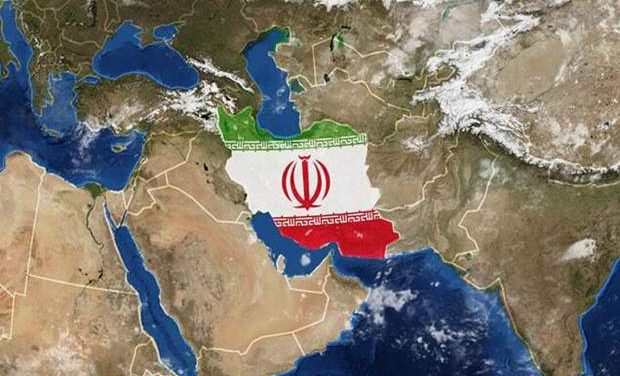
The Components of Iran’s Deterrence Power

SCFR Online – Opinion: At a time when regional security equations have reached a sensitive stage under the influence of Iran’s strategic confrontation with the United States and the Zionist regime, the question of the nature of Tehran’s defensive power has gained greater significance than ever before. While Washington and Tel Aviv rely on their technological superiority, the Islamic Republic of Iran has presented a model of deterrence that extends beyond the material calculations of the world’s classical militaries. This power, rooted in the connection between “the field” and “the people,” has not only altered the balance of power in recent conflicts but has also disrupted adversaries’ calculations when confronting Iran’s strategic depth.

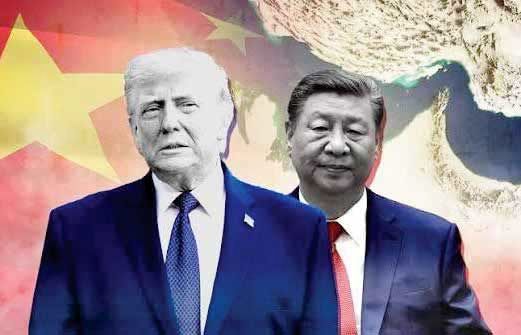
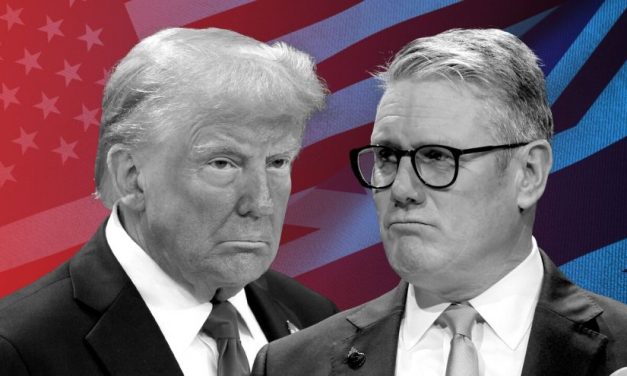
The Persian Gulf; A Cold Battlefield Between Beijing and Washington

SCFR Online – Opinion: The competition in recent years between the United States and China encompasses various geographical regions—including the Indo-Pacific, West Asia, the Arctic and Antarctic, and Africa—as well as multiple domains such as economics and technology. Within this context, a strategic competition has also emerged in the Persian Gulf region across economic, technological, and military spheres.

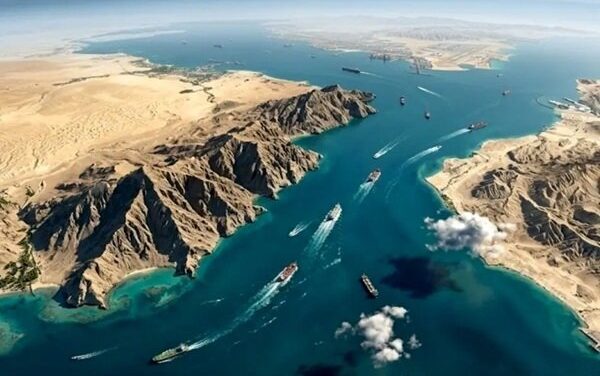
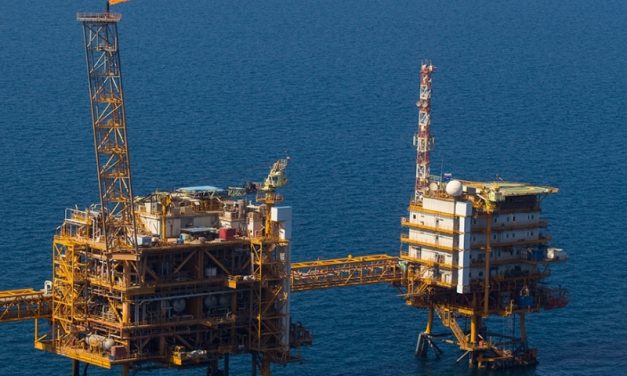
Europe’s Enduring Dependence on Persian Gulf Energy

SCFR Online – Opinion: The dominant discourse in the field of European energy security over the past two decades has revolved around diversification of supply sources and the gradual reduction of dependence on fossil fuels. This narrative, which gained particular momentum after the Ukraine gas crisis in 2006 and its intensification in 2014 and 2022, was based on the assumption that Europe could free itself from the geopolitical vulnerabilities arising from dependence on specific suppliers through investment in renewable energy, imports of liquefied natural gas from diversified sources, and the establishment of new infrastructure. However, a closer analysis of energy trade data and the structure of the global oil and gas supply chain presents a different picture. Europe has not only failed to meaningfully reduce its dependence on the Persian Gulf, but in some sectors — particularly in liquefied natural gas imports — this dependence has deepened. This reality, which is often overlooked in public discourse, raises fundamental questions about the sustainability of Europe’s energy security strategies and their impact on regional power equations.

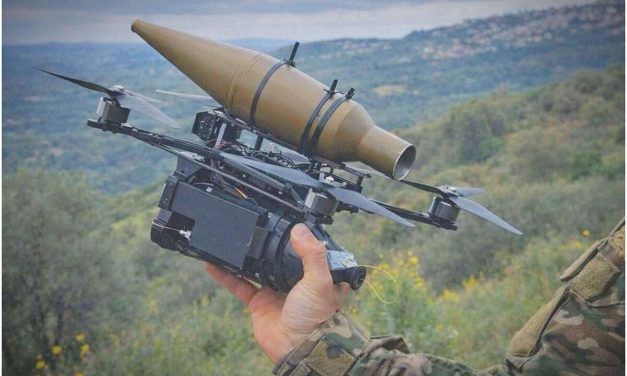
The Challenge of Hezbollah’s Low-Cost “FPV” Drones for the Zionist Regime

SCFR Online – Opinion: In modern warfare, it has always been assumed that the more expensive, and advanced the weapon—particularly from well-known companies—the more certain the victory will be. However, developments on the northern front of occupied Palestine in recent months have challenged this long-held belief. Here, the Zionist regime’s military, despite possessing the most advanced defense systems such as Iron Dome, David’s Sling, and Arrow, as well as fifth-generation F-35 fighter jets, Merkava tanks, and other modern equipment found in few countries worldwide, has effectively been rendered helpless against Hezbollah Lebanon’s few-hundred-dollar drones. Benjamin Netanyahu’s bitter admission regarding the inability to counter this threat, and his order to allocate an unlimited budget to find a solution, underscores the reality that the era of pure superiority through expensive technologies has come to an end.

Loading

Mustafa al-Kazemi

Iraq against normalization of relations with Zionist Regime

Iraq against normalization of relations with Zionist Regime

Strategic Council Online -interview: The people, religious establishment, parliament and political and resistance groups in Iraq are opposed to any probable normalization of relations with Zionist Regime, an expert of West Asia affairs says.

Behind the Scenes of Iraq-Jordan-Egypt Trilateral Meeting

Behind the Scenes of Iraq-Jordan-Egypt Trilateral Meeting

Strategic Council Online – Arab states, especially Saudi Arabia, Jordan and Egypt, are trying to pull Iraq from the ideological sphere to the atmosphere of Arab reaction in order to deepen the distance between Tehran and Baghdad politically and ideologically.
Hassan Hanizadeh – Middle East Affairs Expert

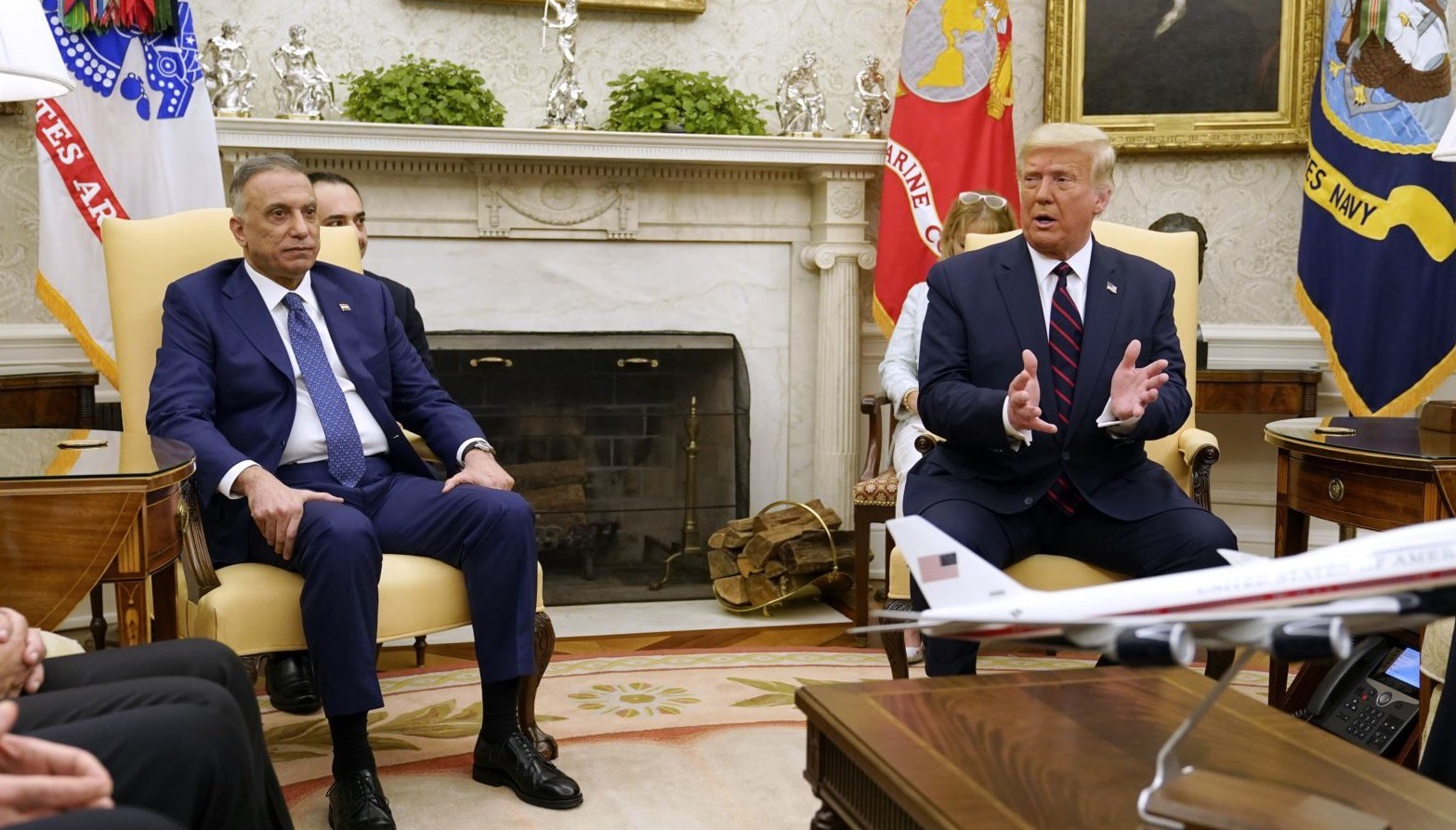
Al-Kazemi’s Washington Trip & US Strategy in Iraq

Al-Kazemi’s Washington Trip & US Strategy in Iraq

Strategic Council Online – Al-Kazemi’s stances reflect his outlooks and political vision about the United States. Some believe that the Americans hope that with Al-Kazemi as Iraq’s prime minister, relations with the US are set to expand and the scope of criticism of the United States inside Iraq will decrease; But we should not overlook the subsequent developments in Iraq; because next year elections will be held and Al-Kazemi himself, as a statesman, has plans for his political future, and is probably thinking of creating a political faction or party.
Siamak Kakai – Iraqi Affairs Expert

Tehran-Baghdad Strategic Relations & US Illegitimate Goals in Iraq

Tehran-Baghdad Strategic Relations & US Illegitimate Goals in Iraq

Strategic Council Online – “The purpose of the US presence in Iraq is to support Israel’s freedom of action in the region and to contain Iran,” said a West Asian affairs analyst. He added domination over Iraq and utilization of its capacities in line with hostility towards its neighbors will never serve the satisfaction of the neighbouring countries, religious authorities and Iraqi politicians.

Prospects of US Troop Pullout from Iraq

Prospects of US Troop Pullout from Iraq

Strategic Council Online – The Iraqi Prime Minister has called on Donald Trump to withdraw his forces from the country as soon as possible, because the possibility of a violent conflict between the Iraqi people and American troops has greatly increased. In other words, the withdrawal of 2,000 American troops will be a prelude to the complete withdrawal of these forces from Iraq.
Hassan Hanizadeh – Researcher on West Asian Issues

Iran-Iraq Relations; Obstacles and Opportunities Ahead

Iran-Iraq Relations; Obstacles and Opportunities Ahead

Strategic Council Online – In addition to the Islamic Republic of Iran, the new Iraqi government seeks to establish new relations with countries in the region and beyond, in which countries such as Saudi Arabia, Turkey, and the Persian Gulf states are given priority.
Siamak Kakai – Iraqi Affairs Expert

Priority of Iran and Iraq; Continuation and Strengthening of Strategic Relations

Priority of Iran and Iraq; Continuation and Strengthening of Strategic Relations

Strategic Council Online – Referring to the dissatisfaction of the United States and certain regional states with the deepening of Iran-Iraq relations, a West Asian affairs expert said: Mr Al-Kazemi’s visit to Tehran at the head of a high-level delegation and high-level meetings held between the two sides show the determination of the parties to continue and consolidate cooperation at various levels as a top priority on the agenda.

Lesson of Iraqi Popular Force to the United States

Lesson of Iraqi Popular Force to the United States

Strategic Council Online – Today Iraq’s Hashd al-Shaabi (Popular Mobilization Force) and the forces under its command in addition to their efforts to counter ISIS’s new harassment activities have to monitor and render ineffective the ISIS-based political activities favored by the United States aimed at throwing obstacles in the way of the Hashd al-Shaabi.
Jafar Qannadbashi – Expert on Middle East Issues

US-Iraq Strategic Dialogue Aims to Get Concessions from Kazemi Govt.

US-Iraq Strategic Dialogue Aims to Get Concessions from Kazemi Govt.

Strategic Council Online – A university professor says the reason for the US demand to hold strategic talks with Iraq is the shaky status of the American army in Iraq. “If the US troops leave Iraq or reduce their number both cases are positive,” he said.

Prospects of US-Iraq Strategic Dialogue; US Deceptions

Prospects of US-Iraq Strategic Dialogue; US Deceptions

Strategic Council Online – In the negotiations between the United States and Iraq in recent weeks, a reduction of American forces in Iraq has been emphasized and it has been decided that the withdrawal of these forces will take place in the coming months; but because the term “reduction of forces” has been used, this can be interpretive.
Siamak Kakai – Iraqi Affairs Expert

أحدث الوظائف

The Components of Iran’s Deterrence Power

SCFR Online – Opinion: At a time when regional security equations have reached a sensitive stage under the influence of Iran’s strategic confrontation with the United States and the Zionist regime, the question of the nature of Tehran’s defensive power has gained greater significance than ever before. While Washington and Tel Aviv rely on their technological superiority, the Islamic Republic of Iran has presented a model of deterrence that extends beyond the material calculations of the world’s classical militaries. This power, rooted in the connection between “the field” and “the people,” has not only altered the balance of power in recent conflicts but has also disrupted adversaries’ calculations when confronting Iran’s strategic depth.

The Persian Gulf; A Cold Battlefield Between Beijing and Washington

SCFR Online – Opinion: The competition in recent years between the United States and China encompasses various geographical regions—including the Indo-Pacific, West Asia, the Arctic and Antarctic, and Africa—as well as multiple domains such as economics and technology. Within this context, a strategic competition has also emerged in the Persian Gulf region across economic, technological, and military spheres.

Europe’s Enduring Dependence on Persian Gulf Energy

SCFR Online – Opinion: The dominant discourse in the field of European energy security over the past two decades has revolved around diversification of supply sources and the gradual reduction of dependence on fossil fuels. This narrative, which gained particular momentum after the Ukraine gas crisis in 2006 and its intensification in 2014 and 2022, was based on the assumption that Europe could free itself from the geopolitical vulnerabilities arising from dependence on specific suppliers through investment in renewable energy, imports of liquefied natural gas from diversified sources, and the establishment of new infrastructure. However, a closer analysis of energy trade data and the structure of the global oil and gas supply chain presents a different picture. Europe has not only failed to meaningfully reduce its dependence on the Persian Gulf, but in some sectors — particularly in liquefied natural gas imports — this dependence has deepened. This reality, which is often overlooked in public discourse, raises fundamental questions about the sustainability of Europe’s energy security strategies and their impact on regional power equations.

The Challenge of Hezbollah’s Low-Cost “FPV” Drones for the Zionist Regime

SCFR Online – Opinion: In modern warfare, it has always been assumed that the more expensive, and advanced the weapon—particularly from well-known companies—the more certain the victory will be. However, developments on the northern front of occupied Palestine in recent months have challenged this long-held belief. Here, the Zionist regime’s military, despite possessing the most advanced defense systems such as Iron Dome, David’s Sling, and Arrow, as well as fifth-generation F-35 fighter jets, Merkava tanks, and other modern equipment found in few countries worldwide, has effectively been rendered helpless against Hezbollah Lebanon’s few-hundred-dollar drones. Benjamin Netanyahu’s bitter admission regarding the inability to counter this threat, and his order to allocate an unlimited budget to find a solution, underscores the reality that the era of pure superiority through expensive technologies has come to an end.

Loading

Mustafa al-Kazemi

Iraq against normalization of relations with Zionist Regime

Iraq against normalization of relations with Zionist Regime

Strategic Council Online -interview: The people, religious establishment, parliament and political and resistance groups in Iraq are opposed to any probable normalization of relations with Zionist Regime, an expert of West Asia affairs says.

Behind the Scenes of Iraq-Jordan-Egypt Trilateral Meeting

Behind the Scenes of Iraq-Jordan-Egypt Trilateral Meeting

Strategic Council Online – Arab states, especially Saudi Arabia, Jordan and Egypt, are trying to pull Iraq from the ideological sphere to the atmosphere of Arab reaction in order to deepen the distance between Tehran and Baghdad politically and ideologically.
Hassan Hanizadeh – Middle East Affairs Expert

Al-Kazemi’s Washington Trip & US Strategy in Iraq

Al-Kazemi’s Washington Trip & US Strategy in Iraq

Strategic Council Online – Al-Kazemi’s stances reflect his outlooks and political vision about the United States. Some believe that the Americans hope that with Al-Kazemi as Iraq’s prime minister, relations with the US are set to expand and the scope of criticism of the United States inside Iraq will decrease; But we should not overlook the subsequent developments in Iraq; because next year elections will be held and Al-Kazemi himself, as a statesman, has plans for his political future, and is probably thinking of creating a political faction or party.
Siamak Kakai – Iraqi Affairs Expert

Tehran-Baghdad Strategic Relations & US Illegitimate Goals in Iraq

Tehran-Baghdad Strategic Relations & US Illegitimate Goals in Iraq

Strategic Council Online – “The purpose of the US presence in Iraq is to support Israel’s freedom of action in the region and to contain Iran,” said a West Asian affairs analyst. He added domination over Iraq and utilization of its capacities in line with hostility towards its neighbors will never serve the satisfaction of the neighbouring countries, religious authorities and Iraqi politicians.

Prospects of US Troop Pullout from Iraq

Prospects of US Troop Pullout from Iraq

Strategic Council Online – The Iraqi Prime Minister has called on Donald Trump to withdraw his forces from the country as soon as possible, because the possibility of a violent conflict between the Iraqi people and American troops has greatly increased. In other words, the withdrawal of 2,000 American troops will be a prelude to the complete withdrawal of these forces from Iraq.
Hassan Hanizadeh – Researcher on West Asian Issues

Iran-Iraq Relations; Obstacles and Opportunities Ahead

Iran-Iraq Relations; Obstacles and Opportunities Ahead

Strategic Council Online – In addition to the Islamic Republic of Iran, the new Iraqi government seeks to establish new relations with countries in the region and beyond, in which countries such as Saudi Arabia, Turkey, and the Persian Gulf states are given priority.
Siamak Kakai – Iraqi Affairs Expert

Priority of Iran and Iraq; Continuation and Strengthening of Strategic Relations

Priority of Iran and Iraq; Continuation and Strengthening of Strategic Relations

Strategic Council Online – Referring to the dissatisfaction of the United States and certain regional states with the deepening of Iran-Iraq relations, a West Asian affairs expert said: Mr Al-Kazemi’s visit to Tehran at the head of a high-level delegation and high-level meetings held between the two sides show the determination of the parties to continue and consolidate cooperation at various levels as a top priority on the agenda.

Lesson of Iraqi Popular Force to the United States

Lesson of Iraqi Popular Force to the United States

Strategic Council Online – Today Iraq’s Hashd al-Shaabi (Popular Mobilization Force) and the forces under its command in addition to their efforts to counter ISIS’s new harassment activities have to monitor and render ineffective the ISIS-based political activities favored by the United States aimed at throwing obstacles in the way of the Hashd al-Shaabi.
Jafar Qannadbashi – Expert on Middle East Issues

US-Iraq Strategic Dialogue Aims to Get Concessions from Kazemi Govt.

US-Iraq Strategic Dialogue Aims to Get Concessions from Kazemi Govt.

Strategic Council Online – A university professor says the reason for the US demand to hold strategic talks with Iraq is the shaky status of the American army in Iraq. “If the US troops leave Iraq or reduce their number both cases are positive,” he said.

Prospects of US-Iraq Strategic Dialogue; US Deceptions

Prospects of US-Iraq Strategic Dialogue; US Deceptions

Strategic Council Online – In the negotiations between the United States and Iraq in recent weeks, a reduction of American forces in Iraq has been emphasized and it has been decided that the withdrawal of these forces will take place in the coming months; but because the term “reduction of forces” has been used, this can be interpretive.
Siamak Kakai – Iraqi Affairs Expert

Mustafa al-Kazemi

Iraq against normalization of relations with Zionist Regime

Iraq against normalization of relations with Zionist Regime

Strategic Council Online -interview: The people, religious establishment, parliament and political and resistance groups in Iraq are opposed to any probable normalization of relations with Zionist Regime, an expert of West Asia affairs says.

Behind the Scenes of Iraq-Jordan-Egypt Trilateral Meeting

Behind the Scenes of Iraq-Jordan-Egypt Trilateral Meeting

Strategic Council Online – Arab states, especially Saudi Arabia, Jordan and Egypt, are trying to pull Iraq from the ideological sphere to the atmosphere of Arab reaction in order to deepen the distance between Tehran and Baghdad politically and ideologically.
Hassan Hanizadeh – Middle East Affairs Expert

Al-Kazemi’s Washington Trip & US Strategy in Iraq

Al-Kazemi’s Washington Trip & US Strategy in Iraq

Strategic Council Online – Al-Kazemi’s stances reflect his outlooks and political vision about the United States. Some believe that the Americans hope that with Al-Kazemi as Iraq’s prime minister, relations with the US are set to expand and the scope of criticism of the United States inside Iraq will decrease; But we should not overlook the subsequent developments in Iraq; because next year elections will be held and Al-Kazemi himself, as a statesman, has plans for his political future, and is probably thinking of creating a political faction or party.
Siamak Kakai – Iraqi Affairs Expert

Tehran-Baghdad Strategic Relations & US Illegitimate Goals in Iraq

Tehran-Baghdad Strategic Relations & US Illegitimate Goals in Iraq

Strategic Council Online – “The purpose of the US presence in Iraq is to support Israel’s freedom of action in the region and to contain Iran,” said a West Asian affairs analyst. He added domination over Iraq and utilization of its capacities in line with hostility towards its neighbors will never serve the satisfaction of the neighbouring countries, religious authorities and Iraqi politicians.

Prospects of US Troop Pullout from Iraq

Prospects of US Troop Pullout from Iraq

Strategic Council Online – The Iraqi Prime Minister has called on Donald Trump to withdraw his forces from the country as soon as possible, because the possibility of a violent conflict between the Iraqi people and American troops has greatly increased. In other words, the withdrawal of 2,000 American troops will be a prelude to the complete withdrawal of these forces from Iraq.
Hassan Hanizadeh – Researcher on West Asian Issues

Iran-Iraq Relations; Obstacles and Opportunities Ahead

Iran-Iraq Relations; Obstacles and Opportunities Ahead

Strategic Council Online – In addition to the Islamic Republic of Iran, the new Iraqi government seeks to establish new relations with countries in the region and beyond, in which countries such as Saudi Arabia, Turkey, and the Persian Gulf states are given priority.
Siamak Kakai – Iraqi Affairs Expert

Priority of Iran and Iraq; Continuation and Strengthening of Strategic Relations

Priority of Iran and Iraq; Continuation and Strengthening of Strategic Relations

Strategic Council Online – Referring to the dissatisfaction of the United States and certain regional states with the deepening of Iran-Iraq relations, a West Asian affairs expert said: Mr Al-Kazemi’s visit to Tehran at the head of a high-level delegation and high-level meetings held between the two sides show the determination of the parties to continue and consolidate cooperation at various levels as a top priority on the agenda.

Lesson of Iraqi Popular Force to the United States

Lesson of Iraqi Popular Force to the United States

Strategic Council Online – Today Iraq’s Hashd al-Shaabi (Popular Mobilization Force) and the forces under its command in addition to their efforts to counter ISIS’s new harassment activities have to monitor and render ineffective the ISIS-based political activities favored by the United States aimed at throwing obstacles in the way of the Hashd al-Shaabi.
Jafar Qannadbashi – Expert on Middle East Issues

US-Iraq Strategic Dialogue Aims to Get Concessions from Kazemi Govt.

US-Iraq Strategic Dialogue Aims to Get Concessions from Kazemi Govt.

Strategic Council Online – A university professor says the reason for the US demand to hold strategic talks with Iraq is the shaky status of the American army in Iraq. “If the US troops leave Iraq or reduce their number both cases are positive,” he said.

Prospects of US-Iraq Strategic Dialogue; US Deceptions

Prospects of US-Iraq Strategic Dialogue; US Deceptions

Strategic Council Online – In the negotiations between the United States and Iraq in recent weeks, a reduction of American forces in Iraq has been emphasized and it has been decided that the withdrawal of these forces will take place in the coming months; but because the term “reduction of forces” has been used, this can be interpretive.
Siamak Kakai – Iraqi Affairs Expert

LATEST CONTENT

The Components of Iran’s Deterrence Power

SCFR Online – Opinion: At a time when regional security equations have reached a sensitive stage under the influence of Iran’s strategic confrontation with the United States and the Zionist regime, the question of the nature of Tehran’s defensive power has gained greater significance than ever before. While Washington and Tel Aviv rely on their technological superiority, the Islamic Republic of Iran has presented a model of deterrence that extends beyond the material calculations of the world’s classical militaries. This power, rooted in the connection between “the field” and “the people,” has not only altered the balance of power in recent conflicts but has also disrupted adversaries’ calculations when confronting Iran’s strategic depth.

The Persian Gulf; A Cold Battlefield Between Beijing and Washington

SCFR Online – Opinion: The competition in recent years between the United States and China encompasses various geographical regions—including the Indo-Pacific, West Asia, the Arctic and Antarctic, and Africa—as well as multiple domains such as economics and technology. Within this context, a strategic competition has also emerged in the Persian Gulf region across economic, technological, and military spheres.

Europe’s Enduring Dependence on Persian Gulf Energy

SCFR Online – Opinion: The dominant discourse in the field of European energy security over the past two decades has revolved around diversification of supply sources and the gradual reduction of dependence on fossil fuels. This narrative, which gained particular momentum after the Ukraine gas crisis in 2006 and its intensification in 2014 and 2022, was based on the assumption that Europe could free itself from the geopolitical vulnerabilities arising from dependence on specific suppliers through investment in renewable energy, imports of liquefied natural gas from diversified sources, and the establishment of new infrastructure. However, a closer analysis of energy trade data and the structure of the global oil and gas supply chain presents a different picture. Europe has not only failed to meaningfully reduce its dependence on the Persian Gulf, but in some sectors — particularly in liquefied natural gas imports — this dependence has deepened. This reality, which is often overlooked in public discourse, raises fundamental questions about the sustainability of Europe’s energy security strategies and their impact on regional power equations.

The Challenge of Hezbollah’s Low-Cost “FPV” Drones for the Zionist Regime

SCFR Online – Opinion: In modern warfare, it has always been assumed that the more expensive, and advanced the weapon—particularly from well-known companies—the more certain the victory will be. However, developments on the northern front of occupied Palestine in recent months have challenged this long-held belief. Here, the Zionist regime’s military, despite possessing the most advanced defense systems such as Iron Dome, David’s Sling, and Arrow, as well as fifth-generation F-35 fighter jets, Merkava tanks, and other modern equipment found in few countries worldwide, has effectively been rendered helpless against Hezbollah Lebanon’s few-hundred-dollar drones. Benjamin Netanyahu’s bitter admission regarding the inability to counter this threat, and his order to allocate an unlimited budget to find a solution, underscores the reality that the era of pure superiority through expensive technologies has come to an end.

Loading

Mustafa al-Kazemi

Iraq against normalization of relations with Zionist Regime

Iraq against normalization of relations with Zionist Regime

Strategic Council Online -interview: The people, religious establishment, parliament and political and resistance groups in Iraq are opposed to any probable normalization of relations with Zionist Regime, an expert of West Asia affairs says.

Behind the Scenes of Iraq-Jordan-Egypt Trilateral Meeting

Behind the Scenes of Iraq-Jordan-Egypt Trilateral Meeting

Strategic Council Online – Arab states, especially Saudi Arabia, Jordan and Egypt, are trying to pull Iraq from the ideological sphere to the atmosphere of Arab reaction in order to deepen the distance between Tehran and Baghdad politically and ideologically.
Hassan Hanizadeh – Middle East Affairs Expert

Al-Kazemi’s Washington Trip & US Strategy in Iraq

Al-Kazemi’s Washington Trip & US Strategy in Iraq

Strategic Council Online – Al-Kazemi’s stances reflect his outlooks and political vision about the United States. Some believe that the Americans hope that with Al-Kazemi as Iraq’s prime minister, relations with the US are set to expand and the scope of criticism of the United States inside Iraq will decrease; But we should not overlook the subsequent developments in Iraq; because next year elections will be held and Al-Kazemi himself, as a statesman, has plans for his political future, and is probably thinking of creating a political faction or party.
Siamak Kakai – Iraqi Affairs Expert

Tehran-Baghdad Strategic Relations & US Illegitimate Goals in Iraq

Tehran-Baghdad Strategic Relations & US Illegitimate Goals in Iraq

Strategic Council Online – “The purpose of the US presence in Iraq is to support Israel’s freedom of action in the region and to contain Iran,” said a West Asian affairs analyst. He added domination over Iraq and utilization of its capacities in line with hostility towards its neighbors will never serve the satisfaction of the neighbouring countries, religious authorities and Iraqi politicians.

Prospects of US Troop Pullout from Iraq

Prospects of US Troop Pullout from Iraq

Strategic Council Online – The Iraqi Prime Minister has called on Donald Trump to withdraw his forces from the country as soon as possible, because the possibility of a violent conflict between the Iraqi people and American troops has greatly increased. In other words, the withdrawal of 2,000 American troops will be a prelude to the complete withdrawal of these forces from Iraq.
Hassan Hanizadeh – Researcher on West Asian Issues

Iran-Iraq Relations; Obstacles and Opportunities Ahead

Iran-Iraq Relations; Obstacles and Opportunities Ahead

Strategic Council Online – In addition to the Islamic Republic of Iran, the new Iraqi government seeks to establish new relations with countries in the region and beyond, in which countries such as Saudi Arabia, Turkey, and the Persian Gulf states are given priority.
Siamak Kakai – Iraqi Affairs Expert

Priority of Iran and Iraq; Continuation and Strengthening of Strategic Relations

Priority of Iran and Iraq; Continuation and Strengthening of Strategic Relations

Strategic Council Online – Referring to the dissatisfaction of the United States and certain regional states with the deepening of Iran-Iraq relations, a West Asian affairs expert said: Mr Al-Kazemi’s visit to Tehran at the head of a high-level delegation and high-level meetings held between the two sides show the determination of the parties to continue and consolidate cooperation at various levels as a top priority on the agenda.

Lesson of Iraqi Popular Force to the United States

Lesson of Iraqi Popular Force to the United States

Strategic Council Online – Today Iraq’s Hashd al-Shaabi (Popular Mobilization Force) and the forces under its command in addition to their efforts to counter ISIS’s new harassment activities have to monitor and render ineffective the ISIS-based political activities favored by the United States aimed at throwing obstacles in the way of the Hashd al-Shaabi.
Jafar Qannadbashi – Expert on Middle East Issues

US-Iraq Strategic Dialogue Aims to Get Concessions from Kazemi Govt.

US-Iraq Strategic Dialogue Aims to Get Concessions from Kazemi Govt.

Strategic Council Online – A university professor says the reason for the US demand to hold strategic talks with Iraq is the shaky status of the American army in Iraq. “If the US troops leave Iraq or reduce their number both cases are positive,” he said.

Prospects of US-Iraq Strategic Dialogue; US Deceptions

Prospects of US-Iraq Strategic Dialogue; US Deceptions

Strategic Council Online – In the negotiations between the United States and Iraq in recent weeks, a reduction of American forces in Iraq has been emphasized and it has been decided that the withdrawal of these forces will take place in the coming months; but because the term “reduction of forces” has been used, this can be interpretive.
Siamak Kakai – Iraqi Affairs Expert

ÚLTIMAS PUBLICACIONES

The Components of Iran’s Deterrence Power

SCFR Online – Opinion: At a time when regional security equations have reached a sensitive stage under the influence of Iran’s strategic confrontation with the United States and the Zionist regime, the question of the nature of Tehran’s defensive power has gained greater significance than ever before. While Washington and Tel Aviv rely on their technological superiority, the Islamic Republic of Iran has presented a model of deterrence that extends beyond the material calculations of the world’s classical militaries. This power, rooted in the connection between “the field” and “the people,” has not only altered the balance of power in recent conflicts but has also disrupted adversaries’ calculations when confronting Iran’s strategic depth.

The Persian Gulf; A Cold Battlefield Between Beijing and Washington

SCFR Online – Opinion: The competition in recent years between the United States and China encompasses various geographical regions—including the Indo-Pacific, West Asia, the Arctic and Antarctic, and Africa—as well as multiple domains such as economics and technology. Within this context, a strategic competition has also emerged in the Persian Gulf region across economic, technological, and military spheres.

Europe’s Enduring Dependence on Persian Gulf Energy

SCFR Online – Opinion: The dominant discourse in the field of European energy security over the past two decades has revolved around diversification of supply sources and the gradual reduction of dependence on fossil fuels. This narrative, which gained particular momentum after the Ukraine gas crisis in 2006 and its intensification in 2014 and 2022, was based on the assumption that Europe could free itself from the geopolitical vulnerabilities arising from dependence on specific suppliers through investment in renewable energy, imports of liquefied natural gas from diversified sources, and the establishment of new infrastructure. However, a closer analysis of energy trade data and the structure of the global oil and gas supply chain presents a different picture. Europe has not only failed to meaningfully reduce its dependence on the Persian Gulf, but in some sectors — particularly in liquefied natural gas imports — this dependence has deepened. This reality, which is often overlooked in public discourse, raises fundamental questions about the sustainability of Europe’s energy security strategies and their impact on regional power equations.

The Challenge of Hezbollah’s Low-Cost “FPV” Drones for the Zionist Regime

SCFR Online – Opinion: In modern warfare, it has always been assumed that the more expensive, and advanced the weapon—particularly from well-known companies—the more certain the victory will be. However, developments on the northern front of occupied Palestine in recent months have challenged this long-held belief. Here, the Zionist regime’s military, despite possessing the most advanced defense systems such as Iron Dome, David’s Sling, and Arrow, as well as fifth-generation F-35 fighter jets, Merkava tanks, and other modern equipment found in few countries worldwide, has effectively been rendered helpless against Hezbollah Lebanon’s few-hundred-dollar drones. Benjamin Netanyahu’s bitter admission regarding the inability to counter this threat, and his order to allocate an unlimited budget to find a solution, underscores the reality that the era of pure superiority through expensive technologies has come to an end.

Loading

Mustafa al-Kazemi

Iraq against normalization of relations with Zionist Regime

Iraq against normalization of relations with Zionist Regime

Strategic Council Online -interview: The people, religious establishment, parliament and political and resistance groups in Iraq are opposed to any probable normalization of relations with Zionist Regime, an expert of West Asia affairs says.

Behind the Scenes of Iraq-Jordan-Egypt Trilateral Meeting

Behind the Scenes of Iraq-Jordan-Egypt Trilateral Meeting

Strategic Council Online – Arab states, especially Saudi Arabia, Jordan and Egypt, are trying to pull Iraq from the ideological sphere to the atmosphere of Arab reaction in order to deepen the distance between Tehran and Baghdad politically and ideologically.
Hassan Hanizadeh – Middle East Affairs Expert

Al-Kazemi’s Washington Trip & US Strategy in Iraq

Al-Kazemi’s Washington Trip & US Strategy in Iraq

Strategic Council Online – Al-Kazemi’s stances reflect his outlooks and political vision about the United States. Some believe that the Americans hope that with Al-Kazemi as Iraq’s prime minister, relations with the US are set to expand and the scope of criticism of the United States inside Iraq will decrease; But we should not overlook the subsequent developments in Iraq; because next year elections will be held and Al-Kazemi himself, as a statesman, has plans for his political future, and is probably thinking of creating a political faction or party.
Siamak Kakai – Iraqi Affairs Expert

Tehran-Baghdad Strategic Relations & US Illegitimate Goals in Iraq

Tehran-Baghdad Strategic Relations & US Illegitimate Goals in Iraq

Strategic Council Online – “The purpose of the US presence in Iraq is to support Israel’s freedom of action in the region and to contain Iran,” said a West Asian affairs analyst. He added domination over Iraq and utilization of its capacities in line with hostility towards its neighbors will never serve the satisfaction of the neighbouring countries, religious authorities and Iraqi politicians.

Prospects of US Troop Pullout from Iraq

Prospects of US Troop Pullout from Iraq

Strategic Council Online – The Iraqi Prime Minister has called on Donald Trump to withdraw his forces from the country as soon as possible, because the possibility of a violent conflict between the Iraqi people and American troops has greatly increased. In other words, the withdrawal of 2,000 American troops will be a prelude to the complete withdrawal of these forces from Iraq.
Hassan Hanizadeh – Researcher on West Asian Issues

Iran-Iraq Relations; Obstacles and Opportunities Ahead

Iran-Iraq Relations; Obstacles and Opportunities Ahead

Strategic Council Online – In addition to the Islamic Republic of Iran, the new Iraqi government seeks to establish new relations with countries in the region and beyond, in which countries such as Saudi Arabia, Turkey, and the Persian Gulf states are given priority.
Siamak Kakai – Iraqi Affairs Expert

Priority of Iran and Iraq; Continuation and Strengthening of Strategic Relations

Priority of Iran and Iraq; Continuation and Strengthening of Strategic Relations

Strategic Council Online – Referring to the dissatisfaction of the United States and certain regional states with the deepening of Iran-Iraq relations, a West Asian affairs expert said: Mr Al-Kazemi’s visit to Tehran at the head of a high-level delegation and high-level meetings held between the two sides show the determination of the parties to continue and consolidate cooperation at various levels as a top priority on the agenda.

Lesson of Iraqi Popular Force to the United States

Lesson of Iraqi Popular Force to the United States

Strategic Council Online – Today Iraq’s Hashd al-Shaabi (Popular Mobilization Force) and the forces under its command in addition to their efforts to counter ISIS’s new harassment activities have to monitor and render ineffective the ISIS-based political activities favored by the United States aimed at throwing obstacles in the way of the Hashd al-Shaabi.
Jafar Qannadbashi – Expert on Middle East Issues

US-Iraq Strategic Dialogue Aims to Get Concessions from Kazemi Govt.

US-Iraq Strategic Dialogue Aims to Get Concessions from Kazemi Govt.

Strategic Council Online – A university professor says the reason for the US demand to hold strategic talks with Iraq is the shaky status of the American army in Iraq. “If the US troops leave Iraq or reduce their number both cases are positive,” he said.

Prospects of US-Iraq Strategic Dialogue; US Deceptions

Prospects of US-Iraq Strategic Dialogue; US Deceptions

Strategic Council Online – In the negotiations between the United States and Iraq in recent weeks, a reduction of American forces in Iraq has been emphasized and it has been decided that the withdrawal of these forces will take place in the coming months; but because the term “reduction of forces” has been used, this can be interpretive.
Siamak Kakai – Iraqi Affairs Expert

ÚLTIMAS PUBLICACIONES

The Components of Iran’s Deterrence Power

SCFR Online – Opinion: At a time when regional security equations have reached a sensitive stage under the influence of Iran’s strategic confrontation with the United States and the Zionist regime, the question of the nature of Tehran’s defensive power has gained greater significance than ever before. While Washington and Tel Aviv rely on their technological superiority, the Islamic Republic of Iran has presented a model of deterrence that extends beyond the material calculations of the world’s classical militaries. This power, rooted in the connection between “the field” and “the people,” has not only altered the balance of power in recent conflicts but has also disrupted adversaries’ calculations when confronting Iran’s strategic depth.

The Persian Gulf; A Cold Battlefield Between Beijing and Washington

SCFR Online – Opinion: The competition in recent years between the United States and China encompasses various geographical regions—including the Indo-Pacific, West Asia, the Arctic and Antarctic, and Africa—as well as multiple domains such as economics and technology. Within this context, a strategic competition has also emerged in the Persian Gulf region across economic, technological, and military spheres.

Europe’s Enduring Dependence on Persian Gulf Energy

SCFR Online – Opinion: The dominant discourse in the field of European energy security over the past two decades has revolved around diversification of supply sources and the gradual reduction of dependence on fossil fuels. This narrative, which gained particular momentum after the Ukraine gas crisis in 2006 and its intensification in 2014 and 2022, was based on the assumption that Europe could free itself from the geopolitical vulnerabilities arising from dependence on specific suppliers through investment in renewable energy, imports of liquefied natural gas from diversified sources, and the establishment of new infrastructure. However, a closer analysis of energy trade data and the structure of the global oil and gas supply chain presents a different picture. Europe has not only failed to meaningfully reduce its dependence on the Persian Gulf, but in some sectors — particularly in liquefied natural gas imports — this dependence has deepened. This reality, which is often overlooked in public discourse, raises fundamental questions about the sustainability of Europe’s energy security strategies and their impact on regional power equations.

The Challenge of Hezbollah’s Low-Cost “FPV” Drones for the Zionist Regime

SCFR Online – Opinion: In modern warfare, it has always been assumed that the more expensive, and advanced the weapon—particularly from well-known companies—the more certain the victory will be. However, developments on the northern front of occupied Palestine in recent months have challenged this long-held belief. Here, the Zionist regime’s military, despite possessing the most advanced defense systems such as Iron Dome, David’s Sling, and Arrow, as well as fifth-generation F-35 fighter jets, Merkava tanks, and other modern equipment found in few countries worldwide, has effectively been rendered helpless against Hezbollah Lebanon’s few-hundred-dollar drones. Benjamin Netanyahu’s bitter admission regarding the inability to counter this threat, and his order to allocate an unlimited budget to find a solution, underscores the reality that the era of pure superiority through expensive technologies has come to an end.

Loading

Mustafa al-Kazemi

Iraq against normalization of relations with Zionist Regime

Iraq against normalization of relations with Zionist Regime

Strategic Council Online -interview: The people, religious establishment, parliament and political and resistance groups in Iraq are opposed to any probable normalization of relations with Zionist Regime, an expert of West Asia affairs says.

Behind the Scenes of Iraq-Jordan-Egypt Trilateral Meeting

Behind the Scenes of Iraq-Jordan-Egypt Trilateral Meeting

Strategic Council Online – Arab states, especially Saudi Arabia, Jordan and Egypt, are trying to pull Iraq from the ideological sphere to the atmosphere of Arab reaction in order to deepen the distance between Tehran and Baghdad politically and ideologically.
Hassan Hanizadeh – Middle East Affairs Expert

Al-Kazemi’s Washington Trip & US Strategy in Iraq

Al-Kazemi’s Washington Trip & US Strategy in Iraq

Strategic Council Online – Al-Kazemi’s stances reflect his outlooks and political vision about the United States. Some believe that the Americans hope that with Al-Kazemi as Iraq’s prime minister, relations with the US are set to expand and the scope of criticism of the United States inside Iraq will decrease; But we should not overlook the subsequent developments in Iraq; because next year elections will be held and Al-Kazemi himself, as a statesman, has plans for his political future, and is probably thinking of creating a political faction or party.
Siamak Kakai – Iraqi Affairs Expert

Tehran-Baghdad Strategic Relations & US Illegitimate Goals in Iraq

Tehran-Baghdad Strategic Relations & US Illegitimate Goals in Iraq

Strategic Council Online – “The purpose of the US presence in Iraq is to support Israel’s freedom of action in the region and to contain Iran,” said a West Asian affairs analyst. He added domination over Iraq and utilization of its capacities in line with hostility towards its neighbors will never serve the satisfaction of the neighbouring countries, religious authorities and Iraqi politicians.

Prospects of US Troop Pullout from Iraq

Prospects of US Troop Pullout from Iraq

Strategic Council Online – The Iraqi Prime Minister has called on Donald Trump to withdraw his forces from the country as soon as possible, because the possibility of a violent conflict between the Iraqi people and American troops has greatly increased. In other words, the withdrawal of 2,000 American troops will be a prelude to the complete withdrawal of these forces from Iraq.
Hassan Hanizadeh – Researcher on West Asian Issues

Iran-Iraq Relations; Obstacles and Opportunities Ahead

Iran-Iraq Relations; Obstacles and Opportunities Ahead

Strategic Council Online – In addition to the Islamic Republic of Iran, the new Iraqi government seeks to establish new relations with countries in the region and beyond, in which countries such as Saudi Arabia, Turkey, and the Persian Gulf states are given priority.
Siamak Kakai – Iraqi Affairs Expert

Priority of Iran and Iraq; Continuation and Strengthening of Strategic Relations

Priority of Iran and Iraq; Continuation and Strengthening of Strategic Relations

Strategic Council Online – Referring to the dissatisfaction of the United States and certain regional states with the deepening of Iran-Iraq relations, a West Asian affairs expert said: Mr Al-Kazemi’s visit to Tehran at the head of a high-level delegation and high-level meetings held between the two sides show the determination of the parties to continue and consolidate cooperation at various levels as a top priority on the agenda.

Lesson of Iraqi Popular Force to the United States

Lesson of Iraqi Popular Force to the United States

Strategic Council Online – Today Iraq’s Hashd al-Shaabi (Popular Mobilization Force) and the forces under its command in addition to their efforts to counter ISIS’s new harassment activities have to monitor and render ineffective the ISIS-based political activities favored by the United States aimed at throwing obstacles in the way of the Hashd al-Shaabi.
Jafar Qannadbashi – Expert on Middle East Issues

US-Iraq Strategic Dialogue Aims to Get Concessions from Kazemi Govt.

US-Iraq Strategic Dialogue Aims to Get Concessions from Kazemi Govt.

Strategic Council Online – A university professor says the reason for the US demand to hold strategic talks with Iraq is the shaky status of the American army in Iraq. “If the US troops leave Iraq or reduce their number both cases are positive,” he said.

Prospects of US-Iraq Strategic Dialogue; US Deceptions

Prospects of US-Iraq Strategic Dialogue; US Deceptions

Strategic Council Online – In the negotiations between the United States and Iraq in recent weeks, a reduction of American forces in Iraq has been emphasized and it has been decided that the withdrawal of these forces will take place in the coming months; but because the term “reduction of forces” has been used, this can be interpretive.
Siamak Kakai – Iraqi Affairs Expert

ÚLTIMAS PUBLICACIONES

The Components of Iran’s Deterrence Power

SCFR Online – Opinion: At a time when regional security equations have reached a sensitive stage under the influence of Iran’s strategic confrontation with the United States and the Zionist regime, the question of the nature of Tehran’s defensive power has gained greater significance than ever before. While Washington and Tel Aviv rely on their technological superiority, the Islamic Republic of Iran has presented a model of deterrence that extends beyond the material calculations of the world’s classical militaries. This power, rooted in the connection between “the field” and “the people,” has not only altered the balance of power in recent conflicts but has also disrupted adversaries’ calculations when confronting Iran’s strategic depth.

The Persian Gulf; A Cold Battlefield Between Beijing and Washington

SCFR Online – Opinion: The competition in recent years between the United States and China encompasses various geographical regions—including the Indo-Pacific, West Asia, the Arctic and Antarctic, and Africa—as well as multiple domains such as economics and technology. Within this context, a strategic competition has also emerged in the Persian Gulf region across economic, technological, and military spheres.

Europe’s Enduring Dependence on Persian Gulf Energy

SCFR Online – Opinion: The dominant discourse in the field of European energy security over the past two decades has revolved around diversification of supply sources and the gradual reduction of dependence on fossil fuels. This narrative, which gained particular momentum after the Ukraine gas crisis in 2006 and its intensification in 2014 and 2022, was based on the assumption that Europe could free itself from the geopolitical vulnerabilities arising from dependence on specific suppliers through investment in renewable energy, imports of liquefied natural gas from diversified sources, and the establishment of new infrastructure. However, a closer analysis of energy trade data and the structure of the global oil and gas supply chain presents a different picture. Europe has not only failed to meaningfully reduce its dependence on the Persian Gulf, but in some sectors — particularly in liquefied natural gas imports — this dependence has deepened. This reality, which is often overlooked in public discourse, raises fundamental questions about the sustainability of Europe’s energy security strategies and their impact on regional power equations.

The Challenge of Hezbollah’s Low-Cost “FPV” Drones for the Zionist Regime

SCFR Online – Opinion: In modern warfare, it has always been assumed that the more expensive, and advanced the weapon—particularly from well-known companies—the more certain the victory will be. However, developments on the northern front of occupied Palestine in recent months have challenged this long-held belief. Here, the Zionist regime’s military, despite possessing the most advanced defense systems such as Iron Dome, David’s Sling, and Arrow, as well as fifth-generation F-35 fighter jets, Merkava tanks, and other modern equipment found in few countries worldwide, has effectively been rendered helpless against Hezbollah Lebanon’s few-hundred-dollar drones. Benjamin Netanyahu’s bitter admission regarding the inability to counter this threat, and his order to allocate an unlimited budget to find a solution, underscores the reality that the era of pure superiority through expensive technologies has come to an end.

Loading

Mustafa al-Kazemi

Iraq against normalization of relations with Zionist Regime

Iraq against normalization of relations with Zionist Regime

Strategic Council Online -interview: The people, religious establishment, parliament and political and resistance groups in Iraq are opposed to any probable normalization of relations with Zionist Regime, an expert of West Asia affairs says.

Behind the Scenes of Iraq-Jordan-Egypt Trilateral Meeting

Behind the Scenes of Iraq-Jordan-Egypt Trilateral Meeting

Strategic Council Online – Arab states, especially Saudi Arabia, Jordan and Egypt, are trying to pull Iraq from the ideological sphere to the atmosphere of Arab reaction in order to deepen the distance between Tehran and Baghdad politically and ideologically.
Hassan Hanizadeh – Middle East Affairs Expert

Al-Kazemi’s Washington Trip & US Strategy in Iraq

Al-Kazemi’s Washington Trip & US Strategy in Iraq

Strategic Council Online – Al-Kazemi’s stances reflect his outlooks and political vision about the United States. Some believe that the Americans hope that with Al-Kazemi as Iraq’s prime minister, relations with the US are set to expand and the scope of criticism of the United States inside Iraq will decrease; But we should not overlook the subsequent developments in Iraq; because next year elections will be held and Al-Kazemi himself, as a statesman, has plans for his political future, and is probably thinking of creating a political faction or party.
Siamak Kakai – Iraqi Affairs Expert

Tehran-Baghdad Strategic Relations & US Illegitimate Goals in Iraq

Tehran-Baghdad Strategic Relations & US Illegitimate Goals in Iraq

Strategic Council Online – “The purpose of the US presence in Iraq is to support Israel’s freedom of action in the region and to contain Iran,” said a West Asian affairs analyst. He added domination over Iraq and utilization of its capacities in line with hostility towards its neighbors will never serve the satisfaction of the neighbouring countries, religious authorities and Iraqi politicians.

Prospects of US Troop Pullout from Iraq

Prospects of US Troop Pullout from Iraq

Strategic Council Online – The Iraqi Prime Minister has called on Donald Trump to withdraw his forces from the country as soon as possible, because the possibility of a violent conflict between the Iraqi people and American troops has greatly increased. In other words, the withdrawal of 2,000 American troops will be a prelude to the complete withdrawal of these forces from Iraq.
Hassan Hanizadeh – Researcher on West Asian Issues

Iran-Iraq Relations; Obstacles and Opportunities Ahead

Iran-Iraq Relations; Obstacles and Opportunities Ahead

Strategic Council Online – In addition to the Islamic Republic of Iran, the new Iraqi government seeks to establish new relations with countries in the region and beyond, in which countries such as Saudi Arabia, Turkey, and the Persian Gulf states are given priority.
Siamak Kakai – Iraqi Affairs Expert

Priority of Iran and Iraq; Continuation and Strengthening of Strategic Relations

Priority of Iran and Iraq; Continuation and Strengthening of Strategic Relations

Strategic Council Online – Referring to the dissatisfaction of the United States and certain regional states with the deepening of Iran-Iraq relations, a West Asian affairs expert said: Mr Al-Kazemi’s visit to Tehran at the head of a high-level delegation and high-level meetings held between the two sides show the determination of the parties to continue and consolidate cooperation at various levels as a top priority on the agenda.

Lesson of Iraqi Popular Force to the United States

Lesson of Iraqi Popular Force to the United States

Strategic Council Online – Today Iraq’s Hashd al-Shaabi (Popular Mobilization Force) and the forces under its command in addition to their efforts to counter ISIS’s new harassment activities have to monitor and render ineffective the ISIS-based political activities favored by the United States aimed at throwing obstacles in the way of the Hashd al-Shaabi.
Jafar Qannadbashi – Expert on Middle East Issues

US-Iraq Strategic Dialogue Aims to Get Concessions from Kazemi Govt.

US-Iraq Strategic Dialogue Aims to Get Concessions from Kazemi Govt.

Strategic Council Online – A university professor says the reason for the US demand to hold strategic talks with Iraq is the shaky status of the American army in Iraq. “If the US troops leave Iraq or reduce their number both cases are positive,” he said.

Prospects of US-Iraq Strategic Dialogue; US Deceptions

Prospects of US-Iraq Strategic Dialogue; US Deceptions

Strategic Council Online – In the negotiations between the United States and Iraq in recent weeks, a reduction of American forces in Iraq has been emphasized and it has been decided that the withdrawal of these forces will take place in the coming months; but because the term “reduction of forces” has been used, this can be interpretive.
Siamak Kakai – Iraqi Affairs Expert

ÚLTIMAS PUBLICACIONES

The Components of Iran’s Deterrence Power

SCFR Online – Opinion: At a time when regional security equations have reached a sensitive stage under the influence of Iran’s strategic confrontation with the United States and the Zionist regime, the question of the nature of Tehran’s defensive power has gained greater significance than ever before. While Washington and Tel Aviv rely on their technological superiority, the Islamic Republic of Iran has presented a model of deterrence that extends beyond the material calculations of the world’s classical militaries. This power, rooted in the connection between “the field” and “the people,” has not only altered the balance of power in recent conflicts but has also disrupted adversaries’ calculations when confronting Iran’s strategic depth.

The Persian Gulf; A Cold Battlefield Between Beijing and Washington

SCFR Online – Opinion: The competition in recent years between the United States and China encompasses various geographical regions—including the Indo-Pacific, West Asia, the Arctic and Antarctic, and Africa—as well as multiple domains such as economics and technology. Within this context, a strategic competition has also emerged in the Persian Gulf region across economic, technological, and military spheres.

Europe’s Enduring Dependence on Persian Gulf Energy

SCFR Online – Opinion: The dominant discourse in the field of European energy security over the past two decades has revolved around diversification of supply sources and the gradual reduction of dependence on fossil fuels. This narrative, which gained particular momentum after the Ukraine gas crisis in 2006 and its intensification in 2014 and 2022, was based on the assumption that Europe could free itself from the geopolitical vulnerabilities arising from dependence on specific suppliers through investment in renewable energy, imports of liquefied natural gas from diversified sources, and the establishment of new infrastructure. However, a closer analysis of energy trade data and the structure of the global oil and gas supply chain presents a different picture. Europe has not only failed to meaningfully reduce its dependence on the Persian Gulf, but in some sectors — particularly in liquefied natural gas imports — this dependence has deepened. This reality, which is often overlooked in public discourse, raises fundamental questions about the sustainability of Europe’s energy security strategies and their impact on regional power equations.

The Challenge of Hezbollah’s Low-Cost “FPV” Drones for the Zionist Regime

SCFR Online – Opinion: In modern warfare, it has always been assumed that the more expensive, and advanced the weapon—particularly from well-known companies—the more certain the victory will be. However, developments on the northern front of occupied Palestine in recent months have challenged this long-held belief. Here, the Zionist regime’s military, despite possessing the most advanced defense systems such as Iron Dome, David’s Sling, and Arrow, as well as fifth-generation F-35 fighter jets, Merkava tanks, and other modern equipment found in few countries worldwide, has effectively been rendered helpless against Hezbollah Lebanon’s few-hundred-dollar drones. Benjamin Netanyahu’s bitter admission regarding the inability to counter this threat, and his order to allocate an unlimited budget to find a solution, underscores the reality that the era of pure superiority through expensive technologies has come to an end.

Loading