جدیدترین مطالب

The Components of Iran’s Deterrence Power

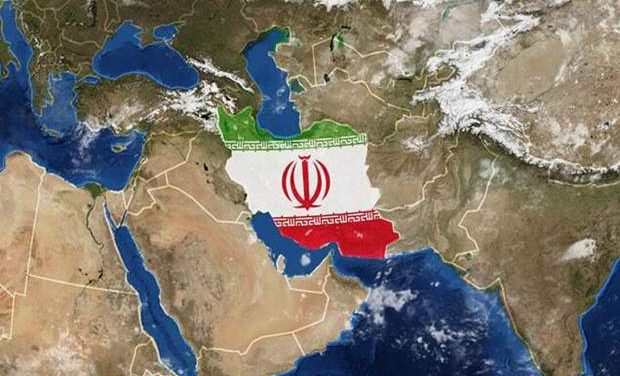
SCFR Online – Opinion: At a time when regional security equations have reached a sensitive stage under the influence of Iran’s strategic confrontation with the United States and the Zionist regime, the question of the nature of Tehran’s defensive power has gained greater significance than ever before. While Washington and Tel Aviv rely on their technological superiority, the Islamic Republic of Iran has presented a model of deterrence that extends beyond the material calculations of the world’s classical militaries. This power, rooted in the connection between “the field” and “the people,” has not only altered the balance of power in recent conflicts but has also disrupted adversaries’ calculations when confronting Iran’s strategic depth.
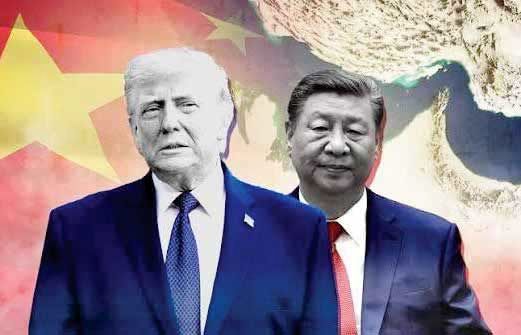
The Persian Gulf; A Cold Battlefield Between Beijing and Washington

SCFR Online – Opinion: The competition in recent years between the United States and China encompasses various geographical regions—including the Indo-Pacific, West Asia, the Arctic and Antarctic, and Africa—as well as multiple domains such as economics and technology. Within this context, a strategic competition has also emerged in the Persian Gulf region across economic, technological, and military spheres.

Europe’s Enduring Dependence on Persian Gulf Energy

SCFR Online – Opinion: The dominant discourse in the field of European energy security over the past two decades has revolved around diversification of supply sources and the gradual reduction of dependence on fossil fuels. This narrative, which gained particular momentum after the Ukraine gas crisis in 2006 and its intensification in 2014 and 2022, was based on the assumption that Europe could free itself from the geopolitical vulnerabilities arising from dependence on specific suppliers through investment in renewable energy, imports of liquefied natural gas from diversified sources, and the establishment of new infrastructure. However, a closer analysis of energy trade data and the structure of the global oil and gas supply chain presents a different picture. Europe has not only failed to meaningfully reduce its dependence on the Persian Gulf, but in some sectors — particularly in liquefied natural gas imports — this dependence has deepened. This reality, which is often overlooked in public discourse, raises fundamental questions about the sustainability of Europe’s energy security strategies and their impact on regional power equations.

The Challenge of Hezbollah’s Low-Cost “FPV” Drones for the Zionist Regime

SCFR Online – Opinion: In modern warfare, it has always been assumed that the more expensive, and advanced the weapon—particularly from well-known companies—the more certain the victory will be. However, developments on the northern front of occupied Palestine in recent months have challenged this long-held belief. Here, the Zionist regime’s military, despite possessing the most advanced defense systems such as Iron Dome, David’s Sling, and Arrow, as well as fifth-generation F-35 fighter jets, Merkava tanks, and other modern equipment found in few countries worldwide, has effectively been rendered helpless against Hezbollah Lebanon’s few-hundred-dollar drones. Benjamin Netanyahu’s bitter admission regarding the inability to counter this threat, and his order to allocate an unlimited budget to find a solution, underscores the reality that the era of pure superiority through expensive technologies has come to an end.

Loading

Mustafa al-Kazemi

Iraqi election; Perspectives / Effective factors & reasons to oppose and raising obstacles against it

Iraqi election; Perspectives / Effective factors & reasons to oppose and raising obstacles against it

Strategic Council Online- Early parliamentary election in Iraq which was supposed to be held on June 6, 2021, has been postponed. Whispers were circulating within the past few weeks that certain figures, movements and players are looking for the second postponement of election in Iraq which was originally supposed to be held on October 10, 2021.
Hamid Khoshayand, International Analyst

Consequences of destabilizing US presence in Iraq

Consequences of destabilizing US presence in Iraq

Strategic Council Online – Interview: An expert on Iraq affairs, commenting on the continued presence of US troops in Iraq despite strategic talks between the two countries on this issue and approval of the law on the withdrawal of US troops from Iraq in December 2019 said: There is no doubt that the stay of American forces in Iraq will intensify instability in that country.

US Withdrawal from Iraq to Guarantee Regional Peace, Stability

US Withdrawal from Iraq to Guarantee Regional Peace, Stability

Strategic Council Online – An analyst of Iraq affairs, referring to some issues of concern to Tehran and Baghdad raised during the visit of the Iraqi National Security Adviser to Iran, said that withdrawal of the Americans from that country can help improve security situation in Iraq and limit the ISIS. Unfortunately, he said what has overshadowed common security issues between Iran and Iraq is the continued presence of US forces in Iraq.

Why Saudi Arabia has changed its approach to Iraq?

Why Saudi Arabia has changed its approach to Iraq?

Strategic Council Online—Interview: An expert of Middle East affairs and assistant professor of international relations in the Human Sciences Research Center says relations between Baghdad and Riyadh have faced many highs and lows during the past several decades.

Internal Unrest, Potential for Major Socio-Political Developments in Saudi Arabia

Internal Unrest, Potential for Major Socio-Political Developments in Saudi Arabia

Strategic Council Online – An analyst of West Asia affairs said that Saudi Arabia is the cradle of ISIS line of thinking and that Mohammed bin Salman’s approach to social reform is contradictory, adding: There is potentials for great socio-political changes in Saudi Arabia, but they have forcefully prevented this by spending huge money and through false propaganda.

ISIS Survivors in Iraq; a Tool for Foreign Players

ISIS Survivors in Iraq; a Tool for Foreign Players

Strategic Council Online – A university professor said that ISIS survivors are part of the leverage of foreign powers to advance their foreign policy towards Iraq, adding: This view is especially true about the United States, which is under the pressure of the resistance groups to withdraw troops following a decision by the Iraqi parliament.

Negative Consequences of Saudi Economic Investment in Iraq

Negative Consequences of Saudi Economic Investment in Iraq

Strategic Council Online: An expert on the Middle East affairs, referring to the protest rally of the Iraqis in response to Saudi Arabia’s investment in their country, said: The government of Mustafa Al-Kadhimi is looking to foreign investment, especially by the wealthy states in the Persian Gulf, to alleviate economic problems – countries that in the past two decades, with the support of the ISIS and some extremist Sunni groups in Iraq, have always tried to prevent any stabilization and security in the war-torn country.

Saudi Strategic & Dangerous Goals in Purchasing Land in Iraq

Saudi Strategic & Dangerous Goals in Purchasing Land in Iraq

Strategic Council Online: An expert on regional issues said that some currents in Iraq, due to pan-Arabism approaches, have shown great interest in the Saudi plan to rebuild Iraqi agriculture, but this could lead to the gradual collapse of Iraq.

أحدث الوظائف

The Components of Iran’s Deterrence Power

SCFR Online – Opinion: At a time when regional security equations have reached a sensitive stage under the influence of Iran’s strategic confrontation with the United States and the Zionist regime, the question of the nature of Tehran’s defensive power has gained greater significance than ever before. While Washington and Tel Aviv rely on their technological superiority, the Islamic Republic of Iran has presented a model of deterrence that extends beyond the material calculations of the world’s classical militaries. This power, rooted in the connection between “the field” and “the people,” has not only altered the balance of power in recent conflicts but has also disrupted adversaries’ calculations when confronting Iran’s strategic depth.
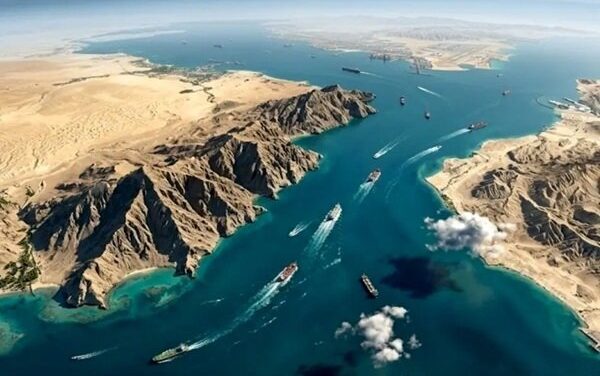
The Persian Gulf; A Cold Battlefield Between Beijing and Washington

SCFR Online – Opinion: The competition in recent years between the United States and China encompasses various geographical regions—including the Indo-Pacific, West Asia, the Arctic and Antarctic, and Africa—as well as multiple domains such as economics and technology. Within this context, a strategic competition has also emerged in the Persian Gulf region across economic, technological, and military spheres.

Europe’s Enduring Dependence on Persian Gulf Energy

SCFR Online – Opinion: The dominant discourse in the field of European energy security over the past two decades has revolved around diversification of supply sources and the gradual reduction of dependence on fossil fuels. This narrative, which gained particular momentum after the Ukraine gas crisis in 2006 and its intensification in 2014 and 2022, was based on the assumption that Europe could free itself from the geopolitical vulnerabilities arising from dependence on specific suppliers through investment in renewable energy, imports of liquefied natural gas from diversified sources, and the establishment of new infrastructure. However, a closer analysis of energy trade data and the structure of the global oil and gas supply chain presents a different picture. Europe has not only failed to meaningfully reduce its dependence on the Persian Gulf, but in some sectors — particularly in liquefied natural gas imports — this dependence has deepened. This reality, which is often overlooked in public discourse, raises fundamental questions about the sustainability of Europe’s energy security strategies and their impact on regional power equations.

The Challenge of Hezbollah’s Low-Cost “FPV” Drones for the Zionist Regime

SCFR Online – Opinion: In modern warfare, it has always been assumed that the more expensive, and advanced the weapon—particularly from well-known companies—the more certain the victory will be. However, developments on the northern front of occupied Palestine in recent months have challenged this long-held belief. Here, the Zionist regime’s military, despite possessing the most advanced defense systems such as Iron Dome, David’s Sling, and Arrow, as well as fifth-generation F-35 fighter jets, Merkava tanks, and other modern equipment found in few countries worldwide, has effectively been rendered helpless against Hezbollah Lebanon’s few-hundred-dollar drones. Benjamin Netanyahu’s bitter admission regarding the inability to counter this threat, and his order to allocate an unlimited budget to find a solution, underscores the reality that the era of pure superiority through expensive technologies has come to an end.

Loading

Mustafa al-Kazemi

Iraqi election; Perspectives / Effective factors & reasons to oppose and raising obstacles against it

Iraqi election; Perspectives / Effective factors & reasons to oppose and raising obstacles against it

Strategic Council Online- Early parliamentary election in Iraq which was supposed to be held on June 6, 2021, has been postponed. Whispers were circulating within the past few weeks that certain figures, movements and players are looking for the second postponement of election in Iraq which was originally supposed to be held on October 10, 2021.
Hamid Khoshayand, International Analyst

Consequences of destabilizing US presence in Iraq

Consequences of destabilizing US presence in Iraq

Strategic Council Online – Interview: An expert on Iraq affairs, commenting on the continued presence of US troops in Iraq despite strategic talks between the two countries on this issue and approval of the law on the withdrawal of US troops from Iraq in December 2019 said: There is no doubt that the stay of American forces in Iraq will intensify instability in that country.

US Withdrawal from Iraq to Guarantee Regional Peace, Stability

US Withdrawal from Iraq to Guarantee Regional Peace, Stability

Strategic Council Online – An analyst of Iraq affairs, referring to some issues of concern to Tehran and Baghdad raised during the visit of the Iraqi National Security Adviser to Iran, said that withdrawal of the Americans from that country can help improve security situation in Iraq and limit the ISIS. Unfortunately, he said what has overshadowed common security issues between Iran and Iraq is the continued presence of US forces in Iraq.

Why Saudi Arabia has changed its approach to Iraq?

Why Saudi Arabia has changed its approach to Iraq?

Strategic Council Online—Interview: An expert of Middle East affairs and assistant professor of international relations in the Human Sciences Research Center says relations between Baghdad and Riyadh have faced many highs and lows during the past several decades.

Internal Unrest, Potential for Major Socio-Political Developments in Saudi Arabia

Internal Unrest, Potential for Major Socio-Political Developments in Saudi Arabia

Strategic Council Online – An analyst of West Asia affairs said that Saudi Arabia is the cradle of ISIS line of thinking and that Mohammed bin Salman’s approach to social reform is contradictory, adding: There is potentials for great socio-political changes in Saudi Arabia, but they have forcefully prevented this by spending huge money and through false propaganda.

ISIS Survivors in Iraq; a Tool for Foreign Players

ISIS Survivors in Iraq; a Tool for Foreign Players

Strategic Council Online – A university professor said that ISIS survivors are part of the leverage of foreign powers to advance their foreign policy towards Iraq, adding: This view is especially true about the United States, which is under the pressure of the resistance groups to withdraw troops following a decision by the Iraqi parliament.

Negative Consequences of Saudi Economic Investment in Iraq

Negative Consequences of Saudi Economic Investment in Iraq

Strategic Council Online: An expert on the Middle East affairs, referring to the protest rally of the Iraqis in response to Saudi Arabia’s investment in their country, said: The government of Mustafa Al-Kadhimi is looking to foreign investment, especially by the wealthy states in the Persian Gulf, to alleviate economic problems – countries that in the past two decades, with the support of the ISIS and some extremist Sunni groups in Iraq, have always tried to prevent any stabilization and security in the war-torn country.

Saudi Strategic & Dangerous Goals in Purchasing Land in Iraq

Saudi Strategic & Dangerous Goals in Purchasing Land in Iraq

Strategic Council Online: An expert on regional issues said that some currents in Iraq, due to pan-Arabism approaches, have shown great interest in the Saudi plan to rebuild Iraqi agriculture, but this could lead to the gradual collapse of Iraq.

Mustafa al-Kazemi

Iraqi election; Perspectives / Effective factors & reasons to oppose and raising obstacles against it

Iraqi election; Perspectives / Effective factors & reasons to oppose and raising obstacles against it

Strategic Council Online- Early parliamentary election in Iraq which was supposed to be held on June 6, 2021, has been postponed. Whispers were circulating within the past few weeks that certain figures, movements and players are looking for the second postponement of election in Iraq which was originally supposed to be held on October 10, 2021.
Hamid Khoshayand, International Analyst

Consequences of destabilizing US presence in Iraq

Consequences of destabilizing US presence in Iraq

Strategic Council Online – Interview: An expert on Iraq affairs, commenting on the continued presence of US troops in Iraq despite strategic talks between the two countries on this issue and approval of the law on the withdrawal of US troops from Iraq in December 2019 said: There is no doubt that the stay of American forces in Iraq will intensify instability in that country.

US Withdrawal from Iraq to Guarantee Regional Peace, Stability

US Withdrawal from Iraq to Guarantee Regional Peace, Stability

Strategic Council Online – An analyst of Iraq affairs, referring to some issues of concern to Tehran and Baghdad raised during the visit of the Iraqi National Security Adviser to Iran, said that withdrawal of the Americans from that country can help improve security situation in Iraq and limit the ISIS. Unfortunately, he said what has overshadowed common security issues between Iran and Iraq is the continued presence of US forces in Iraq.

Why Saudi Arabia has changed its approach to Iraq?

Why Saudi Arabia has changed its approach to Iraq?

Strategic Council Online—Interview: An expert of Middle East affairs and assistant professor of international relations in the Human Sciences Research Center says relations between Baghdad and Riyadh have faced many highs and lows during the past several decades.

Internal Unrest, Potential for Major Socio-Political Developments in Saudi Arabia

Internal Unrest, Potential for Major Socio-Political Developments in Saudi Arabia

Strategic Council Online – An analyst of West Asia affairs said that Saudi Arabia is the cradle of ISIS line of thinking and that Mohammed bin Salman’s approach to social reform is contradictory, adding: There is potentials for great socio-political changes in Saudi Arabia, but they have forcefully prevented this by spending huge money and through false propaganda.

ISIS Survivors in Iraq; a Tool for Foreign Players

ISIS Survivors in Iraq; a Tool for Foreign Players

Strategic Council Online – A university professor said that ISIS survivors are part of the leverage of foreign powers to advance their foreign policy towards Iraq, adding: This view is especially true about the United States, which is under the pressure of the resistance groups to withdraw troops following a decision by the Iraqi parliament.

Negative Consequences of Saudi Economic Investment in Iraq

Negative Consequences of Saudi Economic Investment in Iraq

Strategic Council Online: An expert on the Middle East affairs, referring to the protest rally of the Iraqis in response to Saudi Arabia’s investment in their country, said: The government of Mustafa Al-Kadhimi is looking to foreign investment, especially by the wealthy states in the Persian Gulf, to alleviate economic problems – countries that in the past two decades, with the support of the ISIS and some extremist Sunni groups in Iraq, have always tried to prevent any stabilization and security in the war-torn country.

Saudi Strategic & Dangerous Goals in Purchasing Land in Iraq

Saudi Strategic & Dangerous Goals in Purchasing Land in Iraq

Strategic Council Online: An expert on regional issues said that some currents in Iraq, due to pan-Arabism approaches, have shown great interest in the Saudi plan to rebuild Iraqi agriculture, but this could lead to the gradual collapse of Iraq.

LATEST CONTENT

The Components of Iran’s Deterrence Power

SCFR Online – Opinion: At a time when regional security equations have reached a sensitive stage under the influence of Iran’s strategic confrontation with the United States and the Zionist regime, the question of the nature of Tehran’s defensive power has gained greater significance than ever before. While Washington and Tel Aviv rely on their technological superiority, the Islamic Republic of Iran has presented a model of deterrence that extends beyond the material calculations of the world’s classical militaries. This power, rooted in the connection between “the field” and “the people,” has not only altered the balance of power in recent conflicts but has also disrupted adversaries’ calculations when confronting Iran’s strategic depth.
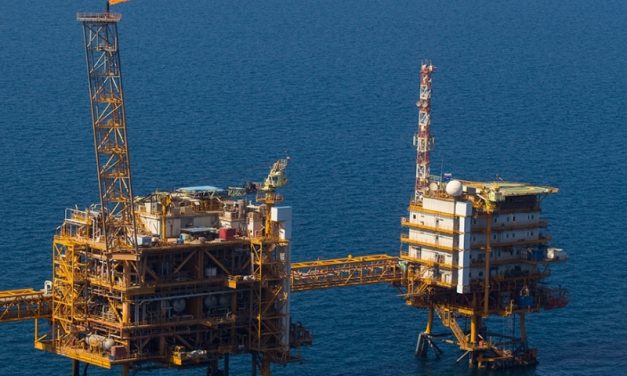
The Persian Gulf; A Cold Battlefield Between Beijing and Washington

SCFR Online – Opinion: The competition in recent years between the United States and China encompasses various geographical regions—including the Indo-Pacific, West Asia, the Arctic and Antarctic, and Africa—as well as multiple domains such as economics and technology. Within this context, a strategic competition has also emerged in the Persian Gulf region across economic, technological, and military spheres.

Europe’s Enduring Dependence on Persian Gulf Energy

SCFR Online – Opinion: The dominant discourse in the field of European energy security over the past two decades has revolved around diversification of supply sources and the gradual reduction of dependence on fossil fuels. This narrative, which gained particular momentum after the Ukraine gas crisis in 2006 and its intensification in 2014 and 2022, was based on the assumption that Europe could free itself from the geopolitical vulnerabilities arising from dependence on specific suppliers through investment in renewable energy, imports of liquefied natural gas from diversified sources, and the establishment of new infrastructure. However, a closer analysis of energy trade data and the structure of the global oil and gas supply chain presents a different picture. Europe has not only failed to meaningfully reduce its dependence on the Persian Gulf, but in some sectors — particularly in liquefied natural gas imports — this dependence has deepened. This reality, which is often overlooked in public discourse, raises fundamental questions about the sustainability of Europe’s energy security strategies and their impact on regional power equations.

The Challenge of Hezbollah’s Low-Cost “FPV” Drones for the Zionist Regime

SCFR Online – Opinion: In modern warfare, it has always been assumed that the more expensive, and advanced the weapon—particularly from well-known companies—the more certain the victory will be. However, developments on the northern front of occupied Palestine in recent months have challenged this long-held belief. Here, the Zionist regime’s military, despite possessing the most advanced defense systems such as Iron Dome, David’s Sling, and Arrow, as well as fifth-generation F-35 fighter jets, Merkava tanks, and other modern equipment found in few countries worldwide, has effectively been rendered helpless against Hezbollah Lebanon’s few-hundred-dollar drones. Benjamin Netanyahu’s bitter admission regarding the inability to counter this threat, and his order to allocate an unlimited budget to find a solution, underscores the reality that the era of pure superiority through expensive technologies has come to an end.

Loading

Mustafa al-Kazemi

Iraqi election; Perspectives / Effective factors & reasons to oppose and raising obstacles against it

Iraqi election; Perspectives / Effective factors & reasons to oppose and raising obstacles against it

Strategic Council Online- Early parliamentary election in Iraq which was supposed to be held on June 6, 2021, has been postponed. Whispers were circulating within the past few weeks that certain figures, movements and players are looking for the second postponement of election in Iraq which was originally supposed to be held on October 10, 2021.
Hamid Khoshayand, International Analyst

Consequences of destabilizing US presence in Iraq

Consequences of destabilizing US presence in Iraq

Strategic Council Online – Interview: An expert on Iraq affairs, commenting on the continued presence of US troops in Iraq despite strategic talks between the two countries on this issue and approval of the law on the withdrawal of US troops from Iraq in December 2019 said: There is no doubt that the stay of American forces in Iraq will intensify instability in that country.

US Withdrawal from Iraq to Guarantee Regional Peace, Stability

US Withdrawal from Iraq to Guarantee Regional Peace, Stability

Strategic Council Online – An analyst of Iraq affairs, referring to some issues of concern to Tehran and Baghdad raised during the visit of the Iraqi National Security Adviser to Iran, said that withdrawal of the Americans from that country can help improve security situation in Iraq and limit the ISIS. Unfortunately, he said what has overshadowed common security issues between Iran and Iraq is the continued presence of US forces in Iraq.

Why Saudi Arabia has changed its approach to Iraq?

Why Saudi Arabia has changed its approach to Iraq?

Strategic Council Online—Interview: An expert of Middle East affairs and assistant professor of international relations in the Human Sciences Research Center says relations between Baghdad and Riyadh have faced many highs and lows during the past several decades.

Internal Unrest, Potential for Major Socio-Political Developments in Saudi Arabia

Internal Unrest, Potential for Major Socio-Political Developments in Saudi Arabia

Strategic Council Online – An analyst of West Asia affairs said that Saudi Arabia is the cradle of ISIS line of thinking and that Mohammed bin Salman’s approach to social reform is contradictory, adding: There is potentials for great socio-political changes in Saudi Arabia, but they have forcefully prevented this by spending huge money and through false propaganda.

ISIS Survivors in Iraq; a Tool for Foreign Players

ISIS Survivors in Iraq; a Tool for Foreign Players

Strategic Council Online – A university professor said that ISIS survivors are part of the leverage of foreign powers to advance their foreign policy towards Iraq, adding: This view is especially true about the United States, which is under the pressure of the resistance groups to withdraw troops following a decision by the Iraqi parliament.

Negative Consequences of Saudi Economic Investment in Iraq

Negative Consequences of Saudi Economic Investment in Iraq

Strategic Council Online: An expert on the Middle East affairs, referring to the protest rally of the Iraqis in response to Saudi Arabia’s investment in their country, said: The government of Mustafa Al-Kadhimi is looking to foreign investment, especially by the wealthy states in the Persian Gulf, to alleviate economic problems – countries that in the past two decades, with the support of the ISIS and some extremist Sunni groups in Iraq, have always tried to prevent any stabilization and security in the war-torn country.

Saudi Strategic & Dangerous Goals in Purchasing Land in Iraq

Saudi Strategic & Dangerous Goals in Purchasing Land in Iraq

Strategic Council Online: An expert on regional issues said that some currents in Iraq, due to pan-Arabism approaches, have shown great interest in the Saudi plan to rebuild Iraqi agriculture, but this could lead to the gradual collapse of Iraq.

ÚLTIMAS PUBLICACIONES

The Components of Iran’s Deterrence Power

SCFR Online – Opinion: At a time when regional security equations have reached a sensitive stage under the influence of Iran’s strategic confrontation with the United States and the Zionist regime, the question of the nature of Tehran’s defensive power has gained greater significance than ever before. While Washington and Tel Aviv rely on their technological superiority, the Islamic Republic of Iran has presented a model of deterrence that extends beyond the material calculations of the world’s classical militaries. This power, rooted in the connection between “the field” and “the people,” has not only altered the balance of power in recent conflicts but has also disrupted adversaries’ calculations when confronting Iran’s strategic depth.
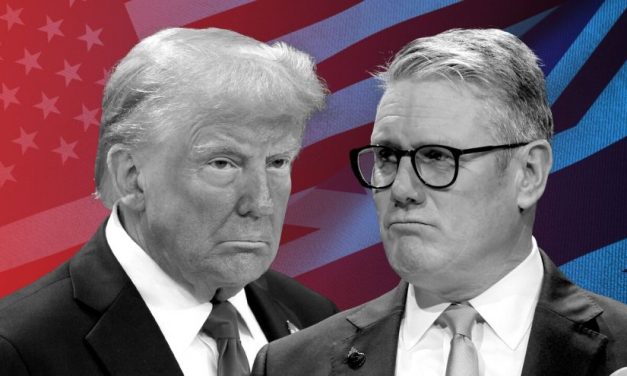
The Persian Gulf; A Cold Battlefield Between Beijing and Washington

SCFR Online – Opinion: The competition in recent years between the United States and China encompasses various geographical regions—including the Indo-Pacific, West Asia, the Arctic and Antarctic, and Africa—as well as multiple domains such as economics and technology. Within this context, a strategic competition has also emerged in the Persian Gulf region across economic, technological, and military spheres.

Europe’s Enduring Dependence on Persian Gulf Energy

SCFR Online – Opinion: The dominant discourse in the field of European energy security over the past two decades has revolved around diversification of supply sources and the gradual reduction of dependence on fossil fuels. This narrative, which gained particular momentum after the Ukraine gas crisis in 2006 and its intensification in 2014 and 2022, was based on the assumption that Europe could free itself from the geopolitical vulnerabilities arising from dependence on specific suppliers through investment in renewable energy, imports of liquefied natural gas from diversified sources, and the establishment of new infrastructure. However, a closer analysis of energy trade data and the structure of the global oil and gas supply chain presents a different picture. Europe has not only failed to meaningfully reduce its dependence on the Persian Gulf, but in some sectors — particularly in liquefied natural gas imports — this dependence has deepened. This reality, which is often overlooked in public discourse, raises fundamental questions about the sustainability of Europe’s energy security strategies and their impact on regional power equations.

The Challenge of Hezbollah’s Low-Cost “FPV” Drones for the Zionist Regime

SCFR Online – Opinion: In modern warfare, it has always been assumed that the more expensive, and advanced the weapon—particularly from well-known companies—the more certain the victory will be. However, developments on the northern front of occupied Palestine in recent months have challenged this long-held belief. Here, the Zionist regime’s military, despite possessing the most advanced defense systems such as Iron Dome, David’s Sling, and Arrow, as well as fifth-generation F-35 fighter jets, Merkava tanks, and other modern equipment found in few countries worldwide, has effectively been rendered helpless against Hezbollah Lebanon’s few-hundred-dollar drones. Benjamin Netanyahu’s bitter admission regarding the inability to counter this threat, and his order to allocate an unlimited budget to find a solution, underscores the reality that the era of pure superiority through expensive technologies has come to an end.

Loading

Mustafa al-Kazemi

Iraqi election; Perspectives / Effective factors & reasons to oppose and raising obstacles against it

Iraqi election; Perspectives / Effective factors & reasons to oppose and raising obstacles against it

Strategic Council Online- Early parliamentary election in Iraq which was supposed to be held on June 6, 2021, has been postponed. Whispers were circulating within the past few weeks that certain figures, movements and players are looking for the second postponement of election in Iraq which was originally supposed to be held on October 10, 2021.
Hamid Khoshayand, International Analyst

Consequences of destabilizing US presence in Iraq

Consequences of destabilizing US presence in Iraq

Strategic Council Online – Interview: An expert on Iraq affairs, commenting on the continued presence of US troops in Iraq despite strategic talks between the two countries on this issue and approval of the law on the withdrawal of US troops from Iraq in December 2019 said: There is no doubt that the stay of American forces in Iraq will intensify instability in that country.

US Withdrawal from Iraq to Guarantee Regional Peace, Stability

US Withdrawal from Iraq to Guarantee Regional Peace, Stability

Strategic Council Online – An analyst of Iraq affairs, referring to some issues of concern to Tehran and Baghdad raised during the visit of the Iraqi National Security Adviser to Iran, said that withdrawal of the Americans from that country can help improve security situation in Iraq and limit the ISIS. Unfortunately, he said what has overshadowed common security issues between Iran and Iraq is the continued presence of US forces in Iraq.

Why Saudi Arabia has changed its approach to Iraq?

Why Saudi Arabia has changed its approach to Iraq?

Strategic Council Online—Interview: An expert of Middle East affairs and assistant professor of international relations in the Human Sciences Research Center says relations between Baghdad and Riyadh have faced many highs and lows during the past several decades.

Internal Unrest, Potential for Major Socio-Political Developments in Saudi Arabia

Internal Unrest, Potential for Major Socio-Political Developments in Saudi Arabia

Strategic Council Online – An analyst of West Asia affairs said that Saudi Arabia is the cradle of ISIS line of thinking and that Mohammed bin Salman’s approach to social reform is contradictory, adding: There is potentials for great socio-political changes in Saudi Arabia, but they have forcefully prevented this by spending huge money and through false propaganda.

ISIS Survivors in Iraq; a Tool for Foreign Players

ISIS Survivors in Iraq; a Tool for Foreign Players

Strategic Council Online – A university professor said that ISIS survivors are part of the leverage of foreign powers to advance their foreign policy towards Iraq, adding: This view is especially true about the United States, which is under the pressure of the resistance groups to withdraw troops following a decision by the Iraqi parliament.

Negative Consequences of Saudi Economic Investment in Iraq

Negative Consequences of Saudi Economic Investment in Iraq

Strategic Council Online: An expert on the Middle East affairs, referring to the protest rally of the Iraqis in response to Saudi Arabia’s investment in their country, said: The government of Mustafa Al-Kadhimi is looking to foreign investment, especially by the wealthy states in the Persian Gulf, to alleviate economic problems – countries that in the past two decades, with the support of the ISIS and some extremist Sunni groups in Iraq, have always tried to prevent any stabilization and security in the war-torn country.

Saudi Strategic & Dangerous Goals in Purchasing Land in Iraq

Saudi Strategic & Dangerous Goals in Purchasing Land in Iraq

Strategic Council Online: An expert on regional issues said that some currents in Iraq, due to pan-Arabism approaches, have shown great interest in the Saudi plan to rebuild Iraqi agriculture, but this could lead to the gradual collapse of Iraq.

ÚLTIMAS PUBLICACIONES

The Components of Iran’s Deterrence Power

SCFR Online – Opinion: At a time when regional security equations have reached a sensitive stage under the influence of Iran’s strategic confrontation with the United States and the Zionist regime, the question of the nature of Tehran’s defensive power has gained greater significance than ever before. While Washington and Tel Aviv rely on their technological superiority, the Islamic Republic of Iran has presented a model of deterrence that extends beyond the material calculations of the world’s classical militaries. This power, rooted in the connection between “the field” and “the people,” has not only altered the balance of power in recent conflicts but has also disrupted adversaries’ calculations when confronting Iran’s strategic depth.
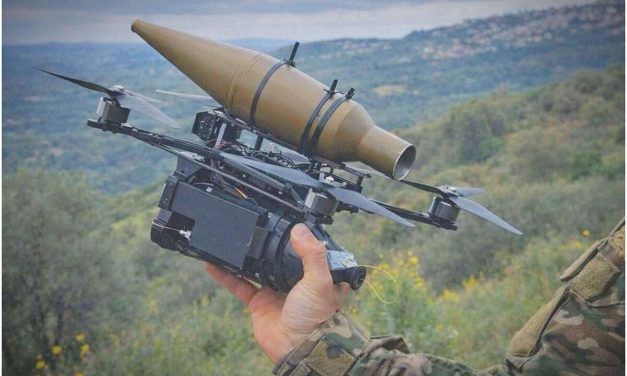
The Persian Gulf; A Cold Battlefield Between Beijing and Washington

SCFR Online – Opinion: The competition in recent years between the United States and China encompasses various geographical regions—including the Indo-Pacific, West Asia, the Arctic and Antarctic, and Africa—as well as multiple domains such as economics and technology. Within this context, a strategic competition has also emerged in the Persian Gulf region across economic, technological, and military spheres.

Europe’s Enduring Dependence on Persian Gulf Energy

SCFR Online – Opinion: The dominant discourse in the field of European energy security over the past two decades has revolved around diversification of supply sources and the gradual reduction of dependence on fossil fuels. This narrative, which gained particular momentum after the Ukraine gas crisis in 2006 and its intensification in 2014 and 2022, was based on the assumption that Europe could free itself from the geopolitical vulnerabilities arising from dependence on specific suppliers through investment in renewable energy, imports of liquefied natural gas from diversified sources, and the establishment of new infrastructure. However, a closer analysis of energy trade data and the structure of the global oil and gas supply chain presents a different picture. Europe has not only failed to meaningfully reduce its dependence on the Persian Gulf, but in some sectors — particularly in liquefied natural gas imports — this dependence has deepened. This reality, which is often overlooked in public discourse, raises fundamental questions about the sustainability of Europe’s energy security strategies and their impact on regional power equations.

The Challenge of Hezbollah’s Low-Cost “FPV” Drones for the Zionist Regime

SCFR Online – Opinion: In modern warfare, it has always been assumed that the more expensive, and advanced the weapon—particularly from well-known companies—the more certain the victory will be. However, developments on the northern front of occupied Palestine in recent months have challenged this long-held belief. Here, the Zionist regime’s military, despite possessing the most advanced defense systems such as Iron Dome, David’s Sling, and Arrow, as well as fifth-generation F-35 fighter jets, Merkava tanks, and other modern equipment found in few countries worldwide, has effectively been rendered helpless against Hezbollah Lebanon’s few-hundred-dollar drones. Benjamin Netanyahu’s bitter admission regarding the inability to counter this threat, and his order to allocate an unlimited budget to find a solution, underscores the reality that the era of pure superiority through expensive technologies has come to an end.

Loading

Mustafa al-Kazemi

Iraqi election; Perspectives / Effective factors & reasons to oppose and raising obstacles against it

Iraqi election; Perspectives / Effective factors & reasons to oppose and raising obstacles against it

Strategic Council Online- Early parliamentary election in Iraq which was supposed to be held on June 6, 2021, has been postponed. Whispers were circulating within the past few weeks that certain figures, movements and players are looking for the second postponement of election in Iraq which was originally supposed to be held on October 10, 2021.
Hamid Khoshayand, International Analyst

Consequences of destabilizing US presence in Iraq

Consequences of destabilizing US presence in Iraq

Strategic Council Online – Interview: An expert on Iraq affairs, commenting on the continued presence of US troops in Iraq despite strategic talks between the two countries on this issue and approval of the law on the withdrawal of US troops from Iraq in December 2019 said: There is no doubt that the stay of American forces in Iraq will intensify instability in that country.

US Withdrawal from Iraq to Guarantee Regional Peace, Stability

US Withdrawal from Iraq to Guarantee Regional Peace, Stability

Strategic Council Online – An analyst of Iraq affairs, referring to some issues of concern to Tehran and Baghdad raised during the visit of the Iraqi National Security Adviser to Iran, said that withdrawal of the Americans from that country can help improve security situation in Iraq and limit the ISIS. Unfortunately, he said what has overshadowed common security issues between Iran and Iraq is the continued presence of US forces in Iraq.

Why Saudi Arabia has changed its approach to Iraq?

Why Saudi Arabia has changed its approach to Iraq?

Strategic Council Online—Interview: An expert of Middle East affairs and assistant professor of international relations in the Human Sciences Research Center says relations between Baghdad and Riyadh have faced many highs and lows during the past several decades.

Internal Unrest, Potential for Major Socio-Political Developments in Saudi Arabia

Internal Unrest, Potential for Major Socio-Political Developments in Saudi Arabia

Strategic Council Online – An analyst of West Asia affairs said that Saudi Arabia is the cradle of ISIS line of thinking and that Mohammed bin Salman’s approach to social reform is contradictory, adding: There is potentials for great socio-political changes in Saudi Arabia, but they have forcefully prevented this by spending huge money and through false propaganda.

ISIS Survivors in Iraq; a Tool for Foreign Players

ISIS Survivors in Iraq; a Tool for Foreign Players

Strategic Council Online – A university professor said that ISIS survivors are part of the leverage of foreign powers to advance their foreign policy towards Iraq, adding: This view is especially true about the United States, which is under the pressure of the resistance groups to withdraw troops following a decision by the Iraqi parliament.

Negative Consequences of Saudi Economic Investment in Iraq

Negative Consequences of Saudi Economic Investment in Iraq

Strategic Council Online: An expert on the Middle East affairs, referring to the protest rally of the Iraqis in response to Saudi Arabia’s investment in their country, said: The government of Mustafa Al-Kadhimi is looking to foreign investment, especially by the wealthy states in the Persian Gulf, to alleviate economic problems – countries that in the past two decades, with the support of the ISIS and some extremist Sunni groups in Iraq, have always tried to prevent any stabilization and security in the war-torn country.

Saudi Strategic & Dangerous Goals in Purchasing Land in Iraq

Saudi Strategic & Dangerous Goals in Purchasing Land in Iraq

Strategic Council Online: An expert on regional issues said that some currents in Iraq, due to pan-Arabism approaches, have shown great interest in the Saudi plan to rebuild Iraqi agriculture, but this could lead to the gradual collapse of Iraq.

ÚLTIMAS PUBLICACIONES

The Components of Iran’s Deterrence Power

SCFR Online – Opinion: At a time when regional security equations have reached a sensitive stage under the influence of Iran’s strategic confrontation with the United States and the Zionist regime, the question of the nature of Tehran’s defensive power has gained greater significance than ever before. While Washington and Tel Aviv rely on their technological superiority, the Islamic Republic of Iran has presented a model of deterrence that extends beyond the material calculations of the world’s classical militaries. This power, rooted in the connection between “the field” and “the people,” has not only altered the balance of power in recent conflicts but has also disrupted adversaries’ calculations when confronting Iran’s strategic depth.
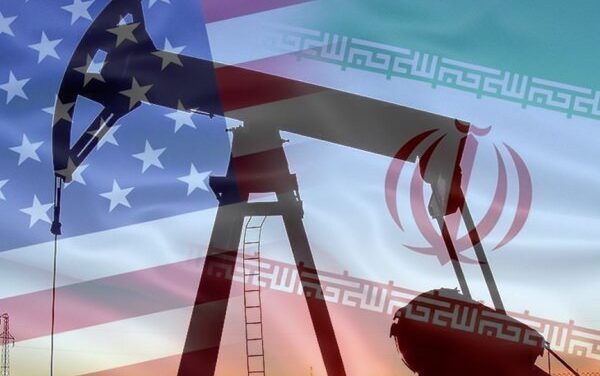
The Persian Gulf; A Cold Battlefield Between Beijing and Washington

SCFR Online – Opinion: The competition in recent years between the United States and China encompasses various geographical regions—including the Indo-Pacific, West Asia, the Arctic and Antarctic, and Africa—as well as multiple domains such as economics and technology. Within this context, a strategic competition has also emerged in the Persian Gulf region across economic, technological, and military spheres.

Europe’s Enduring Dependence on Persian Gulf Energy

SCFR Online – Opinion: The dominant discourse in the field of European energy security over the past two decades has revolved around diversification of supply sources and the gradual reduction of dependence on fossil fuels. This narrative, which gained particular momentum after the Ukraine gas crisis in 2006 and its intensification in 2014 and 2022, was based on the assumption that Europe could free itself from the geopolitical vulnerabilities arising from dependence on specific suppliers through investment in renewable energy, imports of liquefied natural gas from diversified sources, and the establishment of new infrastructure. However, a closer analysis of energy trade data and the structure of the global oil and gas supply chain presents a different picture. Europe has not only failed to meaningfully reduce its dependence on the Persian Gulf, but in some sectors — particularly in liquefied natural gas imports — this dependence has deepened. This reality, which is often overlooked in public discourse, raises fundamental questions about the sustainability of Europe’s energy security strategies and their impact on regional power equations.

The Challenge of Hezbollah’s Low-Cost “FPV” Drones for the Zionist Regime

SCFR Online – Opinion: In modern warfare, it has always been assumed that the more expensive, and advanced the weapon—particularly from well-known companies—the more certain the victory will be. However, developments on the northern front of occupied Palestine in recent months have challenged this long-held belief. Here, the Zionist regime’s military, despite possessing the most advanced defense systems such as Iron Dome, David’s Sling, and Arrow, as well as fifth-generation F-35 fighter jets, Merkava tanks, and other modern equipment found in few countries worldwide, has effectively been rendered helpless against Hezbollah Lebanon’s few-hundred-dollar drones. Benjamin Netanyahu’s bitter admission regarding the inability to counter this threat, and his order to allocate an unlimited budget to find a solution, underscores the reality that the era of pure superiority through expensive technologies has come to an end.

Loading

Mustafa al-Kazemi

Iraqi election; Perspectives / Effective factors & reasons to oppose and raising obstacles against it

Iraqi election; Perspectives / Effective factors & reasons to oppose and raising obstacles against it

Strategic Council Online- Early parliamentary election in Iraq which was supposed to be held on June 6, 2021, has been postponed. Whispers were circulating within the past few weeks that certain figures, movements and players are looking for the second postponement of election in Iraq which was originally supposed to be held on October 10, 2021.
Hamid Khoshayand, International Analyst

Consequences of destabilizing US presence in Iraq

Consequences of destabilizing US presence in Iraq

Strategic Council Online – Interview: An expert on Iraq affairs, commenting on the continued presence of US troops in Iraq despite strategic talks between the two countries on this issue and approval of the law on the withdrawal of US troops from Iraq in December 2019 said: There is no doubt that the stay of American forces in Iraq will intensify instability in that country.

US Withdrawal from Iraq to Guarantee Regional Peace, Stability

US Withdrawal from Iraq to Guarantee Regional Peace, Stability

Strategic Council Online – An analyst of Iraq affairs, referring to some issues of concern to Tehran and Baghdad raised during the visit of the Iraqi National Security Adviser to Iran, said that withdrawal of the Americans from that country can help improve security situation in Iraq and limit the ISIS. Unfortunately, he said what has overshadowed common security issues between Iran and Iraq is the continued presence of US forces in Iraq.

Why Saudi Arabia has changed its approach to Iraq?

Why Saudi Arabia has changed its approach to Iraq?

Strategic Council Online—Interview: An expert of Middle East affairs and assistant professor of international relations in the Human Sciences Research Center says relations between Baghdad and Riyadh have faced many highs and lows during the past several decades.

Internal Unrest, Potential for Major Socio-Political Developments in Saudi Arabia

Internal Unrest, Potential for Major Socio-Political Developments in Saudi Arabia

Strategic Council Online – An analyst of West Asia affairs said that Saudi Arabia is the cradle of ISIS line of thinking and that Mohammed bin Salman’s approach to social reform is contradictory, adding: There is potentials for great socio-political changes in Saudi Arabia, but they have forcefully prevented this by spending huge money and through false propaganda.

ISIS Survivors in Iraq; a Tool for Foreign Players

ISIS Survivors in Iraq; a Tool for Foreign Players

Strategic Council Online – A university professor said that ISIS survivors are part of the leverage of foreign powers to advance their foreign policy towards Iraq, adding: This view is especially true about the United States, which is under the pressure of the resistance groups to withdraw troops following a decision by the Iraqi parliament.

Negative Consequences of Saudi Economic Investment in Iraq

Negative Consequences of Saudi Economic Investment in Iraq

Strategic Council Online: An expert on the Middle East affairs, referring to the protest rally of the Iraqis in response to Saudi Arabia’s investment in their country, said: The government of Mustafa Al-Kadhimi is looking to foreign investment, especially by the wealthy states in the Persian Gulf, to alleviate economic problems – countries that in the past two decades, with the support of the ISIS and some extremist Sunni groups in Iraq, have always tried to prevent any stabilization and security in the war-torn country.

Saudi Strategic & Dangerous Goals in Purchasing Land in Iraq

Saudi Strategic & Dangerous Goals in Purchasing Land in Iraq

Strategic Council Online: An expert on regional issues said that some currents in Iraq, due to pan-Arabism approaches, have shown great interest in the Saudi plan to rebuild Iraqi agriculture, but this could lead to the gradual collapse of Iraq.

ÚLTIMAS PUBLICACIONES

The Components of Iran’s Deterrence Power

SCFR Online – Opinion: At a time when regional security equations have reached a sensitive stage under the influence of Iran’s strategic confrontation with the United States and the Zionist regime, the question of the nature of Tehran’s defensive power has gained greater significance than ever before. While Washington and Tel Aviv rely on their technological superiority, the Islamic Republic of Iran has presented a model of deterrence that extends beyond the material calculations of the world’s classical militaries. This power, rooted in the connection between “the field” and “the people,” has not only altered the balance of power in recent conflicts but has also disrupted adversaries’ calculations when confronting Iran’s strategic depth.

The Persian Gulf; A Cold Battlefield Between Beijing and Washington

SCFR Online – Opinion: The competition in recent years between the United States and China encompasses various geographical regions—including the Indo-Pacific, West Asia, the Arctic and Antarctic, and Africa—as well as multiple domains such as economics and technology. Within this context, a strategic competition has also emerged in the Persian Gulf region across economic, technological, and military spheres.

Europe’s Enduring Dependence on Persian Gulf Energy

SCFR Online – Opinion: The dominant discourse in the field of European energy security over the past two decades has revolved around diversification of supply sources and the gradual reduction of dependence on fossil fuels. This narrative, which gained particular momentum after the Ukraine gas crisis in 2006 and its intensification in 2014 and 2022, was based on the assumption that Europe could free itself from the geopolitical vulnerabilities arising from dependence on specific suppliers through investment in renewable energy, imports of liquefied natural gas from diversified sources, and the establishment of new infrastructure. However, a closer analysis of energy trade data and the structure of the global oil and gas supply chain presents a different picture. Europe has not only failed to meaningfully reduce its dependence on the Persian Gulf, but in some sectors — particularly in liquefied natural gas imports — this dependence has deepened. This reality, which is often overlooked in public discourse, raises fundamental questions about the sustainability of Europe’s energy security strategies and their impact on regional power equations.

The Challenge of Hezbollah’s Low-Cost “FPV” Drones for the Zionist Regime

SCFR Online – Opinion: In modern warfare, it has always been assumed that the more expensive, and advanced the weapon—particularly from well-known companies—the more certain the victory will be. However, developments on the northern front of occupied Palestine in recent months have challenged this long-held belief. Here, the Zionist regime’s military, despite possessing the most advanced defense systems such as Iron Dome, David’s Sling, and Arrow, as well as fifth-generation F-35 fighter jets, Merkava tanks, and other modern equipment found in few countries worldwide, has effectively been rendered helpless against Hezbollah Lebanon’s few-hundred-dollar drones. Benjamin Netanyahu’s bitter admission regarding the inability to counter this threat, and his order to allocate an unlimited budget to find a solution, underscores the reality that the era of pure superiority through expensive technologies has come to an end.

Loading