جدیدترین مطالب

The Inseparability of the Lebanese Front from the Axis of Resistance

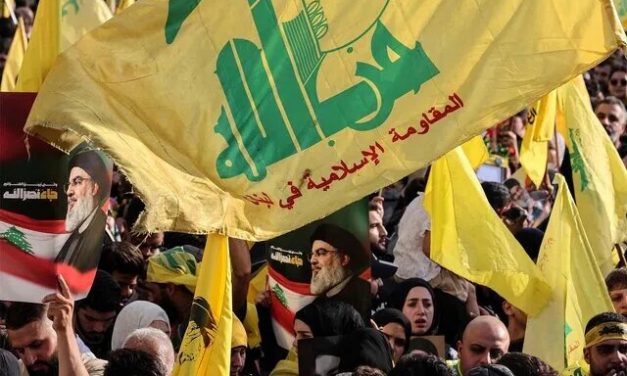
SCFR Online–Opinion: By providing an extensive network of social, healthcare, educational, and post-war reconstruction services, Hezbollah has established a strong social base for itself among Lebanon’s Shiites and Sunnis, and even beyond that, among other segments of Lebanese society, including Christians. Hezbollah has never been an external actor imposed upon Lebanon; rather, it is a phenomenon fundamentally born out of the occupation and crimes of the Zionist regime and itself influenced by popular resistance.

The Increasing Efforts of the Zionist Regime to Redefine Borders and the Regional Order and Its Consequences

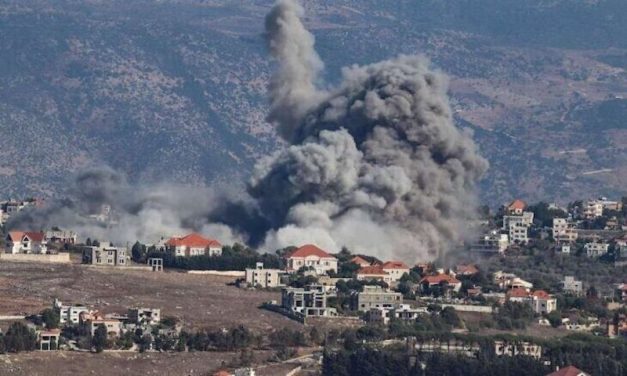
SCFR Online– Opinion: Security and military developments in the region over recent months indicate that the ongoing crises and wars in Gaza, southern Lebanon, and parts of Syrian territory encompass broader dimensions of geopolitical and geostrategic transformations. In this context, the increased military presence and control of the Zionist regime over parts of the territories of these areas, along with proposals regarding the creation of buffer zones or even the expansion of security borders, have raised serious questions about the future of the regional order and its consequences for the countries of West Asia.

The Components of Iran’s Deterrence Power

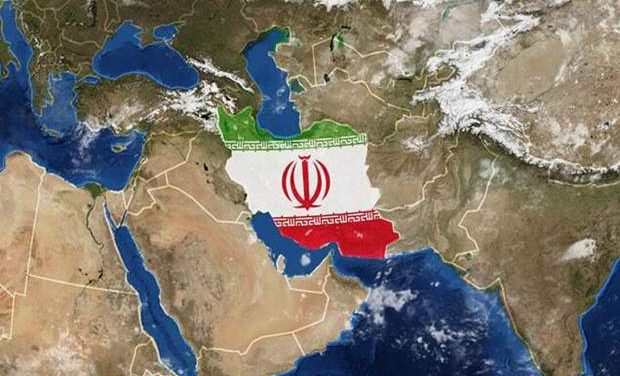
SCFR Online – Opinion: At a time when regional security equations have reached a sensitive stage under the influence of Iran’s strategic confrontation with the United States and the Zionist regime, the question of the nature of Tehran’s defensive power has gained greater significance than ever before. While Washington and Tel Aviv rely on their technological superiority, the Islamic Republic of Iran has presented a model of deterrence that extends beyond the material calculations of the world’s classical militaries. This power, rooted in the connection between “the field” and “the people,” has not only altered the balance of power in recent conflicts but has also disrupted adversaries’ calculations when confronting Iran’s strategic depth.

The Persian Gulf; A Cold Battlefield Between Beijing and Washington

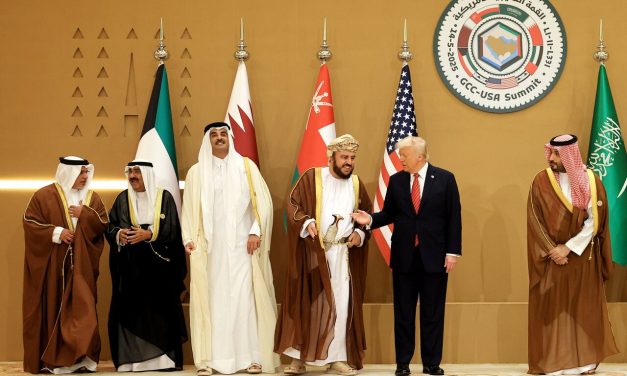
SCFR Online – Opinion: The competition in recent years between the United States and China encompasses various geographical regions—including the Indo-Pacific, West Asia, the Arctic and Antarctic, and Africa—as well as multiple domains such as economics and technology. Within this context, a strategic competition has also emerged in the Persian Gulf region across economic, technological, and military spheres.

Europe’s Enduring Dependence on Persian Gulf Energy

SCFR Online – Opinion: The dominant discourse in the field of European energy security over the past two decades has revolved around diversification of supply sources and the gradual reduction of dependence on fossil fuels. This narrative, which gained particular momentum after the Ukraine gas crisis in 2006 and its intensification in 2014 and 2022, was based on the assumption that Europe could free itself from the geopolitical vulnerabilities arising from dependence on specific suppliers through investment in renewable energy, imports of liquefied natural gas from diversified sources, and the establishment of new infrastructure. However, a closer analysis of energy trade data and the structure of the global oil and gas supply chain presents a different picture. Europe has not only failed to meaningfully reduce its dependence on the Persian Gulf, but in some sectors — particularly in liquefied natural gas imports — this dependence has deepened. This reality, which is often overlooked in public discourse, raises fundamental questions about the sustainability of Europe’s energy security strategies and their impact on regional power equations.

Loading

Mohammad Reza Asgari Muroudi

Taliban’s Tactic Change Versus the U.S.

Taliban’s Tactic Change Versus the U.S.

Strategic Council Online – Opinion: Taliban who has received a cold shoulder, time and again, from the U.S. against its direct and indirect demand during the past few months to be recognized for the authority of the group in Afghanistan, has recently turned to a threatening policy.
Mohammad Reze Asgari Mouroudi, Senior Researcher of Asia Issues

Challenges the Taliban Face in Afghanistan

Challenges the Taliban Face in Afghanistan

Strategic Council Online – Interview: An expert on the subcontinent affairs commenting on the latest developments in Afghanistan after the Taliban came to power said: Since the Taliban became the main power in Afghanistan the group has faced numerous challenges in governance. The international community’s reluctance to recognize the Taliban as the new government in Afghanistan is the biggest and most important challenge of the group in the area of governance.

Reasons of expediting the exit of America from Afghanistan

Reasons of expediting the exit of America from Afghanistan

Strategic Council Online—Interview: An expert of Afghanistan issues says on the reasons behind the decision by Joe Biden to withdraw military forces from Afghanistan by September that “it seems the main reason behind this decision is the prolongation of the presence of the US in Afghanistan as the US is present there close to two decades and in the meantime, various administrations in America have failed to realize the slogans they cried in these years.

Difference between Taliban today and yesterday?

Difference between Taliban today and yesterday?

Strategic Council Online—Interview: An expert of Afghanistan issues says no change has been taken place in the goals, motivations and ideology of Taliban compared to the past two decades and the Taliban, during various periods, has made efforts given the present circumstances in Afghanistan to realize a portion of its goals and programs with special tools.

Escalation of Violence in Afghanistan; US New Administration’s Strategy?

Escalation of Violence in Afghanistan; US New Administration’s Strategy?

Strategic Council Online – As ISIS targets the Afghan capital with numerous missile strikes, this idea has been bolstered that it could pave the way for a continued US presence in Afghanistan and given that ISIS terrorist attacks are in line with the targets of the White House to perpetuate violence in Afghanistan and manage it, planning of those attacks has been attributed to Washington.
Mohammad Reza Asgari Moroudi – senior expert on Asia affairs

Impact of Imran Khan’s Kabul Visit on Facilitating Afghan Peace Process

Impact of Imran Khan’s Kabul Visit on Facilitating Afghan Peace Process

Strategic Council Online: An analyst of Afghan affairs said that Imran Khan’s visit to Kabul could not untie a knot in the Afghan peace talks in Qatar, adding that what is called Pakistan’s support for the Taliban is the main cause of disagreement between the two countries. He added that it seems that as long as Afghanistan fails to achieve lasting peace, there will be no opportunity for detente in the relations between the two countries.

Pakistan and Gradual Cooling of Relations with Saudi, UAE

Pakistan and Gradual Cooling of Relations with Saudi, UAE

Strategic Council Online – Pakistan’s relations with Arab countries, especially Saudi Arabia, have entered a new phase since the inauguration of Imran Khan, the Chairman of the ruling party Tehreek-e-Insaf (PTI) and the Prime Minister of the country, in 2018.
Mohammad Reza Asgari Moroudi – Senior Expert on Asia

Washington’s Afghan Approach after Plane Crash

Washington’s Afghan Approach after Plane Crash

Strategic Council Online: An Afghan affairs expert says it seems we will witness more Taliban violence against the United States in the future. “Under Ronald Trump, keeping the status quo and its continuation despite the Taliban violence is regarded one of the main indicators of the US foreign policy in Afghanistan and one cannot expect Washington to make a tangible change in its Afghan policies after the failure of 11 rounds of negotiations and the shooting down of a military plane,” he said.

Uncertainty over the Fate of Afghan Elections and Negotiations with the Taliban

Uncertainty over the Fate of Afghan Elections and Negotiations with the Taliban

Strategic Council Online: An Asian affairs expert said if the US is honest in its drive to stabilize Afghanistan, it should provide the ground for dialogue between the Taliban and the Afghan government. He stressed: Iran out of political and security considerations in the region is trying to pave the way for inter-Afghan talks, and is perhaps one of the few countries to do so in coordination with the Afghan government.

أحدث الوظائف

The Inseparability of the Lebanese Front from the Axis of Resistance

SCFR Online–Opinion: By providing an extensive network of social, healthcare, educational, and post-war reconstruction services, Hezbollah has established a strong social base for itself among Lebanon’s Shiites and Sunnis, and even beyond that, among other segments of Lebanese society, including Christians. Hezbollah has never been an external actor imposed upon Lebanon; rather, it is a phenomenon fundamentally born out of the occupation and crimes of the Zionist regime and itself influenced by popular resistance.

The Increasing Efforts of the Zionist Regime to Redefine Borders and the Regional Order and Its Consequences

SCFR Online– Opinion: Security and military developments in the region over recent months indicate that the ongoing crises and wars in Gaza, southern Lebanon, and parts of Syrian territory encompass broader dimensions of geopolitical and geostrategic transformations. In this context, the increased military presence and control of the Zionist regime over parts of the territories of these areas, along with proposals regarding the creation of buffer zones or even the expansion of security borders, have raised serious questions about the future of the regional order and its consequences for the countries of West Asia.

The Components of Iran’s Deterrence Power

SCFR Online – Opinion: At a time when regional security equations have reached a sensitive stage under the influence of Iran’s strategic confrontation with the United States and the Zionist regime, the question of the nature of Tehran’s defensive power has gained greater significance than ever before. While Washington and Tel Aviv rely on their technological superiority, the Islamic Republic of Iran has presented a model of deterrence that extends beyond the material calculations of the world’s classical militaries. This power, rooted in the connection between “the field” and “the people,” has not only altered the balance of power in recent conflicts but has also disrupted adversaries’ calculations when confronting Iran’s strategic depth.

The Persian Gulf; A Cold Battlefield Between Beijing and Washington

SCFR Online – Opinion: The competition in recent years between the United States and China encompasses various geographical regions—including the Indo-Pacific, West Asia, the Arctic and Antarctic, and Africa—as well as multiple domains such as economics and technology. Within this context, a strategic competition has also emerged in the Persian Gulf region across economic, technological, and military spheres.

Europe’s Enduring Dependence on Persian Gulf Energy

SCFR Online – Opinion: The dominant discourse in the field of European energy security over the past two decades has revolved around diversification of supply sources and the gradual reduction of dependence on fossil fuels. This narrative, which gained particular momentum after the Ukraine gas crisis in 2006 and its intensification in 2014 and 2022, was based on the assumption that Europe could free itself from the geopolitical vulnerabilities arising from dependence on specific suppliers through investment in renewable energy, imports of liquefied natural gas from diversified sources, and the establishment of new infrastructure. However, a closer analysis of energy trade data and the structure of the global oil and gas supply chain presents a different picture. Europe has not only failed to meaningfully reduce its dependence on the Persian Gulf, but in some sectors — particularly in liquefied natural gas imports — this dependence has deepened. This reality, which is often overlooked in public discourse, raises fundamental questions about the sustainability of Europe’s energy security strategies and their impact on regional power equations.

Loading

Mohammad Reza Asgari Muroudi

Taliban’s Tactic Change Versus the U.S.

Taliban’s Tactic Change Versus the U.S.

Strategic Council Online – Opinion: Taliban who has received a cold shoulder, time and again, from the U.S. against its direct and indirect demand during the past few months to be recognized for the authority of the group in Afghanistan, has recently turned to a threatening policy.
Mohammad Reze Asgari Mouroudi, Senior Researcher of Asia Issues

Challenges the Taliban Face in Afghanistan

Challenges the Taliban Face in Afghanistan

Strategic Council Online – Interview: An expert on the subcontinent affairs commenting on the latest developments in Afghanistan after the Taliban came to power said: Since the Taliban became the main power in Afghanistan the group has faced numerous challenges in governance. The international community’s reluctance to recognize the Taliban as the new government in Afghanistan is the biggest and most important challenge of the group in the area of governance.

Reasons of expediting the exit of America from Afghanistan

Reasons of expediting the exit of America from Afghanistan

Strategic Council Online—Interview: An expert of Afghanistan issues says on the reasons behind the decision by Joe Biden to withdraw military forces from Afghanistan by September that “it seems the main reason behind this decision is the prolongation of the presence of the US in Afghanistan as the US is present there close to two decades and in the meantime, various administrations in America have failed to realize the slogans they cried in these years.

Difference between Taliban today and yesterday?

Difference between Taliban today and yesterday?

Strategic Council Online—Interview: An expert of Afghanistan issues says no change has been taken place in the goals, motivations and ideology of Taliban compared to the past two decades and the Taliban, during various periods, has made efforts given the present circumstances in Afghanistan to realize a portion of its goals and programs with special tools.

Escalation of Violence in Afghanistan; US New Administration’s Strategy?

Escalation of Violence in Afghanistan; US New Administration’s Strategy?

Strategic Council Online – As ISIS targets the Afghan capital with numerous missile strikes, this idea has been bolstered that it could pave the way for a continued US presence in Afghanistan and given that ISIS terrorist attacks are in line with the targets of the White House to perpetuate violence in Afghanistan and manage it, planning of those attacks has been attributed to Washington.
Mohammad Reza Asgari Moroudi – senior expert on Asia affairs

Impact of Imran Khan’s Kabul Visit on Facilitating Afghan Peace Process

Impact of Imran Khan’s Kabul Visit on Facilitating Afghan Peace Process

Strategic Council Online: An analyst of Afghan affairs said that Imran Khan’s visit to Kabul could not untie a knot in the Afghan peace talks in Qatar, adding that what is called Pakistan’s support for the Taliban is the main cause of disagreement between the two countries. He added that it seems that as long as Afghanistan fails to achieve lasting peace, there will be no opportunity for detente in the relations between the two countries.

Pakistan and Gradual Cooling of Relations with Saudi, UAE

Pakistan and Gradual Cooling of Relations with Saudi, UAE

Strategic Council Online – Pakistan’s relations with Arab countries, especially Saudi Arabia, have entered a new phase since the inauguration of Imran Khan, the Chairman of the ruling party Tehreek-e-Insaf (PTI) and the Prime Minister of the country, in 2018.
Mohammad Reza Asgari Moroudi – Senior Expert on Asia

Washington’s Afghan Approach after Plane Crash

Washington’s Afghan Approach after Plane Crash

Strategic Council Online: An Afghan affairs expert says it seems we will witness more Taliban violence against the United States in the future. “Under Ronald Trump, keeping the status quo and its continuation despite the Taliban violence is regarded one of the main indicators of the US foreign policy in Afghanistan and one cannot expect Washington to make a tangible change in its Afghan policies after the failure of 11 rounds of negotiations and the shooting down of a military plane,” he said.

Uncertainty over the Fate of Afghan Elections and Negotiations with the Taliban

Uncertainty over the Fate of Afghan Elections and Negotiations with the Taliban

Strategic Council Online: An Asian affairs expert said if the US is honest in its drive to stabilize Afghanistan, it should provide the ground for dialogue between the Taliban and the Afghan government. He stressed: Iran out of political and security considerations in the region is trying to pave the way for inter-Afghan talks, and is perhaps one of the few countries to do so in coordination with the Afghan government.

Mohammad Reza Asgari Muroudi

Taliban’s Tactic Change Versus the U.S.

Taliban’s Tactic Change Versus the U.S.

Strategic Council Online – Opinion: Taliban who has received a cold shoulder, time and again, from the U.S. against its direct and indirect demand during the past few months to be recognized for the authority of the group in Afghanistan, has recently turned to a threatening policy.
Mohammad Reze Asgari Mouroudi, Senior Researcher of Asia Issues

Challenges the Taliban Face in Afghanistan

Challenges the Taliban Face in Afghanistan

Strategic Council Online – Interview: An expert on the subcontinent affairs commenting on the latest developments in Afghanistan after the Taliban came to power said: Since the Taliban became the main power in Afghanistan the group has faced numerous challenges in governance. The international community’s reluctance to recognize the Taliban as the new government in Afghanistan is the biggest and most important challenge of the group in the area of governance.

Reasons of expediting the exit of America from Afghanistan

Reasons of expediting the exit of America from Afghanistan

Strategic Council Online—Interview: An expert of Afghanistan issues says on the reasons behind the decision by Joe Biden to withdraw military forces from Afghanistan by September that “it seems the main reason behind this decision is the prolongation of the presence of the US in Afghanistan as the US is present there close to two decades and in the meantime, various administrations in America have failed to realize the slogans they cried in these years.

Difference between Taliban today and yesterday?

Difference between Taliban today and yesterday?

Strategic Council Online—Interview: An expert of Afghanistan issues says no change has been taken place in the goals, motivations and ideology of Taliban compared to the past two decades and the Taliban, during various periods, has made efforts given the present circumstances in Afghanistan to realize a portion of its goals and programs with special tools.

Escalation of Violence in Afghanistan; US New Administration’s Strategy?

Escalation of Violence in Afghanistan; US New Administration’s Strategy?

Strategic Council Online – As ISIS targets the Afghan capital with numerous missile strikes, this idea has been bolstered that it could pave the way for a continued US presence in Afghanistan and given that ISIS terrorist attacks are in line with the targets of the White House to perpetuate violence in Afghanistan and manage it, planning of those attacks has been attributed to Washington.
Mohammad Reza Asgari Moroudi – senior expert on Asia affairs

Impact of Imran Khan’s Kabul Visit on Facilitating Afghan Peace Process

Impact of Imran Khan’s Kabul Visit on Facilitating Afghan Peace Process

Strategic Council Online: An analyst of Afghan affairs said that Imran Khan’s visit to Kabul could not untie a knot in the Afghan peace talks in Qatar, adding that what is called Pakistan’s support for the Taliban is the main cause of disagreement between the two countries. He added that it seems that as long as Afghanistan fails to achieve lasting peace, there will be no opportunity for detente in the relations between the two countries.

Pakistan and Gradual Cooling of Relations with Saudi, UAE

Pakistan and Gradual Cooling of Relations with Saudi, UAE

Strategic Council Online – Pakistan’s relations with Arab countries, especially Saudi Arabia, have entered a new phase since the inauguration of Imran Khan, the Chairman of the ruling party Tehreek-e-Insaf (PTI) and the Prime Minister of the country, in 2018.
Mohammad Reza Asgari Moroudi – Senior Expert on Asia

Washington’s Afghan Approach after Plane Crash

Washington’s Afghan Approach after Plane Crash

Strategic Council Online: An Afghan affairs expert says it seems we will witness more Taliban violence against the United States in the future. “Under Ronald Trump, keeping the status quo and its continuation despite the Taliban violence is regarded one of the main indicators of the US foreign policy in Afghanistan and one cannot expect Washington to make a tangible change in its Afghan policies after the failure of 11 rounds of negotiations and the shooting down of a military plane,” he said.

Uncertainty over the Fate of Afghan Elections and Negotiations with the Taliban

Uncertainty over the Fate of Afghan Elections and Negotiations with the Taliban

Strategic Council Online: An Asian affairs expert said if the US is honest in its drive to stabilize Afghanistan, it should provide the ground for dialogue between the Taliban and the Afghan government. He stressed: Iran out of political and security considerations in the region is trying to pave the way for inter-Afghan talks, and is perhaps one of the few countries to do so in coordination with the Afghan government.

LATEST CONTENT

The Inseparability of the Lebanese Front from the Axis of Resistance

SCFR Online–Opinion: By providing an extensive network of social, healthcare, educational, and post-war reconstruction services, Hezbollah has established a strong social base for itself among Lebanon’s Shiites and Sunnis, and even beyond that, among other segments of Lebanese society, including Christians. Hezbollah has never been an external actor imposed upon Lebanon; rather, it is a phenomenon fundamentally born out of the occupation and crimes of the Zionist regime and itself influenced by popular resistance.

The Increasing Efforts of the Zionist Regime to Redefine Borders and the Regional Order and Its Consequences

SCFR Online– Opinion: Security and military developments in the region over recent months indicate that the ongoing crises and wars in Gaza, southern Lebanon, and parts of Syrian territory encompass broader dimensions of geopolitical and geostrategic transformations. In this context, the increased military presence and control of the Zionist regime over parts of the territories of these areas, along with proposals regarding the creation of buffer zones or even the expansion of security borders, have raised serious questions about the future of the regional order and its consequences for the countries of West Asia.

The Components of Iran’s Deterrence Power

SCFR Online – Opinion: At a time when regional security equations have reached a sensitive stage under the influence of Iran’s strategic confrontation with the United States and the Zionist regime, the question of the nature of Tehran’s defensive power has gained greater significance than ever before. While Washington and Tel Aviv rely on their technological superiority, the Islamic Republic of Iran has presented a model of deterrence that extends beyond the material calculations of the world’s classical militaries. This power, rooted in the connection between “the field” and “the people,” has not only altered the balance of power in recent conflicts but has also disrupted adversaries’ calculations when confronting Iran’s strategic depth.

The Persian Gulf; A Cold Battlefield Between Beijing and Washington

SCFR Online – Opinion: The competition in recent years between the United States and China encompasses various geographical regions—including the Indo-Pacific, West Asia, the Arctic and Antarctic, and Africa—as well as multiple domains such as economics and technology. Within this context, a strategic competition has also emerged in the Persian Gulf region across economic, technological, and military spheres.

Europe’s Enduring Dependence on Persian Gulf Energy

SCFR Online – Opinion: The dominant discourse in the field of European energy security over the past two decades has revolved around diversification of supply sources and the gradual reduction of dependence on fossil fuels. This narrative, which gained particular momentum after the Ukraine gas crisis in 2006 and its intensification in 2014 and 2022, was based on the assumption that Europe could free itself from the geopolitical vulnerabilities arising from dependence on specific suppliers through investment in renewable energy, imports of liquefied natural gas from diversified sources, and the establishment of new infrastructure. However, a closer analysis of energy trade data and the structure of the global oil and gas supply chain presents a different picture. Europe has not only failed to meaningfully reduce its dependence on the Persian Gulf, but in some sectors — particularly in liquefied natural gas imports — this dependence has deepened. This reality, which is often overlooked in public discourse, raises fundamental questions about the sustainability of Europe’s energy security strategies and their impact on regional power equations.

Loading

Mohammad Reza Asgari Muroudi

Taliban’s Tactic Change Versus the U.S.

Taliban’s Tactic Change Versus the U.S.

Strategic Council Online – Opinion: Taliban who has received a cold shoulder, time and again, from the U.S. against its direct and indirect demand during the past few months to be recognized for the authority of the group in Afghanistan, has recently turned to a threatening policy.
Mohammad Reze Asgari Mouroudi, Senior Researcher of Asia Issues

Challenges the Taliban Face in Afghanistan

Challenges the Taliban Face in Afghanistan

Strategic Council Online – Interview: An expert on the subcontinent affairs commenting on the latest developments in Afghanistan after the Taliban came to power said: Since the Taliban became the main power in Afghanistan the group has faced numerous challenges in governance. The international community’s reluctance to recognize the Taliban as the new government in Afghanistan is the biggest and most important challenge of the group in the area of governance.

Reasons of expediting the exit of America from Afghanistan

Reasons of expediting the exit of America from Afghanistan

Strategic Council Online—Interview: An expert of Afghanistan issues says on the reasons behind the decision by Joe Biden to withdraw military forces from Afghanistan by September that “it seems the main reason behind this decision is the prolongation of the presence of the US in Afghanistan as the US is present there close to two decades and in the meantime, various administrations in America have failed to realize the slogans they cried in these years.

Difference between Taliban today and yesterday?

Difference between Taliban today and yesterday?

Strategic Council Online—Interview: An expert of Afghanistan issues says no change has been taken place in the goals, motivations and ideology of Taliban compared to the past two decades and the Taliban, during various periods, has made efforts given the present circumstances in Afghanistan to realize a portion of its goals and programs with special tools.

Escalation of Violence in Afghanistan; US New Administration’s Strategy?

Escalation of Violence in Afghanistan; US New Administration’s Strategy?

Strategic Council Online – As ISIS targets the Afghan capital with numerous missile strikes, this idea has been bolstered that it could pave the way for a continued US presence in Afghanistan and given that ISIS terrorist attacks are in line with the targets of the White House to perpetuate violence in Afghanistan and manage it, planning of those attacks has been attributed to Washington.
Mohammad Reza Asgari Moroudi – senior expert on Asia affairs

Impact of Imran Khan’s Kabul Visit on Facilitating Afghan Peace Process

Impact of Imran Khan’s Kabul Visit on Facilitating Afghan Peace Process

Strategic Council Online: An analyst of Afghan affairs said that Imran Khan’s visit to Kabul could not untie a knot in the Afghan peace talks in Qatar, adding that what is called Pakistan’s support for the Taliban is the main cause of disagreement between the two countries. He added that it seems that as long as Afghanistan fails to achieve lasting peace, there will be no opportunity for detente in the relations between the two countries.

Pakistan and Gradual Cooling of Relations with Saudi, UAE

Pakistan and Gradual Cooling of Relations with Saudi, UAE

Strategic Council Online – Pakistan’s relations with Arab countries, especially Saudi Arabia, have entered a new phase since the inauguration of Imran Khan, the Chairman of the ruling party Tehreek-e-Insaf (PTI) and the Prime Minister of the country, in 2018.
Mohammad Reza Asgari Moroudi – Senior Expert on Asia

Washington’s Afghan Approach after Plane Crash

Washington’s Afghan Approach after Plane Crash

Strategic Council Online: An Afghan affairs expert says it seems we will witness more Taliban violence against the United States in the future. “Under Ronald Trump, keeping the status quo and its continuation despite the Taliban violence is regarded one of the main indicators of the US foreign policy in Afghanistan and one cannot expect Washington to make a tangible change in its Afghan policies after the failure of 11 rounds of negotiations and the shooting down of a military plane,” he said.

Uncertainty over the Fate of Afghan Elections and Negotiations with the Taliban

Uncertainty over the Fate of Afghan Elections and Negotiations with the Taliban

Strategic Council Online: An Asian affairs expert said if the US is honest in its drive to stabilize Afghanistan, it should provide the ground for dialogue between the Taliban and the Afghan government. He stressed: Iran out of political and security considerations in the region is trying to pave the way for inter-Afghan talks, and is perhaps one of the few countries to do so in coordination with the Afghan government.

ÚLTIMAS PUBLICACIONES

The Inseparability of the Lebanese Front from the Axis of Resistance

SCFR Online–Opinion: By providing an extensive network of social, healthcare, educational, and post-war reconstruction services, Hezbollah has established a strong social base for itself among Lebanon’s Shiites and Sunnis, and even beyond that, among other segments of Lebanese society, including Christians. Hezbollah has never been an external actor imposed upon Lebanon; rather, it is a phenomenon fundamentally born out of the occupation and crimes of the Zionist regime and itself influenced by popular resistance.

The Increasing Efforts of the Zionist Regime to Redefine Borders and the Regional Order and Its Consequences

SCFR Online– Opinion: Security and military developments in the region over recent months indicate that the ongoing crises and wars in Gaza, southern Lebanon, and parts of Syrian territory encompass broader dimensions of geopolitical and geostrategic transformations. In this context, the increased military presence and control of the Zionist regime over parts of the territories of these areas, along with proposals regarding the creation of buffer zones or even the expansion of security borders, have raised serious questions about the future of the regional order and its consequences for the countries of West Asia.

The Components of Iran’s Deterrence Power

SCFR Online – Opinion: At a time when regional security equations have reached a sensitive stage under the influence of Iran’s strategic confrontation with the United States and the Zionist regime, the question of the nature of Tehran’s defensive power has gained greater significance than ever before. While Washington and Tel Aviv rely on their technological superiority, the Islamic Republic of Iran has presented a model of deterrence that extends beyond the material calculations of the world’s classical militaries. This power, rooted in the connection between “the field” and “the people,” has not only altered the balance of power in recent conflicts but has also disrupted adversaries’ calculations when confronting Iran’s strategic depth.

The Persian Gulf; A Cold Battlefield Between Beijing and Washington

SCFR Online – Opinion: The competition in recent years between the United States and China encompasses various geographical regions—including the Indo-Pacific, West Asia, the Arctic and Antarctic, and Africa—as well as multiple domains such as economics and technology. Within this context, a strategic competition has also emerged in the Persian Gulf region across economic, technological, and military spheres.

Europe’s Enduring Dependence on Persian Gulf Energy

SCFR Online – Opinion: The dominant discourse in the field of European energy security over the past two decades has revolved around diversification of supply sources and the gradual reduction of dependence on fossil fuels. This narrative, which gained particular momentum after the Ukraine gas crisis in 2006 and its intensification in 2014 and 2022, was based on the assumption that Europe could free itself from the geopolitical vulnerabilities arising from dependence on specific suppliers through investment in renewable energy, imports of liquefied natural gas from diversified sources, and the establishment of new infrastructure. However, a closer analysis of energy trade data and the structure of the global oil and gas supply chain presents a different picture. Europe has not only failed to meaningfully reduce its dependence on the Persian Gulf, but in some sectors — particularly in liquefied natural gas imports — this dependence has deepened. This reality, which is often overlooked in public discourse, raises fundamental questions about the sustainability of Europe’s energy security strategies and their impact on regional power equations.

Loading

Mohammad Reza Asgari Muroudi

Taliban’s Tactic Change Versus the U.S.

Taliban’s Tactic Change Versus the U.S.

Strategic Council Online – Opinion: Taliban who has received a cold shoulder, time and again, from the U.S. against its direct and indirect demand during the past few months to be recognized for the authority of the group in Afghanistan, has recently turned to a threatening policy.
Mohammad Reze Asgari Mouroudi, Senior Researcher of Asia Issues

Challenges the Taliban Face in Afghanistan

Challenges the Taliban Face in Afghanistan

Strategic Council Online – Interview: An expert on the subcontinent affairs commenting on the latest developments in Afghanistan after the Taliban came to power said: Since the Taliban became the main power in Afghanistan the group has faced numerous challenges in governance. The international community’s reluctance to recognize the Taliban as the new government in Afghanistan is the biggest and most important challenge of the group in the area of governance.

Reasons of expediting the exit of America from Afghanistan

Reasons of expediting the exit of America from Afghanistan

Strategic Council Online—Interview: An expert of Afghanistan issues says on the reasons behind the decision by Joe Biden to withdraw military forces from Afghanistan by September that “it seems the main reason behind this decision is the prolongation of the presence of the US in Afghanistan as the US is present there close to two decades and in the meantime, various administrations in America have failed to realize the slogans they cried in these years.

Difference between Taliban today and yesterday?

Difference between Taliban today and yesterday?

Strategic Council Online—Interview: An expert of Afghanistan issues says no change has been taken place in the goals, motivations and ideology of Taliban compared to the past two decades and the Taliban, during various periods, has made efforts given the present circumstances in Afghanistan to realize a portion of its goals and programs with special tools.

Escalation of Violence in Afghanistan; US New Administration’s Strategy?

Escalation of Violence in Afghanistan; US New Administration’s Strategy?

Strategic Council Online – As ISIS targets the Afghan capital with numerous missile strikes, this idea has been bolstered that it could pave the way for a continued US presence in Afghanistan and given that ISIS terrorist attacks are in line with the targets of the White House to perpetuate violence in Afghanistan and manage it, planning of those attacks has been attributed to Washington.
Mohammad Reza Asgari Moroudi – senior expert on Asia affairs

Impact of Imran Khan’s Kabul Visit on Facilitating Afghan Peace Process

Impact of Imran Khan’s Kabul Visit on Facilitating Afghan Peace Process

Strategic Council Online: An analyst of Afghan affairs said that Imran Khan’s visit to Kabul could not untie a knot in the Afghan peace talks in Qatar, adding that what is called Pakistan’s support for the Taliban is the main cause of disagreement between the two countries. He added that it seems that as long as Afghanistan fails to achieve lasting peace, there will be no opportunity for detente in the relations between the two countries.

Pakistan and Gradual Cooling of Relations with Saudi, UAE

Pakistan and Gradual Cooling of Relations with Saudi, UAE

Strategic Council Online – Pakistan’s relations with Arab countries, especially Saudi Arabia, have entered a new phase since the inauguration of Imran Khan, the Chairman of the ruling party Tehreek-e-Insaf (PTI) and the Prime Minister of the country, in 2018.
Mohammad Reza Asgari Moroudi – Senior Expert on Asia

Washington’s Afghan Approach after Plane Crash

Washington’s Afghan Approach after Plane Crash

Strategic Council Online: An Afghan affairs expert says it seems we will witness more Taliban violence against the United States in the future. “Under Ronald Trump, keeping the status quo and its continuation despite the Taliban violence is regarded one of the main indicators of the US foreign policy in Afghanistan and one cannot expect Washington to make a tangible change in its Afghan policies after the failure of 11 rounds of negotiations and the shooting down of a military plane,” he said.

Uncertainty over the Fate of Afghan Elections and Negotiations with the Taliban

Uncertainty over the Fate of Afghan Elections and Negotiations with the Taliban

Strategic Council Online: An Asian affairs expert said if the US is honest in its drive to stabilize Afghanistan, it should provide the ground for dialogue between the Taliban and the Afghan government. He stressed: Iran out of political and security considerations in the region is trying to pave the way for inter-Afghan talks, and is perhaps one of the few countries to do so in coordination with the Afghan government.

ÚLTIMAS PUBLICACIONES

The Inseparability of the Lebanese Front from the Axis of Resistance

SCFR Online–Opinion: By providing an extensive network of social, healthcare, educational, and post-war reconstruction services, Hezbollah has established a strong social base for itself among Lebanon’s Shiites and Sunnis, and even beyond that, among other segments of Lebanese society, including Christians. Hezbollah has never been an external actor imposed upon Lebanon; rather, it is a phenomenon fundamentally born out of the occupation and crimes of the Zionist regime and itself influenced by popular resistance.

The Increasing Efforts of the Zionist Regime to Redefine Borders and the Regional Order and Its Consequences

SCFR Online– Opinion: Security and military developments in the region over recent months indicate that the ongoing crises and wars in Gaza, southern Lebanon, and parts of Syrian territory encompass broader dimensions of geopolitical and geostrategic transformations. In this context, the increased military presence and control of the Zionist regime over parts of the territories of these areas, along with proposals regarding the creation of buffer zones or even the expansion of security borders, have raised serious questions about the future of the regional order and its consequences for the countries of West Asia.

The Components of Iran’s Deterrence Power

SCFR Online – Opinion: At a time when regional security equations have reached a sensitive stage under the influence of Iran’s strategic confrontation with the United States and the Zionist regime, the question of the nature of Tehran’s defensive power has gained greater significance than ever before. While Washington and Tel Aviv rely on their technological superiority, the Islamic Republic of Iran has presented a model of deterrence that extends beyond the material calculations of the world’s classical militaries. This power, rooted in the connection between “the field” and “the people,” has not only altered the balance of power in recent conflicts but has also disrupted adversaries’ calculations when confronting Iran’s strategic depth.

The Persian Gulf; A Cold Battlefield Between Beijing and Washington

SCFR Online – Opinion: The competition in recent years between the United States and China encompasses various geographical regions—including the Indo-Pacific, West Asia, the Arctic and Antarctic, and Africa—as well as multiple domains such as economics and technology. Within this context, a strategic competition has also emerged in the Persian Gulf region across economic, technological, and military spheres.

Europe’s Enduring Dependence on Persian Gulf Energy

SCFR Online – Opinion: The dominant discourse in the field of European energy security over the past two decades has revolved around diversification of supply sources and the gradual reduction of dependence on fossil fuels. This narrative, which gained particular momentum after the Ukraine gas crisis in 2006 and its intensification in 2014 and 2022, was based on the assumption that Europe could free itself from the geopolitical vulnerabilities arising from dependence on specific suppliers through investment in renewable energy, imports of liquefied natural gas from diversified sources, and the establishment of new infrastructure. However, a closer analysis of energy trade data and the structure of the global oil and gas supply chain presents a different picture. Europe has not only failed to meaningfully reduce its dependence on the Persian Gulf, but in some sectors — particularly in liquefied natural gas imports — this dependence has deepened. This reality, which is often overlooked in public discourse, raises fundamental questions about the sustainability of Europe’s energy security strategies and their impact on regional power equations.

Loading

Mohammad Reza Asgari Muroudi

Taliban’s Tactic Change Versus the U.S.

Taliban’s Tactic Change Versus the U.S.

Strategic Council Online – Opinion: Taliban who has received a cold shoulder, time and again, from the U.S. against its direct and indirect demand during the past few months to be recognized for the authority of the group in Afghanistan, has recently turned to a threatening policy.
Mohammad Reze Asgari Mouroudi, Senior Researcher of Asia Issues

Challenges the Taliban Face in Afghanistan

Challenges the Taliban Face in Afghanistan

Strategic Council Online – Interview: An expert on the subcontinent affairs commenting on the latest developments in Afghanistan after the Taliban came to power said: Since the Taliban became the main power in Afghanistan the group has faced numerous challenges in governance. The international community’s reluctance to recognize the Taliban as the new government in Afghanistan is the biggest and most important challenge of the group in the area of governance.

Reasons of expediting the exit of America from Afghanistan

Reasons of expediting the exit of America from Afghanistan

Strategic Council Online—Interview: An expert of Afghanistan issues says on the reasons behind the decision by Joe Biden to withdraw military forces from Afghanistan by September that “it seems the main reason behind this decision is the prolongation of the presence of the US in Afghanistan as the US is present there close to two decades and in the meantime, various administrations in America have failed to realize the slogans they cried in these years.

Difference between Taliban today and yesterday?

Difference between Taliban today and yesterday?

Strategic Council Online—Interview: An expert of Afghanistan issues says no change has been taken place in the goals, motivations and ideology of Taliban compared to the past two decades and the Taliban, during various periods, has made efforts given the present circumstances in Afghanistan to realize a portion of its goals and programs with special tools.

Escalation of Violence in Afghanistan; US New Administration’s Strategy?

Escalation of Violence in Afghanistan; US New Administration’s Strategy?

Strategic Council Online – As ISIS targets the Afghan capital with numerous missile strikes, this idea has been bolstered that it could pave the way for a continued US presence in Afghanistan and given that ISIS terrorist attacks are in line with the targets of the White House to perpetuate violence in Afghanistan and manage it, planning of those attacks has been attributed to Washington.
Mohammad Reza Asgari Moroudi – senior expert on Asia affairs

Impact of Imran Khan’s Kabul Visit on Facilitating Afghan Peace Process

Impact of Imran Khan’s Kabul Visit on Facilitating Afghan Peace Process

Strategic Council Online: An analyst of Afghan affairs said that Imran Khan’s visit to Kabul could not untie a knot in the Afghan peace talks in Qatar, adding that what is called Pakistan’s support for the Taliban is the main cause of disagreement between the two countries. He added that it seems that as long as Afghanistan fails to achieve lasting peace, there will be no opportunity for detente in the relations between the two countries.

Pakistan and Gradual Cooling of Relations with Saudi, UAE

Pakistan and Gradual Cooling of Relations with Saudi, UAE

Strategic Council Online – Pakistan’s relations with Arab countries, especially Saudi Arabia, have entered a new phase since the inauguration of Imran Khan, the Chairman of the ruling party Tehreek-e-Insaf (PTI) and the Prime Minister of the country, in 2018.
Mohammad Reza Asgari Moroudi – Senior Expert on Asia

Washington’s Afghan Approach after Plane Crash

Washington’s Afghan Approach after Plane Crash

Strategic Council Online: An Afghan affairs expert says it seems we will witness more Taliban violence against the United States in the future. “Under Ronald Trump, keeping the status quo and its continuation despite the Taliban violence is regarded one of the main indicators of the US foreign policy in Afghanistan and one cannot expect Washington to make a tangible change in its Afghan policies after the failure of 11 rounds of negotiations and the shooting down of a military plane,” he said.

Uncertainty over the Fate of Afghan Elections and Negotiations with the Taliban

Uncertainty over the Fate of Afghan Elections and Negotiations with the Taliban

Strategic Council Online: An Asian affairs expert said if the US is honest in its drive to stabilize Afghanistan, it should provide the ground for dialogue between the Taliban and the Afghan government. He stressed: Iran out of political and security considerations in the region is trying to pave the way for inter-Afghan talks, and is perhaps one of the few countries to do so in coordination with the Afghan government.

ÚLTIMAS PUBLICACIONES

The Inseparability of the Lebanese Front from the Axis of Resistance

SCFR Online–Opinion: By providing an extensive network of social, healthcare, educational, and post-war reconstruction services, Hezbollah has established a strong social base for itself among Lebanon’s Shiites and Sunnis, and even beyond that, among other segments of Lebanese society, including Christians. Hezbollah has never been an external actor imposed upon Lebanon; rather, it is a phenomenon fundamentally born out of the occupation and crimes of the Zionist regime and itself influenced by popular resistance.

The Increasing Efforts of the Zionist Regime to Redefine Borders and the Regional Order and Its Consequences

SCFR Online– Opinion: Security and military developments in the region over recent months indicate that the ongoing crises and wars in Gaza, southern Lebanon, and parts of Syrian territory encompass broader dimensions of geopolitical and geostrategic transformations. In this context, the increased military presence and control of the Zionist regime over parts of the territories of these areas, along with proposals regarding the creation of buffer zones or even the expansion of security borders, have raised serious questions about the future of the regional order and its consequences for the countries of West Asia.

The Components of Iran’s Deterrence Power

SCFR Online – Opinion: At a time when regional security equations have reached a sensitive stage under the influence of Iran’s strategic confrontation with the United States and the Zionist regime, the question of the nature of Tehran’s defensive power has gained greater significance than ever before. While Washington and Tel Aviv rely on their technological superiority, the Islamic Republic of Iran has presented a model of deterrence that extends beyond the material calculations of the world’s classical militaries. This power, rooted in the connection between “the field” and “the people,” has not only altered the balance of power in recent conflicts but has also disrupted adversaries’ calculations when confronting Iran’s strategic depth.

The Persian Gulf; A Cold Battlefield Between Beijing and Washington

SCFR Online – Opinion: The competition in recent years between the United States and China encompasses various geographical regions—including the Indo-Pacific, West Asia, the Arctic and Antarctic, and Africa—as well as multiple domains such as economics and technology. Within this context, a strategic competition has also emerged in the Persian Gulf region across economic, technological, and military spheres.

Europe’s Enduring Dependence on Persian Gulf Energy

SCFR Online – Opinion: The dominant discourse in the field of European energy security over the past two decades has revolved around diversification of supply sources and the gradual reduction of dependence on fossil fuels. This narrative, which gained particular momentum after the Ukraine gas crisis in 2006 and its intensification in 2014 and 2022, was based on the assumption that Europe could free itself from the geopolitical vulnerabilities arising from dependence on specific suppliers through investment in renewable energy, imports of liquefied natural gas from diversified sources, and the establishment of new infrastructure. However, a closer analysis of energy trade data and the structure of the global oil and gas supply chain presents a different picture. Europe has not only failed to meaningfully reduce its dependence on the Persian Gulf, but in some sectors — particularly in liquefied natural gas imports — this dependence has deepened. This reality, which is often overlooked in public discourse, raises fundamental questions about the sustainability of Europe’s energy security strategies and their impact on regional power equations.

Loading

Mohammad Reza Asgari Muroudi

Taliban’s Tactic Change Versus the U.S.

Taliban’s Tactic Change Versus the U.S.

Strategic Council Online – Opinion: Taliban who has received a cold shoulder, time and again, from the U.S. against its direct and indirect demand during the past few months to be recognized for the authority of the group in Afghanistan, has recently turned to a threatening policy.
Mohammad Reze Asgari Mouroudi, Senior Researcher of Asia Issues

Challenges the Taliban Face in Afghanistan

Challenges the Taliban Face in Afghanistan

Strategic Council Online – Interview: An expert on the subcontinent affairs commenting on the latest developments in Afghanistan after the Taliban came to power said: Since the Taliban became the main power in Afghanistan the group has faced numerous challenges in governance. The international community’s reluctance to recognize the Taliban as the new government in Afghanistan is the biggest and most important challenge of the group in the area of governance.

Reasons of expediting the exit of America from Afghanistan

Reasons of expediting the exit of America from Afghanistan

Strategic Council Online—Interview: An expert of Afghanistan issues says on the reasons behind the decision by Joe Biden to withdraw military forces from Afghanistan by September that “it seems the main reason behind this decision is the prolongation of the presence of the US in Afghanistan as the US is present there close to two decades and in the meantime, various administrations in America have failed to realize the slogans they cried in these years.

Difference between Taliban today and yesterday?

Difference between Taliban today and yesterday?

Strategic Council Online—Interview: An expert of Afghanistan issues says no change has been taken place in the goals, motivations and ideology of Taliban compared to the past two decades and the Taliban, during various periods, has made efforts given the present circumstances in Afghanistan to realize a portion of its goals and programs with special tools.

Escalation of Violence in Afghanistan; US New Administration’s Strategy?

Escalation of Violence in Afghanistan; US New Administration’s Strategy?

Strategic Council Online – As ISIS targets the Afghan capital with numerous missile strikes, this idea has been bolstered that it could pave the way for a continued US presence in Afghanistan and given that ISIS terrorist attacks are in line with the targets of the White House to perpetuate violence in Afghanistan and manage it, planning of those attacks has been attributed to Washington.
Mohammad Reza Asgari Moroudi – senior expert on Asia affairs

Impact of Imran Khan’s Kabul Visit on Facilitating Afghan Peace Process

Impact of Imran Khan’s Kabul Visit on Facilitating Afghan Peace Process

Strategic Council Online: An analyst of Afghan affairs said that Imran Khan’s visit to Kabul could not untie a knot in the Afghan peace talks in Qatar, adding that what is called Pakistan’s support for the Taliban is the main cause of disagreement between the two countries. He added that it seems that as long as Afghanistan fails to achieve lasting peace, there will be no opportunity for detente in the relations between the two countries.

Pakistan and Gradual Cooling of Relations with Saudi, UAE

Pakistan and Gradual Cooling of Relations with Saudi, UAE

Strategic Council Online – Pakistan’s relations with Arab countries, especially Saudi Arabia, have entered a new phase since the inauguration of Imran Khan, the Chairman of the ruling party Tehreek-e-Insaf (PTI) and the Prime Minister of the country, in 2018.
Mohammad Reza Asgari Moroudi – Senior Expert on Asia

Washington’s Afghan Approach after Plane Crash

Washington’s Afghan Approach after Plane Crash

Strategic Council Online: An Afghan affairs expert says it seems we will witness more Taliban violence against the United States in the future. “Under Ronald Trump, keeping the status quo and its continuation despite the Taliban violence is regarded one of the main indicators of the US foreign policy in Afghanistan and one cannot expect Washington to make a tangible change in its Afghan policies after the failure of 11 rounds of negotiations and the shooting down of a military plane,” he said.

Uncertainty over the Fate of Afghan Elections and Negotiations with the Taliban

Uncertainty over the Fate of Afghan Elections and Negotiations with the Taliban

Strategic Council Online: An Asian affairs expert said if the US is honest in its drive to stabilize Afghanistan, it should provide the ground for dialogue between the Taliban and the Afghan government. He stressed: Iran out of political and security considerations in the region is trying to pave the way for inter-Afghan talks, and is perhaps one of the few countries to do so in coordination with the Afghan government.

ÚLTIMAS PUBLICACIONES

The Inseparability of the Lebanese Front from the Axis of Resistance

SCFR Online–Opinion: By providing an extensive network of social, healthcare, educational, and post-war reconstruction services, Hezbollah has established a strong social base for itself among Lebanon’s Shiites and Sunnis, and even beyond that, among other segments of Lebanese society, including Christians. Hezbollah has never been an external actor imposed upon Lebanon; rather, it is a phenomenon fundamentally born out of the occupation and crimes of the Zionist regime and itself influenced by popular resistance.

The Increasing Efforts of the Zionist Regime to Redefine Borders and the Regional Order and Its Consequences

SCFR Online– Opinion: Security and military developments in the region over recent months indicate that the ongoing crises and wars in Gaza, southern Lebanon, and parts of Syrian territory encompass broader dimensions of geopolitical and geostrategic transformations. In this context, the increased military presence and control of the Zionist regime over parts of the territories of these areas, along with proposals regarding the creation of buffer zones or even the expansion of security borders, have raised serious questions about the future of the regional order and its consequences for the countries of West Asia.

The Components of Iran’s Deterrence Power

SCFR Online – Opinion: At a time when regional security equations have reached a sensitive stage under the influence of Iran’s strategic confrontation with the United States and the Zionist regime, the question of the nature of Tehran’s defensive power has gained greater significance than ever before. While Washington and Tel Aviv rely on their technological superiority, the Islamic Republic of Iran has presented a model of deterrence that extends beyond the material calculations of the world’s classical militaries. This power, rooted in the connection between “the field” and “the people,” has not only altered the balance of power in recent conflicts but has also disrupted adversaries’ calculations when confronting Iran’s strategic depth.

The Persian Gulf; A Cold Battlefield Between Beijing and Washington

SCFR Online – Opinion: The competition in recent years between the United States and China encompasses various geographical regions—including the Indo-Pacific, West Asia, the Arctic and Antarctic, and Africa—as well as multiple domains such as economics and technology. Within this context, a strategic competition has also emerged in the Persian Gulf region across economic, technological, and military spheres.

Europe’s Enduring Dependence on Persian Gulf Energy

SCFR Online – Opinion: The dominant discourse in the field of European energy security over the past two decades has revolved around diversification of supply sources and the gradual reduction of dependence on fossil fuels. This narrative, which gained particular momentum after the Ukraine gas crisis in 2006 and its intensification in 2014 and 2022, was based on the assumption that Europe could free itself from the geopolitical vulnerabilities arising from dependence on specific suppliers through investment in renewable energy, imports of liquefied natural gas from diversified sources, and the establishment of new infrastructure. However, a closer analysis of energy trade data and the structure of the global oil and gas supply chain presents a different picture. Europe has not only failed to meaningfully reduce its dependence on the Persian Gulf, but in some sectors — particularly in liquefied natural gas imports — this dependence has deepened. This reality, which is often overlooked in public discourse, raises fundamental questions about the sustainability of Europe’s energy security strategies and their impact on regional power equations.

Loading