جدیدترین مطالب

Europe’s Enduring Dependence on Persian Gulf Energy

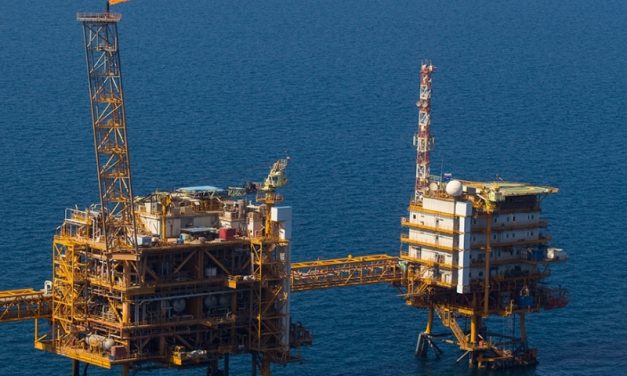
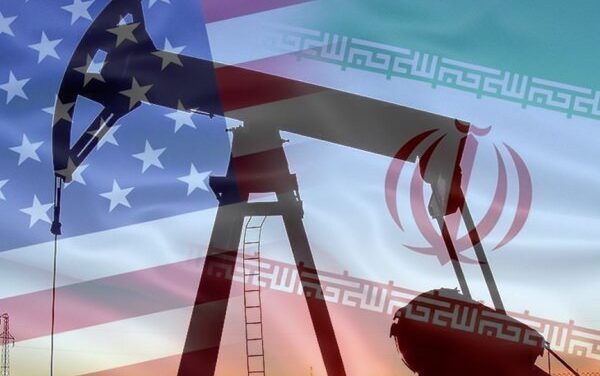
SCFR Online – Opinion: The dominant discourse in the field of European energy security over the past two decades has revolved around diversification of supply sources and the gradual reduction of dependence on fossil fuels. This narrative, which gained particular momentum after the Ukraine gas crisis in 2006 and its intensification in 2014 and 2022, was based on the assumption that Europe could free itself from the geopolitical vulnerabilities arising from dependence on specific suppliers through investment in renewable energy, imports of liquefied natural gas from diversified sources, and the establishment of new infrastructure. However, a closer analysis of energy trade data and the structure of the global oil and gas supply chain presents a different picture. Europe has not only failed to meaningfully reduce its dependence on the Persian Gulf, but in some sectors — particularly in liquefied natural gas imports — this dependence has deepened. This reality, which is often overlooked in public discourse, raises fundamental questions about the sustainability of Europe’s energy security strategies and their impact on regional power equations.
The Challenge of Hezbollah’s Low-Cost “FPV” Drones for the Zionist Regime

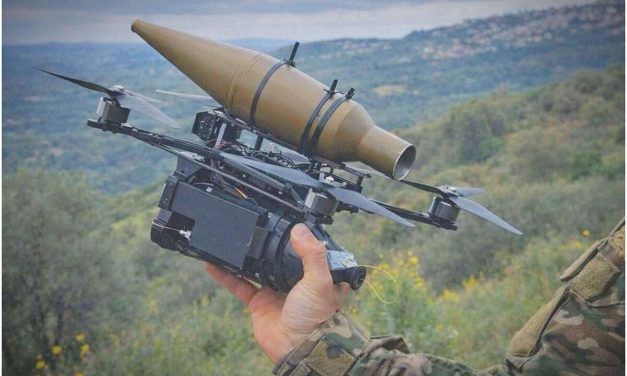
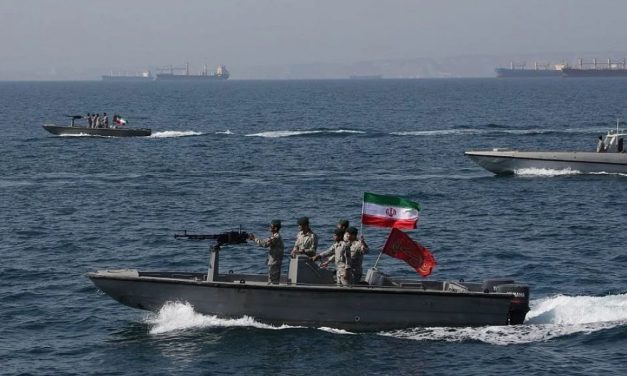
SCFR Online – Opinion: In modern warfare, it has always been assumed that the more expensive, and advanced the weapon—particularly from well-known companies—the more certain the victory will be. However, developments on the northern front of occupied Palestine in recent months have challenged this long-held belief. Here, the Zionist regime’s military, despite possessing the most advanced defense systems such as Iron Dome, David’s Sling, and Arrow, as well as fifth-generation F-35 fighter jets, Merkava tanks, and other modern equipment found in few countries worldwide, has effectively been rendered helpless against Hezbollah Lebanon’s few-hundred-dollar drones. Benjamin Netanyahu’s bitter admission regarding the inability to counter this threat, and his order to allocate an unlimited budget to find a solution, underscores the reality that the era of pure superiority through expensive technologies has come to an end.

The Impact of West Asian Developments on the Ukraine War

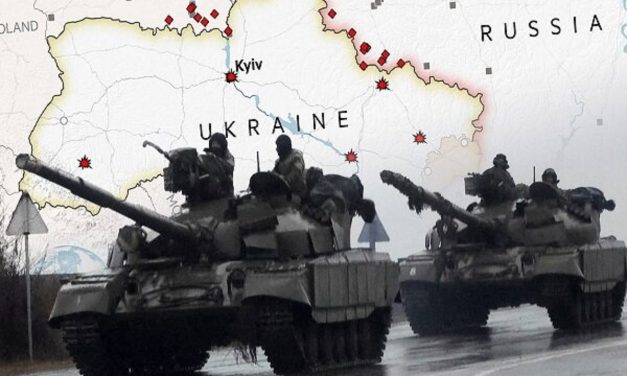
SCFR Online – Note: Vladimir Putin, President of Russia, recently announced—more than four years after the commencement of military aggression against Ukraine—that he believes the conflict between Russia and Ukraine is drawing to a close.

Temporary China–U.S. Trade Truce in the Shadow of Fundamental Distrust

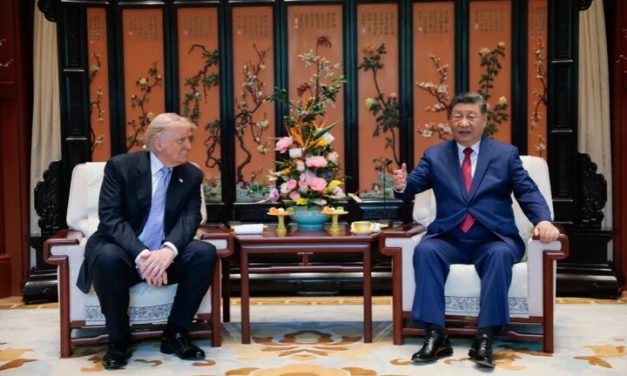
SCFR Online – Opinion: The recent visit of the President of the United States to China is significant from various aspects; because China is recognized as the world’s second-largest economic power and a growing economy. The Chinese are also advancing in various fields, including the space sector, artificial intelligence, and military industries; to the extent that in the military sector, whereas they previously lacked an aircraft carrier, they now possess their third aircraft carrier. On the other hand, the United States, as a superpower, has always regarded China as its rival and continues to view it as such today.

Loading

Michel Aoun

Obstacles, Prospects for Formation of Najib Mikati Government in Lebanon

Obstacles, Prospects for Formation of Najib Mikati Government in Lebanon

Strategic Council Online – Formation of government has always been the most complex and difficult political process in Lebanon, which is typically slow and has become one of the most challenging issues in that country for many years. The new era, which began with the resignation of Saad Hariri as prime minister and following October 2019 protests in Lebanon, entered a complex and tense path up to now when “Najib Mikati” has been appointed by Michel Aoun to form a new government.
Barsam Mohammadi – Analyst of international affairs

Roots and outcomes of the diplomatic crises between Riyadh and Beirut

Roots and outcomes of the diplomatic crises between Riyadh and Beirut

Strategic Council Online—Interview: Former director-general of the Ministry of Foreign Affairs for the Middle East, while referring to the tensions in the relations between Riyadh and Beirut which resulted in the resignation of the Lebanese foreign minister, said if interests of Saudi Arabia are secured in the composition of the next Lebanese cabinet, the pressure would decrease and their policies will also change. Otherwise, he said, pressures will continue on Lebanon and they will create obstacles so as a stable government is not formed in Beirut.

Lebanon’s government crisis: consequences and dimensions

Lebanon’s government crisis: consequences and dimensions

Strategic Council Online: Editorial—Under the present circumstances, we may witness once again a crisis in the formation of the Lebanese cabinet. With increasing foreign interference in Lebanon, it seems this crisis would be extended and prolonged more than the previous occasions as each of the foreign players are seeking to advance their own objectives and want to set the pieces of government in their own favour. This is while Lebanon is not a country to be settled with instruction issued from abroad.
Hossein Ajorloo – Expert of Middle East affairs

Enemies of Resistance Axis Agenda to Confront Lebanese Hezbollah

Enemies of Resistance Axis Agenda to Confront Lebanese Hezbollah

Strategic Council Online – The United States, Britain, France and Saudi Arabia are now trying to create conditions to render the government of Hassan Diab ineffective through outside economic pressure and to provoke the people inside so that Lebanon’s Hezbollah too will come under pressure.
Hassan Hanizadeh – Middle East Affairs Expert

Behind the Scenes of New Unrest in Lebanon

Behind the Scenes of New Unrest in Lebanon

Strategic Council Online – An analyst on West Asian affairs said there were “obvious hands” among foreign countries as well as domestic political currents against the Lebanese government, adding that Hassan Diab’s government did not appear to be able to maintain the status quo and efforts are underway to overthrow his government and put the phase of confrontation with the Hezbollah on the agenda; So the next step will be very difficult for Lebanon.

Lebanon: A Way Out of the Impasse!

Lebanon: A Way Out of the Impasse!

Strategic Council Online: The realities in Lebanon cannot be changed and the current controversy will not be able to change the situation in the long run in the interest of foreign interventionist forces.

Popular Protests and Foreign Interventions in Lebanon

Popular Protests and Foreign Interventions in Lebanon

Strategic Council Online: An analyst on regional issues, referring to the resignation of Lebanese Prime Minister Saad Hariri and the pressure of certain countries to wage a civil war in Lebanon and weaken the Lebanese Hezbollah, said that today more than being normal events based on current developments the recent unrests revolve around the demands of the external elements with an aim to undermine stability and peace in Lebanon.

Dimensions and Implications of Hariri-Saudi Encounter

Dimensions and Implications of Hariri-Saudi Encounter

Strategic Council Online: Confiscation of $7 billion in Saad Hariri’s property in Saudi Arabia has led the Lebanese prime minister to change his policies towards Riyadh.
Hassan Hanizadeh – Middle East Affairs Expert

Hariri resign ‘a failed Saudi scenario’

TEHRAN, Nov. 21 – An international relations expert, Abbas Khameyar, believes that Lebanon has managed the Hariri’s resignation crisis successfully increasing international pressures on Saudi Arabia.

Lebanon ‘a secure country of region’: Velayati

TEHRAN, Nov. 04 – Ali Akbar Velayati said recent victories of Lebanon over terrorist groups were result of coherence between its nation and government, indicating adequacy of new Lebanese government.

أحدث الوظائف

Europe’s Enduring Dependence on Persian Gulf Energy

SCFR Online – Opinion: The dominant discourse in the field of European energy security over the past two decades has revolved around diversification of supply sources and the gradual reduction of dependence on fossil fuels. This narrative, which gained particular momentum after the Ukraine gas crisis in 2006 and its intensification in 2014 and 2022, was based on the assumption that Europe could free itself from the geopolitical vulnerabilities arising from dependence on specific suppliers through investment in renewable energy, imports of liquefied natural gas from diversified sources, and the establishment of new infrastructure. However, a closer analysis of energy trade data and the structure of the global oil and gas supply chain presents a different picture. Europe has not only failed to meaningfully reduce its dependence on the Persian Gulf, but in some sectors — particularly in liquefied natural gas imports — this dependence has deepened. This reality, which is often overlooked in public discourse, raises fundamental questions about the sustainability of Europe’s energy security strategies and their impact on regional power equations.
The Challenge of Hezbollah’s Low-Cost “FPV” Drones for the Zionist Regime

SCFR Online – Opinion: In modern warfare, it has always been assumed that the more expensive, and advanced the weapon—particularly from well-known companies—the more certain the victory will be. However, developments on the northern front of occupied Palestine in recent months have challenged this long-held belief. Here, the Zionist regime’s military, despite possessing the most advanced defense systems such as Iron Dome, David’s Sling, and Arrow, as well as fifth-generation F-35 fighter jets, Merkava tanks, and other modern equipment found in few countries worldwide, has effectively been rendered helpless against Hezbollah Lebanon’s few-hundred-dollar drones. Benjamin Netanyahu’s bitter admission regarding the inability to counter this threat, and his order to allocate an unlimited budget to find a solution, underscores the reality that the era of pure superiority through expensive technologies has come to an end.

The Impact of West Asian Developments on the Ukraine War

SCFR Online – Note: Vladimir Putin, President of Russia, recently announced—more than four years after the commencement of military aggression against Ukraine—that he believes the conflict between Russia and Ukraine is drawing to a close.

Temporary China–U.S. Trade Truce in the Shadow of Fundamental Distrust

SCFR Online – Opinion: The recent visit of the President of the United States to China is significant from various aspects; because China is recognized as the world’s second-largest economic power and a growing economy. The Chinese are also advancing in various fields, including the space sector, artificial intelligence, and military industries; to the extent that in the military sector, whereas they previously lacked an aircraft carrier, they now possess their third aircraft carrier. On the other hand, the United States, as a superpower, has always regarded China as its rival and continues to view it as such today.

Loading

Michel Aoun

Obstacles, Prospects for Formation of Najib Mikati Government in Lebanon

Obstacles, Prospects for Formation of Najib Mikati Government in Lebanon

Strategic Council Online – Formation of government has always been the most complex and difficult political process in Lebanon, which is typically slow and has become one of the most challenging issues in that country for many years. The new era, which began with the resignation of Saad Hariri as prime minister and following October 2019 protests in Lebanon, entered a complex and tense path up to now when “Najib Mikati” has been appointed by Michel Aoun to form a new government.
Barsam Mohammadi – Analyst of international affairs

Roots and outcomes of the diplomatic crises between Riyadh and Beirut

Roots and outcomes of the diplomatic crises between Riyadh and Beirut

Strategic Council Online—Interview: Former director-general of the Ministry of Foreign Affairs for the Middle East, while referring to the tensions in the relations between Riyadh and Beirut which resulted in the resignation of the Lebanese foreign minister, said if interests of Saudi Arabia are secured in the composition of the next Lebanese cabinet, the pressure would decrease and their policies will also change. Otherwise, he said, pressures will continue on Lebanon and they will create obstacles so as a stable government is not formed in Beirut.

Lebanon’s government crisis: consequences and dimensions

Lebanon’s government crisis: consequences and dimensions

Strategic Council Online: Editorial—Under the present circumstances, we may witness once again a crisis in the formation of the Lebanese cabinet. With increasing foreign interference in Lebanon, it seems this crisis would be extended and prolonged more than the previous occasions as each of the foreign players are seeking to advance their own objectives and want to set the pieces of government in their own favour. This is while Lebanon is not a country to be settled with instruction issued from abroad.
Hossein Ajorloo – Expert of Middle East affairs

Enemies of Resistance Axis Agenda to Confront Lebanese Hezbollah

Enemies of Resistance Axis Agenda to Confront Lebanese Hezbollah

Strategic Council Online – The United States, Britain, France and Saudi Arabia are now trying to create conditions to render the government of Hassan Diab ineffective through outside economic pressure and to provoke the people inside so that Lebanon’s Hezbollah too will come under pressure.
Hassan Hanizadeh – Middle East Affairs Expert

Behind the Scenes of New Unrest in Lebanon

Behind the Scenes of New Unrest in Lebanon

Strategic Council Online – An analyst on West Asian affairs said there were “obvious hands” among foreign countries as well as domestic political currents against the Lebanese government, adding that Hassan Diab’s government did not appear to be able to maintain the status quo and efforts are underway to overthrow his government and put the phase of confrontation with the Hezbollah on the agenda; So the next step will be very difficult for Lebanon.

Lebanon: A Way Out of the Impasse!

Lebanon: A Way Out of the Impasse!

Strategic Council Online: The realities in Lebanon cannot be changed and the current controversy will not be able to change the situation in the long run in the interest of foreign interventionist forces.

Popular Protests and Foreign Interventions in Lebanon

Popular Protests and Foreign Interventions in Lebanon

Strategic Council Online: An analyst on regional issues, referring to the resignation of Lebanese Prime Minister Saad Hariri and the pressure of certain countries to wage a civil war in Lebanon and weaken the Lebanese Hezbollah, said that today more than being normal events based on current developments the recent unrests revolve around the demands of the external elements with an aim to undermine stability and peace in Lebanon.

Dimensions and Implications of Hariri-Saudi Encounter

Dimensions and Implications of Hariri-Saudi Encounter

Strategic Council Online: Confiscation of $7 billion in Saad Hariri’s property in Saudi Arabia has led the Lebanese prime minister to change his policies towards Riyadh.
Hassan Hanizadeh – Middle East Affairs Expert

Hariri resign ‘a failed Saudi scenario’

TEHRAN, Nov. 21 – An international relations expert, Abbas Khameyar, believes that Lebanon has managed the Hariri’s resignation crisis successfully increasing international pressures on Saudi Arabia.

Lebanon ‘a secure country of region’: Velayati

TEHRAN, Nov. 04 – Ali Akbar Velayati said recent victories of Lebanon over terrorist groups were result of coherence between its nation and government, indicating adequacy of new Lebanese government.

Michel Aoun

Obstacles, Prospects for Formation of Najib Mikati Government in Lebanon

Obstacles, Prospects for Formation of Najib Mikati Government in Lebanon

Strategic Council Online – Formation of government has always been the most complex and difficult political process in Lebanon, which is typically slow and has become one of the most challenging issues in that country for many years. The new era, which began with the resignation of Saad Hariri as prime minister and following October 2019 protests in Lebanon, entered a complex and tense path up to now when “Najib Mikati” has been appointed by Michel Aoun to form a new government.
Barsam Mohammadi – Analyst of international affairs

Roots and outcomes of the diplomatic crises between Riyadh and Beirut

Roots and outcomes of the diplomatic crises between Riyadh and Beirut

Strategic Council Online—Interview: Former director-general of the Ministry of Foreign Affairs for the Middle East, while referring to the tensions in the relations between Riyadh and Beirut which resulted in the resignation of the Lebanese foreign minister, said if interests of Saudi Arabia are secured in the composition of the next Lebanese cabinet, the pressure would decrease and their policies will also change. Otherwise, he said, pressures will continue on Lebanon and they will create obstacles so as a stable government is not formed in Beirut.

Lebanon’s government crisis: consequences and dimensions

Lebanon’s government crisis: consequences and dimensions

Strategic Council Online: Editorial—Under the present circumstances, we may witness once again a crisis in the formation of the Lebanese cabinet. With increasing foreign interference in Lebanon, it seems this crisis would be extended and prolonged more than the previous occasions as each of the foreign players are seeking to advance their own objectives and want to set the pieces of government in their own favour. This is while Lebanon is not a country to be settled with instruction issued from abroad.
Hossein Ajorloo – Expert of Middle East affairs

Enemies of Resistance Axis Agenda to Confront Lebanese Hezbollah

Enemies of Resistance Axis Agenda to Confront Lebanese Hezbollah

Strategic Council Online – The United States, Britain, France and Saudi Arabia are now trying to create conditions to render the government of Hassan Diab ineffective through outside economic pressure and to provoke the people inside so that Lebanon’s Hezbollah too will come under pressure.
Hassan Hanizadeh – Middle East Affairs Expert

Behind the Scenes of New Unrest in Lebanon

Behind the Scenes of New Unrest in Lebanon

Strategic Council Online – An analyst on West Asian affairs said there were “obvious hands” among foreign countries as well as domestic political currents against the Lebanese government, adding that Hassan Diab’s government did not appear to be able to maintain the status quo and efforts are underway to overthrow his government and put the phase of confrontation with the Hezbollah on the agenda; So the next step will be very difficult for Lebanon.

Lebanon: A Way Out of the Impasse!

Lebanon: A Way Out of the Impasse!

Strategic Council Online: The realities in Lebanon cannot be changed and the current controversy will not be able to change the situation in the long run in the interest of foreign interventionist forces.

Popular Protests and Foreign Interventions in Lebanon

Popular Protests and Foreign Interventions in Lebanon

Strategic Council Online: An analyst on regional issues, referring to the resignation of Lebanese Prime Minister Saad Hariri and the pressure of certain countries to wage a civil war in Lebanon and weaken the Lebanese Hezbollah, said that today more than being normal events based on current developments the recent unrests revolve around the demands of the external elements with an aim to undermine stability and peace in Lebanon.

Dimensions and Implications of Hariri-Saudi Encounter

Dimensions and Implications of Hariri-Saudi Encounter

Strategic Council Online: Confiscation of $7 billion in Saad Hariri’s property in Saudi Arabia has led the Lebanese prime minister to change his policies towards Riyadh.
Hassan Hanizadeh – Middle East Affairs Expert

Hariri resign ‘a failed Saudi scenario’

TEHRAN, Nov. 21 – An international relations expert, Abbas Khameyar, believes that Lebanon has managed the Hariri’s resignation crisis successfully increasing international pressures on Saudi Arabia.

Lebanon ‘a secure country of region’: Velayati

TEHRAN, Nov. 04 – Ali Akbar Velayati said recent victories of Lebanon over terrorist groups were result of coherence between its nation and government, indicating adequacy of new Lebanese government.

LATEST CONTENT

Europe’s Enduring Dependence on Persian Gulf Energy

SCFR Online – Opinion: The dominant discourse in the field of European energy security over the past two decades has revolved around diversification of supply sources and the gradual reduction of dependence on fossil fuels. This narrative, which gained particular momentum after the Ukraine gas crisis in 2006 and its intensification in 2014 and 2022, was based on the assumption that Europe could free itself from the geopolitical vulnerabilities arising from dependence on specific suppliers through investment in renewable energy, imports of liquefied natural gas from diversified sources, and the establishment of new infrastructure. However, a closer analysis of energy trade data and the structure of the global oil and gas supply chain presents a different picture. Europe has not only failed to meaningfully reduce its dependence on the Persian Gulf, but in some sectors — particularly in liquefied natural gas imports — this dependence has deepened. This reality, which is often overlooked in public discourse, raises fundamental questions about the sustainability of Europe’s energy security strategies and their impact on regional power equations.
The Challenge of Hezbollah’s Low-Cost “FPV” Drones for the Zionist Regime

SCFR Online – Opinion: In modern warfare, it has always been assumed that the more expensive, and advanced the weapon—particularly from well-known companies—the more certain the victory will be. However, developments on the northern front of occupied Palestine in recent months have challenged this long-held belief. Here, the Zionist regime’s military, despite possessing the most advanced defense systems such as Iron Dome, David’s Sling, and Arrow, as well as fifth-generation F-35 fighter jets, Merkava tanks, and other modern equipment found in few countries worldwide, has effectively been rendered helpless against Hezbollah Lebanon’s few-hundred-dollar drones. Benjamin Netanyahu’s bitter admission regarding the inability to counter this threat, and his order to allocate an unlimited budget to find a solution, underscores the reality that the era of pure superiority through expensive technologies has come to an end.

The Impact of West Asian Developments on the Ukraine War

SCFR Online – Note: Vladimir Putin, President of Russia, recently announced—more than four years after the commencement of military aggression against Ukraine—that he believes the conflict between Russia and Ukraine is drawing to a close.

Temporary China–U.S. Trade Truce in the Shadow of Fundamental Distrust

SCFR Online – Opinion: The recent visit of the President of the United States to China is significant from various aspects; because China is recognized as the world’s second-largest economic power and a growing economy. The Chinese are also advancing in various fields, including the space sector, artificial intelligence, and military industries; to the extent that in the military sector, whereas they previously lacked an aircraft carrier, they now possess their third aircraft carrier. On the other hand, the United States, as a superpower, has always regarded China as its rival and continues to view it as such today.

Loading

Michel Aoun

Obstacles, Prospects for Formation of Najib Mikati Government in Lebanon

Obstacles, Prospects for Formation of Najib Mikati Government in Lebanon

Strategic Council Online – Formation of government has always been the most complex and difficult political process in Lebanon, which is typically slow and has become one of the most challenging issues in that country for many years. The new era, which began with the resignation of Saad Hariri as prime minister and following October 2019 protests in Lebanon, entered a complex and tense path up to now when “Najib Mikati” has been appointed by Michel Aoun to form a new government.
Barsam Mohammadi – Analyst of international affairs

Roots and outcomes of the diplomatic crises between Riyadh and Beirut

Roots and outcomes of the diplomatic crises between Riyadh and Beirut

Strategic Council Online—Interview: Former director-general of the Ministry of Foreign Affairs for the Middle East, while referring to the tensions in the relations between Riyadh and Beirut which resulted in the resignation of the Lebanese foreign minister, said if interests of Saudi Arabia are secured in the composition of the next Lebanese cabinet, the pressure would decrease and their policies will also change. Otherwise, he said, pressures will continue on Lebanon and they will create obstacles so as a stable government is not formed in Beirut.

Lebanon’s government crisis: consequences and dimensions

Lebanon’s government crisis: consequences and dimensions

Strategic Council Online: Editorial—Under the present circumstances, we may witness once again a crisis in the formation of the Lebanese cabinet. With increasing foreign interference in Lebanon, it seems this crisis would be extended and prolonged more than the previous occasions as each of the foreign players are seeking to advance their own objectives and want to set the pieces of government in their own favour. This is while Lebanon is not a country to be settled with instruction issued from abroad.
Hossein Ajorloo – Expert of Middle East affairs

Enemies of Resistance Axis Agenda to Confront Lebanese Hezbollah

Enemies of Resistance Axis Agenda to Confront Lebanese Hezbollah

Strategic Council Online – The United States, Britain, France and Saudi Arabia are now trying to create conditions to render the government of Hassan Diab ineffective through outside economic pressure and to provoke the people inside so that Lebanon’s Hezbollah too will come under pressure.
Hassan Hanizadeh – Middle East Affairs Expert

Behind the Scenes of New Unrest in Lebanon

Behind the Scenes of New Unrest in Lebanon

Strategic Council Online – An analyst on West Asian affairs said there were “obvious hands” among foreign countries as well as domestic political currents against the Lebanese government, adding that Hassan Diab’s government did not appear to be able to maintain the status quo and efforts are underway to overthrow his government and put the phase of confrontation with the Hezbollah on the agenda; So the next step will be very difficult for Lebanon.

Lebanon: A Way Out of the Impasse!

Lebanon: A Way Out of the Impasse!

Strategic Council Online: The realities in Lebanon cannot be changed and the current controversy will not be able to change the situation in the long run in the interest of foreign interventionist forces.

Popular Protests and Foreign Interventions in Lebanon

Popular Protests and Foreign Interventions in Lebanon

Strategic Council Online: An analyst on regional issues, referring to the resignation of Lebanese Prime Minister Saad Hariri and the pressure of certain countries to wage a civil war in Lebanon and weaken the Lebanese Hezbollah, said that today more than being normal events based on current developments the recent unrests revolve around the demands of the external elements with an aim to undermine stability and peace in Lebanon.

Dimensions and Implications of Hariri-Saudi Encounter

Dimensions and Implications of Hariri-Saudi Encounter

Strategic Council Online: Confiscation of $7 billion in Saad Hariri’s property in Saudi Arabia has led the Lebanese prime minister to change his policies towards Riyadh.
Hassan Hanizadeh – Middle East Affairs Expert

Hariri resign ‘a failed Saudi scenario’

TEHRAN, Nov. 21 – An international relations expert, Abbas Khameyar, believes that Lebanon has managed the Hariri’s resignation crisis successfully increasing international pressures on Saudi Arabia.

Lebanon ‘a secure country of region’: Velayati

TEHRAN, Nov. 04 – Ali Akbar Velayati said recent victories of Lebanon over terrorist groups were result of coherence between its nation and government, indicating adequacy of new Lebanese government.

ÚLTIMAS PUBLICACIONES

Europe’s Enduring Dependence on Persian Gulf Energy

SCFR Online – Opinion: The dominant discourse in the field of European energy security over the past two decades has revolved around diversification of supply sources and the gradual reduction of dependence on fossil fuels. This narrative, which gained particular momentum after the Ukraine gas crisis in 2006 and its intensification in 2014 and 2022, was based on the assumption that Europe could free itself from the geopolitical vulnerabilities arising from dependence on specific suppliers through investment in renewable energy, imports of liquefied natural gas from diversified sources, and the establishment of new infrastructure. However, a closer analysis of energy trade data and the structure of the global oil and gas supply chain presents a different picture. Europe has not only failed to meaningfully reduce its dependence on the Persian Gulf, but in some sectors — particularly in liquefied natural gas imports — this dependence has deepened. This reality, which is often overlooked in public discourse, raises fundamental questions about the sustainability of Europe’s energy security strategies and their impact on regional power equations.
The Challenge of Hezbollah’s Low-Cost “FPV” Drones for the Zionist Regime

SCFR Online – Opinion: In modern warfare, it has always been assumed that the more expensive, and advanced the weapon—particularly from well-known companies—the more certain the victory will be. However, developments on the northern front of occupied Palestine in recent months have challenged this long-held belief. Here, the Zionist regime’s military, despite possessing the most advanced defense systems such as Iron Dome, David’s Sling, and Arrow, as well as fifth-generation F-35 fighter jets, Merkava tanks, and other modern equipment found in few countries worldwide, has effectively been rendered helpless against Hezbollah Lebanon’s few-hundred-dollar drones. Benjamin Netanyahu’s bitter admission regarding the inability to counter this threat, and his order to allocate an unlimited budget to find a solution, underscores the reality that the era of pure superiority through expensive technologies has come to an end.

The Impact of West Asian Developments on the Ukraine War

SCFR Online – Note: Vladimir Putin, President of Russia, recently announced—more than four years after the commencement of military aggression against Ukraine—that he believes the conflict between Russia and Ukraine is drawing to a close.

Temporary China–U.S. Trade Truce in the Shadow of Fundamental Distrust

SCFR Online – Opinion: The recent visit of the President of the United States to China is significant from various aspects; because China is recognized as the world’s second-largest economic power and a growing economy. The Chinese are also advancing in various fields, including the space sector, artificial intelligence, and military industries; to the extent that in the military sector, whereas they previously lacked an aircraft carrier, they now possess their third aircraft carrier. On the other hand, the United States, as a superpower, has always regarded China as its rival and continues to view it as such today.

Loading

Michel Aoun

Obstacles, Prospects for Formation of Najib Mikati Government in Lebanon

Obstacles, Prospects for Formation of Najib Mikati Government in Lebanon

Strategic Council Online – Formation of government has always been the most complex and difficult political process in Lebanon, which is typically slow and has become one of the most challenging issues in that country for many years. The new era, which began with the resignation of Saad Hariri as prime minister and following October 2019 protests in Lebanon, entered a complex and tense path up to now when “Najib Mikati” has been appointed by Michel Aoun to form a new government.
Barsam Mohammadi – Analyst of international affairs

Roots and outcomes of the diplomatic crises between Riyadh and Beirut

Roots and outcomes of the diplomatic crises between Riyadh and Beirut

Strategic Council Online—Interview: Former director-general of the Ministry of Foreign Affairs for the Middle East, while referring to the tensions in the relations between Riyadh and Beirut which resulted in the resignation of the Lebanese foreign minister, said if interests of Saudi Arabia are secured in the composition of the next Lebanese cabinet, the pressure would decrease and their policies will also change. Otherwise, he said, pressures will continue on Lebanon and they will create obstacles so as a stable government is not formed in Beirut.

Lebanon’s government crisis: consequences and dimensions

Lebanon’s government crisis: consequences and dimensions

Strategic Council Online: Editorial—Under the present circumstances, we may witness once again a crisis in the formation of the Lebanese cabinet. With increasing foreign interference in Lebanon, it seems this crisis would be extended and prolonged more than the previous occasions as each of the foreign players are seeking to advance their own objectives and want to set the pieces of government in their own favour. This is while Lebanon is not a country to be settled with instruction issued from abroad.
Hossein Ajorloo – Expert of Middle East affairs

Enemies of Resistance Axis Agenda to Confront Lebanese Hezbollah

Enemies of Resistance Axis Agenda to Confront Lebanese Hezbollah

Strategic Council Online – The United States, Britain, France and Saudi Arabia are now trying to create conditions to render the government of Hassan Diab ineffective through outside economic pressure and to provoke the people inside so that Lebanon’s Hezbollah too will come under pressure.
Hassan Hanizadeh – Middle East Affairs Expert

Behind the Scenes of New Unrest in Lebanon

Behind the Scenes of New Unrest in Lebanon

Strategic Council Online – An analyst on West Asian affairs said there were “obvious hands” among foreign countries as well as domestic political currents against the Lebanese government, adding that Hassan Diab’s government did not appear to be able to maintain the status quo and efforts are underway to overthrow his government and put the phase of confrontation with the Hezbollah on the agenda; So the next step will be very difficult for Lebanon.

Lebanon: A Way Out of the Impasse!

Lebanon: A Way Out of the Impasse!

Strategic Council Online: The realities in Lebanon cannot be changed and the current controversy will not be able to change the situation in the long run in the interest of foreign interventionist forces.

Popular Protests and Foreign Interventions in Lebanon

Popular Protests and Foreign Interventions in Lebanon

Strategic Council Online: An analyst on regional issues, referring to the resignation of Lebanese Prime Minister Saad Hariri and the pressure of certain countries to wage a civil war in Lebanon and weaken the Lebanese Hezbollah, said that today more than being normal events based on current developments the recent unrests revolve around the demands of the external elements with an aim to undermine stability and peace in Lebanon.

Dimensions and Implications of Hariri-Saudi Encounter

Dimensions and Implications of Hariri-Saudi Encounter

Strategic Council Online: Confiscation of $7 billion in Saad Hariri’s property in Saudi Arabia has led the Lebanese prime minister to change his policies towards Riyadh.
Hassan Hanizadeh – Middle East Affairs Expert

Hariri resign ‘a failed Saudi scenario’

TEHRAN, Nov. 21 – An international relations expert, Abbas Khameyar, believes that Lebanon has managed the Hariri’s resignation crisis successfully increasing international pressures on Saudi Arabia.

Lebanon ‘a secure country of region’: Velayati

TEHRAN, Nov. 04 – Ali Akbar Velayati said recent victories of Lebanon over terrorist groups were result of coherence between its nation and government, indicating adequacy of new Lebanese government.

ÚLTIMAS PUBLICACIONES

Europe’s Enduring Dependence on Persian Gulf Energy

SCFR Online – Opinion: The dominant discourse in the field of European energy security over the past two decades has revolved around diversification of supply sources and the gradual reduction of dependence on fossil fuels. This narrative, which gained particular momentum after the Ukraine gas crisis in 2006 and its intensification in 2014 and 2022, was based on the assumption that Europe could free itself from the geopolitical vulnerabilities arising from dependence on specific suppliers through investment in renewable energy, imports of liquefied natural gas from diversified sources, and the establishment of new infrastructure. However, a closer analysis of energy trade data and the structure of the global oil and gas supply chain presents a different picture. Europe has not only failed to meaningfully reduce its dependence on the Persian Gulf, but in some sectors — particularly in liquefied natural gas imports — this dependence has deepened. This reality, which is often overlooked in public discourse, raises fundamental questions about the sustainability of Europe’s energy security strategies and their impact on regional power equations.
The Challenge of Hezbollah’s Low-Cost “FPV” Drones for the Zionist Regime

SCFR Online – Opinion: In modern warfare, it has always been assumed that the more expensive, and advanced the weapon—particularly from well-known companies—the more certain the victory will be. However, developments on the northern front of occupied Palestine in recent months have challenged this long-held belief. Here, the Zionist regime’s military, despite possessing the most advanced defense systems such as Iron Dome, David’s Sling, and Arrow, as well as fifth-generation F-35 fighter jets, Merkava tanks, and other modern equipment found in few countries worldwide, has effectively been rendered helpless against Hezbollah Lebanon’s few-hundred-dollar drones. Benjamin Netanyahu’s bitter admission regarding the inability to counter this threat, and his order to allocate an unlimited budget to find a solution, underscores the reality that the era of pure superiority through expensive technologies has come to an end.

The Impact of West Asian Developments on the Ukraine War

SCFR Online – Note: Vladimir Putin, President of Russia, recently announced—more than four years after the commencement of military aggression against Ukraine—that he believes the conflict between Russia and Ukraine is drawing to a close.

Temporary China–U.S. Trade Truce in the Shadow of Fundamental Distrust

SCFR Online – Opinion: The recent visit of the President of the United States to China is significant from various aspects; because China is recognized as the world’s second-largest economic power and a growing economy. The Chinese are also advancing in various fields, including the space sector, artificial intelligence, and military industries; to the extent that in the military sector, whereas they previously lacked an aircraft carrier, they now possess their third aircraft carrier. On the other hand, the United States, as a superpower, has always regarded China as its rival and continues to view it as such today.

Loading

Michel Aoun

Obstacles, Prospects for Formation of Najib Mikati Government in Lebanon

Obstacles, Prospects for Formation of Najib Mikati Government in Lebanon

Strategic Council Online – Formation of government has always been the most complex and difficult political process in Lebanon, which is typically slow and has become one of the most challenging issues in that country for many years. The new era, which began with the resignation of Saad Hariri as prime minister and following October 2019 protests in Lebanon, entered a complex and tense path up to now when “Najib Mikati” has been appointed by Michel Aoun to form a new government.
Barsam Mohammadi – Analyst of international affairs

Roots and outcomes of the diplomatic crises between Riyadh and Beirut

Roots and outcomes of the diplomatic crises between Riyadh and Beirut

Strategic Council Online—Interview: Former director-general of the Ministry of Foreign Affairs for the Middle East, while referring to the tensions in the relations between Riyadh and Beirut which resulted in the resignation of the Lebanese foreign minister, said if interests of Saudi Arabia are secured in the composition of the next Lebanese cabinet, the pressure would decrease and their policies will also change. Otherwise, he said, pressures will continue on Lebanon and they will create obstacles so as a stable government is not formed in Beirut.

Lebanon’s government crisis: consequences and dimensions

Lebanon’s government crisis: consequences and dimensions

Strategic Council Online: Editorial—Under the present circumstances, we may witness once again a crisis in the formation of the Lebanese cabinet. With increasing foreign interference in Lebanon, it seems this crisis would be extended and prolonged more than the previous occasions as each of the foreign players are seeking to advance their own objectives and want to set the pieces of government in their own favour. This is while Lebanon is not a country to be settled with instruction issued from abroad.
Hossein Ajorloo – Expert of Middle East affairs

Enemies of Resistance Axis Agenda to Confront Lebanese Hezbollah

Enemies of Resistance Axis Agenda to Confront Lebanese Hezbollah

Strategic Council Online – The United States, Britain, France and Saudi Arabia are now trying to create conditions to render the government of Hassan Diab ineffective through outside economic pressure and to provoke the people inside so that Lebanon’s Hezbollah too will come under pressure.
Hassan Hanizadeh – Middle East Affairs Expert

Behind the Scenes of New Unrest in Lebanon

Behind the Scenes of New Unrest in Lebanon

Strategic Council Online – An analyst on West Asian affairs said there were “obvious hands” among foreign countries as well as domestic political currents against the Lebanese government, adding that Hassan Diab’s government did not appear to be able to maintain the status quo and efforts are underway to overthrow his government and put the phase of confrontation with the Hezbollah on the agenda; So the next step will be very difficult for Lebanon.

Lebanon: A Way Out of the Impasse!

Lebanon: A Way Out of the Impasse!

Strategic Council Online: The realities in Lebanon cannot be changed and the current controversy will not be able to change the situation in the long run in the interest of foreign interventionist forces.

Popular Protests and Foreign Interventions in Lebanon

Popular Protests and Foreign Interventions in Lebanon

Strategic Council Online: An analyst on regional issues, referring to the resignation of Lebanese Prime Minister Saad Hariri and the pressure of certain countries to wage a civil war in Lebanon and weaken the Lebanese Hezbollah, said that today more than being normal events based on current developments the recent unrests revolve around the demands of the external elements with an aim to undermine stability and peace in Lebanon.

Dimensions and Implications of Hariri-Saudi Encounter

Dimensions and Implications of Hariri-Saudi Encounter

Strategic Council Online: Confiscation of $7 billion in Saad Hariri’s property in Saudi Arabia has led the Lebanese prime minister to change his policies towards Riyadh.
Hassan Hanizadeh – Middle East Affairs Expert

Hariri resign ‘a failed Saudi scenario’

TEHRAN, Nov. 21 – An international relations expert, Abbas Khameyar, believes that Lebanon has managed the Hariri’s resignation crisis successfully increasing international pressures on Saudi Arabia.

Lebanon ‘a secure country of region’: Velayati

TEHRAN, Nov. 04 – Ali Akbar Velayati said recent victories of Lebanon over terrorist groups were result of coherence between its nation and government, indicating adequacy of new Lebanese government.

ÚLTIMAS PUBLICACIONES

Europe’s Enduring Dependence on Persian Gulf Energy

SCFR Online – Opinion: The dominant discourse in the field of European energy security over the past two decades has revolved around diversification of supply sources and the gradual reduction of dependence on fossil fuels. This narrative, which gained particular momentum after the Ukraine gas crisis in 2006 and its intensification in 2014 and 2022, was based on the assumption that Europe could free itself from the geopolitical vulnerabilities arising from dependence on specific suppliers through investment in renewable energy, imports of liquefied natural gas from diversified sources, and the establishment of new infrastructure. However, a closer analysis of energy trade data and the structure of the global oil and gas supply chain presents a different picture. Europe has not only failed to meaningfully reduce its dependence on the Persian Gulf, but in some sectors — particularly in liquefied natural gas imports — this dependence has deepened. This reality, which is often overlooked in public discourse, raises fundamental questions about the sustainability of Europe’s energy security strategies and their impact on regional power equations.
The Challenge of Hezbollah’s Low-Cost “FPV” Drones for the Zionist Regime

SCFR Online – Opinion: In modern warfare, it has always been assumed that the more expensive, and advanced the weapon—particularly from well-known companies—the more certain the victory will be. However, developments on the northern front of occupied Palestine in recent months have challenged this long-held belief. Here, the Zionist regime’s military, despite possessing the most advanced defense systems such as Iron Dome, David’s Sling, and Arrow, as well as fifth-generation F-35 fighter jets, Merkava tanks, and other modern equipment found in few countries worldwide, has effectively been rendered helpless against Hezbollah Lebanon’s few-hundred-dollar drones. Benjamin Netanyahu’s bitter admission regarding the inability to counter this threat, and his order to allocate an unlimited budget to find a solution, underscores the reality that the era of pure superiority through expensive technologies has come to an end.

The Impact of West Asian Developments on the Ukraine War

SCFR Online – Note: Vladimir Putin, President of Russia, recently announced—more than four years after the commencement of military aggression against Ukraine—that he believes the conflict between Russia and Ukraine is drawing to a close.

Temporary China–U.S. Trade Truce in the Shadow of Fundamental Distrust

SCFR Online – Opinion: The recent visit of the President of the United States to China is significant from various aspects; because China is recognized as the world’s second-largest economic power and a growing economy. The Chinese are also advancing in various fields, including the space sector, artificial intelligence, and military industries; to the extent that in the military sector, whereas they previously lacked an aircraft carrier, they now possess their third aircraft carrier. On the other hand, the United States, as a superpower, has always regarded China as its rival and continues to view it as such today.

Loading

Michel Aoun

Obstacles, Prospects for Formation of Najib Mikati Government in Lebanon

Obstacles, Prospects for Formation of Najib Mikati Government in Lebanon

Strategic Council Online – Formation of government has always been the most complex and difficult political process in Lebanon, which is typically slow and has become one of the most challenging issues in that country for many years. The new era, which began with the resignation of Saad Hariri as prime minister and following October 2019 protests in Lebanon, entered a complex and tense path up to now when “Najib Mikati” has been appointed by Michel Aoun to form a new government.
Barsam Mohammadi – Analyst of international affairs

Roots and outcomes of the diplomatic crises between Riyadh and Beirut

Roots and outcomes of the diplomatic crises between Riyadh and Beirut

Strategic Council Online—Interview: Former director-general of the Ministry of Foreign Affairs for the Middle East, while referring to the tensions in the relations between Riyadh and Beirut which resulted in the resignation of the Lebanese foreign minister, said if interests of Saudi Arabia are secured in the composition of the next Lebanese cabinet, the pressure would decrease and their policies will also change. Otherwise, he said, pressures will continue on Lebanon and they will create obstacles so as a stable government is not formed in Beirut.

Lebanon’s government crisis: consequences and dimensions

Lebanon’s government crisis: consequences and dimensions

Strategic Council Online: Editorial—Under the present circumstances, we may witness once again a crisis in the formation of the Lebanese cabinet. With increasing foreign interference in Lebanon, it seems this crisis would be extended and prolonged more than the previous occasions as each of the foreign players are seeking to advance their own objectives and want to set the pieces of government in their own favour. This is while Lebanon is not a country to be settled with instruction issued from abroad.
Hossein Ajorloo – Expert of Middle East affairs

Enemies of Resistance Axis Agenda to Confront Lebanese Hezbollah

Enemies of Resistance Axis Agenda to Confront Lebanese Hezbollah

Strategic Council Online – The United States, Britain, France and Saudi Arabia are now trying to create conditions to render the government of Hassan Diab ineffective through outside economic pressure and to provoke the people inside so that Lebanon’s Hezbollah too will come under pressure.
Hassan Hanizadeh – Middle East Affairs Expert

Behind the Scenes of New Unrest in Lebanon

Behind the Scenes of New Unrest in Lebanon

Strategic Council Online – An analyst on West Asian affairs said there were “obvious hands” among foreign countries as well as domestic political currents against the Lebanese government, adding that Hassan Diab’s government did not appear to be able to maintain the status quo and efforts are underway to overthrow his government and put the phase of confrontation with the Hezbollah on the agenda; So the next step will be very difficult for Lebanon.

Lebanon: A Way Out of the Impasse!

Lebanon: A Way Out of the Impasse!

Strategic Council Online: The realities in Lebanon cannot be changed and the current controversy will not be able to change the situation in the long run in the interest of foreign interventionist forces.

Popular Protests and Foreign Interventions in Lebanon

Popular Protests and Foreign Interventions in Lebanon

Strategic Council Online: An analyst on regional issues, referring to the resignation of Lebanese Prime Minister Saad Hariri and the pressure of certain countries to wage a civil war in Lebanon and weaken the Lebanese Hezbollah, said that today more than being normal events based on current developments the recent unrests revolve around the demands of the external elements with an aim to undermine stability and peace in Lebanon.

Dimensions and Implications of Hariri-Saudi Encounter

Dimensions and Implications of Hariri-Saudi Encounter

Strategic Council Online: Confiscation of $7 billion in Saad Hariri’s property in Saudi Arabia has led the Lebanese prime minister to change his policies towards Riyadh.
Hassan Hanizadeh – Middle East Affairs Expert

Hariri resign ‘a failed Saudi scenario’

TEHRAN, Nov. 21 – An international relations expert, Abbas Khameyar, believes that Lebanon has managed the Hariri’s resignation crisis successfully increasing international pressures on Saudi Arabia.

Lebanon ‘a secure country of region’: Velayati

TEHRAN, Nov. 04 – Ali Akbar Velayati said recent victories of Lebanon over terrorist groups were result of coherence between its nation and government, indicating adequacy of new Lebanese government.

ÚLTIMAS PUBLICACIONES

Europe’s Enduring Dependence on Persian Gulf Energy

SCFR Online – Opinion: The dominant discourse in the field of European energy security over the past two decades has revolved around diversification of supply sources and the gradual reduction of dependence on fossil fuels. This narrative, which gained particular momentum after the Ukraine gas crisis in 2006 and its intensification in 2014 and 2022, was based on the assumption that Europe could free itself from the geopolitical vulnerabilities arising from dependence on specific suppliers through investment in renewable energy, imports of liquefied natural gas from diversified sources, and the establishment of new infrastructure. However, a closer analysis of energy trade data and the structure of the global oil and gas supply chain presents a different picture. Europe has not only failed to meaningfully reduce its dependence on the Persian Gulf, but in some sectors — particularly in liquefied natural gas imports — this dependence has deepened. This reality, which is often overlooked in public discourse, raises fundamental questions about the sustainability of Europe’s energy security strategies and their impact on regional power equations.

The Challenge of Hezbollah’s Low-Cost “FPV” Drones for the Zionist Regime

SCFR Online – Opinion: In modern warfare, it has always been assumed that the more expensive, and advanced the weapon—particularly from well-known companies—the more certain the victory will be. However, developments on the northern front of occupied Palestine in recent months have challenged this long-held belief. Here, the Zionist regime’s military, despite possessing the most advanced defense systems such as Iron Dome, David’s Sling, and Arrow, as well as fifth-generation F-35 fighter jets, Merkava tanks, and other modern equipment found in few countries worldwide, has effectively been rendered helpless against Hezbollah Lebanon’s few-hundred-dollar drones. Benjamin Netanyahu’s bitter admission regarding the inability to counter this threat, and his order to allocate an unlimited budget to find a solution, underscores the reality that the era of pure superiority through expensive technologies has come to an end.

The Impact of West Asian Developments on the Ukraine War

SCFR Online – Note: Vladimir Putin, President of Russia, recently announced—more than four years after the commencement of military aggression against Ukraine—that he believes the conflict between Russia and Ukraine is drawing to a close.

Temporary China–U.S. Trade Truce in the Shadow of Fundamental Distrust

SCFR Online – Opinion: The recent visit of the President of the United States to China is significant from various aspects; because China is recognized as the world’s second-largest economic power and a growing economy. The Chinese are also advancing in various fields, including the space sector, artificial intelligence, and military industries; to the extent that in the military sector, whereas they previously lacked an aircraft carrier, they now possess their third aircraft carrier. On the other hand, the United States, as a superpower, has always regarded China as its rival and continues to view it as such today.

Loading