جدیدترین مطالب

The Inseparability of the Lebanese Front from the Axis of Resistance

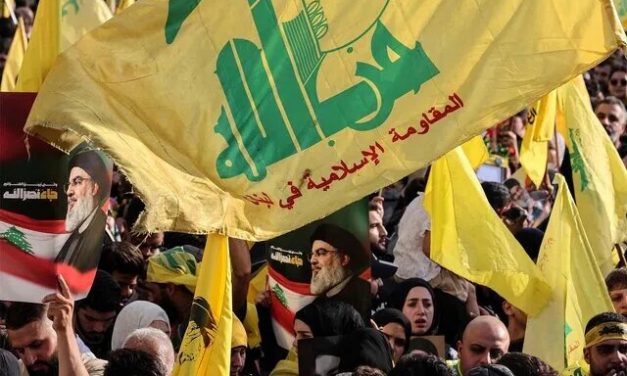
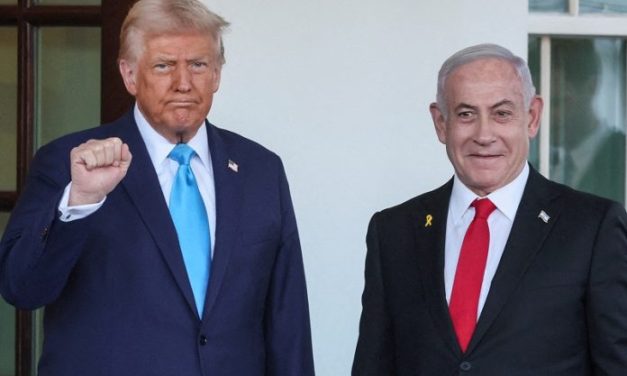
SCFR Online–Opinion: By providing an extensive network of social, healthcare, educational, and post-war reconstruction services, Hezbollah has established a strong social base for itself among Lebanon’s Shiites and Sunnis, and even beyond that, among other segments of Lebanese society, including Christians. Hezbollah has never been an external actor imposed upon Lebanon; rather, it is a phenomenon fundamentally born out of the occupation and crimes of the Zionist regime and itself influenced by popular resistance.

The Increasing Efforts of the Zionist Regime to Redefine Borders and the Regional Order and Its Consequences

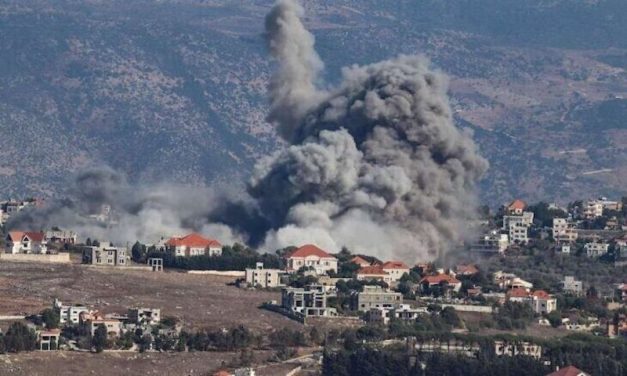
SCFR Online– Opinion: Security and military developments in the region over recent months indicate that the ongoing crises and wars in Gaza, southern Lebanon, and parts of Syrian territory encompass broader dimensions of geopolitical and geostrategic transformations. In this context, the increased military presence and control of the Zionist regime over parts of the territories of these areas, along with proposals regarding the creation of buffer zones or even the expansion of security borders, have raised serious questions about the future of the regional order and its consequences for the countries of West Asia.

The Components of Iran’s Deterrence Power

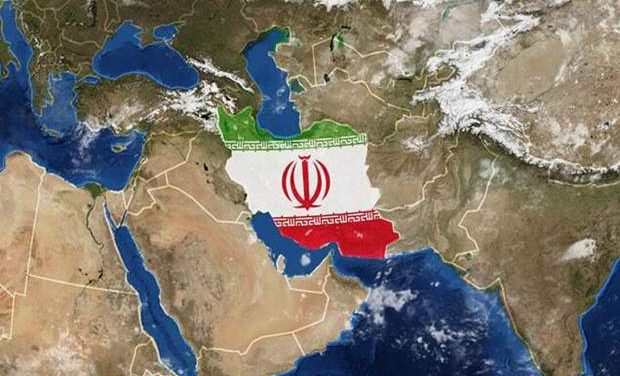
SCFR Online – Opinion: At a time when regional security equations have reached a sensitive stage under the influence of Iran’s strategic confrontation with the United States and the Zionist regime, the question of the nature of Tehran’s defensive power has gained greater significance than ever before. While Washington and Tel Aviv rely on their technological superiority, the Islamic Republic of Iran has presented a model of deterrence that extends beyond the material calculations of the world’s classical militaries. This power, rooted in the connection between “the field” and “the people,” has not only altered the balance of power in recent conflicts but has also disrupted adversaries’ calculations when confronting Iran’s strategic depth.

The Persian Gulf; A Cold Battlefield Between Beijing and Washington

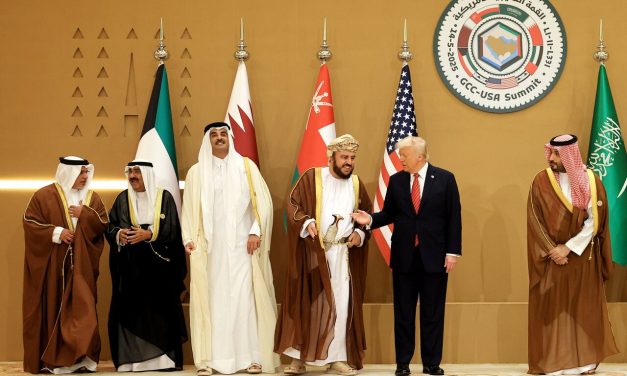
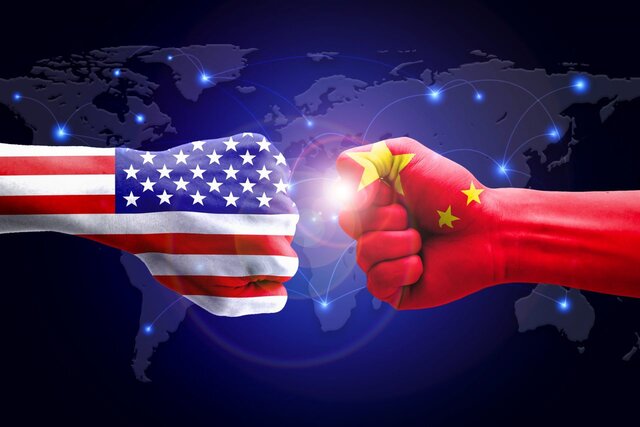
SCFR Online – Opinion: The competition in recent years between the United States and China encompasses various geographical regions—including the Indo-Pacific, West Asia, the Arctic and Antarctic, and Africa—as well as multiple domains such as economics and technology. Within this context, a strategic competition has also emerged in the Persian Gulf region across economic, technological, and military spheres.

Europe’s Enduring Dependence on Persian Gulf Energy

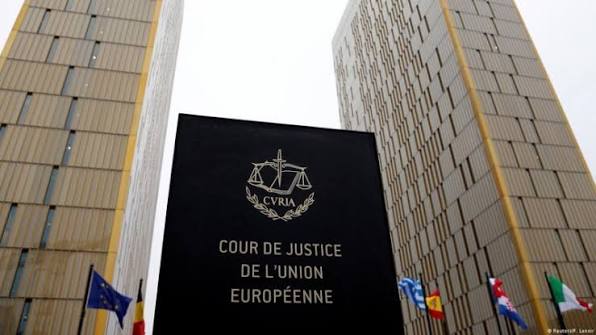
SCFR Online – Opinion: The dominant discourse in the field of European energy security over the past two decades has revolved around diversification of supply sources and the gradual reduction of dependence on fossil fuels. This narrative, which gained particular momentum after the Ukraine gas crisis in 2006 and its intensification in 2014 and 2022, was based on the assumption that Europe could free itself from the geopolitical vulnerabilities arising from dependence on specific suppliers through investment in renewable energy, imports of liquefied natural gas from diversified sources, and the establishment of new infrastructure. However, a closer analysis of energy trade data and the structure of the global oil and gas supply chain presents a different picture. Europe has not only failed to meaningfully reduce its dependence on the Persian Gulf, but in some sectors — particularly in liquefied natural gas imports — this dependence has deepened. This reality, which is often overlooked in public discourse, raises fundamental questions about the sustainability of Europe’s energy security strategies and their impact on regional power equations.

Loading

Kuwait

Saudi Arabia’s backtrack against Qatar

Saudi Arabia’s backtrack against Qatar

Strategic Council Online—Interview: An expert of geopolitical issues says rapprochement between Qatar and other countries of the Persian Gulf Cooperation Council and Saudi Arabia’s backtrack in its primary positions and conditions indicated the failure of Riyadh unilateralism.

US Attempt to Negotiate with Ansarollah a Success for the Resistance

US Attempt to Negotiate with Ansarollah a Success for the Resistance

Strategic Council Online – An expert on West Asia affairs assessed the US letter to Ansarollah and the attempt to negotiate with them as a sign of the effectiveness of the Resistance and said: One of the factors that led Mohammed bin Salman to resort to the United States for putting an end to the war in Yemen is the issue of balance of power which has now changed in favour of Ansarollah.

Pakistan’s Efforts to Establish Balance in Relations with Important Countries

Pakistan’s Efforts to Establish Balance in Relations with Important Countries

Strategic Council Online – A university professor, referring to the cold relations between Pakistan and Arab countries in the Persian Gulf, said: Imran Khan’s government is trying to develop its relations with countries in the region and play an active role in de-escalating some of the tensions, but politicians of that country should be capable of balancing their relations with important countries.

Kuwait’s Explicitness in Opposing Normalization of Relations with Zionist Regime

Kuwait’s Explicitness in Opposing Normalization of Relations with Zionist Regime

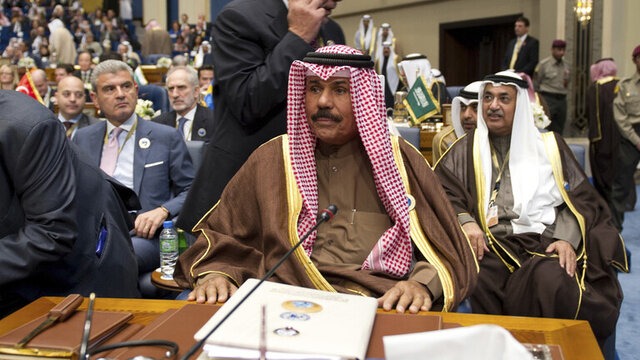
Strategic Council Online: The stance Kuwait has adopted in opposing the normalization of relations with the Zionist regime is important and has been more explicit than other Arab states, and the new Emir of Kuwait has explicitly stated that he will follow the policies of the late Emir in all cases, including the Palestinian issue.
Seyed Reza Mirabian – Expert on Middle East Affairs

China’s Trump Cards in Competition with US

China’s Trump Cards in Competition with US

Strategic Council Online – The Americans hope that with the cooperation of India they will be able to implement the India-Pacific project and stop China; but China has opposed the India-Pacific project, meaning it wants to focus from the Pacific to the Indian Ocean.
Pir Mohammad Mollazehi – Asia Affairs Expert

A Review of Allegation of Outside Interference in US Elections

A Review of Allegation of Outside Interference in US Elections

Strategic Council Online – A professor of international relations described White House officials’ claims that China, Iran, Russia and North Korea were interfering in the US presidential election as “blame game” and “run forward.”

Ansarullah’s Military Strategy towards Saudi Coalition

Ansarullah’s Military Strategy towards Saudi Coalition

Strategic Council Online – Yemen is now facing major developments that will extend beyond the land borders of Yemen and neighboring countries. With the recent threats posed by the Yemeni army and popular committees, it seems that in the coming days there will be changes in the depths of Saudi Arabia and the UAE, and it will not even be far from expected that Ansarullah may consider hitting targets in the Zionist regime.
Reza Mirabian – Expert on Developments in Persian Gulf

Turkey’s Outlook about South Persian Gulf States

Turkey’s Outlook about South Persian Gulf States

Strategic Council Online – Despite the continuation of some economic cooperation between Turkey and Saudi Arabia and the UAE, in the political and security spheres, serious challenges will be faced in the future in these countries.
Davoud Ahmadzadeh – Middle East Affairs Expert

Saudi Confusion in Yemen over Ansarullah’s Call for Peace

Saudi Confusion in Yemen over Ansarullah’s Call for Peace

Strategic Council Online: The repeated violations of the ceasefire proposed by the Saudi coalition to the Yemeni army and the Yemeni People’s Committees must be analyzed in the context of Riyadh’s confusion in the face of the Yemeni war of attrition.
Kamran Karami – Researcher on Arab Peninsula Issues

Failed Deal of the Century Awaits New Intifada!

Failed Deal of the Century Awaits New Intifada!

Strategic Council Online: In the future, Palestine will witness bloody demonstrations and clashes between the Palestinians and the Zionist regime, and even the Palestinian Authority President Mahmoud Abbas may dissolve the PA and become a Palestinian militant organization to formally and effectively oppose the Deal of the Century. Then the US and the Zionist regime can no longer negotiate with a Palestinian official. In addition, the rising tide of opposition in the world to the plan, especially by Palestinian groups, has led us to see some kind of retreat from Washington as the US ambassador to the United Nations said at a special Security Council session: The United States peace plan is not a program to be imposed on the parties to the conflict, they have a choice to accept or reject it.”
Hassan Hanizadeh – Middle East Affairs Expert

أحدث الوظائف

The Inseparability of the Lebanese Front from the Axis of Resistance

SCFR Online–Opinion: By providing an extensive network of social, healthcare, educational, and post-war reconstruction services, Hezbollah has established a strong social base for itself among Lebanon’s Shiites and Sunnis, and even beyond that, among other segments of Lebanese society, including Christians. Hezbollah has never been an external actor imposed upon Lebanon; rather, it is a phenomenon fundamentally born out of the occupation and crimes of the Zionist regime and itself influenced by popular resistance.

The Increasing Efforts of the Zionist Regime to Redefine Borders and the Regional Order and Its Consequences

SCFR Online– Opinion: Security and military developments in the region over recent months indicate that the ongoing crises and wars in Gaza, southern Lebanon, and parts of Syrian territory encompass broader dimensions of geopolitical and geostrategic transformations. In this context, the increased military presence and control of the Zionist regime over parts of the territories of these areas, along with proposals regarding the creation of buffer zones or even the expansion of security borders, have raised serious questions about the future of the regional order and its consequences for the countries of West Asia.

The Components of Iran’s Deterrence Power

SCFR Online – Opinion: At a time when regional security equations have reached a sensitive stage under the influence of Iran’s strategic confrontation with the United States and the Zionist regime, the question of the nature of Tehran’s defensive power has gained greater significance than ever before. While Washington and Tel Aviv rely on their technological superiority, the Islamic Republic of Iran has presented a model of deterrence that extends beyond the material calculations of the world’s classical militaries. This power, rooted in the connection between “the field” and “the people,” has not only altered the balance of power in recent conflicts but has also disrupted adversaries’ calculations when confronting Iran’s strategic depth.

The Persian Gulf; A Cold Battlefield Between Beijing and Washington

SCFR Online – Opinion: The competition in recent years between the United States and China encompasses various geographical regions—including the Indo-Pacific, West Asia, the Arctic and Antarctic, and Africa—as well as multiple domains such as economics and technology. Within this context, a strategic competition has also emerged in the Persian Gulf region across economic, technological, and military spheres.

Europe’s Enduring Dependence on Persian Gulf Energy

SCFR Online – Opinion: The dominant discourse in the field of European energy security over the past two decades has revolved around diversification of supply sources and the gradual reduction of dependence on fossil fuels. This narrative, which gained particular momentum after the Ukraine gas crisis in 2006 and its intensification in 2014 and 2022, was based on the assumption that Europe could free itself from the geopolitical vulnerabilities arising from dependence on specific suppliers through investment in renewable energy, imports of liquefied natural gas from diversified sources, and the establishment of new infrastructure. However, a closer analysis of energy trade data and the structure of the global oil and gas supply chain presents a different picture. Europe has not only failed to meaningfully reduce its dependence on the Persian Gulf, but in some sectors — particularly in liquefied natural gas imports — this dependence has deepened. This reality, which is often overlooked in public discourse, raises fundamental questions about the sustainability of Europe’s energy security strategies and their impact on regional power equations.

Loading

Kuwait

Saudi Arabia’s backtrack against Qatar

Saudi Arabia’s backtrack against Qatar

Strategic Council Online—Interview: An expert of geopolitical issues says rapprochement between Qatar and other countries of the Persian Gulf Cooperation Council and Saudi Arabia’s backtrack in its primary positions and conditions indicated the failure of Riyadh unilateralism.

US Attempt to Negotiate with Ansarollah a Success for the Resistance

US Attempt to Negotiate with Ansarollah a Success for the Resistance

Strategic Council Online – An expert on West Asia affairs assessed the US letter to Ansarollah and the attempt to negotiate with them as a sign of the effectiveness of the Resistance and said: One of the factors that led Mohammed bin Salman to resort to the United States for putting an end to the war in Yemen is the issue of balance of power which has now changed in favour of Ansarollah.

Pakistan’s Efforts to Establish Balance in Relations with Important Countries

Pakistan’s Efforts to Establish Balance in Relations with Important Countries

Strategic Council Online – A university professor, referring to the cold relations between Pakistan and Arab countries in the Persian Gulf, said: Imran Khan’s government is trying to develop its relations with countries in the region and play an active role in de-escalating some of the tensions, but politicians of that country should be capable of balancing their relations with important countries.

Kuwait’s Explicitness in Opposing Normalization of Relations with Zionist Regime

Kuwait’s Explicitness in Opposing Normalization of Relations with Zionist Regime

Strategic Council Online: The stance Kuwait has adopted in opposing the normalization of relations with the Zionist regime is important and has been more explicit than other Arab states, and the new Emir of Kuwait has explicitly stated that he will follow the policies of the late Emir in all cases, including the Palestinian issue.
Seyed Reza Mirabian – Expert on Middle East Affairs

China’s Trump Cards in Competition with US

China’s Trump Cards in Competition with US

Strategic Council Online – The Americans hope that with the cooperation of India they will be able to implement the India-Pacific project and stop China; but China has opposed the India-Pacific project, meaning it wants to focus from the Pacific to the Indian Ocean.
Pir Mohammad Mollazehi – Asia Affairs Expert

A Review of Allegation of Outside Interference in US Elections

A Review of Allegation of Outside Interference in US Elections

Strategic Council Online – A professor of international relations described White House officials’ claims that China, Iran, Russia and North Korea were interfering in the US presidential election as “blame game” and “run forward.”

Ansarullah’s Military Strategy towards Saudi Coalition

Ansarullah’s Military Strategy towards Saudi Coalition

Strategic Council Online – Yemen is now facing major developments that will extend beyond the land borders of Yemen and neighboring countries. With the recent threats posed by the Yemeni army and popular committees, it seems that in the coming days there will be changes in the depths of Saudi Arabia and the UAE, and it will not even be far from expected that Ansarullah may consider hitting targets in the Zionist regime.
Reza Mirabian – Expert on Developments in Persian Gulf

Turkey’s Outlook about South Persian Gulf States

Turkey’s Outlook about South Persian Gulf States

Strategic Council Online – Despite the continuation of some economic cooperation between Turkey and Saudi Arabia and the UAE, in the political and security spheres, serious challenges will be faced in the future in these countries.
Davoud Ahmadzadeh – Middle East Affairs Expert

Saudi Confusion in Yemen over Ansarullah’s Call for Peace

Saudi Confusion in Yemen over Ansarullah’s Call for Peace

Strategic Council Online: The repeated violations of the ceasefire proposed by the Saudi coalition to the Yemeni army and the Yemeni People’s Committees must be analyzed in the context of Riyadh’s confusion in the face of the Yemeni war of attrition.
Kamran Karami – Researcher on Arab Peninsula Issues

Failed Deal of the Century Awaits New Intifada!

Failed Deal of the Century Awaits New Intifada!

Strategic Council Online: In the future, Palestine will witness bloody demonstrations and clashes between the Palestinians and the Zionist regime, and even the Palestinian Authority President Mahmoud Abbas may dissolve the PA and become a Palestinian militant organization to formally and effectively oppose the Deal of the Century. Then the US and the Zionist regime can no longer negotiate with a Palestinian official. In addition, the rising tide of opposition in the world to the plan, especially by Palestinian groups, has led us to see some kind of retreat from Washington as the US ambassador to the United Nations said at a special Security Council session: The United States peace plan is not a program to be imposed on the parties to the conflict, they have a choice to accept or reject it.”
Hassan Hanizadeh – Middle East Affairs Expert

Kuwait

Saudi Arabia’s backtrack against Qatar

Saudi Arabia’s backtrack against Qatar

Strategic Council Online—Interview: An expert of geopolitical issues says rapprochement between Qatar and other countries of the Persian Gulf Cooperation Council and Saudi Arabia’s backtrack in its primary positions and conditions indicated the failure of Riyadh unilateralism.

US Attempt to Negotiate with Ansarollah a Success for the Resistance

US Attempt to Negotiate with Ansarollah a Success for the Resistance

Strategic Council Online – An expert on West Asia affairs assessed the US letter to Ansarollah and the attempt to negotiate with them as a sign of the effectiveness of the Resistance and said: One of the factors that led Mohammed bin Salman to resort to the United States for putting an end to the war in Yemen is the issue of balance of power which has now changed in favour of Ansarollah.

Pakistan’s Efforts to Establish Balance in Relations with Important Countries

Pakistan’s Efforts to Establish Balance in Relations with Important Countries

Strategic Council Online – A university professor, referring to the cold relations between Pakistan and Arab countries in the Persian Gulf, said: Imran Khan’s government is trying to develop its relations with countries in the region and play an active role in de-escalating some of the tensions, but politicians of that country should be capable of balancing their relations with important countries.

Kuwait’s Explicitness in Opposing Normalization of Relations with Zionist Regime

Kuwait’s Explicitness in Opposing Normalization of Relations with Zionist Regime

Strategic Council Online: The stance Kuwait has adopted in opposing the normalization of relations with the Zionist regime is important and has been more explicit than other Arab states, and the new Emir of Kuwait has explicitly stated that he will follow the policies of the late Emir in all cases, including the Palestinian issue.
Seyed Reza Mirabian – Expert on Middle East Affairs

China’s Trump Cards in Competition with US

China’s Trump Cards in Competition with US

Strategic Council Online – The Americans hope that with the cooperation of India they will be able to implement the India-Pacific project and stop China; but China has opposed the India-Pacific project, meaning it wants to focus from the Pacific to the Indian Ocean.
Pir Mohammad Mollazehi – Asia Affairs Expert

A Review of Allegation of Outside Interference in US Elections

A Review of Allegation of Outside Interference in US Elections

Strategic Council Online – A professor of international relations described White House officials’ claims that China, Iran, Russia and North Korea were interfering in the US presidential election as “blame game” and “run forward.”

Ansarullah’s Military Strategy towards Saudi Coalition

Ansarullah’s Military Strategy towards Saudi Coalition

Strategic Council Online – Yemen is now facing major developments that will extend beyond the land borders of Yemen and neighboring countries. With the recent threats posed by the Yemeni army and popular committees, it seems that in the coming days there will be changes in the depths of Saudi Arabia and the UAE, and it will not even be far from expected that Ansarullah may consider hitting targets in the Zionist regime.
Reza Mirabian – Expert on Developments in Persian Gulf

Turkey’s Outlook about South Persian Gulf States

Turkey’s Outlook about South Persian Gulf States

Strategic Council Online – Despite the continuation of some economic cooperation between Turkey and Saudi Arabia and the UAE, in the political and security spheres, serious challenges will be faced in the future in these countries.
Davoud Ahmadzadeh – Middle East Affairs Expert

Saudi Confusion in Yemen over Ansarullah’s Call for Peace

Saudi Confusion in Yemen over Ansarullah’s Call for Peace

Strategic Council Online: The repeated violations of the ceasefire proposed by the Saudi coalition to the Yemeni army and the Yemeni People’s Committees must be analyzed in the context of Riyadh’s confusion in the face of the Yemeni war of attrition.
Kamran Karami – Researcher on Arab Peninsula Issues

Failed Deal of the Century Awaits New Intifada!

Failed Deal of the Century Awaits New Intifada!

Strategic Council Online: In the future, Palestine will witness bloody demonstrations and clashes between the Palestinians and the Zionist regime, and even the Palestinian Authority President Mahmoud Abbas may dissolve the PA and become a Palestinian militant organization to formally and effectively oppose the Deal of the Century. Then the US and the Zionist regime can no longer negotiate with a Palestinian official. In addition, the rising tide of opposition in the world to the plan, especially by Palestinian groups, has led us to see some kind of retreat from Washington as the US ambassador to the United Nations said at a special Security Council session: The United States peace plan is not a program to be imposed on the parties to the conflict, they have a choice to accept or reject it.”
Hassan Hanizadeh – Middle East Affairs Expert

LATEST CONTENT

The Inseparability of the Lebanese Front from the Axis of Resistance

SCFR Online–Opinion: By providing an extensive network of social, healthcare, educational, and post-war reconstruction services, Hezbollah has established a strong social base for itself among Lebanon’s Shiites and Sunnis, and even beyond that, among other segments of Lebanese society, including Christians. Hezbollah has never been an external actor imposed upon Lebanon; rather, it is a phenomenon fundamentally born out of the occupation and crimes of the Zionist regime and itself influenced by popular resistance.

The Increasing Efforts of the Zionist Regime to Redefine Borders and the Regional Order and Its Consequences

SCFR Online– Opinion: Security and military developments in the region over recent months indicate that the ongoing crises and wars in Gaza, southern Lebanon, and parts of Syrian territory encompass broader dimensions of geopolitical and geostrategic transformations. In this context, the increased military presence and control of the Zionist regime over parts of the territories of these areas, along with proposals regarding the creation of buffer zones or even the expansion of security borders, have raised serious questions about the future of the regional order and its consequences for the countries of West Asia.

The Components of Iran’s Deterrence Power

SCFR Online – Opinion: At a time when regional security equations have reached a sensitive stage under the influence of Iran’s strategic confrontation with the United States and the Zionist regime, the question of the nature of Tehran’s defensive power has gained greater significance than ever before. While Washington and Tel Aviv rely on their technological superiority, the Islamic Republic of Iran has presented a model of deterrence that extends beyond the material calculations of the world’s classical militaries. This power, rooted in the connection between “the field” and “the people,” has not only altered the balance of power in recent conflicts but has also disrupted adversaries’ calculations when confronting Iran’s strategic depth.

The Persian Gulf; A Cold Battlefield Between Beijing and Washington

SCFR Online – Opinion: The competition in recent years between the United States and China encompasses various geographical regions—including the Indo-Pacific, West Asia, the Arctic and Antarctic, and Africa—as well as multiple domains such as economics and technology. Within this context, a strategic competition has also emerged in the Persian Gulf region across economic, technological, and military spheres.

Europe’s Enduring Dependence on Persian Gulf Energy

SCFR Online – Opinion: The dominant discourse in the field of European energy security over the past two decades has revolved around diversification of supply sources and the gradual reduction of dependence on fossil fuels. This narrative, which gained particular momentum after the Ukraine gas crisis in 2006 and its intensification in 2014 and 2022, was based on the assumption that Europe could free itself from the geopolitical vulnerabilities arising from dependence on specific suppliers through investment in renewable energy, imports of liquefied natural gas from diversified sources, and the establishment of new infrastructure. However, a closer analysis of energy trade data and the structure of the global oil and gas supply chain presents a different picture. Europe has not only failed to meaningfully reduce its dependence on the Persian Gulf, but in some sectors — particularly in liquefied natural gas imports — this dependence has deepened. This reality, which is often overlooked in public discourse, raises fundamental questions about the sustainability of Europe’s energy security strategies and their impact on regional power equations.

Loading

Kuwait

Saudi Arabia’s backtrack against Qatar

Saudi Arabia’s backtrack against Qatar

Strategic Council Online—Interview: An expert of geopolitical issues says rapprochement between Qatar and other countries of the Persian Gulf Cooperation Council and Saudi Arabia’s backtrack in its primary positions and conditions indicated the failure of Riyadh unilateralism.

US Attempt to Negotiate with Ansarollah a Success for the Resistance

US Attempt to Negotiate with Ansarollah a Success for the Resistance

Strategic Council Online – An expert on West Asia affairs assessed the US letter to Ansarollah and the attempt to negotiate with them as a sign of the effectiveness of the Resistance and said: One of the factors that led Mohammed bin Salman to resort to the United States for putting an end to the war in Yemen is the issue of balance of power which has now changed in favour of Ansarollah.

Pakistan’s Efforts to Establish Balance in Relations with Important Countries

Pakistan’s Efforts to Establish Balance in Relations with Important Countries

Strategic Council Online – A university professor, referring to the cold relations between Pakistan and Arab countries in the Persian Gulf, said: Imran Khan’s government is trying to develop its relations with countries in the region and play an active role in de-escalating some of the tensions, but politicians of that country should be capable of balancing their relations with important countries.

Kuwait’s Explicitness in Opposing Normalization of Relations with Zionist Regime

Kuwait’s Explicitness in Opposing Normalization of Relations with Zionist Regime

Strategic Council Online: The stance Kuwait has adopted in opposing the normalization of relations with the Zionist regime is important and has been more explicit than other Arab states, and the new Emir of Kuwait has explicitly stated that he will follow the policies of the late Emir in all cases, including the Palestinian issue.
Seyed Reza Mirabian – Expert on Middle East Affairs

China’s Trump Cards in Competition with US

China’s Trump Cards in Competition with US

Strategic Council Online – The Americans hope that with the cooperation of India they will be able to implement the India-Pacific project and stop China; but China has opposed the India-Pacific project, meaning it wants to focus from the Pacific to the Indian Ocean.
Pir Mohammad Mollazehi – Asia Affairs Expert

A Review of Allegation of Outside Interference in US Elections

A Review of Allegation of Outside Interference in US Elections

Strategic Council Online – A professor of international relations described White House officials’ claims that China, Iran, Russia and North Korea were interfering in the US presidential election as “blame game” and “run forward.”

Ansarullah’s Military Strategy towards Saudi Coalition

Ansarullah’s Military Strategy towards Saudi Coalition

Strategic Council Online – Yemen is now facing major developments that will extend beyond the land borders of Yemen and neighboring countries. With the recent threats posed by the Yemeni army and popular committees, it seems that in the coming days there will be changes in the depths of Saudi Arabia and the UAE, and it will not even be far from expected that Ansarullah may consider hitting targets in the Zionist regime.
Reza Mirabian – Expert on Developments in Persian Gulf

Turkey’s Outlook about South Persian Gulf States

Turkey’s Outlook about South Persian Gulf States

Strategic Council Online – Despite the continuation of some economic cooperation between Turkey and Saudi Arabia and the UAE, in the political and security spheres, serious challenges will be faced in the future in these countries.
Davoud Ahmadzadeh – Middle East Affairs Expert

Saudi Confusion in Yemen over Ansarullah’s Call for Peace

Saudi Confusion in Yemen over Ansarullah’s Call for Peace

Strategic Council Online: The repeated violations of the ceasefire proposed by the Saudi coalition to the Yemeni army and the Yemeni People’s Committees must be analyzed in the context of Riyadh’s confusion in the face of the Yemeni war of attrition.
Kamran Karami – Researcher on Arab Peninsula Issues

Failed Deal of the Century Awaits New Intifada!

Failed Deal of the Century Awaits New Intifada!

Strategic Council Online: In the future, Palestine will witness bloody demonstrations and clashes between the Palestinians and the Zionist regime, and even the Palestinian Authority President Mahmoud Abbas may dissolve the PA and become a Palestinian militant organization to formally and effectively oppose the Deal of the Century. Then the US and the Zionist regime can no longer negotiate with a Palestinian official. In addition, the rising tide of opposition in the world to the plan, especially by Palestinian groups, has led us to see some kind of retreat from Washington as the US ambassador to the United Nations said at a special Security Council session: The United States peace plan is not a program to be imposed on the parties to the conflict, they have a choice to accept or reject it.”
Hassan Hanizadeh – Middle East Affairs Expert

ÚLTIMAS PUBLICACIONES

The Inseparability of the Lebanese Front from the Axis of Resistance

SCFR Online–Opinion: By providing an extensive network of social, healthcare, educational, and post-war reconstruction services, Hezbollah has established a strong social base for itself among Lebanon’s Shiites and Sunnis, and even beyond that, among other segments of Lebanese society, including Christians. Hezbollah has never been an external actor imposed upon Lebanon; rather, it is a phenomenon fundamentally born out of the occupation and crimes of the Zionist regime and itself influenced by popular resistance.

The Increasing Efforts of the Zionist Regime to Redefine Borders and the Regional Order and Its Consequences

SCFR Online– Opinion: Security and military developments in the region over recent months indicate that the ongoing crises and wars in Gaza, southern Lebanon, and parts of Syrian territory encompass broader dimensions of geopolitical and geostrategic transformations. In this context, the increased military presence and control of the Zionist regime over parts of the territories of these areas, along with proposals regarding the creation of buffer zones or even the expansion of security borders, have raised serious questions about the future of the regional order and its consequences for the countries of West Asia.

The Components of Iran’s Deterrence Power

SCFR Online – Opinion: At a time when regional security equations have reached a sensitive stage under the influence of Iran’s strategic confrontation with the United States and the Zionist regime, the question of the nature of Tehran’s defensive power has gained greater significance than ever before. While Washington and Tel Aviv rely on their technological superiority, the Islamic Republic of Iran has presented a model of deterrence that extends beyond the material calculations of the world’s classical militaries. This power, rooted in the connection between “the field” and “the people,” has not only altered the balance of power in recent conflicts but has also disrupted adversaries’ calculations when confronting Iran’s strategic depth.

The Persian Gulf; A Cold Battlefield Between Beijing and Washington

SCFR Online – Opinion: The competition in recent years between the United States and China encompasses various geographical regions—including the Indo-Pacific, West Asia, the Arctic and Antarctic, and Africa—as well as multiple domains such as economics and technology. Within this context, a strategic competition has also emerged in the Persian Gulf region across economic, technological, and military spheres.

Europe’s Enduring Dependence on Persian Gulf Energy

SCFR Online – Opinion: The dominant discourse in the field of European energy security over the past two decades has revolved around diversification of supply sources and the gradual reduction of dependence on fossil fuels. This narrative, which gained particular momentum after the Ukraine gas crisis in 2006 and its intensification in 2014 and 2022, was based on the assumption that Europe could free itself from the geopolitical vulnerabilities arising from dependence on specific suppliers through investment in renewable energy, imports of liquefied natural gas from diversified sources, and the establishment of new infrastructure. However, a closer analysis of energy trade data and the structure of the global oil and gas supply chain presents a different picture. Europe has not only failed to meaningfully reduce its dependence on the Persian Gulf, but in some sectors — particularly in liquefied natural gas imports — this dependence has deepened. This reality, which is often overlooked in public discourse, raises fundamental questions about the sustainability of Europe’s energy security strategies and their impact on regional power equations.

Loading

Kuwait

Saudi Arabia’s backtrack against Qatar

Saudi Arabia’s backtrack against Qatar

Strategic Council Online—Interview: An expert of geopolitical issues says rapprochement between Qatar and other countries of the Persian Gulf Cooperation Council and Saudi Arabia’s backtrack in its primary positions and conditions indicated the failure of Riyadh unilateralism.

US Attempt to Negotiate with Ansarollah a Success for the Resistance

US Attempt to Negotiate with Ansarollah a Success for the Resistance

Strategic Council Online – An expert on West Asia affairs assessed the US letter to Ansarollah and the attempt to negotiate with them as a sign of the effectiveness of the Resistance and said: One of the factors that led Mohammed bin Salman to resort to the United States for putting an end to the war in Yemen is the issue of balance of power which has now changed in favour of Ansarollah.

Pakistan’s Efforts to Establish Balance in Relations with Important Countries

Pakistan’s Efforts to Establish Balance in Relations with Important Countries

Strategic Council Online – A university professor, referring to the cold relations between Pakistan and Arab countries in the Persian Gulf, said: Imran Khan’s government is trying to develop its relations with countries in the region and play an active role in de-escalating some of the tensions, but politicians of that country should be capable of balancing their relations with important countries.

Kuwait’s Explicitness in Opposing Normalization of Relations with Zionist Regime

Kuwait’s Explicitness in Opposing Normalization of Relations with Zionist Regime

Strategic Council Online: The stance Kuwait has adopted in opposing the normalization of relations with the Zionist regime is important and has been more explicit than other Arab states, and the new Emir of Kuwait has explicitly stated that he will follow the policies of the late Emir in all cases, including the Palestinian issue.
Seyed Reza Mirabian – Expert on Middle East Affairs

China’s Trump Cards in Competition with US

China’s Trump Cards in Competition with US

Strategic Council Online – The Americans hope that with the cooperation of India they will be able to implement the India-Pacific project and stop China; but China has opposed the India-Pacific project, meaning it wants to focus from the Pacific to the Indian Ocean.
Pir Mohammad Mollazehi – Asia Affairs Expert

A Review of Allegation of Outside Interference in US Elections

A Review of Allegation of Outside Interference in US Elections

Strategic Council Online – A professor of international relations described White House officials’ claims that China, Iran, Russia and North Korea were interfering in the US presidential election as “blame game” and “run forward.”

Ansarullah’s Military Strategy towards Saudi Coalition

Ansarullah’s Military Strategy towards Saudi Coalition

Strategic Council Online – Yemen is now facing major developments that will extend beyond the land borders of Yemen and neighboring countries. With the recent threats posed by the Yemeni army and popular committees, it seems that in the coming days there will be changes in the depths of Saudi Arabia and the UAE, and it will not even be far from expected that Ansarullah may consider hitting targets in the Zionist regime.
Reza Mirabian – Expert on Developments in Persian Gulf

Turkey’s Outlook about South Persian Gulf States

Turkey’s Outlook about South Persian Gulf States

Strategic Council Online – Despite the continuation of some economic cooperation between Turkey and Saudi Arabia and the UAE, in the political and security spheres, serious challenges will be faced in the future in these countries.
Davoud Ahmadzadeh – Middle East Affairs Expert

Saudi Confusion in Yemen over Ansarullah’s Call for Peace

Saudi Confusion in Yemen over Ansarullah’s Call for Peace

Strategic Council Online: The repeated violations of the ceasefire proposed by the Saudi coalition to the Yemeni army and the Yemeni People’s Committees must be analyzed in the context of Riyadh’s confusion in the face of the Yemeni war of attrition.
Kamran Karami – Researcher on Arab Peninsula Issues

Failed Deal of the Century Awaits New Intifada!

Failed Deal of the Century Awaits New Intifada!

Strategic Council Online: In the future, Palestine will witness bloody demonstrations and clashes between the Palestinians and the Zionist regime, and even the Palestinian Authority President Mahmoud Abbas may dissolve the PA and become a Palestinian militant organization to formally and effectively oppose the Deal of the Century. Then the US and the Zionist regime can no longer negotiate with a Palestinian official. In addition, the rising tide of opposition in the world to the plan, especially by Palestinian groups, has led us to see some kind of retreat from Washington as the US ambassador to the United Nations said at a special Security Council session: The United States peace plan is not a program to be imposed on the parties to the conflict, they have a choice to accept or reject it.”
Hassan Hanizadeh – Middle East Affairs Expert

ÚLTIMAS PUBLICACIONES

The Inseparability of the Lebanese Front from the Axis of Resistance

SCFR Online–Opinion: By providing an extensive network of social, healthcare, educational, and post-war reconstruction services, Hezbollah has established a strong social base for itself among Lebanon’s Shiites and Sunnis, and even beyond that, among other segments of Lebanese society, including Christians. Hezbollah has never been an external actor imposed upon Lebanon; rather, it is a phenomenon fundamentally born out of the occupation and crimes of the Zionist regime and itself influenced by popular resistance.

The Increasing Efforts of the Zionist Regime to Redefine Borders and the Regional Order and Its Consequences

SCFR Online– Opinion: Security and military developments in the region over recent months indicate that the ongoing crises and wars in Gaza, southern Lebanon, and parts of Syrian territory encompass broader dimensions of geopolitical and geostrategic transformations. In this context, the increased military presence and control of the Zionist regime over parts of the territories of these areas, along with proposals regarding the creation of buffer zones or even the expansion of security borders, have raised serious questions about the future of the regional order and its consequences for the countries of West Asia.

The Components of Iran’s Deterrence Power

SCFR Online – Opinion: At a time when regional security equations have reached a sensitive stage under the influence of Iran’s strategic confrontation with the United States and the Zionist regime, the question of the nature of Tehran’s defensive power has gained greater significance than ever before. While Washington and Tel Aviv rely on their technological superiority, the Islamic Republic of Iran has presented a model of deterrence that extends beyond the material calculations of the world’s classical militaries. This power, rooted in the connection between “the field” and “the people,” has not only altered the balance of power in recent conflicts but has also disrupted adversaries’ calculations when confronting Iran’s strategic depth.

The Persian Gulf; A Cold Battlefield Between Beijing and Washington

SCFR Online – Opinion: The competition in recent years between the United States and China encompasses various geographical regions—including the Indo-Pacific, West Asia, the Arctic and Antarctic, and Africa—as well as multiple domains such as economics and technology. Within this context, a strategic competition has also emerged in the Persian Gulf region across economic, technological, and military spheres.

Europe’s Enduring Dependence on Persian Gulf Energy

SCFR Online – Opinion: The dominant discourse in the field of European energy security over the past two decades has revolved around diversification of supply sources and the gradual reduction of dependence on fossil fuels. This narrative, which gained particular momentum after the Ukraine gas crisis in 2006 and its intensification in 2014 and 2022, was based on the assumption that Europe could free itself from the geopolitical vulnerabilities arising from dependence on specific suppliers through investment in renewable energy, imports of liquefied natural gas from diversified sources, and the establishment of new infrastructure. However, a closer analysis of energy trade data and the structure of the global oil and gas supply chain presents a different picture. Europe has not only failed to meaningfully reduce its dependence on the Persian Gulf, but in some sectors — particularly in liquefied natural gas imports — this dependence has deepened. This reality, which is often overlooked in public discourse, raises fundamental questions about the sustainability of Europe’s energy security strategies and their impact on regional power equations.

Loading

Kuwait

Saudi Arabia’s backtrack against Qatar

Saudi Arabia’s backtrack against Qatar

Strategic Council Online—Interview: An expert of geopolitical issues says rapprochement between Qatar and other countries of the Persian Gulf Cooperation Council and Saudi Arabia’s backtrack in its primary positions and conditions indicated the failure of Riyadh unilateralism.

US Attempt to Negotiate with Ansarollah a Success for the Resistance

US Attempt to Negotiate with Ansarollah a Success for the Resistance

Strategic Council Online – An expert on West Asia affairs assessed the US letter to Ansarollah and the attempt to negotiate with them as a sign of the effectiveness of the Resistance and said: One of the factors that led Mohammed bin Salman to resort to the United States for putting an end to the war in Yemen is the issue of balance of power which has now changed in favour of Ansarollah.

Pakistan’s Efforts to Establish Balance in Relations with Important Countries

Pakistan’s Efforts to Establish Balance in Relations with Important Countries

Strategic Council Online – A university professor, referring to the cold relations between Pakistan and Arab countries in the Persian Gulf, said: Imran Khan’s government is trying to develop its relations with countries in the region and play an active role in de-escalating some of the tensions, but politicians of that country should be capable of balancing their relations with important countries.

Kuwait’s Explicitness in Opposing Normalization of Relations with Zionist Regime

Kuwait’s Explicitness in Opposing Normalization of Relations with Zionist Regime

Strategic Council Online: The stance Kuwait has adopted in opposing the normalization of relations with the Zionist regime is important and has been more explicit than other Arab states, and the new Emir of Kuwait has explicitly stated that he will follow the policies of the late Emir in all cases, including the Palestinian issue.
Seyed Reza Mirabian – Expert on Middle East Affairs

China’s Trump Cards in Competition with US

China’s Trump Cards in Competition with US

Strategic Council Online – The Americans hope that with the cooperation of India they will be able to implement the India-Pacific project and stop China; but China has opposed the India-Pacific project, meaning it wants to focus from the Pacific to the Indian Ocean.
Pir Mohammad Mollazehi – Asia Affairs Expert

A Review of Allegation of Outside Interference in US Elections

A Review of Allegation of Outside Interference in US Elections

Strategic Council Online – A professor of international relations described White House officials’ claims that China, Iran, Russia and North Korea were interfering in the US presidential election as “blame game” and “run forward.”

Ansarullah’s Military Strategy towards Saudi Coalition

Ansarullah’s Military Strategy towards Saudi Coalition

Strategic Council Online – Yemen is now facing major developments that will extend beyond the land borders of Yemen and neighboring countries. With the recent threats posed by the Yemeni army and popular committees, it seems that in the coming days there will be changes in the depths of Saudi Arabia and the UAE, and it will not even be far from expected that Ansarullah may consider hitting targets in the Zionist regime.
Reza Mirabian – Expert on Developments in Persian Gulf

Turkey’s Outlook about South Persian Gulf States

Turkey’s Outlook about South Persian Gulf States

Strategic Council Online – Despite the continuation of some economic cooperation between Turkey and Saudi Arabia and the UAE, in the political and security spheres, serious challenges will be faced in the future in these countries.
Davoud Ahmadzadeh – Middle East Affairs Expert

Saudi Confusion in Yemen over Ansarullah’s Call for Peace

Saudi Confusion in Yemen over Ansarullah’s Call for Peace

Strategic Council Online: The repeated violations of the ceasefire proposed by the Saudi coalition to the Yemeni army and the Yemeni People’s Committees must be analyzed in the context of Riyadh’s confusion in the face of the Yemeni war of attrition.
Kamran Karami – Researcher on Arab Peninsula Issues

Failed Deal of the Century Awaits New Intifada!

Failed Deal of the Century Awaits New Intifada!

Strategic Council Online: In the future, Palestine will witness bloody demonstrations and clashes between the Palestinians and the Zionist regime, and even the Palestinian Authority President Mahmoud Abbas may dissolve the PA and become a Palestinian militant organization to formally and effectively oppose the Deal of the Century. Then the US and the Zionist regime can no longer negotiate with a Palestinian official. In addition, the rising tide of opposition in the world to the plan, especially by Palestinian groups, has led us to see some kind of retreat from Washington as the US ambassador to the United Nations said at a special Security Council session: The United States peace plan is not a program to be imposed on the parties to the conflict, they have a choice to accept or reject it.”
Hassan Hanizadeh – Middle East Affairs Expert

ÚLTIMAS PUBLICACIONES

The Inseparability of the Lebanese Front from the Axis of Resistance

SCFR Online–Opinion: By providing an extensive network of social, healthcare, educational, and post-war reconstruction services, Hezbollah has established a strong social base for itself among Lebanon’s Shiites and Sunnis, and even beyond that, among other segments of Lebanese society, including Christians. Hezbollah has never been an external actor imposed upon Lebanon; rather, it is a phenomenon fundamentally born out of the occupation and crimes of the Zionist regime and itself influenced by popular resistance.

The Increasing Efforts of the Zionist Regime to Redefine Borders and the Regional Order and Its Consequences

SCFR Online– Opinion: Security and military developments in the region over recent months indicate that the ongoing crises and wars in Gaza, southern Lebanon, and parts of Syrian territory encompass broader dimensions of geopolitical and geostrategic transformations. In this context, the increased military presence and control of the Zionist regime over parts of the territories of these areas, along with proposals regarding the creation of buffer zones or even the expansion of security borders, have raised serious questions about the future of the regional order and its consequences for the countries of West Asia.

The Components of Iran’s Deterrence Power

SCFR Online – Opinion: At a time when regional security equations have reached a sensitive stage under the influence of Iran’s strategic confrontation with the United States and the Zionist regime, the question of the nature of Tehran’s defensive power has gained greater significance than ever before. While Washington and Tel Aviv rely on their technological superiority, the Islamic Republic of Iran has presented a model of deterrence that extends beyond the material calculations of the world’s classical militaries. This power, rooted in the connection between “the field” and “the people,” has not only altered the balance of power in recent conflicts but has also disrupted adversaries’ calculations when confronting Iran’s strategic depth.

The Persian Gulf; A Cold Battlefield Between Beijing and Washington

SCFR Online – Opinion: The competition in recent years between the United States and China encompasses various geographical regions—including the Indo-Pacific, West Asia, the Arctic and Antarctic, and Africa—as well as multiple domains such as economics and technology. Within this context, a strategic competition has also emerged in the Persian Gulf region across economic, technological, and military spheres.

Europe’s Enduring Dependence on Persian Gulf Energy

SCFR Online – Opinion: The dominant discourse in the field of European energy security over the past two decades has revolved around diversification of supply sources and the gradual reduction of dependence on fossil fuels. This narrative, which gained particular momentum after the Ukraine gas crisis in 2006 and its intensification in 2014 and 2022, was based on the assumption that Europe could free itself from the geopolitical vulnerabilities arising from dependence on specific suppliers through investment in renewable energy, imports of liquefied natural gas from diversified sources, and the establishment of new infrastructure. However, a closer analysis of energy trade data and the structure of the global oil and gas supply chain presents a different picture. Europe has not only failed to meaningfully reduce its dependence on the Persian Gulf, but in some sectors — particularly in liquefied natural gas imports — this dependence has deepened. This reality, which is often overlooked in public discourse, raises fundamental questions about the sustainability of Europe’s energy security strategies and their impact on regional power equations.

Loading

Kuwait

Saudi Arabia’s backtrack against Qatar

Saudi Arabia’s backtrack against Qatar

Strategic Council Online—Interview: An expert of geopolitical issues says rapprochement between Qatar and other countries of the Persian Gulf Cooperation Council and Saudi Arabia’s backtrack in its primary positions and conditions indicated the failure of Riyadh unilateralism.

US Attempt to Negotiate with Ansarollah a Success for the Resistance

US Attempt to Negotiate with Ansarollah a Success for the Resistance

Strategic Council Online – An expert on West Asia affairs assessed the US letter to Ansarollah and the attempt to negotiate with them as a sign of the effectiveness of the Resistance and said: One of the factors that led Mohammed bin Salman to resort to the United States for putting an end to the war in Yemen is the issue of balance of power which has now changed in favour of Ansarollah.

Pakistan’s Efforts to Establish Balance in Relations with Important Countries

Pakistan’s Efforts to Establish Balance in Relations with Important Countries

Strategic Council Online – A university professor, referring to the cold relations between Pakistan and Arab countries in the Persian Gulf, said: Imran Khan’s government is trying to develop its relations with countries in the region and play an active role in de-escalating some of the tensions, but politicians of that country should be capable of balancing their relations with important countries.

Kuwait’s Explicitness in Opposing Normalization of Relations with Zionist Regime

Kuwait’s Explicitness in Opposing Normalization of Relations with Zionist Regime

Strategic Council Online: The stance Kuwait has adopted in opposing the normalization of relations with the Zionist regime is important and has been more explicit than other Arab states, and the new Emir of Kuwait has explicitly stated that he will follow the policies of the late Emir in all cases, including the Palestinian issue.
Seyed Reza Mirabian – Expert on Middle East Affairs

China’s Trump Cards in Competition with US

China’s Trump Cards in Competition with US

Strategic Council Online – The Americans hope that with the cooperation of India they will be able to implement the India-Pacific project and stop China; but China has opposed the India-Pacific project, meaning it wants to focus from the Pacific to the Indian Ocean.
Pir Mohammad Mollazehi – Asia Affairs Expert

A Review of Allegation of Outside Interference in US Elections

A Review of Allegation of Outside Interference in US Elections

Strategic Council Online – A professor of international relations described White House officials’ claims that China, Iran, Russia and North Korea were interfering in the US presidential election as “blame game” and “run forward.”

Ansarullah’s Military Strategy towards Saudi Coalition

Ansarullah’s Military Strategy towards Saudi Coalition

Strategic Council Online – Yemen is now facing major developments that will extend beyond the land borders of Yemen and neighboring countries. With the recent threats posed by the Yemeni army and popular committees, it seems that in the coming days there will be changes in the depths of Saudi Arabia and the UAE, and it will not even be far from expected that Ansarullah may consider hitting targets in the Zionist regime.
Reza Mirabian – Expert on Developments in Persian Gulf

Turkey’s Outlook about South Persian Gulf States

Turkey’s Outlook about South Persian Gulf States

Strategic Council Online – Despite the continuation of some economic cooperation between Turkey and Saudi Arabia and the UAE, in the political and security spheres, serious challenges will be faced in the future in these countries.
Davoud Ahmadzadeh – Middle East Affairs Expert

Saudi Confusion in Yemen over Ansarullah’s Call for Peace

Saudi Confusion in Yemen over Ansarullah’s Call for Peace

Strategic Council Online: The repeated violations of the ceasefire proposed by the Saudi coalition to the Yemeni army and the Yemeni People’s Committees must be analyzed in the context of Riyadh’s confusion in the face of the Yemeni war of attrition.
Kamran Karami – Researcher on Arab Peninsula Issues

Failed Deal of the Century Awaits New Intifada!

Failed Deal of the Century Awaits New Intifada!

Strategic Council Online: In the future, Palestine will witness bloody demonstrations and clashes between the Palestinians and the Zionist regime, and even the Palestinian Authority President Mahmoud Abbas may dissolve the PA and become a Palestinian militant organization to formally and effectively oppose the Deal of the Century. Then the US and the Zionist regime can no longer negotiate with a Palestinian official. In addition, the rising tide of opposition in the world to the plan, especially by Palestinian groups, has led us to see some kind of retreat from Washington as the US ambassador to the United Nations said at a special Security Council session: The United States peace plan is not a program to be imposed on the parties to the conflict, they have a choice to accept or reject it.”
Hassan Hanizadeh – Middle East Affairs Expert

ÚLTIMAS PUBLICACIONES

The Inseparability of the Lebanese Front from the Axis of Resistance

SCFR Online–Opinion: By providing an extensive network of social, healthcare, educational, and post-war reconstruction services, Hezbollah has established a strong social base for itself among Lebanon’s Shiites and Sunnis, and even beyond that, among other segments of Lebanese society, including Christians. Hezbollah has never been an external actor imposed upon Lebanon; rather, it is a phenomenon fundamentally born out of the occupation and crimes of the Zionist regime and itself influenced by popular resistance.

The Increasing Efforts of the Zionist Regime to Redefine Borders and the Regional Order and Its Consequences

SCFR Online– Opinion: Security and military developments in the region over recent months indicate that the ongoing crises and wars in Gaza, southern Lebanon, and parts of Syrian territory encompass broader dimensions of geopolitical and geostrategic transformations. In this context, the increased military presence and control of the Zionist regime over parts of the territories of these areas, along with proposals regarding the creation of buffer zones or even the expansion of security borders, have raised serious questions about the future of the regional order and its consequences for the countries of West Asia.

The Components of Iran’s Deterrence Power

SCFR Online – Opinion: At a time when regional security equations have reached a sensitive stage under the influence of Iran’s strategic confrontation with the United States and the Zionist regime, the question of the nature of Tehran’s defensive power has gained greater significance than ever before. While Washington and Tel Aviv rely on their technological superiority, the Islamic Republic of Iran has presented a model of deterrence that extends beyond the material calculations of the world’s classical militaries. This power, rooted in the connection between “the field” and “the people,” has not only altered the balance of power in recent conflicts but has also disrupted adversaries’ calculations when confronting Iran’s strategic depth.

The Persian Gulf; A Cold Battlefield Between Beijing and Washington

SCFR Online – Opinion: The competition in recent years between the United States and China encompasses various geographical regions—including the Indo-Pacific, West Asia, the Arctic and Antarctic, and Africa—as well as multiple domains such as economics and technology. Within this context, a strategic competition has also emerged in the Persian Gulf region across economic, technological, and military spheres.

Europe’s Enduring Dependence on Persian Gulf Energy

SCFR Online – Opinion: The dominant discourse in the field of European energy security over the past two decades has revolved around diversification of supply sources and the gradual reduction of dependence on fossil fuels. This narrative, which gained particular momentum after the Ukraine gas crisis in 2006 and its intensification in 2014 and 2022, was based on the assumption that Europe could free itself from the geopolitical vulnerabilities arising from dependence on specific suppliers through investment in renewable energy, imports of liquefied natural gas from diversified sources, and the establishment of new infrastructure. However, a closer analysis of energy trade data and the structure of the global oil and gas supply chain presents a different picture. Europe has not only failed to meaningfully reduce its dependence on the Persian Gulf, but in some sectors — particularly in liquefied natural gas imports — this dependence has deepened. This reality, which is often overlooked in public discourse, raises fundamental questions about the sustainability of Europe’s energy security strategies and their impact on regional power equations.

Loading