جدیدترین مطالب

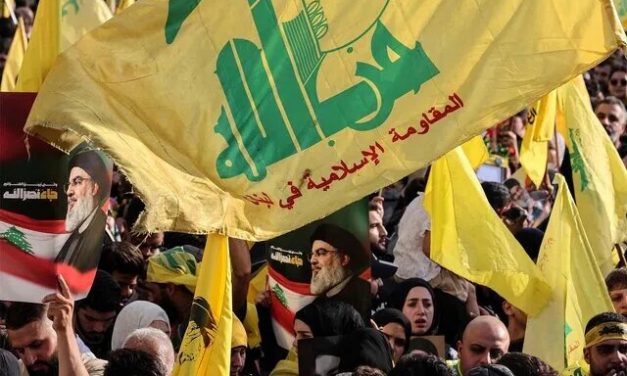
The Inseparability of the Lebanese Front from the Axis of Resistance

SCFR Online–Opinion: By providing an extensive network of social, healthcare, educational, and post-war reconstruction services, Hezbollah has established a strong social base for itself among Lebanon’s Shiites and Sunnis, and even beyond that, among other segments of Lebanese society, including Christians. Hezbollah has never been an external actor imposed upon Lebanon; rather, it is a phenomenon fundamentally born out of the occupation and crimes of the Zionist regime and itself influenced by popular resistance.
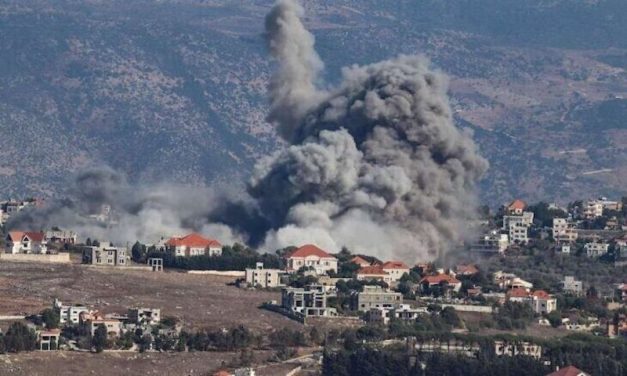
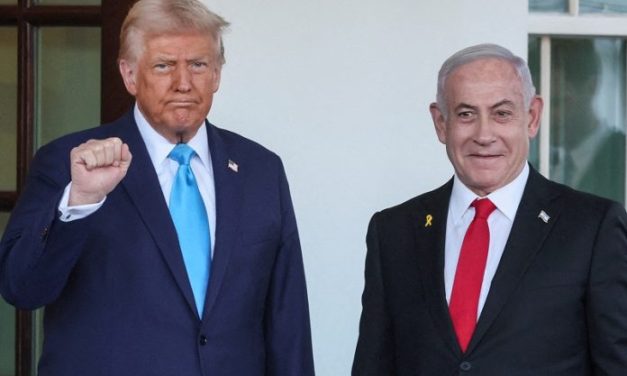
The Increasing Efforts of the Zionist Regime to Redefine Borders and the Regional Order and Its Consequences

SCFR Online– Opinion: Security and military developments in the region over recent months indicate that the ongoing crises and wars in Gaza, southern Lebanon, and parts of Syrian territory encompass broader dimensions of geopolitical and geostrategic transformations. In this context, the increased military presence and control of the Zionist regime over parts of the territories of these areas, along with proposals regarding the creation of buffer zones or even the expansion of security borders, have raised serious questions about the future of the regional order and its consequences for the countries of West Asia.

The Components of Iran’s Deterrence Power

SCFR Online – Opinion: At a time when regional security equations have reached a sensitive stage under the influence of Iran’s strategic confrontation with the United States and the Zionist regime, the question of the nature of Tehran’s defensive power has gained greater significance than ever before. While Washington and Tel Aviv rely on their technological superiority, the Islamic Republic of Iran has presented a model of deterrence that extends beyond the material calculations of the world’s classical militaries. This power, rooted in the connection between “the field” and “the people,” has not only altered the balance of power in recent conflicts but has also disrupted adversaries’ calculations when confronting Iran’s strategic depth.

The Persian Gulf; A Cold Battlefield Between Beijing and Washington

SCFR Online – Opinion: The competition in recent years between the United States and China encompasses various geographical regions—including the Indo-Pacific, West Asia, the Arctic and Antarctic, and Africa—as well as multiple domains such as economics and technology. Within this context, a strategic competition has also emerged in the Persian Gulf region across economic, technological, and military spheres.

Europe’s Enduring Dependence on Persian Gulf Energy

SCFR Online – Opinion: The dominant discourse in the field of European energy security over the past two decades has revolved around diversification of supply sources and the gradual reduction of dependence on fossil fuels. This narrative, which gained particular momentum after the Ukraine gas crisis in 2006 and its intensification in 2014 and 2022, was based on the assumption that Europe could free itself from the geopolitical vulnerabilities arising from dependence on specific suppliers through investment in renewable energy, imports of liquefied natural gas from diversified sources, and the establishment of new infrastructure. However, a closer analysis of energy trade data and the structure of the global oil and gas supply chain presents a different picture. Europe has not only failed to meaningfully reduce its dependence on the Persian Gulf, but in some sectors — particularly in liquefied natural gas imports — this dependence has deepened. This reality, which is often overlooked in public discourse, raises fundamental questions about the sustainability of Europe’s energy security strategies and their impact on regional power equations.

Loading

Fight agasint Terrorism

US Withdrawal from Iraq to Guarantee Regional Peace, Stability

US Withdrawal from Iraq to Guarantee Regional Peace, Stability

Strategic Council Online – An analyst of Iraq affairs, referring to some issues of concern to Tehran and Baghdad raised during the visit of the Iraqi National Security Adviser to Iran, said that withdrawal of the Americans from that country can help improve security situation in Iraq and limit the ISIS. Unfortunately, he said what has overshadowed common security issues between Iran and Iraq is the continued presence of US forces in Iraq.

Dimensions, Messages of Saudi, Pakistan and US air maneuver

Dimensions, Messages of Saudi, Pakistan and US air maneuver

Strategic Council Online – Former Iranian ambassador in Pakistan said that the joint exercise of Saudi Arabia, Pakistan and the United States was a positive message from both sides, despite some resentments, adding: The resentment and despair of the Pakistanis is not so great as to have a profound effect on the building blocks and key components of the strengthening of Saudi-Pakistani relations.

Implications of Extending German Military Mission in Afghanistan

Implications of Extending German Military Mission in Afghanistan

Strategic Council Online – A week after the meeting of NATO defense ministers, the German Federal Government officially decided to extend the military mission of the army in Afghanistan. Germany’s decision to stay in Afghanistan came a week after NATO said it had not yet made “any final decision” on the future of its mission in Afghanistan.
Mahmoud Fazeli – International Affairs Analyst

The difference between Iran and US approach towards hegemony concept

The difference between Iran and US approach towards hegemony concept

Strategic Council Online-Editorial: The Islamic Republic of Iran has tried to challenge imperialistic and hegemonic policies through establishing regional links in order to put an end to the hegemony of the US and other imperial powers in the West Asia region.
Jafar Qannadbashi-expert of Middle East issues

Why Is Europe Oppose to Release of Taliban Prisoners

Why Is Europe Oppose to Release of Taliban Prisoners

Strategic Council Online – Europeans say that if the release of Taliban prisoners by the Afghan and US governments is to be a sign of confidence in the start of intra-Afghan negotiations, the Taliban must take further confidence-building steps. Therefore, from the European point of view, the release of 5,000 Taliban forces, even without a positive outlook for a peace agreement, is tactically very dangerous.
Nozar Shafiee – Expert and Researcher on Subcontinent Issues

Prospects of US-Iraq Strategic Dialogue; US Deceptions

Prospects of US-Iraq Strategic Dialogue; US Deceptions

Strategic Council Online – In the negotiations between the United States and Iraq in recent weeks, a reduction of American forces in Iraq has been emphasized and it has been decided that the withdrawal of these forces will take place in the coming months; but because the term “reduction of forces” has been used, this can be interpretive.
Siamak Kakai – Iraqi Affairs Expert

US Senate’s Goal behind Reducing Trump’s War Powers on Iran

US Senate’s Goal behind Reducing Trump’s War Powers on Iran

Strategic Council Online: US lawmakers and Senators pursue two key goals behind adopting the Trump War Powers Act: First, to reinstate the decisive role of the Congress in the decision-making process on war, and the second to prevent Trump’s adventurous actions against Iran.
Amir Ali Abolfatah – American Affairs Expert

France’s Failure to Lead Europe with Cold War Era Thinking of Security

France’s Failure to Lead Europe with Cold War Era Thinking of Security

Strategic Council Online: An expert on geopolitics has said France has failed to adopt appropriate policies on counterterrorism, saying that while Europe’s top concern has been terrorist acts over less than a decade, Mr Macron thinks we are still in the Cold War era and gives the first priority to developing nuclear weapons and to boast them against Russia.

Implications of Russia-Syria-Turkey Intelligence Summit

Implications of Russia-Syria-Turkey Intelligence Summit

Strategic Council Online: An Asian affairs expert has described a security conference between heads of Turkish and Syrian intelligence agencies in Russia after long years an important and eye-catching development. “Considering its field victories Syria seems to have sent a strong message to the Turkish authorities about complete withdrawal from Syrian lands and the decision to fight terrorism and return all occupied Syrian lands.

أحدث الوظائف

The Inseparability of the Lebanese Front from the Axis of Resistance

SCFR Online–Opinion: By providing an extensive network of social, healthcare, educational, and post-war reconstruction services, Hezbollah has established a strong social base for itself among Lebanon’s Shiites and Sunnis, and even beyond that, among other segments of Lebanese society, including Christians. Hezbollah has never been an external actor imposed upon Lebanon; rather, it is a phenomenon fundamentally born out of the occupation and crimes of the Zionist regime and itself influenced by popular resistance.
The Increasing Efforts of the Zionist Regime to Redefine Borders and the Regional Order and Its Consequences

SCFR Online– Opinion: Security and military developments in the region over recent months indicate that the ongoing crises and wars in Gaza, southern Lebanon, and parts of Syrian territory encompass broader dimensions of geopolitical and geostrategic transformations. In this context, the increased military presence and control of the Zionist regime over parts of the territories of these areas, along with proposals regarding the creation of buffer zones or even the expansion of security borders, have raised serious questions about the future of the regional order and its consequences for the countries of West Asia.

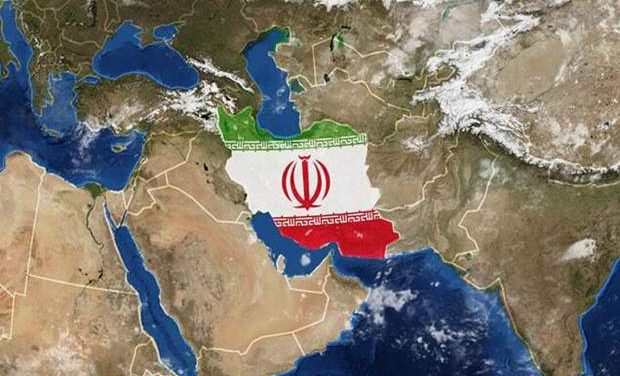
The Components of Iran’s Deterrence Power

SCFR Online – Opinion: At a time when regional security equations have reached a sensitive stage under the influence of Iran’s strategic confrontation with the United States and the Zionist regime, the question of the nature of Tehran’s defensive power has gained greater significance than ever before. While Washington and Tel Aviv rely on their technological superiority, the Islamic Republic of Iran has presented a model of deterrence that extends beyond the material calculations of the world’s classical militaries. This power, rooted in the connection between “the field” and “the people,” has not only altered the balance of power in recent conflicts but has also disrupted adversaries’ calculations when confronting Iran’s strategic depth.

The Persian Gulf; A Cold Battlefield Between Beijing and Washington

SCFR Online – Opinion: The competition in recent years between the United States and China encompasses various geographical regions—including the Indo-Pacific, West Asia, the Arctic and Antarctic, and Africa—as well as multiple domains such as economics and technology. Within this context, a strategic competition has also emerged in the Persian Gulf region across economic, technological, and military spheres.

Europe’s Enduring Dependence on Persian Gulf Energy

SCFR Online – Opinion: The dominant discourse in the field of European energy security over the past two decades has revolved around diversification of supply sources and the gradual reduction of dependence on fossil fuels. This narrative, which gained particular momentum after the Ukraine gas crisis in 2006 and its intensification in 2014 and 2022, was based on the assumption that Europe could free itself from the geopolitical vulnerabilities arising from dependence on specific suppliers through investment in renewable energy, imports of liquefied natural gas from diversified sources, and the establishment of new infrastructure. However, a closer analysis of energy trade data and the structure of the global oil and gas supply chain presents a different picture. Europe has not only failed to meaningfully reduce its dependence on the Persian Gulf, but in some sectors — particularly in liquefied natural gas imports — this dependence has deepened. This reality, which is often overlooked in public discourse, raises fundamental questions about the sustainability of Europe’s energy security strategies and their impact on regional power equations.

Loading

Fight agasint Terrorism

US Withdrawal from Iraq to Guarantee Regional Peace, Stability

US Withdrawal from Iraq to Guarantee Regional Peace, Stability

Strategic Council Online – An analyst of Iraq affairs, referring to some issues of concern to Tehran and Baghdad raised during the visit of the Iraqi National Security Adviser to Iran, said that withdrawal of the Americans from that country can help improve security situation in Iraq and limit the ISIS. Unfortunately, he said what has overshadowed common security issues between Iran and Iraq is the continued presence of US forces in Iraq.

Dimensions, Messages of Saudi, Pakistan and US air maneuver

Dimensions, Messages of Saudi, Pakistan and US air maneuver

Strategic Council Online – Former Iranian ambassador in Pakistan said that the joint exercise of Saudi Arabia, Pakistan and the United States was a positive message from both sides, despite some resentments, adding: The resentment and despair of the Pakistanis is not so great as to have a profound effect on the building blocks and key components of the strengthening of Saudi-Pakistani relations.

Implications of Extending German Military Mission in Afghanistan

Implications of Extending German Military Mission in Afghanistan

Strategic Council Online – A week after the meeting of NATO defense ministers, the German Federal Government officially decided to extend the military mission of the army in Afghanistan. Germany’s decision to stay in Afghanistan came a week after NATO said it had not yet made “any final decision” on the future of its mission in Afghanistan.
Mahmoud Fazeli – International Affairs Analyst

The difference between Iran and US approach towards hegemony concept

The difference between Iran and US approach towards hegemony concept

Strategic Council Online-Editorial: The Islamic Republic of Iran has tried to challenge imperialistic and hegemonic policies through establishing regional links in order to put an end to the hegemony of the US and other imperial powers in the West Asia region.
Jafar Qannadbashi-expert of Middle East issues

Why Is Europe Oppose to Release of Taliban Prisoners

Why Is Europe Oppose to Release of Taliban Prisoners

Strategic Council Online – Europeans say that if the release of Taliban prisoners by the Afghan and US governments is to be a sign of confidence in the start of intra-Afghan negotiations, the Taliban must take further confidence-building steps. Therefore, from the European point of view, the release of 5,000 Taliban forces, even without a positive outlook for a peace agreement, is tactically very dangerous.
Nozar Shafiee – Expert and Researcher on Subcontinent Issues

Prospects of US-Iraq Strategic Dialogue; US Deceptions

Prospects of US-Iraq Strategic Dialogue; US Deceptions

Strategic Council Online – In the negotiations between the United States and Iraq in recent weeks, a reduction of American forces in Iraq has been emphasized and it has been decided that the withdrawal of these forces will take place in the coming months; but because the term “reduction of forces” has been used, this can be interpretive.
Siamak Kakai – Iraqi Affairs Expert

US Senate’s Goal behind Reducing Trump’s War Powers on Iran

US Senate’s Goal behind Reducing Trump’s War Powers on Iran

Strategic Council Online: US lawmakers and Senators pursue two key goals behind adopting the Trump War Powers Act: First, to reinstate the decisive role of the Congress in the decision-making process on war, and the second to prevent Trump’s adventurous actions against Iran.
Amir Ali Abolfatah – American Affairs Expert

France’s Failure to Lead Europe with Cold War Era Thinking of Security

France’s Failure to Lead Europe with Cold War Era Thinking of Security

Strategic Council Online: An expert on geopolitics has said France has failed to adopt appropriate policies on counterterrorism, saying that while Europe’s top concern has been terrorist acts over less than a decade, Mr Macron thinks we are still in the Cold War era and gives the first priority to developing nuclear weapons and to boast them against Russia.

Implications of Russia-Syria-Turkey Intelligence Summit

Implications of Russia-Syria-Turkey Intelligence Summit

Strategic Council Online: An Asian affairs expert has described a security conference between heads of Turkish and Syrian intelligence agencies in Russia after long years an important and eye-catching development. “Considering its field victories Syria seems to have sent a strong message to the Turkish authorities about complete withdrawal from Syrian lands and the decision to fight terrorism and return all occupied Syrian lands.

Fight agasint Terrorism

US Withdrawal from Iraq to Guarantee Regional Peace, Stability

US Withdrawal from Iraq to Guarantee Regional Peace, Stability

Strategic Council Online – An analyst of Iraq affairs, referring to some issues of concern to Tehran and Baghdad raised during the visit of the Iraqi National Security Adviser to Iran, said that withdrawal of the Americans from that country can help improve security situation in Iraq and limit the ISIS. Unfortunately, he said what has overshadowed common security issues between Iran and Iraq is the continued presence of US forces in Iraq.

Dimensions, Messages of Saudi, Pakistan and US air maneuver

Dimensions, Messages of Saudi, Pakistan and US air maneuver

Strategic Council Online – Former Iranian ambassador in Pakistan said that the joint exercise of Saudi Arabia, Pakistan and the United States was a positive message from both sides, despite some resentments, adding: The resentment and despair of the Pakistanis is not so great as to have a profound effect on the building blocks and key components of the strengthening of Saudi-Pakistani relations.

Implications of Extending German Military Mission in Afghanistan

Implications of Extending German Military Mission in Afghanistan

Strategic Council Online – A week after the meeting of NATO defense ministers, the German Federal Government officially decided to extend the military mission of the army in Afghanistan. Germany’s decision to stay in Afghanistan came a week after NATO said it had not yet made “any final decision” on the future of its mission in Afghanistan.
Mahmoud Fazeli – International Affairs Analyst

The difference between Iran and US approach towards hegemony concept

The difference between Iran and US approach towards hegemony concept

Strategic Council Online-Editorial: The Islamic Republic of Iran has tried to challenge imperialistic and hegemonic policies through establishing regional links in order to put an end to the hegemony of the US and other imperial powers in the West Asia region.
Jafar Qannadbashi-expert of Middle East issues

Why Is Europe Oppose to Release of Taliban Prisoners

Why Is Europe Oppose to Release of Taliban Prisoners

Strategic Council Online – Europeans say that if the release of Taliban prisoners by the Afghan and US governments is to be a sign of confidence in the start of intra-Afghan negotiations, the Taliban must take further confidence-building steps. Therefore, from the European point of view, the release of 5,000 Taliban forces, even without a positive outlook for a peace agreement, is tactically very dangerous.
Nozar Shafiee – Expert and Researcher on Subcontinent Issues

Prospects of US-Iraq Strategic Dialogue; US Deceptions

Prospects of US-Iraq Strategic Dialogue; US Deceptions

Strategic Council Online – In the negotiations between the United States and Iraq in recent weeks, a reduction of American forces in Iraq has been emphasized and it has been decided that the withdrawal of these forces will take place in the coming months; but because the term “reduction of forces” has been used, this can be interpretive.
Siamak Kakai – Iraqi Affairs Expert

US Senate’s Goal behind Reducing Trump’s War Powers on Iran

US Senate’s Goal behind Reducing Trump’s War Powers on Iran

Strategic Council Online: US lawmakers and Senators pursue two key goals behind adopting the Trump War Powers Act: First, to reinstate the decisive role of the Congress in the decision-making process on war, and the second to prevent Trump’s adventurous actions against Iran.
Amir Ali Abolfatah – American Affairs Expert

France’s Failure to Lead Europe with Cold War Era Thinking of Security

France’s Failure to Lead Europe with Cold War Era Thinking of Security

Strategic Council Online: An expert on geopolitics has said France has failed to adopt appropriate policies on counterterrorism, saying that while Europe’s top concern has been terrorist acts over less than a decade, Mr Macron thinks we are still in the Cold War era and gives the first priority to developing nuclear weapons and to boast them against Russia.

Implications of Russia-Syria-Turkey Intelligence Summit

Implications of Russia-Syria-Turkey Intelligence Summit

Strategic Council Online: An Asian affairs expert has described a security conference between heads of Turkish and Syrian intelligence agencies in Russia after long years an important and eye-catching development. “Considering its field victories Syria seems to have sent a strong message to the Turkish authorities about complete withdrawal from Syrian lands and the decision to fight terrorism and return all occupied Syrian lands.

LATEST CONTENT

The Inseparability of the Lebanese Front from the Axis of Resistance

SCFR Online–Opinion: By providing an extensive network of social, healthcare, educational, and post-war reconstruction services, Hezbollah has established a strong social base for itself among Lebanon’s Shiites and Sunnis, and even beyond that, among other segments of Lebanese society, including Christians. Hezbollah has never been an external actor imposed upon Lebanon; rather, it is a phenomenon fundamentally born out of the occupation and crimes of the Zionist regime and itself influenced by popular resistance.
The Increasing Efforts of the Zionist Regime to Redefine Borders and the Regional Order and Its Consequences

SCFR Online– Opinion: Security and military developments in the region over recent months indicate that the ongoing crises and wars in Gaza, southern Lebanon, and parts of Syrian territory encompass broader dimensions of geopolitical and geostrategic transformations. In this context, the increased military presence and control of the Zionist regime over parts of the territories of these areas, along with proposals regarding the creation of buffer zones or even the expansion of security borders, have raised serious questions about the future of the regional order and its consequences for the countries of West Asia.

The Components of Iran’s Deterrence Power

SCFR Online – Opinion: At a time when regional security equations have reached a sensitive stage under the influence of Iran’s strategic confrontation with the United States and the Zionist regime, the question of the nature of Tehran’s defensive power has gained greater significance than ever before. While Washington and Tel Aviv rely on their technological superiority, the Islamic Republic of Iran has presented a model of deterrence that extends beyond the material calculations of the world’s classical militaries. This power, rooted in the connection between “the field” and “the people,” has not only altered the balance of power in recent conflicts but has also disrupted adversaries’ calculations when confronting Iran’s strategic depth.

The Persian Gulf; A Cold Battlefield Between Beijing and Washington

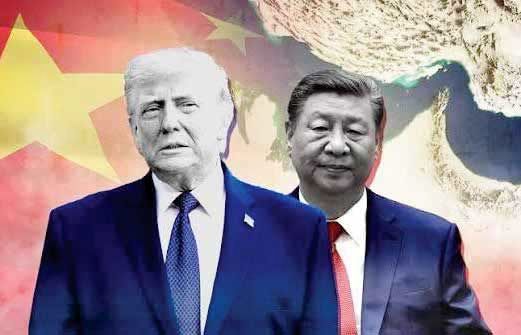
SCFR Online – Opinion: The competition in recent years between the United States and China encompasses various geographical regions—including the Indo-Pacific, West Asia, the Arctic and Antarctic, and Africa—as well as multiple domains such as economics and technology. Within this context, a strategic competition has also emerged in the Persian Gulf region across economic, technological, and military spheres.

Europe’s Enduring Dependence on Persian Gulf Energy

SCFR Online – Opinion: The dominant discourse in the field of European energy security over the past two decades has revolved around diversification of supply sources and the gradual reduction of dependence on fossil fuels. This narrative, which gained particular momentum after the Ukraine gas crisis in 2006 and its intensification in 2014 and 2022, was based on the assumption that Europe could free itself from the geopolitical vulnerabilities arising from dependence on specific suppliers through investment in renewable energy, imports of liquefied natural gas from diversified sources, and the establishment of new infrastructure. However, a closer analysis of energy trade data and the structure of the global oil and gas supply chain presents a different picture. Europe has not only failed to meaningfully reduce its dependence on the Persian Gulf, but in some sectors — particularly in liquefied natural gas imports — this dependence has deepened. This reality, which is often overlooked in public discourse, raises fundamental questions about the sustainability of Europe’s energy security strategies and their impact on regional power equations.

Loading

Fight agasint Terrorism

US Withdrawal from Iraq to Guarantee Regional Peace, Stability

US Withdrawal from Iraq to Guarantee Regional Peace, Stability

Strategic Council Online – An analyst of Iraq affairs, referring to some issues of concern to Tehran and Baghdad raised during the visit of the Iraqi National Security Adviser to Iran, said that withdrawal of the Americans from that country can help improve security situation in Iraq and limit the ISIS. Unfortunately, he said what has overshadowed common security issues between Iran and Iraq is the continued presence of US forces in Iraq.

Dimensions, Messages of Saudi, Pakistan and US air maneuver

Dimensions, Messages of Saudi, Pakistan and US air maneuver

Strategic Council Online – Former Iranian ambassador in Pakistan said that the joint exercise of Saudi Arabia, Pakistan and the United States was a positive message from both sides, despite some resentments, adding: The resentment and despair of the Pakistanis is not so great as to have a profound effect on the building blocks and key components of the strengthening of Saudi-Pakistani relations.

Implications of Extending German Military Mission in Afghanistan

Implications of Extending German Military Mission in Afghanistan

Strategic Council Online – A week after the meeting of NATO defense ministers, the German Federal Government officially decided to extend the military mission of the army in Afghanistan. Germany’s decision to stay in Afghanistan came a week after NATO said it had not yet made “any final decision” on the future of its mission in Afghanistan.
Mahmoud Fazeli – International Affairs Analyst

The difference between Iran and US approach towards hegemony concept

The difference between Iran and US approach towards hegemony concept

Strategic Council Online-Editorial: The Islamic Republic of Iran has tried to challenge imperialistic and hegemonic policies through establishing regional links in order to put an end to the hegemony of the US and other imperial powers in the West Asia region.
Jafar Qannadbashi-expert of Middle East issues

Why Is Europe Oppose to Release of Taliban Prisoners

Why Is Europe Oppose to Release of Taliban Prisoners

Strategic Council Online – Europeans say that if the release of Taliban prisoners by the Afghan and US governments is to be a sign of confidence in the start of intra-Afghan negotiations, the Taliban must take further confidence-building steps. Therefore, from the European point of view, the release of 5,000 Taliban forces, even without a positive outlook for a peace agreement, is tactically very dangerous.
Nozar Shafiee – Expert and Researcher on Subcontinent Issues

Prospects of US-Iraq Strategic Dialogue; US Deceptions

Prospects of US-Iraq Strategic Dialogue; US Deceptions

Strategic Council Online – In the negotiations between the United States and Iraq in recent weeks, a reduction of American forces in Iraq has been emphasized and it has been decided that the withdrawal of these forces will take place in the coming months; but because the term “reduction of forces” has been used, this can be interpretive.
Siamak Kakai – Iraqi Affairs Expert

US Senate’s Goal behind Reducing Trump’s War Powers on Iran

US Senate’s Goal behind Reducing Trump’s War Powers on Iran

Strategic Council Online: US lawmakers and Senators pursue two key goals behind adopting the Trump War Powers Act: First, to reinstate the decisive role of the Congress in the decision-making process on war, and the second to prevent Trump’s adventurous actions against Iran.
Amir Ali Abolfatah – American Affairs Expert

France’s Failure to Lead Europe with Cold War Era Thinking of Security

France’s Failure to Lead Europe with Cold War Era Thinking of Security

Strategic Council Online: An expert on geopolitics has said France has failed to adopt appropriate policies on counterterrorism, saying that while Europe’s top concern has been terrorist acts over less than a decade, Mr Macron thinks we are still in the Cold War era and gives the first priority to developing nuclear weapons and to boast them against Russia.

Implications of Russia-Syria-Turkey Intelligence Summit

Implications of Russia-Syria-Turkey Intelligence Summit

Strategic Council Online: An Asian affairs expert has described a security conference between heads of Turkish and Syrian intelligence agencies in Russia after long years an important and eye-catching development. “Considering its field victories Syria seems to have sent a strong message to the Turkish authorities about complete withdrawal from Syrian lands and the decision to fight terrorism and return all occupied Syrian lands.

ÚLTIMAS PUBLICACIONES

The Inseparability of the Lebanese Front from the Axis of Resistance

SCFR Online–Opinion: By providing an extensive network of social, healthcare, educational, and post-war reconstruction services, Hezbollah has established a strong social base for itself among Lebanon’s Shiites and Sunnis, and even beyond that, among other segments of Lebanese society, including Christians. Hezbollah has never been an external actor imposed upon Lebanon; rather, it is a phenomenon fundamentally born out of the occupation and crimes of the Zionist regime and itself influenced by popular resistance.
The Increasing Efforts of the Zionist Regime to Redefine Borders and the Regional Order and Its Consequences

SCFR Online– Opinion: Security and military developments in the region over recent months indicate that the ongoing crises and wars in Gaza, southern Lebanon, and parts of Syrian territory encompass broader dimensions of geopolitical and geostrategic transformations. In this context, the increased military presence and control of the Zionist regime over parts of the territories of these areas, along with proposals regarding the creation of buffer zones or even the expansion of security borders, have raised serious questions about the future of the regional order and its consequences for the countries of West Asia.

The Components of Iran’s Deterrence Power

SCFR Online – Opinion: At a time when regional security equations have reached a sensitive stage under the influence of Iran’s strategic confrontation with the United States and the Zionist regime, the question of the nature of Tehran’s defensive power has gained greater significance than ever before. While Washington and Tel Aviv rely on their technological superiority, the Islamic Republic of Iran has presented a model of deterrence that extends beyond the material calculations of the world’s classical militaries. This power, rooted in the connection between “the field” and “the people,” has not only altered the balance of power in recent conflicts but has also disrupted adversaries’ calculations when confronting Iran’s strategic depth.

The Persian Gulf; A Cold Battlefield Between Beijing and Washington

SCFR Online – Opinion: The competition in recent years between the United States and China encompasses various geographical regions—including the Indo-Pacific, West Asia, the Arctic and Antarctic, and Africa—as well as multiple domains such as economics and technology. Within this context, a strategic competition has also emerged in the Persian Gulf region across economic, technological, and military spheres.

Europe’s Enduring Dependence on Persian Gulf Energy

SCFR Online – Opinion: The dominant discourse in the field of European energy security over the past two decades has revolved around diversification of supply sources and the gradual reduction of dependence on fossil fuels. This narrative, which gained particular momentum after the Ukraine gas crisis in 2006 and its intensification in 2014 and 2022, was based on the assumption that Europe could free itself from the geopolitical vulnerabilities arising from dependence on specific suppliers through investment in renewable energy, imports of liquefied natural gas from diversified sources, and the establishment of new infrastructure. However, a closer analysis of energy trade data and the structure of the global oil and gas supply chain presents a different picture. Europe has not only failed to meaningfully reduce its dependence on the Persian Gulf, but in some sectors — particularly in liquefied natural gas imports — this dependence has deepened. This reality, which is often overlooked in public discourse, raises fundamental questions about the sustainability of Europe’s energy security strategies and their impact on regional power equations.

Loading

Fight agasint Terrorism

US Withdrawal from Iraq to Guarantee Regional Peace, Stability

US Withdrawal from Iraq to Guarantee Regional Peace, Stability

Strategic Council Online – An analyst of Iraq affairs, referring to some issues of concern to Tehran and Baghdad raised during the visit of the Iraqi National Security Adviser to Iran, said that withdrawal of the Americans from that country can help improve security situation in Iraq and limit the ISIS. Unfortunately, he said what has overshadowed common security issues between Iran and Iraq is the continued presence of US forces in Iraq.

Dimensions, Messages of Saudi, Pakistan and US air maneuver

Dimensions, Messages of Saudi, Pakistan and US air maneuver

Strategic Council Online – Former Iranian ambassador in Pakistan said that the joint exercise of Saudi Arabia, Pakistan and the United States was a positive message from both sides, despite some resentments, adding: The resentment and despair of the Pakistanis is not so great as to have a profound effect on the building blocks and key components of the strengthening of Saudi-Pakistani relations.

Implications of Extending German Military Mission in Afghanistan

Implications of Extending German Military Mission in Afghanistan

Strategic Council Online – A week after the meeting of NATO defense ministers, the German Federal Government officially decided to extend the military mission of the army in Afghanistan. Germany’s decision to stay in Afghanistan came a week after NATO said it had not yet made “any final decision” on the future of its mission in Afghanistan.
Mahmoud Fazeli – International Affairs Analyst

The difference between Iran and US approach towards hegemony concept

The difference between Iran and US approach towards hegemony concept

Strategic Council Online-Editorial: The Islamic Republic of Iran has tried to challenge imperialistic and hegemonic policies through establishing regional links in order to put an end to the hegemony of the US and other imperial powers in the West Asia region.
Jafar Qannadbashi-expert of Middle East issues

Why Is Europe Oppose to Release of Taliban Prisoners

Why Is Europe Oppose to Release of Taliban Prisoners

Strategic Council Online – Europeans say that if the release of Taliban prisoners by the Afghan and US governments is to be a sign of confidence in the start of intra-Afghan negotiations, the Taliban must take further confidence-building steps. Therefore, from the European point of view, the release of 5,000 Taliban forces, even without a positive outlook for a peace agreement, is tactically very dangerous.
Nozar Shafiee – Expert and Researcher on Subcontinent Issues

Prospects of US-Iraq Strategic Dialogue; US Deceptions

Prospects of US-Iraq Strategic Dialogue; US Deceptions

Strategic Council Online – In the negotiations between the United States and Iraq in recent weeks, a reduction of American forces in Iraq has been emphasized and it has been decided that the withdrawal of these forces will take place in the coming months; but because the term “reduction of forces” has been used, this can be interpretive.
Siamak Kakai – Iraqi Affairs Expert

US Senate’s Goal behind Reducing Trump’s War Powers on Iran

US Senate’s Goal behind Reducing Trump’s War Powers on Iran

Strategic Council Online: US lawmakers and Senators pursue two key goals behind adopting the Trump War Powers Act: First, to reinstate the decisive role of the Congress in the decision-making process on war, and the second to prevent Trump’s adventurous actions against Iran.
Amir Ali Abolfatah – American Affairs Expert

France’s Failure to Lead Europe with Cold War Era Thinking of Security

France’s Failure to Lead Europe with Cold War Era Thinking of Security

Strategic Council Online: An expert on geopolitics has said France has failed to adopt appropriate policies on counterterrorism, saying that while Europe’s top concern has been terrorist acts over less than a decade, Mr Macron thinks we are still in the Cold War era and gives the first priority to developing nuclear weapons and to boast them against Russia.

Implications of Russia-Syria-Turkey Intelligence Summit

Implications of Russia-Syria-Turkey Intelligence Summit

Strategic Council Online: An Asian affairs expert has described a security conference between heads of Turkish and Syrian intelligence agencies in Russia after long years an important and eye-catching development. “Considering its field victories Syria seems to have sent a strong message to the Turkish authorities about complete withdrawal from Syrian lands and the decision to fight terrorism and return all occupied Syrian lands.

ÚLTIMAS PUBLICACIONES

The Inseparability of the Lebanese Front from the Axis of Resistance

SCFR Online–Opinion: By providing an extensive network of social, healthcare, educational, and post-war reconstruction services, Hezbollah has established a strong social base for itself among Lebanon’s Shiites and Sunnis, and even beyond that, among other segments of Lebanese society, including Christians. Hezbollah has never been an external actor imposed upon Lebanon; rather, it is a phenomenon fundamentally born out of the occupation and crimes of the Zionist regime and itself influenced by popular resistance.
The Increasing Efforts of the Zionist Regime to Redefine Borders and the Regional Order and Its Consequences

SCFR Online– Opinion: Security and military developments in the region over recent months indicate that the ongoing crises and wars in Gaza, southern Lebanon, and parts of Syrian territory encompass broader dimensions of geopolitical and geostrategic transformations. In this context, the increased military presence and control of the Zionist regime over parts of the territories of these areas, along with proposals regarding the creation of buffer zones or even the expansion of security borders, have raised serious questions about the future of the regional order and its consequences for the countries of West Asia.

The Components of Iran’s Deterrence Power

SCFR Online – Opinion: At a time when regional security equations have reached a sensitive stage under the influence of Iran’s strategic confrontation with the United States and the Zionist regime, the question of the nature of Tehran’s defensive power has gained greater significance than ever before. While Washington and Tel Aviv rely on their technological superiority, the Islamic Republic of Iran has presented a model of deterrence that extends beyond the material calculations of the world’s classical militaries. This power, rooted in the connection between “the field” and “the people,” has not only altered the balance of power in recent conflicts but has also disrupted adversaries’ calculations when confronting Iran’s strategic depth.

The Persian Gulf; A Cold Battlefield Between Beijing and Washington

SCFR Online – Opinion: The competition in recent years between the United States and China encompasses various geographical regions—including the Indo-Pacific, West Asia, the Arctic and Antarctic, and Africa—as well as multiple domains such as economics and technology. Within this context, a strategic competition has also emerged in the Persian Gulf region across economic, technological, and military spheres.

Europe’s Enduring Dependence on Persian Gulf Energy

SCFR Online – Opinion: The dominant discourse in the field of European energy security over the past two decades has revolved around diversification of supply sources and the gradual reduction of dependence on fossil fuels. This narrative, which gained particular momentum after the Ukraine gas crisis in 2006 and its intensification in 2014 and 2022, was based on the assumption that Europe could free itself from the geopolitical vulnerabilities arising from dependence on specific suppliers through investment in renewable energy, imports of liquefied natural gas from diversified sources, and the establishment of new infrastructure. However, a closer analysis of energy trade data and the structure of the global oil and gas supply chain presents a different picture. Europe has not only failed to meaningfully reduce its dependence on the Persian Gulf, but in some sectors — particularly in liquefied natural gas imports — this dependence has deepened. This reality, which is often overlooked in public discourse, raises fundamental questions about the sustainability of Europe’s energy security strategies and their impact on regional power equations.

Loading

Fight agasint Terrorism

US Withdrawal from Iraq to Guarantee Regional Peace, Stability

US Withdrawal from Iraq to Guarantee Regional Peace, Stability

Strategic Council Online – An analyst of Iraq affairs, referring to some issues of concern to Tehran and Baghdad raised during the visit of the Iraqi National Security Adviser to Iran, said that withdrawal of the Americans from that country can help improve security situation in Iraq and limit the ISIS. Unfortunately, he said what has overshadowed common security issues between Iran and Iraq is the continued presence of US forces in Iraq.

Dimensions, Messages of Saudi, Pakistan and US air maneuver

Dimensions, Messages of Saudi, Pakistan and US air maneuver

Strategic Council Online – Former Iranian ambassador in Pakistan said that the joint exercise of Saudi Arabia, Pakistan and the United States was a positive message from both sides, despite some resentments, adding: The resentment and despair of the Pakistanis is not so great as to have a profound effect on the building blocks and key components of the strengthening of Saudi-Pakistani relations.

Implications of Extending German Military Mission in Afghanistan

Implications of Extending German Military Mission in Afghanistan

Strategic Council Online – A week after the meeting of NATO defense ministers, the German Federal Government officially decided to extend the military mission of the army in Afghanistan. Germany’s decision to stay in Afghanistan came a week after NATO said it had not yet made “any final decision” on the future of its mission in Afghanistan.
Mahmoud Fazeli – International Affairs Analyst

The difference between Iran and US approach towards hegemony concept

The difference between Iran and US approach towards hegemony concept

Strategic Council Online-Editorial: The Islamic Republic of Iran has tried to challenge imperialistic and hegemonic policies through establishing regional links in order to put an end to the hegemony of the US and other imperial powers in the West Asia region.
Jafar Qannadbashi-expert of Middle East issues

Why Is Europe Oppose to Release of Taliban Prisoners

Why Is Europe Oppose to Release of Taliban Prisoners

Strategic Council Online – Europeans say that if the release of Taliban prisoners by the Afghan and US governments is to be a sign of confidence in the start of intra-Afghan negotiations, the Taliban must take further confidence-building steps. Therefore, from the European point of view, the release of 5,000 Taliban forces, even without a positive outlook for a peace agreement, is tactically very dangerous.
Nozar Shafiee – Expert and Researcher on Subcontinent Issues

Prospects of US-Iraq Strategic Dialogue; US Deceptions

Prospects of US-Iraq Strategic Dialogue; US Deceptions

Strategic Council Online – In the negotiations between the United States and Iraq in recent weeks, a reduction of American forces in Iraq has been emphasized and it has been decided that the withdrawal of these forces will take place in the coming months; but because the term “reduction of forces” has been used, this can be interpretive.
Siamak Kakai – Iraqi Affairs Expert

US Senate’s Goal behind Reducing Trump’s War Powers on Iran

US Senate’s Goal behind Reducing Trump’s War Powers on Iran

Strategic Council Online: US lawmakers and Senators pursue two key goals behind adopting the Trump War Powers Act: First, to reinstate the decisive role of the Congress in the decision-making process on war, and the second to prevent Trump’s adventurous actions against Iran.
Amir Ali Abolfatah – American Affairs Expert

France’s Failure to Lead Europe with Cold War Era Thinking of Security

France’s Failure to Lead Europe with Cold War Era Thinking of Security

Strategic Council Online: An expert on geopolitics has said France has failed to adopt appropriate policies on counterterrorism, saying that while Europe’s top concern has been terrorist acts over less than a decade, Mr Macron thinks we are still in the Cold War era and gives the first priority to developing nuclear weapons and to boast them against Russia.

Implications of Russia-Syria-Turkey Intelligence Summit

Implications of Russia-Syria-Turkey Intelligence Summit

Strategic Council Online: An Asian affairs expert has described a security conference between heads of Turkish and Syrian intelligence agencies in Russia after long years an important and eye-catching development. “Considering its field victories Syria seems to have sent a strong message to the Turkish authorities about complete withdrawal from Syrian lands and the decision to fight terrorism and return all occupied Syrian lands.

ÚLTIMAS PUBLICACIONES

The Inseparability of the Lebanese Front from the Axis of Resistance

SCFR Online–Opinion: By providing an extensive network of social, healthcare, educational, and post-war reconstruction services, Hezbollah has established a strong social base for itself among Lebanon’s Shiites and Sunnis, and even beyond that, among other segments of Lebanese society, including Christians. Hezbollah has never been an external actor imposed upon Lebanon; rather, it is a phenomenon fundamentally born out of the occupation and crimes of the Zionist regime and itself influenced by popular resistance.
The Increasing Efforts of the Zionist Regime to Redefine Borders and the Regional Order and Its Consequences

SCFR Online– Opinion: Security and military developments in the region over recent months indicate that the ongoing crises and wars in Gaza, southern Lebanon, and parts of Syrian territory encompass broader dimensions of geopolitical and geostrategic transformations. In this context, the increased military presence and control of the Zionist regime over parts of the territories of these areas, along with proposals regarding the creation of buffer zones or even the expansion of security borders, have raised serious questions about the future of the regional order and its consequences for the countries of West Asia.

The Components of Iran’s Deterrence Power

SCFR Online – Opinion: At a time when regional security equations have reached a sensitive stage under the influence of Iran’s strategic confrontation with the United States and the Zionist regime, the question of the nature of Tehran’s defensive power has gained greater significance than ever before. While Washington and Tel Aviv rely on their technological superiority, the Islamic Republic of Iran has presented a model of deterrence that extends beyond the material calculations of the world’s classical militaries. This power, rooted in the connection between “the field” and “the people,” has not only altered the balance of power in recent conflicts but has also disrupted adversaries’ calculations when confronting Iran’s strategic depth.

The Persian Gulf; A Cold Battlefield Between Beijing and Washington

SCFR Online – Opinion: The competition in recent years between the United States and China encompasses various geographical regions—including the Indo-Pacific, West Asia, the Arctic and Antarctic, and Africa—as well as multiple domains such as economics and technology. Within this context, a strategic competition has also emerged in the Persian Gulf region across economic, technological, and military spheres.

Europe’s Enduring Dependence on Persian Gulf Energy

SCFR Online – Opinion: The dominant discourse in the field of European energy security over the past two decades has revolved around diversification of supply sources and the gradual reduction of dependence on fossil fuels. This narrative, which gained particular momentum after the Ukraine gas crisis in 2006 and its intensification in 2014 and 2022, was based on the assumption that Europe could free itself from the geopolitical vulnerabilities arising from dependence on specific suppliers through investment in renewable energy, imports of liquefied natural gas from diversified sources, and the establishment of new infrastructure. However, a closer analysis of energy trade data and the structure of the global oil and gas supply chain presents a different picture. Europe has not only failed to meaningfully reduce its dependence on the Persian Gulf, but in some sectors — particularly in liquefied natural gas imports — this dependence has deepened. This reality, which is often overlooked in public discourse, raises fundamental questions about the sustainability of Europe’s energy security strategies and their impact on regional power equations.

Loading

Fight agasint Terrorism

US Withdrawal from Iraq to Guarantee Regional Peace, Stability

US Withdrawal from Iraq to Guarantee Regional Peace, Stability

Strategic Council Online – An analyst of Iraq affairs, referring to some issues of concern to Tehran and Baghdad raised during the visit of the Iraqi National Security Adviser to Iran, said that withdrawal of the Americans from that country can help improve security situation in Iraq and limit the ISIS. Unfortunately, he said what has overshadowed common security issues between Iran and Iraq is the continued presence of US forces in Iraq.

Dimensions, Messages of Saudi, Pakistan and US air maneuver

Dimensions, Messages of Saudi, Pakistan and US air maneuver

Strategic Council Online – Former Iranian ambassador in Pakistan said that the joint exercise of Saudi Arabia, Pakistan and the United States was a positive message from both sides, despite some resentments, adding: The resentment and despair of the Pakistanis is not so great as to have a profound effect on the building blocks and key components of the strengthening of Saudi-Pakistani relations.

Implications of Extending German Military Mission in Afghanistan

Implications of Extending German Military Mission in Afghanistan

Strategic Council Online – A week after the meeting of NATO defense ministers, the German Federal Government officially decided to extend the military mission of the army in Afghanistan. Germany’s decision to stay in Afghanistan came a week after NATO said it had not yet made “any final decision” on the future of its mission in Afghanistan.
Mahmoud Fazeli – International Affairs Analyst

The difference between Iran and US approach towards hegemony concept

The difference between Iran and US approach towards hegemony concept

Strategic Council Online-Editorial: The Islamic Republic of Iran has tried to challenge imperialistic and hegemonic policies through establishing regional links in order to put an end to the hegemony of the US and other imperial powers in the West Asia region.
Jafar Qannadbashi-expert of Middle East issues

Why Is Europe Oppose to Release of Taliban Prisoners

Why Is Europe Oppose to Release of Taliban Prisoners

Strategic Council Online – Europeans say that if the release of Taliban prisoners by the Afghan and US governments is to be a sign of confidence in the start of intra-Afghan negotiations, the Taliban must take further confidence-building steps. Therefore, from the European point of view, the release of 5,000 Taliban forces, even without a positive outlook for a peace agreement, is tactically very dangerous.
Nozar Shafiee – Expert and Researcher on Subcontinent Issues

Prospects of US-Iraq Strategic Dialogue; US Deceptions

Prospects of US-Iraq Strategic Dialogue; US Deceptions

Strategic Council Online – In the negotiations between the United States and Iraq in recent weeks, a reduction of American forces in Iraq has been emphasized and it has been decided that the withdrawal of these forces will take place in the coming months; but because the term “reduction of forces” has been used, this can be interpretive.
Siamak Kakai – Iraqi Affairs Expert

US Senate’s Goal behind Reducing Trump’s War Powers on Iran

US Senate’s Goal behind Reducing Trump’s War Powers on Iran

Strategic Council Online: US lawmakers and Senators pursue two key goals behind adopting the Trump War Powers Act: First, to reinstate the decisive role of the Congress in the decision-making process on war, and the second to prevent Trump’s adventurous actions against Iran.
Amir Ali Abolfatah – American Affairs Expert

France’s Failure to Lead Europe with Cold War Era Thinking of Security

France’s Failure to Lead Europe with Cold War Era Thinking of Security

Strategic Council Online: An expert on geopolitics has said France has failed to adopt appropriate policies on counterterrorism, saying that while Europe’s top concern has been terrorist acts over less than a decade, Mr Macron thinks we are still in the Cold War era and gives the first priority to developing nuclear weapons and to boast them against Russia.

Implications of Russia-Syria-Turkey Intelligence Summit

Implications of Russia-Syria-Turkey Intelligence Summit

Strategic Council Online: An Asian affairs expert has described a security conference between heads of Turkish and Syrian intelligence agencies in Russia after long years an important and eye-catching development. “Considering its field victories Syria seems to have sent a strong message to the Turkish authorities about complete withdrawal from Syrian lands and the decision to fight terrorism and return all occupied Syrian lands.

ÚLTIMAS PUBLICACIONES

The Inseparability of the Lebanese Front from the Axis of Resistance

SCFR Online–Opinion: By providing an extensive network of social, healthcare, educational, and post-war reconstruction services, Hezbollah has established a strong social base for itself among Lebanon’s Shiites and Sunnis, and even beyond that, among other segments of Lebanese society, including Christians. Hezbollah has never been an external actor imposed upon Lebanon; rather, it is a phenomenon fundamentally born out of the occupation and crimes of the Zionist regime and itself influenced by popular resistance.

The Increasing Efforts of the Zionist Regime to Redefine Borders and the Regional Order and Its Consequences

SCFR Online– Opinion: Security and military developments in the region over recent months indicate that the ongoing crises and wars in Gaza, southern Lebanon, and parts of Syrian territory encompass broader dimensions of geopolitical and geostrategic transformations. In this context, the increased military presence and control of the Zionist regime over parts of the territories of these areas, along with proposals regarding the creation of buffer zones or even the expansion of security borders, have raised serious questions about the future of the regional order and its consequences for the countries of West Asia.

The Components of Iran’s Deterrence Power

SCFR Online – Opinion: At a time when regional security equations have reached a sensitive stage under the influence of Iran’s strategic confrontation with the United States and the Zionist regime, the question of the nature of Tehran’s defensive power has gained greater significance than ever before. While Washington and Tel Aviv rely on their technological superiority, the Islamic Republic of Iran has presented a model of deterrence that extends beyond the material calculations of the world’s classical militaries. This power, rooted in the connection between “the field” and “the people,” has not only altered the balance of power in recent conflicts but has also disrupted adversaries’ calculations when confronting Iran’s strategic depth.

The Persian Gulf; A Cold Battlefield Between Beijing and Washington

SCFR Online – Opinion: The competition in recent years between the United States and China encompasses various geographical regions—including the Indo-Pacific, West Asia, the Arctic and Antarctic, and Africa—as well as multiple domains such as economics and technology. Within this context, a strategic competition has also emerged in the Persian Gulf region across economic, technological, and military spheres.

Europe’s Enduring Dependence on Persian Gulf Energy

SCFR Online – Opinion: The dominant discourse in the field of European energy security over the past two decades has revolved around diversification of supply sources and the gradual reduction of dependence on fossil fuels. This narrative, which gained particular momentum after the Ukraine gas crisis in 2006 and its intensification in 2014 and 2022, was based on the assumption that Europe could free itself from the geopolitical vulnerabilities arising from dependence on specific suppliers through investment in renewable energy, imports of liquefied natural gas from diversified sources, and the establishment of new infrastructure. However, a closer analysis of energy trade data and the structure of the global oil and gas supply chain presents a different picture. Europe has not only failed to meaningfully reduce its dependence on the Persian Gulf, but in some sectors — particularly in liquefied natural gas imports — this dependence has deepened. This reality, which is often overlooked in public discourse, raises fundamental questions about the sustainability of Europe’s energy security strategies and their impact on regional power equations.

Loading