Reasons for the Ineffectiveness of Trump’s “Economic War” against Iran
SCFR Online – Opinion: The intensification of U.S. sanctions against Iran on the eve of the U.S. midterm elections indicates Washington’s inability to achieve its war objectives.


SCFR Online – Opinion: The intensification of U.S. sanctions against Iran on the eve of the U.S. midterm elections indicates Washington’s inability to achieve its war objectives.

SCFR Online – Opinion: The competition between Washington and Beijing over chips and artificial intelligence, simultaneously with the shifting of technological balances, has taken on new economic and security dimensions.
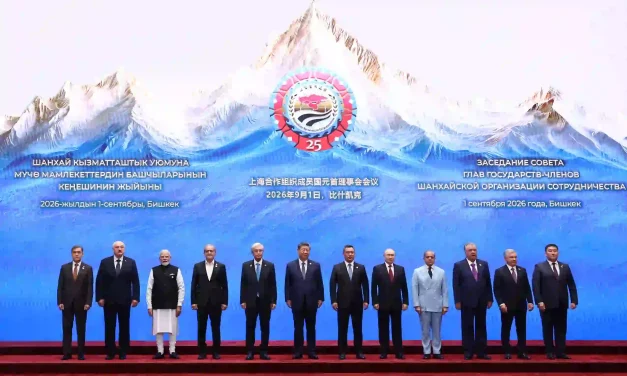
SCFR Online – Opinion: The Shanghai Cooperation Organization summit has created a new opportunity for Iran to transform its membership from a political achievement into economic and transit cooperation.
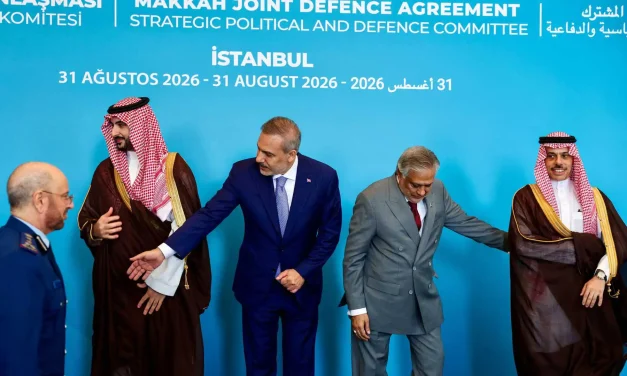
Strategic Council Online – Note: The Makkah Defense Pact can be seen as a sign of regional countries’ efforts to reduce security dependence on extra-regional powers and redefine the balance in West Asia.

SCFR Online – Opinion: The Ukraine war, by exhausting US military capability on one hand and strengthening European defense capacity on the other, has altered the balance of power in the European continent, cast uncertainty over NATO’s future, and is driving it toward a European NATO.
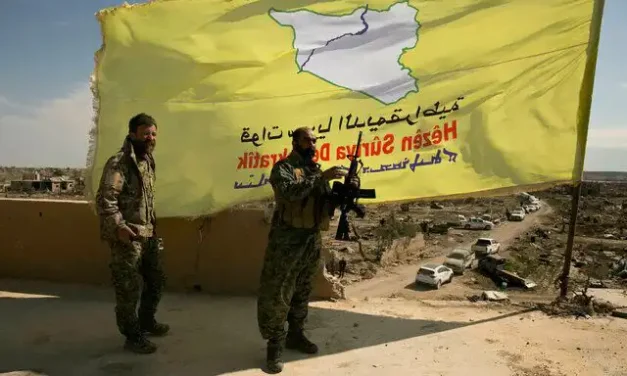
SCFR Online – Opinion: The dissolution of the SDF, although considered an achievement for Turkey’s security, does not put an end to the challenges arising from the Israeli regime’s aggression and expansionism, refugees, and Syria’s fragility.
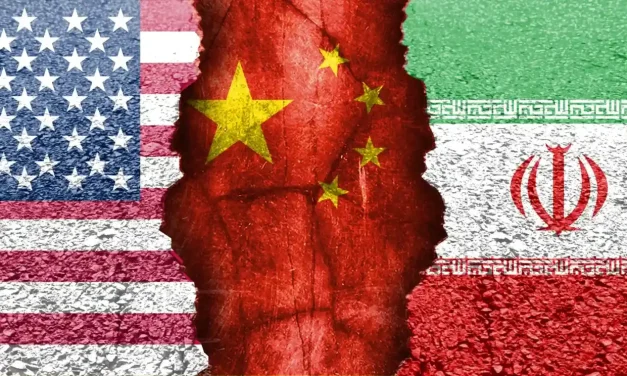
SCFR Online – Opinion: Concurrent with the official commencement of the United States’ economic war against our country, focusing on sanctions instruments, isolation, and economic pressure, what has now become increasingly important is the lack of alignment of other major global powers, especially China, with this policy.
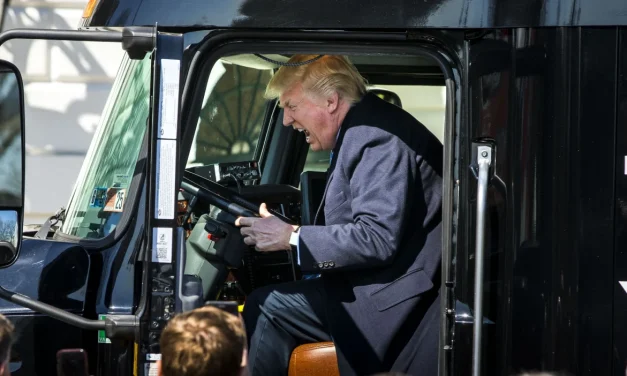
SCFR Online – Opinion: The new US sanctions against Iran, despite extensive propaganda, face serious obstacles to success due to the ineffectiveness of sanctions tools and opposition from some of Tehran’s trading partners.


Strategic Council Online – Interview: Former official in charge of Afghanistan Support Headquarters at the Ministry of Foreign Affairs said: Iranian people are witnessing the high and unusual presence of Afghan refugees, adding that vigilance is needed concerning their presence in the strategic context of cities, as well as to the possibility of targeted organization and possible use of them against the interests and security of Iran.

Strategic Council Online-Interview: An Iraqi affairs expert emphasized that the US wants to maintain a military presence in Iraq and the region, adding that the US presence has no consequences other than insecurity in the region and an impact on the independence of decision-making in the governments that host them.

Strategic Council Online—Interview: An expert on East Asian issues believes that China knows that after the realization of US conspiracies against independent, rival and critic countries such as Russia and Iran, Beijing will be the next target of these conspiracies, which will be pursued through any means, even the spread of insecurity and the growth of terrorism.

Strategic Council Online – Interview: A university professor, saying that the Taliban has not yet complied with any of the demands made by the international community, termed Pakistan’s support for the Taliban to attend the special session of the Organization of Islamic Cooperation foreign ministers as symbolic. He added: Under the current situation, Afghanistan needs to form an inclusive government with the participation of all groups, ethnicities and religions that are based on popular opinion.

Strategic Council Online- Interview: An expert of international relations, referring to the conditions of the European Union for recognizing the Taliban, said they will seek to enter the civil war and divide the country with political tricks and the support of some of Afghanistan’s political and military groups.

Strategic Council Online – Note: After Vietnam, the hasty withdrawal from Afghanistan is the second US “fatal defeat” experience in a foreign war in the post-World War II era that has dealt a heavy blow on the US international standing.
Hamid Khoshayand – analyst of international affairs

Strategic Council Online—Note: China and the United States are trying to reduce the probable damage in their economy through appropriate measures in order to prevent their tension exceeding the conventional limit.
Ali Khansari—International issues analyst

Strategic Council Online – Note: The policy that Russia is currently pursuing in Afghanistan is an effort to fill the vacuum created by the US withdrawal from the country by strengthening its presence and influence through political mechanisms and security processes, unlike China, which uses mechanisms of economic, development, and investment programs in Afghanistan’s infrastructure in an effort to fill in the said gap.
Hamid Khoshayand – Analyst of International Affairs

Strategic Council Online—Interview: An expert of Afghanistan issues says on the reasons behind the decision by Joe Biden to withdraw military forces from Afghanistan by September that “it seems the main reason behind this decision is the prolongation of the presence of the US in Afghanistan as the US is present there close to two decades and in the meantime, various administrations in America have failed to realize the slogans they cried in these years.

Strategic Council Online – An expert on West Asia affairs said that the presence of the Chinese Foreign Minister in Damascus after 10 years could be a prelude to Beijing’s desire for a broad economic presence in Syria, adding: China sees Syria and especially reconstruction of that country as an opportunity to enhance its presence and influence in the Middle East.
SCFR Online – Opinion: The intensification of U.S. sanctions against Iran on the eve of the U.S. midterm elections indicates Washington’s inability to achieve its war objectives.
SCFR Online – Opinion: The competition between Washington and Beijing over chips and artificial intelligence, simultaneously with the shifting of technological balances, has taken on new economic and security dimensions.
SCFR Online – Opinion: The Shanghai Cooperation Organization summit has created a new opportunity for Iran to transform its membership from a political achievement into economic and transit cooperation.
Strategic Council Online – Note: The Makkah Defense Pact can be seen as a sign of regional countries’ efforts to reduce security dependence on extra-regional powers and redefine the balance in West Asia.
SCFR Online – Opinion: The Ukraine war, by exhausting US military capability on one hand and strengthening European defense capacity on the other, has altered the balance of power in the European continent, cast uncertainty over NATO’s future, and is driving it toward a European NATO.
SCFR Online – Opinion: The dissolution of the SDF, although considered an achievement for Turkey’s security, does not put an end to the challenges arising from the Israeli regime’s aggression and expansionism, refugees, and Syria’s fragility.
SCFR Online – Opinion: Concurrent with the official commencement of the United States’ economic war against our country, focusing on sanctions instruments, isolation, and economic pressure, what has now become increasingly important is the lack of alignment of other major global powers, especially China, with this policy.
SCFR Online – Opinion: The new US sanctions against Iran, despite extensive propaganda, face serious obstacles to success due to the ineffectiveness of sanctions tools and opposition from some of Tehran’s trading partners.
Strategic Council Online – Interview: Former official in charge of Afghanistan Support Headquarters at the Ministry of Foreign Affairs said: Iranian people are witnessing the high and unusual presence of Afghan refugees, adding that vigilance is needed concerning their presence in the strategic context of cities, as well as to the possibility of targeted organization and possible use of them against the interests and security of Iran.
Strategic Council Online-Interview: An Iraqi affairs expert emphasized that the US wants to maintain a military presence in Iraq and the region, adding that the US presence has no consequences other than insecurity in the region and an impact on the independence of decision-making in the governments that host them.
Strategic Council Online—Interview: An expert on East Asian issues believes that China knows that after the realization of US conspiracies against independent, rival and critic countries such as Russia and Iran, Beijing will be the next target of these conspiracies, which will be pursued through any means, even the spread of insecurity and the growth of terrorism.
Strategic Council Online – Interview: A university professor, saying that the Taliban has not yet complied with any of the demands made by the international community, termed Pakistan’s support for the Taliban to attend the special session of the Organization of Islamic Cooperation foreign ministers as symbolic. He added: Under the current situation, Afghanistan needs to form an inclusive government with the participation of all groups, ethnicities and religions that are based on popular opinion.
Strategic Council Online- Interview: An expert of international relations, referring to the conditions of the European Union for recognizing the Taliban, said they will seek to enter the civil war and divide the country with political tricks and the support of some of Afghanistan’s political and military groups.
Strategic Council Online – Note: After Vietnam, the hasty withdrawal from Afghanistan is the second US “fatal defeat” experience in a foreign war in the post-World War II era that has dealt a heavy blow on the US international standing.
Hamid Khoshayand – analyst of international affairs
Strategic Council Online—Note: China and the United States are trying to reduce the probable damage in their economy through appropriate measures in order to prevent their tension exceeding the conventional limit.
Ali Khansari—International issues analyst
Strategic Council Online – Note: The policy that Russia is currently pursuing in Afghanistan is an effort to fill the vacuum created by the US withdrawal from the country by strengthening its presence and influence through political mechanisms and security processes, unlike China, which uses mechanisms of economic, development, and investment programs in Afghanistan’s infrastructure in an effort to fill in the said gap.
Hamid Khoshayand – Analyst of International Affairs
Strategic Council Online—Interview: An expert of Afghanistan issues says on the reasons behind the decision by Joe Biden to withdraw military forces from Afghanistan by September that “it seems the main reason behind this decision is the prolongation of the presence of the US in Afghanistan as the US is present there close to two decades and in the meantime, various administrations in America have failed to realize the slogans they cried in these years.
Strategic Council Online – An expert on West Asia affairs said that the presence of the Chinese Foreign Minister in Damascus after 10 years could be a prelude to Beijing’s desire for a broad economic presence in Syria, adding: China sees Syria and especially reconstruction of that country as an opportunity to enhance its presence and influence in the Middle East.
Strategic Council Online – Interview: Former official in charge of Afghanistan Support Headquarters at the Ministry of Foreign Affairs said: Iranian people are witnessing the high and unusual presence of Afghan refugees, adding that vigilance is needed concerning their presence in the strategic context of cities, as well as to the possibility of targeted organization and possible use of them against the interests and security of Iran.
Strategic Council Online-Interview: An Iraqi affairs expert emphasized that the US wants to maintain a military presence in Iraq and the region, adding that the US presence has no consequences other than insecurity in the region and an impact on the independence of decision-making in the governments that host them.
Strategic Council Online—Interview: An expert on East Asian issues believes that China knows that after the realization of US conspiracies against independent, rival and critic countries such as Russia and Iran, Beijing will be the next target of these conspiracies, which will be pursued through any means, even the spread of insecurity and the growth of terrorism.
Strategic Council Online – Interview: A university professor, saying that the Taliban has not yet complied with any of the demands made by the international community, termed Pakistan’s support for the Taliban to attend the special session of the Organization of Islamic Cooperation foreign ministers as symbolic. He added: Under the current situation, Afghanistan needs to form an inclusive government with the participation of all groups, ethnicities and religions that are based on popular opinion.
Strategic Council Online- Interview: An expert of international relations, referring to the conditions of the European Union for recognizing the Taliban, said they will seek to enter the civil war and divide the country with political tricks and the support of some of Afghanistan’s political and military groups.
Strategic Council Online – Note: After Vietnam, the hasty withdrawal from Afghanistan is the second US “fatal defeat” experience in a foreign war in the post-World War II era that has dealt a heavy blow on the US international standing.
Hamid Khoshayand – analyst of international affairs
Strategic Council Online—Note: China and the United States are trying to reduce the probable damage in their economy through appropriate measures in order to prevent their tension exceeding the conventional limit.
Ali Khansari—International issues analyst
Strategic Council Online – Note: The policy that Russia is currently pursuing in Afghanistan is an effort to fill the vacuum created by the US withdrawal from the country by strengthening its presence and influence through political mechanisms and security processes, unlike China, which uses mechanisms of economic, development, and investment programs in Afghanistan’s infrastructure in an effort to fill in the said gap.
Hamid Khoshayand – Analyst of International Affairs
Strategic Council Online—Interview: An expert of Afghanistan issues says on the reasons behind the decision by Joe Biden to withdraw military forces from Afghanistan by September that “it seems the main reason behind this decision is the prolongation of the presence of the US in Afghanistan as the US is present there close to two decades and in the meantime, various administrations in America have failed to realize the slogans they cried in these years.
Strategic Council Online – An expert on West Asia affairs said that the presence of the Chinese Foreign Minister in Damascus after 10 years could be a prelude to Beijing’s desire for a broad economic presence in Syria, adding: China sees Syria and especially reconstruction of that country as an opportunity to enhance its presence and influence in the Middle East.
SCFR Online – Opinion: The intensification of U.S. sanctions against Iran on the eve of the U.S. midterm elections indicates Washington’s inability to achieve its war objectives.
SCFR Online – Opinion: The competition between Washington and Beijing over chips and artificial intelligence, simultaneously with the shifting of technological balances, has taken on new economic and security dimensions.
SCFR Online – Opinion: The Shanghai Cooperation Organization summit has created a new opportunity for Iran to transform its membership from a political achievement into economic and transit cooperation.
Strategic Council Online – Note: The Makkah Defense Pact can be seen as a sign of regional countries’ efforts to reduce security dependence on extra-regional powers and redefine the balance in West Asia.
SCFR Online – Opinion: The Ukraine war, by exhausting US military capability on one hand and strengthening European defense capacity on the other, has altered the balance of power in the European continent, cast uncertainty over NATO’s future, and is driving it toward a European NATO.
SCFR Online – Opinion: The dissolution of the SDF, although considered an achievement for Turkey’s security, does not put an end to the challenges arising from the Israeli regime’s aggression and expansionism, refugees, and Syria’s fragility.
SCFR Online – Opinion: Concurrent with the official commencement of the United States’ economic war against our country, focusing on sanctions instruments, isolation, and economic pressure, what has now become increasingly important is the lack of alignment of other major global powers, especially China, with this policy.
SCFR Online – Opinion: The new US sanctions against Iran, despite extensive propaganda, face serious obstacles to success due to the ineffectiveness of sanctions tools and opposition from some of Tehran’s trading partners.
Strategic Council Online – Interview: Former official in charge of Afghanistan Support Headquarters at the Ministry of Foreign Affairs said: Iranian people are witnessing the high and unusual presence of Afghan refugees, adding that vigilance is needed concerning their presence in the strategic context of cities, as well as to the possibility of targeted organization and possible use of them against the interests and security of Iran.
Strategic Council Online-Interview: An Iraqi affairs expert emphasized that the US wants to maintain a military presence in Iraq and the region, adding that the US presence has no consequences other than insecurity in the region and an impact on the independence of decision-making in the governments that host them.
Strategic Council Online—Interview: An expert on East Asian issues believes that China knows that after the realization of US conspiracies against independent, rival and critic countries such as Russia and Iran, Beijing will be the next target of these conspiracies, which will be pursued through any means, even the spread of insecurity and the growth of terrorism.
Strategic Council Online – Interview: A university professor, saying that the Taliban has not yet complied with any of the demands made by the international community, termed Pakistan’s support for the Taliban to attend the special session of the Organization of Islamic Cooperation foreign ministers as symbolic. He added: Under the current situation, Afghanistan needs to form an inclusive government with the participation of all groups, ethnicities and religions that are based on popular opinion.
Strategic Council Online- Interview: An expert of international relations, referring to the conditions of the European Union for recognizing the Taliban, said they will seek to enter the civil war and divide the country with political tricks and the support of some of Afghanistan’s political and military groups.
Strategic Council Online – Note: After Vietnam, the hasty withdrawal from Afghanistan is the second US “fatal defeat” experience in a foreign war in the post-World War II era that has dealt a heavy blow on the US international standing.
Hamid Khoshayand – analyst of international affairs
Strategic Council Online—Note: China and the United States are trying to reduce the probable damage in their economy through appropriate measures in order to prevent their tension exceeding the conventional limit.
Ali Khansari—International issues analyst
Strategic Council Online – Note: The policy that Russia is currently pursuing in Afghanistan is an effort to fill the vacuum created by the US withdrawal from the country by strengthening its presence and influence through political mechanisms and security processes, unlike China, which uses mechanisms of economic, development, and investment programs in Afghanistan’s infrastructure in an effort to fill in the said gap.
Hamid Khoshayand – Analyst of International Affairs
Strategic Council Online—Interview: An expert of Afghanistan issues says on the reasons behind the decision by Joe Biden to withdraw military forces from Afghanistan by September that “it seems the main reason behind this decision is the prolongation of the presence of the US in Afghanistan as the US is present there close to two decades and in the meantime, various administrations in America have failed to realize the slogans they cried in these years.
Strategic Council Online – An expert on West Asia affairs said that the presence of the Chinese Foreign Minister in Damascus after 10 years could be a prelude to Beijing’s desire for a broad economic presence in Syria, adding: China sees Syria and especially reconstruction of that country as an opportunity to enhance its presence and influence in the Middle East.
SCFR Online – Opinion: The intensification of U.S. sanctions against Iran on the eve of the U.S. midterm elections indicates Washington’s inability to achieve its war objectives.
SCFR Online – Opinion: The competition between Washington and Beijing over chips and artificial intelligence, simultaneously with the shifting of technological balances, has taken on new economic and security dimensions.
SCFR Online – Opinion: The Shanghai Cooperation Organization summit has created a new opportunity for Iran to transform its membership from a political achievement into economic and transit cooperation.
Strategic Council Online – Note: The Makkah Defense Pact can be seen as a sign of regional countries’ efforts to reduce security dependence on extra-regional powers and redefine the balance in West Asia.
SCFR Online – Opinion: The Ukraine war, by exhausting US military capability on one hand and strengthening European defense capacity on the other, has altered the balance of power in the European continent, cast uncertainty over NATO’s future, and is driving it toward a European NATO.
SCFR Online – Opinion: The dissolution of the SDF, although considered an achievement for Turkey’s security, does not put an end to the challenges arising from the Israeli regime’s aggression and expansionism, refugees, and Syria’s fragility.
SCFR Online – Opinion: Concurrent with the official commencement of the United States’ economic war against our country, focusing on sanctions instruments, isolation, and economic pressure, what has now become increasingly important is the lack of alignment of other major global powers, especially China, with this policy.
SCFR Online – Opinion: The new US sanctions against Iran, despite extensive propaganda, face serious obstacles to success due to the ineffectiveness of sanctions tools and opposition from some of Tehran’s trading partners.
Strategic Council Online – Interview: Former official in charge of Afghanistan Support Headquarters at the Ministry of Foreign Affairs said: Iranian people are witnessing the high and unusual presence of Afghan refugees, adding that vigilance is needed concerning their presence in the strategic context of cities, as well as to the possibility of targeted organization and possible use of them against the interests and security of Iran.
Strategic Council Online-Interview: An Iraqi affairs expert emphasized that the US wants to maintain a military presence in Iraq and the region, adding that the US presence has no consequences other than insecurity in the region and an impact on the independence of decision-making in the governments that host them.
Strategic Council Online—Interview: An expert on East Asian issues believes that China knows that after the realization of US conspiracies against independent, rival and critic countries such as Russia and Iran, Beijing will be the next target of these conspiracies, which will be pursued through any means, even the spread of insecurity and the growth of terrorism.
Strategic Council Online – Interview: A university professor, saying that the Taliban has not yet complied with any of the demands made by the international community, termed Pakistan’s support for the Taliban to attend the special session of the Organization of Islamic Cooperation foreign ministers as symbolic. He added: Under the current situation, Afghanistan needs to form an inclusive government with the participation of all groups, ethnicities and religions that are based on popular opinion.
Strategic Council Online- Interview: An expert of international relations, referring to the conditions of the European Union for recognizing the Taliban, said they will seek to enter the civil war and divide the country with political tricks and the support of some of Afghanistan’s political and military groups.
Strategic Council Online – Note: After Vietnam, the hasty withdrawal from Afghanistan is the second US “fatal defeat” experience in a foreign war in the post-World War II era that has dealt a heavy blow on the US international standing.
Hamid Khoshayand – analyst of international affairs
Strategic Council Online—Note: China and the United States are trying to reduce the probable damage in their economy through appropriate measures in order to prevent their tension exceeding the conventional limit.
Ali Khansari—International issues analyst
Strategic Council Online – Note: The policy that Russia is currently pursuing in Afghanistan is an effort to fill the vacuum created by the US withdrawal from the country by strengthening its presence and influence through political mechanisms and security processes, unlike China, which uses mechanisms of economic, development, and investment programs in Afghanistan’s infrastructure in an effort to fill in the said gap.
Hamid Khoshayand – Analyst of International Affairs
Strategic Council Online—Interview: An expert of Afghanistan issues says on the reasons behind the decision by Joe Biden to withdraw military forces from Afghanistan by September that “it seems the main reason behind this decision is the prolongation of the presence of the US in Afghanistan as the US is present there close to two decades and in the meantime, various administrations in America have failed to realize the slogans they cried in these years.
Strategic Council Online – An expert on West Asia affairs said that the presence of the Chinese Foreign Minister in Damascus after 10 years could be a prelude to Beijing’s desire for a broad economic presence in Syria, adding: China sees Syria and especially reconstruction of that country as an opportunity to enhance its presence and influence in the Middle East.
SCFR Online – Opinion: The intensification of U.S. sanctions against Iran on the eve of the U.S. midterm elections indicates Washington’s inability to achieve its war objectives.
SCFR Online – Opinion: The competition between Washington and Beijing over chips and artificial intelligence, simultaneously with the shifting of technological balances, has taken on new economic and security dimensions.
SCFR Online – Opinion: The Shanghai Cooperation Organization summit has created a new opportunity for Iran to transform its membership from a political achievement into economic and transit cooperation.
Strategic Council Online – Note: The Makkah Defense Pact can be seen as a sign of regional countries’ efforts to reduce security dependence on extra-regional powers and redefine the balance in West Asia.
SCFR Online – Opinion: The Ukraine war, by exhausting US military capability on one hand and strengthening European defense capacity on the other, has altered the balance of power in the European continent, cast uncertainty over NATO’s future, and is driving it toward a European NATO.
SCFR Online – Opinion: The dissolution of the SDF, although considered an achievement for Turkey’s security, does not put an end to the challenges arising from the Israeli regime’s aggression and expansionism, refugees, and Syria’s fragility.
SCFR Online – Opinion: Concurrent with the official commencement of the United States’ economic war against our country, focusing on sanctions instruments, isolation, and economic pressure, what has now become increasingly important is the lack of alignment of other major global powers, especially China, with this policy.
SCFR Online – Opinion: The new US sanctions against Iran, despite extensive propaganda, face serious obstacles to success due to the ineffectiveness of sanctions tools and opposition from some of Tehran’s trading partners.
Strategic Council Online – Interview: Former official in charge of Afghanistan Support Headquarters at the Ministry of Foreign Affairs said: Iranian people are witnessing the high and unusual presence of Afghan refugees, adding that vigilance is needed concerning their presence in the strategic context of cities, as well as to the possibility of targeted organization and possible use of them against the interests and security of Iran.
Strategic Council Online-Interview: An Iraqi affairs expert emphasized that the US wants to maintain a military presence in Iraq and the region, adding that the US presence has no consequences other than insecurity in the region and an impact on the independence of decision-making in the governments that host them.
Strategic Council Online—Interview: An expert on East Asian issues believes that China knows that after the realization of US conspiracies against independent, rival and critic countries such as Russia and Iran, Beijing will be the next target of these conspiracies, which will be pursued through any means, even the spread of insecurity and the growth of terrorism.
Strategic Council Online – Interview: A university professor, saying that the Taliban has not yet complied with any of the demands made by the international community, termed Pakistan’s support for the Taliban to attend the special session of the Organization of Islamic Cooperation foreign ministers as symbolic. He added: Under the current situation, Afghanistan needs to form an inclusive government with the participation of all groups, ethnicities and religions that are based on popular opinion.
Strategic Council Online- Interview: An expert of international relations, referring to the conditions of the European Union for recognizing the Taliban, said they will seek to enter the civil war and divide the country with political tricks and the support of some of Afghanistan’s political and military groups.
Strategic Council Online – Note: After Vietnam, the hasty withdrawal from Afghanistan is the second US “fatal defeat” experience in a foreign war in the post-World War II era that has dealt a heavy blow on the US international standing.
Hamid Khoshayand – analyst of international affairs
Strategic Council Online—Note: China and the United States are trying to reduce the probable damage in their economy through appropriate measures in order to prevent their tension exceeding the conventional limit.
Ali Khansari—International issues analyst
Strategic Council Online – Note: The policy that Russia is currently pursuing in Afghanistan is an effort to fill the vacuum created by the US withdrawal from the country by strengthening its presence and influence through political mechanisms and security processes, unlike China, which uses mechanisms of economic, development, and investment programs in Afghanistan’s infrastructure in an effort to fill in the said gap.
Hamid Khoshayand – Analyst of International Affairs
Strategic Council Online—Interview: An expert of Afghanistan issues says on the reasons behind the decision by Joe Biden to withdraw military forces from Afghanistan by September that “it seems the main reason behind this decision is the prolongation of the presence of the US in Afghanistan as the US is present there close to two decades and in the meantime, various administrations in America have failed to realize the slogans they cried in these years.
Strategic Council Online – An expert on West Asia affairs said that the presence of the Chinese Foreign Minister in Damascus after 10 years could be a prelude to Beijing’s desire for a broad economic presence in Syria, adding: China sees Syria and especially reconstruction of that country as an opportunity to enhance its presence and influence in the Middle East.
SCFR Online – Opinion: The intensification of U.S. sanctions against Iran on the eve of the U.S. midterm elections indicates Washington’s inability to achieve its war objectives.
SCFR Online – Opinion: The competition between Washington and Beijing over chips and artificial intelligence, simultaneously with the shifting of technological balances, has taken on new economic and security dimensions.
SCFR Online – Opinion: The Shanghai Cooperation Organization summit has created a new opportunity for Iran to transform its membership from a political achievement into economic and transit cooperation.
Strategic Council Online – Note: The Makkah Defense Pact can be seen as a sign of regional countries’ efforts to reduce security dependence on extra-regional powers and redefine the balance in West Asia.
SCFR Online – Opinion: The Ukraine war, by exhausting US military capability on one hand and strengthening European defense capacity on the other, has altered the balance of power in the European continent, cast uncertainty over NATO’s future, and is driving it toward a European NATO.
SCFR Online – Opinion: The dissolution of the SDF, although considered an achievement for Turkey’s security, does not put an end to the challenges arising from the Israeli regime’s aggression and expansionism, refugees, and Syria’s fragility.
SCFR Online – Opinion: Concurrent with the official commencement of the United States’ economic war against our country, focusing on sanctions instruments, isolation, and economic pressure, what has now become increasingly important is the lack of alignment of other major global powers, especially China, with this policy.
SCFR Online – Opinion: The new US sanctions against Iran, despite extensive propaganda, face serious obstacles to success due to the ineffectiveness of sanctions tools and opposition from some of Tehran’s trading partners.
Strategic Council Online – Interview: Former official in charge of Afghanistan Support Headquarters at the Ministry of Foreign Affairs said: Iranian people are witnessing the high and unusual presence of Afghan refugees, adding that vigilance is needed concerning their presence in the strategic context of cities, as well as to the possibility of targeted organization and possible use of them against the interests and security of Iran.
Strategic Council Online-Interview: An Iraqi affairs expert emphasized that the US wants to maintain a military presence in Iraq and the region, adding that the US presence has no consequences other than insecurity in the region and an impact on the independence of decision-making in the governments that host them.
Strategic Council Online—Interview: An expert on East Asian issues believes that China knows that after the realization of US conspiracies against independent, rival and critic countries such as Russia and Iran, Beijing will be the next target of these conspiracies, which will be pursued through any means, even the spread of insecurity and the growth of terrorism.
Strategic Council Online – Interview: A university professor, saying that the Taliban has not yet complied with any of the demands made by the international community, termed Pakistan’s support for the Taliban to attend the special session of the Organization of Islamic Cooperation foreign ministers as symbolic. He added: Under the current situation, Afghanistan needs to form an inclusive government with the participation of all groups, ethnicities and religions that are based on popular opinion.
Strategic Council Online- Interview: An expert of international relations, referring to the conditions of the European Union for recognizing the Taliban, said they will seek to enter the civil war and divide the country with political tricks and the support of some of Afghanistan’s political and military groups.
Strategic Council Online – Note: After Vietnam, the hasty withdrawal from Afghanistan is the second US “fatal defeat” experience in a foreign war in the post-World War II era that has dealt a heavy blow on the US international standing.
Hamid Khoshayand – analyst of international affairs
Strategic Council Online—Note: China and the United States are trying to reduce the probable damage in their economy through appropriate measures in order to prevent their tension exceeding the conventional limit.
Ali Khansari—International issues analyst
Strategic Council Online – Note: The policy that Russia is currently pursuing in Afghanistan is an effort to fill the vacuum created by the US withdrawal from the country by strengthening its presence and influence through political mechanisms and security processes, unlike China, which uses mechanisms of economic, development, and investment programs in Afghanistan’s infrastructure in an effort to fill in the said gap.
Hamid Khoshayand – Analyst of International Affairs
Strategic Council Online—Interview: An expert of Afghanistan issues says on the reasons behind the decision by Joe Biden to withdraw military forces from Afghanistan by September that “it seems the main reason behind this decision is the prolongation of the presence of the US in Afghanistan as the US is present there close to two decades and in the meantime, various administrations in America have failed to realize the slogans they cried in these years.
Strategic Council Online – An expert on West Asia affairs said that the presence of the Chinese Foreign Minister in Damascus after 10 years could be a prelude to Beijing’s desire for a broad economic presence in Syria, adding: China sees Syria and especially reconstruction of that country as an opportunity to enhance its presence and influence in the Middle East.
SCFR Online – Opinion: The intensification of U.S. sanctions against Iran on the eve of the U.S. midterm elections indicates Washington’s inability to achieve its war objectives.
SCFR Online – Opinion: The competition between Washington and Beijing over chips and artificial intelligence, simultaneously with the shifting of technological balances, has taken on new economic and security dimensions.
SCFR Online – Opinion: The Shanghai Cooperation Organization summit has created a new opportunity for Iran to transform its membership from a political achievement into economic and transit cooperation.
Strategic Council Online – Note: The Makkah Defense Pact can be seen as a sign of regional countries’ efforts to reduce security dependence on extra-regional powers and redefine the balance in West Asia.
SCFR Online – Opinion: The Ukraine war, by exhausting US military capability on one hand and strengthening European defense capacity on the other, has altered the balance of power in the European continent, cast uncertainty over NATO’s future, and is driving it toward a European NATO.
SCFR Online – Opinion: The dissolution of the SDF, although considered an achievement for Turkey’s security, does not put an end to the challenges arising from the Israeli regime’s aggression and expansionism, refugees, and Syria’s fragility.
SCFR Online – Opinion: Concurrent with the official commencement of the United States’ economic war against our country, focusing on sanctions instruments, isolation, and economic pressure, what has now become increasingly important is the lack of alignment of other major global powers, especially China, with this policy.
SCFR Online – Opinion: The new US sanctions against Iran, despite extensive propaganda, face serious obstacles to success due to the ineffectiveness of sanctions tools and opposition from some of Tehran’s trading partners.