جدیدترین مطالب

The Inseparability of the Lebanese Front from the Axis of Resistance

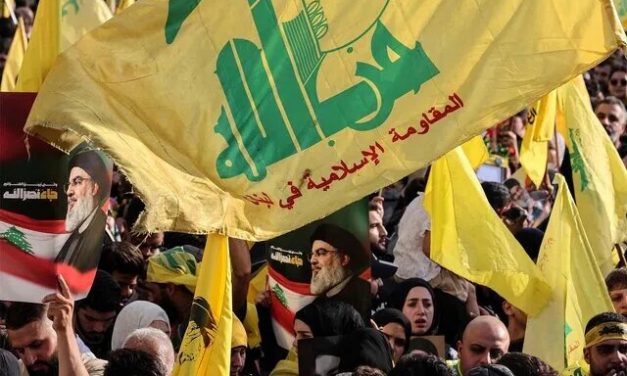
SCFR Online–Opinion: By providing an extensive network of social, healthcare, educational, and post-war reconstruction services, Hezbollah has established a strong social base for itself among Lebanon’s Shiites and Sunnis, and even beyond that, among other segments of Lebanese society, including Christians. Hezbollah has never been an external actor imposed upon Lebanon; rather, it is a phenomenon fundamentally born out of the occupation and crimes of the Zionist regime and itself influenced by popular resistance.

The Increasing Efforts of the Zionist Regime to Redefine Borders and the Regional Order and Its Consequences

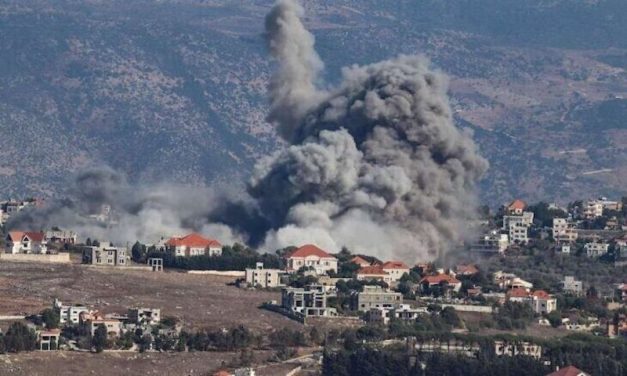
SCFR Online– Opinion: Security and military developments in the region over recent months indicate that the ongoing crises and wars in Gaza, southern Lebanon, and parts of Syrian territory encompass broader dimensions of geopolitical and geostrategic transformations. In this context, the increased military presence and control of the Zionist regime over parts of the territories of these areas, along with proposals regarding the creation of buffer zones or even the expansion of security borders, have raised serious questions about the future of the regional order and its consequences for the countries of West Asia.

The Components of Iran’s Deterrence Power

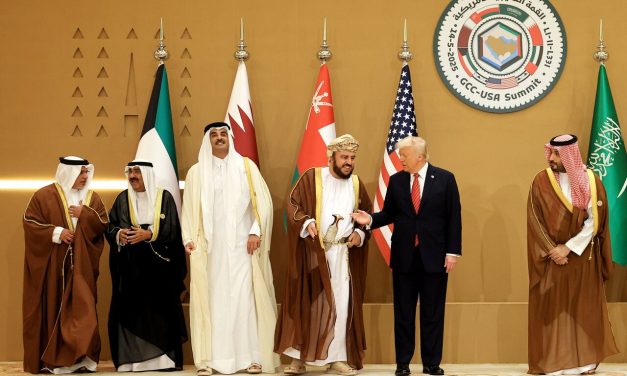
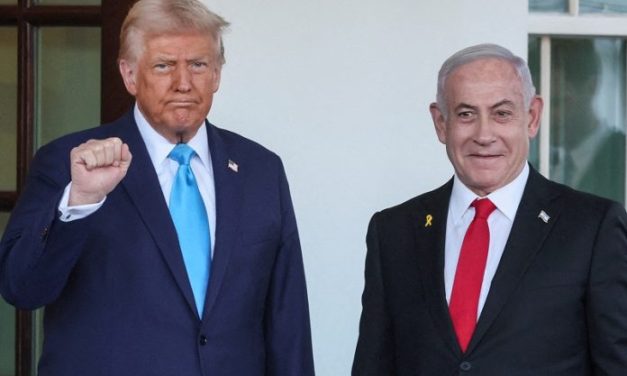
SCFR Online – Opinion: At a time when regional security equations have reached a sensitive stage under the influence of Iran’s strategic confrontation with the United States and the Zionist regime, the question of the nature of Tehran’s defensive power has gained greater significance than ever before. While Washington and Tel Aviv rely on their technological superiority, the Islamic Republic of Iran has presented a model of deterrence that extends beyond the material calculations of the world’s classical militaries. This power, rooted in the connection between “the field” and “the people,” has not only altered the balance of power in recent conflicts but has also disrupted adversaries’ calculations when confronting Iran’s strategic depth.

Loading

Euro-Atlantic

Germany’s “New Defense Policy Guidelines”: Return of Germanic People to Age of Militarism?

Germany’s “New Defense Policy Guidelines”: Return of Germanic People to Age of Militarism?

Strategic Council Online – Opinion: For the first time in more than a decade, Germany issued its “new defense policy guidelines,” and “Boris Pistorius,” the German Minister of Defense, asked the pillars of his country to be “ready for a war” and “capable of defense.” He has pledged to strengthen the army to become the backbone of European deterrence and collective defense.
Hamideh Safamanesh – International relations researcher

Evolution in NATO’s Attitude towards Asia-Pacific

Evolution in NATO’s Attitude towards Asia-Pacific

Strategic Council Online – Opinion: The recent NATO meeting in Spain on 29-30 of June 2022, regardless of the fact that it was held during the Ukraine crisis and the approach of the alliance to that crisis, reveals the issue of joining new members and the future direction of the alliance is important for another reason which is the presence of heads of four the Asian countries, namely Australia, South Korea, Japan and New Zealand, in that meeting, which are considered as being among NATO’s global partners. This shows the importance of examining NATO’s attitude towards the Asia-Pacific region.
Mohammad Javad Ghahermani – Expert on China issues

Russia’s need to new coalitions

Russia’s need to new coalitions

Strategic Council Online—Opinion: The concurrency of the return of Navalnyto Moscow with the establishment of the Biden administration in the Washington suggests that Democrats are still trying to loan concrete concepts such as democracy and citizenship rights to exert maximum pressure on the present government in Kremlin—an issue which could complement economic pressures on Russia and instigate protests in the country.
Dr. Ahmad Vakhshiteh—Professor of Eurasia National University

Perspective of Moscow-Washington relations during the Biden administration

Perspective of Moscow-Washington relations during the Biden administration

Strategic Council Online-Editorial: The interference of the White House in the domestic affairs of Russia during the past one month concerning the Alexi Navalny issue indicated that the Biden administration is profiting from the tools of democracy and human rights for its own interest in order to obtain maximal interests in the global order. And this is an issue which can cause more frictions in the relations between the United States and Russia as Russia believes that the West presents a two-direction and conflicting definition of concrete concepts such as freedom, human rights and democracy.
Dr. Ahmad Vakhishteh, professor of the International Relations Faculty of the National Eurasia University

أحدث الوظائف

The Inseparability of the Lebanese Front from the Axis of Resistance

SCFR Online–Opinion: By providing an extensive network of social, healthcare, educational, and post-war reconstruction services, Hezbollah has established a strong social base for itself among Lebanon’s Shiites and Sunnis, and even beyond that, among other segments of Lebanese society, including Christians. Hezbollah has never been an external actor imposed upon Lebanon; rather, it is a phenomenon fundamentally born out of the occupation and crimes of the Zionist regime and itself influenced by popular resistance.

The Increasing Efforts of the Zionist Regime to Redefine Borders and the Regional Order and Its Consequences

SCFR Online– Opinion: Security and military developments in the region over recent months indicate that the ongoing crises and wars in Gaza, southern Lebanon, and parts of Syrian territory encompass broader dimensions of geopolitical and geostrategic transformations. In this context, the increased military presence and control of the Zionist regime over parts of the territories of these areas, along with proposals regarding the creation of buffer zones or even the expansion of security borders, have raised serious questions about the future of the regional order and its consequences for the countries of West Asia.

The Components of Iran’s Deterrence Power

SCFR Online – Opinion: At a time when regional security equations have reached a sensitive stage under the influence of Iran’s strategic confrontation with the United States and the Zionist regime, the question of the nature of Tehran’s defensive power has gained greater significance than ever before. While Washington and Tel Aviv rely on their technological superiority, the Islamic Republic of Iran has presented a model of deterrence that extends beyond the material calculations of the world’s classical militaries. This power, rooted in the connection between “the field” and “the people,” has not only altered the balance of power in recent conflicts but has also disrupted adversaries’ calculations when confronting Iran’s strategic depth.

Loading

Euro-Atlantic

Germany’s “New Defense Policy Guidelines”: Return of Germanic People to Age of Militarism?

Germany’s “New Defense Policy Guidelines”: Return of Germanic People to Age of Militarism?

Strategic Council Online – Opinion: For the first time in more than a decade, Germany issued its “new defense policy guidelines,” and “Boris Pistorius,” the German Minister of Defense, asked the pillars of his country to be “ready for a war” and “capable of defense.” He has pledged to strengthen the army to become the backbone of European deterrence and collective defense.
Hamideh Safamanesh – International relations researcher

Evolution in NATO’s Attitude towards Asia-Pacific

Evolution in NATO’s Attitude towards Asia-Pacific

Strategic Council Online – Opinion: The recent NATO meeting in Spain on 29-30 of June 2022, regardless of the fact that it was held during the Ukraine crisis and the approach of the alliance to that crisis, reveals the issue of joining new members and the future direction of the alliance is important for another reason which is the presence of heads of four the Asian countries, namely Australia, South Korea, Japan and New Zealand, in that meeting, which are considered as being among NATO’s global partners. This shows the importance of examining NATO’s attitude towards the Asia-Pacific region.
Mohammad Javad Ghahermani – Expert on China issues

Russia’s need to new coalitions

Russia’s need to new coalitions

Strategic Council Online—Opinion: The concurrency of the return of Navalnyto Moscow with the establishment of the Biden administration in the Washington suggests that Democrats are still trying to loan concrete concepts such as democracy and citizenship rights to exert maximum pressure on the present government in Kremlin—an issue which could complement economic pressures on Russia and instigate protests in the country.
Dr. Ahmad Vakhshiteh—Professor of Eurasia National University

Perspective of Moscow-Washington relations during the Biden administration

Perspective of Moscow-Washington relations during the Biden administration

Strategic Council Online-Editorial: The interference of the White House in the domestic affairs of Russia during the past one month concerning the Alexi Navalny issue indicated that the Biden administration is profiting from the tools of democracy and human rights for its own interest in order to obtain maximal interests in the global order. And this is an issue which can cause more frictions in the relations between the United States and Russia as Russia believes that the West presents a two-direction and conflicting definition of concrete concepts such as freedom, human rights and democracy.
Dr. Ahmad Vakhishteh, professor of the International Relations Faculty of the National Eurasia University

Euro-Atlantic

Germany’s “New Defense Policy Guidelines”: Return of Germanic People to Age of Militarism?

Germany’s “New Defense Policy Guidelines”: Return of Germanic People to Age of Militarism?

Strategic Council Online – Opinion: For the first time in more than a decade, Germany issued its “new defense policy guidelines,” and “Boris Pistorius,” the German Minister of Defense, asked the pillars of his country to be “ready for a war” and “capable of defense.” He has pledged to strengthen the army to become the backbone of European deterrence and collective defense.
Hamideh Safamanesh – International relations researcher

Evolution in NATO’s Attitude towards Asia-Pacific

Evolution in NATO’s Attitude towards Asia-Pacific

Strategic Council Online – Opinion: The recent NATO meeting in Spain on 29-30 of June 2022, regardless of the fact that it was held during the Ukraine crisis and the approach of the alliance to that crisis, reveals the issue of joining new members and the future direction of the alliance is important for another reason which is the presence of heads of four the Asian countries, namely Australia, South Korea, Japan and New Zealand, in that meeting, which are considered as being among NATO’s global partners. This shows the importance of examining NATO’s attitude towards the Asia-Pacific region.
Mohammad Javad Ghahermani – Expert on China issues

Russia’s need to new coalitions

Russia’s need to new coalitions

Strategic Council Online—Opinion: The concurrency of the return of Navalnyto Moscow with the establishment of the Biden administration in the Washington suggests that Democrats are still trying to loan concrete concepts such as democracy and citizenship rights to exert maximum pressure on the present government in Kremlin—an issue which could complement economic pressures on Russia and instigate protests in the country.
Dr. Ahmad Vakhshiteh—Professor of Eurasia National University

Perspective of Moscow-Washington relations during the Biden administration

Perspective of Moscow-Washington relations during the Biden administration

Strategic Council Online-Editorial: The interference of the White House in the domestic affairs of Russia during the past one month concerning the Alexi Navalny issue indicated that the Biden administration is profiting from the tools of democracy and human rights for its own interest in order to obtain maximal interests in the global order. And this is an issue which can cause more frictions in the relations between the United States and Russia as Russia believes that the West presents a two-direction and conflicting definition of concrete concepts such as freedom, human rights and democracy.
Dr. Ahmad Vakhishteh, professor of the International Relations Faculty of the National Eurasia University

LATEST CONTENT

The Inseparability of the Lebanese Front from the Axis of Resistance

SCFR Online–Opinion: By providing an extensive network of social, healthcare, educational, and post-war reconstruction services, Hezbollah has established a strong social base for itself among Lebanon’s Shiites and Sunnis, and even beyond that, among other segments of Lebanese society, including Christians. Hezbollah has never been an external actor imposed upon Lebanon; rather, it is a phenomenon fundamentally born out of the occupation and crimes of the Zionist regime and itself influenced by popular resistance.

The Increasing Efforts of the Zionist Regime to Redefine Borders and the Regional Order and Its Consequences

SCFR Online– Opinion: Security and military developments in the region over recent months indicate that the ongoing crises and wars in Gaza, southern Lebanon, and parts of Syrian territory encompass broader dimensions of geopolitical and geostrategic transformations. In this context, the increased military presence and control of the Zionist regime over parts of the territories of these areas, along with proposals regarding the creation of buffer zones or even the expansion of security borders, have raised serious questions about the future of the regional order and its consequences for the countries of West Asia.

The Components of Iran’s Deterrence Power

SCFR Online – Opinion: At a time when regional security equations have reached a sensitive stage under the influence of Iran’s strategic confrontation with the United States and the Zionist regime, the question of the nature of Tehran’s defensive power has gained greater significance than ever before. While Washington and Tel Aviv rely on their technological superiority, the Islamic Republic of Iran has presented a model of deterrence that extends beyond the material calculations of the world’s classical militaries. This power, rooted in the connection between “the field” and “the people,” has not only altered the balance of power in recent conflicts but has also disrupted adversaries’ calculations when confronting Iran’s strategic depth.

Loading

Euro-Atlantic

Germany’s “New Defense Policy Guidelines”: Return of Germanic People to Age of Militarism?

Germany’s “New Defense Policy Guidelines”: Return of Germanic People to Age of Militarism?

Strategic Council Online – Opinion: For the first time in more than a decade, Germany issued its “new defense policy guidelines,” and “Boris Pistorius,” the German Minister of Defense, asked the pillars of his country to be “ready for a war” and “capable of defense.” He has pledged to strengthen the army to become the backbone of European deterrence and collective defense.
Hamideh Safamanesh – International relations researcher

Evolution in NATO’s Attitude towards Asia-Pacific

Evolution in NATO’s Attitude towards Asia-Pacific

Strategic Council Online – Opinion: The recent NATO meeting in Spain on 29-30 of June 2022, regardless of the fact that it was held during the Ukraine crisis and the approach of the alliance to that crisis, reveals the issue of joining new members and the future direction of the alliance is important for another reason which is the presence of heads of four the Asian countries, namely Australia, South Korea, Japan and New Zealand, in that meeting, which are considered as being among NATO’s global partners. This shows the importance of examining NATO’s attitude towards the Asia-Pacific region.
Mohammad Javad Ghahermani – Expert on China issues

Russia’s need to new coalitions

Russia’s need to new coalitions

Strategic Council Online—Opinion: The concurrency of the return of Navalnyto Moscow with the establishment of the Biden administration in the Washington suggests that Democrats are still trying to loan concrete concepts such as democracy and citizenship rights to exert maximum pressure on the present government in Kremlin—an issue which could complement economic pressures on Russia and instigate protests in the country.
Dr. Ahmad Vakhshiteh—Professor of Eurasia National University

Perspective of Moscow-Washington relations during the Biden administration

Perspective of Moscow-Washington relations during the Biden administration

Strategic Council Online-Editorial: The interference of the White House in the domestic affairs of Russia during the past one month concerning the Alexi Navalny issue indicated that the Biden administration is profiting from the tools of democracy and human rights for its own interest in order to obtain maximal interests in the global order. And this is an issue which can cause more frictions in the relations between the United States and Russia as Russia believes that the West presents a two-direction and conflicting definition of concrete concepts such as freedom, human rights and democracy.
Dr. Ahmad Vakhishteh, professor of the International Relations Faculty of the National Eurasia University

ÚLTIMAS PUBLICACIONES

The Inseparability of the Lebanese Front from the Axis of Resistance

SCFR Online–Opinion: By providing an extensive network of social, healthcare, educational, and post-war reconstruction services, Hezbollah has established a strong social base for itself among Lebanon’s Shiites and Sunnis, and even beyond that, among other segments of Lebanese society, including Christians. Hezbollah has never been an external actor imposed upon Lebanon; rather, it is a phenomenon fundamentally born out of the occupation and crimes of the Zionist regime and itself influenced by popular resistance.

The Increasing Efforts of the Zionist Regime to Redefine Borders and the Regional Order and Its Consequences

SCFR Online– Opinion: Security and military developments in the region over recent months indicate that the ongoing crises and wars in Gaza, southern Lebanon, and parts of Syrian territory encompass broader dimensions of geopolitical and geostrategic transformations. In this context, the increased military presence and control of the Zionist regime over parts of the territories of these areas, along with proposals regarding the creation of buffer zones or even the expansion of security borders, have raised serious questions about the future of the regional order and its consequences for the countries of West Asia.

The Components of Iran’s Deterrence Power

SCFR Online – Opinion: At a time when regional security equations have reached a sensitive stage under the influence of Iran’s strategic confrontation with the United States and the Zionist regime, the question of the nature of Tehran’s defensive power has gained greater significance than ever before. While Washington and Tel Aviv rely on their technological superiority, the Islamic Republic of Iran has presented a model of deterrence that extends beyond the material calculations of the world’s classical militaries. This power, rooted in the connection between “the field” and “the people,” has not only altered the balance of power in recent conflicts but has also disrupted adversaries’ calculations when confronting Iran’s strategic depth.

Loading

Euro-Atlantic

Germany’s “New Defense Policy Guidelines”: Return of Germanic People to Age of Militarism?

Germany’s “New Defense Policy Guidelines”: Return of Germanic People to Age of Militarism?

Strategic Council Online – Opinion: For the first time in more than a decade, Germany issued its “new defense policy guidelines,” and “Boris Pistorius,” the German Minister of Defense, asked the pillars of his country to be “ready for a war” and “capable of defense.” He has pledged to strengthen the army to become the backbone of European deterrence and collective defense.
Hamideh Safamanesh – International relations researcher

Evolution in NATO’s Attitude towards Asia-Pacific

Evolution in NATO’s Attitude towards Asia-Pacific

Strategic Council Online – Opinion: The recent NATO meeting in Spain on 29-30 of June 2022, regardless of the fact that it was held during the Ukraine crisis and the approach of the alliance to that crisis, reveals the issue of joining new members and the future direction of the alliance is important for another reason which is the presence of heads of four the Asian countries, namely Australia, South Korea, Japan and New Zealand, in that meeting, which are considered as being among NATO’s global partners. This shows the importance of examining NATO’s attitude towards the Asia-Pacific region.
Mohammad Javad Ghahermani – Expert on China issues

Russia’s need to new coalitions

Russia’s need to new coalitions

Strategic Council Online—Opinion: The concurrency of the return of Navalnyto Moscow with the establishment of the Biden administration in the Washington suggests that Democrats are still trying to loan concrete concepts such as democracy and citizenship rights to exert maximum pressure on the present government in Kremlin—an issue which could complement economic pressures on Russia and instigate protests in the country.
Dr. Ahmad Vakhshiteh—Professor of Eurasia National University

Perspective of Moscow-Washington relations during the Biden administration

Perspective of Moscow-Washington relations during the Biden administration

Strategic Council Online-Editorial: The interference of the White House in the domestic affairs of Russia during the past one month concerning the Alexi Navalny issue indicated that the Biden administration is profiting from the tools of democracy and human rights for its own interest in order to obtain maximal interests in the global order. And this is an issue which can cause more frictions in the relations between the United States and Russia as Russia believes that the West presents a two-direction and conflicting definition of concrete concepts such as freedom, human rights and democracy.
Dr. Ahmad Vakhishteh, professor of the International Relations Faculty of the National Eurasia University

ÚLTIMAS PUBLICACIONES

The Inseparability of the Lebanese Front from the Axis of Resistance

SCFR Online–Opinion: By providing an extensive network of social, healthcare, educational, and post-war reconstruction services, Hezbollah has established a strong social base for itself among Lebanon’s Shiites and Sunnis, and even beyond that, among other segments of Lebanese society, including Christians. Hezbollah has never been an external actor imposed upon Lebanon; rather, it is a phenomenon fundamentally born out of the occupation and crimes of the Zionist regime and itself influenced by popular resistance.

The Increasing Efforts of the Zionist Regime to Redefine Borders and the Regional Order and Its Consequences

SCFR Online– Opinion: Security and military developments in the region over recent months indicate that the ongoing crises and wars in Gaza, southern Lebanon, and parts of Syrian territory encompass broader dimensions of geopolitical and geostrategic transformations. In this context, the increased military presence and control of the Zionist regime over parts of the territories of these areas, along with proposals regarding the creation of buffer zones or even the expansion of security borders, have raised serious questions about the future of the regional order and its consequences for the countries of West Asia.

The Components of Iran’s Deterrence Power

SCFR Online – Opinion: At a time when regional security equations have reached a sensitive stage under the influence of Iran’s strategic confrontation with the United States and the Zionist regime, the question of the nature of Tehran’s defensive power has gained greater significance than ever before. While Washington and Tel Aviv rely on their technological superiority, the Islamic Republic of Iran has presented a model of deterrence that extends beyond the material calculations of the world’s classical militaries. This power, rooted in the connection between “the field” and “the people,” has not only altered the balance of power in recent conflicts but has also disrupted adversaries’ calculations when confronting Iran’s strategic depth.

Loading

Euro-Atlantic

Germany’s “New Defense Policy Guidelines”: Return of Germanic People to Age of Militarism?

Germany’s “New Defense Policy Guidelines”: Return of Germanic People to Age of Militarism?

Strategic Council Online – Opinion: For the first time in more than a decade, Germany issued its “new defense policy guidelines,” and “Boris Pistorius,” the German Minister of Defense, asked the pillars of his country to be “ready for a war” and “capable of defense.” He has pledged to strengthen the army to become the backbone of European deterrence and collective defense.
Hamideh Safamanesh – International relations researcher

Evolution in NATO’s Attitude towards Asia-Pacific

Evolution in NATO’s Attitude towards Asia-Pacific

Strategic Council Online – Opinion: The recent NATO meeting in Spain on 29-30 of June 2022, regardless of the fact that it was held during the Ukraine crisis and the approach of the alliance to that crisis, reveals the issue of joining new members and the future direction of the alliance is important for another reason which is the presence of heads of four the Asian countries, namely Australia, South Korea, Japan and New Zealand, in that meeting, which are considered as being among NATO’s global partners. This shows the importance of examining NATO’s attitude towards the Asia-Pacific region.
Mohammad Javad Ghahermani – Expert on China issues

Russia’s need to new coalitions

Russia’s need to new coalitions

Strategic Council Online—Opinion: The concurrency of the return of Navalnyto Moscow with the establishment of the Biden administration in the Washington suggests that Democrats are still trying to loan concrete concepts such as democracy and citizenship rights to exert maximum pressure on the present government in Kremlin—an issue which could complement economic pressures on Russia and instigate protests in the country.
Dr. Ahmad Vakhshiteh—Professor of Eurasia National University

Perspective of Moscow-Washington relations during the Biden administration

Perspective of Moscow-Washington relations during the Biden administration

Strategic Council Online-Editorial: The interference of the White House in the domestic affairs of Russia during the past one month concerning the Alexi Navalny issue indicated that the Biden administration is profiting from the tools of democracy and human rights for its own interest in order to obtain maximal interests in the global order. And this is an issue which can cause more frictions in the relations between the United States and Russia as Russia believes that the West presents a two-direction and conflicting definition of concrete concepts such as freedom, human rights and democracy.
Dr. Ahmad Vakhishteh, professor of the International Relations Faculty of the National Eurasia University

ÚLTIMAS PUBLICACIONES

The Inseparability of the Lebanese Front from the Axis of Resistance

SCFR Online–Opinion: By providing an extensive network of social, healthcare, educational, and post-war reconstruction services, Hezbollah has established a strong social base for itself among Lebanon’s Shiites and Sunnis, and even beyond that, among other segments of Lebanese society, including Christians. Hezbollah has never been an external actor imposed upon Lebanon; rather, it is a phenomenon fundamentally born out of the occupation and crimes of the Zionist regime and itself influenced by popular resistance.

The Increasing Efforts of the Zionist Regime to Redefine Borders and the Regional Order and Its Consequences

SCFR Online– Opinion: Security and military developments in the region over recent months indicate that the ongoing crises and wars in Gaza, southern Lebanon, and parts of Syrian territory encompass broader dimensions of geopolitical and geostrategic transformations. In this context, the increased military presence and control of the Zionist regime over parts of the territories of these areas, along with proposals regarding the creation of buffer zones or even the expansion of security borders, have raised serious questions about the future of the regional order and its consequences for the countries of West Asia.

The Components of Iran’s Deterrence Power

SCFR Online – Opinion: At a time when regional security equations have reached a sensitive stage under the influence of Iran’s strategic confrontation with the United States and the Zionist regime, the question of the nature of Tehran’s defensive power has gained greater significance than ever before. While Washington and Tel Aviv rely on their technological superiority, the Islamic Republic of Iran has presented a model of deterrence that extends beyond the material calculations of the world’s classical militaries. This power, rooted in the connection between “the field” and “the people,” has not only altered the balance of power in recent conflicts but has also disrupted adversaries’ calculations when confronting Iran’s strategic depth.

Loading

Euro-Atlantic

Germany’s “New Defense Policy Guidelines”: Return of Germanic People to Age of Militarism?

Germany’s “New Defense Policy Guidelines”: Return of Germanic People to Age of Militarism?

Strategic Council Online – Opinion: For the first time in more than a decade, Germany issued its “new defense policy guidelines,” and “Boris Pistorius,” the German Minister of Defense, asked the pillars of his country to be “ready for a war” and “capable of defense.” He has pledged to strengthen the army to become the backbone of European deterrence and collective defense.
Hamideh Safamanesh – International relations researcher

Evolution in NATO’s Attitude towards Asia-Pacific

Evolution in NATO’s Attitude towards Asia-Pacific

Strategic Council Online – Opinion: The recent NATO meeting in Spain on 29-30 of June 2022, regardless of the fact that it was held during the Ukraine crisis and the approach of the alliance to that crisis, reveals the issue of joining new members and the future direction of the alliance is important for another reason which is the presence of heads of four the Asian countries, namely Australia, South Korea, Japan and New Zealand, in that meeting, which are considered as being among NATO’s global partners. This shows the importance of examining NATO’s attitude towards the Asia-Pacific region.
Mohammad Javad Ghahermani – Expert on China issues

Russia’s need to new coalitions

Russia’s need to new coalitions

Strategic Council Online—Opinion: The concurrency of the return of Navalnyto Moscow with the establishment of the Biden administration in the Washington suggests that Democrats are still trying to loan concrete concepts such as democracy and citizenship rights to exert maximum pressure on the present government in Kremlin—an issue which could complement economic pressures on Russia and instigate protests in the country.
Dr. Ahmad Vakhshiteh—Professor of Eurasia National University

Perspective of Moscow-Washington relations during the Biden administration

Perspective of Moscow-Washington relations during the Biden administration

Strategic Council Online-Editorial: The interference of the White House in the domestic affairs of Russia during the past one month concerning the Alexi Navalny issue indicated that the Biden administration is profiting from the tools of democracy and human rights for its own interest in order to obtain maximal interests in the global order. And this is an issue which can cause more frictions in the relations between the United States and Russia as Russia believes that the West presents a two-direction and conflicting definition of concrete concepts such as freedom, human rights and democracy.
Dr. Ahmad Vakhishteh, professor of the International Relations Faculty of the National Eurasia University

ÚLTIMAS PUBLICACIONES

The Inseparability of the Lebanese Front from the Axis of Resistance

SCFR Online–Opinion: By providing an extensive network of social, healthcare, educational, and post-war reconstruction services, Hezbollah has established a strong social base for itself among Lebanon’s Shiites and Sunnis, and even beyond that, among other segments of Lebanese society, including Christians. Hezbollah has never been an external actor imposed upon Lebanon; rather, it is a phenomenon fundamentally born out of the occupation and crimes of the Zionist regime and itself influenced by popular resistance.

The Increasing Efforts of the Zionist Regime to Redefine Borders and the Regional Order and Its Consequences

SCFR Online– Opinion: Security and military developments in the region over recent months indicate that the ongoing crises and wars in Gaza, southern Lebanon, and parts of Syrian territory encompass broader dimensions of geopolitical and geostrategic transformations. In this context, the increased military presence and control of the Zionist regime over parts of the territories of these areas, along with proposals regarding the creation of buffer zones or even the expansion of security borders, have raised serious questions about the future of the regional order and its consequences for the countries of West Asia.

The Components of Iran’s Deterrence Power

SCFR Online – Opinion: At a time when regional security equations have reached a sensitive stage under the influence of Iran’s strategic confrontation with the United States and the Zionist regime, the question of the nature of Tehran’s defensive power has gained greater significance than ever before. While Washington and Tel Aviv rely on their technological superiority, the Islamic Republic of Iran has presented a model of deterrence that extends beyond the material calculations of the world’s classical militaries. This power, rooted in the connection between “the field” and “the people,” has not only altered the balance of power in recent conflicts but has also disrupted adversaries’ calculations when confronting Iran’s strategic depth.

Loading