
جدیدترین مطالب

Europe’s Enduring Dependence on Persian Gulf Energy

SCFR Online – Opinion: The dominant discourse in the field of European energy security over the past two decades has revolved around diversification of supply sources and the gradual reduction of dependence on fossil fuels. This narrative, which gained particular momentum after the Ukraine gas crisis in 2006 and its intensification in 2014 and 2022, was based on the assumption that Europe could free itself from the geopolitical vulnerabilities arising from dependence on specific suppliers through investment in renewable energy, imports of liquefied natural gas from diversified sources, and the establishment of new infrastructure. However, a closer analysis of energy trade data and the structure of the global oil and gas supply chain presents a different picture. Europe has not only failed to meaningfully reduce its dependence on the Persian Gulf, but in some sectors — particularly in liquefied natural gas imports — this dependence has deepened. This reality, which is often overlooked in public discourse, raises fundamental questions about the sustainability of Europe’s energy security strategies and their impact on regional power equations.

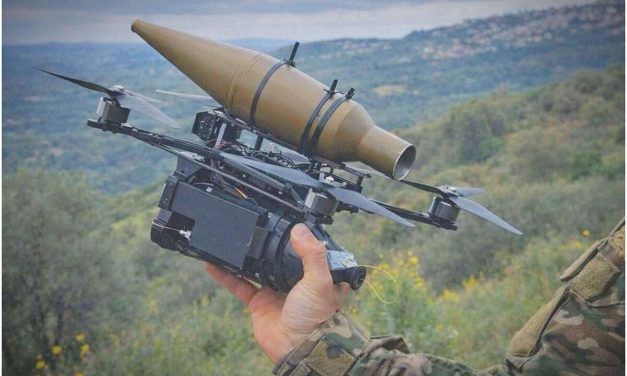
The Challenge of Hezbollah’s Low-Cost “FPV” Drones for the Zionist Regime

SCFR Online – Opinion: In modern warfare, it has always been assumed that the more expensive, and advanced the weapon—particularly from well-known companies—the more certain the victory will be. However, developments on the northern front of occupied Palestine in recent months have challenged this long-held belief. Here, the Zionist regime’s military, despite possessing the most advanced defense systems such as Iron Dome, David’s Sling, and Arrow, as well as fifth-generation F-35 fighter jets, Merkava tanks, and other modern equipment found in few countries worldwide, has effectively been rendered helpless against Hezbollah Lebanon’s few-hundred-dollar drones. Benjamin Netanyahu’s bitter admission regarding the inability to counter this threat, and his order to allocate an unlimited budget to find a solution, underscores the reality that the era of pure superiority through expensive technologies has come to an end.

The Impact of West Asian Developments on the Ukraine War

SCFR Online – Note: Vladimir Putin, President of Russia, recently announced—more than four years after the commencement of military aggression against Ukraine—that he believes the conflict between Russia and Ukraine is drawing to a close.

Temporary China–U.S. Trade Truce in the Shadow of Fundamental Distrust

SCFR Online – Opinion: The recent visit of the President of the United States to China is significant from various aspects; because China is recognized as the world’s second-largest economic power and a growing economy. The Chinese are also advancing in various fields, including the space sector, artificial intelligence, and military industries; to the extent that in the military sector, whereas they previously lacked an aircraft carrier, they now possess their third aircraft carrier. On the other hand, the United States, as a superpower, has always regarded China as its rival and continues to view it as such today.

Loading

cyber security

Digital Domain Independence: A Crucial Element for National Security

Digital Domain Independence: A Crucial Element for National Security

Strategic Council Online – Interview: A technology sector expert stated: In the era of cyber wars and artificial intelligence, independence in the digital domain has become a critical issue; countries that achieve technological self-sufficiency sooner will shape their future security.

Chehrazad Suggested in a meeting on AI applications in foreign relations: Necessity of Considering the AI Department in the Foreign Ministry Structure

Chehrazad Suggested in a meeting on AI applications in foreign relations: Necessity of Considering the AI Department in the Foreign Ministry Structure

Strategic Council Online – Meeting: An expert in the field of cyber governance, referring to the requirements and targets of establishing artificial intelligence, added: The role of the link between the national innovation system and the international innovation system is the responsibility of the Ministry of Foreign Affairs. Meanwhile, the optimum transfer of technology can happen with the help of diplomacy. This is not possible without considering mechanisms for the transfer of technology.

A faculty member of the Foreign Ministry School emphasizes at a meeting on “Foreign Relations in Artificial Intelligence Era”: The Necessity of Understanding Digitization of International Relations

A faculty member of the Foreign Ministry School emphasizes at a meeting on “Foreign Relations in Artificial Intelligence Era”: The Necessity of Understanding Digitization of International Relations

Strategic Council Online: A faculty member of the School of International Relations of the Ministry of Foreign Affairs emphasized: Artificial intelligence can be very decisive in international relations. As international relations can be digitized, data can be given to artificial intelligence, and conclusions can be drawn from it.

British security pact with Sweden and Finland; Trends and Consequences

British security pact with Sweden and Finland; Trends and Consequences

Strategic Council Online: Interview: Referring to Britain’s efforts to take the lead in defending Eastern and Northern Europe against Russia, a European affairs expert said Britain wanted to return to its former role in European defense and security by strengthening Eastern and Northern Europe and revive an “Atlanticist approach” which defines Europe’s security and defense under the umbrella of NATO and US bases in Europe.

Interview with the deputy of Iran Cyber Defense Command (2)  A view to strategies of Iran and Europe to combat cyber attacks

Interview with the deputy of Iran Cyber Defense Command (2) A view to strategies of Iran and Europe to combat cyber attacks

Strategic Council Online—Interview: The deputy of Iran Cyber Defense Command referred to the main strategies of Iran to combat the cyber threats and attacks and said “Iran is emphasizing the establishment of a local and domestic cyber defense industry and production of cyber equipment using the capabilities of research and manufacturing sectors in order to support the use of cyber infrastructure and prevent cyber attacks by enemies.”

Interview with deputy of Iran Cyber Defense Command (1) Increased Risk of Cyber Threats in Strategic Competition of States

Interview with deputy of Iran Cyber Defense Command (1) Increased Risk of Cyber Threats in Strategic Competition of States

Strategic Council Online – The deputy of Iran Cyber Defense Command, stating that technological progress, in addition to having different advantages, also creates new problems, said: The United States, the Zionist regime, and their regional allies are working to increase their operational access to our infrastructures by taking advantage of the advancement in cyberspace-related technologies.

أحدث الوظائف

Europe’s Enduring Dependence on Persian Gulf Energy

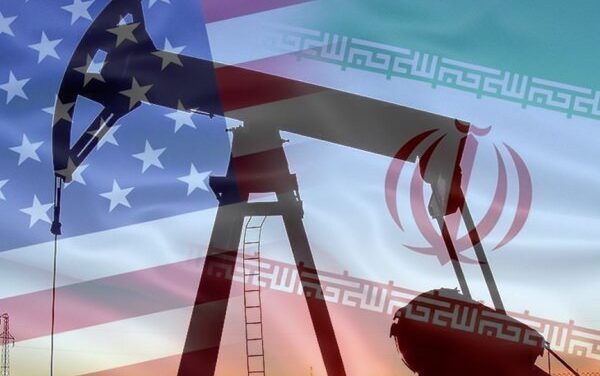
SCFR Online – Opinion: The dominant discourse in the field of European energy security over the past two decades has revolved around diversification of supply sources and the gradual reduction of dependence on fossil fuels. This narrative, which gained particular momentum after the Ukraine gas crisis in 2006 and its intensification in 2014 and 2022, was based on the assumption that Europe could free itself from the geopolitical vulnerabilities arising from dependence on specific suppliers through investment in renewable energy, imports of liquefied natural gas from diversified sources, and the establishment of new infrastructure. However, a closer analysis of energy trade data and the structure of the global oil and gas supply chain presents a different picture. Europe has not only failed to meaningfully reduce its dependence on the Persian Gulf, but in some sectors — particularly in liquefied natural gas imports — this dependence has deepened. This reality, which is often overlooked in public discourse, raises fundamental questions about the sustainability of Europe’s energy security strategies and their impact on regional power equations.
The Challenge of Hezbollah’s Low-Cost “FPV” Drones for the Zionist Regime

SCFR Online – Opinion: In modern warfare, it has always been assumed that the more expensive, and advanced the weapon—particularly from well-known companies—the more certain the victory will be. However, developments on the northern front of occupied Palestine in recent months have challenged this long-held belief. Here, the Zionist regime’s military, despite possessing the most advanced defense systems such as Iron Dome, David’s Sling, and Arrow, as well as fifth-generation F-35 fighter jets, Merkava tanks, and other modern equipment found in few countries worldwide, has effectively been rendered helpless against Hezbollah Lebanon’s few-hundred-dollar drones. Benjamin Netanyahu’s bitter admission regarding the inability to counter this threat, and his order to allocate an unlimited budget to find a solution, underscores the reality that the era of pure superiority through expensive technologies has come to an end.

The Impact of West Asian Developments on the Ukraine War

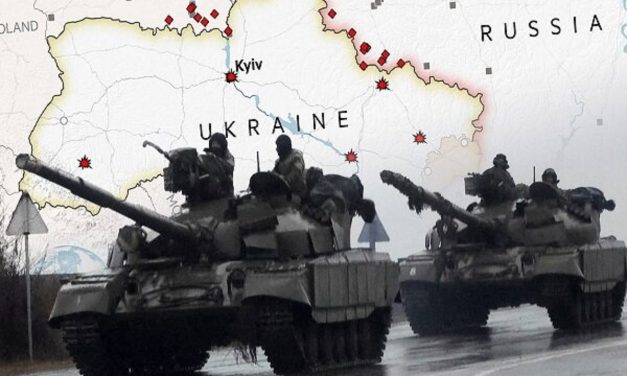
SCFR Online – Note: Vladimir Putin, President of Russia, recently announced—more than four years after the commencement of military aggression against Ukraine—that he believes the conflict between Russia and Ukraine is drawing to a close.

Temporary China–U.S. Trade Truce in the Shadow of Fundamental Distrust

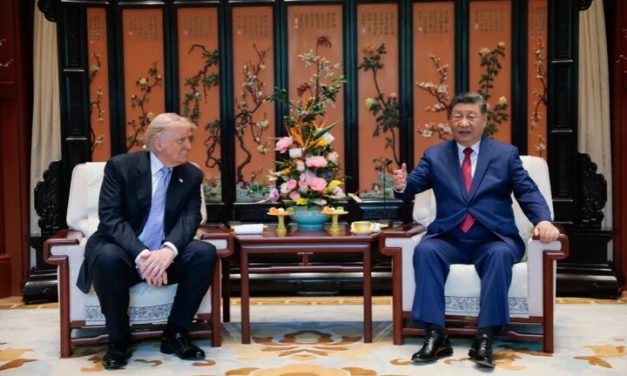
SCFR Online – Opinion: The recent visit of the President of the United States to China is significant from various aspects; because China is recognized as the world’s second-largest economic power and a growing economy. The Chinese are also advancing in various fields, including the space sector, artificial intelligence, and military industries; to the extent that in the military sector, whereas they previously lacked an aircraft carrier, they now possess their third aircraft carrier. On the other hand, the United States, as a superpower, has always regarded China as its rival and continues to view it as such today.

Loading

cyber security

Digital Domain Independence: A Crucial Element for National Security

Digital Domain Independence: A Crucial Element for National Security

Strategic Council Online – Interview: A technology sector expert stated: In the era of cyber wars and artificial intelligence, independence in the digital domain has become a critical issue; countries that achieve technological self-sufficiency sooner will shape their future security.

Chehrazad Suggested in a meeting on AI applications in foreign relations: Necessity of Considering the AI Department in the Foreign Ministry Structure

Chehrazad Suggested in a meeting on AI applications in foreign relations: Necessity of Considering the AI Department in the Foreign Ministry Structure

Strategic Council Online – Meeting: An expert in the field of cyber governance, referring to the requirements and targets of establishing artificial intelligence, added: The role of the link between the national innovation system and the international innovation system is the responsibility of the Ministry of Foreign Affairs. Meanwhile, the optimum transfer of technology can happen with the help of diplomacy. This is not possible without considering mechanisms for the transfer of technology.

A faculty member of the Foreign Ministry School emphasizes at a meeting on “Foreign Relations in Artificial Intelligence Era”: The Necessity of Understanding Digitization of International Relations

A faculty member of the Foreign Ministry School emphasizes at a meeting on “Foreign Relations in Artificial Intelligence Era”: The Necessity of Understanding Digitization of International Relations

Strategic Council Online: A faculty member of the School of International Relations of the Ministry of Foreign Affairs emphasized: Artificial intelligence can be very decisive in international relations. As international relations can be digitized, data can be given to artificial intelligence, and conclusions can be drawn from it.

British security pact with Sweden and Finland; Trends and Consequences

British security pact with Sweden and Finland; Trends and Consequences

Strategic Council Online: Interview: Referring to Britain’s efforts to take the lead in defending Eastern and Northern Europe against Russia, a European affairs expert said Britain wanted to return to its former role in European defense and security by strengthening Eastern and Northern Europe and revive an “Atlanticist approach” which defines Europe’s security and defense under the umbrella of NATO and US bases in Europe.

Interview with the deputy of Iran Cyber Defense Command (2)  A view to strategies of Iran and Europe to combat cyber attacks

Interview with the deputy of Iran Cyber Defense Command (2) A view to strategies of Iran and Europe to combat cyber attacks

Strategic Council Online—Interview: The deputy of Iran Cyber Defense Command referred to the main strategies of Iran to combat the cyber threats and attacks and said “Iran is emphasizing the establishment of a local and domestic cyber defense industry and production of cyber equipment using the capabilities of research and manufacturing sectors in order to support the use of cyber infrastructure and prevent cyber attacks by enemies.”

Interview with deputy of Iran Cyber Defense Command (1) Increased Risk of Cyber Threats in Strategic Competition of States

Interview with deputy of Iran Cyber Defense Command (1) Increased Risk of Cyber Threats in Strategic Competition of States

Strategic Council Online – The deputy of Iran Cyber Defense Command, stating that technological progress, in addition to having different advantages, also creates new problems, said: The United States, the Zionist regime, and their regional allies are working to increase their operational access to our infrastructures by taking advantage of the advancement in cyberspace-related technologies.

cyber security

Digital Domain Independence: A Crucial Element for National Security

Digital Domain Independence: A Crucial Element for National Security

Strategic Council Online – Interview: A technology sector expert stated: In the era of cyber wars and artificial intelligence, independence in the digital domain has become a critical issue; countries that achieve technological self-sufficiency sooner will shape their future security.

Chehrazad Suggested in a meeting on AI applications in foreign relations: Necessity of Considering the AI Department in the Foreign Ministry Structure

Chehrazad Suggested in a meeting on AI applications in foreign relations: Necessity of Considering the AI Department in the Foreign Ministry Structure

Strategic Council Online – Meeting: An expert in the field of cyber governance, referring to the requirements and targets of establishing artificial intelligence, added: The role of the link between the national innovation system and the international innovation system is the responsibility of the Ministry of Foreign Affairs. Meanwhile, the optimum transfer of technology can happen with the help of diplomacy. This is not possible without considering mechanisms for the transfer of technology.

A faculty member of the Foreign Ministry School emphasizes at a meeting on “Foreign Relations in Artificial Intelligence Era”: The Necessity of Understanding Digitization of International Relations

A faculty member of the Foreign Ministry School emphasizes at a meeting on “Foreign Relations in Artificial Intelligence Era”: The Necessity of Understanding Digitization of International Relations

Strategic Council Online: A faculty member of the School of International Relations of the Ministry of Foreign Affairs emphasized: Artificial intelligence can be very decisive in international relations. As international relations can be digitized, data can be given to artificial intelligence, and conclusions can be drawn from it.

British security pact with Sweden and Finland; Trends and Consequences

British security pact with Sweden and Finland; Trends and Consequences

Strategic Council Online: Interview: Referring to Britain’s efforts to take the lead in defending Eastern and Northern Europe against Russia, a European affairs expert said Britain wanted to return to its former role in European defense and security by strengthening Eastern and Northern Europe and revive an “Atlanticist approach” which defines Europe’s security and defense under the umbrella of NATO and US bases in Europe.

Interview with the deputy of Iran Cyber Defense Command (2)  A view to strategies of Iran and Europe to combat cyber attacks

Interview with the deputy of Iran Cyber Defense Command (2) A view to strategies of Iran and Europe to combat cyber attacks

Strategic Council Online—Interview: The deputy of Iran Cyber Defense Command referred to the main strategies of Iran to combat the cyber threats and attacks and said “Iran is emphasizing the establishment of a local and domestic cyber defense industry and production of cyber equipment using the capabilities of research and manufacturing sectors in order to support the use of cyber infrastructure and prevent cyber attacks by enemies.”

Interview with deputy of Iran Cyber Defense Command (1) Increased Risk of Cyber Threats in Strategic Competition of States

Interview with deputy of Iran Cyber Defense Command (1) Increased Risk of Cyber Threats in Strategic Competition of States

Strategic Council Online – The deputy of Iran Cyber Defense Command, stating that technological progress, in addition to having different advantages, also creates new problems, said: The United States, the Zionist regime, and their regional allies are working to increase their operational access to our infrastructures by taking advantage of the advancement in cyberspace-related technologies.

LATEST CONTENT

Europe’s Enduring Dependence on Persian Gulf Energy

SCFR Online – Opinion: The dominant discourse in the field of European energy security over the past two decades has revolved around diversification of supply sources and the gradual reduction of dependence on fossil fuels. This narrative, which gained particular momentum after the Ukraine gas crisis in 2006 and its intensification in 2014 and 2022, was based on the assumption that Europe could free itself from the geopolitical vulnerabilities arising from dependence on specific suppliers through investment in renewable energy, imports of liquefied natural gas from diversified sources, and the establishment of new infrastructure. However, a closer analysis of energy trade data and the structure of the global oil and gas supply chain presents a different picture. Europe has not only failed to meaningfully reduce its dependence on the Persian Gulf, but in some sectors — particularly in liquefied natural gas imports — this dependence has deepened. This reality, which is often overlooked in public discourse, raises fundamental questions about the sustainability of Europe’s energy security strategies and their impact on regional power equations.
The Challenge of Hezbollah’s Low-Cost “FPV” Drones for the Zionist Regime

SCFR Online – Opinion: In modern warfare, it has always been assumed that the more expensive, and advanced the weapon—particularly from well-known companies—the more certain the victory will be. However, developments on the northern front of occupied Palestine in recent months have challenged this long-held belief. Here, the Zionist regime’s military, despite possessing the most advanced defense systems such as Iron Dome, David’s Sling, and Arrow, as well as fifth-generation F-35 fighter jets, Merkava tanks, and other modern equipment found in few countries worldwide, has effectively been rendered helpless against Hezbollah Lebanon’s few-hundred-dollar drones. Benjamin Netanyahu’s bitter admission regarding the inability to counter this threat, and his order to allocate an unlimited budget to find a solution, underscores the reality that the era of pure superiority through expensive technologies has come to an end.

The Impact of West Asian Developments on the Ukraine War

SCFR Online – Note: Vladimir Putin, President of Russia, recently announced—more than four years after the commencement of military aggression against Ukraine—that he believes the conflict between Russia and Ukraine is drawing to a close.

Temporary China–U.S. Trade Truce in the Shadow of Fundamental Distrust

SCFR Online – Opinion: The recent visit of the President of the United States to China is significant from various aspects; because China is recognized as the world’s second-largest economic power and a growing economy. The Chinese are also advancing in various fields, including the space sector, artificial intelligence, and military industries; to the extent that in the military sector, whereas they previously lacked an aircraft carrier, they now possess their third aircraft carrier. On the other hand, the United States, as a superpower, has always regarded China as its rival and continues to view it as such today.

Loading

cyber security

Digital Domain Independence: A Crucial Element for National Security

Digital Domain Independence: A Crucial Element for National Security

Strategic Council Online – Interview: A technology sector expert stated: In the era of cyber wars and artificial intelligence, independence in the digital domain has become a critical issue; countries that achieve technological self-sufficiency sooner will shape their future security.

Chehrazad Suggested in a meeting on AI applications in foreign relations: Necessity of Considering the AI Department in the Foreign Ministry Structure

Chehrazad Suggested in a meeting on AI applications in foreign relations: Necessity of Considering the AI Department in the Foreign Ministry Structure

Strategic Council Online – Meeting: An expert in the field of cyber governance, referring to the requirements and targets of establishing artificial intelligence, added: The role of the link between the national innovation system and the international innovation system is the responsibility of the Ministry of Foreign Affairs. Meanwhile, the optimum transfer of technology can happen with the help of diplomacy. This is not possible without considering mechanisms for the transfer of technology.

A faculty member of the Foreign Ministry School emphasizes at a meeting on “Foreign Relations in Artificial Intelligence Era”: The Necessity of Understanding Digitization of International Relations

A faculty member of the Foreign Ministry School emphasizes at a meeting on “Foreign Relations in Artificial Intelligence Era”: The Necessity of Understanding Digitization of International Relations

Strategic Council Online: A faculty member of the School of International Relations of the Ministry of Foreign Affairs emphasized: Artificial intelligence can be very decisive in international relations. As international relations can be digitized, data can be given to artificial intelligence, and conclusions can be drawn from it.

British security pact with Sweden and Finland; Trends and Consequences

British security pact with Sweden and Finland; Trends and Consequences

Strategic Council Online: Interview: Referring to Britain’s efforts to take the lead in defending Eastern and Northern Europe against Russia, a European affairs expert said Britain wanted to return to its former role in European defense and security by strengthening Eastern and Northern Europe and revive an “Atlanticist approach” which defines Europe’s security and defense under the umbrella of NATO and US bases in Europe.

Interview with the deputy of Iran Cyber Defense Command (2)  A view to strategies of Iran and Europe to combat cyber attacks

Interview with the deputy of Iran Cyber Defense Command (2) A view to strategies of Iran and Europe to combat cyber attacks

Strategic Council Online—Interview: The deputy of Iran Cyber Defense Command referred to the main strategies of Iran to combat the cyber threats and attacks and said “Iran is emphasizing the establishment of a local and domestic cyber defense industry and production of cyber equipment using the capabilities of research and manufacturing sectors in order to support the use of cyber infrastructure and prevent cyber attacks by enemies.”

Interview with deputy of Iran Cyber Defense Command (1) Increased Risk of Cyber Threats in Strategic Competition of States

Interview with deputy of Iran Cyber Defense Command (1) Increased Risk of Cyber Threats in Strategic Competition of States

Strategic Council Online – The deputy of Iran Cyber Defense Command, stating that technological progress, in addition to having different advantages, also creates new problems, said: The United States, the Zionist regime, and their regional allies are working to increase their operational access to our infrastructures by taking advantage of the advancement in cyberspace-related technologies.

ÚLTIMAS PUBLICACIONES

Europe’s Enduring Dependence on Persian Gulf Energy

SCFR Online – Opinion: The dominant discourse in the field of European energy security over the past two decades has revolved around diversification of supply sources and the gradual reduction of dependence on fossil fuels. This narrative, which gained particular momentum after the Ukraine gas crisis in 2006 and its intensification in 2014 and 2022, was based on the assumption that Europe could free itself from the geopolitical vulnerabilities arising from dependence on specific suppliers through investment in renewable energy, imports of liquefied natural gas from diversified sources, and the establishment of new infrastructure. However, a closer analysis of energy trade data and the structure of the global oil and gas supply chain presents a different picture. Europe has not only failed to meaningfully reduce its dependence on the Persian Gulf, but in some sectors — particularly in liquefied natural gas imports — this dependence has deepened. This reality, which is often overlooked in public discourse, raises fundamental questions about the sustainability of Europe’s energy security strategies and their impact on regional power equations.
The Challenge of Hezbollah’s Low-Cost “FPV” Drones for the Zionist Regime

SCFR Online – Opinion: In modern warfare, it has always been assumed that the more expensive, and advanced the weapon—particularly from well-known companies—the more certain the victory will be. However, developments on the northern front of occupied Palestine in recent months have challenged this long-held belief. Here, the Zionist regime’s military, despite possessing the most advanced defense systems such as Iron Dome, David’s Sling, and Arrow, as well as fifth-generation F-35 fighter jets, Merkava tanks, and other modern equipment found in few countries worldwide, has effectively been rendered helpless against Hezbollah Lebanon’s few-hundred-dollar drones. Benjamin Netanyahu’s bitter admission regarding the inability to counter this threat, and his order to allocate an unlimited budget to find a solution, underscores the reality that the era of pure superiority through expensive technologies has come to an end.

The Impact of West Asian Developments on the Ukraine War

SCFR Online – Note: Vladimir Putin, President of Russia, recently announced—more than four years after the commencement of military aggression against Ukraine—that he believes the conflict between Russia and Ukraine is drawing to a close.

Temporary China–U.S. Trade Truce in the Shadow of Fundamental Distrust

SCFR Online – Opinion: The recent visit of the President of the United States to China is significant from various aspects; because China is recognized as the world’s second-largest economic power and a growing economy. The Chinese are also advancing in various fields, including the space sector, artificial intelligence, and military industries; to the extent that in the military sector, whereas they previously lacked an aircraft carrier, they now possess their third aircraft carrier. On the other hand, the United States, as a superpower, has always regarded China as its rival and continues to view it as such today.

Loading

cyber security

Digital Domain Independence: A Crucial Element for National Security

Digital Domain Independence: A Crucial Element for National Security

Strategic Council Online – Interview: A technology sector expert stated: In the era of cyber wars and artificial intelligence, independence in the digital domain has become a critical issue; countries that achieve technological self-sufficiency sooner will shape their future security.

Chehrazad Suggested in a meeting on AI applications in foreign relations: Necessity of Considering the AI Department in the Foreign Ministry Structure

Chehrazad Suggested in a meeting on AI applications in foreign relations: Necessity of Considering the AI Department in the Foreign Ministry Structure

Strategic Council Online – Meeting: An expert in the field of cyber governance, referring to the requirements and targets of establishing artificial intelligence, added: The role of the link between the national innovation system and the international innovation system is the responsibility of the Ministry of Foreign Affairs. Meanwhile, the optimum transfer of technology can happen with the help of diplomacy. This is not possible without considering mechanisms for the transfer of technology.

A faculty member of the Foreign Ministry School emphasizes at a meeting on “Foreign Relations in Artificial Intelligence Era”: The Necessity of Understanding Digitization of International Relations

A faculty member of the Foreign Ministry School emphasizes at a meeting on “Foreign Relations in Artificial Intelligence Era”: The Necessity of Understanding Digitization of International Relations

Strategic Council Online: A faculty member of the School of International Relations of the Ministry of Foreign Affairs emphasized: Artificial intelligence can be very decisive in international relations. As international relations can be digitized, data can be given to artificial intelligence, and conclusions can be drawn from it.

British security pact with Sweden and Finland; Trends and Consequences

British security pact with Sweden and Finland; Trends and Consequences

Strategic Council Online: Interview: Referring to Britain’s efforts to take the lead in defending Eastern and Northern Europe against Russia, a European affairs expert said Britain wanted to return to its former role in European defense and security by strengthening Eastern and Northern Europe and revive an “Atlanticist approach” which defines Europe’s security and defense under the umbrella of NATO and US bases in Europe.

Interview with the deputy of Iran Cyber Defense Command (2)  A view to strategies of Iran and Europe to combat cyber attacks

Interview with the deputy of Iran Cyber Defense Command (2) A view to strategies of Iran and Europe to combat cyber attacks

Strategic Council Online—Interview: The deputy of Iran Cyber Defense Command referred to the main strategies of Iran to combat the cyber threats and attacks and said “Iran is emphasizing the establishment of a local and domestic cyber defense industry and production of cyber equipment using the capabilities of research and manufacturing sectors in order to support the use of cyber infrastructure and prevent cyber attacks by enemies.”

Interview with deputy of Iran Cyber Defense Command (1) Increased Risk of Cyber Threats in Strategic Competition of States

Interview with deputy of Iran Cyber Defense Command (1) Increased Risk of Cyber Threats in Strategic Competition of States

Strategic Council Online – The deputy of Iran Cyber Defense Command, stating that technological progress, in addition to having different advantages, also creates new problems, said: The United States, the Zionist regime, and their regional allies are working to increase their operational access to our infrastructures by taking advantage of the advancement in cyberspace-related technologies.

ÚLTIMAS PUBLICACIONES

Europe’s Enduring Dependence on Persian Gulf Energy

SCFR Online – Opinion: The dominant discourse in the field of European energy security over the past two decades has revolved around diversification of supply sources and the gradual reduction of dependence on fossil fuels. This narrative, which gained particular momentum after the Ukraine gas crisis in 2006 and its intensification in 2014 and 2022, was based on the assumption that Europe could free itself from the geopolitical vulnerabilities arising from dependence on specific suppliers through investment in renewable energy, imports of liquefied natural gas from diversified sources, and the establishment of new infrastructure. However, a closer analysis of energy trade data and the structure of the global oil and gas supply chain presents a different picture. Europe has not only failed to meaningfully reduce its dependence on the Persian Gulf, but in some sectors — particularly in liquefied natural gas imports — this dependence has deepened. This reality, which is often overlooked in public discourse, raises fundamental questions about the sustainability of Europe’s energy security strategies and their impact on regional power equations.
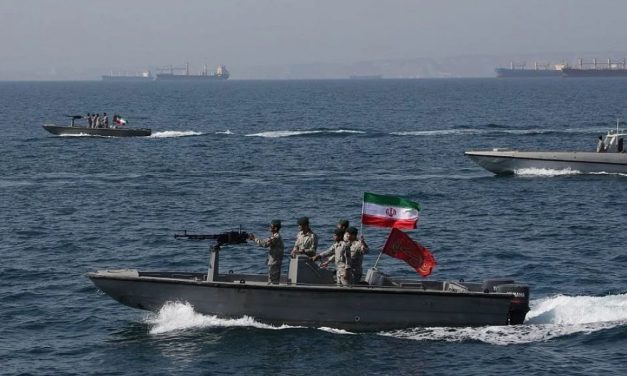
The Challenge of Hezbollah’s Low-Cost “FPV” Drones for the Zionist Regime

SCFR Online – Opinion: In modern warfare, it has always been assumed that the more expensive, and advanced the weapon—particularly from well-known companies—the more certain the victory will be. However, developments on the northern front of occupied Palestine in recent months have challenged this long-held belief. Here, the Zionist regime’s military, despite possessing the most advanced defense systems such as Iron Dome, David’s Sling, and Arrow, as well as fifth-generation F-35 fighter jets, Merkava tanks, and other modern equipment found in few countries worldwide, has effectively been rendered helpless against Hezbollah Lebanon’s few-hundred-dollar drones. Benjamin Netanyahu’s bitter admission regarding the inability to counter this threat, and his order to allocate an unlimited budget to find a solution, underscores the reality that the era of pure superiority through expensive technologies has come to an end.

The Impact of West Asian Developments on the Ukraine War

SCFR Online – Note: Vladimir Putin, President of Russia, recently announced—more than four years after the commencement of military aggression against Ukraine—that he believes the conflict between Russia and Ukraine is drawing to a close.

Temporary China–U.S. Trade Truce in the Shadow of Fundamental Distrust

SCFR Online – Opinion: The recent visit of the President of the United States to China is significant from various aspects; because China is recognized as the world’s second-largest economic power and a growing economy. The Chinese are also advancing in various fields, including the space sector, artificial intelligence, and military industries; to the extent that in the military sector, whereas they previously lacked an aircraft carrier, they now possess their third aircraft carrier. On the other hand, the United States, as a superpower, has always regarded China as its rival and continues to view it as such today.

Loading

cyber security

Digital Domain Independence: A Crucial Element for National Security

Digital Domain Independence: A Crucial Element for National Security

Strategic Council Online – Interview: A technology sector expert stated: In the era of cyber wars and artificial intelligence, independence in the digital domain has become a critical issue; countries that achieve technological self-sufficiency sooner will shape their future security.

Chehrazad Suggested in a meeting on AI applications in foreign relations: Necessity of Considering the AI Department in the Foreign Ministry Structure

Chehrazad Suggested in a meeting on AI applications in foreign relations: Necessity of Considering the AI Department in the Foreign Ministry Structure

Strategic Council Online – Meeting: An expert in the field of cyber governance, referring to the requirements and targets of establishing artificial intelligence, added: The role of the link between the national innovation system and the international innovation system is the responsibility of the Ministry of Foreign Affairs. Meanwhile, the optimum transfer of technology can happen with the help of diplomacy. This is not possible without considering mechanisms for the transfer of technology.

A faculty member of the Foreign Ministry School emphasizes at a meeting on “Foreign Relations in Artificial Intelligence Era”: The Necessity of Understanding Digitization of International Relations

A faculty member of the Foreign Ministry School emphasizes at a meeting on “Foreign Relations in Artificial Intelligence Era”: The Necessity of Understanding Digitization of International Relations

Strategic Council Online: A faculty member of the School of International Relations of the Ministry of Foreign Affairs emphasized: Artificial intelligence can be very decisive in international relations. As international relations can be digitized, data can be given to artificial intelligence, and conclusions can be drawn from it.

British security pact with Sweden and Finland; Trends and Consequences

British security pact with Sweden and Finland; Trends and Consequences

Strategic Council Online: Interview: Referring to Britain’s efforts to take the lead in defending Eastern and Northern Europe against Russia, a European affairs expert said Britain wanted to return to its former role in European defense and security by strengthening Eastern and Northern Europe and revive an “Atlanticist approach” which defines Europe’s security and defense under the umbrella of NATO and US bases in Europe.

Interview with the deputy of Iran Cyber Defense Command (2)  A view to strategies of Iran and Europe to combat cyber attacks

Interview with the deputy of Iran Cyber Defense Command (2) A view to strategies of Iran and Europe to combat cyber attacks

Strategic Council Online—Interview: The deputy of Iran Cyber Defense Command referred to the main strategies of Iran to combat the cyber threats and attacks and said “Iran is emphasizing the establishment of a local and domestic cyber defense industry and production of cyber equipment using the capabilities of research and manufacturing sectors in order to support the use of cyber infrastructure and prevent cyber attacks by enemies.”

Interview with deputy of Iran Cyber Defense Command (1) Increased Risk of Cyber Threats in Strategic Competition of States

Interview with deputy of Iran Cyber Defense Command (1) Increased Risk of Cyber Threats in Strategic Competition of States

Strategic Council Online – The deputy of Iran Cyber Defense Command, stating that technological progress, in addition to having different advantages, also creates new problems, said: The United States, the Zionist regime, and their regional allies are working to increase their operational access to our infrastructures by taking advantage of the advancement in cyberspace-related technologies.

ÚLTIMAS PUBLICACIONES

Europe’s Enduring Dependence on Persian Gulf Energy

SCFR Online – Opinion: The dominant discourse in the field of European energy security over the past two decades has revolved around diversification of supply sources and the gradual reduction of dependence on fossil fuels. This narrative, which gained particular momentum after the Ukraine gas crisis in 2006 and its intensification in 2014 and 2022, was based on the assumption that Europe could free itself from the geopolitical vulnerabilities arising from dependence on specific suppliers through investment in renewable energy, imports of liquefied natural gas from diversified sources, and the establishment of new infrastructure. However, a closer analysis of energy trade data and the structure of the global oil and gas supply chain presents a different picture. Europe has not only failed to meaningfully reduce its dependence on the Persian Gulf, but in some sectors — particularly in liquefied natural gas imports — this dependence has deepened. This reality, which is often overlooked in public discourse, raises fundamental questions about the sustainability of Europe’s energy security strategies and their impact on regional power equations.
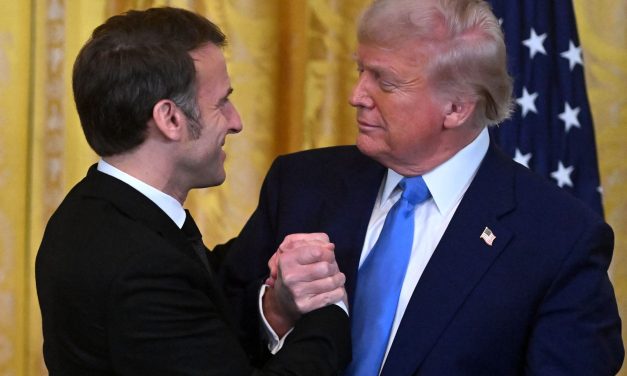
The Challenge of Hezbollah’s Low-Cost “FPV” Drones for the Zionist Regime

SCFR Online – Opinion: In modern warfare, it has always been assumed that the more expensive, and advanced the weapon—particularly from well-known companies—the more certain the victory will be. However, developments on the northern front of occupied Palestine in recent months have challenged this long-held belief. Here, the Zionist regime’s military, despite possessing the most advanced defense systems such as Iron Dome, David’s Sling, and Arrow, as well as fifth-generation F-35 fighter jets, Merkava tanks, and other modern equipment found in few countries worldwide, has effectively been rendered helpless against Hezbollah Lebanon’s few-hundred-dollar drones. Benjamin Netanyahu’s bitter admission regarding the inability to counter this threat, and his order to allocate an unlimited budget to find a solution, underscores the reality that the era of pure superiority through expensive technologies has come to an end.

The Impact of West Asian Developments on the Ukraine War

SCFR Online – Note: Vladimir Putin, President of Russia, recently announced—more than four years after the commencement of military aggression against Ukraine—that he believes the conflict between Russia and Ukraine is drawing to a close.

Temporary China–U.S. Trade Truce in the Shadow of Fundamental Distrust

SCFR Online – Opinion: The recent visit of the President of the United States to China is significant from various aspects; because China is recognized as the world’s second-largest economic power and a growing economy. The Chinese are also advancing in various fields, including the space sector, artificial intelligence, and military industries; to the extent that in the military sector, whereas they previously lacked an aircraft carrier, they now possess their third aircraft carrier. On the other hand, the United States, as a superpower, has always regarded China as its rival and continues to view it as such today.

Loading

cyber security

Digital Domain Independence: A Crucial Element for National Security

Digital Domain Independence: A Crucial Element for National Security

Strategic Council Online – Interview: A technology sector expert stated: In the era of cyber wars and artificial intelligence, independence in the digital domain has become a critical issue; countries that achieve technological self-sufficiency sooner will shape their future security.

Chehrazad Suggested in a meeting on AI applications in foreign relations: Necessity of Considering the AI Department in the Foreign Ministry Structure

Chehrazad Suggested in a meeting on AI applications in foreign relations: Necessity of Considering the AI Department in the Foreign Ministry Structure

Strategic Council Online – Meeting: An expert in the field of cyber governance, referring to the requirements and targets of establishing artificial intelligence, added: The role of the link between the national innovation system and the international innovation system is the responsibility of the Ministry of Foreign Affairs. Meanwhile, the optimum transfer of technology can happen with the help of diplomacy. This is not possible without considering mechanisms for the transfer of technology.

A faculty member of the Foreign Ministry School emphasizes at a meeting on “Foreign Relations in Artificial Intelligence Era”: The Necessity of Understanding Digitization of International Relations

A faculty member of the Foreign Ministry School emphasizes at a meeting on “Foreign Relations in Artificial Intelligence Era”: The Necessity of Understanding Digitization of International Relations

Strategic Council Online: A faculty member of the School of International Relations of the Ministry of Foreign Affairs emphasized: Artificial intelligence can be very decisive in international relations. As international relations can be digitized, data can be given to artificial intelligence, and conclusions can be drawn from it.

British security pact with Sweden and Finland; Trends and Consequences

British security pact with Sweden and Finland; Trends and Consequences

Strategic Council Online: Interview: Referring to Britain’s efforts to take the lead in defending Eastern and Northern Europe against Russia, a European affairs expert said Britain wanted to return to its former role in European defense and security by strengthening Eastern and Northern Europe and revive an “Atlanticist approach” which defines Europe’s security and defense under the umbrella of NATO and US bases in Europe.

Interview with the deputy of Iran Cyber Defense Command (2)  A view to strategies of Iran and Europe to combat cyber attacks

Interview with the deputy of Iran Cyber Defense Command (2) A view to strategies of Iran and Europe to combat cyber attacks

Strategic Council Online—Interview: The deputy of Iran Cyber Defense Command referred to the main strategies of Iran to combat the cyber threats and attacks and said “Iran is emphasizing the establishment of a local and domestic cyber defense industry and production of cyber equipment using the capabilities of research and manufacturing sectors in order to support the use of cyber infrastructure and prevent cyber attacks by enemies.”

Interview with deputy of Iran Cyber Defense Command (1) Increased Risk of Cyber Threats in Strategic Competition of States

Interview with deputy of Iran Cyber Defense Command (1) Increased Risk of Cyber Threats in Strategic Competition of States

Strategic Council Online – The deputy of Iran Cyber Defense Command, stating that technological progress, in addition to having different advantages, also creates new problems, said: The United States, the Zionist regime, and their regional allies are working to increase their operational access to our infrastructures by taking advantage of the advancement in cyberspace-related technologies.

ÚLTIMAS PUBLICACIONES

Europe’s Enduring Dependence on Persian Gulf Energy

SCFR Online – Opinion: The dominant discourse in the field of European energy security over the past two decades has revolved around diversification of supply sources and the gradual reduction of dependence on fossil fuels. This narrative, which gained particular momentum after the Ukraine gas crisis in 2006 and its intensification in 2014 and 2022, was based on the assumption that Europe could free itself from the geopolitical vulnerabilities arising from dependence on specific suppliers through investment in renewable energy, imports of liquefied natural gas from diversified sources, and the establishment of new infrastructure. However, a closer analysis of energy trade data and the structure of the global oil and gas supply chain presents a different picture. Europe has not only failed to meaningfully reduce its dependence on the Persian Gulf, but in some sectors — particularly in liquefied natural gas imports — this dependence has deepened. This reality, which is often overlooked in public discourse, raises fundamental questions about the sustainability of Europe’s energy security strategies and their impact on regional power equations.

The Challenge of Hezbollah’s Low-Cost “FPV” Drones for the Zionist Regime

SCFR Online – Opinion: In modern warfare, it has always been assumed that the more expensive, and advanced the weapon—particularly from well-known companies—the more certain the victory will be. However, developments on the northern front of occupied Palestine in recent months have challenged this long-held belief. Here, the Zionist regime’s military, despite possessing the most advanced defense systems such as Iron Dome, David’s Sling, and Arrow, as well as fifth-generation F-35 fighter jets, Merkava tanks, and other modern equipment found in few countries worldwide, has effectively been rendered helpless against Hezbollah Lebanon’s few-hundred-dollar drones. Benjamin Netanyahu’s bitter admission regarding the inability to counter this threat, and his order to allocate an unlimited budget to find a solution, underscores the reality that the era of pure superiority through expensive technologies has come to an end.

The Impact of West Asian Developments on the Ukraine War

SCFR Online – Note: Vladimir Putin, President of Russia, recently announced—more than four years after the commencement of military aggression against Ukraine—that he believes the conflict between Russia and Ukraine is drawing to a close.

Temporary China–U.S. Trade Truce in the Shadow of Fundamental Distrust

SCFR Online – Opinion: The recent visit of the President of the United States to China is significant from various aspects; because China is recognized as the world’s second-largest economic power and a growing economy. The Chinese are also advancing in various fields, including the space sector, artificial intelligence, and military industries; to the extent that in the military sector, whereas they previously lacked an aircraft carrier, they now possess their third aircraft carrier. On the other hand, the United States, as a superpower, has always regarded China as its rival and continues to view it as such today.

Loading