جدیدترین مطالب

Europe’s Enduring Dependence on Persian Gulf Energy

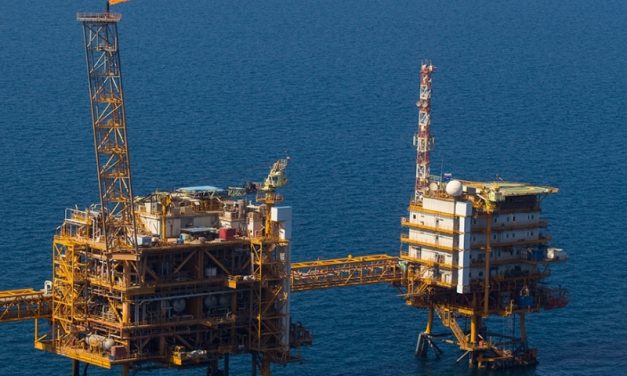
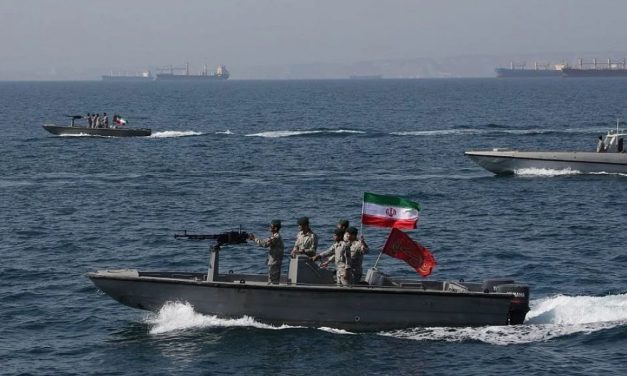
SCFR Online – Opinion: The dominant discourse in the field of European energy security over the past two decades has revolved around diversification of supply sources and the gradual reduction of dependence on fossil fuels. This narrative, which gained particular momentum after the Ukraine gas crisis in 2006 and its intensification in 2014 and 2022, was based on the assumption that Europe could free itself from the geopolitical vulnerabilities arising from dependence on specific suppliers through investment in renewable energy, imports of liquefied natural gas from diversified sources, and the establishment of new infrastructure. However, a closer analysis of energy trade data and the structure of the global oil and gas supply chain presents a different picture. Europe has not only failed to meaningfully reduce its dependence on the Persian Gulf, but in some sectors — particularly in liquefied natural gas imports — this dependence has deepened. This reality, which is often overlooked in public discourse, raises fundamental questions about the sustainability of Europe’s energy security strategies and their impact on regional power equations.

The Challenge of Hezbollah’s Low-Cost “FPV” Drones for the Zionist Regime

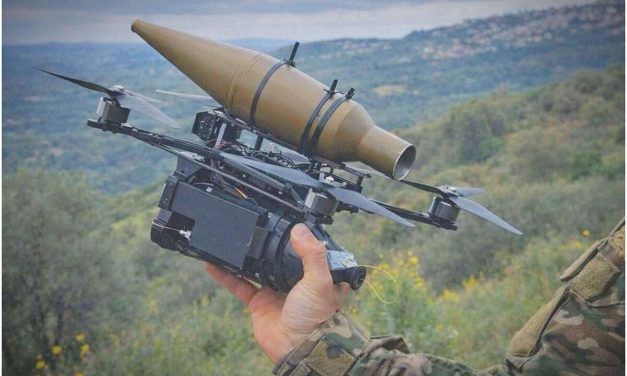
SCFR Online – Opinion: In modern warfare, it has always been assumed that the more expensive, and advanced the weapon—particularly from well-known companies—the more certain the victory will be. However, developments on the northern front of occupied Palestine in recent months have challenged this long-held belief. Here, the Zionist regime’s military, despite possessing the most advanced defense systems such as Iron Dome, David’s Sling, and Arrow, as well as fifth-generation F-35 fighter jets, Merkava tanks, and other modern equipment found in few countries worldwide, has effectively been rendered helpless against Hezbollah Lebanon’s few-hundred-dollar drones. Benjamin Netanyahu’s bitter admission regarding the inability to counter this threat, and his order to allocate an unlimited budget to find a solution, underscores the reality that the era of pure superiority through expensive technologies has come to an end.

The Impact of West Asian Developments on the Ukraine War

SCFR Online – Note: Vladimir Putin, President of Russia, recently announced—more than four years after the commencement of military aggression against Ukraine—that he believes the conflict between Russia and Ukraine is drawing to a close.

Temporary China–U.S. Trade Truce in the Shadow of Fundamental Distrust

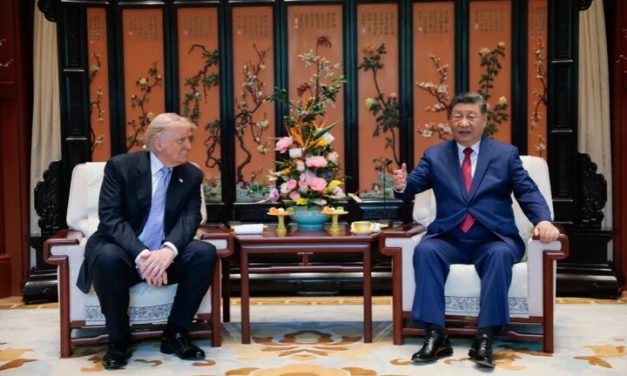
SCFR Online – Opinion: The recent visit of the President of the United States to China is significant from various aspects; because China is recognized as the world’s second-largest economic power and a growing economy. The Chinese are also advancing in various fields, including the space sector, artificial intelligence, and military industries; to the extent that in the military sector, whereas they previously lacked an aircraft carrier, they now possess their third aircraft carrier. On the other hand, the United States, as a superpower, has always regarded China as its rival and continues to view it as such today.

Loading

Caucasus

Importance of 3+3 mechanism for resolving Caucasus issues, strategy of member states

Importance of 3+3 mechanism for resolving Caucasus issues, strategy of member states

Strategic Council Online – Interview: An expert on Caucasus affairs explaining the conflicting approaches between the countries of the Caucasus region and stressing the need for joint steps to resolve the region’s problems within the framework of the 3 + 3 mechanism, said: This plan can be a factor in ensuring prevention of new hostilities in the region.

The Senitive Situation in the Caucasus and the Significance of Balance of Power between the Azerbaijan Republic and Armenia

The Senitive Situation in the Caucasus and the Significance of Balance of Power between the Azerbaijan Republic and Armenia

Strategic Council Online—Interview: An analyst of Caucasus issues says it is necessary to maintain the balance of power in the south Caucasus region, adding that if with the disruption of the balance of power in the region, issues proceed in a competitive manner among the actors, every cognitive error and miscalculation may cause great tensions in the region and even lead to a military confrontation.

Dangers of Geopolitical Change in Caucasus; Importance of 3+3 Joint Consultations

Dangers of Geopolitical Change in Caucasus; Importance of 3+3 Joint Consultations

Strategic Council Online – Interview: A senior researcher at the Presidential Center for Strategic Studies saying that the Russians do not have a similar Iranian perception of the level of threat that would lead to fundamental geopolitical change in the Caucasus, noted: If the corridor sought by Turkey and the Republic of Azerbaijan is created by military action or threat, the balance of power in the region as a whole will change, and Russia will certainly suffer greatly.

Collective engagement in the Caucasus; securing the interests of all regional countries

Collective engagement in the Caucasus; securing the interests of all regional countries

Strategic Council Online—Interview: An analyst of the Caucasus issues says any efforts to change international borders and geopolitics of the region are considered as redline for Iran, adding that “it is expected that the emphasis of the Azerbaijan Republic on the 3+3 model of cooperation will be beyond the policies applied by this country and we would witness measures which would indicate this country is interested in collective and regional political cooperation instead of reliance on the Zionist regime or foreign powers”.

Message, Outcome of Recent Erdogan-Putin Summit

Message, Outcome of Recent Erdogan-Putin Summit

Strategic Council Online – Opinion: Turkish President Recep Tayyip Erdogan and Russian President Vladimir Putin met on September 29 in the Black Sea resort city of Sochi, Russia. Of course, the short duration of the meeting compared to the long meetings in the past has attracted the attention of analysts who have assessed the event as being related to the escalation of differences between the two sides on some issues. Erdogan and Putin have met 26 times in person since the war in November 2015, when a Russian fighter plane was shot down by Turkey. The last meeting of the leaders of the two countries was held on March 5, 2020 in Moscow.
Mahmoud Fazeli – International affairs analyst

Strategic Targets, Consequences of Recent Unrest in Caucasus

Strategic Targets, Consequences of Recent Unrest in Caucasus

Strategic Council Online – Opinion: In recent weeks, news of the harassment Azeri soldiers caused the Iranian transit vehicles passing through the disputed territories of Azerbaijan and the Republic of Armenia has been frequently published in the media. The question that arises in this regard is whether those behaviors are cross-sectional or a sign of the change in the approach that should be taken more seriously by the Islamic Republic of Iran and a solution should be considered to deal with them?
Dr. Ehsan Movahedian – University professor and international relations researcher

Joint Turkish Exercises in Caucasus: Geopolitical Objectives, Consequences

Joint Turkish Exercises in Caucasus: Geopolitical Objectives, Consequences

Strategic Council Online – opinion: Turkey has conducted two separate military exercises with the Republic of Azerbaijan on the one hand and Pakistan and the Republic of Azerbaijan on the other hand, on limited land and sea scale. The Ankara government pursues specific targets of holding exercises that are geopolitically “purposeful” and “meaningful”, and the recent exercise is one of Turkey’s most important measures since the end of the Second Karabakh War.
Hamid Khoshayand – International affairs analyst

Strategic dimensions of the recent tension in relations between Armenia and Azerbaijan

Strategic dimensions of the recent tension in relations between Armenia and Azerbaijan

Strategic Council Online—Interview: An analyst of the Caucasus issues says the recent border tension between Armenia and Azerbaijan took place in line with imposing pressure upon Armenia with the goal of accepting to establish the Zangezur corridor, emphasizing that this corridor is not compatible with any of the present geopolitical and historical realities of the region and cannot be established and these pressures cannot force Armenia to accept it.

Consequences and objectives of the joint military drills of China and Russia

Consequences and objectives of the joint military drills of China and Russia

Strategic Council Online—Editorial: Numerous joint military drilles between China and Russia in recent years could be considered as one of the clear manifestations of the expansion and consolidation of cooperation between the two countries especially in the military front.
Mohammad Javad Qahremani—PhD in International Relations

The evolution of the crisis in Relations between Azerbaijan Republic and Armenia

The evolution of the crisis in Relations between Azerbaijan Republic and Armenia

Strategic Council Online – Despite the passage of months since the end of the 44-day war between Azerbaijan and Armenia, which began on September 27, 2020 and ended on November 10 with the signing of a tripartite statement by the presidents of Azerbaijan, Russia and the prime minister of Armenia, border clashes between the two sides continued and intensified in recent months; clashes that have resulted in the deaths of the military on both sides, while the two sides accuse each other of violating the peace agreement.
Hossein Asgarian – Tehran International Studies and Researc Institute (Abrar)

أحدث الوظائف

Europe’s Enduring Dependence on Persian Gulf Energy

SCFR Online – Opinion: The dominant discourse in the field of European energy security over the past two decades has revolved around diversification of supply sources and the gradual reduction of dependence on fossil fuels. This narrative, which gained particular momentum after the Ukraine gas crisis in 2006 and its intensification in 2014 and 2022, was based on the assumption that Europe could free itself from the geopolitical vulnerabilities arising from dependence on specific suppliers through investment in renewable energy, imports of liquefied natural gas from diversified sources, and the establishment of new infrastructure. However, a closer analysis of energy trade data and the structure of the global oil and gas supply chain presents a different picture. Europe has not only failed to meaningfully reduce its dependence on the Persian Gulf, but in some sectors — particularly in liquefied natural gas imports — this dependence has deepened. This reality, which is often overlooked in public discourse, raises fundamental questions about the sustainability of Europe’s energy security strategies and their impact on regional power equations.
The Challenge of Hezbollah’s Low-Cost “FPV” Drones for the Zionist Regime

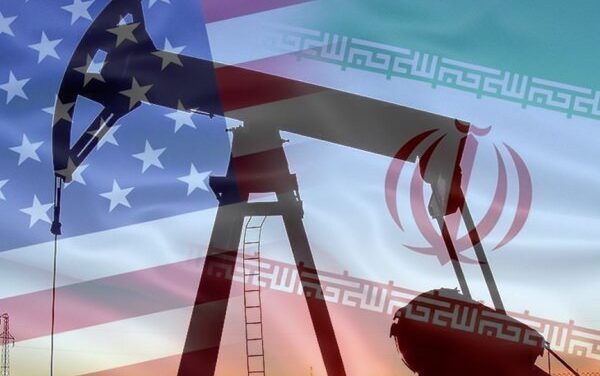
SCFR Online – Opinion: In modern warfare, it has always been assumed that the more expensive, and advanced the weapon—particularly from well-known companies—the more certain the victory will be. However, developments on the northern front of occupied Palestine in recent months have challenged this long-held belief. Here, the Zionist regime’s military, despite possessing the most advanced defense systems such as Iron Dome, David’s Sling, and Arrow, as well as fifth-generation F-35 fighter jets, Merkava tanks, and other modern equipment found in few countries worldwide, has effectively been rendered helpless against Hezbollah Lebanon’s few-hundred-dollar drones. Benjamin Netanyahu’s bitter admission regarding the inability to counter this threat, and his order to allocate an unlimited budget to find a solution, underscores the reality that the era of pure superiority through expensive technologies has come to an end.

The Impact of West Asian Developments on the Ukraine War

SCFR Online – Note: Vladimir Putin, President of Russia, recently announced—more than four years after the commencement of military aggression against Ukraine—that he believes the conflict between Russia and Ukraine is drawing to a close.

Temporary China–U.S. Trade Truce in the Shadow of Fundamental Distrust

SCFR Online – Opinion: The recent visit of the President of the United States to China is significant from various aspects; because China is recognized as the world’s second-largest economic power and a growing economy. The Chinese are also advancing in various fields, including the space sector, artificial intelligence, and military industries; to the extent that in the military sector, whereas they previously lacked an aircraft carrier, they now possess their third aircraft carrier. On the other hand, the United States, as a superpower, has always regarded China as its rival and continues to view it as such today.

Loading

Caucasus

Importance of 3+3 mechanism for resolving Caucasus issues, strategy of member states

Importance of 3+3 mechanism for resolving Caucasus issues, strategy of member states

Strategic Council Online – Interview: An expert on Caucasus affairs explaining the conflicting approaches between the countries of the Caucasus region and stressing the need for joint steps to resolve the region’s problems within the framework of the 3 + 3 mechanism, said: This plan can be a factor in ensuring prevention of new hostilities in the region.

The Senitive Situation in the Caucasus and the Significance of Balance of Power between the Azerbaijan Republic and Armenia

The Senitive Situation in the Caucasus and the Significance of Balance of Power between the Azerbaijan Republic and Armenia

Strategic Council Online—Interview: An analyst of Caucasus issues says it is necessary to maintain the balance of power in the south Caucasus region, adding that if with the disruption of the balance of power in the region, issues proceed in a competitive manner among the actors, every cognitive error and miscalculation may cause great tensions in the region and even lead to a military confrontation.

Dangers of Geopolitical Change in Caucasus; Importance of 3+3 Joint Consultations

Dangers of Geopolitical Change in Caucasus; Importance of 3+3 Joint Consultations

Strategic Council Online – Interview: A senior researcher at the Presidential Center for Strategic Studies saying that the Russians do not have a similar Iranian perception of the level of threat that would lead to fundamental geopolitical change in the Caucasus, noted: If the corridor sought by Turkey and the Republic of Azerbaijan is created by military action or threat, the balance of power in the region as a whole will change, and Russia will certainly suffer greatly.

Collective engagement in the Caucasus; securing the interests of all regional countries

Collective engagement in the Caucasus; securing the interests of all regional countries

Strategic Council Online—Interview: An analyst of the Caucasus issues says any efforts to change international borders and geopolitics of the region are considered as redline for Iran, adding that “it is expected that the emphasis of the Azerbaijan Republic on the 3+3 model of cooperation will be beyond the policies applied by this country and we would witness measures which would indicate this country is interested in collective and regional political cooperation instead of reliance on the Zionist regime or foreign powers”.

Message, Outcome of Recent Erdogan-Putin Summit

Message, Outcome of Recent Erdogan-Putin Summit

Strategic Council Online – Opinion: Turkish President Recep Tayyip Erdogan and Russian President Vladimir Putin met on September 29 in the Black Sea resort city of Sochi, Russia. Of course, the short duration of the meeting compared to the long meetings in the past has attracted the attention of analysts who have assessed the event as being related to the escalation of differences between the two sides on some issues. Erdogan and Putin have met 26 times in person since the war in November 2015, when a Russian fighter plane was shot down by Turkey. The last meeting of the leaders of the two countries was held on March 5, 2020 in Moscow.
Mahmoud Fazeli – International affairs analyst

Strategic Targets, Consequences of Recent Unrest in Caucasus

Strategic Targets, Consequences of Recent Unrest in Caucasus

Strategic Council Online – Opinion: In recent weeks, news of the harassment Azeri soldiers caused the Iranian transit vehicles passing through the disputed territories of Azerbaijan and the Republic of Armenia has been frequently published in the media. The question that arises in this regard is whether those behaviors are cross-sectional or a sign of the change in the approach that should be taken more seriously by the Islamic Republic of Iran and a solution should be considered to deal with them?
Dr. Ehsan Movahedian – University professor and international relations researcher

Joint Turkish Exercises in Caucasus: Geopolitical Objectives, Consequences

Joint Turkish Exercises in Caucasus: Geopolitical Objectives, Consequences

Strategic Council Online – opinion: Turkey has conducted two separate military exercises with the Republic of Azerbaijan on the one hand and Pakistan and the Republic of Azerbaijan on the other hand, on limited land and sea scale. The Ankara government pursues specific targets of holding exercises that are geopolitically “purposeful” and “meaningful”, and the recent exercise is one of Turkey’s most important measures since the end of the Second Karabakh War.
Hamid Khoshayand – International affairs analyst

Strategic dimensions of the recent tension in relations between Armenia and Azerbaijan

Strategic dimensions of the recent tension in relations between Armenia and Azerbaijan

Strategic Council Online—Interview: An analyst of the Caucasus issues says the recent border tension between Armenia and Azerbaijan took place in line with imposing pressure upon Armenia with the goal of accepting to establish the Zangezur corridor, emphasizing that this corridor is not compatible with any of the present geopolitical and historical realities of the region and cannot be established and these pressures cannot force Armenia to accept it.

Consequences and objectives of the joint military drills of China and Russia

Consequences and objectives of the joint military drills of China and Russia

Strategic Council Online—Editorial: Numerous joint military drilles between China and Russia in recent years could be considered as one of the clear manifestations of the expansion and consolidation of cooperation between the two countries especially in the military front.
Mohammad Javad Qahremani—PhD in International Relations

The evolution of the crisis in Relations between Azerbaijan Republic and Armenia

The evolution of the crisis in Relations between Azerbaijan Republic and Armenia

Strategic Council Online – Despite the passage of months since the end of the 44-day war between Azerbaijan and Armenia, which began on September 27, 2020 and ended on November 10 with the signing of a tripartite statement by the presidents of Azerbaijan, Russia and the prime minister of Armenia, border clashes between the two sides continued and intensified in recent months; clashes that have resulted in the deaths of the military on both sides, while the two sides accuse each other of violating the peace agreement.
Hossein Asgarian – Tehran International Studies and Researc Institute (Abrar)

Caucasus

Importance of 3+3 mechanism for resolving Caucasus issues, strategy of member states

Importance of 3+3 mechanism for resolving Caucasus issues, strategy of member states

Strategic Council Online – Interview: An expert on Caucasus affairs explaining the conflicting approaches between the countries of the Caucasus region and stressing the need for joint steps to resolve the region’s problems within the framework of the 3 + 3 mechanism, said: This plan can be a factor in ensuring prevention of new hostilities in the region.

The Senitive Situation in the Caucasus and the Significance of Balance of Power between the Azerbaijan Republic and Armenia

The Senitive Situation in the Caucasus and the Significance of Balance of Power between the Azerbaijan Republic and Armenia

Strategic Council Online—Interview: An analyst of Caucasus issues says it is necessary to maintain the balance of power in the south Caucasus region, adding that if with the disruption of the balance of power in the region, issues proceed in a competitive manner among the actors, every cognitive error and miscalculation may cause great tensions in the region and even lead to a military confrontation.

Dangers of Geopolitical Change in Caucasus; Importance of 3+3 Joint Consultations

Dangers of Geopolitical Change in Caucasus; Importance of 3+3 Joint Consultations

Strategic Council Online – Interview: A senior researcher at the Presidential Center for Strategic Studies saying that the Russians do not have a similar Iranian perception of the level of threat that would lead to fundamental geopolitical change in the Caucasus, noted: If the corridor sought by Turkey and the Republic of Azerbaijan is created by military action or threat, the balance of power in the region as a whole will change, and Russia will certainly suffer greatly.

Collective engagement in the Caucasus; securing the interests of all regional countries

Collective engagement in the Caucasus; securing the interests of all regional countries

Strategic Council Online—Interview: An analyst of the Caucasus issues says any efforts to change international borders and geopolitics of the region are considered as redline for Iran, adding that “it is expected that the emphasis of the Azerbaijan Republic on the 3+3 model of cooperation will be beyond the policies applied by this country and we would witness measures which would indicate this country is interested in collective and regional political cooperation instead of reliance on the Zionist regime or foreign powers”.

Message, Outcome of Recent Erdogan-Putin Summit

Message, Outcome of Recent Erdogan-Putin Summit

Strategic Council Online – Opinion: Turkish President Recep Tayyip Erdogan and Russian President Vladimir Putin met on September 29 in the Black Sea resort city of Sochi, Russia. Of course, the short duration of the meeting compared to the long meetings in the past has attracted the attention of analysts who have assessed the event as being related to the escalation of differences between the two sides on some issues. Erdogan and Putin have met 26 times in person since the war in November 2015, when a Russian fighter plane was shot down by Turkey. The last meeting of the leaders of the two countries was held on March 5, 2020 in Moscow.
Mahmoud Fazeli – International affairs analyst

Strategic Targets, Consequences of Recent Unrest in Caucasus

Strategic Targets, Consequences of Recent Unrest in Caucasus

Strategic Council Online – Opinion: In recent weeks, news of the harassment Azeri soldiers caused the Iranian transit vehicles passing through the disputed territories of Azerbaijan and the Republic of Armenia has been frequently published in the media. The question that arises in this regard is whether those behaviors are cross-sectional or a sign of the change in the approach that should be taken more seriously by the Islamic Republic of Iran and a solution should be considered to deal with them?
Dr. Ehsan Movahedian – University professor and international relations researcher

Joint Turkish Exercises in Caucasus: Geopolitical Objectives, Consequences

Joint Turkish Exercises in Caucasus: Geopolitical Objectives, Consequences

Strategic Council Online – opinion: Turkey has conducted two separate military exercises with the Republic of Azerbaijan on the one hand and Pakistan and the Republic of Azerbaijan on the other hand, on limited land and sea scale. The Ankara government pursues specific targets of holding exercises that are geopolitically “purposeful” and “meaningful”, and the recent exercise is one of Turkey’s most important measures since the end of the Second Karabakh War.
Hamid Khoshayand – International affairs analyst

Strategic dimensions of the recent tension in relations between Armenia and Azerbaijan

Strategic dimensions of the recent tension in relations between Armenia and Azerbaijan

Strategic Council Online—Interview: An analyst of the Caucasus issues says the recent border tension between Armenia and Azerbaijan took place in line with imposing pressure upon Armenia with the goal of accepting to establish the Zangezur corridor, emphasizing that this corridor is not compatible with any of the present geopolitical and historical realities of the region and cannot be established and these pressures cannot force Armenia to accept it.

Consequences and objectives of the joint military drills of China and Russia

Consequences and objectives of the joint military drills of China and Russia

Strategic Council Online—Editorial: Numerous joint military drilles between China and Russia in recent years could be considered as one of the clear manifestations of the expansion and consolidation of cooperation between the two countries especially in the military front.
Mohammad Javad Qahremani—PhD in International Relations

The evolution of the crisis in Relations between Azerbaijan Republic and Armenia

The evolution of the crisis in Relations between Azerbaijan Republic and Armenia

Strategic Council Online – Despite the passage of months since the end of the 44-day war between Azerbaijan and Armenia, which began on September 27, 2020 and ended on November 10 with the signing of a tripartite statement by the presidents of Azerbaijan, Russia and the prime minister of Armenia, border clashes between the two sides continued and intensified in recent months; clashes that have resulted in the deaths of the military on both sides, while the two sides accuse each other of violating the peace agreement.
Hossein Asgarian – Tehran International Studies and Researc Institute (Abrar)

LATEST CONTENT

Europe’s Enduring Dependence on Persian Gulf Energy

SCFR Online – Opinion: The dominant discourse in the field of European energy security over the past two decades has revolved around diversification of supply sources and the gradual reduction of dependence on fossil fuels. This narrative, which gained particular momentum after the Ukraine gas crisis in 2006 and its intensification in 2014 and 2022, was based on the assumption that Europe could free itself from the geopolitical vulnerabilities arising from dependence on specific suppliers through investment in renewable energy, imports of liquefied natural gas from diversified sources, and the establishment of new infrastructure. However, a closer analysis of energy trade data and the structure of the global oil and gas supply chain presents a different picture. Europe has not only failed to meaningfully reduce its dependence on the Persian Gulf, but in some sectors — particularly in liquefied natural gas imports — this dependence has deepened. This reality, which is often overlooked in public discourse, raises fundamental questions about the sustainability of Europe’s energy security strategies and their impact on regional power equations.
The Challenge of Hezbollah’s Low-Cost “FPV” Drones for the Zionist Regime

SCFR Online – Opinion: In modern warfare, it has always been assumed that the more expensive, and advanced the weapon—particularly from well-known companies—the more certain the victory will be. However, developments on the northern front of occupied Palestine in recent months have challenged this long-held belief. Here, the Zionist regime’s military, despite possessing the most advanced defense systems such as Iron Dome, David’s Sling, and Arrow, as well as fifth-generation F-35 fighter jets, Merkava tanks, and other modern equipment found in few countries worldwide, has effectively been rendered helpless against Hezbollah Lebanon’s few-hundred-dollar drones. Benjamin Netanyahu’s bitter admission regarding the inability to counter this threat, and his order to allocate an unlimited budget to find a solution, underscores the reality that the era of pure superiority through expensive technologies has come to an end.

The Impact of West Asian Developments on the Ukraine War

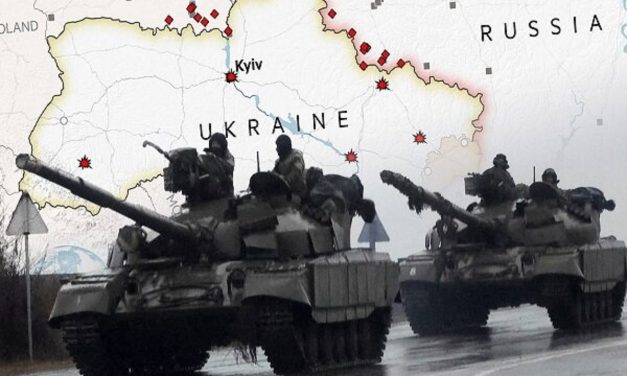
SCFR Online – Note: Vladimir Putin, President of Russia, recently announced—more than four years after the commencement of military aggression against Ukraine—that he believes the conflict between Russia and Ukraine is drawing to a close.

Temporary China–U.S. Trade Truce in the Shadow of Fundamental Distrust

SCFR Online – Opinion: The recent visit of the President of the United States to China is significant from various aspects; because China is recognized as the world’s second-largest economic power and a growing economy. The Chinese are also advancing in various fields, including the space sector, artificial intelligence, and military industries; to the extent that in the military sector, whereas they previously lacked an aircraft carrier, they now possess their third aircraft carrier. On the other hand, the United States, as a superpower, has always regarded China as its rival and continues to view it as such today.

Loading

Caucasus

Importance of 3+3 mechanism for resolving Caucasus issues, strategy of member states

Importance of 3+3 mechanism for resolving Caucasus issues, strategy of member states

Strategic Council Online – Interview: An expert on Caucasus affairs explaining the conflicting approaches between the countries of the Caucasus region and stressing the need for joint steps to resolve the region’s problems within the framework of the 3 + 3 mechanism, said: This plan can be a factor in ensuring prevention of new hostilities in the region.

The Senitive Situation in the Caucasus and the Significance of Balance of Power between the Azerbaijan Republic and Armenia

The Senitive Situation in the Caucasus and the Significance of Balance of Power between the Azerbaijan Republic and Armenia

Strategic Council Online—Interview: An analyst of Caucasus issues says it is necessary to maintain the balance of power in the south Caucasus region, adding that if with the disruption of the balance of power in the region, issues proceed in a competitive manner among the actors, every cognitive error and miscalculation may cause great tensions in the region and even lead to a military confrontation.

Dangers of Geopolitical Change in Caucasus; Importance of 3+3 Joint Consultations

Dangers of Geopolitical Change in Caucasus; Importance of 3+3 Joint Consultations

Strategic Council Online – Interview: A senior researcher at the Presidential Center for Strategic Studies saying that the Russians do not have a similar Iranian perception of the level of threat that would lead to fundamental geopolitical change in the Caucasus, noted: If the corridor sought by Turkey and the Republic of Azerbaijan is created by military action or threat, the balance of power in the region as a whole will change, and Russia will certainly suffer greatly.

Collective engagement in the Caucasus; securing the interests of all regional countries

Collective engagement in the Caucasus; securing the interests of all regional countries

Strategic Council Online—Interview: An analyst of the Caucasus issues says any efforts to change international borders and geopolitics of the region are considered as redline for Iran, adding that “it is expected that the emphasis of the Azerbaijan Republic on the 3+3 model of cooperation will be beyond the policies applied by this country and we would witness measures which would indicate this country is interested in collective and regional political cooperation instead of reliance on the Zionist regime or foreign powers”.

Message, Outcome of Recent Erdogan-Putin Summit

Message, Outcome of Recent Erdogan-Putin Summit

Strategic Council Online – Opinion: Turkish President Recep Tayyip Erdogan and Russian President Vladimir Putin met on September 29 in the Black Sea resort city of Sochi, Russia. Of course, the short duration of the meeting compared to the long meetings in the past has attracted the attention of analysts who have assessed the event as being related to the escalation of differences between the two sides on some issues. Erdogan and Putin have met 26 times in person since the war in November 2015, when a Russian fighter plane was shot down by Turkey. The last meeting of the leaders of the two countries was held on March 5, 2020 in Moscow.
Mahmoud Fazeli – International affairs analyst

Strategic Targets, Consequences of Recent Unrest in Caucasus

Strategic Targets, Consequences of Recent Unrest in Caucasus

Strategic Council Online – Opinion: In recent weeks, news of the harassment Azeri soldiers caused the Iranian transit vehicles passing through the disputed territories of Azerbaijan and the Republic of Armenia has been frequently published in the media. The question that arises in this regard is whether those behaviors are cross-sectional or a sign of the change in the approach that should be taken more seriously by the Islamic Republic of Iran and a solution should be considered to deal with them?
Dr. Ehsan Movahedian – University professor and international relations researcher

Joint Turkish Exercises in Caucasus: Geopolitical Objectives, Consequences

Joint Turkish Exercises in Caucasus: Geopolitical Objectives, Consequences

Strategic Council Online – opinion: Turkey has conducted two separate military exercises with the Republic of Azerbaijan on the one hand and Pakistan and the Republic of Azerbaijan on the other hand, on limited land and sea scale. The Ankara government pursues specific targets of holding exercises that are geopolitically “purposeful” and “meaningful”, and the recent exercise is one of Turkey’s most important measures since the end of the Second Karabakh War.
Hamid Khoshayand – International affairs analyst

Strategic dimensions of the recent tension in relations between Armenia and Azerbaijan

Strategic dimensions of the recent tension in relations between Armenia and Azerbaijan

Strategic Council Online—Interview: An analyst of the Caucasus issues says the recent border tension between Armenia and Azerbaijan took place in line with imposing pressure upon Armenia with the goal of accepting to establish the Zangezur corridor, emphasizing that this corridor is not compatible with any of the present geopolitical and historical realities of the region and cannot be established and these pressures cannot force Armenia to accept it.

Consequences and objectives of the joint military drills of China and Russia

Consequences and objectives of the joint military drills of China and Russia

Strategic Council Online—Editorial: Numerous joint military drilles between China and Russia in recent years could be considered as one of the clear manifestations of the expansion and consolidation of cooperation between the two countries especially in the military front.
Mohammad Javad Qahremani—PhD in International Relations

The evolution of the crisis in Relations between Azerbaijan Republic and Armenia

The evolution of the crisis in Relations between Azerbaijan Republic and Armenia

Strategic Council Online – Despite the passage of months since the end of the 44-day war between Azerbaijan and Armenia, which began on September 27, 2020 and ended on November 10 with the signing of a tripartite statement by the presidents of Azerbaijan, Russia and the prime minister of Armenia, border clashes between the two sides continued and intensified in recent months; clashes that have resulted in the deaths of the military on both sides, while the two sides accuse each other of violating the peace agreement.
Hossein Asgarian – Tehran International Studies and Researc Institute (Abrar)

ÚLTIMAS PUBLICACIONES

Europe’s Enduring Dependence on Persian Gulf Energy

SCFR Online – Opinion: The dominant discourse in the field of European energy security over the past two decades has revolved around diversification of supply sources and the gradual reduction of dependence on fossil fuels. This narrative, which gained particular momentum after the Ukraine gas crisis in 2006 and its intensification in 2014 and 2022, was based on the assumption that Europe could free itself from the geopolitical vulnerabilities arising from dependence on specific suppliers through investment in renewable energy, imports of liquefied natural gas from diversified sources, and the establishment of new infrastructure. However, a closer analysis of energy trade data and the structure of the global oil and gas supply chain presents a different picture. Europe has not only failed to meaningfully reduce its dependence on the Persian Gulf, but in some sectors — particularly in liquefied natural gas imports — this dependence has deepened. This reality, which is often overlooked in public discourse, raises fundamental questions about the sustainability of Europe’s energy security strategies and their impact on regional power equations.
The Challenge of Hezbollah’s Low-Cost “FPV” Drones for the Zionist Regime

SCFR Online – Opinion: In modern warfare, it has always been assumed that the more expensive, and advanced the weapon—particularly from well-known companies—the more certain the victory will be. However, developments on the northern front of occupied Palestine in recent months have challenged this long-held belief. Here, the Zionist regime’s military, despite possessing the most advanced defense systems such as Iron Dome, David’s Sling, and Arrow, as well as fifth-generation F-35 fighter jets, Merkava tanks, and other modern equipment found in few countries worldwide, has effectively been rendered helpless against Hezbollah Lebanon’s few-hundred-dollar drones. Benjamin Netanyahu’s bitter admission regarding the inability to counter this threat, and his order to allocate an unlimited budget to find a solution, underscores the reality that the era of pure superiority through expensive technologies has come to an end.

The Impact of West Asian Developments on the Ukraine War

SCFR Online – Note: Vladimir Putin, President of Russia, recently announced—more than four years after the commencement of military aggression against Ukraine—that he believes the conflict between Russia and Ukraine is drawing to a close.

Temporary China–U.S. Trade Truce in the Shadow of Fundamental Distrust

SCFR Online – Opinion: The recent visit of the President of the United States to China is significant from various aspects; because China is recognized as the world’s second-largest economic power and a growing economy. The Chinese are also advancing in various fields, including the space sector, artificial intelligence, and military industries; to the extent that in the military sector, whereas they previously lacked an aircraft carrier, they now possess their third aircraft carrier. On the other hand, the United States, as a superpower, has always regarded China as its rival and continues to view it as such today.

Loading

Caucasus

Importance of 3+3 mechanism for resolving Caucasus issues, strategy of member states

Importance of 3+3 mechanism for resolving Caucasus issues, strategy of member states

Strategic Council Online – Interview: An expert on Caucasus affairs explaining the conflicting approaches between the countries of the Caucasus region and stressing the need for joint steps to resolve the region’s problems within the framework of the 3 + 3 mechanism, said: This plan can be a factor in ensuring prevention of new hostilities in the region.

The Senitive Situation in the Caucasus and the Significance of Balance of Power between the Azerbaijan Republic and Armenia

The Senitive Situation in the Caucasus and the Significance of Balance of Power between the Azerbaijan Republic and Armenia

Strategic Council Online—Interview: An analyst of Caucasus issues says it is necessary to maintain the balance of power in the south Caucasus region, adding that if with the disruption of the balance of power in the region, issues proceed in a competitive manner among the actors, every cognitive error and miscalculation may cause great tensions in the region and even lead to a military confrontation.

Dangers of Geopolitical Change in Caucasus; Importance of 3+3 Joint Consultations

Dangers of Geopolitical Change in Caucasus; Importance of 3+3 Joint Consultations

Strategic Council Online – Interview: A senior researcher at the Presidential Center for Strategic Studies saying that the Russians do not have a similar Iranian perception of the level of threat that would lead to fundamental geopolitical change in the Caucasus, noted: If the corridor sought by Turkey and the Republic of Azerbaijan is created by military action or threat, the balance of power in the region as a whole will change, and Russia will certainly suffer greatly.

Collective engagement in the Caucasus; securing the interests of all regional countries

Collective engagement in the Caucasus; securing the interests of all regional countries

Strategic Council Online—Interview: An analyst of the Caucasus issues says any efforts to change international borders and geopolitics of the region are considered as redline for Iran, adding that “it is expected that the emphasis of the Azerbaijan Republic on the 3+3 model of cooperation will be beyond the policies applied by this country and we would witness measures which would indicate this country is interested in collective and regional political cooperation instead of reliance on the Zionist regime or foreign powers”.

Message, Outcome of Recent Erdogan-Putin Summit

Message, Outcome of Recent Erdogan-Putin Summit

Strategic Council Online – Opinion: Turkish President Recep Tayyip Erdogan and Russian President Vladimir Putin met on September 29 in the Black Sea resort city of Sochi, Russia. Of course, the short duration of the meeting compared to the long meetings in the past has attracted the attention of analysts who have assessed the event as being related to the escalation of differences between the two sides on some issues. Erdogan and Putin have met 26 times in person since the war in November 2015, when a Russian fighter plane was shot down by Turkey. The last meeting of the leaders of the two countries was held on March 5, 2020 in Moscow.
Mahmoud Fazeli – International affairs analyst

Strategic Targets, Consequences of Recent Unrest in Caucasus

Strategic Targets, Consequences of Recent Unrest in Caucasus

Strategic Council Online – Opinion: In recent weeks, news of the harassment Azeri soldiers caused the Iranian transit vehicles passing through the disputed territories of Azerbaijan and the Republic of Armenia has been frequently published in the media. The question that arises in this regard is whether those behaviors are cross-sectional or a sign of the change in the approach that should be taken more seriously by the Islamic Republic of Iran and a solution should be considered to deal with them?
Dr. Ehsan Movahedian – University professor and international relations researcher

Joint Turkish Exercises in Caucasus: Geopolitical Objectives, Consequences

Joint Turkish Exercises in Caucasus: Geopolitical Objectives, Consequences

Strategic Council Online – opinion: Turkey has conducted two separate military exercises with the Republic of Azerbaijan on the one hand and Pakistan and the Republic of Azerbaijan on the other hand, on limited land and sea scale. The Ankara government pursues specific targets of holding exercises that are geopolitically “purposeful” and “meaningful”, and the recent exercise is one of Turkey’s most important measures since the end of the Second Karabakh War.
Hamid Khoshayand – International affairs analyst

Strategic dimensions of the recent tension in relations between Armenia and Azerbaijan

Strategic dimensions of the recent tension in relations between Armenia and Azerbaijan

Strategic Council Online—Interview: An analyst of the Caucasus issues says the recent border tension between Armenia and Azerbaijan took place in line with imposing pressure upon Armenia with the goal of accepting to establish the Zangezur corridor, emphasizing that this corridor is not compatible with any of the present geopolitical and historical realities of the region and cannot be established and these pressures cannot force Armenia to accept it.

Consequences and objectives of the joint military drills of China and Russia

Consequences and objectives of the joint military drills of China and Russia

Strategic Council Online—Editorial: Numerous joint military drilles between China and Russia in recent years could be considered as one of the clear manifestations of the expansion and consolidation of cooperation between the two countries especially in the military front.
Mohammad Javad Qahremani—PhD in International Relations

The evolution of the crisis in Relations between Azerbaijan Republic and Armenia

The evolution of the crisis in Relations between Azerbaijan Republic and Armenia

Strategic Council Online – Despite the passage of months since the end of the 44-day war between Azerbaijan and Armenia, which began on September 27, 2020 and ended on November 10 with the signing of a tripartite statement by the presidents of Azerbaijan, Russia and the prime minister of Armenia, border clashes between the two sides continued and intensified in recent months; clashes that have resulted in the deaths of the military on both sides, while the two sides accuse each other of violating the peace agreement.
Hossein Asgarian – Tehran International Studies and Researc Institute (Abrar)

ÚLTIMAS PUBLICACIONES

Europe’s Enduring Dependence on Persian Gulf Energy

SCFR Online – Opinion: The dominant discourse in the field of European energy security over the past two decades has revolved around diversification of supply sources and the gradual reduction of dependence on fossil fuels. This narrative, which gained particular momentum after the Ukraine gas crisis in 2006 and its intensification in 2014 and 2022, was based on the assumption that Europe could free itself from the geopolitical vulnerabilities arising from dependence on specific suppliers through investment in renewable energy, imports of liquefied natural gas from diversified sources, and the establishment of new infrastructure. However, a closer analysis of energy trade data and the structure of the global oil and gas supply chain presents a different picture. Europe has not only failed to meaningfully reduce its dependence on the Persian Gulf, but in some sectors — particularly in liquefied natural gas imports — this dependence has deepened. This reality, which is often overlooked in public discourse, raises fundamental questions about the sustainability of Europe’s energy security strategies and their impact on regional power equations.
The Challenge of Hezbollah’s Low-Cost “FPV” Drones for the Zionist Regime

SCFR Online – Opinion: In modern warfare, it has always been assumed that the more expensive, and advanced the weapon—particularly from well-known companies—the more certain the victory will be. However, developments on the northern front of occupied Palestine in recent months have challenged this long-held belief. Here, the Zionist regime’s military, despite possessing the most advanced defense systems such as Iron Dome, David’s Sling, and Arrow, as well as fifth-generation F-35 fighter jets, Merkava tanks, and other modern equipment found in few countries worldwide, has effectively been rendered helpless against Hezbollah Lebanon’s few-hundred-dollar drones. Benjamin Netanyahu’s bitter admission regarding the inability to counter this threat, and his order to allocate an unlimited budget to find a solution, underscores the reality that the era of pure superiority through expensive technologies has come to an end.

The Impact of West Asian Developments on the Ukraine War

SCFR Online – Note: Vladimir Putin, President of Russia, recently announced—more than four years after the commencement of military aggression against Ukraine—that he believes the conflict between Russia and Ukraine is drawing to a close.

Temporary China–U.S. Trade Truce in the Shadow of Fundamental Distrust

SCFR Online – Opinion: The recent visit of the President of the United States to China is significant from various aspects; because China is recognized as the world’s second-largest economic power and a growing economy. The Chinese are also advancing in various fields, including the space sector, artificial intelligence, and military industries; to the extent that in the military sector, whereas they previously lacked an aircraft carrier, they now possess their third aircraft carrier. On the other hand, the United States, as a superpower, has always regarded China as its rival and continues to view it as such today.

Loading

Caucasus

Importance of 3+3 mechanism for resolving Caucasus issues, strategy of member states

Importance of 3+3 mechanism for resolving Caucasus issues, strategy of member states

Strategic Council Online – Interview: An expert on Caucasus affairs explaining the conflicting approaches between the countries of the Caucasus region and stressing the need for joint steps to resolve the region’s problems within the framework of the 3 + 3 mechanism, said: This plan can be a factor in ensuring prevention of new hostilities in the region.

The Senitive Situation in the Caucasus and the Significance of Balance of Power between the Azerbaijan Republic and Armenia

The Senitive Situation in the Caucasus and the Significance of Balance of Power between the Azerbaijan Republic and Armenia

Strategic Council Online—Interview: An analyst of Caucasus issues says it is necessary to maintain the balance of power in the south Caucasus region, adding that if with the disruption of the balance of power in the region, issues proceed in a competitive manner among the actors, every cognitive error and miscalculation may cause great tensions in the region and even lead to a military confrontation.

Dangers of Geopolitical Change in Caucasus; Importance of 3+3 Joint Consultations

Dangers of Geopolitical Change in Caucasus; Importance of 3+3 Joint Consultations

Strategic Council Online – Interview: A senior researcher at the Presidential Center for Strategic Studies saying that the Russians do not have a similar Iranian perception of the level of threat that would lead to fundamental geopolitical change in the Caucasus, noted: If the corridor sought by Turkey and the Republic of Azerbaijan is created by military action or threat, the balance of power in the region as a whole will change, and Russia will certainly suffer greatly.

Collective engagement in the Caucasus; securing the interests of all regional countries

Collective engagement in the Caucasus; securing the interests of all regional countries

Strategic Council Online—Interview: An analyst of the Caucasus issues says any efforts to change international borders and geopolitics of the region are considered as redline for Iran, adding that “it is expected that the emphasis of the Azerbaijan Republic on the 3+3 model of cooperation will be beyond the policies applied by this country and we would witness measures which would indicate this country is interested in collective and regional political cooperation instead of reliance on the Zionist regime or foreign powers”.

Message, Outcome of Recent Erdogan-Putin Summit

Message, Outcome of Recent Erdogan-Putin Summit

Strategic Council Online – Opinion: Turkish President Recep Tayyip Erdogan and Russian President Vladimir Putin met on September 29 in the Black Sea resort city of Sochi, Russia. Of course, the short duration of the meeting compared to the long meetings in the past has attracted the attention of analysts who have assessed the event as being related to the escalation of differences between the two sides on some issues. Erdogan and Putin have met 26 times in person since the war in November 2015, when a Russian fighter plane was shot down by Turkey. The last meeting of the leaders of the two countries was held on March 5, 2020 in Moscow.
Mahmoud Fazeli – International affairs analyst

Strategic Targets, Consequences of Recent Unrest in Caucasus

Strategic Targets, Consequences of Recent Unrest in Caucasus

Strategic Council Online – Opinion: In recent weeks, news of the harassment Azeri soldiers caused the Iranian transit vehicles passing through the disputed territories of Azerbaijan and the Republic of Armenia has been frequently published in the media. The question that arises in this regard is whether those behaviors are cross-sectional or a sign of the change in the approach that should be taken more seriously by the Islamic Republic of Iran and a solution should be considered to deal with them?
Dr. Ehsan Movahedian – University professor and international relations researcher

Joint Turkish Exercises in Caucasus: Geopolitical Objectives, Consequences

Joint Turkish Exercises in Caucasus: Geopolitical Objectives, Consequences

Strategic Council Online – opinion: Turkey has conducted two separate military exercises with the Republic of Azerbaijan on the one hand and Pakistan and the Republic of Azerbaijan on the other hand, on limited land and sea scale. The Ankara government pursues specific targets of holding exercises that are geopolitically “purposeful” and “meaningful”, and the recent exercise is one of Turkey’s most important measures since the end of the Second Karabakh War.
Hamid Khoshayand – International affairs analyst

Strategic dimensions of the recent tension in relations between Armenia and Azerbaijan

Strategic dimensions of the recent tension in relations between Armenia and Azerbaijan

Strategic Council Online—Interview: An analyst of the Caucasus issues says the recent border tension between Armenia and Azerbaijan took place in line with imposing pressure upon Armenia with the goal of accepting to establish the Zangezur corridor, emphasizing that this corridor is not compatible with any of the present geopolitical and historical realities of the region and cannot be established and these pressures cannot force Armenia to accept it.

Consequences and objectives of the joint military drills of China and Russia

Consequences and objectives of the joint military drills of China and Russia

Strategic Council Online—Editorial: Numerous joint military drilles between China and Russia in recent years could be considered as one of the clear manifestations of the expansion and consolidation of cooperation between the two countries especially in the military front.
Mohammad Javad Qahremani—PhD in International Relations

The evolution of the crisis in Relations between Azerbaijan Republic and Armenia

The evolution of the crisis in Relations between Azerbaijan Republic and Armenia

Strategic Council Online – Despite the passage of months since the end of the 44-day war between Azerbaijan and Armenia, which began on September 27, 2020 and ended on November 10 with the signing of a tripartite statement by the presidents of Azerbaijan, Russia and the prime minister of Armenia, border clashes between the two sides continued and intensified in recent months; clashes that have resulted in the deaths of the military on both sides, while the two sides accuse each other of violating the peace agreement.
Hossein Asgarian – Tehran International Studies and Researc Institute (Abrar)

ÚLTIMAS PUBLICACIONES

Europe’s Enduring Dependence on Persian Gulf Energy

SCFR Online – Opinion: The dominant discourse in the field of European energy security over the past two decades has revolved around diversification of supply sources and the gradual reduction of dependence on fossil fuels. This narrative, which gained particular momentum after the Ukraine gas crisis in 2006 and its intensification in 2014 and 2022, was based on the assumption that Europe could free itself from the geopolitical vulnerabilities arising from dependence on specific suppliers through investment in renewable energy, imports of liquefied natural gas from diversified sources, and the establishment of new infrastructure. However, a closer analysis of energy trade data and the structure of the global oil and gas supply chain presents a different picture. Europe has not only failed to meaningfully reduce its dependence on the Persian Gulf, but in some sectors — particularly in liquefied natural gas imports — this dependence has deepened. This reality, which is often overlooked in public discourse, raises fundamental questions about the sustainability of Europe’s energy security strategies and their impact on regional power equations.
The Challenge of Hezbollah’s Low-Cost “FPV” Drones for the Zionist Regime

SCFR Online – Opinion: In modern warfare, it has always been assumed that the more expensive, and advanced the weapon—particularly from well-known companies—the more certain the victory will be. However, developments on the northern front of occupied Palestine in recent months have challenged this long-held belief. Here, the Zionist regime’s military, despite possessing the most advanced defense systems such as Iron Dome, David’s Sling, and Arrow, as well as fifth-generation F-35 fighter jets, Merkava tanks, and other modern equipment found in few countries worldwide, has effectively been rendered helpless against Hezbollah Lebanon’s few-hundred-dollar drones. Benjamin Netanyahu’s bitter admission regarding the inability to counter this threat, and his order to allocate an unlimited budget to find a solution, underscores the reality that the era of pure superiority through expensive technologies has come to an end.

The Impact of West Asian Developments on the Ukraine War

SCFR Online – Note: Vladimir Putin, President of Russia, recently announced—more than four years after the commencement of military aggression against Ukraine—that he believes the conflict between Russia and Ukraine is drawing to a close.

Temporary China–U.S. Trade Truce in the Shadow of Fundamental Distrust

SCFR Online – Opinion: The recent visit of the President of the United States to China is significant from various aspects; because China is recognized as the world’s second-largest economic power and a growing economy. The Chinese are also advancing in various fields, including the space sector, artificial intelligence, and military industries; to the extent that in the military sector, whereas they previously lacked an aircraft carrier, they now possess their third aircraft carrier. On the other hand, the United States, as a superpower, has always regarded China as its rival and continues to view it as such today.

Loading

Caucasus

Importance of 3+3 mechanism for resolving Caucasus issues, strategy of member states

Importance of 3+3 mechanism for resolving Caucasus issues, strategy of member states

Strategic Council Online – Interview: An expert on Caucasus affairs explaining the conflicting approaches between the countries of the Caucasus region and stressing the need for joint steps to resolve the region’s problems within the framework of the 3 + 3 mechanism, said: This plan can be a factor in ensuring prevention of new hostilities in the region.

The Senitive Situation in the Caucasus and the Significance of Balance of Power between the Azerbaijan Republic and Armenia

The Senitive Situation in the Caucasus and the Significance of Balance of Power between the Azerbaijan Republic and Armenia

Strategic Council Online—Interview: An analyst of Caucasus issues says it is necessary to maintain the balance of power in the south Caucasus region, adding that if with the disruption of the balance of power in the region, issues proceed in a competitive manner among the actors, every cognitive error and miscalculation may cause great tensions in the region and even lead to a military confrontation.

Dangers of Geopolitical Change in Caucasus; Importance of 3+3 Joint Consultations

Dangers of Geopolitical Change in Caucasus; Importance of 3+3 Joint Consultations

Strategic Council Online – Interview: A senior researcher at the Presidential Center for Strategic Studies saying that the Russians do not have a similar Iranian perception of the level of threat that would lead to fundamental geopolitical change in the Caucasus, noted: If the corridor sought by Turkey and the Republic of Azerbaijan is created by military action or threat, the balance of power in the region as a whole will change, and Russia will certainly suffer greatly.

Collective engagement in the Caucasus; securing the interests of all regional countries

Collective engagement in the Caucasus; securing the interests of all regional countries

Strategic Council Online—Interview: An analyst of the Caucasus issues says any efforts to change international borders and geopolitics of the region are considered as redline for Iran, adding that “it is expected that the emphasis of the Azerbaijan Republic on the 3+3 model of cooperation will be beyond the policies applied by this country and we would witness measures which would indicate this country is interested in collective and regional political cooperation instead of reliance on the Zionist regime or foreign powers”.

Message, Outcome of Recent Erdogan-Putin Summit

Message, Outcome of Recent Erdogan-Putin Summit

Strategic Council Online – Opinion: Turkish President Recep Tayyip Erdogan and Russian President Vladimir Putin met on September 29 in the Black Sea resort city of Sochi, Russia. Of course, the short duration of the meeting compared to the long meetings in the past has attracted the attention of analysts who have assessed the event as being related to the escalation of differences between the two sides on some issues. Erdogan and Putin have met 26 times in person since the war in November 2015, when a Russian fighter plane was shot down by Turkey. The last meeting of the leaders of the two countries was held on March 5, 2020 in Moscow.
Mahmoud Fazeli – International affairs analyst

Strategic Targets, Consequences of Recent Unrest in Caucasus

Strategic Targets, Consequences of Recent Unrest in Caucasus

Strategic Council Online – Opinion: In recent weeks, news of the harassment Azeri soldiers caused the Iranian transit vehicles passing through the disputed territories of Azerbaijan and the Republic of Armenia has been frequently published in the media. The question that arises in this regard is whether those behaviors are cross-sectional or a sign of the change in the approach that should be taken more seriously by the Islamic Republic of Iran and a solution should be considered to deal with them?
Dr. Ehsan Movahedian – University professor and international relations researcher

Joint Turkish Exercises in Caucasus: Geopolitical Objectives, Consequences

Joint Turkish Exercises in Caucasus: Geopolitical Objectives, Consequences

Strategic Council Online – opinion: Turkey has conducted two separate military exercises with the Republic of Azerbaijan on the one hand and Pakistan and the Republic of Azerbaijan on the other hand, on limited land and sea scale. The Ankara government pursues specific targets of holding exercises that are geopolitically “purposeful” and “meaningful”, and the recent exercise is one of Turkey’s most important measures since the end of the Second Karabakh War.
Hamid Khoshayand – International affairs analyst

Strategic dimensions of the recent tension in relations between Armenia and Azerbaijan

Strategic dimensions of the recent tension in relations between Armenia and Azerbaijan

Strategic Council Online—Interview: An analyst of the Caucasus issues says the recent border tension between Armenia and Azerbaijan took place in line with imposing pressure upon Armenia with the goal of accepting to establish the Zangezur corridor, emphasizing that this corridor is not compatible with any of the present geopolitical and historical realities of the region and cannot be established and these pressures cannot force Armenia to accept it.

Consequences and objectives of the joint military drills of China and Russia

Consequences and objectives of the joint military drills of China and Russia

Strategic Council Online—Editorial: Numerous joint military drilles between China and Russia in recent years could be considered as one of the clear manifestations of the expansion and consolidation of cooperation between the two countries especially in the military front.
Mohammad Javad Qahremani—PhD in International Relations

The evolution of the crisis in Relations between Azerbaijan Republic and Armenia

The evolution of the crisis in Relations between Azerbaijan Republic and Armenia

Strategic Council Online – Despite the passage of months since the end of the 44-day war between Azerbaijan and Armenia, which began on September 27, 2020 and ended on November 10 with the signing of a tripartite statement by the presidents of Azerbaijan, Russia and the prime minister of Armenia, border clashes between the two sides continued and intensified in recent months; clashes that have resulted in the deaths of the military on both sides, while the two sides accuse each other of violating the peace agreement.
Hossein Asgarian – Tehran International Studies and Researc Institute (Abrar)

ÚLTIMAS PUBLICACIONES

Europe’s Enduring Dependence on Persian Gulf Energy

SCFR Online – Opinion: The dominant discourse in the field of European energy security over the past two decades has revolved around diversification of supply sources and the gradual reduction of dependence on fossil fuels. This narrative, which gained particular momentum after the Ukraine gas crisis in 2006 and its intensification in 2014 and 2022, was based on the assumption that Europe could free itself from the geopolitical vulnerabilities arising from dependence on specific suppliers through investment in renewable energy, imports of liquefied natural gas from diversified sources, and the establishment of new infrastructure. However, a closer analysis of energy trade data and the structure of the global oil and gas supply chain presents a different picture. Europe has not only failed to meaningfully reduce its dependence on the Persian Gulf, but in some sectors — particularly in liquefied natural gas imports — this dependence has deepened. This reality, which is often overlooked in public discourse, raises fundamental questions about the sustainability of Europe’s energy security strategies and their impact on regional power equations.

The Challenge of Hezbollah’s Low-Cost “FPV” Drones for the Zionist Regime

SCFR Online – Opinion: In modern warfare, it has always been assumed that the more expensive, and advanced the weapon—particularly from well-known companies—the more certain the victory will be. However, developments on the northern front of occupied Palestine in recent months have challenged this long-held belief. Here, the Zionist regime’s military, despite possessing the most advanced defense systems such as Iron Dome, David’s Sling, and Arrow, as well as fifth-generation F-35 fighter jets, Merkava tanks, and other modern equipment found in few countries worldwide, has effectively been rendered helpless against Hezbollah Lebanon’s few-hundred-dollar drones. Benjamin Netanyahu’s bitter admission regarding the inability to counter this threat, and his order to allocate an unlimited budget to find a solution, underscores the reality that the era of pure superiority through expensive technologies has come to an end.

The Impact of West Asian Developments on the Ukraine War

SCFR Online – Note: Vladimir Putin, President of Russia, recently announced—more than four years after the commencement of military aggression against Ukraine—that he believes the conflict between Russia and Ukraine is drawing to a close.

Temporary China–U.S. Trade Truce in the Shadow of Fundamental Distrust

SCFR Online – Opinion: The recent visit of the President of the United States to China is significant from various aspects; because China is recognized as the world’s second-largest economic power and a growing economy. The Chinese are also advancing in various fields, including the space sector, artificial intelligence, and military industries; to the extent that in the military sector, whereas they previously lacked an aircraft carrier, they now possess their third aircraft carrier. On the other hand, the United States, as a superpower, has always regarded China as its rival and continues to view it as such today.

Loading