جدیدترین مطالب

Europe’s Enduring Dependence on Persian Gulf Energy

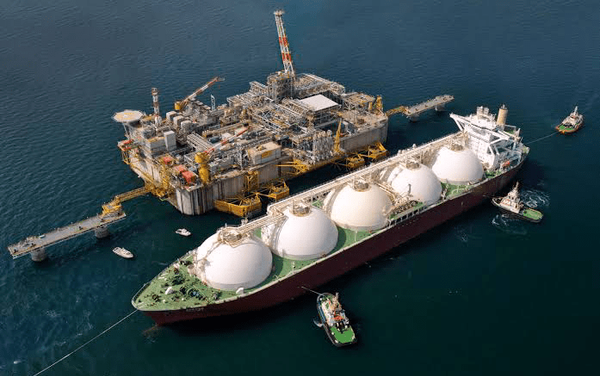
SCFR Online – Opinion: The dominant discourse in the field of European energy security over the past two decades has revolved around diversification of supply sources and the gradual reduction of dependence on fossil fuels. This narrative, which gained particular momentum after the Ukraine gas crisis in 2006 and its intensification in 2014 and 2022, was based on the assumption that Europe could free itself from the geopolitical vulnerabilities arising from dependence on specific suppliers through investment in renewable energy, imports of liquefied natural gas from diversified sources, and the establishment of new infrastructure. However, a closer analysis of energy trade data and the structure of the global oil and gas supply chain presents a different picture. Europe has not only failed to meaningfully reduce its dependence on the Persian Gulf, but in some sectors — particularly in liquefied natural gas imports — this dependence has deepened. This reality, which is often overlooked in public discourse, raises fundamental questions about the sustainability of Europe’s energy security strategies and their impact on regional power equations.

The Challenge of Hezbollah’s Low-Cost “FPV” Drones for the Zionist Regime

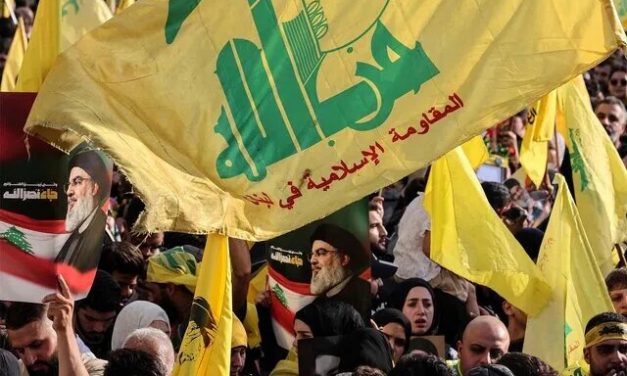
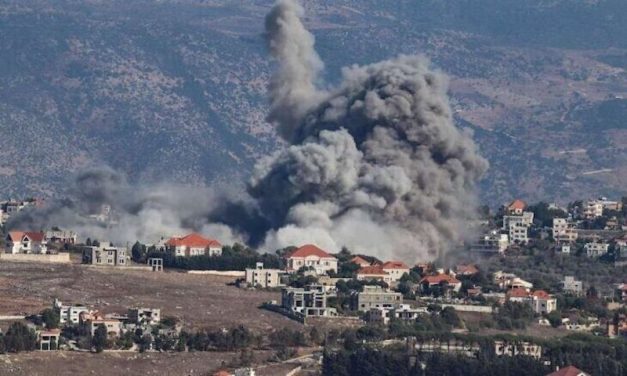
SCFR Online – Opinion: In modern warfare, it has always been assumed that the more expensive, and advanced the weapon—particularly from well-known companies—the more certain the victory will be. However, developments on the northern front of occupied Palestine in recent months have challenged this long-held belief. Here, the Zionist regime’s military, despite possessing the most advanced defense systems such as Iron Dome, David’s Sling, and Arrow, as well as fifth-generation F-35 fighter jets, Merkava tanks, and other modern equipment found in few countries worldwide, has effectively been rendered helpless against Hezbollah Lebanon’s few-hundred-dollar drones. Benjamin Netanyahu’s bitter admission regarding the inability to counter this threat, and his order to allocate an unlimited budget to find a solution, underscores the reality that the era of pure superiority through expensive technologies has come to an end.

The Impact of West Asian Developments on the Ukraine War

SCFR Online – Note: Vladimir Putin, President of Russia, recently announced—more than four years after the commencement of military aggression against Ukraine—that he believes the conflict between Russia and Ukraine is drawing to a close.

Temporary China–U.S. Trade Truce in the Shadow of Fundamental Distrust

SCFR Online – Opinion: The recent visit of the President of the United States to China is significant from various aspects; because China is recognized as the world’s second-largest economic power and a growing economy. The Chinese are also advancing in various fields, including the space sector, artificial intelligence, and military industries; to the extent that in the military sector, whereas they previously lacked an aircraft carrier, they now possess their third aircraft carrier. On the other hand, the United States, as a superpower, has always regarded China as its rival and continues to view it as such today.

Loading

Britain

Post- Brexit challenges for Britain

Post- Brexit challenges for Britain

Strategic Council Online—Interview: The former Iranian ambassador to Ireland says that Britain is not trying to fully resolve the existing crises regarding the Brexit, and especially the issue of Ireland, and uses it as a lever of pressure and instrument, adding that the country will use all its tools and facilities to prevent the re-union of the two Irelands so that it can implement its policies in the region.

Post-Brexit Challenges for Britain and European Union

Post-Brexit Challenges for Britain and European Union

Strategic Council Online – Interview: An analyst of European affairs saying that the post-Brexit had an impact on the shape of Britain’s bilateral relations with other EU countries, added: Brexit has been a lose-lose game for the EU and Britain.

G20 Summit in Italy; Dominance of the Margins Over the Text

G20 Summit in Italy; Dominance of the Margins Over the Text

Strategic Council Online – Opinion: The first meeting of the leaders of Group of Twenty (G20) – leaders of 20 top economic powers in the world – was held in Rome, capital of Italy, on 30 and 31 October 2021, after the outbreak of the Coronavirus.
Fatemeh Nekoo Lal Azad – Senior Researcher of Abrar Contemporary International Studies and Research Institute in Tehran

Messages and consequences of the confrontation between Russian and American ships in the Sea of Japan

Messages and consequences of the confrontation between Russian and American ships in the Sea of Japan

Strategic Council Online—Interview: An East Asian affairs expert said on the proximity of the US and Russian naval warships in the Sea of Japan “this move indicates the complication of the situation and developments in East Asia. Military developments in the region have become so numerous that, for the first time since the Cold War, there is a risk of military confrontation between the two sides in hot areas such as the South China Sea, the Taiwan Strait and the Sea of Japan.

Post-Brexit and the crisis of fuel shortage in the UK

Post-Brexit and the crisis of fuel shortage in the UK

Strategic Council Online—Interview: An analyst of European affairs says that the situation in Britain after the Cold War and with the change in US foreign policy priorities is not such that it can cooperate with the United States in all areas, adding that after leaving the European Union, Britain seeks to implement the policy of a “global Britain” and will certainly try to establish itself as a great power in Europe and on the world stage after leaving the European Union.

AUKUS Treaty; U.S Effort to Complete Asia-Pacific Strategy

AUKUS Treaty; U.S Effort to Complete Asia-Pacific Strategy

Strategic Council Online- Opinion: U.S. leaders have underscored on the necessity of concentration on Asia Pacific region in the foreign policy of the country within the past decade.
Mohammad Javad Ghahremani, Expert on Asia affairs

Prospects of Europe-US relations in view of intensified differences over the Aukus Pact

Prospects of Europe-US relations in view of intensified differences over the Aukus Pact

Strategic Council Online-Interview: A professor at the University of Tehran called the recent tensions between France and the United States over the Aukus pact affect NATO cooperation and said that the alliance between Britain, Australia and the United States was being analyzed in the context of the Cold War with China and Europe does not have a good memory of it due to being ignored in the Cold War.

Factors Effective in US Defeat, Rapid Withdrawal from Afghanistan

Factors Effective in US Defeat, Rapid Withdrawal from Afghanistan

Strategic Council Online – Note: After Vietnam, the hasty withdrawal from Afghanistan is the second US “fatal defeat” experience in a foreign war in the post-World War II era that has dealt a heavy blow on the US international standing.
Hamid Khoshayand – analyst of international affairs

Afghanistan Crisis and European Positions

Afghanistan Crisis and European Positions

Strategic Council Online – Note: The NATO-led invasion of Afghanistan, which began after 9/11 incident under the pretext of “war on terrorism”, two decades after the mission, the Taliban’s rapid advance has prompted various countries, including NATO members, to rush to withdraw their diplomatic delegations, staff and citizens from the territory of that country. Western troops stationed in Afghanistan have trained the Afghan army for years, but the training has not been enough, and the reason why the Afghan army has failed to defend the capital against the Taliban remains unclear. The head of the Council of Europe does not see the situation in Afghanistan as a successful narrative for the international community and is considering how the EU can use its influence in international relations to defend its interests.
Mahmoud Fazeli – analyst of international affairs

أحدث الوظائف

Europe’s Enduring Dependence on Persian Gulf Energy

SCFR Online – Opinion: The dominant discourse in the field of European energy security over the past two decades has revolved around diversification of supply sources and the gradual reduction of dependence on fossil fuels. This narrative, which gained particular momentum after the Ukraine gas crisis in 2006 and its intensification in 2014 and 2022, was based on the assumption that Europe could free itself from the geopolitical vulnerabilities arising from dependence on specific suppliers through investment in renewable energy, imports of liquefied natural gas from diversified sources, and the establishment of new infrastructure. However, a closer analysis of energy trade data and the structure of the global oil and gas supply chain presents a different picture. Europe has not only failed to meaningfully reduce its dependence on the Persian Gulf, but in some sectors — particularly in liquefied natural gas imports — this dependence has deepened. This reality, which is often overlooked in public discourse, raises fundamental questions about the sustainability of Europe’s energy security strategies and their impact on regional power equations.

The Challenge of Hezbollah’s Low-Cost “FPV” Drones for the Zionist Regime

SCFR Online – Opinion: In modern warfare, it has always been assumed that the more expensive, and advanced the weapon—particularly from well-known companies—the more certain the victory will be. However, developments on the northern front of occupied Palestine in recent months have challenged this long-held belief. Here, the Zionist regime’s military, despite possessing the most advanced defense systems such as Iron Dome, David’s Sling, and Arrow, as well as fifth-generation F-35 fighter jets, Merkava tanks, and other modern equipment found in few countries worldwide, has effectively been rendered helpless against Hezbollah Lebanon’s few-hundred-dollar drones. Benjamin Netanyahu’s bitter admission regarding the inability to counter this threat, and his order to allocate an unlimited budget to find a solution, underscores the reality that the era of pure superiority through expensive technologies has come to an end.

The Impact of West Asian Developments on the Ukraine War

SCFR Online – Note: Vladimir Putin, President of Russia, recently announced—more than four years after the commencement of military aggression against Ukraine—that he believes the conflict between Russia and Ukraine is drawing to a close.

Temporary China–U.S. Trade Truce in the Shadow of Fundamental Distrust

SCFR Online – Opinion: The recent visit of the President of the United States to China is significant from various aspects; because China is recognized as the world’s second-largest economic power and a growing economy. The Chinese are also advancing in various fields, including the space sector, artificial intelligence, and military industries; to the extent that in the military sector, whereas they previously lacked an aircraft carrier, they now possess their third aircraft carrier. On the other hand, the United States, as a superpower, has always regarded China as its rival and continues to view it as such today.

Loading

Britain

Post- Brexit challenges for Britain

Post- Brexit challenges for Britain

Strategic Council Online—Interview: The former Iranian ambassador to Ireland says that Britain is not trying to fully resolve the existing crises regarding the Brexit, and especially the issue of Ireland, and uses it as a lever of pressure and instrument, adding that the country will use all its tools and facilities to prevent the re-union of the two Irelands so that it can implement its policies in the region.

Post-Brexit Challenges for Britain and European Union

Post-Brexit Challenges for Britain and European Union

Strategic Council Online – Interview: An analyst of European affairs saying that the post-Brexit had an impact on the shape of Britain’s bilateral relations with other EU countries, added: Brexit has been a lose-lose game for the EU and Britain.

G20 Summit in Italy; Dominance of the Margins Over the Text

G20 Summit in Italy; Dominance of the Margins Over the Text

Strategic Council Online – Opinion: The first meeting of the leaders of Group of Twenty (G20) – leaders of 20 top economic powers in the world – was held in Rome, capital of Italy, on 30 and 31 October 2021, after the outbreak of the Coronavirus.
Fatemeh Nekoo Lal Azad – Senior Researcher of Abrar Contemporary International Studies and Research Institute in Tehran

Messages and consequences of the confrontation between Russian and American ships in the Sea of Japan

Messages and consequences of the confrontation between Russian and American ships in the Sea of Japan

Strategic Council Online—Interview: An East Asian affairs expert said on the proximity of the US and Russian naval warships in the Sea of Japan “this move indicates the complication of the situation and developments in East Asia. Military developments in the region have become so numerous that, for the first time since the Cold War, there is a risk of military confrontation between the two sides in hot areas such as the South China Sea, the Taiwan Strait and the Sea of Japan.

Post-Brexit and the crisis of fuel shortage in the UK

Post-Brexit and the crisis of fuel shortage in the UK

Strategic Council Online—Interview: An analyst of European affairs says that the situation in Britain after the Cold War and with the change in US foreign policy priorities is not such that it can cooperate with the United States in all areas, adding that after leaving the European Union, Britain seeks to implement the policy of a “global Britain” and will certainly try to establish itself as a great power in Europe and on the world stage after leaving the European Union.

AUKUS Treaty; U.S Effort to Complete Asia-Pacific Strategy

AUKUS Treaty; U.S Effort to Complete Asia-Pacific Strategy

Strategic Council Online- Opinion: U.S. leaders have underscored on the necessity of concentration on Asia Pacific region in the foreign policy of the country within the past decade.
Mohammad Javad Ghahremani, Expert on Asia affairs

Prospects of Europe-US relations in view of intensified differences over the Aukus Pact

Prospects of Europe-US relations in view of intensified differences over the Aukus Pact

Strategic Council Online-Interview: A professor at the University of Tehran called the recent tensions between France and the United States over the Aukus pact affect NATO cooperation and said that the alliance between Britain, Australia and the United States was being analyzed in the context of the Cold War with China and Europe does not have a good memory of it due to being ignored in the Cold War.

Factors Effective in US Defeat, Rapid Withdrawal from Afghanistan

Factors Effective in US Defeat, Rapid Withdrawal from Afghanistan

Strategic Council Online – Note: After Vietnam, the hasty withdrawal from Afghanistan is the second US “fatal defeat” experience in a foreign war in the post-World War II era that has dealt a heavy blow on the US international standing.
Hamid Khoshayand – analyst of international affairs

Afghanistan Crisis and European Positions

Afghanistan Crisis and European Positions

Strategic Council Online – Note: The NATO-led invasion of Afghanistan, which began after 9/11 incident under the pretext of “war on terrorism”, two decades after the mission, the Taliban’s rapid advance has prompted various countries, including NATO members, to rush to withdraw their diplomatic delegations, staff and citizens from the territory of that country. Western troops stationed in Afghanistan have trained the Afghan army for years, but the training has not been enough, and the reason why the Afghan army has failed to defend the capital against the Taliban remains unclear. The head of the Council of Europe does not see the situation in Afghanistan as a successful narrative for the international community and is considering how the EU can use its influence in international relations to defend its interests.
Mahmoud Fazeli – analyst of international affairs

Britain

Post- Brexit challenges for Britain

Post- Brexit challenges for Britain

Strategic Council Online—Interview: The former Iranian ambassador to Ireland says that Britain is not trying to fully resolve the existing crises regarding the Brexit, and especially the issue of Ireland, and uses it as a lever of pressure and instrument, adding that the country will use all its tools and facilities to prevent the re-union of the two Irelands so that it can implement its policies in the region.

Post-Brexit Challenges for Britain and European Union

Post-Brexit Challenges for Britain and European Union

Strategic Council Online – Interview: An analyst of European affairs saying that the post-Brexit had an impact on the shape of Britain’s bilateral relations with other EU countries, added: Brexit has been a lose-lose game for the EU and Britain.

G20 Summit in Italy; Dominance of the Margins Over the Text

G20 Summit in Italy; Dominance of the Margins Over the Text

Strategic Council Online – Opinion: The first meeting of the leaders of Group of Twenty (G20) – leaders of 20 top economic powers in the world – was held in Rome, capital of Italy, on 30 and 31 October 2021, after the outbreak of the Coronavirus.
Fatemeh Nekoo Lal Azad – Senior Researcher of Abrar Contemporary International Studies and Research Institute in Tehran

Messages and consequences of the confrontation between Russian and American ships in the Sea of Japan

Messages and consequences of the confrontation between Russian and American ships in the Sea of Japan

Strategic Council Online—Interview: An East Asian affairs expert said on the proximity of the US and Russian naval warships in the Sea of Japan “this move indicates the complication of the situation and developments in East Asia. Military developments in the region have become so numerous that, for the first time since the Cold War, there is a risk of military confrontation between the two sides in hot areas such as the South China Sea, the Taiwan Strait and the Sea of Japan.

Post-Brexit and the crisis of fuel shortage in the UK

Post-Brexit and the crisis of fuel shortage in the UK

Strategic Council Online—Interview: An analyst of European affairs says that the situation in Britain after the Cold War and with the change in US foreign policy priorities is not such that it can cooperate with the United States in all areas, adding that after leaving the European Union, Britain seeks to implement the policy of a “global Britain” and will certainly try to establish itself as a great power in Europe and on the world stage after leaving the European Union.

AUKUS Treaty; U.S Effort to Complete Asia-Pacific Strategy

AUKUS Treaty; U.S Effort to Complete Asia-Pacific Strategy

Strategic Council Online- Opinion: U.S. leaders have underscored on the necessity of concentration on Asia Pacific region in the foreign policy of the country within the past decade.
Mohammad Javad Ghahremani, Expert on Asia affairs

Prospects of Europe-US relations in view of intensified differences over the Aukus Pact

Prospects of Europe-US relations in view of intensified differences over the Aukus Pact

Strategic Council Online-Interview: A professor at the University of Tehran called the recent tensions between France and the United States over the Aukus pact affect NATO cooperation and said that the alliance between Britain, Australia and the United States was being analyzed in the context of the Cold War with China and Europe does not have a good memory of it due to being ignored in the Cold War.

Factors Effective in US Defeat, Rapid Withdrawal from Afghanistan

Factors Effective in US Defeat, Rapid Withdrawal from Afghanistan

Strategic Council Online – Note: After Vietnam, the hasty withdrawal from Afghanistan is the second US “fatal defeat” experience in a foreign war in the post-World War II era that has dealt a heavy blow on the US international standing.
Hamid Khoshayand – analyst of international affairs

Afghanistan Crisis and European Positions

Afghanistan Crisis and European Positions

Strategic Council Online – Note: The NATO-led invasion of Afghanistan, which began after 9/11 incident under the pretext of “war on terrorism”, two decades after the mission, the Taliban’s rapid advance has prompted various countries, including NATO members, to rush to withdraw their diplomatic delegations, staff and citizens from the territory of that country. Western troops stationed in Afghanistan have trained the Afghan army for years, but the training has not been enough, and the reason why the Afghan army has failed to defend the capital against the Taliban remains unclear. The head of the Council of Europe does not see the situation in Afghanistan as a successful narrative for the international community and is considering how the EU can use its influence in international relations to defend its interests.
Mahmoud Fazeli – analyst of international affairs

LATEST CONTENT

Europe’s Enduring Dependence on Persian Gulf Energy

SCFR Online – Opinion: The dominant discourse in the field of European energy security over the past two decades has revolved around diversification of supply sources and the gradual reduction of dependence on fossil fuels. This narrative, which gained particular momentum after the Ukraine gas crisis in 2006 and its intensification in 2014 and 2022, was based on the assumption that Europe could free itself from the geopolitical vulnerabilities arising from dependence on specific suppliers through investment in renewable energy, imports of liquefied natural gas from diversified sources, and the establishment of new infrastructure. However, a closer analysis of energy trade data and the structure of the global oil and gas supply chain presents a different picture. Europe has not only failed to meaningfully reduce its dependence on the Persian Gulf, but in some sectors — particularly in liquefied natural gas imports — this dependence has deepened. This reality, which is often overlooked in public discourse, raises fundamental questions about the sustainability of Europe’s energy security strategies and their impact on regional power equations.

The Challenge of Hezbollah’s Low-Cost “FPV” Drones for the Zionist Regime

SCFR Online – Opinion: In modern warfare, it has always been assumed that the more expensive, and advanced the weapon—particularly from well-known companies—the more certain the victory will be. However, developments on the northern front of occupied Palestine in recent months have challenged this long-held belief. Here, the Zionist regime’s military, despite possessing the most advanced defense systems such as Iron Dome, David’s Sling, and Arrow, as well as fifth-generation F-35 fighter jets, Merkava tanks, and other modern equipment found in few countries worldwide, has effectively been rendered helpless against Hezbollah Lebanon’s few-hundred-dollar drones. Benjamin Netanyahu’s bitter admission regarding the inability to counter this threat, and his order to allocate an unlimited budget to find a solution, underscores the reality that the era of pure superiority through expensive technologies has come to an end.

The Impact of West Asian Developments on the Ukraine War

SCFR Online – Note: Vladimir Putin, President of Russia, recently announced—more than four years after the commencement of military aggression against Ukraine—that he believes the conflict between Russia and Ukraine is drawing to a close.

Temporary China–U.S. Trade Truce in the Shadow of Fundamental Distrust

SCFR Online – Opinion: The recent visit of the President of the United States to China is significant from various aspects; because China is recognized as the world’s second-largest economic power and a growing economy. The Chinese are also advancing in various fields, including the space sector, artificial intelligence, and military industries; to the extent that in the military sector, whereas they previously lacked an aircraft carrier, they now possess their third aircraft carrier. On the other hand, the United States, as a superpower, has always regarded China as its rival and continues to view it as such today.

Loading

Britain

Post- Brexit challenges for Britain

Post- Brexit challenges for Britain

Strategic Council Online—Interview: The former Iranian ambassador to Ireland says that Britain is not trying to fully resolve the existing crises regarding the Brexit, and especially the issue of Ireland, and uses it as a lever of pressure and instrument, adding that the country will use all its tools and facilities to prevent the re-union of the two Irelands so that it can implement its policies in the region.

Post-Brexit Challenges for Britain and European Union

Post-Brexit Challenges for Britain and European Union

Strategic Council Online – Interview: An analyst of European affairs saying that the post-Brexit had an impact on the shape of Britain’s bilateral relations with other EU countries, added: Brexit has been a lose-lose game for the EU and Britain.

G20 Summit in Italy; Dominance of the Margins Over the Text

G20 Summit in Italy; Dominance of the Margins Over the Text

Strategic Council Online – Opinion: The first meeting of the leaders of Group of Twenty (G20) – leaders of 20 top economic powers in the world – was held in Rome, capital of Italy, on 30 and 31 October 2021, after the outbreak of the Coronavirus.
Fatemeh Nekoo Lal Azad – Senior Researcher of Abrar Contemporary International Studies and Research Institute in Tehran

Messages and consequences of the confrontation between Russian and American ships in the Sea of Japan

Messages and consequences of the confrontation between Russian and American ships in the Sea of Japan

Strategic Council Online—Interview: An East Asian affairs expert said on the proximity of the US and Russian naval warships in the Sea of Japan “this move indicates the complication of the situation and developments in East Asia. Military developments in the region have become so numerous that, for the first time since the Cold War, there is a risk of military confrontation between the two sides in hot areas such as the South China Sea, the Taiwan Strait and the Sea of Japan.

Post-Brexit and the crisis of fuel shortage in the UK

Post-Brexit and the crisis of fuel shortage in the UK

Strategic Council Online—Interview: An analyst of European affairs says that the situation in Britain after the Cold War and with the change in US foreign policy priorities is not such that it can cooperate with the United States in all areas, adding that after leaving the European Union, Britain seeks to implement the policy of a “global Britain” and will certainly try to establish itself as a great power in Europe and on the world stage after leaving the European Union.

AUKUS Treaty; U.S Effort to Complete Asia-Pacific Strategy

AUKUS Treaty; U.S Effort to Complete Asia-Pacific Strategy

Strategic Council Online- Opinion: U.S. leaders have underscored on the necessity of concentration on Asia Pacific region in the foreign policy of the country within the past decade.
Mohammad Javad Ghahremani, Expert on Asia affairs

Prospects of Europe-US relations in view of intensified differences over the Aukus Pact

Prospects of Europe-US relations in view of intensified differences over the Aukus Pact

Strategic Council Online-Interview: A professor at the University of Tehran called the recent tensions between France and the United States over the Aukus pact affect NATO cooperation and said that the alliance between Britain, Australia and the United States was being analyzed in the context of the Cold War with China and Europe does not have a good memory of it due to being ignored in the Cold War.

Factors Effective in US Defeat, Rapid Withdrawal from Afghanistan

Factors Effective in US Defeat, Rapid Withdrawal from Afghanistan

Strategic Council Online – Note: After Vietnam, the hasty withdrawal from Afghanistan is the second US “fatal defeat” experience in a foreign war in the post-World War II era that has dealt a heavy blow on the US international standing.
Hamid Khoshayand – analyst of international affairs

Afghanistan Crisis and European Positions

Afghanistan Crisis and European Positions

Strategic Council Online – Note: The NATO-led invasion of Afghanistan, which began after 9/11 incident under the pretext of “war on terrorism”, two decades after the mission, the Taliban’s rapid advance has prompted various countries, including NATO members, to rush to withdraw their diplomatic delegations, staff and citizens from the territory of that country. Western troops stationed in Afghanistan have trained the Afghan army for years, but the training has not been enough, and the reason why the Afghan army has failed to defend the capital against the Taliban remains unclear. The head of the Council of Europe does not see the situation in Afghanistan as a successful narrative for the international community and is considering how the EU can use its influence in international relations to defend its interests.
Mahmoud Fazeli – analyst of international affairs

ÚLTIMAS PUBLICACIONES

Europe’s Enduring Dependence on Persian Gulf Energy

SCFR Online – Opinion: The dominant discourse in the field of European energy security over the past two decades has revolved around diversification of supply sources and the gradual reduction of dependence on fossil fuels. This narrative, which gained particular momentum after the Ukraine gas crisis in 2006 and its intensification in 2014 and 2022, was based on the assumption that Europe could free itself from the geopolitical vulnerabilities arising from dependence on specific suppliers through investment in renewable energy, imports of liquefied natural gas from diversified sources, and the establishment of new infrastructure. However, a closer analysis of energy trade data and the structure of the global oil and gas supply chain presents a different picture. Europe has not only failed to meaningfully reduce its dependence on the Persian Gulf, but in some sectors — particularly in liquefied natural gas imports — this dependence has deepened. This reality, which is often overlooked in public discourse, raises fundamental questions about the sustainability of Europe’s energy security strategies and their impact on regional power equations.

The Challenge of Hezbollah’s Low-Cost “FPV” Drones for the Zionist Regime

SCFR Online – Opinion: In modern warfare, it has always been assumed that the more expensive, and advanced the weapon—particularly from well-known companies—the more certain the victory will be. However, developments on the northern front of occupied Palestine in recent months have challenged this long-held belief. Here, the Zionist regime’s military, despite possessing the most advanced defense systems such as Iron Dome, David’s Sling, and Arrow, as well as fifth-generation F-35 fighter jets, Merkava tanks, and other modern equipment found in few countries worldwide, has effectively been rendered helpless against Hezbollah Lebanon’s few-hundred-dollar drones. Benjamin Netanyahu’s bitter admission regarding the inability to counter this threat, and his order to allocate an unlimited budget to find a solution, underscores the reality that the era of pure superiority through expensive technologies has come to an end.

The Impact of West Asian Developments on the Ukraine War

SCFR Online – Note: Vladimir Putin, President of Russia, recently announced—more than four years after the commencement of military aggression against Ukraine—that he believes the conflict between Russia and Ukraine is drawing to a close.

Temporary China–U.S. Trade Truce in the Shadow of Fundamental Distrust

SCFR Online – Opinion: The recent visit of the President of the United States to China is significant from various aspects; because China is recognized as the world’s second-largest economic power and a growing economy. The Chinese are also advancing in various fields, including the space sector, artificial intelligence, and military industries; to the extent that in the military sector, whereas they previously lacked an aircraft carrier, they now possess their third aircraft carrier. On the other hand, the United States, as a superpower, has always regarded China as its rival and continues to view it as such today.

Loading

Britain

Post- Brexit challenges for Britain

Post- Brexit challenges for Britain

Strategic Council Online—Interview: The former Iranian ambassador to Ireland says that Britain is not trying to fully resolve the existing crises regarding the Brexit, and especially the issue of Ireland, and uses it as a lever of pressure and instrument, adding that the country will use all its tools and facilities to prevent the re-union of the two Irelands so that it can implement its policies in the region.

Post-Brexit Challenges for Britain and European Union

Post-Brexit Challenges for Britain and European Union

Strategic Council Online – Interview: An analyst of European affairs saying that the post-Brexit had an impact on the shape of Britain’s bilateral relations with other EU countries, added: Brexit has been a lose-lose game for the EU and Britain.

G20 Summit in Italy; Dominance of the Margins Over the Text

G20 Summit in Italy; Dominance of the Margins Over the Text

Strategic Council Online – Opinion: The first meeting of the leaders of Group of Twenty (G20) – leaders of 20 top economic powers in the world – was held in Rome, capital of Italy, on 30 and 31 October 2021, after the outbreak of the Coronavirus.
Fatemeh Nekoo Lal Azad – Senior Researcher of Abrar Contemporary International Studies and Research Institute in Tehran

Messages and consequences of the confrontation between Russian and American ships in the Sea of Japan

Messages and consequences of the confrontation between Russian and American ships in the Sea of Japan

Strategic Council Online—Interview: An East Asian affairs expert said on the proximity of the US and Russian naval warships in the Sea of Japan “this move indicates the complication of the situation and developments in East Asia. Military developments in the region have become so numerous that, for the first time since the Cold War, there is a risk of military confrontation between the two sides in hot areas such as the South China Sea, the Taiwan Strait and the Sea of Japan.

Post-Brexit and the crisis of fuel shortage in the UK

Post-Brexit and the crisis of fuel shortage in the UK

Strategic Council Online—Interview: An analyst of European affairs says that the situation in Britain after the Cold War and with the change in US foreign policy priorities is not such that it can cooperate with the United States in all areas, adding that after leaving the European Union, Britain seeks to implement the policy of a “global Britain” and will certainly try to establish itself as a great power in Europe and on the world stage after leaving the European Union.

AUKUS Treaty; U.S Effort to Complete Asia-Pacific Strategy

AUKUS Treaty; U.S Effort to Complete Asia-Pacific Strategy

Strategic Council Online- Opinion: U.S. leaders have underscored on the necessity of concentration on Asia Pacific region in the foreign policy of the country within the past decade.
Mohammad Javad Ghahremani, Expert on Asia affairs

Prospects of Europe-US relations in view of intensified differences over the Aukus Pact

Prospects of Europe-US relations in view of intensified differences over the Aukus Pact

Strategic Council Online-Interview: A professor at the University of Tehran called the recent tensions between France and the United States over the Aukus pact affect NATO cooperation and said that the alliance between Britain, Australia and the United States was being analyzed in the context of the Cold War with China and Europe does not have a good memory of it due to being ignored in the Cold War.

Factors Effective in US Defeat, Rapid Withdrawal from Afghanistan

Factors Effective in US Defeat, Rapid Withdrawal from Afghanistan

Strategic Council Online – Note: After Vietnam, the hasty withdrawal from Afghanistan is the second US “fatal defeat” experience in a foreign war in the post-World War II era that has dealt a heavy blow on the US international standing.
Hamid Khoshayand – analyst of international affairs

Afghanistan Crisis and European Positions

Afghanistan Crisis and European Positions

Strategic Council Online – Note: The NATO-led invasion of Afghanistan, which began after 9/11 incident under the pretext of “war on terrorism”, two decades after the mission, the Taliban’s rapid advance has prompted various countries, including NATO members, to rush to withdraw their diplomatic delegations, staff and citizens from the territory of that country. Western troops stationed in Afghanistan have trained the Afghan army for years, but the training has not been enough, and the reason why the Afghan army has failed to defend the capital against the Taliban remains unclear. The head of the Council of Europe does not see the situation in Afghanistan as a successful narrative for the international community and is considering how the EU can use its influence in international relations to defend its interests.
Mahmoud Fazeli – analyst of international affairs

ÚLTIMAS PUBLICACIONES

Europe’s Enduring Dependence on Persian Gulf Energy

SCFR Online – Opinion: The dominant discourse in the field of European energy security over the past two decades has revolved around diversification of supply sources and the gradual reduction of dependence on fossil fuels. This narrative, which gained particular momentum after the Ukraine gas crisis in 2006 and its intensification in 2014 and 2022, was based on the assumption that Europe could free itself from the geopolitical vulnerabilities arising from dependence on specific suppliers through investment in renewable energy, imports of liquefied natural gas from diversified sources, and the establishment of new infrastructure. However, a closer analysis of energy trade data and the structure of the global oil and gas supply chain presents a different picture. Europe has not only failed to meaningfully reduce its dependence on the Persian Gulf, but in some sectors — particularly in liquefied natural gas imports — this dependence has deepened. This reality, which is often overlooked in public discourse, raises fundamental questions about the sustainability of Europe’s energy security strategies and their impact on regional power equations.

The Challenge of Hezbollah’s Low-Cost “FPV” Drones for the Zionist Regime

SCFR Online – Opinion: In modern warfare, it has always been assumed that the more expensive, and advanced the weapon—particularly from well-known companies—the more certain the victory will be. However, developments on the northern front of occupied Palestine in recent months have challenged this long-held belief. Here, the Zionist regime’s military, despite possessing the most advanced defense systems such as Iron Dome, David’s Sling, and Arrow, as well as fifth-generation F-35 fighter jets, Merkava tanks, and other modern equipment found in few countries worldwide, has effectively been rendered helpless against Hezbollah Lebanon’s few-hundred-dollar drones. Benjamin Netanyahu’s bitter admission regarding the inability to counter this threat, and his order to allocate an unlimited budget to find a solution, underscores the reality that the era of pure superiority through expensive technologies has come to an end.

The Impact of West Asian Developments on the Ukraine War

SCFR Online – Note: Vladimir Putin, President of Russia, recently announced—more than four years after the commencement of military aggression against Ukraine—that he believes the conflict between Russia and Ukraine is drawing to a close.

Temporary China–U.S. Trade Truce in the Shadow of Fundamental Distrust

SCFR Online – Opinion: The recent visit of the President of the United States to China is significant from various aspects; because China is recognized as the world’s second-largest economic power and a growing economy. The Chinese are also advancing in various fields, including the space sector, artificial intelligence, and military industries; to the extent that in the military sector, whereas they previously lacked an aircraft carrier, they now possess their third aircraft carrier. On the other hand, the United States, as a superpower, has always regarded China as its rival and continues to view it as such today.

Loading

Britain

Post- Brexit challenges for Britain

Post- Brexit challenges for Britain

Strategic Council Online—Interview: The former Iranian ambassador to Ireland says that Britain is not trying to fully resolve the existing crises regarding the Brexit, and especially the issue of Ireland, and uses it as a lever of pressure and instrument, adding that the country will use all its tools and facilities to prevent the re-union of the two Irelands so that it can implement its policies in the region.

Post-Brexit Challenges for Britain and European Union

Post-Brexit Challenges for Britain and European Union

Strategic Council Online – Interview: An analyst of European affairs saying that the post-Brexit had an impact on the shape of Britain’s bilateral relations with other EU countries, added: Brexit has been a lose-lose game for the EU and Britain.

G20 Summit in Italy; Dominance of the Margins Over the Text

G20 Summit in Italy; Dominance of the Margins Over the Text

Strategic Council Online – Opinion: The first meeting of the leaders of Group of Twenty (G20) – leaders of 20 top economic powers in the world – was held in Rome, capital of Italy, on 30 and 31 October 2021, after the outbreak of the Coronavirus.
Fatemeh Nekoo Lal Azad – Senior Researcher of Abrar Contemporary International Studies and Research Institute in Tehran

Messages and consequences of the confrontation between Russian and American ships in the Sea of Japan

Messages and consequences of the confrontation between Russian and American ships in the Sea of Japan

Strategic Council Online—Interview: An East Asian affairs expert said on the proximity of the US and Russian naval warships in the Sea of Japan “this move indicates the complication of the situation and developments in East Asia. Military developments in the region have become so numerous that, for the first time since the Cold War, there is a risk of military confrontation between the two sides in hot areas such as the South China Sea, the Taiwan Strait and the Sea of Japan.

Post-Brexit and the crisis of fuel shortage in the UK

Post-Brexit and the crisis of fuel shortage in the UK

Strategic Council Online—Interview: An analyst of European affairs says that the situation in Britain after the Cold War and with the change in US foreign policy priorities is not such that it can cooperate with the United States in all areas, adding that after leaving the European Union, Britain seeks to implement the policy of a “global Britain” and will certainly try to establish itself as a great power in Europe and on the world stage after leaving the European Union.

AUKUS Treaty; U.S Effort to Complete Asia-Pacific Strategy

AUKUS Treaty; U.S Effort to Complete Asia-Pacific Strategy

Strategic Council Online- Opinion: U.S. leaders have underscored on the necessity of concentration on Asia Pacific region in the foreign policy of the country within the past decade.
Mohammad Javad Ghahremani, Expert on Asia affairs

Prospects of Europe-US relations in view of intensified differences over the Aukus Pact

Prospects of Europe-US relations in view of intensified differences over the Aukus Pact

Strategic Council Online-Interview: A professor at the University of Tehran called the recent tensions between France and the United States over the Aukus pact affect NATO cooperation and said that the alliance between Britain, Australia and the United States was being analyzed in the context of the Cold War with China and Europe does not have a good memory of it due to being ignored in the Cold War.

Factors Effective in US Defeat, Rapid Withdrawal from Afghanistan

Factors Effective in US Defeat, Rapid Withdrawal from Afghanistan

Strategic Council Online – Note: After Vietnam, the hasty withdrawal from Afghanistan is the second US “fatal defeat” experience in a foreign war in the post-World War II era that has dealt a heavy blow on the US international standing.
Hamid Khoshayand – analyst of international affairs

Afghanistan Crisis and European Positions

Afghanistan Crisis and European Positions

Strategic Council Online – Note: The NATO-led invasion of Afghanistan, which began after 9/11 incident under the pretext of “war on terrorism”, two decades after the mission, the Taliban’s rapid advance has prompted various countries, including NATO members, to rush to withdraw their diplomatic delegations, staff and citizens from the territory of that country. Western troops stationed in Afghanistan have trained the Afghan army for years, but the training has not been enough, and the reason why the Afghan army has failed to defend the capital against the Taliban remains unclear. The head of the Council of Europe does not see the situation in Afghanistan as a successful narrative for the international community and is considering how the EU can use its influence in international relations to defend its interests.
Mahmoud Fazeli – analyst of international affairs

ÚLTIMAS PUBLICACIONES

Europe’s Enduring Dependence on Persian Gulf Energy

SCFR Online – Opinion: The dominant discourse in the field of European energy security over the past two decades has revolved around diversification of supply sources and the gradual reduction of dependence on fossil fuels. This narrative, which gained particular momentum after the Ukraine gas crisis in 2006 and its intensification in 2014 and 2022, was based on the assumption that Europe could free itself from the geopolitical vulnerabilities arising from dependence on specific suppliers through investment in renewable energy, imports of liquefied natural gas from diversified sources, and the establishment of new infrastructure. However, a closer analysis of energy trade data and the structure of the global oil and gas supply chain presents a different picture. Europe has not only failed to meaningfully reduce its dependence on the Persian Gulf, but in some sectors — particularly in liquefied natural gas imports — this dependence has deepened. This reality, which is often overlooked in public discourse, raises fundamental questions about the sustainability of Europe’s energy security strategies and their impact on regional power equations.

The Challenge of Hezbollah’s Low-Cost “FPV” Drones for the Zionist Regime

SCFR Online – Opinion: In modern warfare, it has always been assumed that the more expensive, and advanced the weapon—particularly from well-known companies—the more certain the victory will be. However, developments on the northern front of occupied Palestine in recent months have challenged this long-held belief. Here, the Zionist regime’s military, despite possessing the most advanced defense systems such as Iron Dome, David’s Sling, and Arrow, as well as fifth-generation F-35 fighter jets, Merkava tanks, and other modern equipment found in few countries worldwide, has effectively been rendered helpless against Hezbollah Lebanon’s few-hundred-dollar drones. Benjamin Netanyahu’s bitter admission regarding the inability to counter this threat, and his order to allocate an unlimited budget to find a solution, underscores the reality that the era of pure superiority through expensive technologies has come to an end.

The Impact of West Asian Developments on the Ukraine War

SCFR Online – Note: Vladimir Putin, President of Russia, recently announced—more than four years after the commencement of military aggression against Ukraine—that he believes the conflict between Russia and Ukraine is drawing to a close.

Temporary China–U.S. Trade Truce in the Shadow of Fundamental Distrust

SCFR Online – Opinion: The recent visit of the President of the United States to China is significant from various aspects; because China is recognized as the world’s second-largest economic power and a growing economy. The Chinese are also advancing in various fields, including the space sector, artificial intelligence, and military industries; to the extent that in the military sector, whereas they previously lacked an aircraft carrier, they now possess their third aircraft carrier. On the other hand, the United States, as a superpower, has always regarded China as its rival and continues to view it as such today.

Loading

Britain

Post- Brexit challenges for Britain

Post- Brexit challenges for Britain

Strategic Council Online—Interview: The former Iranian ambassador to Ireland says that Britain is not trying to fully resolve the existing crises regarding the Brexit, and especially the issue of Ireland, and uses it as a lever of pressure and instrument, adding that the country will use all its tools and facilities to prevent the re-union of the two Irelands so that it can implement its policies in the region.

Post-Brexit Challenges for Britain and European Union

Post-Brexit Challenges for Britain and European Union

Strategic Council Online – Interview: An analyst of European affairs saying that the post-Brexit had an impact on the shape of Britain’s bilateral relations with other EU countries, added: Brexit has been a lose-lose game for the EU and Britain.

G20 Summit in Italy; Dominance of the Margins Over the Text

G20 Summit in Italy; Dominance of the Margins Over the Text

Strategic Council Online – Opinion: The first meeting of the leaders of Group of Twenty (G20) – leaders of 20 top economic powers in the world – was held in Rome, capital of Italy, on 30 and 31 October 2021, after the outbreak of the Coronavirus.
Fatemeh Nekoo Lal Azad – Senior Researcher of Abrar Contemporary International Studies and Research Institute in Tehran

Messages and consequences of the confrontation between Russian and American ships in the Sea of Japan

Messages and consequences of the confrontation between Russian and American ships in the Sea of Japan

Strategic Council Online—Interview: An East Asian affairs expert said on the proximity of the US and Russian naval warships in the Sea of Japan “this move indicates the complication of the situation and developments in East Asia. Military developments in the region have become so numerous that, for the first time since the Cold War, there is a risk of military confrontation between the two sides in hot areas such as the South China Sea, the Taiwan Strait and the Sea of Japan.

Post-Brexit and the crisis of fuel shortage in the UK

Post-Brexit and the crisis of fuel shortage in the UK

Strategic Council Online—Interview: An analyst of European affairs says that the situation in Britain after the Cold War and with the change in US foreign policy priorities is not such that it can cooperate with the United States in all areas, adding that after leaving the European Union, Britain seeks to implement the policy of a “global Britain” and will certainly try to establish itself as a great power in Europe and on the world stage after leaving the European Union.

AUKUS Treaty; U.S Effort to Complete Asia-Pacific Strategy

AUKUS Treaty; U.S Effort to Complete Asia-Pacific Strategy

Strategic Council Online- Opinion: U.S. leaders have underscored on the necessity of concentration on Asia Pacific region in the foreign policy of the country within the past decade.
Mohammad Javad Ghahremani, Expert on Asia affairs

Prospects of Europe-US relations in view of intensified differences over the Aukus Pact

Prospects of Europe-US relations in view of intensified differences over the Aukus Pact

Strategic Council Online-Interview: A professor at the University of Tehran called the recent tensions between France and the United States over the Aukus pact affect NATO cooperation and said that the alliance between Britain, Australia and the United States was being analyzed in the context of the Cold War with China and Europe does not have a good memory of it due to being ignored in the Cold War.

Factors Effective in US Defeat, Rapid Withdrawal from Afghanistan

Factors Effective in US Defeat, Rapid Withdrawal from Afghanistan

Strategic Council Online – Note: After Vietnam, the hasty withdrawal from Afghanistan is the second US “fatal defeat” experience in a foreign war in the post-World War II era that has dealt a heavy blow on the US international standing.
Hamid Khoshayand – analyst of international affairs

Afghanistan Crisis and European Positions

Afghanistan Crisis and European Positions

Strategic Council Online – Note: The NATO-led invasion of Afghanistan, which began after 9/11 incident under the pretext of “war on terrorism”, two decades after the mission, the Taliban’s rapid advance has prompted various countries, including NATO members, to rush to withdraw their diplomatic delegations, staff and citizens from the territory of that country. Western troops stationed in Afghanistan have trained the Afghan army for years, but the training has not been enough, and the reason why the Afghan army has failed to defend the capital against the Taliban remains unclear. The head of the Council of Europe does not see the situation in Afghanistan as a successful narrative for the international community and is considering how the EU can use its influence in international relations to defend its interests.
Mahmoud Fazeli – analyst of international affairs

ÚLTIMAS PUBLICACIONES

Europe’s Enduring Dependence on Persian Gulf Energy

SCFR Online – Opinion: The dominant discourse in the field of European energy security over the past two decades has revolved around diversification of supply sources and the gradual reduction of dependence on fossil fuels. This narrative, which gained particular momentum after the Ukraine gas crisis in 2006 and its intensification in 2014 and 2022, was based on the assumption that Europe could free itself from the geopolitical vulnerabilities arising from dependence on specific suppliers through investment in renewable energy, imports of liquefied natural gas from diversified sources, and the establishment of new infrastructure. However, a closer analysis of energy trade data and the structure of the global oil and gas supply chain presents a different picture. Europe has not only failed to meaningfully reduce its dependence on the Persian Gulf, but in some sectors — particularly in liquefied natural gas imports — this dependence has deepened. This reality, which is often overlooked in public discourse, raises fundamental questions about the sustainability of Europe’s energy security strategies and their impact on regional power equations.

The Challenge of Hezbollah’s Low-Cost “FPV” Drones for the Zionist Regime

SCFR Online – Opinion: In modern warfare, it has always been assumed that the more expensive, and advanced the weapon—particularly from well-known companies—the more certain the victory will be. However, developments on the northern front of occupied Palestine in recent months have challenged this long-held belief. Here, the Zionist regime’s military, despite possessing the most advanced defense systems such as Iron Dome, David’s Sling, and Arrow, as well as fifth-generation F-35 fighter jets, Merkava tanks, and other modern equipment found in few countries worldwide, has effectively been rendered helpless against Hezbollah Lebanon’s few-hundred-dollar drones. Benjamin Netanyahu’s bitter admission regarding the inability to counter this threat, and his order to allocate an unlimited budget to find a solution, underscores the reality that the era of pure superiority through expensive technologies has come to an end.

The Impact of West Asian Developments on the Ukraine War

SCFR Online – Note: Vladimir Putin, President of Russia, recently announced—more than four years after the commencement of military aggression against Ukraine—that he believes the conflict between Russia and Ukraine is drawing to a close.

Temporary China–U.S. Trade Truce in the Shadow of Fundamental Distrust

SCFR Online – Opinion: The recent visit of the President of the United States to China is significant from various aspects; because China is recognized as the world’s second-largest economic power and a growing economy. The Chinese are also advancing in various fields, including the space sector, artificial intelligence, and military industries; to the extent that in the military sector, whereas they previously lacked an aircraft carrier, they now possess their third aircraft carrier. On the other hand, the United States, as a superpower, has always regarded China as its rival and continues to view it as such today.

Loading