جدیدترین مطالب

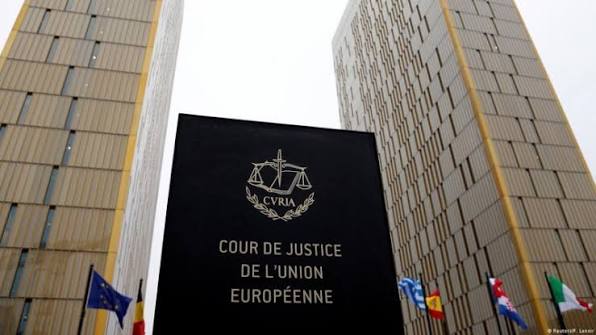
Consequences of Declining Trust in the Judiciary in Europe

SCFRonline – Opinion: The increase in public distrust of the French judicial system, which in recent surveys has reached approximately two-thirds of citizens, should be analyzed within a framework broader than temporary dissatisfaction or an emotional reaction to a particular criminal case.
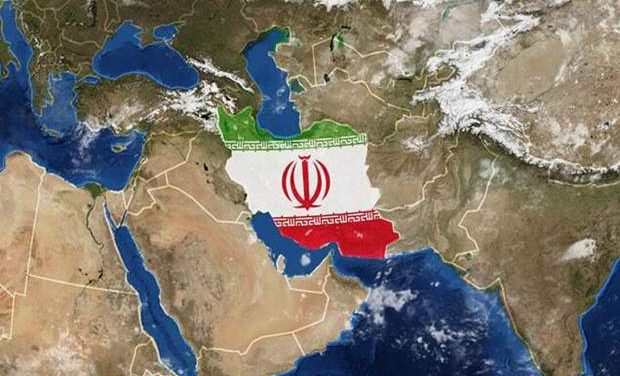
Iran’s Potential Levers of Power

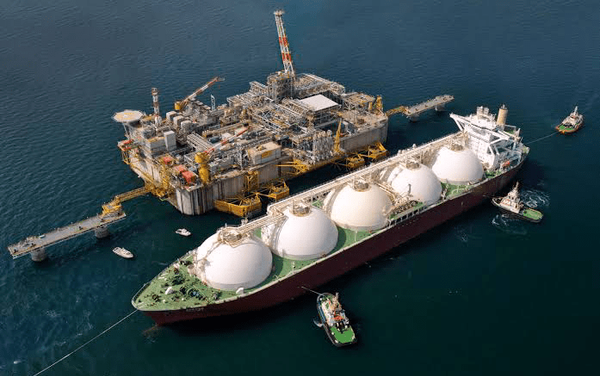
SCFRonline– Opinion: Iran’s geopolitical power is not limited solely to oil and the Strait of Hormuz; the unintended emergence of disruptions in the future global food and energy security chains can also demonstrate Iran’s strategic importance.

The Inseparability of the Lebanese Front from the Axis of Resistance

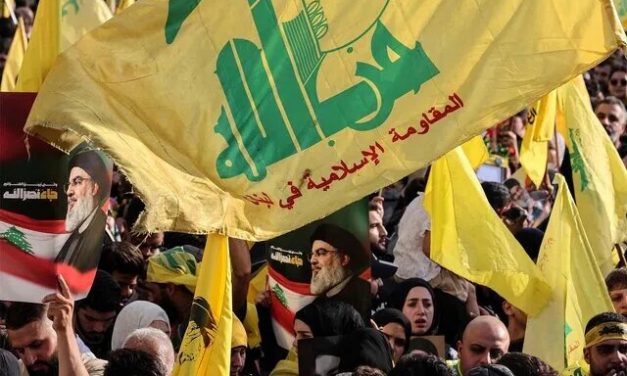
SCFR Online–Opinion: By providing an extensive network of social, healthcare, educational, and post-war reconstruction services, Hezbollah has established a strong social base for itself among Lebanon’s Shiites and Sunnis, and even beyond that, among other segments of Lebanese society, including Christians. Hezbollah has never been an external actor imposed upon Lebanon; rather, it is a phenomenon fundamentally born out of the occupation and crimes of the Zionist regime and itself influenced by popular resistance.

The Increasing Efforts of the Zionist Regime to Redefine Borders and the Regional Order and Its Consequences

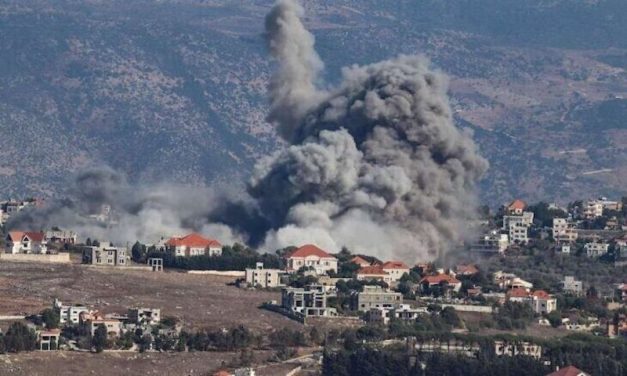
SCFR Online– Opinion: Security and military developments in the region over recent months indicate that the ongoing crises and wars in Gaza, southern Lebanon, and parts of Syrian territory encompass broader dimensions of geopolitical and geostrategic transformations. In this context, the increased military presence and control of the Zionist regime over parts of the territories of these areas, along with proposals regarding the creation of buffer zones or even the expansion of security borders, have raised serious questions about the future of the regional order and its consequences for the countries of West Asia.

Loading

Ardeshir Pashang

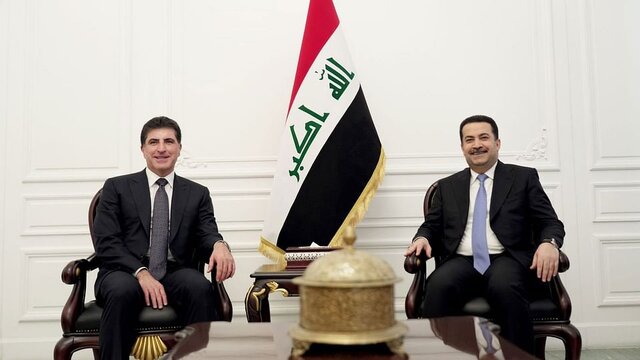
The Impact of the Baghdad-Erbil Agreement on the Balance of Power in Iraq

The Impact of the Baghdad-Erbil Agreement on the Balance of Power in Iraq

Online Strategic Council – Interview: A West Asia affairs expert stated that oil exports from the Kurdistan Region have resumed after a halt of over two years, following a tripartite agreement between Baghdad, Erbil, and oil companies. These exports had been suspended since March 2023 due to a ruling by the Paris arbitration court against Turkey. The court stated that Ankara had violated the 1973 pipeline agreement with Baghdad by allowing Erbil to export oil independently since 2014. The Iraqi Ministry of Oil announced that oil exports have commenced at full capacity and are continuing without any technical issues. The ministry described the recent move as a significant step toward strengthening the management of national wealth. Officials of the Kurdistan Regional Government (KRG) also described this event as historic and a significant achievement for the whole of Iraq. On the other hand, the Baghdad government announced that the resumption of oil exports from the Kurdistan Region could add between $ 400 million and $ 500 million monthly to the federal budget and play a significant role in boosting national revenues.

The Strategic Significance of Syria-Turkey-Azerbaijan Gas Project

The Strategic Significance of Syria-Turkey-Azerbaijan Gas Project

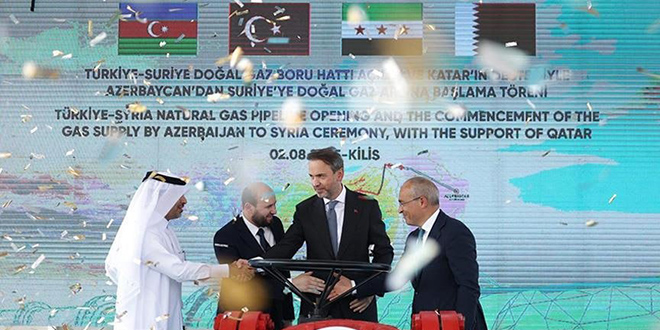
Strategic Council Online – Interview: A West Asia affairs analyst stated: The Syria-Turkey-Azerbaijan gas project goes beyond simple energy cooperation and must be evaluated within the context of regional power competition, efforts to redefine the political order in Syria, and the strengthening of the Turkish-Qatari-Azerbaijani axis in West Asia. An order whose future will largely depend on the stability of the Damascus government and Turkey’s ability to manage security, economic, and geopolitical crises simultaneously.
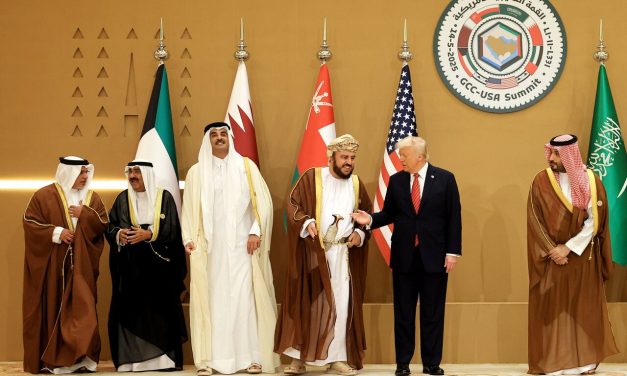
At a time when Syria is still grappling with extensive infrastructure problems and an energy crisis, the inauguration of the gas pipeline from Azerbaijan to Syria via Turkey, with Qatar’s financial support, has drawn the attention of regional analysts. This project, which in its first phase will transfer 3.4 million cubic meters of gas per day and will eventually reach a capacity of 6 million cubic meters per day, could add approximately 750 megawatts to Syria’s electricity generation capacity.

أحدث الوظائف

Consequences of Declining Trust in the Judiciary in Europe

SCFRonline – Opinion: The increase in public distrust of the French judicial system, which in recent surveys has reached approximately two-thirds of citizens, should be analyzed within a framework broader than temporary dissatisfaction or an emotional reaction to a particular criminal case.

Iran’s Potential Levers of Power

SCFRonline– Opinion: Iran’s geopolitical power is not limited solely to oil and the Strait of Hormuz; the unintended emergence of disruptions in the future global food and energy security chains can also demonstrate Iran’s strategic importance.

The Inseparability of the Lebanese Front from the Axis of Resistance

SCFR Online–Opinion: By providing an extensive network of social, healthcare, educational, and post-war reconstruction services, Hezbollah has established a strong social base for itself among Lebanon’s Shiites and Sunnis, and even beyond that, among other segments of Lebanese society, including Christians. Hezbollah has never been an external actor imposed upon Lebanon; rather, it is a phenomenon fundamentally born out of the occupation and crimes of the Zionist regime and itself influenced by popular resistance.

The Increasing Efforts of the Zionist Regime to Redefine Borders and the Regional Order and Its Consequences

SCFR Online– Opinion: Security and military developments in the region over recent months indicate that the ongoing crises and wars in Gaza, southern Lebanon, and parts of Syrian territory encompass broader dimensions of geopolitical and geostrategic transformations. In this context, the increased military presence and control of the Zionist regime over parts of the territories of these areas, along with proposals regarding the creation of buffer zones or even the expansion of security borders, have raised serious questions about the future of the regional order and its consequences for the countries of West Asia.

Loading

Ardeshir Pashang

The Impact of the Baghdad-Erbil Agreement on the Balance of Power in Iraq

The Impact of the Baghdad-Erbil Agreement on the Balance of Power in Iraq

Online Strategic Council – Interview: A West Asia affairs expert stated that oil exports from the Kurdistan Region have resumed after a halt of over two years, following a tripartite agreement between Baghdad, Erbil, and oil companies. These exports had been suspended since March 2023 due to a ruling by the Paris arbitration court against Turkey. The court stated that Ankara had violated the 1973 pipeline agreement with Baghdad by allowing Erbil to export oil independently since 2014. The Iraqi Ministry of Oil announced that oil exports have commenced at full capacity and are continuing without any technical issues. The ministry described the recent move as a significant step toward strengthening the management of national wealth. Officials of the Kurdistan Regional Government (KRG) also described this event as historic and a significant achievement for the whole of Iraq. On the other hand, the Baghdad government announced that the resumption of oil exports from the Kurdistan Region could add between $ 400 million and $ 500 million monthly to the federal budget and play a significant role in boosting national revenues.

The Strategic Significance of Syria-Turkey-Azerbaijan Gas Project

The Strategic Significance of Syria-Turkey-Azerbaijan Gas Project

Strategic Council Online – Interview: A West Asia affairs analyst stated: The Syria-Turkey-Azerbaijan gas project goes beyond simple energy cooperation and must be evaluated within the context of regional power competition, efforts to redefine the political order in Syria, and the strengthening of the Turkish-Qatari-Azerbaijani axis in West Asia. An order whose future will largely depend on the stability of the Damascus government and Turkey’s ability to manage security, economic, and geopolitical crises simultaneously.
At a time when Syria is still grappling with extensive infrastructure problems and an energy crisis, the inauguration of the gas pipeline from Azerbaijan to Syria via Turkey, with Qatar’s financial support, has drawn the attention of regional analysts. This project, which in its first phase will transfer 3.4 million cubic meters of gas per day and will eventually reach a capacity of 6 million cubic meters per day, could add approximately 750 megawatts to Syria’s electricity generation capacity.

Ardeshir Pashang

The Impact of the Baghdad-Erbil Agreement on the Balance of Power in Iraq

The Impact of the Baghdad-Erbil Agreement on the Balance of Power in Iraq

Online Strategic Council – Interview: A West Asia affairs expert stated that oil exports from the Kurdistan Region have resumed after a halt of over two years, following a tripartite agreement between Baghdad, Erbil, and oil companies. These exports had been suspended since March 2023 due to a ruling by the Paris arbitration court against Turkey. The court stated that Ankara had violated the 1973 pipeline agreement with Baghdad by allowing Erbil to export oil independently since 2014. The Iraqi Ministry of Oil announced that oil exports have commenced at full capacity and are continuing without any technical issues. The ministry described the recent move as a significant step toward strengthening the management of national wealth. Officials of the Kurdistan Regional Government (KRG) also described this event as historic and a significant achievement for the whole of Iraq. On the other hand, the Baghdad government announced that the resumption of oil exports from the Kurdistan Region could add between $ 400 million and $ 500 million monthly to the federal budget and play a significant role in boosting national revenues.

The Strategic Significance of Syria-Turkey-Azerbaijan Gas Project

The Strategic Significance of Syria-Turkey-Azerbaijan Gas Project

Strategic Council Online – Interview: A West Asia affairs analyst stated: The Syria-Turkey-Azerbaijan gas project goes beyond simple energy cooperation and must be evaluated within the context of regional power competition, efforts to redefine the political order in Syria, and the strengthening of the Turkish-Qatari-Azerbaijani axis in West Asia. An order whose future will largely depend on the stability of the Damascus government and Turkey’s ability to manage security, economic, and geopolitical crises simultaneously.
At a time when Syria is still grappling with extensive infrastructure problems and an energy crisis, the inauguration of the gas pipeline from Azerbaijan to Syria via Turkey, with Qatar’s financial support, has drawn the attention of regional analysts. This project, which in its first phase will transfer 3.4 million cubic meters of gas per day and will eventually reach a capacity of 6 million cubic meters per day, could add approximately 750 megawatts to Syria’s electricity generation capacity.

LATEST CONTENT

Consequences of Declining Trust in the Judiciary in Europe

SCFRonline – Opinion: The increase in public distrust of the French judicial system, which in recent surveys has reached approximately two-thirds of citizens, should be analyzed within a framework broader than temporary dissatisfaction or an emotional reaction to a particular criminal case.
Iran’s Potential Levers of Power

SCFRonline– Opinion: Iran’s geopolitical power is not limited solely to oil and the Strait of Hormuz; the unintended emergence of disruptions in the future global food and energy security chains can also demonstrate Iran’s strategic importance.

The Inseparability of the Lebanese Front from the Axis of Resistance

SCFR Online–Opinion: By providing an extensive network of social, healthcare, educational, and post-war reconstruction services, Hezbollah has established a strong social base for itself among Lebanon’s Shiites and Sunnis, and even beyond that, among other segments of Lebanese society, including Christians. Hezbollah has never been an external actor imposed upon Lebanon; rather, it is a phenomenon fundamentally born out of the occupation and crimes of the Zionist regime and itself influenced by popular resistance.

The Increasing Efforts of the Zionist Regime to Redefine Borders and the Regional Order and Its Consequences

SCFR Online– Opinion: Security and military developments in the region over recent months indicate that the ongoing crises and wars in Gaza, southern Lebanon, and parts of Syrian territory encompass broader dimensions of geopolitical and geostrategic transformations. In this context, the increased military presence and control of the Zionist regime over parts of the territories of these areas, along with proposals regarding the creation of buffer zones or even the expansion of security borders, have raised serious questions about the future of the regional order and its consequences for the countries of West Asia.

Loading

Ardeshir Pashang

The Impact of the Baghdad-Erbil Agreement on the Balance of Power in Iraq

The Impact of the Baghdad-Erbil Agreement on the Balance of Power in Iraq

Online Strategic Council – Interview: A West Asia affairs expert stated that oil exports from the Kurdistan Region have resumed after a halt of over two years, following a tripartite agreement between Baghdad, Erbil, and oil companies. These exports had been suspended since March 2023 due to a ruling by the Paris arbitration court against Turkey. The court stated that Ankara had violated the 1973 pipeline agreement with Baghdad by allowing Erbil to export oil independently since 2014. The Iraqi Ministry of Oil announced that oil exports have commenced at full capacity and are continuing without any technical issues. The ministry described the recent move as a significant step toward strengthening the management of national wealth. Officials of the Kurdistan Regional Government (KRG) also described this event as historic and a significant achievement for the whole of Iraq. On the other hand, the Baghdad government announced that the resumption of oil exports from the Kurdistan Region could add between $ 400 million and $ 500 million monthly to the federal budget and play a significant role in boosting national revenues.

The Strategic Significance of Syria-Turkey-Azerbaijan Gas Project

The Strategic Significance of Syria-Turkey-Azerbaijan Gas Project

Strategic Council Online – Interview: A West Asia affairs analyst stated: The Syria-Turkey-Azerbaijan gas project goes beyond simple energy cooperation and must be evaluated within the context of regional power competition, efforts to redefine the political order in Syria, and the strengthening of the Turkish-Qatari-Azerbaijani axis in West Asia. An order whose future will largely depend on the stability of the Damascus government and Turkey’s ability to manage security, economic, and geopolitical crises simultaneously.
At a time when Syria is still grappling with extensive infrastructure problems and an energy crisis, the inauguration of the gas pipeline from Azerbaijan to Syria via Turkey, with Qatar’s financial support, has drawn the attention of regional analysts. This project, which in its first phase will transfer 3.4 million cubic meters of gas per day and will eventually reach a capacity of 6 million cubic meters per day, could add approximately 750 megawatts to Syria’s electricity generation capacity.

ÚLTIMAS PUBLICACIONES

Consequences of Declining Trust in the Judiciary in Europe

SCFRonline – Opinion: The increase in public distrust of the French judicial system, which in recent surveys has reached approximately two-thirds of citizens, should be analyzed within a framework broader than temporary dissatisfaction or an emotional reaction to a particular criminal case.
Iran’s Potential Levers of Power

SCFRonline– Opinion: Iran’s geopolitical power is not limited solely to oil and the Strait of Hormuz; the unintended emergence of disruptions in the future global food and energy security chains can also demonstrate Iran’s strategic importance.

The Inseparability of the Lebanese Front from the Axis of Resistance

SCFR Online–Opinion: By providing an extensive network of social, healthcare, educational, and post-war reconstruction services, Hezbollah has established a strong social base for itself among Lebanon’s Shiites and Sunnis, and even beyond that, among other segments of Lebanese society, including Christians. Hezbollah has never been an external actor imposed upon Lebanon; rather, it is a phenomenon fundamentally born out of the occupation and crimes of the Zionist regime and itself influenced by popular resistance.

The Increasing Efforts of the Zionist Regime to Redefine Borders and the Regional Order and Its Consequences

SCFR Online– Opinion: Security and military developments in the region over recent months indicate that the ongoing crises and wars in Gaza, southern Lebanon, and parts of Syrian territory encompass broader dimensions of geopolitical and geostrategic transformations. In this context, the increased military presence and control of the Zionist regime over parts of the territories of these areas, along with proposals regarding the creation of buffer zones or even the expansion of security borders, have raised serious questions about the future of the regional order and its consequences for the countries of West Asia.

Loading

Ardeshir Pashang

The Impact of the Baghdad-Erbil Agreement on the Balance of Power in Iraq

The Impact of the Baghdad-Erbil Agreement on the Balance of Power in Iraq

Online Strategic Council – Interview: A West Asia affairs expert stated that oil exports from the Kurdistan Region have resumed after a halt of over two years, following a tripartite agreement between Baghdad, Erbil, and oil companies. These exports had been suspended since March 2023 due to a ruling by the Paris arbitration court against Turkey. The court stated that Ankara had violated the 1973 pipeline agreement with Baghdad by allowing Erbil to export oil independently since 2014. The Iraqi Ministry of Oil announced that oil exports have commenced at full capacity and are continuing without any technical issues. The ministry described the recent move as a significant step toward strengthening the management of national wealth. Officials of the Kurdistan Regional Government (KRG) also described this event as historic and a significant achievement for the whole of Iraq. On the other hand, the Baghdad government announced that the resumption of oil exports from the Kurdistan Region could add between $ 400 million and $ 500 million monthly to the federal budget and play a significant role in boosting national revenues.

The Strategic Significance of Syria-Turkey-Azerbaijan Gas Project

The Strategic Significance of Syria-Turkey-Azerbaijan Gas Project

Strategic Council Online – Interview: A West Asia affairs analyst stated: The Syria-Turkey-Azerbaijan gas project goes beyond simple energy cooperation and must be evaluated within the context of regional power competition, efforts to redefine the political order in Syria, and the strengthening of the Turkish-Qatari-Azerbaijani axis in West Asia. An order whose future will largely depend on the stability of the Damascus government and Turkey’s ability to manage security, economic, and geopolitical crises simultaneously.
At a time when Syria is still grappling with extensive infrastructure problems and an energy crisis, the inauguration of the gas pipeline from Azerbaijan to Syria via Turkey, with Qatar’s financial support, has drawn the attention of regional analysts. This project, which in its first phase will transfer 3.4 million cubic meters of gas per day and will eventually reach a capacity of 6 million cubic meters per day, could add approximately 750 megawatts to Syria’s electricity generation capacity.

ÚLTIMAS PUBLICACIONES

Consequences of Declining Trust in the Judiciary in Europe

SCFRonline – Opinion: The increase in public distrust of the French judicial system, which in recent surveys has reached approximately two-thirds of citizens, should be analyzed within a framework broader than temporary dissatisfaction or an emotional reaction to a particular criminal case.
Iran’s Potential Levers of Power

SCFRonline– Opinion: Iran’s geopolitical power is not limited solely to oil and the Strait of Hormuz; the unintended emergence of disruptions in the future global food and energy security chains can also demonstrate Iran’s strategic importance.

The Inseparability of the Lebanese Front from the Axis of Resistance

SCFR Online–Opinion: By providing an extensive network of social, healthcare, educational, and post-war reconstruction services, Hezbollah has established a strong social base for itself among Lebanon’s Shiites and Sunnis, and even beyond that, among other segments of Lebanese society, including Christians. Hezbollah has never been an external actor imposed upon Lebanon; rather, it is a phenomenon fundamentally born out of the occupation and crimes of the Zionist regime and itself influenced by popular resistance.

The Increasing Efforts of the Zionist Regime to Redefine Borders and the Regional Order and Its Consequences

SCFR Online– Opinion: Security and military developments in the region over recent months indicate that the ongoing crises and wars in Gaza, southern Lebanon, and parts of Syrian territory encompass broader dimensions of geopolitical and geostrategic transformations. In this context, the increased military presence and control of the Zionist regime over parts of the territories of these areas, along with proposals regarding the creation of buffer zones or even the expansion of security borders, have raised serious questions about the future of the regional order and its consequences for the countries of West Asia.

Loading

Ardeshir Pashang

The Impact of the Baghdad-Erbil Agreement on the Balance of Power in Iraq

The Impact of the Baghdad-Erbil Agreement on the Balance of Power in Iraq

Online Strategic Council – Interview: A West Asia affairs expert stated that oil exports from the Kurdistan Region have resumed after a halt of over two years, following a tripartite agreement between Baghdad, Erbil, and oil companies. These exports had been suspended since March 2023 due to a ruling by the Paris arbitration court against Turkey. The court stated that Ankara had violated the 1973 pipeline agreement with Baghdad by allowing Erbil to export oil independently since 2014. The Iraqi Ministry of Oil announced that oil exports have commenced at full capacity and are continuing without any technical issues. The ministry described the recent move as a significant step toward strengthening the management of national wealth. Officials of the Kurdistan Regional Government (KRG) also described this event as historic and a significant achievement for the whole of Iraq. On the other hand, the Baghdad government announced that the resumption of oil exports from the Kurdistan Region could add between $ 400 million and $ 500 million monthly to the federal budget and play a significant role in boosting national revenues.

The Strategic Significance of Syria-Turkey-Azerbaijan Gas Project

The Strategic Significance of Syria-Turkey-Azerbaijan Gas Project

Strategic Council Online – Interview: A West Asia affairs analyst stated: The Syria-Turkey-Azerbaijan gas project goes beyond simple energy cooperation and must be evaluated within the context of regional power competition, efforts to redefine the political order in Syria, and the strengthening of the Turkish-Qatari-Azerbaijani axis in West Asia. An order whose future will largely depend on the stability of the Damascus government and Turkey’s ability to manage security, economic, and geopolitical crises simultaneously.
At a time when Syria is still grappling with extensive infrastructure problems and an energy crisis, the inauguration of the gas pipeline from Azerbaijan to Syria via Turkey, with Qatar’s financial support, has drawn the attention of regional analysts. This project, which in its first phase will transfer 3.4 million cubic meters of gas per day and will eventually reach a capacity of 6 million cubic meters per day, could add approximately 750 megawatts to Syria’s electricity generation capacity.

ÚLTIMAS PUBLICACIONES

Consequences of Declining Trust in the Judiciary in Europe

SCFRonline – Opinion: The increase in public distrust of the French judicial system, which in recent surveys has reached approximately two-thirds of citizens, should be analyzed within a framework broader than temporary dissatisfaction or an emotional reaction to a particular criminal case.
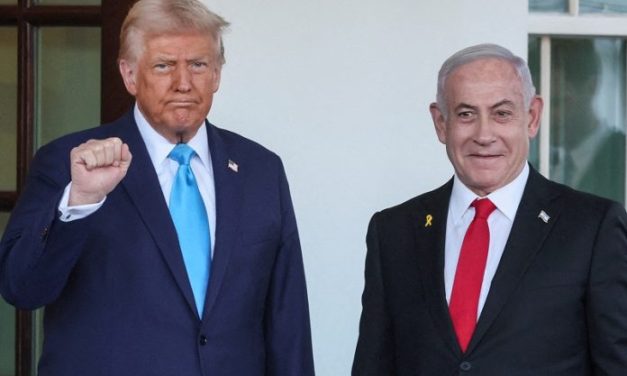
Iran’s Potential Levers of Power

SCFRonline– Opinion: Iran’s geopolitical power is not limited solely to oil and the Strait of Hormuz; the unintended emergence of disruptions in the future global food and energy security chains can also demonstrate Iran’s strategic importance.

The Inseparability of the Lebanese Front from the Axis of Resistance

SCFR Online–Opinion: By providing an extensive network of social, healthcare, educational, and post-war reconstruction services, Hezbollah has established a strong social base for itself among Lebanon’s Shiites and Sunnis, and even beyond that, among other segments of Lebanese society, including Christians. Hezbollah has never been an external actor imposed upon Lebanon; rather, it is a phenomenon fundamentally born out of the occupation and crimes of the Zionist regime and itself influenced by popular resistance.

The Increasing Efforts of the Zionist Regime to Redefine Borders and the Regional Order and Its Consequences

SCFR Online– Opinion: Security and military developments in the region over recent months indicate that the ongoing crises and wars in Gaza, southern Lebanon, and parts of Syrian territory encompass broader dimensions of geopolitical and geostrategic transformations. In this context, the increased military presence and control of the Zionist regime over parts of the territories of these areas, along with proposals regarding the creation of buffer zones or even the expansion of security borders, have raised serious questions about the future of the regional order and its consequences for the countries of West Asia.

Loading

Ardeshir Pashang

The Impact of the Baghdad-Erbil Agreement on the Balance of Power in Iraq

The Impact of the Baghdad-Erbil Agreement on the Balance of Power in Iraq

Online Strategic Council – Interview: A West Asia affairs expert stated that oil exports from the Kurdistan Region have resumed after a halt of over two years, following a tripartite agreement between Baghdad, Erbil, and oil companies. These exports had been suspended since March 2023 due to a ruling by the Paris arbitration court against Turkey. The court stated that Ankara had violated the 1973 pipeline agreement with Baghdad by allowing Erbil to export oil independently since 2014. The Iraqi Ministry of Oil announced that oil exports have commenced at full capacity and are continuing without any technical issues. The ministry described the recent move as a significant step toward strengthening the management of national wealth. Officials of the Kurdistan Regional Government (KRG) also described this event as historic and a significant achievement for the whole of Iraq. On the other hand, the Baghdad government announced that the resumption of oil exports from the Kurdistan Region could add between $ 400 million and $ 500 million monthly to the federal budget and play a significant role in boosting national revenues.

The Strategic Significance of Syria-Turkey-Azerbaijan Gas Project

The Strategic Significance of Syria-Turkey-Azerbaijan Gas Project

Strategic Council Online – Interview: A West Asia affairs analyst stated: The Syria-Turkey-Azerbaijan gas project goes beyond simple energy cooperation and must be evaluated within the context of regional power competition, efforts to redefine the political order in Syria, and the strengthening of the Turkish-Qatari-Azerbaijani axis in West Asia. An order whose future will largely depend on the stability of the Damascus government and Turkey’s ability to manage security, economic, and geopolitical crises simultaneously.
At a time when Syria is still grappling with extensive infrastructure problems and an energy crisis, the inauguration of the gas pipeline from Azerbaijan to Syria via Turkey, with Qatar’s financial support, has drawn the attention of regional analysts. This project, which in its first phase will transfer 3.4 million cubic meters of gas per day and will eventually reach a capacity of 6 million cubic meters per day, could add approximately 750 megawatts to Syria’s electricity generation capacity.

ÚLTIMAS PUBLICACIONES

Consequences of Declining Trust in the Judiciary in Europe

SCFRonline – Opinion: The increase in public distrust of the French judicial system, which in recent surveys has reached approximately two-thirds of citizens, should be analyzed within a framework broader than temporary dissatisfaction or an emotional reaction to a particular criminal case.

Iran’s Potential Levers of Power

SCFRonline– Opinion: Iran’s geopolitical power is not limited solely to oil and the Strait of Hormuz; the unintended emergence of disruptions in the future global food and energy security chains can also demonstrate Iran’s strategic importance.

The Inseparability of the Lebanese Front from the Axis of Resistance

SCFR Online–Opinion: By providing an extensive network of social, healthcare, educational, and post-war reconstruction services, Hezbollah has established a strong social base for itself among Lebanon’s Shiites and Sunnis, and even beyond that, among other segments of Lebanese society, including Christians. Hezbollah has never been an external actor imposed upon Lebanon; rather, it is a phenomenon fundamentally born out of the occupation and crimes of the Zionist regime and itself influenced by popular resistance.

The Increasing Efforts of the Zionist Regime to Redefine Borders and the Regional Order and Its Consequences

SCFR Online– Opinion: Security and military developments in the region over recent months indicate that the ongoing crises and wars in Gaza, southern Lebanon, and parts of Syrian territory encompass broader dimensions of geopolitical and geostrategic transformations. In this context, the increased military presence and control of the Zionist regime over parts of the territories of these areas, along with proposals regarding the creation of buffer zones or even the expansion of security borders, have raised serious questions about the future of the regional order and its consequences for the countries of West Asia.

Loading