جدیدترین مطالب

Europe’s Enduring Dependence on Persian Gulf Energy

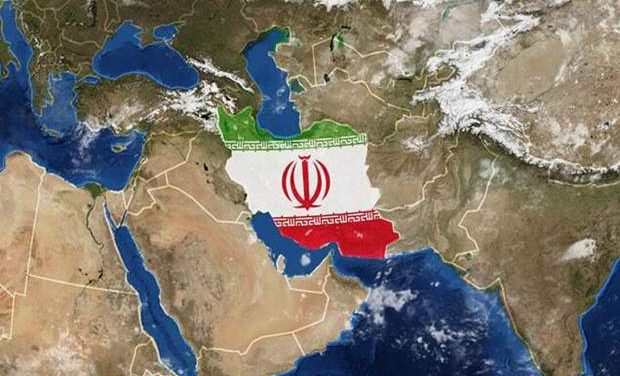
SCFR Online – Opinion: The dominant discourse in the field of European energy security over the past two decades has revolved around diversification of supply sources and the gradual reduction of dependence on fossil fuels. This narrative, which gained particular momentum after the Ukraine gas crisis in 2006 and its intensification in 2014 and 2022, was based on the assumption that Europe could free itself from the geopolitical vulnerabilities arising from dependence on specific suppliers through investment in renewable energy, imports of liquefied natural gas from diversified sources, and the establishment of new infrastructure. However, a closer analysis of energy trade data and the structure of the global oil and gas supply chain presents a different picture. Europe has not only failed to meaningfully reduce its dependence on the Persian Gulf, but in some sectors — particularly in liquefied natural gas imports — this dependence has deepened. This reality, which is often overlooked in public discourse, raises fundamental questions about the sustainability of Europe’s energy security strategies and their impact on regional power equations.

The Challenge of Hezbollah’s Low-Cost “FPV” Drones for the Zionist Regime

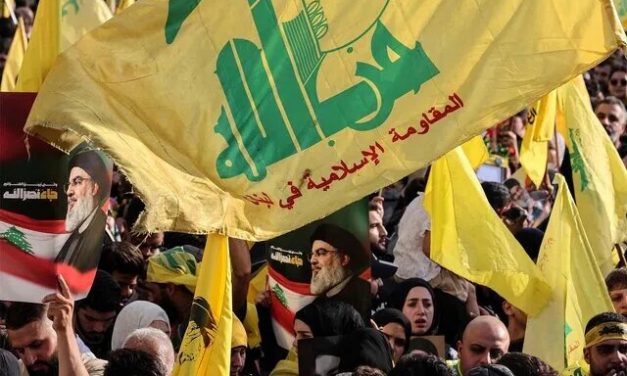
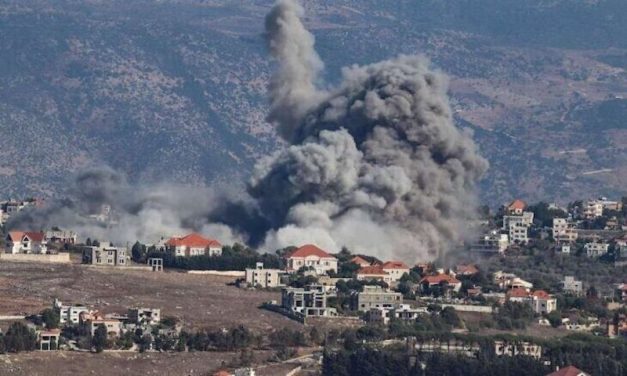
SCFR Online – Opinion: In modern warfare, it has always been assumed that the more expensive, and advanced the weapon—particularly from well-known companies—the more certain the victory will be. However, developments on the northern front of occupied Palestine in recent months have challenged this long-held belief. Here, the Zionist regime’s military, despite possessing the most advanced defense systems such as Iron Dome, David’s Sling, and Arrow, as well as fifth-generation F-35 fighter jets, Merkava tanks, and other modern equipment found in few countries worldwide, has effectively been rendered helpless against Hezbollah Lebanon’s few-hundred-dollar drones. Benjamin Netanyahu’s bitter admission regarding the inability to counter this threat, and his order to allocate an unlimited budget to find a solution, underscores the reality that the era of pure superiority through expensive technologies has come to an end.

The Impact of West Asian Developments on the Ukraine War

SCFR Online – Note: Vladimir Putin, President of Russia, recently announced—more than four years after the commencement of military aggression against Ukraine—that he believes the conflict between Russia and Ukraine is drawing to a close.

Temporary China–U.S. Trade Truce in the Shadow of Fundamental Distrust

SCFR Online – Opinion: The recent visit of the President of the United States to China is significant from various aspects; because China is recognized as the world’s second-largest economic power and a growing economy. The Chinese are also advancing in various fields, including the space sector, artificial intelligence, and military industries; to the extent that in the military sector, whereas they previously lacked an aircraft carrier, they now possess their third aircraft carrier. On the other hand, the United States, as a superpower, has always regarded China as its rival and continues to view it as such today.

Loading

Aramco

Opportunities, Challenges of Two-Month Ceasefire in Yemen

Opportunities, Challenges of Two-Month Ceasefire in Yemen

Strategic Council Online – Note: On the eve of the eighth year of the Saudi coalition invasion of Yemen, a two-month ceasefire was put into effect on Saturday, April 1, upon the initiative of the UN Special Envoy to Yemen and upon the agreement of the parties involved.

Aims, Achievements of Ansarollah’s Recent Attack on Aramco

Aims, Achievements of Ansarollah’s Recent Attack on Aramco

Strategic Council Online – Interview: Director of Yemen Desk at Mersad Center for Strategic Studies, explaining the targets and achievements of Ansarollah’s recent attack on Aramco oil facility in Saudi Arabia, called it a response to the escalation of the siege of Yemen and said: Ansarollah decided to show some of the pressure imposed on the Yemeni people over fuel shortage to the Saudi people so that perhaps with social pressure, the Saudis lift the siege of the Yemeni people.

Strategic targets behind Saudi military agreements with Greece

Strategic targets behind Saudi military agreements with Greece

Strategic Council Online – Note: Greek Foreign Minister Nikos Dendias in his visit to Saudi Arabia signed two agreements on military cooperation between the two countries. According to the signed document, Greece is supposed to deliver one of the Patriot missiles received from the United States to Saudi Arabia, a move that could be the result of Saudi Arabia’s failure against Yemeni missiles and drones. The US-made Patriot anti-aircraft systems will be used to protect Saudi Arabia’s most important oil facilities, and the Greek systems will be used to protect other important military bases in that country. In recent months, Saudi Arabia has been under the burden of missile and drone strikes by the Yemeni armed forces and has never been able to thwart those attacks with its own defense systems.
Mahmoud Fazeli – analyst of international affairs

Change of Military Balance in Yemen with Advances of Ansarollah in Ma’rib

Change of Military Balance in Yemen with Advances of Ansarollah in Ma’rib

Strategic Council Online – An expert on West Asia affairs said that Ansarollah’s advances in Ma’rib have put Saudi Arabia in a diplomatic and security dilemma adding that the country will not be able to withstand further damage and attacks and it seems that this crisis is approaching its final months.

Yemen War; Strategic necessities and emergence of new power

Yemen War; Strategic necessities and emergence of new power

Strategic Council Online – The start of Saudi Arabia’s military aggression against Yemen on March 25, 2015 and the unequal continuation of this war to the present time has led to the emergence of a huge swamp for the Saudi coalition after six years as such that the United States and the pro-Saudi coalition governments are desperately looking for a solution to this crisis. In fact, the main question will be whether the end of the Yemen war is a strategic necessity for the countries involved in this crisis or the political life of this crisis is nearing the end of its life?
Kourosh Salehi – International affairs expert

Behind the Scenes of Ansarullah-Saudi Peace Talks

Behind the Scenes of Ansarullah-Saudi Peace Talks

Strategic Council Online: Given the recent divergence in Saudi political power system and the opposition of some influential Saudi princes to Mohammed bin Salman’s military strategies, the prolongation of the Yemeni war could intensify competition within the kingdom.
Davoud Ahmadzadeh – Middle East affairs expert

Yemen’s Growing Resistance Provides Grounds for Ceasefire

Yemen’s Growing Resistance Provides Grounds for Ceasefire

Strategic Council Online: A regional affairs analyst pointing to the dimensions and implications of Operation “Victory from God” in Najran and Yemen’s increasing resistance power said the spontaneous improvement could cause a balance of terror and concern among the Saudis. These developments have made Saudi Arabia more inclined to seek a mutually agreed to solution.

Practical Failure of Security for Oil Policy

Practical Failure of Security for Oil Policy

Strategic Council Online: A Middle East affairs expert says the Saudi policy is one of destructive proxy policy, adding that the Saudi behavior is a function of the policies of the United States, the West and the Zionist regime. He further pointed out that despite Saudi policy of “buying security from the US”, the recent strike on Saudi oil facilities showed the weakness of the military-security structure of the United States and Saudi Arabia.

أحدث الوظائف

Europe’s Enduring Dependence on Persian Gulf Energy

SCFR Online – Opinion: The dominant discourse in the field of European energy security over the past two decades has revolved around diversification of supply sources and the gradual reduction of dependence on fossil fuels. This narrative, which gained particular momentum after the Ukraine gas crisis in 2006 and its intensification in 2014 and 2022, was based on the assumption that Europe could free itself from the geopolitical vulnerabilities arising from dependence on specific suppliers through investment in renewable energy, imports of liquefied natural gas from diversified sources, and the establishment of new infrastructure. However, a closer analysis of energy trade data and the structure of the global oil and gas supply chain presents a different picture. Europe has not only failed to meaningfully reduce its dependence on the Persian Gulf, but in some sectors — particularly in liquefied natural gas imports — this dependence has deepened. This reality, which is often overlooked in public discourse, raises fundamental questions about the sustainability of Europe’s energy security strategies and their impact on regional power equations.

The Challenge of Hezbollah’s Low-Cost “FPV” Drones for the Zionist Regime

SCFR Online – Opinion: In modern warfare, it has always been assumed that the more expensive, and advanced the weapon—particularly from well-known companies—the more certain the victory will be. However, developments on the northern front of occupied Palestine in recent months have challenged this long-held belief. Here, the Zionist regime’s military, despite possessing the most advanced defense systems such as Iron Dome, David’s Sling, and Arrow, as well as fifth-generation F-35 fighter jets, Merkava tanks, and other modern equipment found in few countries worldwide, has effectively been rendered helpless against Hezbollah Lebanon’s few-hundred-dollar drones. Benjamin Netanyahu’s bitter admission regarding the inability to counter this threat, and his order to allocate an unlimited budget to find a solution, underscores the reality that the era of pure superiority through expensive technologies has come to an end.

The Impact of West Asian Developments on the Ukraine War

SCFR Online – Note: Vladimir Putin, President of Russia, recently announced—more than four years after the commencement of military aggression against Ukraine—that he believes the conflict between Russia and Ukraine is drawing to a close.

Temporary China–U.S. Trade Truce in the Shadow of Fundamental Distrust

SCFR Online – Opinion: The recent visit of the President of the United States to China is significant from various aspects; because China is recognized as the world’s second-largest economic power and a growing economy. The Chinese are also advancing in various fields, including the space sector, artificial intelligence, and military industries; to the extent that in the military sector, whereas they previously lacked an aircraft carrier, they now possess their third aircraft carrier. On the other hand, the United States, as a superpower, has always regarded China as its rival and continues to view it as such today.

Loading

Aramco

Opportunities, Challenges of Two-Month Ceasefire in Yemen

Opportunities, Challenges of Two-Month Ceasefire in Yemen

Strategic Council Online – Note: On the eve of the eighth year of the Saudi coalition invasion of Yemen, a two-month ceasefire was put into effect on Saturday, April 1, upon the initiative of the UN Special Envoy to Yemen and upon the agreement of the parties involved.

Aims, Achievements of Ansarollah’s Recent Attack on Aramco

Aims, Achievements of Ansarollah’s Recent Attack on Aramco

Strategic Council Online – Interview: Director of Yemen Desk at Mersad Center for Strategic Studies, explaining the targets and achievements of Ansarollah’s recent attack on Aramco oil facility in Saudi Arabia, called it a response to the escalation of the siege of Yemen and said: Ansarollah decided to show some of the pressure imposed on the Yemeni people over fuel shortage to the Saudi people so that perhaps with social pressure, the Saudis lift the siege of the Yemeni people.

Strategic targets behind Saudi military agreements with Greece

Strategic targets behind Saudi military agreements with Greece

Strategic Council Online – Note: Greek Foreign Minister Nikos Dendias in his visit to Saudi Arabia signed two agreements on military cooperation between the two countries. According to the signed document, Greece is supposed to deliver one of the Patriot missiles received from the United States to Saudi Arabia, a move that could be the result of Saudi Arabia’s failure against Yemeni missiles and drones. The US-made Patriot anti-aircraft systems will be used to protect Saudi Arabia’s most important oil facilities, and the Greek systems will be used to protect other important military bases in that country. In recent months, Saudi Arabia has been under the burden of missile and drone strikes by the Yemeni armed forces and has never been able to thwart those attacks with its own defense systems.
Mahmoud Fazeli – analyst of international affairs

Change of Military Balance in Yemen with Advances of Ansarollah in Ma’rib

Change of Military Balance in Yemen with Advances of Ansarollah in Ma’rib

Strategic Council Online – An expert on West Asia affairs said that Ansarollah’s advances in Ma’rib have put Saudi Arabia in a diplomatic and security dilemma adding that the country will not be able to withstand further damage and attacks and it seems that this crisis is approaching its final months.

Yemen War; Strategic necessities and emergence of new power

Yemen War; Strategic necessities and emergence of new power

Strategic Council Online – The start of Saudi Arabia’s military aggression against Yemen on March 25, 2015 and the unequal continuation of this war to the present time has led to the emergence of a huge swamp for the Saudi coalition after six years as such that the United States and the pro-Saudi coalition governments are desperately looking for a solution to this crisis. In fact, the main question will be whether the end of the Yemen war is a strategic necessity for the countries involved in this crisis or the political life of this crisis is nearing the end of its life?
Kourosh Salehi – International affairs expert

Behind the Scenes of Ansarullah-Saudi Peace Talks

Behind the Scenes of Ansarullah-Saudi Peace Talks

Strategic Council Online: Given the recent divergence in Saudi political power system and the opposition of some influential Saudi princes to Mohammed bin Salman’s military strategies, the prolongation of the Yemeni war could intensify competition within the kingdom.
Davoud Ahmadzadeh – Middle East affairs expert

Yemen’s Growing Resistance Provides Grounds for Ceasefire

Yemen’s Growing Resistance Provides Grounds for Ceasefire

Strategic Council Online: A regional affairs analyst pointing to the dimensions and implications of Operation “Victory from God” in Najran and Yemen’s increasing resistance power said the spontaneous improvement could cause a balance of terror and concern among the Saudis. These developments have made Saudi Arabia more inclined to seek a mutually agreed to solution.

Practical Failure of Security for Oil Policy

Practical Failure of Security for Oil Policy

Strategic Council Online: A Middle East affairs expert says the Saudi policy is one of destructive proxy policy, adding that the Saudi behavior is a function of the policies of the United States, the West and the Zionist regime. He further pointed out that despite Saudi policy of “buying security from the US”, the recent strike on Saudi oil facilities showed the weakness of the military-security structure of the United States and Saudi Arabia.

Aramco

Opportunities, Challenges of Two-Month Ceasefire in Yemen

Opportunities, Challenges of Two-Month Ceasefire in Yemen

Strategic Council Online – Note: On the eve of the eighth year of the Saudi coalition invasion of Yemen, a two-month ceasefire was put into effect on Saturday, April 1, upon the initiative of the UN Special Envoy to Yemen and upon the agreement of the parties involved.

Aims, Achievements of Ansarollah’s Recent Attack on Aramco

Aims, Achievements of Ansarollah’s Recent Attack on Aramco

Strategic Council Online – Interview: Director of Yemen Desk at Mersad Center for Strategic Studies, explaining the targets and achievements of Ansarollah’s recent attack on Aramco oil facility in Saudi Arabia, called it a response to the escalation of the siege of Yemen and said: Ansarollah decided to show some of the pressure imposed on the Yemeni people over fuel shortage to the Saudi people so that perhaps with social pressure, the Saudis lift the siege of the Yemeni people.

Strategic targets behind Saudi military agreements with Greece

Strategic targets behind Saudi military agreements with Greece

Strategic Council Online – Note: Greek Foreign Minister Nikos Dendias in his visit to Saudi Arabia signed two agreements on military cooperation between the two countries. According to the signed document, Greece is supposed to deliver one of the Patriot missiles received from the United States to Saudi Arabia, a move that could be the result of Saudi Arabia’s failure against Yemeni missiles and drones. The US-made Patriot anti-aircraft systems will be used to protect Saudi Arabia’s most important oil facilities, and the Greek systems will be used to protect other important military bases in that country. In recent months, Saudi Arabia has been under the burden of missile and drone strikes by the Yemeni armed forces and has never been able to thwart those attacks with its own defense systems.
Mahmoud Fazeli – analyst of international affairs

Change of Military Balance in Yemen with Advances of Ansarollah in Ma’rib

Change of Military Balance in Yemen with Advances of Ansarollah in Ma’rib

Strategic Council Online – An expert on West Asia affairs said that Ansarollah’s advances in Ma’rib have put Saudi Arabia in a diplomatic and security dilemma adding that the country will not be able to withstand further damage and attacks and it seems that this crisis is approaching its final months.

Yemen War; Strategic necessities and emergence of new power

Yemen War; Strategic necessities and emergence of new power

Strategic Council Online – The start of Saudi Arabia’s military aggression against Yemen on March 25, 2015 and the unequal continuation of this war to the present time has led to the emergence of a huge swamp for the Saudi coalition after six years as such that the United States and the pro-Saudi coalition governments are desperately looking for a solution to this crisis. In fact, the main question will be whether the end of the Yemen war is a strategic necessity for the countries involved in this crisis or the political life of this crisis is nearing the end of its life?
Kourosh Salehi – International affairs expert

Behind the Scenes of Ansarullah-Saudi Peace Talks

Behind the Scenes of Ansarullah-Saudi Peace Talks

Strategic Council Online: Given the recent divergence in Saudi political power system and the opposition of some influential Saudi princes to Mohammed bin Salman’s military strategies, the prolongation of the Yemeni war could intensify competition within the kingdom.
Davoud Ahmadzadeh – Middle East affairs expert

Yemen’s Growing Resistance Provides Grounds for Ceasefire

Yemen’s Growing Resistance Provides Grounds for Ceasefire

Strategic Council Online: A regional affairs analyst pointing to the dimensions and implications of Operation “Victory from God” in Najran and Yemen’s increasing resistance power said the spontaneous improvement could cause a balance of terror and concern among the Saudis. These developments have made Saudi Arabia more inclined to seek a mutually agreed to solution.

Practical Failure of Security for Oil Policy

Practical Failure of Security for Oil Policy

Strategic Council Online: A Middle East affairs expert says the Saudi policy is one of destructive proxy policy, adding that the Saudi behavior is a function of the policies of the United States, the West and the Zionist regime. He further pointed out that despite Saudi policy of “buying security from the US”, the recent strike on Saudi oil facilities showed the weakness of the military-security structure of the United States and Saudi Arabia.

LATEST CONTENT

Europe’s Enduring Dependence on Persian Gulf Energy

SCFR Online – Opinion: The dominant discourse in the field of European energy security over the past two decades has revolved around diversification of supply sources and the gradual reduction of dependence on fossil fuels. This narrative, which gained particular momentum after the Ukraine gas crisis in 2006 and its intensification in 2014 and 2022, was based on the assumption that Europe could free itself from the geopolitical vulnerabilities arising from dependence on specific suppliers through investment in renewable energy, imports of liquefied natural gas from diversified sources, and the establishment of new infrastructure. However, a closer analysis of energy trade data and the structure of the global oil and gas supply chain presents a different picture. Europe has not only failed to meaningfully reduce its dependence on the Persian Gulf, but in some sectors — particularly in liquefied natural gas imports — this dependence has deepened. This reality, which is often overlooked in public discourse, raises fundamental questions about the sustainability of Europe’s energy security strategies and their impact on regional power equations.

The Challenge of Hezbollah’s Low-Cost “FPV” Drones for the Zionist Regime

SCFR Online – Opinion: In modern warfare, it has always been assumed that the more expensive, and advanced the weapon—particularly from well-known companies—the more certain the victory will be. However, developments on the northern front of occupied Palestine in recent months have challenged this long-held belief. Here, the Zionist regime’s military, despite possessing the most advanced defense systems such as Iron Dome, David’s Sling, and Arrow, as well as fifth-generation F-35 fighter jets, Merkava tanks, and other modern equipment found in few countries worldwide, has effectively been rendered helpless against Hezbollah Lebanon’s few-hundred-dollar drones. Benjamin Netanyahu’s bitter admission regarding the inability to counter this threat, and his order to allocate an unlimited budget to find a solution, underscores the reality that the era of pure superiority through expensive technologies has come to an end.

The Impact of West Asian Developments on the Ukraine War

SCFR Online – Note: Vladimir Putin, President of Russia, recently announced—more than four years after the commencement of military aggression against Ukraine—that he believes the conflict between Russia and Ukraine is drawing to a close.

Temporary China–U.S. Trade Truce in the Shadow of Fundamental Distrust

SCFR Online – Opinion: The recent visit of the President of the United States to China is significant from various aspects; because China is recognized as the world’s second-largest economic power and a growing economy. The Chinese are also advancing in various fields, including the space sector, artificial intelligence, and military industries; to the extent that in the military sector, whereas they previously lacked an aircraft carrier, they now possess their third aircraft carrier. On the other hand, the United States, as a superpower, has always regarded China as its rival and continues to view it as such today.

Loading

Aramco

Opportunities, Challenges of Two-Month Ceasefire in Yemen

Opportunities, Challenges of Two-Month Ceasefire in Yemen

Strategic Council Online – Note: On the eve of the eighth year of the Saudi coalition invasion of Yemen, a two-month ceasefire was put into effect on Saturday, April 1, upon the initiative of the UN Special Envoy to Yemen and upon the agreement of the parties involved.

Aims, Achievements of Ansarollah’s Recent Attack on Aramco

Aims, Achievements of Ansarollah’s Recent Attack on Aramco

Strategic Council Online – Interview: Director of Yemen Desk at Mersad Center for Strategic Studies, explaining the targets and achievements of Ansarollah’s recent attack on Aramco oil facility in Saudi Arabia, called it a response to the escalation of the siege of Yemen and said: Ansarollah decided to show some of the pressure imposed on the Yemeni people over fuel shortage to the Saudi people so that perhaps with social pressure, the Saudis lift the siege of the Yemeni people.

Strategic targets behind Saudi military agreements with Greece

Strategic targets behind Saudi military agreements with Greece

Strategic Council Online – Note: Greek Foreign Minister Nikos Dendias in his visit to Saudi Arabia signed two agreements on military cooperation between the two countries. According to the signed document, Greece is supposed to deliver one of the Patriot missiles received from the United States to Saudi Arabia, a move that could be the result of Saudi Arabia’s failure against Yemeni missiles and drones. The US-made Patriot anti-aircraft systems will be used to protect Saudi Arabia’s most important oil facilities, and the Greek systems will be used to protect other important military bases in that country. In recent months, Saudi Arabia has been under the burden of missile and drone strikes by the Yemeni armed forces and has never been able to thwart those attacks with its own defense systems.
Mahmoud Fazeli – analyst of international affairs

Change of Military Balance in Yemen with Advances of Ansarollah in Ma’rib

Change of Military Balance in Yemen with Advances of Ansarollah in Ma’rib

Strategic Council Online – An expert on West Asia affairs said that Ansarollah’s advances in Ma’rib have put Saudi Arabia in a diplomatic and security dilemma adding that the country will not be able to withstand further damage and attacks and it seems that this crisis is approaching its final months.

Yemen War; Strategic necessities and emergence of new power

Yemen War; Strategic necessities and emergence of new power

Strategic Council Online – The start of Saudi Arabia’s military aggression against Yemen on March 25, 2015 and the unequal continuation of this war to the present time has led to the emergence of a huge swamp for the Saudi coalition after six years as such that the United States and the pro-Saudi coalition governments are desperately looking for a solution to this crisis. In fact, the main question will be whether the end of the Yemen war is a strategic necessity for the countries involved in this crisis or the political life of this crisis is nearing the end of its life?
Kourosh Salehi – International affairs expert

Behind the Scenes of Ansarullah-Saudi Peace Talks

Behind the Scenes of Ansarullah-Saudi Peace Talks

Strategic Council Online: Given the recent divergence in Saudi political power system and the opposition of some influential Saudi princes to Mohammed bin Salman’s military strategies, the prolongation of the Yemeni war could intensify competition within the kingdom.
Davoud Ahmadzadeh – Middle East affairs expert

Yemen’s Growing Resistance Provides Grounds for Ceasefire

Yemen’s Growing Resistance Provides Grounds for Ceasefire

Strategic Council Online: A regional affairs analyst pointing to the dimensions and implications of Operation “Victory from God” in Najran and Yemen’s increasing resistance power said the spontaneous improvement could cause a balance of terror and concern among the Saudis. These developments have made Saudi Arabia more inclined to seek a mutually agreed to solution.

Practical Failure of Security for Oil Policy

Practical Failure of Security for Oil Policy

Strategic Council Online: A Middle East affairs expert says the Saudi policy is one of destructive proxy policy, adding that the Saudi behavior is a function of the policies of the United States, the West and the Zionist regime. He further pointed out that despite Saudi policy of “buying security from the US”, the recent strike on Saudi oil facilities showed the weakness of the military-security structure of the United States and Saudi Arabia.

ÚLTIMAS PUBLICACIONES

Europe’s Enduring Dependence on Persian Gulf Energy

SCFR Online – Opinion: The dominant discourse in the field of European energy security over the past two decades has revolved around diversification of supply sources and the gradual reduction of dependence on fossil fuels. This narrative, which gained particular momentum after the Ukraine gas crisis in 2006 and its intensification in 2014 and 2022, was based on the assumption that Europe could free itself from the geopolitical vulnerabilities arising from dependence on specific suppliers through investment in renewable energy, imports of liquefied natural gas from diversified sources, and the establishment of new infrastructure. However, a closer analysis of energy trade data and the structure of the global oil and gas supply chain presents a different picture. Europe has not only failed to meaningfully reduce its dependence on the Persian Gulf, but in some sectors — particularly in liquefied natural gas imports — this dependence has deepened. This reality, which is often overlooked in public discourse, raises fundamental questions about the sustainability of Europe’s energy security strategies and their impact on regional power equations.

The Challenge of Hezbollah’s Low-Cost “FPV” Drones for the Zionist Regime

SCFR Online – Opinion: In modern warfare, it has always been assumed that the more expensive, and advanced the weapon—particularly from well-known companies—the more certain the victory will be. However, developments on the northern front of occupied Palestine in recent months have challenged this long-held belief. Here, the Zionist regime’s military, despite possessing the most advanced defense systems such as Iron Dome, David’s Sling, and Arrow, as well as fifth-generation F-35 fighter jets, Merkava tanks, and other modern equipment found in few countries worldwide, has effectively been rendered helpless against Hezbollah Lebanon’s few-hundred-dollar drones. Benjamin Netanyahu’s bitter admission regarding the inability to counter this threat, and his order to allocate an unlimited budget to find a solution, underscores the reality that the era of pure superiority through expensive technologies has come to an end.

The Impact of West Asian Developments on the Ukraine War

SCFR Online – Note: Vladimir Putin, President of Russia, recently announced—more than four years after the commencement of military aggression against Ukraine—that he believes the conflict between Russia and Ukraine is drawing to a close.

Temporary China–U.S. Trade Truce in the Shadow of Fundamental Distrust

SCFR Online – Opinion: The recent visit of the President of the United States to China is significant from various aspects; because China is recognized as the world’s second-largest economic power and a growing economy. The Chinese are also advancing in various fields, including the space sector, artificial intelligence, and military industries; to the extent that in the military sector, whereas they previously lacked an aircraft carrier, they now possess their third aircraft carrier. On the other hand, the United States, as a superpower, has always regarded China as its rival and continues to view it as such today.

Loading

Aramco

Opportunities, Challenges of Two-Month Ceasefire in Yemen

Opportunities, Challenges of Two-Month Ceasefire in Yemen

Strategic Council Online – Note: On the eve of the eighth year of the Saudi coalition invasion of Yemen, a two-month ceasefire was put into effect on Saturday, April 1, upon the initiative of the UN Special Envoy to Yemen and upon the agreement of the parties involved.

Aims, Achievements of Ansarollah’s Recent Attack on Aramco

Aims, Achievements of Ansarollah’s Recent Attack on Aramco

Strategic Council Online – Interview: Director of Yemen Desk at Mersad Center for Strategic Studies, explaining the targets and achievements of Ansarollah’s recent attack on Aramco oil facility in Saudi Arabia, called it a response to the escalation of the siege of Yemen and said: Ansarollah decided to show some of the pressure imposed on the Yemeni people over fuel shortage to the Saudi people so that perhaps with social pressure, the Saudis lift the siege of the Yemeni people.

Strategic targets behind Saudi military agreements with Greece

Strategic targets behind Saudi military agreements with Greece

Strategic Council Online – Note: Greek Foreign Minister Nikos Dendias in his visit to Saudi Arabia signed two agreements on military cooperation between the two countries. According to the signed document, Greece is supposed to deliver one of the Patriot missiles received from the United States to Saudi Arabia, a move that could be the result of Saudi Arabia’s failure against Yemeni missiles and drones. The US-made Patriot anti-aircraft systems will be used to protect Saudi Arabia’s most important oil facilities, and the Greek systems will be used to protect other important military bases in that country. In recent months, Saudi Arabia has been under the burden of missile and drone strikes by the Yemeni armed forces and has never been able to thwart those attacks with its own defense systems.
Mahmoud Fazeli – analyst of international affairs

Change of Military Balance in Yemen with Advances of Ansarollah in Ma’rib

Change of Military Balance in Yemen with Advances of Ansarollah in Ma’rib

Strategic Council Online – An expert on West Asia affairs said that Ansarollah’s advances in Ma’rib have put Saudi Arabia in a diplomatic and security dilemma adding that the country will not be able to withstand further damage and attacks and it seems that this crisis is approaching its final months.

Yemen War; Strategic necessities and emergence of new power

Yemen War; Strategic necessities and emergence of new power

Strategic Council Online – The start of Saudi Arabia’s military aggression against Yemen on March 25, 2015 and the unequal continuation of this war to the present time has led to the emergence of a huge swamp for the Saudi coalition after six years as such that the United States and the pro-Saudi coalition governments are desperately looking for a solution to this crisis. In fact, the main question will be whether the end of the Yemen war is a strategic necessity for the countries involved in this crisis or the political life of this crisis is nearing the end of its life?
Kourosh Salehi – International affairs expert

Behind the Scenes of Ansarullah-Saudi Peace Talks

Behind the Scenes of Ansarullah-Saudi Peace Talks

Strategic Council Online: Given the recent divergence in Saudi political power system and the opposition of some influential Saudi princes to Mohammed bin Salman’s military strategies, the prolongation of the Yemeni war could intensify competition within the kingdom.
Davoud Ahmadzadeh – Middle East affairs expert

Yemen’s Growing Resistance Provides Grounds for Ceasefire

Yemen’s Growing Resistance Provides Grounds for Ceasefire

Strategic Council Online: A regional affairs analyst pointing to the dimensions and implications of Operation “Victory from God” in Najran and Yemen’s increasing resistance power said the spontaneous improvement could cause a balance of terror and concern among the Saudis. These developments have made Saudi Arabia more inclined to seek a mutually agreed to solution.

Practical Failure of Security for Oil Policy

Practical Failure of Security for Oil Policy

Strategic Council Online: A Middle East affairs expert says the Saudi policy is one of destructive proxy policy, adding that the Saudi behavior is a function of the policies of the United States, the West and the Zionist regime. He further pointed out that despite Saudi policy of “buying security from the US”, the recent strike on Saudi oil facilities showed the weakness of the military-security structure of the United States and Saudi Arabia.

ÚLTIMAS PUBLICACIONES

Europe’s Enduring Dependence on Persian Gulf Energy

SCFR Online – Opinion: The dominant discourse in the field of European energy security over the past two decades has revolved around diversification of supply sources and the gradual reduction of dependence on fossil fuels. This narrative, which gained particular momentum after the Ukraine gas crisis in 2006 and its intensification in 2014 and 2022, was based on the assumption that Europe could free itself from the geopolitical vulnerabilities arising from dependence on specific suppliers through investment in renewable energy, imports of liquefied natural gas from diversified sources, and the establishment of new infrastructure. However, a closer analysis of energy trade data and the structure of the global oil and gas supply chain presents a different picture. Europe has not only failed to meaningfully reduce its dependence on the Persian Gulf, but in some sectors — particularly in liquefied natural gas imports — this dependence has deepened. This reality, which is often overlooked in public discourse, raises fundamental questions about the sustainability of Europe’s energy security strategies and their impact on regional power equations.

The Challenge of Hezbollah’s Low-Cost “FPV” Drones for the Zionist Regime

SCFR Online – Opinion: In modern warfare, it has always been assumed that the more expensive, and advanced the weapon—particularly from well-known companies—the more certain the victory will be. However, developments on the northern front of occupied Palestine in recent months have challenged this long-held belief. Here, the Zionist regime’s military, despite possessing the most advanced defense systems such as Iron Dome, David’s Sling, and Arrow, as well as fifth-generation F-35 fighter jets, Merkava tanks, and other modern equipment found in few countries worldwide, has effectively been rendered helpless against Hezbollah Lebanon’s few-hundred-dollar drones. Benjamin Netanyahu’s bitter admission regarding the inability to counter this threat, and his order to allocate an unlimited budget to find a solution, underscores the reality that the era of pure superiority through expensive technologies has come to an end.

The Impact of West Asian Developments on the Ukraine War

SCFR Online – Note: Vladimir Putin, President of Russia, recently announced—more than four years after the commencement of military aggression against Ukraine—that he believes the conflict between Russia and Ukraine is drawing to a close.

Temporary China–U.S. Trade Truce in the Shadow of Fundamental Distrust

SCFR Online – Opinion: The recent visit of the President of the United States to China is significant from various aspects; because China is recognized as the world’s second-largest economic power and a growing economy. The Chinese are also advancing in various fields, including the space sector, artificial intelligence, and military industries; to the extent that in the military sector, whereas they previously lacked an aircraft carrier, they now possess their third aircraft carrier. On the other hand, the United States, as a superpower, has always regarded China as its rival and continues to view it as such today.

Loading

Aramco

Opportunities, Challenges of Two-Month Ceasefire in Yemen

Opportunities, Challenges of Two-Month Ceasefire in Yemen

Strategic Council Online – Note: On the eve of the eighth year of the Saudi coalition invasion of Yemen, a two-month ceasefire was put into effect on Saturday, April 1, upon the initiative of the UN Special Envoy to Yemen and upon the agreement of the parties involved.

Aims, Achievements of Ansarollah’s Recent Attack on Aramco

Aims, Achievements of Ansarollah’s Recent Attack on Aramco

Strategic Council Online – Interview: Director of Yemen Desk at Mersad Center for Strategic Studies, explaining the targets and achievements of Ansarollah’s recent attack on Aramco oil facility in Saudi Arabia, called it a response to the escalation of the siege of Yemen and said: Ansarollah decided to show some of the pressure imposed on the Yemeni people over fuel shortage to the Saudi people so that perhaps with social pressure, the Saudis lift the siege of the Yemeni people.

Strategic targets behind Saudi military agreements with Greece

Strategic targets behind Saudi military agreements with Greece

Strategic Council Online – Note: Greek Foreign Minister Nikos Dendias in his visit to Saudi Arabia signed two agreements on military cooperation between the two countries. According to the signed document, Greece is supposed to deliver one of the Patriot missiles received from the United States to Saudi Arabia, a move that could be the result of Saudi Arabia’s failure against Yemeni missiles and drones. The US-made Patriot anti-aircraft systems will be used to protect Saudi Arabia’s most important oil facilities, and the Greek systems will be used to protect other important military bases in that country. In recent months, Saudi Arabia has been under the burden of missile and drone strikes by the Yemeni armed forces and has never been able to thwart those attacks with its own defense systems.
Mahmoud Fazeli – analyst of international affairs

Change of Military Balance in Yemen with Advances of Ansarollah in Ma’rib

Change of Military Balance in Yemen with Advances of Ansarollah in Ma’rib

Strategic Council Online – An expert on West Asia affairs said that Ansarollah’s advances in Ma’rib have put Saudi Arabia in a diplomatic and security dilemma adding that the country will not be able to withstand further damage and attacks and it seems that this crisis is approaching its final months.

Yemen War; Strategic necessities and emergence of new power

Yemen War; Strategic necessities and emergence of new power

Strategic Council Online – The start of Saudi Arabia’s military aggression against Yemen on March 25, 2015 and the unequal continuation of this war to the present time has led to the emergence of a huge swamp for the Saudi coalition after six years as such that the United States and the pro-Saudi coalition governments are desperately looking for a solution to this crisis. In fact, the main question will be whether the end of the Yemen war is a strategic necessity for the countries involved in this crisis or the political life of this crisis is nearing the end of its life?
Kourosh Salehi – International affairs expert

Behind the Scenes of Ansarullah-Saudi Peace Talks

Behind the Scenes of Ansarullah-Saudi Peace Talks

Strategic Council Online: Given the recent divergence in Saudi political power system and the opposition of some influential Saudi princes to Mohammed bin Salman’s military strategies, the prolongation of the Yemeni war could intensify competition within the kingdom.
Davoud Ahmadzadeh – Middle East affairs expert

Yemen’s Growing Resistance Provides Grounds for Ceasefire

Yemen’s Growing Resistance Provides Grounds for Ceasefire

Strategic Council Online: A regional affairs analyst pointing to the dimensions and implications of Operation “Victory from God” in Najran and Yemen’s increasing resistance power said the spontaneous improvement could cause a balance of terror and concern among the Saudis. These developments have made Saudi Arabia more inclined to seek a mutually agreed to solution.

Practical Failure of Security for Oil Policy

Practical Failure of Security for Oil Policy

Strategic Council Online: A Middle East affairs expert says the Saudi policy is one of destructive proxy policy, adding that the Saudi behavior is a function of the policies of the United States, the West and the Zionist regime. He further pointed out that despite Saudi policy of “buying security from the US”, the recent strike on Saudi oil facilities showed the weakness of the military-security structure of the United States and Saudi Arabia.

ÚLTIMAS PUBLICACIONES

Europe’s Enduring Dependence on Persian Gulf Energy

SCFR Online – Opinion: The dominant discourse in the field of European energy security over the past two decades has revolved around diversification of supply sources and the gradual reduction of dependence on fossil fuels. This narrative, which gained particular momentum after the Ukraine gas crisis in 2006 and its intensification in 2014 and 2022, was based on the assumption that Europe could free itself from the geopolitical vulnerabilities arising from dependence on specific suppliers through investment in renewable energy, imports of liquefied natural gas from diversified sources, and the establishment of new infrastructure. However, a closer analysis of energy trade data and the structure of the global oil and gas supply chain presents a different picture. Europe has not only failed to meaningfully reduce its dependence on the Persian Gulf, but in some sectors — particularly in liquefied natural gas imports — this dependence has deepened. This reality, which is often overlooked in public discourse, raises fundamental questions about the sustainability of Europe’s energy security strategies and their impact on regional power equations.

The Challenge of Hezbollah’s Low-Cost “FPV” Drones for the Zionist Regime

SCFR Online – Opinion: In modern warfare, it has always been assumed that the more expensive, and advanced the weapon—particularly from well-known companies—the more certain the victory will be. However, developments on the northern front of occupied Palestine in recent months have challenged this long-held belief. Here, the Zionist regime’s military, despite possessing the most advanced defense systems such as Iron Dome, David’s Sling, and Arrow, as well as fifth-generation F-35 fighter jets, Merkava tanks, and other modern equipment found in few countries worldwide, has effectively been rendered helpless against Hezbollah Lebanon’s few-hundred-dollar drones. Benjamin Netanyahu’s bitter admission regarding the inability to counter this threat, and his order to allocate an unlimited budget to find a solution, underscores the reality that the era of pure superiority through expensive technologies has come to an end.

The Impact of West Asian Developments on the Ukraine War

SCFR Online – Note: Vladimir Putin, President of Russia, recently announced—more than four years after the commencement of military aggression against Ukraine—that he believes the conflict between Russia and Ukraine is drawing to a close.

Temporary China–U.S. Trade Truce in the Shadow of Fundamental Distrust

SCFR Online – Opinion: The recent visit of the President of the United States to China is significant from various aspects; because China is recognized as the world’s second-largest economic power and a growing economy. The Chinese are also advancing in various fields, including the space sector, artificial intelligence, and military industries; to the extent that in the military sector, whereas they previously lacked an aircraft carrier, they now possess their third aircraft carrier. On the other hand, the United States, as a superpower, has always regarded China as its rival and continues to view it as such today.

Loading

Aramco

Opportunities, Challenges of Two-Month Ceasefire in Yemen

Opportunities, Challenges of Two-Month Ceasefire in Yemen

Strategic Council Online – Note: On the eve of the eighth year of the Saudi coalition invasion of Yemen, a two-month ceasefire was put into effect on Saturday, April 1, upon the initiative of the UN Special Envoy to Yemen and upon the agreement of the parties involved.

Aims, Achievements of Ansarollah’s Recent Attack on Aramco

Aims, Achievements of Ansarollah’s Recent Attack on Aramco

Strategic Council Online – Interview: Director of Yemen Desk at Mersad Center for Strategic Studies, explaining the targets and achievements of Ansarollah’s recent attack on Aramco oil facility in Saudi Arabia, called it a response to the escalation of the siege of Yemen and said: Ansarollah decided to show some of the pressure imposed on the Yemeni people over fuel shortage to the Saudi people so that perhaps with social pressure, the Saudis lift the siege of the Yemeni people.

Strategic targets behind Saudi military agreements with Greece

Strategic targets behind Saudi military agreements with Greece

Strategic Council Online – Note: Greek Foreign Minister Nikos Dendias in his visit to Saudi Arabia signed two agreements on military cooperation between the two countries. According to the signed document, Greece is supposed to deliver one of the Patriot missiles received from the United States to Saudi Arabia, a move that could be the result of Saudi Arabia’s failure against Yemeni missiles and drones. The US-made Patriot anti-aircraft systems will be used to protect Saudi Arabia’s most important oil facilities, and the Greek systems will be used to protect other important military bases in that country. In recent months, Saudi Arabia has been under the burden of missile and drone strikes by the Yemeni armed forces and has never been able to thwart those attacks with its own defense systems.
Mahmoud Fazeli – analyst of international affairs

Change of Military Balance in Yemen with Advances of Ansarollah in Ma’rib

Change of Military Balance in Yemen with Advances of Ansarollah in Ma’rib

Strategic Council Online – An expert on West Asia affairs said that Ansarollah’s advances in Ma’rib have put Saudi Arabia in a diplomatic and security dilemma adding that the country will not be able to withstand further damage and attacks and it seems that this crisis is approaching its final months.

Yemen War; Strategic necessities and emergence of new power

Yemen War; Strategic necessities and emergence of new power

Strategic Council Online – The start of Saudi Arabia’s military aggression against Yemen on March 25, 2015 and the unequal continuation of this war to the present time has led to the emergence of a huge swamp for the Saudi coalition after six years as such that the United States and the pro-Saudi coalition governments are desperately looking for a solution to this crisis. In fact, the main question will be whether the end of the Yemen war is a strategic necessity for the countries involved in this crisis or the political life of this crisis is nearing the end of its life?
Kourosh Salehi – International affairs expert

Behind the Scenes of Ansarullah-Saudi Peace Talks

Behind the Scenes of Ansarullah-Saudi Peace Talks

Strategic Council Online: Given the recent divergence in Saudi political power system and the opposition of some influential Saudi princes to Mohammed bin Salman’s military strategies, the prolongation of the Yemeni war could intensify competition within the kingdom.
Davoud Ahmadzadeh – Middle East affairs expert

Yemen’s Growing Resistance Provides Grounds for Ceasefire

Yemen’s Growing Resistance Provides Grounds for Ceasefire

Strategic Council Online: A regional affairs analyst pointing to the dimensions and implications of Operation “Victory from God” in Najran and Yemen’s increasing resistance power said the spontaneous improvement could cause a balance of terror and concern among the Saudis. These developments have made Saudi Arabia more inclined to seek a mutually agreed to solution.

Practical Failure of Security for Oil Policy

Practical Failure of Security for Oil Policy

Strategic Council Online: A Middle East affairs expert says the Saudi policy is one of destructive proxy policy, adding that the Saudi behavior is a function of the policies of the United States, the West and the Zionist regime. He further pointed out that despite Saudi policy of “buying security from the US”, the recent strike on Saudi oil facilities showed the weakness of the military-security structure of the United States and Saudi Arabia.

ÚLTIMAS PUBLICACIONES

Europe’s Enduring Dependence on Persian Gulf Energy

SCFR Online – Opinion: The dominant discourse in the field of European energy security over the past two decades has revolved around diversification of supply sources and the gradual reduction of dependence on fossil fuels. This narrative, which gained particular momentum after the Ukraine gas crisis in 2006 and its intensification in 2014 and 2022, was based on the assumption that Europe could free itself from the geopolitical vulnerabilities arising from dependence on specific suppliers through investment in renewable energy, imports of liquefied natural gas from diversified sources, and the establishment of new infrastructure. However, a closer analysis of energy trade data and the structure of the global oil and gas supply chain presents a different picture. Europe has not only failed to meaningfully reduce its dependence on the Persian Gulf, but in some sectors — particularly in liquefied natural gas imports — this dependence has deepened. This reality, which is often overlooked in public discourse, raises fundamental questions about the sustainability of Europe’s energy security strategies and their impact on regional power equations.

The Challenge of Hezbollah’s Low-Cost “FPV” Drones for the Zionist Regime

SCFR Online – Opinion: In modern warfare, it has always been assumed that the more expensive, and advanced the weapon—particularly from well-known companies—the more certain the victory will be. However, developments on the northern front of occupied Palestine in recent months have challenged this long-held belief. Here, the Zionist regime’s military, despite possessing the most advanced defense systems such as Iron Dome, David’s Sling, and Arrow, as well as fifth-generation F-35 fighter jets, Merkava tanks, and other modern equipment found in few countries worldwide, has effectively been rendered helpless against Hezbollah Lebanon’s few-hundred-dollar drones. Benjamin Netanyahu’s bitter admission regarding the inability to counter this threat, and his order to allocate an unlimited budget to find a solution, underscores the reality that the era of pure superiority through expensive technologies has come to an end.

The Impact of West Asian Developments on the Ukraine War

SCFR Online – Note: Vladimir Putin, President of Russia, recently announced—more than four years after the commencement of military aggression against Ukraine—that he believes the conflict between Russia and Ukraine is drawing to a close.

Temporary China–U.S. Trade Truce in the Shadow of Fundamental Distrust

SCFR Online – Opinion: The recent visit of the President of the United States to China is significant from various aspects; because China is recognized as the world’s second-largest economic power and a growing economy. The Chinese are also advancing in various fields, including the space sector, artificial intelligence, and military industries; to the extent that in the military sector, whereas they previously lacked an aircraft carrier, they now possess their third aircraft carrier. On the other hand, the United States, as a superpower, has always regarded China as its rival and continues to view it as such today.

Loading