جدیدترین مطالب

Europe’s Enduring Dependence on Persian Gulf Energy

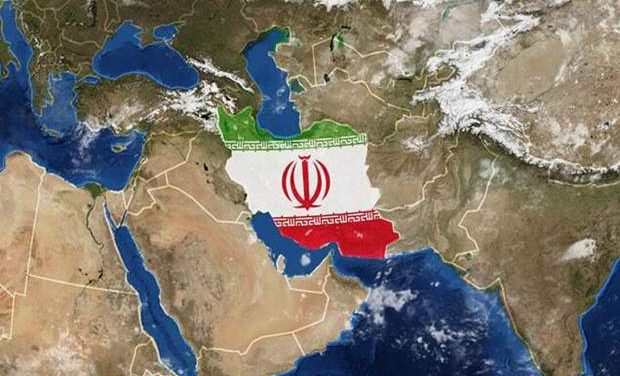
SCFR Online – Opinion: The dominant discourse in the field of European energy security over the past two decades has revolved around diversification of supply sources and the gradual reduction of dependence on fossil fuels. This narrative, which gained particular momentum after the Ukraine gas crisis in 2006 and its intensification in 2014 and 2022, was based on the assumption that Europe could free itself from the geopolitical vulnerabilities arising from dependence on specific suppliers through investment in renewable energy, imports of liquefied natural gas from diversified sources, and the establishment of new infrastructure. However, a closer analysis of energy trade data and the structure of the global oil and gas supply chain presents a different picture. Europe has not only failed to meaningfully reduce its dependence on the Persian Gulf, but in some sectors — particularly in liquefied natural gas imports — this dependence has deepened. This reality, which is often overlooked in public discourse, raises fundamental questions about the sustainability of Europe’s energy security strategies and their impact on regional power equations.

The Challenge of Hezbollah’s Low-Cost “FPV” Drones for the Zionist Regime

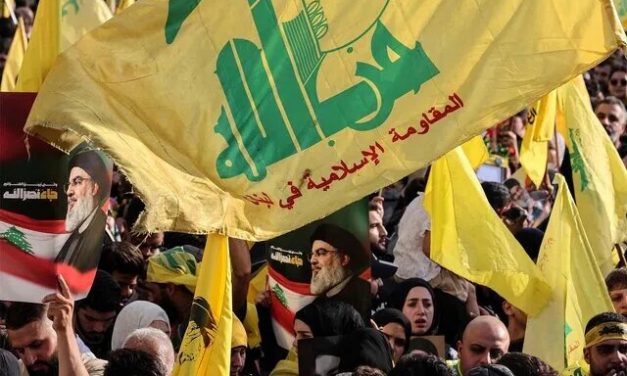
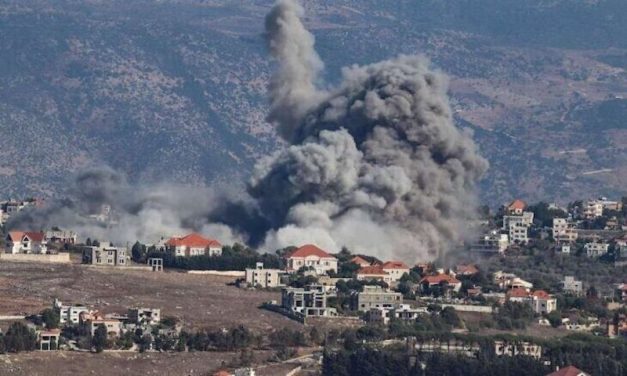
SCFR Online – Opinion: In modern warfare, it has always been assumed that the more expensive, and advanced the weapon—particularly from well-known companies—the more certain the victory will be. However, developments on the northern front of occupied Palestine in recent months have challenged this long-held belief. Here, the Zionist regime’s military, despite possessing the most advanced defense systems such as Iron Dome, David’s Sling, and Arrow, as well as fifth-generation F-35 fighter jets, Merkava tanks, and other modern equipment found in few countries worldwide, has effectively been rendered helpless against Hezbollah Lebanon’s few-hundred-dollar drones. Benjamin Netanyahu’s bitter admission regarding the inability to counter this threat, and his order to allocate an unlimited budget to find a solution, underscores the reality that the era of pure superiority through expensive technologies has come to an end.

The Impact of West Asian Developments on the Ukraine War

SCFR Online – Note: Vladimir Putin, President of Russia, recently announced—more than four years after the commencement of military aggression against Ukraine—that he believes the conflict between Russia and Ukraine is drawing to a close.

Temporary China–U.S. Trade Truce in the Shadow of Fundamental Distrust

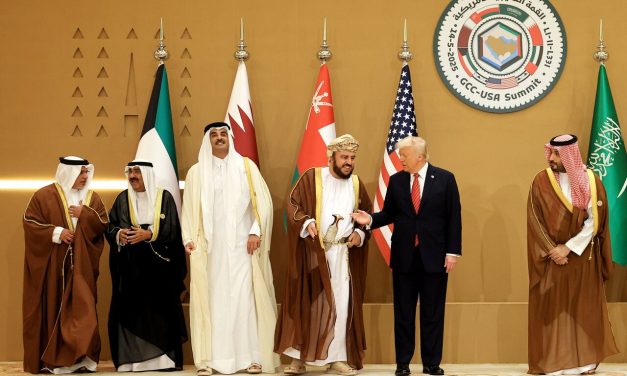
SCFR Online – Opinion: The recent visit of the President of the United States to China is significant from various aspects; because China is recognized as the world’s second-largest economic power and a growing economy. The Chinese are also advancing in various fields, including the space sector, artificial intelligence, and military industries; to the extent that in the military sector, whereas they previously lacked an aircraft carrier, they now possess their third aircraft carrier. On the other hand, the United States, as a superpower, has always regarded China as its rival and continues to view it as such today.

Loading

Arab World

Dimensions and Negative Consequences of Netanyahu’s “Greater Israel” Idea

Dimensions and Negative Consequences of Netanyahu’s “Greater Israel” Idea

Strategic Council Online– Opinion: Netanyahu, the Prime Minister of the Zionist regime, in an interview with the i24 network, while receiving the “Promised Land” talisman from Sharon Gal, a former representative of the right-wing faction, said he is very attached to the ideal of “Greater Israel.” In this interview, he emphasized that he sees himself on a historical and spiritual mission that includes generations of Jews who dreamed of coming here and generations of Jews who will come after us.

South Africa Political-Legal Counterattack at Zionist Regime Genocide, Expectations from Regional Countries

South Africa Political-Legal Counterattack at Zionist Regime Genocide, Expectations from Regional Countries

Strategic Council Online – Interview: An international lawyer said: South Africa’s success in filing a lawsuit against the Zionist regime in the International Court of Justice is capable of immediate destruction of the image of that regime, the tool to maintain it, justification of the crimes of the regime, the main lever of its lobbies, achievements of its propaganda and psychological warfare, its “security building” capacity and the political future of its statesmen.

Consequences of Normalization of Relations with the Zionist Regime

Consequences of Normalization of Relations with the Zionist Regime

Strategic Council Online – Opinion: The disclosure of the news on the meeting of the Libyan foreign minister with her Israeli counterpart has sparked a wave of protests in various Libyan cities, including Misrata, Al-Zantan, and Tripoli.
Barsam Mohammadi – Expert on regional affairs

Arab States Goals in Trying to Normalize Relations with Syria

Arab States Goals in Trying to Normalize Relations with Syria

Strategic Council Online – Interview: An expert on Syrian affairs, saying that a major part of the decision to normalize relations between Arab countries and Syria goes back to their competition with Iran and Turkey, noted: The Axis of Resistance should activate economic mechanisms in the region and in Syria; otherwise it will face a reduction in influence and will be severely caught by surprise.

The Astana Meeting and the Need to Take a Realistic Approach

The Astana Meeting and the Need to Take a Realistic Approach

Strategic Council Online—Interview: An analyst of West Asian affairs said that the Tehran summit and the Idlib issue would be two important agendas for the Astana summit, adding that if countries move to revive relations with Syria and with the return of Syria to the Arab world, economic and political pressures are reduced, political realities and the realities on the ground will force the occupiers of Syria to admit realities.

Reasons and Consequences of Arab States’ Normalization of Ties with Syria

Reasons and Consequences of Arab States’ Normalization of Ties with Syria

Strategic Council Online – Opinion: Contacts and talks of high-ranking officials of some Arab countries with the Syrian government have increased in recent weeks. The tendency of Arab countries to resume diplomatic relations with Damascus is one of the important “milestones” in the political developments in Syria, which can provide valuable opportunities for that country to strengthen its international position “rebuild” and rehabilitate its economy and foreign trade.
Hamid Khoshayand – Researcher on regional affairs

International law and Necessity of Ending Occupation in Syria

International law and Necessity of Ending Occupation in Syria

Strategic Council Online—Interview: A professor of the College of Law and Political Sciences of the University of Tehran says the presence of the US in Syria has not been taken place with the request of the Syrian government and does not aim at providing aid for the people of Syria but it is a bullying presence which is in violation of the Charter of the United Nations and the international law.

Objectives, Consequences of Establishing Zionist Regime Embassy in UAE

Objectives, Consequences of Establishing Zionist Regime Embassy in UAE

Strategic Council Online – An expert on West Asia affairs said that the Zionist regime has been pursuing military and security goals in the Persian Gulf since the day it normalized relations with the UAE, Bahrain and Sudan, adding: The regime wants to be part of the region but public opinion in the region opposes it and does not accept it.

Participation in the crime of the UAE with the Zionist regime in the Gaza war

Participation in the crime of the UAE with the Zionist regime in the Gaza war

Strategic Council Online—Interview: An expert of West Asia affairs referred to the 12-day war of the Zionist army against the people of Gaza and said even though the war on Gaza finished with the victory of the Palestinian resistance, many financial damages were inflicted on the infrastructure of this region.

Bin Salman’s Attempt to Interact with Syria; Reasons, Necessities and Perspectives

Bin Salman’s Attempt to Interact with Syria; Reasons, Necessities and Perspectives

Strategic Council Online – In recent weeks, clear signs are emerging for the gradual change in Saudi Arabia’s foreign policy approach to Syria. There are several reports indicating that bin Salman is seeking to “open diplomatic channels” with Syria. In recent weeks, secret meetings between Saudi and Syrian officials have taken place in Damascus, which have been unprecedented since 2011.
Barsam Mohammadi – analyst of international affairs

أحدث الوظائف

Europe’s Enduring Dependence on Persian Gulf Energy

SCFR Online – Opinion: The dominant discourse in the field of European energy security over the past two decades has revolved around diversification of supply sources and the gradual reduction of dependence on fossil fuels. This narrative, which gained particular momentum after the Ukraine gas crisis in 2006 and its intensification in 2014 and 2022, was based on the assumption that Europe could free itself from the geopolitical vulnerabilities arising from dependence on specific suppliers through investment in renewable energy, imports of liquefied natural gas from diversified sources, and the establishment of new infrastructure. However, a closer analysis of energy trade data and the structure of the global oil and gas supply chain presents a different picture. Europe has not only failed to meaningfully reduce its dependence on the Persian Gulf, but in some sectors — particularly in liquefied natural gas imports — this dependence has deepened. This reality, which is often overlooked in public discourse, raises fundamental questions about the sustainability of Europe’s energy security strategies and their impact on regional power equations.

The Challenge of Hezbollah’s Low-Cost “FPV” Drones for the Zionist Regime

SCFR Online – Opinion: In modern warfare, it has always been assumed that the more expensive, and advanced the weapon—particularly from well-known companies—the more certain the victory will be. However, developments on the northern front of occupied Palestine in recent months have challenged this long-held belief. Here, the Zionist regime’s military, despite possessing the most advanced defense systems such as Iron Dome, David’s Sling, and Arrow, as well as fifth-generation F-35 fighter jets, Merkava tanks, and other modern equipment found in few countries worldwide, has effectively been rendered helpless against Hezbollah Lebanon’s few-hundred-dollar drones. Benjamin Netanyahu’s bitter admission regarding the inability to counter this threat, and his order to allocate an unlimited budget to find a solution, underscores the reality that the era of pure superiority through expensive technologies has come to an end.

The Impact of West Asian Developments on the Ukraine War

SCFR Online – Note: Vladimir Putin, President of Russia, recently announced—more than four years after the commencement of military aggression against Ukraine—that he believes the conflict between Russia and Ukraine is drawing to a close.

Temporary China–U.S. Trade Truce in the Shadow of Fundamental Distrust

SCFR Online – Opinion: The recent visit of the President of the United States to China is significant from various aspects; because China is recognized as the world’s second-largest economic power and a growing economy. The Chinese are also advancing in various fields, including the space sector, artificial intelligence, and military industries; to the extent that in the military sector, whereas they previously lacked an aircraft carrier, they now possess their third aircraft carrier. On the other hand, the United States, as a superpower, has always regarded China as its rival and continues to view it as such today.

Loading

Arab World

Dimensions and Negative Consequences of Netanyahu’s “Greater Israel” Idea

Dimensions and Negative Consequences of Netanyahu’s “Greater Israel” Idea

Strategic Council Online– Opinion: Netanyahu, the Prime Minister of the Zionist regime, in an interview with the i24 network, while receiving the “Promised Land” talisman from Sharon Gal, a former representative of the right-wing faction, said he is very attached to the ideal of “Greater Israel.” In this interview, he emphasized that he sees himself on a historical and spiritual mission that includes generations of Jews who dreamed of coming here and generations of Jews who will come after us.

South Africa Political-Legal Counterattack at Zionist Regime Genocide, Expectations from Regional Countries

South Africa Political-Legal Counterattack at Zionist Regime Genocide, Expectations from Regional Countries

Strategic Council Online – Interview: An international lawyer said: South Africa’s success in filing a lawsuit against the Zionist regime in the International Court of Justice is capable of immediate destruction of the image of that regime, the tool to maintain it, justification of the crimes of the regime, the main lever of its lobbies, achievements of its propaganda and psychological warfare, its “security building” capacity and the political future of its statesmen.

Consequences of Normalization of Relations with the Zionist Regime

Consequences of Normalization of Relations with the Zionist Regime

Strategic Council Online – Opinion: The disclosure of the news on the meeting of the Libyan foreign minister with her Israeli counterpart has sparked a wave of protests in various Libyan cities, including Misrata, Al-Zantan, and Tripoli.
Barsam Mohammadi – Expert on regional affairs

Arab States Goals in Trying to Normalize Relations with Syria

Arab States Goals in Trying to Normalize Relations with Syria

Strategic Council Online – Interview: An expert on Syrian affairs, saying that a major part of the decision to normalize relations between Arab countries and Syria goes back to their competition with Iran and Turkey, noted: The Axis of Resistance should activate economic mechanisms in the region and in Syria; otherwise it will face a reduction in influence and will be severely caught by surprise.

The Astana Meeting and the Need to Take a Realistic Approach

The Astana Meeting and the Need to Take a Realistic Approach

Strategic Council Online—Interview: An analyst of West Asian affairs said that the Tehran summit and the Idlib issue would be two important agendas for the Astana summit, adding that if countries move to revive relations with Syria and with the return of Syria to the Arab world, economic and political pressures are reduced, political realities and the realities on the ground will force the occupiers of Syria to admit realities.

Reasons and Consequences of Arab States’ Normalization of Ties with Syria

Reasons and Consequences of Arab States’ Normalization of Ties with Syria

Strategic Council Online – Opinion: Contacts and talks of high-ranking officials of some Arab countries with the Syrian government have increased in recent weeks. The tendency of Arab countries to resume diplomatic relations with Damascus is one of the important “milestones” in the political developments in Syria, which can provide valuable opportunities for that country to strengthen its international position “rebuild” and rehabilitate its economy and foreign trade.
Hamid Khoshayand – Researcher on regional affairs

International law and Necessity of Ending Occupation in Syria

International law and Necessity of Ending Occupation in Syria

Strategic Council Online—Interview: A professor of the College of Law and Political Sciences of the University of Tehran says the presence of the US in Syria has not been taken place with the request of the Syrian government and does not aim at providing aid for the people of Syria but it is a bullying presence which is in violation of the Charter of the United Nations and the international law.

Objectives, Consequences of Establishing Zionist Regime Embassy in UAE

Objectives, Consequences of Establishing Zionist Regime Embassy in UAE

Strategic Council Online – An expert on West Asia affairs said that the Zionist regime has been pursuing military and security goals in the Persian Gulf since the day it normalized relations with the UAE, Bahrain and Sudan, adding: The regime wants to be part of the region but public opinion in the region opposes it and does not accept it.

Participation in the crime of the UAE with the Zionist regime in the Gaza war

Participation in the crime of the UAE with the Zionist regime in the Gaza war

Strategic Council Online—Interview: An expert of West Asia affairs referred to the 12-day war of the Zionist army against the people of Gaza and said even though the war on Gaza finished with the victory of the Palestinian resistance, many financial damages were inflicted on the infrastructure of this region.

Bin Salman’s Attempt to Interact with Syria; Reasons, Necessities and Perspectives

Bin Salman’s Attempt to Interact with Syria; Reasons, Necessities and Perspectives

Strategic Council Online – In recent weeks, clear signs are emerging for the gradual change in Saudi Arabia’s foreign policy approach to Syria. There are several reports indicating that bin Salman is seeking to “open diplomatic channels” with Syria. In recent weeks, secret meetings between Saudi and Syrian officials have taken place in Damascus, which have been unprecedented since 2011.
Barsam Mohammadi – analyst of international affairs

Arab World

Dimensions and Negative Consequences of Netanyahu’s “Greater Israel” Idea

Dimensions and Negative Consequences of Netanyahu’s “Greater Israel” Idea

Strategic Council Online– Opinion: Netanyahu, the Prime Minister of the Zionist regime, in an interview with the i24 network, while receiving the “Promised Land” talisman from Sharon Gal, a former representative of the right-wing faction, said he is very attached to the ideal of “Greater Israel.” In this interview, he emphasized that he sees himself on a historical and spiritual mission that includes generations of Jews who dreamed of coming here and generations of Jews who will come after us.

South Africa Political-Legal Counterattack at Zionist Regime Genocide, Expectations from Regional Countries

South Africa Political-Legal Counterattack at Zionist Regime Genocide, Expectations from Regional Countries

Strategic Council Online – Interview: An international lawyer said: South Africa’s success in filing a lawsuit against the Zionist regime in the International Court of Justice is capable of immediate destruction of the image of that regime, the tool to maintain it, justification of the crimes of the regime, the main lever of its lobbies, achievements of its propaganda and psychological warfare, its “security building” capacity and the political future of its statesmen.

Consequences of Normalization of Relations with the Zionist Regime

Consequences of Normalization of Relations with the Zionist Regime

Strategic Council Online – Opinion: The disclosure of the news on the meeting of the Libyan foreign minister with her Israeli counterpart has sparked a wave of protests in various Libyan cities, including Misrata, Al-Zantan, and Tripoli.
Barsam Mohammadi – Expert on regional affairs

Arab States Goals in Trying to Normalize Relations with Syria

Arab States Goals in Trying to Normalize Relations with Syria

Strategic Council Online – Interview: An expert on Syrian affairs, saying that a major part of the decision to normalize relations between Arab countries and Syria goes back to their competition with Iran and Turkey, noted: The Axis of Resistance should activate economic mechanisms in the region and in Syria; otherwise it will face a reduction in influence and will be severely caught by surprise.

The Astana Meeting and the Need to Take a Realistic Approach

The Astana Meeting and the Need to Take a Realistic Approach

Strategic Council Online—Interview: An analyst of West Asian affairs said that the Tehran summit and the Idlib issue would be two important agendas for the Astana summit, adding that if countries move to revive relations with Syria and with the return of Syria to the Arab world, economic and political pressures are reduced, political realities and the realities on the ground will force the occupiers of Syria to admit realities.

Reasons and Consequences of Arab States’ Normalization of Ties with Syria

Reasons and Consequences of Arab States’ Normalization of Ties with Syria

Strategic Council Online – Opinion: Contacts and talks of high-ranking officials of some Arab countries with the Syrian government have increased in recent weeks. The tendency of Arab countries to resume diplomatic relations with Damascus is one of the important “milestones” in the political developments in Syria, which can provide valuable opportunities for that country to strengthen its international position “rebuild” and rehabilitate its economy and foreign trade.
Hamid Khoshayand – Researcher on regional affairs

International law and Necessity of Ending Occupation in Syria

International law and Necessity of Ending Occupation in Syria

Strategic Council Online—Interview: A professor of the College of Law and Political Sciences of the University of Tehran says the presence of the US in Syria has not been taken place with the request of the Syrian government and does not aim at providing aid for the people of Syria but it is a bullying presence which is in violation of the Charter of the United Nations and the international law.

Objectives, Consequences of Establishing Zionist Regime Embassy in UAE

Objectives, Consequences of Establishing Zionist Regime Embassy in UAE

Strategic Council Online – An expert on West Asia affairs said that the Zionist regime has been pursuing military and security goals in the Persian Gulf since the day it normalized relations with the UAE, Bahrain and Sudan, adding: The regime wants to be part of the region but public opinion in the region opposes it and does not accept it.

Participation in the crime of the UAE with the Zionist regime in the Gaza war

Participation in the crime of the UAE with the Zionist regime in the Gaza war

Strategic Council Online—Interview: An expert of West Asia affairs referred to the 12-day war of the Zionist army against the people of Gaza and said even though the war on Gaza finished with the victory of the Palestinian resistance, many financial damages were inflicted on the infrastructure of this region.

Bin Salman’s Attempt to Interact with Syria; Reasons, Necessities and Perspectives

Bin Salman’s Attempt to Interact with Syria; Reasons, Necessities and Perspectives

Strategic Council Online – In recent weeks, clear signs are emerging for the gradual change in Saudi Arabia’s foreign policy approach to Syria. There are several reports indicating that bin Salman is seeking to “open diplomatic channels” with Syria. In recent weeks, secret meetings between Saudi and Syrian officials have taken place in Damascus, which have been unprecedented since 2011.
Barsam Mohammadi – analyst of international affairs

LATEST CONTENT

Europe’s Enduring Dependence on Persian Gulf Energy

SCFR Online – Opinion: The dominant discourse in the field of European energy security over the past two decades has revolved around diversification of supply sources and the gradual reduction of dependence on fossil fuels. This narrative, which gained particular momentum after the Ukraine gas crisis in 2006 and its intensification in 2014 and 2022, was based on the assumption that Europe could free itself from the geopolitical vulnerabilities arising from dependence on specific suppliers through investment in renewable energy, imports of liquefied natural gas from diversified sources, and the establishment of new infrastructure. However, a closer analysis of energy trade data and the structure of the global oil and gas supply chain presents a different picture. Europe has not only failed to meaningfully reduce its dependence on the Persian Gulf, but in some sectors — particularly in liquefied natural gas imports — this dependence has deepened. This reality, which is often overlooked in public discourse, raises fundamental questions about the sustainability of Europe’s energy security strategies and their impact on regional power equations.

The Challenge of Hezbollah’s Low-Cost “FPV” Drones for the Zionist Regime

SCFR Online – Opinion: In modern warfare, it has always been assumed that the more expensive, and advanced the weapon—particularly from well-known companies—the more certain the victory will be. However, developments on the northern front of occupied Palestine in recent months have challenged this long-held belief. Here, the Zionist regime’s military, despite possessing the most advanced defense systems such as Iron Dome, David’s Sling, and Arrow, as well as fifth-generation F-35 fighter jets, Merkava tanks, and other modern equipment found in few countries worldwide, has effectively been rendered helpless against Hezbollah Lebanon’s few-hundred-dollar drones. Benjamin Netanyahu’s bitter admission regarding the inability to counter this threat, and his order to allocate an unlimited budget to find a solution, underscores the reality that the era of pure superiority through expensive technologies has come to an end.

The Impact of West Asian Developments on the Ukraine War

SCFR Online – Note: Vladimir Putin, President of Russia, recently announced—more than four years after the commencement of military aggression against Ukraine—that he believes the conflict between Russia and Ukraine is drawing to a close.

Temporary China–U.S. Trade Truce in the Shadow of Fundamental Distrust

SCFR Online – Opinion: The recent visit of the President of the United States to China is significant from various aspects; because China is recognized as the world’s second-largest economic power and a growing economy. The Chinese are also advancing in various fields, including the space sector, artificial intelligence, and military industries; to the extent that in the military sector, whereas they previously lacked an aircraft carrier, they now possess their third aircraft carrier. On the other hand, the United States, as a superpower, has always regarded China as its rival and continues to view it as such today.

Loading

Arab World

Dimensions and Negative Consequences of Netanyahu’s “Greater Israel” Idea

Dimensions and Negative Consequences of Netanyahu’s “Greater Israel” Idea

Strategic Council Online– Opinion: Netanyahu, the Prime Minister of the Zionist regime, in an interview with the i24 network, while receiving the “Promised Land” talisman from Sharon Gal, a former representative of the right-wing faction, said he is very attached to the ideal of “Greater Israel.” In this interview, he emphasized that he sees himself on a historical and spiritual mission that includes generations of Jews who dreamed of coming here and generations of Jews who will come after us.

South Africa Political-Legal Counterattack at Zionist Regime Genocide, Expectations from Regional Countries

South Africa Political-Legal Counterattack at Zionist Regime Genocide, Expectations from Regional Countries

Strategic Council Online – Interview: An international lawyer said: South Africa’s success in filing a lawsuit against the Zionist regime in the International Court of Justice is capable of immediate destruction of the image of that regime, the tool to maintain it, justification of the crimes of the regime, the main lever of its lobbies, achievements of its propaganda and psychological warfare, its “security building” capacity and the political future of its statesmen.

Consequences of Normalization of Relations with the Zionist Regime

Consequences of Normalization of Relations with the Zionist Regime

Strategic Council Online – Opinion: The disclosure of the news on the meeting of the Libyan foreign minister with her Israeli counterpart has sparked a wave of protests in various Libyan cities, including Misrata, Al-Zantan, and Tripoli.
Barsam Mohammadi – Expert on regional affairs

Arab States Goals in Trying to Normalize Relations with Syria

Arab States Goals in Trying to Normalize Relations with Syria

Strategic Council Online – Interview: An expert on Syrian affairs, saying that a major part of the decision to normalize relations between Arab countries and Syria goes back to their competition with Iran and Turkey, noted: The Axis of Resistance should activate economic mechanisms in the region and in Syria; otherwise it will face a reduction in influence and will be severely caught by surprise.

The Astana Meeting and the Need to Take a Realistic Approach

The Astana Meeting and the Need to Take a Realistic Approach

Strategic Council Online—Interview: An analyst of West Asian affairs said that the Tehran summit and the Idlib issue would be two important agendas for the Astana summit, adding that if countries move to revive relations with Syria and with the return of Syria to the Arab world, economic and political pressures are reduced, political realities and the realities on the ground will force the occupiers of Syria to admit realities.

Reasons and Consequences of Arab States’ Normalization of Ties with Syria

Reasons and Consequences of Arab States’ Normalization of Ties with Syria

Strategic Council Online – Opinion: Contacts and talks of high-ranking officials of some Arab countries with the Syrian government have increased in recent weeks. The tendency of Arab countries to resume diplomatic relations with Damascus is one of the important “milestones” in the political developments in Syria, which can provide valuable opportunities for that country to strengthen its international position “rebuild” and rehabilitate its economy and foreign trade.
Hamid Khoshayand – Researcher on regional affairs

International law and Necessity of Ending Occupation in Syria

International law and Necessity of Ending Occupation in Syria

Strategic Council Online—Interview: A professor of the College of Law and Political Sciences of the University of Tehran says the presence of the US in Syria has not been taken place with the request of the Syrian government and does not aim at providing aid for the people of Syria but it is a bullying presence which is in violation of the Charter of the United Nations and the international law.

Objectives, Consequences of Establishing Zionist Regime Embassy in UAE

Objectives, Consequences of Establishing Zionist Regime Embassy in UAE

Strategic Council Online – An expert on West Asia affairs said that the Zionist regime has been pursuing military and security goals in the Persian Gulf since the day it normalized relations with the UAE, Bahrain and Sudan, adding: The regime wants to be part of the region but public opinion in the region opposes it and does not accept it.

Participation in the crime of the UAE with the Zionist regime in the Gaza war

Participation in the crime of the UAE with the Zionist regime in the Gaza war

Strategic Council Online—Interview: An expert of West Asia affairs referred to the 12-day war of the Zionist army against the people of Gaza and said even though the war on Gaza finished with the victory of the Palestinian resistance, many financial damages were inflicted on the infrastructure of this region.

Bin Salman’s Attempt to Interact with Syria; Reasons, Necessities and Perspectives

Bin Salman’s Attempt to Interact with Syria; Reasons, Necessities and Perspectives

Strategic Council Online – In recent weeks, clear signs are emerging for the gradual change in Saudi Arabia’s foreign policy approach to Syria. There are several reports indicating that bin Salman is seeking to “open diplomatic channels” with Syria. In recent weeks, secret meetings between Saudi and Syrian officials have taken place in Damascus, which have been unprecedented since 2011.
Barsam Mohammadi – analyst of international affairs

ÚLTIMAS PUBLICACIONES

Europe’s Enduring Dependence on Persian Gulf Energy

SCFR Online – Opinion: The dominant discourse in the field of European energy security over the past two decades has revolved around diversification of supply sources and the gradual reduction of dependence on fossil fuels. This narrative, which gained particular momentum after the Ukraine gas crisis in 2006 and its intensification in 2014 and 2022, was based on the assumption that Europe could free itself from the geopolitical vulnerabilities arising from dependence on specific suppliers through investment in renewable energy, imports of liquefied natural gas from diversified sources, and the establishment of new infrastructure. However, a closer analysis of energy trade data and the structure of the global oil and gas supply chain presents a different picture. Europe has not only failed to meaningfully reduce its dependence on the Persian Gulf, but in some sectors — particularly in liquefied natural gas imports — this dependence has deepened. This reality, which is often overlooked in public discourse, raises fundamental questions about the sustainability of Europe’s energy security strategies and their impact on regional power equations.

The Challenge of Hezbollah’s Low-Cost “FPV” Drones for the Zionist Regime

SCFR Online – Opinion: In modern warfare, it has always been assumed that the more expensive, and advanced the weapon—particularly from well-known companies—the more certain the victory will be. However, developments on the northern front of occupied Palestine in recent months have challenged this long-held belief. Here, the Zionist regime’s military, despite possessing the most advanced defense systems such as Iron Dome, David’s Sling, and Arrow, as well as fifth-generation F-35 fighter jets, Merkava tanks, and other modern equipment found in few countries worldwide, has effectively been rendered helpless against Hezbollah Lebanon’s few-hundred-dollar drones. Benjamin Netanyahu’s bitter admission regarding the inability to counter this threat, and his order to allocate an unlimited budget to find a solution, underscores the reality that the era of pure superiority through expensive technologies has come to an end.

The Impact of West Asian Developments on the Ukraine War

SCFR Online – Note: Vladimir Putin, President of Russia, recently announced—more than four years after the commencement of military aggression against Ukraine—that he believes the conflict between Russia and Ukraine is drawing to a close.

Temporary China–U.S. Trade Truce in the Shadow of Fundamental Distrust

SCFR Online – Opinion: The recent visit of the President of the United States to China is significant from various aspects; because China is recognized as the world’s second-largest economic power and a growing economy. The Chinese are also advancing in various fields, including the space sector, artificial intelligence, and military industries; to the extent that in the military sector, whereas they previously lacked an aircraft carrier, they now possess their third aircraft carrier. On the other hand, the United States, as a superpower, has always regarded China as its rival and continues to view it as such today.

Loading

Arab World

Dimensions and Negative Consequences of Netanyahu’s “Greater Israel” Idea

Dimensions and Negative Consequences of Netanyahu’s “Greater Israel” Idea

Strategic Council Online– Opinion: Netanyahu, the Prime Minister of the Zionist regime, in an interview with the i24 network, while receiving the “Promised Land” talisman from Sharon Gal, a former representative of the right-wing faction, said he is very attached to the ideal of “Greater Israel.” In this interview, he emphasized that he sees himself on a historical and spiritual mission that includes generations of Jews who dreamed of coming here and generations of Jews who will come after us.

South Africa Political-Legal Counterattack at Zionist Regime Genocide, Expectations from Regional Countries

South Africa Political-Legal Counterattack at Zionist Regime Genocide, Expectations from Regional Countries

Strategic Council Online – Interview: An international lawyer said: South Africa’s success in filing a lawsuit against the Zionist regime in the International Court of Justice is capable of immediate destruction of the image of that regime, the tool to maintain it, justification of the crimes of the regime, the main lever of its lobbies, achievements of its propaganda and psychological warfare, its “security building” capacity and the political future of its statesmen.

Consequences of Normalization of Relations with the Zionist Regime

Consequences of Normalization of Relations with the Zionist Regime

Strategic Council Online – Opinion: The disclosure of the news on the meeting of the Libyan foreign minister with her Israeli counterpart has sparked a wave of protests in various Libyan cities, including Misrata, Al-Zantan, and Tripoli.
Barsam Mohammadi – Expert on regional affairs

Arab States Goals in Trying to Normalize Relations with Syria

Arab States Goals in Trying to Normalize Relations with Syria

Strategic Council Online – Interview: An expert on Syrian affairs, saying that a major part of the decision to normalize relations between Arab countries and Syria goes back to their competition with Iran and Turkey, noted: The Axis of Resistance should activate economic mechanisms in the region and in Syria; otherwise it will face a reduction in influence and will be severely caught by surprise.

The Astana Meeting and the Need to Take a Realistic Approach

The Astana Meeting and the Need to Take a Realistic Approach

Strategic Council Online—Interview: An analyst of West Asian affairs said that the Tehran summit and the Idlib issue would be two important agendas for the Astana summit, adding that if countries move to revive relations with Syria and with the return of Syria to the Arab world, economic and political pressures are reduced, political realities and the realities on the ground will force the occupiers of Syria to admit realities.

Reasons and Consequences of Arab States’ Normalization of Ties with Syria

Reasons and Consequences of Arab States’ Normalization of Ties with Syria

Strategic Council Online – Opinion: Contacts and talks of high-ranking officials of some Arab countries with the Syrian government have increased in recent weeks. The tendency of Arab countries to resume diplomatic relations with Damascus is one of the important “milestones” in the political developments in Syria, which can provide valuable opportunities for that country to strengthen its international position “rebuild” and rehabilitate its economy and foreign trade.
Hamid Khoshayand – Researcher on regional affairs

International law and Necessity of Ending Occupation in Syria

International law and Necessity of Ending Occupation in Syria

Strategic Council Online—Interview: A professor of the College of Law and Political Sciences of the University of Tehran says the presence of the US in Syria has not been taken place with the request of the Syrian government and does not aim at providing aid for the people of Syria but it is a bullying presence which is in violation of the Charter of the United Nations and the international law.

Objectives, Consequences of Establishing Zionist Regime Embassy in UAE

Objectives, Consequences of Establishing Zionist Regime Embassy in UAE

Strategic Council Online – An expert on West Asia affairs said that the Zionist regime has been pursuing military and security goals in the Persian Gulf since the day it normalized relations with the UAE, Bahrain and Sudan, adding: The regime wants to be part of the region but public opinion in the region opposes it and does not accept it.

Participation in the crime of the UAE with the Zionist regime in the Gaza war

Participation in the crime of the UAE with the Zionist regime in the Gaza war

Strategic Council Online—Interview: An expert of West Asia affairs referred to the 12-day war of the Zionist army against the people of Gaza and said even though the war on Gaza finished with the victory of the Palestinian resistance, many financial damages were inflicted on the infrastructure of this region.

Bin Salman’s Attempt to Interact with Syria; Reasons, Necessities and Perspectives

Bin Salman’s Attempt to Interact with Syria; Reasons, Necessities and Perspectives

Strategic Council Online – In recent weeks, clear signs are emerging for the gradual change in Saudi Arabia’s foreign policy approach to Syria. There are several reports indicating that bin Salman is seeking to “open diplomatic channels” with Syria. In recent weeks, secret meetings between Saudi and Syrian officials have taken place in Damascus, which have been unprecedented since 2011.
Barsam Mohammadi – analyst of international affairs

ÚLTIMAS PUBLICACIONES

Europe’s Enduring Dependence on Persian Gulf Energy

SCFR Online – Opinion: The dominant discourse in the field of European energy security over the past two decades has revolved around diversification of supply sources and the gradual reduction of dependence on fossil fuels. This narrative, which gained particular momentum after the Ukraine gas crisis in 2006 and its intensification in 2014 and 2022, was based on the assumption that Europe could free itself from the geopolitical vulnerabilities arising from dependence on specific suppliers through investment in renewable energy, imports of liquefied natural gas from diversified sources, and the establishment of new infrastructure. However, a closer analysis of energy trade data and the structure of the global oil and gas supply chain presents a different picture. Europe has not only failed to meaningfully reduce its dependence on the Persian Gulf, but in some sectors — particularly in liquefied natural gas imports — this dependence has deepened. This reality, which is often overlooked in public discourse, raises fundamental questions about the sustainability of Europe’s energy security strategies and their impact on regional power equations.

The Challenge of Hezbollah’s Low-Cost “FPV” Drones for the Zionist Regime

SCFR Online – Opinion: In modern warfare, it has always been assumed that the more expensive, and advanced the weapon—particularly from well-known companies—the more certain the victory will be. However, developments on the northern front of occupied Palestine in recent months have challenged this long-held belief. Here, the Zionist regime’s military, despite possessing the most advanced defense systems such as Iron Dome, David’s Sling, and Arrow, as well as fifth-generation F-35 fighter jets, Merkava tanks, and other modern equipment found in few countries worldwide, has effectively been rendered helpless against Hezbollah Lebanon’s few-hundred-dollar drones. Benjamin Netanyahu’s bitter admission regarding the inability to counter this threat, and his order to allocate an unlimited budget to find a solution, underscores the reality that the era of pure superiority through expensive technologies has come to an end.

The Impact of West Asian Developments on the Ukraine War

SCFR Online – Note: Vladimir Putin, President of Russia, recently announced—more than four years after the commencement of military aggression against Ukraine—that he believes the conflict between Russia and Ukraine is drawing to a close.

Temporary China–U.S. Trade Truce in the Shadow of Fundamental Distrust

SCFR Online – Opinion: The recent visit of the President of the United States to China is significant from various aspects; because China is recognized as the world’s second-largest economic power and a growing economy. The Chinese are also advancing in various fields, including the space sector, artificial intelligence, and military industries; to the extent that in the military sector, whereas they previously lacked an aircraft carrier, they now possess their third aircraft carrier. On the other hand, the United States, as a superpower, has always regarded China as its rival and continues to view it as such today.

Loading

Arab World

Dimensions and Negative Consequences of Netanyahu’s “Greater Israel” Idea

Dimensions and Negative Consequences of Netanyahu’s “Greater Israel” Idea

Strategic Council Online– Opinion: Netanyahu, the Prime Minister of the Zionist regime, in an interview with the i24 network, while receiving the “Promised Land” talisman from Sharon Gal, a former representative of the right-wing faction, said he is very attached to the ideal of “Greater Israel.” In this interview, he emphasized that he sees himself on a historical and spiritual mission that includes generations of Jews who dreamed of coming here and generations of Jews who will come after us.

South Africa Political-Legal Counterattack at Zionist Regime Genocide, Expectations from Regional Countries

South Africa Political-Legal Counterattack at Zionist Regime Genocide, Expectations from Regional Countries

Strategic Council Online – Interview: An international lawyer said: South Africa’s success in filing a lawsuit against the Zionist regime in the International Court of Justice is capable of immediate destruction of the image of that regime, the tool to maintain it, justification of the crimes of the regime, the main lever of its lobbies, achievements of its propaganda and psychological warfare, its “security building” capacity and the political future of its statesmen.

Consequences of Normalization of Relations with the Zionist Regime

Consequences of Normalization of Relations with the Zionist Regime

Strategic Council Online – Opinion: The disclosure of the news on the meeting of the Libyan foreign minister with her Israeli counterpart has sparked a wave of protests in various Libyan cities, including Misrata, Al-Zantan, and Tripoli.
Barsam Mohammadi – Expert on regional affairs

Arab States Goals in Trying to Normalize Relations with Syria

Arab States Goals in Trying to Normalize Relations with Syria

Strategic Council Online – Interview: An expert on Syrian affairs, saying that a major part of the decision to normalize relations between Arab countries and Syria goes back to their competition with Iran and Turkey, noted: The Axis of Resistance should activate economic mechanisms in the region and in Syria; otherwise it will face a reduction in influence and will be severely caught by surprise.

The Astana Meeting and the Need to Take a Realistic Approach

The Astana Meeting and the Need to Take a Realistic Approach

Strategic Council Online—Interview: An analyst of West Asian affairs said that the Tehran summit and the Idlib issue would be two important agendas for the Astana summit, adding that if countries move to revive relations with Syria and with the return of Syria to the Arab world, economic and political pressures are reduced, political realities and the realities on the ground will force the occupiers of Syria to admit realities.

Reasons and Consequences of Arab States’ Normalization of Ties with Syria

Reasons and Consequences of Arab States’ Normalization of Ties with Syria

Strategic Council Online – Opinion: Contacts and talks of high-ranking officials of some Arab countries with the Syrian government have increased in recent weeks. The tendency of Arab countries to resume diplomatic relations with Damascus is one of the important “milestones” in the political developments in Syria, which can provide valuable opportunities for that country to strengthen its international position “rebuild” and rehabilitate its economy and foreign trade.
Hamid Khoshayand – Researcher on regional affairs

International law and Necessity of Ending Occupation in Syria

International law and Necessity of Ending Occupation in Syria

Strategic Council Online—Interview: A professor of the College of Law and Political Sciences of the University of Tehran says the presence of the US in Syria has not been taken place with the request of the Syrian government and does not aim at providing aid for the people of Syria but it is a bullying presence which is in violation of the Charter of the United Nations and the international law.

Objectives, Consequences of Establishing Zionist Regime Embassy in UAE

Objectives, Consequences of Establishing Zionist Regime Embassy in UAE

Strategic Council Online – An expert on West Asia affairs said that the Zionist regime has been pursuing military and security goals in the Persian Gulf since the day it normalized relations with the UAE, Bahrain and Sudan, adding: The regime wants to be part of the region but public opinion in the region opposes it and does not accept it.

Participation in the crime of the UAE with the Zionist regime in the Gaza war

Participation in the crime of the UAE with the Zionist regime in the Gaza war

Strategic Council Online—Interview: An expert of West Asia affairs referred to the 12-day war of the Zionist army against the people of Gaza and said even though the war on Gaza finished with the victory of the Palestinian resistance, many financial damages were inflicted on the infrastructure of this region.

Bin Salman’s Attempt to Interact with Syria; Reasons, Necessities and Perspectives

Bin Salman’s Attempt to Interact with Syria; Reasons, Necessities and Perspectives

Strategic Council Online – In recent weeks, clear signs are emerging for the gradual change in Saudi Arabia’s foreign policy approach to Syria. There are several reports indicating that bin Salman is seeking to “open diplomatic channels” with Syria. In recent weeks, secret meetings between Saudi and Syrian officials have taken place in Damascus, which have been unprecedented since 2011.
Barsam Mohammadi – analyst of international affairs

ÚLTIMAS PUBLICACIONES

Europe’s Enduring Dependence on Persian Gulf Energy

SCFR Online – Opinion: The dominant discourse in the field of European energy security over the past two decades has revolved around diversification of supply sources and the gradual reduction of dependence on fossil fuels. This narrative, which gained particular momentum after the Ukraine gas crisis in 2006 and its intensification in 2014 and 2022, was based on the assumption that Europe could free itself from the geopolitical vulnerabilities arising from dependence on specific suppliers through investment in renewable energy, imports of liquefied natural gas from diversified sources, and the establishment of new infrastructure. However, a closer analysis of energy trade data and the structure of the global oil and gas supply chain presents a different picture. Europe has not only failed to meaningfully reduce its dependence on the Persian Gulf, but in some sectors — particularly in liquefied natural gas imports — this dependence has deepened. This reality, which is often overlooked in public discourse, raises fundamental questions about the sustainability of Europe’s energy security strategies and their impact on regional power equations.

The Challenge of Hezbollah’s Low-Cost “FPV” Drones for the Zionist Regime

SCFR Online – Opinion: In modern warfare, it has always been assumed that the more expensive, and advanced the weapon—particularly from well-known companies—the more certain the victory will be. However, developments on the northern front of occupied Palestine in recent months have challenged this long-held belief. Here, the Zionist regime’s military, despite possessing the most advanced defense systems such as Iron Dome, David’s Sling, and Arrow, as well as fifth-generation F-35 fighter jets, Merkava tanks, and other modern equipment found in few countries worldwide, has effectively been rendered helpless against Hezbollah Lebanon’s few-hundred-dollar drones. Benjamin Netanyahu’s bitter admission regarding the inability to counter this threat, and his order to allocate an unlimited budget to find a solution, underscores the reality that the era of pure superiority through expensive technologies has come to an end.

The Impact of West Asian Developments on the Ukraine War

SCFR Online – Note: Vladimir Putin, President of Russia, recently announced—more than four years after the commencement of military aggression against Ukraine—that he believes the conflict between Russia and Ukraine is drawing to a close.

Temporary China–U.S. Trade Truce in the Shadow of Fundamental Distrust

SCFR Online – Opinion: The recent visit of the President of the United States to China is significant from various aspects; because China is recognized as the world’s second-largest economic power and a growing economy. The Chinese are also advancing in various fields, including the space sector, artificial intelligence, and military industries; to the extent that in the military sector, whereas they previously lacked an aircraft carrier, they now possess their third aircraft carrier. On the other hand, the United States, as a superpower, has always regarded China as its rival and continues to view it as such today.

Loading

Arab World

Dimensions and Negative Consequences of Netanyahu’s “Greater Israel” Idea

Dimensions and Negative Consequences of Netanyahu’s “Greater Israel” Idea

Strategic Council Online– Opinion: Netanyahu, the Prime Minister of the Zionist regime, in an interview with the i24 network, while receiving the “Promised Land” talisman from Sharon Gal, a former representative of the right-wing faction, said he is very attached to the ideal of “Greater Israel.” In this interview, he emphasized that he sees himself on a historical and spiritual mission that includes generations of Jews who dreamed of coming here and generations of Jews who will come after us.

South Africa Political-Legal Counterattack at Zionist Regime Genocide, Expectations from Regional Countries

South Africa Political-Legal Counterattack at Zionist Regime Genocide, Expectations from Regional Countries

Strategic Council Online – Interview: An international lawyer said: South Africa’s success in filing a lawsuit against the Zionist regime in the International Court of Justice is capable of immediate destruction of the image of that regime, the tool to maintain it, justification of the crimes of the regime, the main lever of its lobbies, achievements of its propaganda and psychological warfare, its “security building” capacity and the political future of its statesmen.

Consequences of Normalization of Relations with the Zionist Regime

Consequences of Normalization of Relations with the Zionist Regime

Strategic Council Online – Opinion: The disclosure of the news on the meeting of the Libyan foreign minister with her Israeli counterpart has sparked a wave of protests in various Libyan cities, including Misrata, Al-Zantan, and Tripoli.
Barsam Mohammadi – Expert on regional affairs

Arab States Goals in Trying to Normalize Relations with Syria

Arab States Goals in Trying to Normalize Relations with Syria

Strategic Council Online – Interview: An expert on Syrian affairs, saying that a major part of the decision to normalize relations between Arab countries and Syria goes back to their competition with Iran and Turkey, noted: The Axis of Resistance should activate economic mechanisms in the region and in Syria; otherwise it will face a reduction in influence and will be severely caught by surprise.

The Astana Meeting and the Need to Take a Realistic Approach

The Astana Meeting and the Need to Take a Realistic Approach

Strategic Council Online—Interview: An analyst of West Asian affairs said that the Tehran summit and the Idlib issue would be two important agendas for the Astana summit, adding that if countries move to revive relations with Syria and with the return of Syria to the Arab world, economic and political pressures are reduced, political realities and the realities on the ground will force the occupiers of Syria to admit realities.

Reasons and Consequences of Arab States’ Normalization of Ties with Syria

Reasons and Consequences of Arab States’ Normalization of Ties with Syria

Strategic Council Online – Opinion: Contacts and talks of high-ranking officials of some Arab countries with the Syrian government have increased in recent weeks. The tendency of Arab countries to resume diplomatic relations with Damascus is one of the important “milestones” in the political developments in Syria, which can provide valuable opportunities for that country to strengthen its international position “rebuild” and rehabilitate its economy and foreign trade.
Hamid Khoshayand – Researcher on regional affairs

International law and Necessity of Ending Occupation in Syria

International law and Necessity of Ending Occupation in Syria

Strategic Council Online—Interview: A professor of the College of Law and Political Sciences of the University of Tehran says the presence of the US in Syria has not been taken place with the request of the Syrian government and does not aim at providing aid for the people of Syria but it is a bullying presence which is in violation of the Charter of the United Nations and the international law.

Objectives, Consequences of Establishing Zionist Regime Embassy in UAE

Objectives, Consequences of Establishing Zionist Regime Embassy in UAE

Strategic Council Online – An expert on West Asia affairs said that the Zionist regime has been pursuing military and security goals in the Persian Gulf since the day it normalized relations with the UAE, Bahrain and Sudan, adding: The regime wants to be part of the region but public opinion in the region opposes it and does not accept it.

Participation in the crime of the UAE with the Zionist regime in the Gaza war

Participation in the crime of the UAE with the Zionist regime in the Gaza war

Strategic Council Online—Interview: An expert of West Asia affairs referred to the 12-day war of the Zionist army against the people of Gaza and said even though the war on Gaza finished with the victory of the Palestinian resistance, many financial damages were inflicted on the infrastructure of this region.

Bin Salman’s Attempt to Interact with Syria; Reasons, Necessities and Perspectives

Bin Salman’s Attempt to Interact with Syria; Reasons, Necessities and Perspectives

Strategic Council Online – In recent weeks, clear signs are emerging for the gradual change in Saudi Arabia’s foreign policy approach to Syria. There are several reports indicating that bin Salman is seeking to “open diplomatic channels” with Syria. In recent weeks, secret meetings between Saudi and Syrian officials have taken place in Damascus, which have been unprecedented since 2011.
Barsam Mohammadi – analyst of international affairs

ÚLTIMAS PUBLICACIONES

Europe’s Enduring Dependence on Persian Gulf Energy

SCFR Online – Opinion: The dominant discourse in the field of European energy security over the past two decades has revolved around diversification of supply sources and the gradual reduction of dependence on fossil fuels. This narrative, which gained particular momentum after the Ukraine gas crisis in 2006 and its intensification in 2014 and 2022, was based on the assumption that Europe could free itself from the geopolitical vulnerabilities arising from dependence on specific suppliers through investment in renewable energy, imports of liquefied natural gas from diversified sources, and the establishment of new infrastructure. However, a closer analysis of energy trade data and the structure of the global oil and gas supply chain presents a different picture. Europe has not only failed to meaningfully reduce its dependence on the Persian Gulf, but in some sectors — particularly in liquefied natural gas imports — this dependence has deepened. This reality, which is often overlooked in public discourse, raises fundamental questions about the sustainability of Europe’s energy security strategies and their impact on regional power equations.

The Challenge of Hezbollah’s Low-Cost “FPV” Drones for the Zionist Regime

SCFR Online – Opinion: In modern warfare, it has always been assumed that the more expensive, and advanced the weapon—particularly from well-known companies—the more certain the victory will be. However, developments on the northern front of occupied Palestine in recent months have challenged this long-held belief. Here, the Zionist regime’s military, despite possessing the most advanced defense systems such as Iron Dome, David’s Sling, and Arrow, as well as fifth-generation F-35 fighter jets, Merkava tanks, and other modern equipment found in few countries worldwide, has effectively been rendered helpless against Hezbollah Lebanon’s few-hundred-dollar drones. Benjamin Netanyahu’s bitter admission regarding the inability to counter this threat, and his order to allocate an unlimited budget to find a solution, underscores the reality that the era of pure superiority through expensive technologies has come to an end.

The Impact of West Asian Developments on the Ukraine War

SCFR Online – Note: Vladimir Putin, President of Russia, recently announced—more than four years after the commencement of military aggression against Ukraine—that he believes the conflict between Russia and Ukraine is drawing to a close.

Temporary China–U.S. Trade Truce in the Shadow of Fundamental Distrust

SCFR Online – Opinion: The recent visit of the President of the United States to China is significant from various aspects; because China is recognized as the world’s second-largest economic power and a growing economy. The Chinese are also advancing in various fields, including the space sector, artificial intelligence, and military industries; to the extent that in the military sector, whereas they previously lacked an aircraft carrier, they now possess their third aircraft carrier. On the other hand, the United States, as a superpower, has always regarded China as its rival and continues to view it as such today.

Loading