جدیدترین مطالب

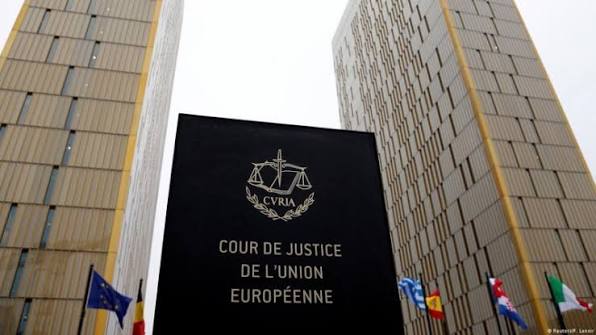
Consequences of Declining Trust in the Judiciary in Europe

SCFRonline – Opinion: The increase in public distrust of the French judicial system, which in recent surveys has reached approximately two-thirds of citizens, should be analyzed within a framework broader than temporary dissatisfaction or an emotional reaction to a particular criminal case.
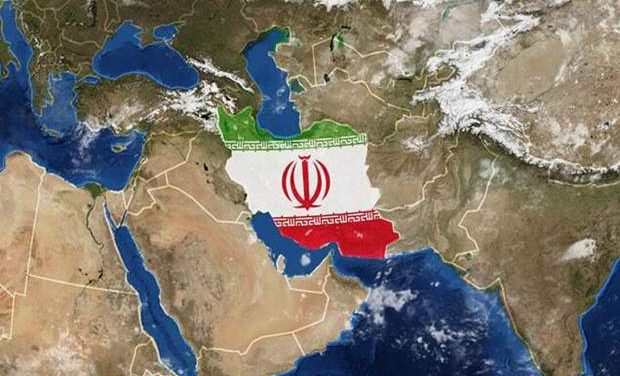

Iran’s Potential Levers of Power

SCFRonline– Opinion: Iran’s geopolitical power is not limited solely to oil and the Strait of Hormuz; the unintended emergence of disruptions in the future global food and energy security chains can also demonstrate Iran’s strategic importance.

The Inseparability of the Lebanese Front from the Axis of Resistance

SCFR Online–Opinion: By providing an extensive network of social, healthcare, educational, and post-war reconstruction services, Hezbollah has established a strong social base for itself among Lebanon’s Shiites and Sunnis, and even beyond that, among other segments of Lebanese society, including Christians. Hezbollah has never been an external actor imposed upon Lebanon; rather, it is a phenomenon fundamentally born out of the occupation and crimes of the Zionist regime and itself influenced by popular resistance.

The Increasing Efforts of the Zionist Regime to Redefine Borders and the Regional Order and Its Consequences

SCFR Online– Opinion: Security and military developments in the region over recent months indicate that the ongoing crises and wars in Gaza, southern Lebanon, and parts of Syrian territory encompass broader dimensions of geopolitical and geostrategic transformations. In this context, the increased military presence and control of the Zionist regime over parts of the territories of these areas, along with proposals regarding the creation of buffer zones or even the expansion of security borders, have raised serious questions about the future of the regional order and its consequences for the countries of West Asia.

Loading

Pakistan

India’s Creeping Strategy against Kashmir

India’s Creeping Strategy against Kashmir

Strategic Council Online: Given the recently announced decisions on Kashmir, several scenarios are foreseeable in the future, each requiring a specific reaction.
Nozar Shafiei – Subcontinent Affairs Expert

Scenarios Ahead of Kashmir Crisis

Scenarios Ahead of Kashmir Crisis

Strategic Council Online: There is a scenario about Kashmir whereby in the absence of any solution, the critical situation of Muslims in Kashmir will continue until other options are found in India and Pakistan in the future.
Nozar Shafiei – Subcontinent Affairs Expert

Prospect of Peace Talks with the Taliban

Strategic Council Online: The biggest challenge facing Afghan peace talks in Moscow and Doha at present is that the Taliban believe the Afghan government is a puppet state and has no legitimacy.
Nozar Shafiei – Expert on Subcontinent Affairs

Securing Iran-Pakistan Border

Securing Iran-Pakistan Border

Strategic Council Online: Commitment in political relations is costly for the committed party, and given this assumption, political relations and cooperation between Islamabad and Tehran should be analyzed in a concrete and dedicated manner.

Feasibility Study of Iran-Pakistan Cooperation in Combating Terrorism

Strategic Council Online: There is little optimism about the possibility of Iran-Pakistan cooperation in the fight against terrorism or what is known as Islamic radicals with Wahhabi orientation in Pakistan. The reason is that the Pakistanis claim to be willing to cooperate but in practice they have adopted a dual policy on this issue. Particularly, the Pakistani Military Intelligence Agency (ISI) looks at radical Islamic groups as a strategic tool.
Pir Mohammad Mollazehi, Expert on the Subcontinent Affairs

US Goals behind Afghan Peace

Strategic Council Online: The United States seeks to empower the Taliban in the first phase, and next, if the Taliban came to power through elections, Washington will accept their role. As a result, Zalmai Khalilzad is working behind the scene to strike a deal between the Taliban and the central Afghan government.
Pir-Mohammad Molazehi – Expert on Sub-continental affairs

Political perspective of 3rd Political Trend in Pakistan

Strategic Council online – Although several months prior to the Pakistani parliamentary elections, it was anticipated that the two powerful parties of Pakistan, People Party (PPP) led by Bilawal Bhutto-Zardari and Muslim League-Nawaz (MLN) headed by Shahbaz Sharif will not win the elections, but it was hardly believed that a third trend will emerge in Pakistani political arena.

أحدث الوظائف

Consequences of Declining Trust in the Judiciary in Europe

SCFRonline – Opinion: The increase in public distrust of the French judicial system, which in recent surveys has reached approximately two-thirds of citizens, should be analyzed within a framework broader than temporary dissatisfaction or an emotional reaction to a particular criminal case.

Iran’s Potential Levers of Power

SCFRonline– Opinion: Iran’s geopolitical power is not limited solely to oil and the Strait of Hormuz; the unintended emergence of disruptions in the future global food and energy security chains can also demonstrate Iran’s strategic importance.

The Inseparability of the Lebanese Front from the Axis of Resistance

SCFR Online–Opinion: By providing an extensive network of social, healthcare, educational, and post-war reconstruction services, Hezbollah has established a strong social base for itself among Lebanon’s Shiites and Sunnis, and even beyond that, among other segments of Lebanese society, including Christians. Hezbollah has never been an external actor imposed upon Lebanon; rather, it is a phenomenon fundamentally born out of the occupation and crimes of the Zionist regime and itself influenced by popular resistance.

The Increasing Efforts of the Zionist Regime to Redefine Borders and the Regional Order and Its Consequences

SCFR Online– Opinion: Security and military developments in the region over recent months indicate that the ongoing crises and wars in Gaza, southern Lebanon, and parts of Syrian territory encompass broader dimensions of geopolitical and geostrategic transformations. In this context, the increased military presence and control of the Zionist regime over parts of the territories of these areas, along with proposals regarding the creation of buffer zones or even the expansion of security borders, have raised serious questions about the future of the regional order and its consequences for the countries of West Asia.

Loading

Pakistan

India’s Creeping Strategy against Kashmir

India’s Creeping Strategy against Kashmir

Strategic Council Online: Given the recently announced decisions on Kashmir, several scenarios are foreseeable in the future, each requiring a specific reaction.
Nozar Shafiei – Subcontinent Affairs Expert

Scenarios Ahead of Kashmir Crisis

Scenarios Ahead of Kashmir Crisis

Strategic Council Online: There is a scenario about Kashmir whereby in the absence of any solution, the critical situation of Muslims in Kashmir will continue until other options are found in India and Pakistan in the future.
Nozar Shafiei – Subcontinent Affairs Expert

Prospect of Peace Talks with the Taliban

Strategic Council Online: The biggest challenge facing Afghan peace talks in Moscow and Doha at present is that the Taliban believe the Afghan government is a puppet state and has no legitimacy.
Nozar Shafiei – Expert on Subcontinent Affairs

Securing Iran-Pakistan Border

Securing Iran-Pakistan Border

Strategic Council Online: Commitment in political relations is costly for the committed party, and given this assumption, political relations and cooperation between Islamabad and Tehran should be analyzed in a concrete and dedicated manner.

Feasibility Study of Iran-Pakistan Cooperation in Combating Terrorism

Strategic Council Online: There is little optimism about the possibility of Iran-Pakistan cooperation in the fight against terrorism or what is known as Islamic radicals with Wahhabi orientation in Pakistan. The reason is that the Pakistanis claim to be willing to cooperate but in practice they have adopted a dual policy on this issue. Particularly, the Pakistani Military Intelligence Agency (ISI) looks at radical Islamic groups as a strategic tool.
Pir Mohammad Mollazehi, Expert on the Subcontinent Affairs

US Goals behind Afghan Peace

Strategic Council Online: The United States seeks to empower the Taliban in the first phase, and next, if the Taliban came to power through elections, Washington will accept their role. As a result, Zalmai Khalilzad is working behind the scene to strike a deal between the Taliban and the central Afghan government.
Pir-Mohammad Molazehi – Expert on Sub-continental affairs

Political perspective of 3rd Political Trend in Pakistan

Strategic Council online – Although several months prior to the Pakistani parliamentary elections, it was anticipated that the two powerful parties of Pakistan, People Party (PPP) led by Bilawal Bhutto-Zardari and Muslim League-Nawaz (MLN) headed by Shahbaz Sharif will not win the elections, but it was hardly believed that a third trend will emerge in Pakistani political arena.

Pakistan

India’s Creeping Strategy against Kashmir

India’s Creeping Strategy against Kashmir

Strategic Council Online: Given the recently announced decisions on Kashmir, several scenarios are foreseeable in the future, each requiring a specific reaction.
Nozar Shafiei – Subcontinent Affairs Expert

Scenarios Ahead of Kashmir Crisis

Scenarios Ahead of Kashmir Crisis

Strategic Council Online: There is a scenario about Kashmir whereby in the absence of any solution, the critical situation of Muslims in Kashmir will continue until other options are found in India and Pakistan in the future.
Nozar Shafiei – Subcontinent Affairs Expert

Prospect of Peace Talks with the Taliban

Strategic Council Online: The biggest challenge facing Afghan peace talks in Moscow and Doha at present is that the Taliban believe the Afghan government is a puppet state and has no legitimacy.
Nozar Shafiei – Expert on Subcontinent Affairs

Securing Iran-Pakistan Border

Securing Iran-Pakistan Border

Strategic Council Online: Commitment in political relations is costly for the committed party, and given this assumption, political relations and cooperation between Islamabad and Tehran should be analyzed in a concrete and dedicated manner.

Feasibility Study of Iran-Pakistan Cooperation in Combating Terrorism

Strategic Council Online: There is little optimism about the possibility of Iran-Pakistan cooperation in the fight against terrorism or what is known as Islamic radicals with Wahhabi orientation in Pakistan. The reason is that the Pakistanis claim to be willing to cooperate but in practice they have adopted a dual policy on this issue. Particularly, the Pakistani Military Intelligence Agency (ISI) looks at radical Islamic groups as a strategic tool.
Pir Mohammad Mollazehi, Expert on the Subcontinent Affairs

US Goals behind Afghan Peace

Strategic Council Online: The United States seeks to empower the Taliban in the first phase, and next, if the Taliban came to power through elections, Washington will accept their role. As a result, Zalmai Khalilzad is working behind the scene to strike a deal between the Taliban and the central Afghan government.
Pir-Mohammad Molazehi – Expert on Sub-continental affairs

Political perspective of 3rd Political Trend in Pakistan

Strategic Council online – Although several months prior to the Pakistani parliamentary elections, it was anticipated that the two powerful parties of Pakistan, People Party (PPP) led by Bilawal Bhutto-Zardari and Muslim League-Nawaz (MLN) headed by Shahbaz Sharif will not win the elections, but it was hardly believed that a third trend will emerge in Pakistani political arena.

LATEST CONTENT

Consequences of Declining Trust in the Judiciary in Europe

SCFRonline – Opinion: The increase in public distrust of the French judicial system, which in recent surveys has reached approximately two-thirds of citizens, should be analyzed within a framework broader than temporary dissatisfaction or an emotional reaction to a particular criminal case.
Iran’s Potential Levers of Power

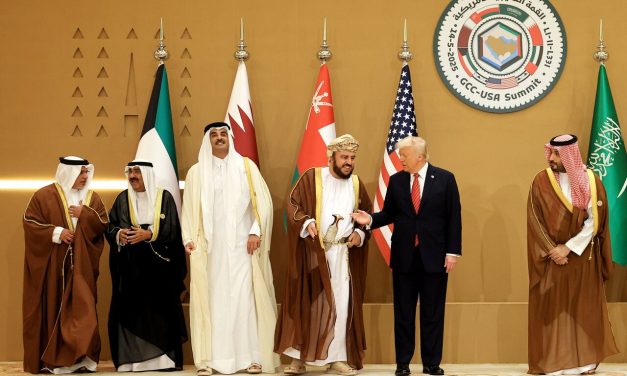
SCFRonline– Opinion: Iran’s geopolitical power is not limited solely to oil and the Strait of Hormuz; the unintended emergence of disruptions in the future global food and energy security chains can also demonstrate Iran’s strategic importance.

The Inseparability of the Lebanese Front from the Axis of Resistance

SCFR Online–Opinion: By providing an extensive network of social, healthcare, educational, and post-war reconstruction services, Hezbollah has established a strong social base for itself among Lebanon’s Shiites and Sunnis, and even beyond that, among other segments of Lebanese society, including Christians. Hezbollah has never been an external actor imposed upon Lebanon; rather, it is a phenomenon fundamentally born out of the occupation and crimes of the Zionist regime and itself influenced by popular resistance.

The Increasing Efforts of the Zionist Regime to Redefine Borders and the Regional Order and Its Consequences

SCFR Online– Opinion: Security and military developments in the region over recent months indicate that the ongoing crises and wars in Gaza, southern Lebanon, and parts of Syrian territory encompass broader dimensions of geopolitical and geostrategic transformations. In this context, the increased military presence and control of the Zionist regime over parts of the territories of these areas, along with proposals regarding the creation of buffer zones or even the expansion of security borders, have raised serious questions about the future of the regional order and its consequences for the countries of West Asia.

Loading

Pakistan

India’s Creeping Strategy against Kashmir

India’s Creeping Strategy against Kashmir

Strategic Council Online: Given the recently announced decisions on Kashmir, several scenarios are foreseeable in the future, each requiring a specific reaction.
Nozar Shafiei – Subcontinent Affairs Expert

Scenarios Ahead of Kashmir Crisis

Scenarios Ahead of Kashmir Crisis

Strategic Council Online: There is a scenario about Kashmir whereby in the absence of any solution, the critical situation of Muslims in Kashmir will continue until other options are found in India and Pakistan in the future.
Nozar Shafiei – Subcontinent Affairs Expert

Prospect of Peace Talks with the Taliban

Strategic Council Online: The biggest challenge facing Afghan peace talks in Moscow and Doha at present is that the Taliban believe the Afghan government is a puppet state and has no legitimacy.
Nozar Shafiei – Expert on Subcontinent Affairs

Securing Iran-Pakistan Border

Securing Iran-Pakistan Border

Strategic Council Online: Commitment in political relations is costly for the committed party, and given this assumption, political relations and cooperation between Islamabad and Tehran should be analyzed in a concrete and dedicated manner.

Feasibility Study of Iran-Pakistan Cooperation in Combating Terrorism

Strategic Council Online: There is little optimism about the possibility of Iran-Pakistan cooperation in the fight against terrorism or what is known as Islamic radicals with Wahhabi orientation in Pakistan. The reason is that the Pakistanis claim to be willing to cooperate but in practice they have adopted a dual policy on this issue. Particularly, the Pakistani Military Intelligence Agency (ISI) looks at radical Islamic groups as a strategic tool.
Pir Mohammad Mollazehi, Expert on the Subcontinent Affairs

US Goals behind Afghan Peace

Strategic Council Online: The United States seeks to empower the Taliban in the first phase, and next, if the Taliban came to power through elections, Washington will accept their role. As a result, Zalmai Khalilzad is working behind the scene to strike a deal between the Taliban and the central Afghan government.
Pir-Mohammad Molazehi – Expert on Sub-continental affairs

Political perspective of 3rd Political Trend in Pakistan

Strategic Council online – Although several months prior to the Pakistani parliamentary elections, it was anticipated that the two powerful parties of Pakistan, People Party (PPP) led by Bilawal Bhutto-Zardari and Muslim League-Nawaz (MLN) headed by Shahbaz Sharif will not win the elections, but it was hardly believed that a third trend will emerge in Pakistani political arena.

ÚLTIMAS PUBLICACIONES

Consequences of Declining Trust in the Judiciary in Europe

SCFRonline – Opinion: The increase in public distrust of the French judicial system, which in recent surveys has reached approximately two-thirds of citizens, should be analyzed within a framework broader than temporary dissatisfaction or an emotional reaction to a particular criminal case.
Iran’s Potential Levers of Power

SCFRonline– Opinion: Iran’s geopolitical power is not limited solely to oil and the Strait of Hormuz; the unintended emergence of disruptions in the future global food and energy security chains can also demonstrate Iran’s strategic importance.

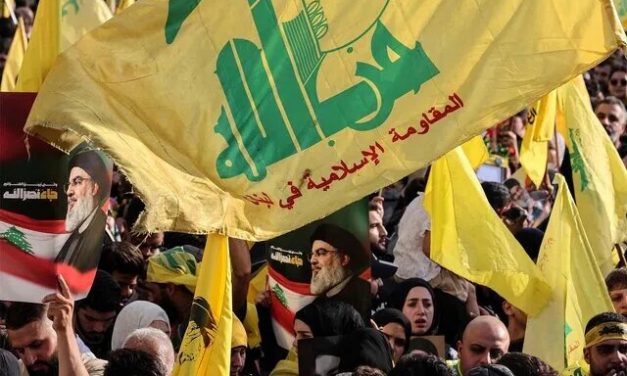
The Inseparability of the Lebanese Front from the Axis of Resistance

SCFR Online–Opinion: By providing an extensive network of social, healthcare, educational, and post-war reconstruction services, Hezbollah has established a strong social base for itself among Lebanon’s Shiites and Sunnis, and even beyond that, among other segments of Lebanese society, including Christians. Hezbollah has never been an external actor imposed upon Lebanon; rather, it is a phenomenon fundamentally born out of the occupation and crimes of the Zionist regime and itself influenced by popular resistance.

The Increasing Efforts of the Zionist Regime to Redefine Borders and the Regional Order and Its Consequences

SCFR Online– Opinion: Security and military developments in the region over recent months indicate that the ongoing crises and wars in Gaza, southern Lebanon, and parts of Syrian territory encompass broader dimensions of geopolitical and geostrategic transformations. In this context, the increased military presence and control of the Zionist regime over parts of the territories of these areas, along with proposals regarding the creation of buffer zones or even the expansion of security borders, have raised serious questions about the future of the regional order and its consequences for the countries of West Asia.

Loading

Pakistan

India’s Creeping Strategy against Kashmir

India’s Creeping Strategy against Kashmir

Strategic Council Online: Given the recently announced decisions on Kashmir, several scenarios are foreseeable in the future, each requiring a specific reaction.
Nozar Shafiei – Subcontinent Affairs Expert

Scenarios Ahead of Kashmir Crisis

Scenarios Ahead of Kashmir Crisis

Strategic Council Online: There is a scenario about Kashmir whereby in the absence of any solution, the critical situation of Muslims in Kashmir will continue until other options are found in India and Pakistan in the future.
Nozar Shafiei – Subcontinent Affairs Expert

Prospect of Peace Talks with the Taliban

Strategic Council Online: The biggest challenge facing Afghan peace talks in Moscow and Doha at present is that the Taliban believe the Afghan government is a puppet state and has no legitimacy.
Nozar Shafiei – Expert on Subcontinent Affairs

Securing Iran-Pakistan Border

Securing Iran-Pakistan Border

Strategic Council Online: Commitment in political relations is costly for the committed party, and given this assumption, political relations and cooperation between Islamabad and Tehran should be analyzed in a concrete and dedicated manner.

Feasibility Study of Iran-Pakistan Cooperation in Combating Terrorism

Strategic Council Online: There is little optimism about the possibility of Iran-Pakistan cooperation in the fight against terrorism or what is known as Islamic radicals with Wahhabi orientation in Pakistan. The reason is that the Pakistanis claim to be willing to cooperate but in practice they have adopted a dual policy on this issue. Particularly, the Pakistani Military Intelligence Agency (ISI) looks at radical Islamic groups as a strategic tool.
Pir Mohammad Mollazehi, Expert on the Subcontinent Affairs

US Goals behind Afghan Peace

Strategic Council Online: The United States seeks to empower the Taliban in the first phase, and next, if the Taliban came to power through elections, Washington will accept their role. As a result, Zalmai Khalilzad is working behind the scene to strike a deal between the Taliban and the central Afghan government.
Pir-Mohammad Molazehi – Expert on Sub-continental affairs

Political perspective of 3rd Political Trend in Pakistan

Strategic Council online – Although several months prior to the Pakistani parliamentary elections, it was anticipated that the two powerful parties of Pakistan, People Party (PPP) led by Bilawal Bhutto-Zardari and Muslim League-Nawaz (MLN) headed by Shahbaz Sharif will not win the elections, but it was hardly believed that a third trend will emerge in Pakistani political arena.

ÚLTIMAS PUBLICACIONES

Consequences of Declining Trust in the Judiciary in Europe

SCFRonline – Opinion: The increase in public distrust of the French judicial system, which in recent surveys has reached approximately two-thirds of citizens, should be analyzed within a framework broader than temporary dissatisfaction or an emotional reaction to a particular criminal case.
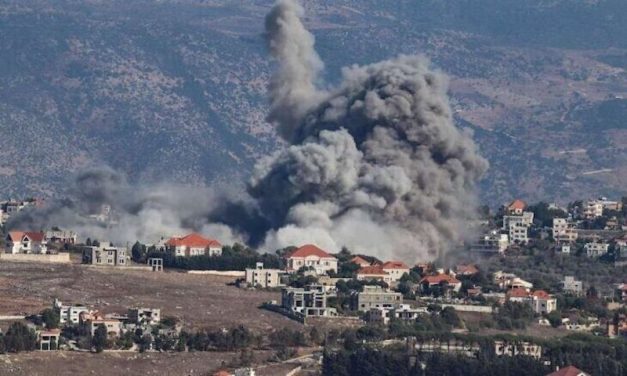
Iran’s Potential Levers of Power

SCFRonline– Opinion: Iran’s geopolitical power is not limited solely to oil and the Strait of Hormuz; the unintended emergence of disruptions in the future global food and energy security chains can also demonstrate Iran’s strategic importance.

The Inseparability of the Lebanese Front from the Axis of Resistance

SCFR Online–Opinion: By providing an extensive network of social, healthcare, educational, and post-war reconstruction services, Hezbollah has established a strong social base for itself among Lebanon’s Shiites and Sunnis, and even beyond that, among other segments of Lebanese society, including Christians. Hezbollah has never been an external actor imposed upon Lebanon; rather, it is a phenomenon fundamentally born out of the occupation and crimes of the Zionist regime and itself influenced by popular resistance.

The Increasing Efforts of the Zionist Regime to Redefine Borders and the Regional Order and Its Consequences

SCFR Online– Opinion: Security and military developments in the region over recent months indicate that the ongoing crises and wars in Gaza, southern Lebanon, and parts of Syrian territory encompass broader dimensions of geopolitical and geostrategic transformations. In this context, the increased military presence and control of the Zionist regime over parts of the territories of these areas, along with proposals regarding the creation of buffer zones or even the expansion of security borders, have raised serious questions about the future of the regional order and its consequences for the countries of West Asia.

Loading

Pakistan

India’s Creeping Strategy against Kashmir

India’s Creeping Strategy against Kashmir

Strategic Council Online: Given the recently announced decisions on Kashmir, several scenarios are foreseeable in the future, each requiring a specific reaction.
Nozar Shafiei – Subcontinent Affairs Expert

Scenarios Ahead of Kashmir Crisis

Scenarios Ahead of Kashmir Crisis

Strategic Council Online: There is a scenario about Kashmir whereby in the absence of any solution, the critical situation of Muslims in Kashmir will continue until other options are found in India and Pakistan in the future.
Nozar Shafiei – Subcontinent Affairs Expert

Prospect of Peace Talks with the Taliban

Strategic Council Online: The biggest challenge facing Afghan peace talks in Moscow and Doha at present is that the Taliban believe the Afghan government is a puppet state and has no legitimacy.
Nozar Shafiei – Expert on Subcontinent Affairs

Securing Iran-Pakistan Border

Securing Iran-Pakistan Border

Strategic Council Online: Commitment in political relations is costly for the committed party, and given this assumption, political relations and cooperation between Islamabad and Tehran should be analyzed in a concrete and dedicated manner.

Feasibility Study of Iran-Pakistan Cooperation in Combating Terrorism

Strategic Council Online: There is little optimism about the possibility of Iran-Pakistan cooperation in the fight against terrorism or what is known as Islamic radicals with Wahhabi orientation in Pakistan. The reason is that the Pakistanis claim to be willing to cooperate but in practice they have adopted a dual policy on this issue. Particularly, the Pakistani Military Intelligence Agency (ISI) looks at radical Islamic groups as a strategic tool.
Pir Mohammad Mollazehi, Expert on the Subcontinent Affairs

US Goals behind Afghan Peace

Strategic Council Online: The United States seeks to empower the Taliban in the first phase, and next, if the Taliban came to power through elections, Washington will accept their role. As a result, Zalmai Khalilzad is working behind the scene to strike a deal between the Taliban and the central Afghan government.
Pir-Mohammad Molazehi – Expert on Sub-continental affairs

Political perspective of 3rd Political Trend in Pakistan

Strategic Council online – Although several months prior to the Pakistani parliamentary elections, it was anticipated that the two powerful parties of Pakistan, People Party (PPP) led by Bilawal Bhutto-Zardari and Muslim League-Nawaz (MLN) headed by Shahbaz Sharif will not win the elections, but it was hardly believed that a third trend will emerge in Pakistani political arena.

ÚLTIMAS PUBLICACIONES

Consequences of Declining Trust in the Judiciary in Europe

SCFRonline – Opinion: The increase in public distrust of the French judicial system, which in recent surveys has reached approximately two-thirds of citizens, should be analyzed within a framework broader than temporary dissatisfaction or an emotional reaction to a particular criminal case.
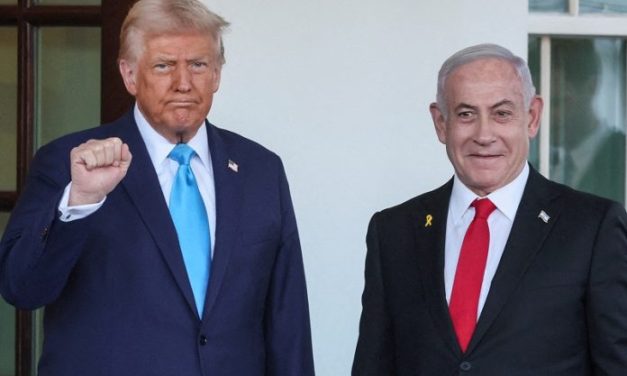
Iran’s Potential Levers of Power

SCFRonline– Opinion: Iran’s geopolitical power is not limited solely to oil and the Strait of Hormuz; the unintended emergence of disruptions in the future global food and energy security chains can also demonstrate Iran’s strategic importance.

The Inseparability of the Lebanese Front from the Axis of Resistance

SCFR Online–Opinion: By providing an extensive network of social, healthcare, educational, and post-war reconstruction services, Hezbollah has established a strong social base for itself among Lebanon’s Shiites and Sunnis, and even beyond that, among other segments of Lebanese society, including Christians. Hezbollah has never been an external actor imposed upon Lebanon; rather, it is a phenomenon fundamentally born out of the occupation and crimes of the Zionist regime and itself influenced by popular resistance.

The Increasing Efforts of the Zionist Regime to Redefine Borders and the Regional Order and Its Consequences

SCFR Online– Opinion: Security and military developments in the region over recent months indicate that the ongoing crises and wars in Gaza, southern Lebanon, and parts of Syrian territory encompass broader dimensions of geopolitical and geostrategic transformations. In this context, the increased military presence and control of the Zionist regime over parts of the territories of these areas, along with proposals regarding the creation of buffer zones or even the expansion of security borders, have raised serious questions about the future of the regional order and its consequences for the countries of West Asia.

Loading

Pakistan

India’s Creeping Strategy against Kashmir

India’s Creeping Strategy against Kashmir

Strategic Council Online: Given the recently announced decisions on Kashmir, several scenarios are foreseeable in the future, each requiring a specific reaction.
Nozar Shafiei – Subcontinent Affairs Expert

Scenarios Ahead of Kashmir Crisis

Scenarios Ahead of Kashmir Crisis

Strategic Council Online: There is a scenario about Kashmir whereby in the absence of any solution, the critical situation of Muslims in Kashmir will continue until other options are found in India and Pakistan in the future.
Nozar Shafiei – Subcontinent Affairs Expert

Prospect of Peace Talks with the Taliban

Strategic Council Online: The biggest challenge facing Afghan peace talks in Moscow and Doha at present is that the Taliban believe the Afghan government is a puppet state and has no legitimacy.
Nozar Shafiei – Expert on Subcontinent Affairs

Securing Iran-Pakistan Border

Securing Iran-Pakistan Border

Strategic Council Online: Commitment in political relations is costly for the committed party, and given this assumption, political relations and cooperation between Islamabad and Tehran should be analyzed in a concrete and dedicated manner.

Feasibility Study of Iran-Pakistan Cooperation in Combating Terrorism

Strategic Council Online: There is little optimism about the possibility of Iran-Pakistan cooperation in the fight against terrorism or what is known as Islamic radicals with Wahhabi orientation in Pakistan. The reason is that the Pakistanis claim to be willing to cooperate but in practice they have adopted a dual policy on this issue. Particularly, the Pakistani Military Intelligence Agency (ISI) looks at radical Islamic groups as a strategic tool.
Pir Mohammad Mollazehi, Expert on the Subcontinent Affairs

US Goals behind Afghan Peace

Strategic Council Online: The United States seeks to empower the Taliban in the first phase, and next, if the Taliban came to power through elections, Washington will accept their role. As a result, Zalmai Khalilzad is working behind the scene to strike a deal between the Taliban and the central Afghan government.
Pir-Mohammad Molazehi – Expert on Sub-continental affairs

Political perspective of 3rd Political Trend in Pakistan

Strategic Council online – Although several months prior to the Pakistani parliamentary elections, it was anticipated that the two powerful parties of Pakistan, People Party (PPP) led by Bilawal Bhutto-Zardari and Muslim League-Nawaz (MLN) headed by Shahbaz Sharif will not win the elections, but it was hardly believed that a third trend will emerge in Pakistani political arena.

ÚLTIMAS PUBLICACIONES

Consequences of Declining Trust in the Judiciary in Europe

SCFRonline – Opinion: The increase in public distrust of the French judicial system, which in recent surveys has reached approximately two-thirds of citizens, should be analyzed within a framework broader than temporary dissatisfaction or an emotional reaction to a particular criminal case.

Iran’s Potential Levers of Power

SCFRonline– Opinion: Iran’s geopolitical power is not limited solely to oil and the Strait of Hormuz; the unintended emergence of disruptions in the future global food and energy security chains can also demonstrate Iran’s strategic importance.

The Inseparability of the Lebanese Front from the Axis of Resistance

SCFR Online–Opinion: By providing an extensive network of social, healthcare, educational, and post-war reconstruction services, Hezbollah has established a strong social base for itself among Lebanon’s Shiites and Sunnis, and even beyond that, among other segments of Lebanese society, including Christians. Hezbollah has never been an external actor imposed upon Lebanon; rather, it is a phenomenon fundamentally born out of the occupation and crimes of the Zionist regime and itself influenced by popular resistance.

The Increasing Efforts of the Zionist Regime to Redefine Borders and the Regional Order and Its Consequences

SCFR Online– Opinion: Security and military developments in the region over recent months indicate that the ongoing crises and wars in Gaza, southern Lebanon, and parts of Syrian territory encompass broader dimensions of geopolitical and geostrategic transformations. In this context, the increased military presence and control of the Zionist regime over parts of the territories of these areas, along with proposals regarding the creation of buffer zones or even the expansion of security borders, have raised serious questions about the future of the regional order and its consequences for the countries of West Asia.

Loading