جدیدترین مطالب

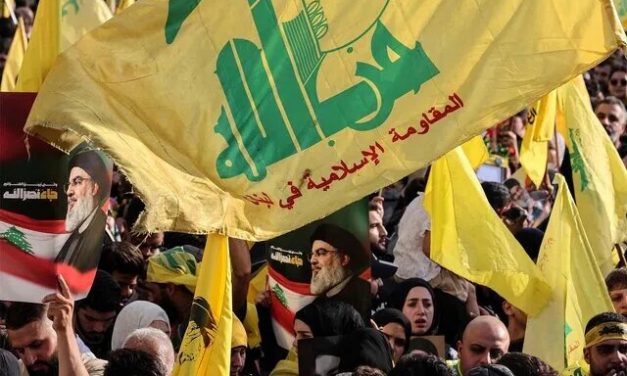
The Inseparability of the Lebanese Front from the Axis of Resistance

SCFR Online–Opinion: By providing an extensive network of social, healthcare, educational, and post-war reconstruction services, Hezbollah has established a strong social base for itself among Lebanon’s Shiites and Sunnis, and even beyond that, among other segments of Lebanese society, including Christians. Hezbollah has never been an external actor imposed upon Lebanon; rather, it is a phenomenon fundamentally born out of the occupation and crimes of the Zionist regime and itself influenced by popular resistance.
The Increasing Efforts of the Zionist Regime to Redefine Borders and the Regional Order and Its Consequences

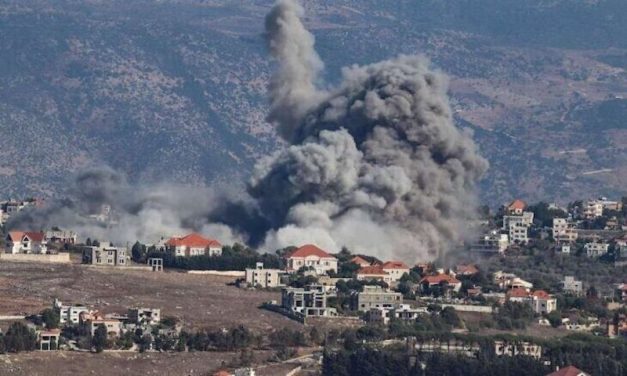
SCFR Online– Opinion: Security and military developments in the region over recent months indicate that the ongoing crises and wars in Gaza, southern Lebanon, and parts of Syrian territory encompass broader dimensions of geopolitical and geostrategic transformations. In this context, the increased military presence and control of the Zionist regime over parts of the territories of these areas, along with proposals regarding the creation of buffer zones or even the expansion of security borders, have raised serious questions about the future of the regional order and its consequences for the countries of West Asia.

The Components of Iran’s Deterrence Power

SCFR Online – Opinion: At a time when regional security equations have reached a sensitive stage under the influence of Iran’s strategic confrontation with the United States and the Zionist regime, the question of the nature of Tehran’s defensive power has gained greater significance than ever before. While Washington and Tel Aviv rely on their technological superiority, the Islamic Republic of Iran has presented a model of deterrence that extends beyond the material calculations of the world’s classical militaries. This power, rooted in the connection between “the field” and “the people,” has not only altered the balance of power in recent conflicts but has also disrupted adversaries’ calculations when confronting Iran’s strategic depth.

The Persian Gulf; A Cold Battlefield Between Beijing and Washington

SCFR Online – Opinion: The competition in recent years between the United States and China encompasses various geographical regions—including the Indo-Pacific, West Asia, the Arctic and Antarctic, and Africa—as well as multiple domains such as economics and technology. Within this context, a strategic competition has also emerged in the Persian Gulf region across economic, technological, and military spheres.

Europe’s Enduring Dependence on Persian Gulf Energy

SCFR Online – Opinion: The dominant discourse in the field of European energy security over the past two decades has revolved around diversification of supply sources and the gradual reduction of dependence on fossil fuels. This narrative, which gained particular momentum after the Ukraine gas crisis in 2006 and its intensification in 2014 and 2022, was based on the assumption that Europe could free itself from the geopolitical vulnerabilities arising from dependence on specific suppliers through investment in renewable energy, imports of liquefied natural gas from diversified sources, and the establishment of new infrastructure. However, a closer analysis of energy trade data and the structure of the global oil and gas supply chain presents a different picture. Europe has not only failed to meaningfully reduce its dependence on the Persian Gulf, but in some sectors — particularly in liquefied natural gas imports — this dependence has deepened. This reality, which is often overlooked in public discourse, raises fundamental questions about the sustainability of Europe’s energy security strategies and their impact on regional power equations.

Loading

Egypt

Ambiguities and Prospects of the New US Plan to End the Gaza War

Ambiguities and Prospects of the New US Plan to End the Gaza War

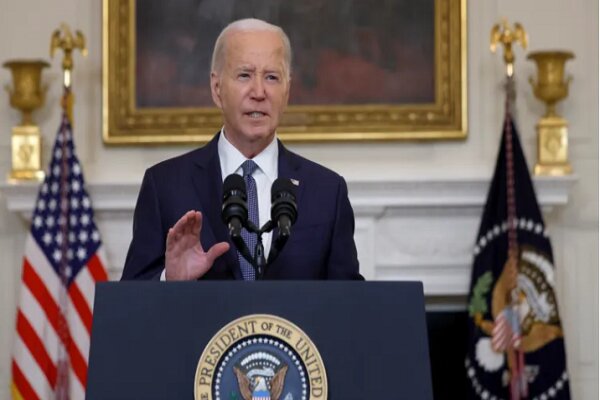
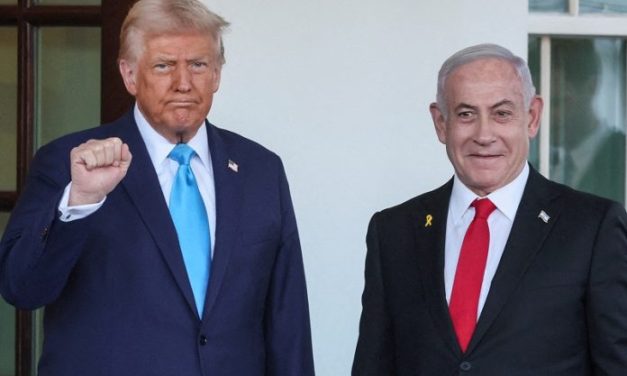
Strategic Council Online: – Opinion: US President Joe Biden recently presented a four-and-a-half-page plan to establish a ceasefire and end the Gaza war. After his speech at the White House, the American President announced that the Zionist regime proposed this plan.
Hamid Khoshayand, an expert on regional issues

An Analysis of the Proposed Peace Plans for Ceasefire in Gaza

An Analysis of the Proposed Peace Plans for Ceasefire in Gaza

Strategic Council Online – Interview: An expert on international issues said: The plans proposed by some Arab governments and the United States for a ceasefire in Gaza and the end of the war are not operational, and rather than looking at solving the crisis in Gaza and Rafah, these countries are after their own national interests.

Reasons Why the Netanyahu Govt  Is Preventing  a Ceasefire Agreement

Reasons Why the Netanyahu Govt Is Preventing a Ceasefire Agreement

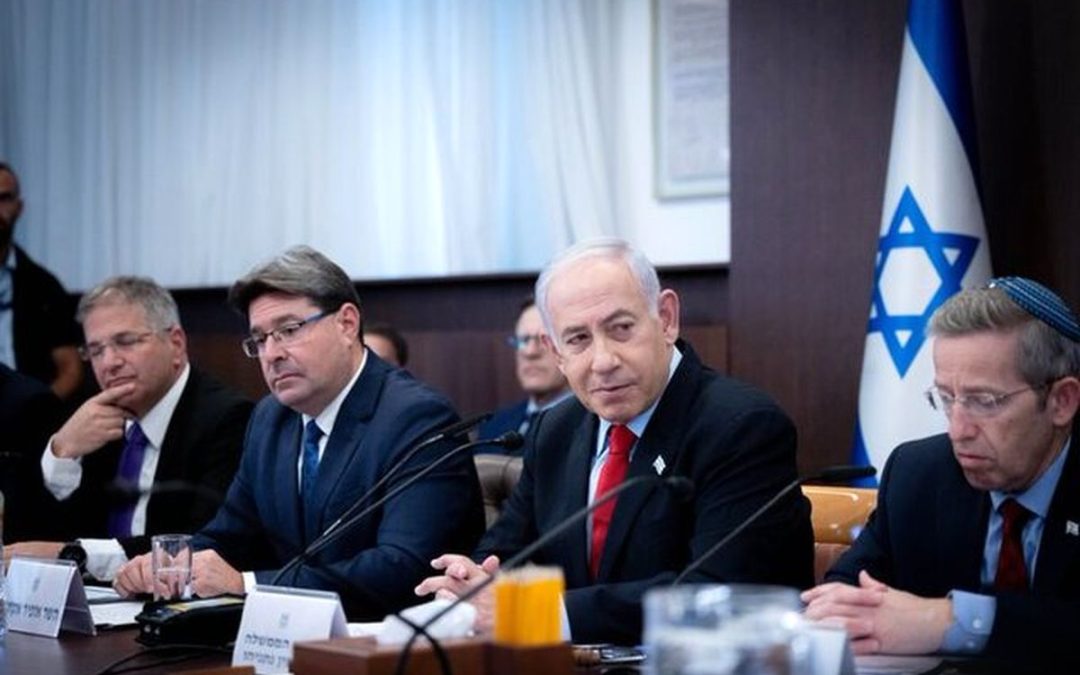
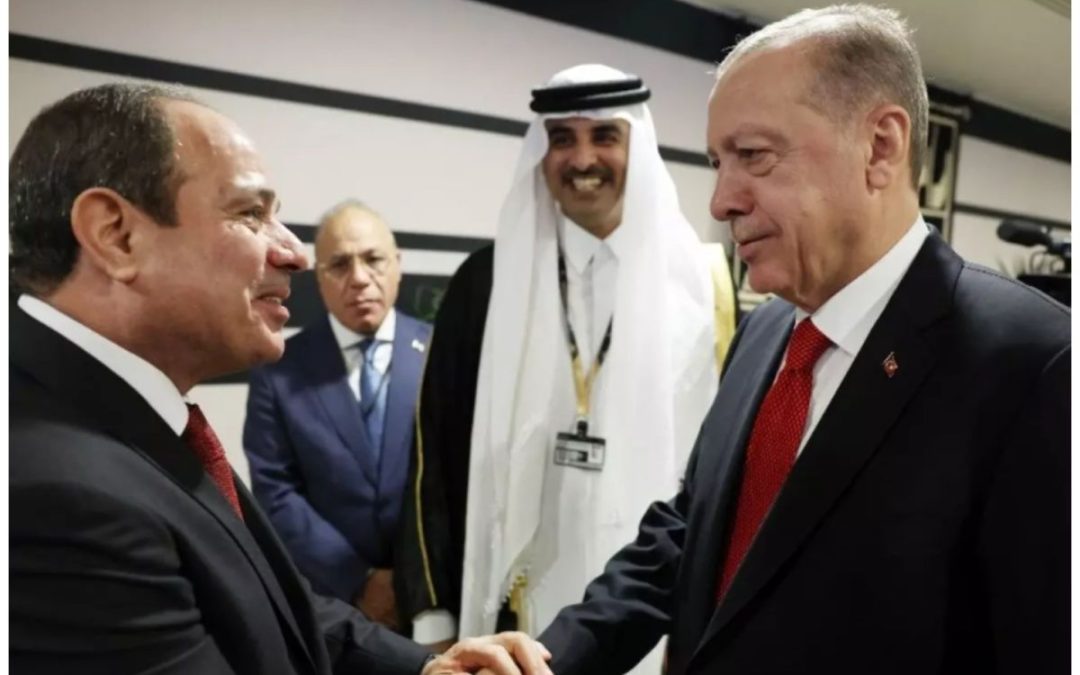
Strategic Council Online – Opinion: The last round of indirect negotiations between Hamas officials and the Zionist regime, which was conducted in Cairo with the mediation of Qatar, Egypt, and the United States, was unsuccessful due to the Zionists’ “Obstruction.”
Hamid Khoshayand, an expert on regional issues

Consequences of the possible military operation of the Zionist regime in Rafah

Consequences of the possible military operation of the Zionist regime in Rafah

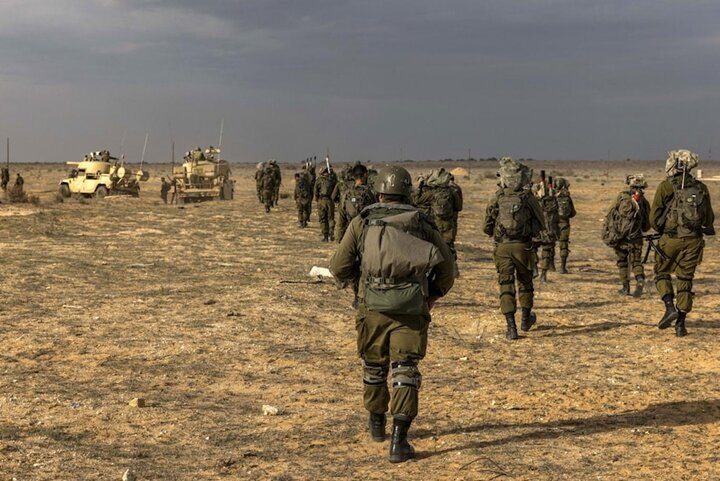
Strategic Council Online—Opinion: While the Zionist regime had designated Rafah as a safe zone for civilians, in the last few weeks, the air attacks on this area, which is called “Gaza’s gateway to the outside world” and where about 1.3 million displaced people are also present, has been intensified.
Hamid Khoshayand- Expert of regional issues

The Dimensions and Perspective of the Inapplicable Plan of Forced Relocation of Gaza Residents

The Dimensions and Perspective of the Inapplicable Plan of Forced Relocation of Gaza Residents

Strategic Council Online-Opinion: Relocating the residents of Gaza out of occupied Palestine is one of the serious plans of the Zionist regime in the recent war in Gaza. The documents provided to the Palestinian resistance groups show that the Zionist regime has long been seeking to “relocate the people of Gaza” to Egypt and the residents of the West Bank to Jordan.
Hamid Khoshayand—Expert of regional issues

Joint Plan by West & Israel to Destroy Gaza

Joint Plan by West & Israel to Destroy Gaza

Strategic Council Online – Interview: An expert on West Asia affairs stated that in the current situation, the Zionist regime is trying to cut off the geographical continuity of the north and south of the Gaza Strip, so that in this way while intensifying the pressure on Hamas; it would forge an achievement for itself, adding: Finally, the Zionist regime will go in the direction of completely destroying the infrastructures in Gaza in such a way that there will remain no possibility for living there, and by increasing the number of casualties to the level of genocide and weakening the military power of Hamas, it will create a deterrent for itself and after that, accept the truce.

Iran’s Membership in BRICS, Containing a Win-Win Result

Iran’s Membership in BRICS, Containing a Win-Win Result

Strategic Council Online – Secretariat report: The BRICS group is an economic-political group consisting of the world’s emerging economies, which has been formed to reform global governance and avoid unilateralism of the United States of America.

Consequences of Increasing BRICS Membership

Consequences of Increasing BRICS Membership

Strategic Council Online – Interview: A foreign policy expert says that with the increase in BRICS members, this group will continue to be a space where the balance between the members will determine its future. He noted that if it is to be a cold war between China, probably with the company of Russia, and the United States, BRICS will suffer. But if by adjusting the dispute between China and the US, the possibility will be provided for members to cooperate easily, BRICS can have more successful efforts. In any case, the way of interaction and balance between the members will determine its future.

Developments in Lebanon, Challenges of Electing President

Developments in Lebanon, Challenges of Electing President

Strategic Council Online – Interview: A university professor says the issue of prolonging the presidential election (in Lebanon) is due to the differences among the Resistance Coalition. He added: The power structure and political groups have reached peaceful coexistence with the interim government and the existence of a power vacuum, and apparently, the presence or absence of the president does not matter much to them. In this situation, negotiations and bargaining do not reach a result that is the most desirable affair for the Zionist regime.

أحدث الوظائف

The Inseparability of the Lebanese Front from the Axis of Resistance

SCFR Online–Opinion: By providing an extensive network of social, healthcare, educational, and post-war reconstruction services, Hezbollah has established a strong social base for itself among Lebanon’s Shiites and Sunnis, and even beyond that, among other segments of Lebanese society, including Christians. Hezbollah has never been an external actor imposed upon Lebanon; rather, it is a phenomenon fundamentally born out of the occupation and crimes of the Zionist regime and itself influenced by popular resistance.
The Increasing Efforts of the Zionist Regime to Redefine Borders and the Regional Order and Its Consequences

SCFR Online– Opinion: Security and military developments in the region over recent months indicate that the ongoing crises and wars in Gaza, southern Lebanon, and parts of Syrian territory encompass broader dimensions of geopolitical and geostrategic transformations. In this context, the increased military presence and control of the Zionist regime over parts of the territories of these areas, along with proposals regarding the creation of buffer zones or even the expansion of security borders, have raised serious questions about the future of the regional order and its consequences for the countries of West Asia.

The Components of Iran’s Deterrence Power

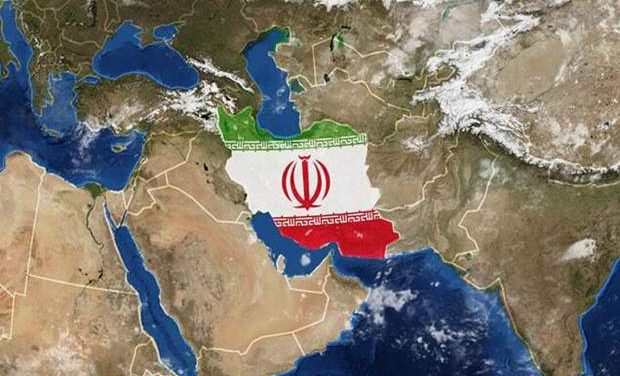
SCFR Online – Opinion: At a time when regional security equations have reached a sensitive stage under the influence of Iran’s strategic confrontation with the United States and the Zionist regime, the question of the nature of Tehran’s defensive power has gained greater significance than ever before. While Washington and Tel Aviv rely on their technological superiority, the Islamic Republic of Iran has presented a model of deterrence that extends beyond the material calculations of the world’s classical militaries. This power, rooted in the connection between “the field” and “the people,” has not only altered the balance of power in recent conflicts but has also disrupted adversaries’ calculations when confronting Iran’s strategic depth.

The Persian Gulf; A Cold Battlefield Between Beijing and Washington

SCFR Online – Opinion: The competition in recent years between the United States and China encompasses various geographical regions—including the Indo-Pacific, West Asia, the Arctic and Antarctic, and Africa—as well as multiple domains such as economics and technology. Within this context, a strategic competition has also emerged in the Persian Gulf region across economic, technological, and military spheres.

Europe’s Enduring Dependence on Persian Gulf Energy

SCFR Online – Opinion: The dominant discourse in the field of European energy security over the past two decades has revolved around diversification of supply sources and the gradual reduction of dependence on fossil fuels. This narrative, which gained particular momentum after the Ukraine gas crisis in 2006 and its intensification in 2014 and 2022, was based on the assumption that Europe could free itself from the geopolitical vulnerabilities arising from dependence on specific suppliers through investment in renewable energy, imports of liquefied natural gas from diversified sources, and the establishment of new infrastructure. However, a closer analysis of energy trade data and the structure of the global oil and gas supply chain presents a different picture. Europe has not only failed to meaningfully reduce its dependence on the Persian Gulf, but in some sectors — particularly in liquefied natural gas imports — this dependence has deepened. This reality, which is often overlooked in public discourse, raises fundamental questions about the sustainability of Europe’s energy security strategies and their impact on regional power equations.

Loading

Egypt

Ambiguities and Prospects of the New US Plan to End the Gaza War

Ambiguities and Prospects of the New US Plan to End the Gaza War

Strategic Council Online: – Opinion: US President Joe Biden recently presented a four-and-a-half-page plan to establish a ceasefire and end the Gaza war. After his speech at the White House, the American President announced that the Zionist regime proposed this plan.
Hamid Khoshayand, an expert on regional issues

An Analysis of the Proposed Peace Plans for Ceasefire in Gaza

An Analysis of the Proposed Peace Plans for Ceasefire in Gaza

Strategic Council Online – Interview: An expert on international issues said: The plans proposed by some Arab governments and the United States for a ceasefire in Gaza and the end of the war are not operational, and rather than looking at solving the crisis in Gaza and Rafah, these countries are after their own national interests.

Reasons Why the Netanyahu Govt  Is Preventing  a Ceasefire Agreement

Reasons Why the Netanyahu Govt Is Preventing a Ceasefire Agreement

Strategic Council Online – Opinion: The last round of indirect negotiations between Hamas officials and the Zionist regime, which was conducted in Cairo with the mediation of Qatar, Egypt, and the United States, was unsuccessful due to the Zionists’ “Obstruction.”
Hamid Khoshayand, an expert on regional issues

Consequences of the possible military operation of the Zionist regime in Rafah

Consequences of the possible military operation of the Zionist regime in Rafah

Strategic Council Online—Opinion: While the Zionist regime had designated Rafah as a safe zone for civilians, in the last few weeks, the air attacks on this area, which is called “Gaza’s gateway to the outside world” and where about 1.3 million displaced people are also present, has been intensified.
Hamid Khoshayand- Expert of regional issues

The Dimensions and Perspective of the Inapplicable Plan of Forced Relocation of Gaza Residents

The Dimensions and Perspective of the Inapplicable Plan of Forced Relocation of Gaza Residents

Strategic Council Online-Opinion: Relocating the residents of Gaza out of occupied Palestine is one of the serious plans of the Zionist regime in the recent war in Gaza. The documents provided to the Palestinian resistance groups show that the Zionist regime has long been seeking to “relocate the people of Gaza” to Egypt and the residents of the West Bank to Jordan.
Hamid Khoshayand—Expert of regional issues

Joint Plan by West & Israel to Destroy Gaza

Joint Plan by West & Israel to Destroy Gaza

Strategic Council Online – Interview: An expert on West Asia affairs stated that in the current situation, the Zionist regime is trying to cut off the geographical continuity of the north and south of the Gaza Strip, so that in this way while intensifying the pressure on Hamas; it would forge an achievement for itself, adding: Finally, the Zionist regime will go in the direction of completely destroying the infrastructures in Gaza in such a way that there will remain no possibility for living there, and by increasing the number of casualties to the level of genocide and weakening the military power of Hamas, it will create a deterrent for itself and after that, accept the truce.

Iran’s Membership in BRICS, Containing a Win-Win Result

Iran’s Membership in BRICS, Containing a Win-Win Result

Strategic Council Online – Secretariat report: The BRICS group is an economic-political group consisting of the world’s emerging economies, which has been formed to reform global governance and avoid unilateralism of the United States of America.

Consequences of Increasing BRICS Membership

Consequences of Increasing BRICS Membership

Strategic Council Online – Interview: A foreign policy expert says that with the increase in BRICS members, this group will continue to be a space where the balance between the members will determine its future. He noted that if it is to be a cold war between China, probably with the company of Russia, and the United States, BRICS will suffer. But if by adjusting the dispute between China and the US, the possibility will be provided for members to cooperate easily, BRICS can have more successful efforts. In any case, the way of interaction and balance between the members will determine its future.

Developments in Lebanon, Challenges of Electing President

Developments in Lebanon, Challenges of Electing President

Strategic Council Online – Interview: A university professor says the issue of prolonging the presidential election (in Lebanon) is due to the differences among the Resistance Coalition. He added: The power structure and political groups have reached peaceful coexistence with the interim government and the existence of a power vacuum, and apparently, the presence or absence of the president does not matter much to them. In this situation, negotiations and bargaining do not reach a result that is the most desirable affair for the Zionist regime.

Egypt

Ambiguities and Prospects of the New US Plan to End the Gaza War

Ambiguities and Prospects of the New US Plan to End the Gaza War

Strategic Council Online: – Opinion: US President Joe Biden recently presented a four-and-a-half-page plan to establish a ceasefire and end the Gaza war. After his speech at the White House, the American President announced that the Zionist regime proposed this plan.
Hamid Khoshayand, an expert on regional issues

An Analysis of the Proposed Peace Plans for Ceasefire in Gaza

An Analysis of the Proposed Peace Plans for Ceasefire in Gaza

Strategic Council Online – Interview: An expert on international issues said: The plans proposed by some Arab governments and the United States for a ceasefire in Gaza and the end of the war are not operational, and rather than looking at solving the crisis in Gaza and Rafah, these countries are after their own national interests.

Reasons Why the Netanyahu Govt  Is Preventing  a Ceasefire Agreement

Reasons Why the Netanyahu Govt Is Preventing a Ceasefire Agreement

Strategic Council Online – Opinion: The last round of indirect negotiations between Hamas officials and the Zionist regime, which was conducted in Cairo with the mediation of Qatar, Egypt, and the United States, was unsuccessful due to the Zionists’ “Obstruction.”
Hamid Khoshayand, an expert on regional issues

Consequences of the possible military operation of the Zionist regime in Rafah

Consequences of the possible military operation of the Zionist regime in Rafah

Strategic Council Online—Opinion: While the Zionist regime had designated Rafah as a safe zone for civilians, in the last few weeks, the air attacks on this area, which is called “Gaza’s gateway to the outside world” and where about 1.3 million displaced people are also present, has been intensified.
Hamid Khoshayand- Expert of regional issues

The Dimensions and Perspective of the Inapplicable Plan of Forced Relocation of Gaza Residents

The Dimensions and Perspective of the Inapplicable Plan of Forced Relocation of Gaza Residents

Strategic Council Online-Opinion: Relocating the residents of Gaza out of occupied Palestine is one of the serious plans of the Zionist regime in the recent war in Gaza. The documents provided to the Palestinian resistance groups show that the Zionist regime has long been seeking to “relocate the people of Gaza” to Egypt and the residents of the West Bank to Jordan.
Hamid Khoshayand—Expert of regional issues

Joint Plan by West & Israel to Destroy Gaza

Joint Plan by West & Israel to Destroy Gaza

Strategic Council Online – Interview: An expert on West Asia affairs stated that in the current situation, the Zionist regime is trying to cut off the geographical continuity of the north and south of the Gaza Strip, so that in this way while intensifying the pressure on Hamas; it would forge an achievement for itself, adding: Finally, the Zionist regime will go in the direction of completely destroying the infrastructures in Gaza in such a way that there will remain no possibility for living there, and by increasing the number of casualties to the level of genocide and weakening the military power of Hamas, it will create a deterrent for itself and after that, accept the truce.

Iran’s Membership in BRICS, Containing a Win-Win Result

Iran’s Membership in BRICS, Containing a Win-Win Result

Strategic Council Online – Secretariat report: The BRICS group is an economic-political group consisting of the world’s emerging economies, which has been formed to reform global governance and avoid unilateralism of the United States of America.

Consequences of Increasing BRICS Membership

Consequences of Increasing BRICS Membership

Strategic Council Online – Interview: A foreign policy expert says that with the increase in BRICS members, this group will continue to be a space where the balance between the members will determine its future. He noted that if it is to be a cold war between China, probably with the company of Russia, and the United States, BRICS will suffer. But if by adjusting the dispute between China and the US, the possibility will be provided for members to cooperate easily, BRICS can have more successful efforts. In any case, the way of interaction and balance between the members will determine its future.

Developments in Lebanon, Challenges of Electing President

Developments in Lebanon, Challenges of Electing President

Strategic Council Online – Interview: A university professor says the issue of prolonging the presidential election (in Lebanon) is due to the differences among the Resistance Coalition. He added: The power structure and political groups have reached peaceful coexistence with the interim government and the existence of a power vacuum, and apparently, the presence or absence of the president does not matter much to them. In this situation, negotiations and bargaining do not reach a result that is the most desirable affair for the Zionist regime.

LATEST CONTENT

The Inseparability of the Lebanese Front from the Axis of Resistance

SCFR Online–Opinion: By providing an extensive network of social, healthcare, educational, and post-war reconstruction services, Hezbollah has established a strong social base for itself among Lebanon’s Shiites and Sunnis, and even beyond that, among other segments of Lebanese society, including Christians. Hezbollah has never been an external actor imposed upon Lebanon; rather, it is a phenomenon fundamentally born out of the occupation and crimes of the Zionist regime and itself influenced by popular resistance.
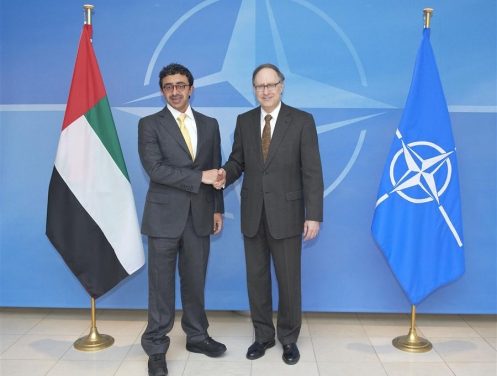
The Increasing Efforts of the Zionist Regime to Redefine Borders and the Regional Order and Its Consequences

SCFR Online– Opinion: Security and military developments in the region over recent months indicate that the ongoing crises and wars in Gaza, southern Lebanon, and parts of Syrian territory encompass broader dimensions of geopolitical and geostrategic transformations. In this context, the increased military presence and control of the Zionist regime over parts of the territories of these areas, along with proposals regarding the creation of buffer zones or even the expansion of security borders, have raised serious questions about the future of the regional order and its consequences for the countries of West Asia.

The Components of Iran’s Deterrence Power

SCFR Online – Opinion: At a time when regional security equations have reached a sensitive stage under the influence of Iran’s strategic confrontation with the United States and the Zionist regime, the question of the nature of Tehran’s defensive power has gained greater significance than ever before. While Washington and Tel Aviv rely on their technological superiority, the Islamic Republic of Iran has presented a model of deterrence that extends beyond the material calculations of the world’s classical militaries. This power, rooted in the connection between “the field” and “the people,” has not only altered the balance of power in recent conflicts but has also disrupted adversaries’ calculations when confronting Iran’s strategic depth.

The Persian Gulf; A Cold Battlefield Between Beijing and Washington

SCFR Online – Opinion: The competition in recent years between the United States and China encompasses various geographical regions—including the Indo-Pacific, West Asia, the Arctic and Antarctic, and Africa—as well as multiple domains such as economics and technology. Within this context, a strategic competition has also emerged in the Persian Gulf region across economic, technological, and military spheres.

Europe’s Enduring Dependence on Persian Gulf Energy

SCFR Online – Opinion: The dominant discourse in the field of European energy security over the past two decades has revolved around diversification of supply sources and the gradual reduction of dependence on fossil fuels. This narrative, which gained particular momentum after the Ukraine gas crisis in 2006 and its intensification in 2014 and 2022, was based on the assumption that Europe could free itself from the geopolitical vulnerabilities arising from dependence on specific suppliers through investment in renewable energy, imports of liquefied natural gas from diversified sources, and the establishment of new infrastructure. However, a closer analysis of energy trade data and the structure of the global oil and gas supply chain presents a different picture. Europe has not only failed to meaningfully reduce its dependence on the Persian Gulf, but in some sectors — particularly in liquefied natural gas imports — this dependence has deepened. This reality, which is often overlooked in public discourse, raises fundamental questions about the sustainability of Europe’s energy security strategies and their impact on regional power equations.

Loading

Egypt

Ambiguities and Prospects of the New US Plan to End the Gaza War

Ambiguities and Prospects of the New US Plan to End the Gaza War

Strategic Council Online: – Opinion: US President Joe Biden recently presented a four-and-a-half-page plan to establish a ceasefire and end the Gaza war. After his speech at the White House, the American President announced that the Zionist regime proposed this plan.
Hamid Khoshayand, an expert on regional issues

An Analysis of the Proposed Peace Plans for Ceasefire in Gaza

An Analysis of the Proposed Peace Plans for Ceasefire in Gaza

Strategic Council Online – Interview: An expert on international issues said: The plans proposed by some Arab governments and the United States for a ceasefire in Gaza and the end of the war are not operational, and rather than looking at solving the crisis in Gaza and Rafah, these countries are after their own national interests.

Reasons Why the Netanyahu Govt  Is Preventing  a Ceasefire Agreement

Reasons Why the Netanyahu Govt Is Preventing a Ceasefire Agreement

Strategic Council Online – Opinion: The last round of indirect negotiations between Hamas officials and the Zionist regime, which was conducted in Cairo with the mediation of Qatar, Egypt, and the United States, was unsuccessful due to the Zionists’ “Obstruction.”
Hamid Khoshayand, an expert on regional issues

Consequences of the possible military operation of the Zionist regime in Rafah

Consequences of the possible military operation of the Zionist regime in Rafah

Strategic Council Online—Opinion: While the Zionist regime had designated Rafah as a safe zone for civilians, in the last few weeks, the air attacks on this area, which is called “Gaza’s gateway to the outside world” and where about 1.3 million displaced people are also present, has been intensified.
Hamid Khoshayand- Expert of regional issues

The Dimensions and Perspective of the Inapplicable Plan of Forced Relocation of Gaza Residents

The Dimensions and Perspective of the Inapplicable Plan of Forced Relocation of Gaza Residents

Strategic Council Online-Opinion: Relocating the residents of Gaza out of occupied Palestine is one of the serious plans of the Zionist regime in the recent war in Gaza. The documents provided to the Palestinian resistance groups show that the Zionist regime has long been seeking to “relocate the people of Gaza” to Egypt and the residents of the West Bank to Jordan.
Hamid Khoshayand—Expert of regional issues

Joint Plan by West & Israel to Destroy Gaza

Joint Plan by West & Israel to Destroy Gaza

Strategic Council Online – Interview: An expert on West Asia affairs stated that in the current situation, the Zionist regime is trying to cut off the geographical continuity of the north and south of the Gaza Strip, so that in this way while intensifying the pressure on Hamas; it would forge an achievement for itself, adding: Finally, the Zionist regime will go in the direction of completely destroying the infrastructures in Gaza in such a way that there will remain no possibility for living there, and by increasing the number of casualties to the level of genocide and weakening the military power of Hamas, it will create a deterrent for itself and after that, accept the truce.

Iran’s Membership in BRICS, Containing a Win-Win Result

Iran’s Membership in BRICS, Containing a Win-Win Result

Strategic Council Online – Secretariat report: The BRICS group is an economic-political group consisting of the world’s emerging economies, which has been formed to reform global governance and avoid unilateralism of the United States of America.

Consequences of Increasing BRICS Membership

Consequences of Increasing BRICS Membership

Strategic Council Online – Interview: A foreign policy expert says that with the increase in BRICS members, this group will continue to be a space where the balance between the members will determine its future. He noted that if it is to be a cold war between China, probably with the company of Russia, and the United States, BRICS will suffer. But if by adjusting the dispute between China and the US, the possibility will be provided for members to cooperate easily, BRICS can have more successful efforts. In any case, the way of interaction and balance between the members will determine its future.

Developments in Lebanon, Challenges of Electing President

Developments in Lebanon, Challenges of Electing President

Strategic Council Online – Interview: A university professor says the issue of prolonging the presidential election (in Lebanon) is due to the differences among the Resistance Coalition. He added: The power structure and political groups have reached peaceful coexistence with the interim government and the existence of a power vacuum, and apparently, the presence or absence of the president does not matter much to them. In this situation, negotiations and bargaining do not reach a result that is the most desirable affair for the Zionist regime.

ÚLTIMAS PUBLICACIONES

The Inseparability of the Lebanese Front from the Axis of Resistance

SCFR Online–Opinion: By providing an extensive network of social, healthcare, educational, and post-war reconstruction services, Hezbollah has established a strong social base for itself among Lebanon’s Shiites and Sunnis, and even beyond that, among other segments of Lebanese society, including Christians. Hezbollah has never been an external actor imposed upon Lebanon; rather, it is a phenomenon fundamentally born out of the occupation and crimes of the Zionist regime and itself influenced by popular resistance.
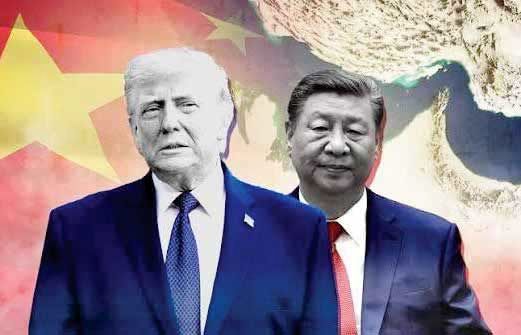
The Increasing Efforts of the Zionist Regime to Redefine Borders and the Regional Order and Its Consequences

SCFR Online– Opinion: Security and military developments in the region over recent months indicate that the ongoing crises and wars in Gaza, southern Lebanon, and parts of Syrian territory encompass broader dimensions of geopolitical and geostrategic transformations. In this context, the increased military presence and control of the Zionist regime over parts of the territories of these areas, along with proposals regarding the creation of buffer zones or even the expansion of security borders, have raised serious questions about the future of the regional order and its consequences for the countries of West Asia.

The Components of Iran’s Deterrence Power

SCFR Online – Opinion: At a time when regional security equations have reached a sensitive stage under the influence of Iran’s strategic confrontation with the United States and the Zionist regime, the question of the nature of Tehran’s defensive power has gained greater significance than ever before. While Washington and Tel Aviv rely on their technological superiority, the Islamic Republic of Iran has presented a model of deterrence that extends beyond the material calculations of the world’s classical militaries. This power, rooted in the connection between “the field” and “the people,” has not only altered the balance of power in recent conflicts but has also disrupted adversaries’ calculations when confronting Iran’s strategic depth.

The Persian Gulf; A Cold Battlefield Between Beijing and Washington

SCFR Online – Opinion: The competition in recent years between the United States and China encompasses various geographical regions—including the Indo-Pacific, West Asia, the Arctic and Antarctic, and Africa—as well as multiple domains such as economics and technology. Within this context, a strategic competition has also emerged in the Persian Gulf region across economic, technological, and military spheres.

Europe’s Enduring Dependence on Persian Gulf Energy

SCFR Online – Opinion: The dominant discourse in the field of European energy security over the past two decades has revolved around diversification of supply sources and the gradual reduction of dependence on fossil fuels. This narrative, which gained particular momentum after the Ukraine gas crisis in 2006 and its intensification in 2014 and 2022, was based on the assumption that Europe could free itself from the geopolitical vulnerabilities arising from dependence on specific suppliers through investment in renewable energy, imports of liquefied natural gas from diversified sources, and the establishment of new infrastructure. However, a closer analysis of energy trade data and the structure of the global oil and gas supply chain presents a different picture. Europe has not only failed to meaningfully reduce its dependence on the Persian Gulf, but in some sectors — particularly in liquefied natural gas imports — this dependence has deepened. This reality, which is often overlooked in public discourse, raises fundamental questions about the sustainability of Europe’s energy security strategies and their impact on regional power equations.

Loading

Egypt

Ambiguities and Prospects of the New US Plan to End the Gaza War

Ambiguities and Prospects of the New US Plan to End the Gaza War

Strategic Council Online: – Opinion: US President Joe Biden recently presented a four-and-a-half-page plan to establish a ceasefire and end the Gaza war. After his speech at the White House, the American President announced that the Zionist regime proposed this plan.
Hamid Khoshayand, an expert on regional issues

An Analysis of the Proposed Peace Plans for Ceasefire in Gaza

An Analysis of the Proposed Peace Plans for Ceasefire in Gaza

Strategic Council Online – Interview: An expert on international issues said: The plans proposed by some Arab governments and the United States for a ceasefire in Gaza and the end of the war are not operational, and rather than looking at solving the crisis in Gaza and Rafah, these countries are after their own national interests.

Reasons Why the Netanyahu Govt  Is Preventing  a Ceasefire Agreement

Reasons Why the Netanyahu Govt Is Preventing a Ceasefire Agreement

Strategic Council Online – Opinion: The last round of indirect negotiations between Hamas officials and the Zionist regime, which was conducted in Cairo with the mediation of Qatar, Egypt, and the United States, was unsuccessful due to the Zionists’ “Obstruction.”
Hamid Khoshayand, an expert on regional issues

Consequences of the possible military operation of the Zionist regime in Rafah

Consequences of the possible military operation of the Zionist regime in Rafah

Strategic Council Online—Opinion: While the Zionist regime had designated Rafah as a safe zone for civilians, in the last few weeks, the air attacks on this area, which is called “Gaza’s gateway to the outside world” and where about 1.3 million displaced people are also present, has been intensified.
Hamid Khoshayand- Expert of regional issues

The Dimensions and Perspective of the Inapplicable Plan of Forced Relocation of Gaza Residents

The Dimensions and Perspective of the Inapplicable Plan of Forced Relocation of Gaza Residents

Strategic Council Online-Opinion: Relocating the residents of Gaza out of occupied Palestine is one of the serious plans of the Zionist regime in the recent war in Gaza. The documents provided to the Palestinian resistance groups show that the Zionist regime has long been seeking to “relocate the people of Gaza” to Egypt and the residents of the West Bank to Jordan.
Hamid Khoshayand—Expert of regional issues

Joint Plan by West & Israel to Destroy Gaza

Joint Plan by West & Israel to Destroy Gaza

Strategic Council Online – Interview: An expert on West Asia affairs stated that in the current situation, the Zionist regime is trying to cut off the geographical continuity of the north and south of the Gaza Strip, so that in this way while intensifying the pressure on Hamas; it would forge an achievement for itself, adding: Finally, the Zionist regime will go in the direction of completely destroying the infrastructures in Gaza in such a way that there will remain no possibility for living there, and by increasing the number of casualties to the level of genocide and weakening the military power of Hamas, it will create a deterrent for itself and after that, accept the truce.

Iran’s Membership in BRICS, Containing a Win-Win Result

Iran’s Membership in BRICS, Containing a Win-Win Result

Strategic Council Online – Secretariat report: The BRICS group is an economic-political group consisting of the world’s emerging economies, which has been formed to reform global governance and avoid unilateralism of the United States of America.

Consequences of Increasing BRICS Membership

Consequences of Increasing BRICS Membership

Strategic Council Online – Interview: A foreign policy expert says that with the increase in BRICS members, this group will continue to be a space where the balance between the members will determine its future. He noted that if it is to be a cold war between China, probably with the company of Russia, and the United States, BRICS will suffer. But if by adjusting the dispute between China and the US, the possibility will be provided for members to cooperate easily, BRICS can have more successful efforts. In any case, the way of interaction and balance between the members will determine its future.

Developments in Lebanon, Challenges of Electing President

Developments in Lebanon, Challenges of Electing President

Strategic Council Online – Interview: A university professor says the issue of prolonging the presidential election (in Lebanon) is due to the differences among the Resistance Coalition. He added: The power structure and political groups have reached peaceful coexistence with the interim government and the existence of a power vacuum, and apparently, the presence or absence of the president does not matter much to them. In this situation, negotiations and bargaining do not reach a result that is the most desirable affair for the Zionist regime.

ÚLTIMAS PUBLICACIONES

The Inseparability of the Lebanese Front from the Axis of Resistance

SCFR Online–Opinion: By providing an extensive network of social, healthcare, educational, and post-war reconstruction services, Hezbollah has established a strong social base for itself among Lebanon’s Shiites and Sunnis, and even beyond that, among other segments of Lebanese society, including Christians. Hezbollah has never been an external actor imposed upon Lebanon; rather, it is a phenomenon fundamentally born out of the occupation and crimes of the Zionist regime and itself influenced by popular resistance.
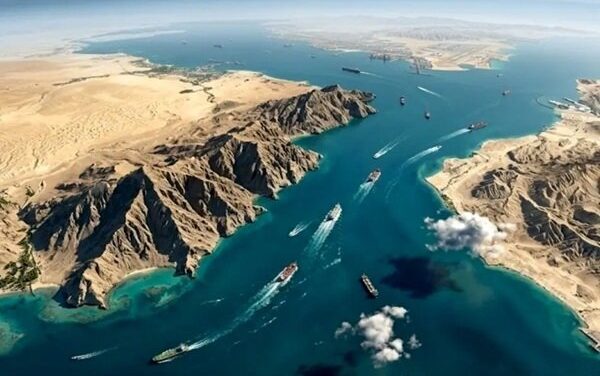
The Increasing Efforts of the Zionist Regime to Redefine Borders and the Regional Order and Its Consequences

SCFR Online– Opinion: Security and military developments in the region over recent months indicate that the ongoing crises and wars in Gaza, southern Lebanon, and parts of Syrian territory encompass broader dimensions of geopolitical and geostrategic transformations. In this context, the increased military presence and control of the Zionist regime over parts of the territories of these areas, along with proposals regarding the creation of buffer zones or even the expansion of security borders, have raised serious questions about the future of the regional order and its consequences for the countries of West Asia.

The Components of Iran’s Deterrence Power

SCFR Online – Opinion: At a time when regional security equations have reached a sensitive stage under the influence of Iran’s strategic confrontation with the United States and the Zionist regime, the question of the nature of Tehran’s defensive power has gained greater significance than ever before. While Washington and Tel Aviv rely on their technological superiority, the Islamic Republic of Iran has presented a model of deterrence that extends beyond the material calculations of the world’s classical militaries. This power, rooted in the connection between “the field” and “the people,” has not only altered the balance of power in recent conflicts but has also disrupted adversaries’ calculations when confronting Iran’s strategic depth.

The Persian Gulf; A Cold Battlefield Between Beijing and Washington

SCFR Online – Opinion: The competition in recent years between the United States and China encompasses various geographical regions—including the Indo-Pacific, West Asia, the Arctic and Antarctic, and Africa—as well as multiple domains such as economics and technology. Within this context, a strategic competition has also emerged in the Persian Gulf region across economic, technological, and military spheres.

Europe’s Enduring Dependence on Persian Gulf Energy

SCFR Online – Opinion: The dominant discourse in the field of European energy security over the past two decades has revolved around diversification of supply sources and the gradual reduction of dependence on fossil fuels. This narrative, which gained particular momentum after the Ukraine gas crisis in 2006 and its intensification in 2014 and 2022, was based on the assumption that Europe could free itself from the geopolitical vulnerabilities arising from dependence on specific suppliers through investment in renewable energy, imports of liquefied natural gas from diversified sources, and the establishment of new infrastructure. However, a closer analysis of energy trade data and the structure of the global oil and gas supply chain presents a different picture. Europe has not only failed to meaningfully reduce its dependence on the Persian Gulf, but in some sectors — particularly in liquefied natural gas imports — this dependence has deepened. This reality, which is often overlooked in public discourse, raises fundamental questions about the sustainability of Europe’s energy security strategies and their impact on regional power equations.

Loading

Egypt

Ambiguities and Prospects of the New US Plan to End the Gaza War

Ambiguities and Prospects of the New US Plan to End the Gaza War

Strategic Council Online: – Opinion: US President Joe Biden recently presented a four-and-a-half-page plan to establish a ceasefire and end the Gaza war. After his speech at the White House, the American President announced that the Zionist regime proposed this plan.
Hamid Khoshayand, an expert on regional issues

An Analysis of the Proposed Peace Plans for Ceasefire in Gaza

An Analysis of the Proposed Peace Plans for Ceasefire in Gaza

Strategic Council Online – Interview: An expert on international issues said: The plans proposed by some Arab governments and the United States for a ceasefire in Gaza and the end of the war are not operational, and rather than looking at solving the crisis in Gaza and Rafah, these countries are after their own national interests.

Reasons Why the Netanyahu Govt  Is Preventing  a Ceasefire Agreement

Reasons Why the Netanyahu Govt Is Preventing a Ceasefire Agreement

Strategic Council Online – Opinion: The last round of indirect negotiations between Hamas officials and the Zionist regime, which was conducted in Cairo with the mediation of Qatar, Egypt, and the United States, was unsuccessful due to the Zionists’ “Obstruction.”
Hamid Khoshayand, an expert on regional issues

Consequences of the possible military operation of the Zionist regime in Rafah

Consequences of the possible military operation of the Zionist regime in Rafah

Strategic Council Online—Opinion: While the Zionist regime had designated Rafah as a safe zone for civilians, in the last few weeks, the air attacks on this area, which is called “Gaza’s gateway to the outside world” and where about 1.3 million displaced people are also present, has been intensified.
Hamid Khoshayand- Expert of regional issues

The Dimensions and Perspective of the Inapplicable Plan of Forced Relocation of Gaza Residents

The Dimensions and Perspective of the Inapplicable Plan of Forced Relocation of Gaza Residents

Strategic Council Online-Opinion: Relocating the residents of Gaza out of occupied Palestine is one of the serious plans of the Zionist regime in the recent war in Gaza. The documents provided to the Palestinian resistance groups show that the Zionist regime has long been seeking to “relocate the people of Gaza” to Egypt and the residents of the West Bank to Jordan.
Hamid Khoshayand—Expert of regional issues

Joint Plan by West & Israel to Destroy Gaza

Joint Plan by West & Israel to Destroy Gaza

Strategic Council Online – Interview: An expert on West Asia affairs stated that in the current situation, the Zionist regime is trying to cut off the geographical continuity of the north and south of the Gaza Strip, so that in this way while intensifying the pressure on Hamas; it would forge an achievement for itself, adding: Finally, the Zionist regime will go in the direction of completely destroying the infrastructures in Gaza in such a way that there will remain no possibility for living there, and by increasing the number of casualties to the level of genocide and weakening the military power of Hamas, it will create a deterrent for itself and after that, accept the truce.

Iran’s Membership in BRICS, Containing a Win-Win Result

Iran’s Membership in BRICS, Containing a Win-Win Result

Strategic Council Online – Secretariat report: The BRICS group is an economic-political group consisting of the world’s emerging economies, which has been formed to reform global governance and avoid unilateralism of the United States of America.

Consequences of Increasing BRICS Membership

Consequences of Increasing BRICS Membership

Strategic Council Online – Interview: A foreign policy expert says that with the increase in BRICS members, this group will continue to be a space where the balance between the members will determine its future. He noted that if it is to be a cold war between China, probably with the company of Russia, and the United States, BRICS will suffer. But if by adjusting the dispute between China and the US, the possibility will be provided for members to cooperate easily, BRICS can have more successful efforts. In any case, the way of interaction and balance between the members will determine its future.

Developments in Lebanon, Challenges of Electing President

Developments in Lebanon, Challenges of Electing President

Strategic Council Online – Interview: A university professor says the issue of prolonging the presidential election (in Lebanon) is due to the differences among the Resistance Coalition. He added: The power structure and political groups have reached peaceful coexistence with the interim government and the existence of a power vacuum, and apparently, the presence or absence of the president does not matter much to them. In this situation, negotiations and bargaining do not reach a result that is the most desirable affair for the Zionist regime.

ÚLTIMAS PUBLICACIONES

The Inseparability of the Lebanese Front from the Axis of Resistance

SCFR Online–Opinion: By providing an extensive network of social, healthcare, educational, and post-war reconstruction services, Hezbollah has established a strong social base for itself among Lebanon’s Shiites and Sunnis, and even beyond that, among other segments of Lebanese society, including Christians. Hezbollah has never been an external actor imposed upon Lebanon; rather, it is a phenomenon fundamentally born out of the occupation and crimes of the Zionist regime and itself influenced by popular resistance.

The Increasing Efforts of the Zionist Regime to Redefine Borders and the Regional Order and Its Consequences

SCFR Online– Opinion: Security and military developments in the region over recent months indicate that the ongoing crises and wars in Gaza, southern Lebanon, and parts of Syrian territory encompass broader dimensions of geopolitical and geostrategic transformations. In this context, the increased military presence and control of the Zionist regime over parts of the territories of these areas, along with proposals regarding the creation of buffer zones or even the expansion of security borders, have raised serious questions about the future of the regional order and its consequences for the countries of West Asia.

The Components of Iran’s Deterrence Power

SCFR Online – Opinion: At a time when regional security equations have reached a sensitive stage under the influence of Iran’s strategic confrontation with the United States and the Zionist regime, the question of the nature of Tehran’s defensive power has gained greater significance than ever before. While Washington and Tel Aviv rely on their technological superiority, the Islamic Republic of Iran has presented a model of deterrence that extends beyond the material calculations of the world’s classical militaries. This power, rooted in the connection between “the field” and “the people,” has not only altered the balance of power in recent conflicts but has also disrupted adversaries’ calculations when confronting Iran’s strategic depth.

The Persian Gulf; A Cold Battlefield Between Beijing and Washington

SCFR Online – Opinion: The competition in recent years between the United States and China encompasses various geographical regions—including the Indo-Pacific, West Asia, the Arctic and Antarctic, and Africa—as well as multiple domains such as economics and technology. Within this context, a strategic competition has also emerged in the Persian Gulf region across economic, technological, and military spheres.

Europe’s Enduring Dependence on Persian Gulf Energy

SCFR Online – Opinion: The dominant discourse in the field of European energy security over the past two decades has revolved around diversification of supply sources and the gradual reduction of dependence on fossil fuels. This narrative, which gained particular momentum after the Ukraine gas crisis in 2006 and its intensification in 2014 and 2022, was based on the assumption that Europe could free itself from the geopolitical vulnerabilities arising from dependence on specific suppliers through investment in renewable energy, imports of liquefied natural gas from diversified sources, and the establishment of new infrastructure. However, a closer analysis of energy trade data and the structure of the global oil and gas supply chain presents a different picture. Europe has not only failed to meaningfully reduce its dependence on the Persian Gulf, but in some sectors — particularly in liquefied natural gas imports — this dependence has deepened. This reality, which is often overlooked in public discourse, raises fundamental questions about the sustainability of Europe’s energy security strategies and their impact on regional power equations.

Loading

Egypt

Ambiguities and Prospects of the New US Plan to End the Gaza War

Ambiguities and Prospects of the New US Plan to End the Gaza War

Strategic Council Online: – Opinion: US President Joe Biden recently presented a four-and-a-half-page plan to establish a ceasefire and end the Gaza war. After his speech at the White House, the American President announced that the Zionist regime proposed this plan.
Hamid Khoshayand, an expert on regional issues

An Analysis of the Proposed Peace Plans for Ceasefire in Gaza

An Analysis of the Proposed Peace Plans for Ceasefire in Gaza

Strategic Council Online – Interview: An expert on international issues said: The plans proposed by some Arab governments and the United States for a ceasefire in Gaza and the end of the war are not operational, and rather than looking at solving the crisis in Gaza and Rafah, these countries are after their own national interests.

Reasons Why the Netanyahu Govt  Is Preventing  a Ceasefire Agreement

Reasons Why the Netanyahu Govt Is Preventing a Ceasefire Agreement

Strategic Council Online – Opinion: The last round of indirect negotiations between Hamas officials and the Zionist regime, which was conducted in Cairo with the mediation of Qatar, Egypt, and the United States, was unsuccessful due to the Zionists’ “Obstruction.”
Hamid Khoshayand, an expert on regional issues

Consequences of the possible military operation of the Zionist regime in Rafah

Consequences of the possible military operation of the Zionist regime in Rafah

Strategic Council Online—Opinion: While the Zionist regime had designated Rafah as a safe zone for civilians, in the last few weeks, the air attacks on this area, which is called “Gaza’s gateway to the outside world” and where about 1.3 million displaced people are also present, has been intensified.
Hamid Khoshayand- Expert of regional issues

The Dimensions and Perspective of the Inapplicable Plan of Forced Relocation of Gaza Residents

The Dimensions and Perspective of the Inapplicable Plan of Forced Relocation of Gaza Residents

Strategic Council Online-Opinion: Relocating the residents of Gaza out of occupied Palestine is one of the serious plans of the Zionist regime in the recent war in Gaza. The documents provided to the Palestinian resistance groups show that the Zionist regime has long been seeking to “relocate the people of Gaza” to Egypt and the residents of the West Bank to Jordan.
Hamid Khoshayand—Expert of regional issues

Joint Plan by West & Israel to Destroy Gaza

Joint Plan by West & Israel to Destroy Gaza

Strategic Council Online – Interview: An expert on West Asia affairs stated that in the current situation, the Zionist regime is trying to cut off the geographical continuity of the north and south of the Gaza Strip, so that in this way while intensifying the pressure on Hamas; it would forge an achievement for itself, adding: Finally, the Zionist regime will go in the direction of completely destroying the infrastructures in Gaza in such a way that there will remain no possibility for living there, and by increasing the number of casualties to the level of genocide and weakening the military power of Hamas, it will create a deterrent for itself and after that, accept the truce.

Iran’s Membership in BRICS, Containing a Win-Win Result

Iran’s Membership in BRICS, Containing a Win-Win Result

Strategic Council Online – Secretariat report: The BRICS group is an economic-political group consisting of the world’s emerging economies, which has been formed to reform global governance and avoid unilateralism of the United States of America.

Consequences of Increasing BRICS Membership

Consequences of Increasing BRICS Membership

Strategic Council Online – Interview: A foreign policy expert says that with the increase in BRICS members, this group will continue to be a space where the balance between the members will determine its future. He noted that if it is to be a cold war between China, probably with the company of Russia, and the United States, BRICS will suffer. But if by adjusting the dispute between China and the US, the possibility will be provided for members to cooperate easily, BRICS can have more successful efforts. In any case, the way of interaction and balance between the members will determine its future.

Developments in Lebanon, Challenges of Electing President

Developments in Lebanon, Challenges of Electing President

Strategic Council Online – Interview: A university professor says the issue of prolonging the presidential election (in Lebanon) is due to the differences among the Resistance Coalition. He added: The power structure and political groups have reached peaceful coexistence with the interim government and the existence of a power vacuum, and apparently, the presence or absence of the president does not matter much to them. In this situation, negotiations and bargaining do not reach a result that is the most desirable affair for the Zionist regime.

ÚLTIMAS PUBLICACIONES

The Inseparability of the Lebanese Front from the Axis of Resistance

SCFR Online–Opinion: By providing an extensive network of social, healthcare, educational, and post-war reconstruction services, Hezbollah has established a strong social base for itself among Lebanon’s Shiites and Sunnis, and even beyond that, among other segments of Lebanese society, including Christians. Hezbollah has never been an external actor imposed upon Lebanon; rather, it is a phenomenon fundamentally born out of the occupation and crimes of the Zionist regime and itself influenced by popular resistance.

The Increasing Efforts of the Zionist Regime to Redefine Borders and the Regional Order and Its Consequences

SCFR Online– Opinion: Security and military developments in the region over recent months indicate that the ongoing crises and wars in Gaza, southern Lebanon, and parts of Syrian territory encompass broader dimensions of geopolitical and geostrategic transformations. In this context, the increased military presence and control of the Zionist regime over parts of the territories of these areas, along with proposals regarding the creation of buffer zones or even the expansion of security borders, have raised serious questions about the future of the regional order and its consequences for the countries of West Asia.

The Components of Iran’s Deterrence Power

SCFR Online – Opinion: At a time when regional security equations have reached a sensitive stage under the influence of Iran’s strategic confrontation with the United States and the Zionist regime, the question of the nature of Tehran’s defensive power has gained greater significance than ever before. While Washington and Tel Aviv rely on their technological superiority, the Islamic Republic of Iran has presented a model of deterrence that extends beyond the material calculations of the world’s classical militaries. This power, rooted in the connection between “the field” and “the people,” has not only altered the balance of power in recent conflicts but has also disrupted adversaries’ calculations when confronting Iran’s strategic depth.

The Persian Gulf; A Cold Battlefield Between Beijing and Washington

SCFR Online – Opinion: The competition in recent years between the United States and China encompasses various geographical regions—including the Indo-Pacific, West Asia, the Arctic and Antarctic, and Africa—as well as multiple domains such as economics and technology. Within this context, a strategic competition has also emerged in the Persian Gulf region across economic, technological, and military spheres.

Europe’s Enduring Dependence on Persian Gulf Energy

SCFR Online – Opinion: The dominant discourse in the field of European energy security over the past two decades has revolved around diversification of supply sources and the gradual reduction of dependence on fossil fuels. This narrative, which gained particular momentum after the Ukraine gas crisis in 2006 and its intensification in 2014 and 2022, was based on the assumption that Europe could free itself from the geopolitical vulnerabilities arising from dependence on specific suppliers through investment in renewable energy, imports of liquefied natural gas from diversified sources, and the establishment of new infrastructure. However, a closer analysis of energy trade data and the structure of the global oil and gas supply chain presents a different picture. Europe has not only failed to meaningfully reduce its dependence on the Persian Gulf, but in some sectors — particularly in liquefied natural gas imports — this dependence has deepened. This reality, which is often overlooked in public discourse, raises fundamental questions about the sustainability of Europe’s energy security strategies and their impact on regional power equations.

Loading