جدیدترین مطالب

Iran’s Success in the Narrative Battle in Cyberspace

SCFR Online – Opinion: In the war between Iran and the United States, the main battlefield was not defined solely in the military domain; rather, the battle of narratives in cyberspace—particularly through memes—reached a decisive level.

The Global Energy Shock Situation and Future Scenarios

SCFR Online – Opinion: Only one month after the beginning of the Ramadan War, maritime traffic in the Strait of Hormuz decreased dramatically, with Bloomberg announcing a reduction of 103 vessels; Brent oil prices rose by more than 50 percent, and gasoline prices in the United States increased by 31.4 percent. Additionally, benchmark gas prices in Europe showed a 73.4 percent increase.

Al-Zaydi’s Selection as Prime Minister, The Beginning of a New Chapter in Iraq

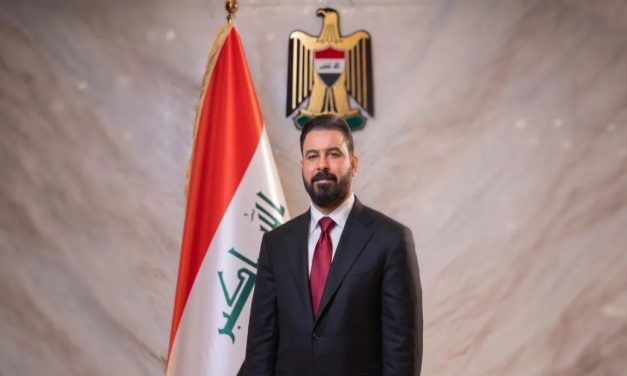
SCFR Online – Note: After approximately five months of political deadlock and institutional confusion, Ali al-Zaydi has finally been selected as Iraq’s Prime Minister. Al-Zaydi’s selection as Prime Minister represents a positive sign of the completion of the government formation process and the beginning of a new phase in Iraqi politics and governance. The emergence of a young, technocratic figure from the third generation of politicians—in a context where the country has been administered by traditional figures for decades—revives hope that Iraq may perhaps distance itself from the repetitive cycle of crises and experience a new path of stability, efficiency, and regional convergence.

Intensifying Intra-Party Divisions in the United States Regarding the Zionist Regime

SCFR Online – Note: Over recent decades, support for the Zionist regime has been one of the few issues commanding bipartisan consensus in US foreign policy. Since the Cold War era, Republicans and Democrats have generally agreed on the necessity of preserving the security and survival of the Zionist regime as Washington’s most strategic ally in West Asia—and indeed, globally. However, developments in recent years—particularly the Gaza war, escalating regional conflicts, the expansion of tensions into Lebanon, and this regime’s recent warmongering against Iran—have caused this traditional consensus, especially within the Democratic Party, to face significant fractures.

Public Opinion Disappointment of the Zionist Regime Regarding Success in War with Iran

SCFR Online – Opinion: The internal situation of the Israeli regime during the 40-day war can be analyzed from several perspectives. The popularity levels of Benjamin Netanyahu, the Likud Party, and the ruling coalition led by Netanyahu until February 28, 2026, remained approximately the same as during the preceding year. The most recent factor that had somewhat increased Netanyahu’s popularity was the advancement of the 2024 war with Hezbollah Lebanon. Subsequently, his popularity temporarily increased during the 12-day war with Iran, but after the war, it returned to its previous state.

Loading

Zionist regime

Claims of a US Arms Embargo against Zionist Regime Reveal America’s Deception

Claims of a US Arms Embargo against Zionist Regime Reveal America’s Deception

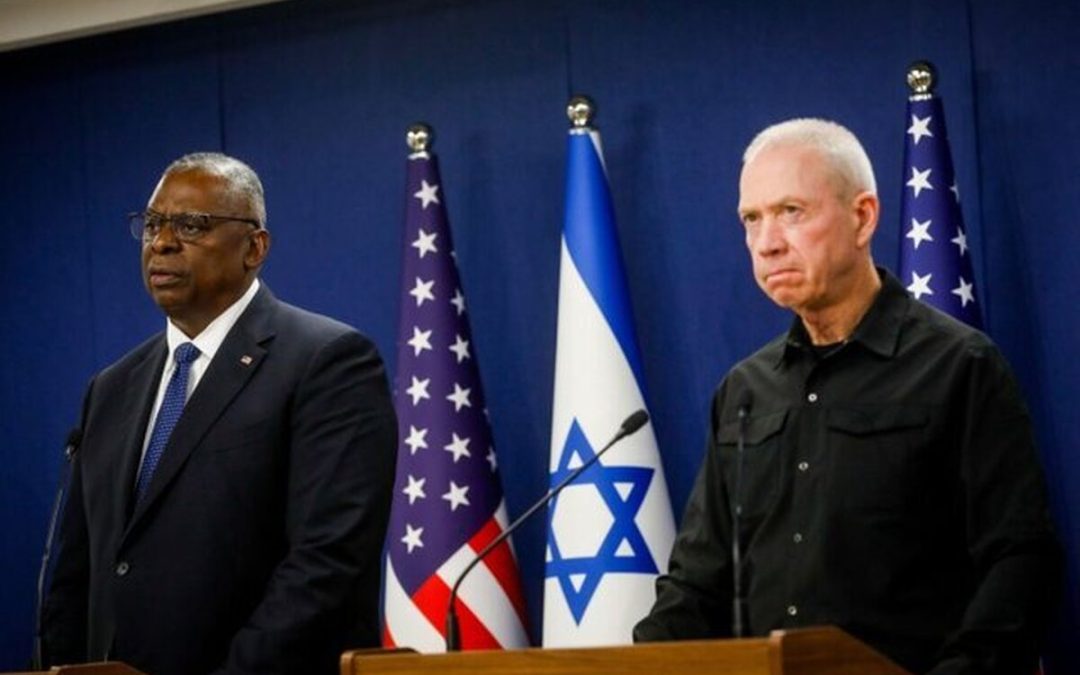
Strategic Council Online – Interview: An expert on international issues said that the US claims to have suspended sending weapons to the Zionist regime is a political deception to silence public opinion because this would make no difference in the nature of Washington’s support for the Zionist army and the existence of this regime.

Europe’s Confusion in Securing Bab al-Mandab Strait and the Red Sea

Europe’s Confusion in Securing Bab al-Mandab Strait and the Red Sea

Strategic Council Online – Opinion: The strategic Strait of Bab al-Mandab and the Red Sea have recently faced serious problems and crises due to the Gaza war. This is because of the protectionist approach of the Yemeni army forces toward Palestine, which, since the beginning of the Israeli regime’s attacks on the Gaza Strip, has included attacks on ships bound for or from the origin of the regime in the Red Sea.
They said they will continue their attacks until the Israeli regime’s military aggression in the Gaza Strip ends. The United States, as the most important supporter of the Israeli regime, was the first country to respond to this policy of Yemeni army forces and tried to form a global coalition to counter these attacks under the cover of supporting freedom of navigation, which, of course, failed because of conflicts of interests of Western countries and ended in the actions of the US and British attacks on positions in Yemen. Of course, although European countries were not seriously involved in the American coalition, they have numerous and complex interests in this inflammatory, and as a result, have adopted a particular and independent approach.
Dr. Mohammad Mehdi Mazaheri – University Professor

Messages and Consequences of Student Protests in the United States

Messages and Consequences of Student Protests in the United States

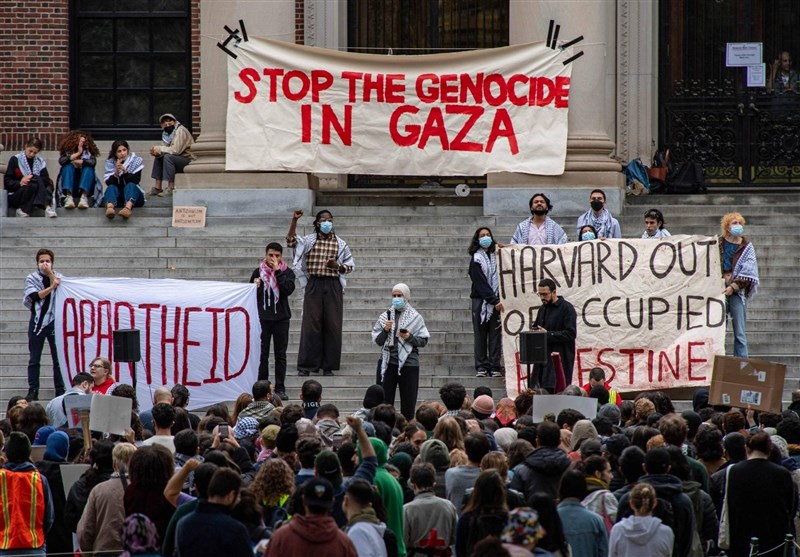
Strategic Council Online – Opinion: Student protests in America take on new dimensions every day.
Because the university enjoys higher public trust and social capital than other civil and social institutions and is, therefore, more effective, the current protests put the U.S. government in a “difficult situation” that is clear in the statements of current and former U.S. officials.
Hamid Khoshayand – International Affairs Expert

Strategic Importance of India-Middle East-Europe Economic Corridor

Strategic Importance of India-Middle East-Europe Economic Corridor

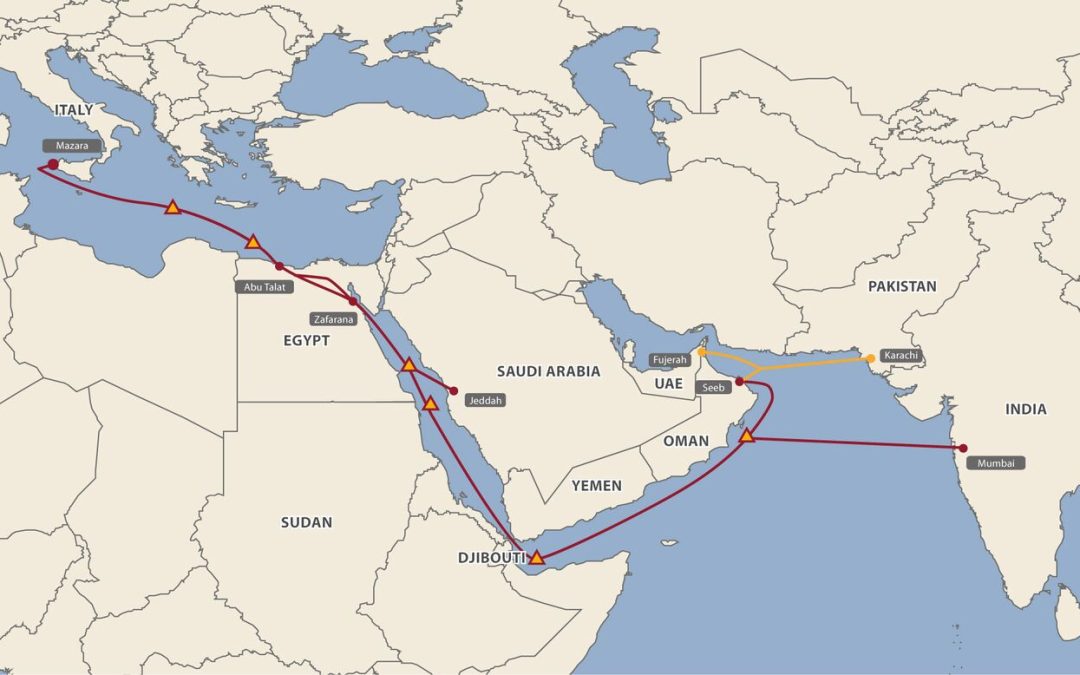
Strategic Council Online – Interview: An expert on subcontinental issues said that India and the United Arab Emirates are working on the first phase of the creation of the India-Middle East-Europe Economic Corridor, known as the IMEC Corridor (ArabMed), which is an alternative route to the Strait of Hormuz and China’s Silk Road plan. Although there are some speculations that with the continuation of the war in Gaza and the unrest in the Middle East, work on this corridor may be sidelined.

Netanyahu’s War Cabinet’s Efforts to Divert Public Opinion from The Gaza War

Netanyahu’s War Cabinet’s Efforts to Divert Public Opinion from The Gaza War

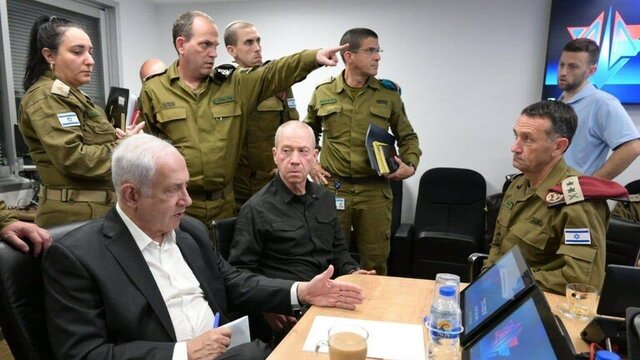
Strategic Council Online – Opinion: The Zionist regime is trying to “psychologically exploit” the recent events in the region to divert the world public opinion from the crimes this regime is committing in Gaza. Examining the atmosphere prevailing in the political and media circles of the Zionist regime and the centers aligned with it at the regional and international level shows that this regime seeks to “highlight and dominate” the recent tensions with the Islamic Republic of Iran so that it could reduce the heavy pressure that is felt in the domestic, regional, and international public opinion and even European governments against the Gaza war.
Hamid Khoshayand – expert on regional issues

An Analysis on Military Confrontation between Iran and the Zionist Regime

An Analysis on Military Confrontation between Iran and the Zionist Regime

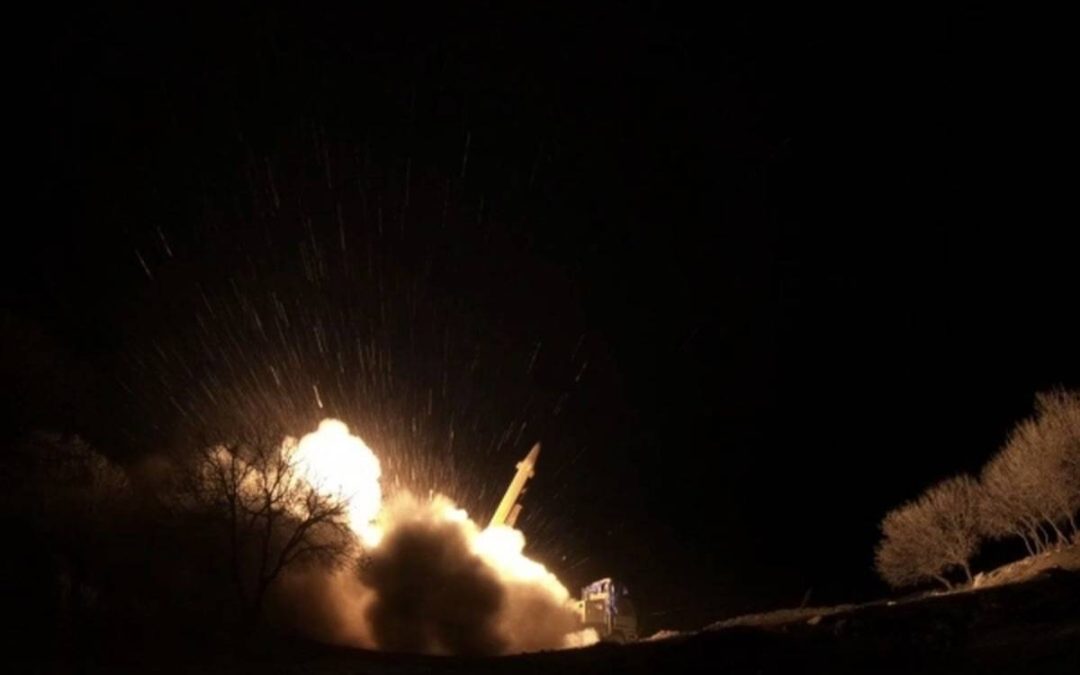
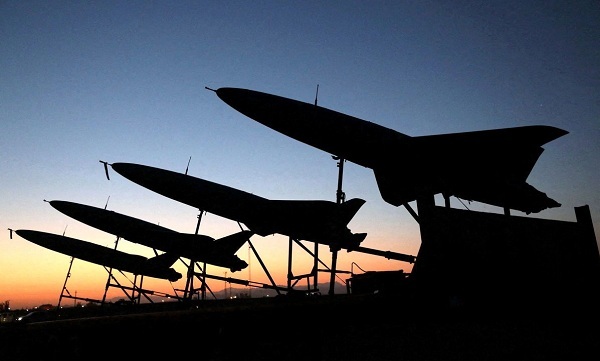
Strategic Council Online – Interview: An expert on West Asian issues said: In the last hours of April 14, the Islamic Republic of Iran launched a missile and drone attack against the Occupied Territories, which continued until the next morning. This was despite Iran’s prior notification to some regional and transregional countries about the certainty of our country’s response and military action; America and Israel could not prevent this attack.

An Analysis on Importance & Status of Measures Taken by the Hague Court Regarding the Gaza War

An Analysis on Importance & Status of Measures Taken by the Hague Court Regarding the Gaza War

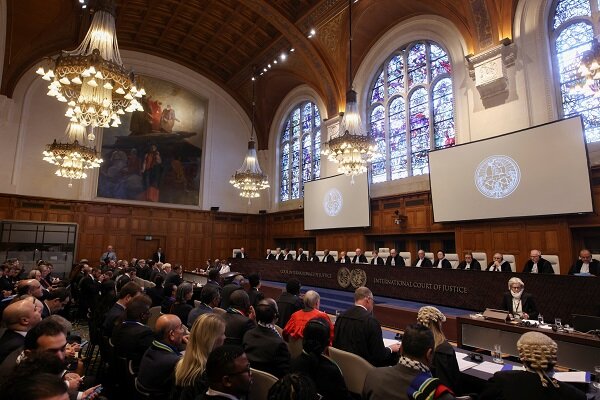
Strategic Council Online – Interview: A former Iranian diplomat says The Court of Justice at the Hauge adopted new measures in early April, according to which the Zionist regime “given the worsening conditions of life faced by Palestinians in Gaza, in particular, the spread of famine and starvation,” shall take “all necessary and effective measures to ensure, without delay, in full cooperation with the United Nations, the unhindered provision at scale by all concerned of urgently needed basic services and humanitarian assistance to Palestinians throughout Gaza.”

An analysis of the failure of the Zionist regime’s strategy in the Gaza war

An analysis of the failure of the Zionist regime’s strategy in the Gaza war

Strategic Council Online – Opinion: More than six months have passed since the war in Gaza. Although the Zionist regime was fully supported by the United States during this period and is present in the war scene with all its might, it has not been able to achieve any of its “declared” and “practical” goals.
Hamid Khoshayand –Expert of regional issues

Characteristics and Strategic Consequences of Iran’s Historic Response to Zionist Regime

Characteristics and Strategic Consequences of Iran’s Historic Response to Zionist Regime

Strategic Council Online—Opinion: There are two different views about the Islamic Republic of Iran’s missile attacks against the Zionist regime. The first view is based on a superficial reading and a reductionist description that evaluates it as a low-impact and not-so-extensive operation. The second view, a realistic reading, sees Iran’s response as opening a new page of “balance of power” and “turning point” in regional equations, the effects and consequences of which will gradually emerge.

أحدث الوظائف

Iran’s Success in the Narrative Battle in Cyberspace

SCFR Online – Opinion: In the war between Iran and the United States, the main battlefield was not defined solely in the military domain; rather, the battle of narratives in cyberspace—particularly through memes—reached a decisive level.
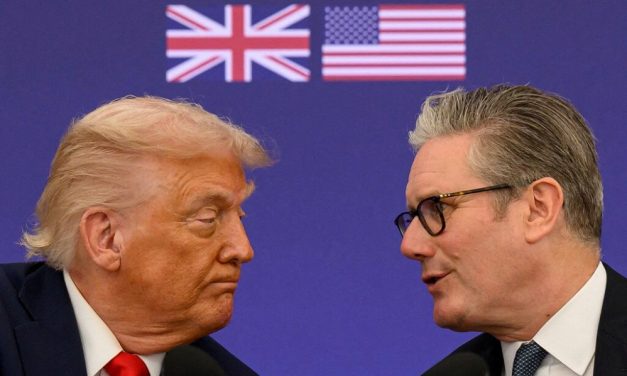
The Global Energy Shock Situation and Future Scenarios

SCFR Online – Opinion: Only one month after the beginning of the Ramadan War, maritime traffic in the Strait of Hormuz decreased dramatically, with Bloomberg announcing a reduction of 103 vessels; Brent oil prices rose by more than 50 percent, and gasoline prices in the United States increased by 31.4 percent. Additionally, benchmark gas prices in Europe showed a 73.4 percent increase.

Al-Zaydi’s Selection as Prime Minister, The Beginning of a New Chapter in Iraq

SCFR Online – Note: After approximately five months of political deadlock and institutional confusion, Ali al-Zaydi has finally been selected as Iraq’s Prime Minister. Al-Zaydi’s selection as Prime Minister represents a positive sign of the completion of the government formation process and the beginning of a new phase in Iraqi politics and governance. The emergence of a young, technocratic figure from the third generation of politicians—in a context where the country has been administered by traditional figures for decades—revives hope that Iraq may perhaps distance itself from the repetitive cycle of crises and experience a new path of stability, efficiency, and regional convergence.

Intensifying Intra-Party Divisions in the United States Regarding the Zionist Regime

SCFR Online – Note: Over recent decades, support for the Zionist regime has been one of the few issues commanding bipartisan consensus in US foreign policy. Since the Cold War era, Republicans and Democrats have generally agreed on the necessity of preserving the security and survival of the Zionist regime as Washington’s most strategic ally in West Asia—and indeed, globally. However, developments in recent years—particularly the Gaza war, escalating regional conflicts, the expansion of tensions into Lebanon, and this regime’s recent warmongering against Iran—have caused this traditional consensus, especially within the Democratic Party, to face significant fractures.

Public Opinion Disappointment of the Zionist Regime Regarding Success in War with Iran

SCFR Online – Opinion: The internal situation of the Israeli regime during the 40-day war can be analyzed from several perspectives. The popularity levels of Benjamin Netanyahu, the Likud Party, and the ruling coalition led by Netanyahu until February 28, 2026, remained approximately the same as during the preceding year. The most recent factor that had somewhat increased Netanyahu’s popularity was the advancement of the 2024 war with Hezbollah Lebanon. Subsequently, his popularity temporarily increased during the 12-day war with Iran, but after the war, it returned to its previous state.

Loading

Zionist regime

Claims of a US Arms Embargo against Zionist Regime Reveal America’s Deception

Claims of a US Arms Embargo against Zionist Regime Reveal America’s Deception

Strategic Council Online – Interview: An expert on international issues said that the US claims to have suspended sending weapons to the Zionist regime is a political deception to silence public opinion because this would make no difference in the nature of Washington’s support for the Zionist army and the existence of this regime.

Europe’s Confusion in Securing Bab al-Mandab Strait and the Red Sea

Europe’s Confusion in Securing Bab al-Mandab Strait and the Red Sea

Strategic Council Online – Opinion: The strategic Strait of Bab al-Mandab and the Red Sea have recently faced serious problems and crises due to the Gaza war. This is because of the protectionist approach of the Yemeni army forces toward Palestine, which, since the beginning of the Israeli regime’s attacks on the Gaza Strip, has included attacks on ships bound for or from the origin of the regime in the Red Sea.
They said they will continue their attacks until the Israeli regime’s military aggression in the Gaza Strip ends. The United States, as the most important supporter of the Israeli regime, was the first country to respond to this policy of Yemeni army forces and tried to form a global coalition to counter these attacks under the cover of supporting freedom of navigation, which, of course, failed because of conflicts of interests of Western countries and ended in the actions of the US and British attacks on positions in Yemen. Of course, although European countries were not seriously involved in the American coalition, they have numerous and complex interests in this inflammatory, and as a result, have adopted a particular and independent approach.
Dr. Mohammad Mehdi Mazaheri – University Professor

Messages and Consequences of Student Protests in the United States

Messages and Consequences of Student Protests in the United States

Strategic Council Online – Opinion: Student protests in America take on new dimensions every day.
Because the university enjoys higher public trust and social capital than other civil and social institutions and is, therefore, more effective, the current protests put the U.S. government in a “difficult situation” that is clear in the statements of current and former U.S. officials.
Hamid Khoshayand – International Affairs Expert

Strategic Importance of India-Middle East-Europe Economic Corridor

Strategic Importance of India-Middle East-Europe Economic Corridor

Strategic Council Online – Interview: An expert on subcontinental issues said that India and the United Arab Emirates are working on the first phase of the creation of the India-Middle East-Europe Economic Corridor, known as the IMEC Corridor (ArabMed), which is an alternative route to the Strait of Hormuz and China’s Silk Road plan. Although there are some speculations that with the continuation of the war in Gaza and the unrest in the Middle East, work on this corridor may be sidelined.

Netanyahu’s War Cabinet’s Efforts to Divert Public Opinion from The Gaza War

Netanyahu’s War Cabinet’s Efforts to Divert Public Opinion from The Gaza War

Strategic Council Online – Opinion: The Zionist regime is trying to “psychologically exploit” the recent events in the region to divert the world public opinion from the crimes this regime is committing in Gaza. Examining the atmosphere prevailing in the political and media circles of the Zionist regime and the centers aligned with it at the regional and international level shows that this regime seeks to “highlight and dominate” the recent tensions with the Islamic Republic of Iran so that it could reduce the heavy pressure that is felt in the domestic, regional, and international public opinion and even European governments against the Gaza war.
Hamid Khoshayand – expert on regional issues

An Analysis on Military Confrontation between Iran and the Zionist Regime

An Analysis on Military Confrontation between Iran and the Zionist Regime

Strategic Council Online – Interview: An expert on West Asian issues said: In the last hours of April 14, the Islamic Republic of Iran launched a missile and drone attack against the Occupied Territories, which continued until the next morning. This was despite Iran’s prior notification to some regional and transregional countries about the certainty of our country’s response and military action; America and Israel could not prevent this attack.

An Analysis on Importance & Status of Measures Taken by the Hague Court Regarding the Gaza War

An Analysis on Importance & Status of Measures Taken by the Hague Court Regarding the Gaza War

Strategic Council Online – Interview: A former Iranian diplomat says The Court of Justice at the Hauge adopted new measures in early April, according to which the Zionist regime “given the worsening conditions of life faced by Palestinians in Gaza, in particular, the spread of famine and starvation,” shall take “all necessary and effective measures to ensure, without delay, in full cooperation with the United Nations, the unhindered provision at scale by all concerned of urgently needed basic services and humanitarian assistance to Palestinians throughout Gaza.”

An analysis of the failure of the Zionist regime’s strategy in the Gaza war

An analysis of the failure of the Zionist regime’s strategy in the Gaza war

Strategic Council Online – Opinion: More than six months have passed since the war in Gaza. Although the Zionist regime was fully supported by the United States during this period and is present in the war scene with all its might, it has not been able to achieve any of its “declared” and “practical” goals.
Hamid Khoshayand –Expert of regional issues

Characteristics and Strategic Consequences of Iran’s Historic Response to Zionist Regime

Characteristics and Strategic Consequences of Iran’s Historic Response to Zionist Regime

Strategic Council Online—Opinion: There are two different views about the Islamic Republic of Iran’s missile attacks against the Zionist regime. The first view is based on a superficial reading and a reductionist description that evaluates it as a low-impact and not-so-extensive operation. The second view, a realistic reading, sees Iran’s response as opening a new page of “balance of power” and “turning point” in regional equations, the effects and consequences of which will gradually emerge.

Zionist regime

Claims of a US Arms Embargo against Zionist Regime Reveal America’s Deception

Claims of a US Arms Embargo against Zionist Regime Reveal America’s Deception

Strategic Council Online – Interview: An expert on international issues said that the US claims to have suspended sending weapons to the Zionist regime is a political deception to silence public opinion because this would make no difference in the nature of Washington’s support for the Zionist army and the existence of this regime.

Europe’s Confusion in Securing Bab al-Mandab Strait and the Red Sea

Europe’s Confusion in Securing Bab al-Mandab Strait and the Red Sea

Strategic Council Online – Opinion: The strategic Strait of Bab al-Mandab and the Red Sea have recently faced serious problems and crises due to the Gaza war. This is because of the protectionist approach of the Yemeni army forces toward Palestine, which, since the beginning of the Israeli regime’s attacks on the Gaza Strip, has included attacks on ships bound for or from the origin of the regime in the Red Sea.
They said they will continue their attacks until the Israeli regime’s military aggression in the Gaza Strip ends. The United States, as the most important supporter of the Israeli regime, was the first country to respond to this policy of Yemeni army forces and tried to form a global coalition to counter these attacks under the cover of supporting freedom of navigation, which, of course, failed because of conflicts of interests of Western countries and ended in the actions of the US and British attacks on positions in Yemen. Of course, although European countries were not seriously involved in the American coalition, they have numerous and complex interests in this inflammatory, and as a result, have adopted a particular and independent approach.
Dr. Mohammad Mehdi Mazaheri – University Professor

Messages and Consequences of Student Protests in the United States

Messages and Consequences of Student Protests in the United States

Strategic Council Online – Opinion: Student protests in America take on new dimensions every day.
Because the university enjoys higher public trust and social capital than other civil and social institutions and is, therefore, more effective, the current protests put the U.S. government in a “difficult situation” that is clear in the statements of current and former U.S. officials.
Hamid Khoshayand – International Affairs Expert

Strategic Importance of India-Middle East-Europe Economic Corridor

Strategic Importance of India-Middle East-Europe Economic Corridor

Strategic Council Online – Interview: An expert on subcontinental issues said that India and the United Arab Emirates are working on the first phase of the creation of the India-Middle East-Europe Economic Corridor, known as the IMEC Corridor (ArabMed), which is an alternative route to the Strait of Hormuz and China’s Silk Road plan. Although there are some speculations that with the continuation of the war in Gaza and the unrest in the Middle East, work on this corridor may be sidelined.

Netanyahu’s War Cabinet’s Efforts to Divert Public Opinion from The Gaza War

Netanyahu’s War Cabinet’s Efforts to Divert Public Opinion from The Gaza War

Strategic Council Online – Opinion: The Zionist regime is trying to “psychologically exploit” the recent events in the region to divert the world public opinion from the crimes this regime is committing in Gaza. Examining the atmosphere prevailing in the political and media circles of the Zionist regime and the centers aligned with it at the regional and international level shows that this regime seeks to “highlight and dominate” the recent tensions with the Islamic Republic of Iran so that it could reduce the heavy pressure that is felt in the domestic, regional, and international public opinion and even European governments against the Gaza war.
Hamid Khoshayand – expert on regional issues

An Analysis on Military Confrontation between Iran and the Zionist Regime

An Analysis on Military Confrontation between Iran and the Zionist Regime

Strategic Council Online – Interview: An expert on West Asian issues said: In the last hours of April 14, the Islamic Republic of Iran launched a missile and drone attack against the Occupied Territories, which continued until the next morning. This was despite Iran’s prior notification to some regional and transregional countries about the certainty of our country’s response and military action; America and Israel could not prevent this attack.

An Analysis on Importance & Status of Measures Taken by the Hague Court Regarding the Gaza War

An Analysis on Importance & Status of Measures Taken by the Hague Court Regarding the Gaza War

Strategic Council Online – Interview: A former Iranian diplomat says The Court of Justice at the Hauge adopted new measures in early April, according to which the Zionist regime “given the worsening conditions of life faced by Palestinians in Gaza, in particular, the spread of famine and starvation,” shall take “all necessary and effective measures to ensure, without delay, in full cooperation with the United Nations, the unhindered provision at scale by all concerned of urgently needed basic services and humanitarian assistance to Palestinians throughout Gaza.”

An analysis of the failure of the Zionist regime’s strategy in the Gaza war

An analysis of the failure of the Zionist regime’s strategy in the Gaza war

Strategic Council Online – Opinion: More than six months have passed since the war in Gaza. Although the Zionist regime was fully supported by the United States during this period and is present in the war scene with all its might, it has not been able to achieve any of its “declared” and “practical” goals.
Hamid Khoshayand –Expert of regional issues

Characteristics and Strategic Consequences of Iran’s Historic Response to Zionist Regime

Characteristics and Strategic Consequences of Iran’s Historic Response to Zionist Regime

Strategic Council Online—Opinion: There are two different views about the Islamic Republic of Iran’s missile attacks against the Zionist regime. The first view is based on a superficial reading and a reductionist description that evaluates it as a low-impact and not-so-extensive operation. The second view, a realistic reading, sees Iran’s response as opening a new page of “balance of power” and “turning point” in regional equations, the effects and consequences of which will gradually emerge.

LATEST CONTENT

Iran’s Success in the Narrative Battle in Cyberspace

SCFR Online – Opinion: In the war between Iran and the United States, the main battlefield was not defined solely in the military domain; rather, the battle of narratives in cyberspace—particularly through memes—reached a decisive level.

The Global Energy Shock Situation and Future Scenarios

SCFR Online – Opinion: Only one month after the beginning of the Ramadan War, maritime traffic in the Strait of Hormuz decreased dramatically, with Bloomberg announcing a reduction of 103 vessels; Brent oil prices rose by more than 50 percent, and gasoline prices in the United States increased by 31.4 percent. Additionally, benchmark gas prices in Europe showed a 73.4 percent increase.

Al-Zaydi’s Selection as Prime Minister, The Beginning of a New Chapter in Iraq

SCFR Online – Note: After approximately five months of political deadlock and institutional confusion, Ali al-Zaydi has finally been selected as Iraq’s Prime Minister. Al-Zaydi’s selection as Prime Minister represents a positive sign of the completion of the government formation process and the beginning of a new phase in Iraqi politics and governance. The emergence of a young, technocratic figure from the third generation of politicians—in a context where the country has been administered by traditional figures for decades—revives hope that Iraq may perhaps distance itself from the repetitive cycle of crises and experience a new path of stability, efficiency, and regional convergence.

Intensifying Intra-Party Divisions in the United States Regarding the Zionist Regime

SCFR Online – Note: Over recent decades, support for the Zionist regime has been one of the few issues commanding bipartisan consensus in US foreign policy. Since the Cold War era, Republicans and Democrats have generally agreed on the necessity of preserving the security and survival of the Zionist regime as Washington’s most strategic ally in West Asia—and indeed, globally. However, developments in recent years—particularly the Gaza war, escalating regional conflicts, the expansion of tensions into Lebanon, and this regime’s recent warmongering against Iran—have caused this traditional consensus, especially within the Democratic Party, to face significant fractures.

Public Opinion Disappointment of the Zionist Regime Regarding Success in War with Iran

SCFR Online – Opinion: The internal situation of the Israeli regime during the 40-day war can be analyzed from several perspectives. The popularity levels of Benjamin Netanyahu, the Likud Party, and the ruling coalition led by Netanyahu until February 28, 2026, remained approximately the same as during the preceding year. The most recent factor that had somewhat increased Netanyahu’s popularity was the advancement of the 2024 war with Hezbollah Lebanon. Subsequently, his popularity temporarily increased during the 12-day war with Iran, but after the war, it returned to its previous state.

Loading

Zionist regime

Claims of a US Arms Embargo against Zionist Regime Reveal America’s Deception

Claims of a US Arms Embargo against Zionist Regime Reveal America’s Deception

Strategic Council Online – Interview: An expert on international issues said that the US claims to have suspended sending weapons to the Zionist regime is a political deception to silence public opinion because this would make no difference in the nature of Washington’s support for the Zionist army and the existence of this regime.

Europe’s Confusion in Securing Bab al-Mandab Strait and the Red Sea

Europe’s Confusion in Securing Bab al-Mandab Strait and the Red Sea

Strategic Council Online – Opinion: The strategic Strait of Bab al-Mandab and the Red Sea have recently faced serious problems and crises due to the Gaza war. This is because of the protectionist approach of the Yemeni army forces toward Palestine, which, since the beginning of the Israeli regime’s attacks on the Gaza Strip, has included attacks on ships bound for or from the origin of the regime in the Red Sea.
They said they will continue their attacks until the Israeli regime’s military aggression in the Gaza Strip ends. The United States, as the most important supporter of the Israeli regime, was the first country to respond to this policy of Yemeni army forces and tried to form a global coalition to counter these attacks under the cover of supporting freedom of navigation, which, of course, failed because of conflicts of interests of Western countries and ended in the actions of the US and British attacks on positions in Yemen. Of course, although European countries were not seriously involved in the American coalition, they have numerous and complex interests in this inflammatory, and as a result, have adopted a particular and independent approach.
Dr. Mohammad Mehdi Mazaheri – University Professor

Messages and Consequences of Student Protests in the United States

Messages and Consequences of Student Protests in the United States

Strategic Council Online – Opinion: Student protests in America take on new dimensions every day.
Because the university enjoys higher public trust and social capital than other civil and social institutions and is, therefore, more effective, the current protests put the U.S. government in a “difficult situation” that is clear in the statements of current and former U.S. officials.
Hamid Khoshayand – International Affairs Expert

Strategic Importance of India-Middle East-Europe Economic Corridor

Strategic Importance of India-Middle East-Europe Economic Corridor

Strategic Council Online – Interview: An expert on subcontinental issues said that India and the United Arab Emirates are working on the first phase of the creation of the India-Middle East-Europe Economic Corridor, known as the IMEC Corridor (ArabMed), which is an alternative route to the Strait of Hormuz and China’s Silk Road plan. Although there are some speculations that with the continuation of the war in Gaza and the unrest in the Middle East, work on this corridor may be sidelined.

Netanyahu’s War Cabinet’s Efforts to Divert Public Opinion from The Gaza War

Netanyahu’s War Cabinet’s Efforts to Divert Public Opinion from The Gaza War

Strategic Council Online – Opinion: The Zionist regime is trying to “psychologically exploit” the recent events in the region to divert the world public opinion from the crimes this regime is committing in Gaza. Examining the atmosphere prevailing in the political and media circles of the Zionist regime and the centers aligned with it at the regional and international level shows that this regime seeks to “highlight and dominate” the recent tensions with the Islamic Republic of Iran so that it could reduce the heavy pressure that is felt in the domestic, regional, and international public opinion and even European governments against the Gaza war.
Hamid Khoshayand – expert on regional issues

An Analysis on Military Confrontation between Iran and the Zionist Regime

An Analysis on Military Confrontation between Iran and the Zionist Regime

Strategic Council Online – Interview: An expert on West Asian issues said: In the last hours of April 14, the Islamic Republic of Iran launched a missile and drone attack against the Occupied Territories, which continued until the next morning. This was despite Iran’s prior notification to some regional and transregional countries about the certainty of our country’s response and military action; America and Israel could not prevent this attack.

An Analysis on Importance & Status of Measures Taken by the Hague Court Regarding the Gaza War

An Analysis on Importance & Status of Measures Taken by the Hague Court Regarding the Gaza War

Strategic Council Online – Interview: A former Iranian diplomat says The Court of Justice at the Hauge adopted new measures in early April, according to which the Zionist regime “given the worsening conditions of life faced by Palestinians in Gaza, in particular, the spread of famine and starvation,” shall take “all necessary and effective measures to ensure, without delay, in full cooperation with the United Nations, the unhindered provision at scale by all concerned of urgently needed basic services and humanitarian assistance to Palestinians throughout Gaza.”

An analysis of the failure of the Zionist regime’s strategy in the Gaza war

An analysis of the failure of the Zionist regime’s strategy in the Gaza war

Strategic Council Online – Opinion: More than six months have passed since the war in Gaza. Although the Zionist regime was fully supported by the United States during this period and is present in the war scene with all its might, it has not been able to achieve any of its “declared” and “practical” goals.
Hamid Khoshayand –Expert of regional issues

Characteristics and Strategic Consequences of Iran’s Historic Response to Zionist Regime

Characteristics and Strategic Consequences of Iran’s Historic Response to Zionist Regime

Strategic Council Online—Opinion: There are two different views about the Islamic Republic of Iran’s missile attacks against the Zionist regime. The first view is based on a superficial reading and a reductionist description that evaluates it as a low-impact and not-so-extensive operation. The second view, a realistic reading, sees Iran’s response as opening a new page of “balance of power” and “turning point” in regional equations, the effects and consequences of which will gradually emerge.

ÚLTIMAS PUBLICACIONES

Iran’s Success in the Narrative Battle in Cyberspace

SCFR Online – Opinion: In the war between Iran and the United States, the main battlefield was not defined solely in the military domain; rather, the battle of narratives in cyberspace—particularly through memes—reached a decisive level.

The Global Energy Shock Situation and Future Scenarios

SCFR Online – Opinion: Only one month after the beginning of the Ramadan War, maritime traffic in the Strait of Hormuz decreased dramatically, with Bloomberg announcing a reduction of 103 vessels; Brent oil prices rose by more than 50 percent, and gasoline prices in the United States increased by 31.4 percent. Additionally, benchmark gas prices in Europe showed a 73.4 percent increase.

Al-Zaydi’s Selection as Prime Minister, The Beginning of a New Chapter in Iraq

SCFR Online – Note: After approximately five months of political deadlock and institutional confusion, Ali al-Zaydi has finally been selected as Iraq’s Prime Minister. Al-Zaydi’s selection as Prime Minister represents a positive sign of the completion of the government formation process and the beginning of a new phase in Iraqi politics and governance. The emergence of a young, technocratic figure from the third generation of politicians—in a context where the country has been administered by traditional figures for decades—revives hope that Iraq may perhaps distance itself from the repetitive cycle of crises and experience a new path of stability, efficiency, and regional convergence.

Intensifying Intra-Party Divisions in the United States Regarding the Zionist Regime

SCFR Online – Note: Over recent decades, support for the Zionist regime has been one of the few issues commanding bipartisan consensus in US foreign policy. Since the Cold War era, Republicans and Democrats have generally agreed on the necessity of preserving the security and survival of the Zionist regime as Washington’s most strategic ally in West Asia—and indeed, globally. However, developments in recent years—particularly the Gaza war, escalating regional conflicts, the expansion of tensions into Lebanon, and this regime’s recent warmongering against Iran—have caused this traditional consensus, especially within the Democratic Party, to face significant fractures.

Public Opinion Disappointment of the Zionist Regime Regarding Success in War with Iran

SCFR Online – Opinion: The internal situation of the Israeli regime during the 40-day war can be analyzed from several perspectives. The popularity levels of Benjamin Netanyahu, the Likud Party, and the ruling coalition led by Netanyahu until February 28, 2026, remained approximately the same as during the preceding year. The most recent factor that had somewhat increased Netanyahu’s popularity was the advancement of the 2024 war with Hezbollah Lebanon. Subsequently, his popularity temporarily increased during the 12-day war with Iran, but after the war, it returned to its previous state.

Loading

Zionist regime

Claims of a US Arms Embargo against Zionist Regime Reveal America’s Deception

Claims of a US Arms Embargo against Zionist Regime Reveal America’s Deception

Strategic Council Online – Interview: An expert on international issues said that the US claims to have suspended sending weapons to the Zionist regime is a political deception to silence public opinion because this would make no difference in the nature of Washington’s support for the Zionist army and the existence of this regime.

Europe’s Confusion in Securing Bab al-Mandab Strait and the Red Sea

Europe’s Confusion in Securing Bab al-Mandab Strait and the Red Sea

Strategic Council Online – Opinion: The strategic Strait of Bab al-Mandab and the Red Sea have recently faced serious problems and crises due to the Gaza war. This is because of the protectionist approach of the Yemeni army forces toward Palestine, which, since the beginning of the Israeli regime’s attacks on the Gaza Strip, has included attacks on ships bound for or from the origin of the regime in the Red Sea.
They said they will continue their attacks until the Israeli regime’s military aggression in the Gaza Strip ends. The United States, as the most important supporter of the Israeli regime, was the first country to respond to this policy of Yemeni army forces and tried to form a global coalition to counter these attacks under the cover of supporting freedom of navigation, which, of course, failed because of conflicts of interests of Western countries and ended in the actions of the US and British attacks on positions in Yemen. Of course, although European countries were not seriously involved in the American coalition, they have numerous and complex interests in this inflammatory, and as a result, have adopted a particular and independent approach.
Dr. Mohammad Mehdi Mazaheri – University Professor

Messages and Consequences of Student Protests in the United States

Messages and Consequences of Student Protests in the United States

Strategic Council Online – Opinion: Student protests in America take on new dimensions every day.
Because the university enjoys higher public trust and social capital than other civil and social institutions and is, therefore, more effective, the current protests put the U.S. government in a “difficult situation” that is clear in the statements of current and former U.S. officials.
Hamid Khoshayand – International Affairs Expert

Strategic Importance of India-Middle East-Europe Economic Corridor

Strategic Importance of India-Middle East-Europe Economic Corridor

Strategic Council Online – Interview: An expert on subcontinental issues said that India and the United Arab Emirates are working on the first phase of the creation of the India-Middle East-Europe Economic Corridor, known as the IMEC Corridor (ArabMed), which is an alternative route to the Strait of Hormuz and China’s Silk Road plan. Although there are some speculations that with the continuation of the war in Gaza and the unrest in the Middle East, work on this corridor may be sidelined.

Netanyahu’s War Cabinet’s Efforts to Divert Public Opinion from The Gaza War

Netanyahu’s War Cabinet’s Efforts to Divert Public Opinion from The Gaza War

Strategic Council Online – Opinion: The Zionist regime is trying to “psychologically exploit” the recent events in the region to divert the world public opinion from the crimes this regime is committing in Gaza. Examining the atmosphere prevailing in the political and media circles of the Zionist regime and the centers aligned with it at the regional and international level shows that this regime seeks to “highlight and dominate” the recent tensions with the Islamic Republic of Iran so that it could reduce the heavy pressure that is felt in the domestic, regional, and international public opinion and even European governments against the Gaza war.
Hamid Khoshayand – expert on regional issues

An Analysis on Military Confrontation between Iran and the Zionist Regime

An Analysis on Military Confrontation between Iran and the Zionist Regime

Strategic Council Online – Interview: An expert on West Asian issues said: In the last hours of April 14, the Islamic Republic of Iran launched a missile and drone attack against the Occupied Territories, which continued until the next morning. This was despite Iran’s prior notification to some regional and transregional countries about the certainty of our country’s response and military action; America and Israel could not prevent this attack.

An Analysis on Importance & Status of Measures Taken by the Hague Court Regarding the Gaza War

An Analysis on Importance & Status of Measures Taken by the Hague Court Regarding the Gaza War

Strategic Council Online – Interview: A former Iranian diplomat says The Court of Justice at the Hauge adopted new measures in early April, according to which the Zionist regime “given the worsening conditions of life faced by Palestinians in Gaza, in particular, the spread of famine and starvation,” shall take “all necessary and effective measures to ensure, without delay, in full cooperation with the United Nations, the unhindered provision at scale by all concerned of urgently needed basic services and humanitarian assistance to Palestinians throughout Gaza.”

An analysis of the failure of the Zionist regime’s strategy in the Gaza war

An analysis of the failure of the Zionist regime’s strategy in the Gaza war

Strategic Council Online – Opinion: More than six months have passed since the war in Gaza. Although the Zionist regime was fully supported by the United States during this period and is present in the war scene with all its might, it has not been able to achieve any of its “declared” and “practical” goals.
Hamid Khoshayand –Expert of regional issues

Characteristics and Strategic Consequences of Iran’s Historic Response to Zionist Regime

Characteristics and Strategic Consequences of Iran’s Historic Response to Zionist Regime

Strategic Council Online—Opinion: There are two different views about the Islamic Republic of Iran’s missile attacks against the Zionist regime. The first view is based on a superficial reading and a reductionist description that evaluates it as a low-impact and not-so-extensive operation. The second view, a realistic reading, sees Iran’s response as opening a new page of “balance of power” and “turning point” in regional equations, the effects and consequences of which will gradually emerge.

ÚLTIMAS PUBLICACIONES

Iran’s Success in the Narrative Battle in Cyberspace

SCFR Online – Opinion: In the war between Iran and the United States, the main battlefield was not defined solely in the military domain; rather, the battle of narratives in cyberspace—particularly through memes—reached a decisive level.
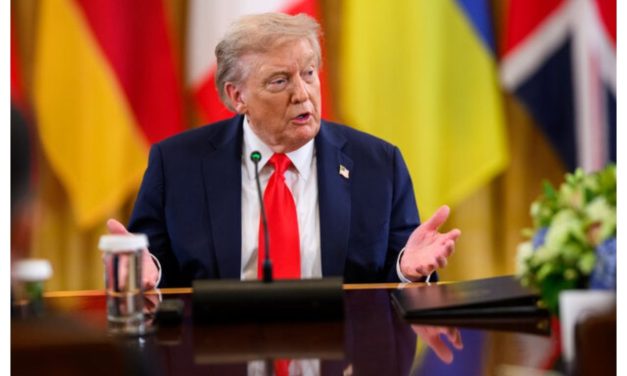
The Global Energy Shock Situation and Future Scenarios

SCFR Online – Opinion: Only one month after the beginning of the Ramadan War, maritime traffic in the Strait of Hormuz decreased dramatically, with Bloomberg announcing a reduction of 103 vessels; Brent oil prices rose by more than 50 percent, and gasoline prices in the United States increased by 31.4 percent. Additionally, benchmark gas prices in Europe showed a 73.4 percent increase.

Al-Zaydi’s Selection as Prime Minister, The Beginning of a New Chapter in Iraq

SCFR Online – Note: After approximately five months of political deadlock and institutional confusion, Ali al-Zaydi has finally been selected as Iraq’s Prime Minister. Al-Zaydi’s selection as Prime Minister represents a positive sign of the completion of the government formation process and the beginning of a new phase in Iraqi politics and governance. The emergence of a young, technocratic figure from the third generation of politicians—in a context where the country has been administered by traditional figures for decades—revives hope that Iraq may perhaps distance itself from the repetitive cycle of crises and experience a new path of stability, efficiency, and regional convergence.

Intensifying Intra-Party Divisions in the United States Regarding the Zionist Regime

SCFR Online – Note: Over recent decades, support for the Zionist regime has been one of the few issues commanding bipartisan consensus in US foreign policy. Since the Cold War era, Republicans and Democrats have generally agreed on the necessity of preserving the security and survival of the Zionist regime as Washington’s most strategic ally in West Asia—and indeed, globally. However, developments in recent years—particularly the Gaza war, escalating regional conflicts, the expansion of tensions into Lebanon, and this regime’s recent warmongering against Iran—have caused this traditional consensus, especially within the Democratic Party, to face significant fractures.

Public Opinion Disappointment of the Zionist Regime Regarding Success in War with Iran

SCFR Online – Opinion: The internal situation of the Israeli regime during the 40-day war can be analyzed from several perspectives. The popularity levels of Benjamin Netanyahu, the Likud Party, and the ruling coalition led by Netanyahu until February 28, 2026, remained approximately the same as during the preceding year. The most recent factor that had somewhat increased Netanyahu’s popularity was the advancement of the 2024 war with Hezbollah Lebanon. Subsequently, his popularity temporarily increased during the 12-day war with Iran, but after the war, it returned to its previous state.

Loading

Zionist regime

Claims of a US Arms Embargo against Zionist Regime Reveal America’s Deception

Claims of a US Arms Embargo against Zionist Regime Reveal America’s Deception

Strategic Council Online – Interview: An expert on international issues said that the US claims to have suspended sending weapons to the Zionist regime is a political deception to silence public opinion because this would make no difference in the nature of Washington’s support for the Zionist army and the existence of this regime.

Europe’s Confusion in Securing Bab al-Mandab Strait and the Red Sea

Europe’s Confusion in Securing Bab al-Mandab Strait and the Red Sea

Strategic Council Online – Opinion: The strategic Strait of Bab al-Mandab and the Red Sea have recently faced serious problems and crises due to the Gaza war. This is because of the protectionist approach of the Yemeni army forces toward Palestine, which, since the beginning of the Israeli regime’s attacks on the Gaza Strip, has included attacks on ships bound for or from the origin of the regime in the Red Sea.
They said they will continue their attacks until the Israeli regime’s military aggression in the Gaza Strip ends. The United States, as the most important supporter of the Israeli regime, was the first country to respond to this policy of Yemeni army forces and tried to form a global coalition to counter these attacks under the cover of supporting freedom of navigation, which, of course, failed because of conflicts of interests of Western countries and ended in the actions of the US and British attacks on positions in Yemen. Of course, although European countries were not seriously involved in the American coalition, they have numerous and complex interests in this inflammatory, and as a result, have adopted a particular and independent approach.
Dr. Mohammad Mehdi Mazaheri – University Professor

Messages and Consequences of Student Protests in the United States

Messages and Consequences of Student Protests in the United States

Strategic Council Online – Opinion: Student protests in America take on new dimensions every day.
Because the university enjoys higher public trust and social capital than other civil and social institutions and is, therefore, more effective, the current protests put the U.S. government in a “difficult situation” that is clear in the statements of current and former U.S. officials.
Hamid Khoshayand – International Affairs Expert

Strategic Importance of India-Middle East-Europe Economic Corridor

Strategic Importance of India-Middle East-Europe Economic Corridor

Strategic Council Online – Interview: An expert on subcontinental issues said that India and the United Arab Emirates are working on the first phase of the creation of the India-Middle East-Europe Economic Corridor, known as the IMEC Corridor (ArabMed), which is an alternative route to the Strait of Hormuz and China’s Silk Road plan. Although there are some speculations that with the continuation of the war in Gaza and the unrest in the Middle East, work on this corridor may be sidelined.

Netanyahu’s War Cabinet’s Efforts to Divert Public Opinion from The Gaza War

Netanyahu’s War Cabinet’s Efforts to Divert Public Opinion from The Gaza War

Strategic Council Online – Opinion: The Zionist regime is trying to “psychologically exploit” the recent events in the region to divert the world public opinion from the crimes this regime is committing in Gaza. Examining the atmosphere prevailing in the political and media circles of the Zionist regime and the centers aligned with it at the regional and international level shows that this regime seeks to “highlight and dominate” the recent tensions with the Islamic Republic of Iran so that it could reduce the heavy pressure that is felt in the domestic, regional, and international public opinion and even European governments against the Gaza war.
Hamid Khoshayand – expert on regional issues

An Analysis on Military Confrontation between Iran and the Zionist Regime

An Analysis on Military Confrontation between Iran and the Zionist Regime

Strategic Council Online – Interview: An expert on West Asian issues said: In the last hours of April 14, the Islamic Republic of Iran launched a missile and drone attack against the Occupied Territories, which continued until the next morning. This was despite Iran’s prior notification to some regional and transregional countries about the certainty of our country’s response and military action; America and Israel could not prevent this attack.

An Analysis on Importance & Status of Measures Taken by the Hague Court Regarding the Gaza War

An Analysis on Importance & Status of Measures Taken by the Hague Court Regarding the Gaza War

Strategic Council Online – Interview: A former Iranian diplomat says The Court of Justice at the Hauge adopted new measures in early April, according to which the Zionist regime “given the worsening conditions of life faced by Palestinians in Gaza, in particular, the spread of famine and starvation,” shall take “all necessary and effective measures to ensure, without delay, in full cooperation with the United Nations, the unhindered provision at scale by all concerned of urgently needed basic services and humanitarian assistance to Palestinians throughout Gaza.”

An analysis of the failure of the Zionist regime’s strategy in the Gaza war

An analysis of the failure of the Zionist regime’s strategy in the Gaza war

Strategic Council Online – Opinion: More than six months have passed since the war in Gaza. Although the Zionist regime was fully supported by the United States during this period and is present in the war scene with all its might, it has not been able to achieve any of its “declared” and “practical” goals.
Hamid Khoshayand –Expert of regional issues

Characteristics and Strategic Consequences of Iran’s Historic Response to Zionist Regime

Characteristics and Strategic Consequences of Iran’s Historic Response to Zionist Regime

Strategic Council Online—Opinion: There are two different views about the Islamic Republic of Iran’s missile attacks against the Zionist regime. The first view is based on a superficial reading and a reductionist description that evaluates it as a low-impact and not-so-extensive operation. The second view, a realistic reading, sees Iran’s response as opening a new page of “balance of power” and “turning point” in regional equations, the effects and consequences of which will gradually emerge.

ÚLTIMAS PUBLICACIONES

Iran’s Success in the Narrative Battle in Cyberspace

SCFR Online – Opinion: In the war between Iran and the United States, the main battlefield was not defined solely in the military domain; rather, the battle of narratives in cyberspace—particularly through memes—reached a decisive level.
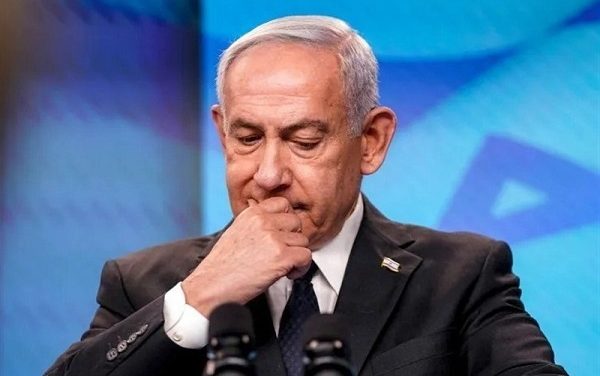
The Global Energy Shock Situation and Future Scenarios

SCFR Online – Opinion: Only one month after the beginning of the Ramadan War, maritime traffic in the Strait of Hormuz decreased dramatically, with Bloomberg announcing a reduction of 103 vessels; Brent oil prices rose by more than 50 percent, and gasoline prices in the United States increased by 31.4 percent. Additionally, benchmark gas prices in Europe showed a 73.4 percent increase.

Al-Zaydi’s Selection as Prime Minister, The Beginning of a New Chapter in Iraq

SCFR Online – Note: After approximately five months of political deadlock and institutional confusion, Ali al-Zaydi has finally been selected as Iraq’s Prime Minister. Al-Zaydi’s selection as Prime Minister represents a positive sign of the completion of the government formation process and the beginning of a new phase in Iraqi politics and governance. The emergence of a young, technocratic figure from the third generation of politicians—in a context where the country has been administered by traditional figures for decades—revives hope that Iraq may perhaps distance itself from the repetitive cycle of crises and experience a new path of stability, efficiency, and regional convergence.

Intensifying Intra-Party Divisions in the United States Regarding the Zionist Regime

SCFR Online – Note: Over recent decades, support for the Zionist regime has been one of the few issues commanding bipartisan consensus in US foreign policy. Since the Cold War era, Republicans and Democrats have generally agreed on the necessity of preserving the security and survival of the Zionist regime as Washington’s most strategic ally in West Asia—and indeed, globally. However, developments in recent years—particularly the Gaza war, escalating regional conflicts, the expansion of tensions into Lebanon, and this regime’s recent warmongering against Iran—have caused this traditional consensus, especially within the Democratic Party, to face significant fractures.

Public Opinion Disappointment of the Zionist Regime Regarding Success in War with Iran

SCFR Online – Opinion: The internal situation of the Israeli regime during the 40-day war can be analyzed from several perspectives. The popularity levels of Benjamin Netanyahu, the Likud Party, and the ruling coalition led by Netanyahu until February 28, 2026, remained approximately the same as during the preceding year. The most recent factor that had somewhat increased Netanyahu’s popularity was the advancement of the 2024 war with Hezbollah Lebanon. Subsequently, his popularity temporarily increased during the 12-day war with Iran, but after the war, it returned to its previous state.

Loading

Zionist regime

Claims of a US Arms Embargo against Zionist Regime Reveal America’s Deception

Claims of a US Arms Embargo against Zionist Regime Reveal America’s Deception

Strategic Council Online – Interview: An expert on international issues said that the US claims to have suspended sending weapons to the Zionist regime is a political deception to silence public opinion because this would make no difference in the nature of Washington’s support for the Zionist army and the existence of this regime.

Europe’s Confusion in Securing Bab al-Mandab Strait and the Red Sea

Europe’s Confusion in Securing Bab al-Mandab Strait and the Red Sea

Strategic Council Online – Opinion: The strategic Strait of Bab al-Mandab and the Red Sea have recently faced serious problems and crises due to the Gaza war. This is because of the protectionist approach of the Yemeni army forces toward Palestine, which, since the beginning of the Israeli regime’s attacks on the Gaza Strip, has included attacks on ships bound for or from the origin of the regime in the Red Sea.
They said they will continue their attacks until the Israeli regime’s military aggression in the Gaza Strip ends. The United States, as the most important supporter of the Israeli regime, was the first country to respond to this policy of Yemeni army forces and tried to form a global coalition to counter these attacks under the cover of supporting freedom of navigation, which, of course, failed because of conflicts of interests of Western countries and ended in the actions of the US and British attacks on positions in Yemen. Of course, although European countries were not seriously involved in the American coalition, they have numerous and complex interests in this inflammatory, and as a result, have adopted a particular and independent approach.
Dr. Mohammad Mehdi Mazaheri – University Professor

Messages and Consequences of Student Protests in the United States

Messages and Consequences of Student Protests in the United States

Strategic Council Online – Opinion: Student protests in America take on new dimensions every day.
Because the university enjoys higher public trust and social capital than other civil and social institutions and is, therefore, more effective, the current protests put the U.S. government in a “difficult situation” that is clear in the statements of current and former U.S. officials.
Hamid Khoshayand – International Affairs Expert

Strategic Importance of India-Middle East-Europe Economic Corridor

Strategic Importance of India-Middle East-Europe Economic Corridor

Strategic Council Online – Interview: An expert on subcontinental issues said that India and the United Arab Emirates are working on the first phase of the creation of the India-Middle East-Europe Economic Corridor, known as the IMEC Corridor (ArabMed), which is an alternative route to the Strait of Hormuz and China’s Silk Road plan. Although there are some speculations that with the continuation of the war in Gaza and the unrest in the Middle East, work on this corridor may be sidelined.

Netanyahu’s War Cabinet’s Efforts to Divert Public Opinion from The Gaza War

Netanyahu’s War Cabinet’s Efforts to Divert Public Opinion from The Gaza War

Strategic Council Online – Opinion: The Zionist regime is trying to “psychologically exploit” the recent events in the region to divert the world public opinion from the crimes this regime is committing in Gaza. Examining the atmosphere prevailing in the political and media circles of the Zionist regime and the centers aligned with it at the regional and international level shows that this regime seeks to “highlight and dominate” the recent tensions with the Islamic Republic of Iran so that it could reduce the heavy pressure that is felt in the domestic, regional, and international public opinion and even European governments against the Gaza war.
Hamid Khoshayand – expert on regional issues

An Analysis on Military Confrontation between Iran and the Zionist Regime

An Analysis on Military Confrontation between Iran and the Zionist Regime

Strategic Council Online – Interview: An expert on West Asian issues said: In the last hours of April 14, the Islamic Republic of Iran launched a missile and drone attack against the Occupied Territories, which continued until the next morning. This was despite Iran’s prior notification to some regional and transregional countries about the certainty of our country’s response and military action; America and Israel could not prevent this attack.

An Analysis on Importance & Status of Measures Taken by the Hague Court Regarding the Gaza War

An Analysis on Importance & Status of Measures Taken by the Hague Court Regarding the Gaza War

Strategic Council Online – Interview: A former Iranian diplomat says The Court of Justice at the Hauge adopted new measures in early April, according to which the Zionist regime “given the worsening conditions of life faced by Palestinians in Gaza, in particular, the spread of famine and starvation,” shall take “all necessary and effective measures to ensure, without delay, in full cooperation with the United Nations, the unhindered provision at scale by all concerned of urgently needed basic services and humanitarian assistance to Palestinians throughout Gaza.”

An analysis of the failure of the Zionist regime’s strategy in the Gaza war

An analysis of the failure of the Zionist regime’s strategy in the Gaza war

Strategic Council Online – Opinion: More than six months have passed since the war in Gaza. Although the Zionist regime was fully supported by the United States during this period and is present in the war scene with all its might, it has not been able to achieve any of its “declared” and “practical” goals.
Hamid Khoshayand –Expert of regional issues

Characteristics and Strategic Consequences of Iran’s Historic Response to Zionist Regime

Characteristics and Strategic Consequences of Iran’s Historic Response to Zionist Regime

Strategic Council Online—Opinion: There are two different views about the Islamic Republic of Iran’s missile attacks against the Zionist regime. The first view is based on a superficial reading and a reductionist description that evaluates it as a low-impact and not-so-extensive operation. The second view, a realistic reading, sees Iran’s response as opening a new page of “balance of power” and “turning point” in regional equations, the effects and consequences of which will gradually emerge.

ÚLTIMAS PUBLICACIONES

Iran’s Success in the Narrative Battle in Cyberspace

SCFR Online – Opinion: In the war between Iran and the United States, the main battlefield was not defined solely in the military domain; rather, the battle of narratives in cyberspace—particularly through memes—reached a decisive level.

The Global Energy Shock Situation and Future Scenarios

SCFR Online – Opinion: Only one month after the beginning of the Ramadan War, maritime traffic in the Strait of Hormuz decreased dramatically, with Bloomberg announcing a reduction of 103 vessels; Brent oil prices rose by more than 50 percent, and gasoline prices in the United States increased by 31.4 percent. Additionally, benchmark gas prices in Europe showed a 73.4 percent increase.

Al-Zaydi’s Selection as Prime Minister, The Beginning of a New Chapter in Iraq

SCFR Online – Note: After approximately five months of political deadlock and institutional confusion, Ali al-Zaydi has finally been selected as Iraq’s Prime Minister. Al-Zaydi’s selection as Prime Minister represents a positive sign of the completion of the government formation process and the beginning of a new phase in Iraqi politics and governance. The emergence of a young, technocratic figure from the third generation of politicians—in a context where the country has been administered by traditional figures for decades—revives hope that Iraq may perhaps distance itself from the repetitive cycle of crises and experience a new path of stability, efficiency, and regional convergence.

Intensifying Intra-Party Divisions in the United States Regarding the Zionist Regime

SCFR Online – Note: Over recent decades, support for the Zionist regime has been one of the few issues commanding bipartisan consensus in US foreign policy. Since the Cold War era, Republicans and Democrats have generally agreed on the necessity of preserving the security and survival of the Zionist regime as Washington’s most strategic ally in West Asia—and indeed, globally. However, developments in recent years—particularly the Gaza war, escalating regional conflicts, the expansion of tensions into Lebanon, and this regime’s recent warmongering against Iran—have caused this traditional consensus, especially within the Democratic Party, to face significant fractures.

Public Opinion Disappointment of the Zionist Regime Regarding Success in War with Iran

SCFR Online – Opinion: The internal situation of the Israeli regime during the 40-day war can be analyzed from several perspectives. The popularity levels of Benjamin Netanyahu, the Likud Party, and the ruling coalition led by Netanyahu until February 28, 2026, remained approximately the same as during the preceding year. The most recent factor that had somewhat increased Netanyahu’s popularity was the advancement of the 2024 war with Hezbollah Lebanon. Subsequently, his popularity temporarily increased during the 12-day war with Iran, but after the war, it returned to its previous state.

Loading