جدیدترین مطالب

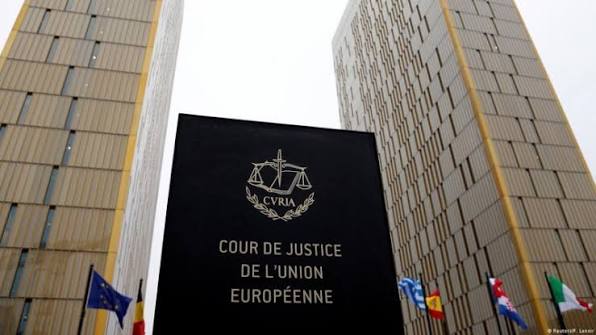
Consequences of Declining Trust in the Judiciary in Europe

SCFRonline – Opinion: The increase in public distrust of the French judicial system, which in recent surveys has reached approximately two-thirds of citizens, should be analyzed within a framework broader than temporary dissatisfaction or an emotional reaction to a particular criminal case.
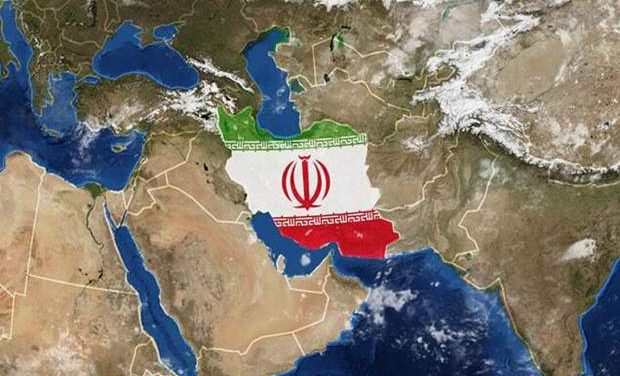

Iran’s Potential Levers of Power

SCFRonline– Opinion: Iran’s geopolitical power is not limited solely to oil and the Strait of Hormuz; the unintended emergence of disruptions in the future global food and energy security chains can also demonstrate Iran’s strategic importance.

The Inseparability of the Lebanese Front from the Axis of Resistance

SCFR Online–Opinion: By providing an extensive network of social, healthcare, educational, and post-war reconstruction services, Hezbollah has established a strong social base for itself among Lebanon’s Shiites and Sunnis, and even beyond that, among other segments of Lebanese society, including Christians. Hezbollah has never been an external actor imposed upon Lebanon; rather, it is a phenomenon fundamentally born out of the occupation and crimes of the Zionist regime and itself influenced by popular resistance.

The Increasing Efforts of the Zionist Regime to Redefine Borders and the Regional Order and Its Consequences

SCFR Online– Opinion: Security and military developments in the region over recent months indicate that the ongoing crises and wars in Gaza, southern Lebanon, and parts of Syrian territory encompass broader dimensions of geopolitical and geostrategic transformations. In this context, the increased military presence and control of the Zionist regime over parts of the territories of these areas, along with proposals regarding the creation of buffer zones or even the expansion of security borders, have raised serious questions about the future of the regional order and its consequences for the countries of West Asia.

Loading

Uncategorized

Greece-Libya-Turkey Tension Continues in Eastern Mediterranean Economic Zone

Greece-Libya-Turkey Tension Continues in Eastern Mediterranean Economic Zone

Strategic Council Online – Opinion: At the end of November, Greece expanded the area of activity of the vessel chartered by ExxonMobil and Hellenic Energy (former Hellenic Petroleum) to the south of the island of Crete by publishing a new instruction. This action was carried out following the pressure of the consortium on the Greek Ministry of Energy. The consortium claims that there is a possibility of discovering gas resources in that area. It is expected that through this measure, Athens intends to push the Libyan government to negotiate to delimit the maritime areas between the two countries or direct it to the option of referring it to the International Court of Justice.
Mahmoud Fazeli – Analyst of international affairs

EU Sanctions, Violation of Procedures Code, and Inalienable Human Rights

EU Sanctions, Violation of Procedures Code, and Inalienable Human Rights

Strategic Council Online: The history of the so-called human rights sanctions of the European Union against Iran goes back to April 12, 2011; when Catherine Ashton, the high representative of the EU for foreign affairs, announced the adoption of Decision 359/2011concerning restrictive measures including travel bans directed against certain persons, entities and bodies in view of the situation in Iran.
Dr. Ali Karbalaei Hosseini – Researcher on international law

US coalition building strategy to confront China in East Asia

US coalition building strategy to confront China in East Asia

Strategic Council Online-Interview: An international relations professor stated that with the rise of China’s power, the countries of East and Southeast Asia are involved in an arms race or have placed themselves in the shadow of US power, adding that the US is trying to prevent the increase of China’s influence in the East Asia region while establishing its military capabilities to make the countries of the region dependent on the US and prevent China from becoming a regional hegemon.

The future of the Korean Peninsula Crisis

The future of the Korean Peninsula Crisis

Strategic Council Online – Opinion: Late last November, Pyongyang conducted another missile test. This intercontinental ballistic missile, named Hwasong-17, is capable of carrying a nuclear warhead with a range of up to 15,000 kilometers if placed in a standard orbit.
Hossein Sayyahi – Researcher on international politics

US Approach to Deepening Saudi-China Relations

US Approach to Deepening Saudi-China Relations

Strategic Council Online – Interview: An expert on international affairs saying that the Persian Gulf region has become a part of the big global geostrategic game in competition with China, added: The Americans do not have many options to change the new strategic environment and will continue to try cautiously relations with Arab countries. But it is not clear that such efforts will achieve the expected result.

Strategic factors behind China’s (US rival) tendency towards the Persian Gulf region

Strategic factors behind China’s (US rival) tendency towards the Persian Gulf region

Strategic Council Online—Opinion: In the recent visit of the President of China to Saudi Arabia and the unacceptable association of this country with the anti-Iranian statements of the Saudi authorities and also the members of the Persian Gulf Cooperation Council, while provoking public anger in Iran, has raised various ideas and analyses surrounding why this happened and the reasons for China’s closeness to the Arab countries of the Persian Gulf; But in this news-analytical frenzy, what has been neglected or at least less addressed is the examination and analysis of the variables and factors that caused China to be attracted to the Persian Gulf region as a competing power of the United States and its eagerness to enter into strategic agreements with various countries in this region.
Mohammad Mehdi Mazaheri—University professor

Netanyahu’s Internal-External Problems, Pressures in Forming the Government

Netanyahu’s Internal-External Problems, Pressures in Forming the Government

Strategic Council Online – Interview: An expert on Middle East affairs, commenting about the process of formation of a government by Benjamin Netanyahu, the Prime Minister of the Zionist regime, said: It was almost in early November when the parliamentary or the Knesset elections were held in occupied Palestine, and despite the passage of more than 7 weeks, Netanyahu still has not been able to form the government, and for this reason, he has appealed to the president for another ten-day extension.

An Analysis of Mixed Battles of Resistance Groups in Occupied Palestine

An Analysis of Mixed Battles of Resistance Groups in Occupied Palestine

Strategic Council Online – Opinion: Residents of the Occupied Territories and the security and intelligence organizations of the Zionist regime are going through difficult times. Different areas of occupied Palestine are witnessing important and complex security incidents.
Barsam Mohammadi – Expert on regional affairs

An Analysis of Xi Jinping’s Approach during Riyadh Visit

An Analysis of Xi Jinping’s Approach during Riyadh Visit

Strategic Council Online – Interview: An expert on international affairs stated that China, contrary to its international practice, raised the issue of negotiation over Iran’s territorial integrity with regard to the UAE plan, and this issue clearly showed China’s cooperation with the approach of the Persian Gulf Cooperation Council led by Saudi Arabia and the UAE. He said: If China does not seek to make it up for the positions adopted during Xi Jinping’s visit to Riyadh regarding Iran, Tehran should conduct a deep review of its macro foreign policy, especially in relation to China, based on the upcoming developments.

أحدث الوظائف

Consequences of Declining Trust in the Judiciary in Europe

SCFRonline – Opinion: The increase in public distrust of the French judicial system, which in recent surveys has reached approximately two-thirds of citizens, should be analyzed within a framework broader than temporary dissatisfaction or an emotional reaction to a particular criminal case.

Iran’s Potential Levers of Power

SCFRonline– Opinion: Iran’s geopolitical power is not limited solely to oil and the Strait of Hormuz; the unintended emergence of disruptions in the future global food and energy security chains can also demonstrate Iran’s strategic importance.

The Inseparability of the Lebanese Front from the Axis of Resistance

SCFR Online–Opinion: By providing an extensive network of social, healthcare, educational, and post-war reconstruction services, Hezbollah has established a strong social base for itself among Lebanon’s Shiites and Sunnis, and even beyond that, among other segments of Lebanese society, including Christians. Hezbollah has never been an external actor imposed upon Lebanon; rather, it is a phenomenon fundamentally born out of the occupation and crimes of the Zionist regime and itself influenced by popular resistance.

The Increasing Efforts of the Zionist Regime to Redefine Borders and the Regional Order and Its Consequences

SCFR Online– Opinion: Security and military developments in the region over recent months indicate that the ongoing crises and wars in Gaza, southern Lebanon, and parts of Syrian territory encompass broader dimensions of geopolitical and geostrategic transformations. In this context, the increased military presence and control of the Zionist regime over parts of the territories of these areas, along with proposals regarding the creation of buffer zones or even the expansion of security borders, have raised serious questions about the future of the regional order and its consequences for the countries of West Asia.

Loading

Uncategorized

Greece-Libya-Turkey Tension Continues in Eastern Mediterranean Economic Zone

Greece-Libya-Turkey Tension Continues in Eastern Mediterranean Economic Zone

Strategic Council Online – Opinion: At the end of November, Greece expanded the area of activity of the vessel chartered by ExxonMobil and Hellenic Energy (former Hellenic Petroleum) to the south of the island of Crete by publishing a new instruction. This action was carried out following the pressure of the consortium on the Greek Ministry of Energy. The consortium claims that there is a possibility of discovering gas resources in that area. It is expected that through this measure, Athens intends to push the Libyan government to negotiate to delimit the maritime areas between the two countries or direct it to the option of referring it to the International Court of Justice.
Mahmoud Fazeli – Analyst of international affairs

EU Sanctions, Violation of Procedures Code, and Inalienable Human Rights

EU Sanctions, Violation of Procedures Code, and Inalienable Human Rights

Strategic Council Online: The history of the so-called human rights sanctions of the European Union against Iran goes back to April 12, 2011; when Catherine Ashton, the high representative of the EU for foreign affairs, announced the adoption of Decision 359/2011concerning restrictive measures including travel bans directed against certain persons, entities and bodies in view of the situation in Iran.
Dr. Ali Karbalaei Hosseini – Researcher on international law

US coalition building strategy to confront China in East Asia

US coalition building strategy to confront China in East Asia

Strategic Council Online-Interview: An international relations professor stated that with the rise of China’s power, the countries of East and Southeast Asia are involved in an arms race or have placed themselves in the shadow of US power, adding that the US is trying to prevent the increase of China’s influence in the East Asia region while establishing its military capabilities to make the countries of the region dependent on the US and prevent China from becoming a regional hegemon.

The future of the Korean Peninsula Crisis

The future of the Korean Peninsula Crisis

Strategic Council Online – Opinion: Late last November, Pyongyang conducted another missile test. This intercontinental ballistic missile, named Hwasong-17, is capable of carrying a nuclear warhead with a range of up to 15,000 kilometers if placed in a standard orbit.
Hossein Sayyahi – Researcher on international politics

US Approach to Deepening Saudi-China Relations

US Approach to Deepening Saudi-China Relations

Strategic Council Online – Interview: An expert on international affairs saying that the Persian Gulf region has become a part of the big global geostrategic game in competition with China, added: The Americans do not have many options to change the new strategic environment and will continue to try cautiously relations with Arab countries. But it is not clear that such efforts will achieve the expected result.

Strategic factors behind China’s (US rival) tendency towards the Persian Gulf region

Strategic factors behind China’s (US rival) tendency towards the Persian Gulf region

Strategic Council Online—Opinion: In the recent visit of the President of China to Saudi Arabia and the unacceptable association of this country with the anti-Iranian statements of the Saudi authorities and also the members of the Persian Gulf Cooperation Council, while provoking public anger in Iran, has raised various ideas and analyses surrounding why this happened and the reasons for China’s closeness to the Arab countries of the Persian Gulf; But in this news-analytical frenzy, what has been neglected or at least less addressed is the examination and analysis of the variables and factors that caused China to be attracted to the Persian Gulf region as a competing power of the United States and its eagerness to enter into strategic agreements with various countries in this region.
Mohammad Mehdi Mazaheri—University professor

Netanyahu’s Internal-External Problems, Pressures in Forming the Government

Netanyahu’s Internal-External Problems, Pressures in Forming the Government

Strategic Council Online – Interview: An expert on Middle East affairs, commenting about the process of formation of a government by Benjamin Netanyahu, the Prime Minister of the Zionist regime, said: It was almost in early November when the parliamentary or the Knesset elections were held in occupied Palestine, and despite the passage of more than 7 weeks, Netanyahu still has not been able to form the government, and for this reason, he has appealed to the president for another ten-day extension.

An Analysis of Mixed Battles of Resistance Groups in Occupied Palestine

An Analysis of Mixed Battles of Resistance Groups in Occupied Palestine

Strategic Council Online – Opinion: Residents of the Occupied Territories and the security and intelligence organizations of the Zionist regime are going through difficult times. Different areas of occupied Palestine are witnessing important and complex security incidents.
Barsam Mohammadi – Expert on regional affairs

An Analysis of Xi Jinping’s Approach during Riyadh Visit

An Analysis of Xi Jinping’s Approach during Riyadh Visit

Strategic Council Online – Interview: An expert on international affairs stated that China, contrary to its international practice, raised the issue of negotiation over Iran’s territorial integrity with regard to the UAE plan, and this issue clearly showed China’s cooperation with the approach of the Persian Gulf Cooperation Council led by Saudi Arabia and the UAE. He said: If China does not seek to make it up for the positions adopted during Xi Jinping’s visit to Riyadh regarding Iran, Tehran should conduct a deep review of its macro foreign policy, especially in relation to China, based on the upcoming developments.

Uncategorized

Greece-Libya-Turkey Tension Continues in Eastern Mediterranean Economic Zone

Greece-Libya-Turkey Tension Continues in Eastern Mediterranean Economic Zone

Strategic Council Online – Opinion: At the end of November, Greece expanded the area of activity of the vessel chartered by ExxonMobil and Hellenic Energy (former Hellenic Petroleum) to the south of the island of Crete by publishing a new instruction. This action was carried out following the pressure of the consortium on the Greek Ministry of Energy. The consortium claims that there is a possibility of discovering gas resources in that area. It is expected that through this measure, Athens intends to push the Libyan government to negotiate to delimit the maritime areas between the two countries or direct it to the option of referring it to the International Court of Justice.
Mahmoud Fazeli – Analyst of international affairs

EU Sanctions, Violation of Procedures Code, and Inalienable Human Rights

EU Sanctions, Violation of Procedures Code, and Inalienable Human Rights

Strategic Council Online: The history of the so-called human rights sanctions of the European Union against Iran goes back to April 12, 2011; when Catherine Ashton, the high representative of the EU for foreign affairs, announced the adoption of Decision 359/2011concerning restrictive measures including travel bans directed against certain persons, entities and bodies in view of the situation in Iran.
Dr. Ali Karbalaei Hosseini – Researcher on international law

US coalition building strategy to confront China in East Asia

US coalition building strategy to confront China in East Asia

Strategic Council Online-Interview: An international relations professor stated that with the rise of China’s power, the countries of East and Southeast Asia are involved in an arms race or have placed themselves in the shadow of US power, adding that the US is trying to prevent the increase of China’s influence in the East Asia region while establishing its military capabilities to make the countries of the region dependent on the US and prevent China from becoming a regional hegemon.

The future of the Korean Peninsula Crisis

The future of the Korean Peninsula Crisis

Strategic Council Online – Opinion: Late last November, Pyongyang conducted another missile test. This intercontinental ballistic missile, named Hwasong-17, is capable of carrying a nuclear warhead with a range of up to 15,000 kilometers if placed in a standard orbit.
Hossein Sayyahi – Researcher on international politics

US Approach to Deepening Saudi-China Relations

US Approach to Deepening Saudi-China Relations

Strategic Council Online – Interview: An expert on international affairs saying that the Persian Gulf region has become a part of the big global geostrategic game in competition with China, added: The Americans do not have many options to change the new strategic environment and will continue to try cautiously relations with Arab countries. But it is not clear that such efforts will achieve the expected result.

Strategic factors behind China’s (US rival) tendency towards the Persian Gulf region

Strategic factors behind China’s (US rival) tendency towards the Persian Gulf region

Strategic Council Online—Opinion: In the recent visit of the President of China to Saudi Arabia and the unacceptable association of this country with the anti-Iranian statements of the Saudi authorities and also the members of the Persian Gulf Cooperation Council, while provoking public anger in Iran, has raised various ideas and analyses surrounding why this happened and the reasons for China’s closeness to the Arab countries of the Persian Gulf; But in this news-analytical frenzy, what has been neglected or at least less addressed is the examination and analysis of the variables and factors that caused China to be attracted to the Persian Gulf region as a competing power of the United States and its eagerness to enter into strategic agreements with various countries in this region.
Mohammad Mehdi Mazaheri—University professor

Netanyahu’s Internal-External Problems, Pressures in Forming the Government

Netanyahu’s Internal-External Problems, Pressures in Forming the Government

Strategic Council Online – Interview: An expert on Middle East affairs, commenting about the process of formation of a government by Benjamin Netanyahu, the Prime Minister of the Zionist regime, said: It was almost in early November when the parliamentary or the Knesset elections were held in occupied Palestine, and despite the passage of more than 7 weeks, Netanyahu still has not been able to form the government, and for this reason, he has appealed to the president for another ten-day extension.

An Analysis of Mixed Battles of Resistance Groups in Occupied Palestine

An Analysis of Mixed Battles of Resistance Groups in Occupied Palestine

Strategic Council Online – Opinion: Residents of the Occupied Territories and the security and intelligence organizations of the Zionist regime are going through difficult times. Different areas of occupied Palestine are witnessing important and complex security incidents.
Barsam Mohammadi – Expert on regional affairs

An Analysis of Xi Jinping’s Approach during Riyadh Visit

An Analysis of Xi Jinping’s Approach during Riyadh Visit

Strategic Council Online – Interview: An expert on international affairs stated that China, contrary to its international practice, raised the issue of negotiation over Iran’s territorial integrity with regard to the UAE plan, and this issue clearly showed China’s cooperation with the approach of the Persian Gulf Cooperation Council led by Saudi Arabia and the UAE. He said: If China does not seek to make it up for the positions adopted during Xi Jinping’s visit to Riyadh regarding Iran, Tehran should conduct a deep review of its macro foreign policy, especially in relation to China, based on the upcoming developments.

LATEST CONTENT

Consequences of Declining Trust in the Judiciary in Europe

SCFRonline – Opinion: The increase in public distrust of the French judicial system, which in recent surveys has reached approximately two-thirds of citizens, should be analyzed within a framework broader than temporary dissatisfaction or an emotional reaction to a particular criminal case.
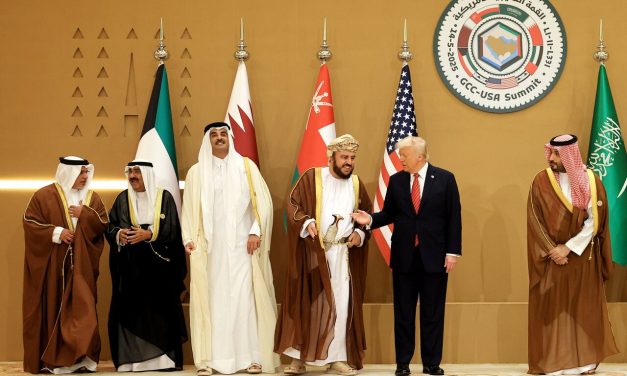
Iran’s Potential Levers of Power

SCFRonline– Opinion: Iran’s geopolitical power is not limited solely to oil and the Strait of Hormuz; the unintended emergence of disruptions in the future global food and energy security chains can also demonstrate Iran’s strategic importance.

The Inseparability of the Lebanese Front from the Axis of Resistance

SCFR Online–Opinion: By providing an extensive network of social, healthcare, educational, and post-war reconstruction services, Hezbollah has established a strong social base for itself among Lebanon’s Shiites and Sunnis, and even beyond that, among other segments of Lebanese society, including Christians. Hezbollah has never been an external actor imposed upon Lebanon; rather, it is a phenomenon fundamentally born out of the occupation and crimes of the Zionist regime and itself influenced by popular resistance.

The Increasing Efforts of the Zionist Regime to Redefine Borders and the Regional Order and Its Consequences

SCFR Online– Opinion: Security and military developments in the region over recent months indicate that the ongoing crises and wars in Gaza, southern Lebanon, and parts of Syrian territory encompass broader dimensions of geopolitical and geostrategic transformations. In this context, the increased military presence and control of the Zionist regime over parts of the territories of these areas, along with proposals regarding the creation of buffer zones or even the expansion of security borders, have raised serious questions about the future of the regional order and its consequences for the countries of West Asia.

Loading

Uncategorized

Greece-Libya-Turkey Tension Continues in Eastern Mediterranean Economic Zone

Greece-Libya-Turkey Tension Continues in Eastern Mediterranean Economic Zone

Strategic Council Online – Opinion: At the end of November, Greece expanded the area of activity of the vessel chartered by ExxonMobil and Hellenic Energy (former Hellenic Petroleum) to the south of the island of Crete by publishing a new instruction. This action was carried out following the pressure of the consortium on the Greek Ministry of Energy. The consortium claims that there is a possibility of discovering gas resources in that area. It is expected that through this measure, Athens intends to push the Libyan government to negotiate to delimit the maritime areas between the two countries or direct it to the option of referring it to the International Court of Justice.
Mahmoud Fazeli – Analyst of international affairs

EU Sanctions, Violation of Procedures Code, and Inalienable Human Rights

EU Sanctions, Violation of Procedures Code, and Inalienable Human Rights

Strategic Council Online: The history of the so-called human rights sanctions of the European Union against Iran goes back to April 12, 2011; when Catherine Ashton, the high representative of the EU for foreign affairs, announced the adoption of Decision 359/2011concerning restrictive measures including travel bans directed against certain persons, entities and bodies in view of the situation in Iran.
Dr. Ali Karbalaei Hosseini – Researcher on international law

US coalition building strategy to confront China in East Asia

US coalition building strategy to confront China in East Asia

Strategic Council Online-Interview: An international relations professor stated that with the rise of China’s power, the countries of East and Southeast Asia are involved in an arms race or have placed themselves in the shadow of US power, adding that the US is trying to prevent the increase of China’s influence in the East Asia region while establishing its military capabilities to make the countries of the region dependent on the US and prevent China from becoming a regional hegemon.

The future of the Korean Peninsula Crisis

The future of the Korean Peninsula Crisis

Strategic Council Online – Opinion: Late last November, Pyongyang conducted another missile test. This intercontinental ballistic missile, named Hwasong-17, is capable of carrying a nuclear warhead with a range of up to 15,000 kilometers if placed in a standard orbit.
Hossein Sayyahi – Researcher on international politics

US Approach to Deepening Saudi-China Relations

US Approach to Deepening Saudi-China Relations

Strategic Council Online – Interview: An expert on international affairs saying that the Persian Gulf region has become a part of the big global geostrategic game in competition with China, added: The Americans do not have many options to change the new strategic environment and will continue to try cautiously relations with Arab countries. But it is not clear that such efforts will achieve the expected result.

Strategic factors behind China’s (US rival) tendency towards the Persian Gulf region

Strategic factors behind China’s (US rival) tendency towards the Persian Gulf region

Strategic Council Online—Opinion: In the recent visit of the President of China to Saudi Arabia and the unacceptable association of this country with the anti-Iranian statements of the Saudi authorities and also the members of the Persian Gulf Cooperation Council, while provoking public anger in Iran, has raised various ideas and analyses surrounding why this happened and the reasons for China’s closeness to the Arab countries of the Persian Gulf; But in this news-analytical frenzy, what has been neglected or at least less addressed is the examination and analysis of the variables and factors that caused China to be attracted to the Persian Gulf region as a competing power of the United States and its eagerness to enter into strategic agreements with various countries in this region.
Mohammad Mehdi Mazaheri—University professor

Netanyahu’s Internal-External Problems, Pressures in Forming the Government

Netanyahu’s Internal-External Problems, Pressures in Forming the Government

Strategic Council Online – Interview: An expert on Middle East affairs, commenting about the process of formation of a government by Benjamin Netanyahu, the Prime Minister of the Zionist regime, said: It was almost in early November when the parliamentary or the Knesset elections were held in occupied Palestine, and despite the passage of more than 7 weeks, Netanyahu still has not been able to form the government, and for this reason, he has appealed to the president for another ten-day extension.

An Analysis of Mixed Battles of Resistance Groups in Occupied Palestine

An Analysis of Mixed Battles of Resistance Groups in Occupied Palestine

Strategic Council Online – Opinion: Residents of the Occupied Territories and the security and intelligence organizations of the Zionist regime are going through difficult times. Different areas of occupied Palestine are witnessing important and complex security incidents.
Barsam Mohammadi – Expert on regional affairs

An Analysis of Xi Jinping’s Approach during Riyadh Visit

An Analysis of Xi Jinping’s Approach during Riyadh Visit

Strategic Council Online – Interview: An expert on international affairs stated that China, contrary to its international practice, raised the issue of negotiation over Iran’s territorial integrity with regard to the UAE plan, and this issue clearly showed China’s cooperation with the approach of the Persian Gulf Cooperation Council led by Saudi Arabia and the UAE. He said: If China does not seek to make it up for the positions adopted during Xi Jinping’s visit to Riyadh regarding Iran, Tehran should conduct a deep review of its macro foreign policy, especially in relation to China, based on the upcoming developments.

ÚLTIMAS PUBLICACIONES

Consequences of Declining Trust in the Judiciary in Europe

SCFRonline – Opinion: The increase in public distrust of the French judicial system, which in recent surveys has reached approximately two-thirds of citizens, should be analyzed within a framework broader than temporary dissatisfaction or an emotional reaction to a particular criminal case.
Iran’s Potential Levers of Power

SCFRonline– Opinion: Iran’s geopolitical power is not limited solely to oil and the Strait of Hormuz; the unintended emergence of disruptions in the future global food and energy security chains can also demonstrate Iran’s strategic importance.

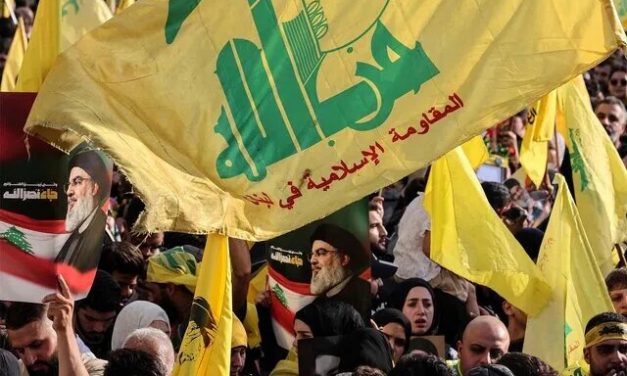
The Inseparability of the Lebanese Front from the Axis of Resistance

SCFR Online–Opinion: By providing an extensive network of social, healthcare, educational, and post-war reconstruction services, Hezbollah has established a strong social base for itself among Lebanon’s Shiites and Sunnis, and even beyond that, among other segments of Lebanese society, including Christians. Hezbollah has never been an external actor imposed upon Lebanon; rather, it is a phenomenon fundamentally born out of the occupation and crimes of the Zionist regime and itself influenced by popular resistance.

The Increasing Efforts of the Zionist Regime to Redefine Borders and the Regional Order and Its Consequences

SCFR Online– Opinion: Security and military developments in the region over recent months indicate that the ongoing crises and wars in Gaza, southern Lebanon, and parts of Syrian territory encompass broader dimensions of geopolitical and geostrategic transformations. In this context, the increased military presence and control of the Zionist regime over parts of the territories of these areas, along with proposals regarding the creation of buffer zones or even the expansion of security borders, have raised serious questions about the future of the regional order and its consequences for the countries of West Asia.

Loading

Uncategorized

Greece-Libya-Turkey Tension Continues in Eastern Mediterranean Economic Zone

Greece-Libya-Turkey Tension Continues in Eastern Mediterranean Economic Zone

Strategic Council Online – Opinion: At the end of November, Greece expanded the area of activity of the vessel chartered by ExxonMobil and Hellenic Energy (former Hellenic Petroleum) to the south of the island of Crete by publishing a new instruction. This action was carried out following the pressure of the consortium on the Greek Ministry of Energy. The consortium claims that there is a possibility of discovering gas resources in that area. It is expected that through this measure, Athens intends to push the Libyan government to negotiate to delimit the maritime areas between the two countries or direct it to the option of referring it to the International Court of Justice.
Mahmoud Fazeli – Analyst of international affairs

EU Sanctions, Violation of Procedures Code, and Inalienable Human Rights

EU Sanctions, Violation of Procedures Code, and Inalienable Human Rights

Strategic Council Online: The history of the so-called human rights sanctions of the European Union against Iran goes back to April 12, 2011; when Catherine Ashton, the high representative of the EU for foreign affairs, announced the adoption of Decision 359/2011concerning restrictive measures including travel bans directed against certain persons, entities and bodies in view of the situation in Iran.
Dr. Ali Karbalaei Hosseini – Researcher on international law

US coalition building strategy to confront China in East Asia

US coalition building strategy to confront China in East Asia

Strategic Council Online-Interview: An international relations professor stated that with the rise of China’s power, the countries of East and Southeast Asia are involved in an arms race or have placed themselves in the shadow of US power, adding that the US is trying to prevent the increase of China’s influence in the East Asia region while establishing its military capabilities to make the countries of the region dependent on the US and prevent China from becoming a regional hegemon.

The future of the Korean Peninsula Crisis

The future of the Korean Peninsula Crisis

Strategic Council Online – Opinion: Late last November, Pyongyang conducted another missile test. This intercontinental ballistic missile, named Hwasong-17, is capable of carrying a nuclear warhead with a range of up to 15,000 kilometers if placed in a standard orbit.
Hossein Sayyahi – Researcher on international politics

US Approach to Deepening Saudi-China Relations

US Approach to Deepening Saudi-China Relations

Strategic Council Online – Interview: An expert on international affairs saying that the Persian Gulf region has become a part of the big global geostrategic game in competition with China, added: The Americans do not have many options to change the new strategic environment and will continue to try cautiously relations with Arab countries. But it is not clear that such efforts will achieve the expected result.

Strategic factors behind China’s (US rival) tendency towards the Persian Gulf region

Strategic factors behind China’s (US rival) tendency towards the Persian Gulf region

Strategic Council Online—Opinion: In the recent visit of the President of China to Saudi Arabia and the unacceptable association of this country with the anti-Iranian statements of the Saudi authorities and also the members of the Persian Gulf Cooperation Council, while provoking public anger in Iran, has raised various ideas and analyses surrounding why this happened and the reasons for China’s closeness to the Arab countries of the Persian Gulf; But in this news-analytical frenzy, what has been neglected or at least less addressed is the examination and analysis of the variables and factors that caused China to be attracted to the Persian Gulf region as a competing power of the United States and its eagerness to enter into strategic agreements with various countries in this region.
Mohammad Mehdi Mazaheri—University professor

Netanyahu’s Internal-External Problems, Pressures in Forming the Government

Netanyahu’s Internal-External Problems, Pressures in Forming the Government

Strategic Council Online – Interview: An expert on Middle East affairs, commenting about the process of formation of a government by Benjamin Netanyahu, the Prime Minister of the Zionist regime, said: It was almost in early November when the parliamentary or the Knesset elections were held in occupied Palestine, and despite the passage of more than 7 weeks, Netanyahu still has not been able to form the government, and for this reason, he has appealed to the president for another ten-day extension.

An Analysis of Mixed Battles of Resistance Groups in Occupied Palestine

An Analysis of Mixed Battles of Resistance Groups in Occupied Palestine

Strategic Council Online – Opinion: Residents of the Occupied Territories and the security and intelligence organizations of the Zionist regime are going through difficult times. Different areas of occupied Palestine are witnessing important and complex security incidents.
Barsam Mohammadi – Expert on regional affairs

An Analysis of Xi Jinping’s Approach during Riyadh Visit

An Analysis of Xi Jinping’s Approach during Riyadh Visit

Strategic Council Online – Interview: An expert on international affairs stated that China, contrary to its international practice, raised the issue of negotiation over Iran’s territorial integrity with regard to the UAE plan, and this issue clearly showed China’s cooperation with the approach of the Persian Gulf Cooperation Council led by Saudi Arabia and the UAE. He said: If China does not seek to make it up for the positions adopted during Xi Jinping’s visit to Riyadh regarding Iran, Tehran should conduct a deep review of its macro foreign policy, especially in relation to China, based on the upcoming developments.

ÚLTIMAS PUBLICACIONES

Consequences of Declining Trust in the Judiciary in Europe

SCFRonline – Opinion: The increase in public distrust of the French judicial system, which in recent surveys has reached approximately two-thirds of citizens, should be analyzed within a framework broader than temporary dissatisfaction or an emotional reaction to a particular criminal case.
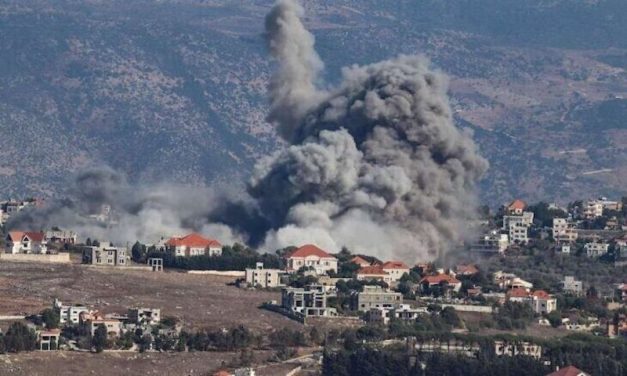
Iran’s Potential Levers of Power

SCFRonline– Opinion: Iran’s geopolitical power is not limited solely to oil and the Strait of Hormuz; the unintended emergence of disruptions in the future global food and energy security chains can also demonstrate Iran’s strategic importance.

The Inseparability of the Lebanese Front from the Axis of Resistance

SCFR Online–Opinion: By providing an extensive network of social, healthcare, educational, and post-war reconstruction services, Hezbollah has established a strong social base for itself among Lebanon’s Shiites and Sunnis, and even beyond that, among other segments of Lebanese society, including Christians. Hezbollah has never been an external actor imposed upon Lebanon; rather, it is a phenomenon fundamentally born out of the occupation and crimes of the Zionist regime and itself influenced by popular resistance.

The Increasing Efforts of the Zionist Regime to Redefine Borders and the Regional Order and Its Consequences

SCFR Online– Opinion: Security and military developments in the region over recent months indicate that the ongoing crises and wars in Gaza, southern Lebanon, and parts of Syrian territory encompass broader dimensions of geopolitical and geostrategic transformations. In this context, the increased military presence and control of the Zionist regime over parts of the territories of these areas, along with proposals regarding the creation of buffer zones or even the expansion of security borders, have raised serious questions about the future of the regional order and its consequences for the countries of West Asia.

Loading

Uncategorized

Greece-Libya-Turkey Tension Continues in Eastern Mediterranean Economic Zone

Greece-Libya-Turkey Tension Continues in Eastern Mediterranean Economic Zone

Strategic Council Online – Opinion: At the end of November, Greece expanded the area of activity of the vessel chartered by ExxonMobil and Hellenic Energy (former Hellenic Petroleum) to the south of the island of Crete by publishing a new instruction. This action was carried out following the pressure of the consortium on the Greek Ministry of Energy. The consortium claims that there is a possibility of discovering gas resources in that area. It is expected that through this measure, Athens intends to push the Libyan government to negotiate to delimit the maritime areas between the two countries or direct it to the option of referring it to the International Court of Justice.
Mahmoud Fazeli – Analyst of international affairs

EU Sanctions, Violation of Procedures Code, and Inalienable Human Rights

EU Sanctions, Violation of Procedures Code, and Inalienable Human Rights

Strategic Council Online: The history of the so-called human rights sanctions of the European Union against Iran goes back to April 12, 2011; when Catherine Ashton, the high representative of the EU for foreign affairs, announced the adoption of Decision 359/2011concerning restrictive measures including travel bans directed against certain persons, entities and bodies in view of the situation in Iran.
Dr. Ali Karbalaei Hosseini – Researcher on international law

US coalition building strategy to confront China in East Asia

US coalition building strategy to confront China in East Asia

Strategic Council Online-Interview: An international relations professor stated that with the rise of China’s power, the countries of East and Southeast Asia are involved in an arms race or have placed themselves in the shadow of US power, adding that the US is trying to prevent the increase of China’s influence in the East Asia region while establishing its military capabilities to make the countries of the region dependent on the US and prevent China from becoming a regional hegemon.

The future of the Korean Peninsula Crisis

The future of the Korean Peninsula Crisis

Strategic Council Online – Opinion: Late last November, Pyongyang conducted another missile test. This intercontinental ballistic missile, named Hwasong-17, is capable of carrying a nuclear warhead with a range of up to 15,000 kilometers if placed in a standard orbit.
Hossein Sayyahi – Researcher on international politics

US Approach to Deepening Saudi-China Relations

US Approach to Deepening Saudi-China Relations

Strategic Council Online – Interview: An expert on international affairs saying that the Persian Gulf region has become a part of the big global geostrategic game in competition with China, added: The Americans do not have many options to change the new strategic environment and will continue to try cautiously relations with Arab countries. But it is not clear that such efforts will achieve the expected result.

Strategic factors behind China’s (US rival) tendency towards the Persian Gulf region

Strategic factors behind China’s (US rival) tendency towards the Persian Gulf region

Strategic Council Online—Opinion: In the recent visit of the President of China to Saudi Arabia and the unacceptable association of this country with the anti-Iranian statements of the Saudi authorities and also the members of the Persian Gulf Cooperation Council, while provoking public anger in Iran, has raised various ideas and analyses surrounding why this happened and the reasons for China’s closeness to the Arab countries of the Persian Gulf; But in this news-analytical frenzy, what has been neglected or at least less addressed is the examination and analysis of the variables and factors that caused China to be attracted to the Persian Gulf region as a competing power of the United States and its eagerness to enter into strategic agreements with various countries in this region.
Mohammad Mehdi Mazaheri—University professor

Netanyahu’s Internal-External Problems, Pressures in Forming the Government

Netanyahu’s Internal-External Problems, Pressures in Forming the Government

Strategic Council Online – Interview: An expert on Middle East affairs, commenting about the process of formation of a government by Benjamin Netanyahu, the Prime Minister of the Zionist regime, said: It was almost in early November when the parliamentary or the Knesset elections were held in occupied Palestine, and despite the passage of more than 7 weeks, Netanyahu still has not been able to form the government, and for this reason, he has appealed to the president for another ten-day extension.

An Analysis of Mixed Battles of Resistance Groups in Occupied Palestine

An Analysis of Mixed Battles of Resistance Groups in Occupied Palestine

Strategic Council Online – Opinion: Residents of the Occupied Territories and the security and intelligence organizations of the Zionist regime are going through difficult times. Different areas of occupied Palestine are witnessing important and complex security incidents.
Barsam Mohammadi – Expert on regional affairs

An Analysis of Xi Jinping’s Approach during Riyadh Visit

An Analysis of Xi Jinping’s Approach during Riyadh Visit

Strategic Council Online – Interview: An expert on international affairs stated that China, contrary to its international practice, raised the issue of negotiation over Iran’s territorial integrity with regard to the UAE plan, and this issue clearly showed China’s cooperation with the approach of the Persian Gulf Cooperation Council led by Saudi Arabia and the UAE. He said: If China does not seek to make it up for the positions adopted during Xi Jinping’s visit to Riyadh regarding Iran, Tehran should conduct a deep review of its macro foreign policy, especially in relation to China, based on the upcoming developments.

ÚLTIMAS PUBLICACIONES

Consequences of Declining Trust in the Judiciary in Europe

SCFRonline – Opinion: The increase in public distrust of the French judicial system, which in recent surveys has reached approximately two-thirds of citizens, should be analyzed within a framework broader than temporary dissatisfaction or an emotional reaction to a particular criminal case.
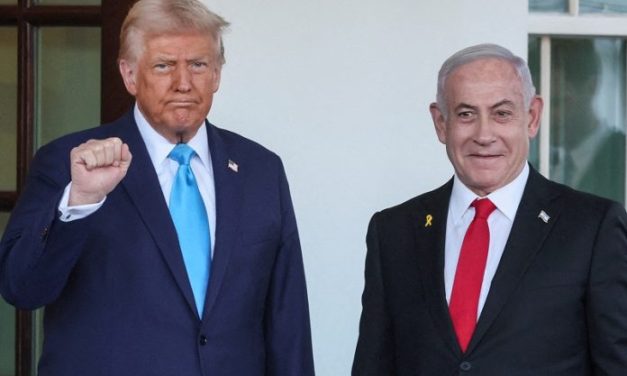
Iran’s Potential Levers of Power

SCFRonline– Opinion: Iran’s geopolitical power is not limited solely to oil and the Strait of Hormuz; the unintended emergence of disruptions in the future global food and energy security chains can also demonstrate Iran’s strategic importance.

The Inseparability of the Lebanese Front from the Axis of Resistance

SCFR Online–Opinion: By providing an extensive network of social, healthcare, educational, and post-war reconstruction services, Hezbollah has established a strong social base for itself among Lebanon’s Shiites and Sunnis, and even beyond that, among other segments of Lebanese society, including Christians. Hezbollah has never been an external actor imposed upon Lebanon; rather, it is a phenomenon fundamentally born out of the occupation and crimes of the Zionist regime and itself influenced by popular resistance.

The Increasing Efforts of the Zionist Regime to Redefine Borders and the Regional Order and Its Consequences

SCFR Online– Opinion: Security and military developments in the region over recent months indicate that the ongoing crises and wars in Gaza, southern Lebanon, and parts of Syrian territory encompass broader dimensions of geopolitical and geostrategic transformations. In this context, the increased military presence and control of the Zionist regime over parts of the territories of these areas, along with proposals regarding the creation of buffer zones or even the expansion of security borders, have raised serious questions about the future of the regional order and its consequences for the countries of West Asia.

Loading

Uncategorized

Greece-Libya-Turkey Tension Continues in Eastern Mediterranean Economic Zone

Greece-Libya-Turkey Tension Continues in Eastern Mediterranean Economic Zone

Strategic Council Online – Opinion: At the end of November, Greece expanded the area of activity of the vessel chartered by ExxonMobil and Hellenic Energy (former Hellenic Petroleum) to the south of the island of Crete by publishing a new instruction. This action was carried out following the pressure of the consortium on the Greek Ministry of Energy. The consortium claims that there is a possibility of discovering gas resources in that area. It is expected that through this measure, Athens intends to push the Libyan government to negotiate to delimit the maritime areas between the two countries or direct it to the option of referring it to the International Court of Justice.
Mahmoud Fazeli – Analyst of international affairs

EU Sanctions, Violation of Procedures Code, and Inalienable Human Rights

EU Sanctions, Violation of Procedures Code, and Inalienable Human Rights

Strategic Council Online: The history of the so-called human rights sanctions of the European Union against Iran goes back to April 12, 2011; when Catherine Ashton, the high representative of the EU for foreign affairs, announced the adoption of Decision 359/2011concerning restrictive measures including travel bans directed against certain persons, entities and bodies in view of the situation in Iran.
Dr. Ali Karbalaei Hosseini – Researcher on international law

US coalition building strategy to confront China in East Asia

US coalition building strategy to confront China in East Asia

Strategic Council Online-Interview: An international relations professor stated that with the rise of China’s power, the countries of East and Southeast Asia are involved in an arms race or have placed themselves in the shadow of US power, adding that the US is trying to prevent the increase of China’s influence in the East Asia region while establishing its military capabilities to make the countries of the region dependent on the US and prevent China from becoming a regional hegemon.

The future of the Korean Peninsula Crisis

The future of the Korean Peninsula Crisis

Strategic Council Online – Opinion: Late last November, Pyongyang conducted another missile test. This intercontinental ballistic missile, named Hwasong-17, is capable of carrying a nuclear warhead with a range of up to 15,000 kilometers if placed in a standard orbit.
Hossein Sayyahi – Researcher on international politics

US Approach to Deepening Saudi-China Relations

US Approach to Deepening Saudi-China Relations

Strategic Council Online – Interview: An expert on international affairs saying that the Persian Gulf region has become a part of the big global geostrategic game in competition with China, added: The Americans do not have many options to change the new strategic environment and will continue to try cautiously relations with Arab countries. But it is not clear that such efforts will achieve the expected result.

Strategic factors behind China’s (US rival) tendency towards the Persian Gulf region

Strategic factors behind China’s (US rival) tendency towards the Persian Gulf region

Strategic Council Online—Opinion: In the recent visit of the President of China to Saudi Arabia and the unacceptable association of this country with the anti-Iranian statements of the Saudi authorities and also the members of the Persian Gulf Cooperation Council, while provoking public anger in Iran, has raised various ideas and analyses surrounding why this happened and the reasons for China’s closeness to the Arab countries of the Persian Gulf; But in this news-analytical frenzy, what has been neglected or at least less addressed is the examination and analysis of the variables and factors that caused China to be attracted to the Persian Gulf region as a competing power of the United States and its eagerness to enter into strategic agreements with various countries in this region.
Mohammad Mehdi Mazaheri—University professor

Netanyahu’s Internal-External Problems, Pressures in Forming the Government

Netanyahu’s Internal-External Problems, Pressures in Forming the Government

Strategic Council Online – Interview: An expert on Middle East affairs, commenting about the process of formation of a government by Benjamin Netanyahu, the Prime Minister of the Zionist regime, said: It was almost in early November when the parliamentary or the Knesset elections were held in occupied Palestine, and despite the passage of more than 7 weeks, Netanyahu still has not been able to form the government, and for this reason, he has appealed to the president for another ten-day extension.

An Analysis of Mixed Battles of Resistance Groups in Occupied Palestine

An Analysis of Mixed Battles of Resistance Groups in Occupied Palestine

Strategic Council Online – Opinion: Residents of the Occupied Territories and the security and intelligence organizations of the Zionist regime are going through difficult times. Different areas of occupied Palestine are witnessing important and complex security incidents.
Barsam Mohammadi – Expert on regional affairs

An Analysis of Xi Jinping’s Approach during Riyadh Visit

An Analysis of Xi Jinping’s Approach during Riyadh Visit

Strategic Council Online – Interview: An expert on international affairs stated that China, contrary to its international practice, raised the issue of negotiation over Iran’s territorial integrity with regard to the UAE plan, and this issue clearly showed China’s cooperation with the approach of the Persian Gulf Cooperation Council led by Saudi Arabia and the UAE. He said: If China does not seek to make it up for the positions adopted during Xi Jinping’s visit to Riyadh regarding Iran, Tehran should conduct a deep review of its macro foreign policy, especially in relation to China, based on the upcoming developments.

ÚLTIMAS PUBLICACIONES

Consequences of Declining Trust in the Judiciary in Europe

SCFRonline – Opinion: The increase in public distrust of the French judicial system, which in recent surveys has reached approximately two-thirds of citizens, should be analyzed within a framework broader than temporary dissatisfaction or an emotional reaction to a particular criminal case.

Iran’s Potential Levers of Power

SCFRonline– Opinion: Iran’s geopolitical power is not limited solely to oil and the Strait of Hormuz; the unintended emergence of disruptions in the future global food and energy security chains can also demonstrate Iran’s strategic importance.

The Inseparability of the Lebanese Front from the Axis of Resistance

SCFR Online–Opinion: By providing an extensive network of social, healthcare, educational, and post-war reconstruction services, Hezbollah has established a strong social base for itself among Lebanon’s Shiites and Sunnis, and even beyond that, among other segments of Lebanese society, including Christians. Hezbollah has never been an external actor imposed upon Lebanon; rather, it is a phenomenon fundamentally born out of the occupation and crimes of the Zionist regime and itself influenced by popular resistance.

The Increasing Efforts of the Zionist Regime to Redefine Borders and the Regional Order and Its Consequences

SCFR Online– Opinion: Security and military developments in the region over recent months indicate that the ongoing crises and wars in Gaza, southern Lebanon, and parts of Syrian territory encompass broader dimensions of geopolitical and geostrategic transformations. In this context, the increased military presence and control of the Zionist regime over parts of the territories of these areas, along with proposals regarding the creation of buffer zones or even the expansion of security borders, have raised serious questions about the future of the regional order and its consequences for the countries of West Asia.

Loading